Neutrals Bedroom Ideas 2026: 22 Elegant Ways To Create A Calm, Timeless Space
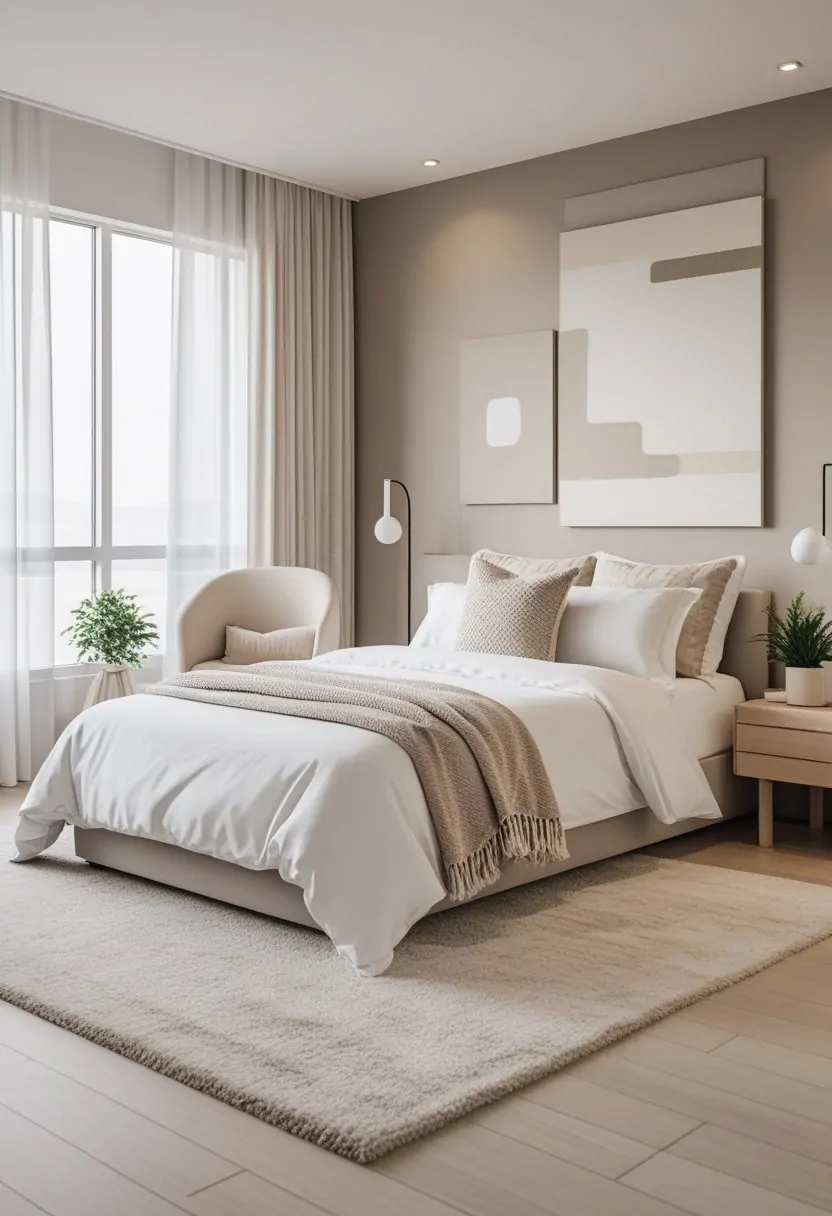
A neutral bedroom creates a calm and balanced space that feels both timeless and modern. Soft tones like beige, taupe, and gray set the stage for a room that invites rest and comfort without feeling dull or plain. A well-designed neutral palette helps transform any bedroom into a peaceful retreat that supports relaxation and clarity.

In 2026, neutral design continues to evolve with layered textures, natural materials, and subtle contrasts that add depth and warmth. This approach focuses on creating harmony through simple choices that work together effortlessly, offering a fresh way to design a space that feels both current and enduring.
1) Use warm taupe walls for a cozy base

Warm taupe walls create a calm and inviting background for a bedroom. The soft tone helps balance light and dark elements in the space.
They pair well with neutral furniture and natural textures like wood or linen. This combination keeps the room comfortable while maintaining a clean, modern look.
2) Layer soft cream bedding with textured throws

They can create depth by combining smooth cream sheets with textured blankets.
Chunky knit or linen throws add warmth and contrast without changing the neutral color scheme.
This simple layering makes the bed look inviting while keeping the space calm and balanced.
3) Incorporate natural wood furniture for warmth

Natural wood furniture adds gentle warmth and texture to a neutral bedroom.
They can use oak, walnut, or pine to bring a subtle contrast to beige or gray tones.
Simple wood frames, nightstands, or dressers create a calm, grounded look that feels inviting without overwhelming the space.
4) Add linen curtains in a light beige tone

Light beige linen curtains bring warmth and softness to a neutral bedroom.
Their natural texture filters sunlight gently, creating a calm and balanced atmosphere.
This shade pairs easily with gray, taupe, or white tones, helping the space feel cohesive and inviting without drawing too much attention.
5) Use a mix of matte and glossy finishes

They can combine matte and glossy surfaces to create balance and visual depth. Matte finishes work well for walls or large furniture, giving a calm backdrop. Glossy accents on lighting, décor, or small furniture pieces reflect light and add brightness. This mix keeps a neutral bedroom interesting and layered.
6) Place a jute rug for natural texture

A jute rug adds gentle warmth and texture to a neutral bedroom. Its natural fibers create a calm, balanced look that fits both modern and classic styles.
They can choose a light tone for an airy feel or a darker shade for subtle contrast. The rug’s texture grounds the space without overpowering it.
7) Choose soft gray accent pillows

Soft gray accent pillows add calm contrast to neutral bedding.
They blend easily with beige, white, or taupe tones, keeping the space balanced.
Using varied textures like linen or velvet gives the bed more depth.
This simple update refreshes the room without changing the main color palette.
8) Install ambient lighting with dimmers

They can use ambient lighting to create a calm and balanced bedroom atmosphere.
Soft ceiling lights or wall sconces provide even illumination without harsh glare.
Adding dimmers allows easy adjustment for reading, relaxing, or sleeping, helping the space stay both functional and comfortable.
9) Add woven baskets for functional decor

Woven baskets bring both texture and practicality to a neutral bedroom. They fit well with natural tones like beige, taupe, and gray.
They work as storage for blankets, pillows, or magazines while keeping the space tidy. Their simple design adds warmth without overwhelming the room’s calm style.
10) Use ceramic bedside lamps in neutral shades

Ceramic bedside lamps in beige, cream, or light gray add warmth and texture to a neutral bedroom.
Their simple shapes and matte finishes blend easily with soft bedding and natural materials.
They provide gentle lighting that supports a calm and balanced atmosphere suitable for rest.
11) Incorporate a plush beige headboard

A plush beige headboard adds warmth and texture to a neutral bedroom. Its soft tone blends easily with beige, gray, or taupe bedding.
They can choose fabric upholstery for a cozy look or a simple linen finish for a clean, modern style.
This subtle feature helps anchor the room without overwhelming the space.
12) Display abstract art in muted colors

Abstract art in soft, neutral tones can add depth without overwhelming a bedroom.
Pieces with beige, gray, or muted blue shades blend easily with modern or minimalist designs.
They create a calm focal point that complements natural textures and warm lighting.
13) Use soft white ceiling paint for brightness

Soft white ceiling paint reflects light and helps a bedroom feel open and airy.
It pairs well with beige, gray, or taupe walls, keeping the space balanced and calm.
Using the same soft white on trim or molding can create a seamless, clean look that enhances brightness.
14) Add greenery with simple potted plants

Simple potted plants bring a natural touch to a neutral bedroom.
They add soft color, improve air freshness, and make the space feel calm.
Small succulents, ferns, or vines work well on shelves or windowsills, blending easily with beige, gray, or taupe tones for a balanced and peaceful look.
15) Include a bench with neutral upholstery

A bench with neutral upholstery adds comfort and function to a bedroom.
They can place it at the foot of the bed for seating or storage.
Beige, gray, or cream fabrics blend easily with most color palettes and textures, keeping the space calm and cohesive.
16) Use a minimalist wooden dresser

A minimalist wooden dresser adds warmth and texture to a neutral bedroom. Its clean lines and natural finish keep the space calm and uncluttered.
They can choose light oak or ash for a soft, modern look, or walnut for a deeper tone that still feels balanced and timeless.
17) Add subtle metallic accents in brushed gold

Brushed gold accents add warmth and depth to a neutral bedroom.
They work well on light fixtures, drawer pulls, or picture frames, giving the space a refined look.
Using small touches keeps the design balanced and prevents the metallic finish from overpowering the calm, neutral color scheme.
18) Incorporate a layered rug with beige and gray

Layering rugs in beige and gray adds depth and comfort to a neutral bedroom. The mix of tones helps define the space without overwhelming it.
They can pair a soft beige base rug with a smaller gray accent rug for contrast. This combination creates subtle texture and a balanced, cohesive look.
19) Use neutral-toned storage boxes

Neutral-toned storage boxes help keep a bedroom organized while blending with the overall color scheme.
Beige, gray, or taupe boxes fit well with natural textures and soft fabrics.
They reduce visual clutter and maintain a calm, cohesive look that supports a restful atmosphere.
20) Add a soft taupe throw blanket

A soft taupe throw blanket adds warmth and texture to a neutral bedroom. Its muted tone blends easily with beige, gray, or cream bedding.
They can drape it over the end of the bed or a chair for a layered, cozy look that feels calm and inviting.
21) Choose natural fiber window shades

They can use natural fiber window shades to add texture and warmth to a neutral bedroom.
Materials like bamboo, jute, or woven wood filter light softly and pair well with beige or gray tones.
These shades also create a calm, organic look that supports a simple and modern design.
22) Include a simple mirror with a wooden frame

A mirror with a wooden frame adds warmth and balance to a neutral bedroom.
Its natural texture pairs well with beige, gray, or taupe tones, keeping the space calm and cohesive.
Placing it near a window helps reflect light, making the room feel brighter and more open.
Benefits of a Neutrals Bedroom Palette

A neutral color palette supports comfort, balance, and long-term appeal. It helps a bedroom feel open and coordinated while allowing flexibility for updates through texture, lighting, and decor changes.
Enhancing Relaxation and Calm
Neutral tones such as beige, taupe, ivory, and soft gray create a restful atmosphere that promotes better sleep and relaxation. These colors reflect light gently, reducing harsh contrasts and visual noise.
They pair well with natural materials like linen, cotton, and wood, which add warmth and tactile comfort. A soft neutral scheme can help lower sensory stimulation, making the space feel more peaceful after a busy day.
Simple design choices—like limiting bold patterns and using matte finishes—maintain a smooth, cohesive look. Warm neutrals such as sand or mushroom tones can make a room feel inviting, while cool neutrals like pale gray or greige encourage clarity and focus.
| Tone Type | Effect on Mood | Best Used For |
|---|---|---|
| Warm neutrals | Cozy, welcoming | Bedrooms with low natural light |
| Cool neutrals | Fresh, airy | Bright or small rooms |
Creating a Timeless Look
Neutral palettes offer long-lasting style that adapts easily to changing trends. Because these colors rarely clash, they allow furniture, art, and textiles to evolve without requiring a full redesign.
A mix of layered shades—for example, cream walls with soft charcoal accents—adds depth while keeping the look cohesive. This approach works well for both modern and traditional interiors.
They also provide a strong base for seasonal updates. Adding new pillows, rugs, or artwork can refresh the space without altering the main color scheme. The result is a bedroom that remains current and adaptable year after year.
Styling Tips for Neutrals Bedrooms

A well-designed neutral bedroom balances warmth, texture, and subtle color contrasts. Using layered materials and quiet accent tones helps the space feel comfortable, natural, and visually interesting without losing its calm atmosphere.
Layering Textures for Depth
Texture adds dimension and prevents a neutral room from feeling flat. Mixing materials like linen, wool, wood, and rattan creates visual variety while keeping the palette soft. For example, a linen duvet, knit throw, and woven rug can work together to add gentle contrast.
Varying finishes also helps. Smooth surfaces such as painted walls or ceramic lamps pair well with rougher ones like jute or unfinished oak. This contrast keeps the eye engaged without relying on bold colors.
A simple way to plan texture layers:
| Element | Suggested Material | Effect |
|---|---|---|
| Bedding | Cotton or linen | Soft and breathable |
| Rug | Wool or jute | Adds warmth and tactile comfort |
| Furniture | Wood or rattan | Natural tone and structure |
| Curtains | Sheer fabric | Light diffusion and softness |
Keeping textures balanced across the room ensures harmony and avoids clutter.
Incorporating Subtle Accent Colors
Accent colors in a neutral bedroom should blend easily with beige, gray, or cream tones. Soft greens, muted blues, or warm terracotta shades work well because they add contrast without overwhelming the calm base.
These colors can appear in pillows, artwork, or ceramic décor. Limiting accents to one or two tones keeps the design cohesive.
Lighting also affects how accents appear. Warm white bulbs highlight beige and taupe, while cooler light enhances gray or stone shades. Adjusting light temperature helps maintain the right mood.
Using plants as natural accents introduces gentle color and texture at once. Their green hues pair well with most neutral schemes and keep the space feeling fresh.
Looking for professional guidance? Check out this guide to rustic bedroom ideas from Better Homes & Gardens.