
21 Terra Futura Living Room Design Ideas For A Modern And Sustainable Home
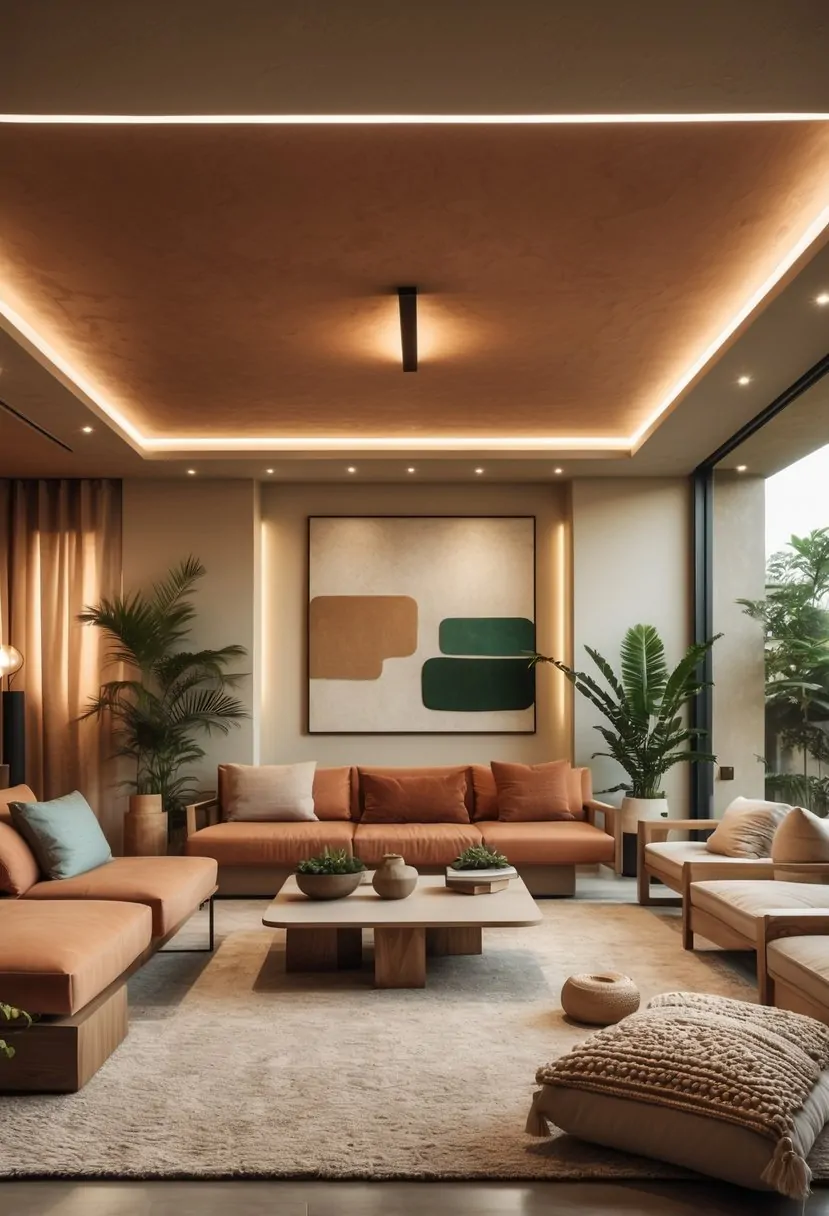
Design trends continue to evolve, and Terra Futura has emerged as one of the most practical and forward-looking approaches for modern living rooms. It blends sustainable choices with clean, futuristic design, creating spaces that feel both current and lasting. This style shows how a living room can look modern while staying connected to nature and mindful of the environment.
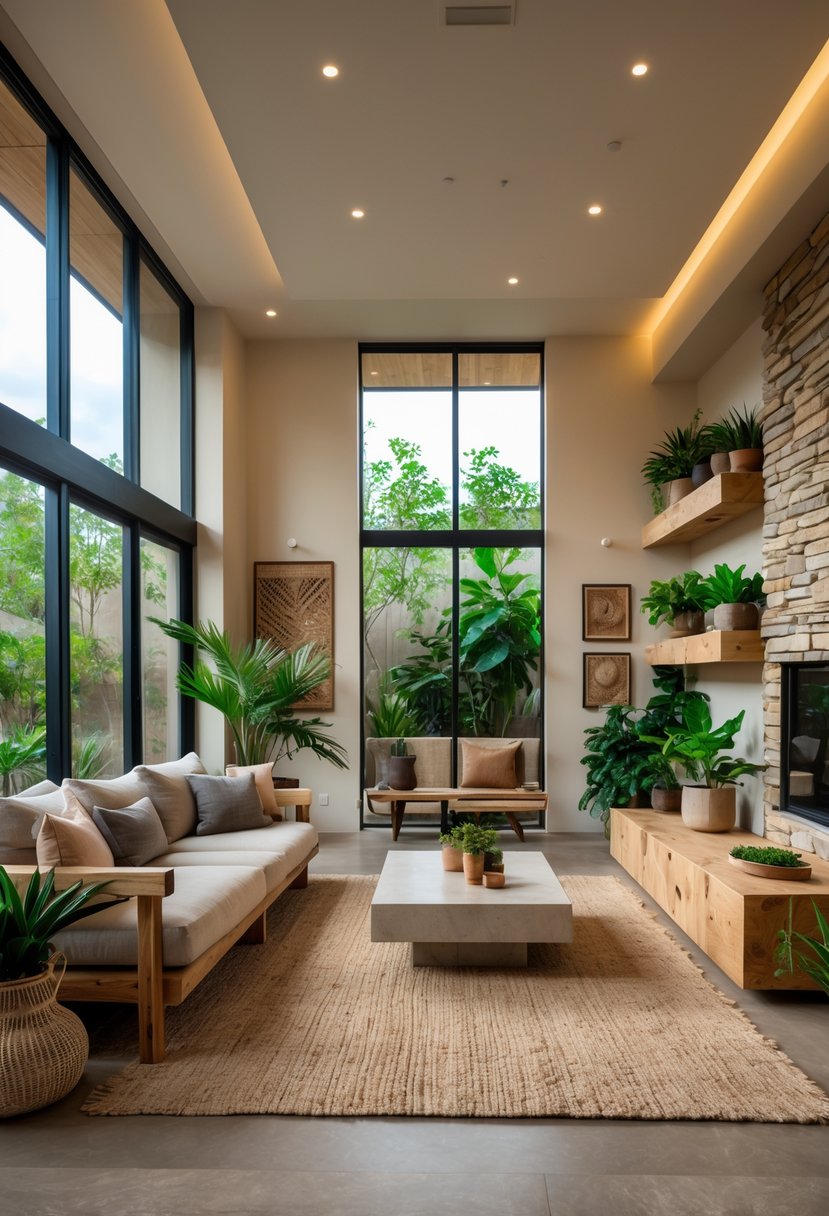
Through careful use of natural tones, eco-friendly materials, and smart design elements, Terra Futura creates balance between comfort and responsibility. Each idea in this approach highlights how thoughtful choices in color, furniture, and greenery can transform a space into something both functional and sustainable.
1) Incorporate terracotta and rust tones for warmth
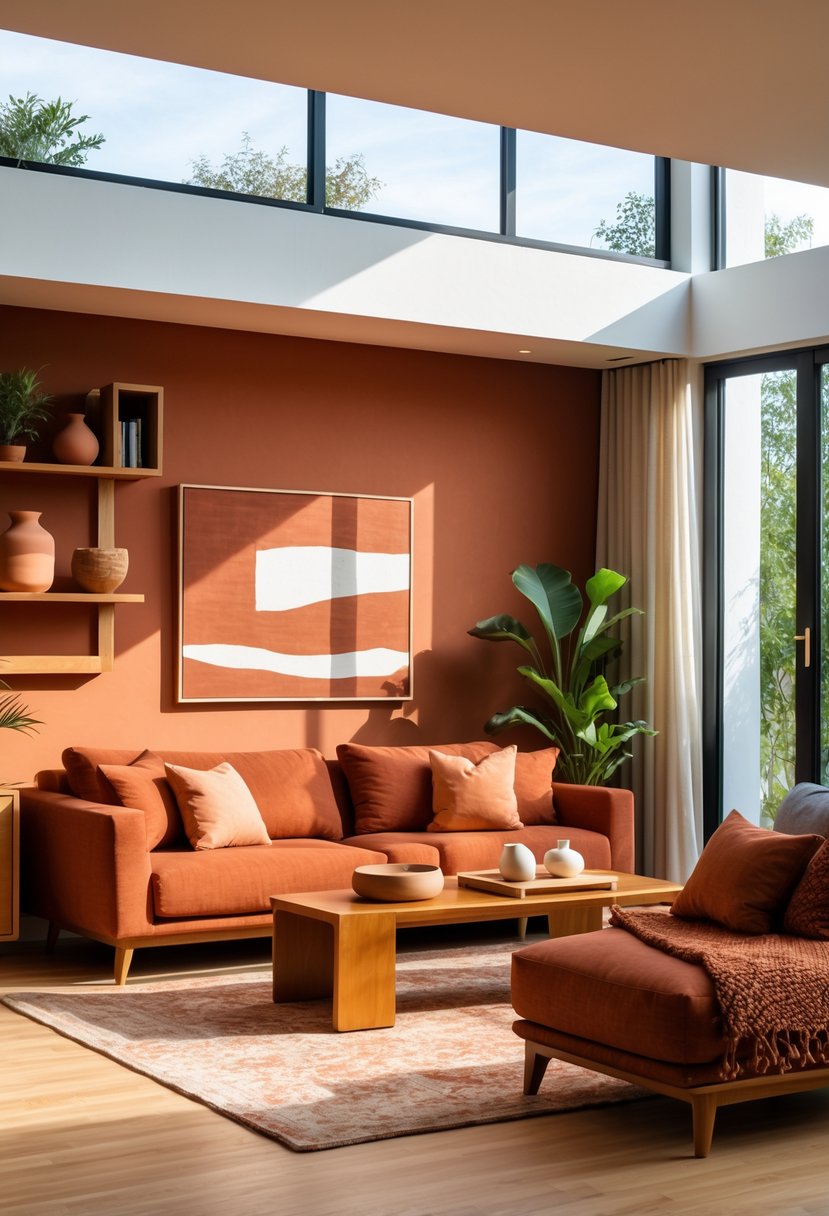
Terracotta and rust shades add a natural, earthy feel to a living room. These tones work well with neutral backdrops like beige or cream.
They can appear in wall paint, furniture, or smaller accents such as pillows and rugs. This approach creates a balanced and inviting atmosphere.
2) Use reclaimed wood coffee tables
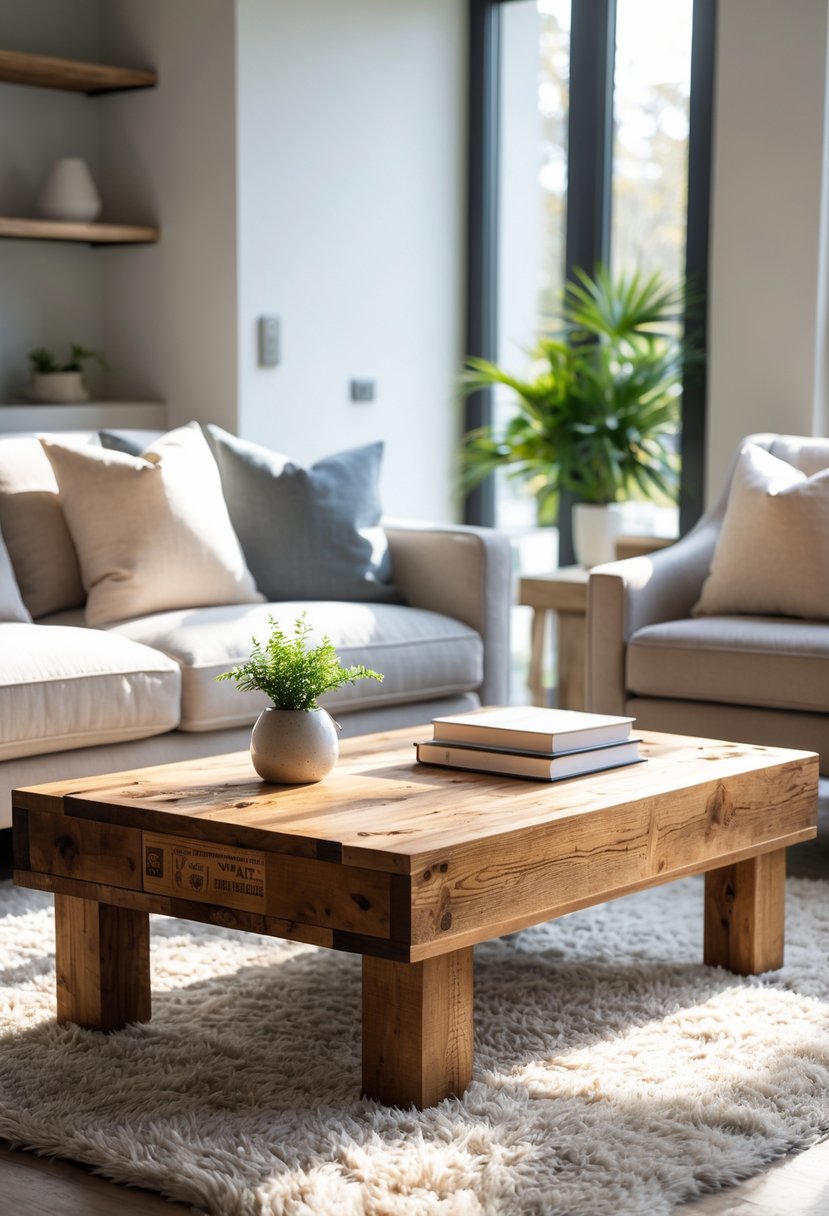
Reclaimed wood coffee tables add character to a living room while reducing waste. They bring natural texture and warmth into modern spaces.
Each piece often shows unique grain patterns and marks from its past use. This makes the table both practical and visually interesting.
They also pair well with sustainable furniture and eco-friendly décor. This balance supports the Terra Futura design approach.
3) Add living walls with native plants
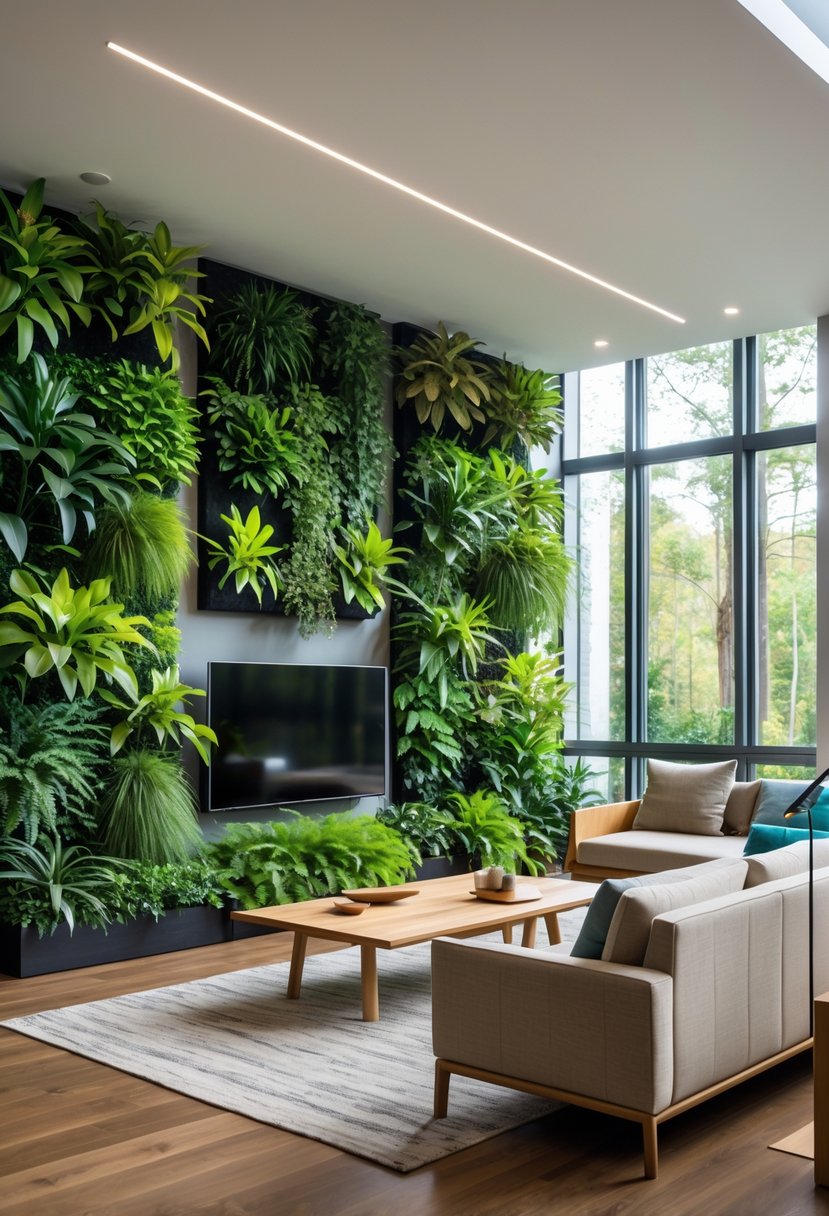
Living walls introduce greenery into the living room while saving floor space. They create a natural focal point that blends with modern design.
Using native plants helps reduce maintenance needs since they adapt well to local conditions. This choice also supports biodiversity and improves indoor air quality.
4) Install energy-efficient LED lighting fixtures
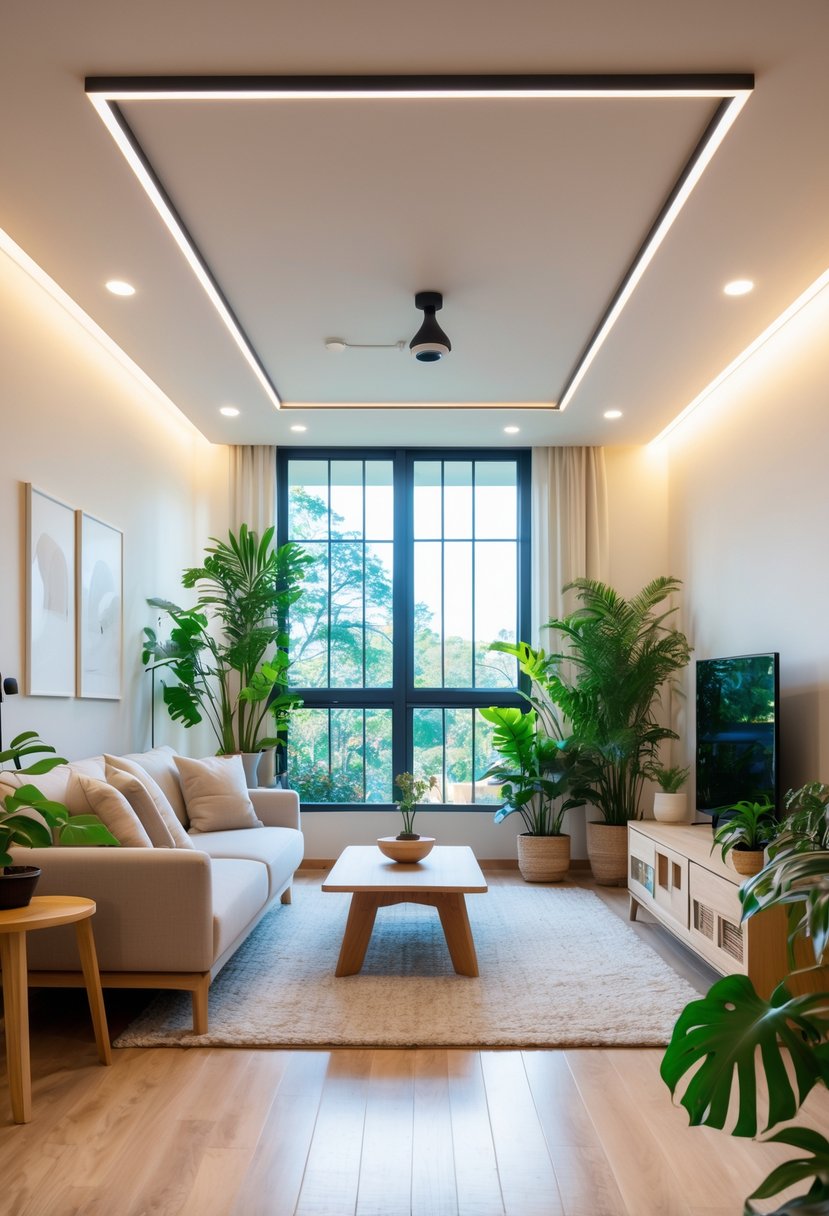
They can replace traditional bulbs with LED fixtures to reduce energy use and extend bulb life.
LED lights give steady, comfortable brightness without producing much heat.
Different fixture styles allow them to match the room’s design while keeping lighting practical and efficient.
5) Combine metallic decor with natural textures
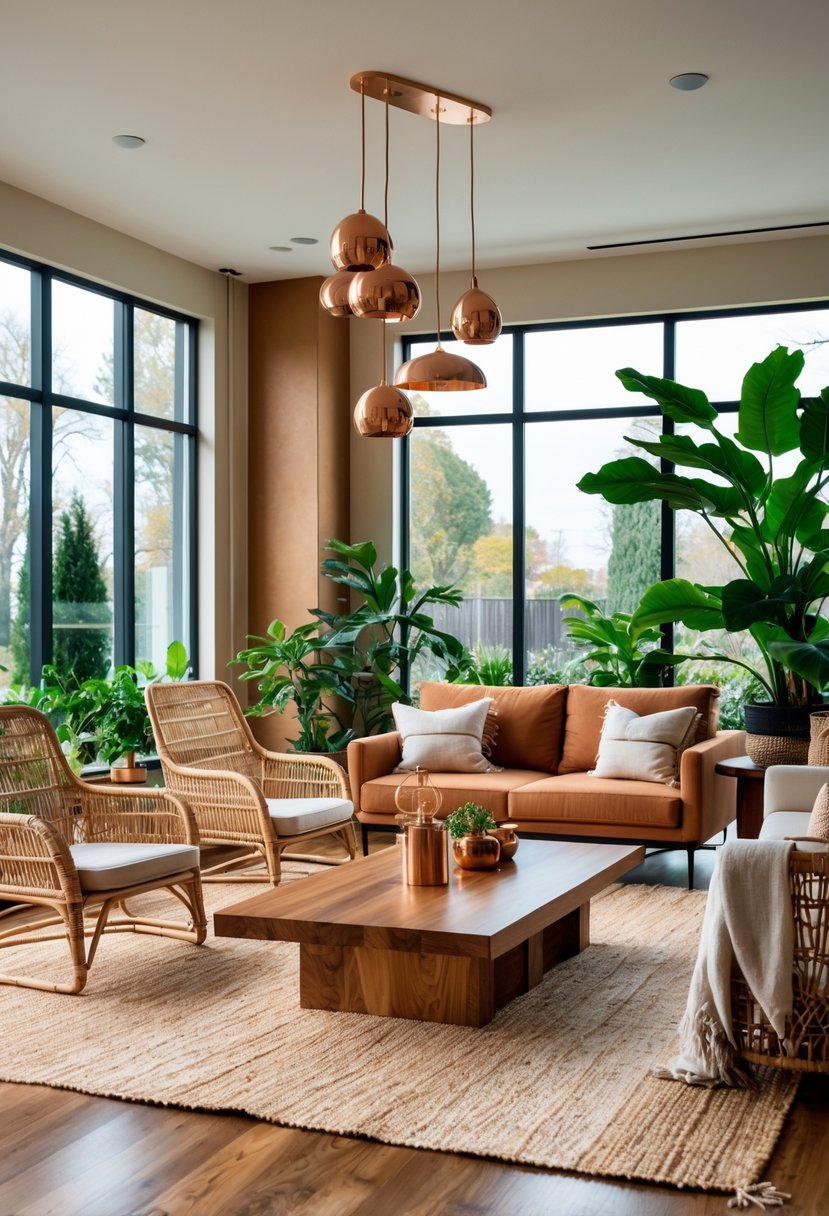
They can pair metallic accents with wood, stone, or woven fibers to create balance.
A brass lamp next to a rattan chair adds contrast without feeling heavy.
Steel frames with linen cushions give the room a modern yet grounded look.
6) Create rooftop gardens visible from living room windows
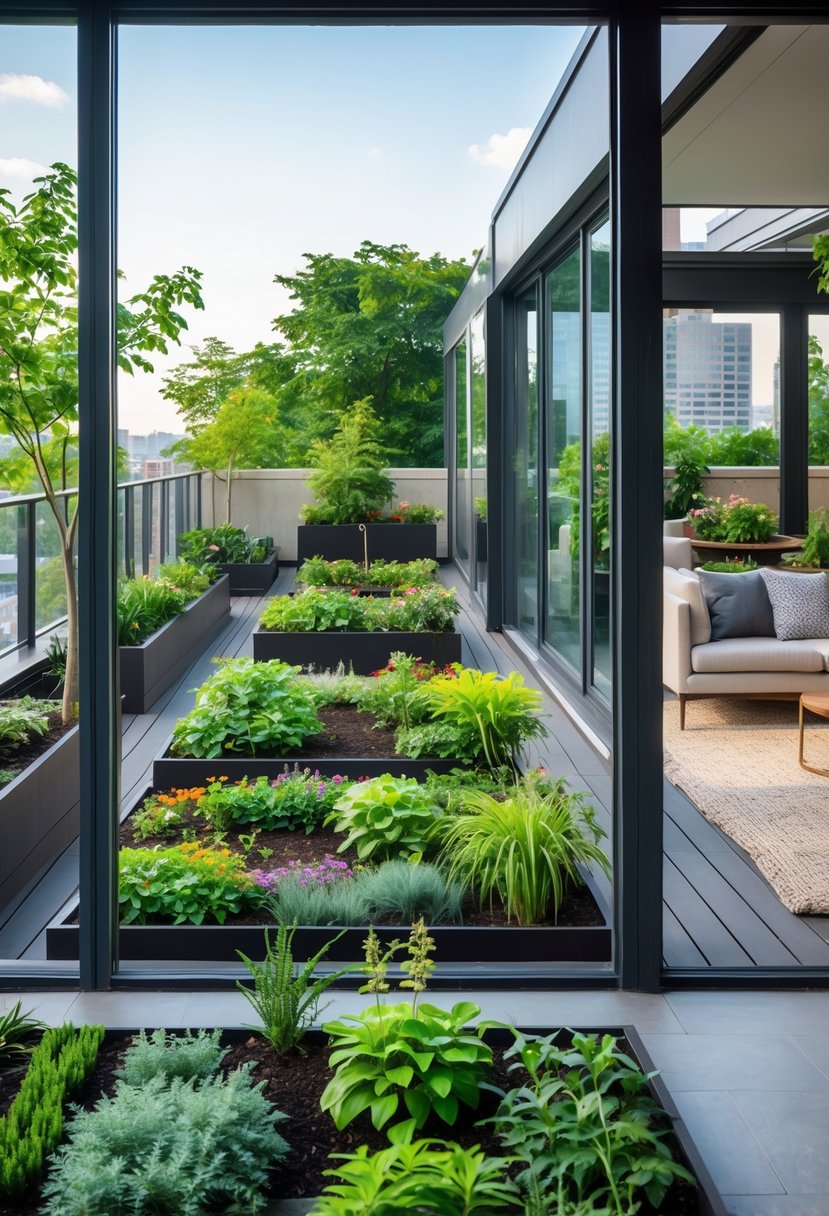
Rooftop gardens add greenery that residents can enjoy from inside the living room. The view of plants and natural light helps the space feel more open.
They also provide a private outdoor area without taking up ground space. This makes them practical for homes in cities.
7) Use vertical gardens as green focal points
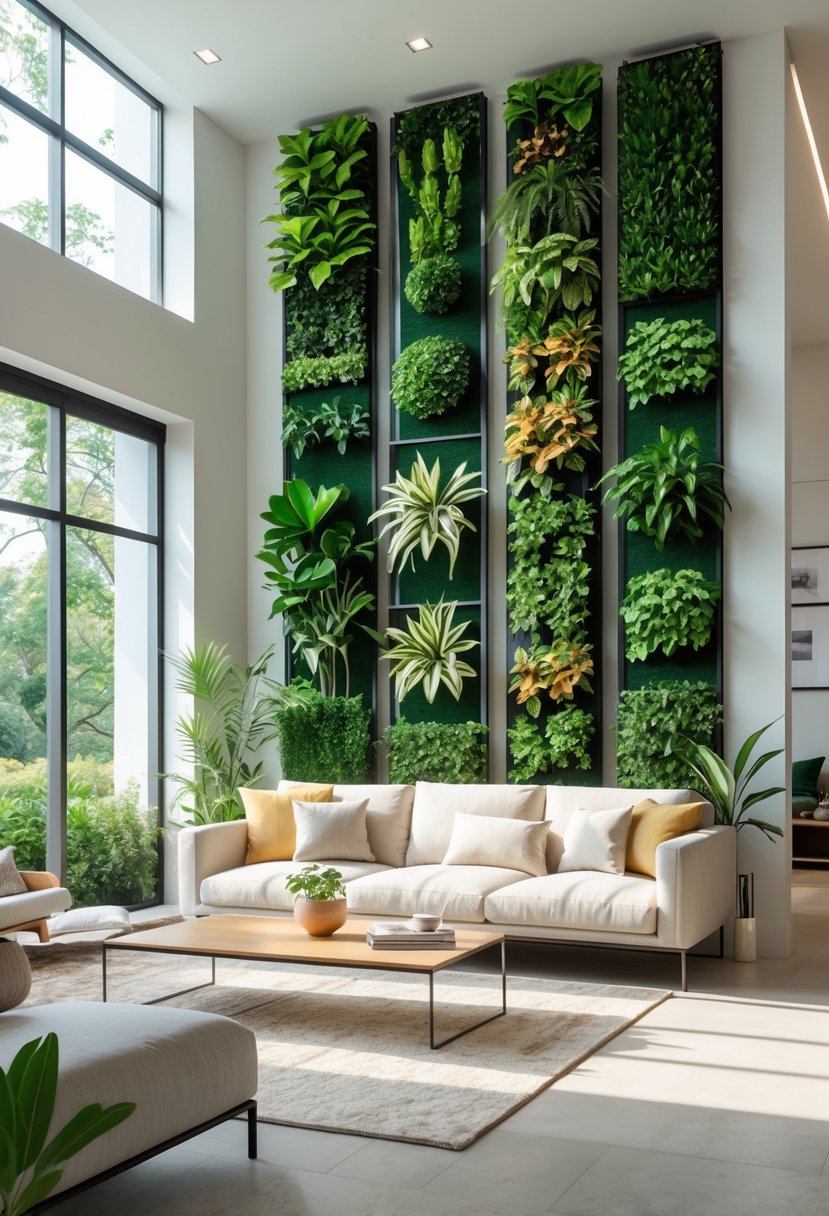
Vertical gardens add natural texture to a living room without taking up floor space.
They can serve as a focal point, drawing attention while improving the room’s visual balance.
Wall-mounted planters or larger green panels work well with modern, sustainable interiors.
8) Place air plants in sculptural terrariums
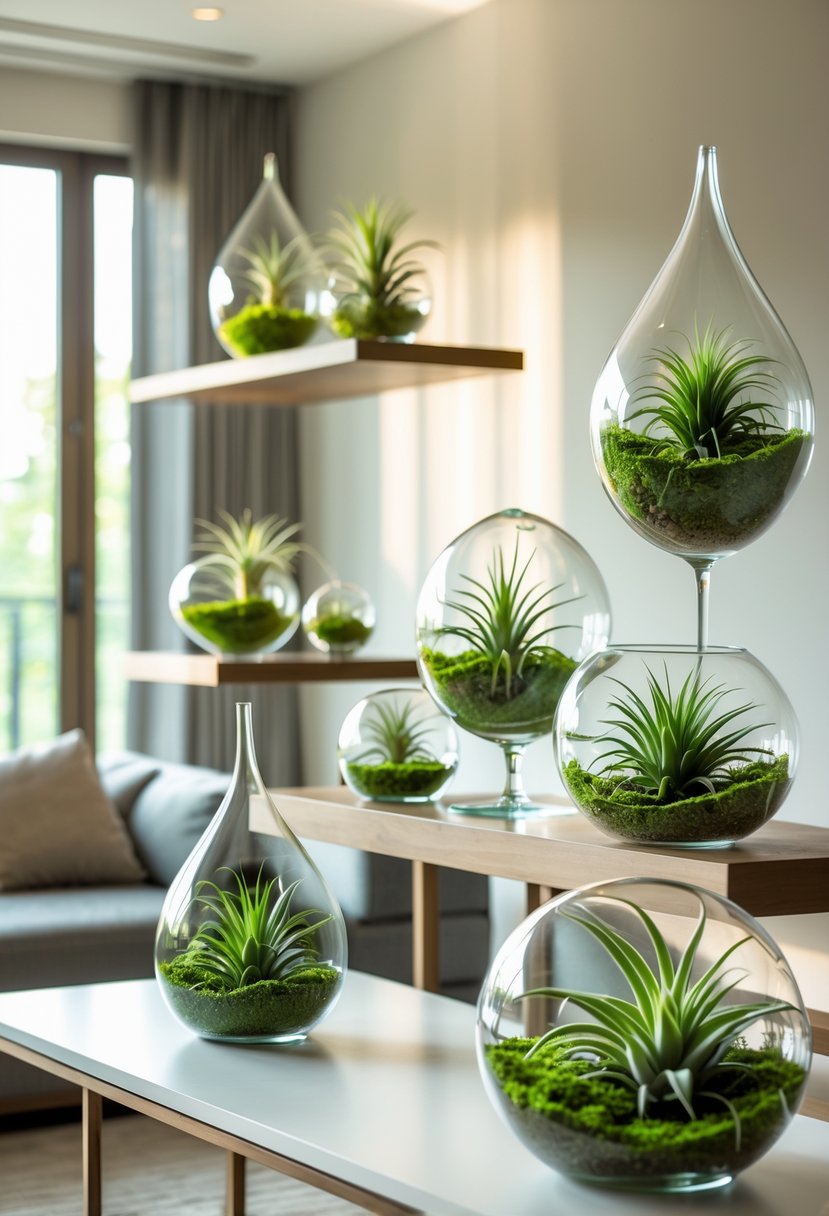
They can place air plants in glass or geometric terrariums to add shape and interest to the room.
These containers highlight the plant’s form while keeping the design clean and modern.
Sculptural terrariums work well on shelves, tables, or as hanging features in a living space.
9) Choose wallpaper with organic leaf patterns
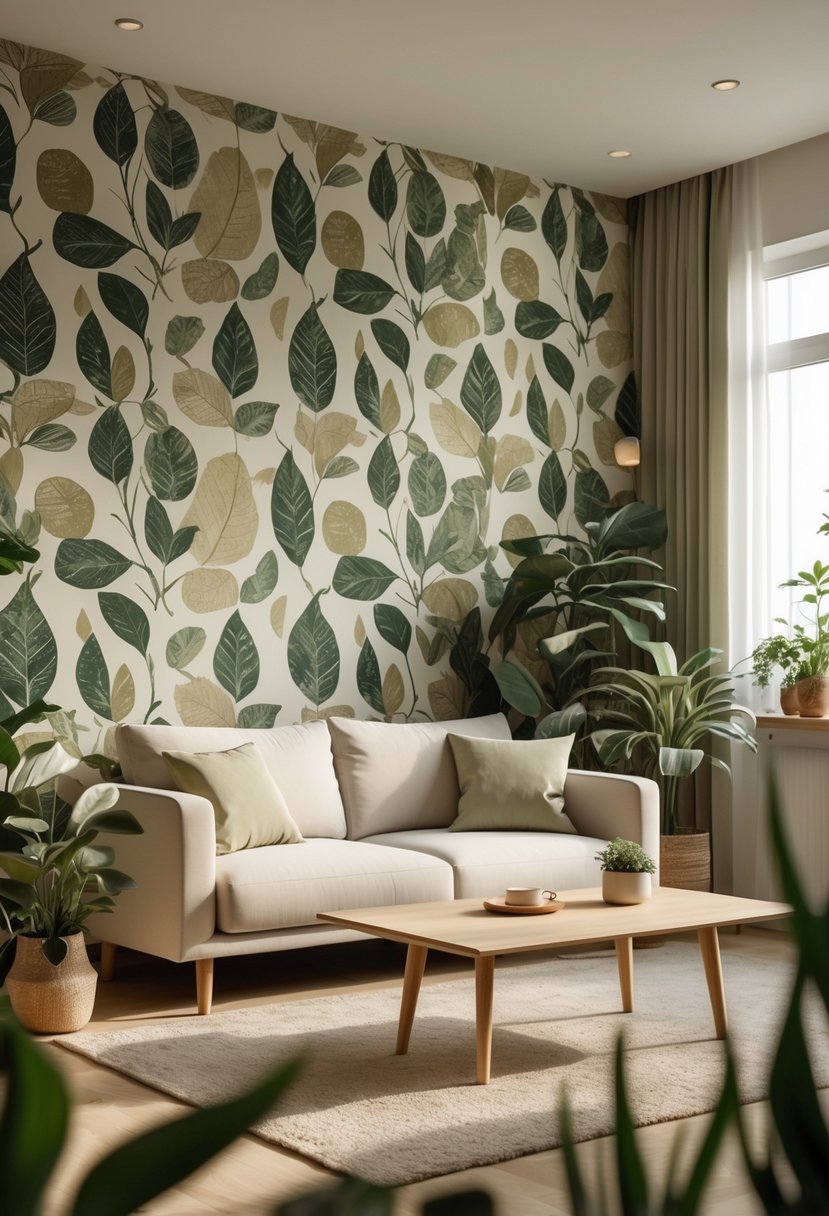
Leaf-patterned wallpaper adds a natural element to a living room while keeping the design simple and balanced.
Soft greens and earthy tones create a calm backdrop that works well with wood, linen, and other natural materials.
Larger leaf prints can make a feature wall stand out, while smaller patterns keep the space subtle.
10) Blend sand and warm earth tones on walls
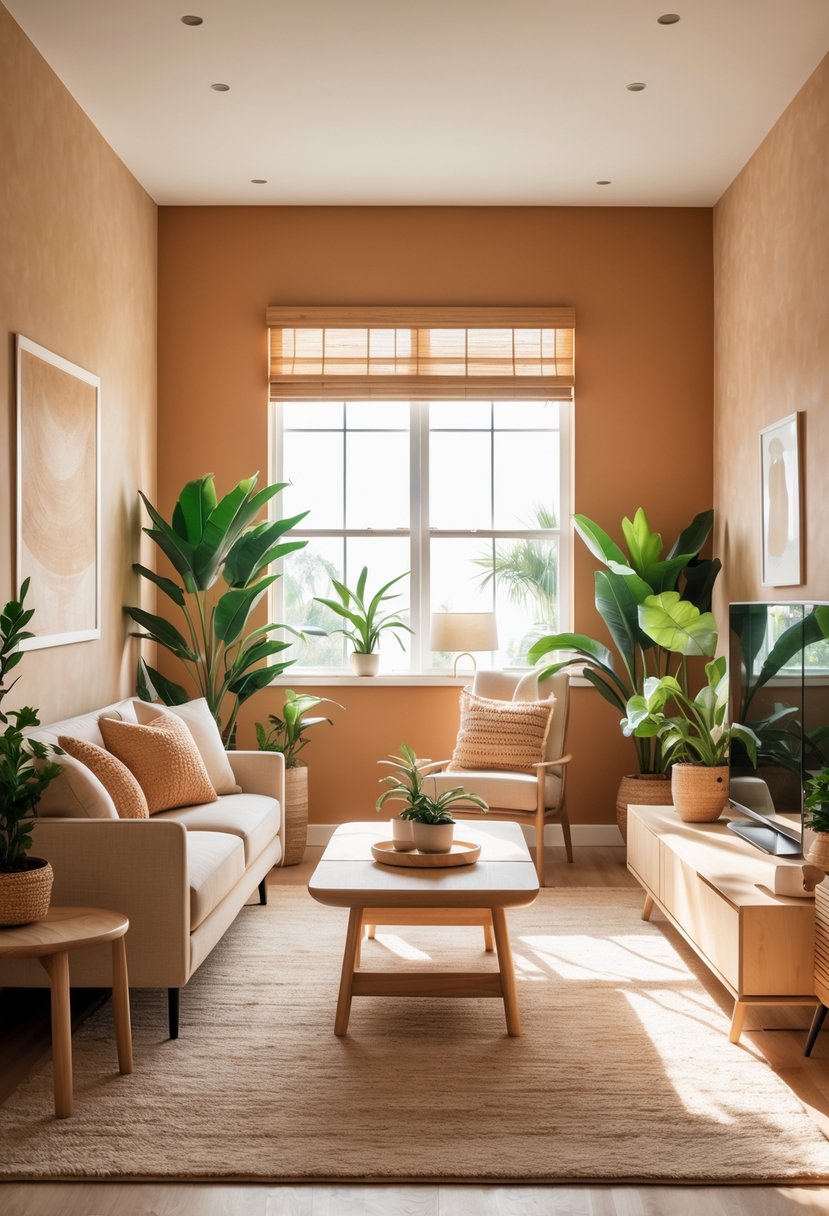
Sand and warm earth tones create a calm and balanced backdrop for a living room. These shades work well with natural light and give the space a grounded look.
They pair easily with wood, stone, or neutral fabrics, making furniture and decor feel cohesive without overwhelming the room.
11) Integrate sleek, minimalistic furniture designs
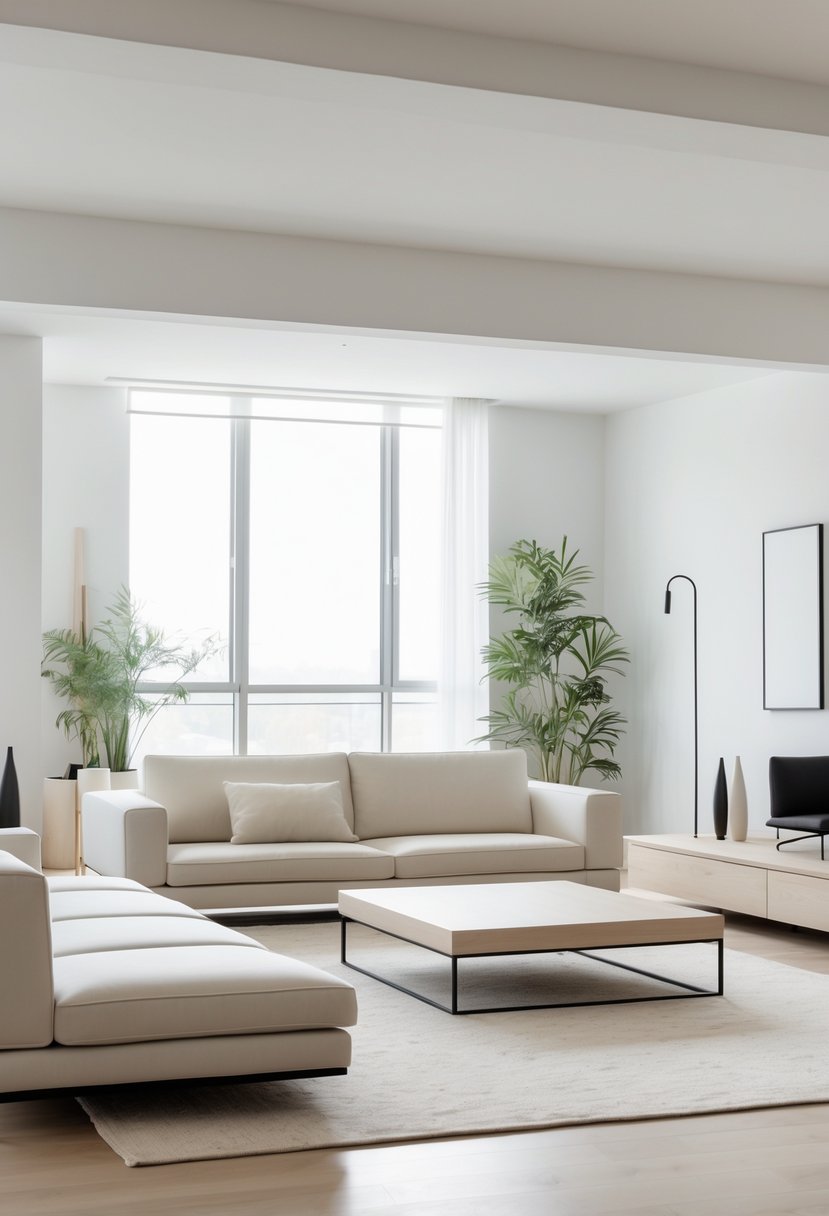
They can choose furniture with clean lines and simple shapes to keep the room uncluttered.
Neutral colors like white, gray, or beige help the space feel calm and open.
Minimalist pieces also pair well with sustainable materials, supporting the Terra Futura focus on eco-conscious design.
12) Use self-sufficient garden views as natural art
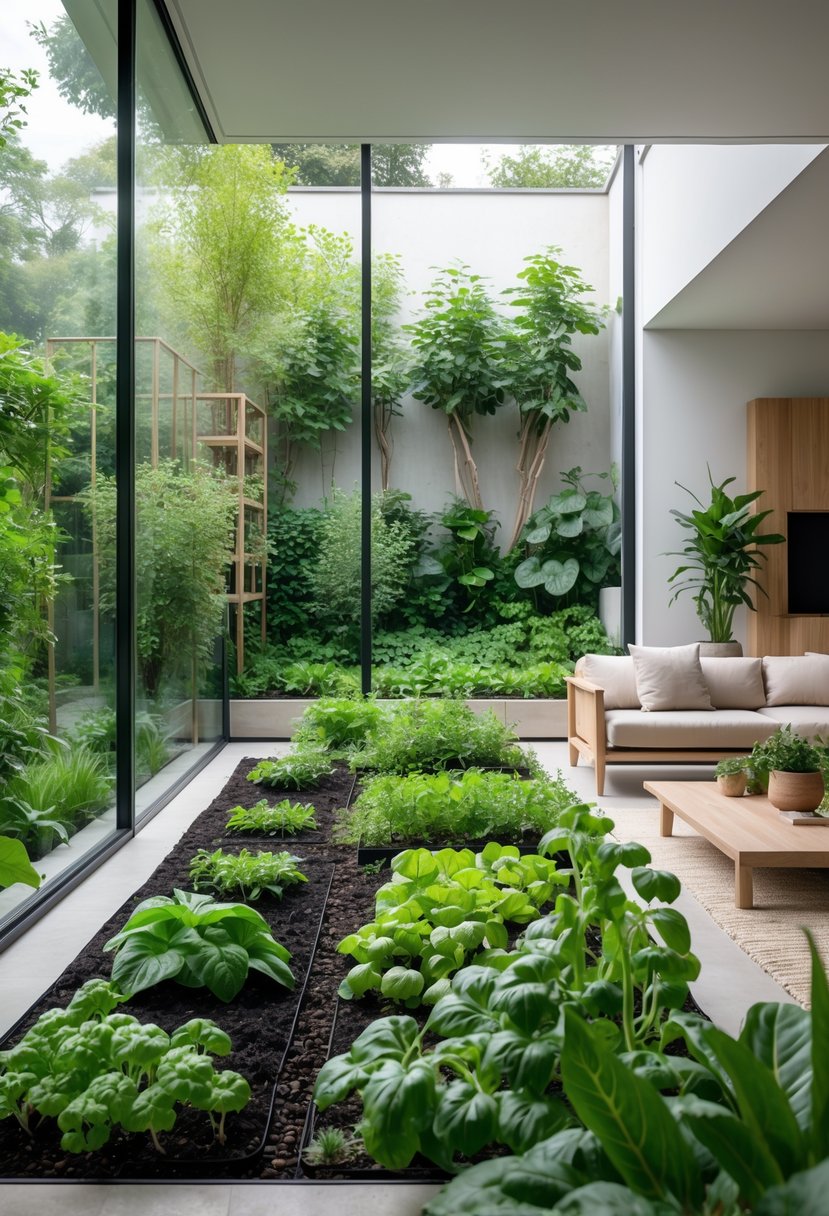
A self-sufficient garden can act as a living artwork when placed in view of the living room. Large windows or sliding doors frame the greenery like a natural painting.
These gardens provide fresh air, natural light, and a calming focal point without the need for extra décor.
13) Add sculptural greenery for futuristic appeal
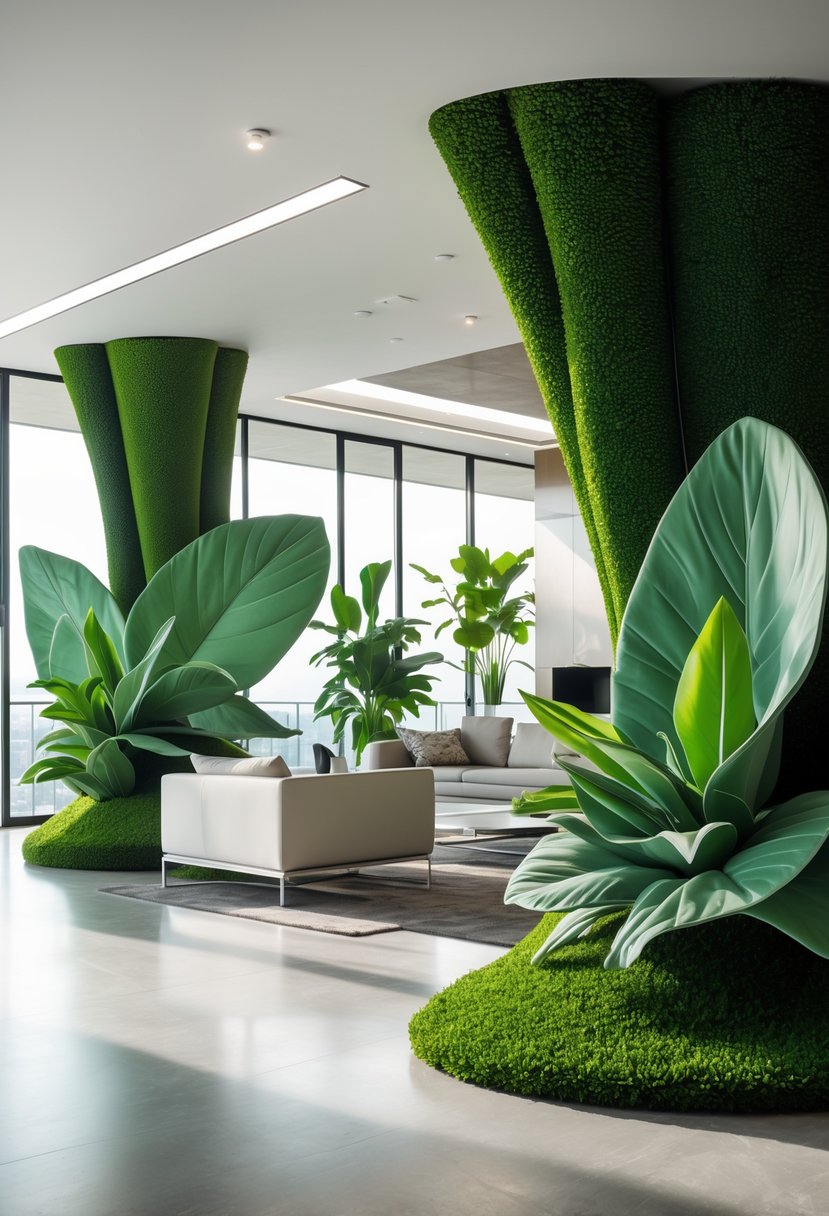
They can place tall plants with bold shapes to create a modern focal point in the room.
Sculptural greenery, such as large-leaf species or structured succulents, adds texture without clutter.
When paired with clean lines and neutral tones, the plants highlight the balance between nature and futuristic design.
14) Opt for sustainable fabrics in cushions and throws
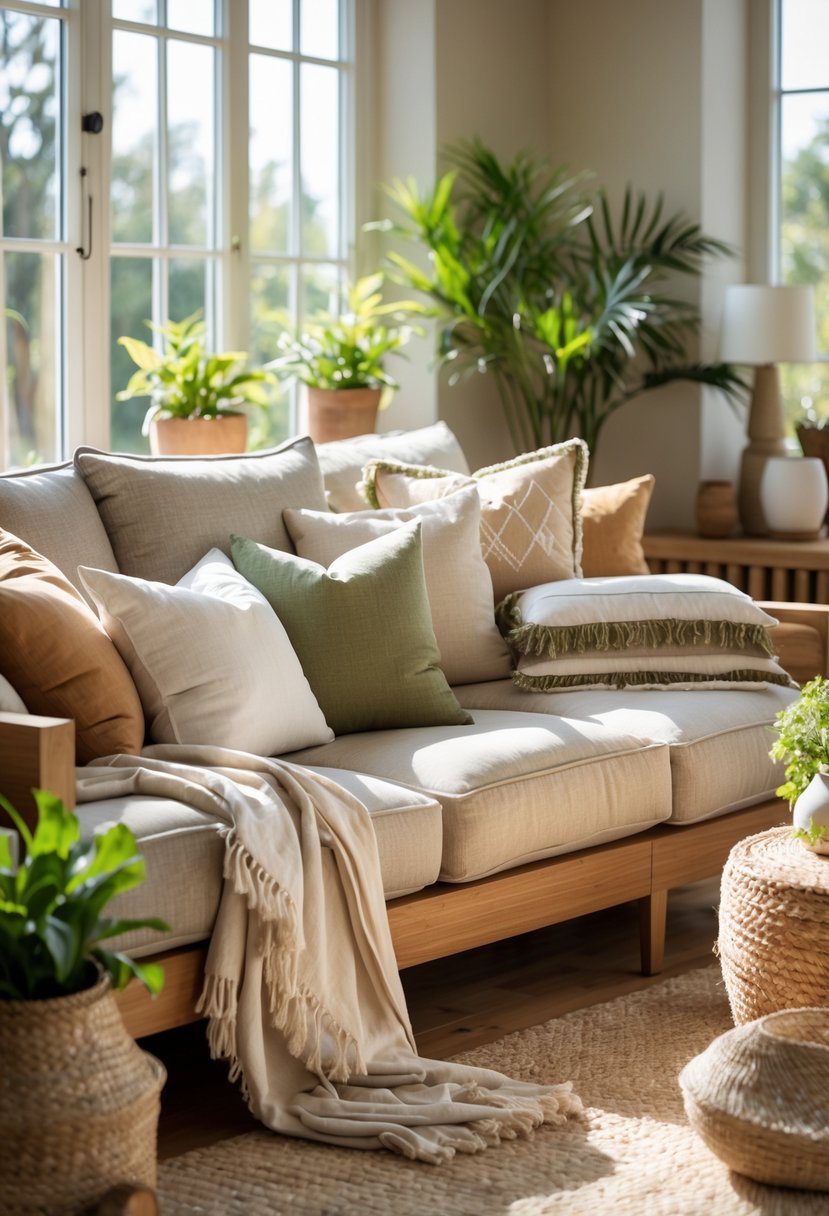
They can choose cushions and throws made from organic cotton, hemp, or linen to reduce environmental impact.
These fabrics are durable, breathable, and often produced with fewer chemicals.
Using natural fibers also supports a healthier indoor space while keeping the living room comfortable and stylish.
15) Feature large windows for natural light and views
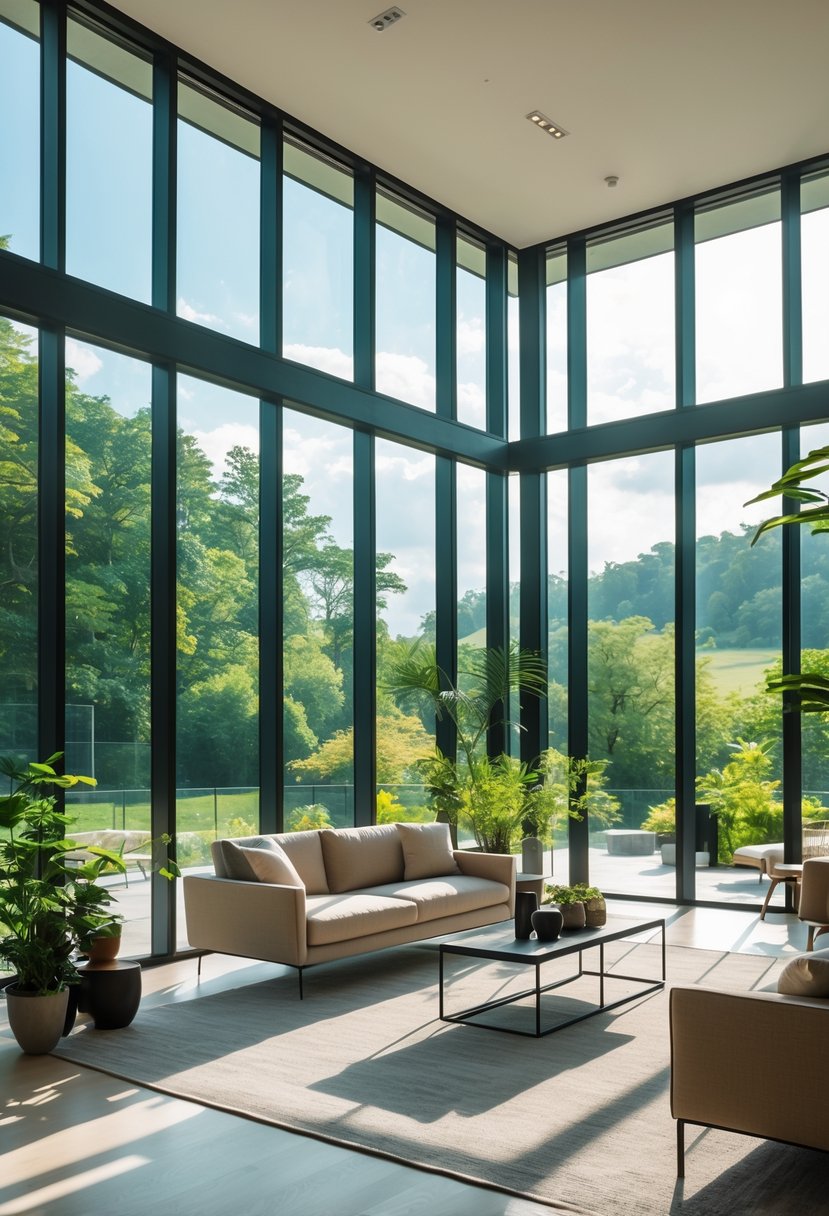
Large windows bring daylight deep into the living room, reducing the need for artificial lighting. They create a brighter, more open space.
They also frame outdoor views, making the room feel connected to nature. Placement matters, as window size and position shape both light flow and privacy.
16) Incorporate biophilic design elements subtly
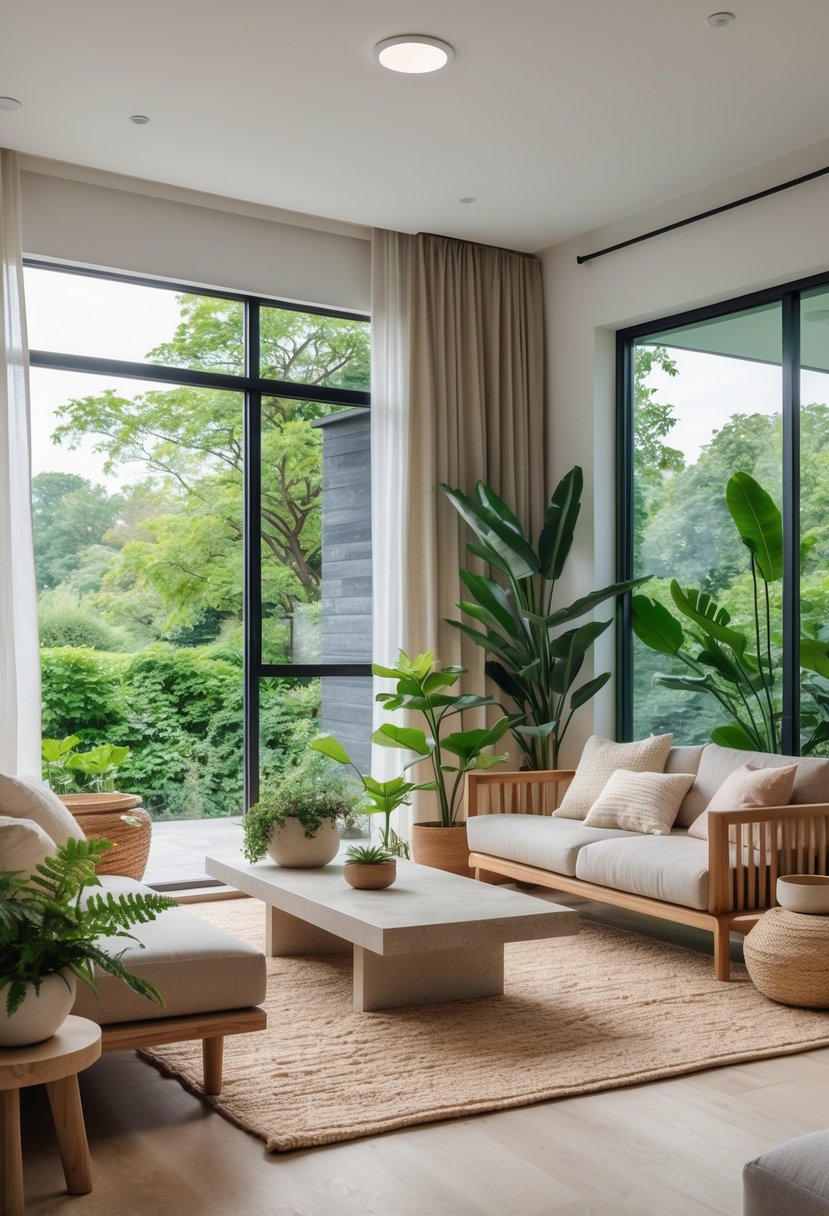
They can add small touches of nature without overwhelming the space. A few potted plants, natural wood finishes, or stone accents create a calm atmosphere.
Soft lighting and natural textures help connect the room to the outdoors. These details keep the design balanced while supporting a sustainable style.
17) Use modular furniture for flexible space use
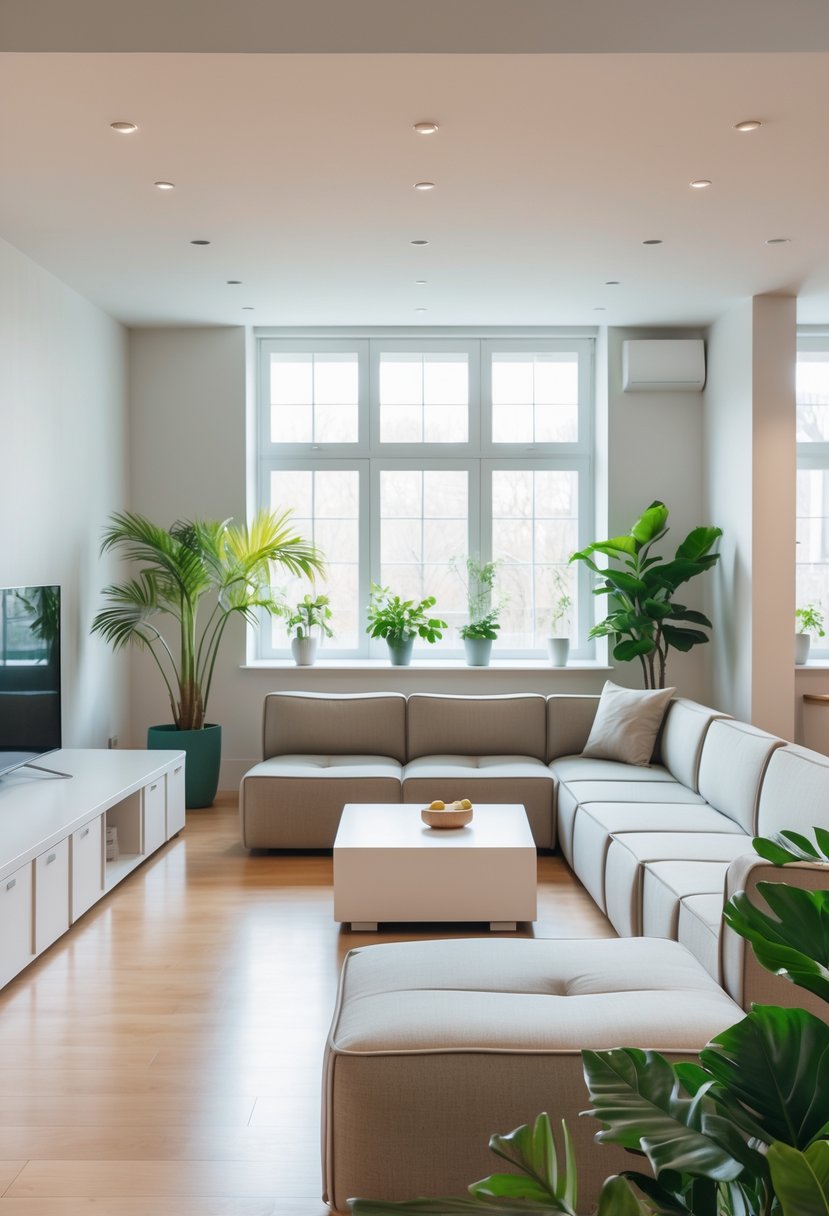
Modular furniture allows a living room to adapt to different needs. Pieces can be rearranged or expanded to fit the occasion.
A modular sofa, for example, can shift from a compact setup to a larger seating area. Shelving units can also adjust or move as needed.
This flexibility helps make the most of available space without adding clutter.
18) Add terracotta pottery as decorative accents
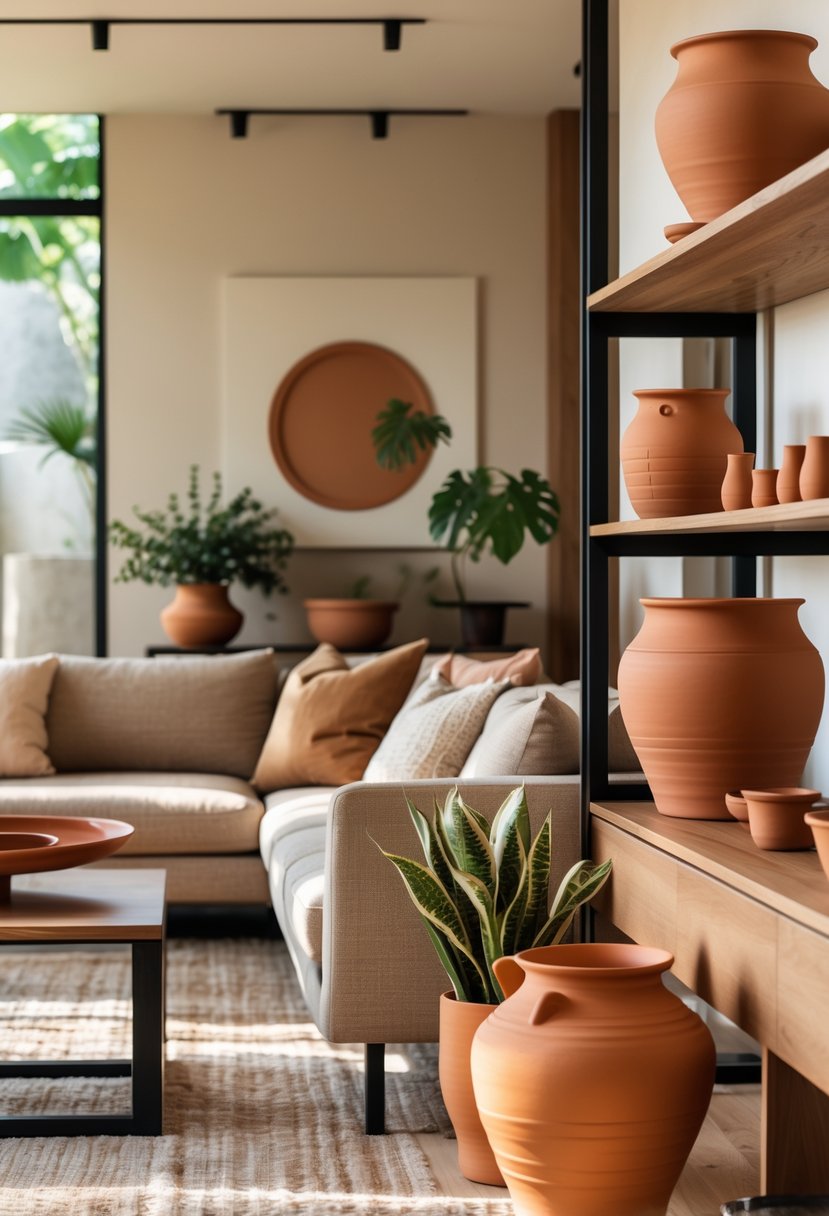
Terracotta pottery brings natural texture and warmth into a living room. Its earthy tones pair well with both neutral and colorful interiors.
They can place small pots on shelves, use larger vases on the floor, or display bowls on tables. Each piece adds subtle character without overwhelming the space.
19) Include community-inspired artwork
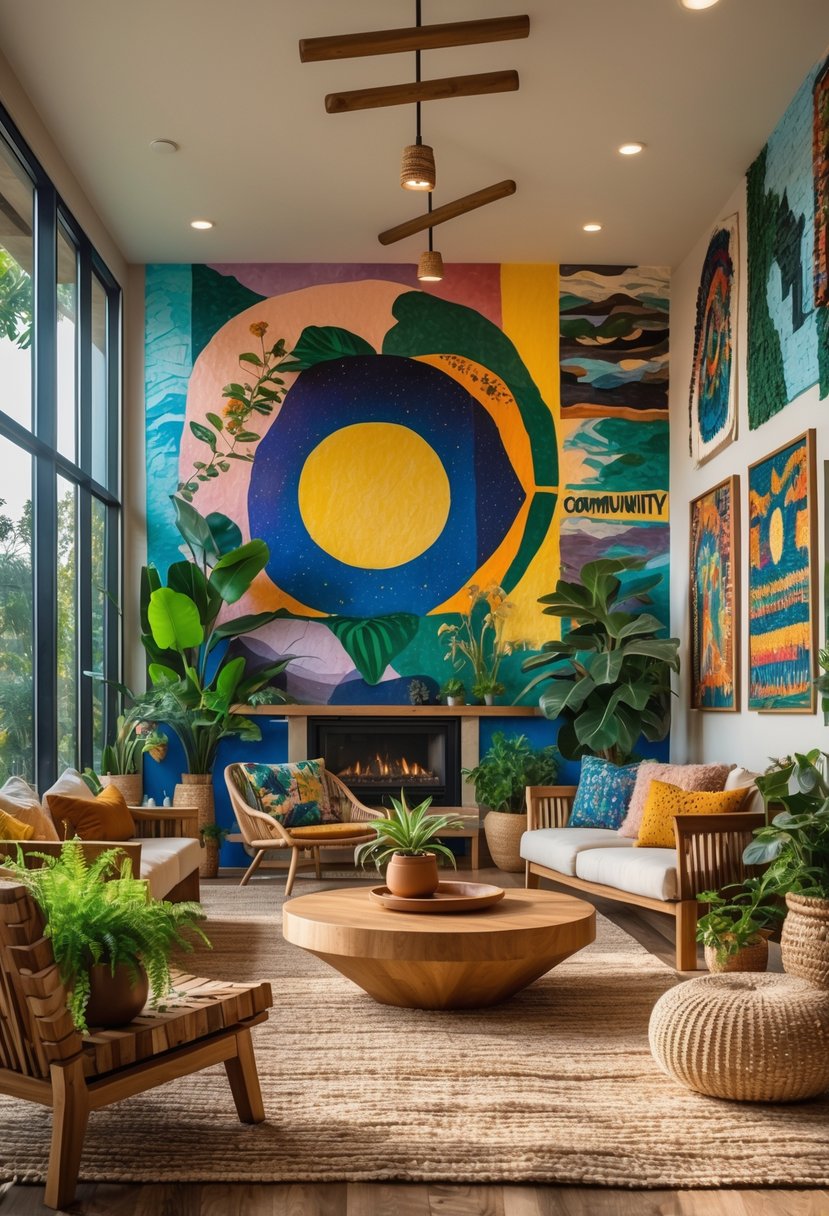
They can use artwork that reflects local culture or shared values to bring a sense of connection into the living room.
Pieces created by local artists or community groups add authenticity while supporting sustainable design practices.
This approach blends personal style with a collective identity, making the space feel more grounded.
20) Mix space-age minimalism with rustic elements
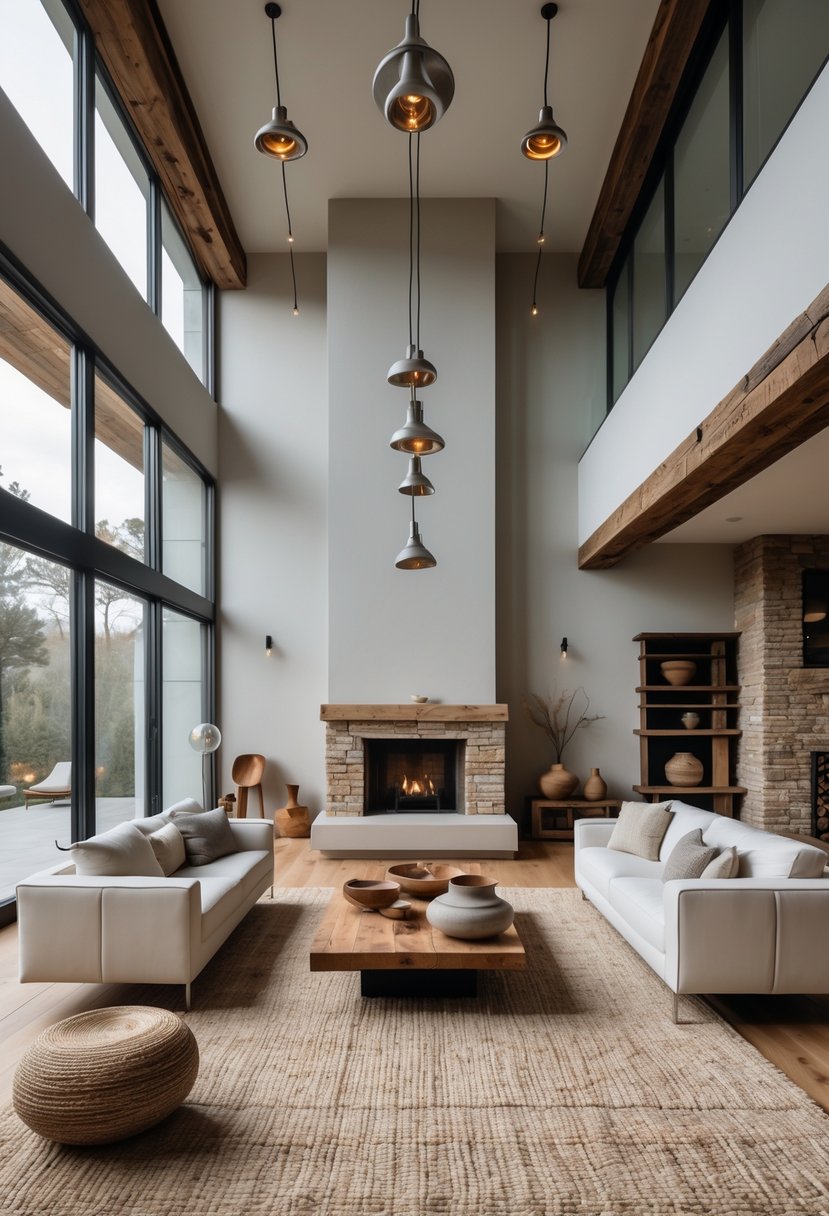
This approach combines clean, futuristic lines with natural textures. Sleek furniture and simple layouts create a modern base.
Adding wood, stone, or woven accents softens the look. These rustic touches bring warmth and balance to the minimalist design.
The result is a space that feels both functional and inviting.
21) Use smart home controls for lighting and climate
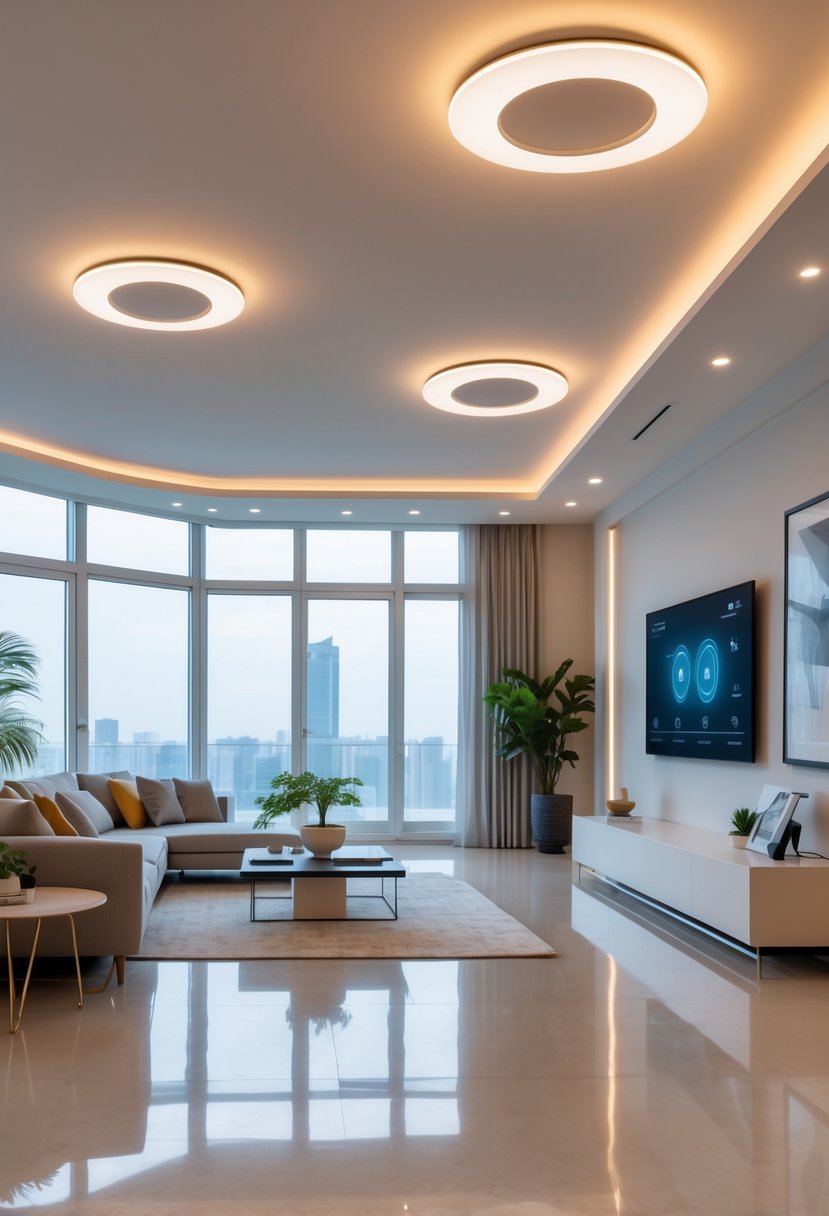
Smart lighting and climate controls help create a comfortable and efficient living room. They allow users to adjust brightness, temperature, and airflow with simple commands or automated schedules.
These systems can reduce energy use while keeping the space adaptable. They also integrate well with modern, sustainable design choices.
Core Principles of Terra Futura Living Room Design
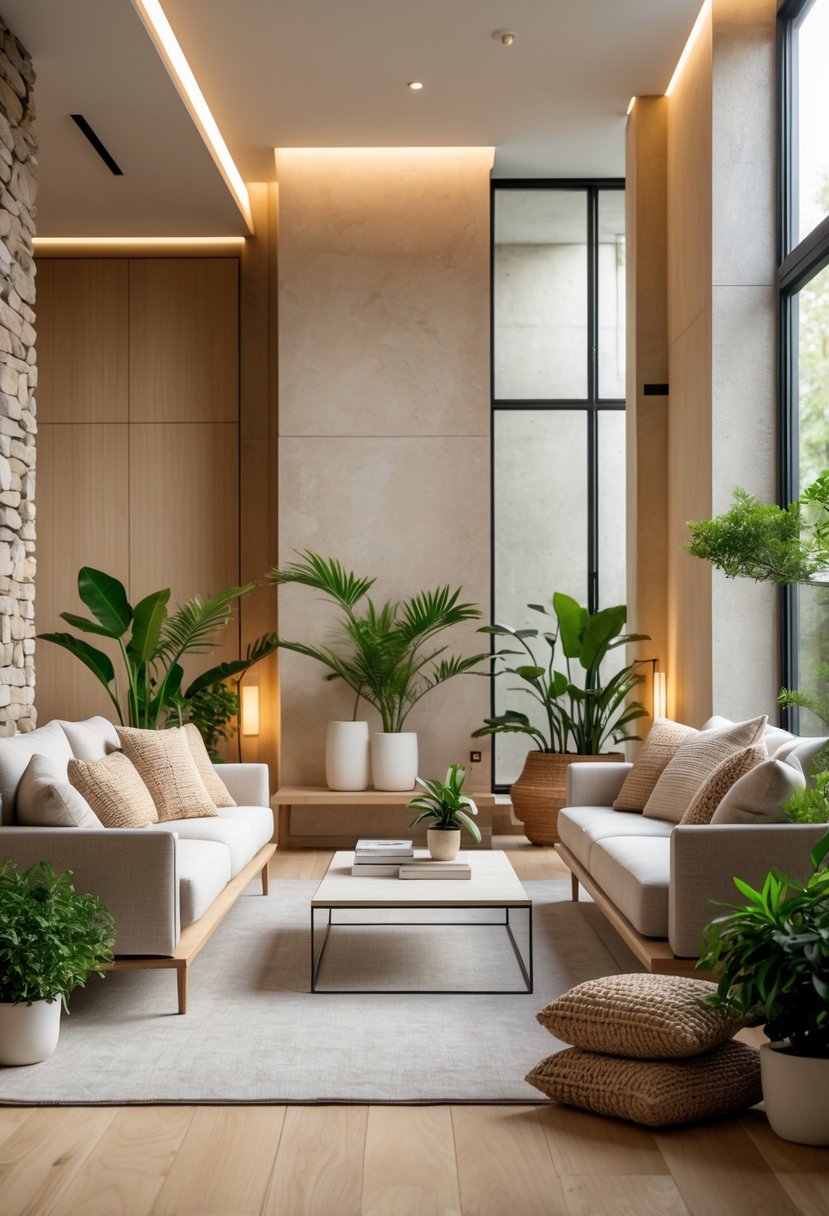
This design approach focuses on reducing environmental impact while creating a space that feels balanced, functional, and visually appealing. It emphasizes the use of renewable resources and natural elements alongside clean, modern features that support comfort and long-term durability.
Sustainable Materials and Eco-Friendly Choices
A Terra Futura living room relies on materials that are renewable, recycled, or responsibly sourced. Furniture made from reclaimed wood, bamboo, or FSC-certified timber reduces strain on forests while offering durability. Upholstery in organic cotton, hemp, or linen provides comfort without relying on synthetic fibers.
Designers often favor low-VOC paints and finishes to improve indoor air quality. Rugs and textiles made from natural fibers like jute or wool avoid harmful chemicals and support healthier living spaces. Even small choices, such as opting for recycled glass décor or metal accents, can reduce waste.
Energy efficiency also plays a role. LED lighting, smart thermostats, and energy-conscious appliances help lower utility use while maintaining a modern look. Choosing long-lasting pieces instead of disposable décor ensures that the living room remains stylish without frequent replacements.
Blending Nature and Modern Aesthetics
Terra Futura design balances natural inspiration with modern simplicity. Earth tones such as terracotta, sand, and muted greens create a calm backdrop, while sleek furniture with clean lines adds structure. This mix avoids clutter and highlights both warmth and function.
Plants are often central to the layout. Vertical gardens, potted greenery, or even small indoor trees bring texture and improve air quality. Natural light is another priority, with large windows or skylights reducing the need for artificial lighting.
To maintain harmony, technology is integrated subtly. Hidden storage for devices, wireless charging stations, and minimalist lighting fixtures ensure the space feels advanced without overwhelming the organic features. This balance creates a room that feels connected to nature yet ready for modern living.
Common Challenges and Solutions in Terra Futura Design
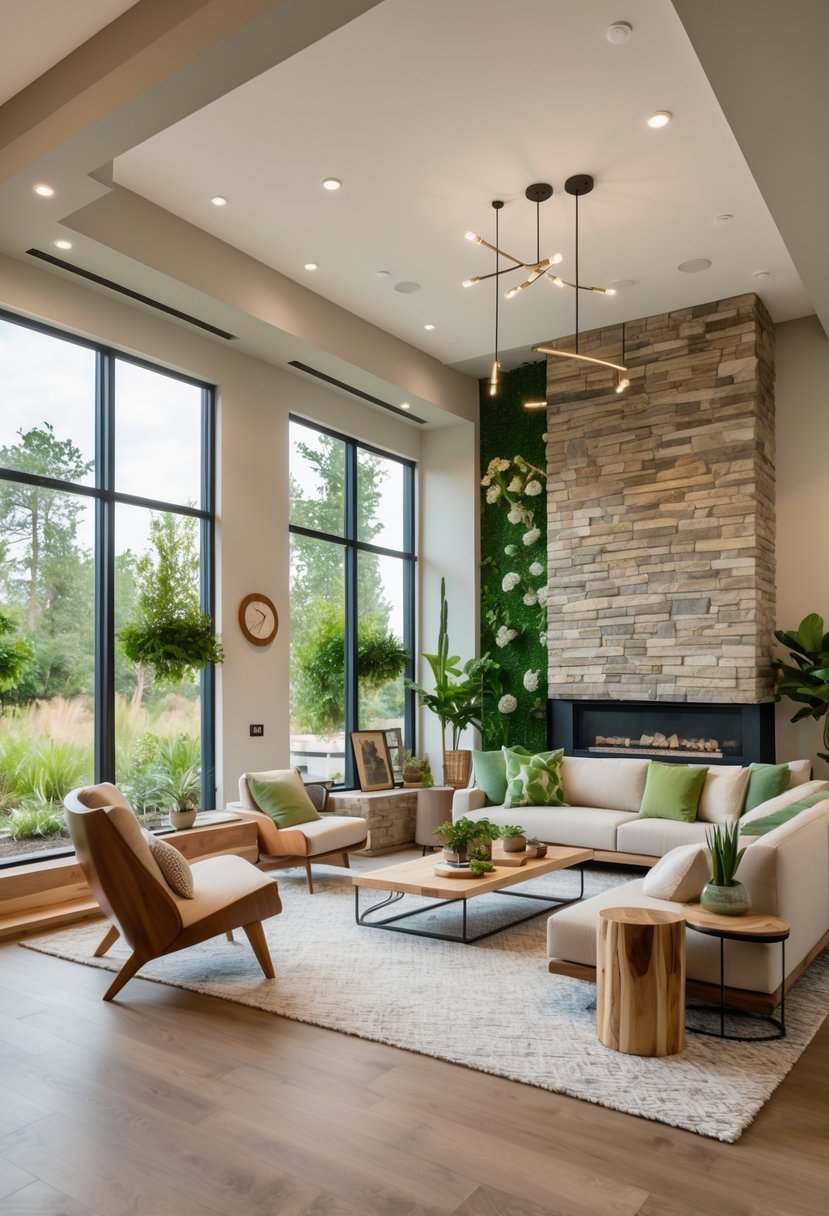
Designers often face practical obstacles when creating sustainable, future-focused spaces. Two of the most common involve controlling light in eco-friendly layouts and ensuring that modern style does not limit everyday use.
Maximizing Natural Light
Natural light reduces energy use and creates a calm atmosphere, but it can be difficult to manage in urban homes or shaded areas. Large windows may not always be possible, and too much direct sunlight can cause glare or heat buildup.
One solution is to use light-reflecting surfaces such as pale walls, stone, or polished concrete. These materials bounce light deeper into the room without the need for extra fixtures.
Another effective method is the use of sheer curtains or adjustable blinds. These allow daylight to filter in while preventing harsh glare. Skylights and solar tubes also bring sunlight into spaces where windows are limited.
For evening hours, designers often choose LED lighting with dimmers. This balances natural and artificial light, keeping energy use low while maintaining comfort.
Balancing Functionality with Style
Sustainable living rooms often emphasize natural textures and futuristic lines. The challenge comes when furniture looks striking but lacks comfort or flexibility. A sofa made from recycled materials, for example, must still be supportive for daily use.
To avoid this issue, many choose modular furniture. Pieces that can be rearranged or expanded adapt to changing needs while still fitting the design.
Storage is another concern. Open layouts can feel cluttered without smart solutions. Built-in shelving made of reclaimed wood or bamboo provides both storage and design consistency.
A simple way to maintain balance is to use a style-to-function checklist:
- Does it serve a daily purpose?
- Is it comfortable for long use?
- Does it align with sustainable goals?
This approach ensures the space remains both visually appealing and practical.


