Walk-In Pantry Ideas 2026:22 Smart Ways To Organize And Style Your Space
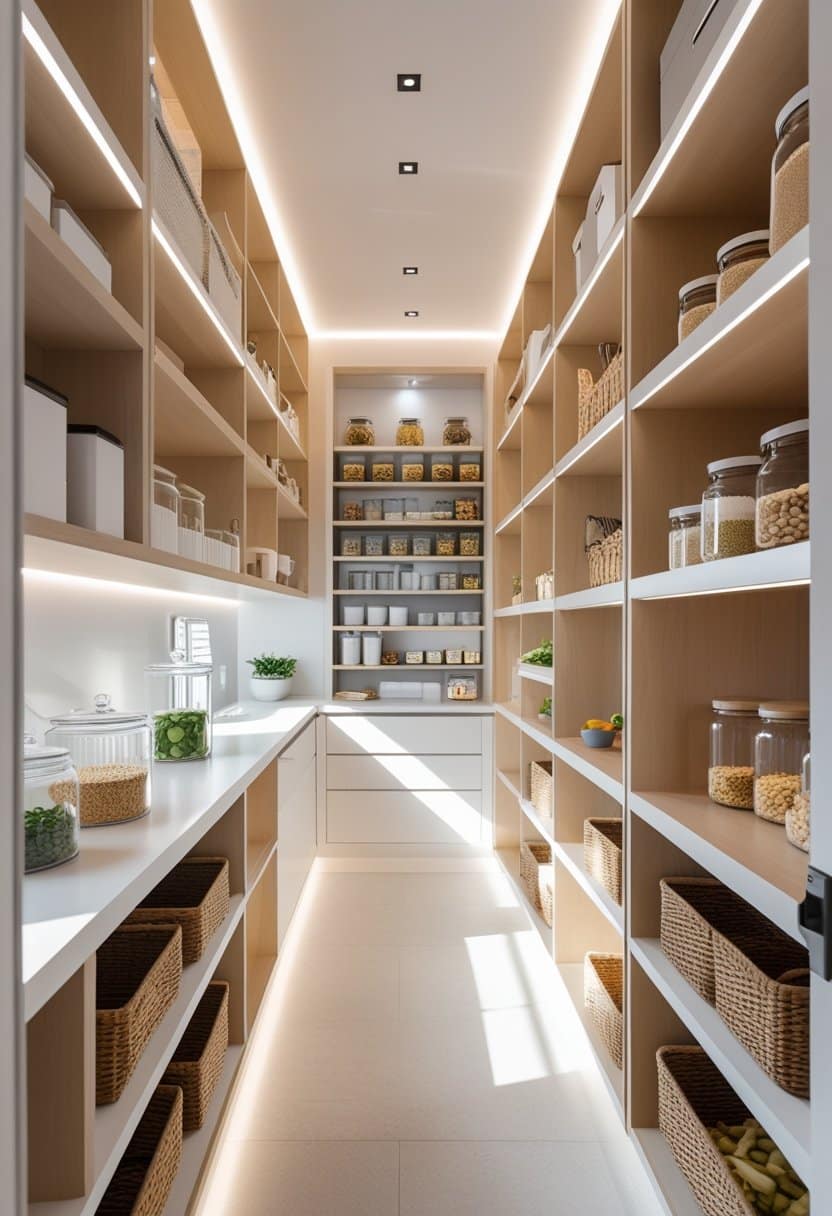
If you’re looking for walk in pantry ideas that are both practical and beautiful, you’ve come to the right place. A well-designed walk-in pantry is one of the most valuable additions to any home — it keeps your kitchen cleaner, your groceries more organized, and your daily routine genuinely smoother. According to The Spruce, a thoughtfully organized pantry can save the average household hours of time every single week.
In 2026, the best walk in pantry ideas have evolved far beyond simple storage rooms. They now serve as organized extensions of the kitchen — designed with smart layouts, beautiful materials, and clever storage solutions that make everyday life easier and more enjoyable. Whether you have a large dedicated pantry room or a compact alcove, these walk in pantry ideas will help you make the most of every inch.
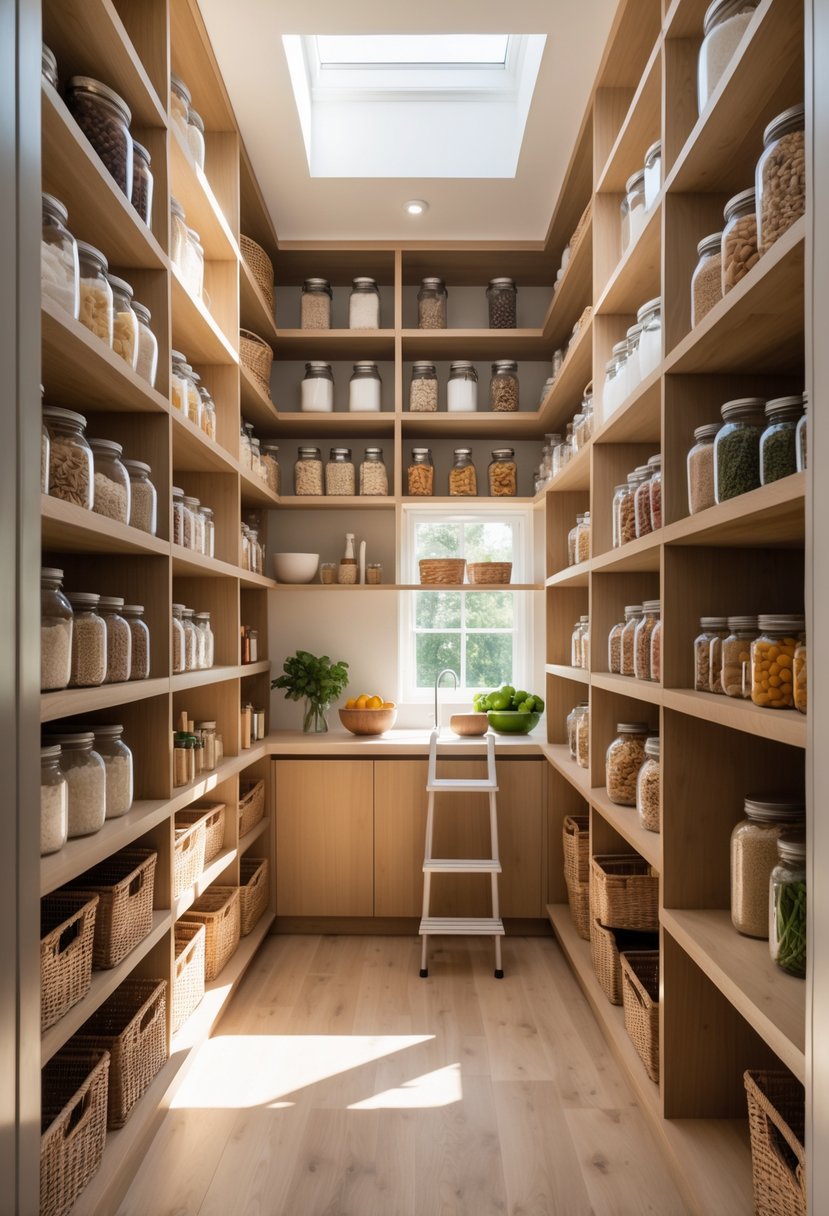
This article explores practical ways to enhance pantry design through smart organization, lighting, and layout choices. It focuses on ideas that improve accessibility, maximize space, and add subtle elegance to everyday use. Each section highlights simple updates that make a noticeable difference in how a kitchen looks and functions.
Walk In Pantry Ideas: 22 Ways To Transform Your Storage Space
1) Install Adjustable Shelving For Flexible Storage
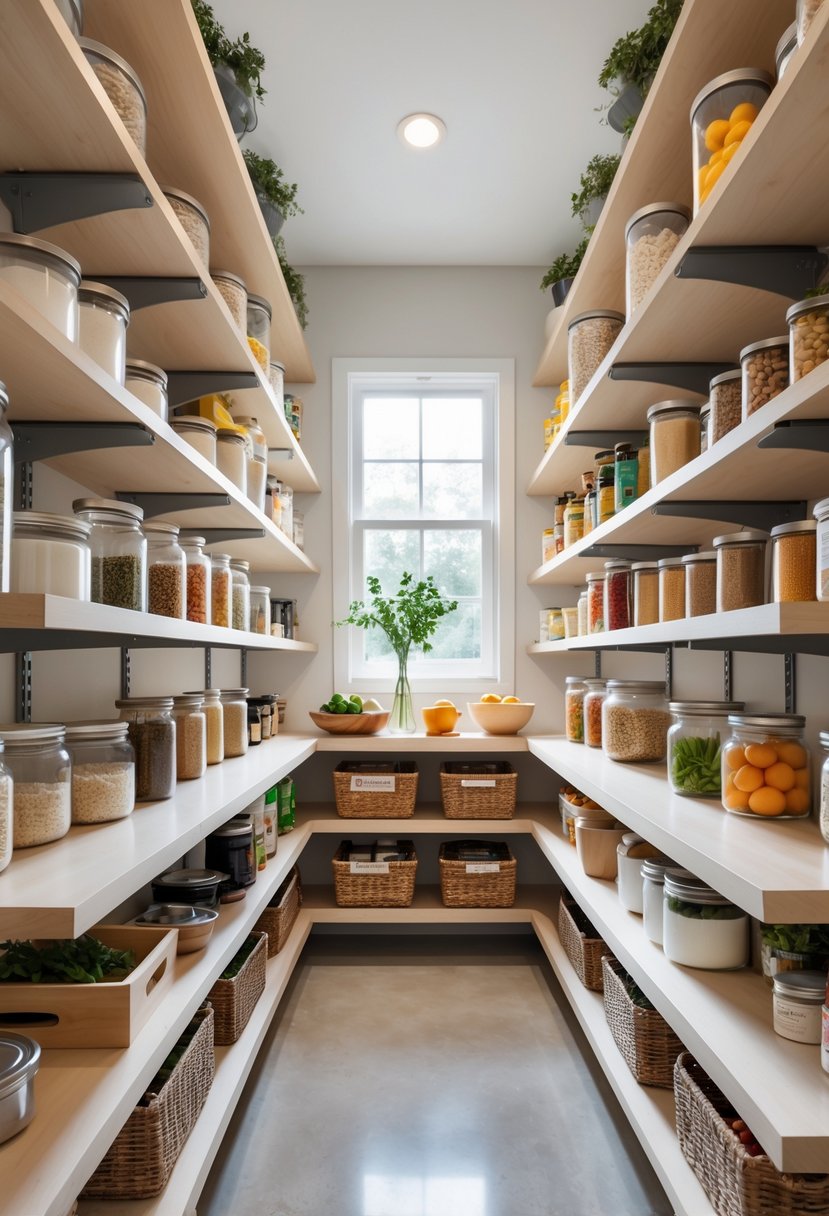
Adjustable shelving is the foundation of any great walk in pantry ideas list. Unlike fixed shelves, adjustable systems let you change shelf heights whenever your storage needs change — lower a shelf for tall cereal boxes one month, raise it for small jars and spice bottles the next.
This flexibility means you never have to waste awkward gaps of unused space. Every inch works for you, and the pantry adapts as your household’s needs evolve over time. Look for heavy-duty shelf brackets that can handle the weight of bulk items without bowing over time.
Practical tip: Install shelves at 12, 16, and 24-inch depths to accommodate everything from small spice jars to large appliances. Deeper shelves work best on lower levels where you can see and reach to the back easily.
2) Use Clear Labeled Containers For Easy Identification
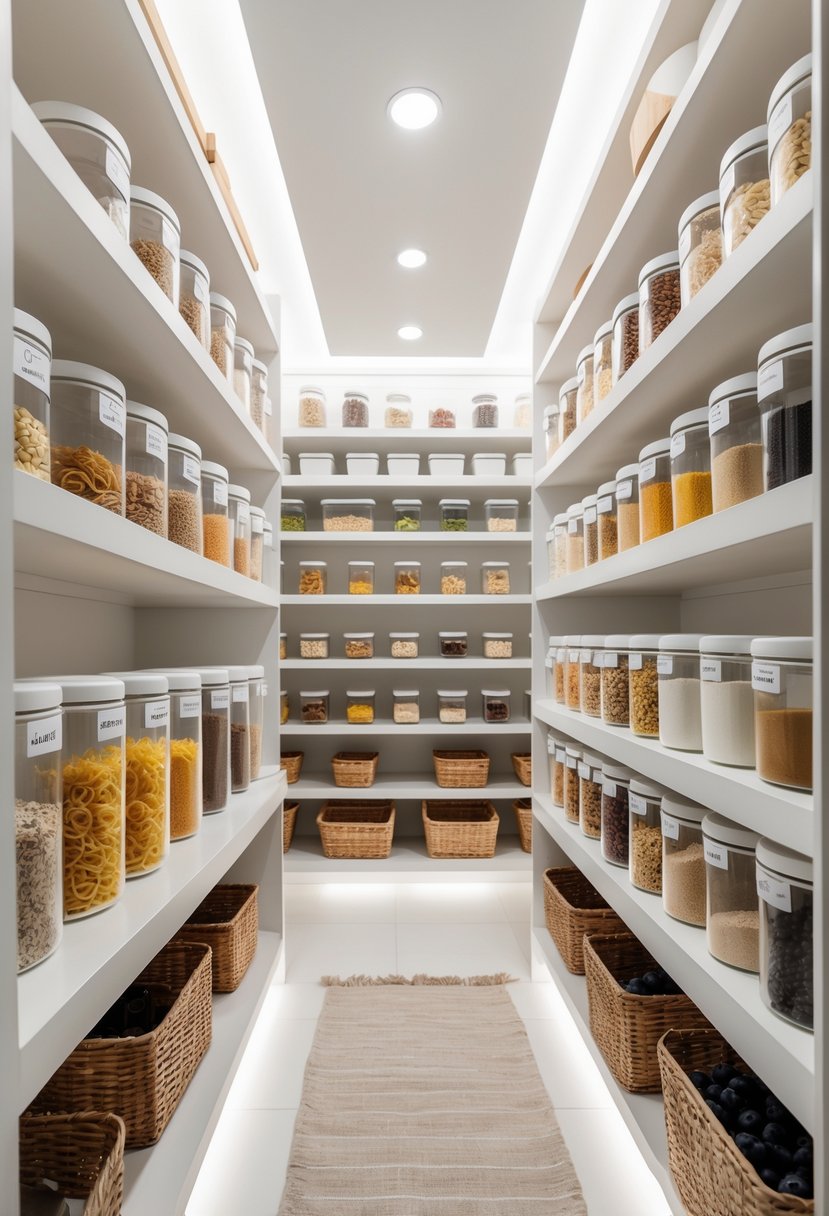
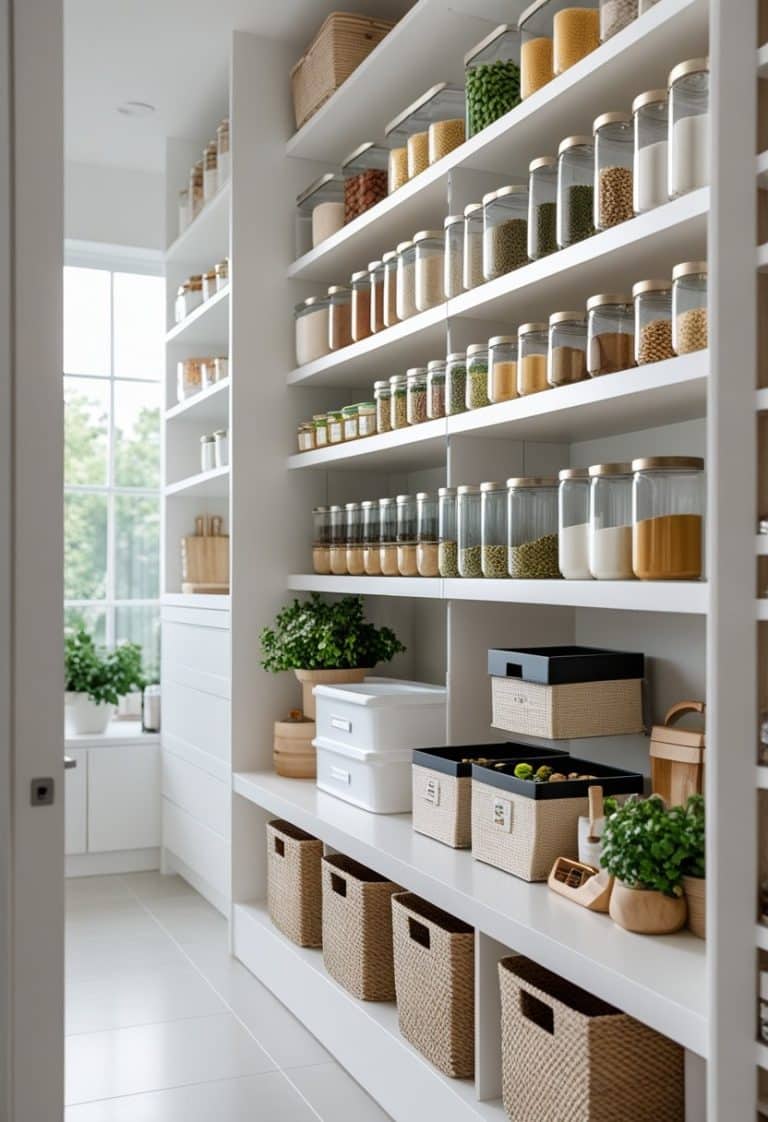
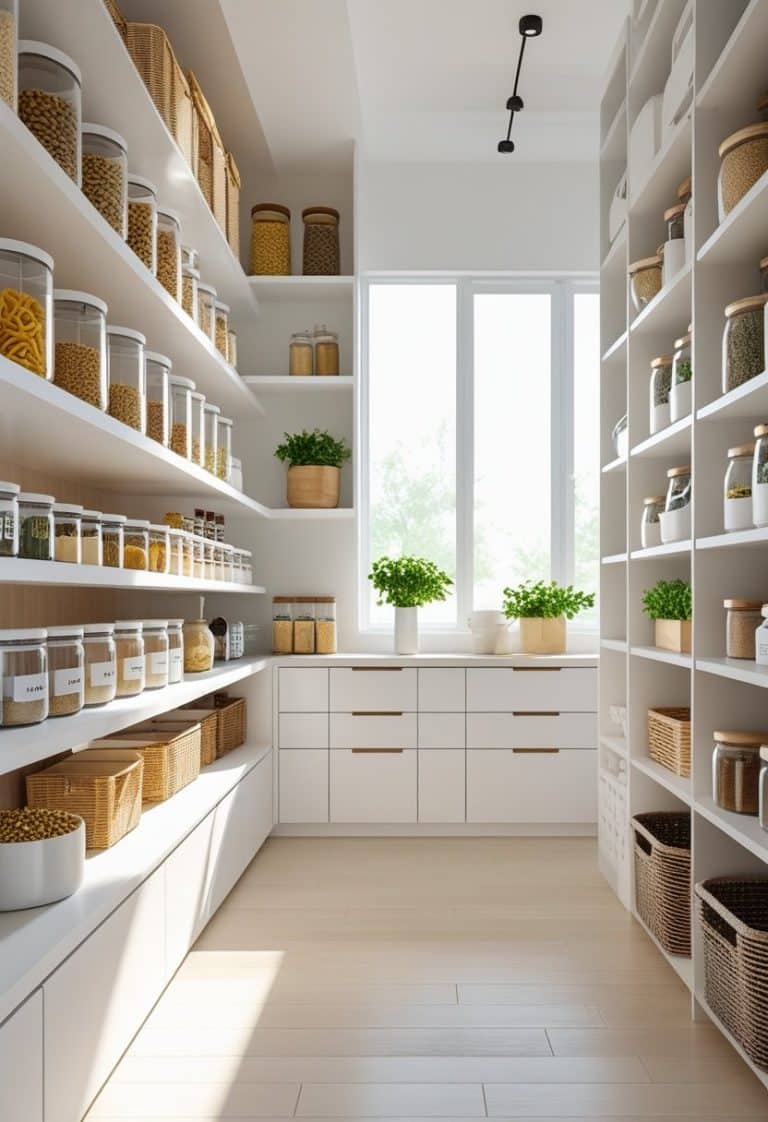
Clear, labeled containers are one of the most impactful walk-in pantry ideas you can implement today. When you can see exactly what’s inside every container at a glance, you stop buying duplicates, waste less food, and spend far less time hunting through shelves for what you need.
Decant dry goods like flour, sugar, pasta, rice, and cereals into uniform clear containers and label them clearly with the contents and expiry date. The result is a pantry that looks beautifully organised and functions even better than it looks.
Practical tip: Choose containers in the same brand and style for a cohesive, streamlined look. Square or rectangular containers use shelf space far more efficiently than round ones.
3) Incorporate Pull-Out Drawers For Easy Accessibility
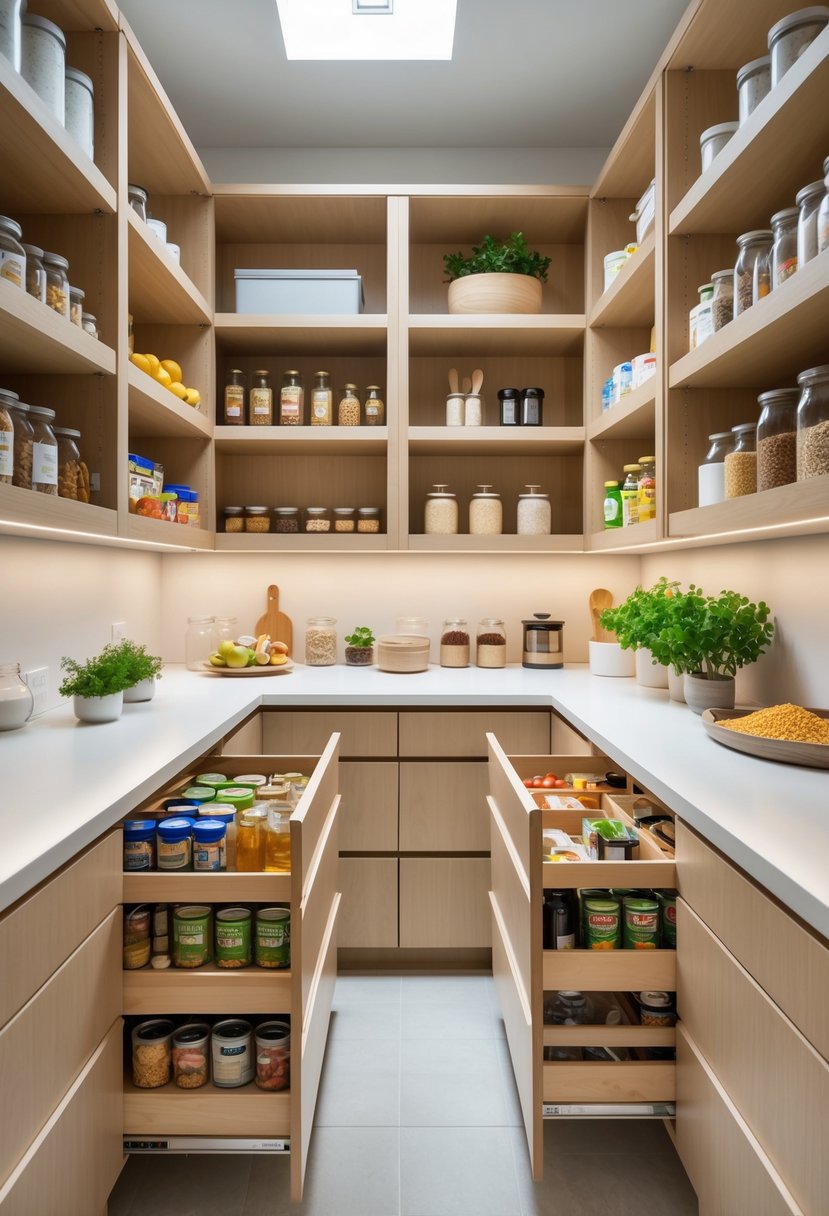
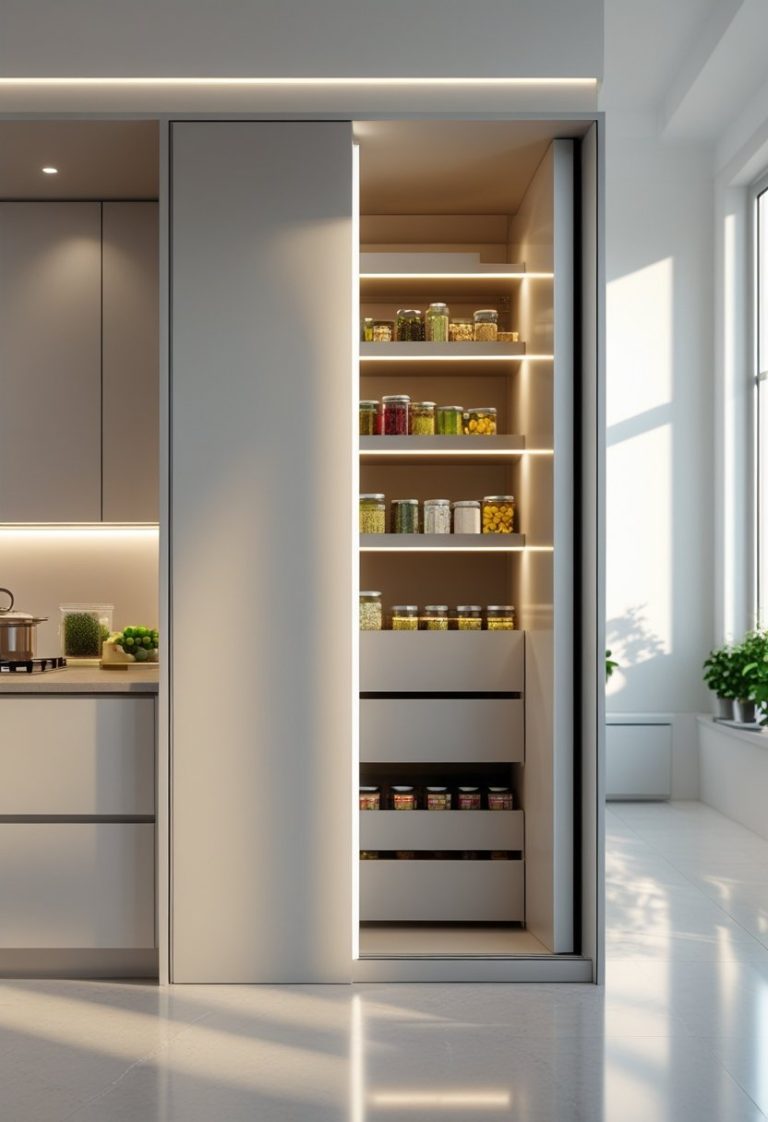
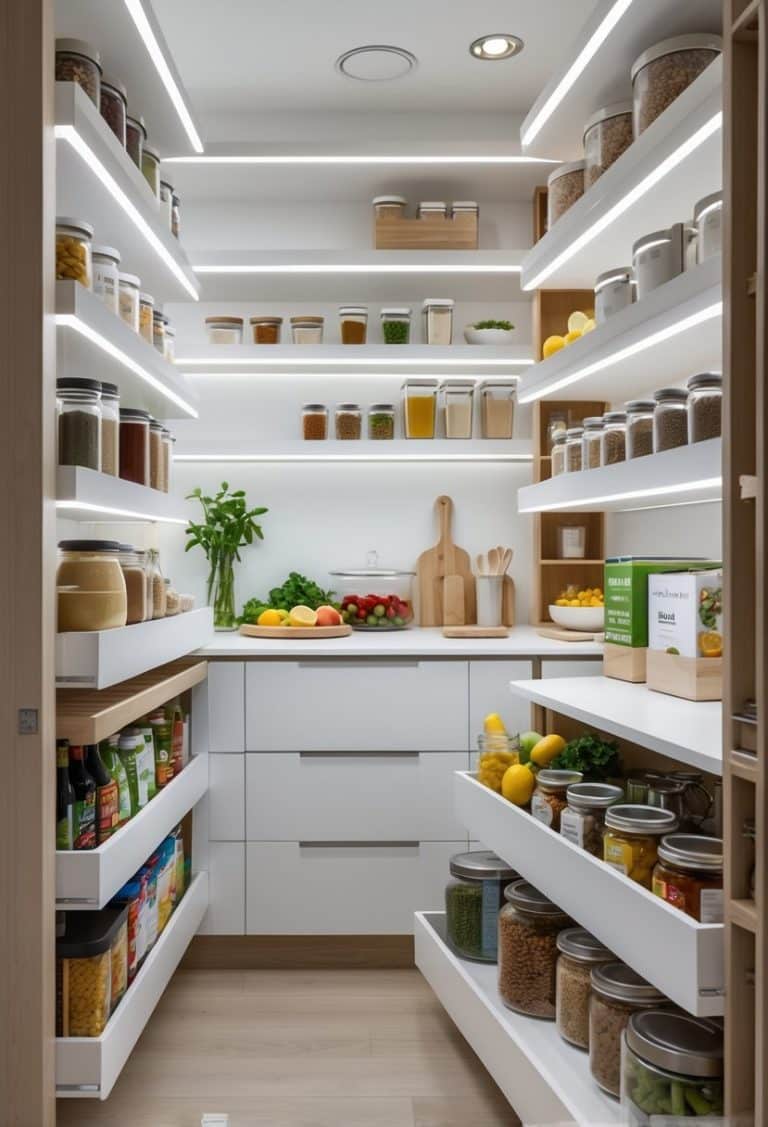
Pull-out drawers are a game-changer for deep pantry shelving. Without them, things inevitably get pushed to the back of shelves and forgotten — leading to expired food and wasted money. With pull-out drawers, everything comes to you rather than you having to reach in and rummage around.
They work particularly well for storing canned goods, snacks, condiments, and small appliances. Their smooth sliding design means you can see and access everything stored at the back of the shelf with a single easy pull.
Practical tip: Install pull-out drawers on lower shelves where bending and reaching would otherwise be necessary. Soft-close mechanisms are worth the extra investment — they make the pantry feel high-end and prevent drawers slamming shut.
4) Add A Built-In Countertop For Meal Prep
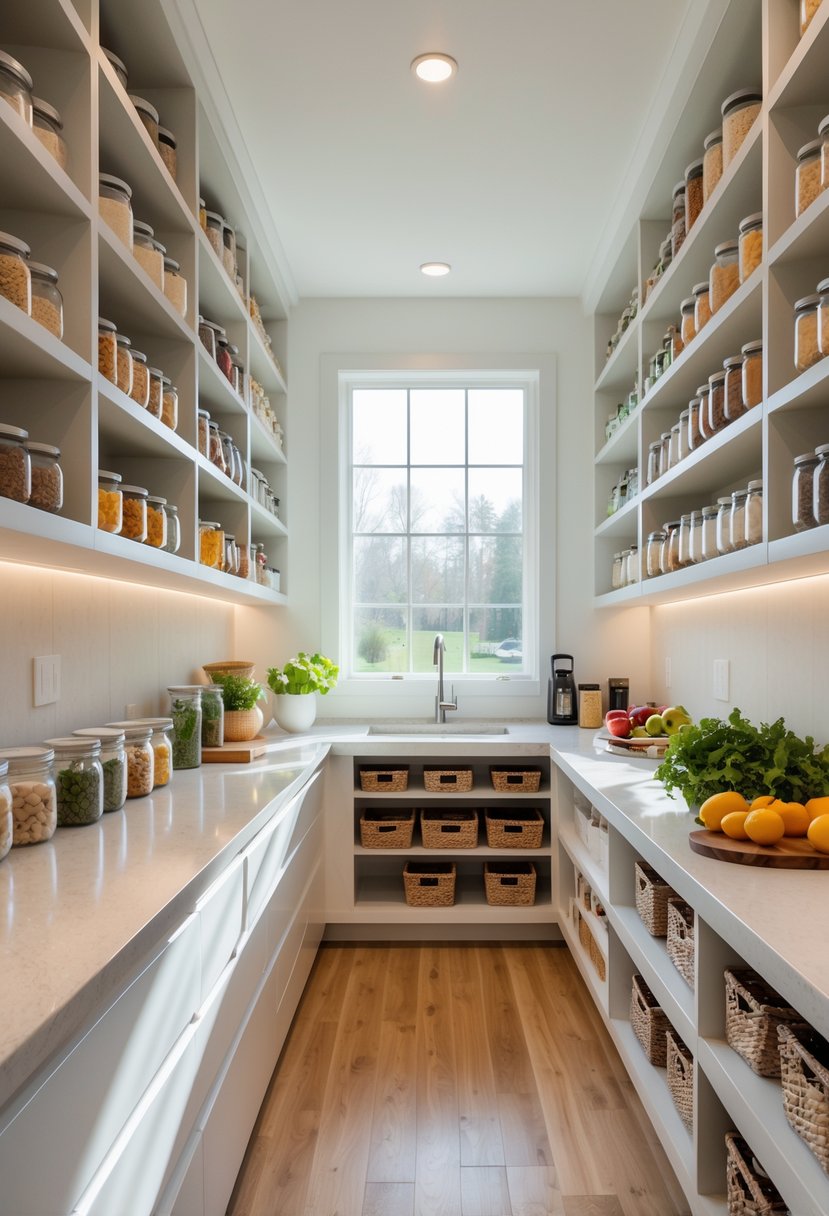
A built-in countertop inside your walk-in pantry is one of those additions that sounds like a luxury until you have one — and then you wonder how you ever managed without it. It gives you dedicated workspace for unpacking groceries, preparing ingredients, and housing small appliances like your coffee maker, toaster, or stand mixer.
Keeping these appliances in the pantry rather than on your main kitchen counter dramatically reduces visual clutter and makes your kitchen feel cleaner and more spacious. Choose a durable, easy-clean surface like quartz or laminate that can handle daily use without showing wear.
Practical tip: Position your built-in countertop at standard kitchen counter height (36 inches) so it feels natural to work at. Add a power outlet above the counter so small appliances can be used without an extension cord.
5) Include Open Shelving For Frequently Used Items
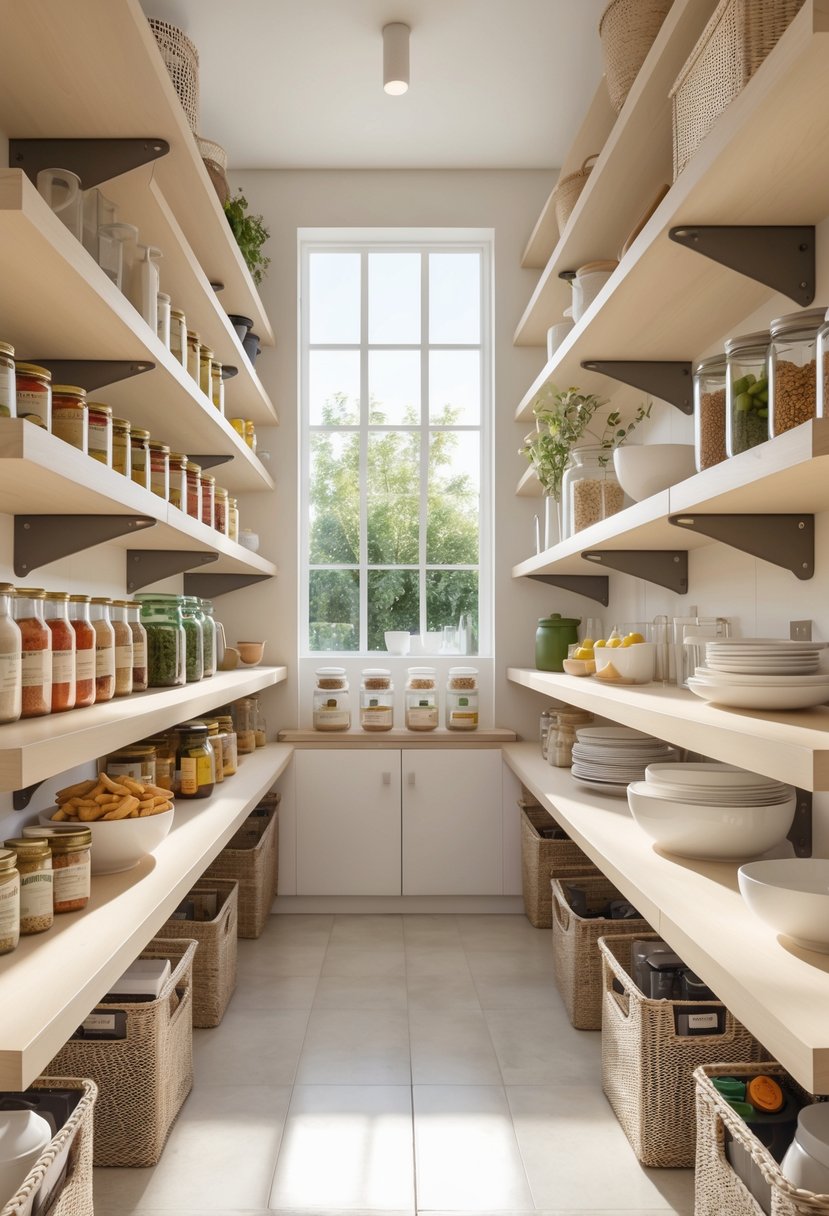
Open shelving is one of the most practical walk-in pantry ideas for everyday items you reach for constantly. When your most-used ingredients and tools are on open shelves at eye level, you save time every single day — no opening doors, no moving things around, just grab and go.
Group items logically — dry goods together, baking supplies together, snacks together — and use uniform jars or bins to keep the display tidy. The goal is a pantry where everything has a clear home and you can find anything in under five seconds.
Practical tip: Reserve open shelving for items you use at least three times a week. Less frequently used items belong behind closed doors or in deeper storage where they don’t create visual noise.
6) Use Sliding Barn Doors To Save Space
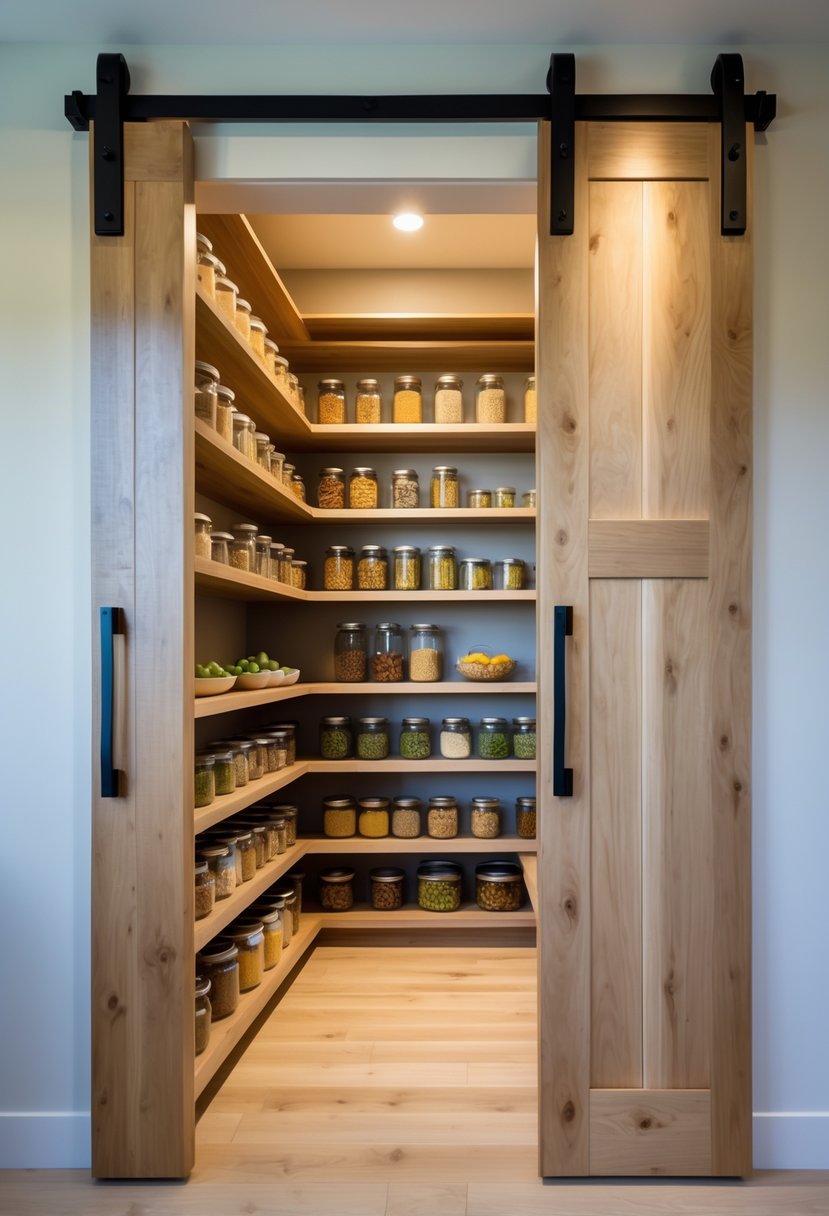
If your pantry entrance is in a tight spot, sliding barn doors are one of the cleverest walk-in pantry ideas you can choose. Traditional swinging doors require clearance space to open — space that could be used for a kitchen island, a dining table, or simply more breathing room in your kitchen layout.
Sliding barn doors glide along the wall instead, taking up zero floor space when open. In 2026 they come in a huge range of styles — from rustic reclaimed wood to sleek matte black metal — so there’s an option to suit any kitchen aesthetic.
Practical tip: If you want the look of barn doors but your wall space doesn’t allow for sliding, pocket doors are an excellent alternative — they slide directly into the wall cavity and disappear completely when open.
7) Install LED Strip Lighting For Better Visibility
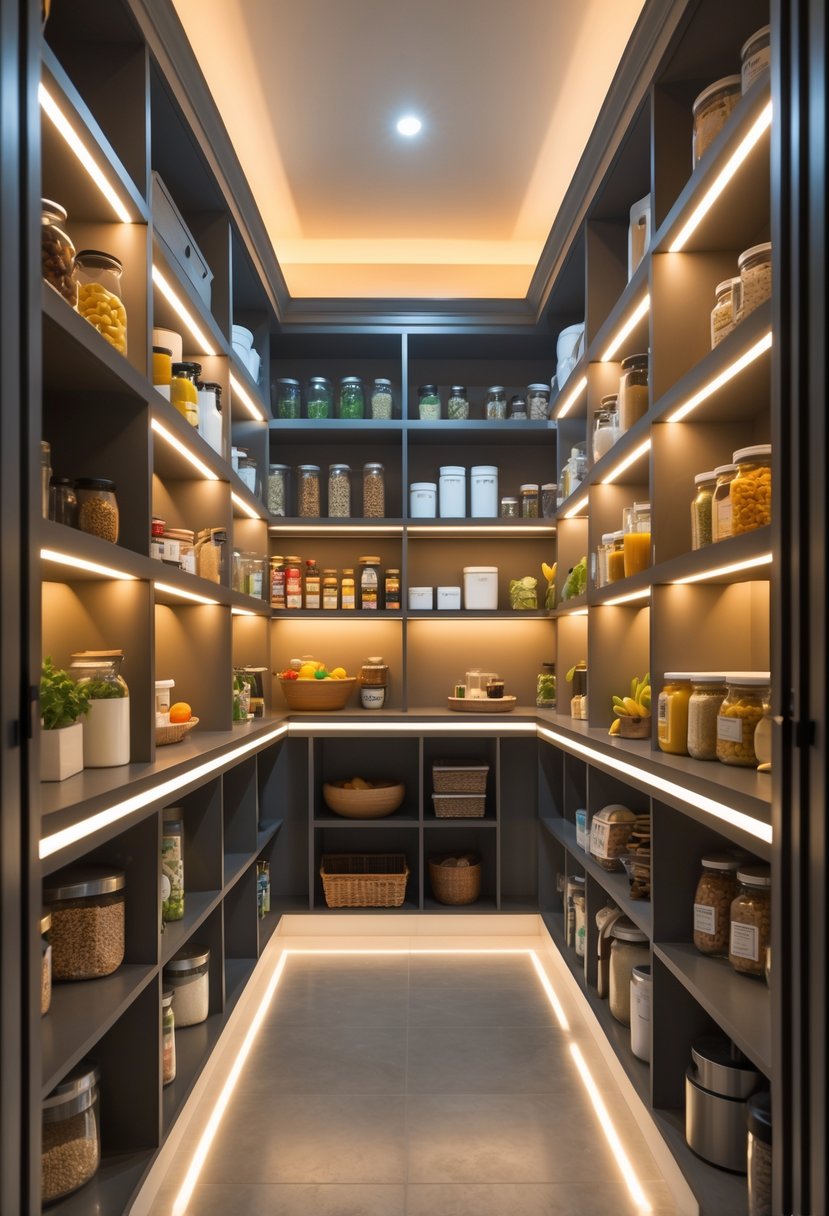
Good lighting is one of the most underrated walk in pantry ideas — it transforms a dark, frustrating space into one that’s genuinely pleasant to use. LED strip lights installed under each shelf illuminate the contents of the shelf below, eliminating shadows and making it easy to see labels and find items instantly.
Motion-activated LED strips are particularly useful — the lights come on automatically when you walk in and turn off when you leave, saving energy without requiring you to reach for a switch with your arms full of groceries.
Practical tip: Choose LED strips with a colour temperature between 3000K and 4000K for pantry lighting — warm enough to feel inviting but bright enough to read labels clearly. Avoid anything too yellow as it can make it harder to distinguish colours on packaging.
8) Incorporate A Small Fridge For Perishables
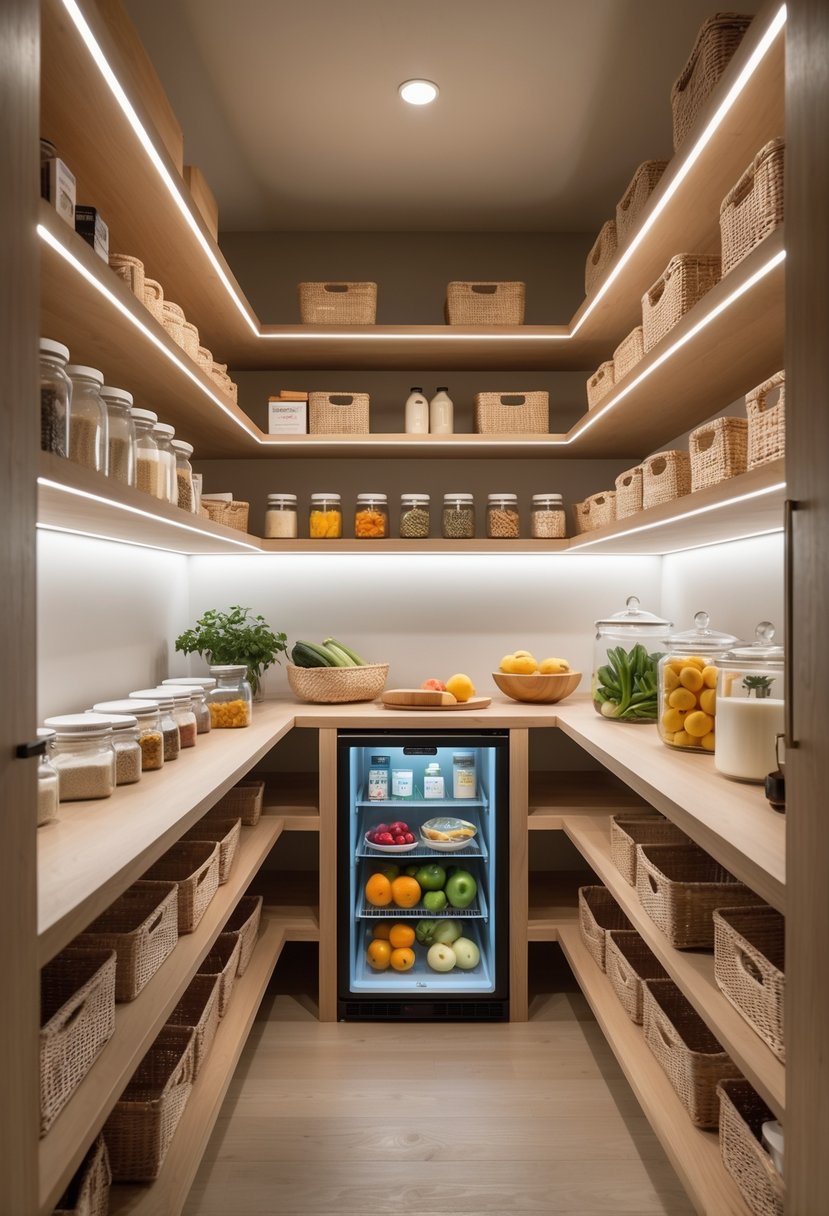
Adding a compact fridge to your walk-in pantry is one of those walk-in pantry ideas that genuinely changes how your kitchen functions. It keeps everyday perishables — milk, butter, condiments, produce, drinks — within easy reach in the pantry rather than requiring a trip to the main kitchen fridge every time.
This is particularly useful for families with children who can help themselves to drinks and snacks without disrupting whoever is cooking. It also reduces how often you need to open your main fridge, which can help with energy efficiency.
Practical tip: Position the compact fridge under your built-in countertop to save space and create a seamless, integrated look. Make sure there’s adequate ventilation on all sides and a dedicated power outlet nearby.
9) Use Wire Baskets For Produce Storage
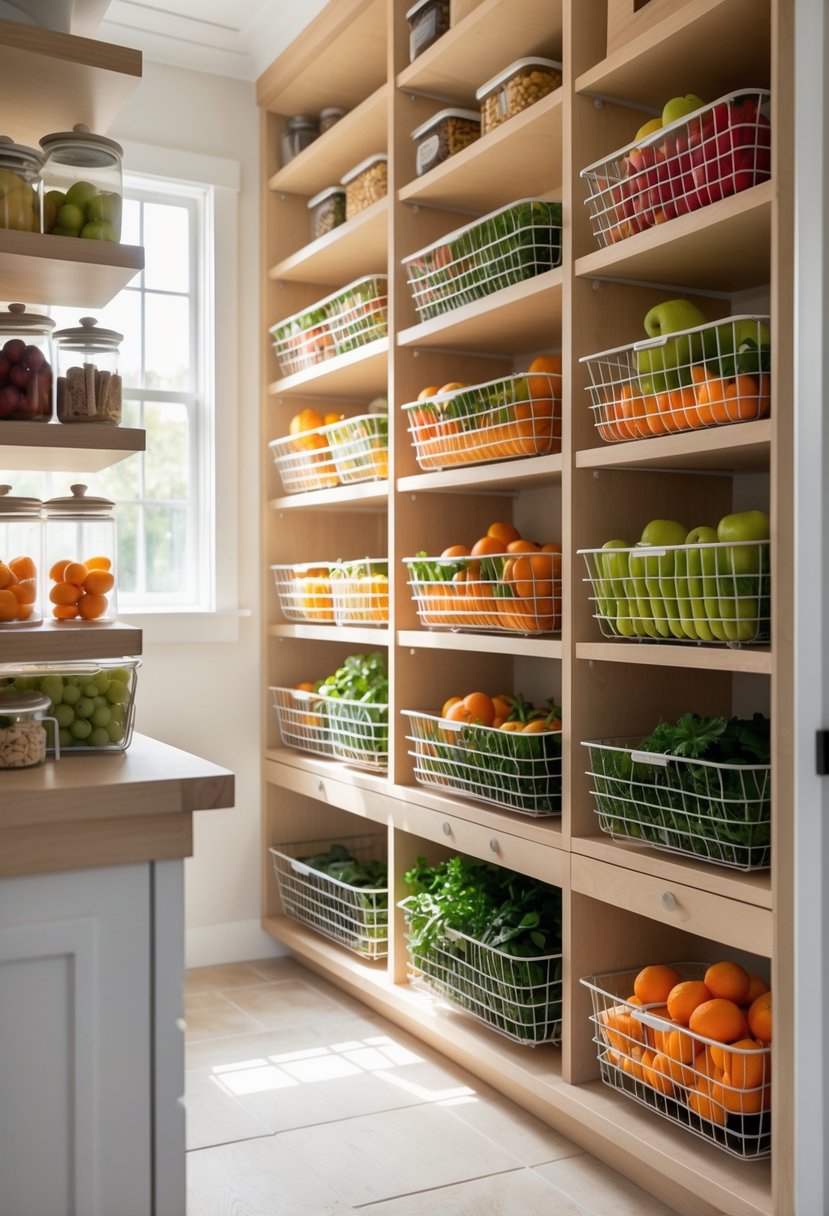
Wire baskets are one of the most practical solutions for storing fruits and vegetables in a walk-in pantry. Unlike solid containers or drawers, wire baskets allow air to circulate freely around produce, which slows ripening and significantly extends freshness.
Mount them on pantry walls at different heights, stack them on lower shelves, or hang them from ceiling-mounted rails for a stylish market-inspired look. They keep produce visible so you always know what you have and can use things before they go off.
Practical tip: Use separate baskets for different produce types — one for onions and garlic, one for apples and citrus, one for root vegetables. This prevents flavours and ethylene gas from transferring between items and keeps everything fresher longer.
10) Add A Chalkboard Wall For Grocery Lists
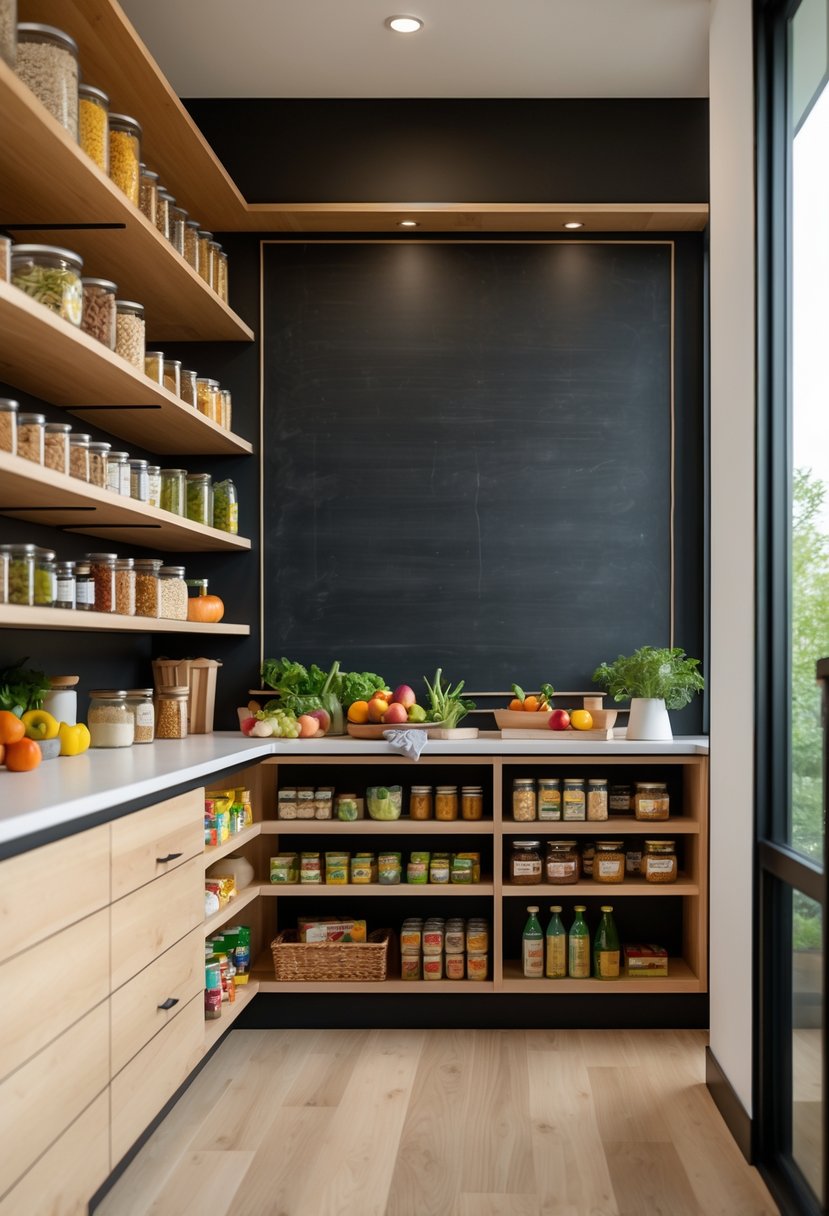
A chalkboard wall is one of those simple walk in pantry ideas that makes a genuinely noticeable difference to how organised your household runs. Write your grocery list directly on the wall as items run low, plan your weekly meals, note what needs using before it expires — everything stays visible and in one place.
Use chalkboard paint on a single wall or panel for a permanent solution, or opt for peel-and-stick chalkboard contact paper if you rent or want something less permanent. Either way the result is a practical, interactive feature that the whole household can contribute to.
Practical tip: Place the chalkboard at eye level near the pantry entrance so it’s the first thing you see when you walk in. Keep a small ledge below it for storing chalk and an eraser so they’re always at hand.
11) Include Hooks For Hanging Utensils And Aprons
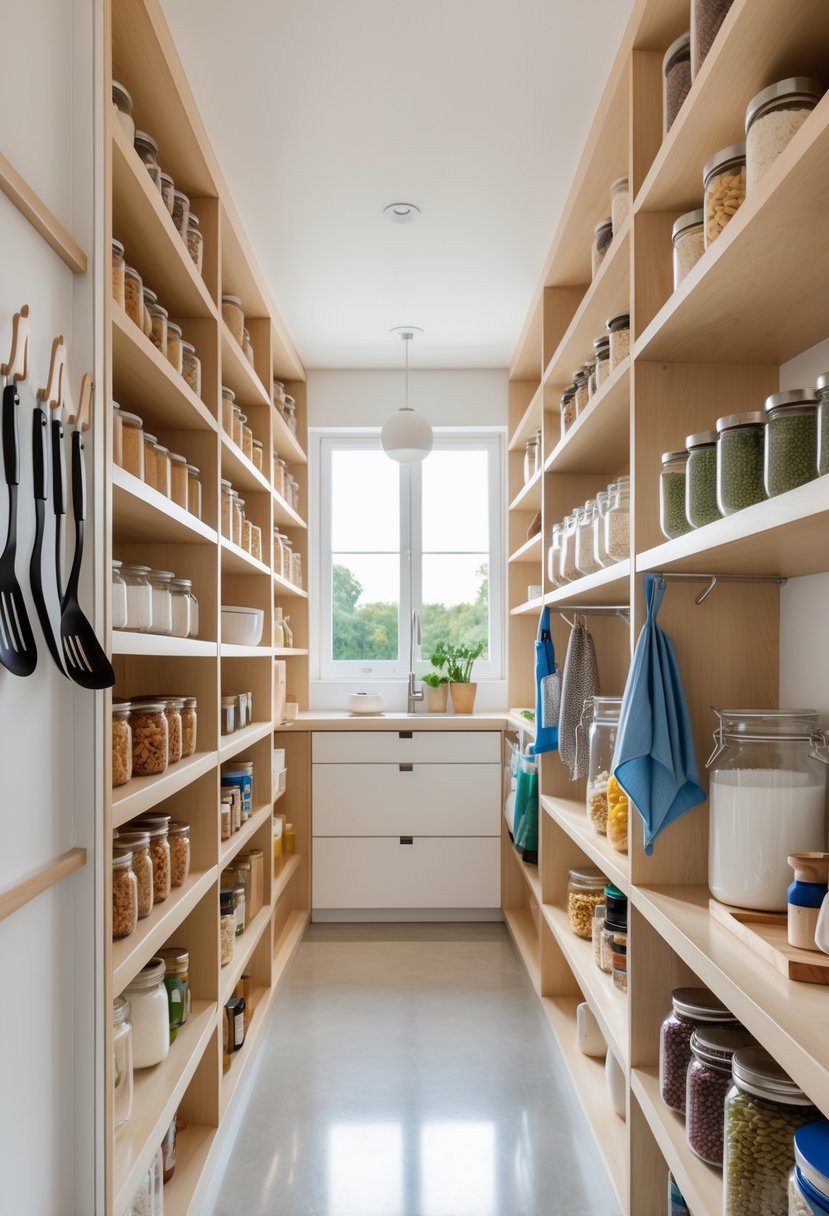
Hooks are one of the most underused storage solutions in a walk-in pantry. The backs of doors and blank wall sections are prime real estate that most people leave completely empty — adding hooks turns this unused space into genuinely useful storage.
Hang aprons, reusable shopping bags, measuring cups and spoons, pot holders, and small kitchen tools. Everything stays visible, accessible, and off the shelves where it might otherwise create clutter. Door-mounted hook rails are particularly effective as they use space that would otherwise be completely wasted.
Practical tip: Choose hooks in a finish that matches your other hardware — matte black, brushed nickel, or brass — to keep the pantry looking cohesive and intentional rather than makeshift.
12) Use Tiered Spice Racks For Organisation
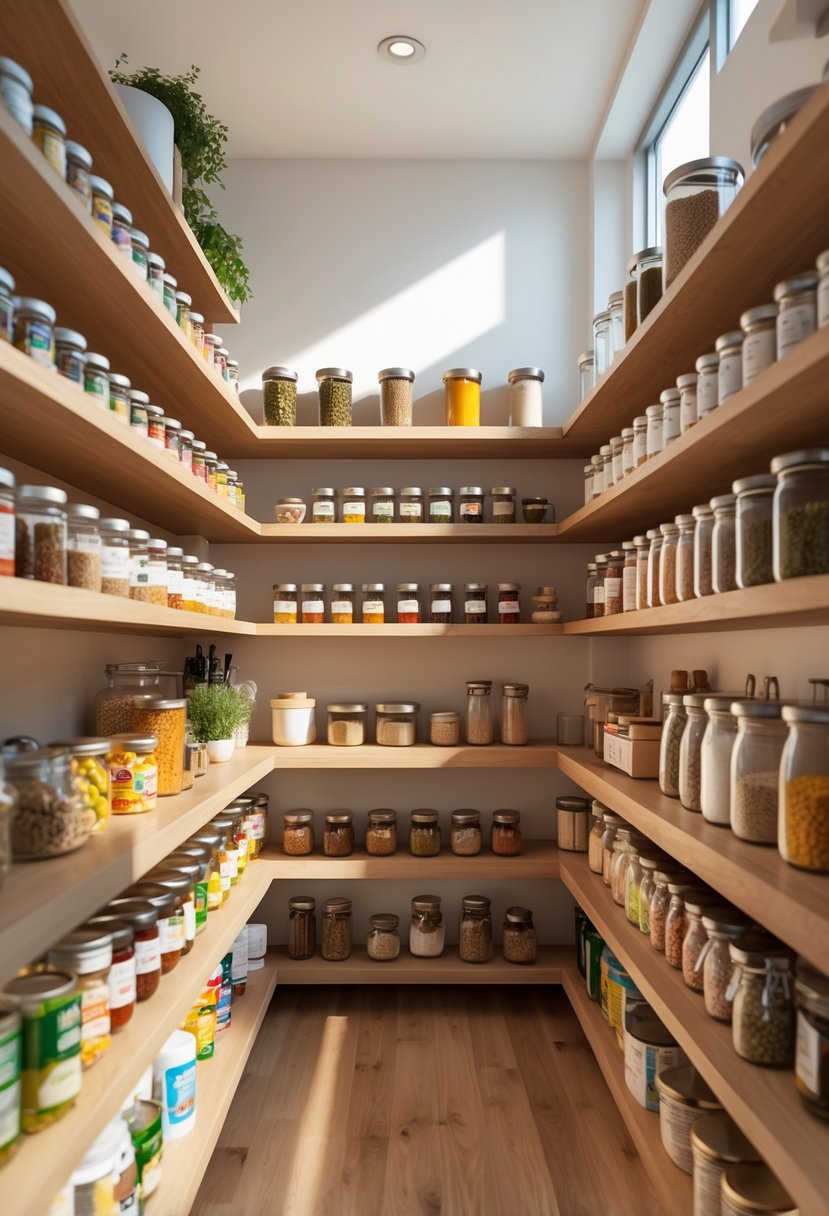
Spices are one of the most frustrating things to organise in any kitchen — and one of the easiest to sort out with the right storage. Tiered spice racks arrange jars in stepped rows so every label is visible at a glance, meaning you can find exactly what you need in seconds rather than moving fifteen jars to find the paprika.
They fit neatly on pantry shelves, inside cabinet doors, or on a dedicated spice wall section. Decanting spices into uniform glass jars with matching labels takes a little time upfront but creates a pantry feature that looks beautiful and functions perfectly every day.
Practical tip: Organise spices alphabetically within each tier — it sounds overly organised but genuinely saves time, especially when you’re in the middle of cooking and need to find something quickly.
13) Incorporate A Step Stool Stored Within The Pantry
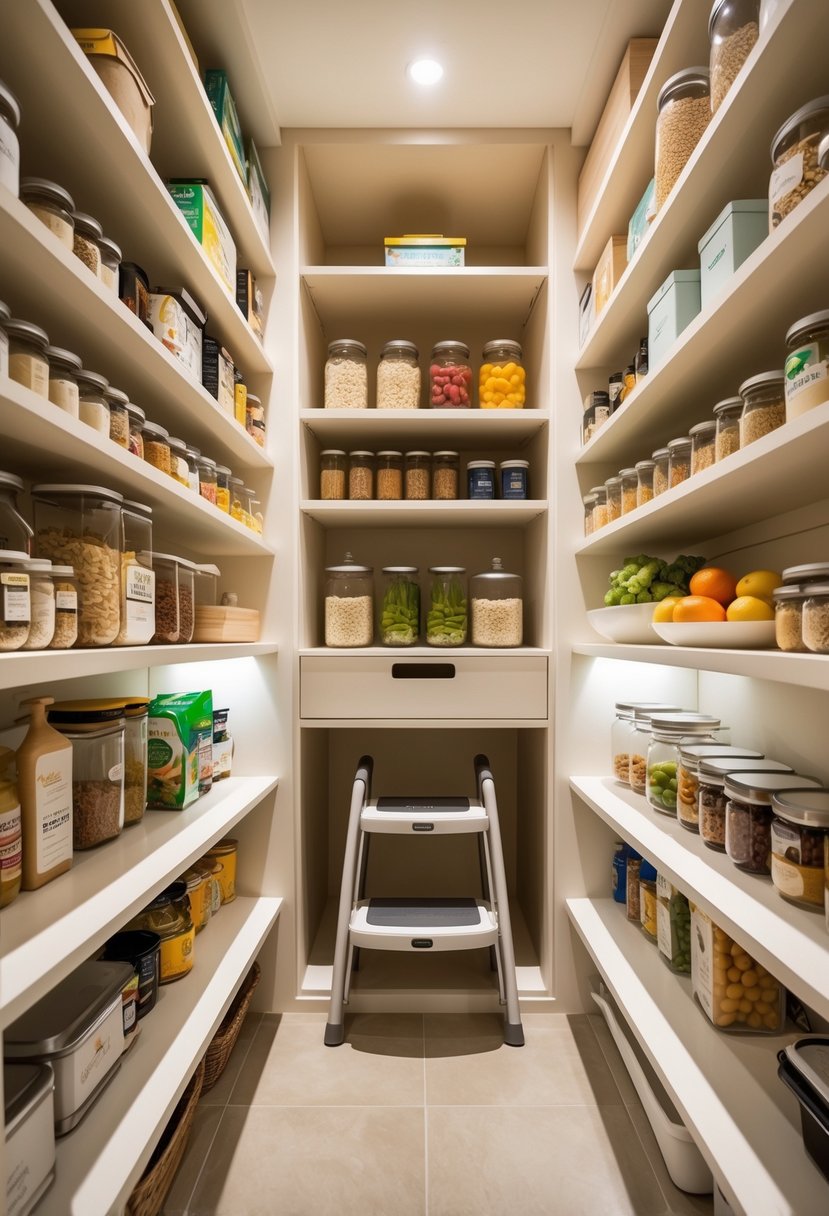
High shelves are some of the most valuable storage real estate in a walk-in pantry — but only if you can actually reach them safely. A compact folding step stool stored inside the pantry means those upper shelves become genuinely usable rather than awkward dead zones.
Store the stool in a slim gap between shelving units, hang it on a wall hook, or tuck it under the countertop. It takes up minimal space but makes the difference between using 100% of your pantry’s vertical storage versus ignoring everything above shoulder height.
Practical tip: Use the highest shelves for items you use infrequently — bulk purchases, seasonal baking supplies, or backup pantry staples — so you’re not reaching for the stool every day.
14) Add A Wine Rack For Beverage Storage
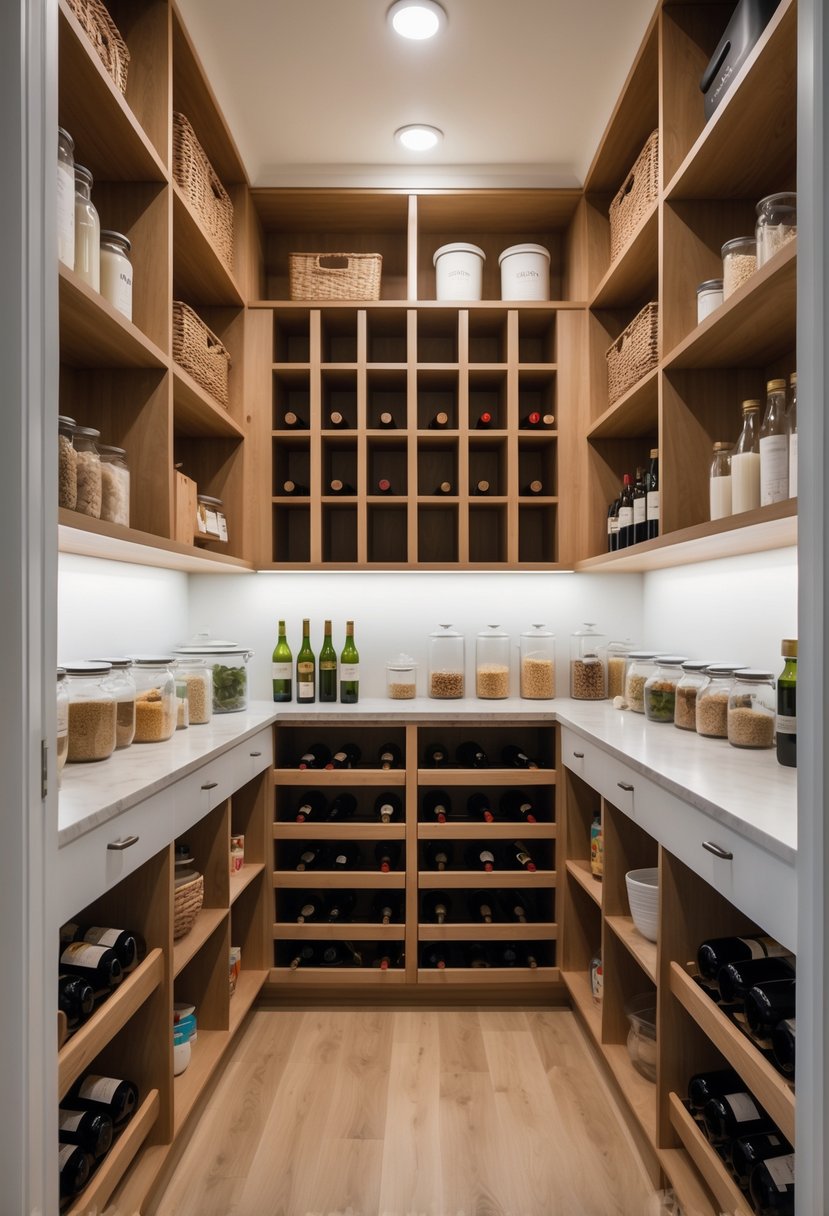
A dedicated wine rack inside your walk-in pantry keeps bottles organised, protected, and beautifully displayed without taking up counter space or cluttering other areas. It creates a natural home for wine, spirits, and specialty drinks that might otherwise end up stored haphazardly in various corners of the kitchen.
Built-in wine racks can be mounted on walls, fitted under shelves, or incorporated into cabinetry for a seamless look. Freestanding racks are a flexible alternative that can be repositioned as your storage needs change.
Practical tip: Store wine on its side to keep corks moist and prevent premature oxidation. Position the rack away from any heat sources including your compact fridge’s ventilation area.
15) Use Deep Shelves For Bulk Items
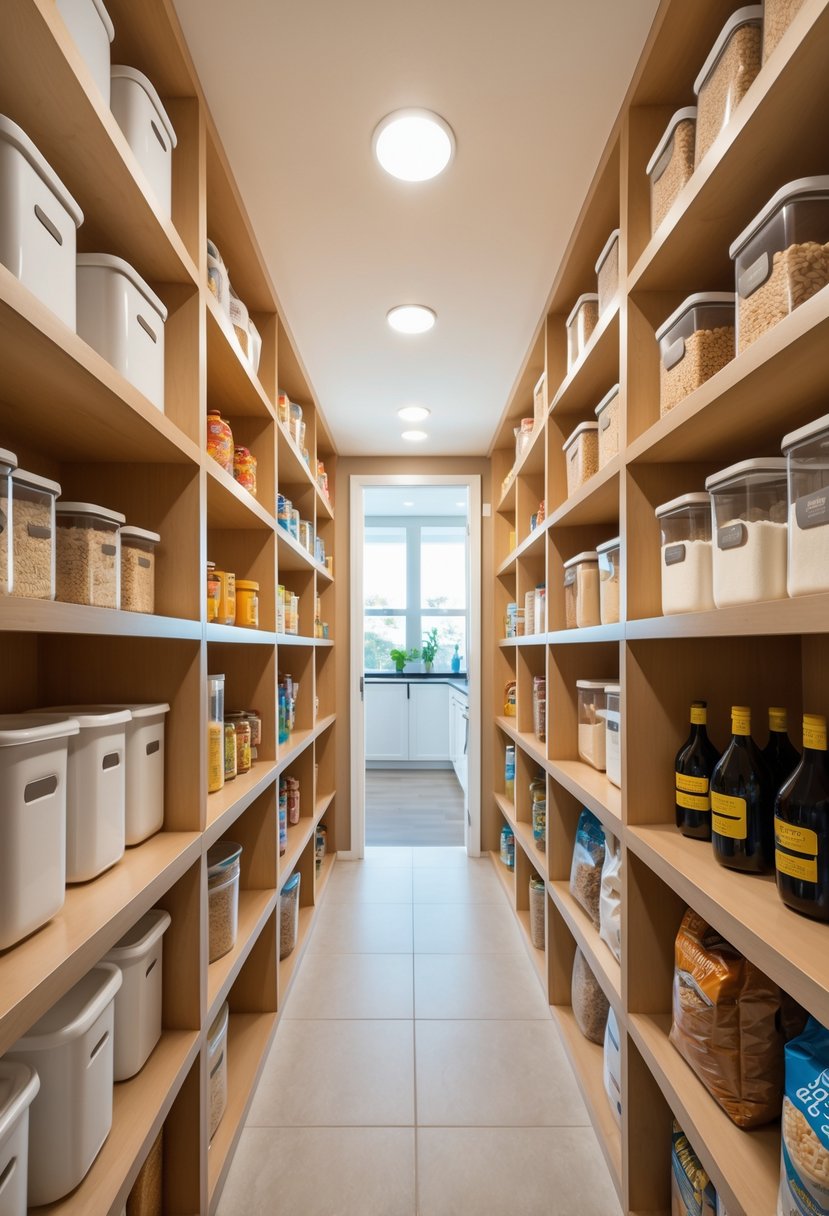
Deep shelves are essential for anyone who buys in bulk — and bulk buying is one of the most effective ways to reduce grocery costs and weekly shopping trips. Paper towels, bulk cereals, extra pantry staples, and large appliances all need the kind of deep, sturdy shelf space that standard kitchen cabinets simply can’t provide.
The key to making deep shelves work is organisation. Use clear bins or labeled baskets to group items and prevent things getting lost at the back. A simple rule — first in, first out — ensures older stock gets used before newer purchases.
Practical tip: Install deep shelves on lower levels only, where you can see and reach to the back without difficulty. Upper shelves should be shallower (around 12 inches) so items at the back remain visible and accessible.
16) Include A Designated Snack Drawer
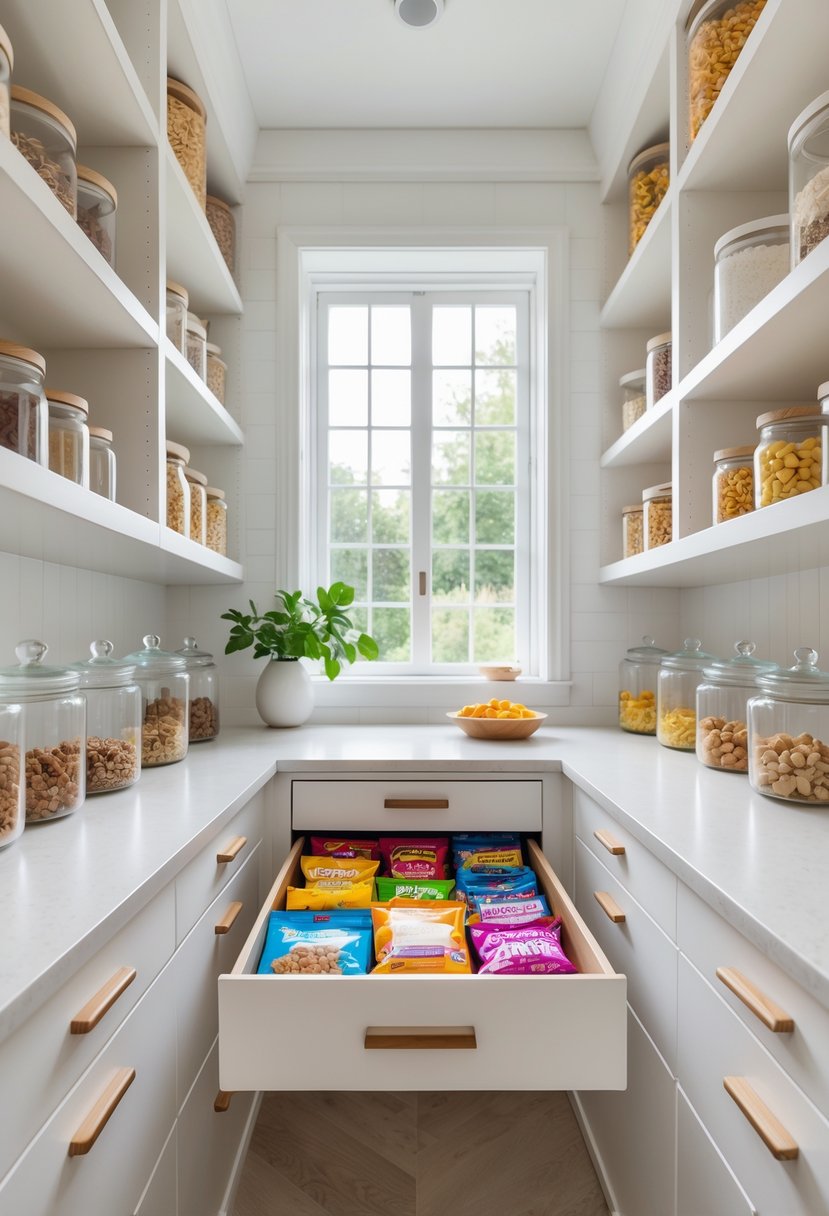
A dedicated snack drawer is one of the most family-friendly walk-in pantry ideas you can implement. When snacks have their own clearly defined home, children can help themselves independently without disrupting the rest of the pantry organisation and adults know exactly where to look when they want something quick.
Use shallow drawers with internal dividers to separate different snack categories granola bars, crackers, dried fruit, individual portion bags. Clear drawer fronts or open-top drawers make it easy to see what’s available at a glance.
Practical tip: Position the snack drawer at a height that children can reach independently. This encourages self-sufficiency and reduces the constant “where are the snacks?” questions.
17) Install A Pegboard For Customisable Storage
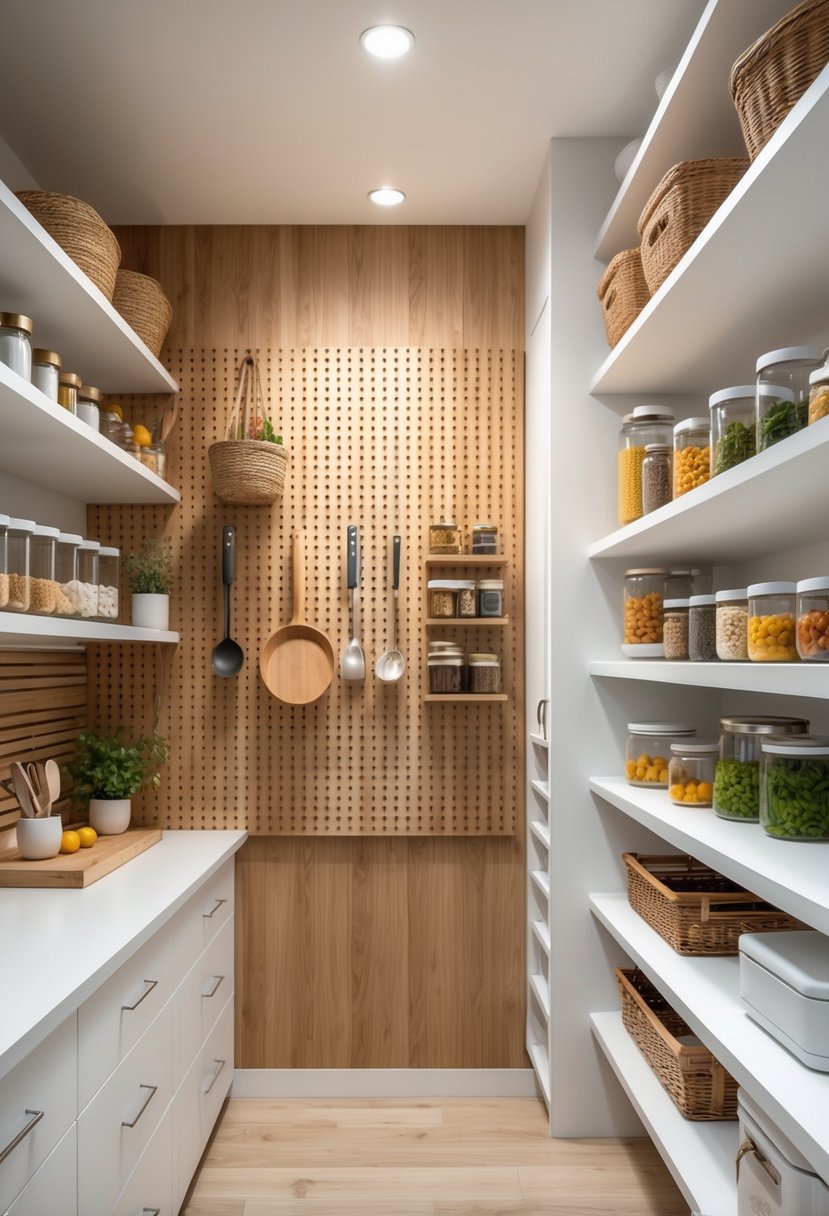
A pegboard is one of the most versatile and cost-effective walk-in pantry ideas available. Mount a metal or wooden board on a pantry wall and use a combination of hooks, baskets, shelves, and rails to create a completely customisable storage system that adapts as your needs change.
Use it for utensils, small appliances, cleaning supplies, craft supplies, or anything else that tends to clutter shelves. The beauty of pegboard is that you can reorganise it completely in minutes — just move the hooks and try a different configuration.
Practical tip: Paint your pegboard in a colour that complements your pantry’s overall palette — matte black, warm white, or sage green all look beautiful and make the items displayed on it stand out clearly.
18) Use Clear Bins For Baking Supplies
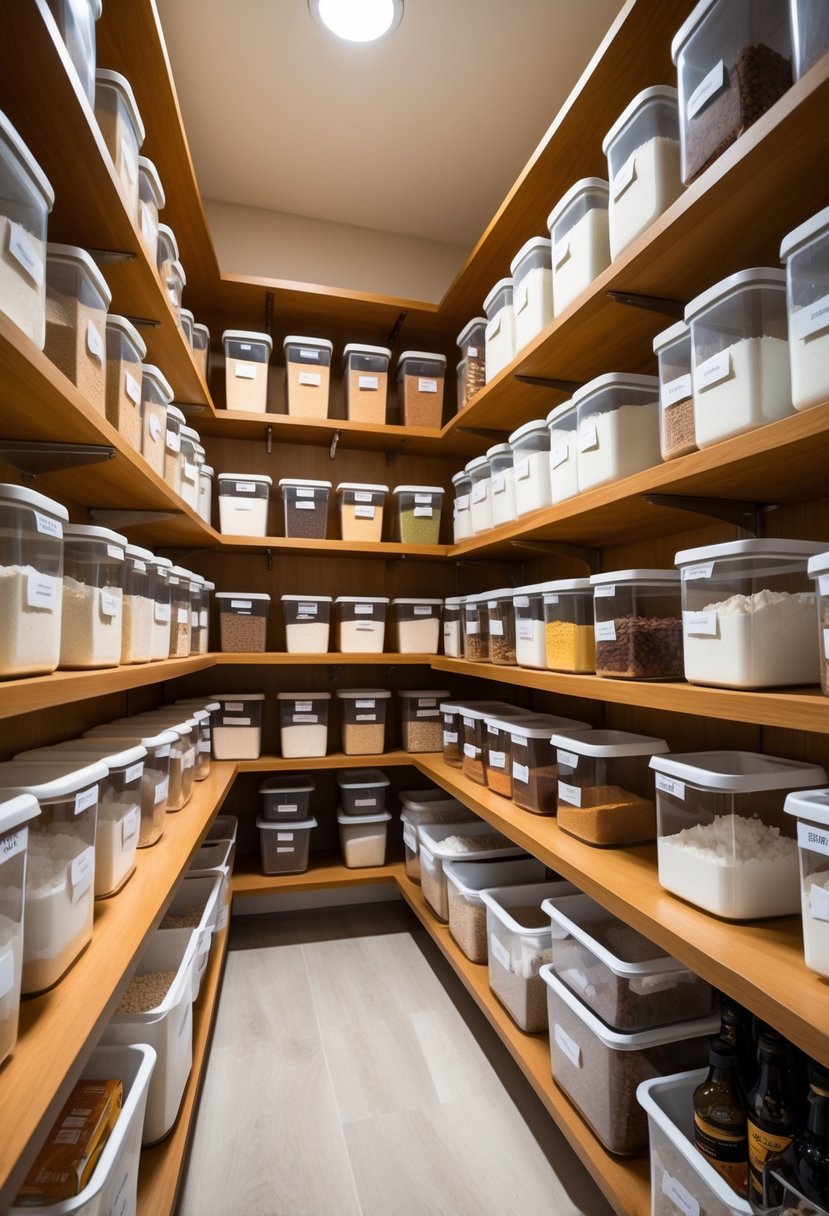
Baking supplies are some of the most satisfying things to organise in a walk-in pantry. Flour, sugar, baking powder, cocoa, icing sugar, and all the other dry goods that baking requires look incredible when stored in matching clear bins with clean labels — and more importantly, they become genuinely easy to use.
You can see at a glance whether you have enough of everything before you start a recipe, which means no more getting halfway through baking and discovering you’re out of an essential ingredient. Group all baking supplies in one dedicated section of the pantry for maximum efficiency.
Practical tip: Include a scoop inside each container so measuring is quicker and easier. Store baking supplies near your built-in countertop if you have one, so everything is within easy reach when you’re baking
19) Add A Pull-Out Trash And Recycling Centre
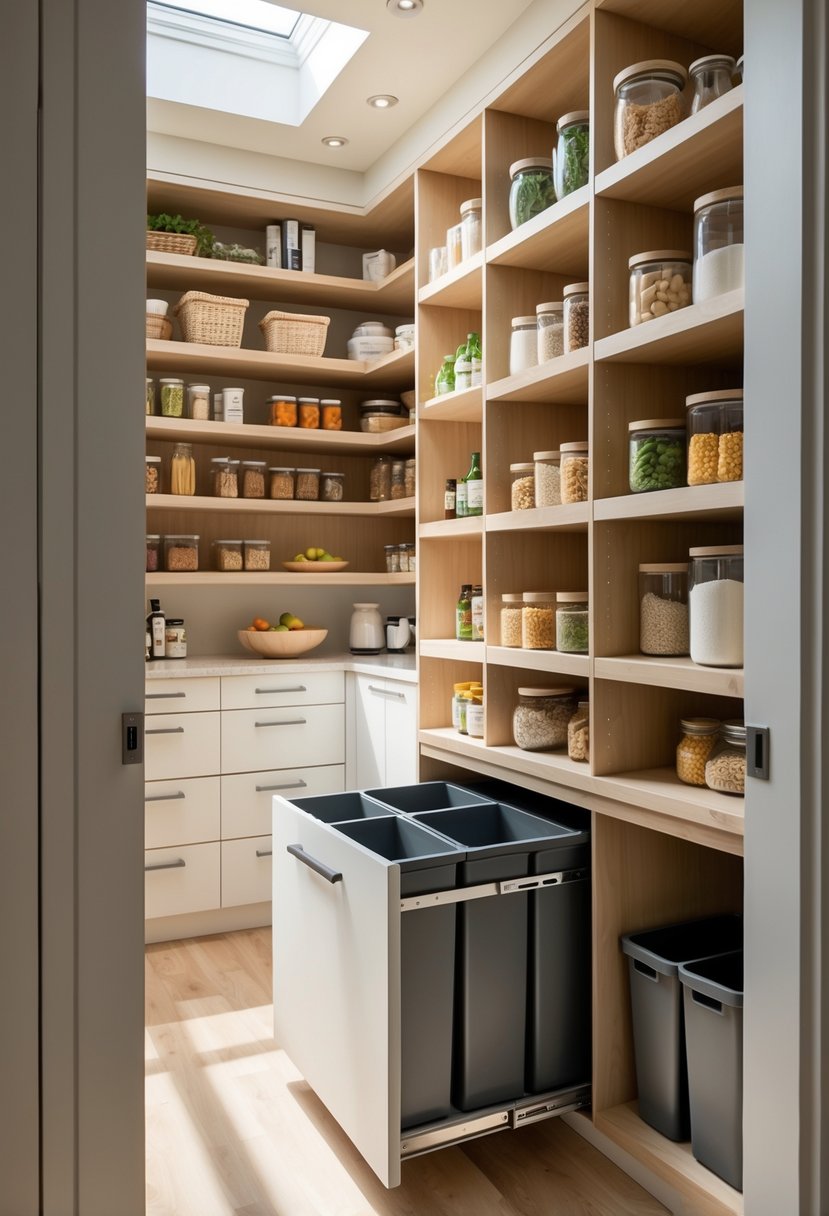
A pull-out trash and recycling centre is one of those practical walk in pantry ideas that makes your entire kitchen work more smoothly. It removes unsightly bins from kitchen floor space, keeps waste contained and out of sight, and makes sorting recycling straightforward with clearly labelled dual bins.
Most systems use soft-close slides for smooth, quiet movement and come in a range of sizes to fit different cabinet widths. Having your bins in the pantry means less kitchen clutter and a cleaner, more streamlined cooking environment.
Practical tip: Choose a pull-out system with at least two bins — one for general waste and one for recycling. If your council collects food waste separately, a compact third bin for compostable material is worth including.
20) Include A Built-In Bread Box
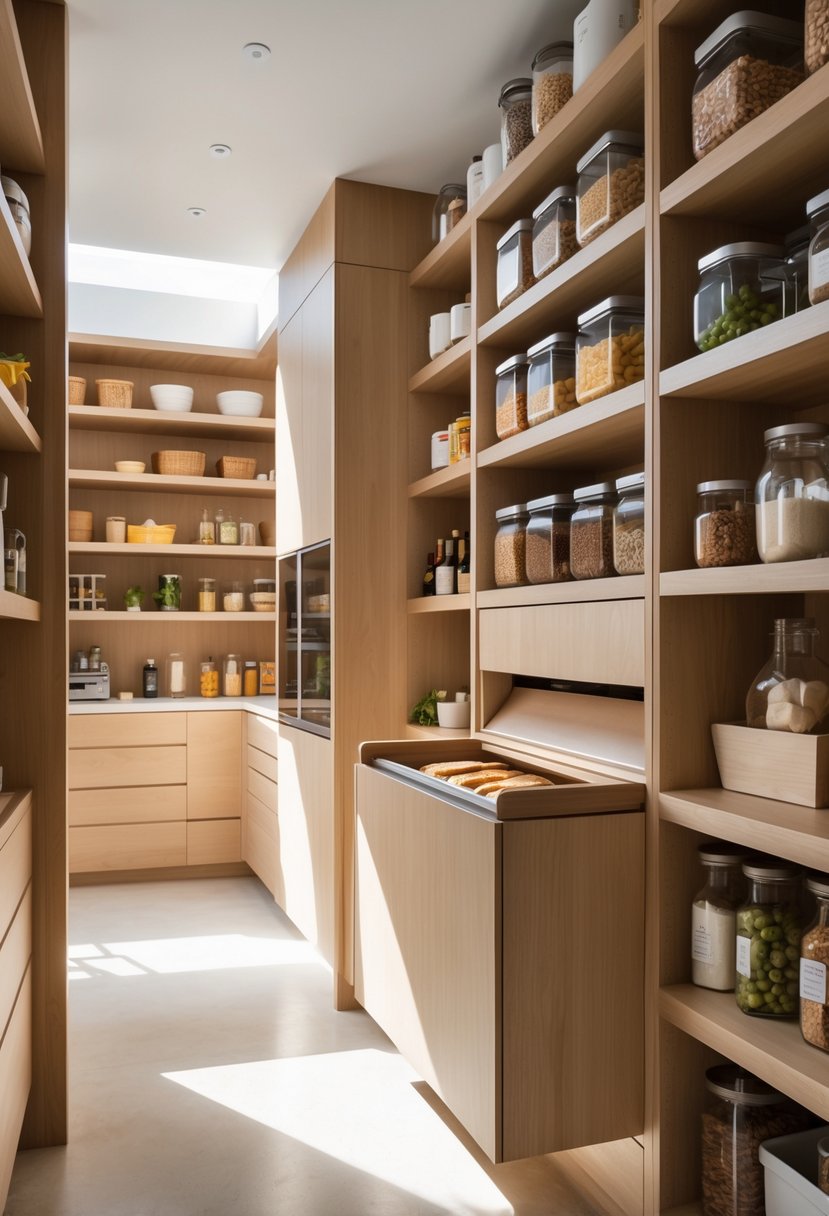
A built-in bread box is a small but genuinely useful addition to any walk-in pantry. It keeps bread, rolls, and baked goods fresh for longer than leaving them out on the counter, prevents them from going stale, and clears counter space in the process.
Fitted neatly into pantry shelving or under the countertop, a built-in bread box looks intentional and polished rather than like an afterthought. Choose from wood with a roll-top lid for a classic look, or stainless steel for something more contemporary.
Practical tip: Never store bread in the fridge — it actually accelerates staling. A cool, ventilated bread box in the pantry is the ideal storage environment for keeping bread fresh at room temperature.
21) Use Decorative Baskets For Aesthetics And Function
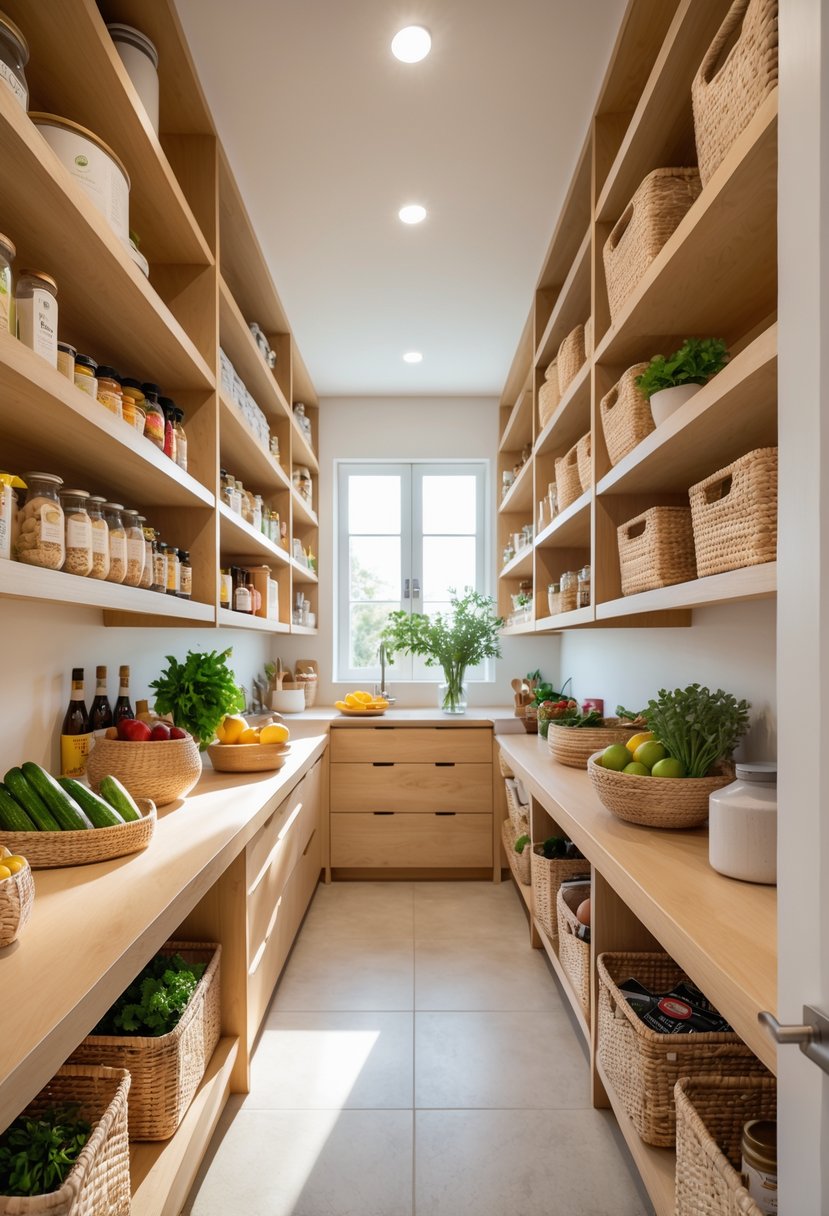
Decorative baskets are proof that practical storage and beautiful design don’t have to be mutually exclusive. Woven seagrass, rattan, or wire baskets add warmth, texture, and visual interest to a walk-in pantry while keeping it organised and clutter-free.
Use them for grouping snacks, storing linens and tea towels, organising small kitchen tools, or corralling miscellaneous items that don’t fit neatly anywhere else. Labelling the front of each basket means you can find what you need at a glance without having to look inside each one.
Practical tip: Vary the sizes and textures of your baskets rather than buying a perfectly matching set. A thoughtful mix of round, rectangular, and square baskets in complementary natural tones looks more organic and beautiful than a uniform collection.
22) Install A Lazy Susan For Corner Spaces
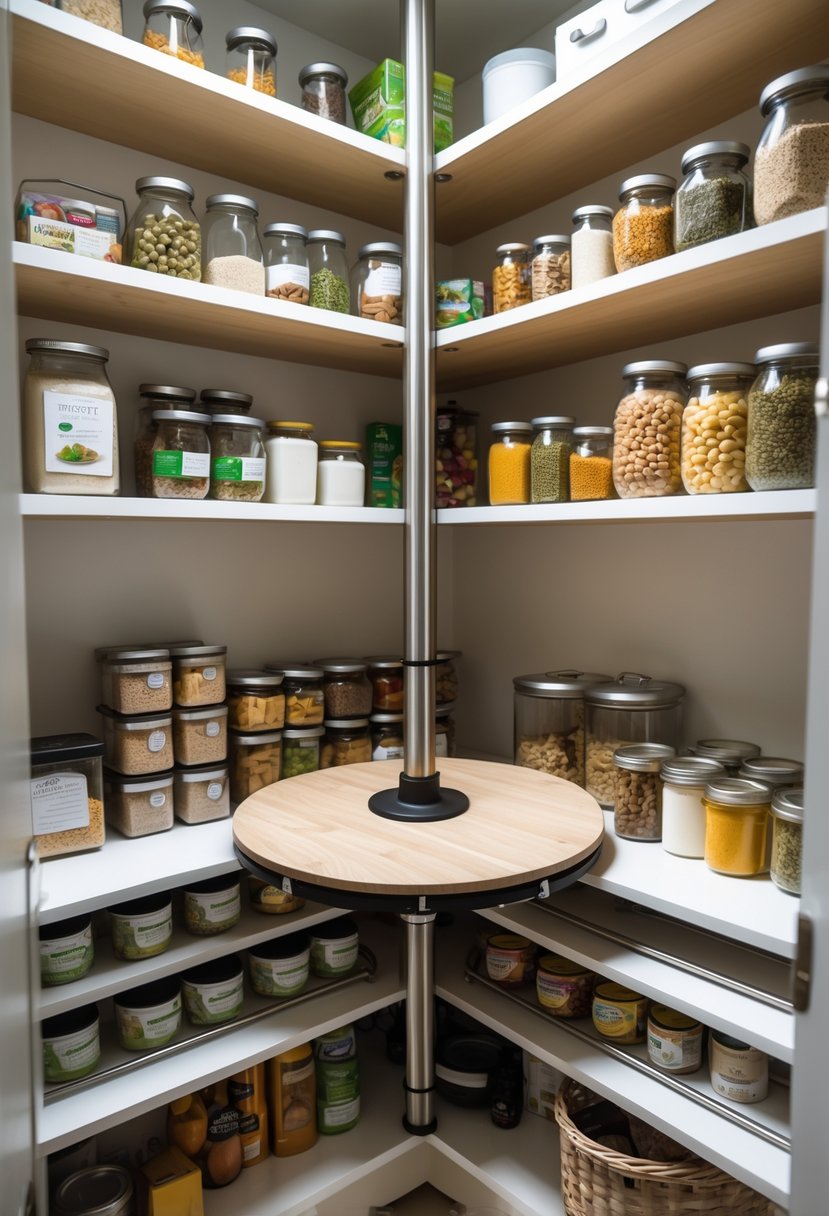
Corner spaces in a walk-in pantry are notoriously difficult to use effectively — items get pushed to the back and forgotten, and reaching around to the corner is awkward and frustrating. A lazy Susan solves this problem completely by rotating the entire contents of the shelf to you rather than requiring you to reach in.
Choose from wood, metal, or clear plastic designs depending on your pantry’s style. Two-tier lazy Susans double the storage capacity of a single corner shelf and work particularly well for oils, vinegars, sauces, and condiments that are used regularly.
Practical tip: Install a lip or rim around the edge of your lazy Susan to prevent items from sliding off when it rotates. This is especially important for glass bottles and jars that could break if they fall.
Design Principles For A Modern Walk-In Pantry In 2026
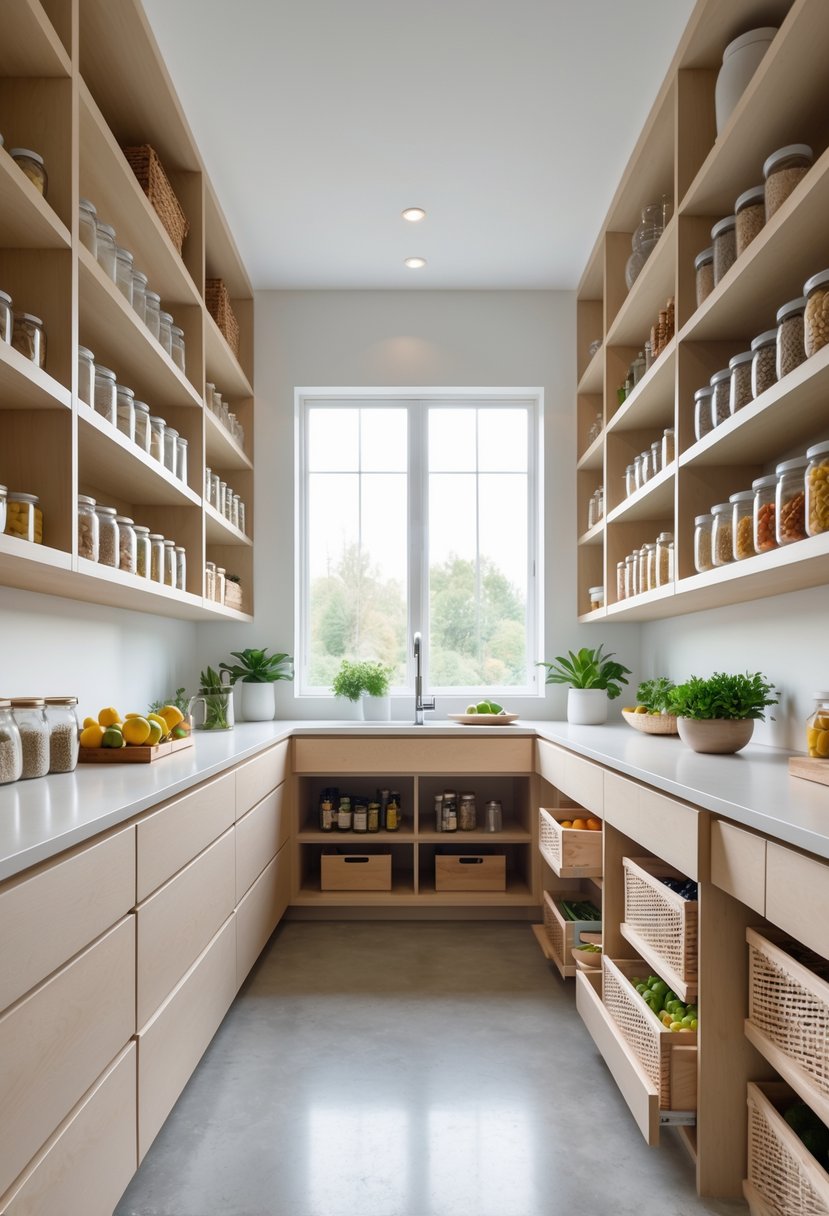
The best walk in pantry ideas in 2026 share the same core principles — efficient use of every inch of space, clean design lines, and a layout that makes daily use genuinely effortless. Here’s how to apply those principles to your own pantry design.
Optimising Your Pantry Layout
A well-planned layout is the foundation of a functional pantry. The right configuration depends on your pantry’s size and shape — L-shaped layouts work well in square spaces, U-shaped layouts maximise storage in larger rooms, and galley-style layouts suit long, narrow pantries.
Place frequently used items at eye level where they’re easiest to reach. Store heavier goods on lower shelves for safety and easier lifting. Reserve high shelves for infrequently used bulk purchases. Keep pathways clear — a minimum of 36 inches of walking space is recommended for comfortable movement.
Lighting and door choice both affect how usable the space feels. Bright LED lighting, natural light where possible, and sliding or pocket doors all contribute to a pantry that feels open, accessible, and pleasant to use every day.
Smart Storage Solutions That Make A Real Difference
The storage systems you choose have more impact on how well your pantry works than almost anything else. Pull-out drawers, tiered racks, lazy Susans, and adjustable shelving all help you use every inch of available space efficiently.
| Storage Feature | Best Used For | Key Benefit |
|---|---|---|
| Pull-out drawers | Canned goods, snacks | Full visibility of deep shelves |
| Adjustable shelves | Varied item heights | Flexible, waste-free storage |
| Clear bins | Dry goods, baking supplies | Instant visibility of contents |
| Lazy Susan | Oils, sauces, condiments | Easy access to corner spaces |
Material And Colour Trends For Walk-In Pantries In 2026
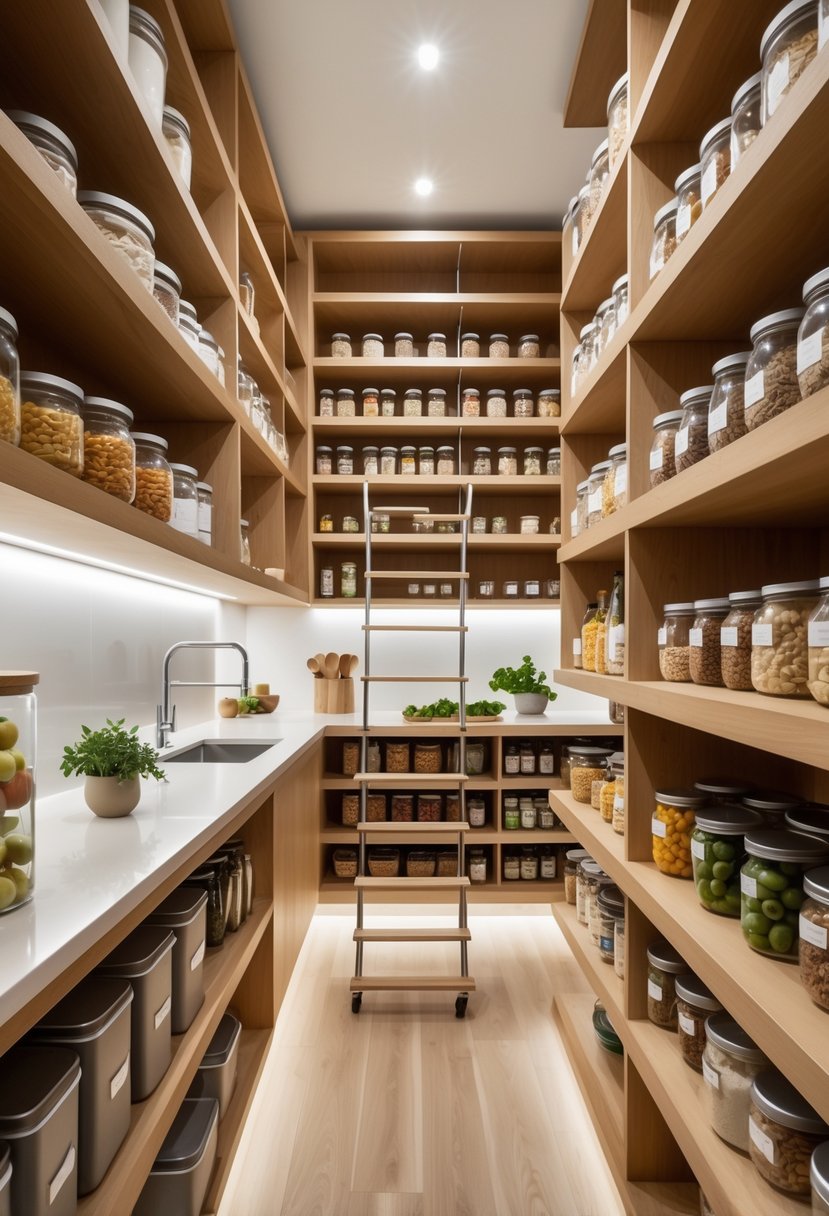
In 2026 the most popular pantry materials combine durability with warmth. Laminate and engineered wood shelving resist moisture and daily wear while looking clean and modern. Natural wood tones in oak, birch, and bamboo add warmth and texture without overwhelming the space.
Matte black hardware and brushed metal accents give a contemporary, sophisticated look that pairs beautifully with both light and dark pantry colour schemes. Light quartz or composite countertops offer easy cleaning and long-lasting durability.
Colour palettes lean toward soft neutrals — warm beige, light gray, and cream — with subtle accent tones like sage green or dusty blue adding gentle personality. A combination of open and closed storage keeps the space feeling organised and visually balanced without looking clinical or sterile.
Frequently Asked Questions About Walk-In Pantry Ideas
What are the most important walk in pantry ideas for a small space?
For a small walk-in pantry, focus on maximising vertical space with floor-to-ceiling adjustable shelving, using the backs of doors for hooks and small racks, choosing sliding or pocket doors to eliminate swing clearance, and keeping everything in clear labeled containers so you can find items instantly without rummaging. Good LED lighting is also essential in smaller spaces to prevent dark corners where things get lost and forgotten.
How do I organise a walk-in pantry from scratch?
Start by emptying everything out and categorising it — dry goods, canned goods, snacks, baking supplies, drinks, appliances. Then plan your zones based on frequency of use, placing everyday items at eye level and less-used items higher or lower. Install your shelving and storage systems before putting anything back, and decant dry goods into clear containers as you go. Label everything clearly and you’ll have a pantry that stays organised with minimal daily effort.
What shelving works best in a walk-in pantry?
Adjustable wire or solid wood shelving at varying depths works best in most walk-in pantries. Use 12-inch deep shelves at the top for small items, 16-inch shelves in the middle for everyday goods, and 24-inch deep shelves at the bottom for large or bulk items. Pull-out drawers on lower shelves dramatically improve accessibility and make the most of deeper shelf space.
How do I make my walk-in pantry look stylish?
The key to a beautiful walk-in pantry is consistency. Use matching clear containers with uniform labels for dry goods, choose baskets in complementary natural tones and textures, pick hardware in a single finish throughout, and keep colour palettes simple and neutral. Good lighting — particularly LED strips under shelves — makes everything look better and more intentional. A chalkboard wall or a built-in countertop adds both personality and practicality.