
Pantry Makeover Ideas 2026: 22 Smart Ways To Refresh Your Storage Space
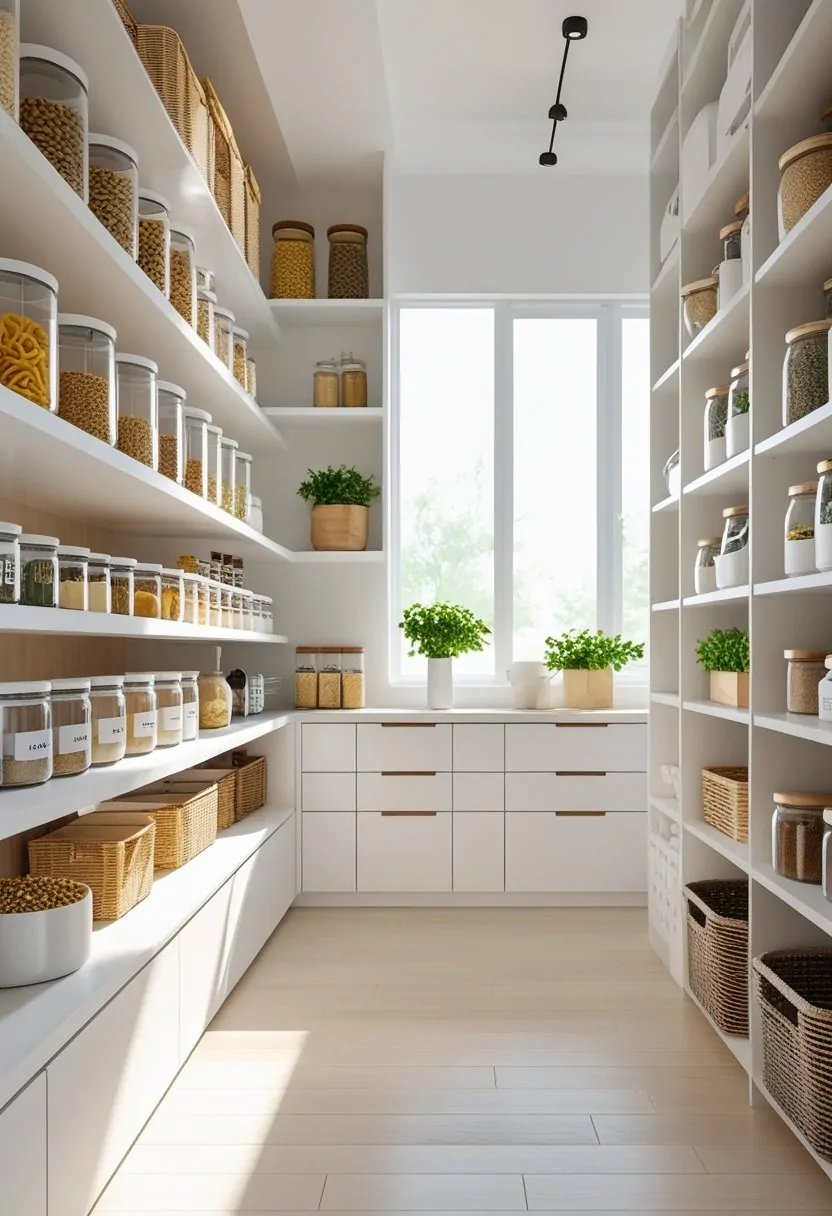
A pantry makeover in 2026 focuses on creating a space that is both practical and visually appealing. With new design trends and smart storage solutions, kitchens can feel more organized and efficient without requiring a full renovation. A well-planned pantry makeover helps maximize space, reduce clutter, and make everyday cooking easier.
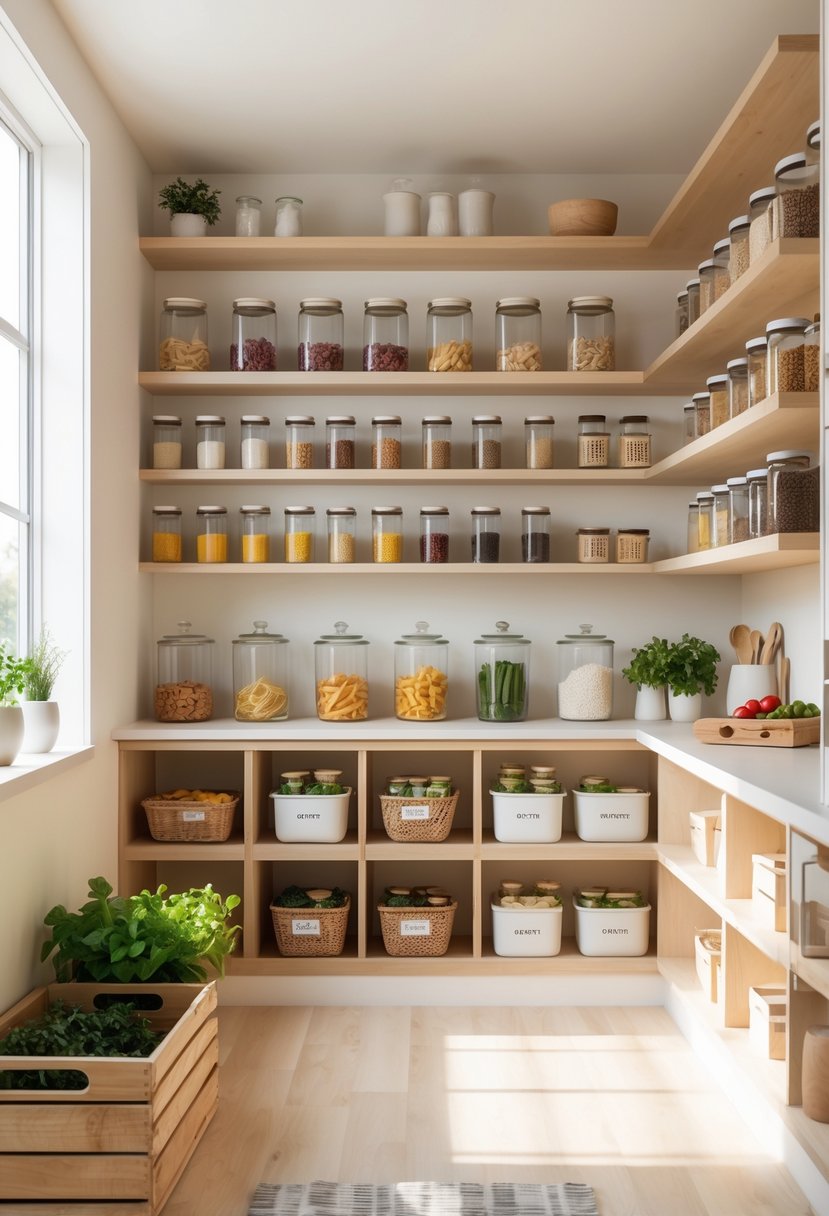
This article explores simple updates and modern ideas that improve how a pantry looks and functions. From shelving and containers to lighting and layout, each section highlights ways to create a space that works better for daily needs while also fitting current style trends.
Install adjustable shelving for versatile storage
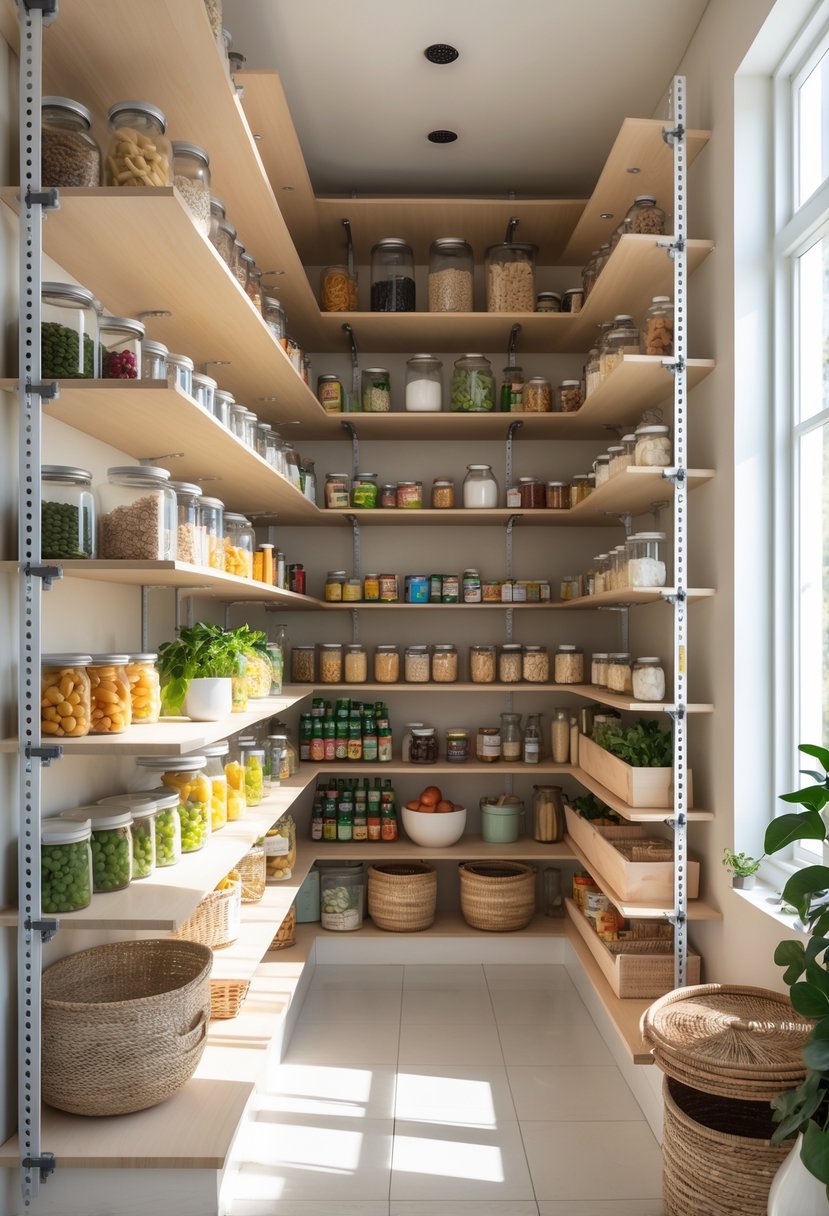
Adjustable shelving lets people change shelf heights to fit items of different sizes. This makes it easier to store tall bottles, small jars, or bulky boxes.
They can rearrange shelves as their pantry needs change. This flexibility helps keep the space organized without wasting storage capacity.
Use clear airtight containers for dry goods
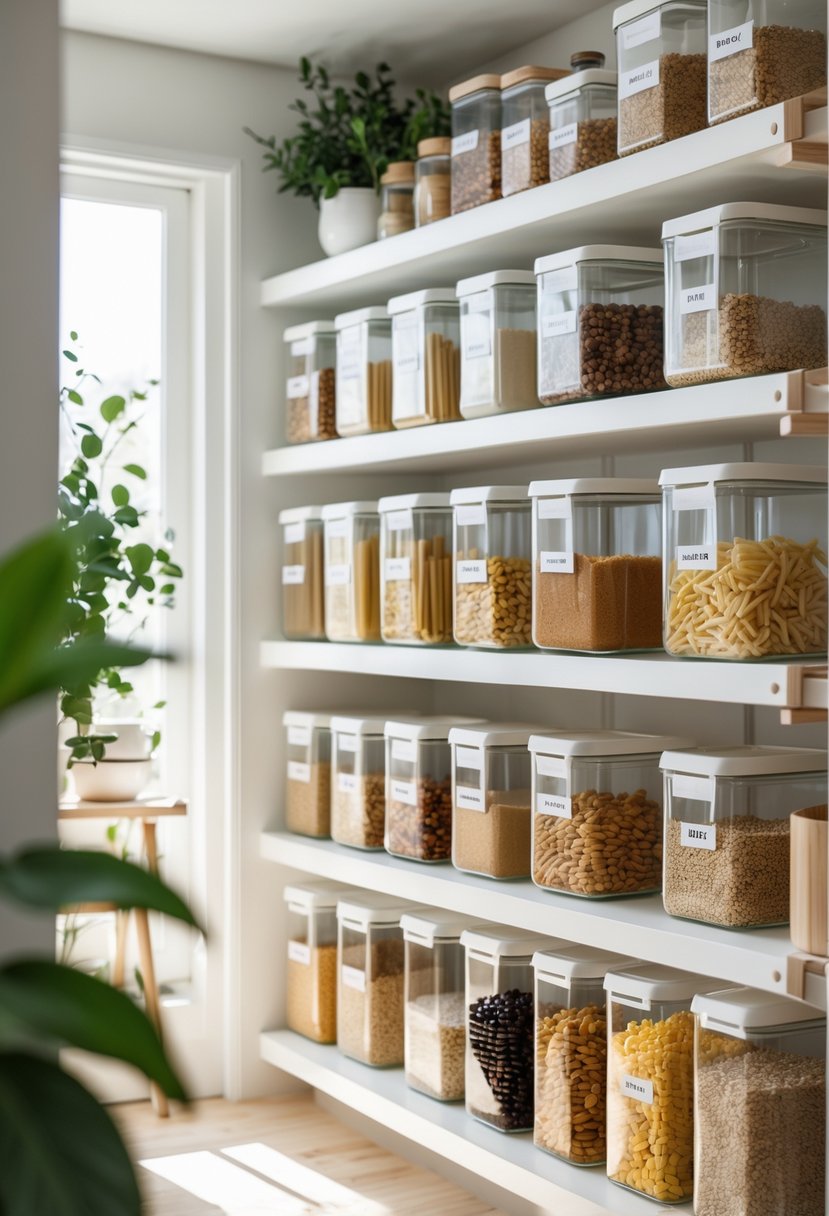
Clear airtight containers help people see exactly what they have, which reduces waste and prevents duplicate purchases.
They also protect dry goods like rice, flour, and cereal from moisture and pests.
Stackable designs save shelf space and keep the pantry looking neat and organized.
Add pull-out baskets for easy access
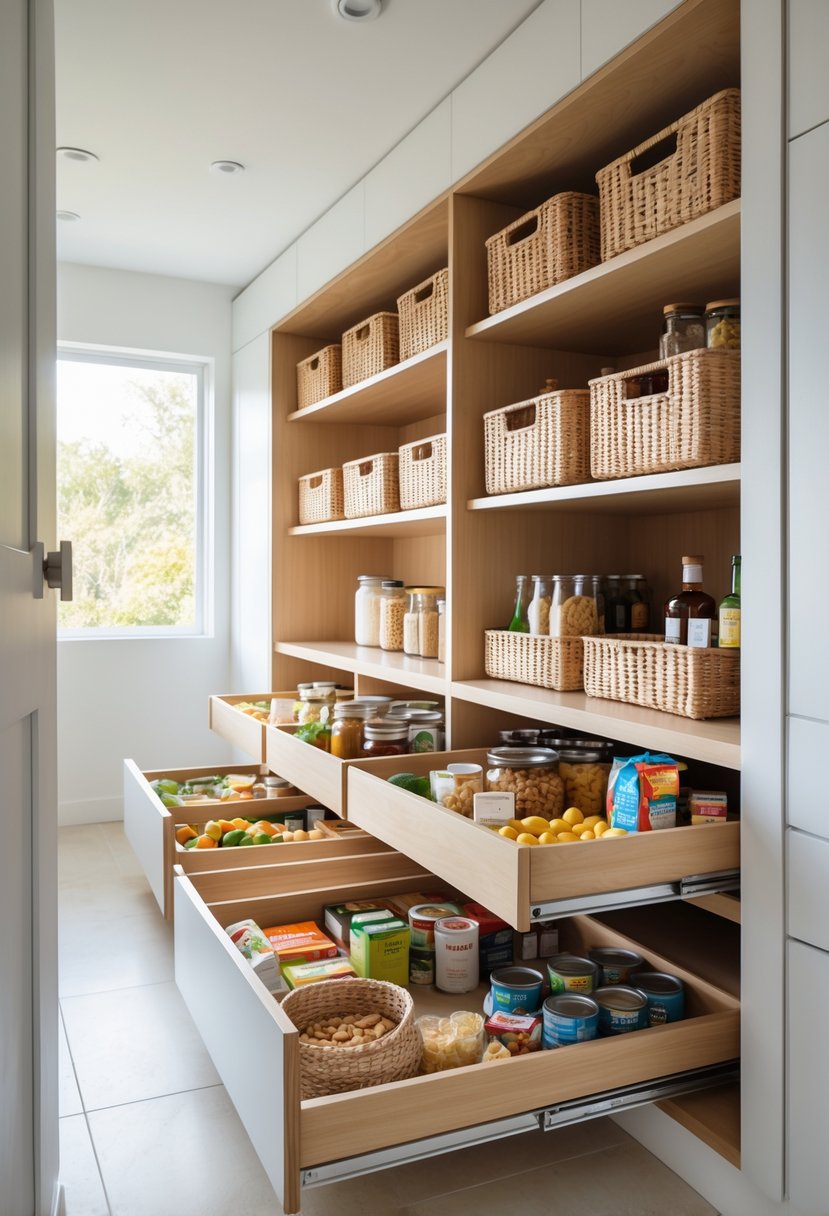
Pull-out baskets help keep pantry items visible and within reach. They reduce the need to dig through deep shelves.
These baskets work well for snacks, produce, or packaged goods. They fit in both small and large pantry spaces.
Using sturdy materials ensures the baskets slide smoothly and last longer.
Incorporate a chalkboard door for notes and lists
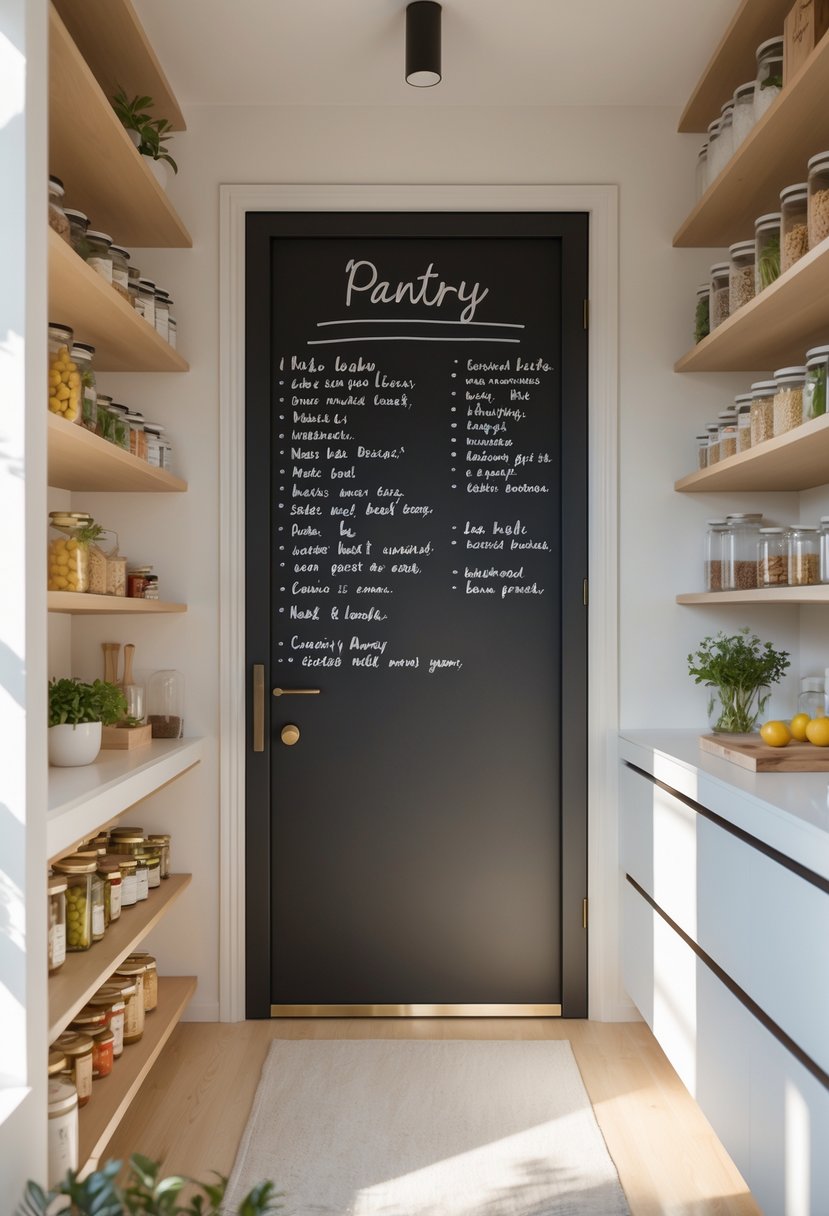
A chalkboard door gives the pantry a practical surface for writing reminders, grocery lists, or meal plans.
It works well in small kitchens because it uses space that would otherwise stay plain.
Homeowners can apply chalkboard paint or use adhesive chalkboard sheets for a simple upgrade.
Label shelves and containers clearly
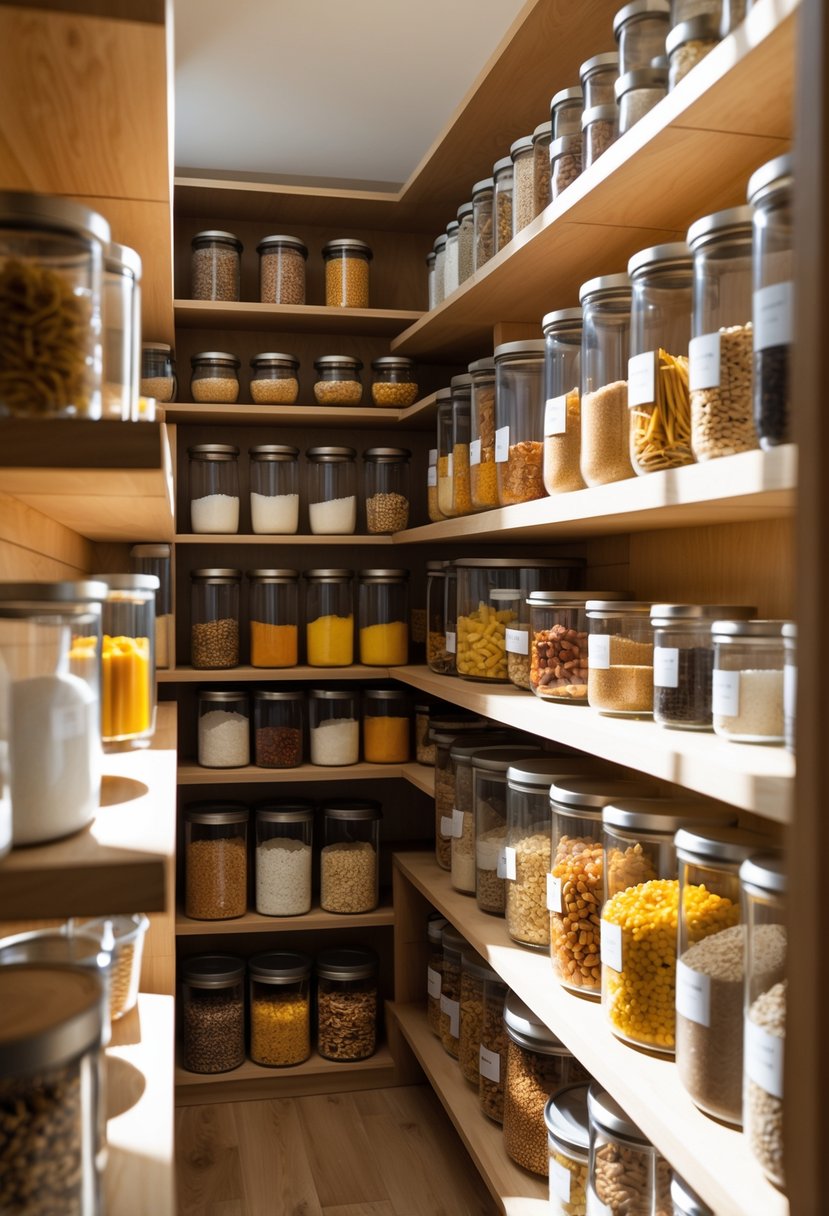
Labels help keep items in the right place and make it easier to find what is needed.
Clear labels on shelves and containers reduce confusion and prevent duplicate purchases.
Reusable options like chalkboard or dry-erase labels work well for families who often change pantry contents.
Use tiered shelf organizers for canned goods
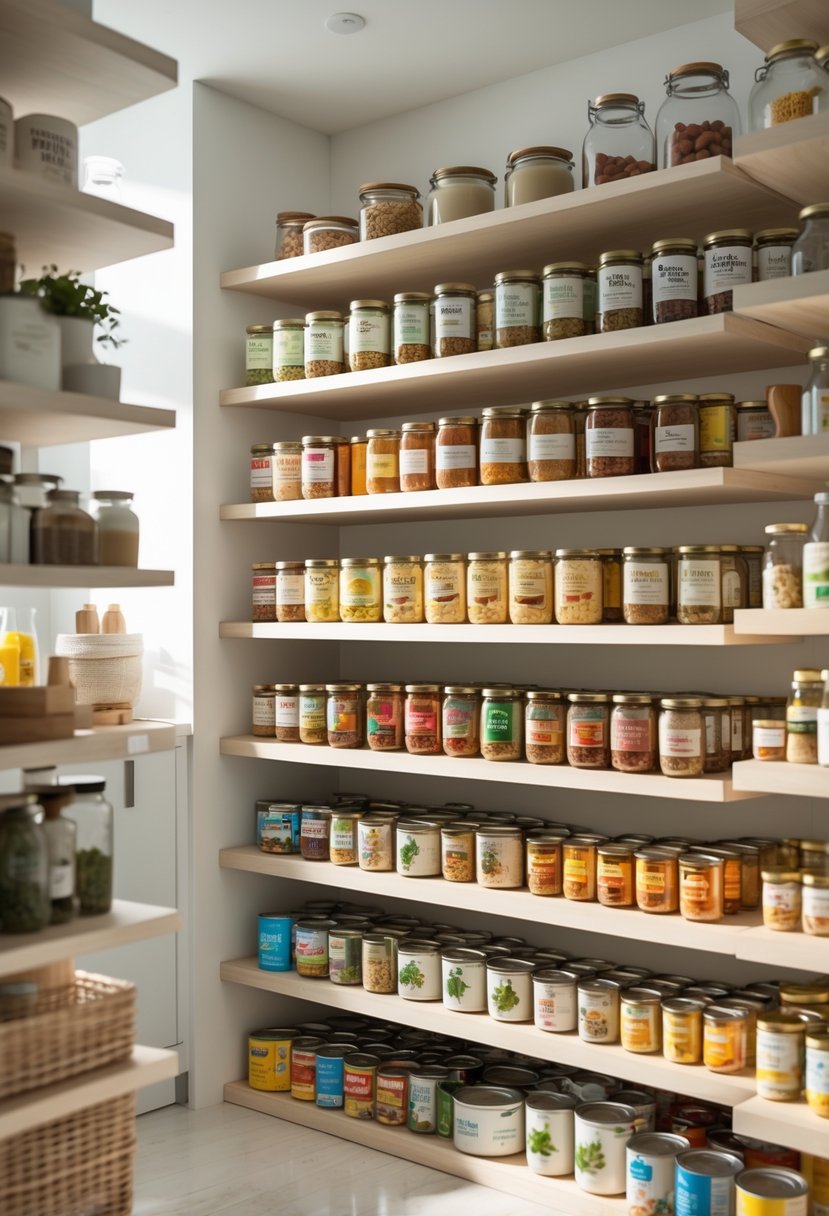
Tiered shelf organizers keep cans visible and easy to reach. They prevent items from getting lost at the back of deep shelves.
This setup makes it simple to sort cans by type or size. It also helps maximize vertical space in small pantries.
Add under-shelf baskets to maximize vertical space
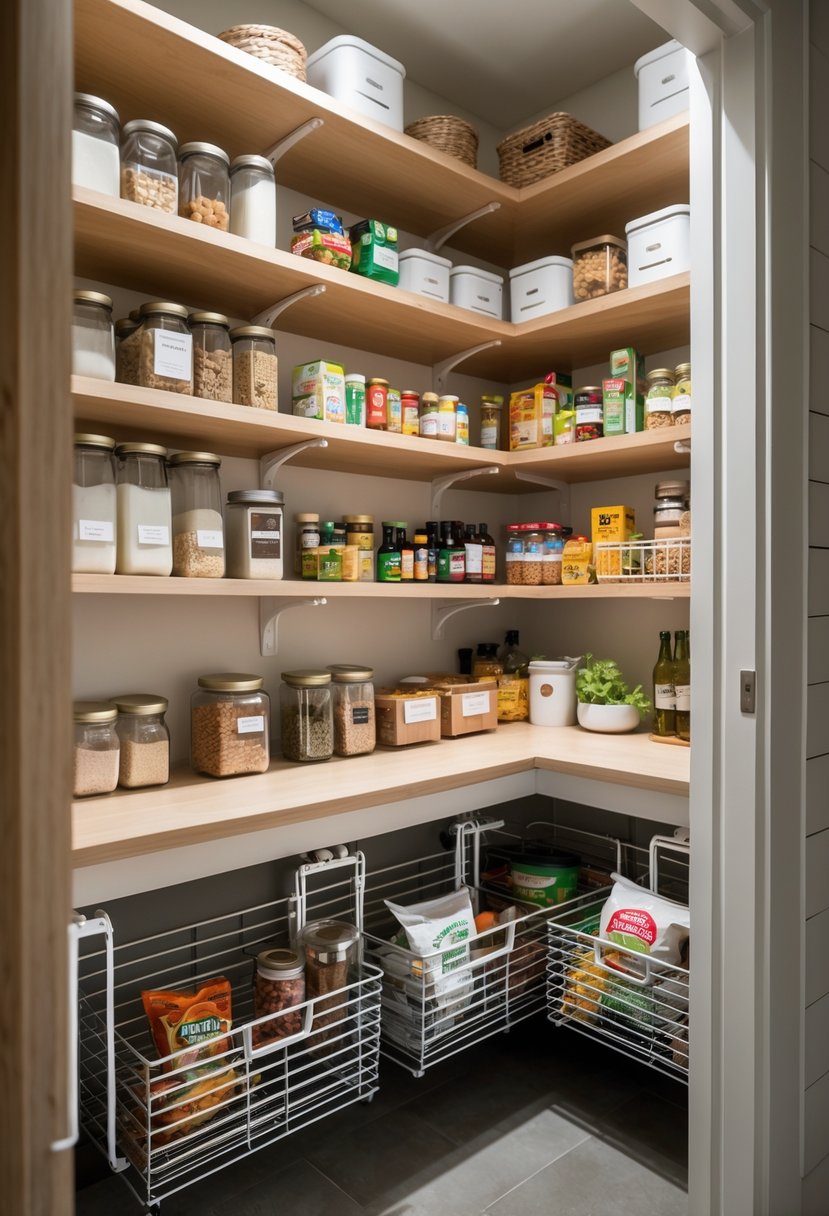
Under-shelf baskets create extra storage by using the open space beneath shelves. They slide onto existing shelves without tools, making them simple to install.
These baskets work well for snacks, small pantry items, or lightweight supplies. They help separate categories and keep items easy to reach.
Install LED strip lighting inside the pantry
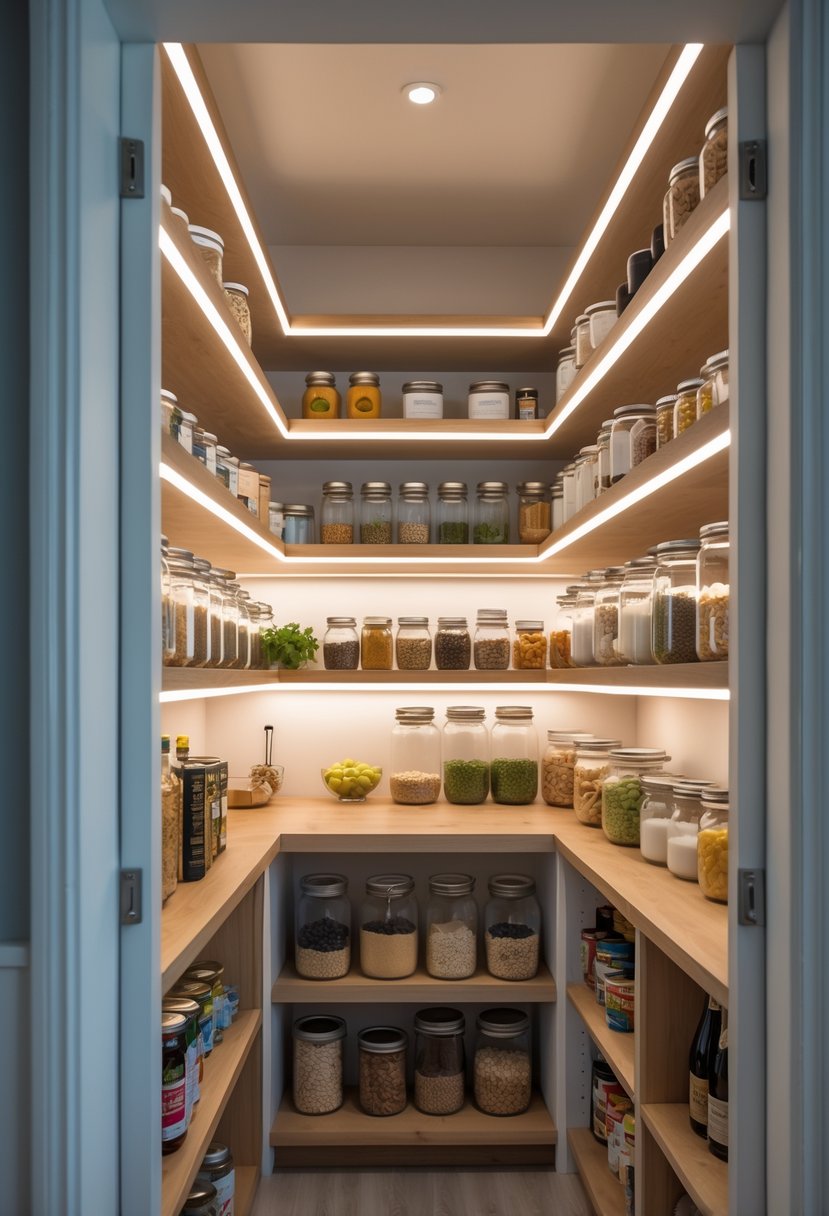
LED strip lights give even brightness across shelves, making it easier to see stored items.
They fit along edges, under shelves, or around the door frame without taking up space.
Battery-powered, plug-in, and motion-sensor options let homeowners choose what best suits their pantry layout and budget.
Use lazy Susans for corner shelf efficiency
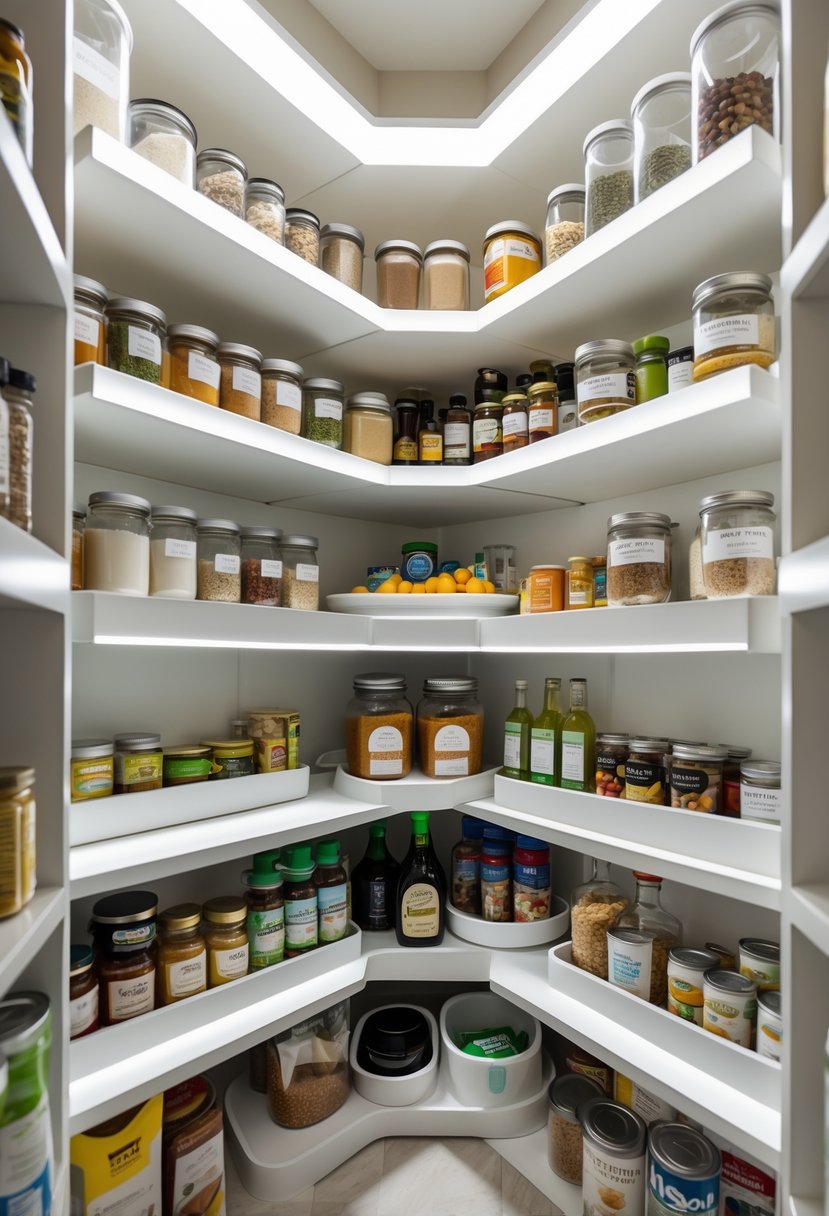
Lazy Susans help make corner shelves easier to use by rotating items into view. This reduces wasted space in hard-to-reach areas.
They work well for storing spices, condiments, or pantry staples. The turning design keeps items accessible without moving other containers.
Many homeowners use them to organize cookware or small appliances. This setup keeps shelves tidy and improves daily access.
Add a spice rack door organizer
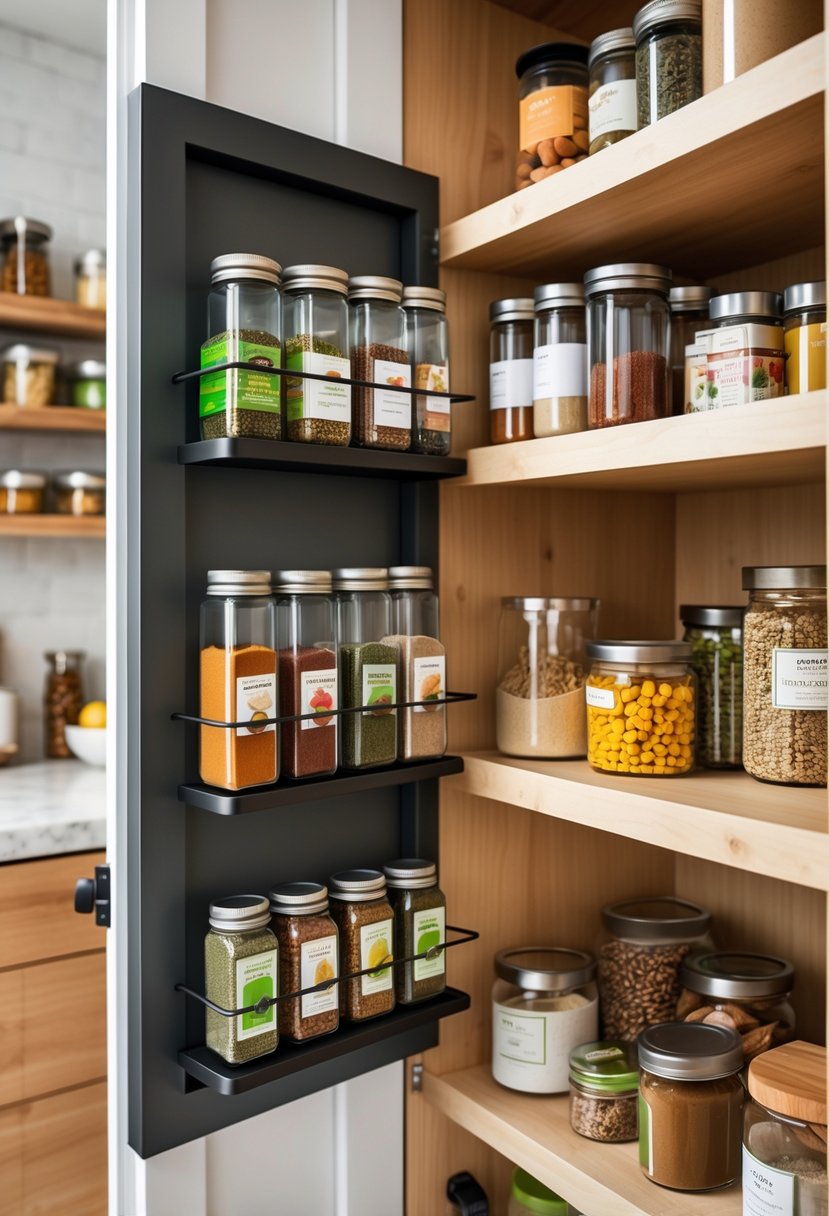
A spice rack door organizer helps free up shelf space by moving jars to the back of a pantry door.
They can choose from simple wire racks, wooden shelves, or clip-on strips that hold bottles securely.
This setup keeps spices visible and easy to reach during cooking.
Incorporate sliding drawers for small items
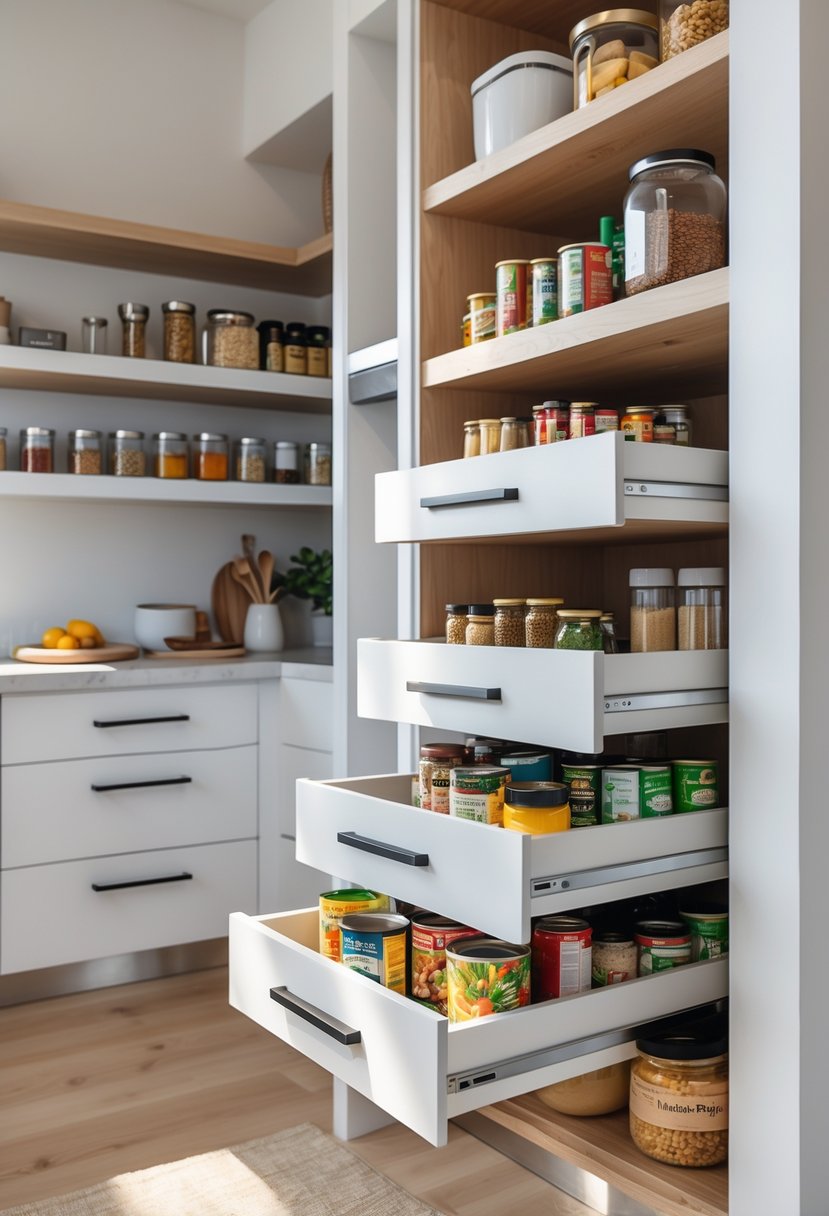
Sliding drawers help organize small jars, packets, and cans without wasting space.
They allow items to be seen and reached quickly.
Adjustable compartments make it easier to store different sizes neatly.
Use stackable bins to group snacks
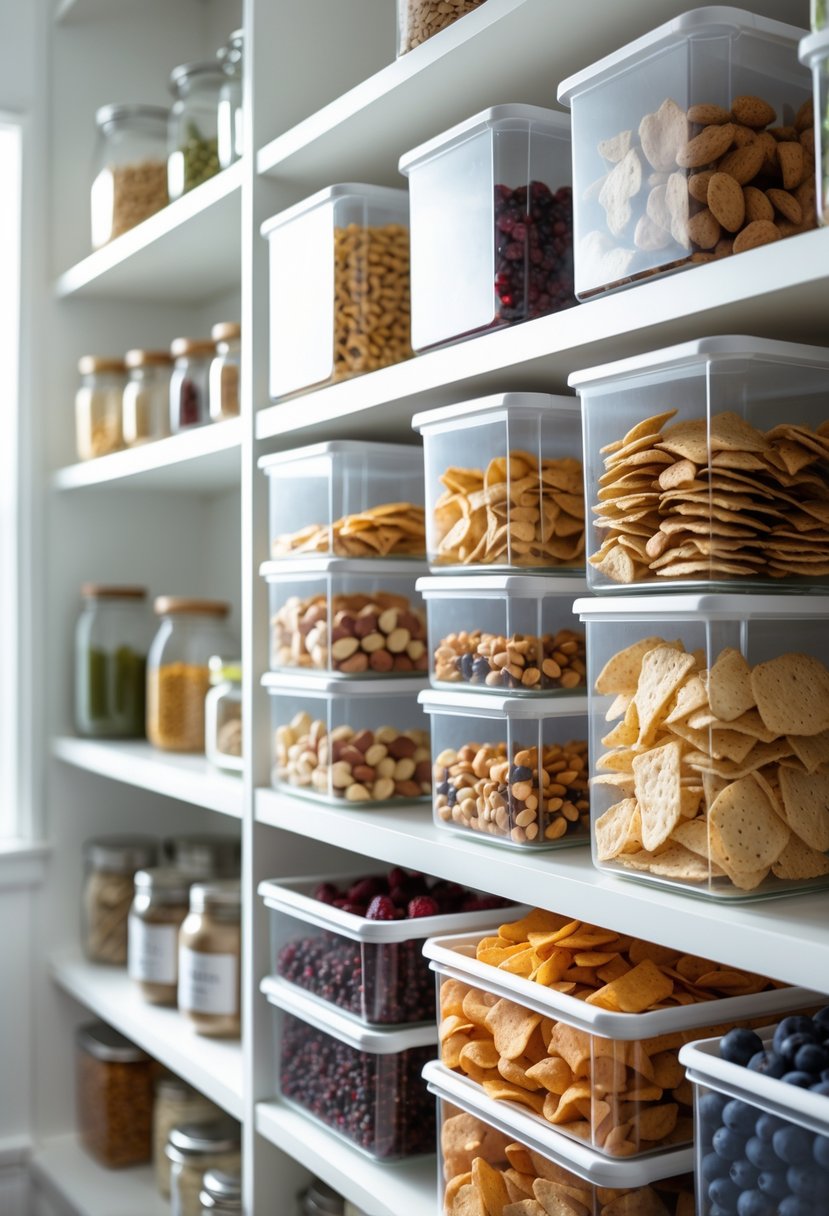
Stackable bins help keep snacks in one place and make them easier to find. They create clear categories for items like chips, granola bars, or fruit cups.
By stacking bins vertically, they save space and make the most of deep shelves. This keeps the pantry neat and accessible.
Install a pegboard for hanging tools and utensils
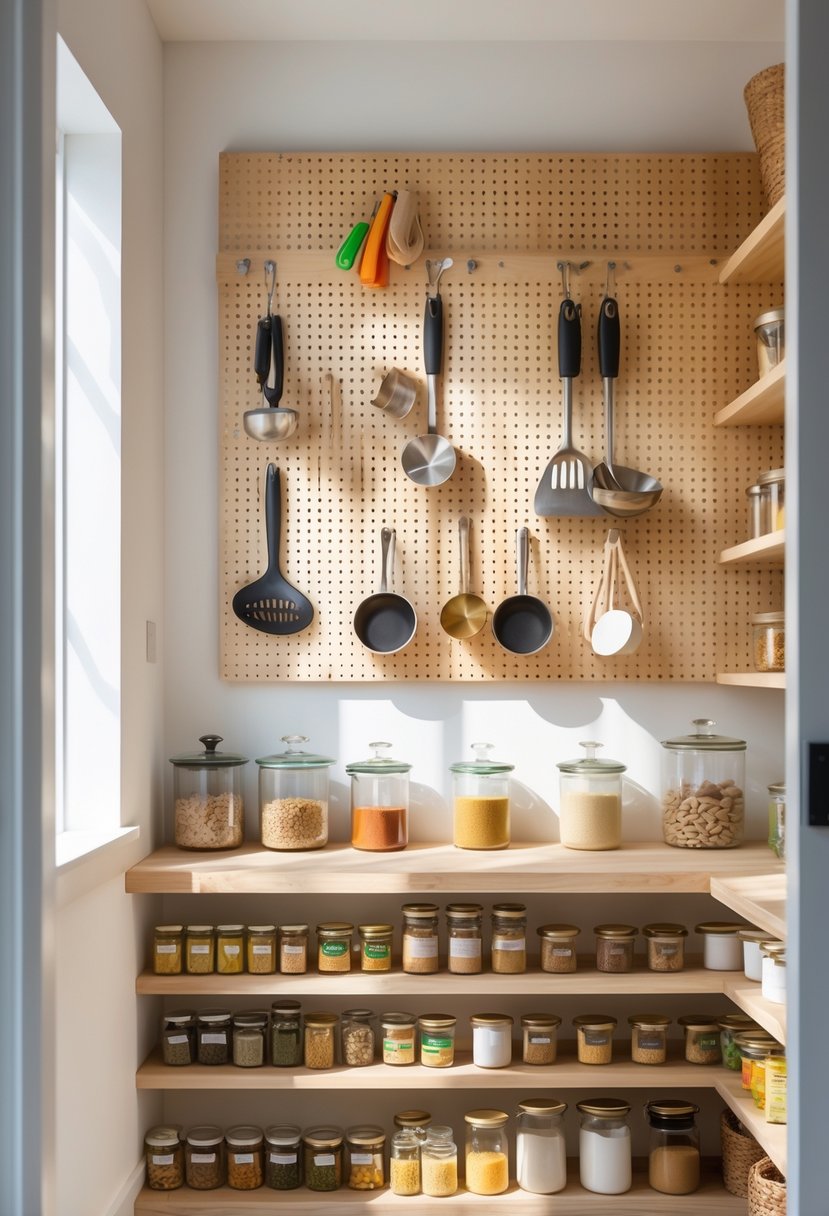
A pegboard helps maximize vertical space in a pantry. It keeps tools and utensils within easy reach.
They can add hooks, shelves, or baskets to hold different items. The setup makes it simple to adjust storage as needs change.
Add a built-in wine rack
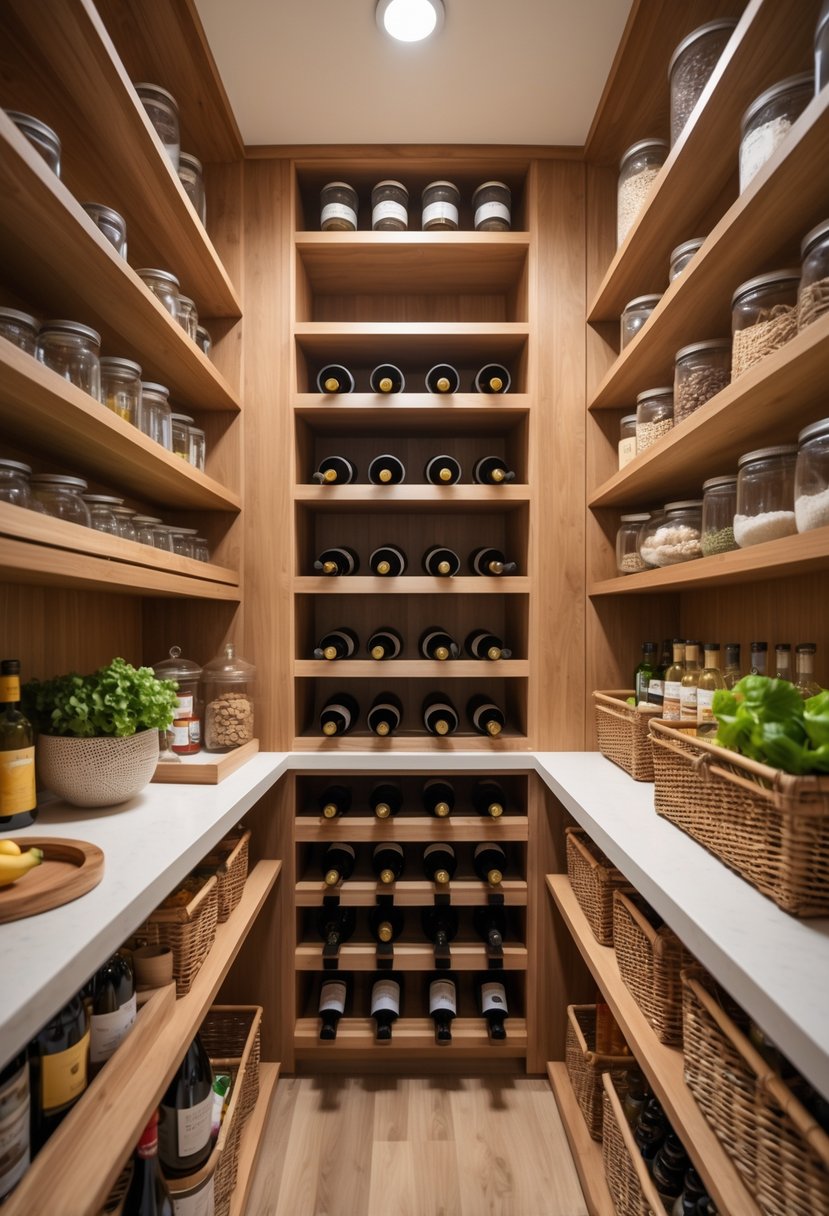
A built-in wine rack makes use of pantry space while keeping bottles organized. It helps store wine safely and within reach.
Homeowners can place racks above shelves, inside cabinets, or as part of a wall unit. This design blends storage with a clean, streamlined look.
Use wire racks for better airflow
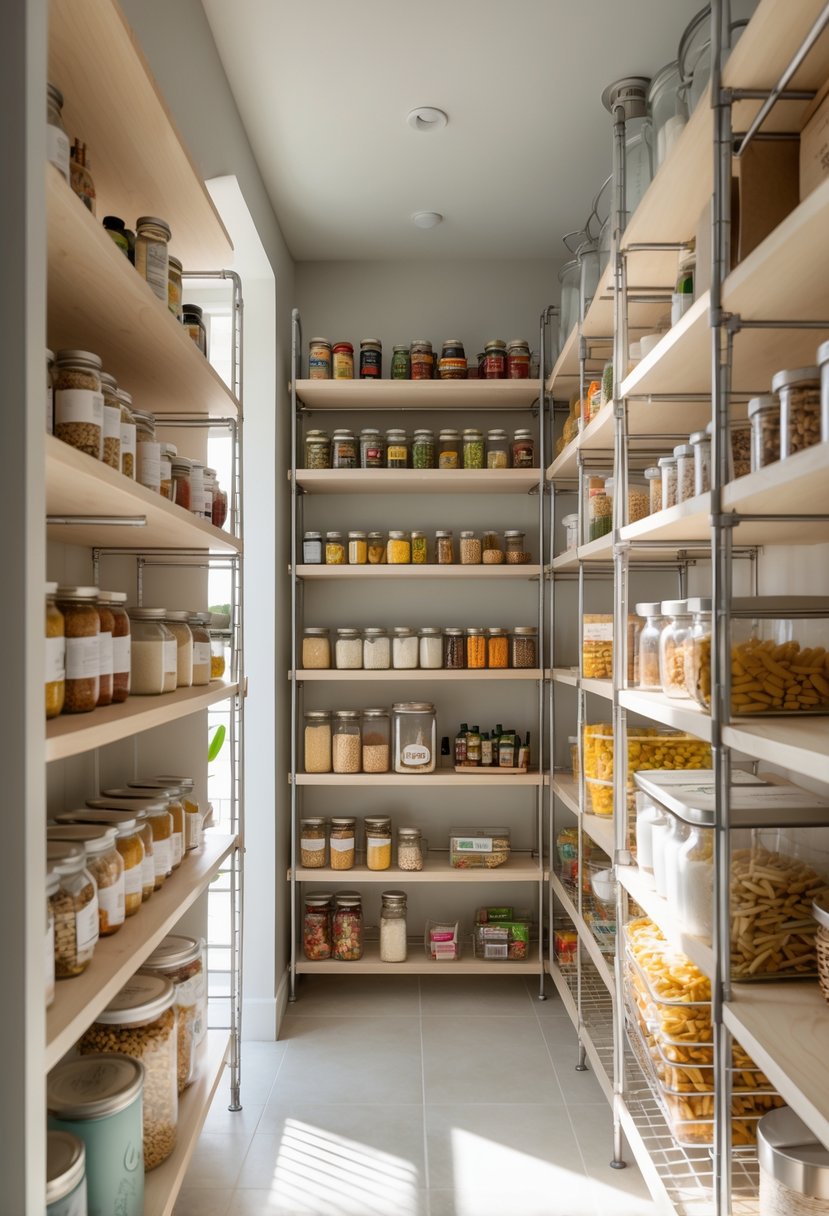
Wire racks allow air to circulate around food, which helps keep items dry and reduces moisture buildup.
They also make it easier to see what is stored, preventing food from being forgotten in the back.
Lightweight bins or baskets fit well on wire racks, adding stability for smaller items.
Paint the pantry interior a light color to brighten
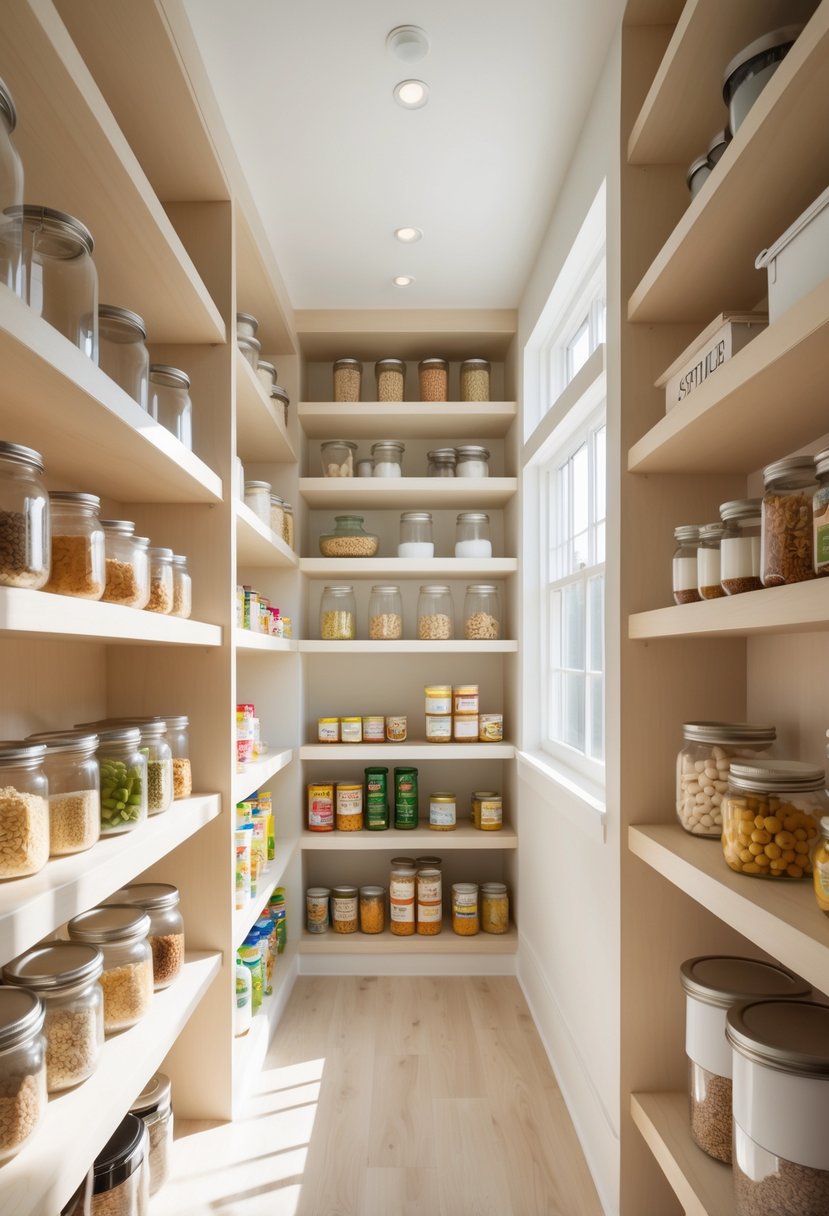
Light colors make a pantry feel more open and clean. Shades like soft white, pale gray, or cream reflect natural and artificial light well.
Using lighter tones on walls and shelves helps small spaces look less cramped. It also makes food items easier to see and organize.
Add a fold-down countertop for prep space
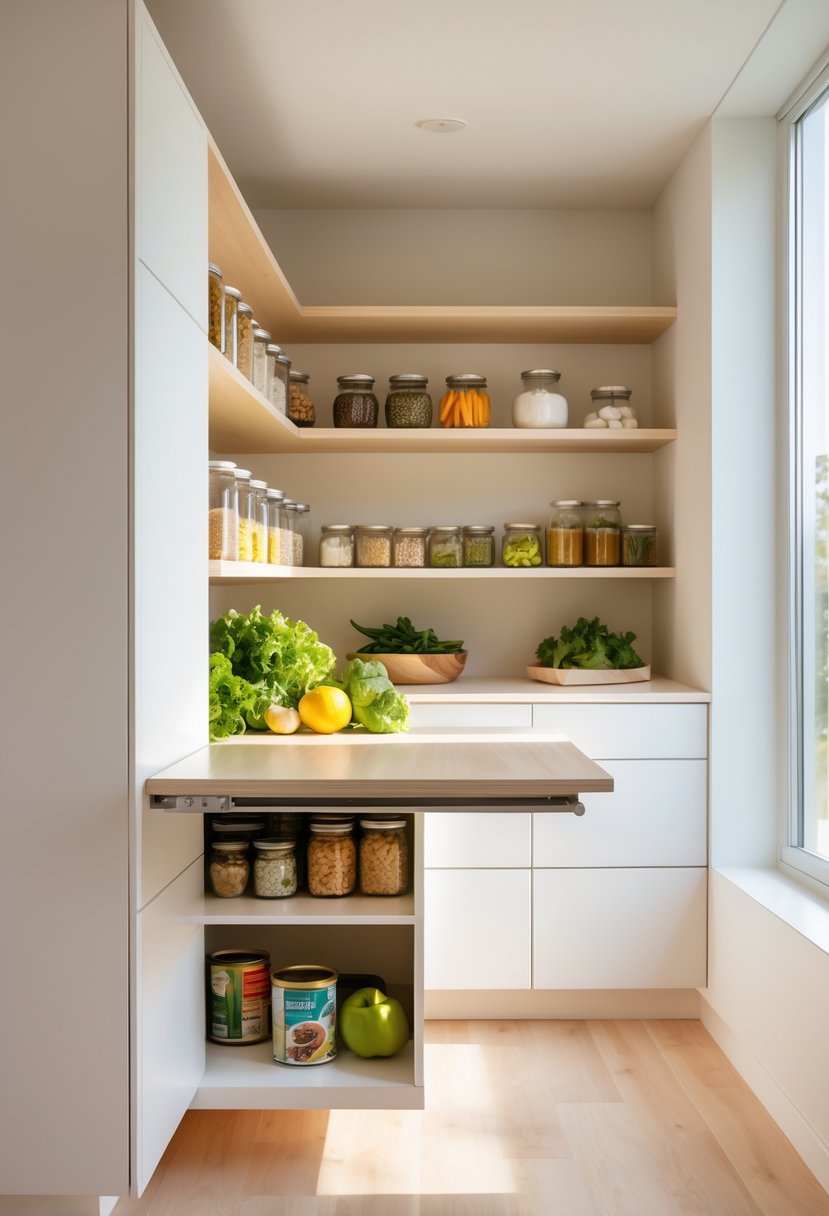
A fold-down countertop gives extra work area without taking up permanent room.
When not in use, the surface folds flat against the wall or cabinet, keeping the pantry clear.
This option works well in small kitchens or pantries where every inch of space matters.
Use magnetic strips to hold metal lids or tools
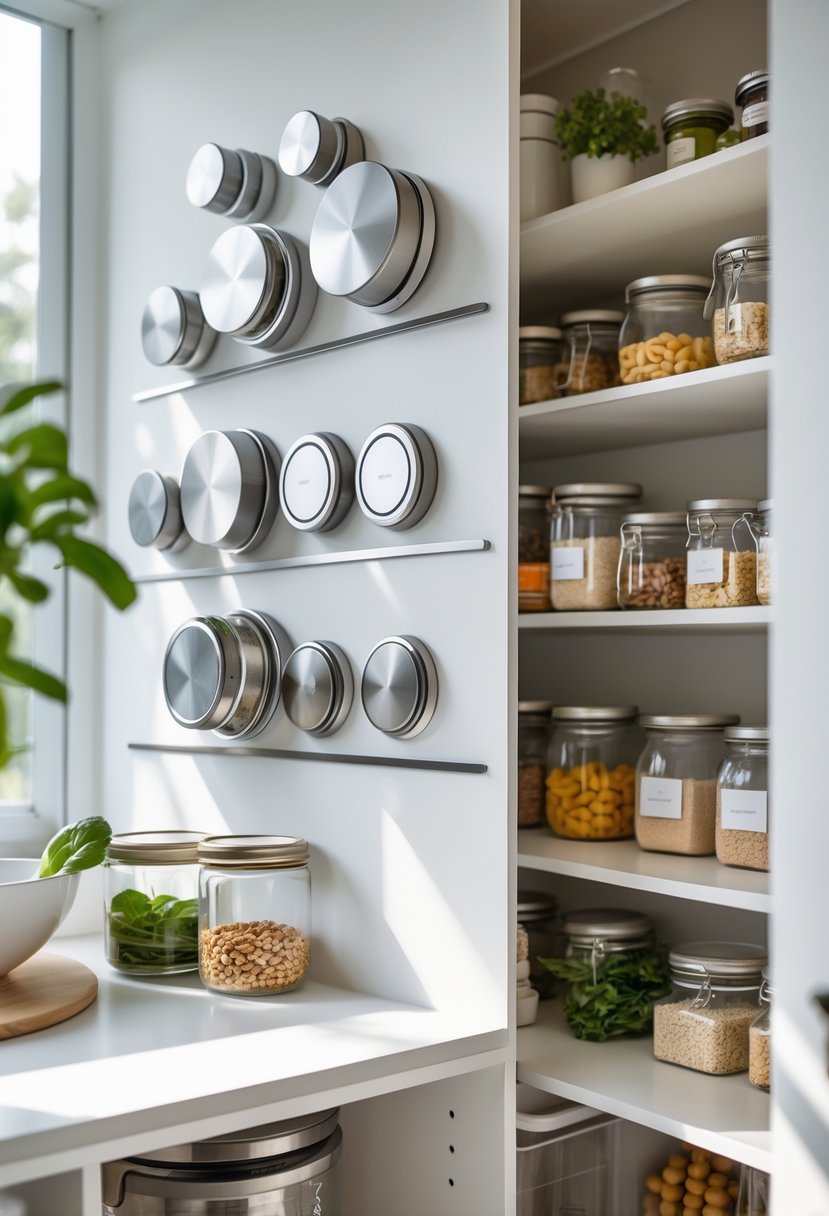
Magnetic strips can keep metal lids, scissors, or small tools in one place.
They work well on pantry walls or the inside of cabinet doors.
This setup saves drawer space and keeps items visible and easy to reach.
Install a door-mounted rack for bottles
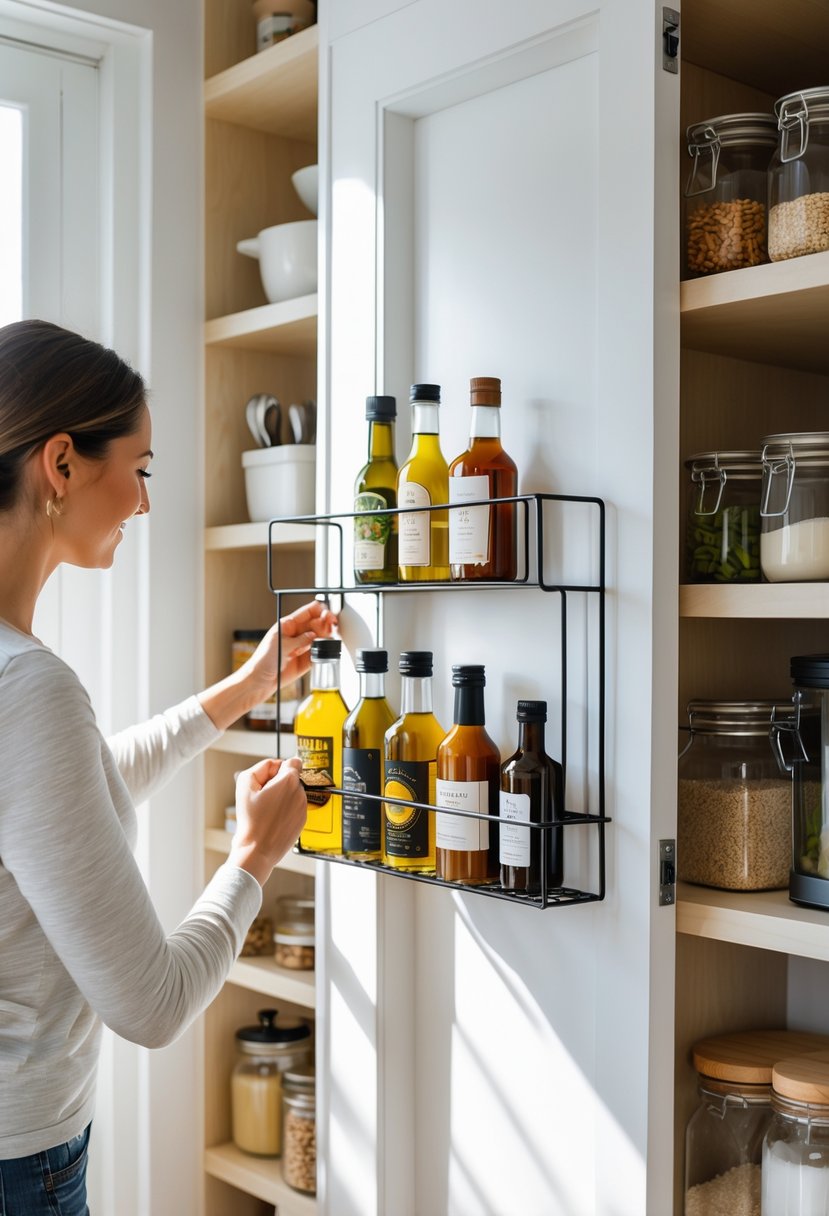
A door-mounted rack helps store bottles in an easy-to-reach spot. It uses the back of the pantry door, saving shelf space.
These racks hold items like oils, sauces, or drinks securely. They keep bottles upright and organized, reducing clutter on pantry shelves.
Many racks adjust to fit different bottle sizes. This flexibility makes them practical for everyday kitchen use.
Use baskets to separate produce from packaged goods
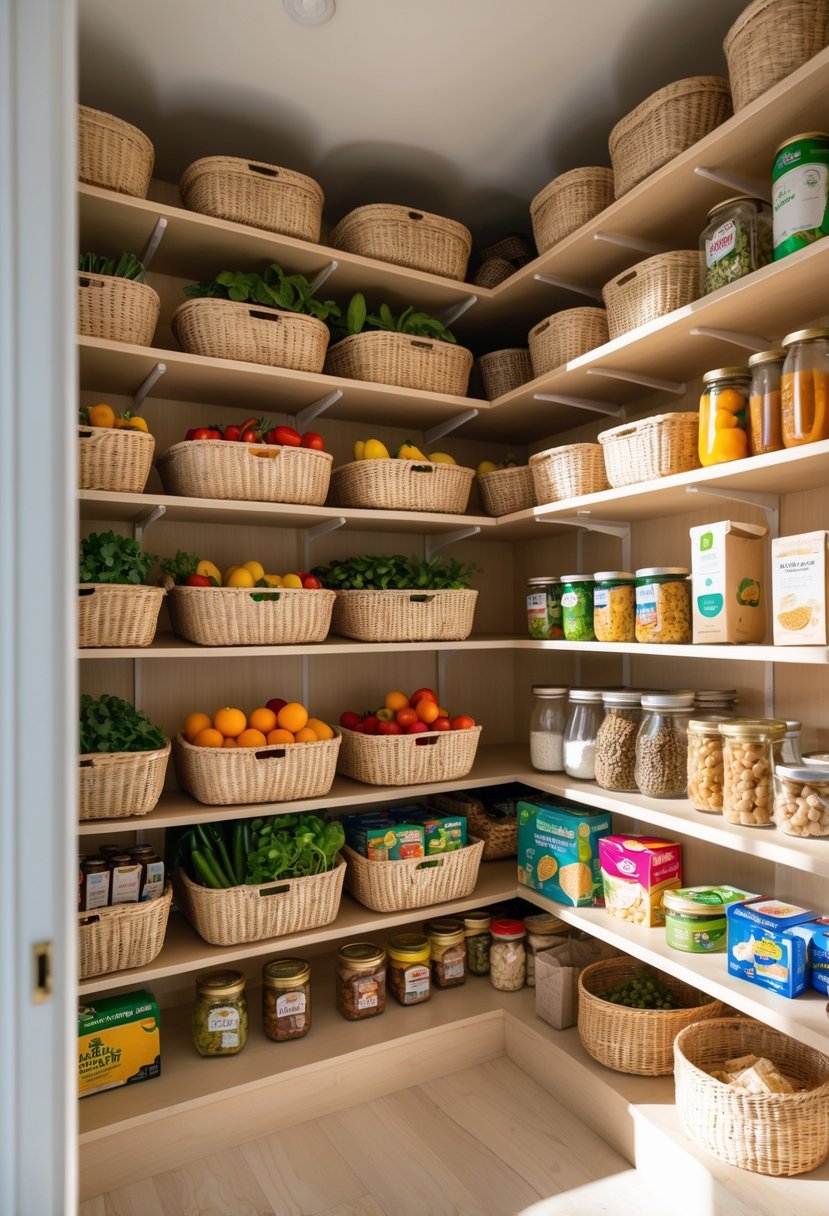
Baskets help keep fresh produce apart from boxed or canned items. This prevents bruising and makes it easier to see what needs to be used first.
They can place fruits or vegetables in open baskets for airflow, while packaged goods stay grouped in sturdier containers.
Add a small step stool stored inside
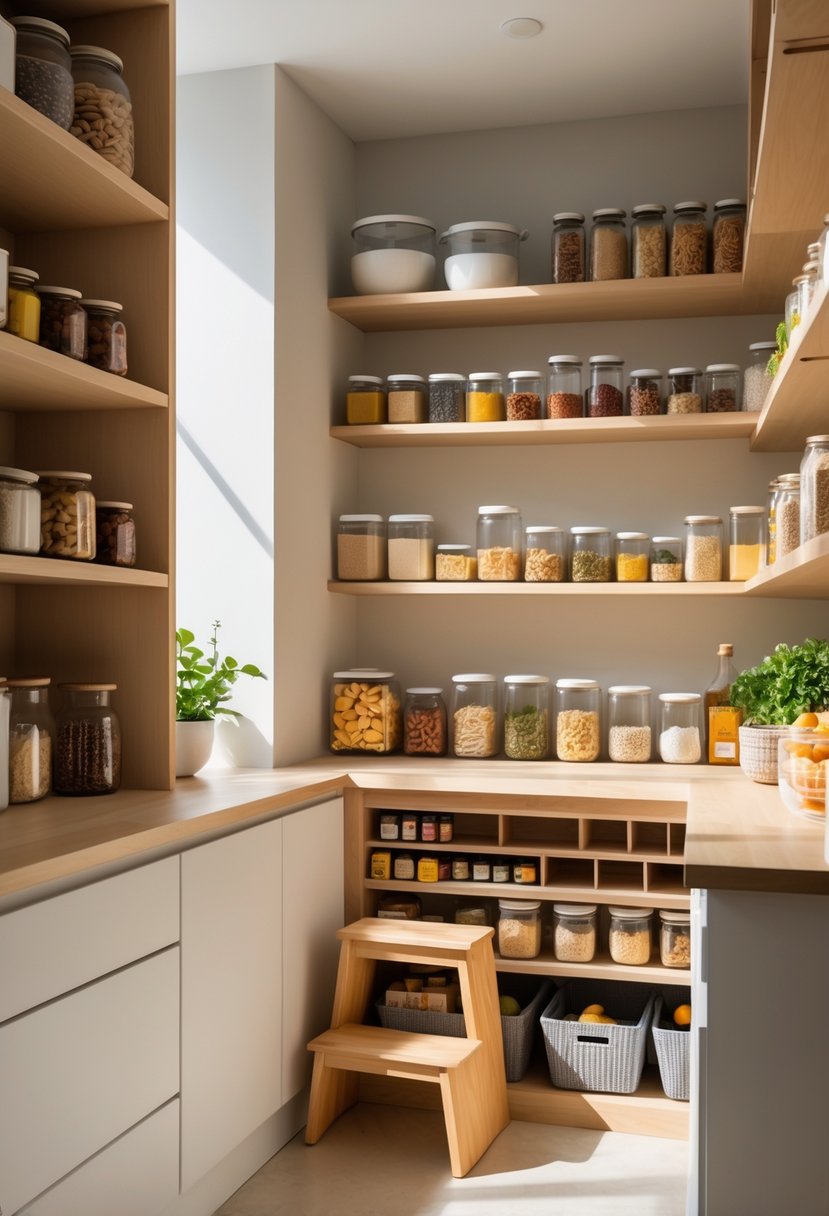
A small step stool helps reach high shelves without hassle. It makes full use of vertical storage in compact pantries.
Many homeowners keep a folding stool tucked into a corner or hung on the back of the pantry door. This keeps it out of the way but always accessible.
Use clear bins for baking supplies
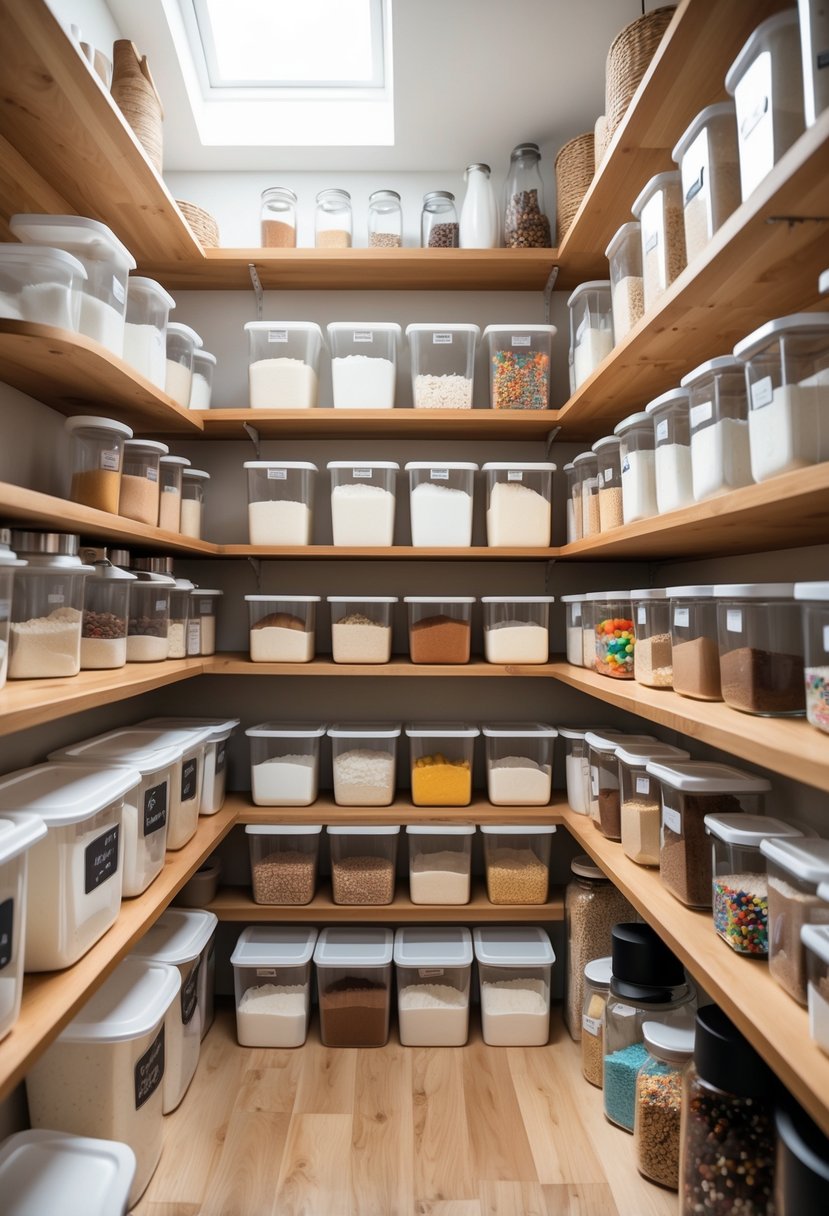
Clear bins help keep flour, sugar, and other baking ingredients in one place.
They make it easy to see when supplies run low.
Grouping items by type reduces clutter and saves time during meal prep.
Benefits of a Pantry Makeover
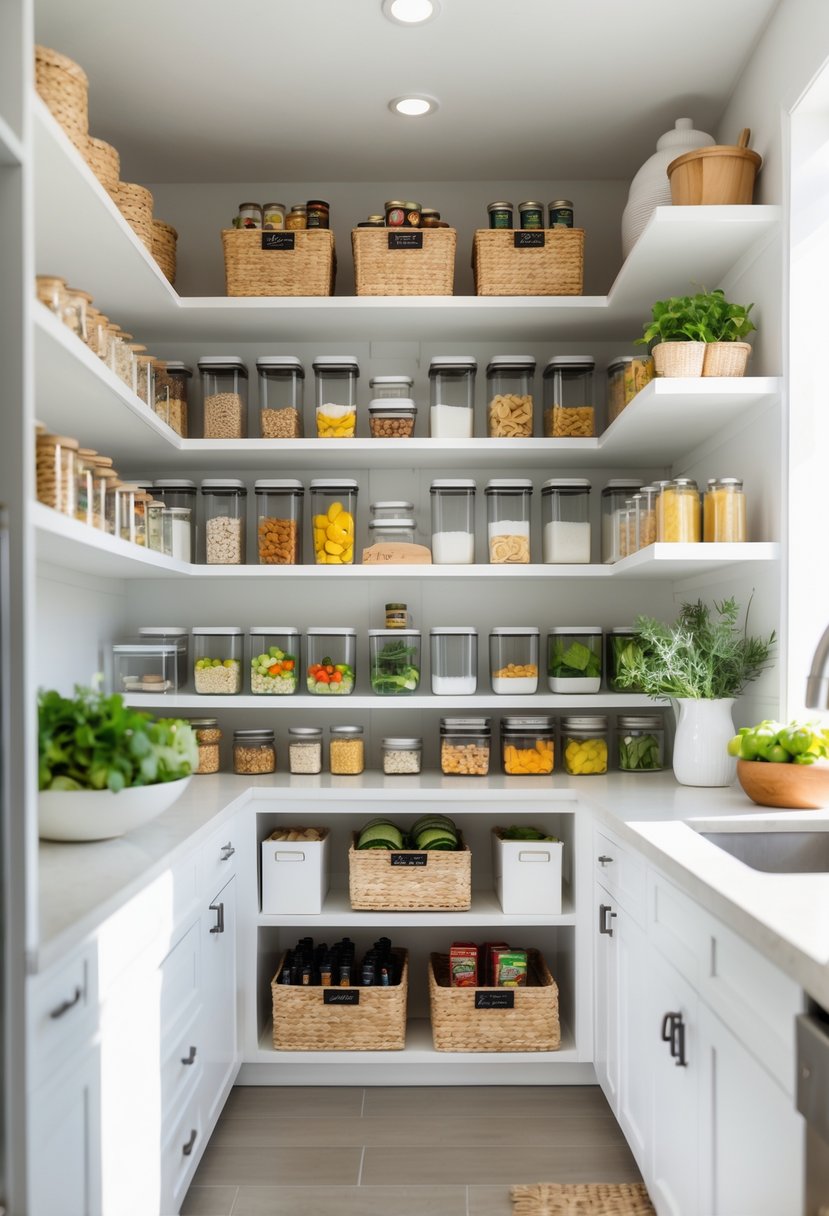
A pantry makeover helps households use space more efficiently, reduce waste, and create a cleaner kitchen environment. It also supports better food storage, makes daily tasks easier, and can even add value to the home.
Improved Organization
A well-planned pantry makeover allows every item to have a designated place. Clear containers, labeled bins, and adjustable shelving make it easier to see and reach food without digging through clutter. This reduces duplicate purchases and helps families know what they already have.
Many people use zones to group items. For example:
- Baking supplies in one section
- Snacks in another
- Canned goods on lower shelves
- Spices near eye level
This system saves time when cooking or packing meals. Pull-out drawers and tiered racks also make small items more visible. By reducing wasted space, even a small pantry can hold more while staying neat.
Enhanced Food Preservation
Proper storage extends the life of food and prevents spoilage. Airtight containers protect dry goods like flour, rice, and cereal from moisture and pests. Glass jars or sealed bins also make it easier to monitor freshness.
Temperature and light control matter as well. Keeping oils, nuts, and grains in darker areas prevents them from turning rancid. Rotating stock with a first in, first out method ensures older products get used before newer ones.
A pantry makeover may also include dedicated areas for produce, beverages, or bulk goods. For example, baskets allow airflow for potatoes and onions, while sealed bins keep pet food fresh. These small adjustments reduce waste and save money over time.
Increased Home Value
A clean, functional pantry is a feature that appeals to buyers. Home shoppers often look for storage solutions that make kitchens more practical. A well-designed pantry signals that the home is maintained and efficient.
Upgrades such as sliding barn doors, built-in shelving, or hidden pantry entries can add both style and function. These features often stand out in real estate listings and home tours.
Even modest improvements, like uniform containers or updated shelving, create a polished look. While not as large as a kitchen remodel, a pantry makeover can still improve the overall impression of the space and support resale value.
Design Trends for Pantry Makeover Ideas 2026
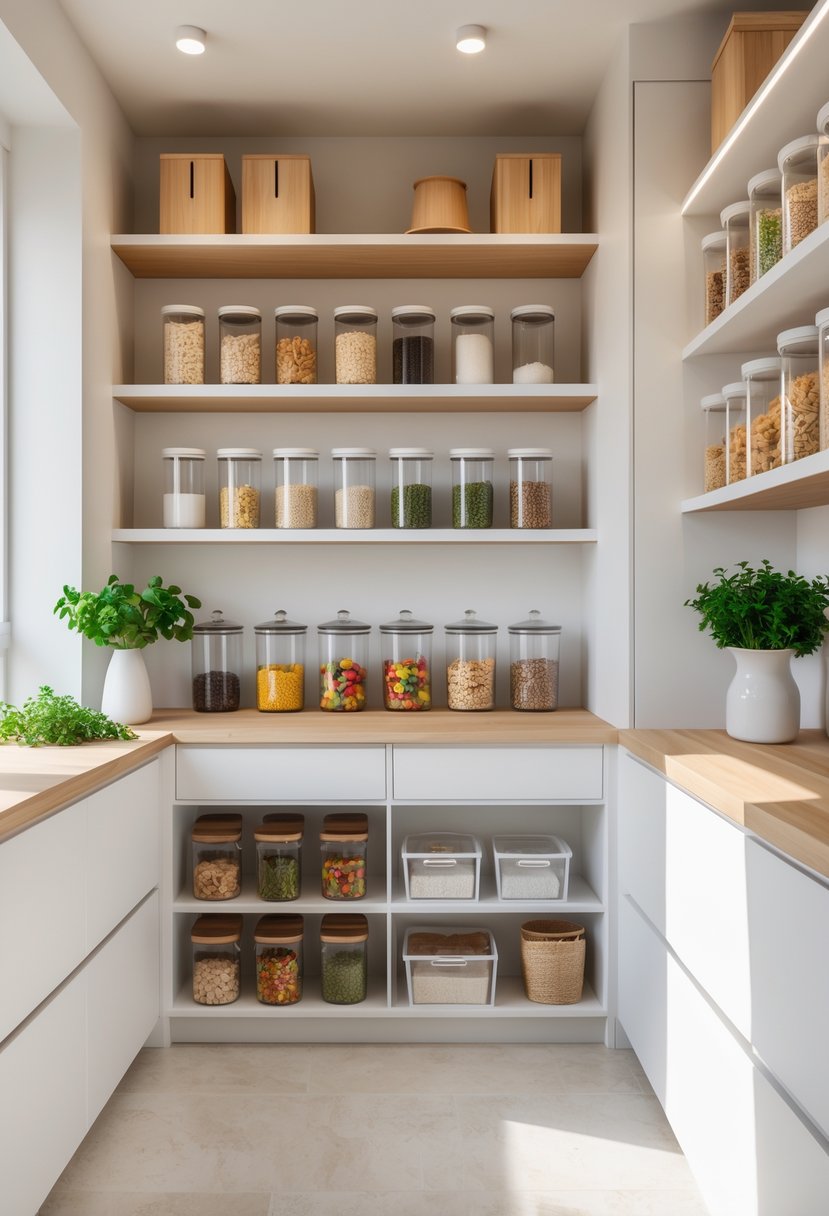
Pantry designs in 2026 highlight eco-friendly choices, efficient use of space, and clean visual appeal. Homeowners focus on materials that last, storage that adapts to daily needs, and layouts that reduce clutter.
Sustainable Materials
Many pantries now use bamboo, reclaimed wood, and recycled metal shelving instead of traditional options. These materials are durable, renewable, and reduce environmental impact. Bamboo shelves resist warping, while reclaimed wood adds warmth and character.
Paints and finishes with low or zero VOCs are also common. They improve air quality and make pantries safer for food storage. Glass jars and stainless steel containers replace single-use plastics, combining sustainability with long-term cost savings.
Designers also recommend modular shelving systems made from recycled composites. These can be reconfigured as needs change, preventing waste. Choosing sustainable flooring, such as cork or linoleum, further reduces the carbon footprint while remaining practical for high-traffic kitchen areas.
Smart Storage Solutions
Storage in 2026 emphasizes flexibility and visibility. Pull-out drawers, tiered racks, and adjustable shelving allow households to store more in less space. Clear bins and labeled containers make it easy to see and access items quickly.
Technology also plays a role. Motion-sensor lighting improves visibility, while some households use digital inventory apps that track pantry stock through barcode scanning. This reduces food waste and helps with meal planning.
For small kitchens, sliding barn doors or pocket doors save floor space compared to swinging doors. Hidden compartments for bulk items and slim pull-out racks for spices or canned goods maximize every inch of storage. Vertical solutions, like tall shelving units, keep the pantry organized without overcrowding countertops.
Minimalist Aesthetics
Minimalist pantry design focuses on neutral colors, clean lines, and uncluttered layouts. White, beige, and soft gray dominate, often paired with natural wood accents. This creates a calm and organized look that blends with modern kitchens.
Labels remain simple, often in black-and-white typography, to keep shelves uniform. Glass jars, matte metal containers, and woven baskets add texture without overwhelming the space.
Lighting also supports the minimalist style. LED strips under shelves give a soft glow, reducing shadows and highlighting organization. By limiting decor and focusing on function, the minimalist pantry feels open, efficient, and easy to maintain.


