Pantry Organization Ideas 2026: 22 Smart Ways To Streamline Your Storage

A well-organized pantry makes daily cooking easier and keeps every ingredient within reach. In 2026, design trends focus on both function and simplicity, blending modern style with practical solutions that fit any space. An organized pantry saves time, reduces waste, and creates a cleaner, more efficient kitchen routine.
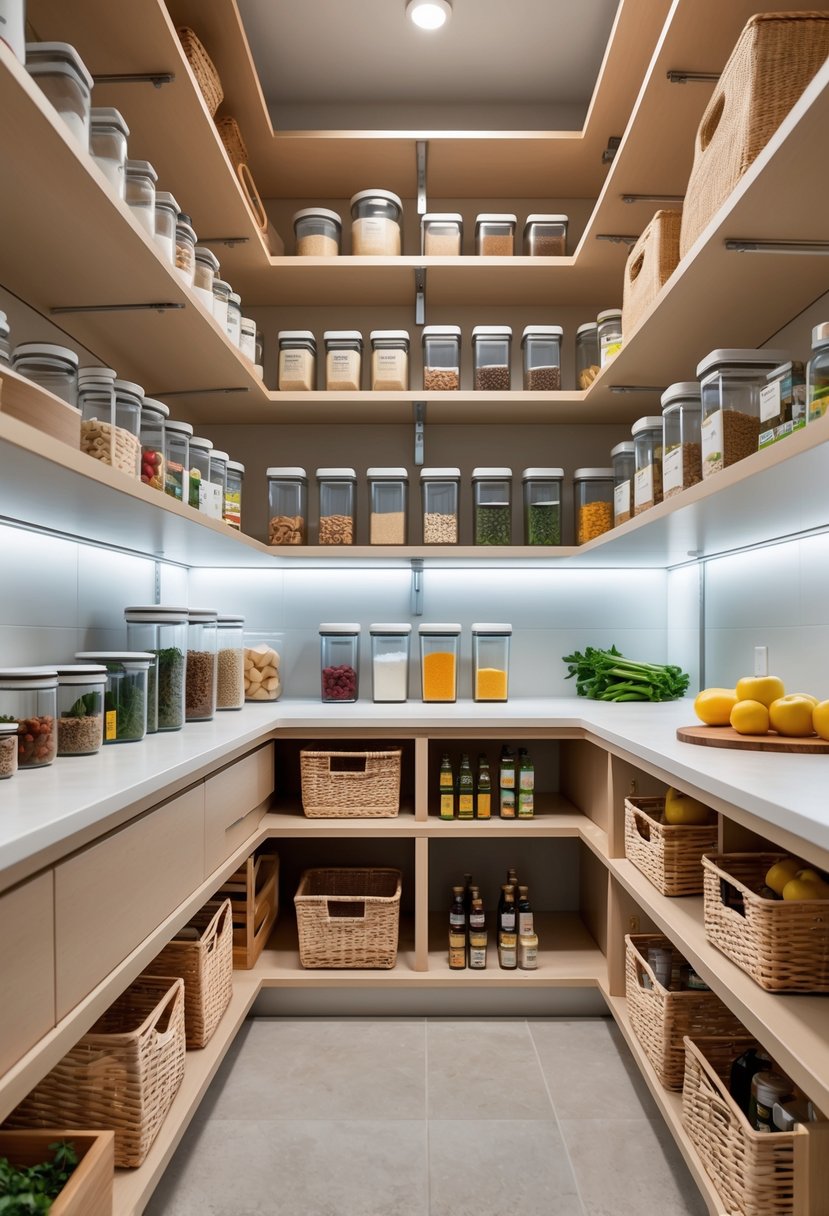
This article explores smart ways to store, label, and arrange pantry items to make the most of every shelf. It offers ideas that help maintain order, improve visibility, and make restocking simple, whether the space is large or small. Each section provides clear, useful tips that support a tidy and efficient kitchen setup.
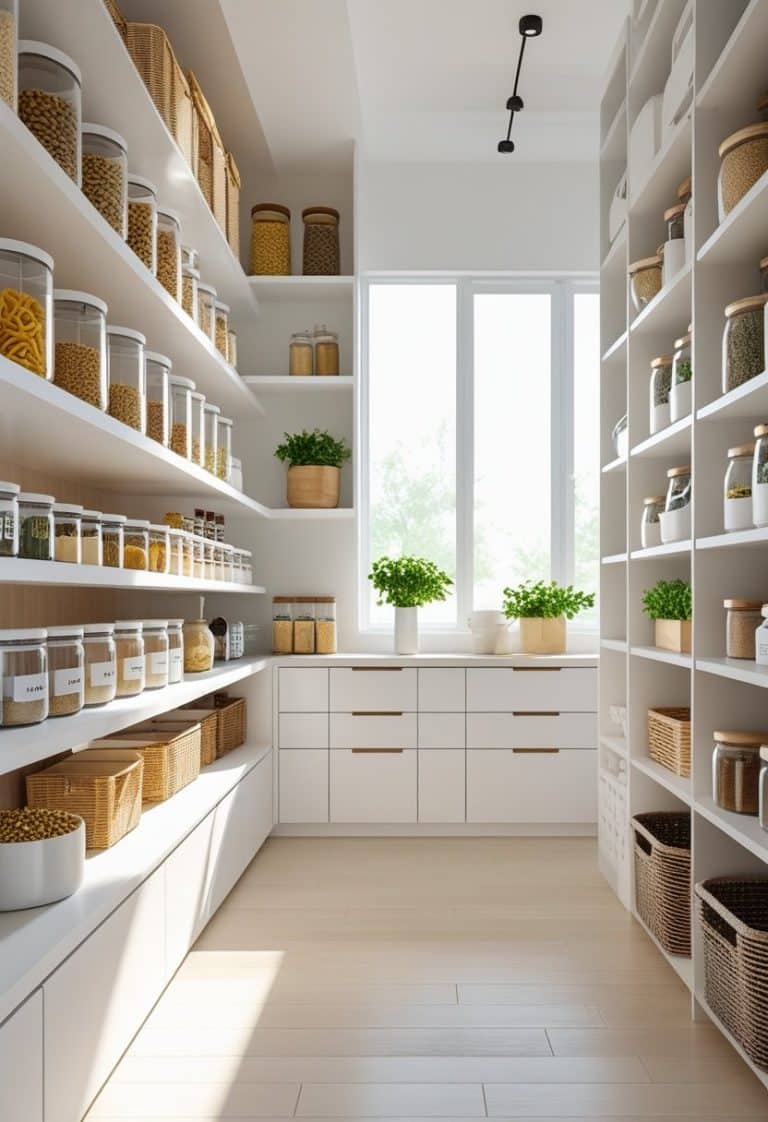
Use clear glass jars for dry goods to easily identify contents
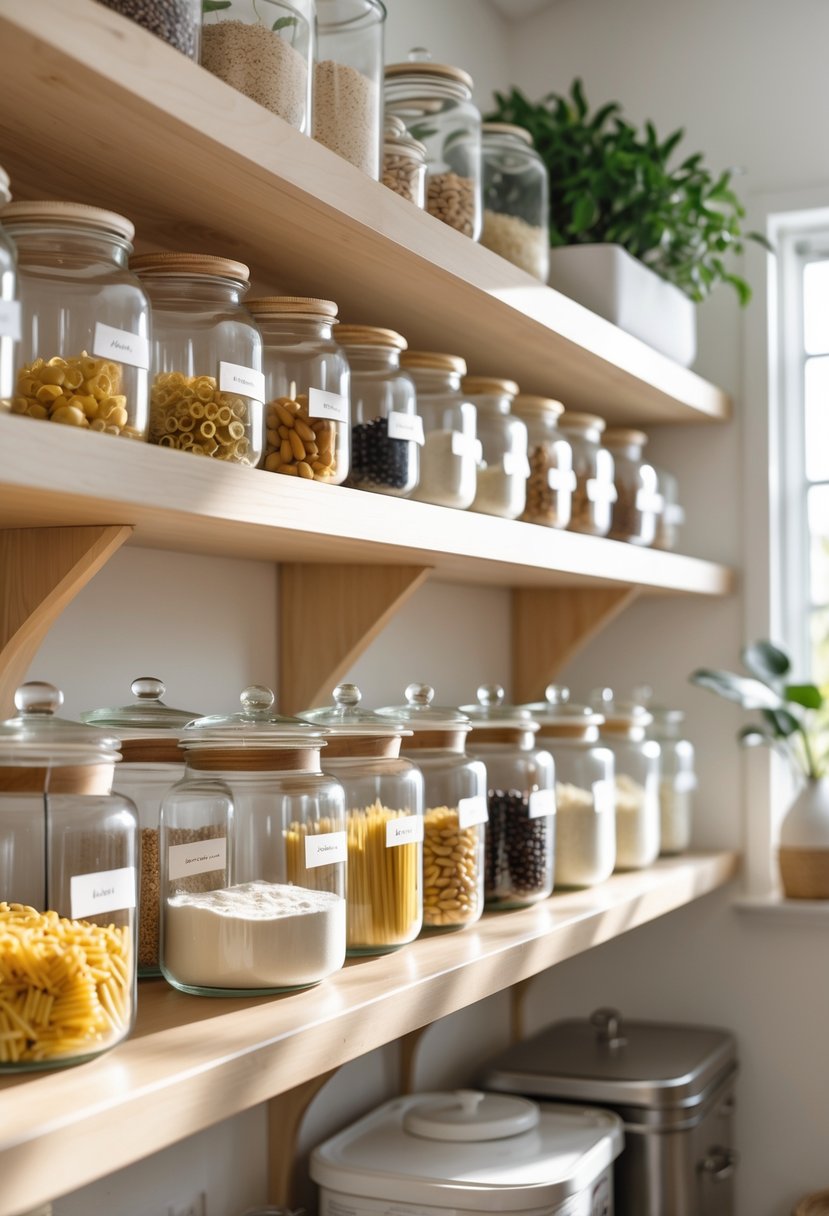
Clear glass jars let people see what they have without opening containers. This helps track supplies and reduces waste.
They work well for storing flour, sugar, rice, beans, and nuts. Labels can make identification faster and keep the pantry looking neat and consistent.
Install an over-the-door pantry rack for extra storage
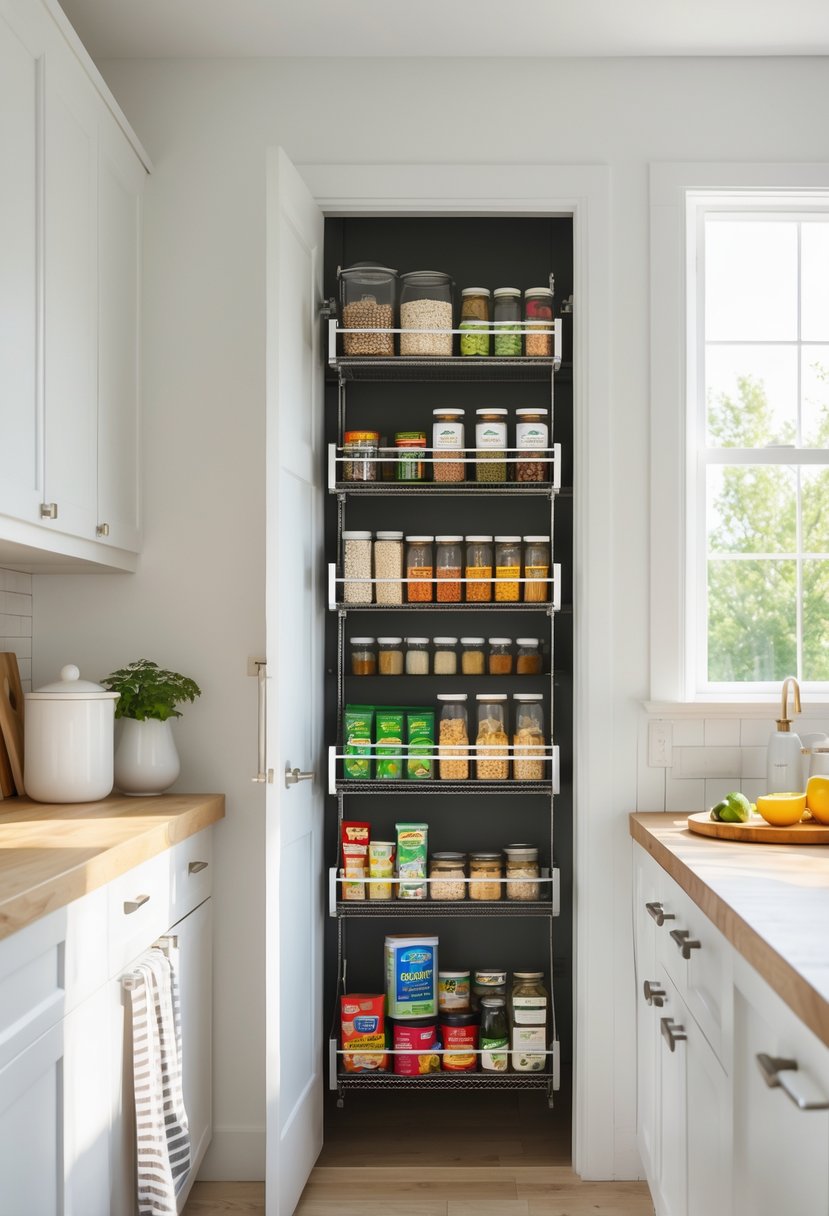
An over-the-door pantry rack helps use space that often goes unused. It attaches easily to most standard doors without drilling.
They can store spices, canned goods, or snacks in clear view. Adjustable shelves let users fit different item sizes and keep essentials within reach.
Label containers with chalkboard stickers for flexibility
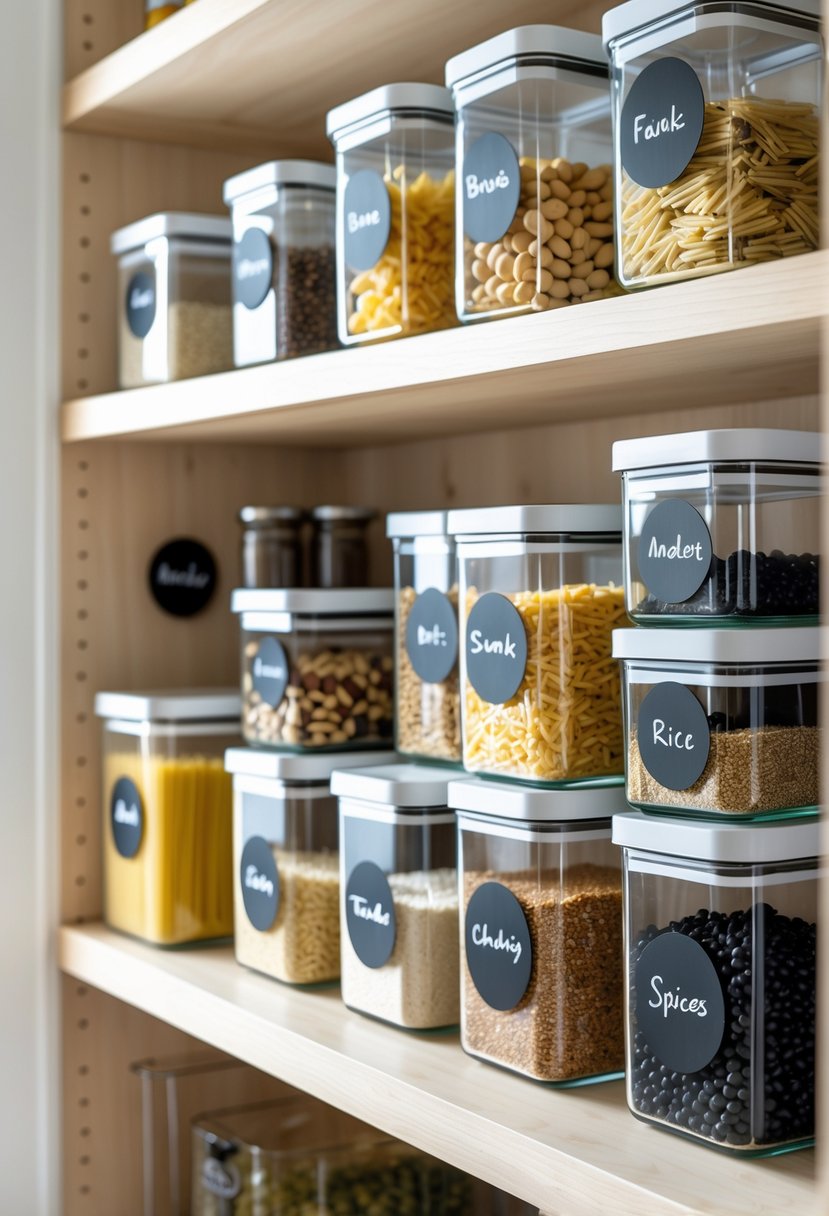
Chalkboard stickers help keep pantry containers clearly marked and easy to update.
They can be wiped clean and rewritten whenever contents change, reducing waste from disposable labels.
Their simple, reusable design works on jars, bins, and baskets, making it easy to maintain an organized and adaptable pantry system.
Group items by category such as baking, snacks, and canned goods
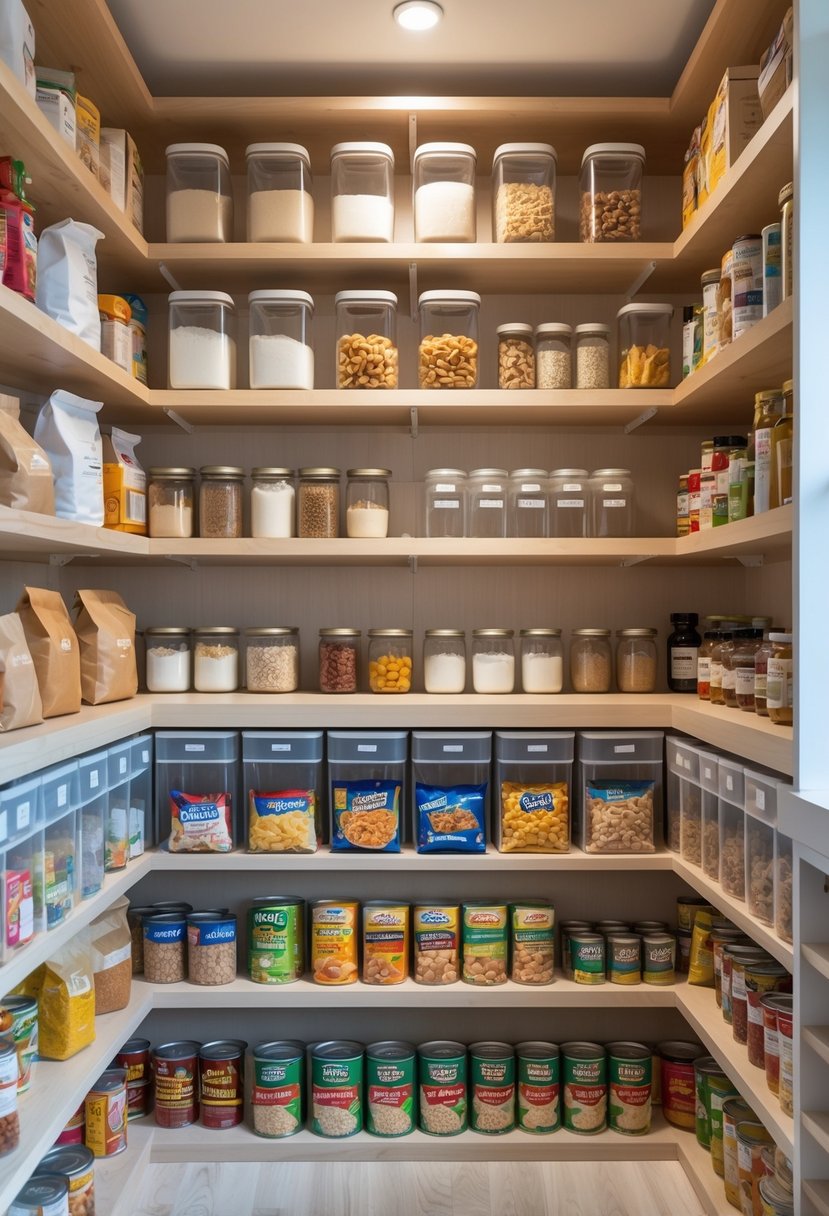
They can keep a pantry organized by grouping similar items together. Baking supplies like flour and sugar belong in one section.
Snacks, breakfast foods, and canned goods should each have their own space. This setup helps people find what they need quickly and keeps shelves neat.
Use airtight containers to extend the shelf life of food
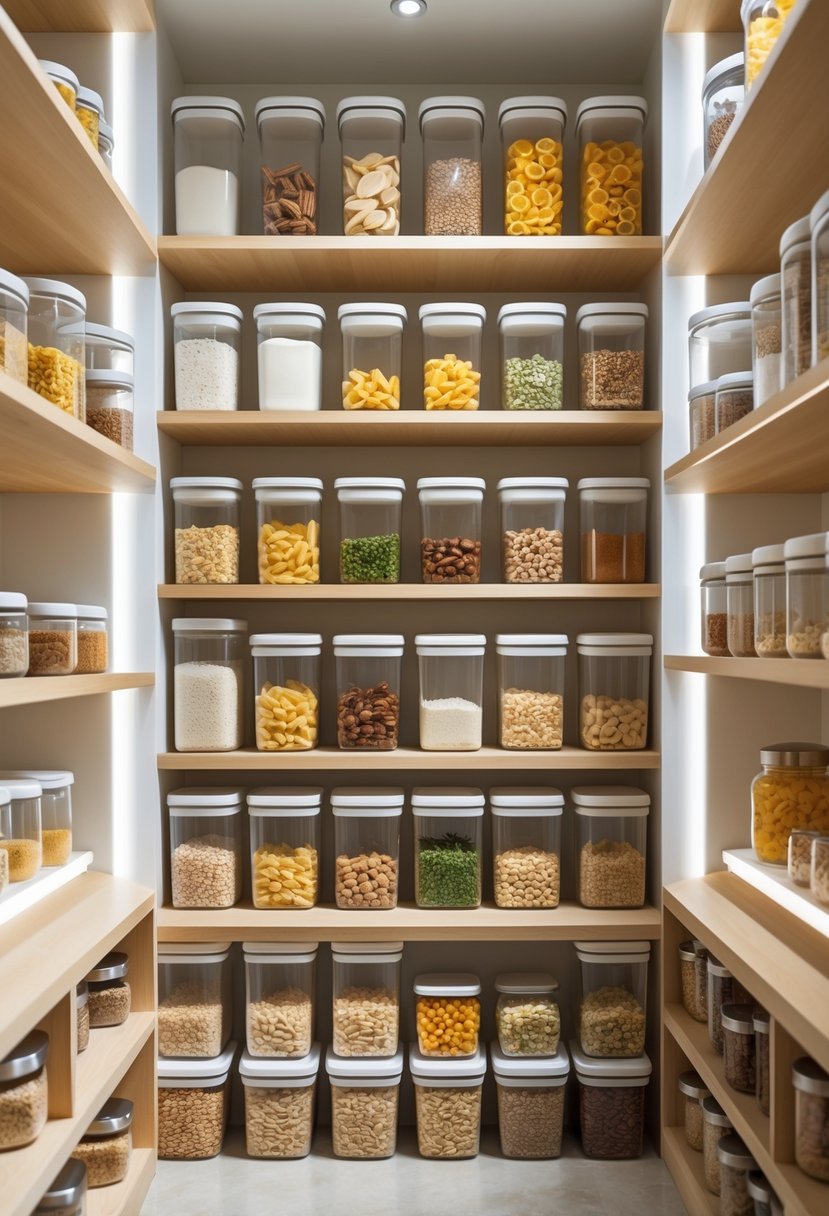
Airtight containers help keep food fresh by blocking air and moisture. This slows down spoilage and prevents pests.
They work well for dry goods like rice, flour, nuts, and pasta. Using them helps reduce waste and keeps pantry items organized and easy to find.
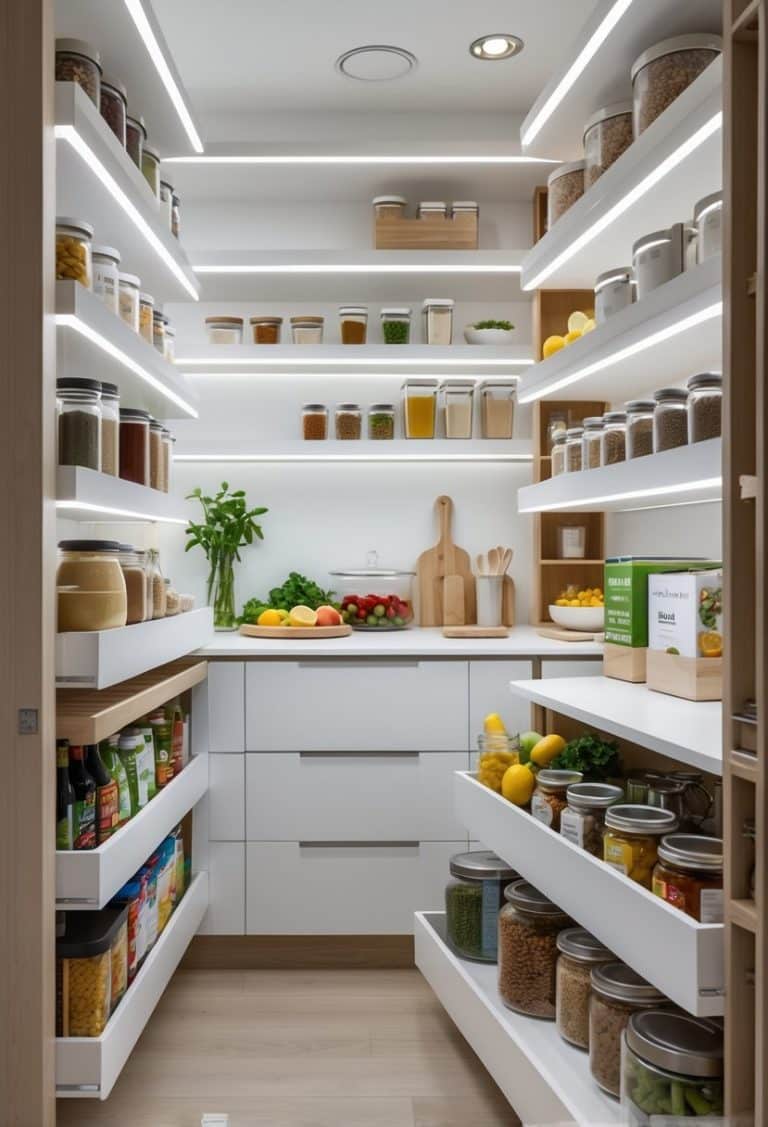
Incorporate pull-out baskets for easy access to items
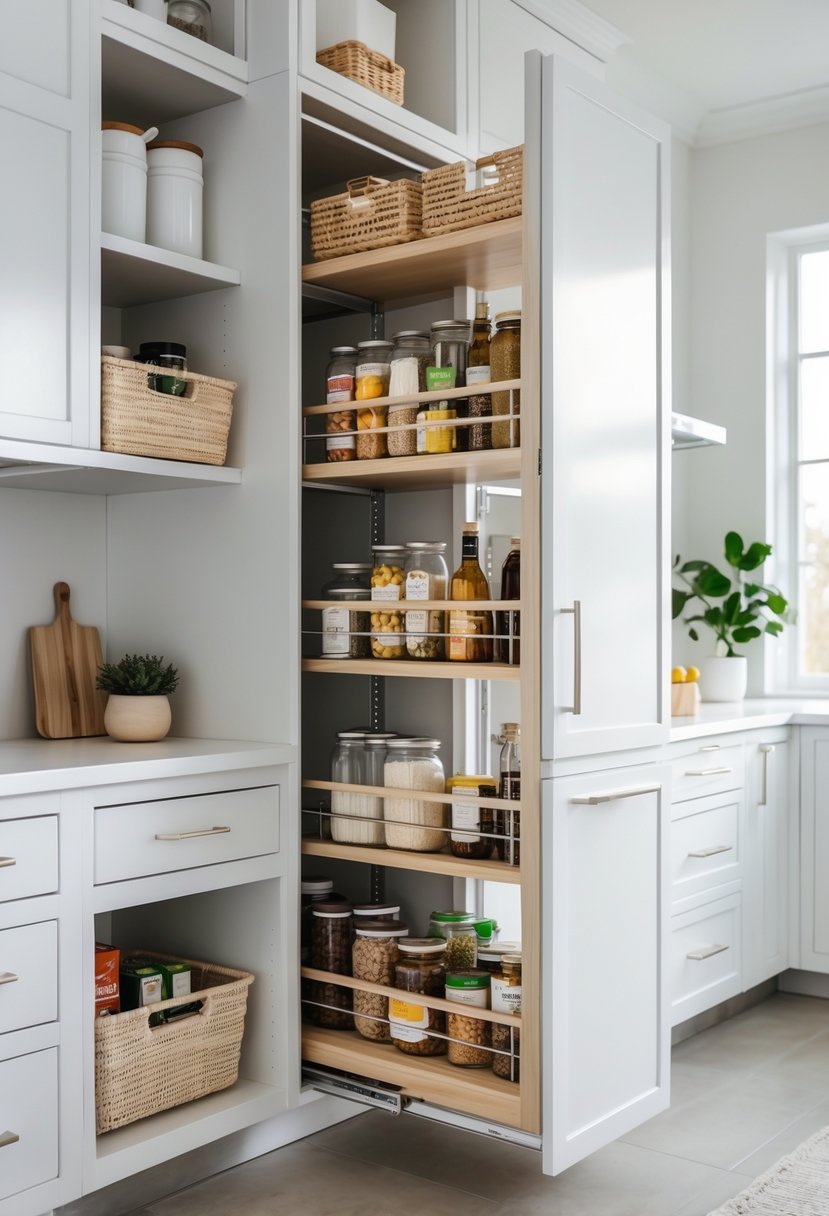
Pull-out baskets help keep pantry items visible and within reach. They reduce the need to dig through shelves and make it easier to grab what’s needed.
They work well for snacks, produce, or small packages. Using wire or mesh baskets also improves airflow and keeps contents organized.
Store oils and sauces on a tiered shelf organizer
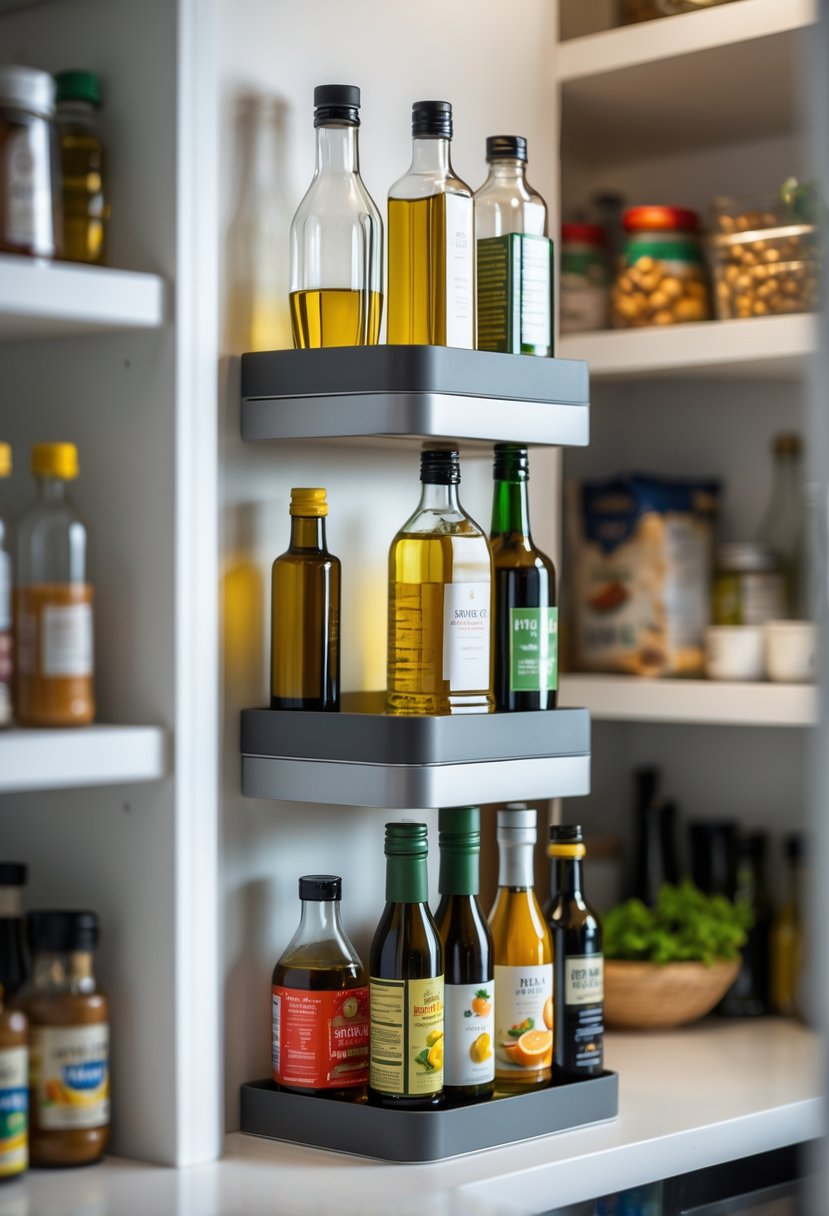
A tiered shelf organizer helps keep oils and sauces visible and easy to reach.
By arranging bottles on different levels, it prevents clutter and saves counter or pantry space.
This setup also allows quick access to frequently used items while keeping labels easy to read.
Place frequently used items at eye level
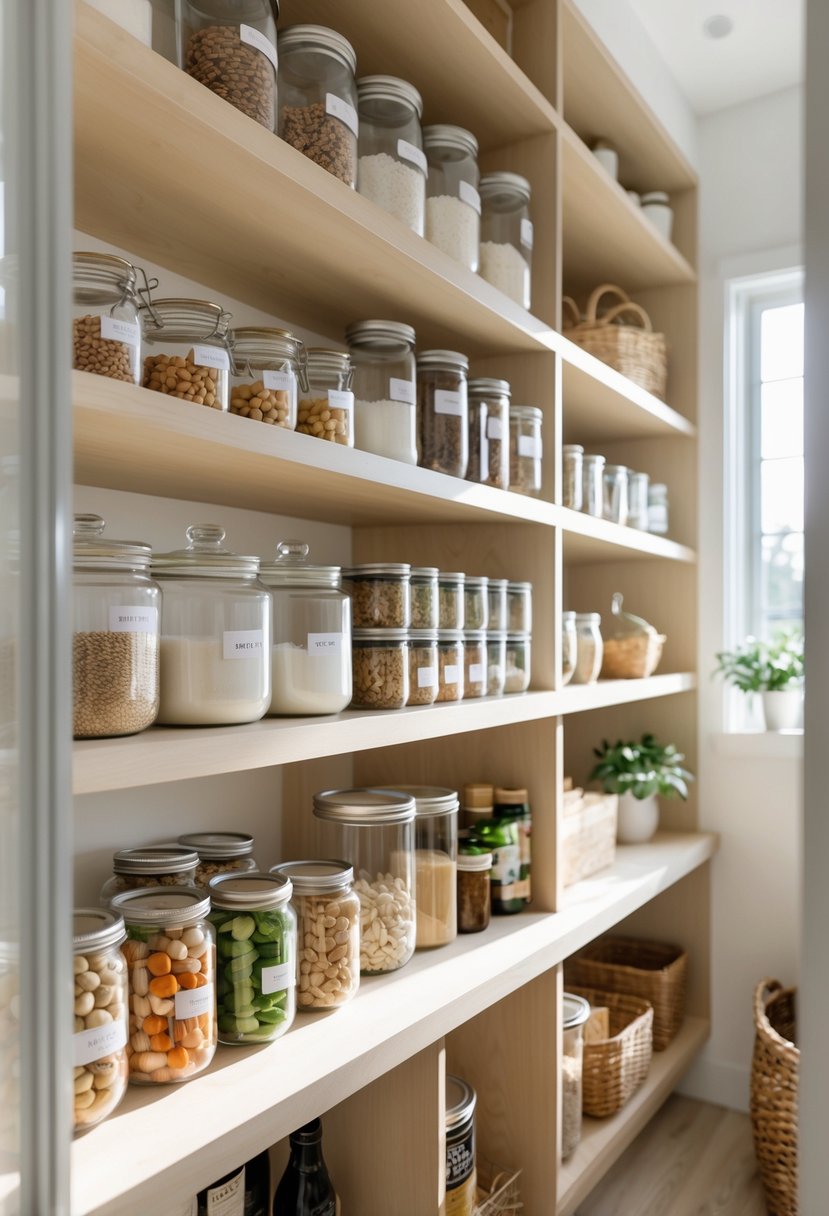
They store everyday foods like grains, snacks, and canned goods on shelves at eye level for quick access.
This placement reduces bending or stretching while cooking and keeps the pantry layout efficient.
Less-used items, such as seasonal ingredients or baking tools, fit better on higher or lower shelves.
Utilize stackable bins to maximize vertical space
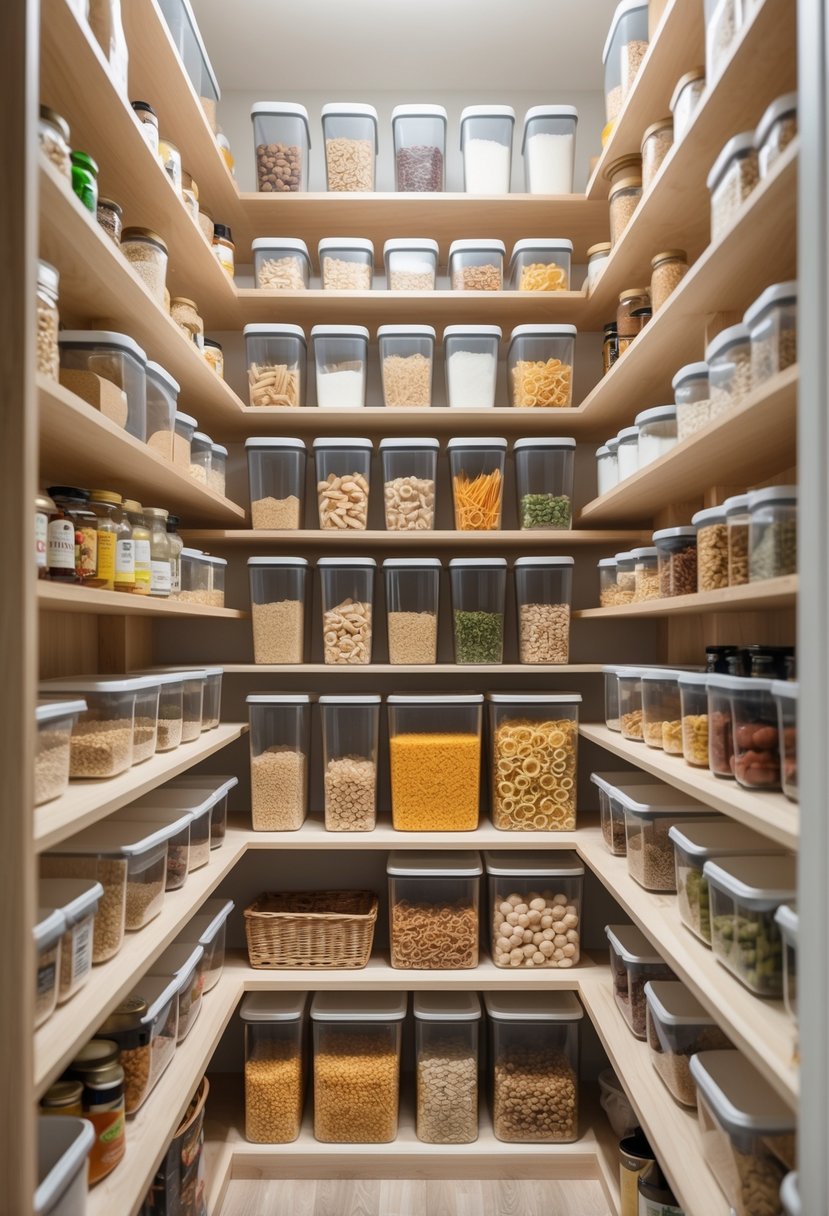
Stackable bins help make use of the full height of pantry shelves. They allow items to be stored neatly without wasting space above or below.
Clear or labeled bins make it easy to see contents and keep similar items together. This approach keeps the pantry organized and accessible.
Keep a designated snack zone for kids
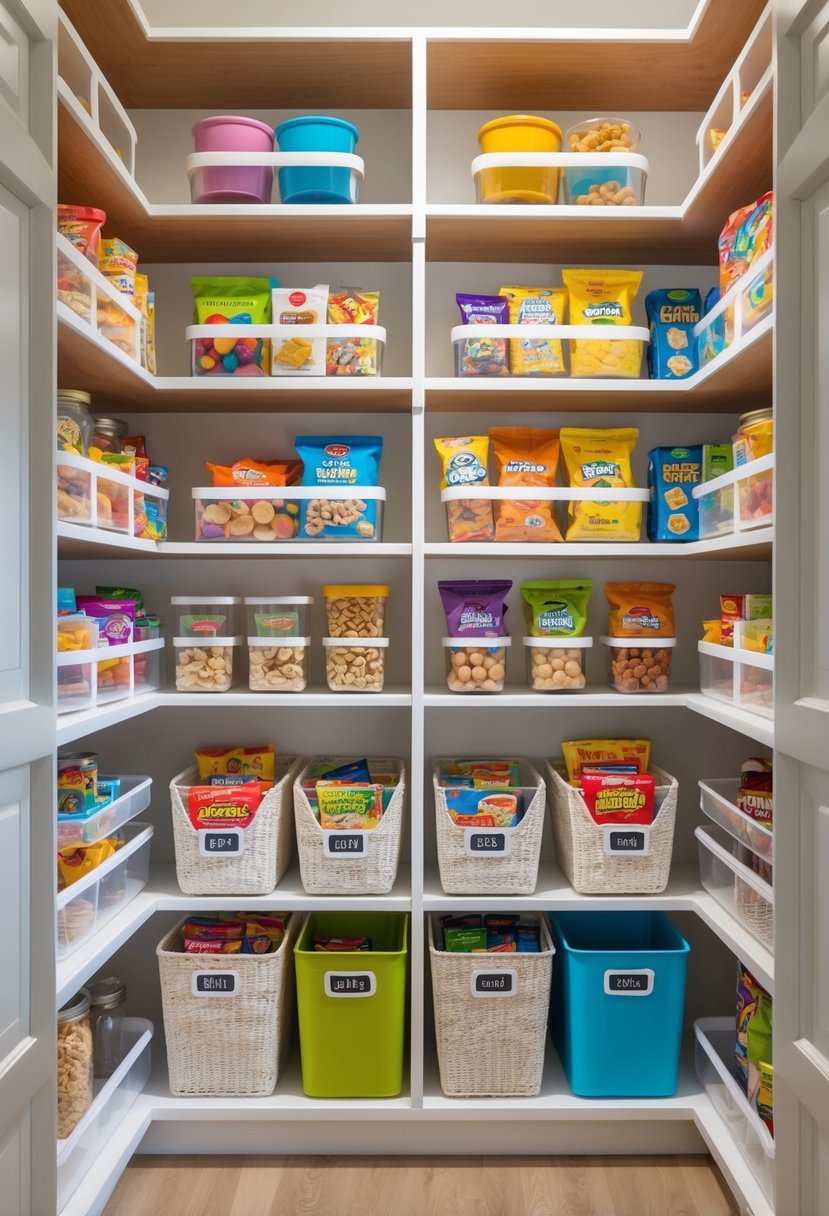
A snack zone helps children find what they need without creating clutter.
Placing bins or baskets at their height encourages independence and keeps snacks organized.
Labeling each container with the snack type or time of day makes it easier for kids to follow routines and maintain order.
Use lazy Susans for small jars and condiments
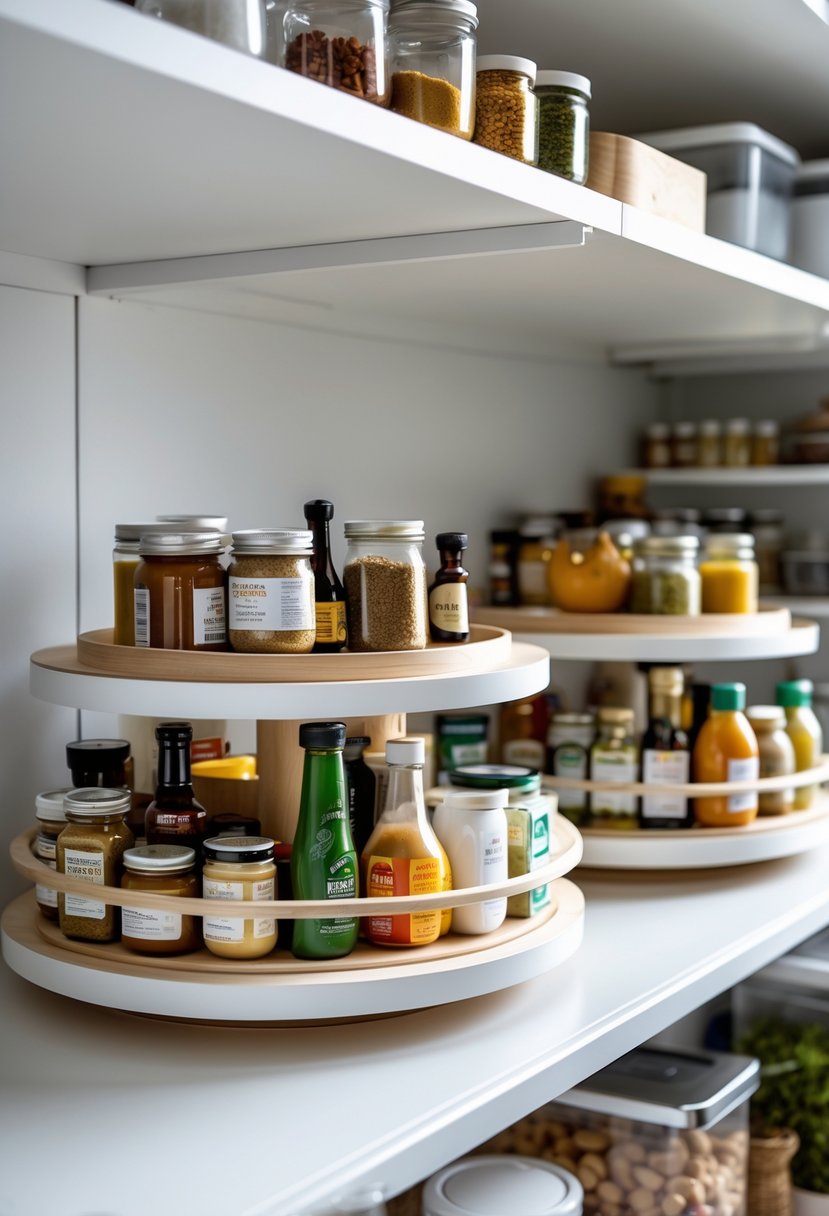
Lazy Susans help keep small jars and condiments visible and easy to reach. Their rotating base lets users grab what they need without moving other items.
They work well in deep pantry corners or cabinets where space is tight. Clear or labeled containers make the setup even more efficient.
Arrange items by expiration date to reduce waste
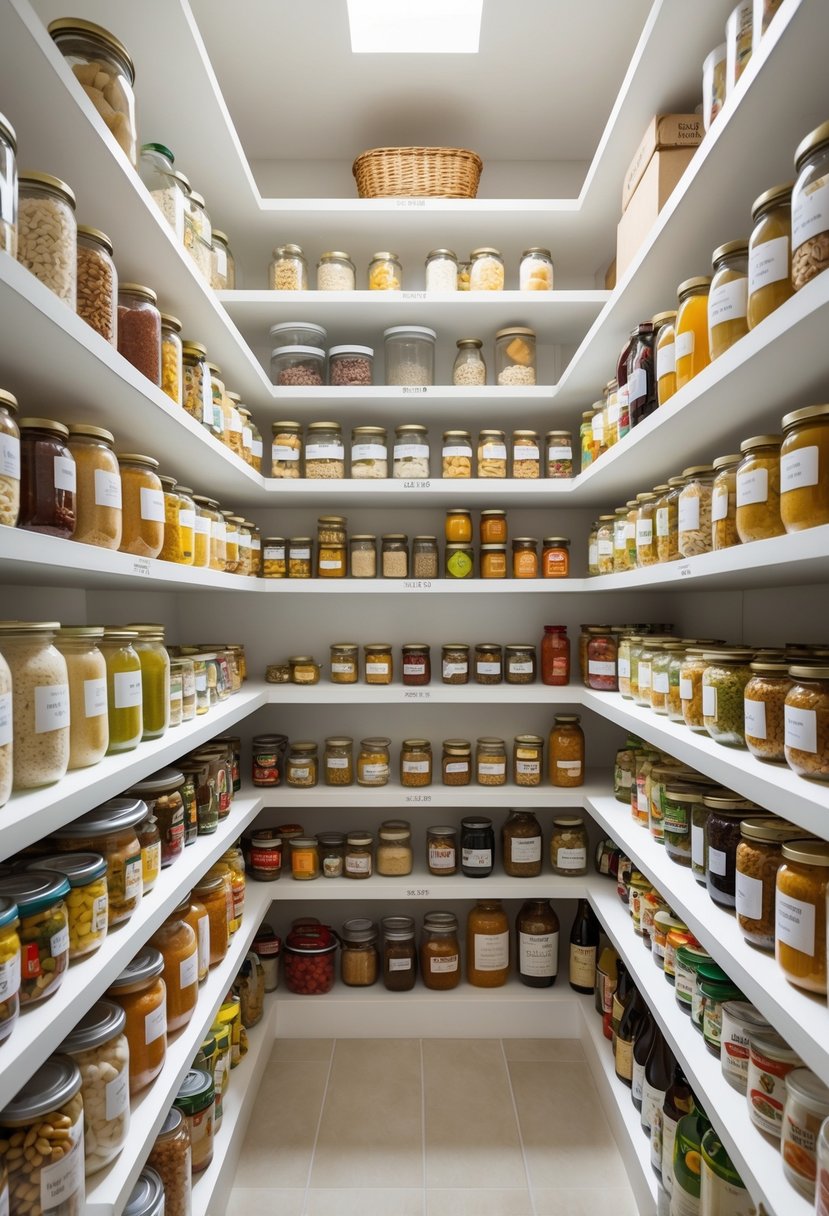
They can lower food waste by sorting pantry items by expiration date. Placing soon-to-expire foods in the front helps ensure they are used first.
Using the “first in, first out” method keeps older items from being forgotten. Regularly checking dates helps maintain a fresh and efficient pantry.
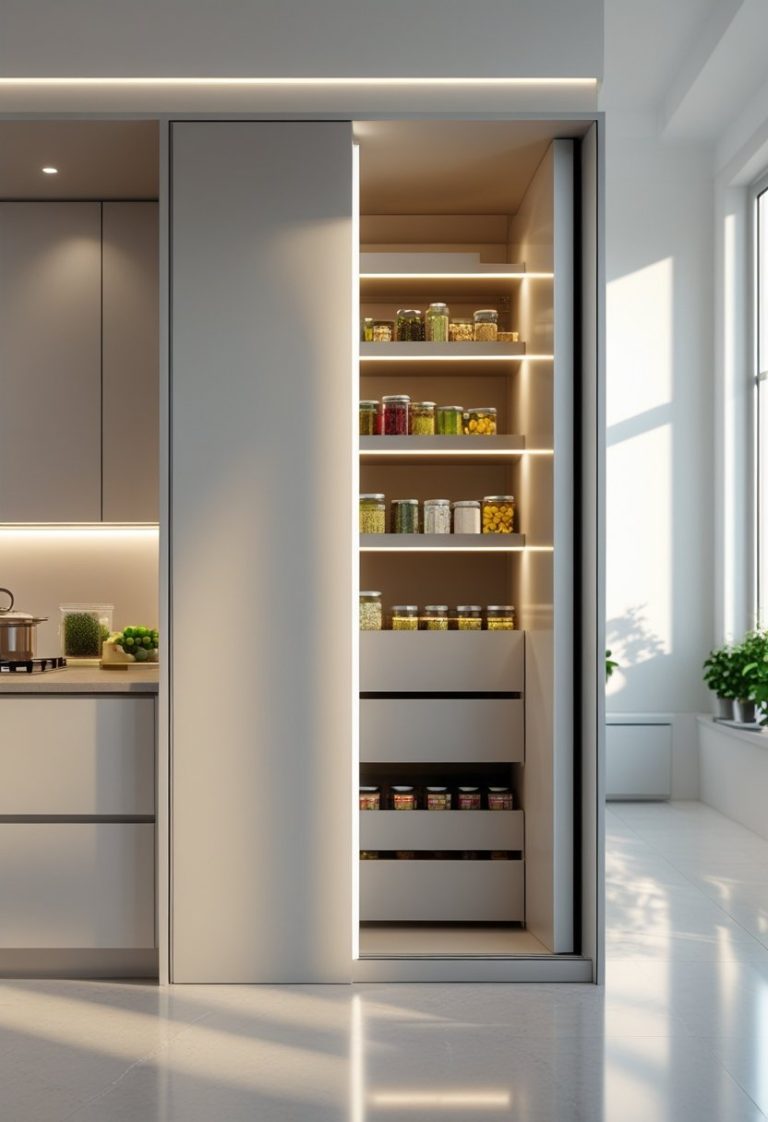
Install LED strip lighting inside the pantry
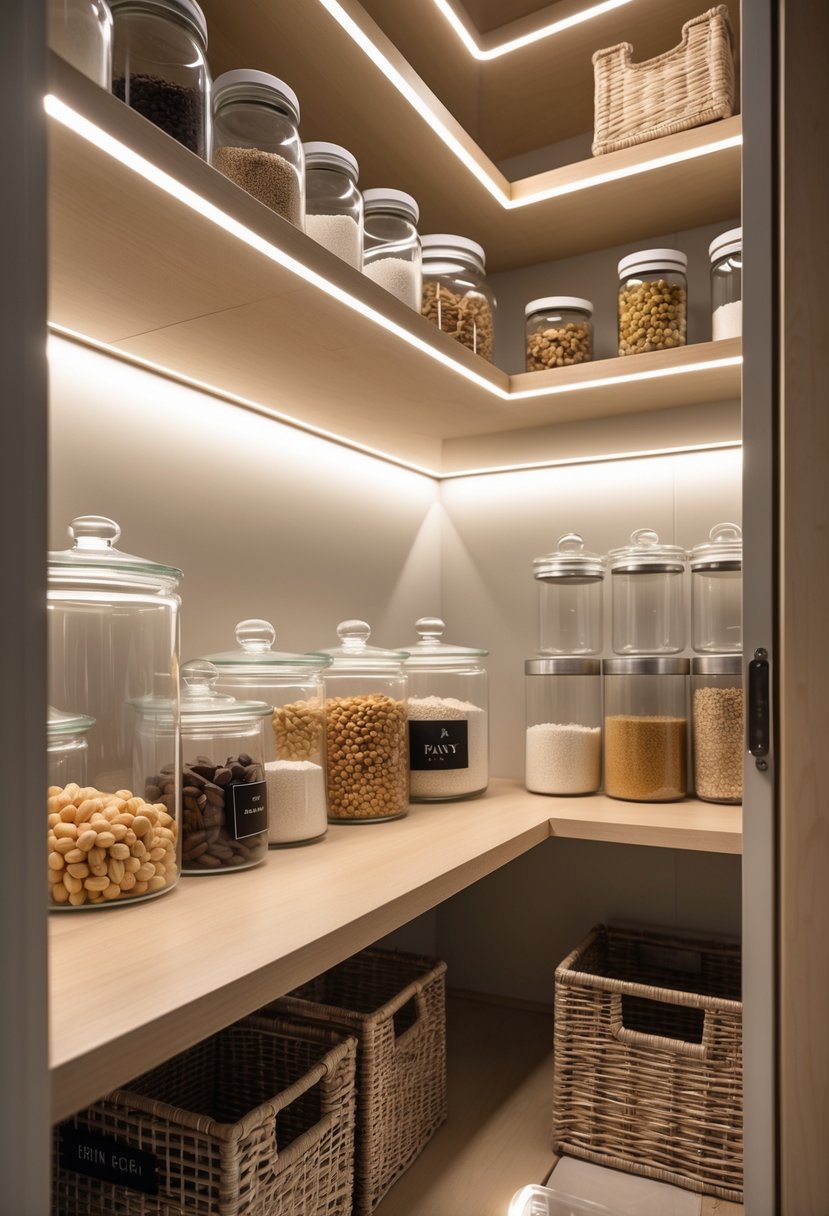
LED strip lights give even brightness across shelves, making it easier to see stored items.
They can attach under shelves, along edges, or around the door frame without taking up space.
Battery-powered, plug-in, and motion-sensor options let homeowners choose what fits their pantry layout and budget.
Use wire baskets for produce like onions and potatoes
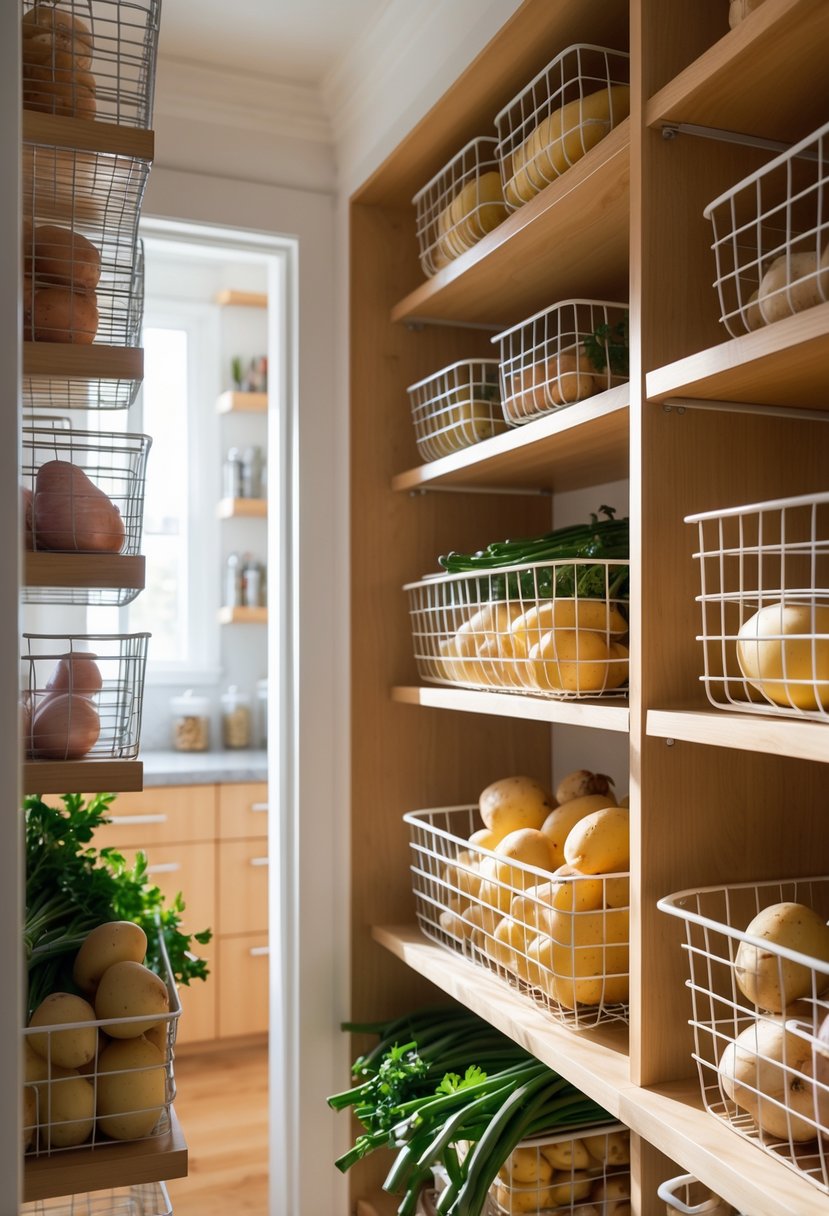
Wire baskets help keep onions and potatoes dry and well-ventilated.
Their open design allows air to circulate, reducing moisture and slowing spoilage.
They also make it easy to see what’s inside and grab what’s needed.
Stackable or handled options can save space and improve pantry organization.
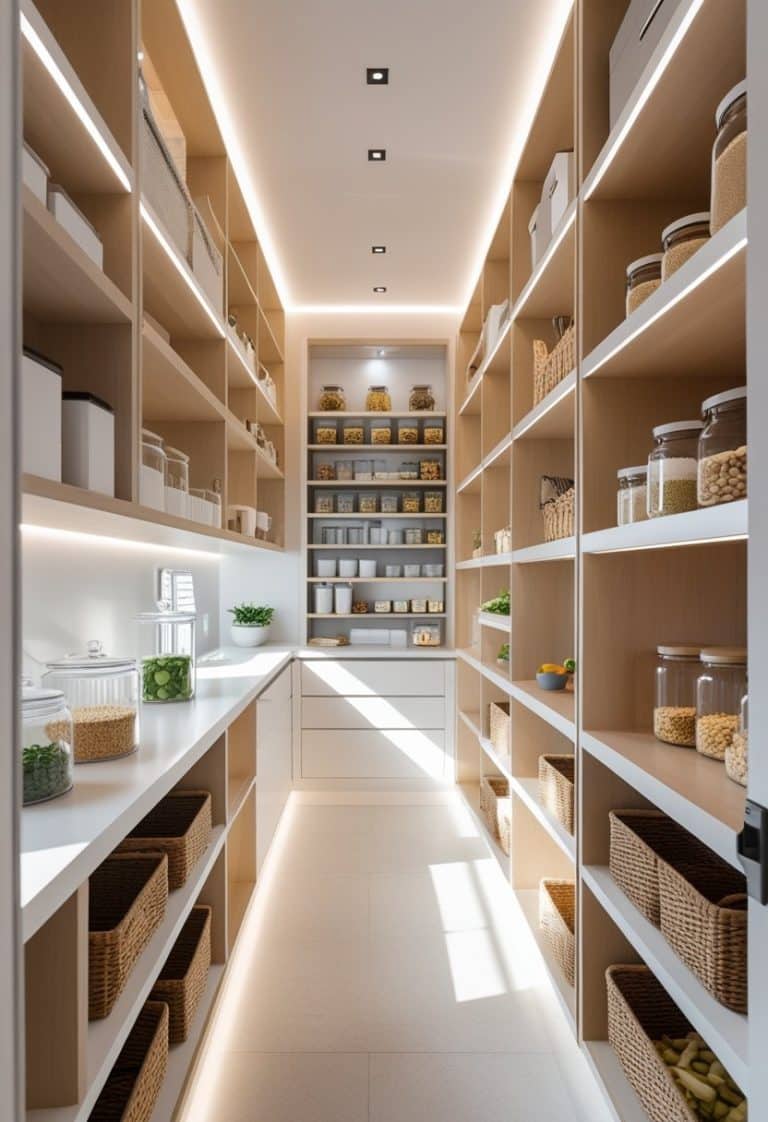
Store pasta and grains in uniform containers
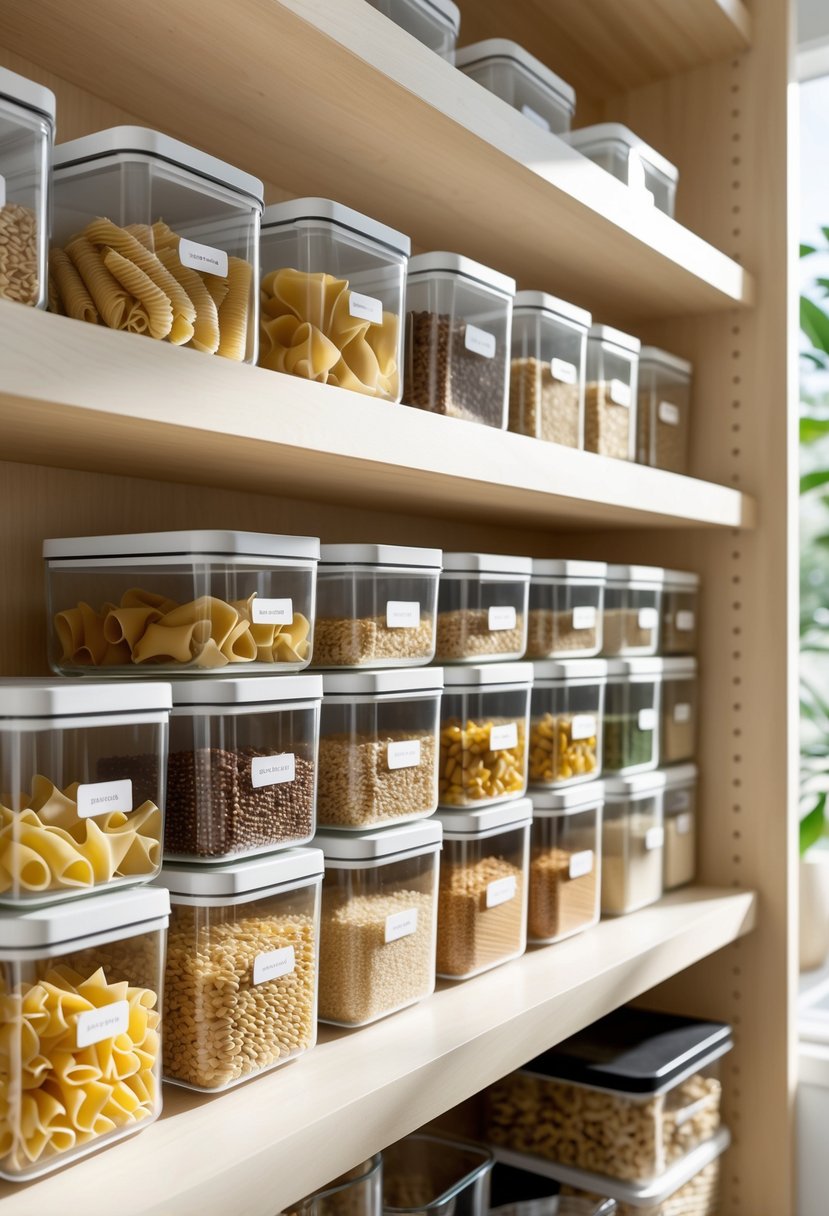
They keep pasta and grains in matching jars or canisters to create a tidy, consistent look. Clear containers help them see what they have and when to restock.
Uniform storage also protects food from moisture and pests while making shelves easier to clean and maintain.
Use a spice rack mounted on the pantry door
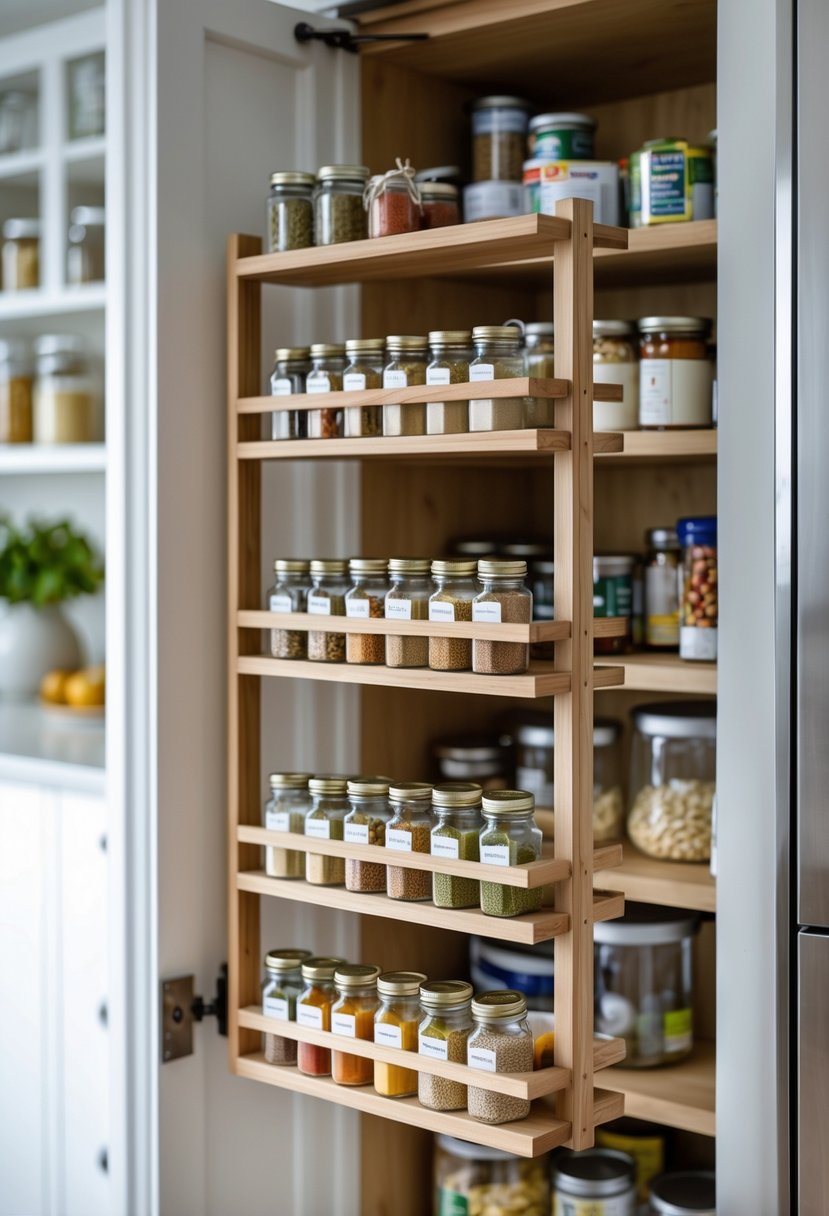
Mounting a spice rack on the pantry door helps use space that often goes unused.
It keeps spices visible and easy to reach while freeing up shelf space for larger items.
They can choose from wood, metal, or plastic racks, depending on their kitchen style and storage needs.
Include a small chalkboard or whiteboard for grocery lists
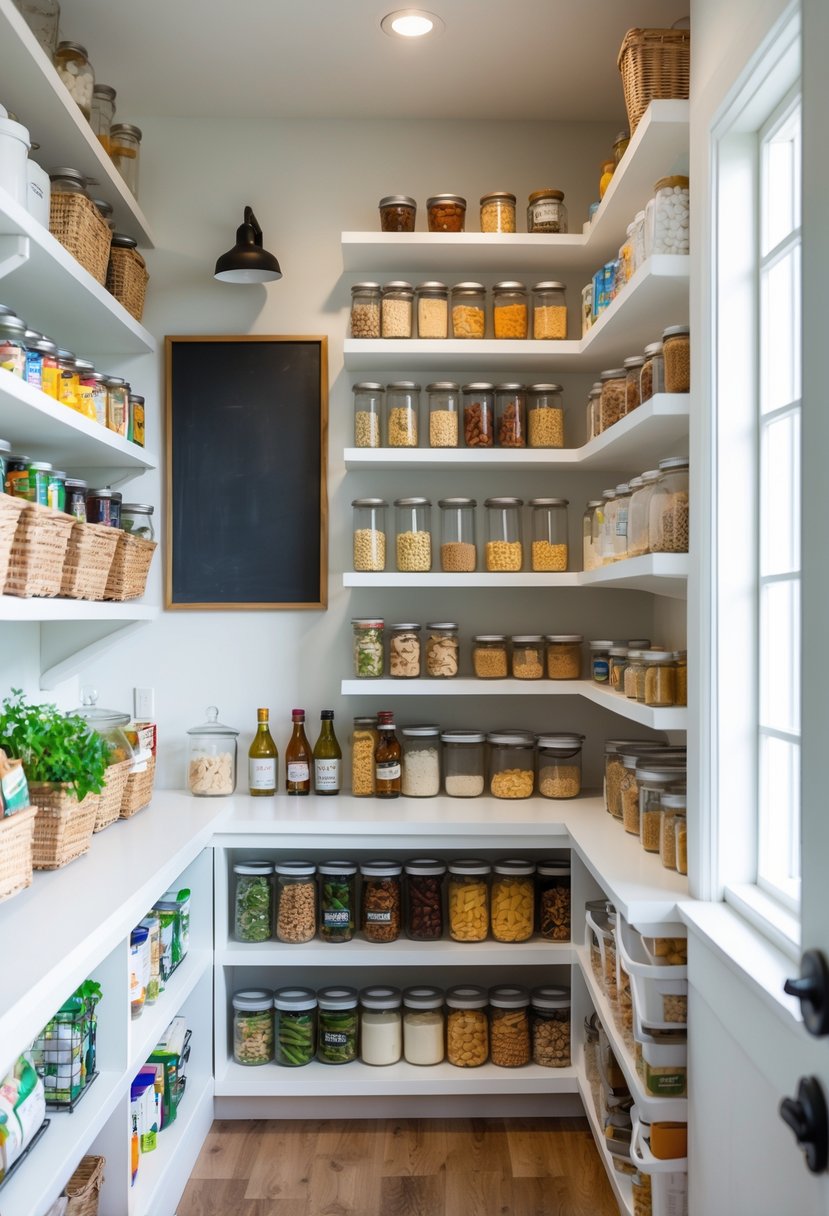
A small chalkboard or whiteboard inside the pantry door helps track grocery needs in real time.
They can quickly note items to restock or plan meals without using paper lists.
This simple addition keeps shopping organized and supports efficient pantry management.
Use clear stackable bins for snacks and bars
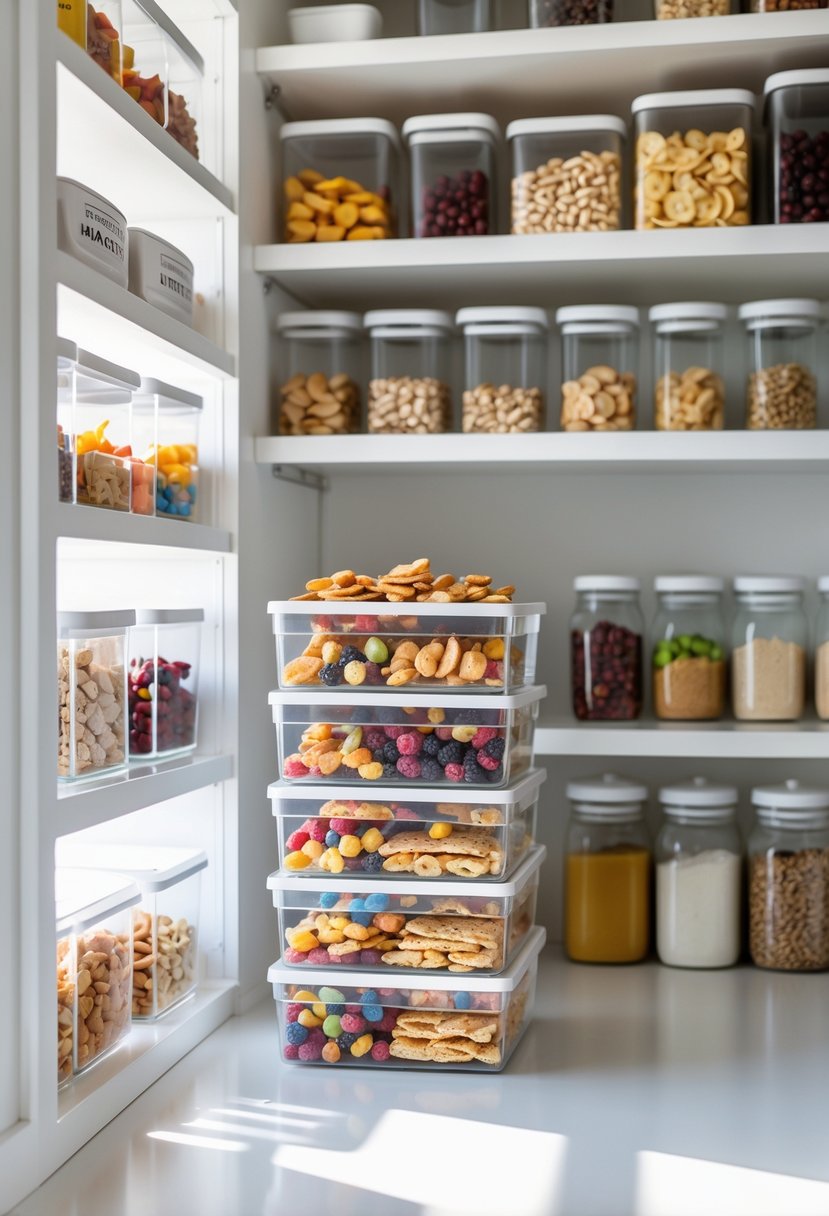
Clear stackable bins help keep snacks and bars visible and easy to grab. They make it simple to see when supplies run low.
Stacking bins use vertical space efficiently, which works well in small or deep pantries. Labels can make it even easier for everyone to find what they need.
Designate a baking section with all ingredients together
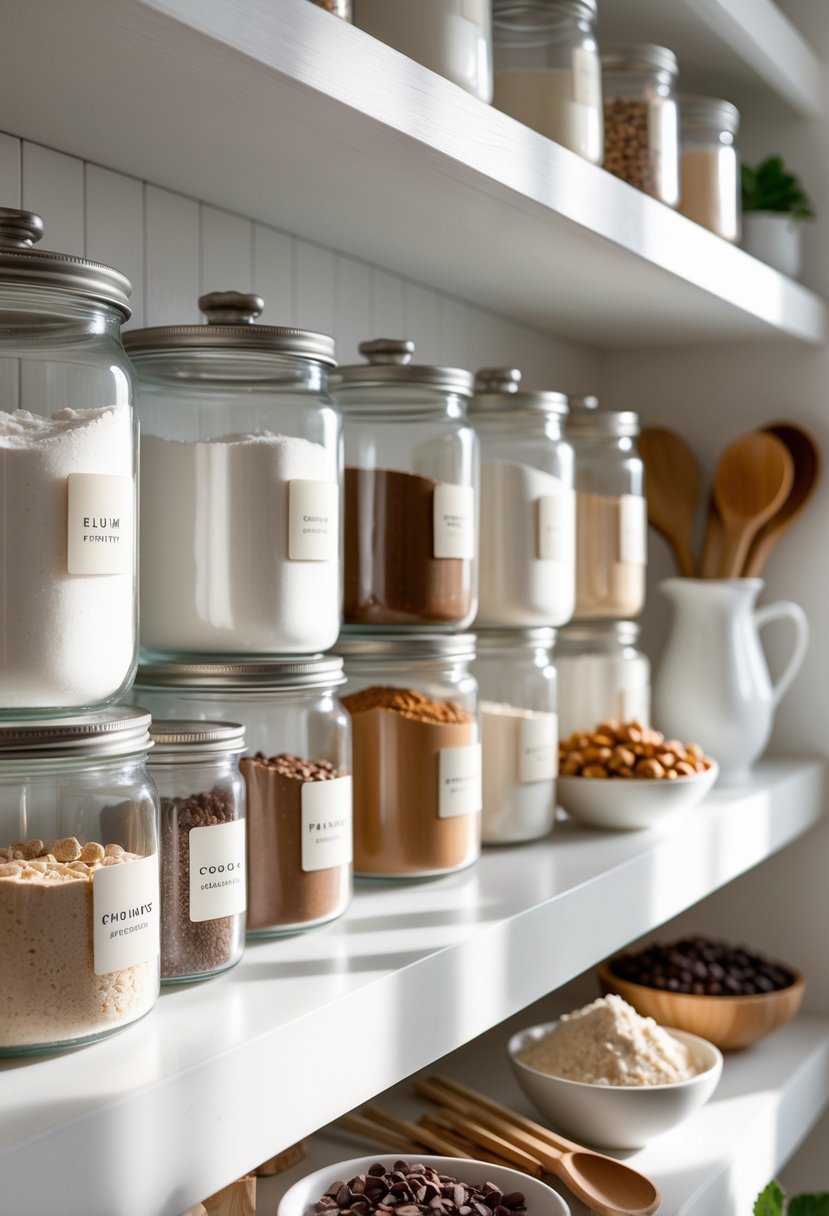
A baking section helps keep ingredients easy to find and use. They can store flour, sugar, and baking powder in one area.
Keeping tools like measuring cups, mixing bowls, and pans nearby saves time. Clear containers and labels make it simple to check supplies before baking.
Store bulk items in large airtight containers
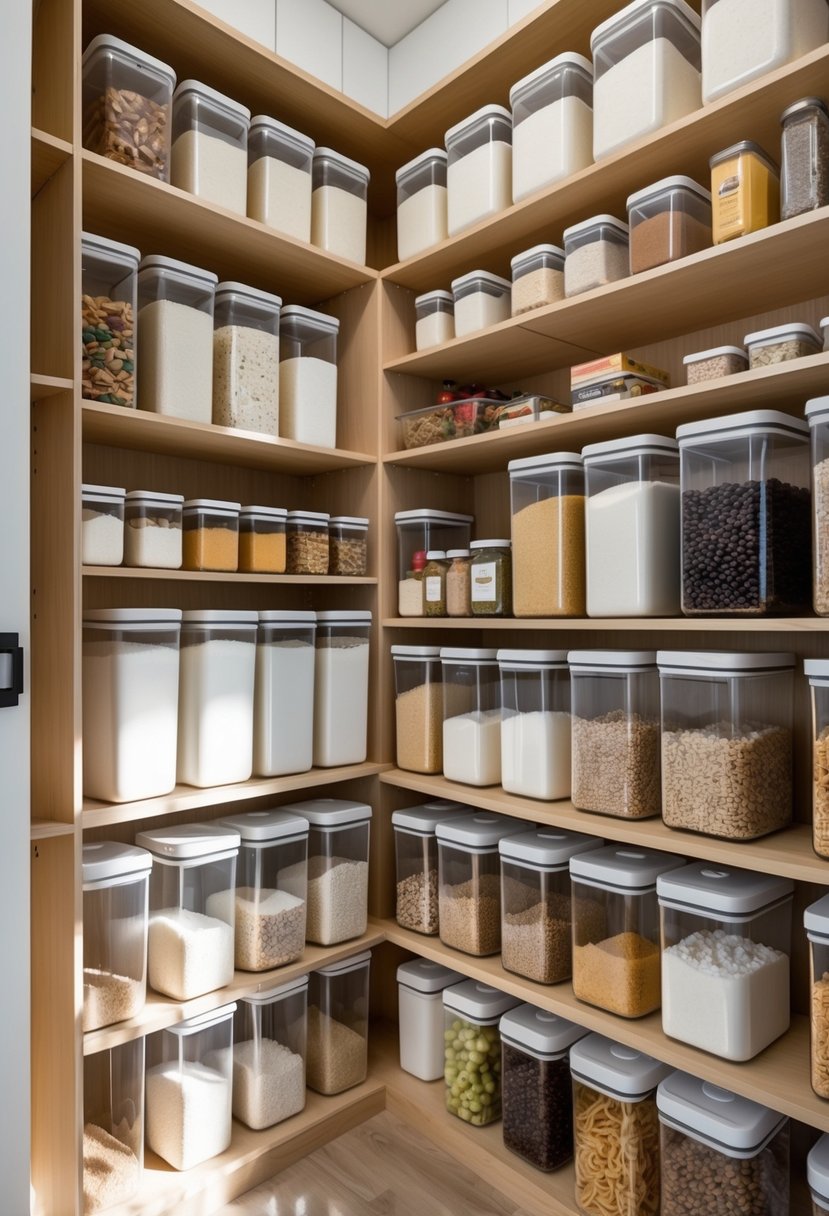
They store bulk foods like rice, flour, and beans in large airtight containers to keep them fresh longer.
These containers protect against moisture, pests, and spills while keeping ingredients easy to see and access.
Stackable designs help save shelf space and make the pantry look neat and organized.
Use tension rods to create dividers for cutting boards or trays
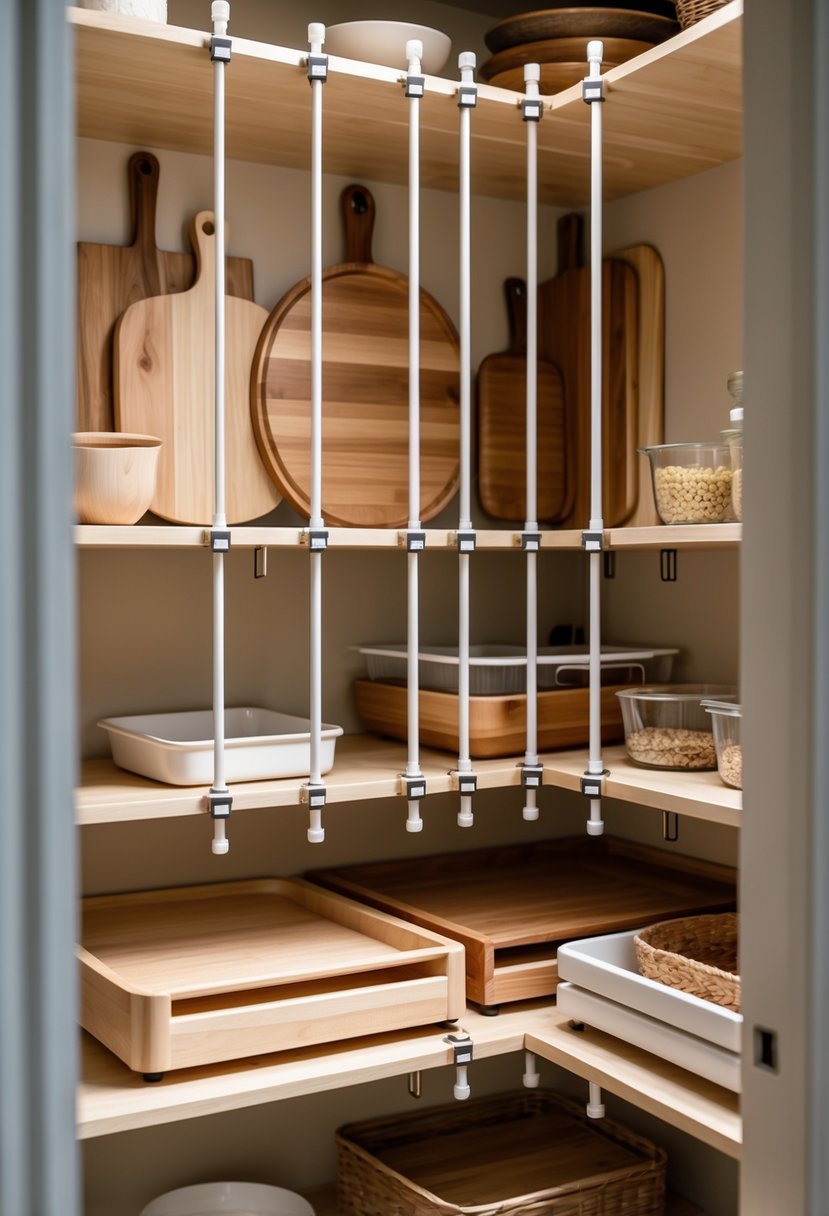
They can place two or more tension rods vertically inside a cabinet to create simple dividers.
This setup keeps cutting boards, baking sheets, and trays upright and easy to grab.
Because tension rods adjust to fit most spaces, they help organize without drilling or adding permanent fixtures.
Keep a basket for meal prep ingredients
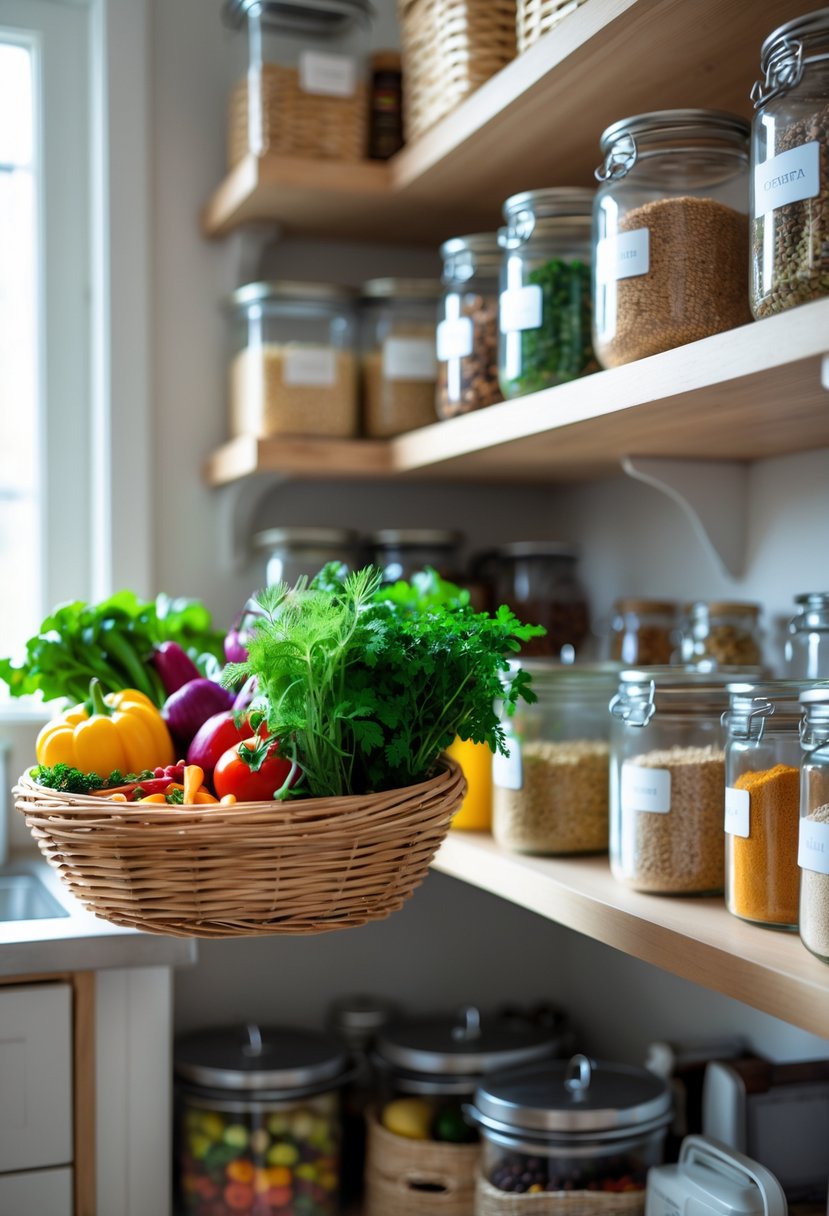
Keeping a small basket for meal prep ingredients helps save time during busy weeks.
They can group items like grains, canned goods, or spices needed for upcoming meals.
This method keeps the pantry tidy and ensures that everything needed for cooking stays easy to find.
Benefits of Effective Pantry Organization
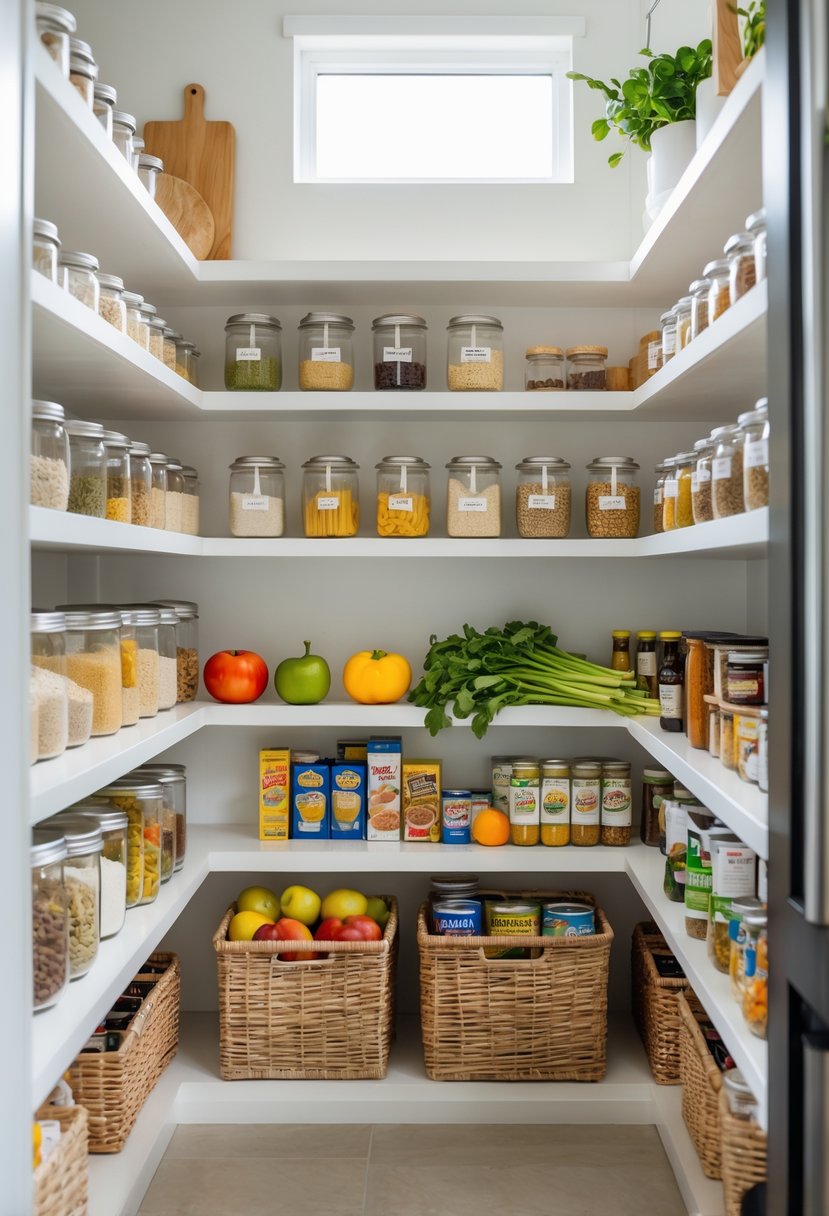
An organized pantry helps people find what they need quickly, reduce waste, and plan meals with less effort. It supports better food management by keeping items visible, accessible, and stored in a way that maintains freshness.
Improved Food Visibility
When shelves and containers are clearly labeled, people can see what they have at a glance. Transparent bins, tiered racks, and adjustable shelving make it easier to spot ingredients without digging through clutter.
Clear visibility prevents duplicate purchases and saves time during cooking. A well-lit pantry also helps identify items nearing expiration.
A simple system can include:
- Labels for categories like grains, snacks, and canned goods
- Bins or baskets for grouping similar foods
- Open shelving for bulk or frequently used items
This structure turns a crowded pantry into a manageable, efficient space.
Reduced Food Waste
Effective organization helps reduce spoilage and forgotten food. When items are stored by type and date, older products get used first, and nothing hides behind newer purchases.
Using the first in, first out (FIFO) method ensures food stays fresh longer. Clear containers also make it easier to track quantities and expiration dates.
A small table can help track storage priorities:
| Storage Area | Suggested Items | Rotation Tip |
|---|---|---|
| Eye-level shelves | Everyday staples | Use oldest first |
| Lower shelves | Bulk items | Refill containers regularly |
| Upper shelves | Backup supplies | Check dates monthly |
By maintaining this structure, households can save money and reduce unnecessary waste.
Simplified Meal Planning
An orderly pantry makes meal planning faster and more accurate. When ingredients are visible and grouped logically, it becomes easier to plan balanced meals and shop for missing items.
People can create weekly menus based on what’s already available, which minimizes last-minute store trips. Keeping a small notepad or digital list near the pantry helps track what needs restocking.
Common strategies include:
- Sorting foods by meal type (breakfast, dinner, snacks)
- Keeping staples like rice, pasta, and canned goods in consistent spots
- Using labeled baskets for quick access
This approach makes daily cooking smoother and helps maintain a steady rhythm in the kitchen.
Maintaining Your Organized Pantry
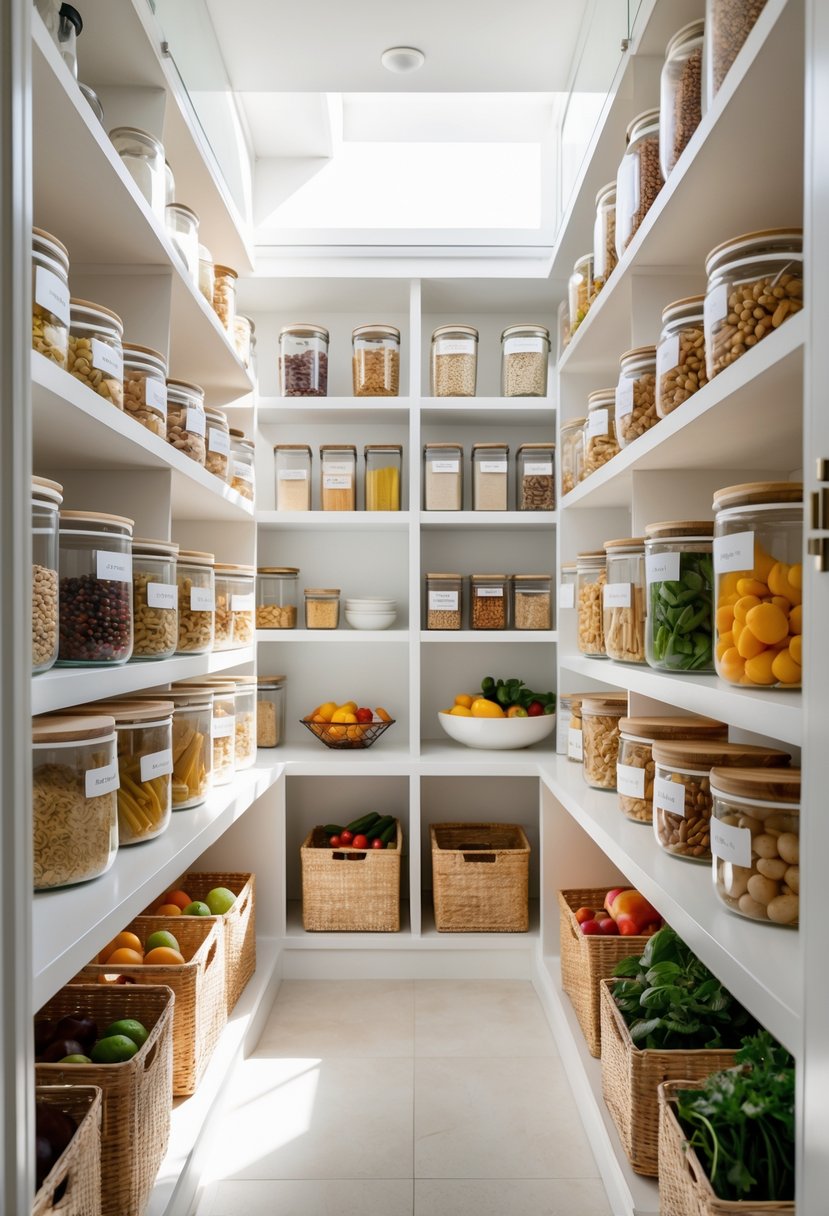
A well-kept pantry stays efficient when it’s reviewed regularly, restocked with intention, and labeled clearly. Simple habits help prevent expired food, wasted space, and confusion about what’s on hand.
Seasonal Pantry Checkups
Every few months, a quick review keeps the pantry functional. They should remove expired or stale items and wipe down shelves to prevent dust or spills from building up.
Rotating stock ensures newer items go behind older ones so food gets used before it expires. It also helps identify which products are used often and which take up space unnecessarily.
A seasonal checklist can make this process easier:
| Task | Frequency | Notes |
|---|---|---|
| Check expiration dates | Every 3 months | Discard or donate unused items |
| Clean shelves | Every 3–4 months | Use mild cleaner and dry fully |
| Reorganize zones | Twice a year | Adjust for changing food habits |
Restocking Strategies
Restocking works best when done with a plan. They should keep a running list of items that run low and restock only what’s needed to avoid clutter.
Grouping items by type—such as grains, snacks, or canned goods—makes it easier to track quantities. Buying in bulk can save money but only if there’s space to store it properly.
For small kitchens, using clear bins or stackable containers helps maximize shelf space. Labeling these containers with the purchase date allows for better inventory control.
A simple rule: replace what’s used, not what’s forgotten. This keeps the pantry balanced and prevents overbuying.
Labeling Best Practices
Clear labeling helps everyone in the household find and return items easily. Labels should include the item name and, when possible, the expiration or purchase date.
They can use printed labels, chalkboard tags, or masking tape and marker for flexibility. Consistent font size and placement make the shelves look tidy and uniform.
For bulk containers, place labels on both the front and top so they’re visible from any angle.
Tip: Store similar items together and label the shelf itself (e.g., Baking Supplies, Canned Vegetables) to maintain order even when containers move around.