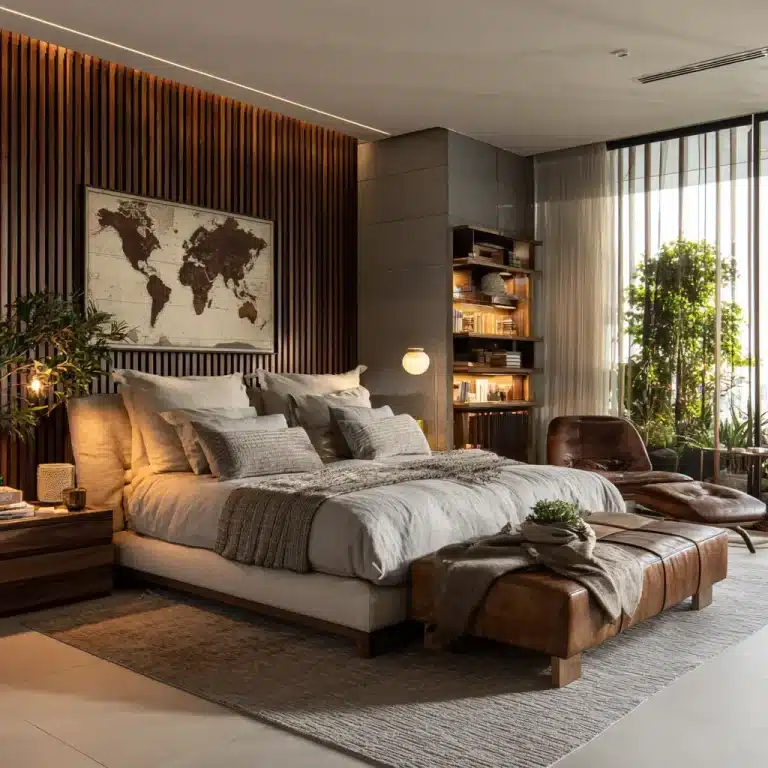
21 Aesthetic Dorm Room Designs For A Stylish And Functional Space
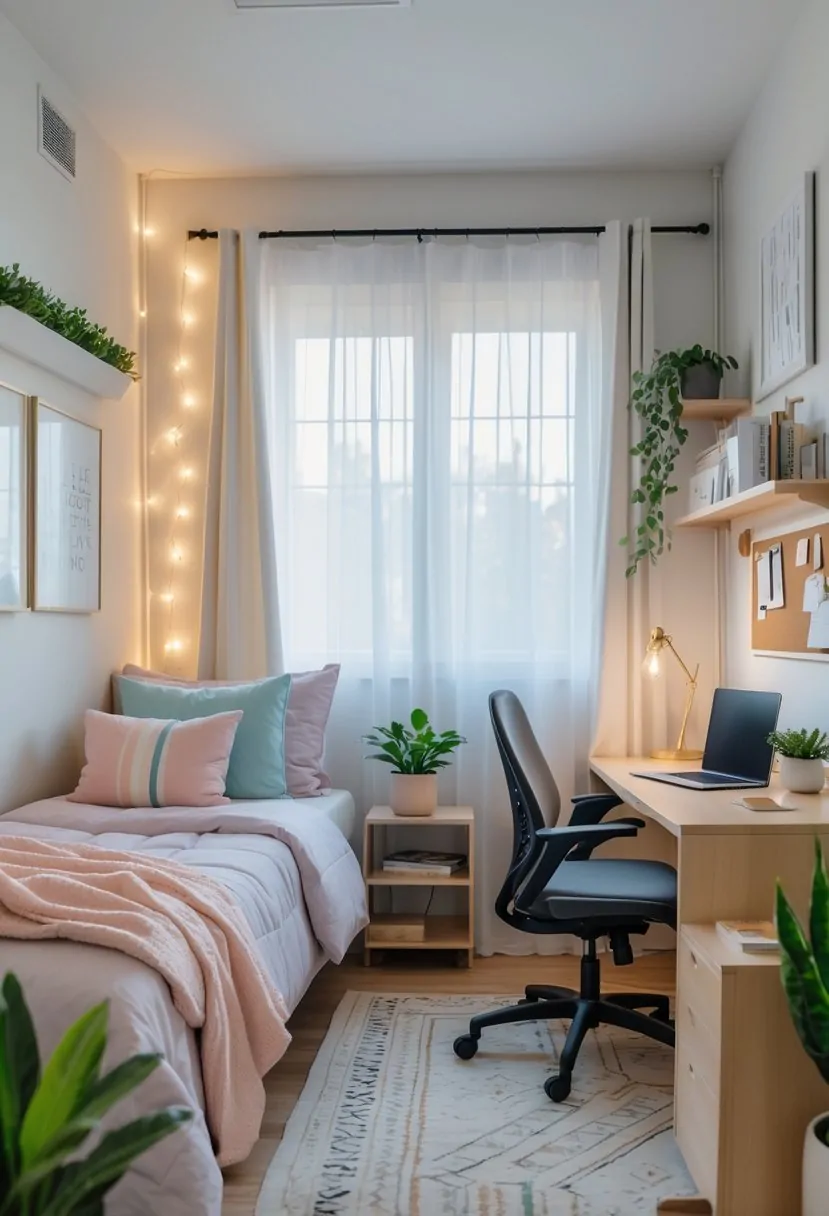
Moving into a dorm room often means starting with a small, plain space that feels temporary. With a few thoughtful design choices, it can quickly turn into a place that feels comfortable, stylish, and personal. The key is knowing how to blend function with simple design elements that make the space feel inviting.
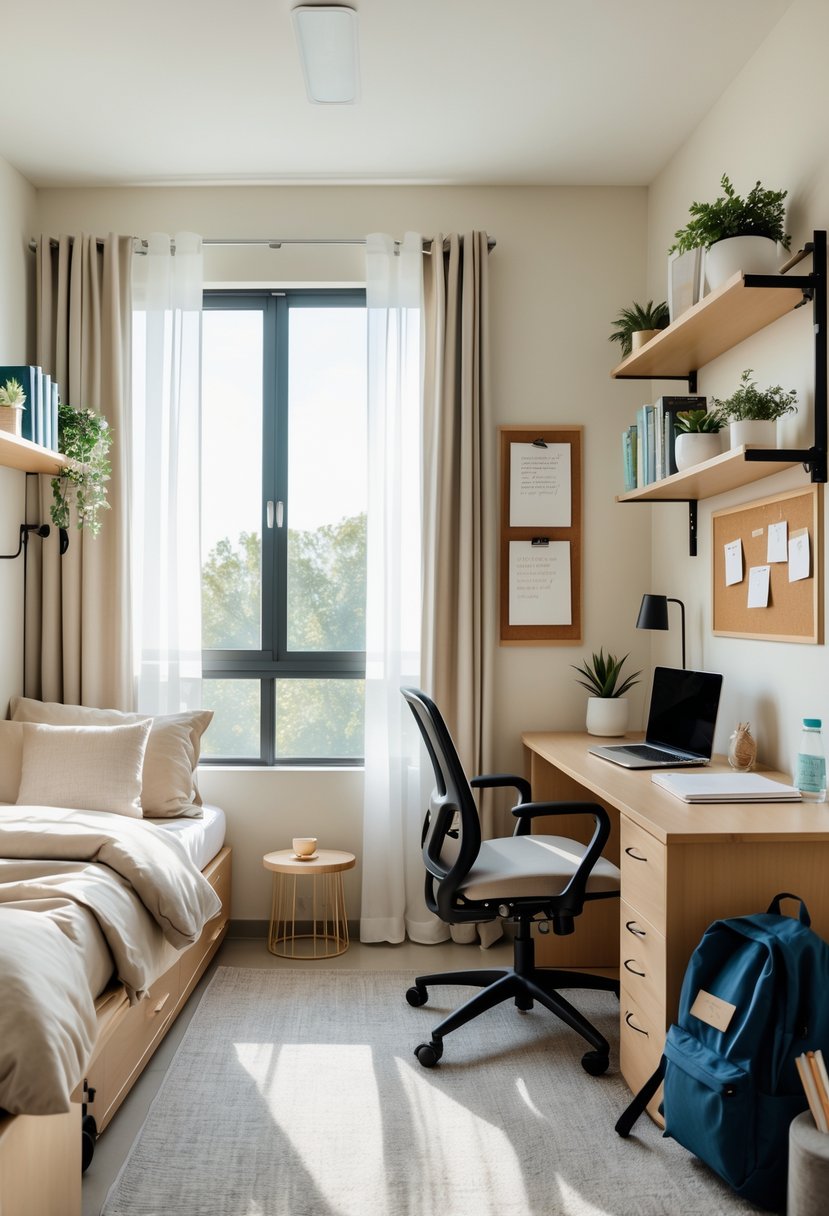
This article explores 21 aesthetic dorm room designs that balance comfort and style while making the most of limited space. From creative wall displays to smart storage solutions, each idea shows how small changes can transform a dorm into a space that feels like home.
1) Boho-Chic Corner with Macrame Wall Hangings
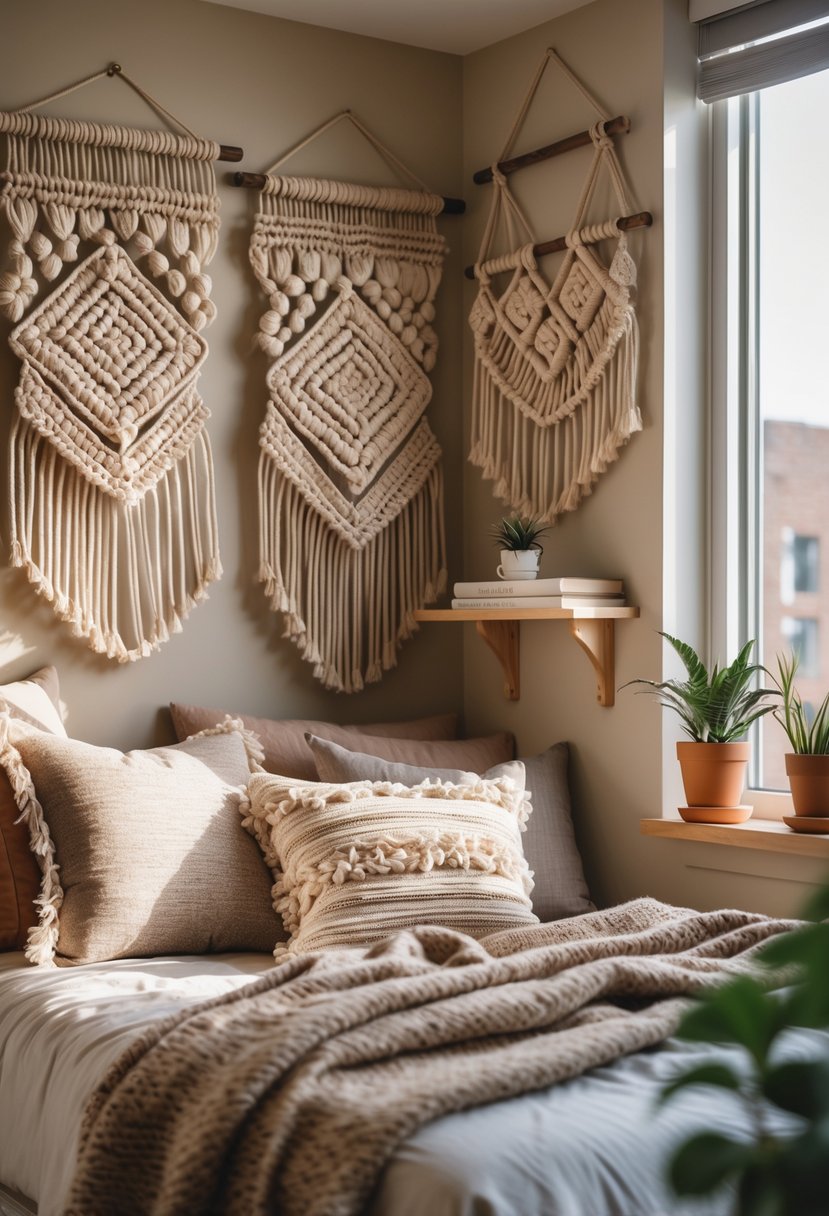
A macrame wall hanging adds texture and warmth to a dorm room. It creates a focal point without taking up floor space.
Students often pair macrame with small plants or soft lighting. This mix brings a relaxed, cozy look while keeping the space simple and functional.
2) Minimalist Desk Setup with LED Strip Lights
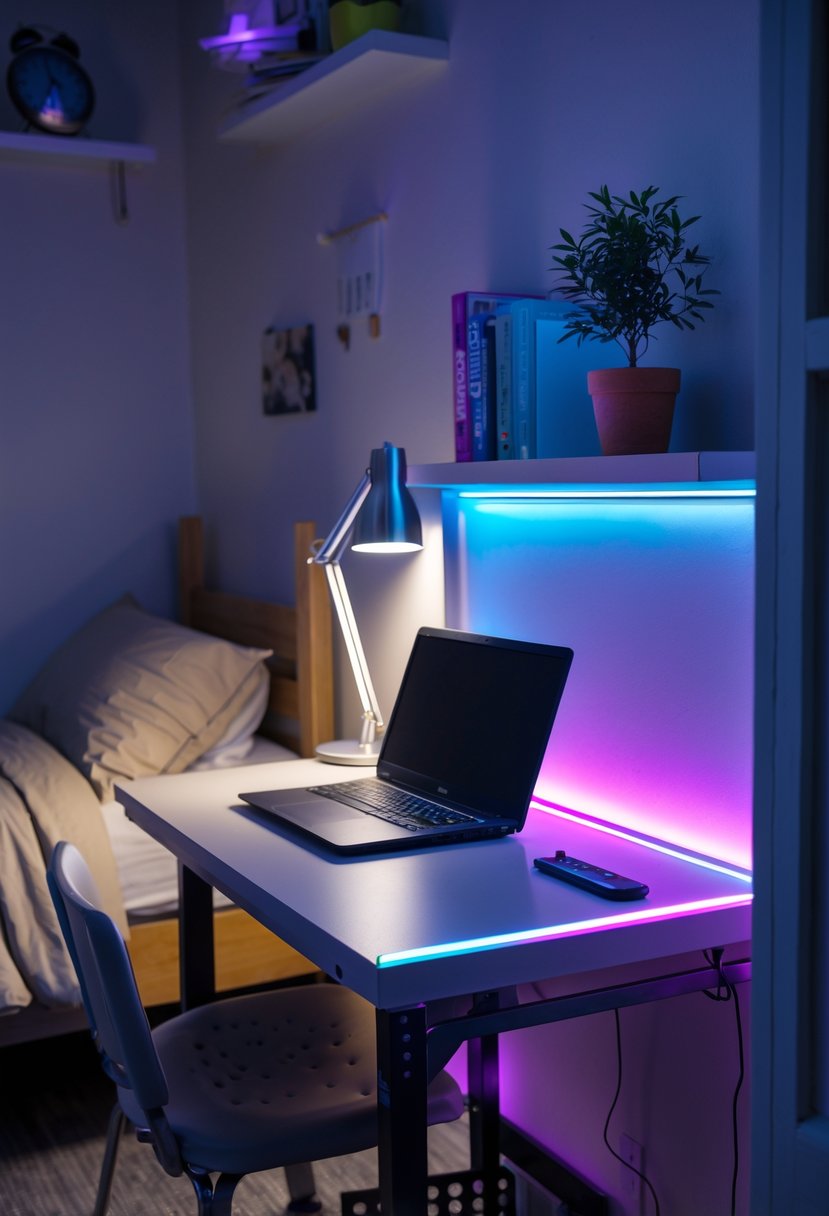
A minimalist desk setup uses clean lines and simple furniture to reduce clutter. Neutral colors like white, black, or light wood keep the space calm and balanced.
LED strip lights placed behind the desk or monitor add soft ambient lighting. This creates a functional workspace while maintaining a modern and minimal look.
3) Gallery Wall of Personal Photos and Art Prints
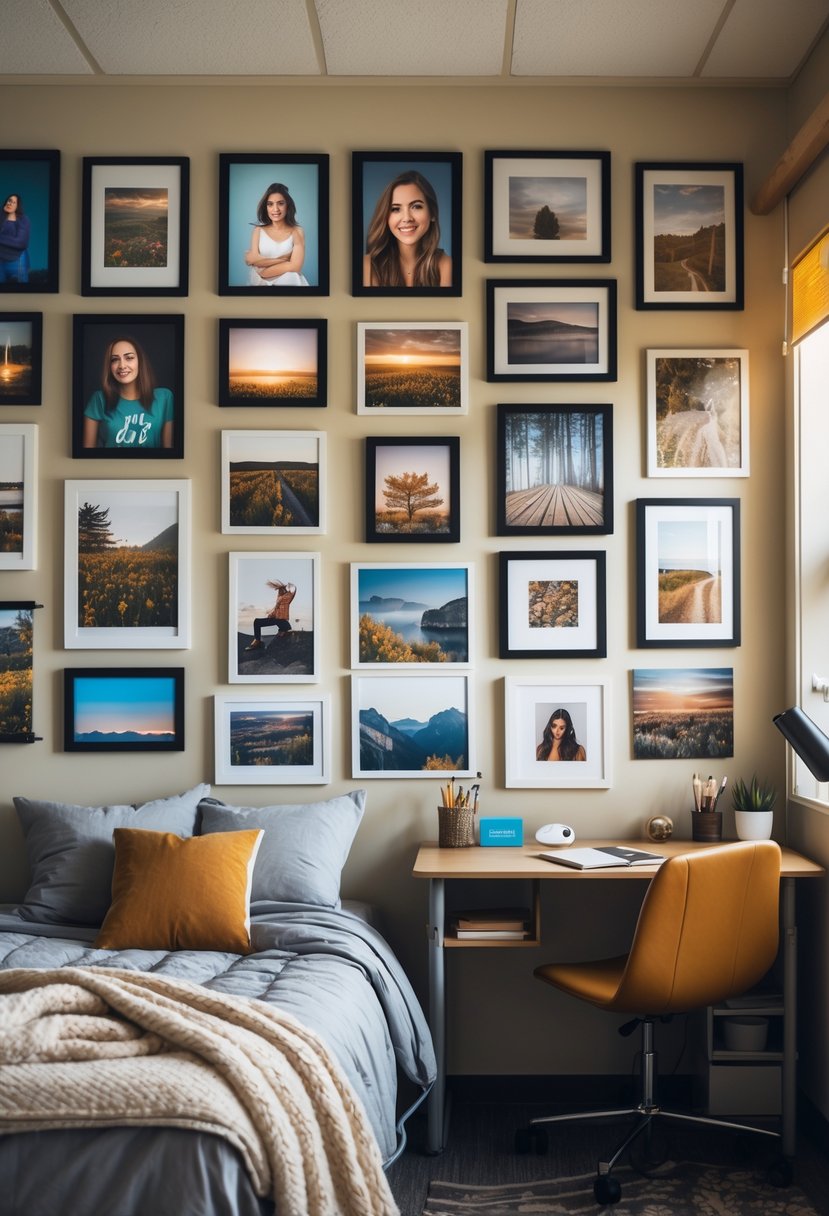
A gallery wall lets students display photos, prints, and posters in one organized space.
They can mix personal snapshots with art prints to create a balanced look.
Using matching frames or a consistent color scheme helps the wall feel cohesive and intentional.
4) String Lights Draped Across the Ceiling
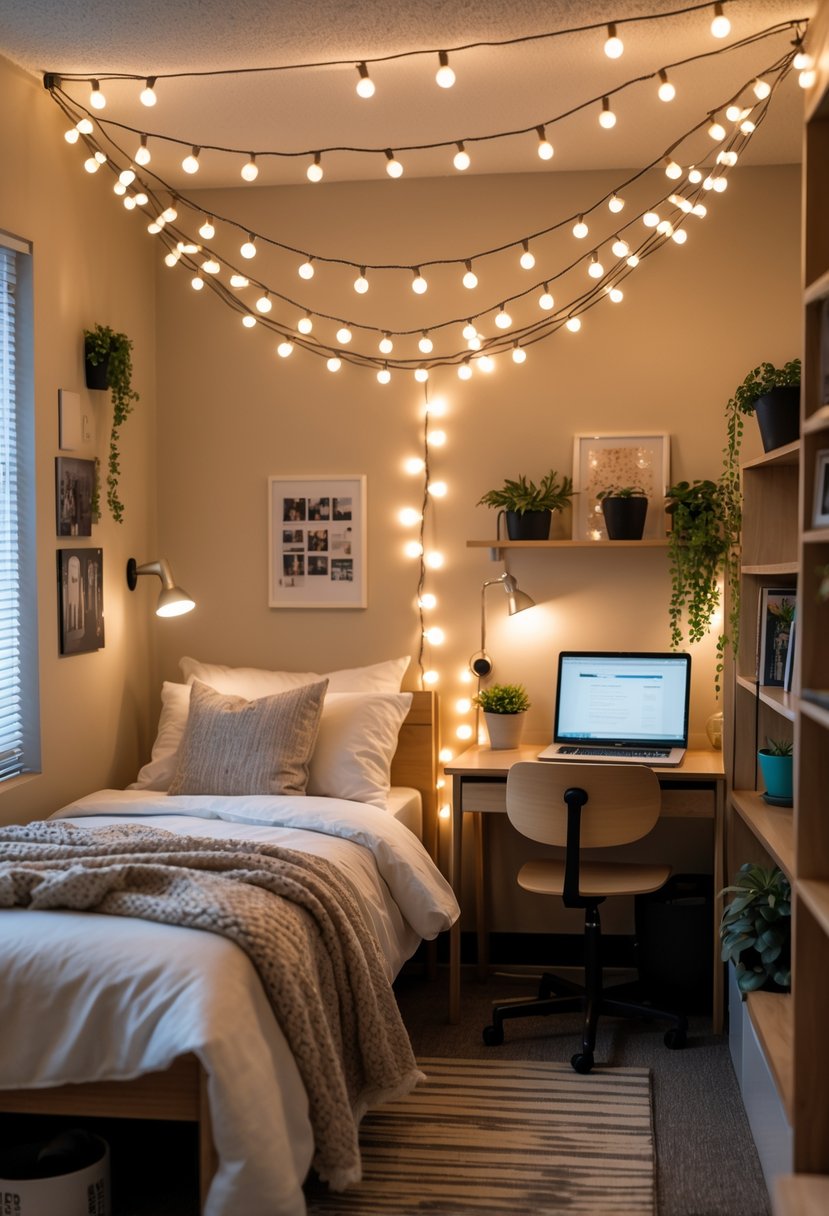
String lights across the ceiling give the room a softer glow than standard dorm lighting.
They can be hung in straight lines, zig-zag patterns, or loosely draped for a relaxed look.
This setup creates even lighting that works well for studying or relaxing without being too harsh.
5) Floating Shelves for Books and Plants
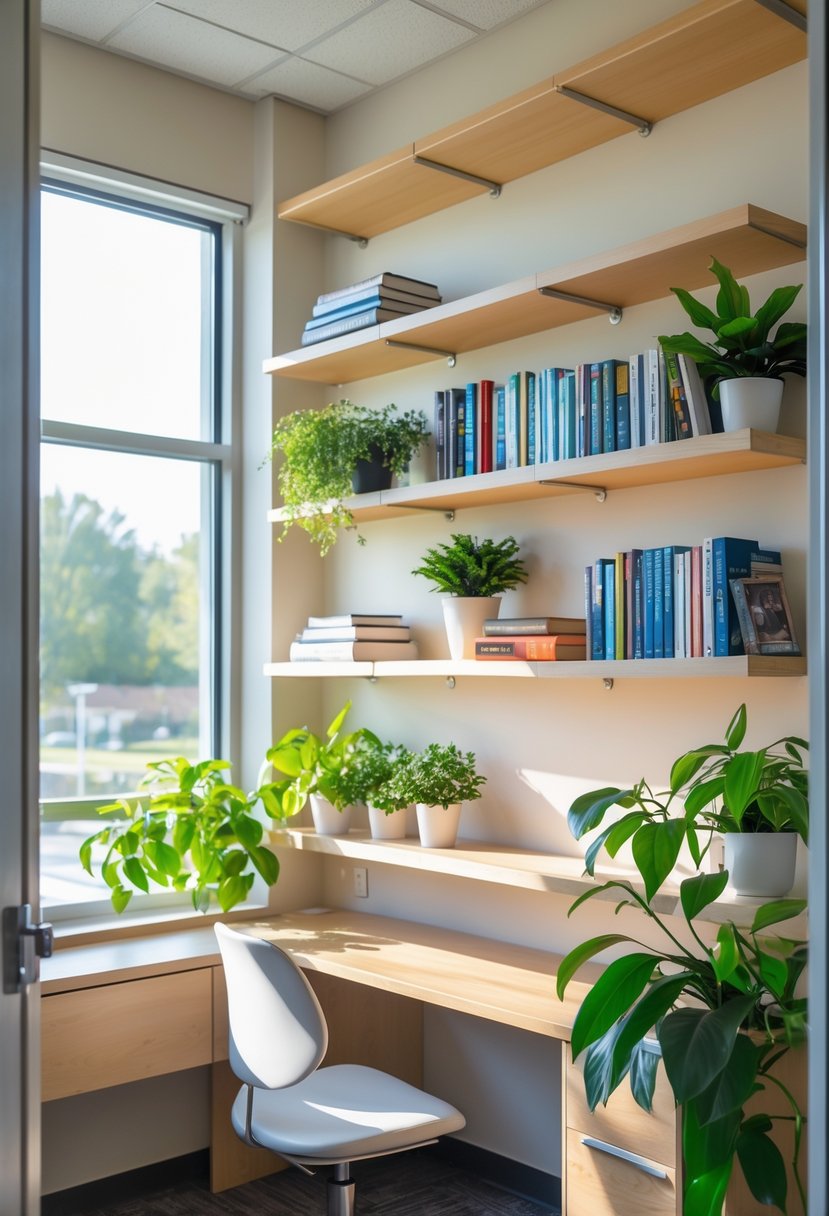
Floating shelves give students a simple way to save space while keeping items within reach. They work well in small dorms where floor space is limited.
Many use them to hold books, small plants, or decor pieces. This keeps the room organized while adding a personal touch.
6) Neutral Tones with Pops of Pastel Colors
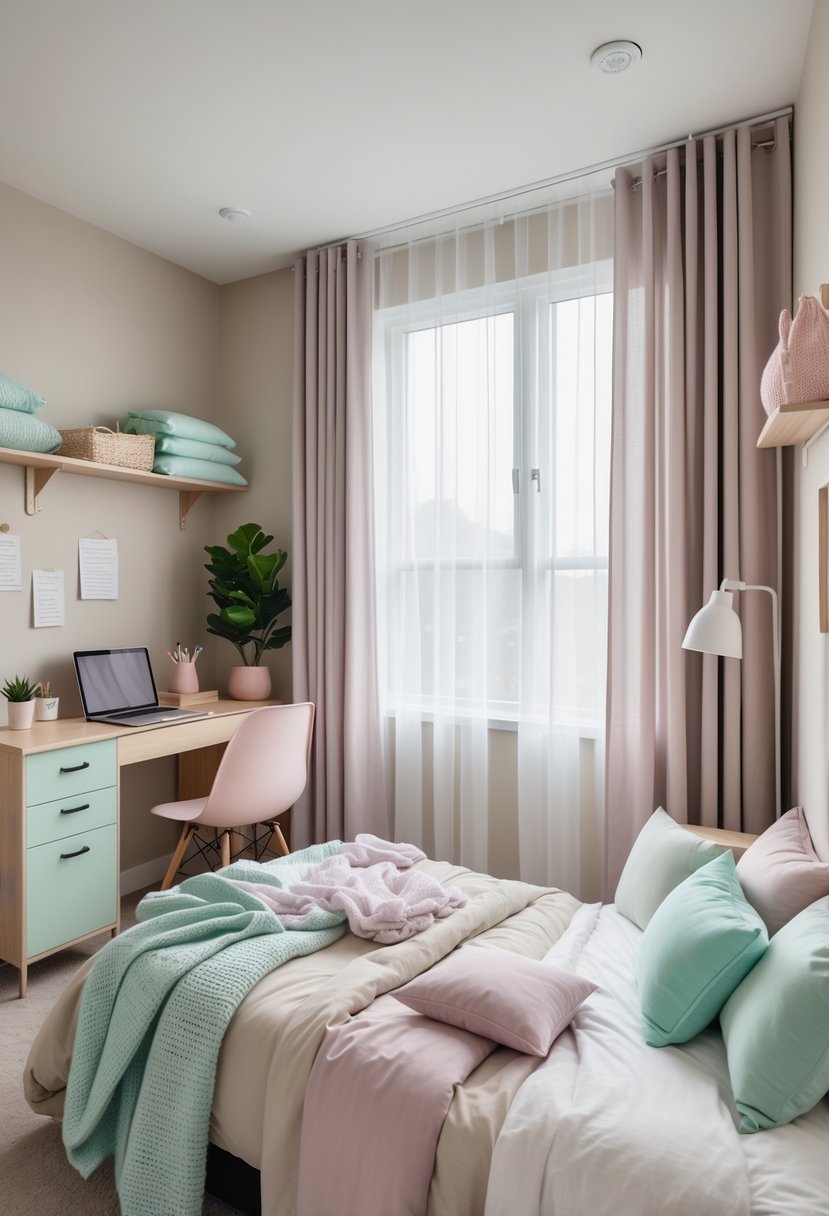
Neutral tones create a calm base that works well in small dorm spaces. Shades like beige, white, and soft gray help the room feel clean and open.
Adding pastel colors introduces subtle personality without overwhelming the space. Light pink, mint, or lavender accents can appear in pillows, throws, or wall art.
7) Cozy Reading Nook with Floor Pillows
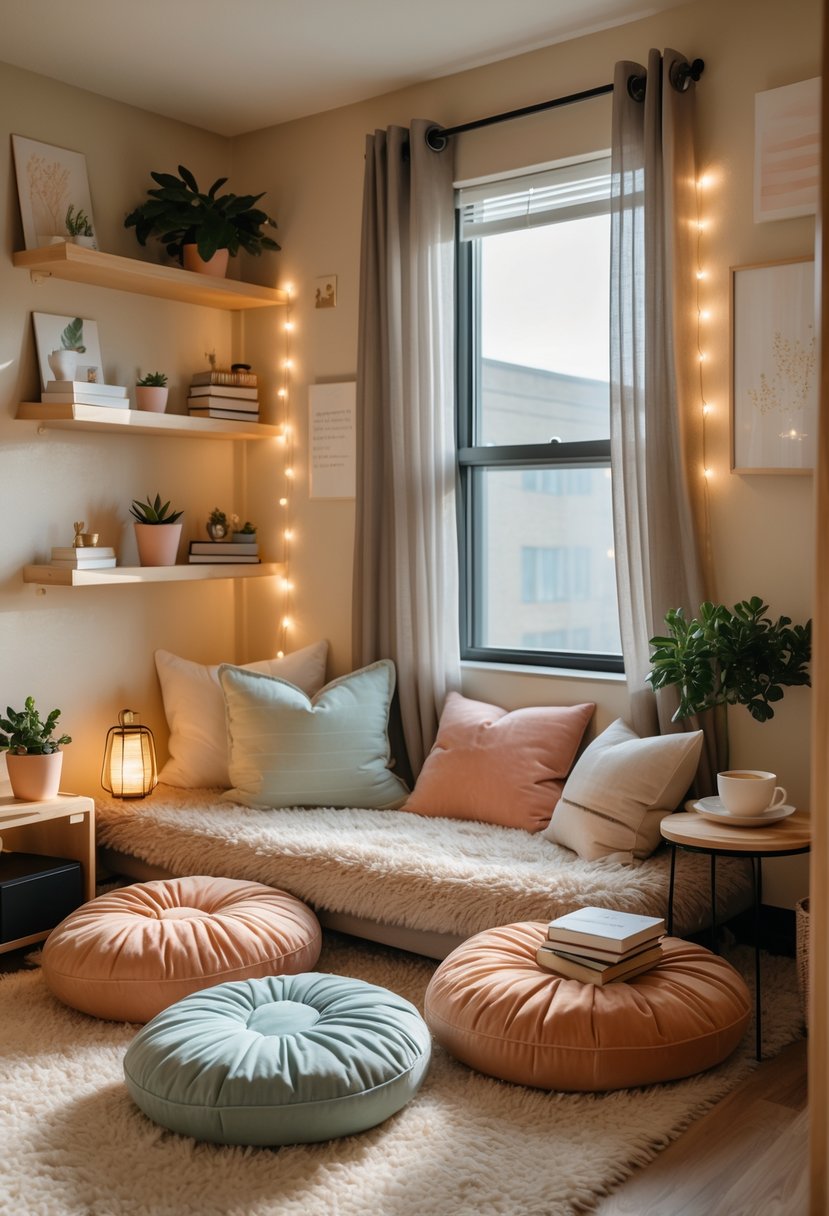
A small corner with floor pillows can serve as a simple reading nook. Soft cushions make the space comfortable without taking up much room.
Students often place the nook near a window or lamp for better light. Adding a small blanket or rug makes the area feel more inviting.
8) DIY Fabric Headboard with Fairy Lights
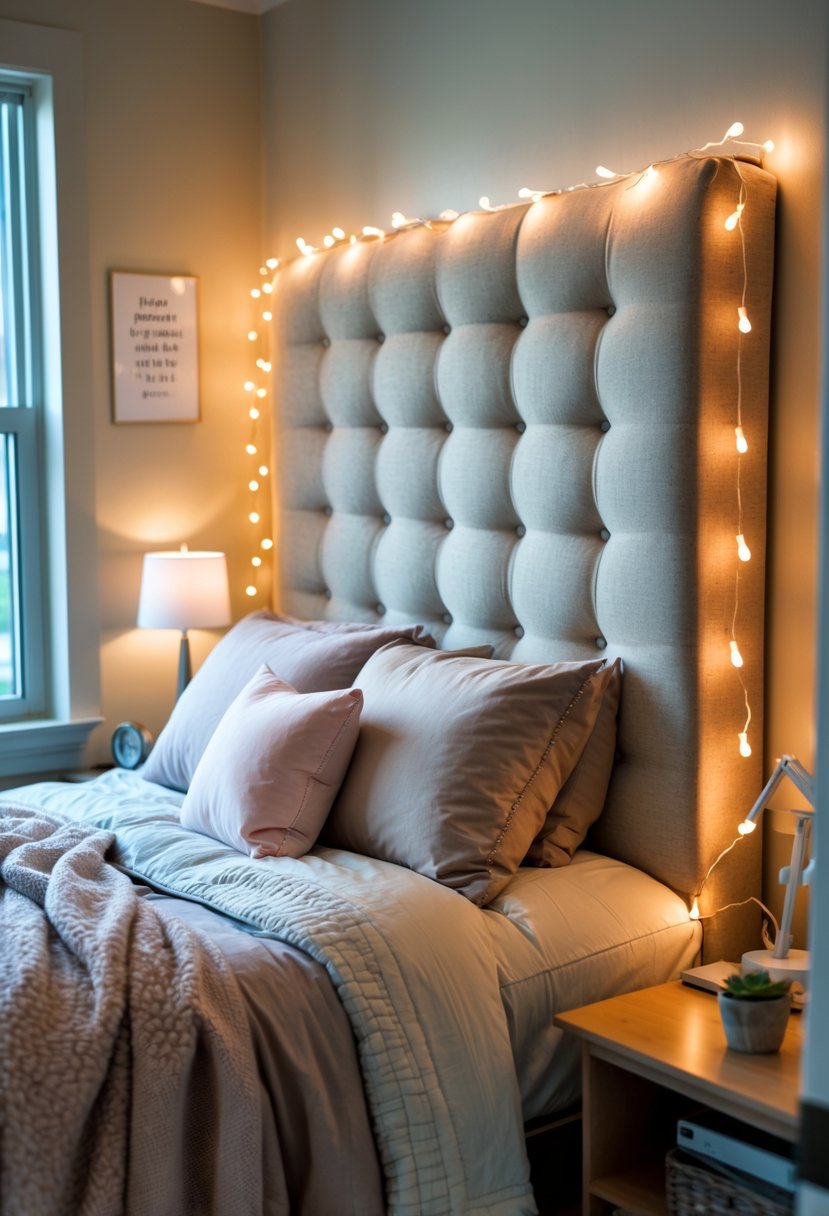
A fabric headboard adds softness and style to a dorm bed. Students often use plywood or foam as a base, then cover it with fabric of their choice.
Fairy lights can be attached around the edges or tucked behind the fabric. This creates a gentle glow that makes the space feel more inviting.
9) Vertical Storage Solutions for Small Spaces
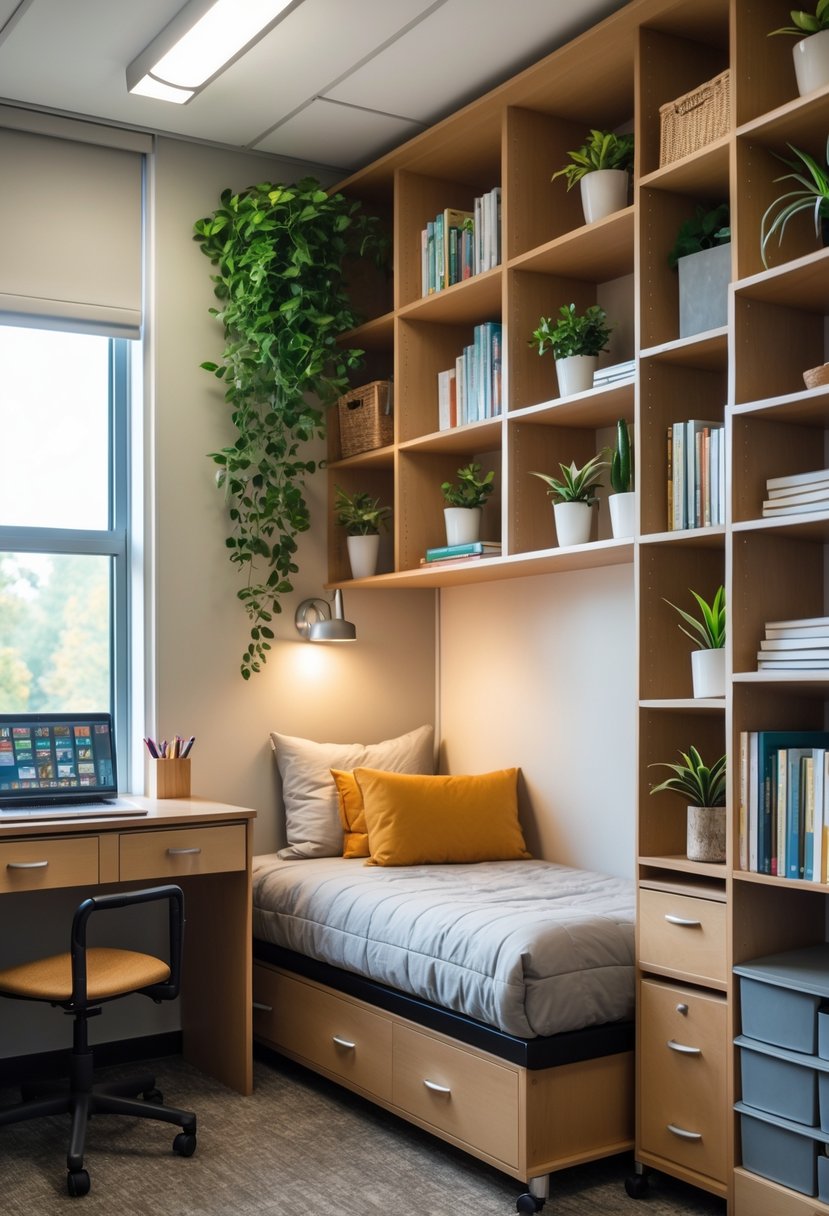
Using vertical storage helps students keep items organized without taking up extra floor space.
Shelves above desks or beds create room for books, decor, and supplies.
Wall hooks and hanging organizers make use of empty wall space while keeping essentials within reach.
10) Patterned Area Rug to Define Space
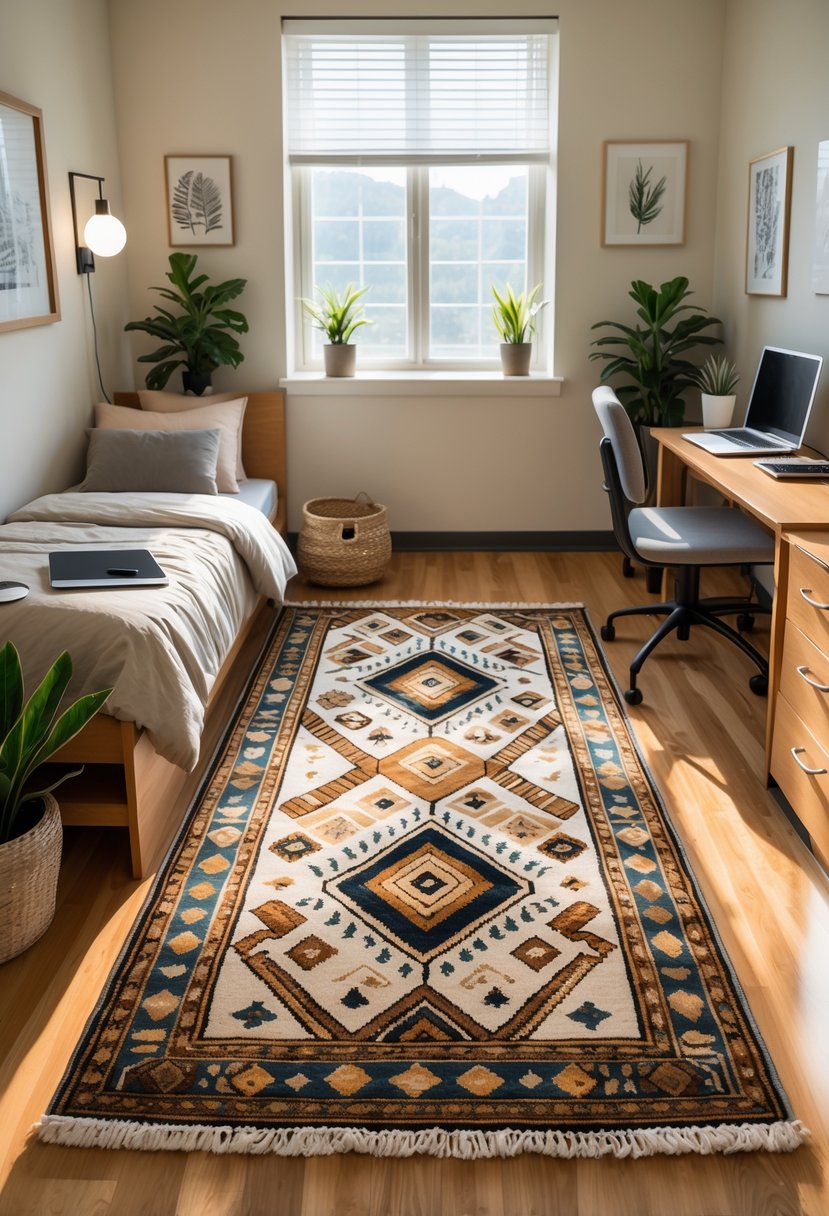
A patterned rug helps separate areas in a dorm, such as the bed and desk.
It adds color and texture without taking up extra room.
Students can choose styles like geometric, floral, or striped to match their bedding and decor.
11) Wall-Mounted Pegboard Organizer
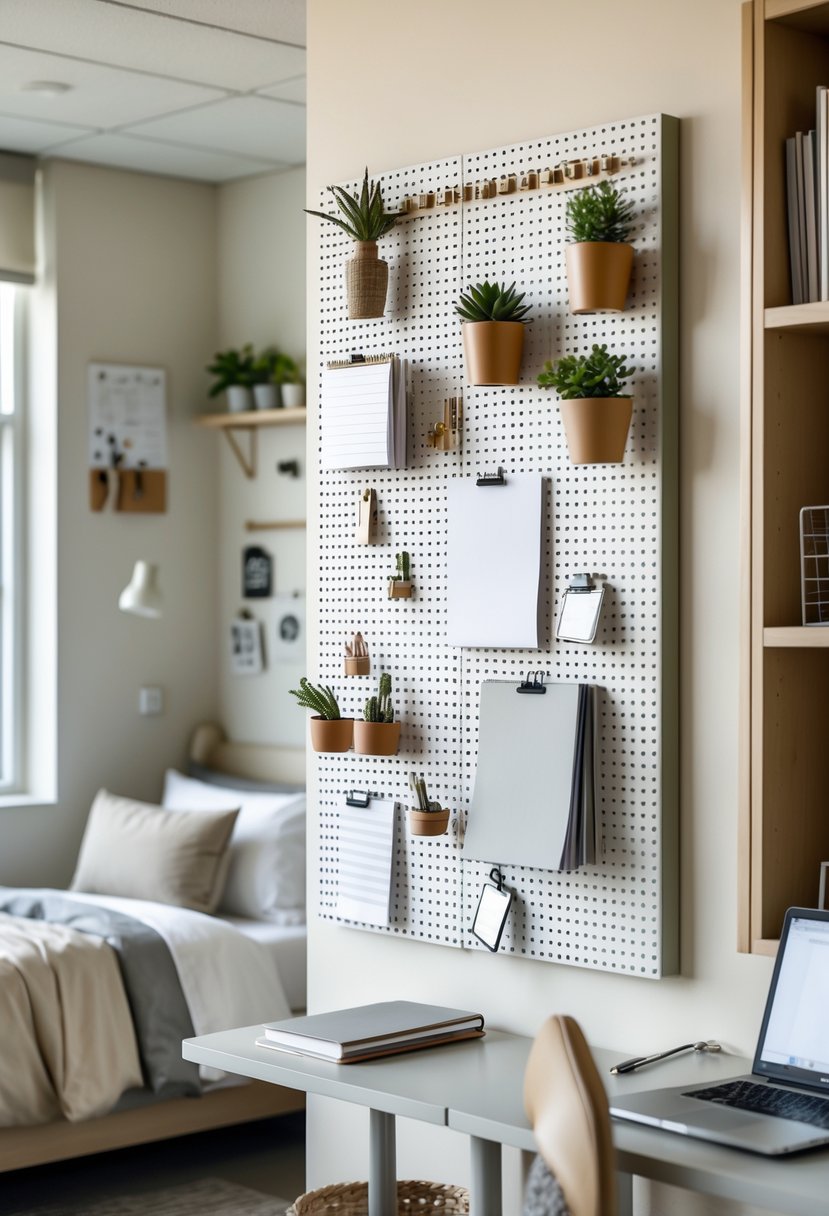
A wall-mounted pegboard helps students use vertical space without crowding small dorm rooms. It keeps items like keys, hats, or bags within easy reach.
Pegboards also allow flexible setups with hooks, shelves, or small containers. This makes it simple to adjust storage as needs change.
12) Textured Throw Blankets and Cushions
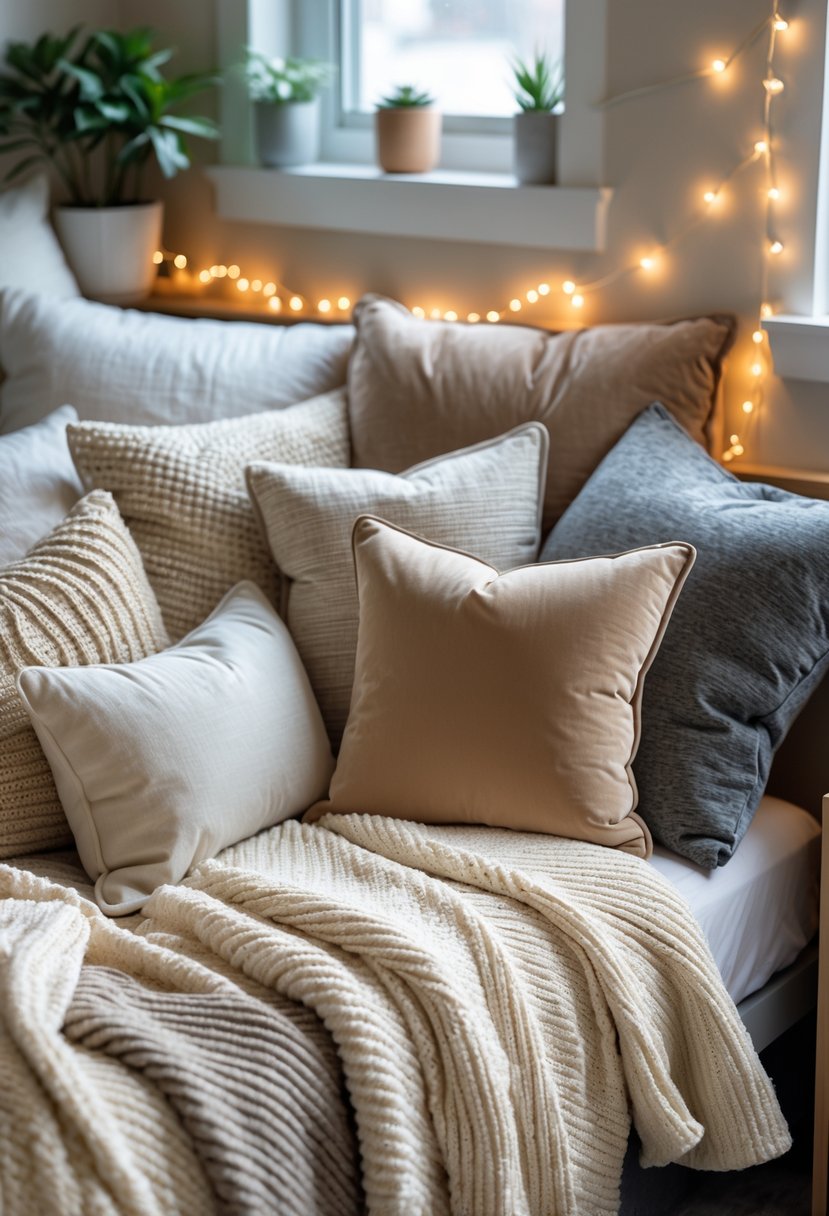
Textured throw blankets and cushions add depth to a dorm room without taking up much space. Options like knit, faux fur, or waffle weave prevent the room from looking flat.
Layering different textures creates a cozy look while keeping the space practical for studying, relaxing, or hosting friends.
13) Succulents and Low-Maintenance Plants
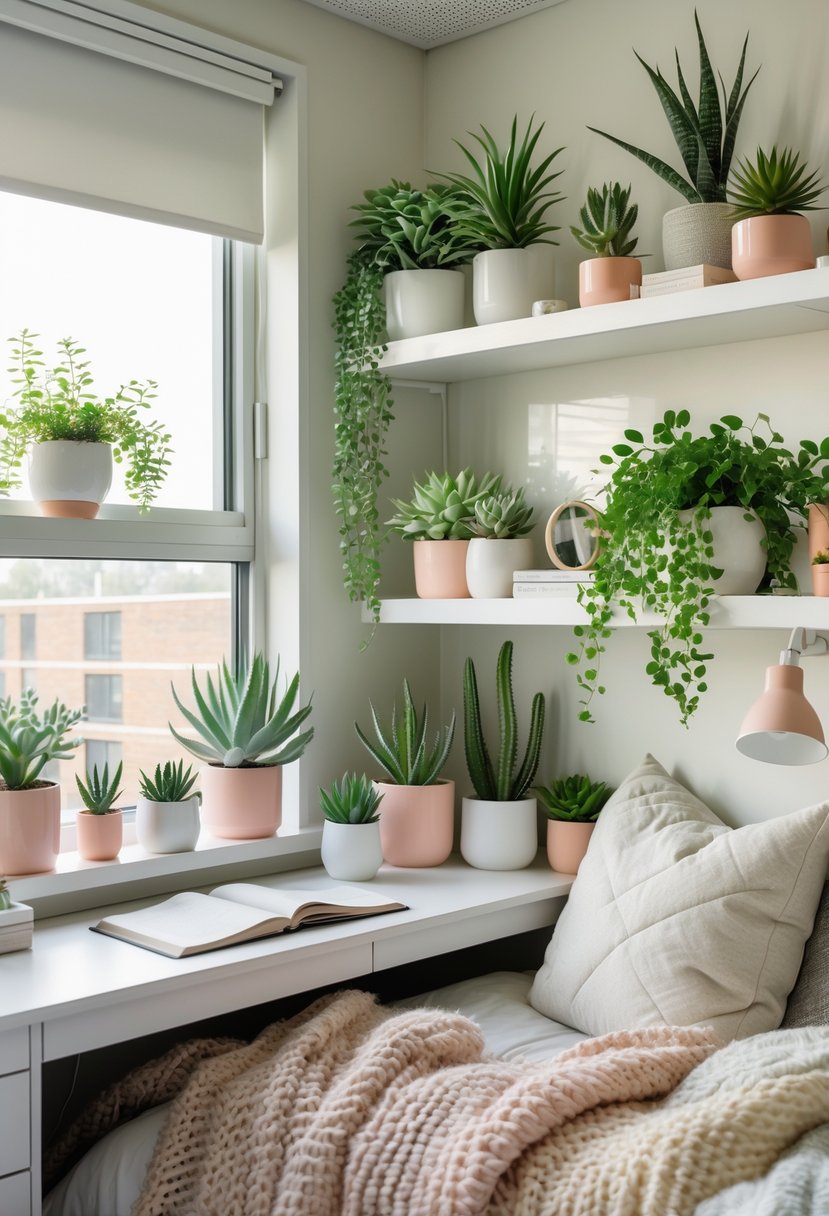
Succulents and other easy-care plants fit well in dorm rooms because they need little attention. Many varieties thrive with minimal water and indirect light.
Small pots of jade, aloe, or snake plants can sit on desks or shelves. Their compact size makes them practical for limited space.
These plants add greenery without creating extra work. Students can enjoy a natural touch while keeping care routines simple.
14) Vintage Poster Collage on One Wall
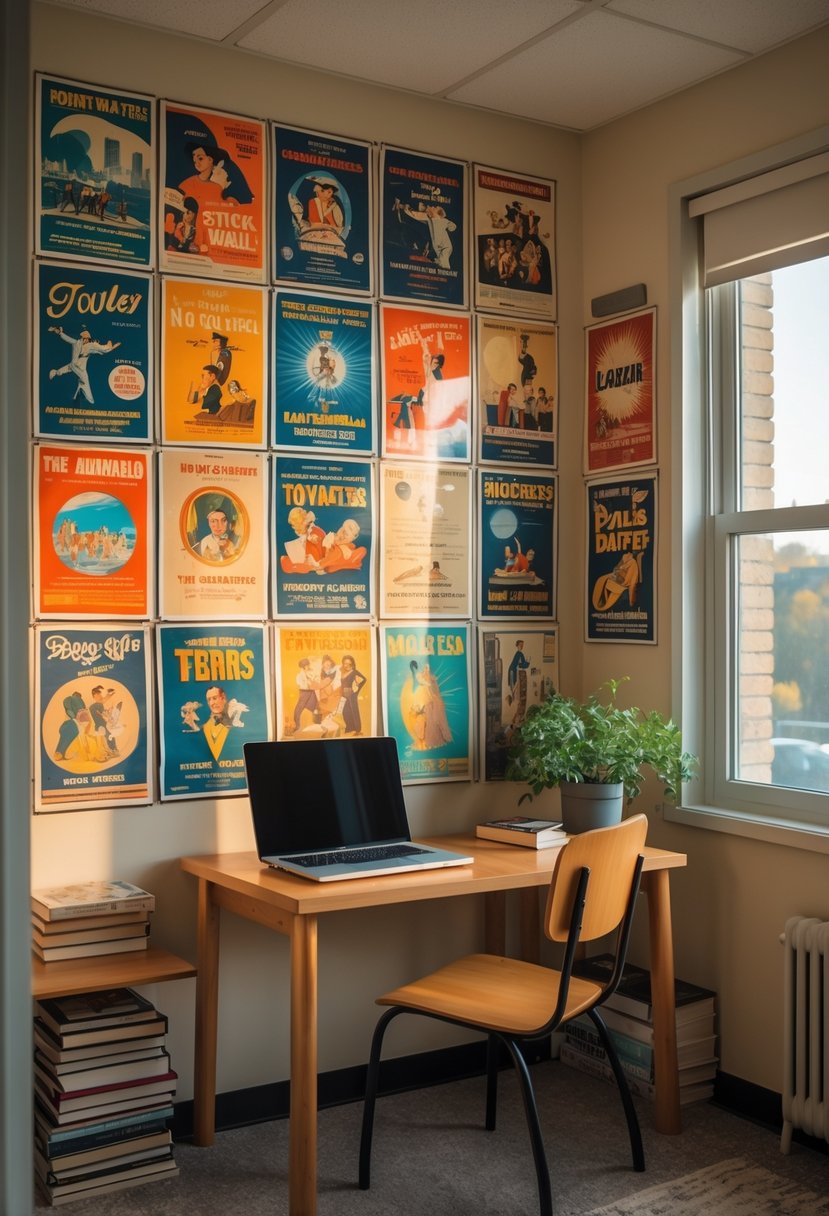
A vintage poster collage adds character to a dorm without taking up floor space. Students can choose from retro prints, old advertisements, or classic art reprints.
Arranging posters in a grid or layered style creates a cohesive look. This approach keeps the design organized while still showing personality.
15) Multi-Functional Furniture Pieces
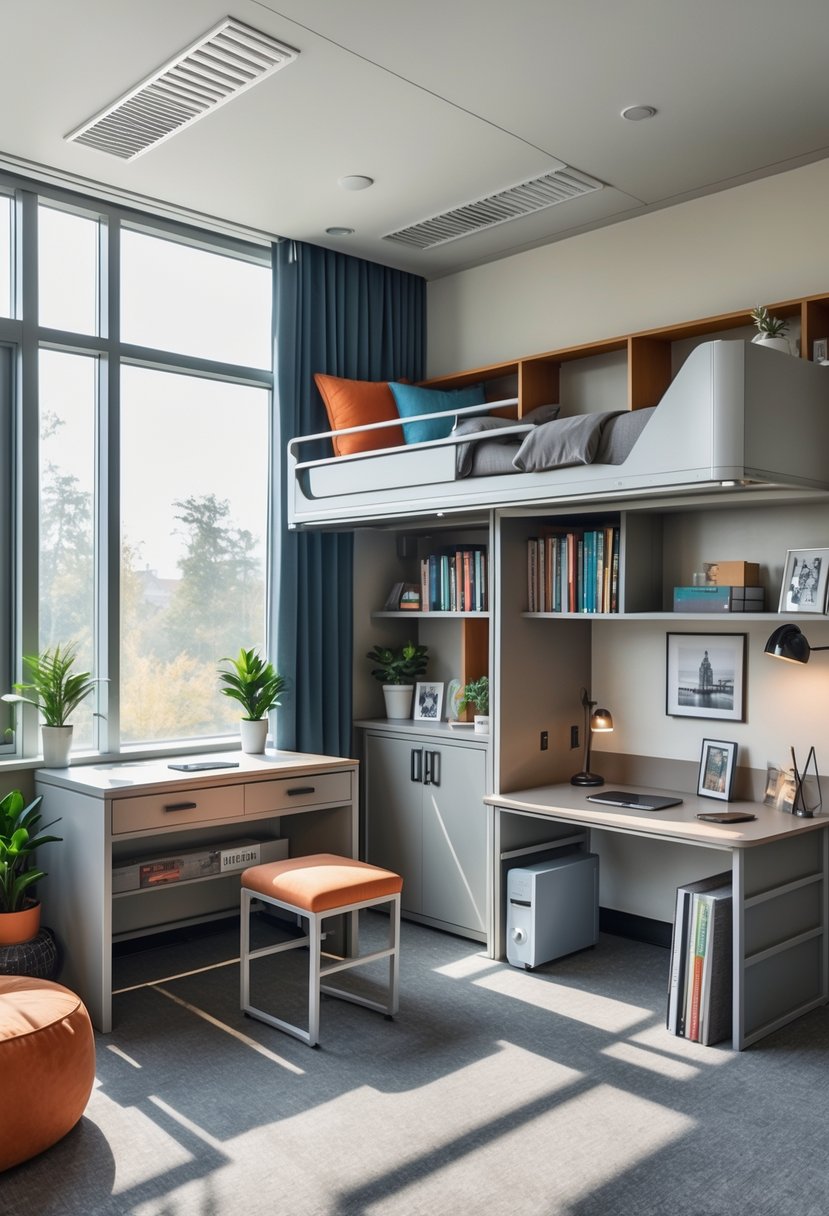
Multi-functional furniture helps students make the most of limited dorm space. A bed with built-in drawers or under-bed storage reduces clutter and keeps essentials close.
Desks that double as dining tables or ottomans with hidden compartments add both function and style. These pieces provide flexibility without overwhelming the room.
16) Hanging Terrariums with Air Plants
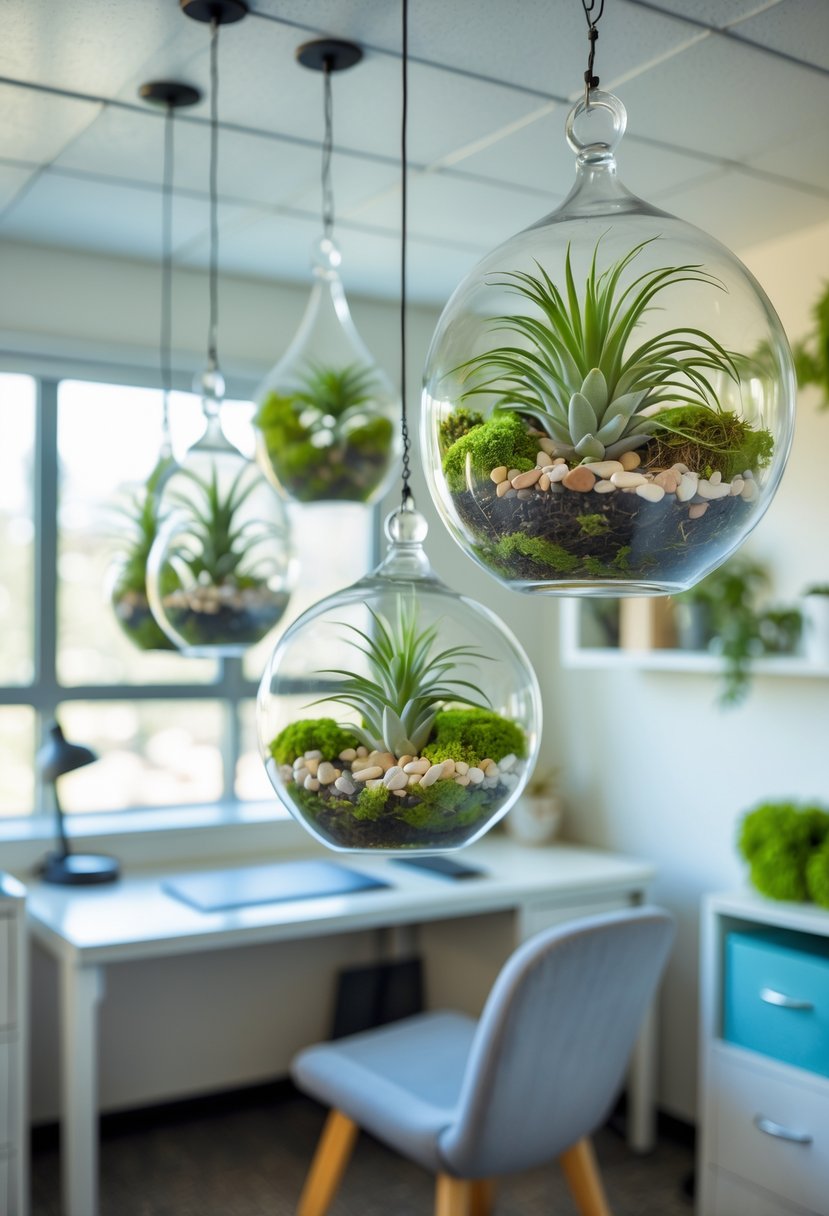
Hanging terrariums give dorm rooms a light and modern touch. They work well in small spaces since they do not take up desk or shelf space.
Air plants fit easily inside glass containers without soil. Students can hang them near windows for natural light and simple upkeep.
17) Monochrome Bedding with Accent Pillows
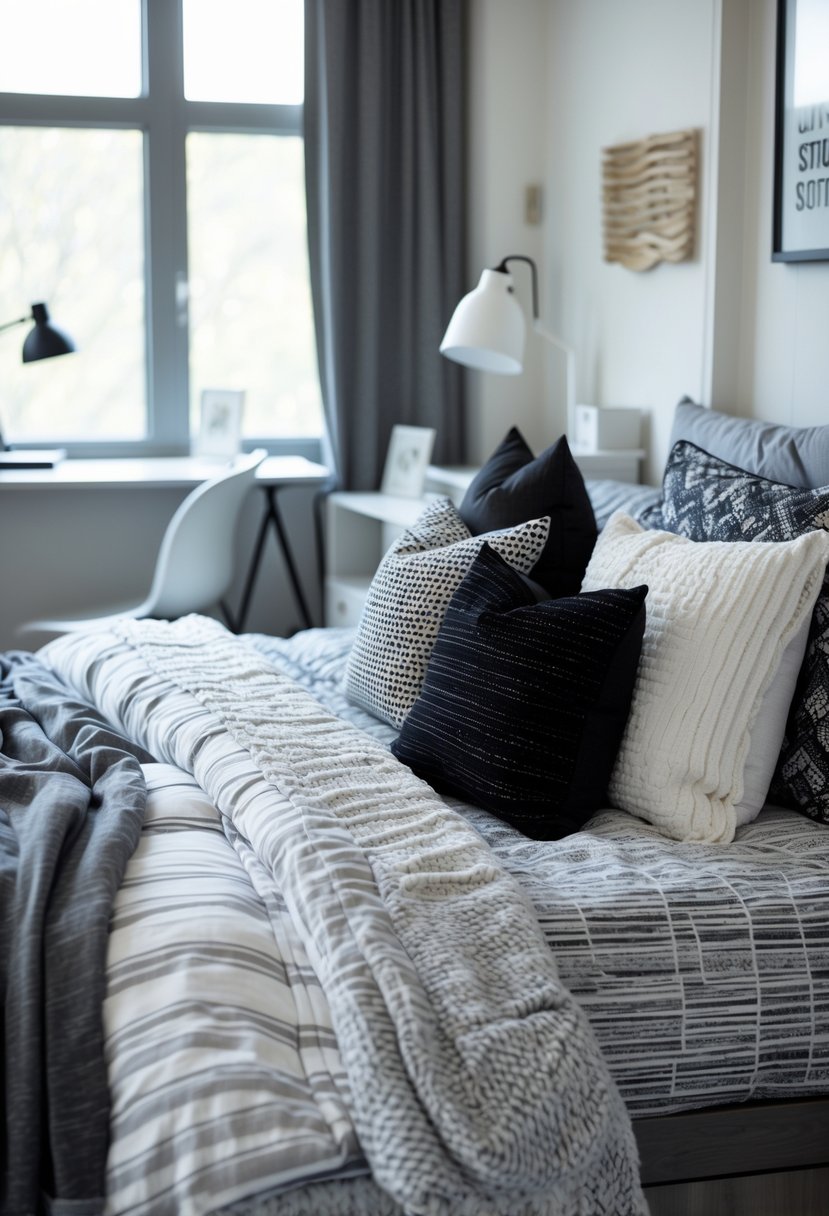
Monochrome bedding creates a clean and balanced base for a dorm room. Black, white, or gray sheets and duvets keep the space simple and organized.
Accent pillows add contrast and texture. A few solid or patterned pillows can prevent the room from looking flat while keeping the design cohesive.
18) Washi Tape Wall Art Designs
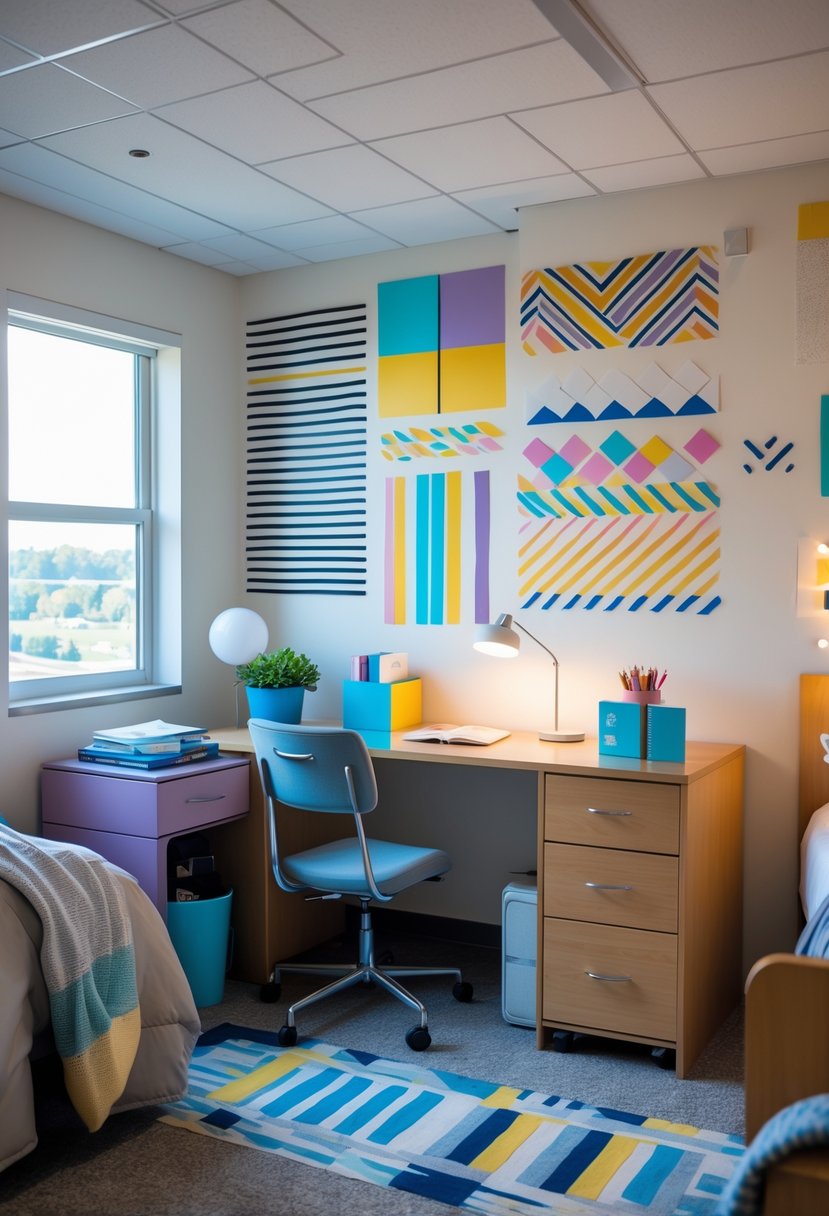
Washi tape offers a simple way to decorate dorm walls without causing damage. It comes in many colors and patterns, making it easy to match any style.
Students often use it to outline posters, frame photos, or create geometric shapes. It can also form stripes, grids, or small accent designs.
19) Personalized Name Sign in Neon
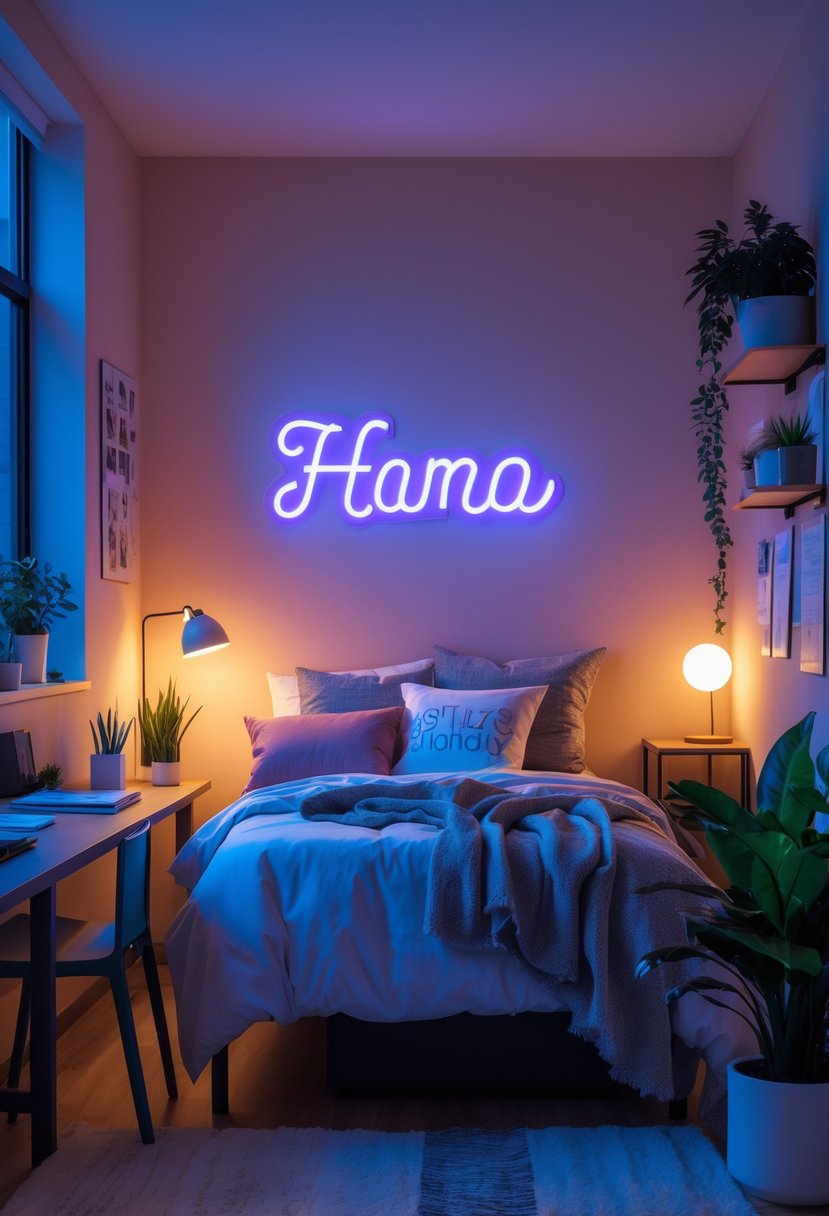
A personalized neon name sign adds a simple but noticeable touch to a dorm room. Students can choose their name, initials, or a short word that reflects their style.
These signs come in different colors and fonts, making it easy to match existing decor. They also serve as both decoration and soft lighting.
20) Compact Vanity with Round Mirror
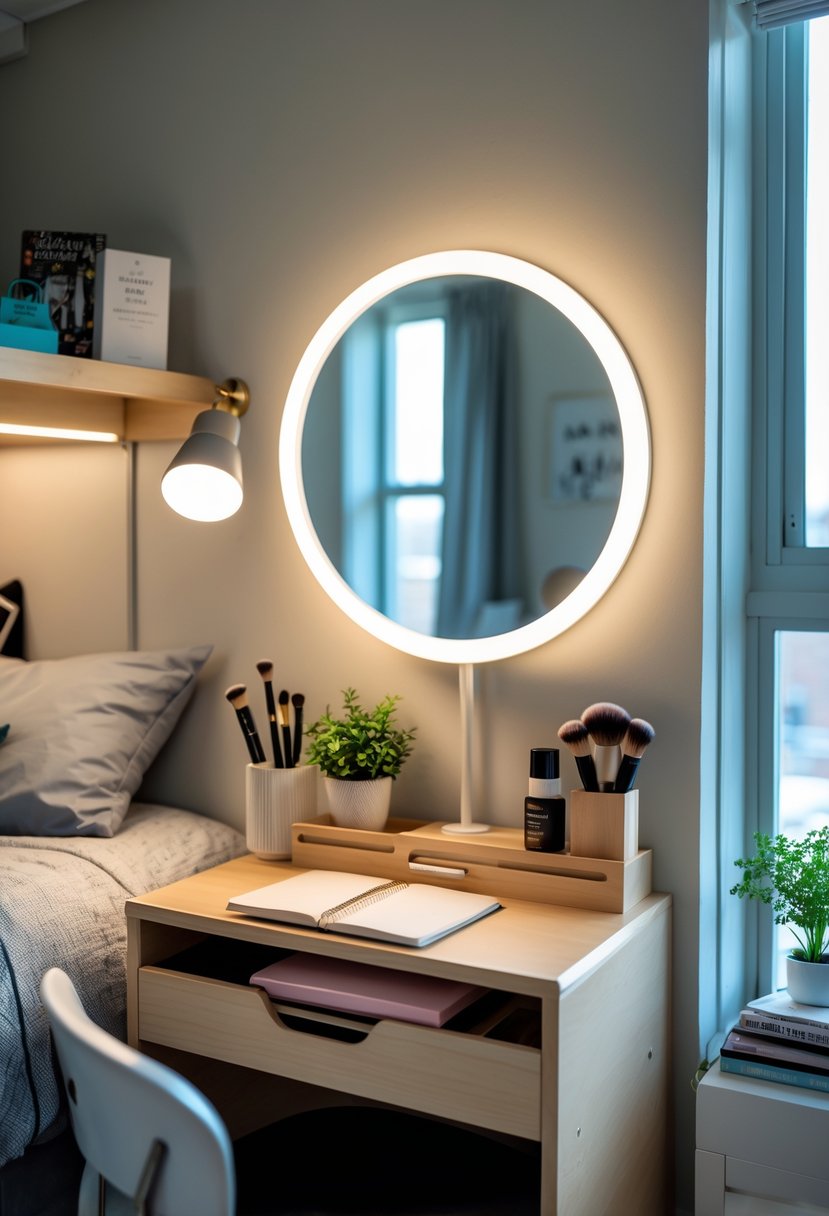
A compact vanity with a round mirror fits well in small dorm rooms. Its clean shape keeps the space simple and uncluttered.
The round mirror adds balance and softens the look of the room. Paired with a small desk or shelf, it creates a functional spot for daily routines.
21) Blackout Curtains with Sheer Layers
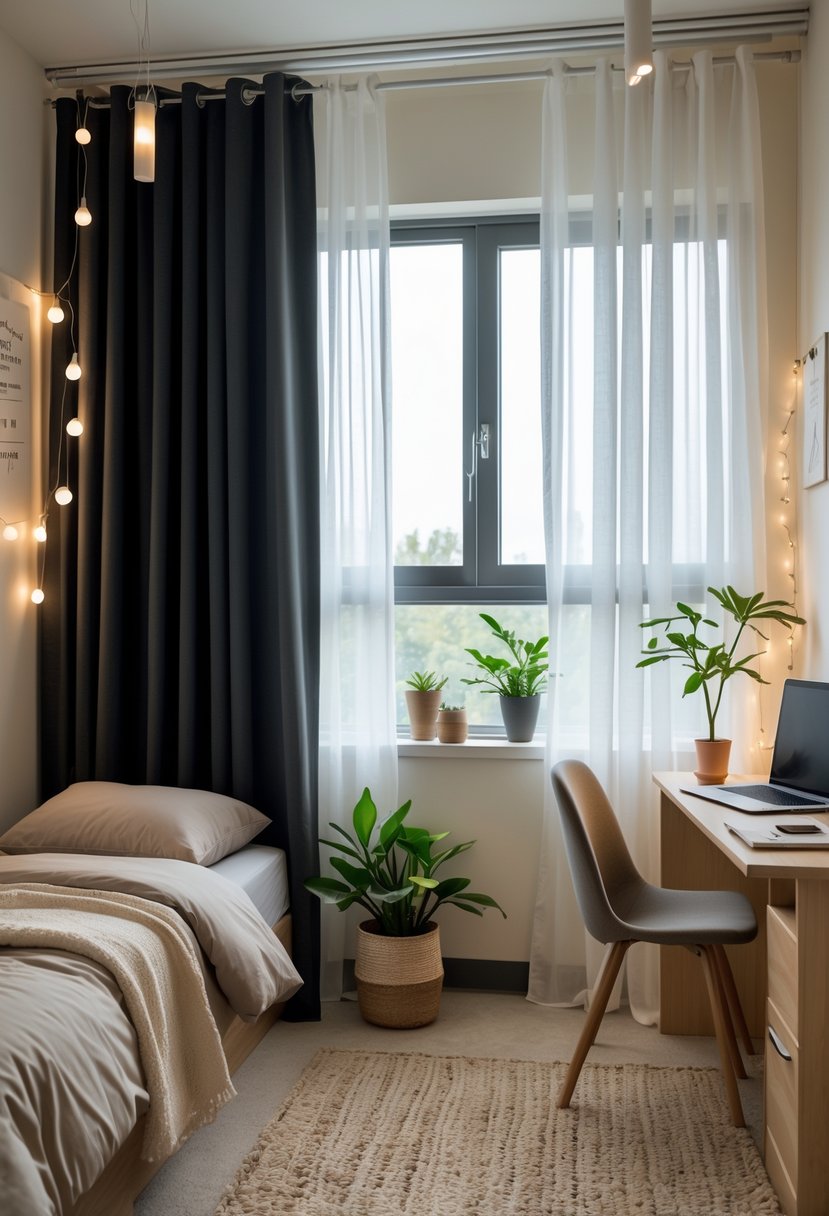
Blackout curtains with sheer layers let students block light while keeping a softer look in the room.
The blackout layer reduces glare and outside distractions, while the sheer layer adds texture and style.
This setup works well for dorms where privacy and comfort are both important.
Design Principles for Aesthetic Dorm Rooms
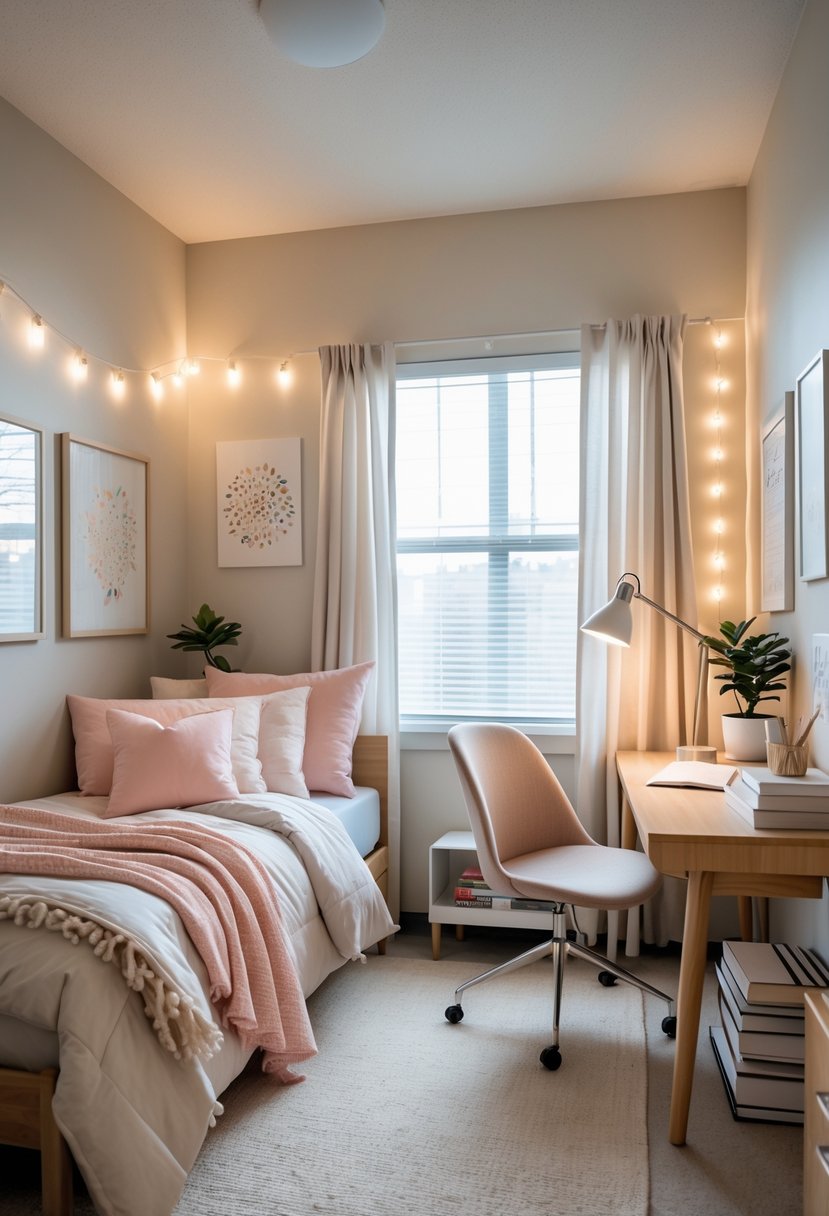
A well-designed dorm room blends comfort, style, and practicality. Small details like lighting, colors, and storage choices can make the space feel more inviting while still supporting daily routines.
Balancing Functionality and Style
An aesthetic dorm should look appealing without sacrificing comfort or efficiency. Students often need one space to serve as a bedroom, study area, and lounge, so furniture and decor must serve multiple purposes.
Examples of dual-purpose items include:
- A storage ottoman that doubles as seating
- A lofted bed with a desk underneath
- Decorative baskets that also organize supplies
Adding personal touches like posters, string lights, or throw pillows creates warmth, but it is important not to overcrowd the room. Too much decoration can reduce usable space. A balanced approach ensures the room feels both stylish and practical.
Choosing a Cohesive Color Palette
Color plays a major role in shaping the mood of a dorm room. A cohesive palette makes the space feel intentional and less cluttered. Neutral tones like beige, gray, or white provide a calm backdrop, while accent colors such as sage green, navy, or blush add personality.
Students can use a 3-color rule:
- Base color – usually neutral, covering walls, bedding, or large furniture
- Secondary color – adds contrast through rugs, curtains, or storage bins
- Accent color – smaller pops through pillows, art, or desk accessories
Repeating these colors throughout the room ties everything together. Keeping patterns minimal also prevents the room from feeling overwhelming.
Maximizing Small Spaces
Dorm rooms are often compact, so smart use of space is essential. Vertical storage, under-bed bins, and wall-mounted shelves free up floor area while keeping items organized.
Space-saving ideas include:
- Using bed risers to create storage underneath
- Hanging organizers on closet doors
- Folding desks or wall-mounted hooks for bags and coats
Furniture placement also matters. Positioning the bed against a wall opens up the center of the room, making it feel larger. Mirrors can reflect light and create the illusion of extra space. These strategies help students maintain a clean, open, and functional layout.
Personalizing Your Dorm Room
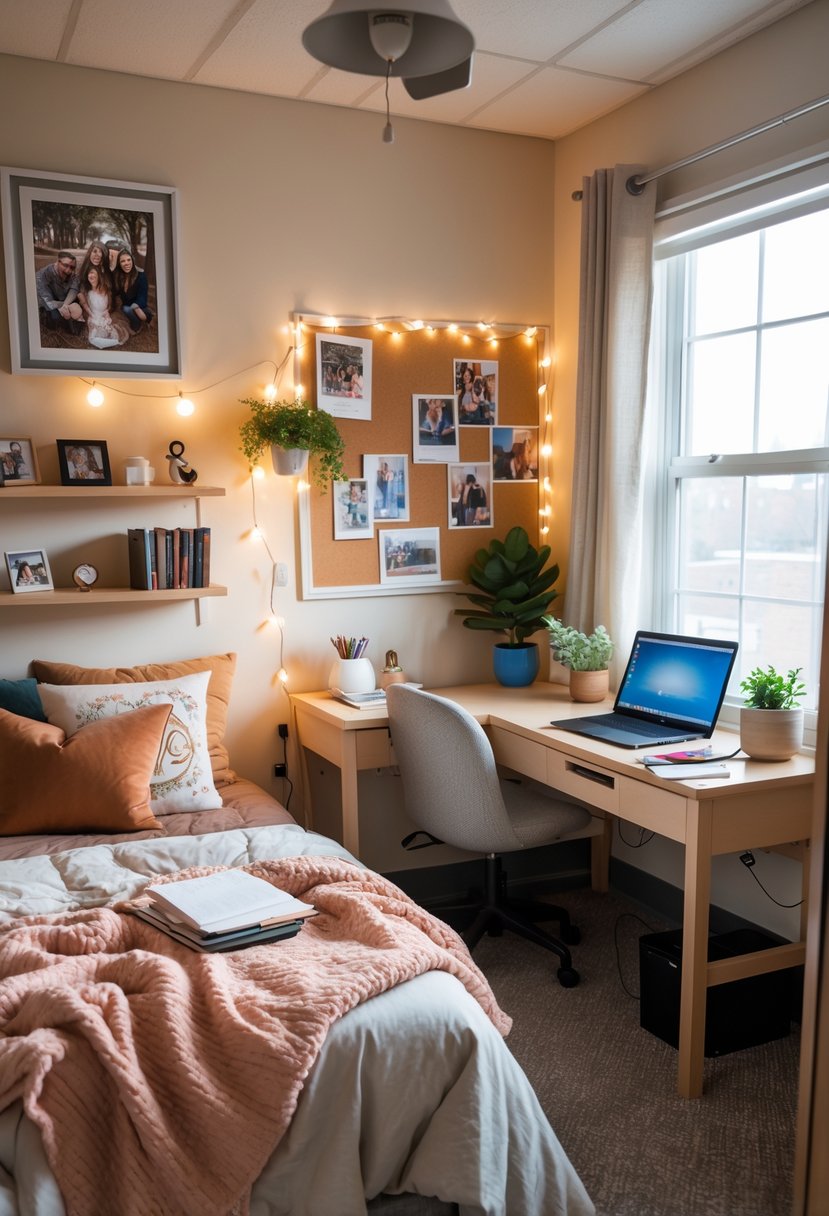
A dorm room feels more inviting when it reflects the student’s own style and daily habits. Small creative choices can turn a standard space into one that feels comfortable, functional, and unique.
Incorporating DIY Decor
DIY decor allows students to add personality without spending much money. Handmade items like photo collages, painted canvases, or custom cork boards can make the room feel more personal. Using washi tape to frame posters or photos avoids damaging walls while still adding color and design.
Students often use fabric to soften the space. A no-sew tapestry, pillow covers made from old shirts, or a handmade blanket can add warmth. These projects are simple to create and easy to update when tastes change.
Lighting is another area where DIY projects work well. String lights can be clipped with clothespins to display photos or notes. A mason jar with battery-powered fairy lights creates a small bedside lamp. These touches add both function and style without taking up much room.
Showcasing Personal Interests
Decor can also highlight hobbies and interests. A student who enjoys music might display a small vinyl collection or hang a guitar on the wall with removable hooks. Someone interested in sports could add team pennants, framed posters, or a shelf for memorabilia.
Books, plants, and travel souvenirs also serve as decor. A small plant on the desk or a shelf of favorite novels makes the room feel lived in. Displaying postcards, ticket stubs, or photos from trips provides a personal touch while sparking conversation with visitors.
Organizing these items neatly is important. Floating shelves, storage cubes, and pegboards allow students to showcase personal items without clutter. By arranging belongings with intention, the space feels both functional and reflective of individual style.
For more ideas, check out these college dorm room essentials to refresh your space for the school year.