Minimalists Bedroom Ideas 2026: 21 Modern Designs for a Calm and Functional Space
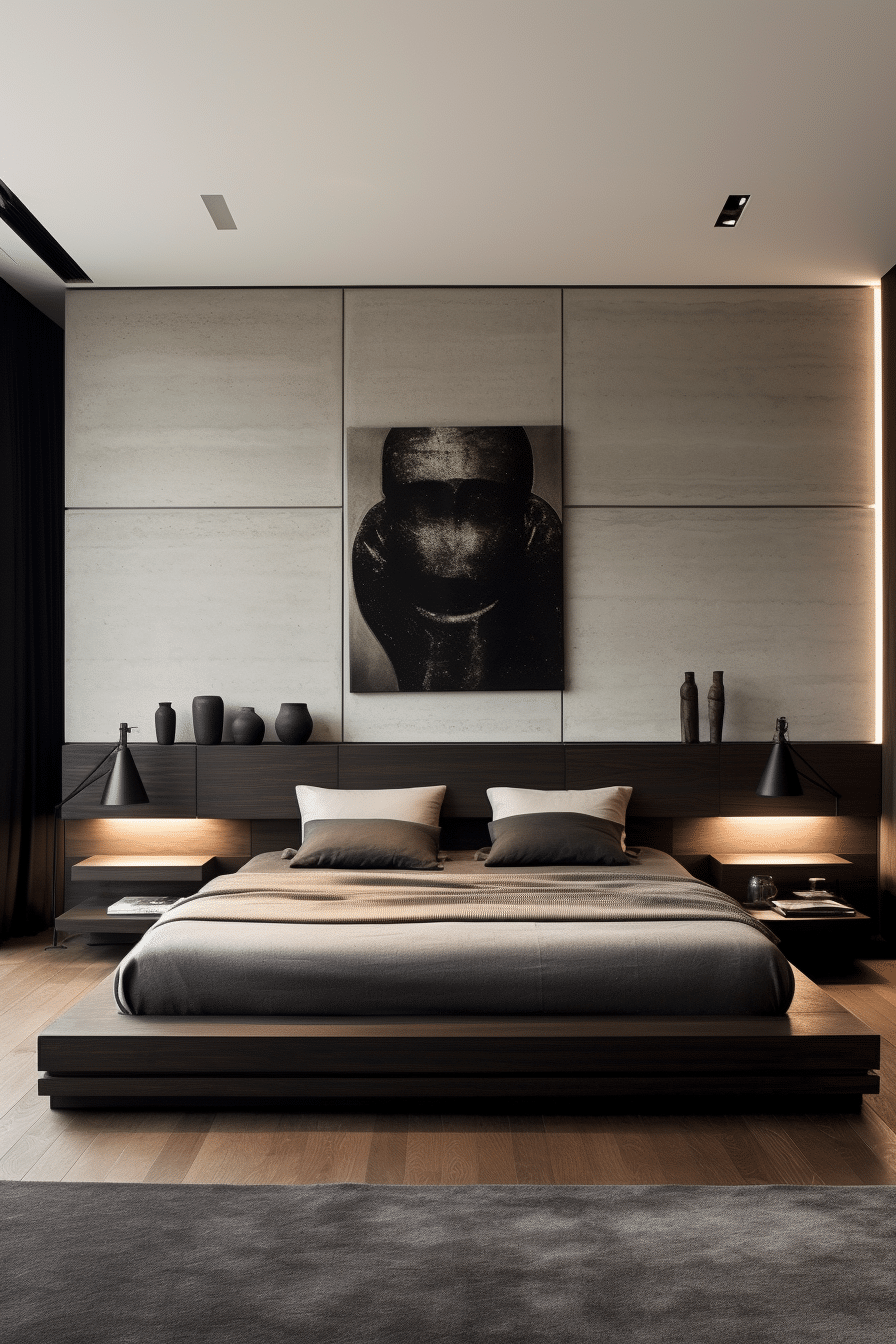
Minimalist bedroom design in 2026 focuses on calm, comfort, and function. It moves away from cluttered spaces and embraces a softer, more natural look that feels timeless. It shows how thoughtful simplicity can create a space that supports rest, clarity, and balance.
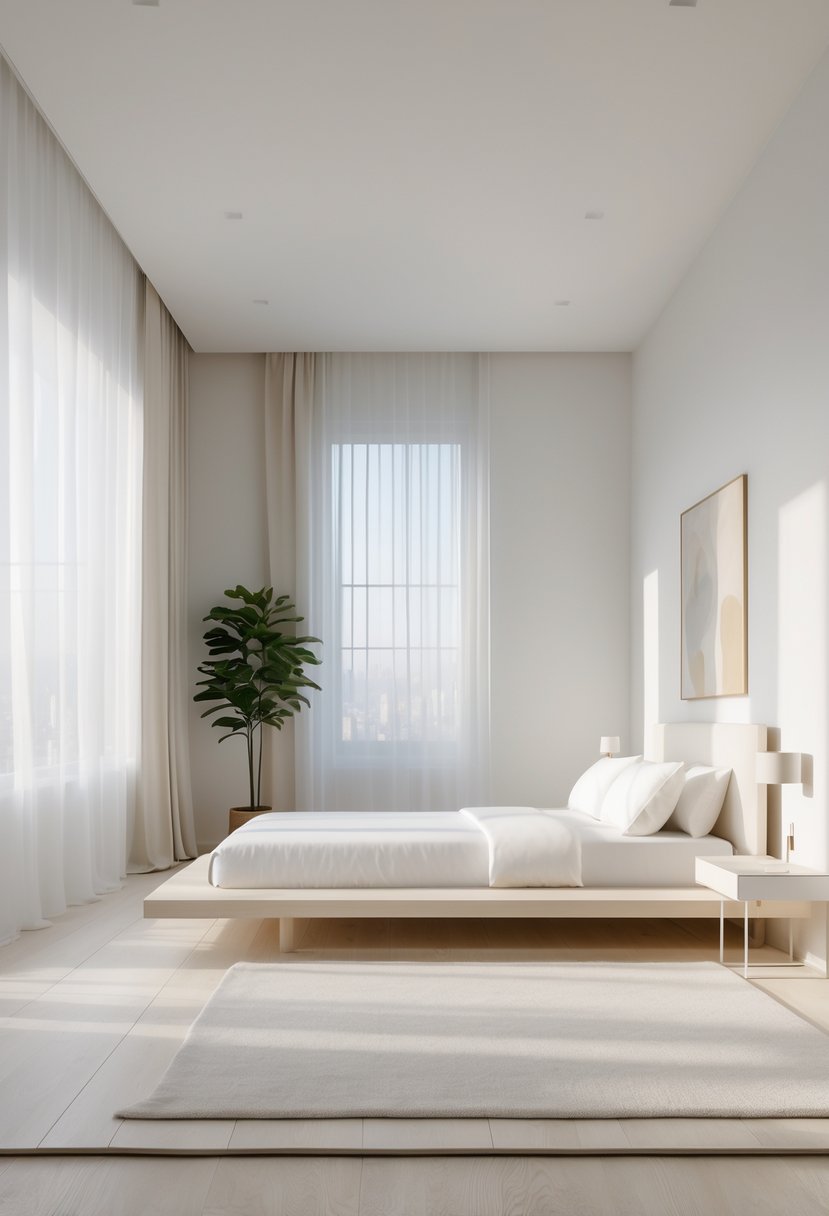
This approach highlights clean lines, warm neutrals, and practical design choices that make everyday living easier. Each element serves a purpose, blending beauty with function in a way that feels effortless. The trend reflects a shift toward mindful living, where every detail contributes to a peaceful and organized home.
Use a neutral color palette with warm earthy tones
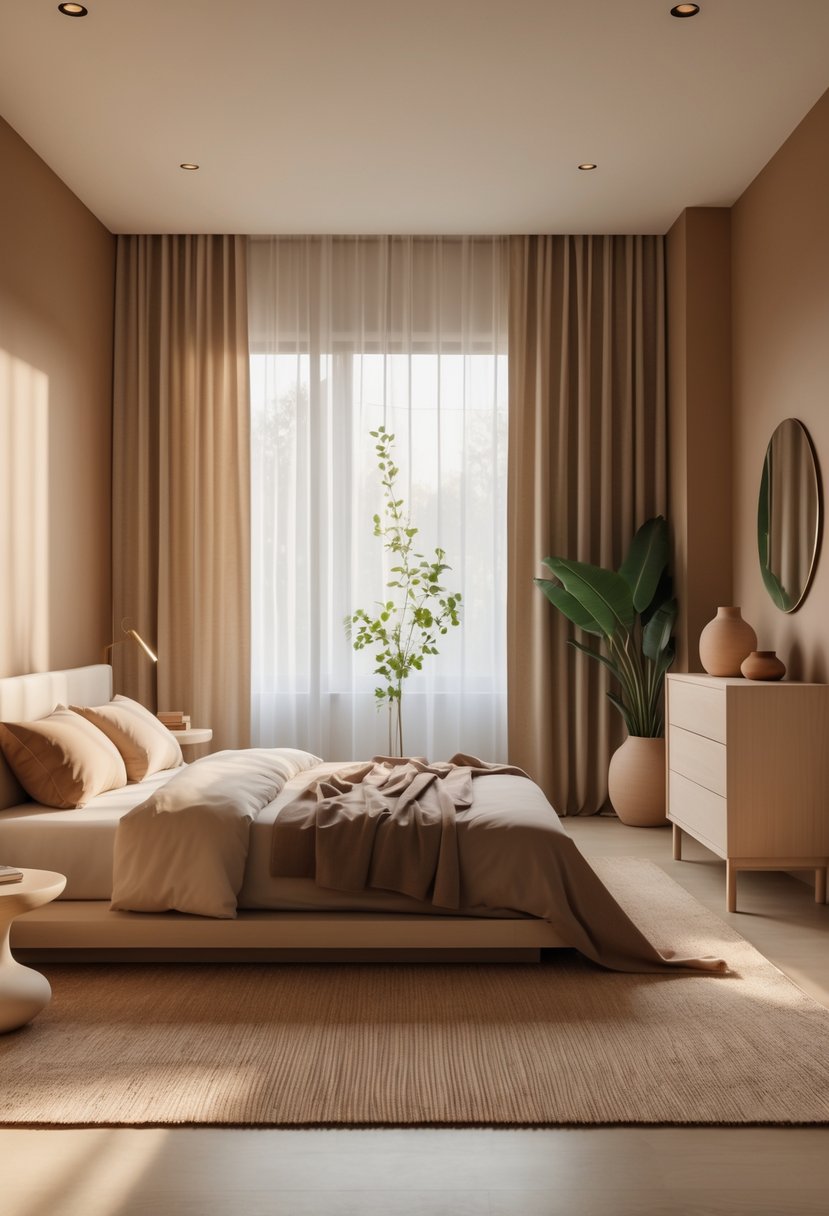
They can create a calm and balanced space by using warm neutral shades like beige, taupe, or clay.
These tones pair well with natural materials such as wood, linen, and woven textures.
Soft lighting enhances the warmth, making the minimalist bedroom feel inviting and grounded.
Incorporate soft textures like linen or wool throws
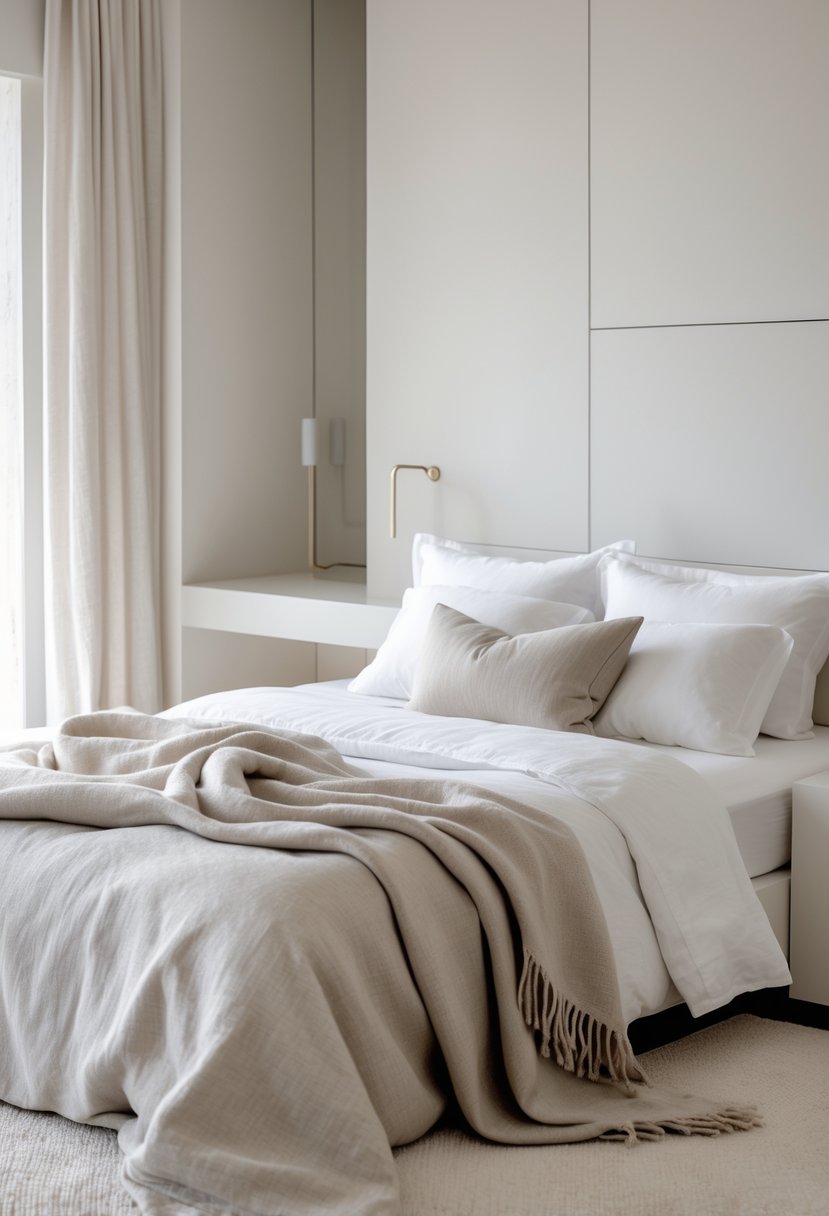
Soft textures like linen and wool add warmth and comfort to a minimalist bedroom.
These materials create a balanced look by softening clean lines and neutral tones.
Layering a linen bedspread or a wool throw introduces gentle texture without cluttering the space.
Choose clean-lined, simplified furniture
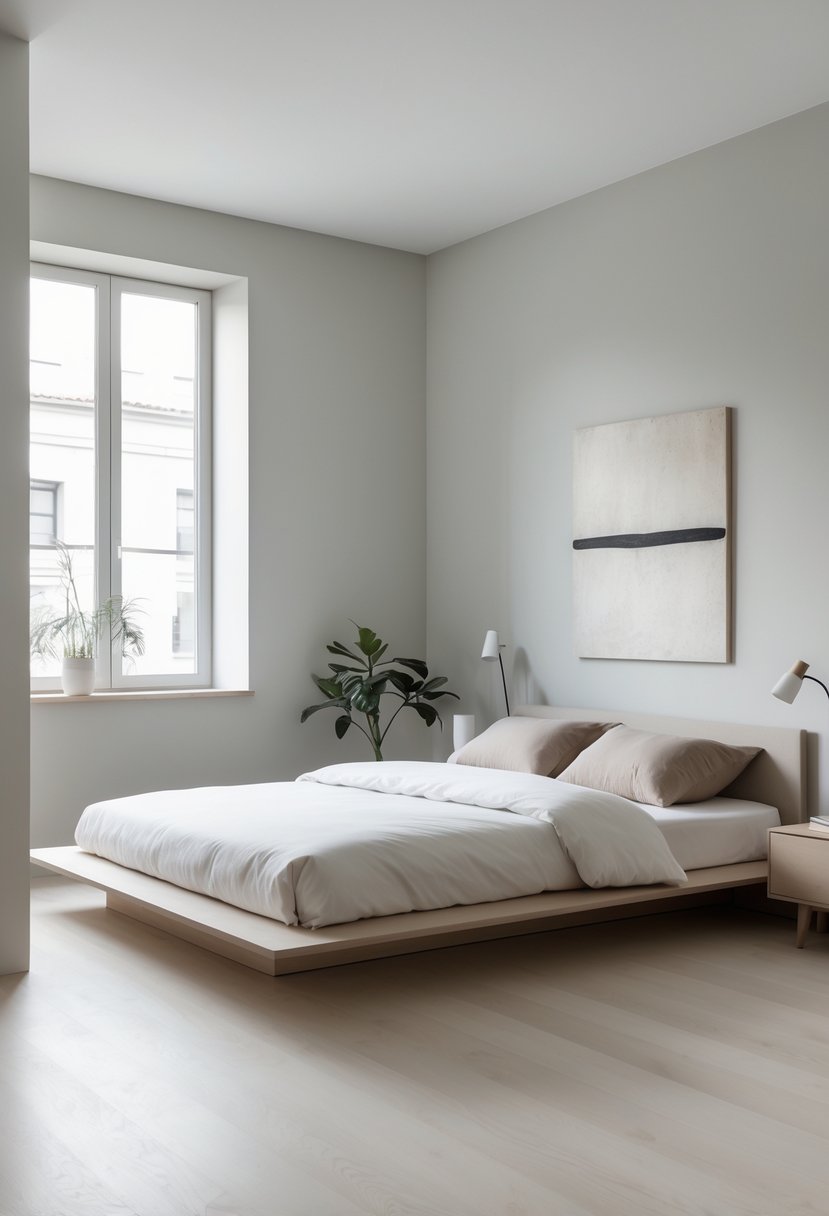
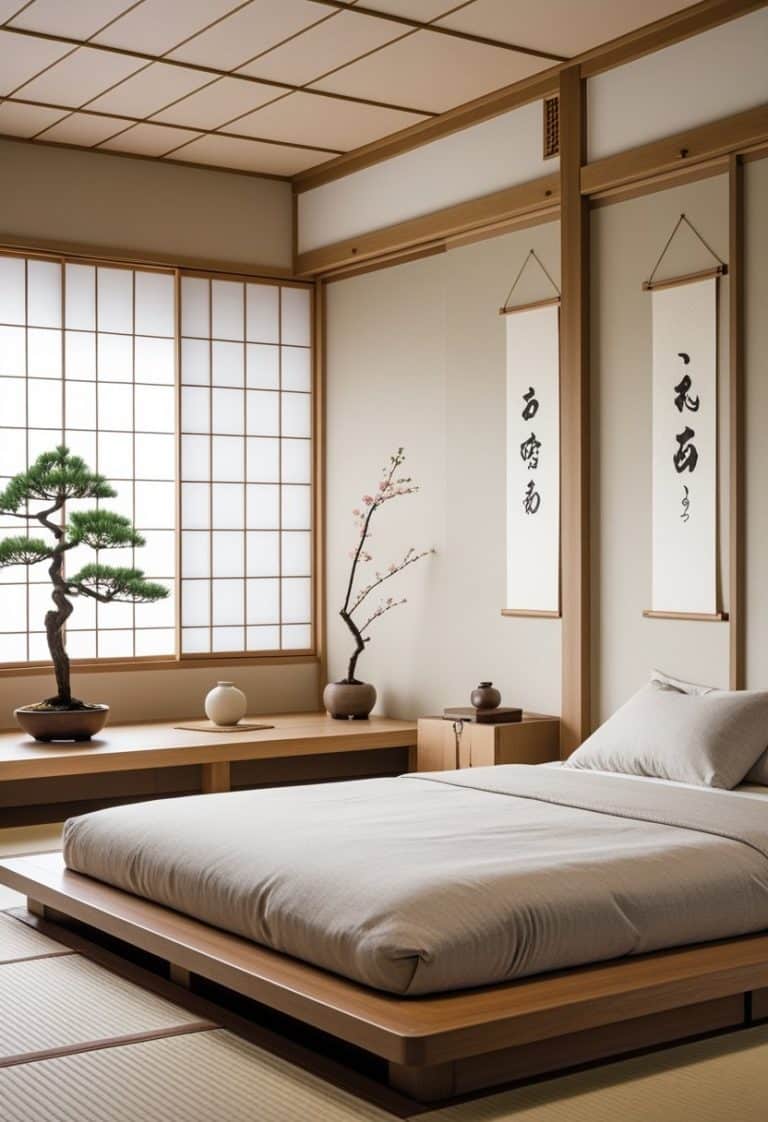
They should pick furniture with straight lines and simple shapes to keep the room calm and open. A low platform bed or a plain wooden frame works well as a focal point.
Nightstands, dressers, and shelves should match in tone and design, avoiding heavy details or ornate finishes for a balanced, uncluttered look.
Add floating wall shelves for decor and storage
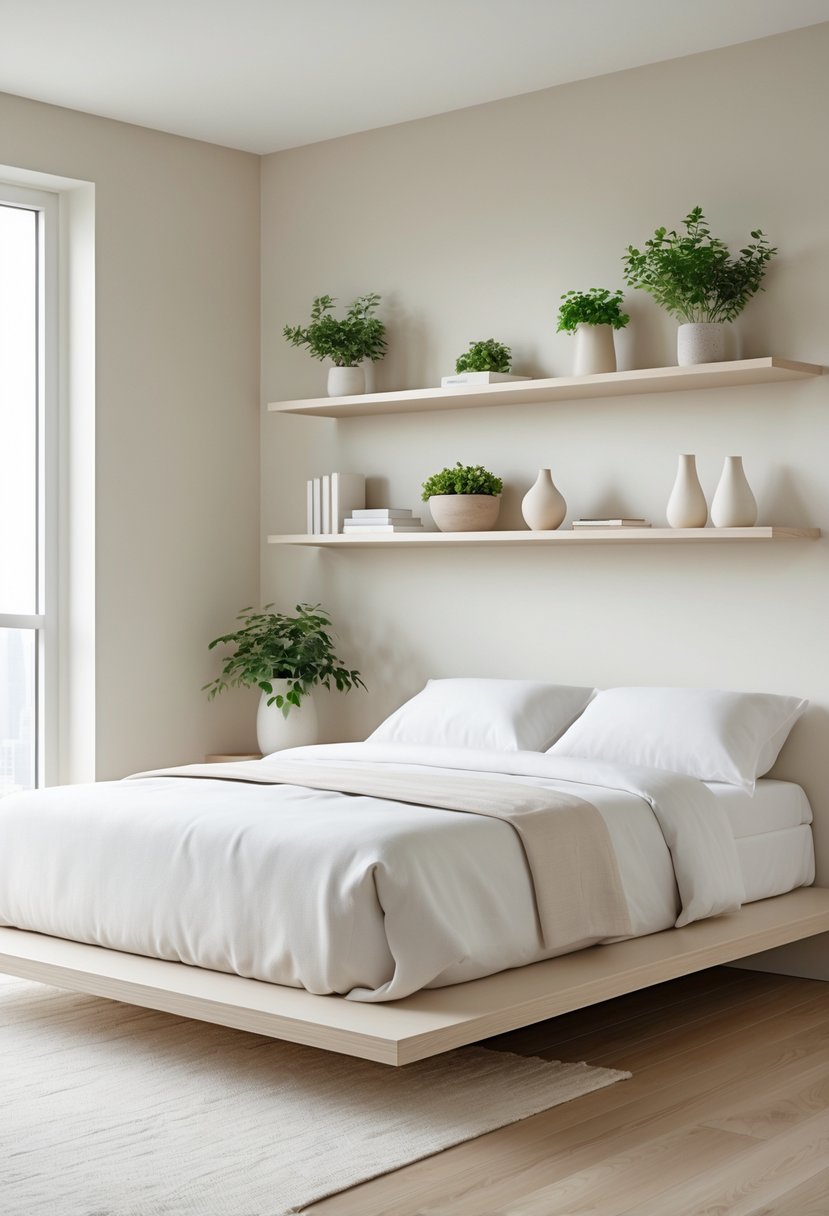
Floating wall shelves help keep the bedroom organized without taking up floor space.
They provide a clean look that fits minimalist design.
People can use them to display books, plants, or small decor pieces while keeping surfaces clear and uncluttered.
Use an arched mirror as a statement piece
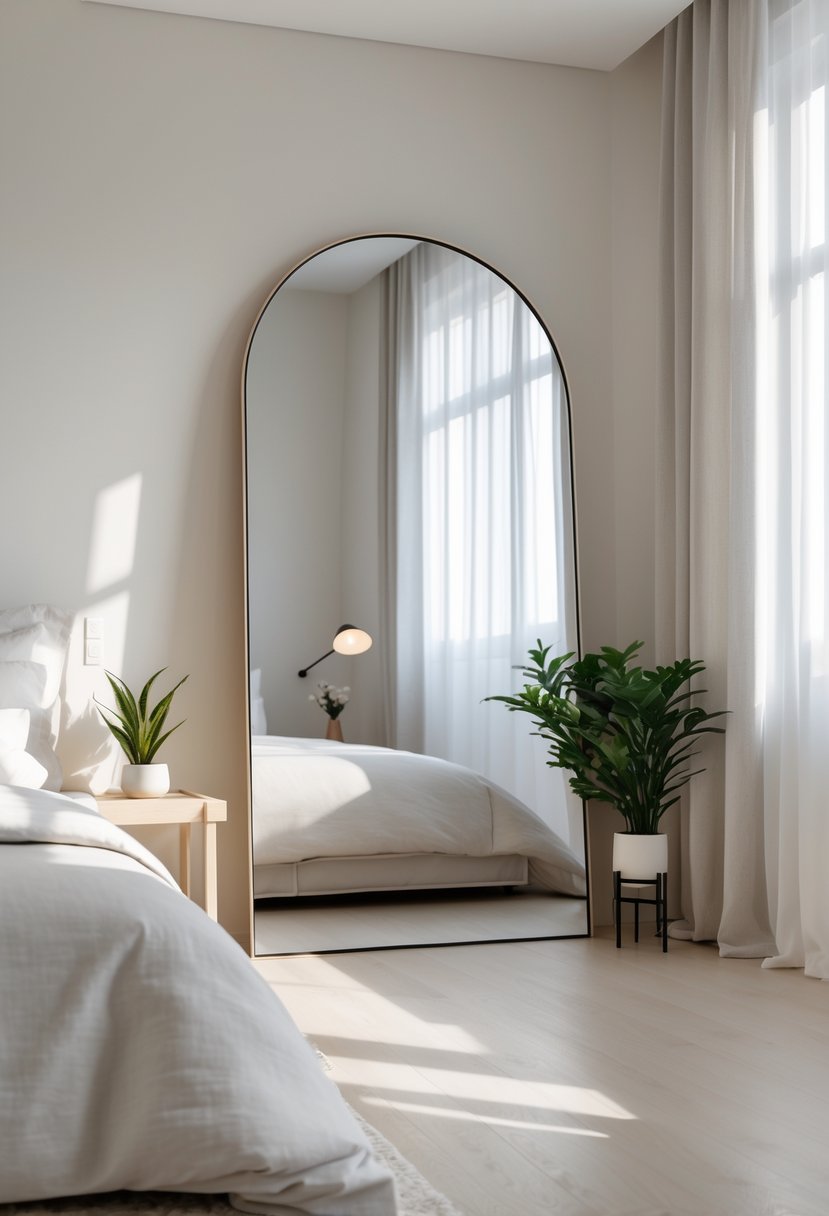
An arched mirror adds visual interest while keeping a minimalist bedroom balanced and calm.
Its curved shape softens straight furniture lines and introduces a subtle architectural touch.
Placed above a dresser or leaning against a wall, it reflects light, making the room feel brighter and more open without adding clutter.
Opt for wooden accents to add warmth
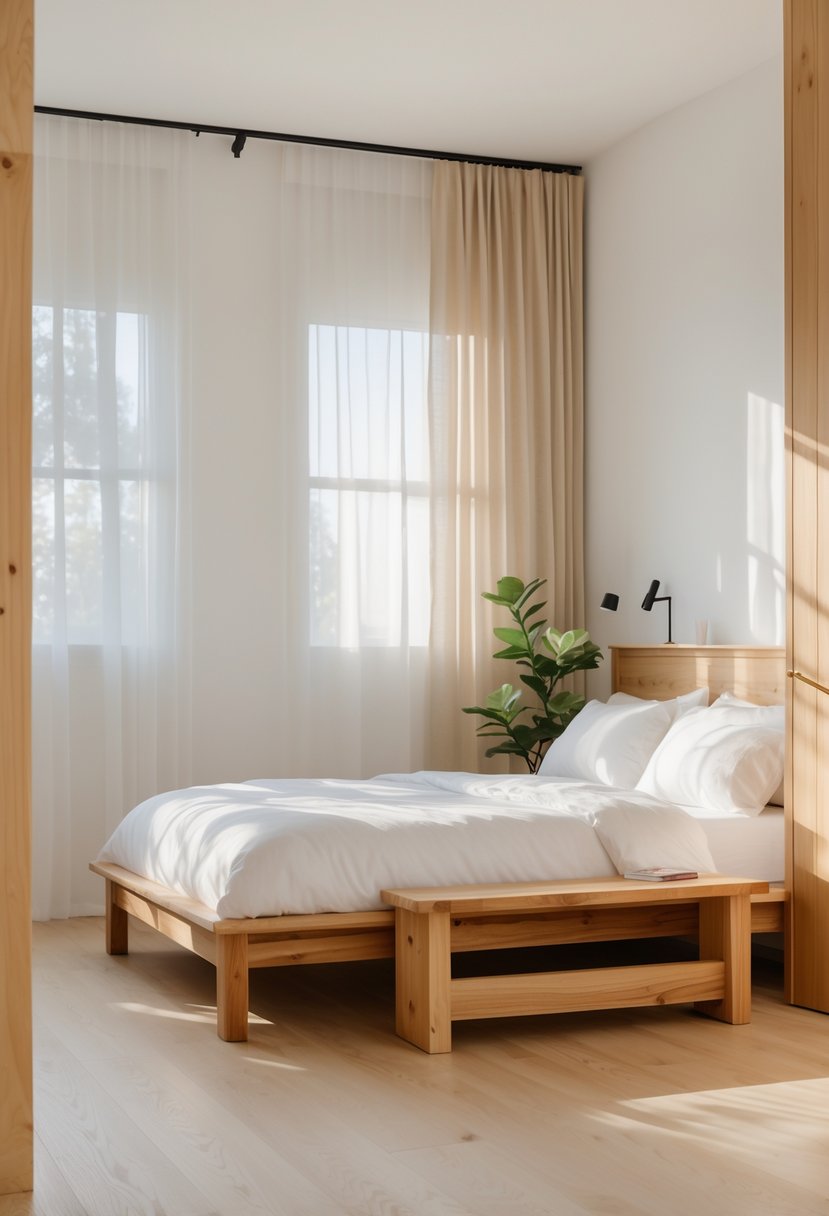
Wooden accents bring a natural, inviting feel to minimalist bedrooms. They soften clean lines and add texture without cluttering the space.
Light oak or birch furniture keeps the room bright and open. A wooden headboard, nightstand, or wall panel can create gentle contrast and warmth.
Keep surfaces decluttered and minimal
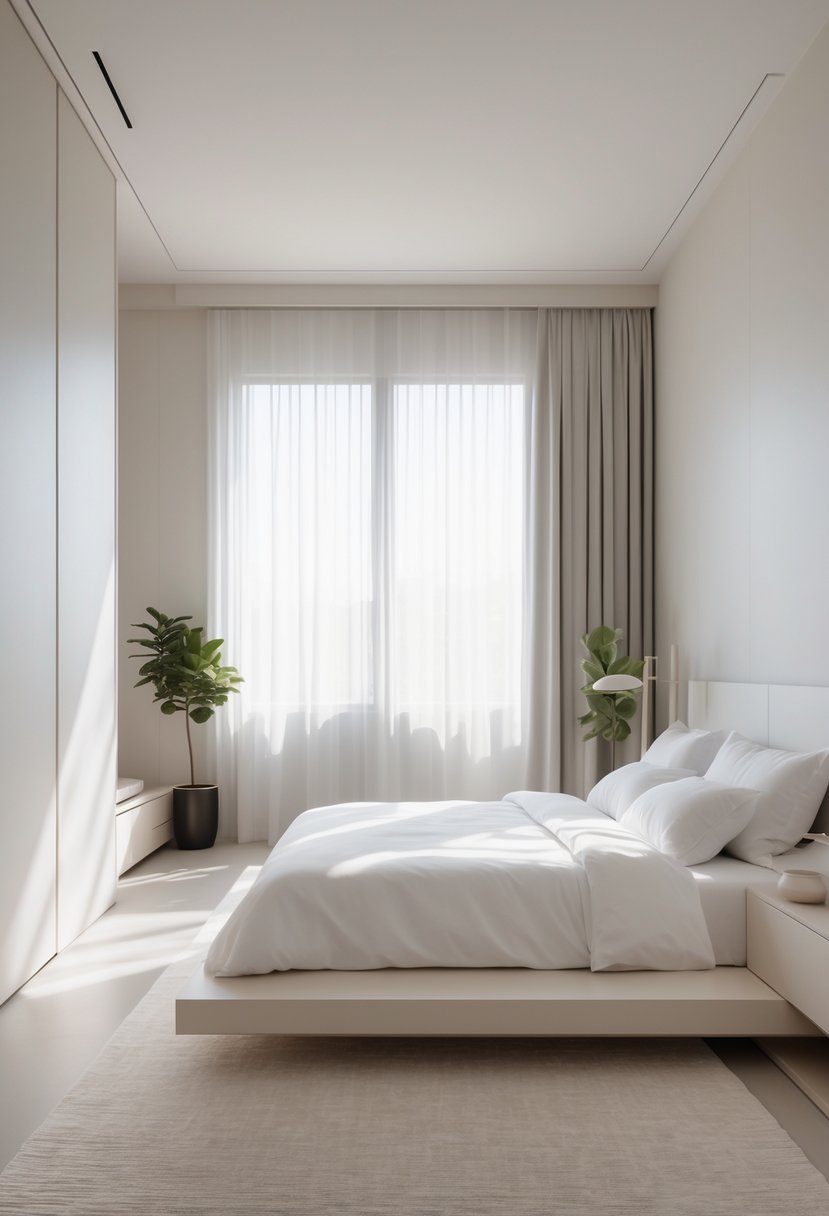
They keep only essential items on nightstands and dressers to maintain a clean look.
Flat surfaces stay clear of extra décor, allowing the room to feel open and calm.
Simple trays or boxes hold small items neatly, supporting both order and function.
Implement a subtle accent wall with limewash paint
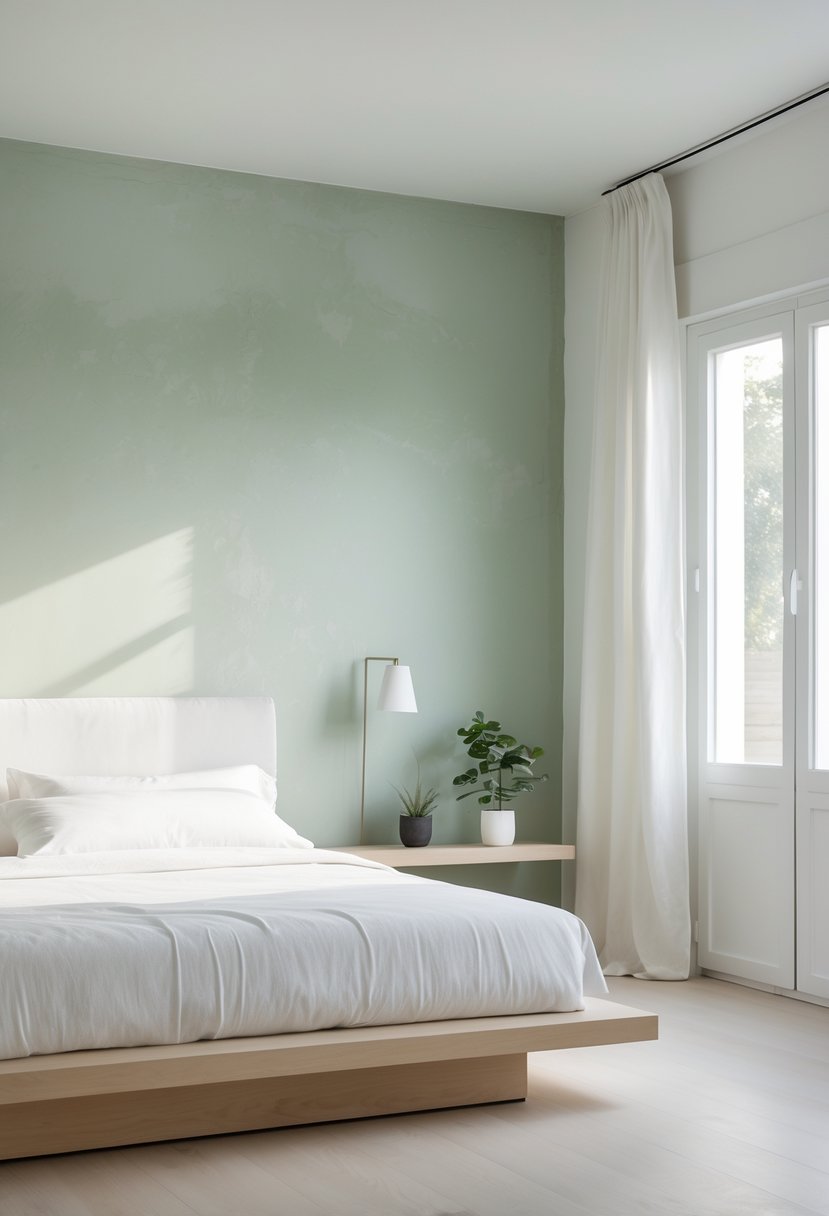
A limewash accent wall adds gentle texture and depth without overpowering the room. Its soft, matte finish helps create a calm and natural atmosphere.
They can choose muted tones like beige, gray, or sage to keep the minimalist look consistent. The result feels warm, balanced, and visually interesting.
Select nightstands that match the floor finish
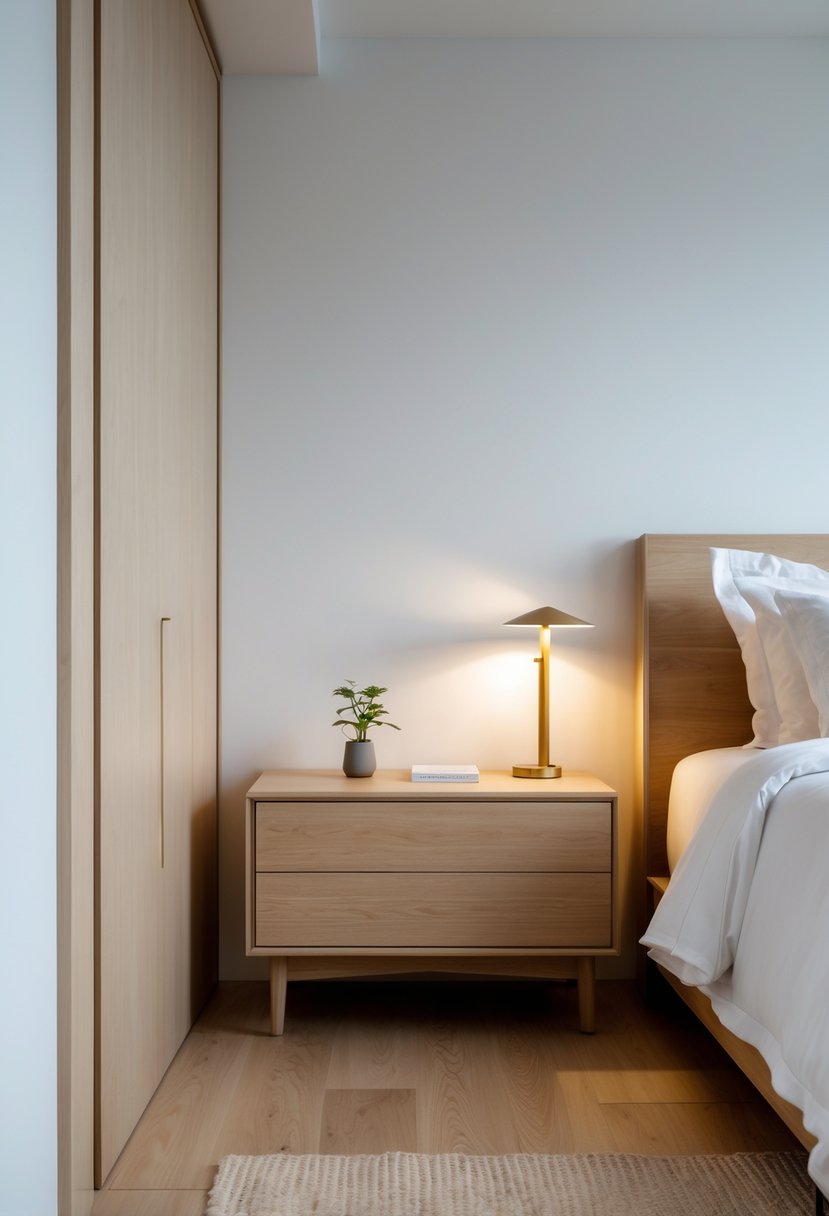
They should choose nightstands that complement the tone and texture of the flooring.
Light wood floors pair well with pale or natural finishes, while dark floors look balanced with deeper tones.
Matching materials or coordinated stains create a unified look that supports a minimalist and cohesive bedroom style.
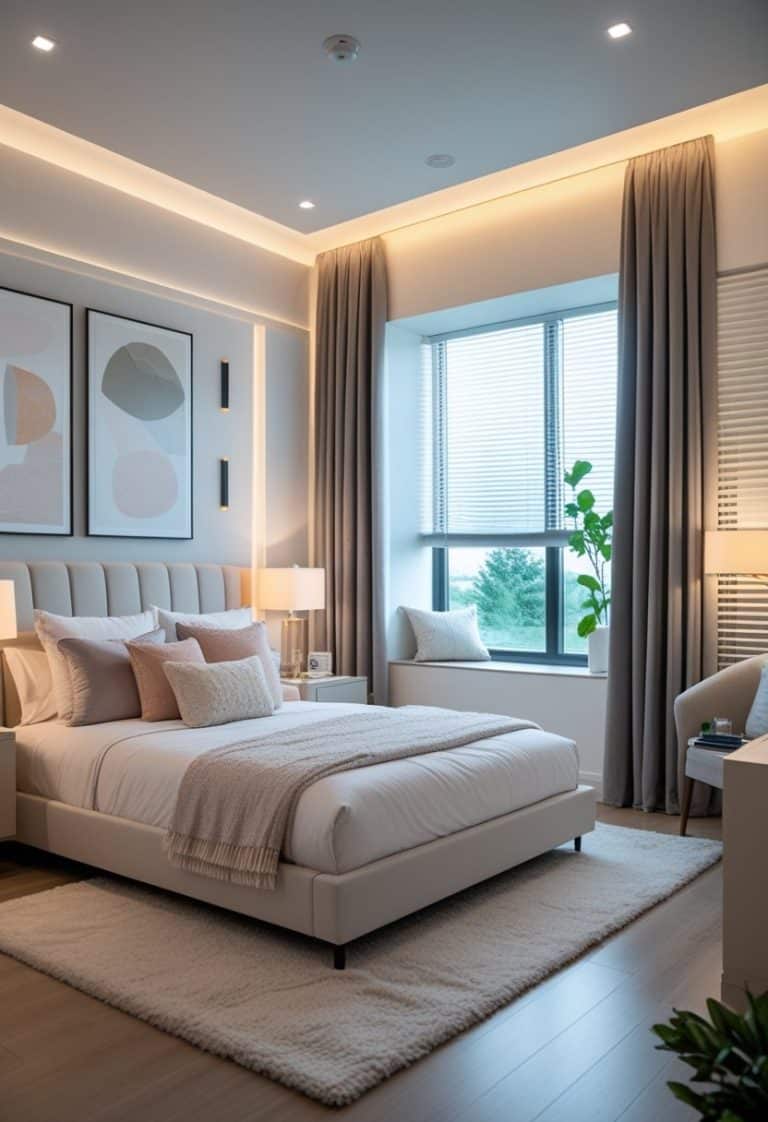
Use soft, diffused lighting for a calming effect
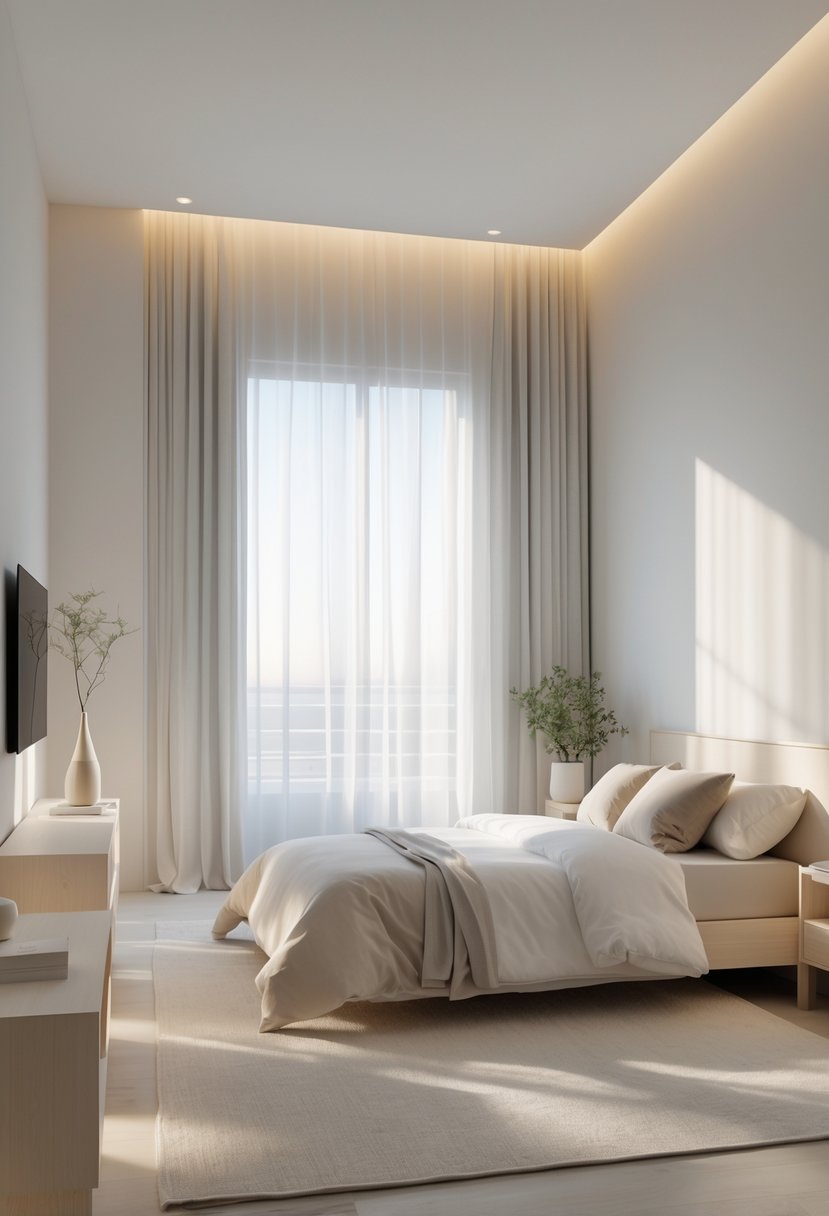
Soft, diffused lighting helps create a peaceful atmosphere in a minimalist bedroom.
They can use wall sconces, pendant lights, or hidden LED strips to spread light evenly without glare.
Warm light tones make the space feel comfortable while keeping the design clean and uncluttered.
Incorporate plants for a touch of nature
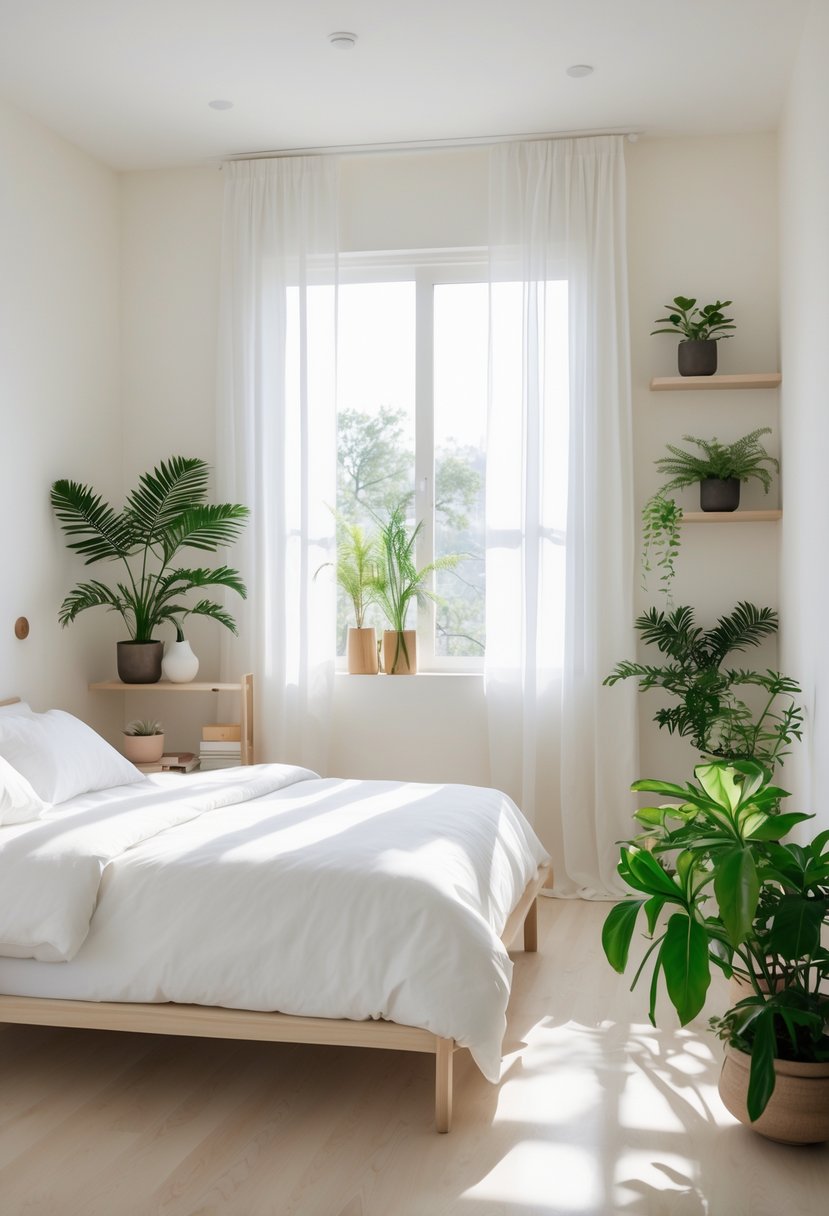
Adding plants helps soften a minimalist bedroom and introduces natural color.
They can choose low-maintenance options like snake plants, pothos, or succulents that thrive indoors.
Placing greenery on shelves or near windows keeps the space calm, fresh, and visually balanced without adding clutter.
Choose platform beds with low profiles
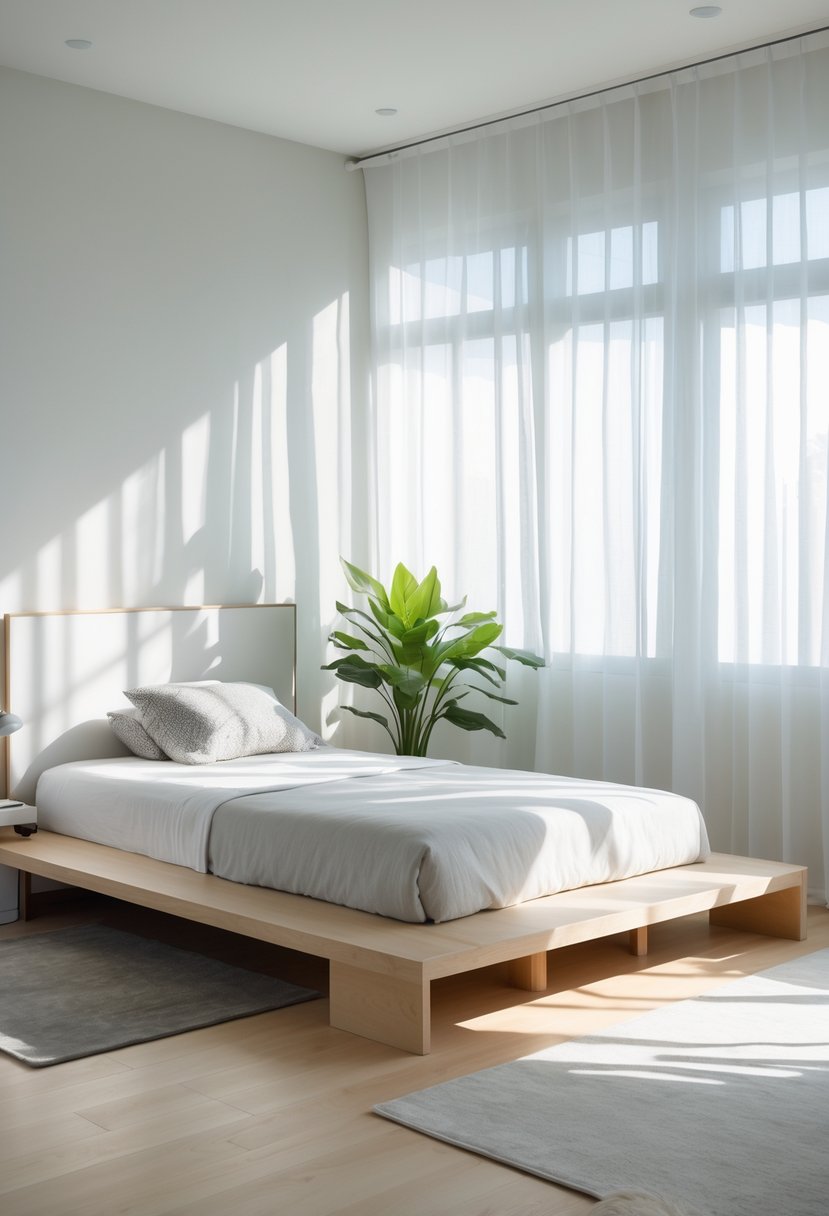
Platform beds with low profiles create a clean and open look in minimalist bedrooms.
They sit close to the floor, which helps make small rooms feel larger and less crowded.
Their simple frames reduce visual clutter and pair well with neutral colors and modern materials.
Use built-in storage to maximize space
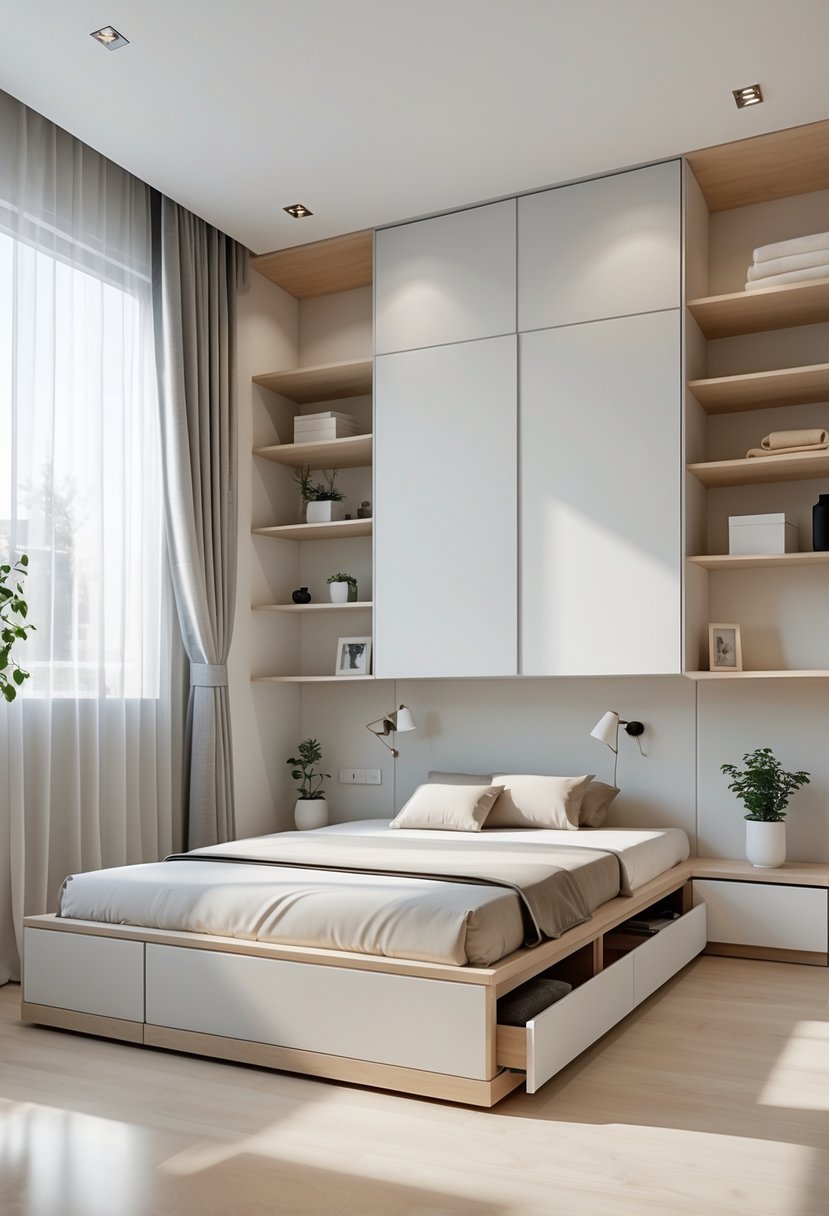
Built-in storage helps create a clean and open bedroom. It keeps items organized without adding extra furniture.
Beds with drawers, wall-mounted shelves, and recessed closets make good use of limited space. These options reduce clutter and maintain a simple, balanced look.
Opt for blackout curtains in neutral shades
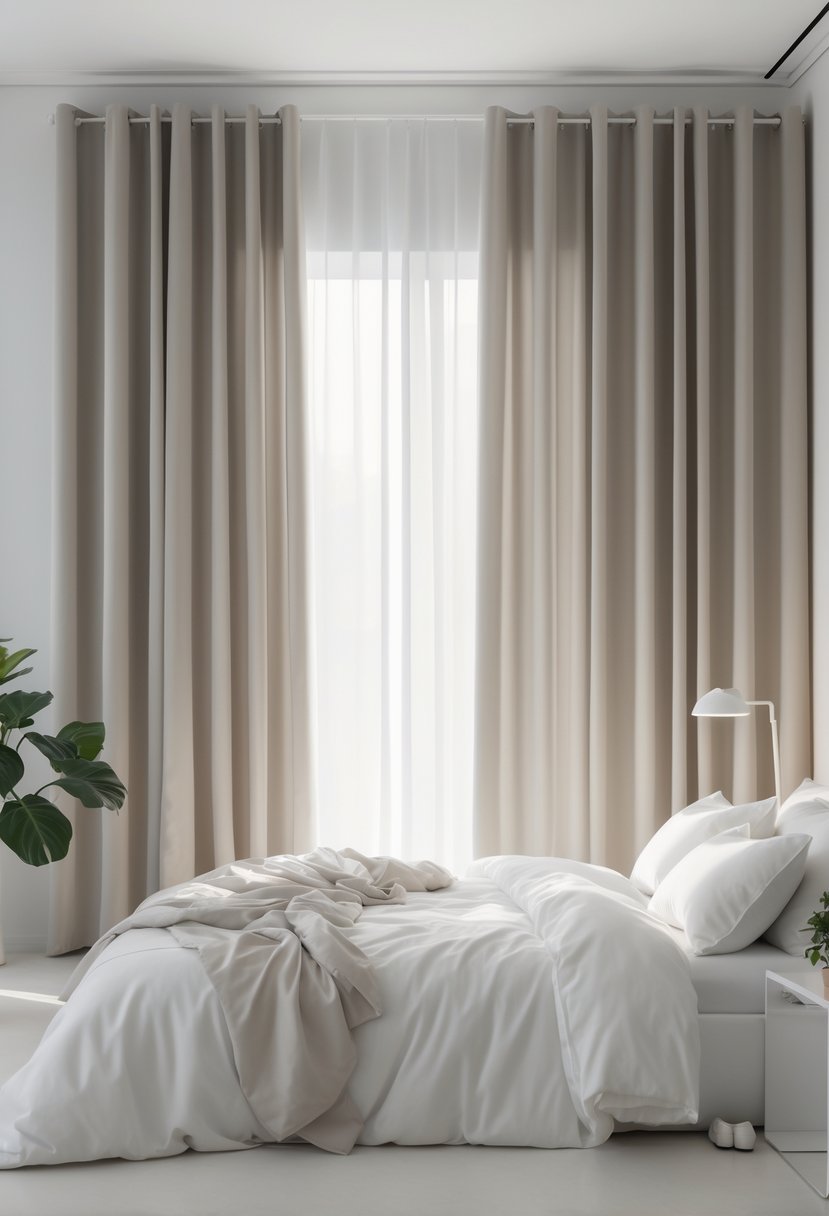
Blackout curtains in neutral tones help create a calm and balanced bedroom.
They block light for better sleep while keeping the room’s design simple and modern.
Soft shades like beige, gray, or taupe blend easily with minimalist furniture and natural textures.
Add minimalistic sculptures sparingly
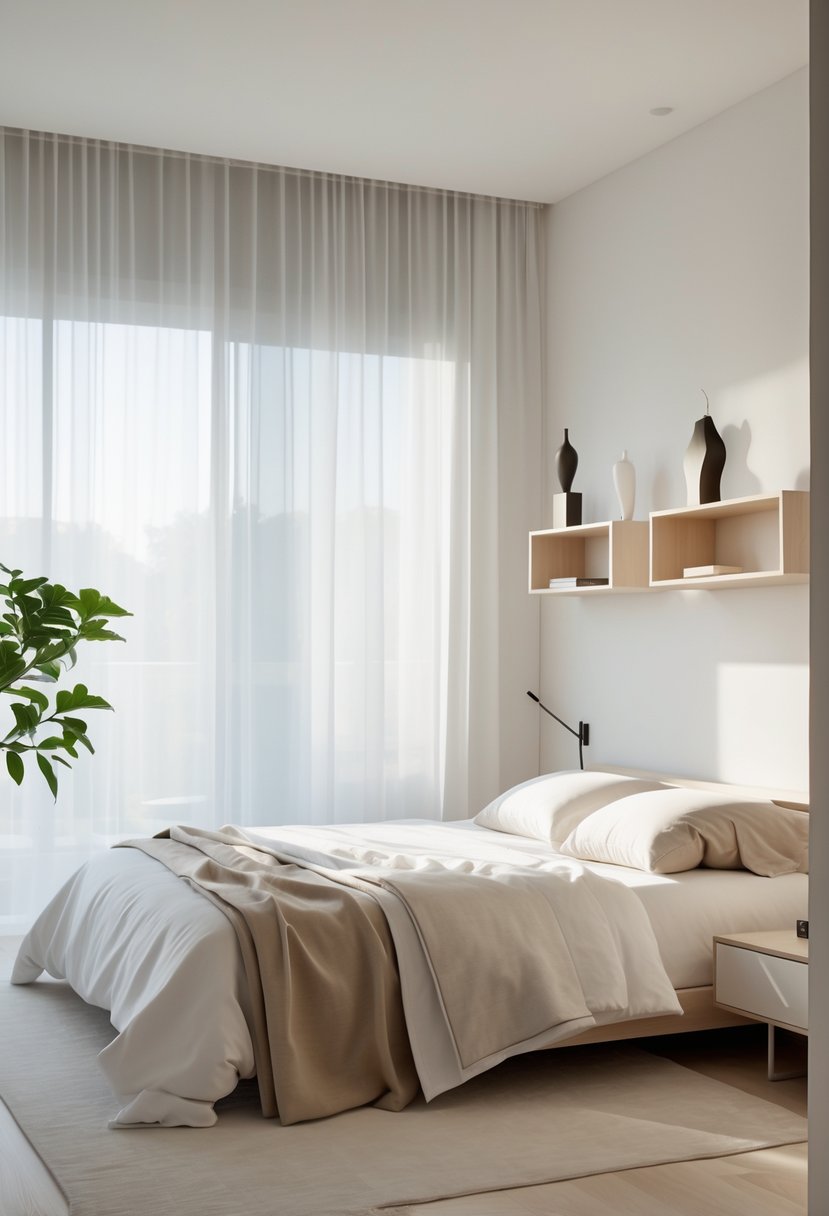
They can use one or two simple sculptures to give the bedroom character without adding clutter.
Smooth shapes or neutral materials like stone, wood, or metal fit well with minimalist design.
Placing a sculpture on a nightstand or shelf keeps the space balanced while maintaining a clean, modern look.
Use monochromatic bedding sets
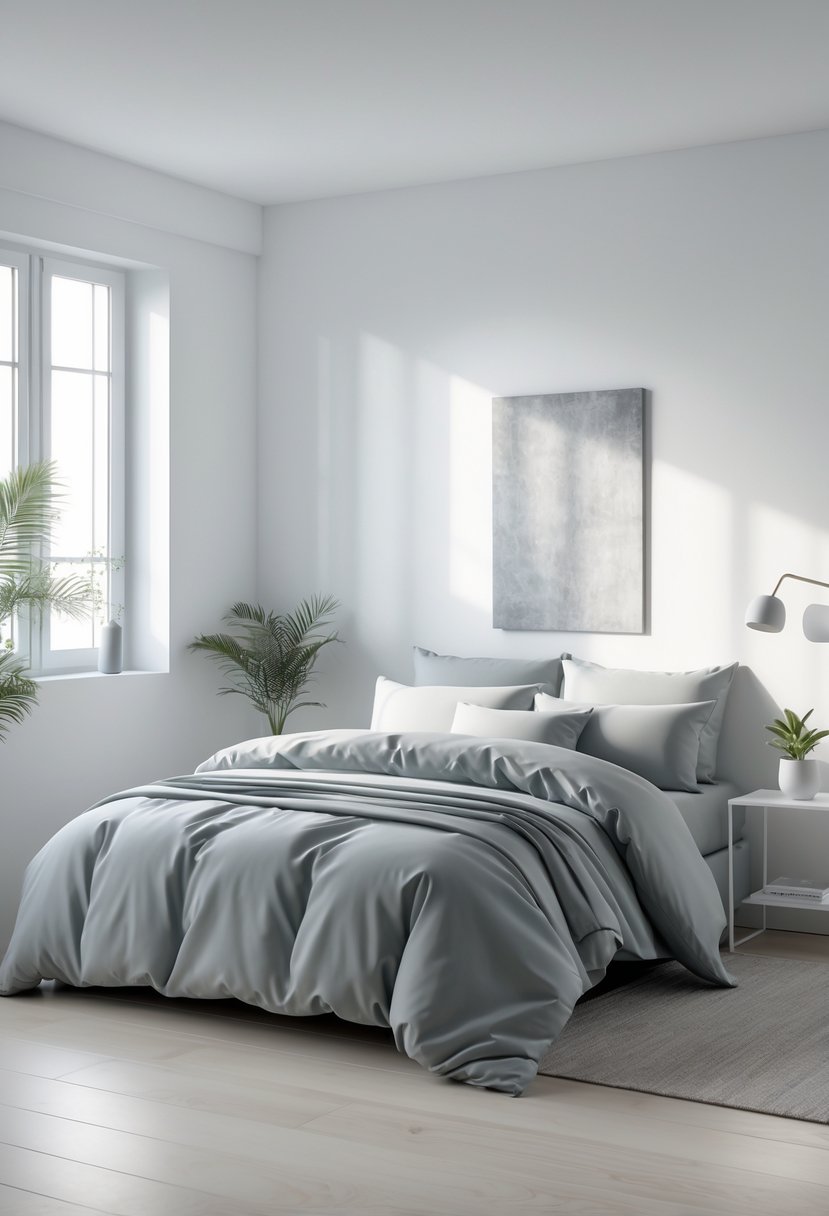
Monochromatic bedding keeps a minimalist bedroom calm and unified.
Using one color in different shades adds depth without clutter.
Neutral tones like white, gray, or beige create a clean and balanced look that fits modern design trends for 2026.
Incorporate a single piece of abstract art
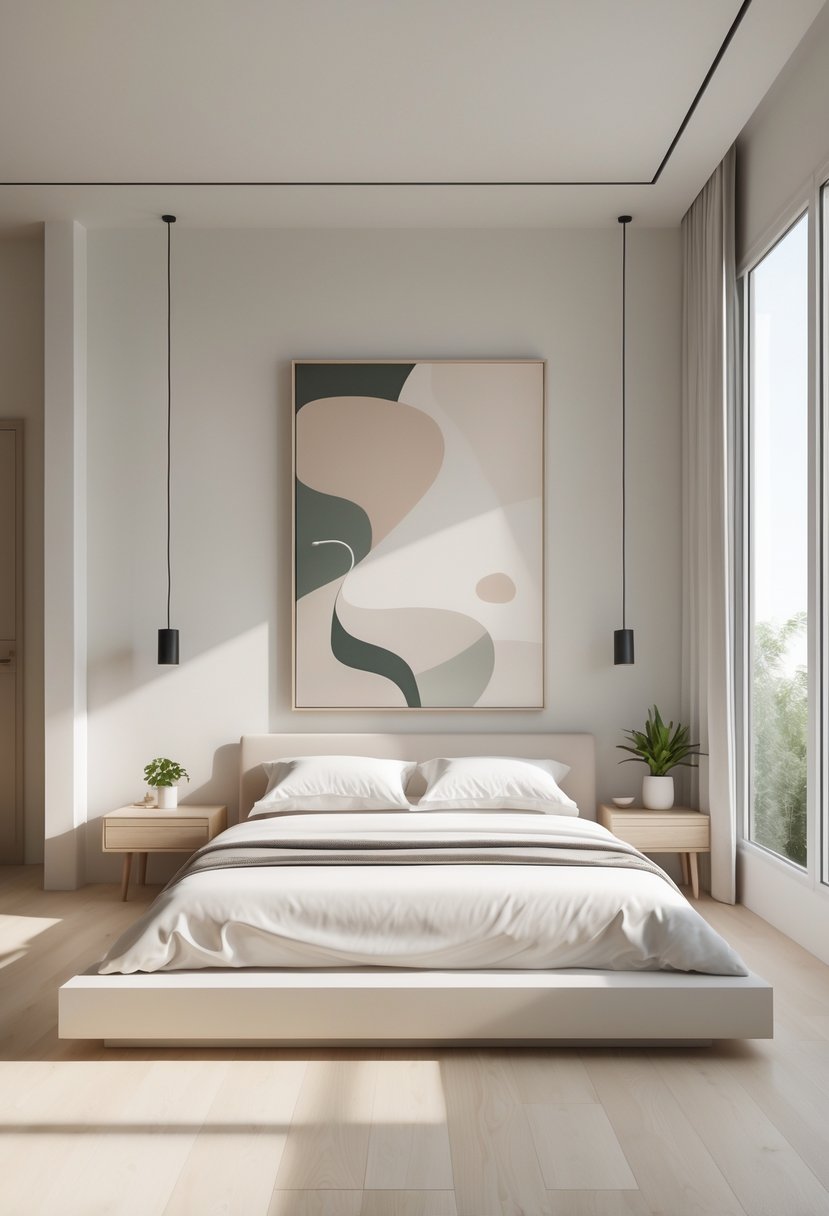
A single piece of abstract art can bring focus to a minimalist bedroom without adding clutter.
They can choose artwork that uses simple shapes or muted colors to match the room’s calm tone.
Placing it above the bed or on a blank wall keeps the space balanced and visually clear.
Choose sleek, modern ceiling fans
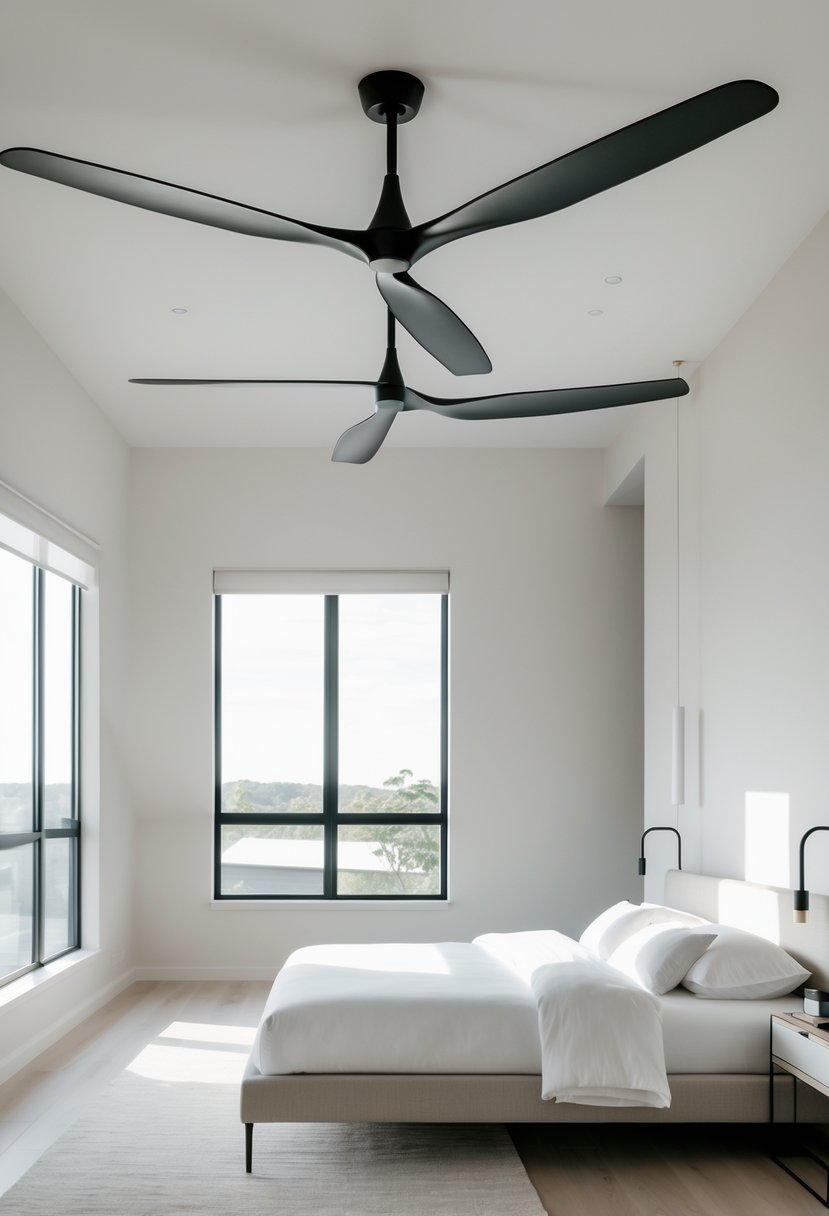
They can keep air flowing while adding a clean, modern touch to the room.
A three-blade or low-profile fan fits well with minimalist decor because it looks simple and uncluttered.
Neutral colors like white, black, or brushed metal help the fan blend with soft, balanced bedroom tones.
Use rugs with simple geometric patterns
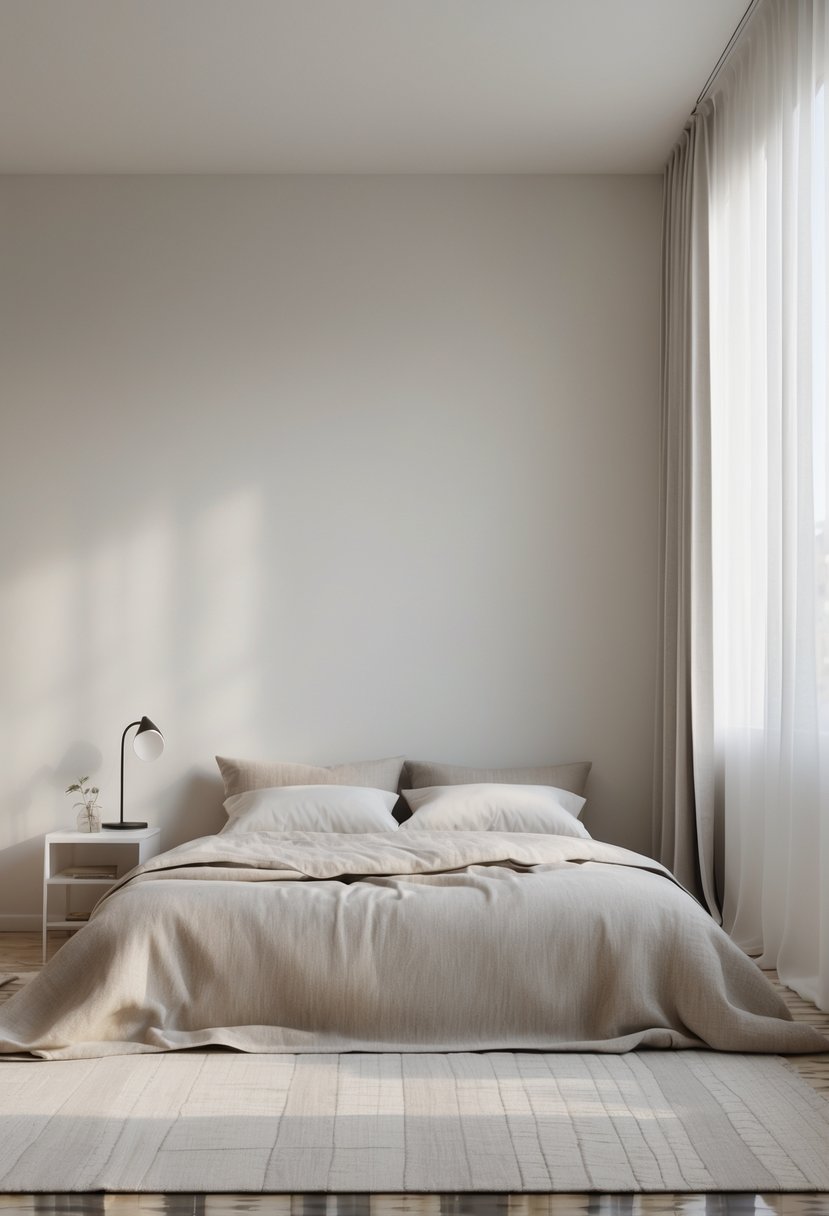
Simple geometric rugs add visual interest without cluttering a minimalist bedroom.
They create a clear focal point while keeping the space calm and balanced.
Neutral colors like beige, gray, or soft white help maintain a clean look.
These rugs pair well with streamlined furniture and smooth textures.
Keep electronics and cables hidden
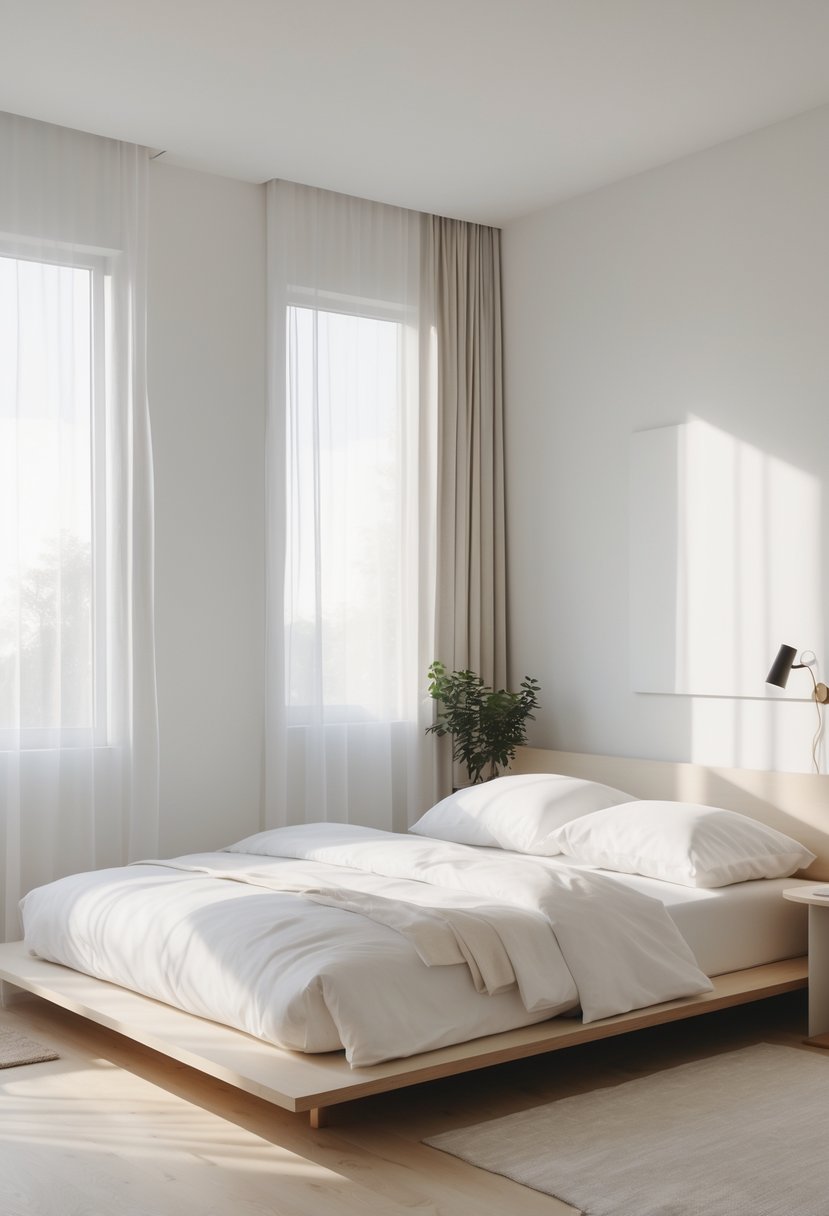
They can keep the bedroom looking clean by hiding electronics and cables.
Using furniture with built-in cable storage or wall-mounted outlets helps reduce clutter.
Simple cord organizers or boxes can keep wires out of sight, supporting the minimalist look and making the room feel calm and organized.
Use a neutral-toned area rug for softness
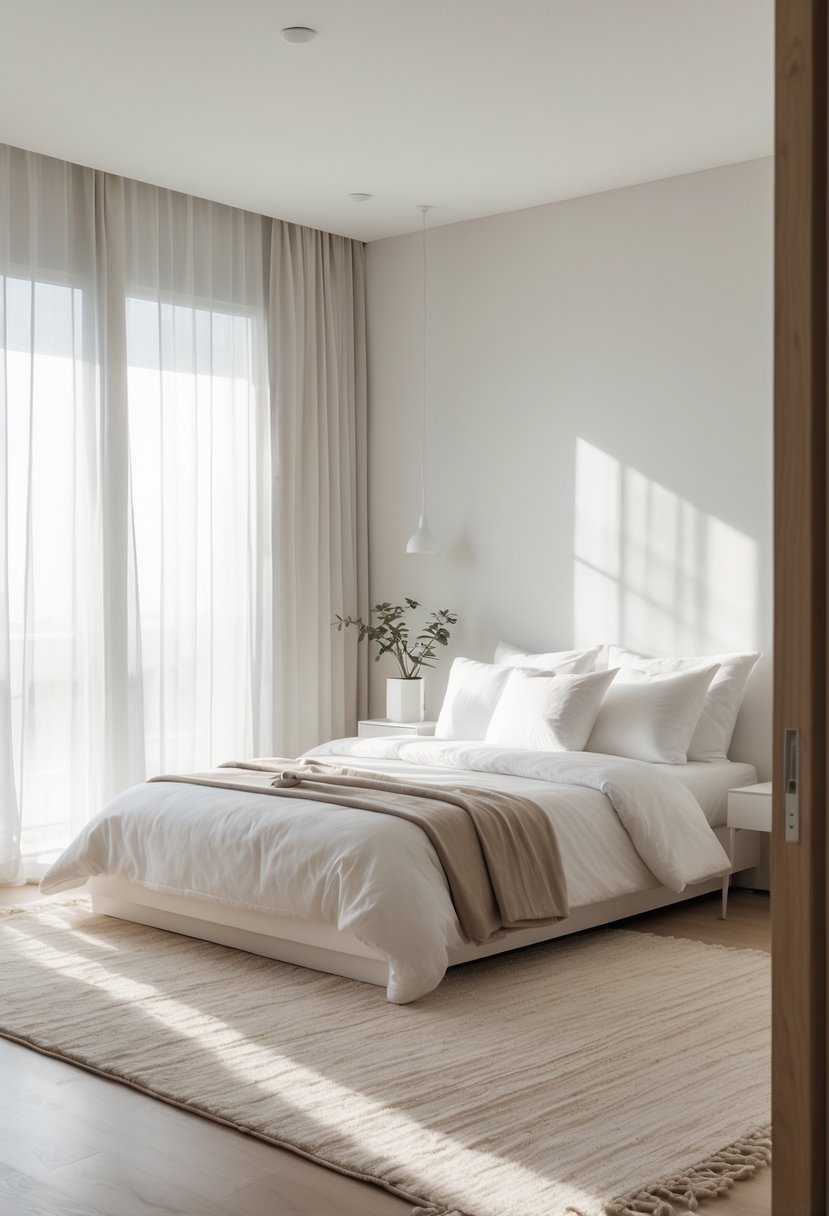
A neutral-toned rug adds warmth and comfort to a minimalist bedroom. Soft shades like beige, gray, or ivory blend easily with simple decor.
It helps define the space without drawing attention away from clean lines and natural textures. The rug’s subtle color and texture create a calm, balanced atmosphere.
Core Principles of Minimalist Bedroom Design
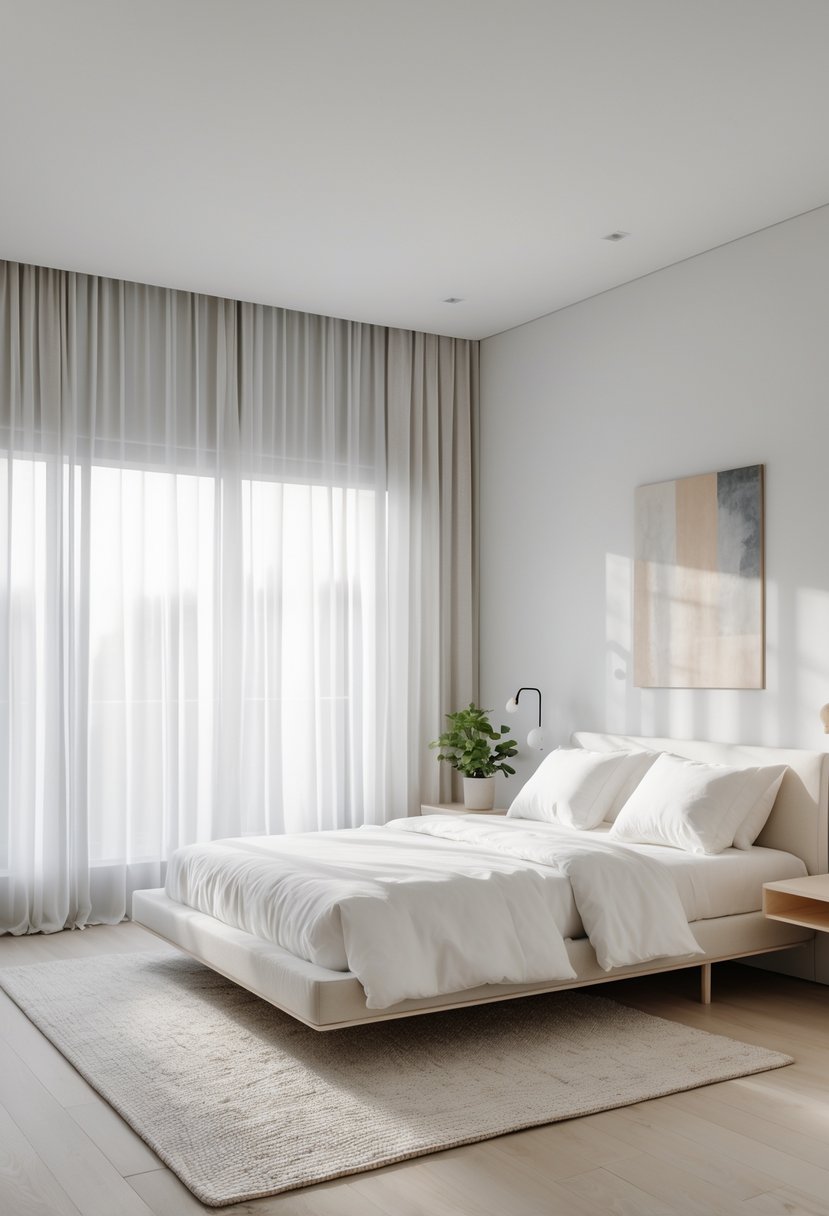
A minimalist bedroom focuses on balance, calm, and purpose. It uses fewer objects, neutral colors, and well-chosen furniture to create a space that feels open and restful without being empty.
Decluttering Strategies
A minimalist bedroom begins with removing unnecessary items. Every piece should serve a purpose or bring quiet enjoyment. He or she can start by sorting belongings into keep, donate, and discard groups.
Closets and drawers should remain organized. Using storage boxes or under-bed bins helps hide visual clutter. Keeping only essential decor, such as one framed photo or a single vase, supports a clean look.
A simple routine—like spending five minutes each day putting things away—keeps the space tidy. The goal is not to remove personality but to make room for calm and clarity.
Color Palette Selection
Minimalist bedrooms often rely on neutral tones such as white, beige, gray, and soft browns. These shades reflect light and make the room feel larger. A limited palette also helps the mind rest, reducing visual noise.
Accent colors can appear through small details. A muted green plant, a tan throw, or a light wood finish adds warmth without breaking harmony.
| Color Type | Common Choices | Effect on Space |
|---|---|---|
| Base Colors | White, Cream, Light Gray | Creates openness |
| Accent Colors | Tan, Olive, Charcoal | Adds depth |
| Natural Tones | Wood, Linen, Clay | Brings warmth |
Keeping colors consistent across bedding, walls, and furniture ensures a unified design that feels intentional and calm.
Functional Furniture Choices
Furniture in a minimalist bedroom should combine function and simplicity. Pieces with clean lines and hidden storage reduce clutter while maintaining style. A platform bed with drawers or a nightstand with shelves offers both form and use.
Choosing fewer, well-made items over many decorative pieces keeps the focus on comfort. For example, one sturdy dresser and a single chair often meet daily needs.
Materials like natural wood, metal, or linen add texture without distraction. Each piece should support daily routines and leave open space for movement and light.
Sustainable and Smart Minimalism Trends for 2026
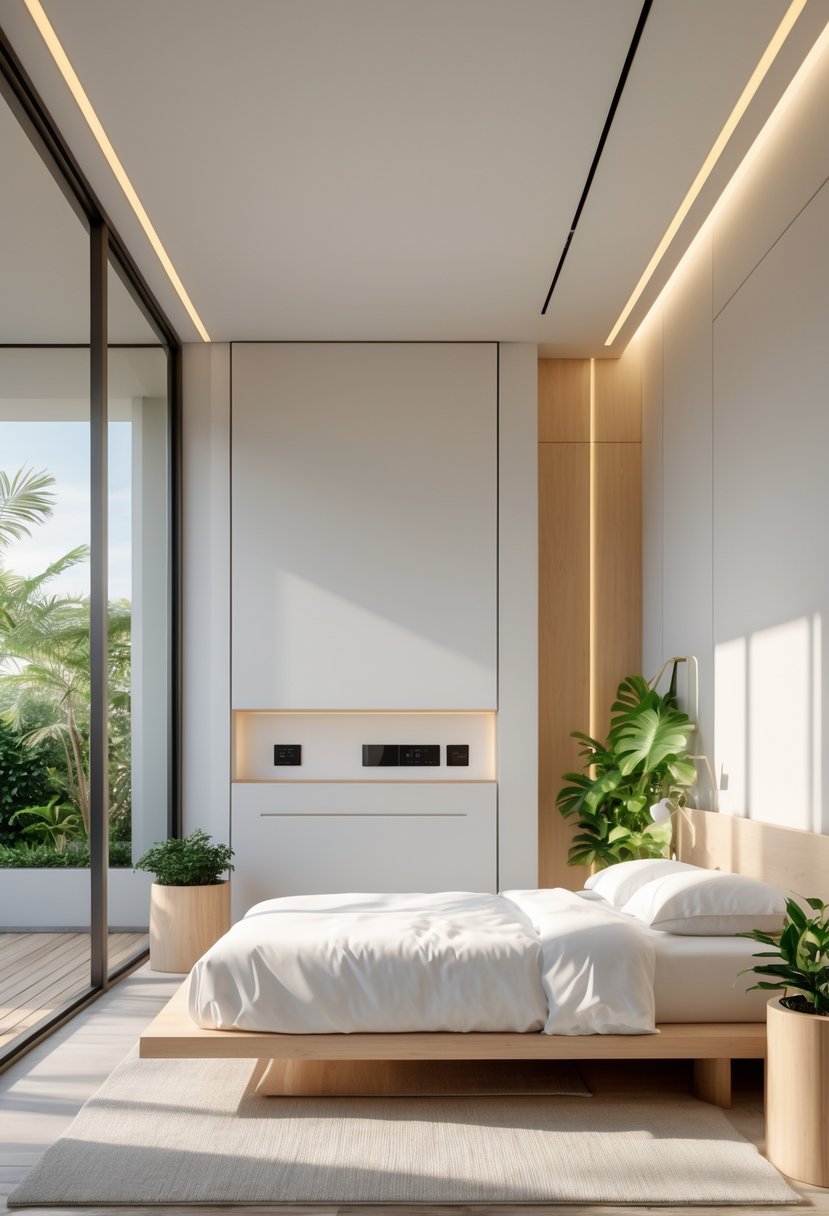
Minimalist bedroom design in 2026 focuses on reducing waste and improving function through technology. Designers use renewable materials and smart systems to create calm, efficient spaces that meet modern needs without excess.
Eco-Friendly Materials
Sustainability shapes how minimalism looks and feels. Designers favor organic fabrics, recycled wood, and low-impact finishes that reduce environmental harm. Bamboo, cork, and reclaimed oak are common choices for flooring and furniture because they are durable and renewable.
Natural textiles like linen and organic cotton replace synthetic fabrics. These materials regulate temperature and add soft texture without cluttering the space. Paints and finishes now use low-VOC formulas, improving indoor air quality and reducing chemical exposure.
A simple table of popular sustainable options:
| Material Type | Example | Benefit |
|---|---|---|
| Wood | Reclaimed oak | Reduces waste |
| Fabric | Organic cotton | Breathable and renewable |
| Finish | Low-VOC paint | Healthier indoor air |
This approach keeps the room visually calm while supporting responsible consumption.
Integrating Smart Home Technology
Smart technology in minimalist bedrooms focuses on efficiency and comfort. Devices such as automated blinds, energy-saving lighting, and adjustable thermostats help maintain a balanced environment with minimal effort.
Smart lighting systems adjust brightness based on time of day, reducing energy use and supporting healthy sleep patterns. Voice-controlled assistants manage routines, like dimming lights or playing white noise, without physical clutter.
Energy monitoring tools show real-time usage, helping residents make informed choices. Many designers now hide wiring and devices within furniture or walls, keeping surfaces clean and open.
This integration of technology supports a minimalist lifestyle that values both simplicity and practicality.