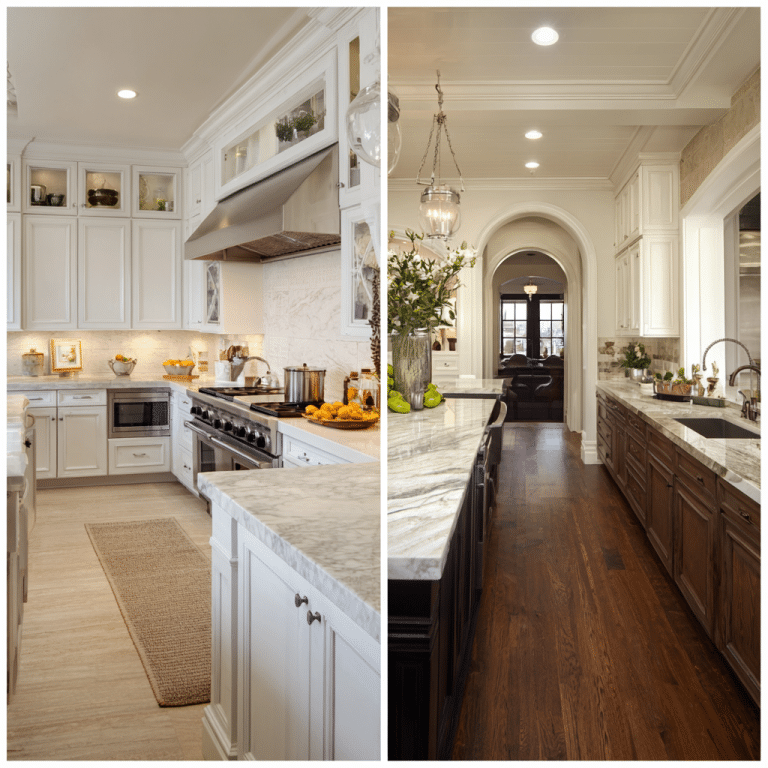
18 Stylish Kitchen Hues To Elevate Your Cooking Space
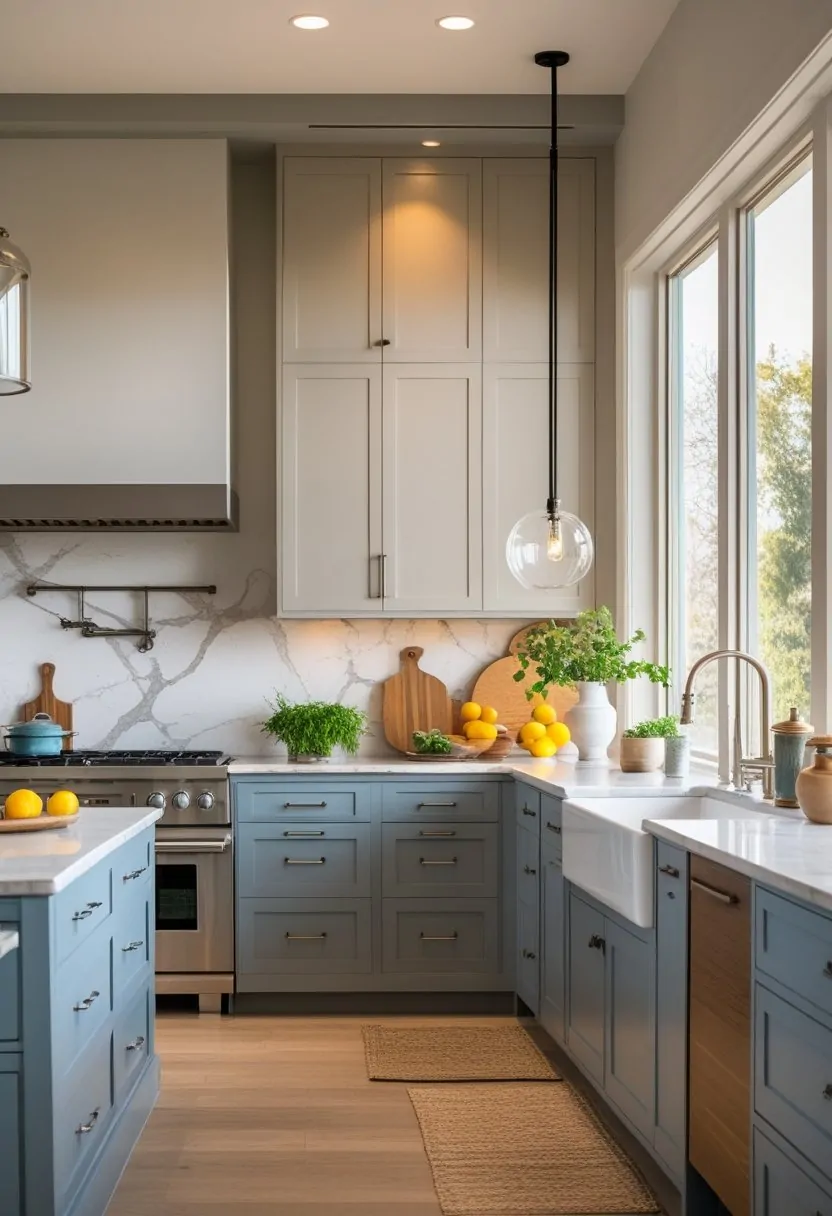
Color choices shape the mood and style of a kitchen more than any other design element. From calming neutrals to bold accents, the right hue can make the space feel brighter, cozier, or more refined. Choosing the right kitchen hue helps create a space that feels both functional and inviting.
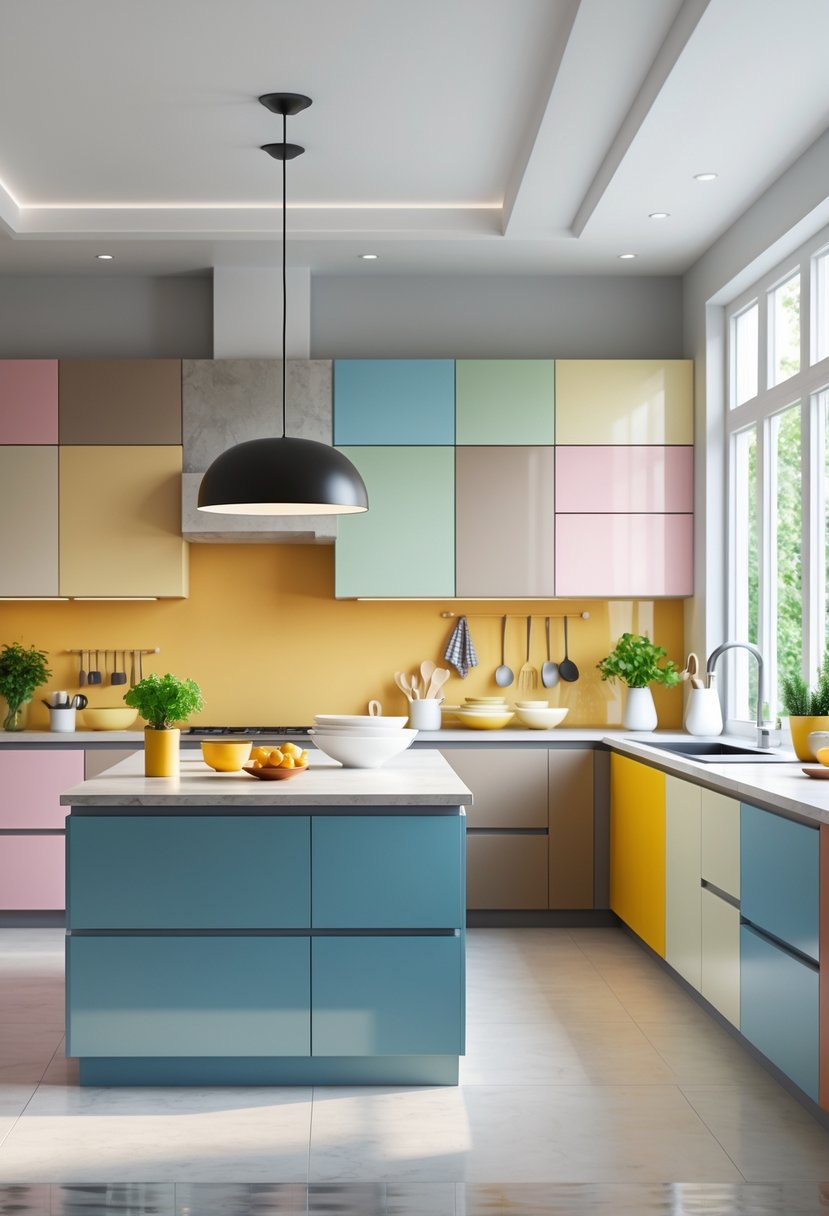
This article explores 18 stylish options that highlight a range of tones, from soft and subtle shades to rich and dramatic colors. Along the way, it also looks at how color psychology influences design choices and offers practical tips for coordinating hues to achieve a balanced look.
1) Soft Sage Green
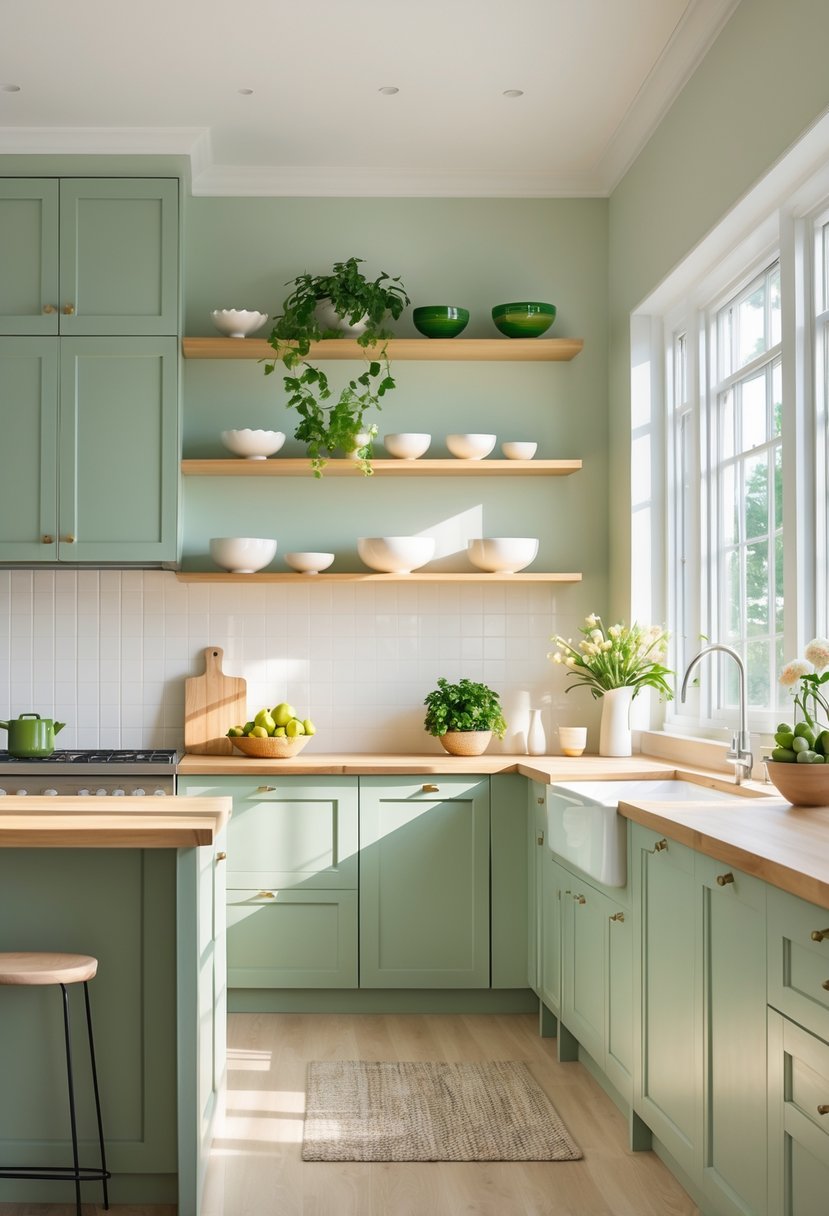
Soft sage green gives kitchens a calm and natural look. It works well with both light and dark finishes.
This muted shade blends easily with wood, white, or stone surfaces. Many choose it for cabinets because it feels timeless and versatile.
The color creates a welcoming space without appearing too bold or overwhelming.
2) Warm Desert Clay
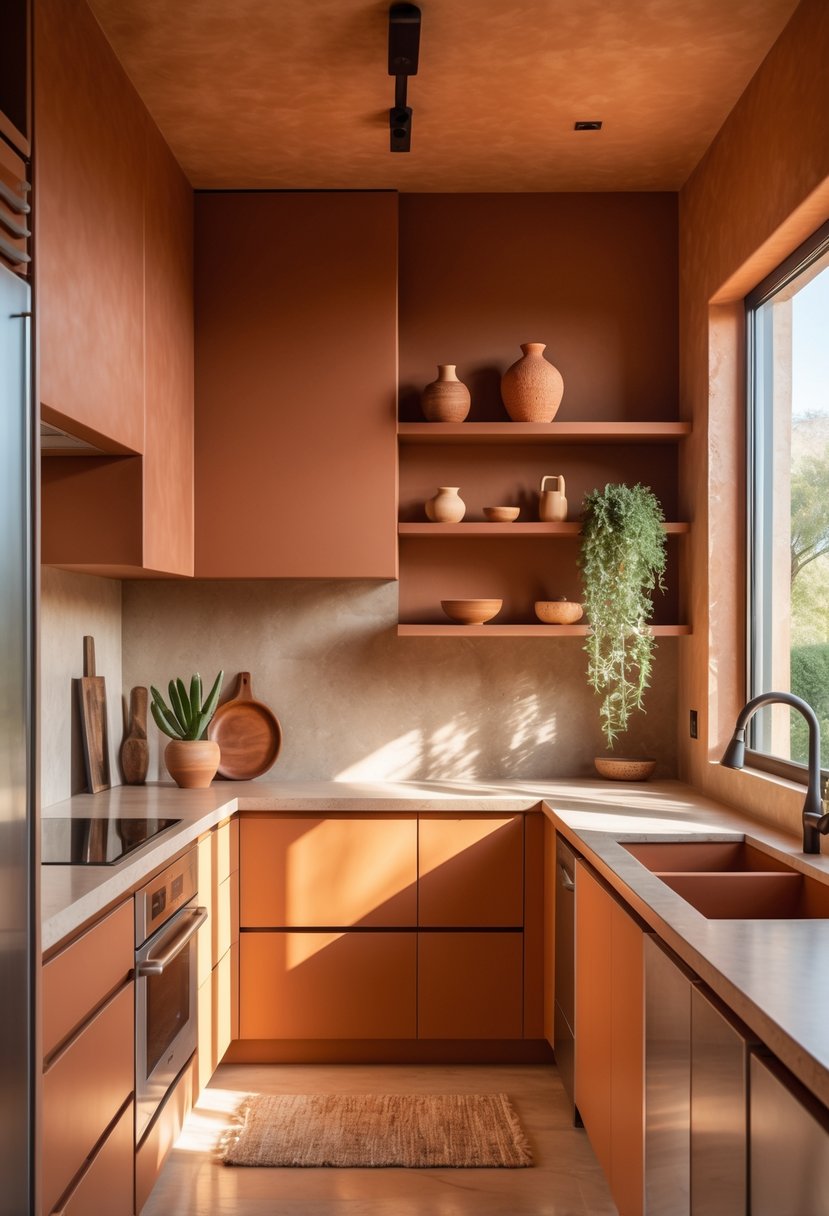
Warm desert clay brings soft, earthy tones into the kitchen.
Its muted reds and browns reflect natural landscapes, creating a grounded atmosphere.
This hue pairs well with wood, stone, and woven textures, adding warmth without overwhelming the space.
3) Classic Seafoam
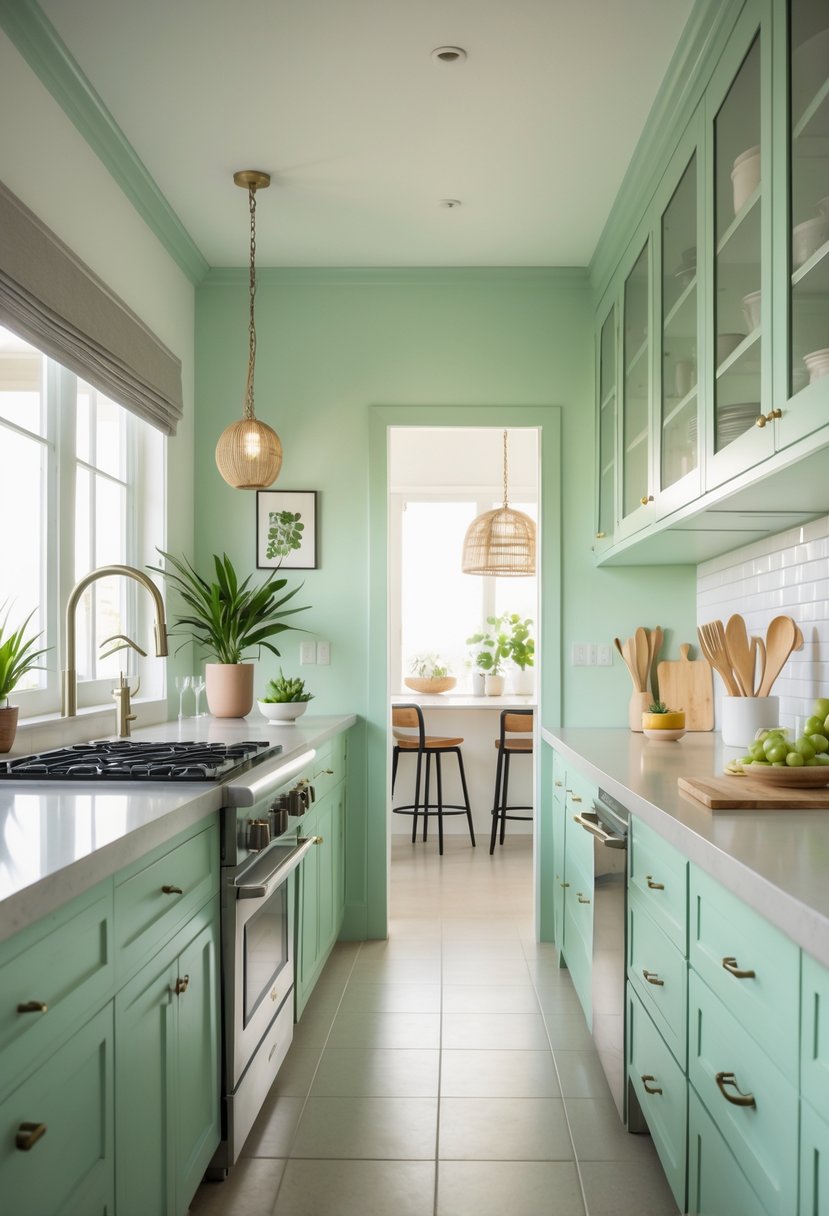
Seafoam green brings a calm and refreshing look to kitchens. Its soft tone works well in both modern and traditional spaces.
The color pairs easily with white cabinets, light wood floors, or neutral countertops. It adds subtle contrast without overwhelming the room.
Designers often use seafoam for cabinets, backsplashes, or accent walls to create a balanced coastal feel.
4) Bold Navy Blue
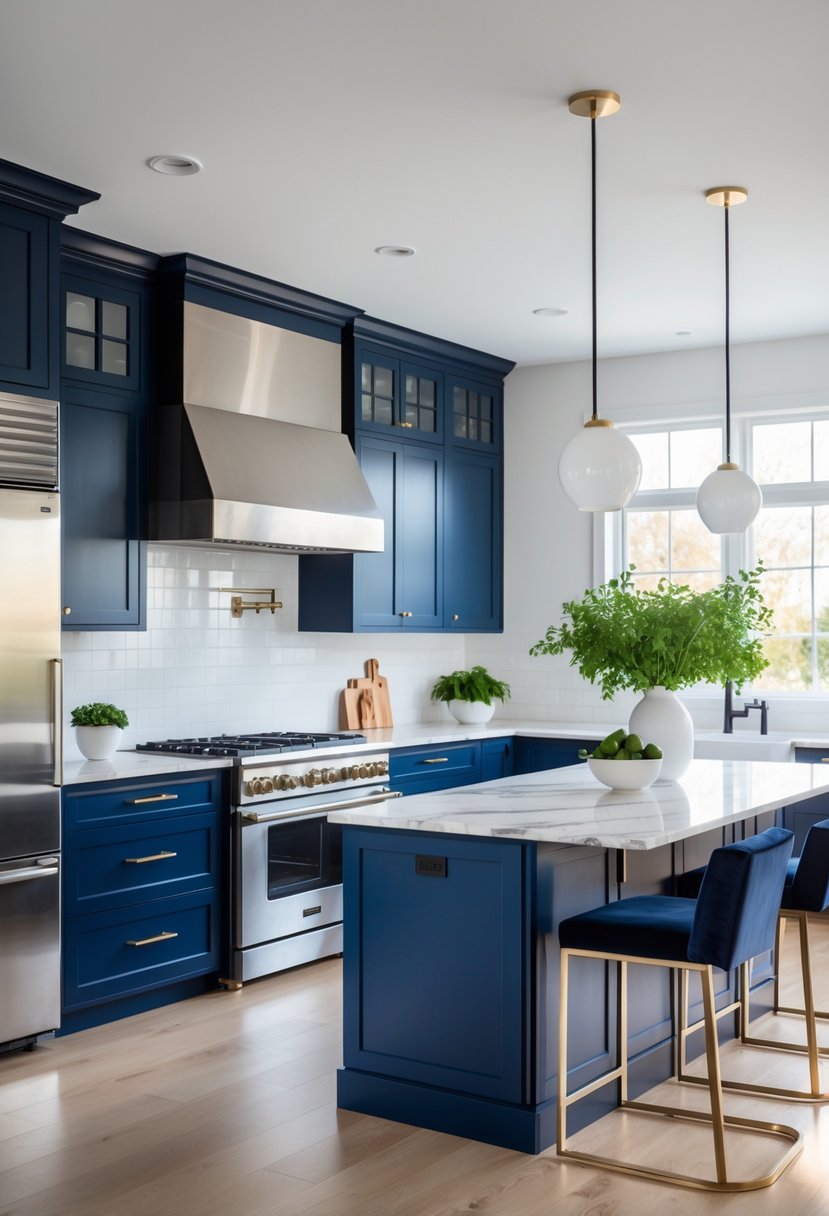
Navy blue gives kitchens a strong and refined look. It works well on cabinets, islands, or accent walls.
This shade pairs neatly with white countertops, light wood, or metallic finishes. The contrast creates balance without feeling heavy.
Designers often use navy to add depth while keeping the space timeless and versatile.
5) Elegant Charcoal Gray
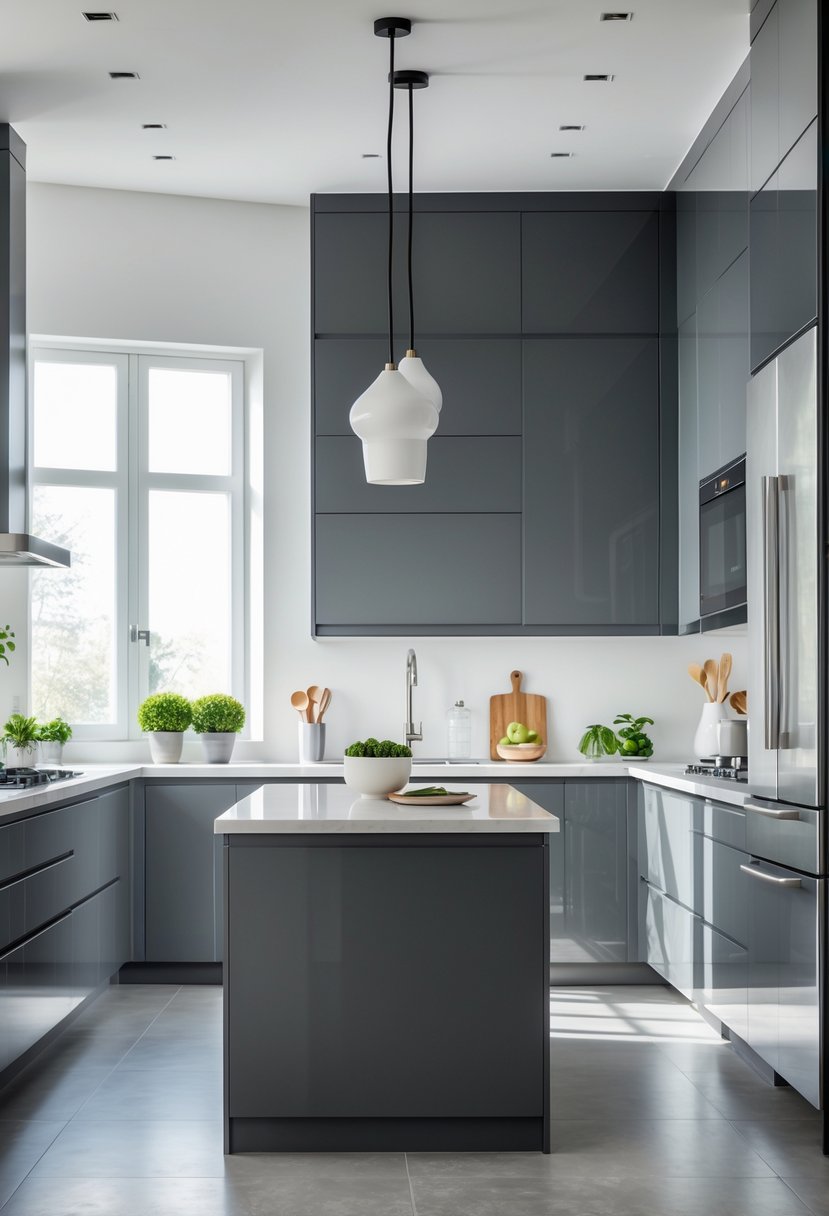
Charcoal gray brings a calm and refined look to the kitchen. Its deep tone pairs well with both light and dark surfaces.
It works with marble, wood, or metal finishes, making it a flexible choice. Many use it for cabinets to add depth without overwhelming the space.
6) Crisp White
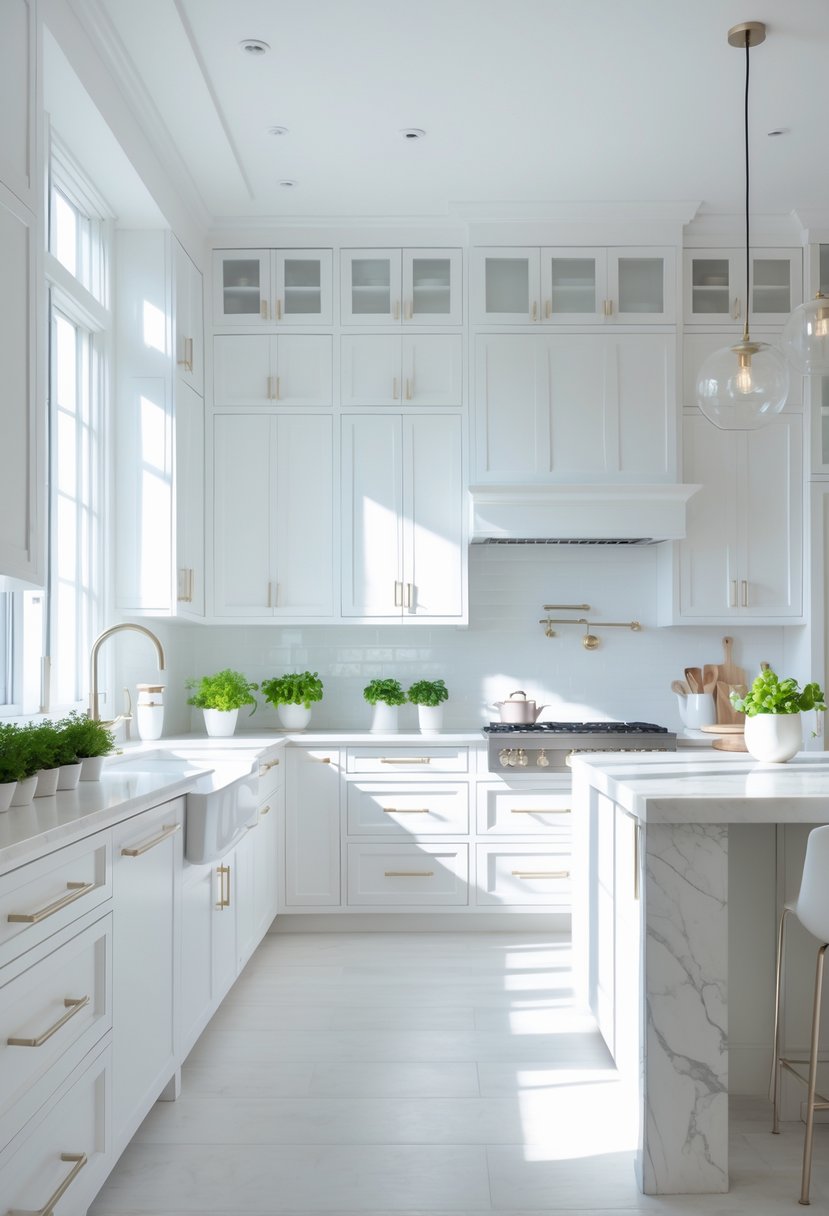
Crisp white gives a kitchen a clean and bright look that works in many styles. It reflects light well, making small spaces feel more open.
Many homeowners choose white for cabinets, walls, or countertops because it pairs easily with other colors and finishes. It also creates a timeless base for design changes.
7) Muted Taupe
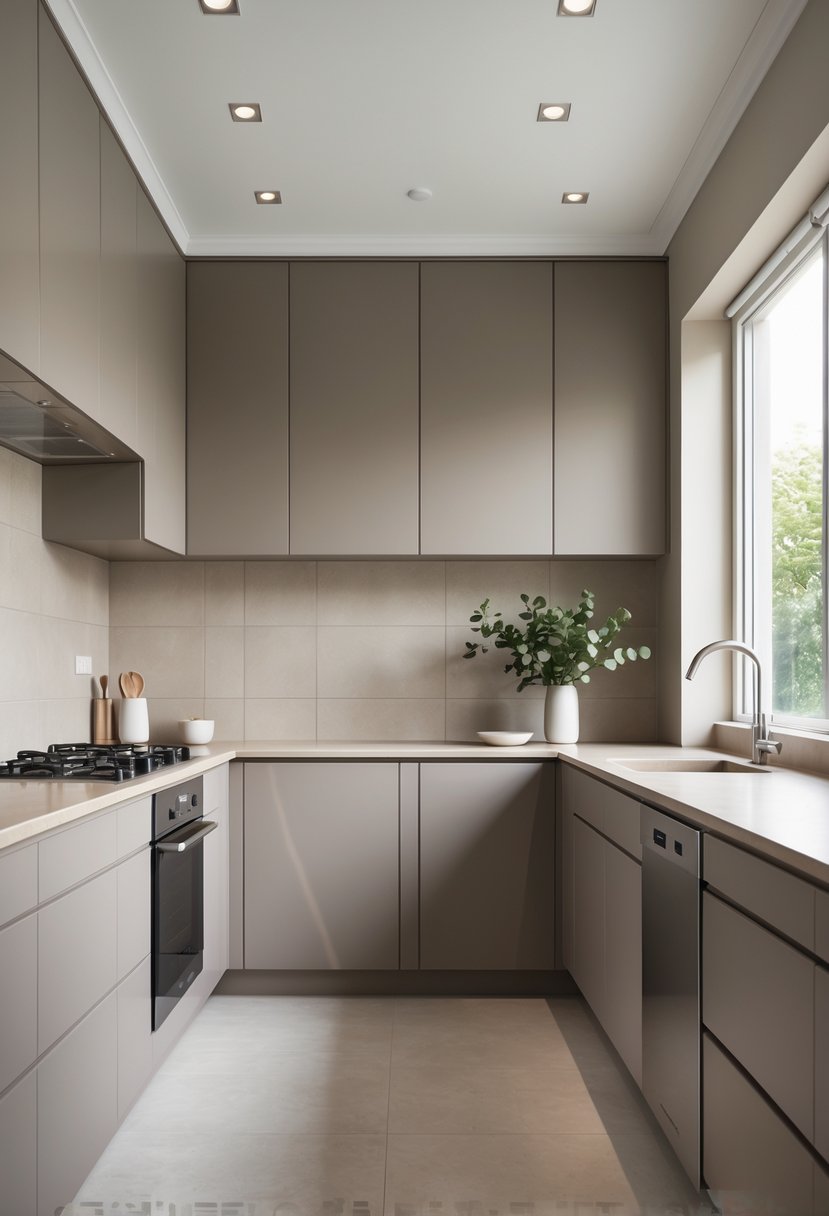
Muted taupe blends soft brown and gray tones with subtle undertones. It offers a neutral base that works well in kitchens of different styles.
This shade creates a calm and balanced look without appearing too bold. It pairs easily with natural wood, stone, or light-colored countertops.
Designers often choose muted taupe for cabinets because it feels warm yet understated. It adapts to both modern and traditional spaces.
8) Rich Walnut Brown
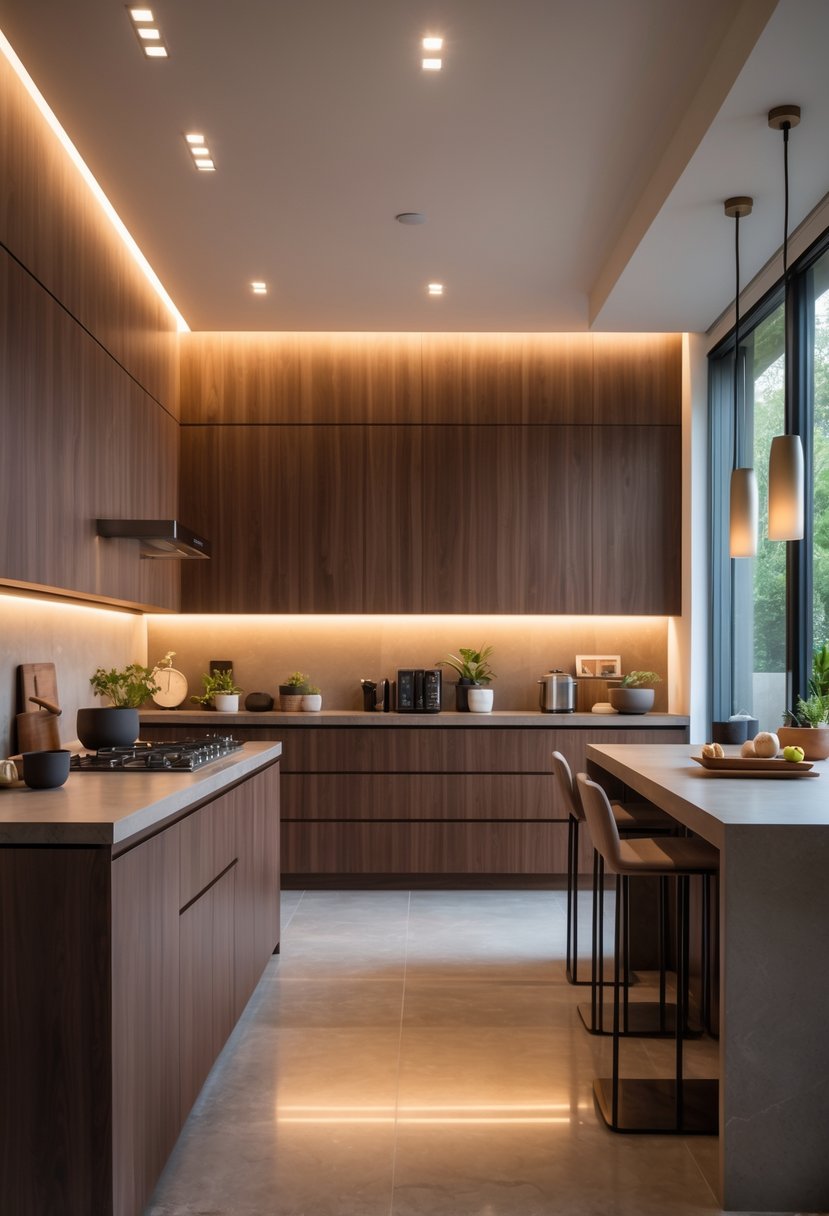
Rich walnut brown adds depth and warmth to a kitchen. Its natural wood grain gives the space a grounded and timeless look.
This shade pairs well with light countertops or backsplashes, creating balance. It works in both modern and traditional settings without feeling dated.
9) Vibrant Mustard Yellow
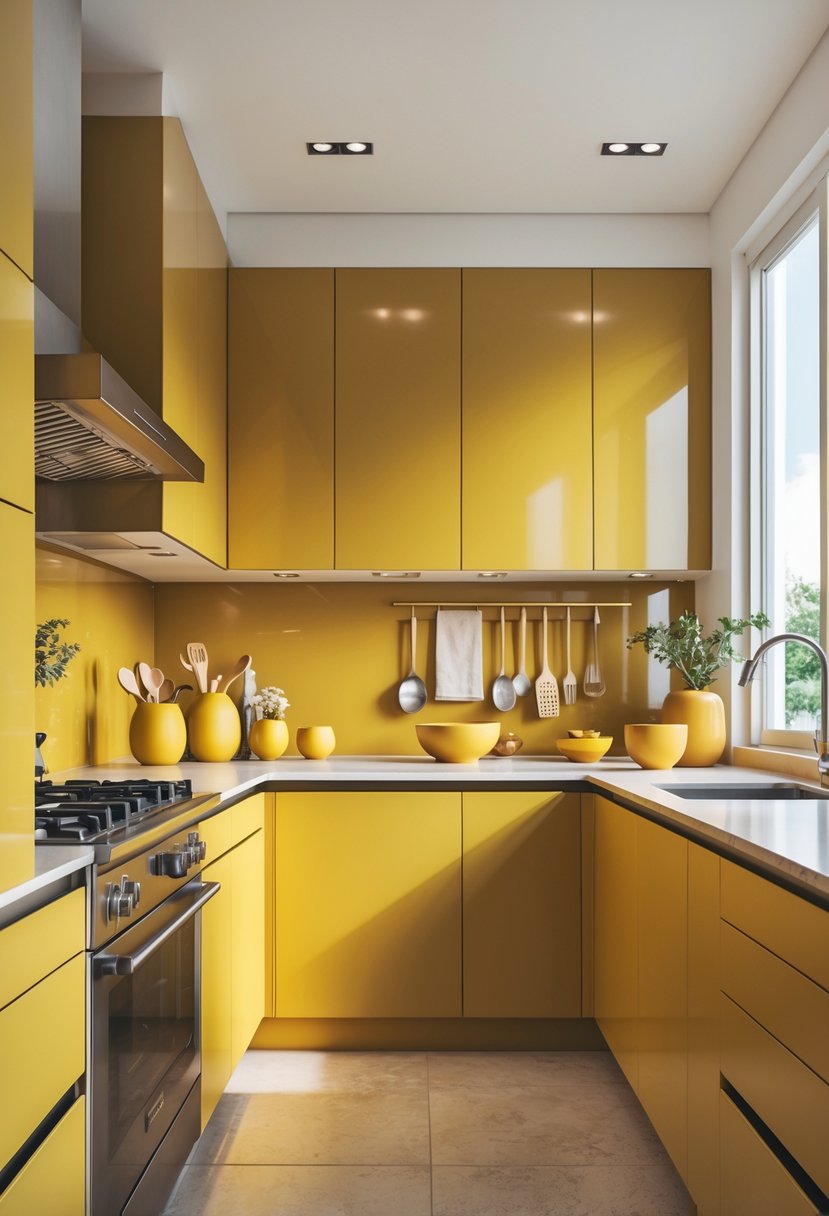
Mustard yellow adds warmth and depth to a kitchen without feeling overwhelming. It works well on cabinets, walls, or accent pieces.
This shade pairs easily with neutrals like white, gray, or wood tones. It also complements bold contrasts such as navy or deep blue.
Both modern and traditional kitchens benefit from its balanced, inviting look.
10) Dusty Rose
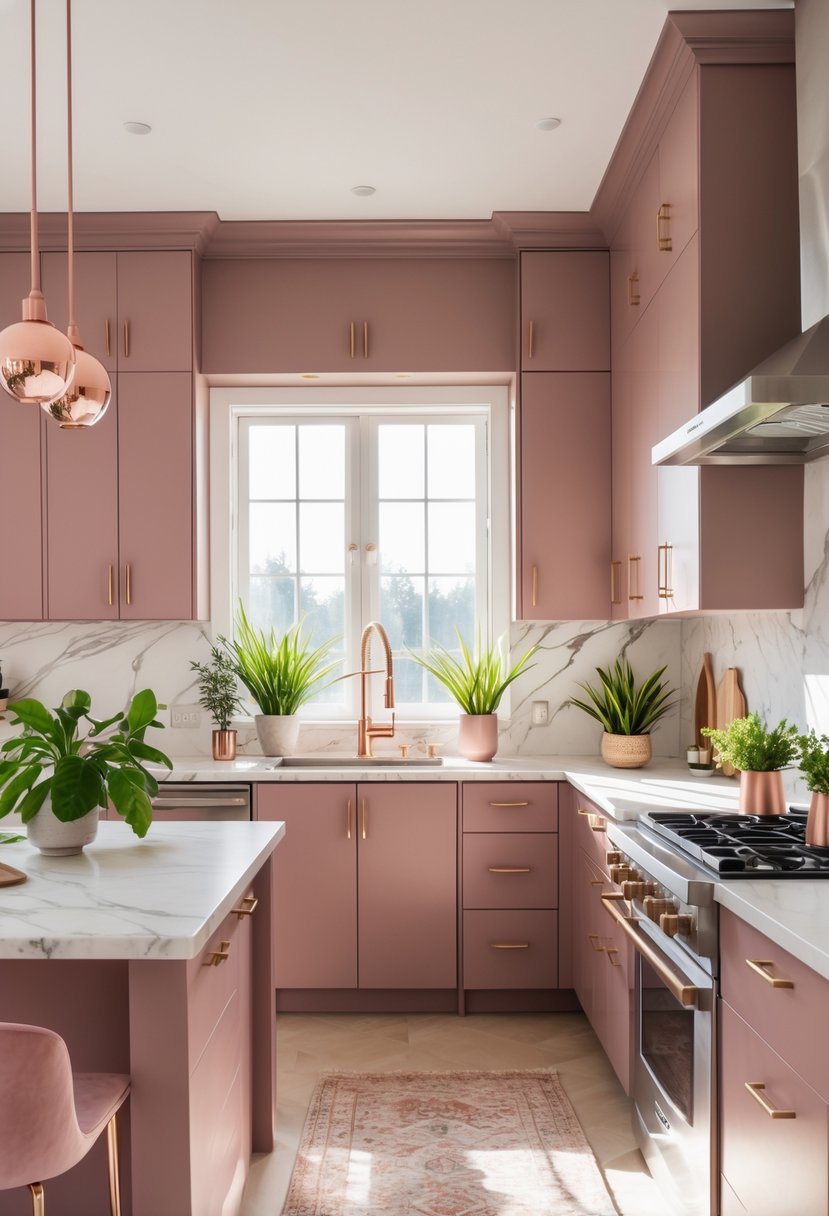
Dusty rose brings a soft and muted pink tone that works well in kitchens of different sizes. It adds gentle warmth without overwhelming the space.
Designers often use it on cabinets, backsplashes, or accent walls. Paired with neutrals or sage green, it creates a balanced and inviting look.
11) Deep Forest Green
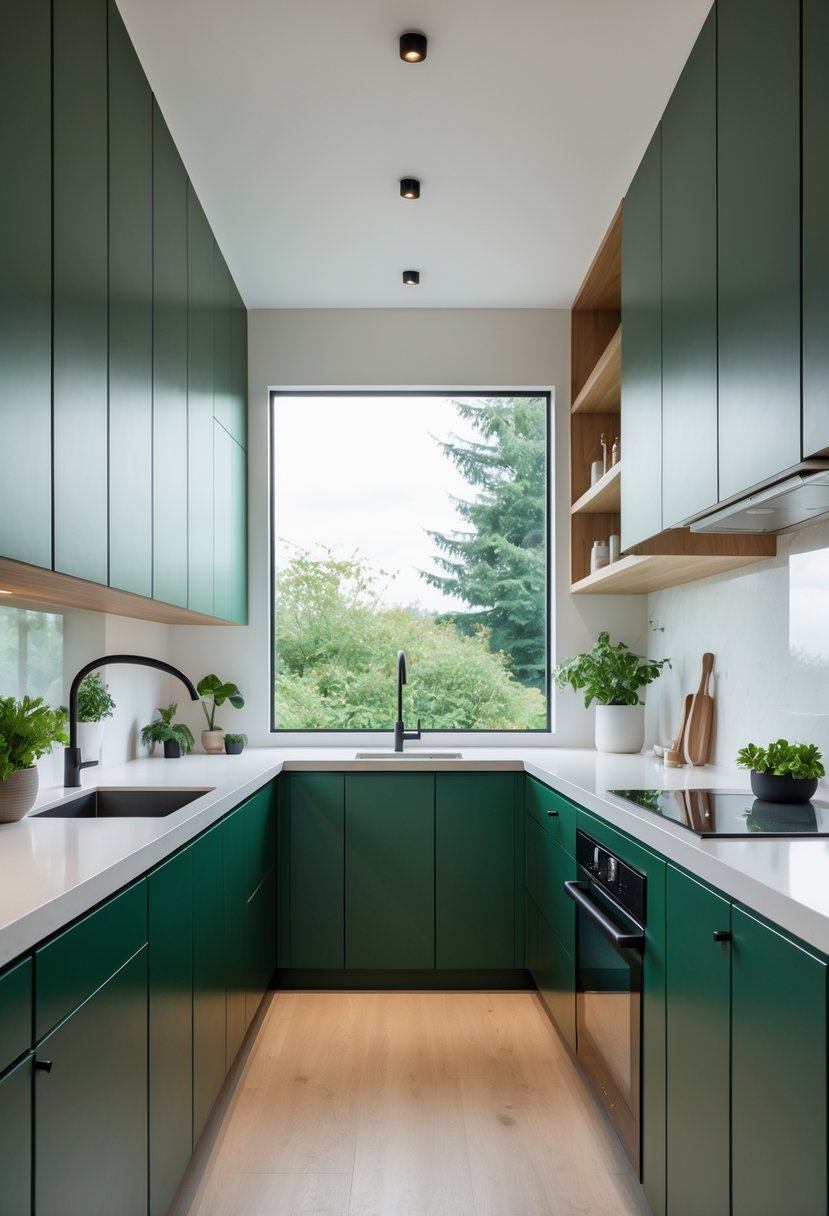
Deep forest green adds depth and character to a kitchen. It works well on cabinets, islands, or accent walls.
This shade pairs naturally with brass or matte black hardware. Light countertops or backsplashes help balance the darker tone.
The color creates a grounded look that fits both modern and traditional spaces.
12) Cool Slate Blue
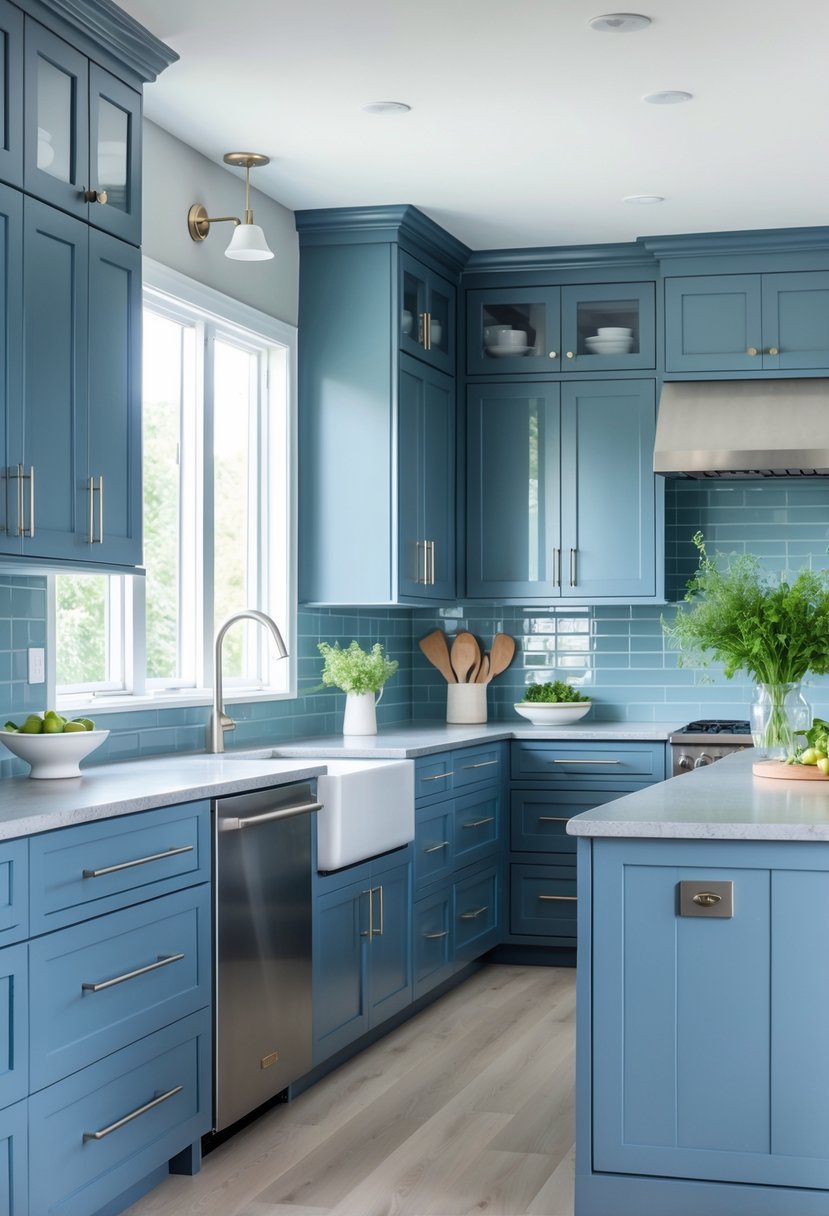
Slate blue brings a calm and balanced look to a kitchen. Its muted tone works well with both light and dark finishes.
Many designers pair slate blue cabinets with white countertops for a clean, modern feel. The color also complements natural wood accents and simple hardware.
This shade fits well in contemporary or Scandinavian-inspired kitchens. It creates a soft contrast without overpowering the space.
13) Bright Coral
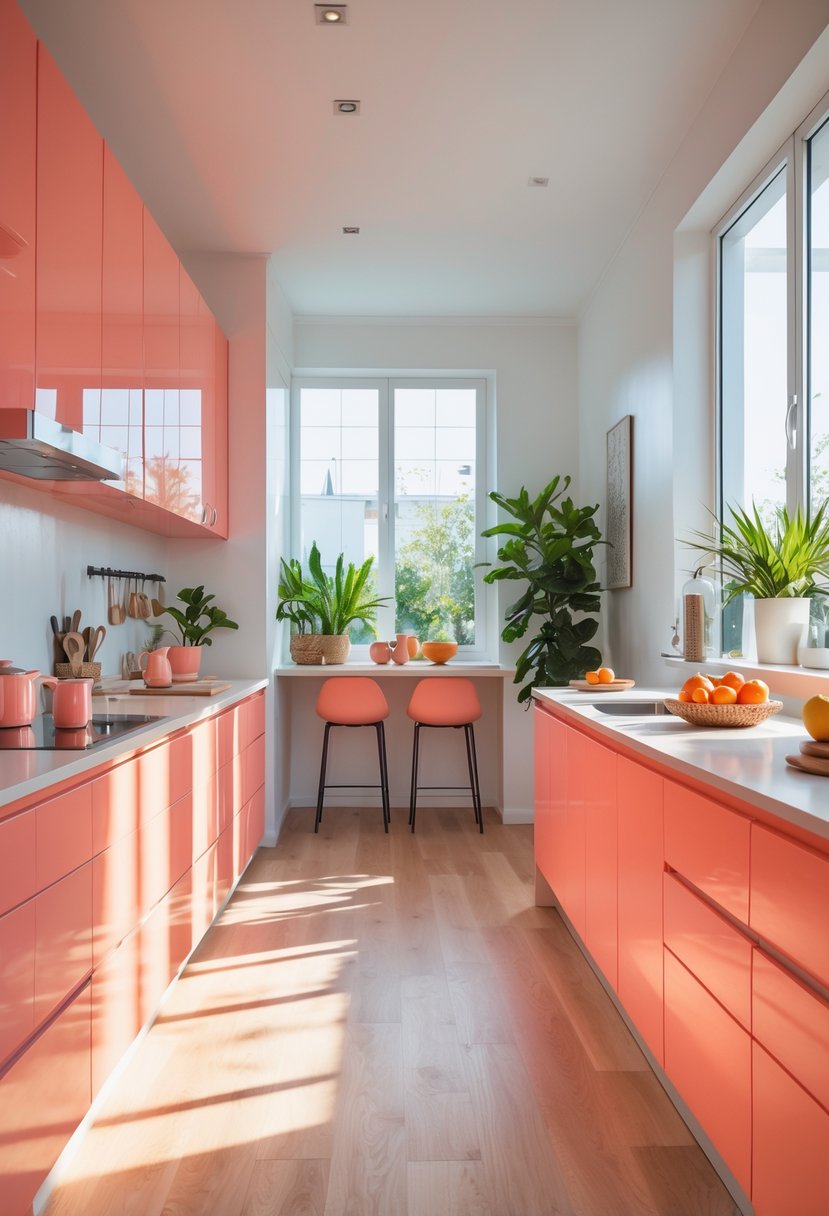
Bright coral adds warmth and energy to a kitchen without feeling overwhelming.
It pairs well with white for a clean look or with stainless steel for a modern edge.
This hue also complements natural wood, creating a balanced and inviting space.
14) Subtle Beige
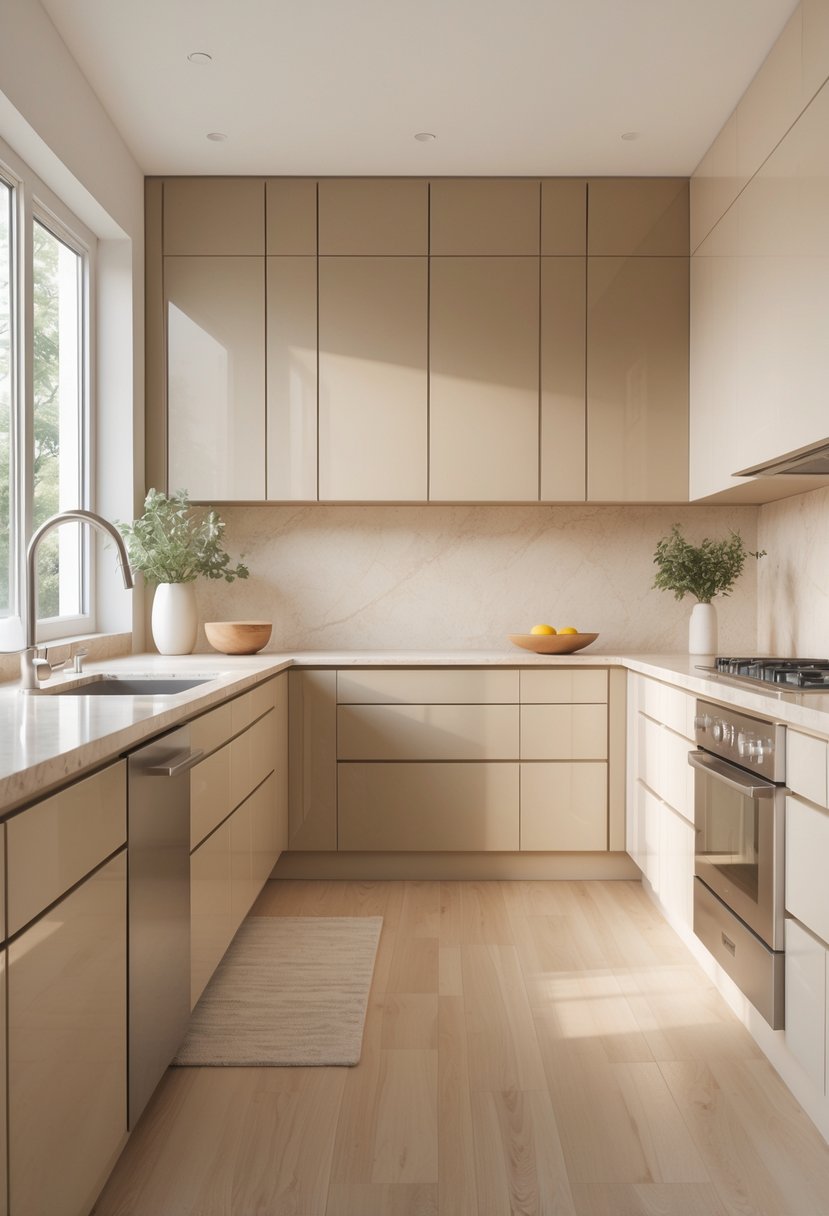
Beige creates a calm and balanced kitchen atmosphere. Its soft tone works well with both modern and traditional designs.
It pairs easily with natural materials like wood and stone. This makes it a flexible choice for cabinets, walls, or countertops.
Lighting also enhances beige, adding depth and warmth to the space.
15) Smoky Lavender
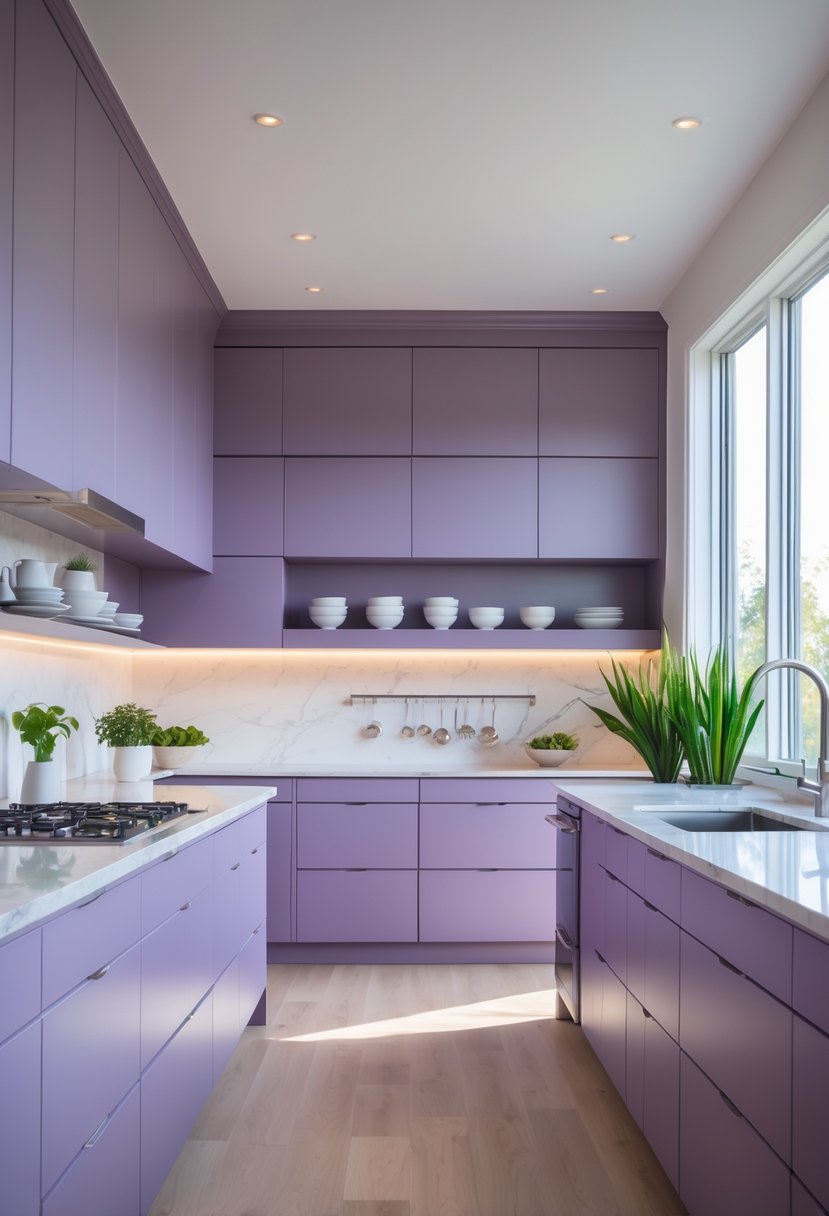
Smoky lavender adds a soft, muted tone that works well in kitchens seeking calm and balance.
It pairs easily with gray, white, or natural wood finishes, creating a modern yet inviting look.
This shade also complements metal accents, making it versatile for both contemporary and traditional designs.
16) Warm Terracotta
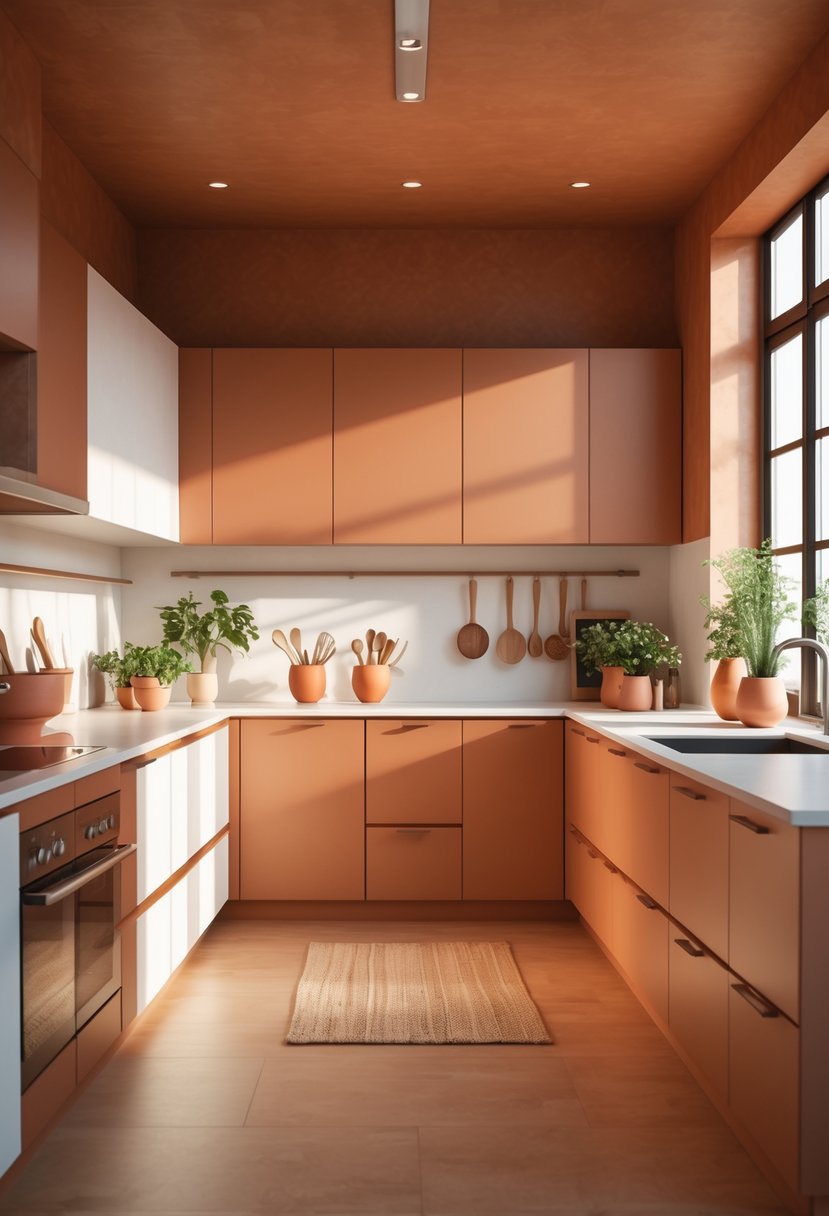
Warm terracotta adds an earthy tone that makes a kitchen feel inviting. Its natural, clay-inspired color pairs well with wood, stone, and neutral shades.
They can use it on cabinets, walls, or tiles to create depth without overwhelming the space. Soft lighting enhances its rich, grounded look.
17) Pale Aqua
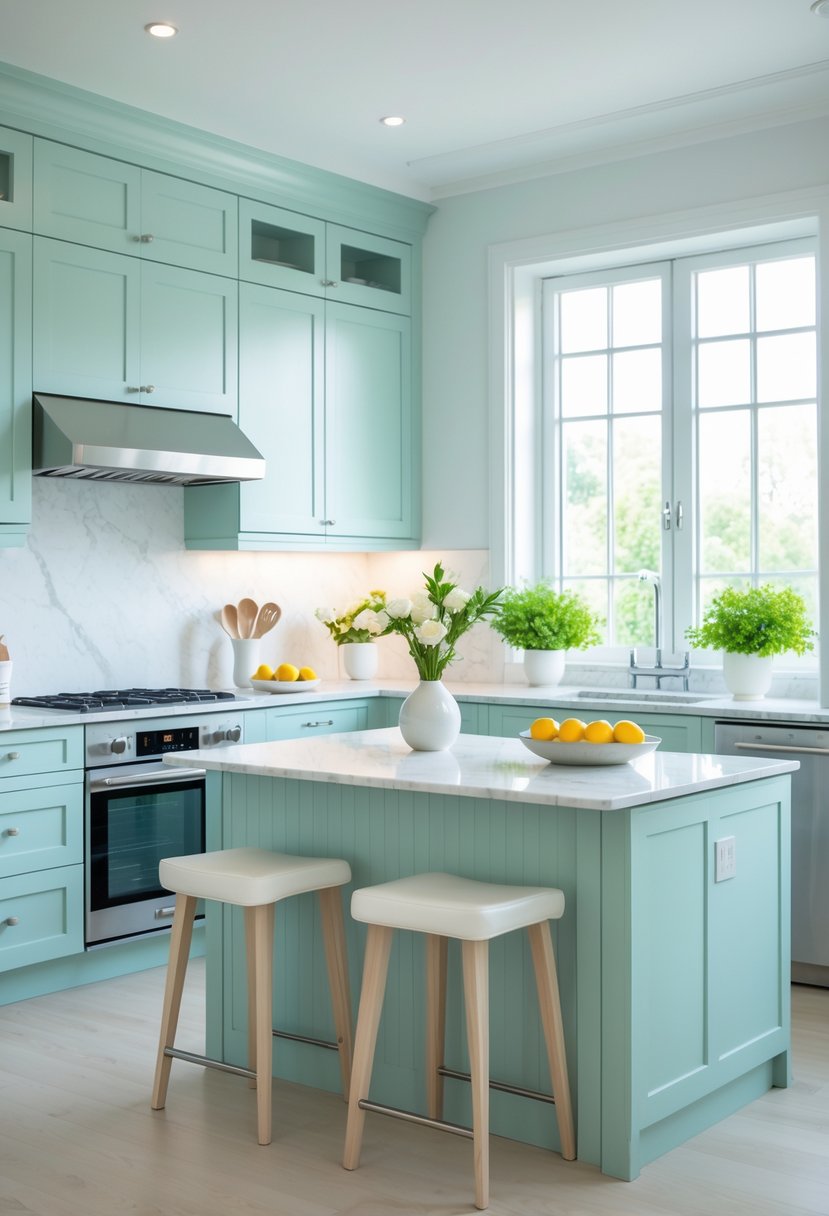
Pale aqua brings a soft, refreshing touch to a kitchen. Its light tone creates a calm and airy atmosphere.
This shade pairs well with white cabinets, natural wood, or light countertops. It works in coastal, modern, or vintage-inspired designs.
Using pale aqua on walls or accents helps brighten the space without feeling overwhelming.
18) Matte Black
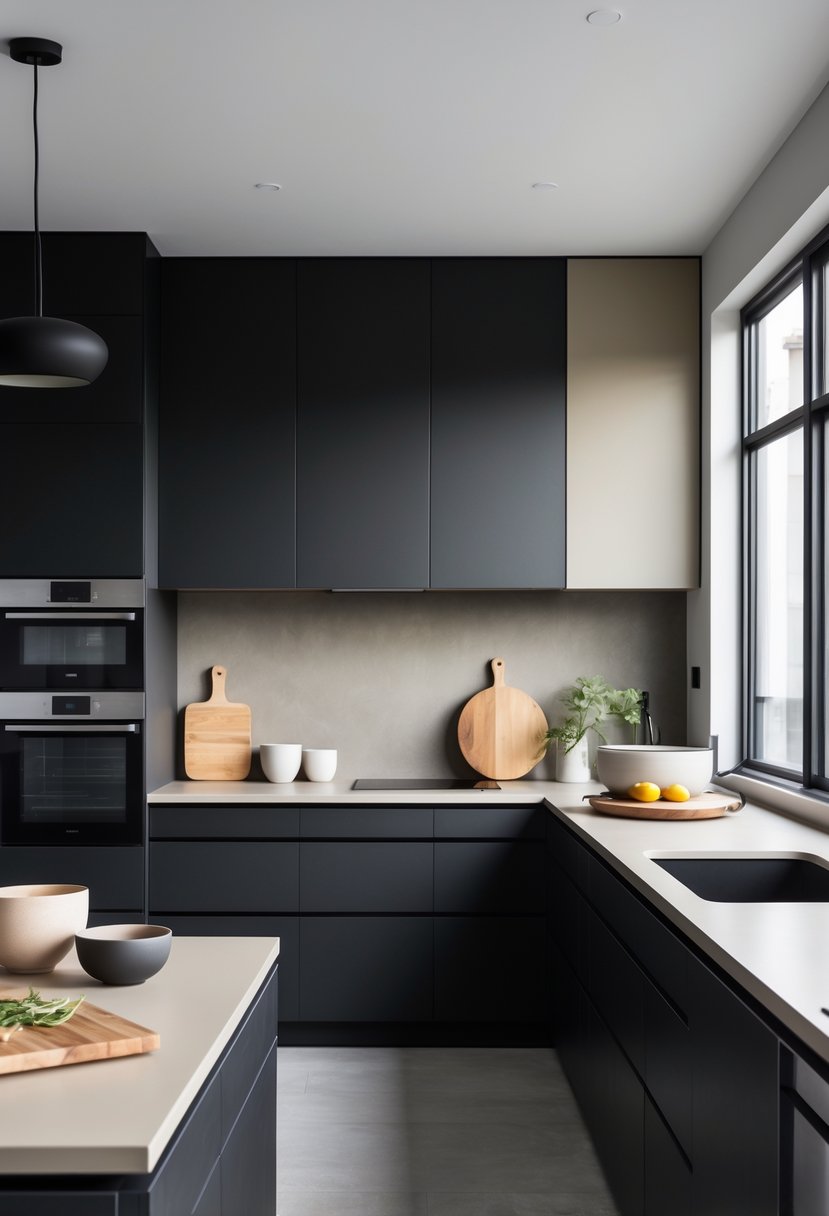
Matte black creates a sleek and modern look without the shine of glossy finishes. It works well in both small and large kitchens.
This shade pairs easily with wood, stone, or metal accents. It adds depth while keeping the design simple and timeless.
Understanding Color Psychology in Kitchen Design
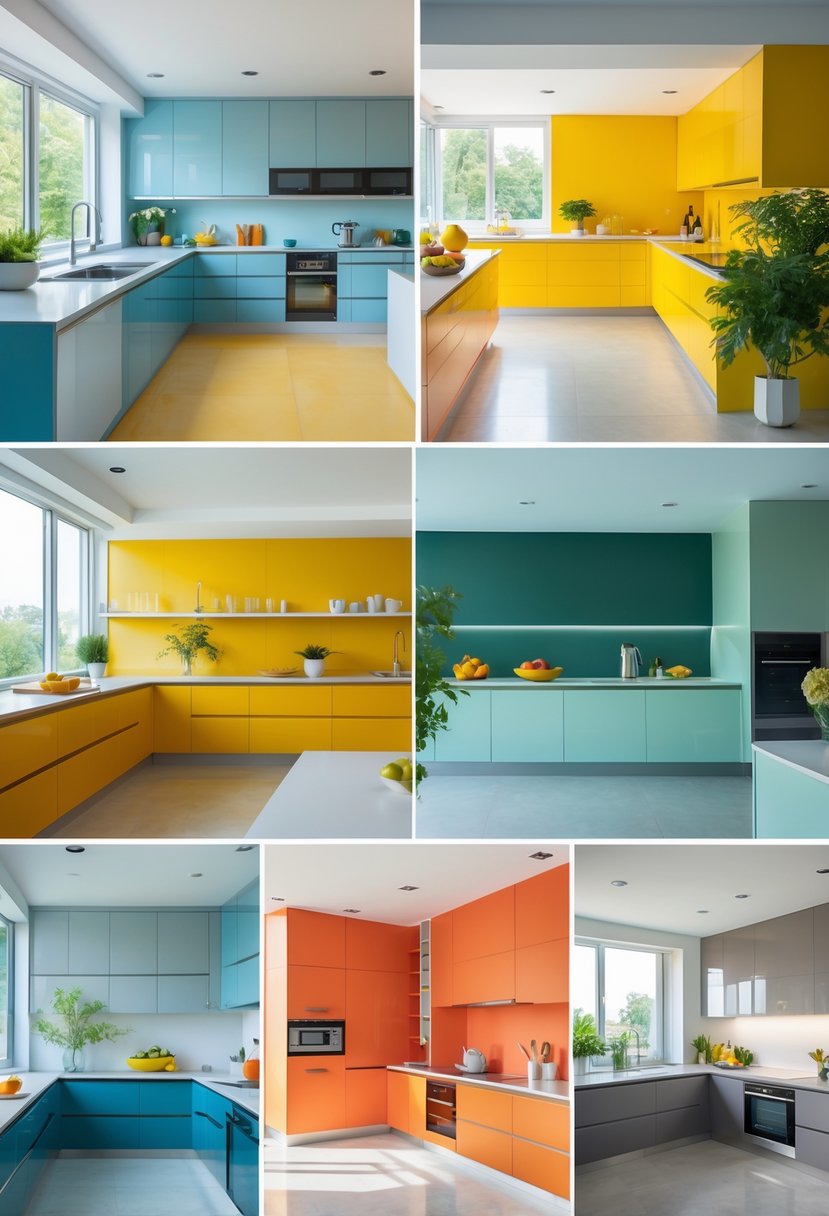
Colors affect how people feel in a space and can even influence appetite and energy levels. They also play a practical role by helping kitchens feel larger, brighter, or more inviting depending on the chosen palette.
How Color Influences Mood and Appetite
Warm colors such as red, orange, and yellow often stimulate appetite and create a lively, social atmosphere. These hues work well for families who enjoy gathering in the kitchen for meals or conversation.
Cool colors like blue and green tend to calm the mind and reduce stress. A kitchen with soft blue walls or green accents may feel more relaxed and refreshing, especially in homes where the kitchen doubles as a quiet retreat.
Neutrals such as white, beige, and gray provide balance. They do not strongly affect appetite but can make a space feel clean and open. This makes them useful as base tones that allow stronger accent colors to stand out without overwhelming the room.
The effect of color can also depend on intensity. For example, a deep red may feel bold and energizing, while a pale peach creates warmth without being overpowering. Choosing the right shade matters as much as choosing the right color family.
Selecting Hues for Different Kitchen Styles
The best color depends on the design style of the kitchen. A modern kitchen often uses crisp whites, blacks, and grays with bold accent colors like teal or mustard for contrast.
In a traditional kitchen, warm neutrals such as cream, taupe, or soft yellow help create a welcoming and timeless look. These shades pair well with wood cabinetry and classic finishes.
A farmhouse kitchen benefits from muted greens, soft blues, and off-whites. These tones highlight natural textures like wood and stone, giving the space a cozy yet functional feel.
For a contemporary or minimalist kitchen, monochromatic palettes work best. Using varying shades of gray or white with subtle accents keeps the space sleek while preventing it from feeling sterile.
By matching hues to style, homeowners can create kitchens that are both visually appealing and practical for everyday use.
Tips for Coordinating Kitchen Hues
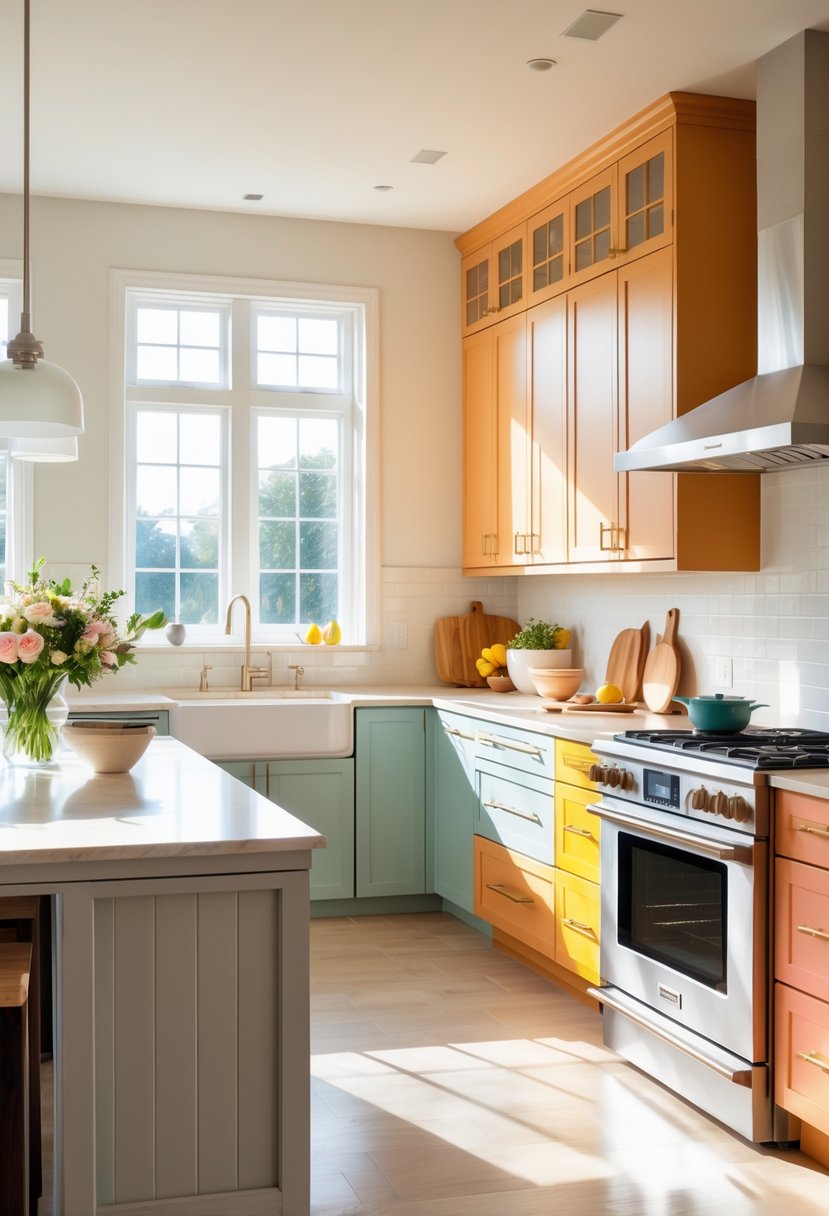
Choosing the right mix of colors creates balance and helps the kitchen flow with the rest of the home. Strong hues add character, while softer shades prevent the space from feeling overwhelming. Careful coordination ensures cabinets, walls, and accents work together as a single design.
Balancing Bold and Neutral Shades
Bold colors like deep blue, emerald, or burnt orange can make a kitchen stand out, but too much intensity can feel heavy. Pairing these strong tones with lighter neutrals such as white, beige, or soft gray keeps the space open and comfortable.
One useful approach is the 60-30-10 rule:
- 60% dominant neutral (walls or cabinetry)
- 30% secondary color (countertops or large surfaces)
- 10% accent color (hardware, décor, or lighting)
This balance prevents one shade from overpowering the room. For example, a navy island looks striking when surrounded by white cabinets and light oak flooring. Adding small touches of brass or matte black hardware completes the look without clutter.
Neutrals also make it easier to update the kitchen later. A bold backsplash or painted island can be swapped out, while the neutral foundation remains timeless.
Pairing Cabinetry, Walls, and Accents
Cabinets often set the tone for the kitchen, so their color should coordinate with both wall paint and accent features. Light cabinets, such as white or pale gray, pair well with darker walls for contrast. Dark cabinets, on the other hand, benefit from lighter walls to avoid a closed-in feeling.
Accents like backsplashes, lighting, and bar stools tie the palette together. For example:
- White cabinets + soft gray walls + patterned tile backsplash
- Warm wood cabinets + cream walls + black hardware
- Deep green cabinets + white walls + brass fixtures
Using consistent undertones is important. Warm colors (beige, cream, gold) work best together, while cool tones (gray, blue, silver) create a more modern feel. Mixing undertones can make the room appear mismatched.
Even small details, such as grout color or appliance finishes, affect the final result. Coordinating these elements ensures the kitchen feels cohesive rather than pieced together.
If you’re refreshing your kitchen palette, these popular kitchen paint colors are a great source of inspiration.