
Modern Kitchen Ideas 2026: 21 Stylish Designs for Contemporary Homes
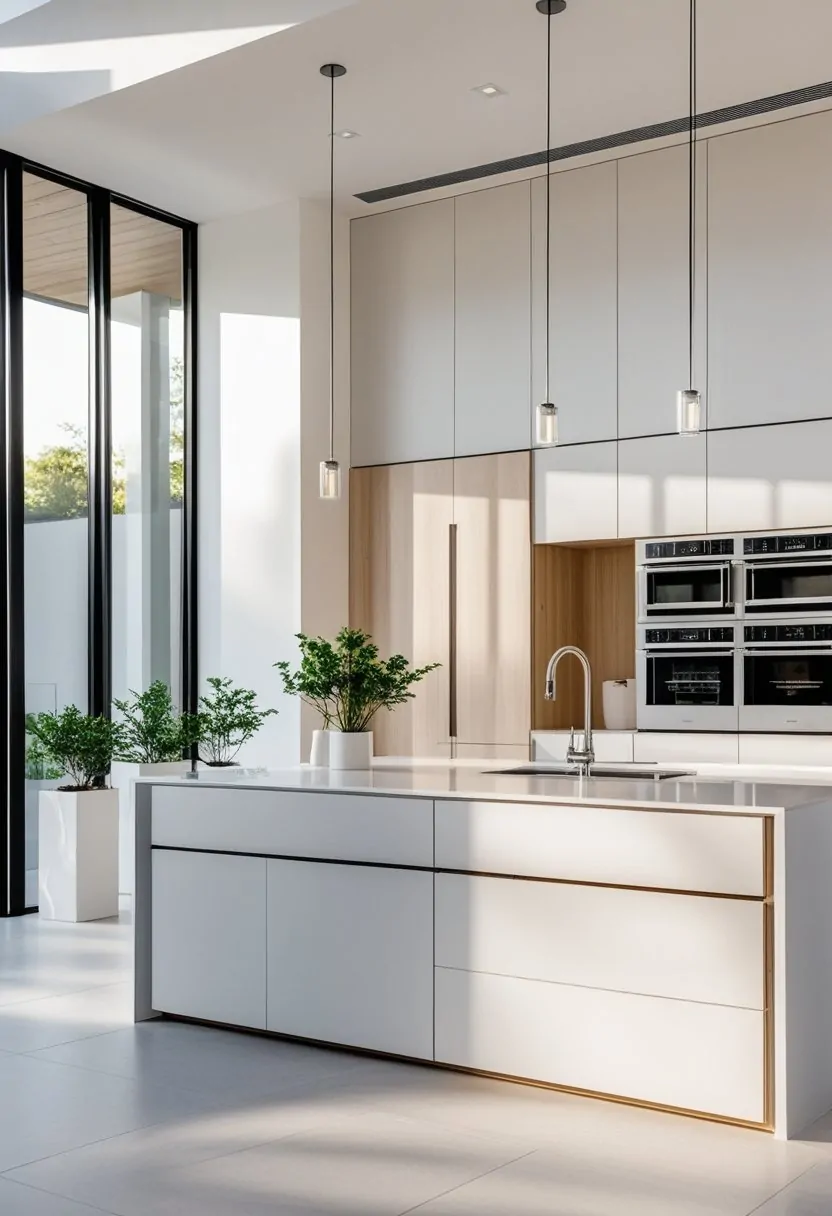
Modern kitchens in 2026 focus on clean lines, practical layouts, and thoughtful details that balance style with everyday function. Homeowners continue to look for spaces that feel open, efficient, and easy to maintain while still offering personality and comfort. This article explores the key design choices and materials that shape how kitchens are being built and updated in 2026.
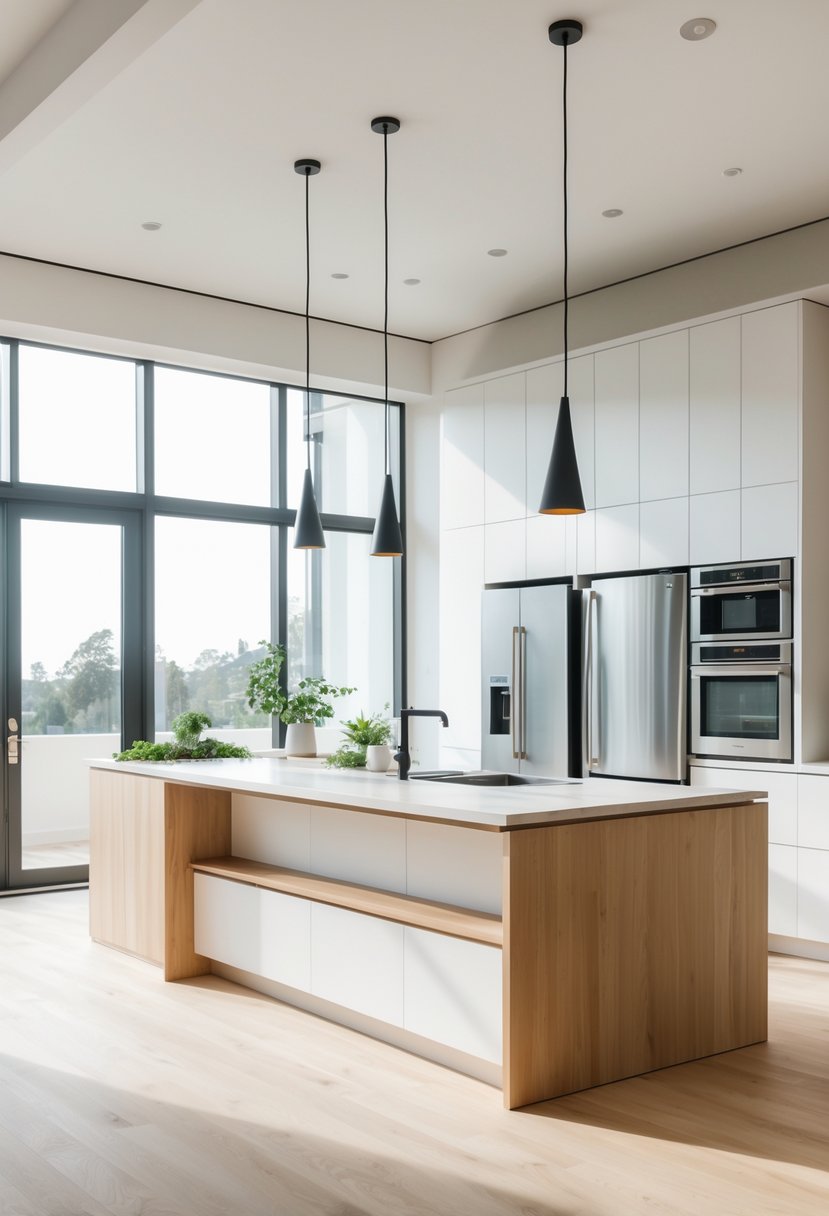
From cabinetry to lighting, every element plays a role in creating a space that feels both modern and timeless. The following sections highlight design ideas, features, and finishes that work together to make kitchens more functional, stylish, and adaptable to different lifestyles.
Two-tone cabinetry for visual contrast
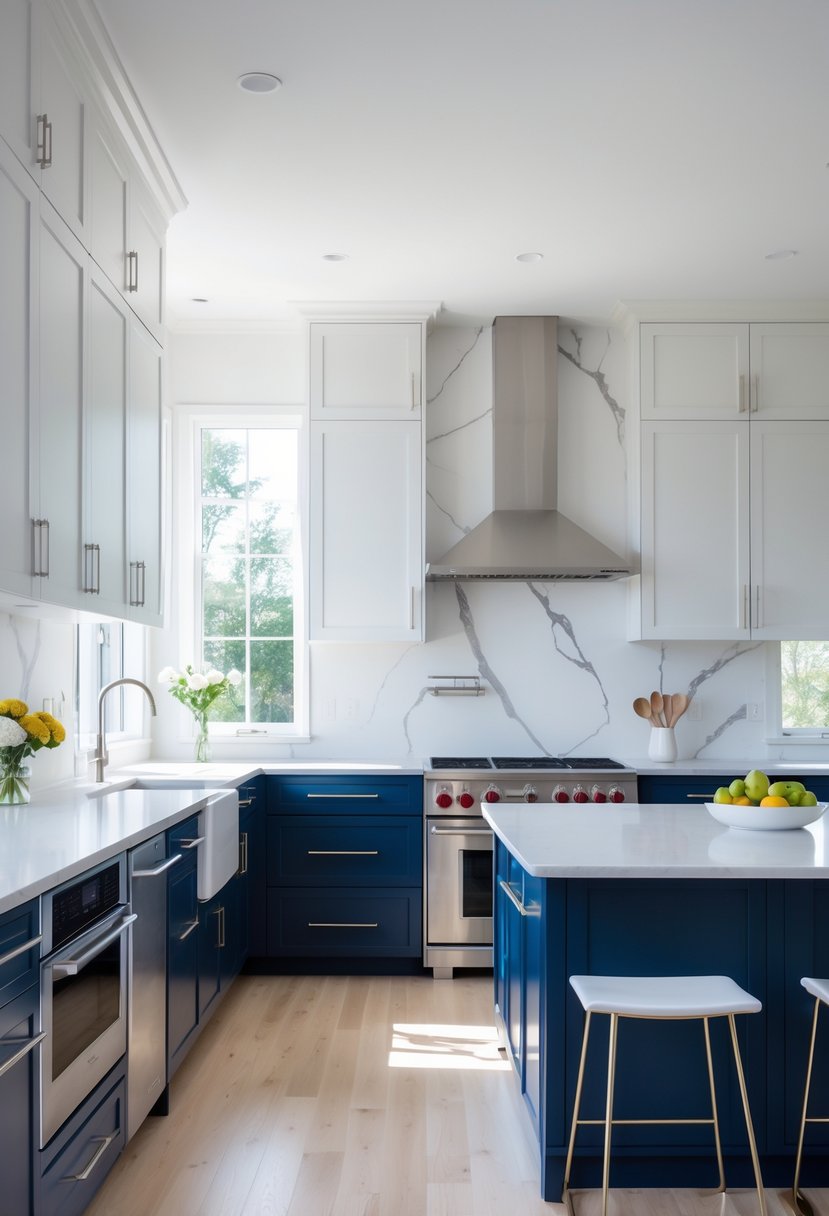
Two-tone cabinetry adds depth and balance to a kitchen by pairing two different colors or finishes.
Homeowners often choose lighter shades for upper cabinets and darker tones for lower ones to create a grounded look.
Popular combinations in 2026 include white with navy, cream with sage green, and natural wood with black.
Integrated smart appliances
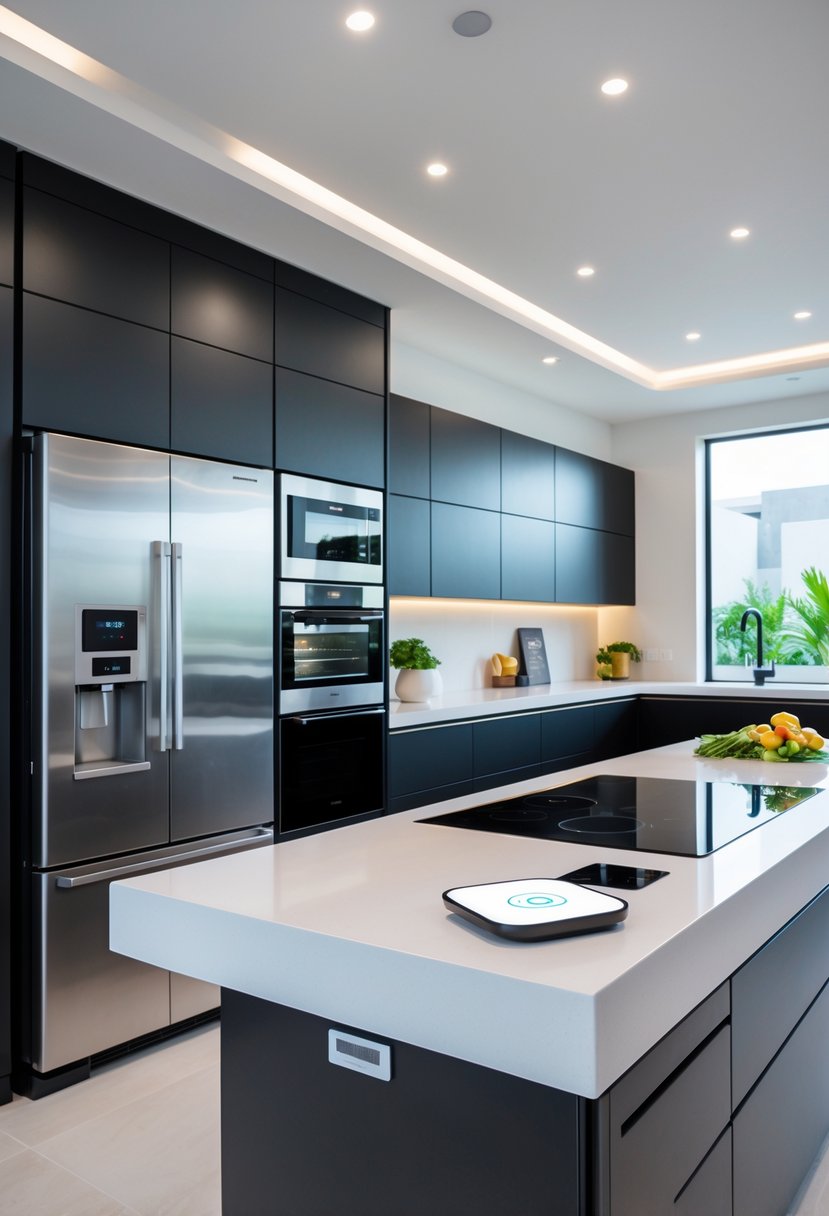
In 2026, kitchens feature more connected appliances that simplify daily routines.
Refrigerators track food freshness, while ovens adjust cooking settings automatically.
Many devices connect to voice assistants, making it easier to manage tasks hands-free.
These appliances also focus on energy efficiency, supporting sustainable living.
Minimalist handleless cabinets
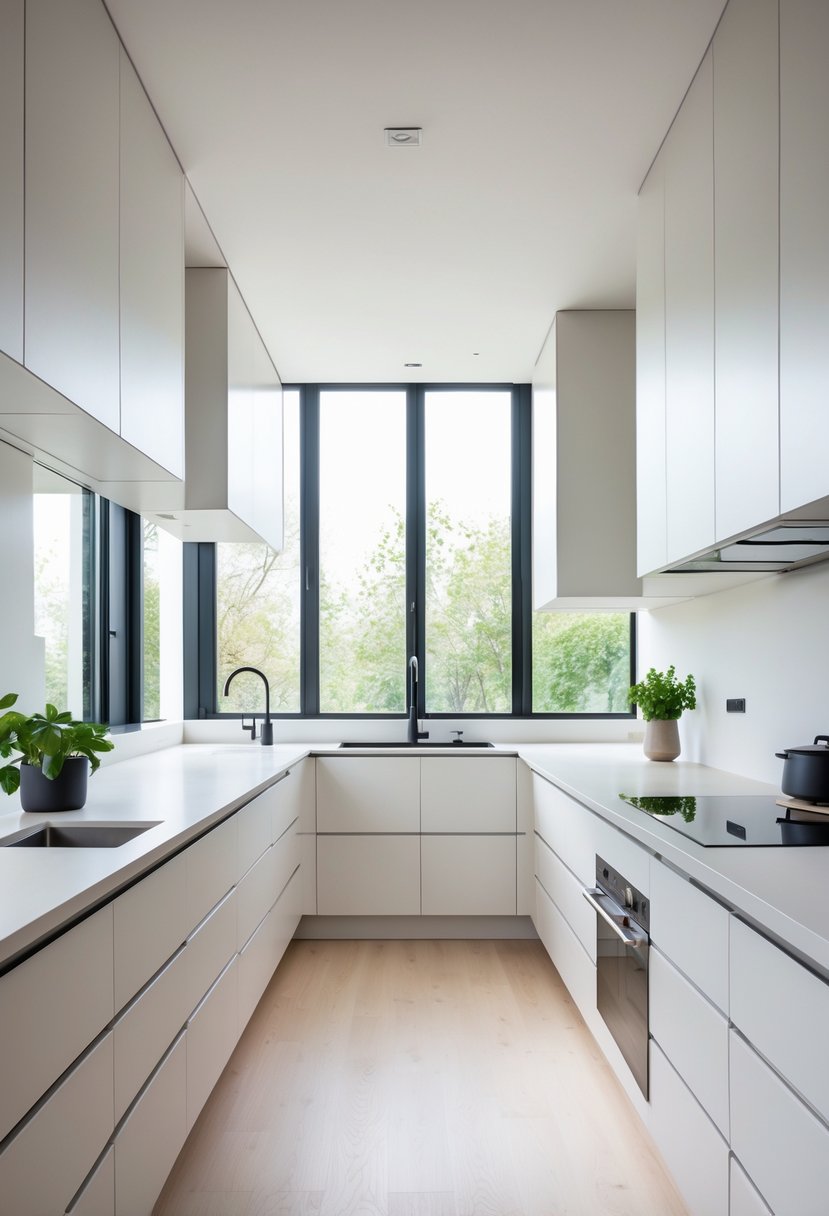
Handleless cabinets create a clean, streamlined look that fits well in modern kitchens. They reduce visual clutter and make the space feel more open.
Designs often use push-to-open mechanisms, recessed handles, or Gola profiles. These options keep surfaces smooth while maintaining everyday functionality.
This style works especially well in smaller kitchens, helping them appear larger and more organized.
Statement pendant lighting
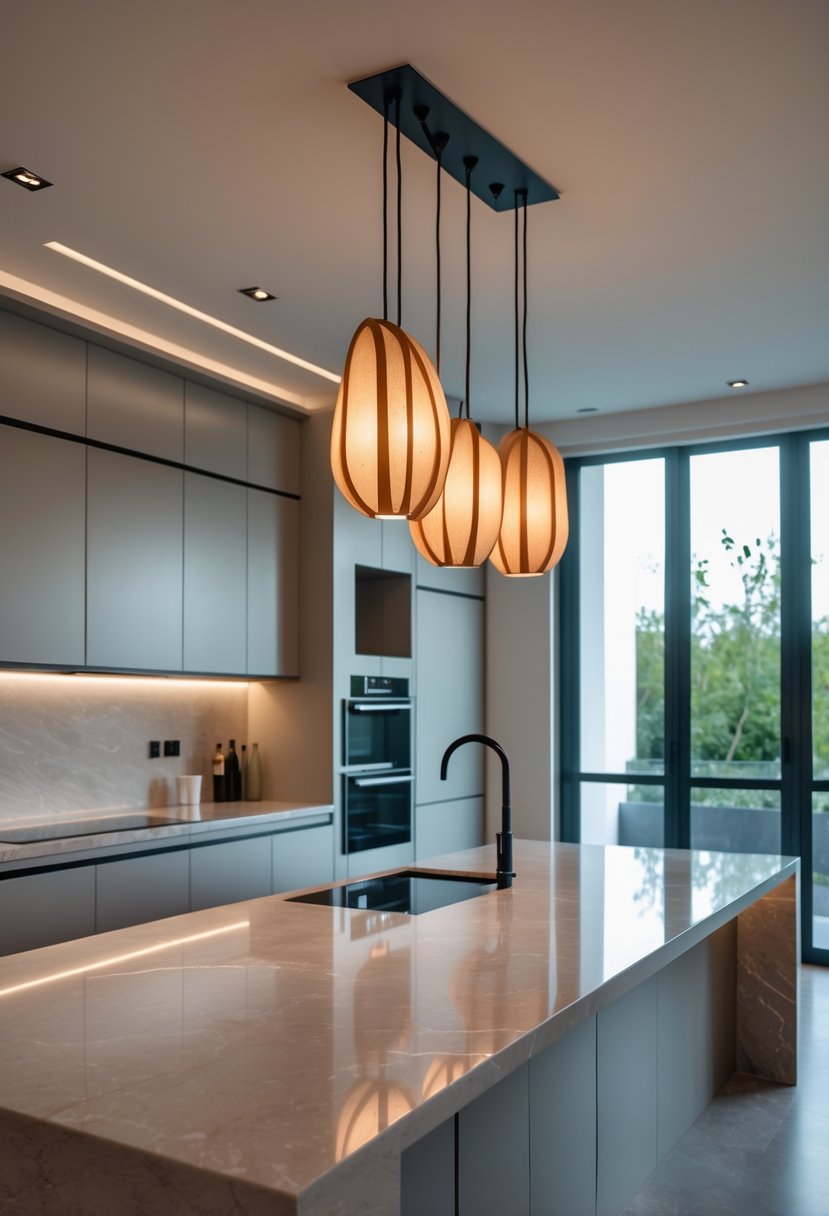
Statement pendant lighting continues to play a central role in kitchen design for 2026. Designers use oversized or uniquely shaped pendants to define the island and create a focal point.
Materials like glass, metal, and natural fibers add texture and balance. Many homeowners choose grouped pendants for both function and style.
Quartz countertops with subtle veining
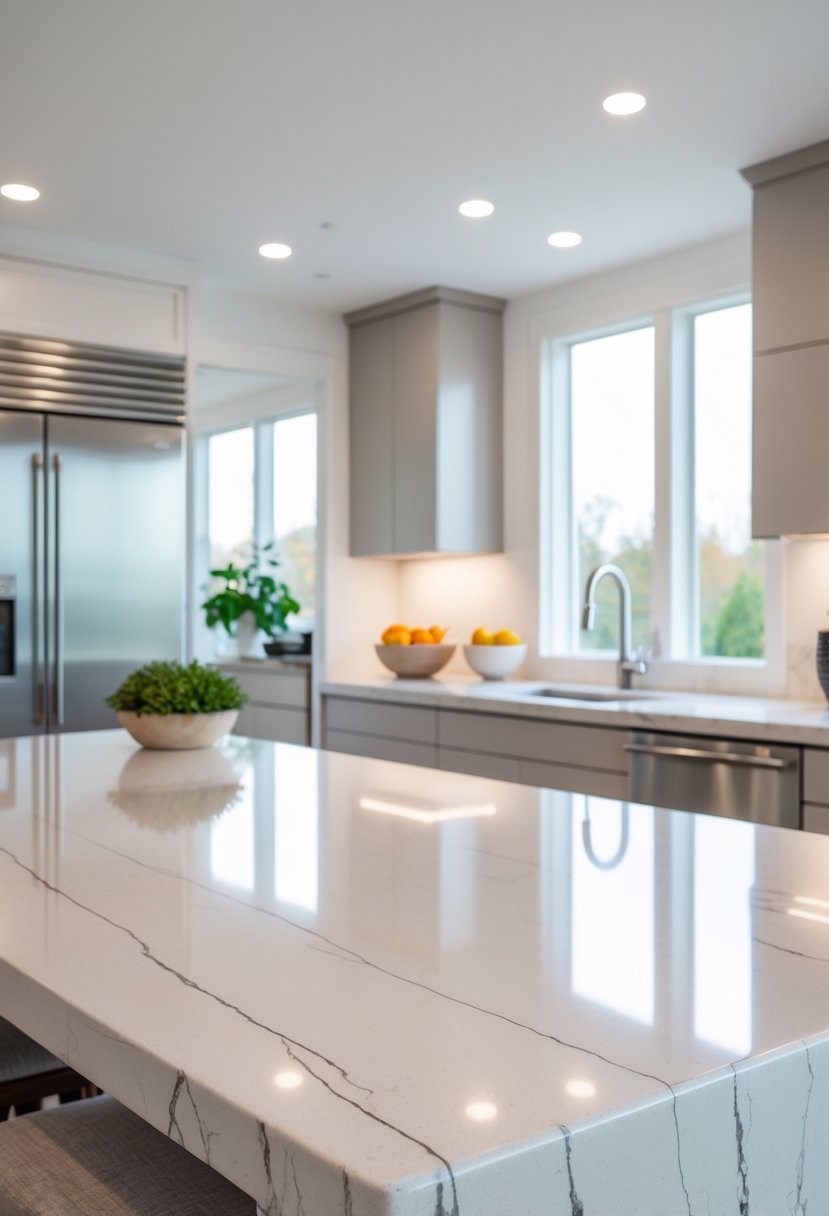
Quartz countertops with light veining create a clean and balanced look. The soft patterns add interest without overwhelming the space.
This style works well in modern kitchens where simplicity and function are priorities. It pairs easily with neutral cabinets and minimal hardware.
Subtle veining also makes maintenance easier since the design hides small marks or stains.
Open shelving for display and storage
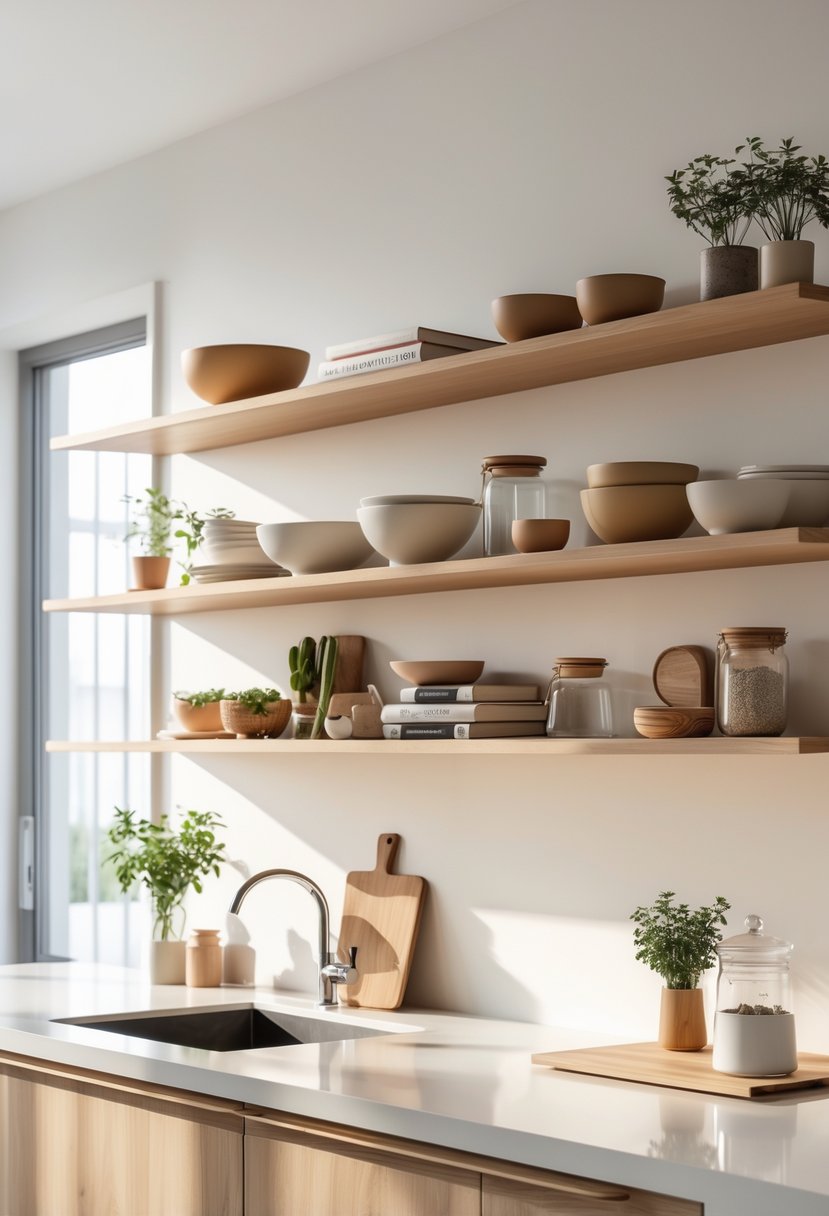
Open shelving gives kitchens a lighter, more open look while keeping essentials within reach.
It works well for displaying dishes, glassware, or cookbooks, adding both function and style.
Many homeowners use it to maximize small spaces, replacing bulky cabinets with a cleaner, more streamlined layout.
Matte black fixtures and hardware
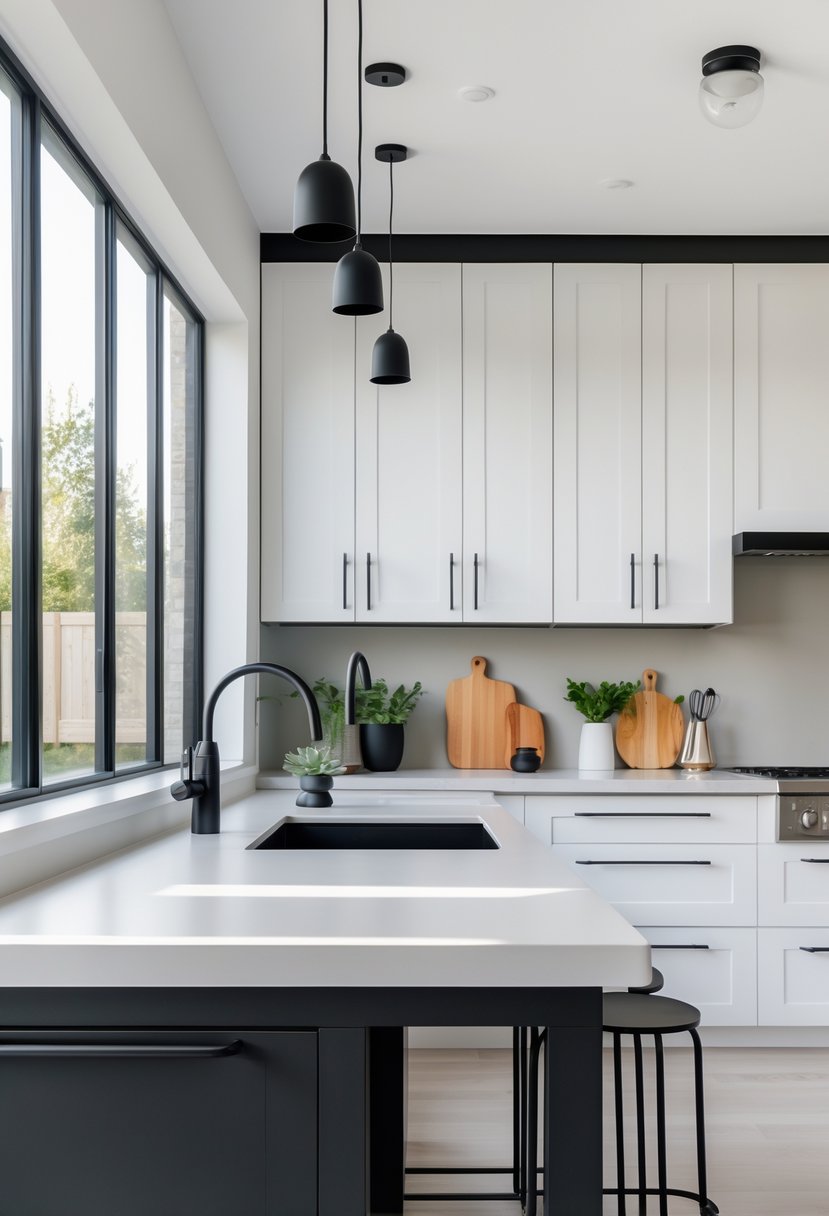
Matte black fixtures give kitchens a clean, modern look without appearing too bold. They work well with both light and dark cabinetry.
Designers often use matte black handles, pulls, and faucets to create contrast. The finish also helps reduce the appearance of fingerprints compared to glossy hardware.
Large kitchen islands with seating
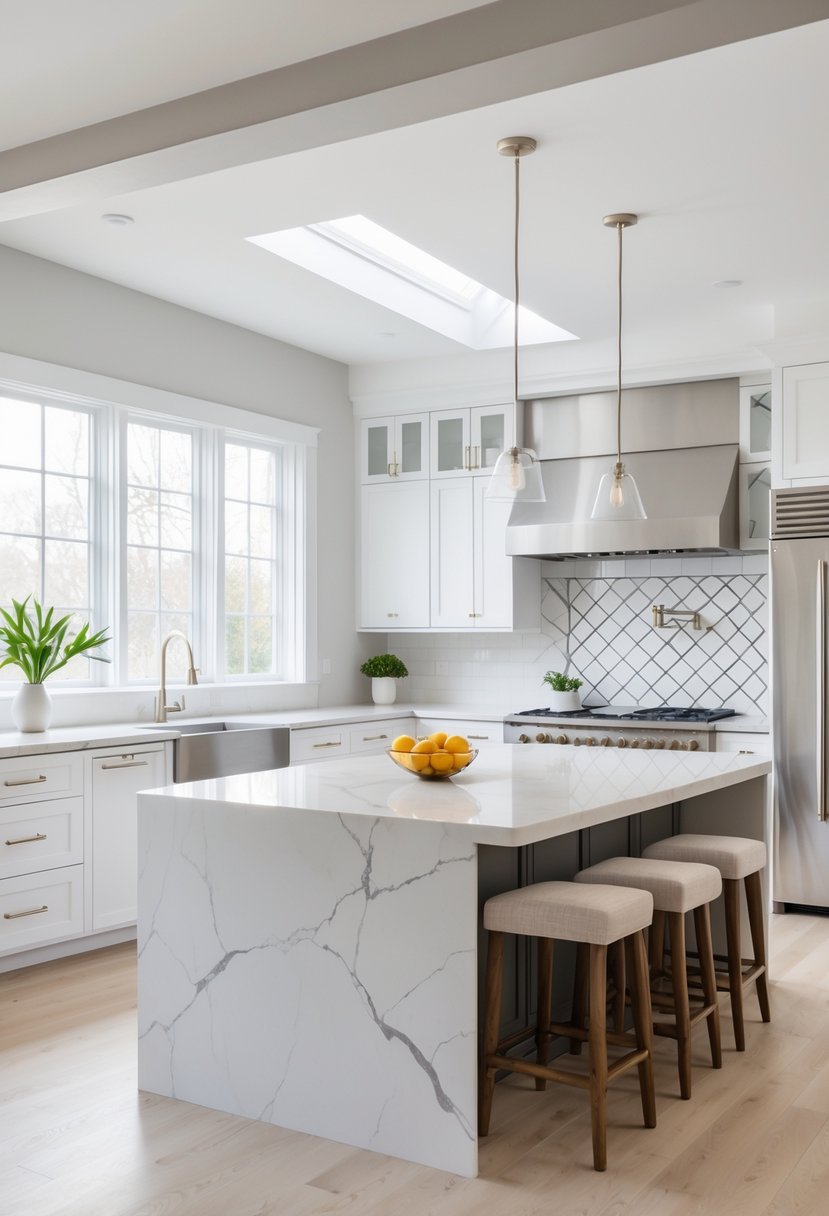
Large kitchen islands with seating provide extra workspace and a place for casual dining. They often fit well in open floor plans where space allows.
Many designs include room for four to six seats, making them practical for families or entertaining. Some feature built-in sinks or multi-level counters for added function.
Under-cabinet LED lighting
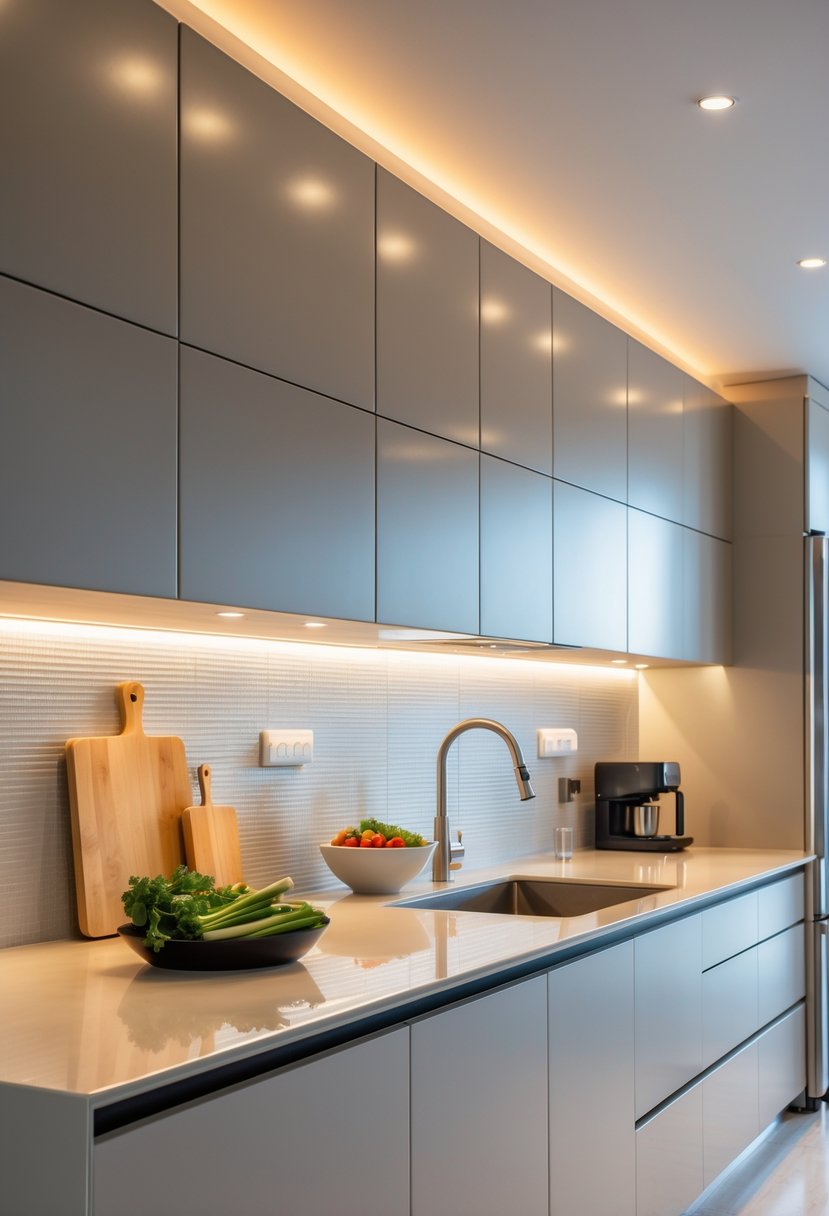
Under-cabinet LED lighting provides direct light on countertops, making meal prep easier and safer. It reduces shadows and improves visibility in key work areas.
These lights come in bars, strips, or puck styles, offering flexibility for different layouts. Many options are energy-efficient and simple to install.
Homeowners often choose dimmable or color-adjustable LEDs to match changing needs. This adds both function and subtle design detail to the kitchen.
Custom geometric tile backsplashes
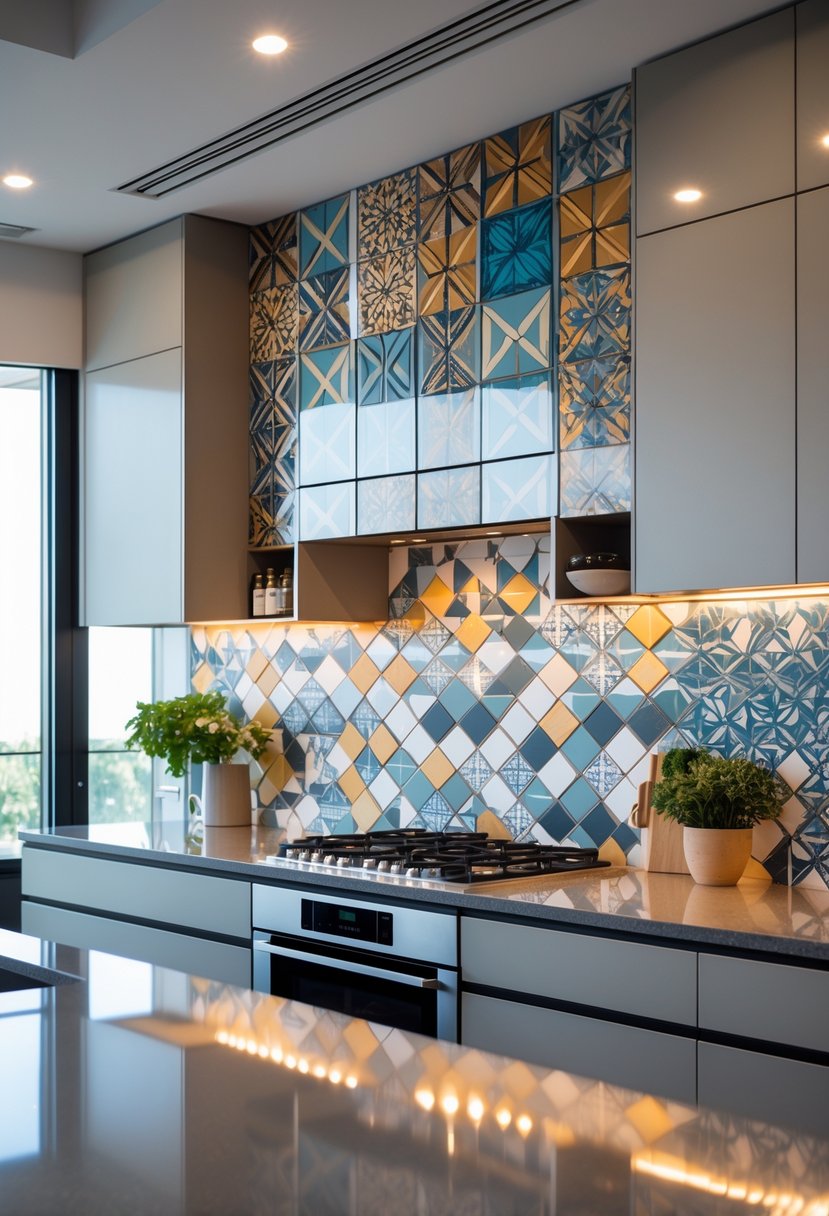
Geometric tile backsplashes add structure and pattern to a kitchen. Shapes like hexagons, chevrons, and diamonds create clean lines that stand out without overwhelming the space.
Homeowners often mix shapes or sizes for subtle variety. Contrasting grout can highlight the design and make the pattern more noticeable.
Concealed range hoods
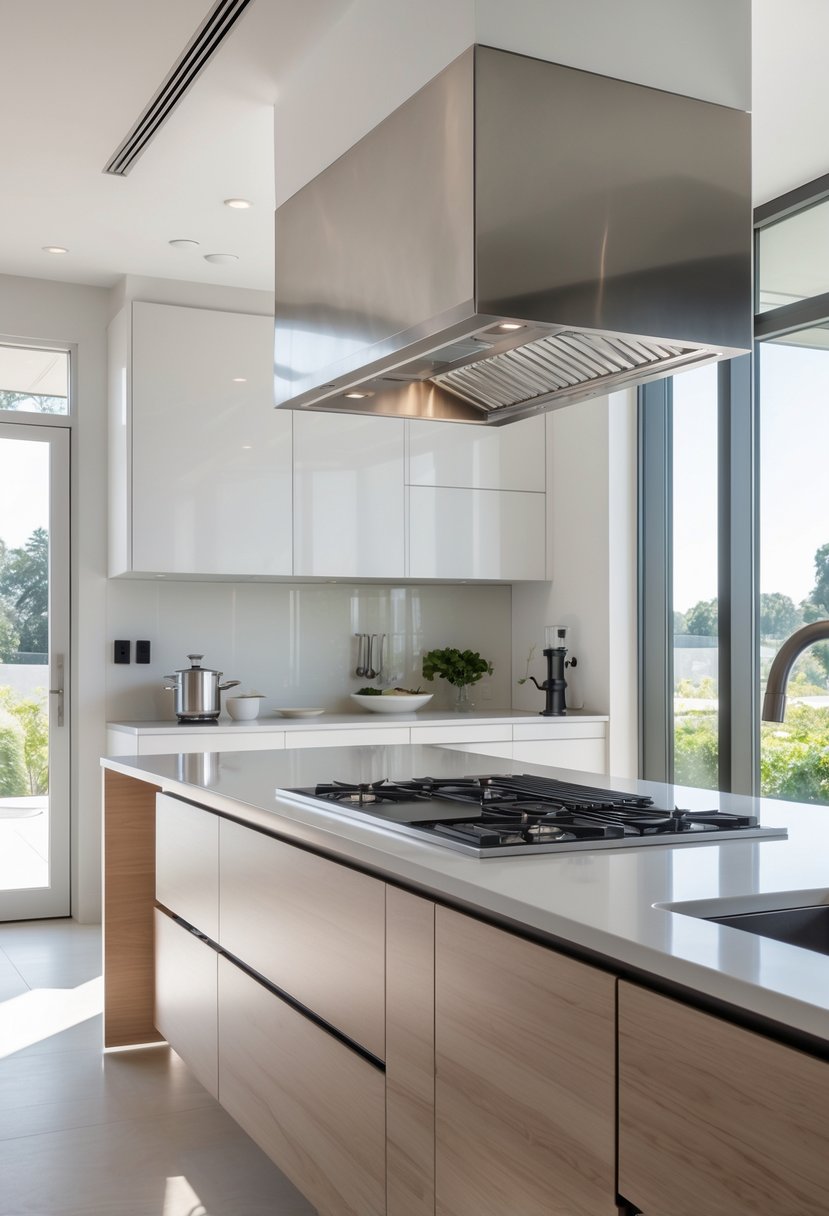
Concealed range hoods blend into cabinetry or walls, creating a clean and minimalist look. They help maintain a seamless design without drawing attention.
Many modern kitchens use hidden ventilation to keep the focus on cabinetry, countertops, and lighting. This approach works well in both small and large spaces.
Designers often pair concealed hoods with sleek finishes and neutral tones. This keeps the kitchen looking uncluttered while still providing effective ventilation.
Floor-to-ceiling pantry cabinets
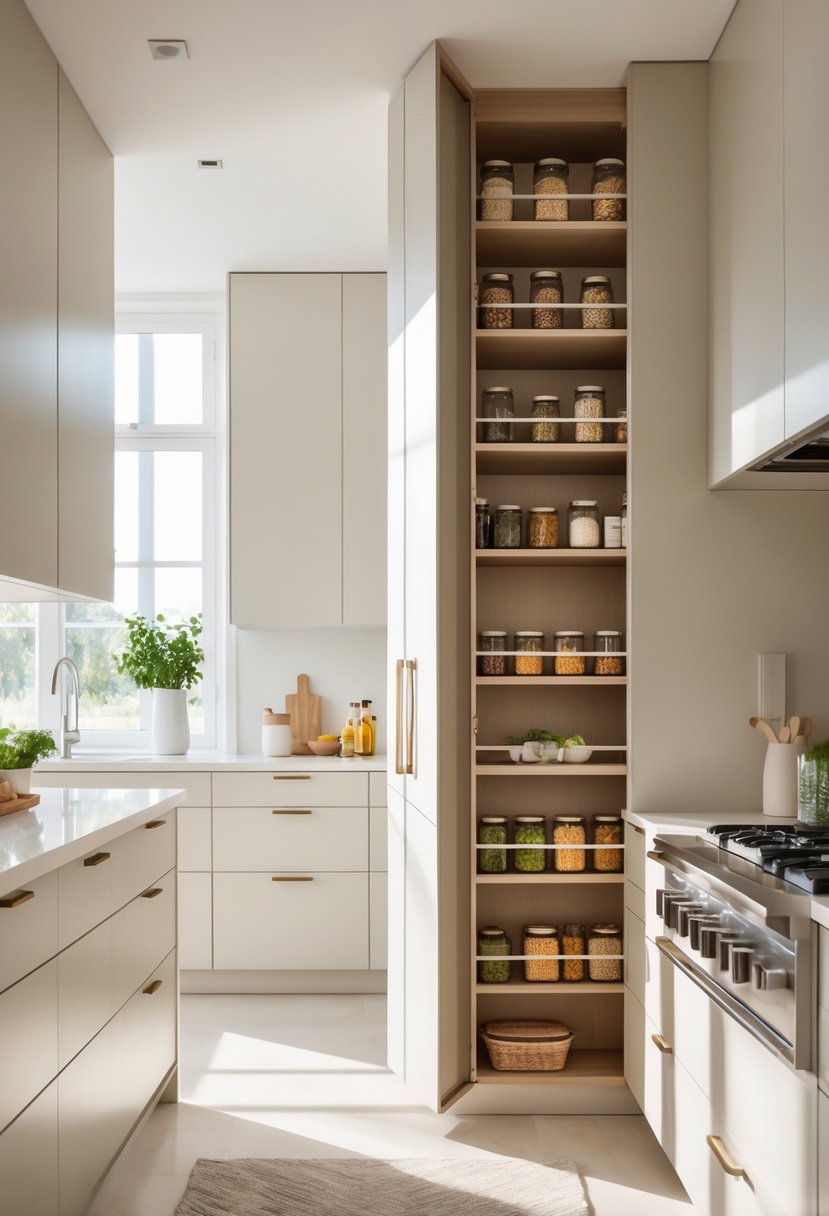
Floor-to-ceiling pantry cabinets create a clean, streamlined look while offering maximum storage. They help reduce clutter by keeping items hidden and organized.
These tall cabinets work well in both small and large kitchens. They can be customized with pull-out shelves, drawers, or built-in lighting to improve function.
Warm wood accents for balance
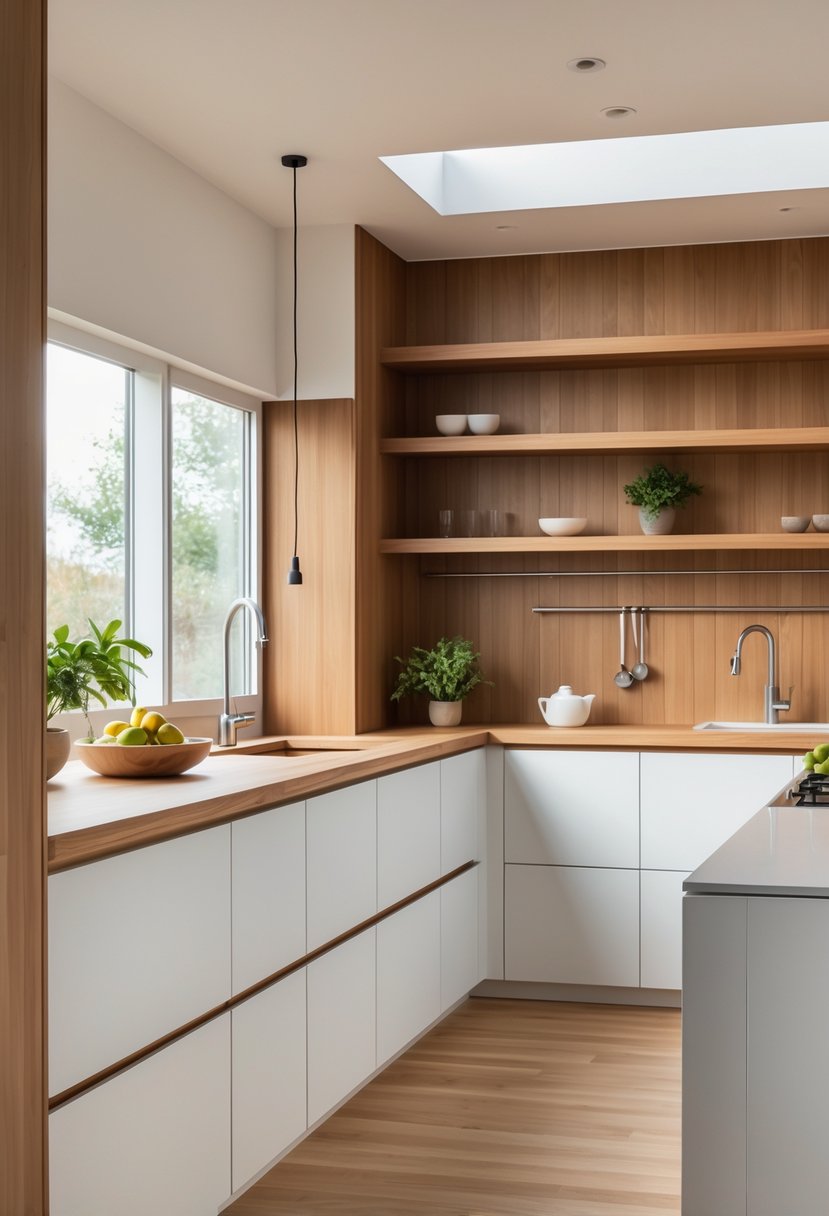
Warm wood accents add texture and depth to modern kitchens. They soften sleek finishes and create a more inviting atmosphere.
Designers often use oak, walnut, or reclaimed wood for cabinets, islands, or shelving. These materials pair well with neutral tones and modern hardware.
Even small touches, like wood trim or open shelves, can bring balance without overwhelming the space.
Monochromatic color schemes
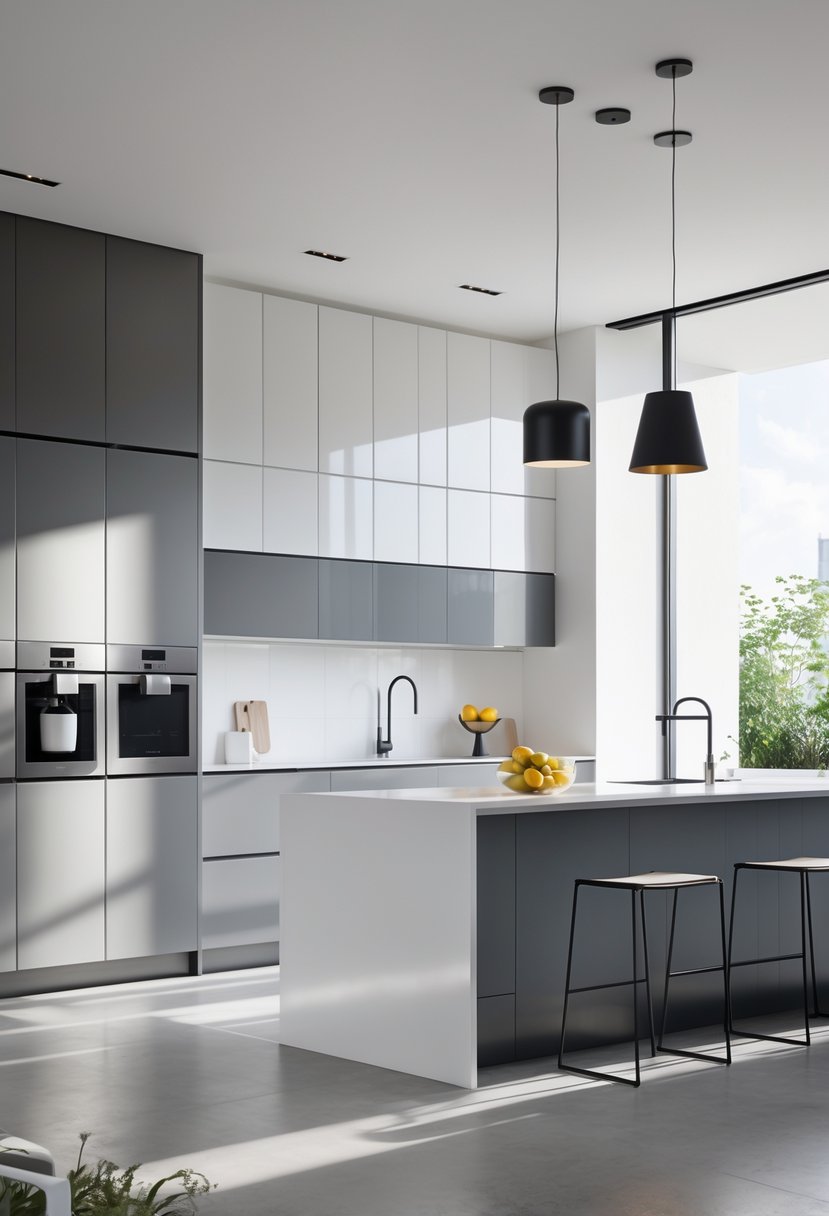
A monochromatic kitchen uses one main color in different shades and tones. This creates a clean and unified look.
Black and white remain the most common choices, offering strong contrast and timeless appeal.
Gray tones also work well, giving the kitchen a modern and balanced style.
Built-in wine coolers
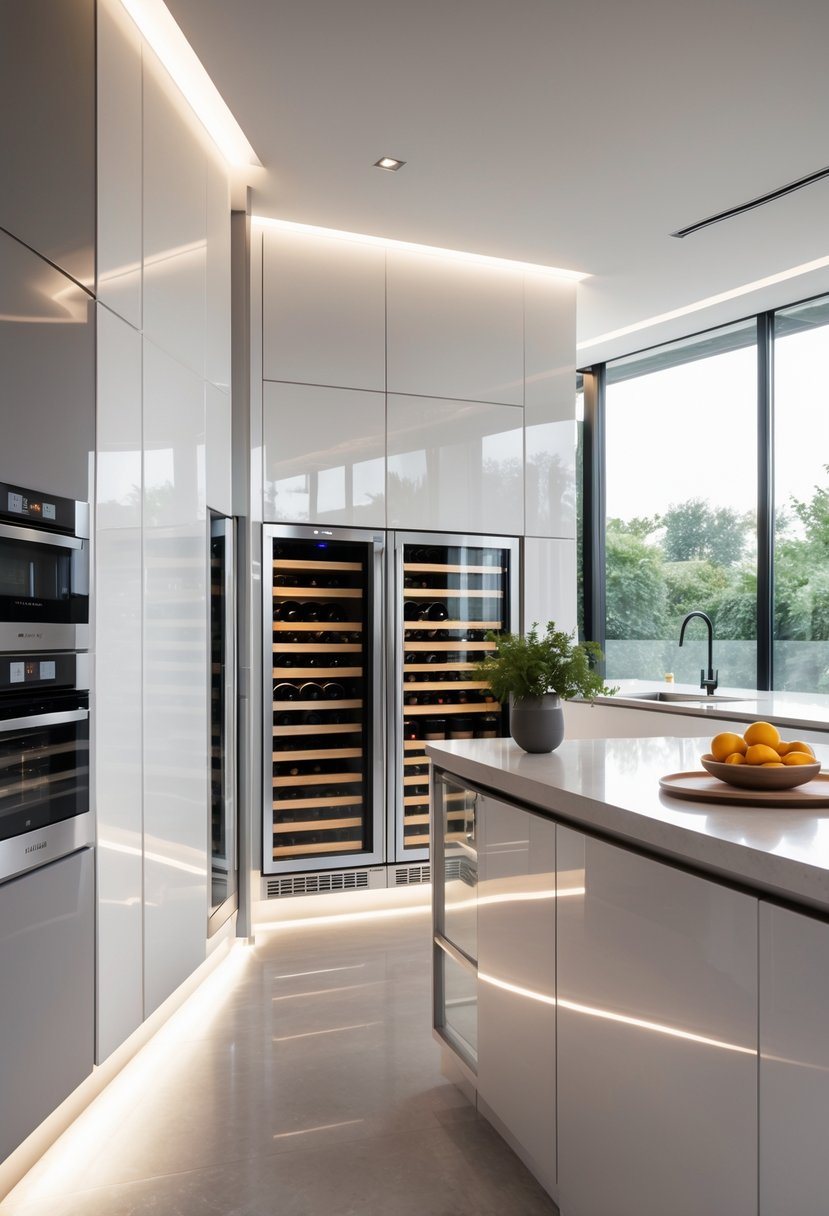
Built-in wine coolers fit neatly into kitchen cabinetry or islands, creating a clean and organized look. They save counter space and keep bottles within easy reach.
Many designs now feature glass doors or panel-ready fronts that match surrounding cabinets. This allows the cooler to blend seamlessly with the rest of the kitchen.
Streamlined pull-out drawers
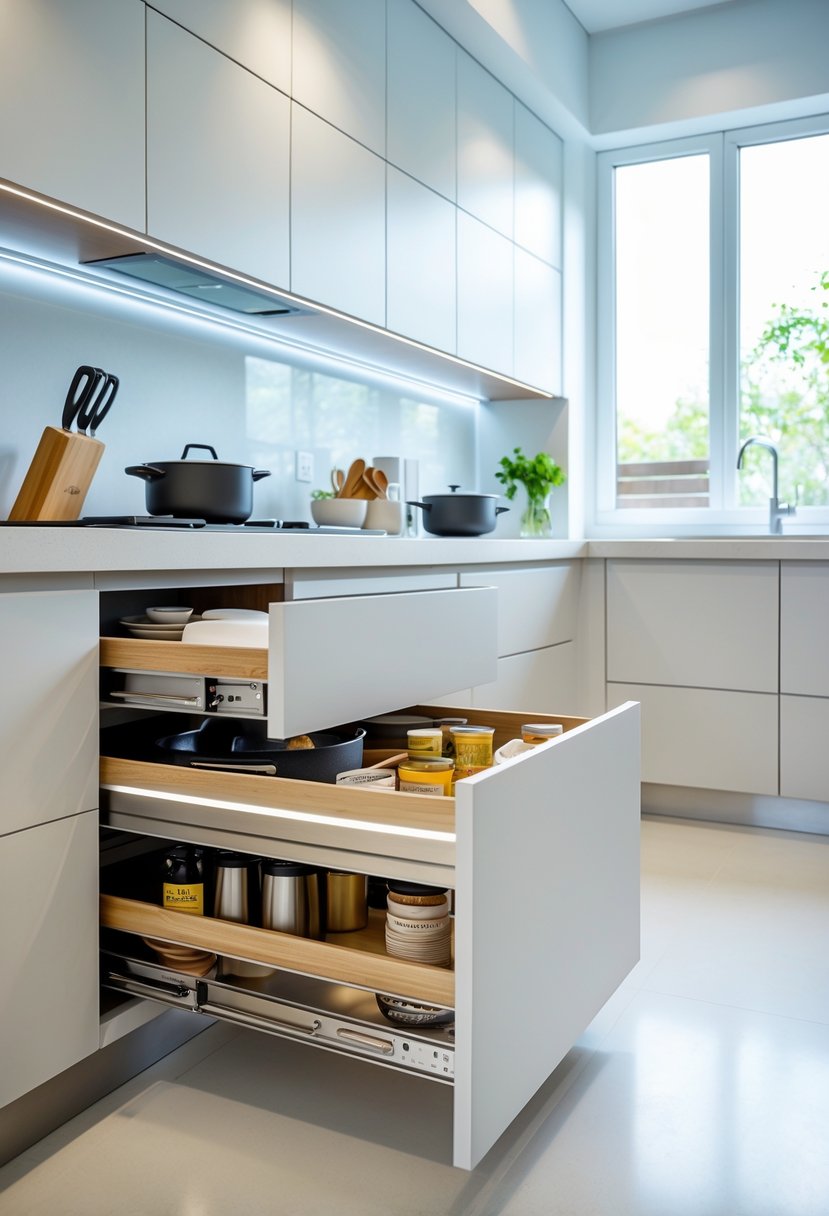
Pull-out drawers help maximize storage by making items easier to reach. They reduce clutter and keep kitchen tools organized.
Designers in 2026 focus on slim, efficient drawer systems that fit both small and large kitchens. These drawers often include dividers or hidden compartments for better use of space.
Industrial-style open shelving
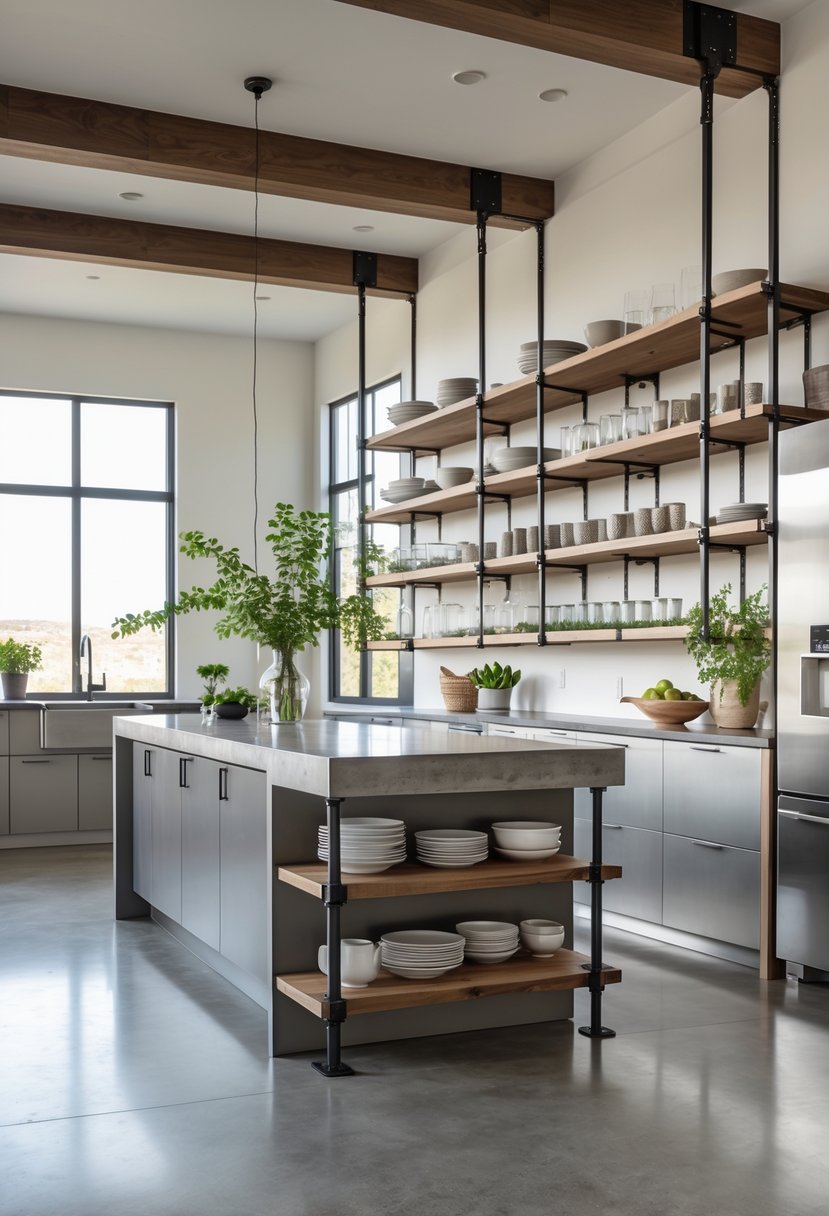
Industrial-style open shelving uses raw materials like wood and metal to create a simple, functional look.
These shelves keep everyday items within reach while adding a clean, open feel to the kitchen.
They work well in both small and large spaces, blending storage with modern design.
Touchless faucets
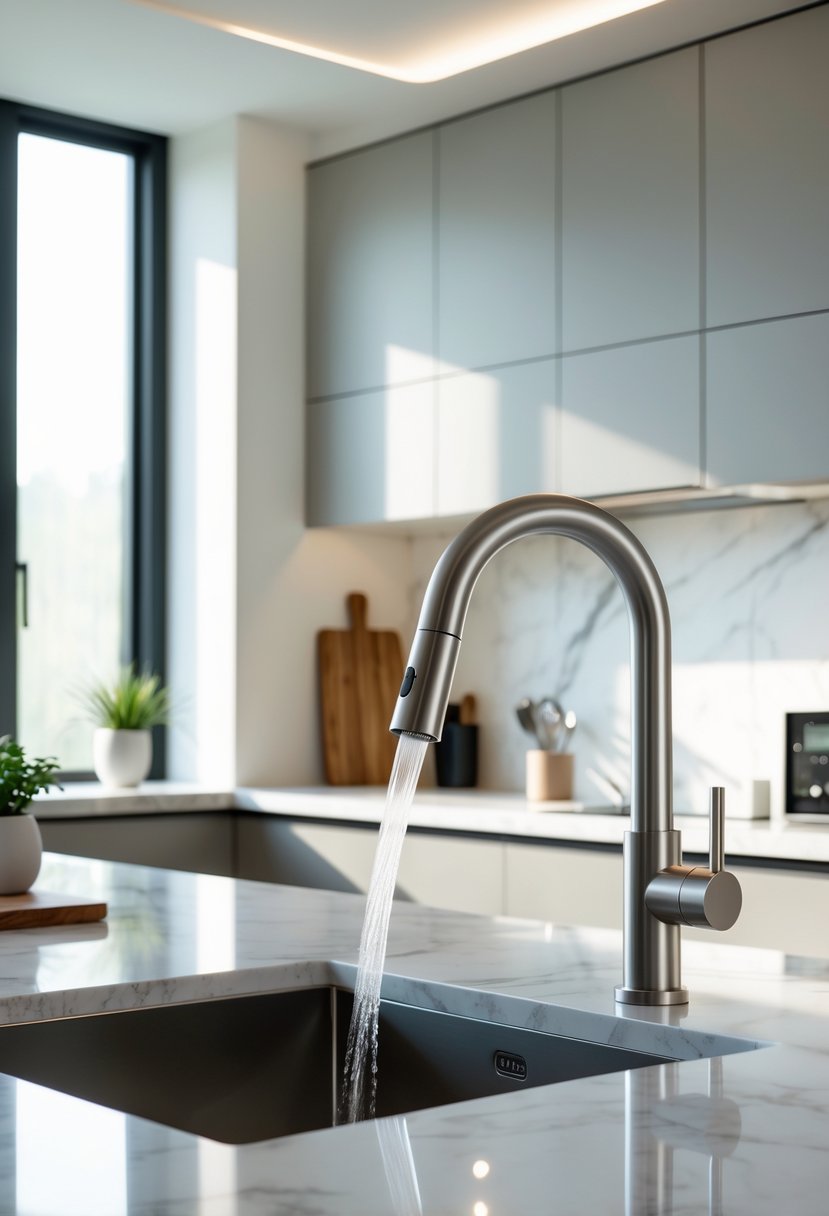
Touchless faucets use motion sensors to start and stop water flow, reducing the need to touch handles. This feature helps keep sinks cleaner and limits the spread of germs.
Many 2026 models include pull-down sprayers and multiple finishes, allowing them to fit both modern and traditional kitchen designs.
Mixed metal finishes
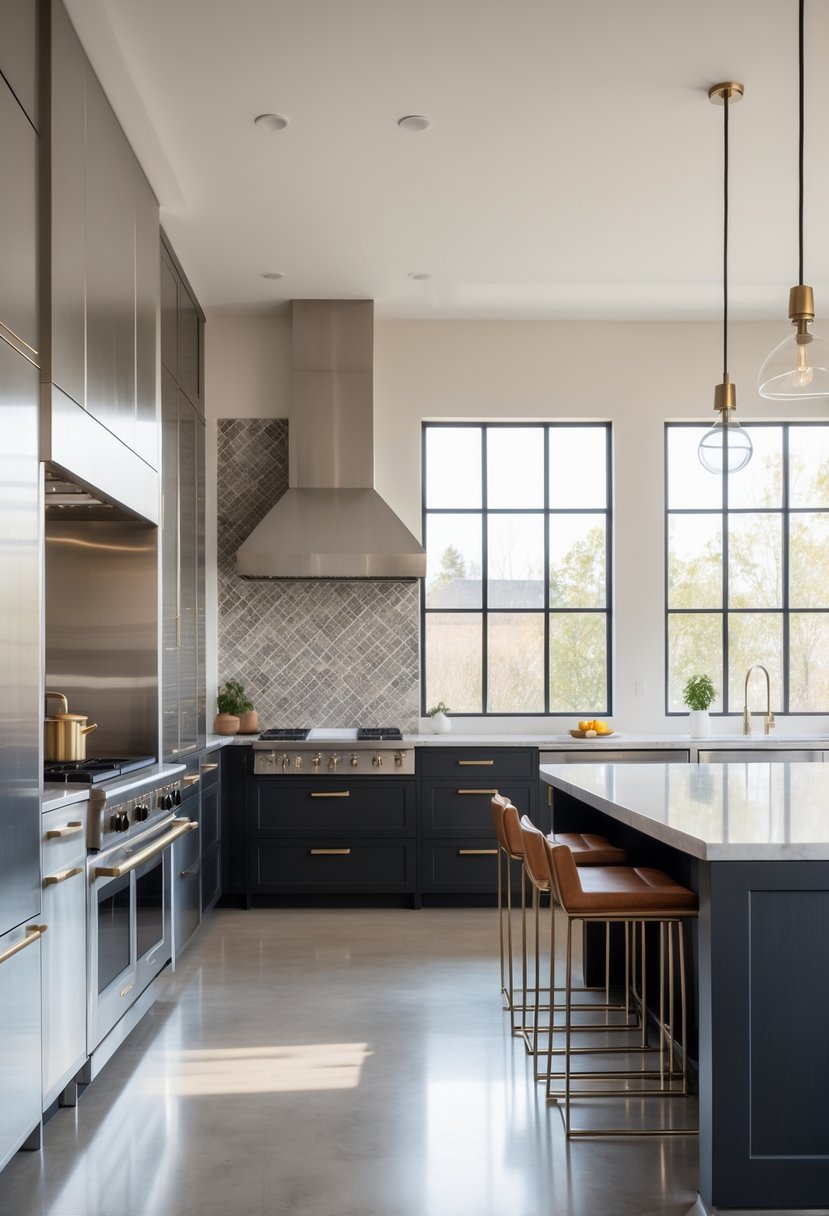
Designers use mixed metal finishes to create balance and contrast in modern kitchens. This approach blends different tones without overwhelming the space.
Common pairings include brass with matte black or chrome with bronze. These combinations add depth while keeping the look cohesive.
Homeowners often mix finishes on faucets, cabinet pulls, and lighting for a layered effect.
Bold accent walls
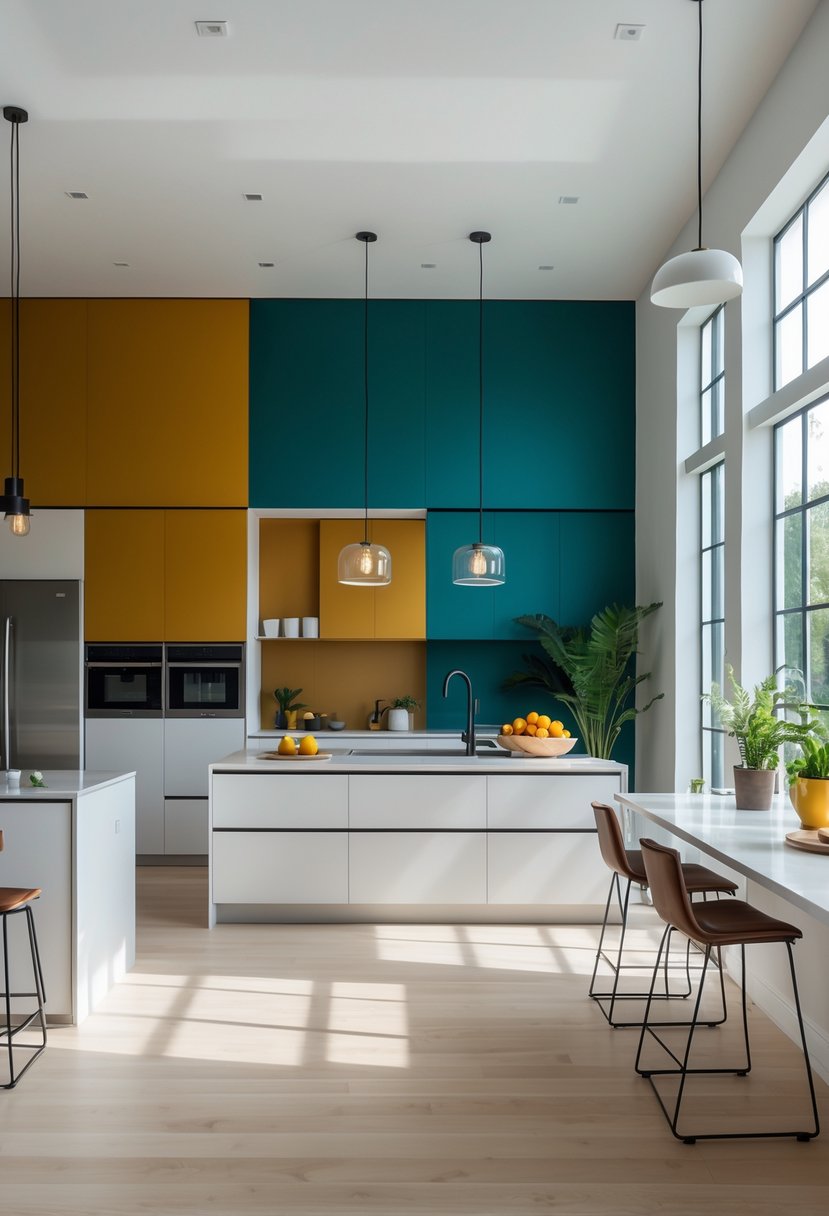
Accent walls in kitchens add contrast and create a clear focal point. They often use paint, tile, or textured materials to stand out from surrounding surfaces.
Designers in 2026 favor bold colors, geometric patterns, and natural finishes. These choices bring depth to the space without requiring a full renovation.
Sleek glass-front cabinets
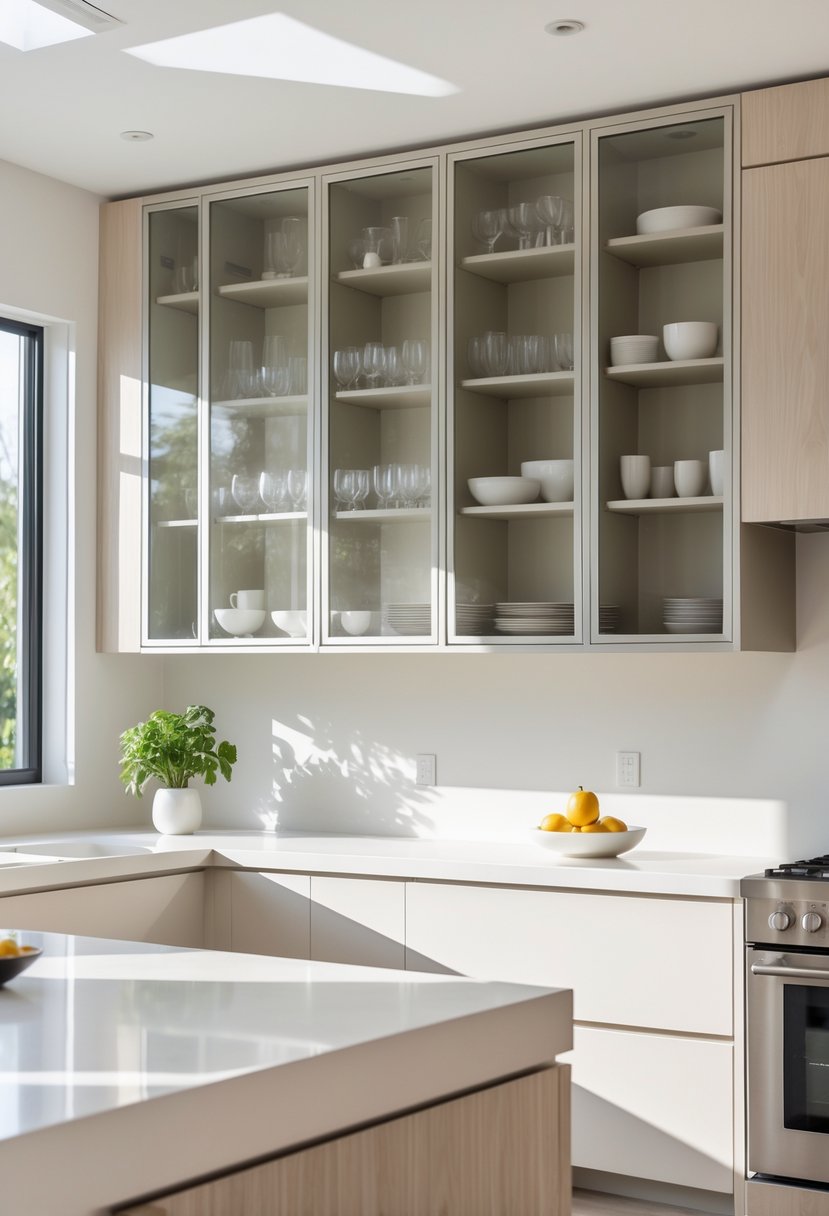
Glass-front cabinets give kitchens a clean, modern look while keeping storage functional. They allow homeowners to display select items without overwhelming the space.
In 2026, designers often use them in limited areas, such as a bar cabinet or a single feature wall, to add subtle style without clutter.
Key Design Principles for Modern Kitchens
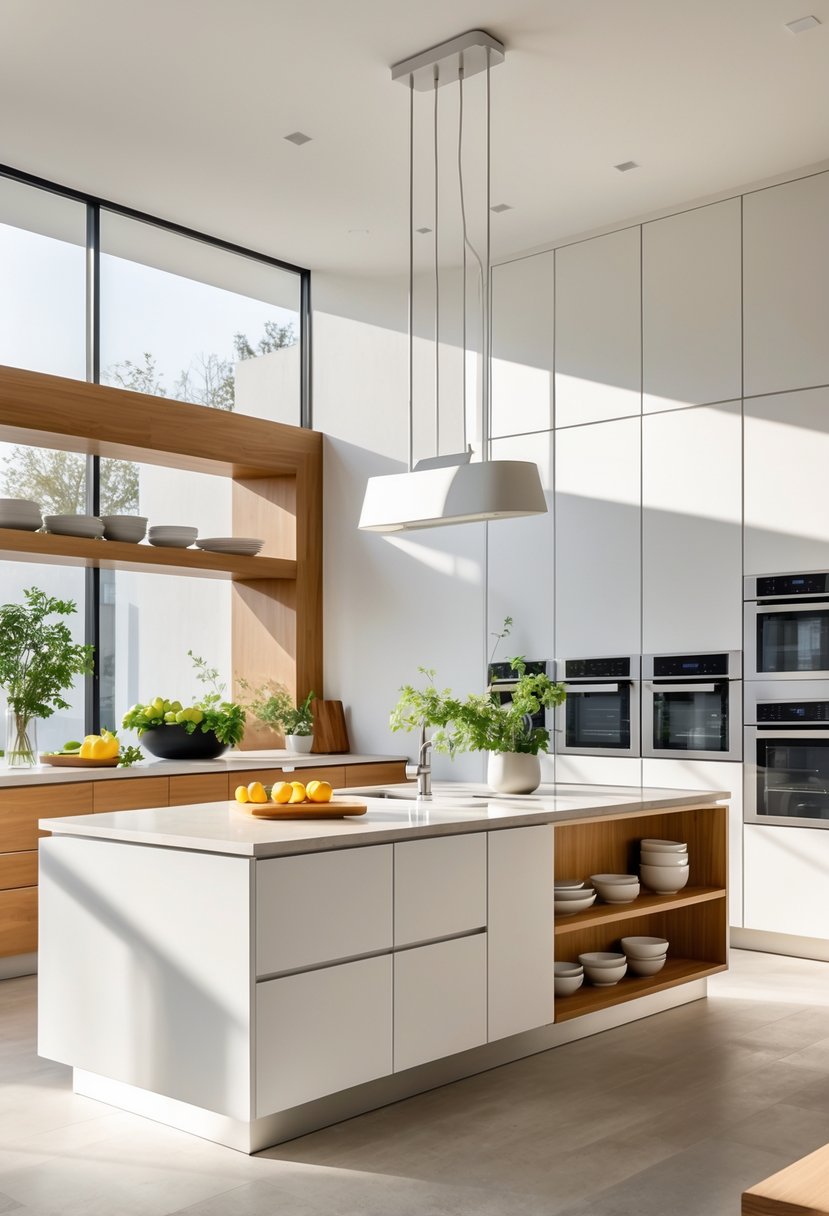
Modern kitchens in 2026 focus on flexible layouts, clean design, and practical storage. They combine open spaces with sleek finishes and integrate smart solutions that make everyday use easier and more efficient.
Open Concept Layouts
Open concept kitchens continue to gain popularity because they connect cooking, dining, and living areas. This layout makes the kitchen feel larger and allows natural light to spread throughout the space. It also supports social interaction, as family members and guests can gather without being separated by walls.
Designers often use zoning techniques to define areas within an open plan. For example, a kitchen island may separate the cooking area from the dining space. Different flooring or ceiling treatments can also mark transitions without closing off the room.
Flexibility plays a major role in these layouts. Rolling islands, modular seating, and adjustable surfaces allow the space to adapt to different needs. A kitchen can shift from meal prep to a workspace or entertainment area with minimal effort.
Minimalist Aesthetics
Minimalist design emphasizes simplicity and function. In 2026, kitchens often feature flat-front cabinets, hidden handles, and neutral color palettes. These choices reduce visual clutter and create a calm, organized environment.
Smooth surfaces and integrated appliances help maintain a clean look. For example, panel-ready refrigerators blend into cabinetry, while induction cooktops sit flush with counters. This approach keeps the focus on form and proportion rather than individual pieces.
Color trends lean toward muted tones like warm whites, soft grays, and natural wood finishes. Designers may add contrast through stone countertops or a bold backsplash, but the overall effect remains restrained. The goal is to highlight quality materials and precise detailing instead of decoration.
Smart Storage Solutions
Efficient storage is central to modern kitchen design. Homeowners want easy access to essentials without overcrowding counters. Pull-out drawers, hidden compartments, and vertical shelving maximize every inch of space.
Examples of smart storage features include:
- Deep drawers for pots and pans
- Pull-out spice racks near cooking zones
- Corner units with rotating shelves
- Appliance garages to hide small devices
Custom organization systems also play a role. Adjustable dividers, tray organizers, and built-in recycling bins keep items sorted and reduce clutter. These solutions help maintain a tidy, functional kitchen that supports both cooking and daily living.
Emerging Trends in Kitchen Materials and Finishes
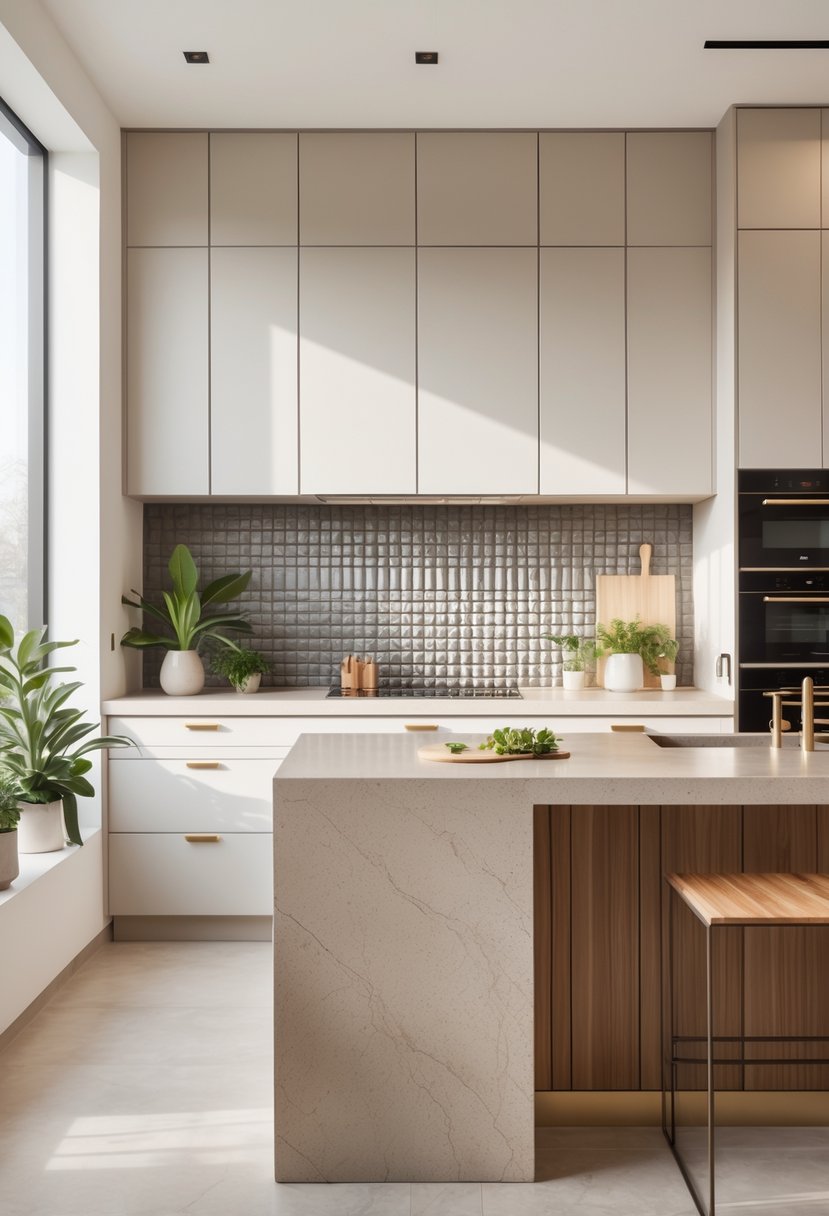
Homeowners in 2026 are choosing surfaces and finishes that balance durability, sustainability, and style. Advances in eco-friendly materials and lighting design are shaping kitchens into spaces that are both practical and visually refined.
Sustainable Surface Options
Many new kitchens feature countertops and cabinets made from recycled or renewable materials. Surfaces like recycled quartz, composite stone, and reclaimed wood reduce waste while offering strong performance. Bamboo and cork are also gaining attention for their fast growth and natural look.
Low-VOC paints and sealants are becoming standard to improve indoor air quality. Matte finishes are replacing glossy ones, since they hide fingerprints and scratches better. These choices make upkeep easier without sacrificing style.
Designers are also mixing materials to create contrast. For example, a reclaimed wood island paired with stone composite counters adds warmth and durability in one space. This layered approach helps homeowners achieve a modern yet timeless design.
| Material Type | Key Benefit | Common Use |
|---|---|---|
| Recycled Quartz | Durable, low maintenance | Countertops |
| Reclaimed Wood | Warm, sustainable | Islands, shelving |
| Bamboo | Renewable, lightweight | Cabinets, flooring |
Innovative Lighting Concepts
Lighting in kitchens is shifting from simple overhead fixtures to layered systems that support both cooking and entertaining. LED technology allows slimmer designs, lower energy use, and longer lifespans.
Homeowners are installing under-cabinet strips for task lighting and pendant lights over islands for focused brightness. Adjustable color temperature is becoming common, letting users switch from cool white for meal prep to warm tones for dining.
Smart controls now let people dim or schedule lights from their phones. Some systems even sync with natural daylight patterns to reduce eye strain. These features make kitchens more adaptable and energy efficient while highlighting finishes and materials.
Looking for professional guidance? Check out this guide to open kitchen layouts from Better Homes & Gardens.


