
Bedroom Ideas 2026: 22 Stylish Ways To Refresh Your Space
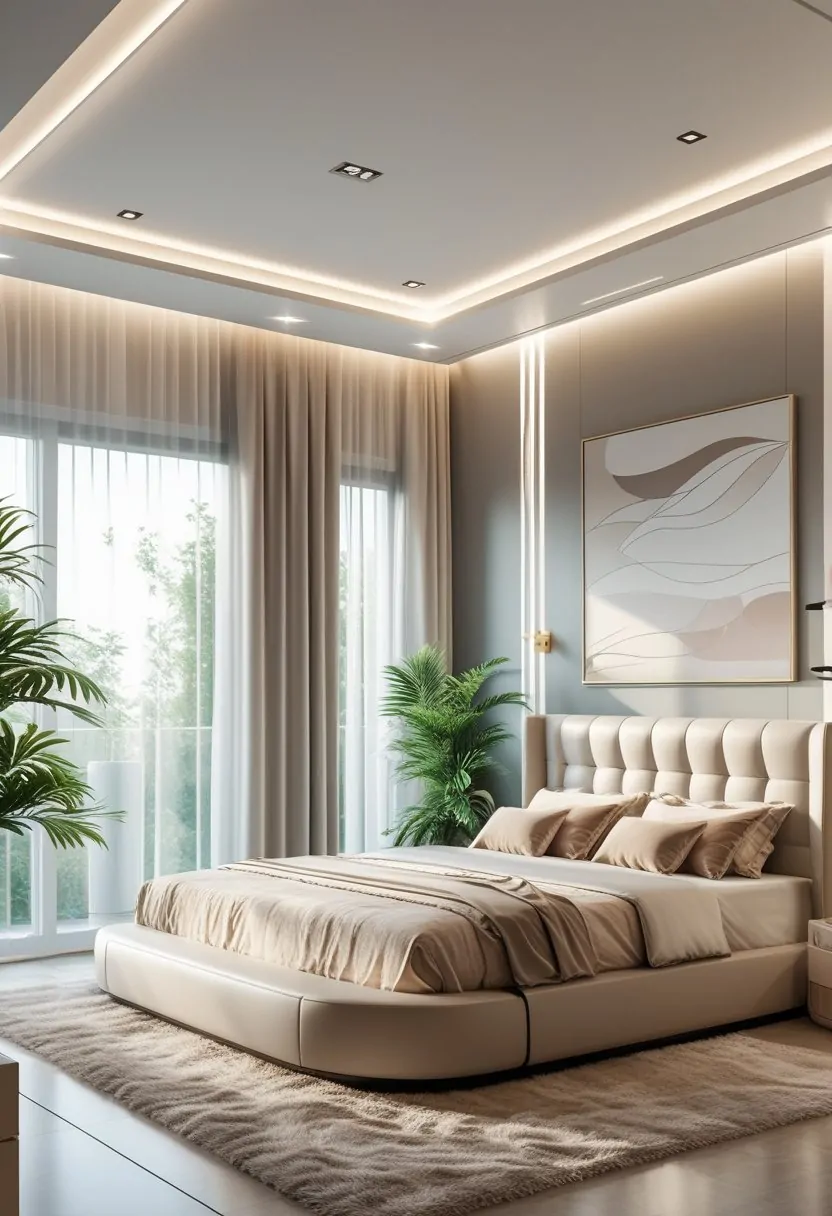
Bedrooms in 2026 place equal focus on comfort, style, and function. Design trends move toward creating spaces that feel restful while still reflecting personal taste. The goal is to build a room that supports daily life while offering a calm retreat at the end of the day.
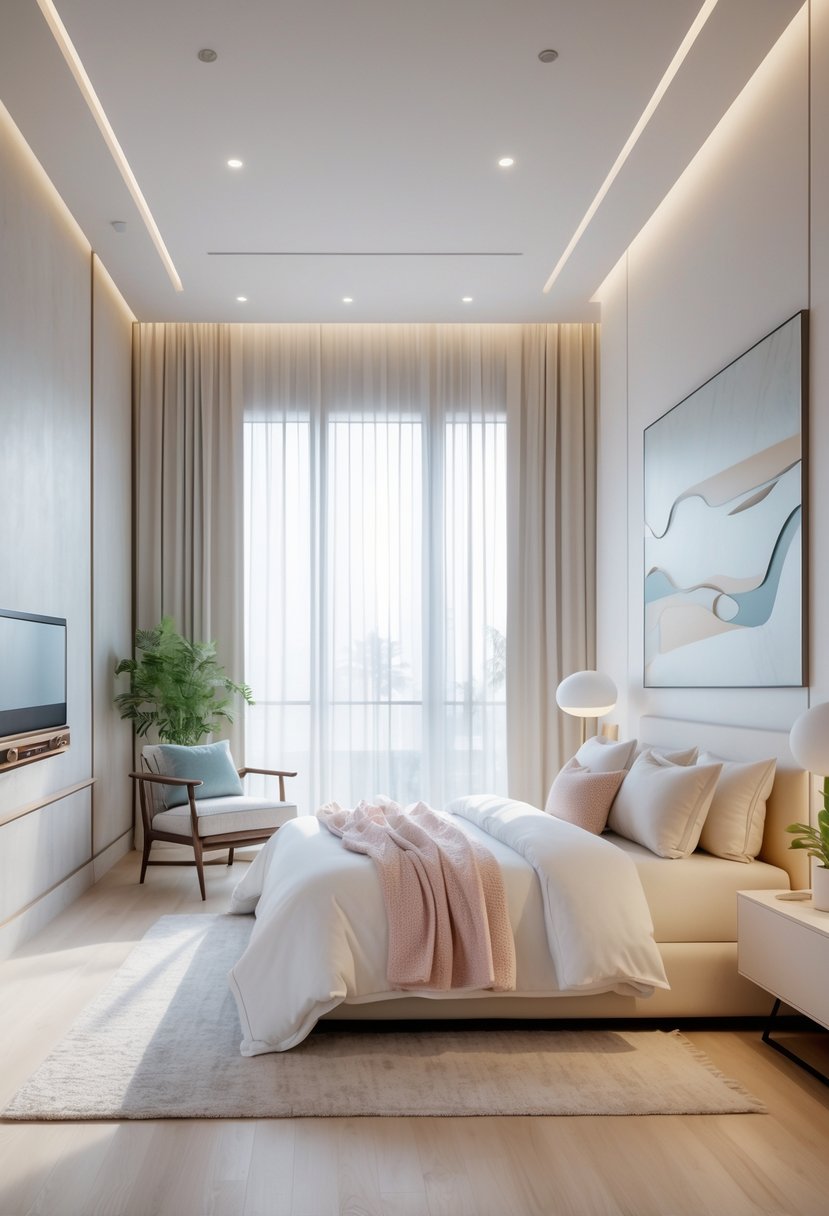
This article explores practical ways to update a bedroom with modern touches, smart storage, and thoughtful design choices. From lighting and color to furniture and textures, each section highlights ideas that bring balance between aesthetics and everyday use.
Maximize natural light with sheer curtains
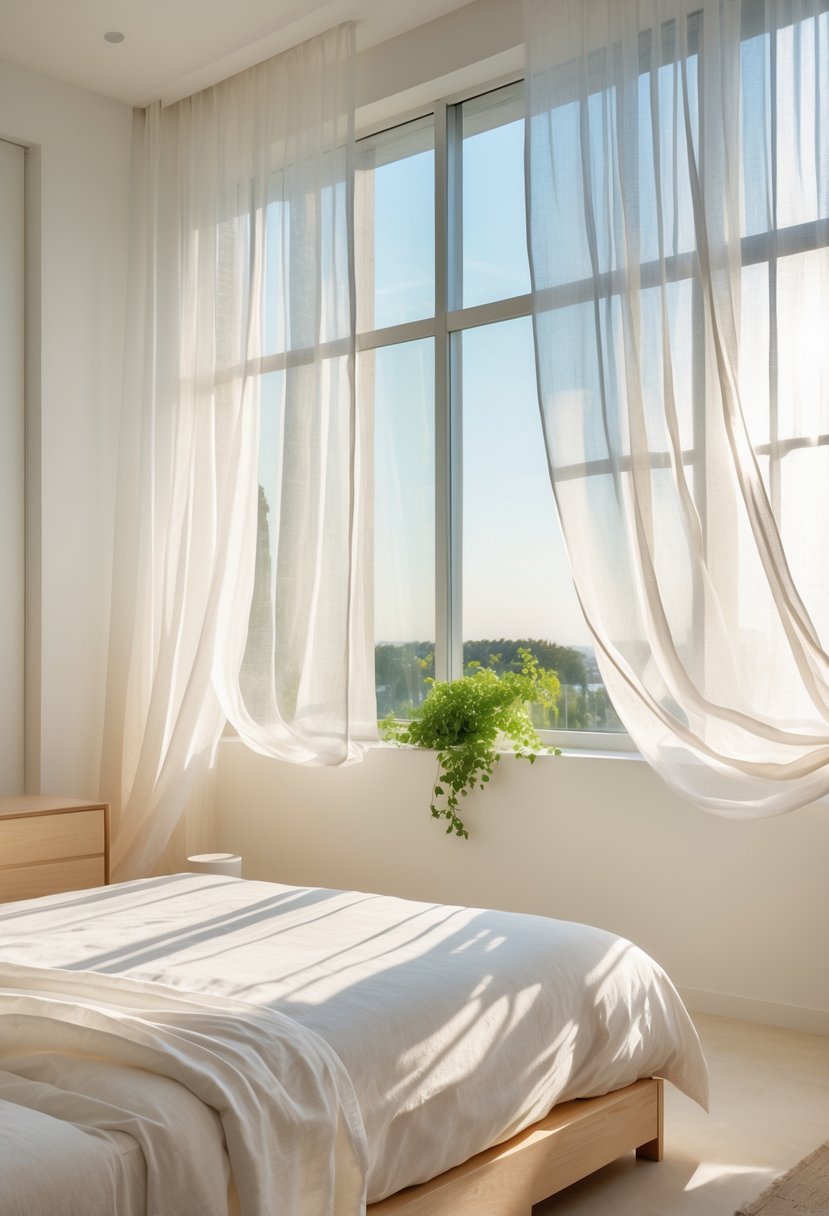
Sheer curtains allow sunlight to pass through while softening glare. They make a bedroom feel brighter without removing privacy.
Light fabrics such as voile or linen create a soft glow in the room. They work well alone or layered with heavier curtains for nighttime coverage.
Use a statement headboard in velvet or leather
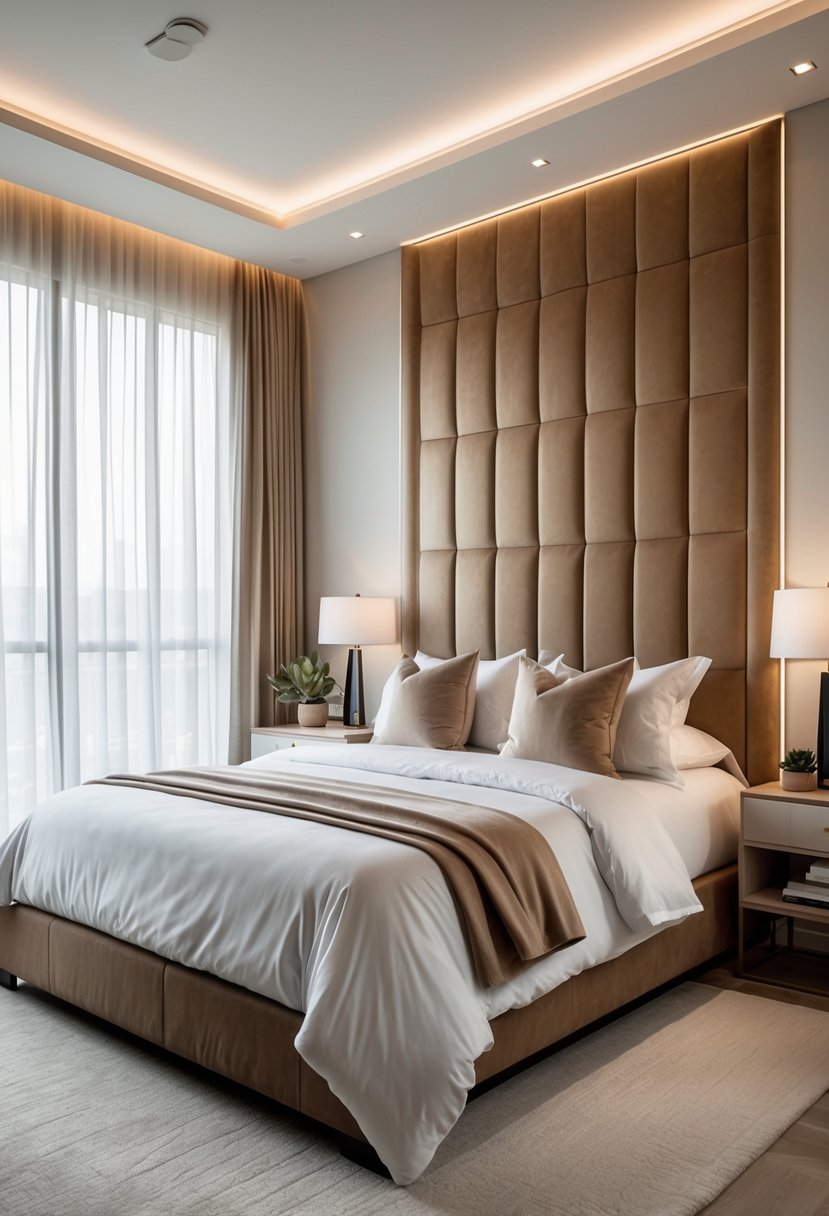
A velvet or leather headboard adds texture and depth to a bedroom. These materials create a focal point that feels both modern and timeless.
Velvet offers a soft, plush surface that enhances comfort. Leather provides a sleek look that works well in both classic and contemporary spaces.
Incorporate built-in shelving for storage and display
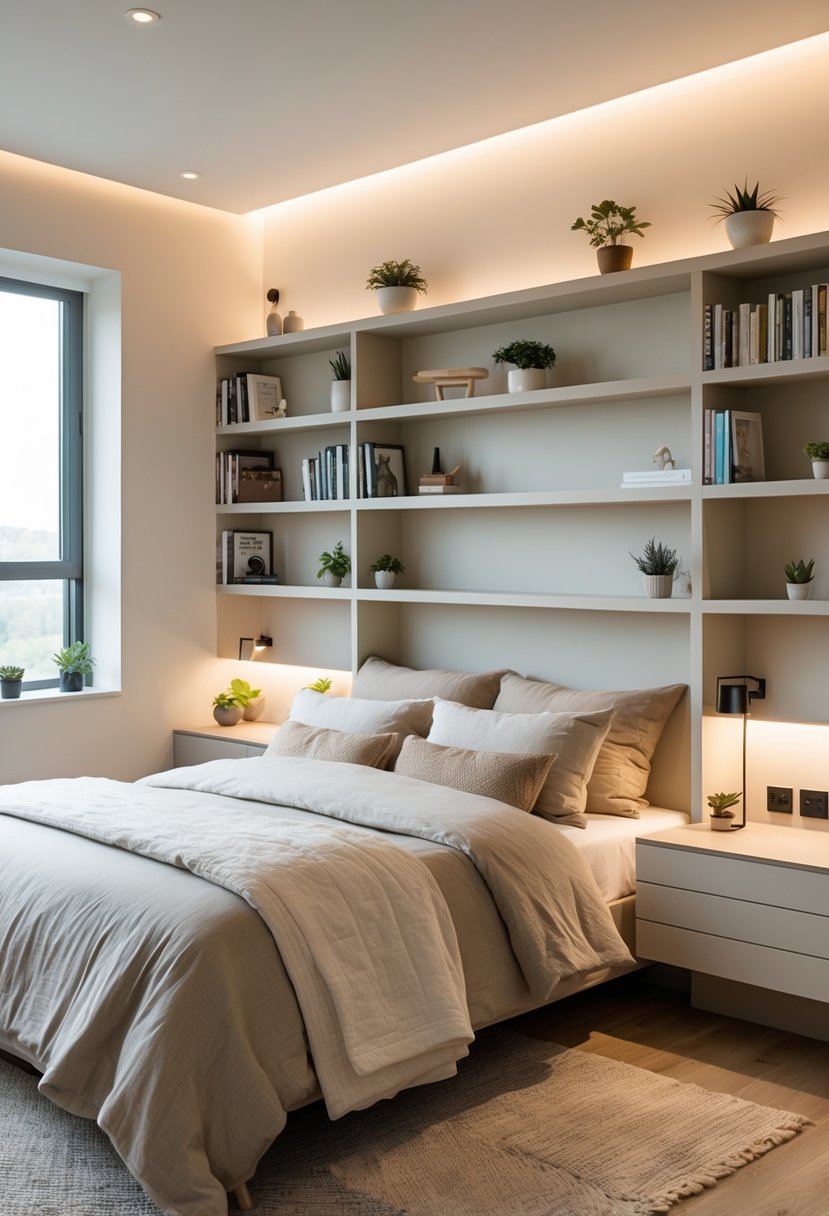
Built-in shelving helps maximize bedroom space by using walls efficiently. It provides both storage and display without adding bulky furniture.
Homeowners can use these shelves to organize books, decor, or personal items. Painting them the same color as the walls creates a seamless, custom look.
Choose a calming color palette with soft blues and grays
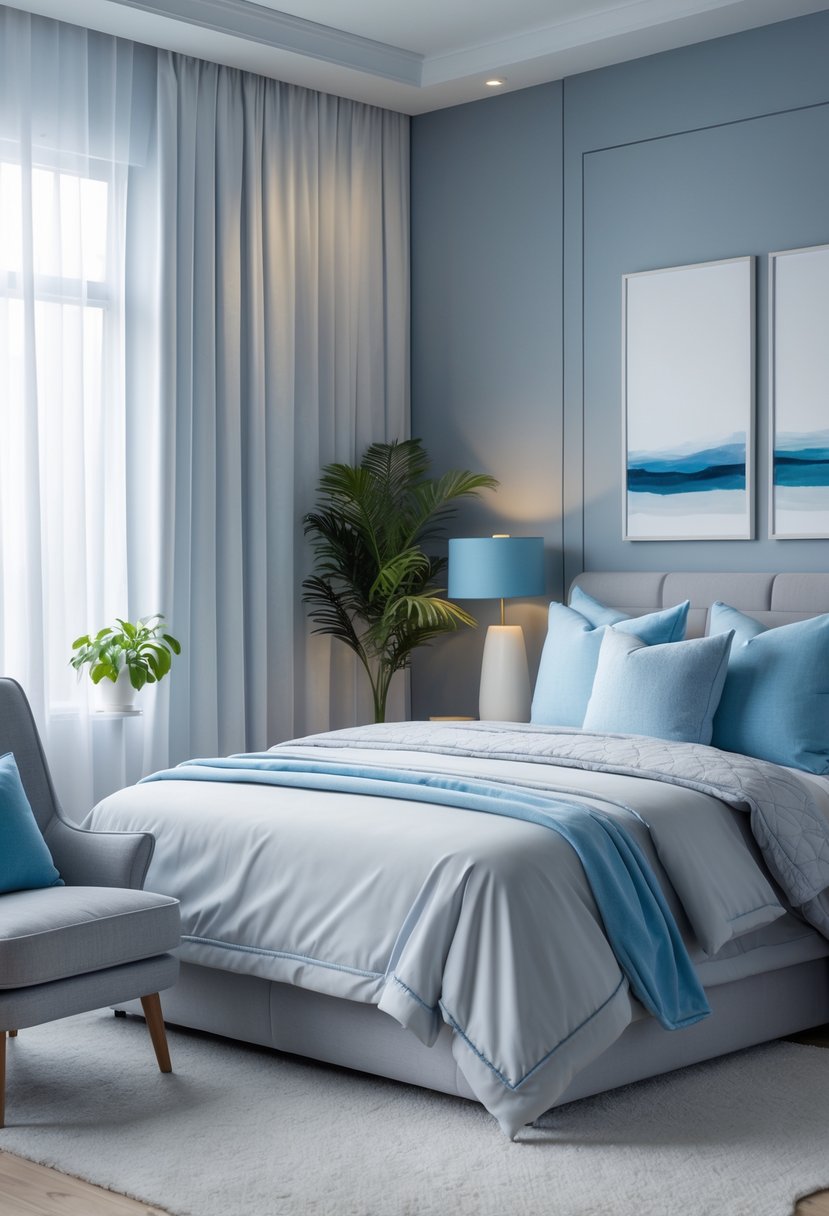
Soft blues and grays create a balanced and restful look in a bedroom. These shades work well together because blue adds coolness while gray provides a neutral base.
Lighter tones make a room feel open and airy, while deeper shades bring a cozy and grounded atmosphere.
Add layered lighting: ambient, task, and accent
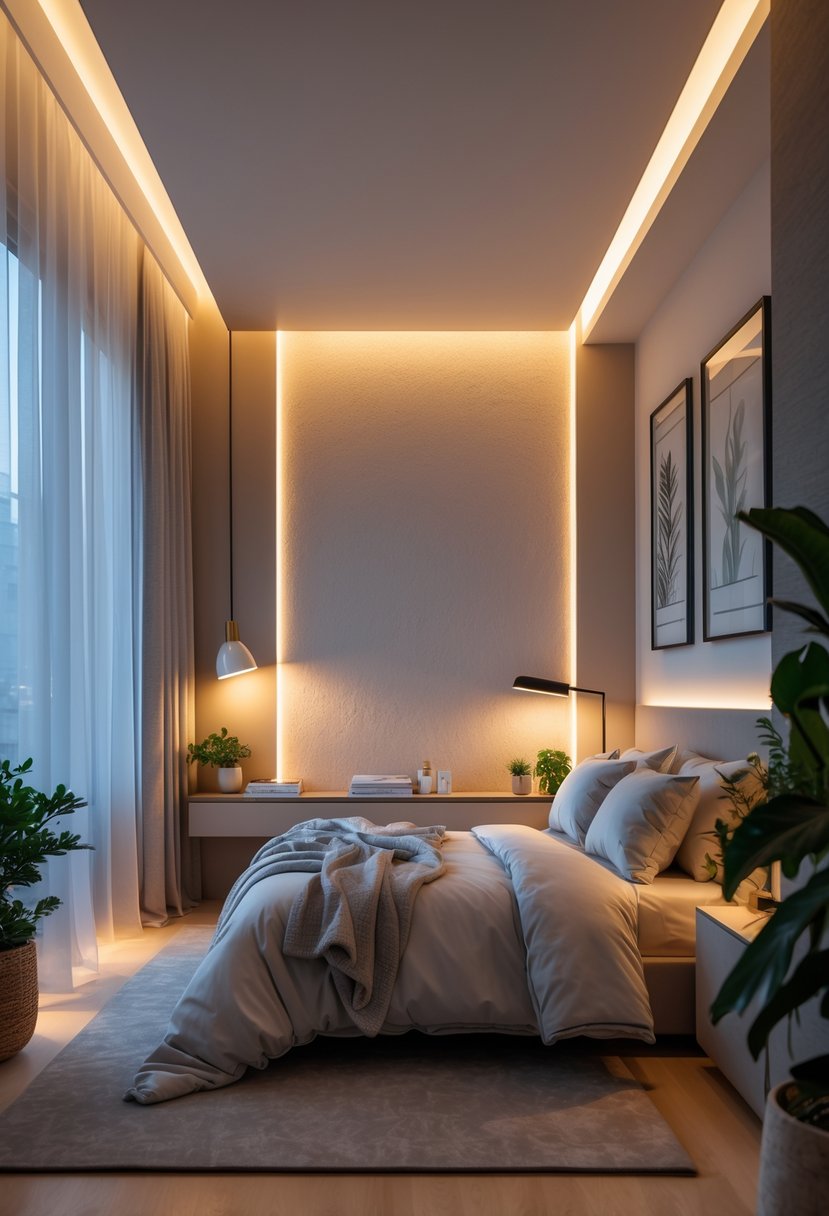
Layered lighting helps a bedroom feel balanced and functional. Ambient lighting provides general brightness, often from ceiling fixtures.
Task lighting supports activities like reading or working, usually through lamps or sconces.
Accent lighting adds focus, highlighting artwork or architectural details. Together, these layers create comfort and flexibility in the space.
Use multifunctional furniture like storage ottomans
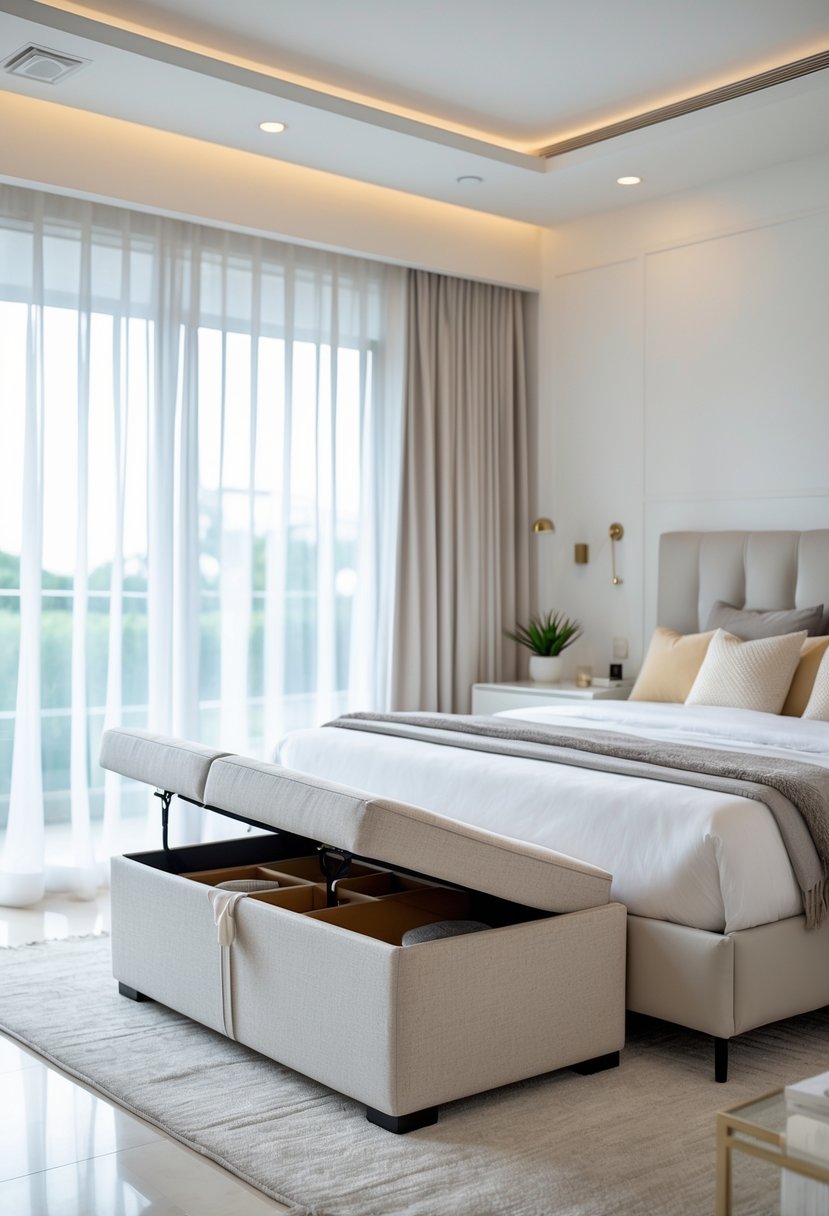
Storage ottomans provide both seating and hidden storage, making them practical for bedrooms with limited space.
They can hold items like blankets, pillows, or books, helping keep the room organized.
Their simple design allows them to fit in with many styles, from modern to traditional.
Create a reading nook with a cozy armchair and lamp
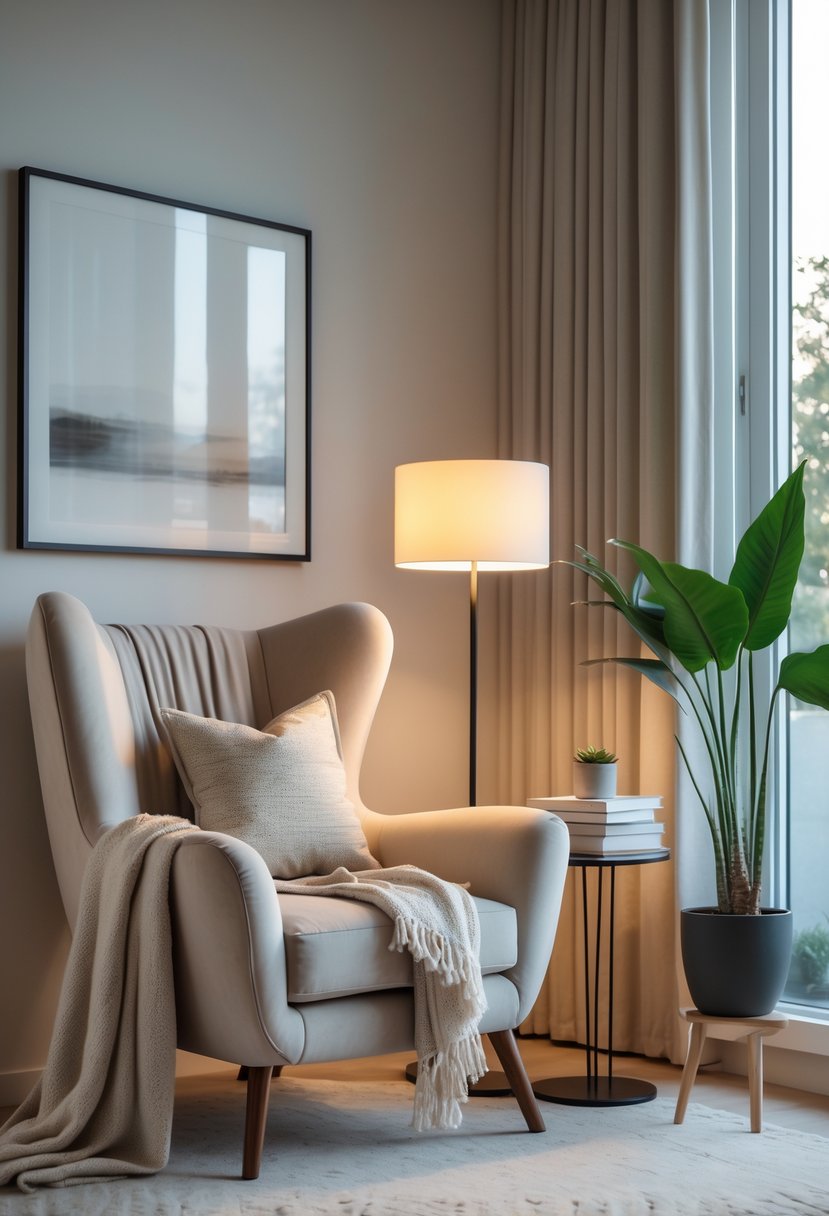
A soft armchair paired with a simple lamp can turn a quiet corner into a functional reading spot.
Adding a small side table for books or a warm drink makes the space more practical.
Neutral colors and a supportive chair keep the nook comfortable without overwhelming the bedroom.
Install floating nightstands to save floor space
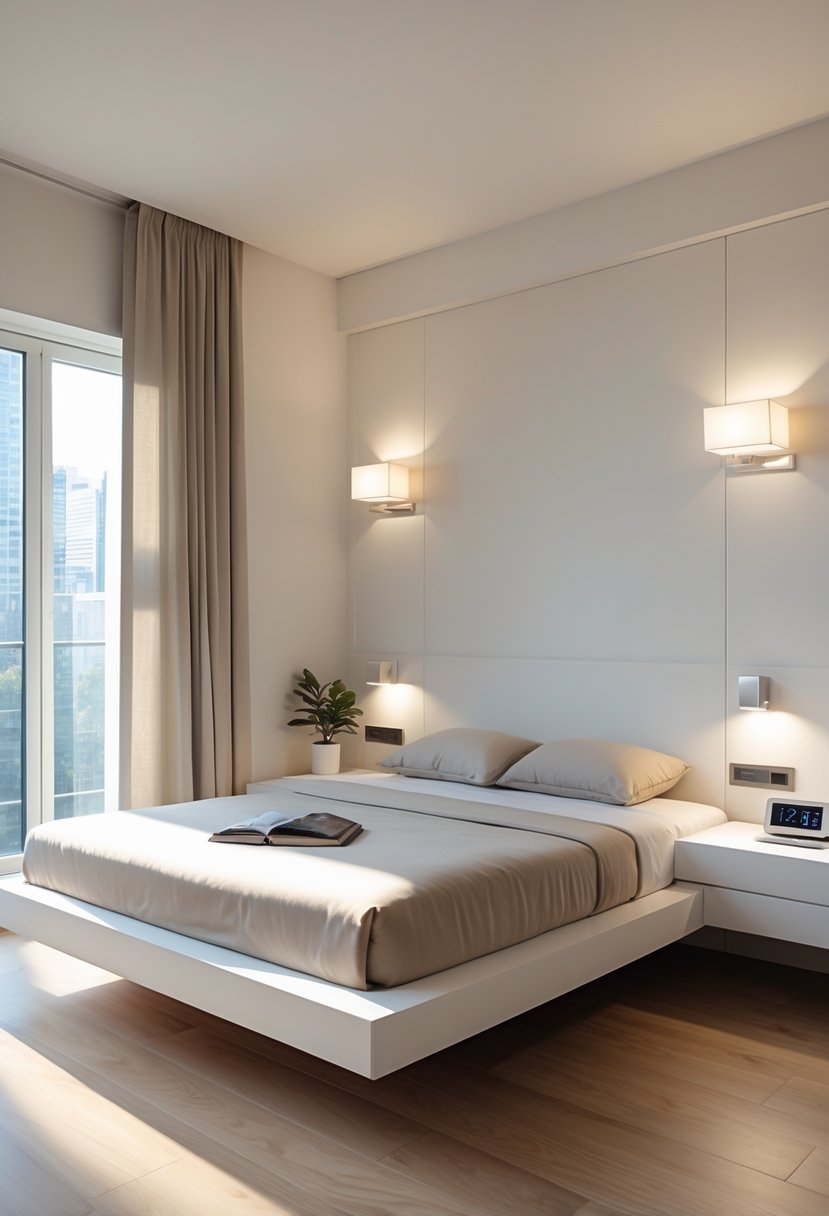
Floating nightstands mount directly to the wall, leaving the floor clear and easy to clean.
They provide the same storage as traditional tables but take up less room, making them practical for small bedrooms.
Different designs range from simple shelves to small cabinets, allowing flexibility in style and function.
Incorporate natural textures like wood and rattan
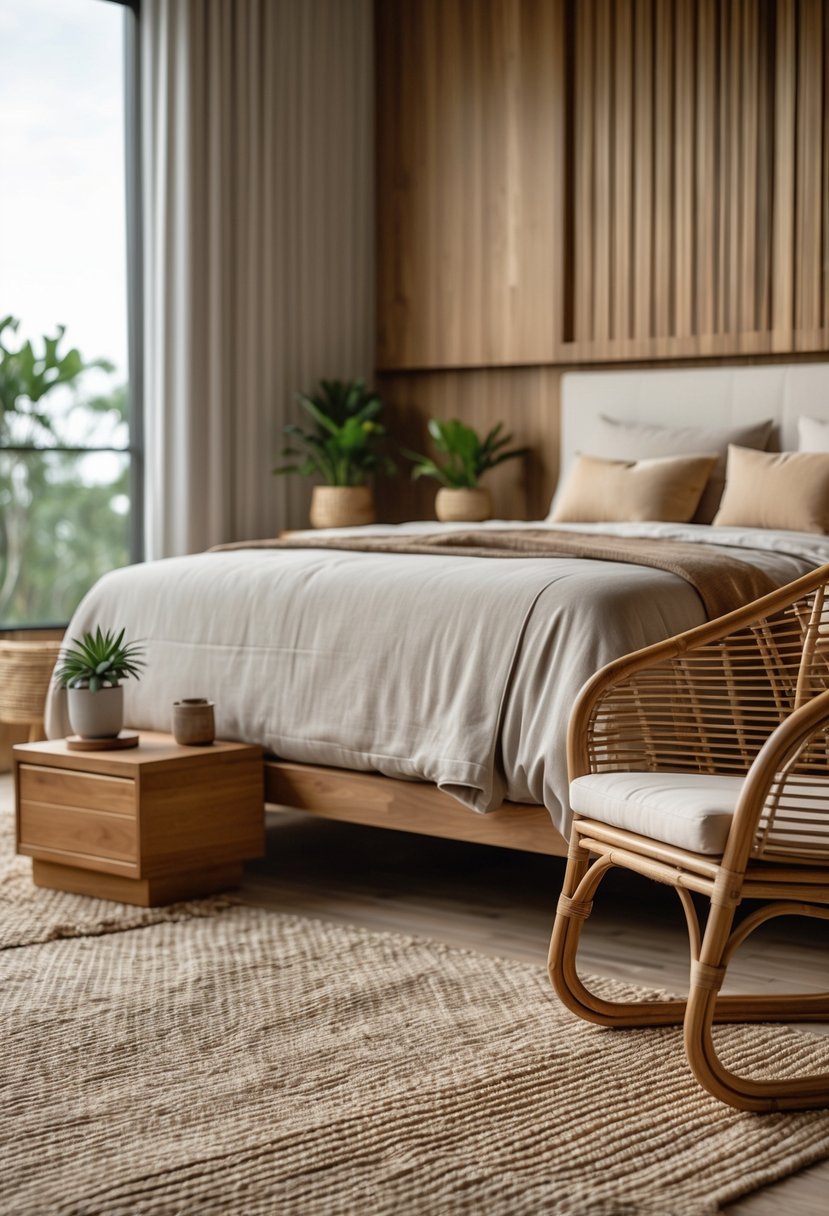
Wood adds warmth and a grounded feel to a bedroom. Simple choices like a wooden bed frame or nightstand create a calm, balanced look.
Rattan brings lightness and texture. A headboard, chair, or basket made of rattan introduces natural detail without overwhelming the space.
Use blackout curtains for better sleep quality
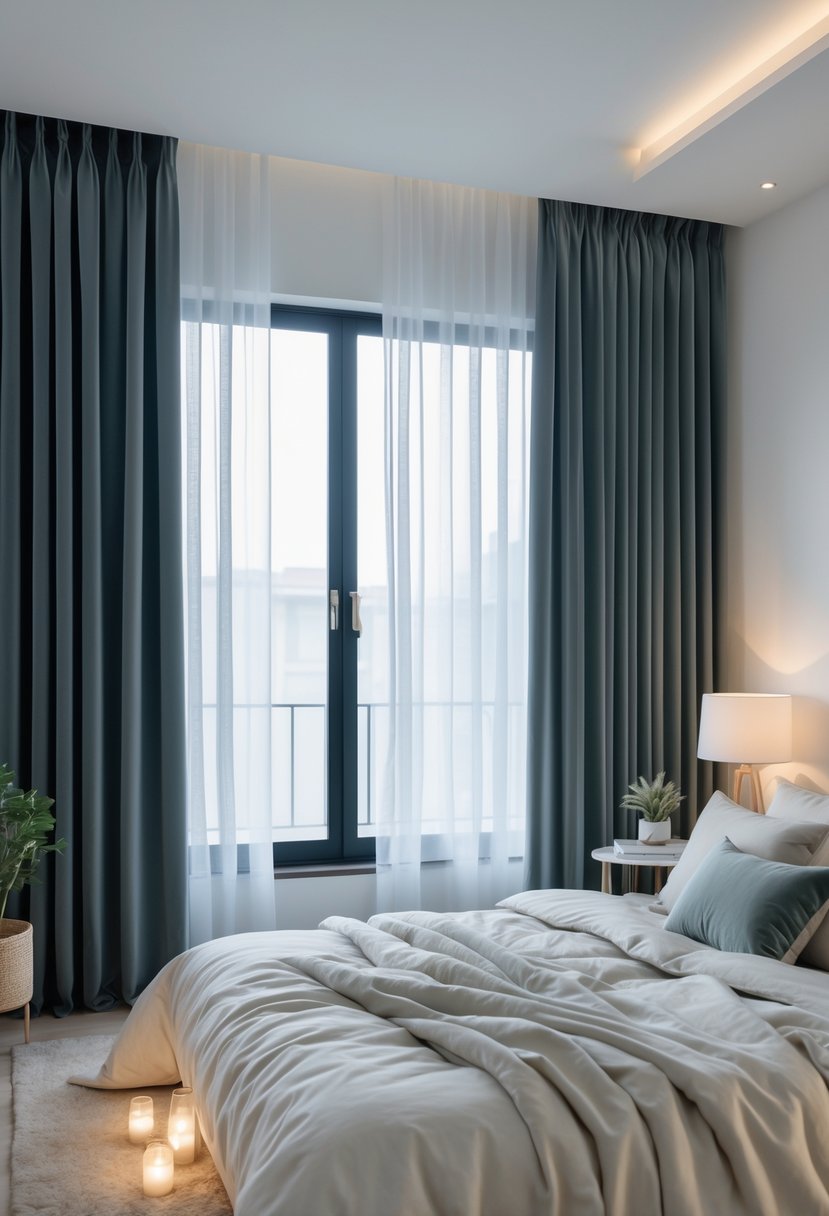
Blackout curtains reduce outside light, helping the body maintain a natural sleep cycle. They work well in bedrooms facing streetlights or early morning sun.
They also add privacy and can lower noise levels slightly. Many designs in 2026 combine function with style, offering options like layered fabrics, modern patterns, and neutral tones.
Add a large area rug to define the space
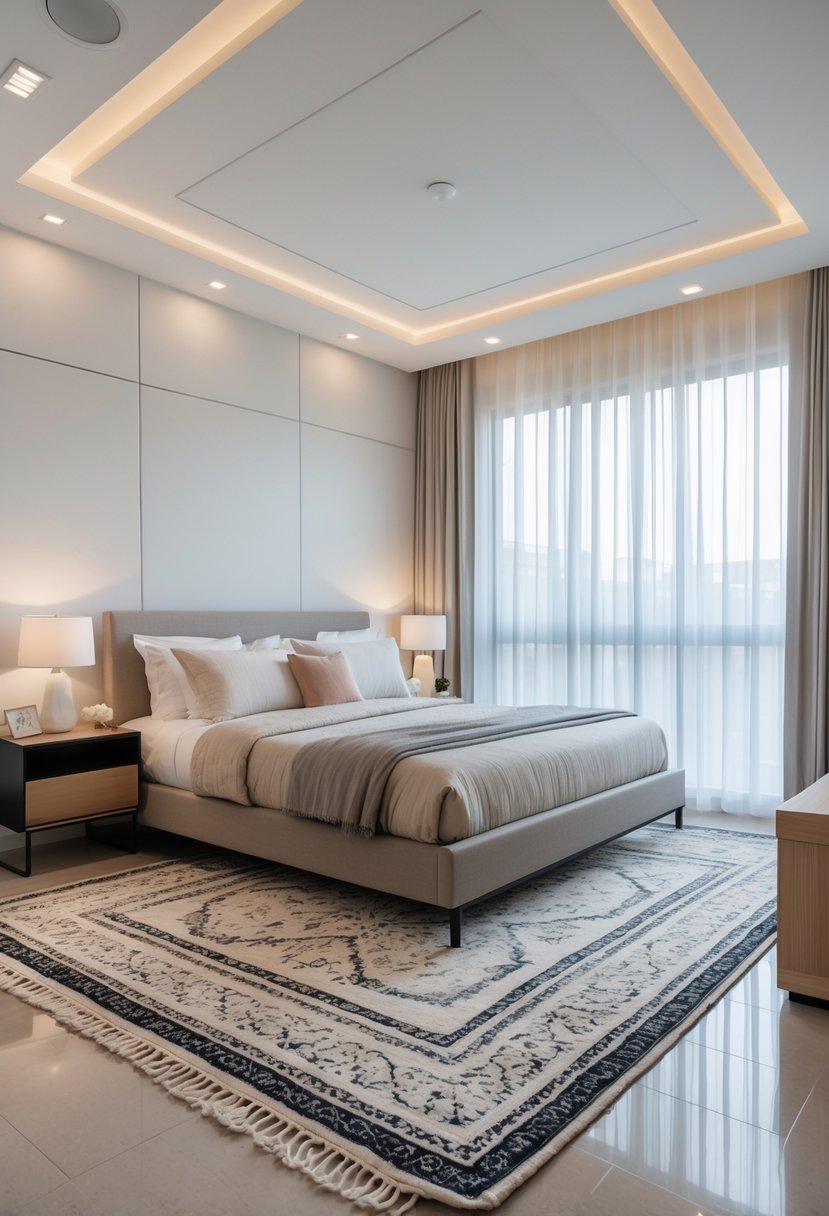
A large area rug helps anchor the bedroom by creating a clear visual boundary for the main furniture.
It adds warmth underfoot and balances the layout, especially when placed beneath the bed.
Natural fiber or textured rugs also introduce subtle pattern and depth without overwhelming the room.
Incorporate greenery with low-maintenance indoor plants
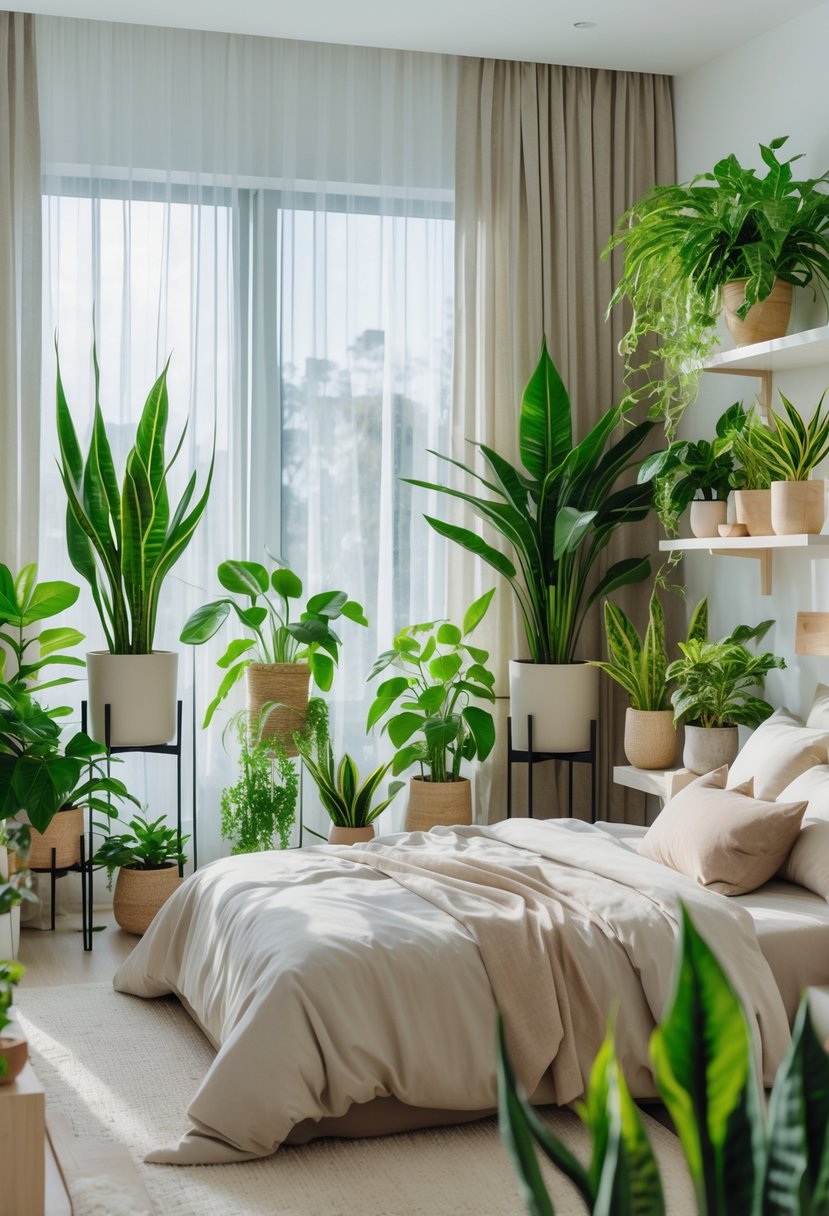
Adding indoor plants helps make a bedroom feel calm and fresh without requiring much upkeep.
Options like snake plants, pothos, or succulents grow well with little care and fit small or large spaces.
Hanging planters, shelves, or simple pots allow greenery to blend naturally with existing decor.
Use mirrors to visually expand small bedrooms
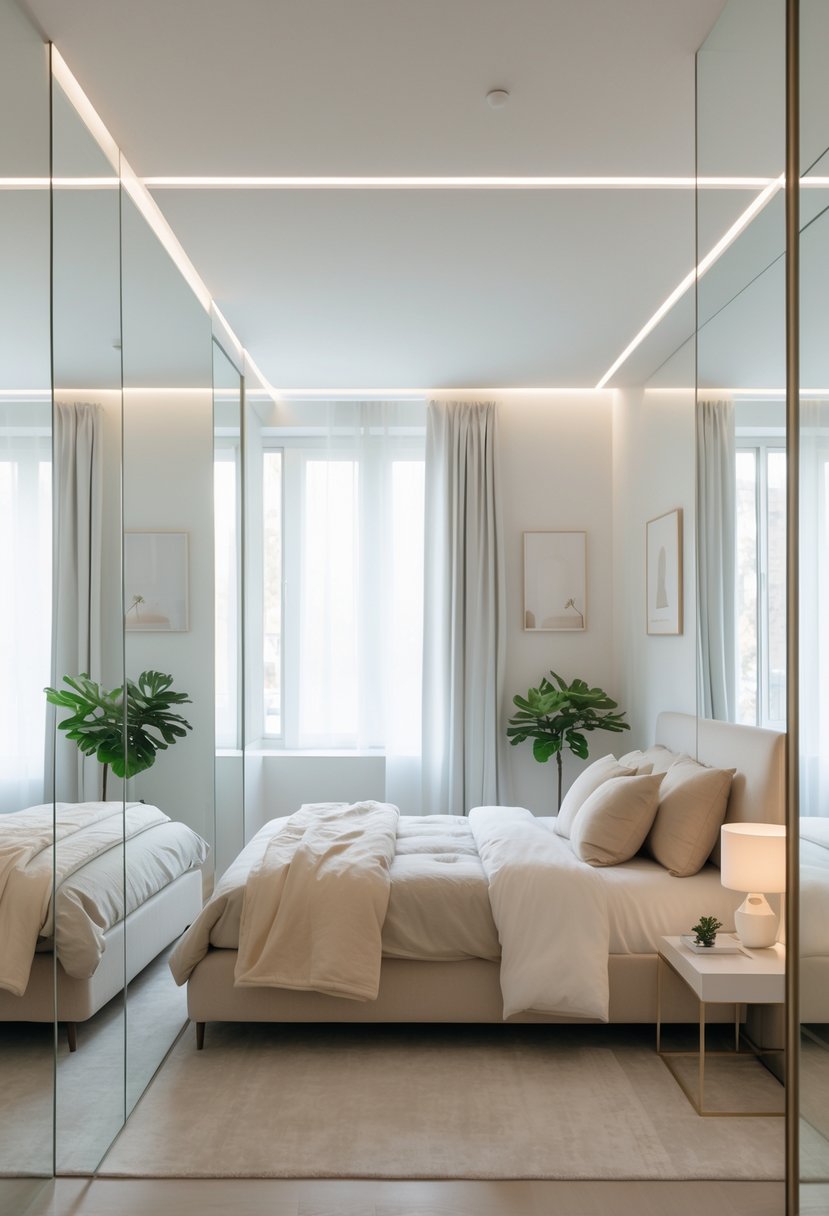
Mirrors can make a small bedroom feel more open by reflecting light and space. When placed near windows, they help spread natural light across the room.
A full-length mirror against a wall or closet door can create the impression of added depth. Even small mirrors can make tight areas appear less cramped.
Opt for a platform bed to create a modern look
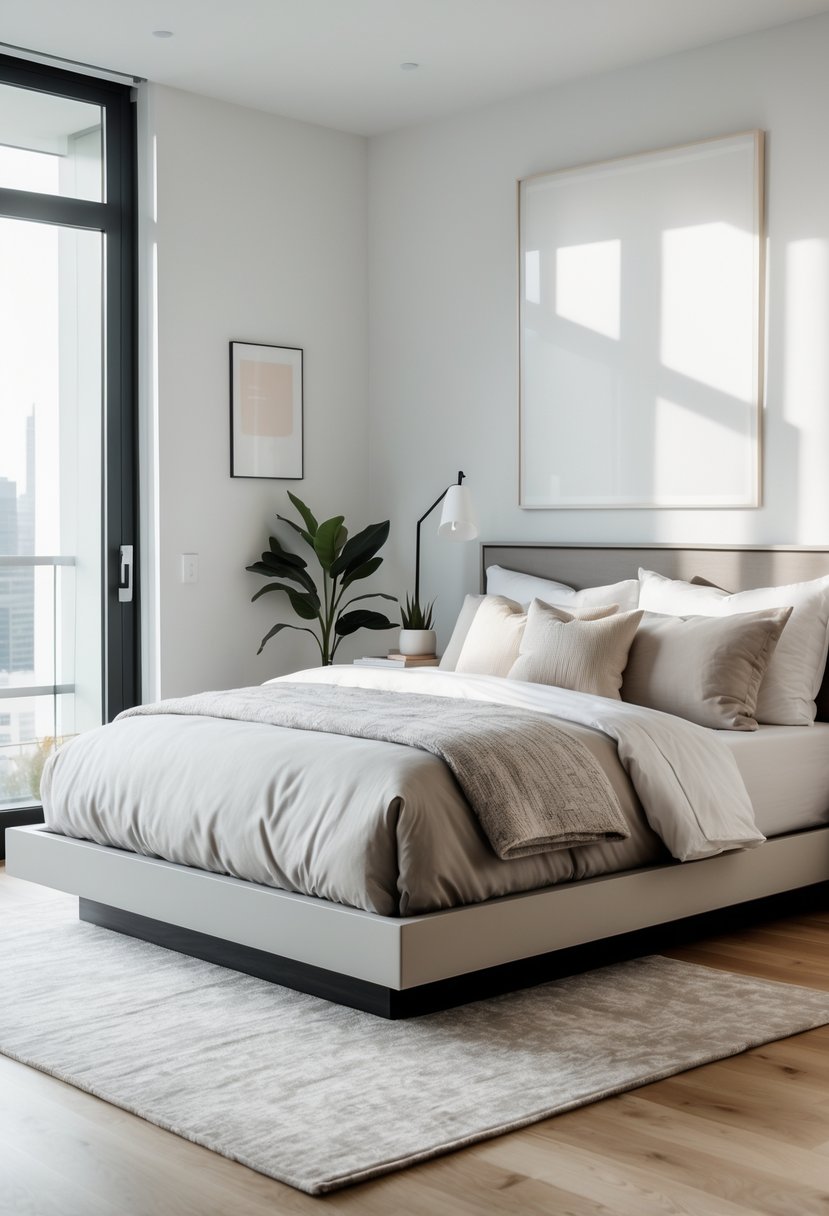
A platform bed offers clean lines and a low profile that suits contemporary spaces.
Its simple structure helps make a room feel more open and uncluttered.
Many designs also provide storage options, making them practical for both small and large bedrooms.
Add wall-mounted sconces to free up bedside table space
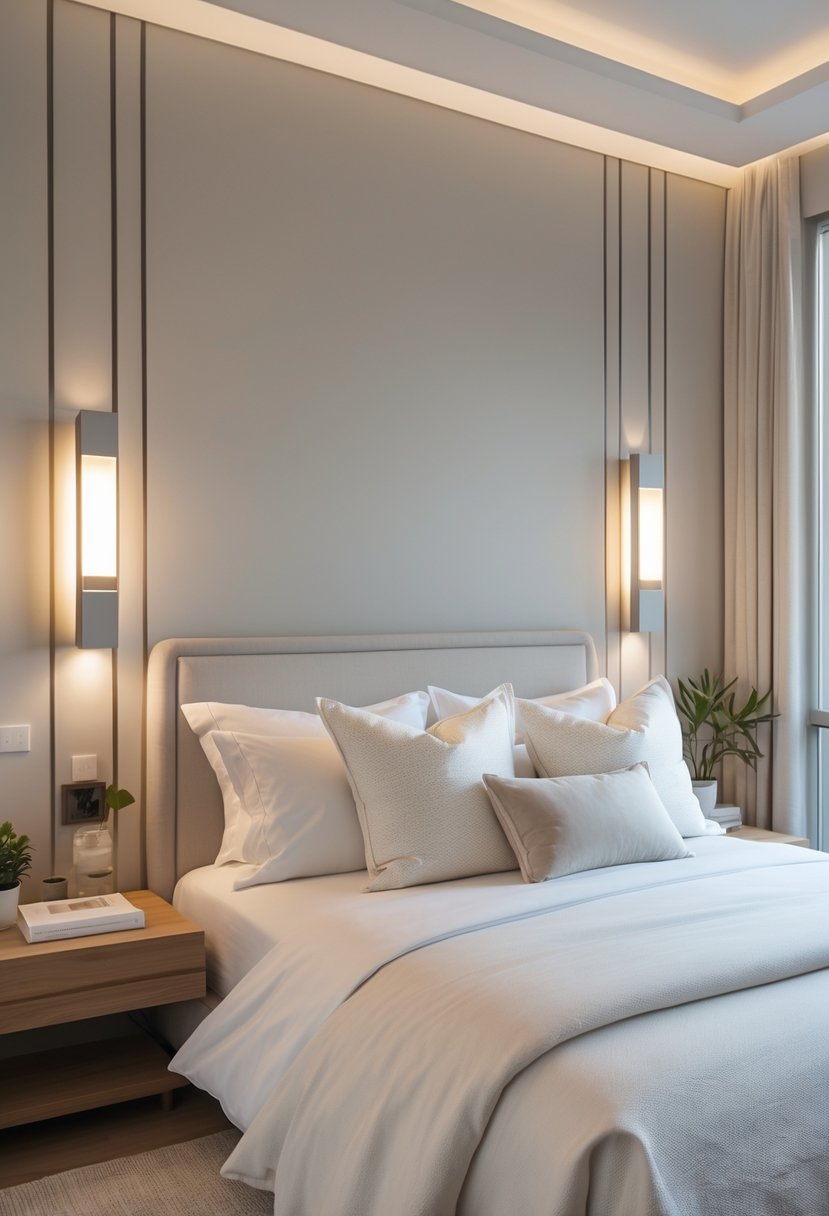
Wall-mounted sconces provide lighting without taking up surface area on nightstands.
They allow more room for essentials like books, clocks, or personal items.
Adjustable designs also make reading in bed easier while keeping the space uncluttered.
Use monochromatic bedding for a sleek, unified look
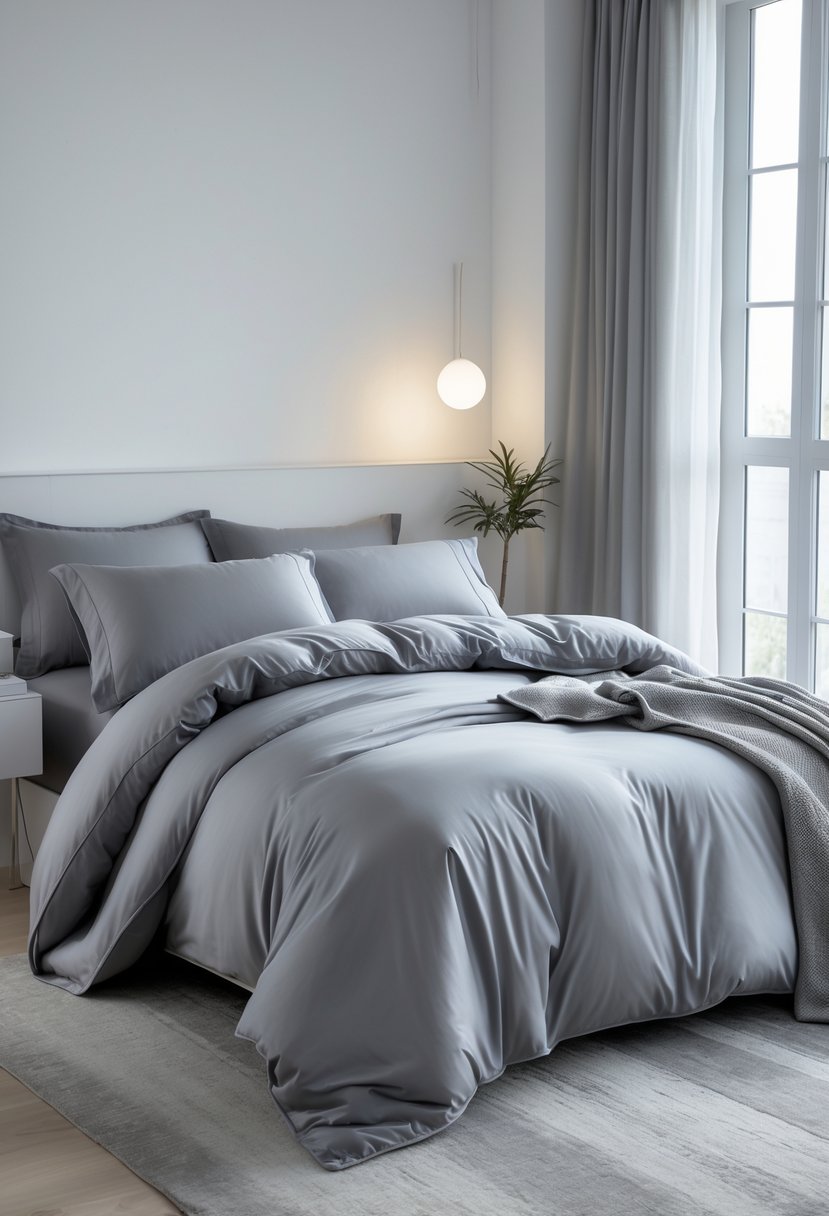
Monochromatic bedding creates a clean and organized appearance by using one color in different shades or tones. This approach helps the room feel cohesive without appearing cluttered.
They can choose soft variations of white, gray, or beige for a calm look, or darker tones for a more dramatic style.
Incorporate vintage or antique decor pieces for character
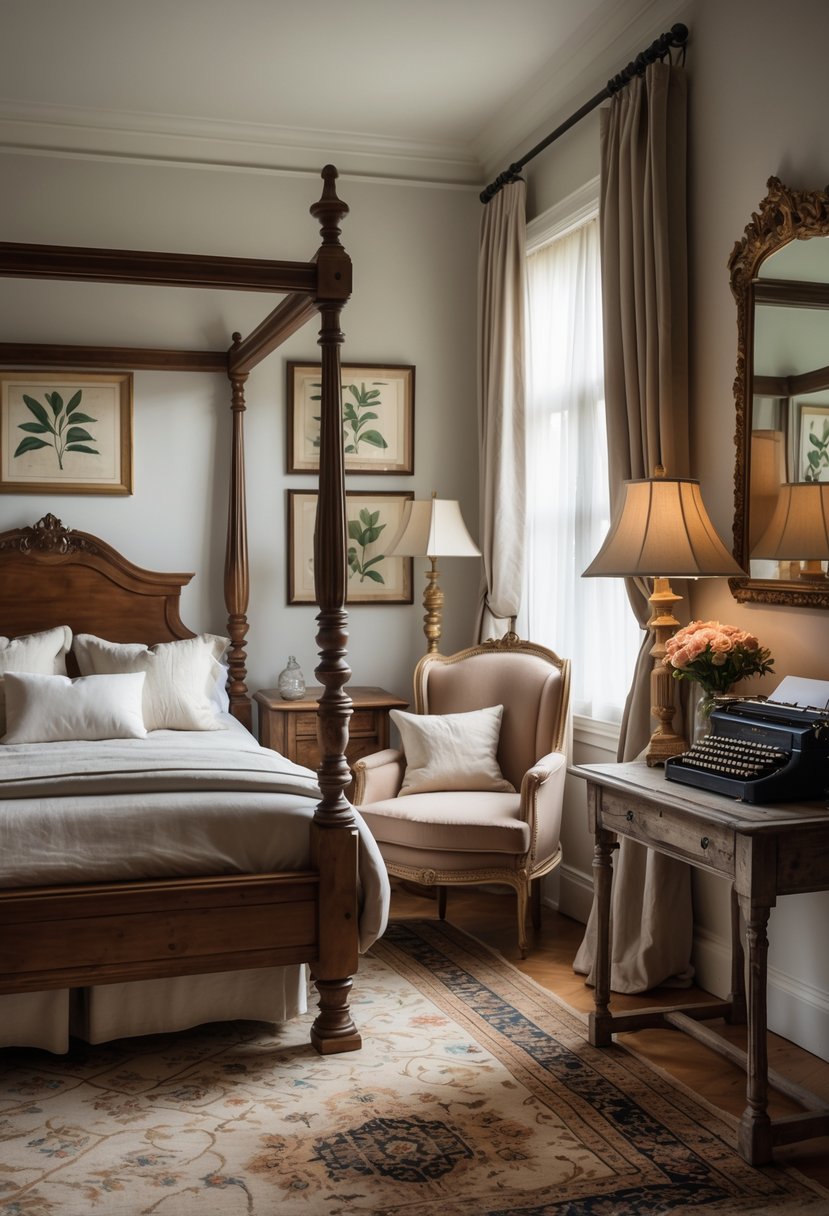
They can add depth and individuality by mixing vintage or antique pieces with modern furniture.
A simple armoire, antique dresser, or heirloom quilt introduces warmth without overwhelming the space.
Even small items like mirrors, lamps, or framed art create subtle touches of history and character.
Create a gallery wall with personal photos and art
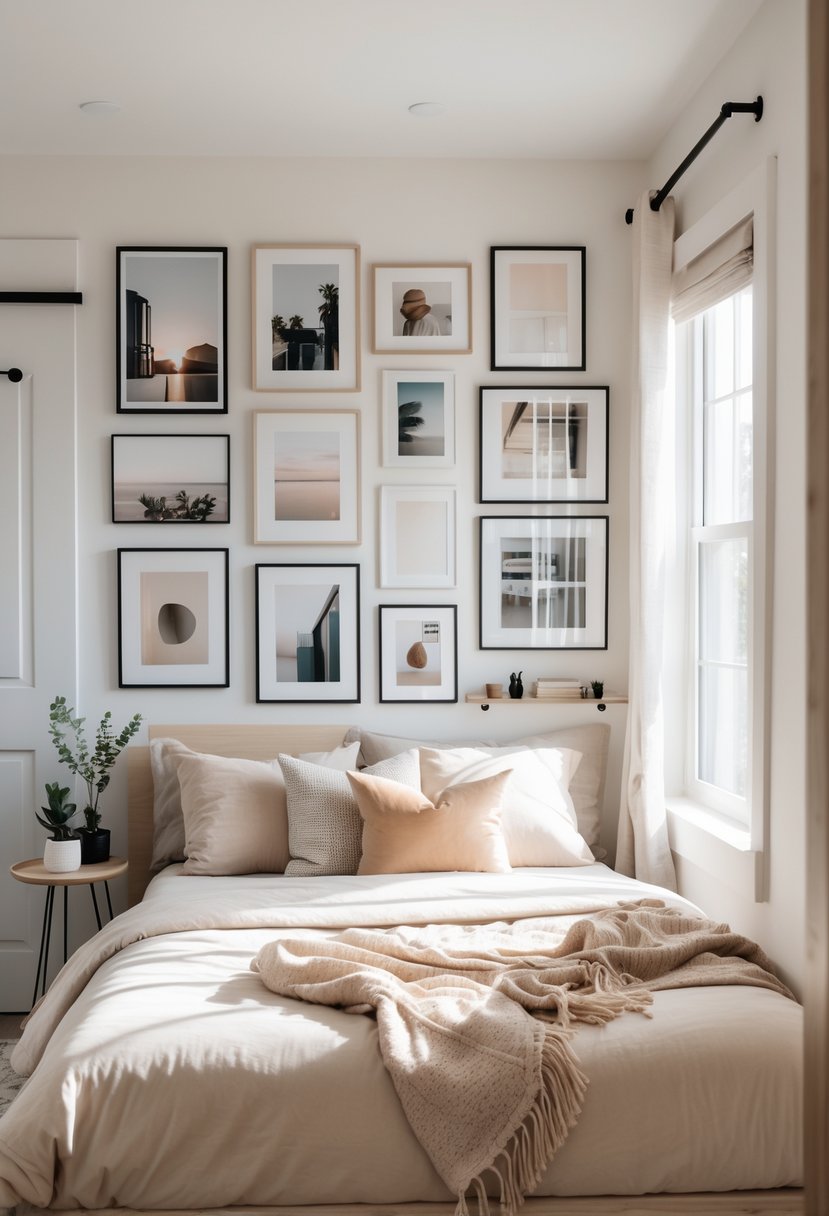
A gallery wall adds character to a bedroom by combining personal photos with artwork. It allows individuals to display memories and creative pieces in one space.
They can mix frame sizes, colors, and layouts for a balanced look. Using a consistent theme or palette helps the display feel cohesive.
Use under-bed storage drawers for organization
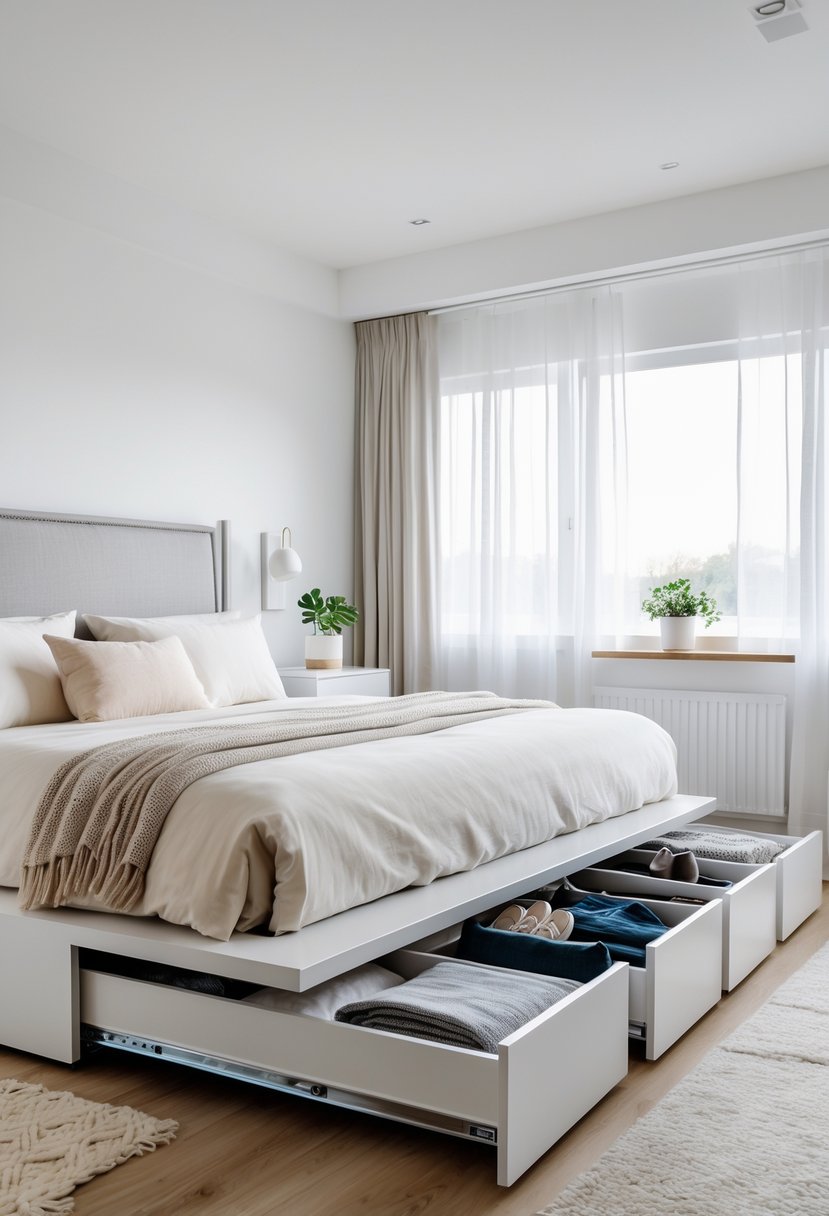
Under-bed storage drawers help make use of space that often goes unused. They keep items like clothes, shoes, or bedding neatly tucked away.
They slide out easily, making it simple to access what is stored without creating clutter.
This option works well in both small and large bedrooms.
Incorporate soft textiles like velvet throw pillows
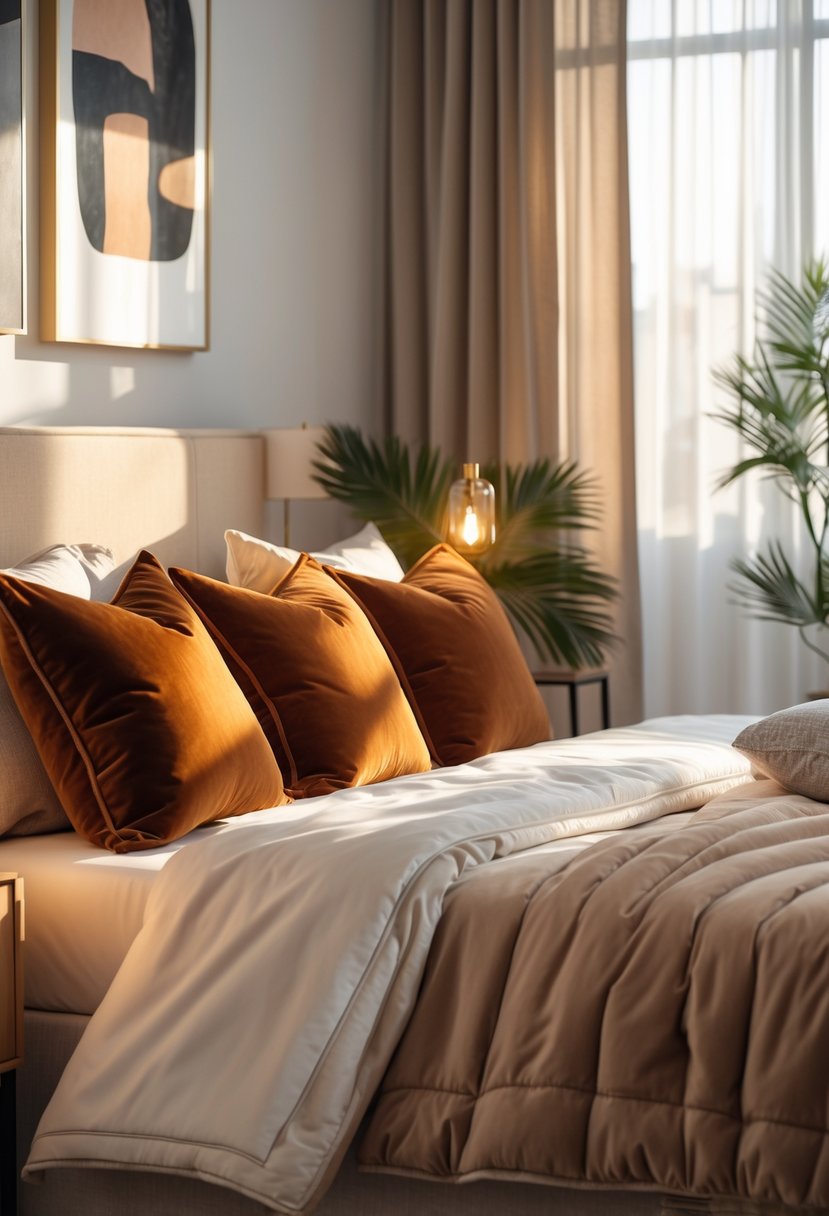
Velvet throw pillows add a soft texture that makes a bedroom feel more inviting. They work well on beds or chairs without taking up much space.
She can use them to bring in color, whether through rich jewel tones or lighter shades. This small change creates depth and balance in the room.
Choose a minimalist desk for multifunctional use
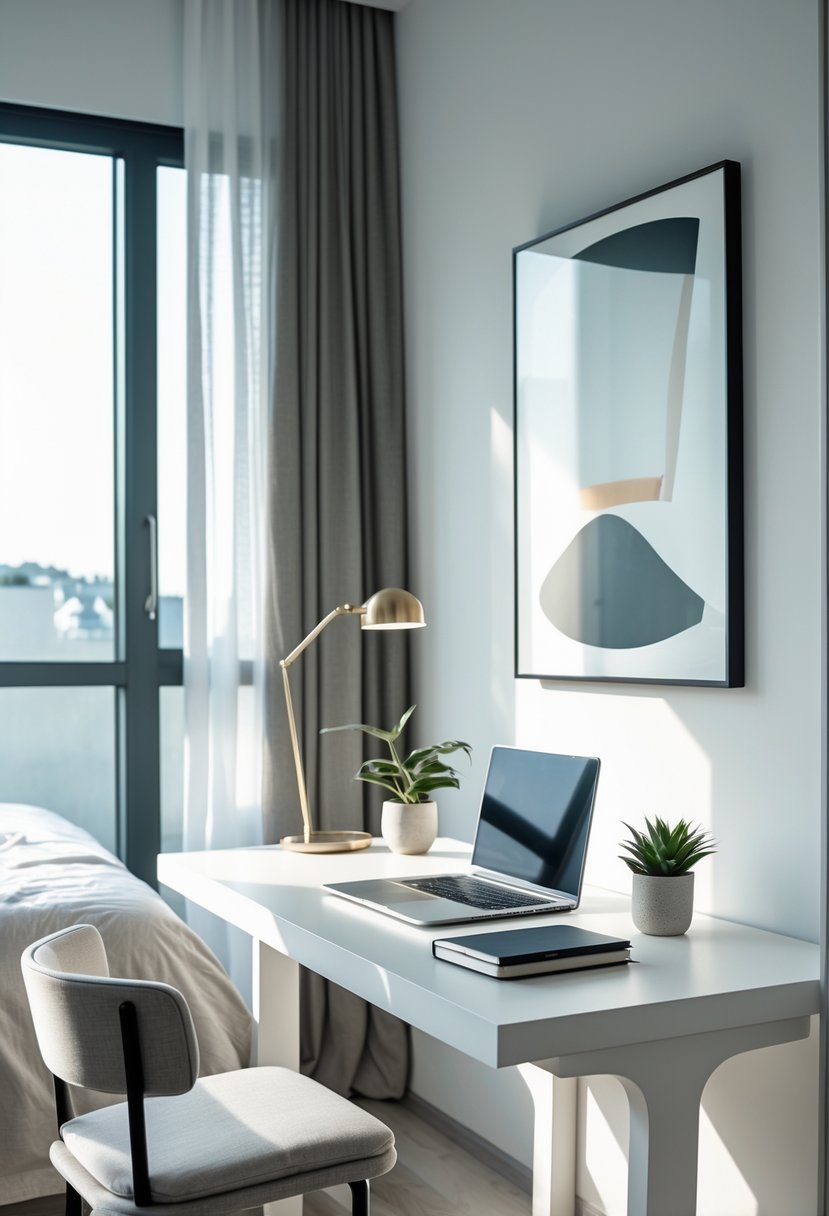
A minimalist desk can provide both workspace and storage without overwhelming the room.
Compact designs with clean lines fit well in modern bedrooms and keep the area uncluttered.
Many desks now include drawers or shelves, allowing them to serve as both a study station and storage solution.
Add a statement chandelier or pendant light
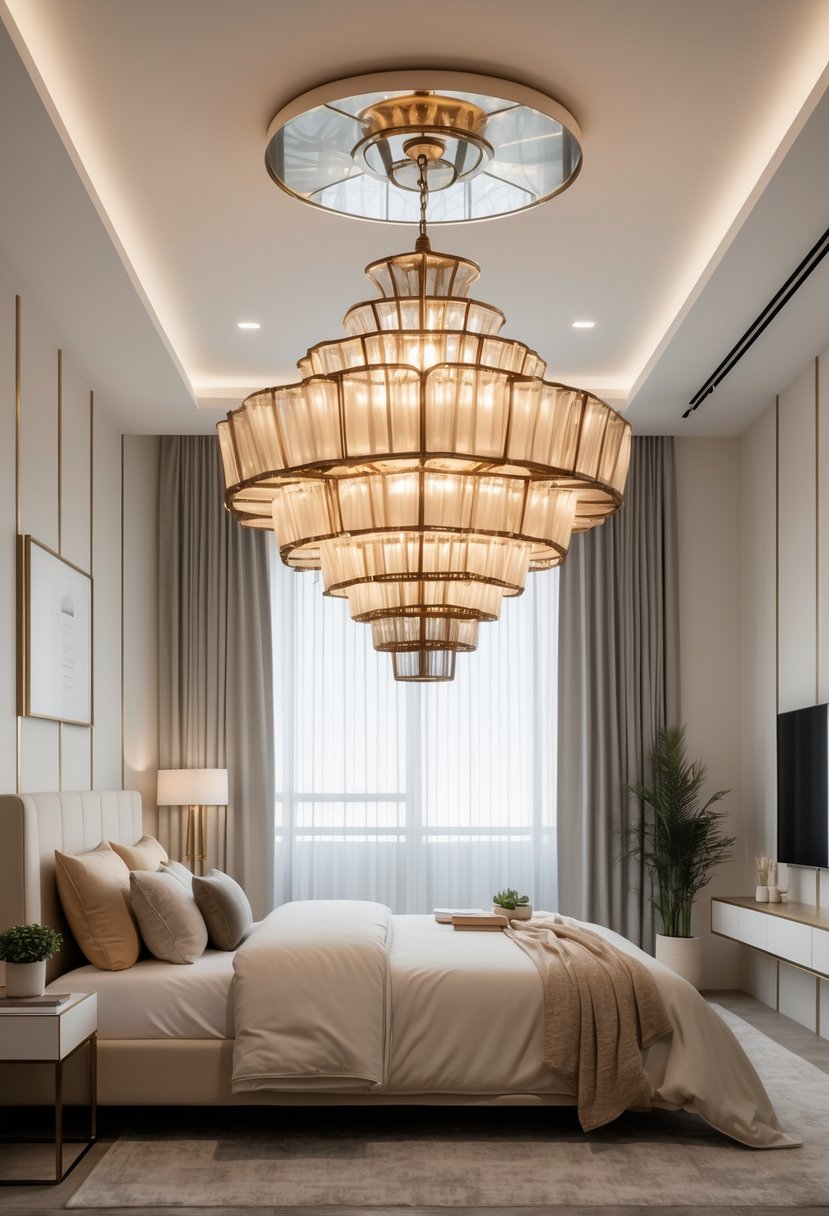
A chandelier or pendant light can serve as the main focal point in a bedroom. It adds both function and style without overwhelming the space.
Designers in 2026 favor clean lines, natural textures, and subtle finishes. These fixtures provide balanced lighting while also enhancing the room’s overall look.
Emerging Bedroom Design Trends for 2026
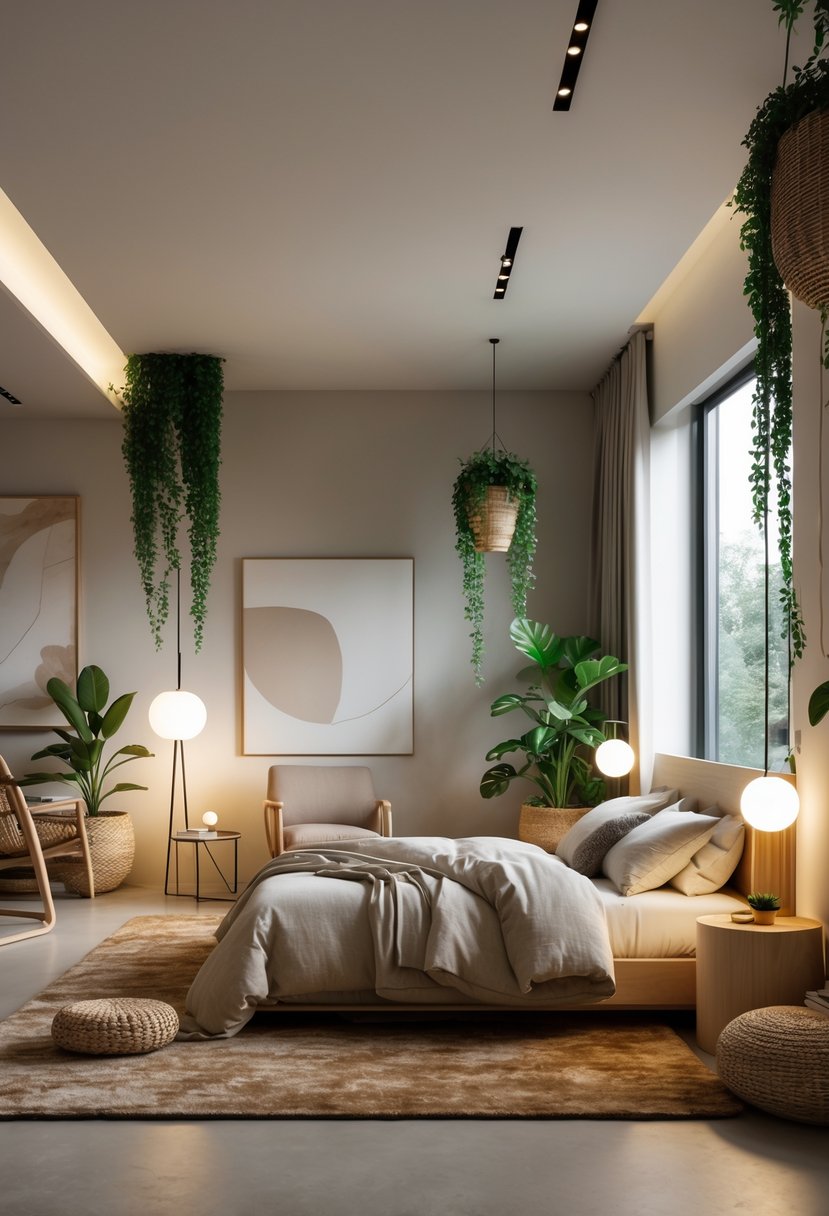
Bedrooms in 2026 highlight calm color choices, eco-conscious materials, and built-in smart features. These updates focus on comfort, efficiency, and a balance between style and function.
Color Palettes Shaping 2026
Designers lean toward nature-inspired tones that create a restful atmosphere. Soft greens, muted blues, and earthy browns dominate, offering a grounded look that connects the space to the outdoors. Neutral shades like beige and warm gray continue to serve as reliable backdrops.
Accent colors shift toward deep navy, terracotta, and sage, giving bedrooms contrast without overwhelming the senses. These tones work well with both modern and traditional furniture styles.
Two-tone combinations are popular, such as pairing light neutrals with darker accents on walls or textiles. This approach adds depth while keeping the overall design simple and calm.
| Popular Tones | Effect on Space |
|---|---|
| Sage Green | Calming, natural |
| Terracotta | Warm, earthy |
| Navy Blue | Bold, grounding |
| Beige/Gray | Neutral, versatile |
Sustainable Materials and Eco-Friendly Choices
Bedrooms in 2026 place strong emphasis on sustainability. Natural wood, bamboo, and cork are common for flooring and furniture because they are renewable and durable. Recycled fabrics and organic cotton dominate bedding and curtains, reducing reliance on synthetic materials.
Homeowners also seek low-VOC paints and finishes to improve indoor air quality. This shift reflects growing awareness of health and environmental impact.
Minimalist furniture with longer lifespans replaces disposable pieces. Instead of fast furniture, people invest in timeless designs that reduce waste. Materials like reclaimed wood and recycled metal are valued for both their look and reduced footprint.
Eco-friendly choices extend to lighting, with LED fixtures and smart bulbs reducing energy use while offering adjustable brightness and color.
Smart Technology Integration
Technology becomes more discreet yet practical in 2026 bedrooms. Smart lighting systems allow users to adjust brightness and color temperature for better sleep routines. Voice-controlled assistants and app-based controls manage curtains, thermostats, and sound systems.
Furniture often includes built-in charging ports, wireless charging pads, or hidden storage for devices. This reduces clutter and keeps technology accessible without dominating the room.
Sleep-focused tech grows in popularity. Smart mattresses track sleep patterns and adjust firmness or temperature for comfort. Air purifiers and climate control devices integrate seamlessly, creating healthier indoor environments.
These features support convenience and wellness, making bedrooms both functional and restful.
Maximizing Comfort and Functionality
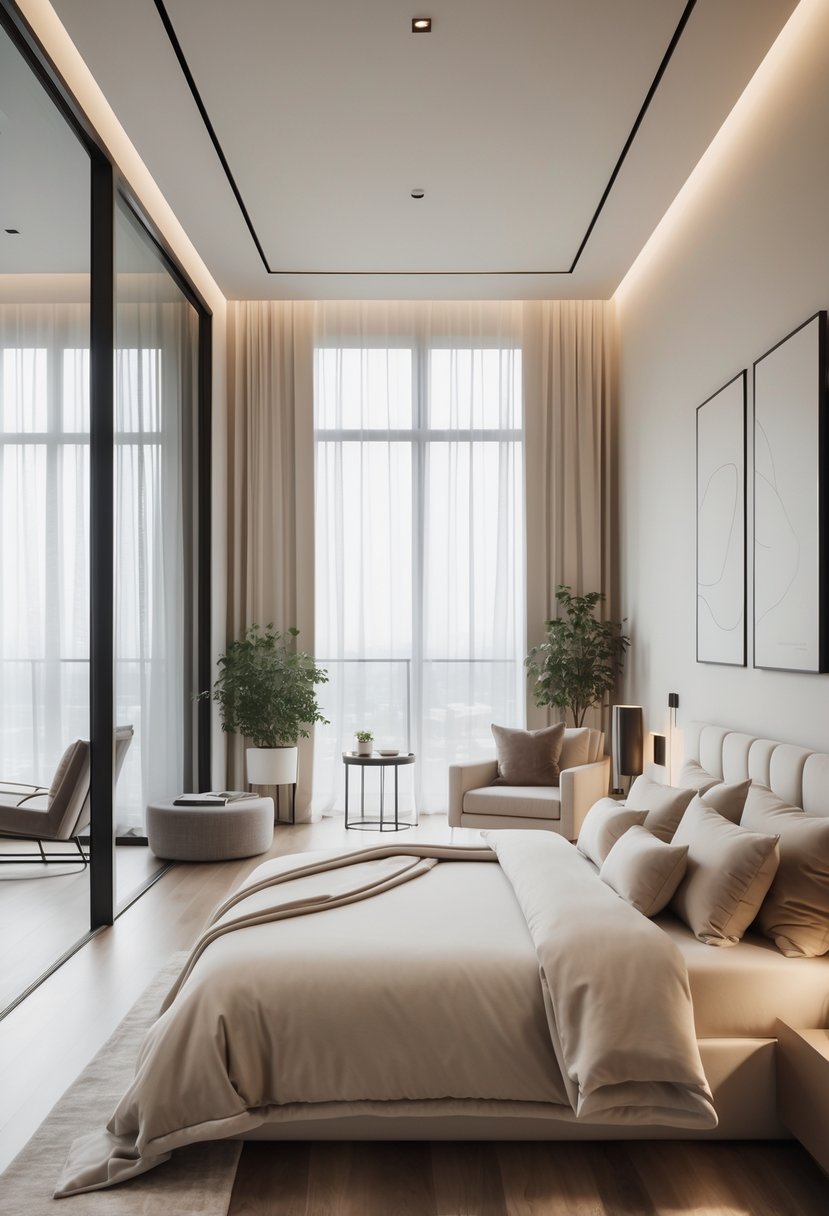
A well-designed bedroom balances comfort with practical use of space. Key design choices include how furniture fits into limited areas and how lighting shapes both mood and function.
Space-Saving Solutions
Small and large bedrooms alike benefit from smart storage and flexible layouts. Furniture that serves more than one purpose, such as beds with built-in drawers or fold-out desks, helps reduce clutter while keeping essentials close at hand.
Vertical space often goes unused. Wall-mounted shelves, tall wardrobes, and overhead cabinets free up floor area while adding storage capacity. Sliding doors on closets and wardrobes also save room compared to swing doors.
For very compact spaces, foldable or modular pieces work well. A fold-down desk or a Murphy bed allows the room to switch between work, rest, and leisure. Keeping furniture proportional to the room size prevents overcrowding and supports a more open feel.
Examples of effective space-saving choices:
- Under-bed storage drawers
- Floating nightstands
- Foldable chairs or desks
- Tall shelving units
Lighting Strategies for Modern Bedrooms
Lighting affects both comfort and functionality. Layered lighting, which combines ambient, task, and accent sources, ensures the room adapts to different needs. Ceiling fixtures provide general brightness, while bedside lamps or wall sconces support reading and focused tasks.
Natural light remains important. Large windows, sheer curtains, and light-colored walls help maximize daylight, which supports both mood and energy levels. Adjustable blinds or shades allow control over brightness and privacy.
Smart lighting systems add convenience. Dimmable bulbs and app-controlled fixtures let users shift from bright light in the morning to soft, warm tones at night. Placement also matters—LED strips under shelves or behind headboards create subtle accents without taking up space.
Key lighting elements:
- Ambient: ceiling or recessed lights
- Task: reading lamps, desk lights
- Accent: LED strips, wall sconces
- Smart controls for flexibility


