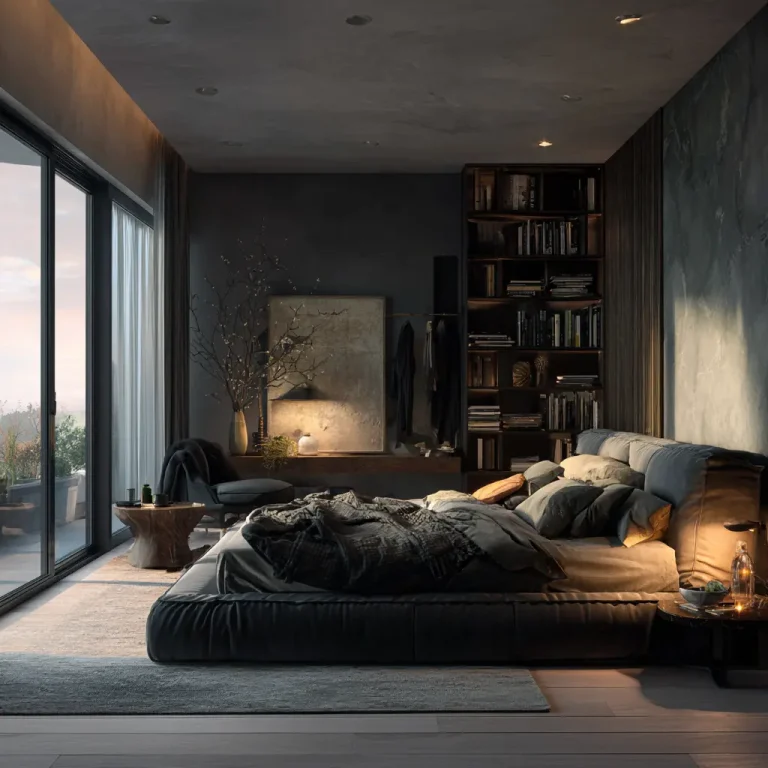
Master Bedroom Ideas 2026: 22 Stylish Designs for a Modern Retreat
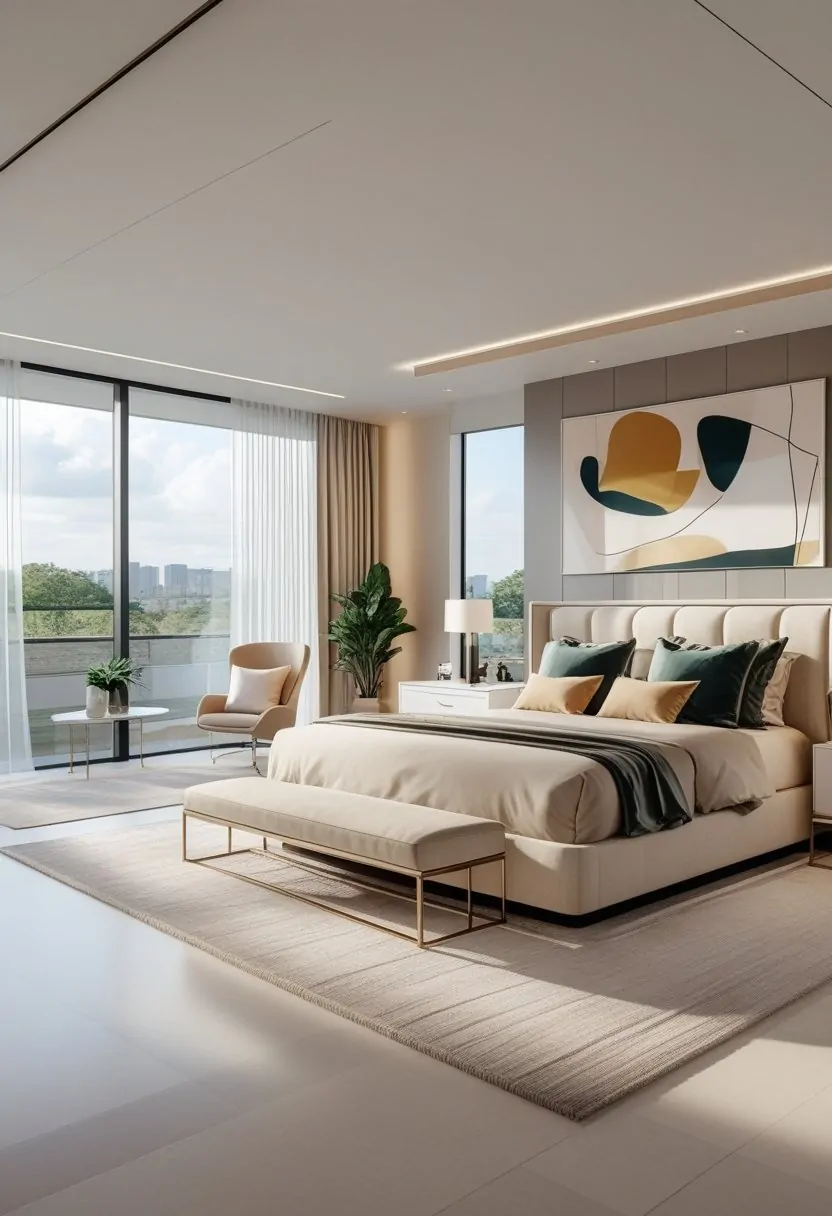
Designing a master bedroom in 2026 focuses on creating a space that balances comfort, style, and function. Trends highlight a shift toward calm color schemes, thoughtful lighting, and furniture that makes the most of available space. The goal is to shape a room that feels restful while also reflecting personal style in a modern way.
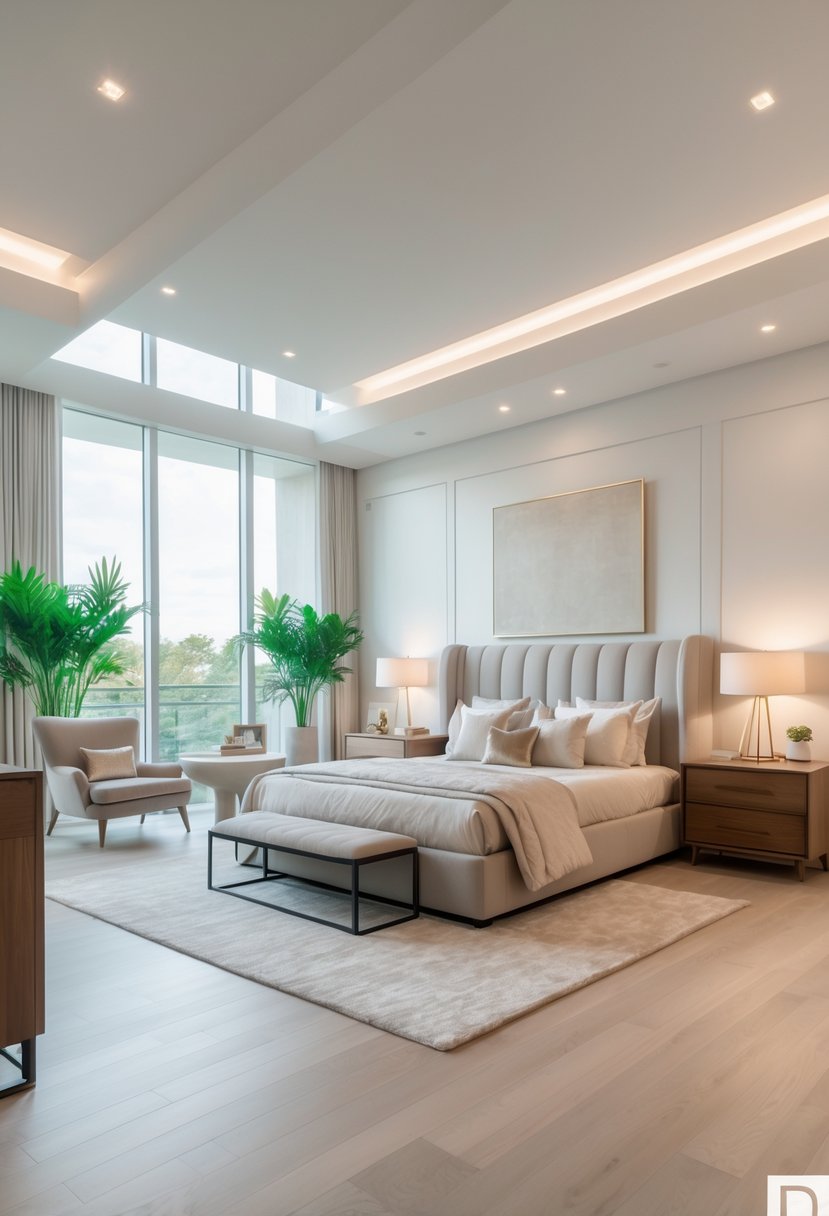
This approach goes beyond simple decoration. It includes details like layered textures, smart storage solutions, and design elements that add both warmth and practicality. With these ideas, anyone can turn a bedroom into a retreat that supports relaxation and fits seamlessly with everyday life.
Neutral color palettes for calming ambiance
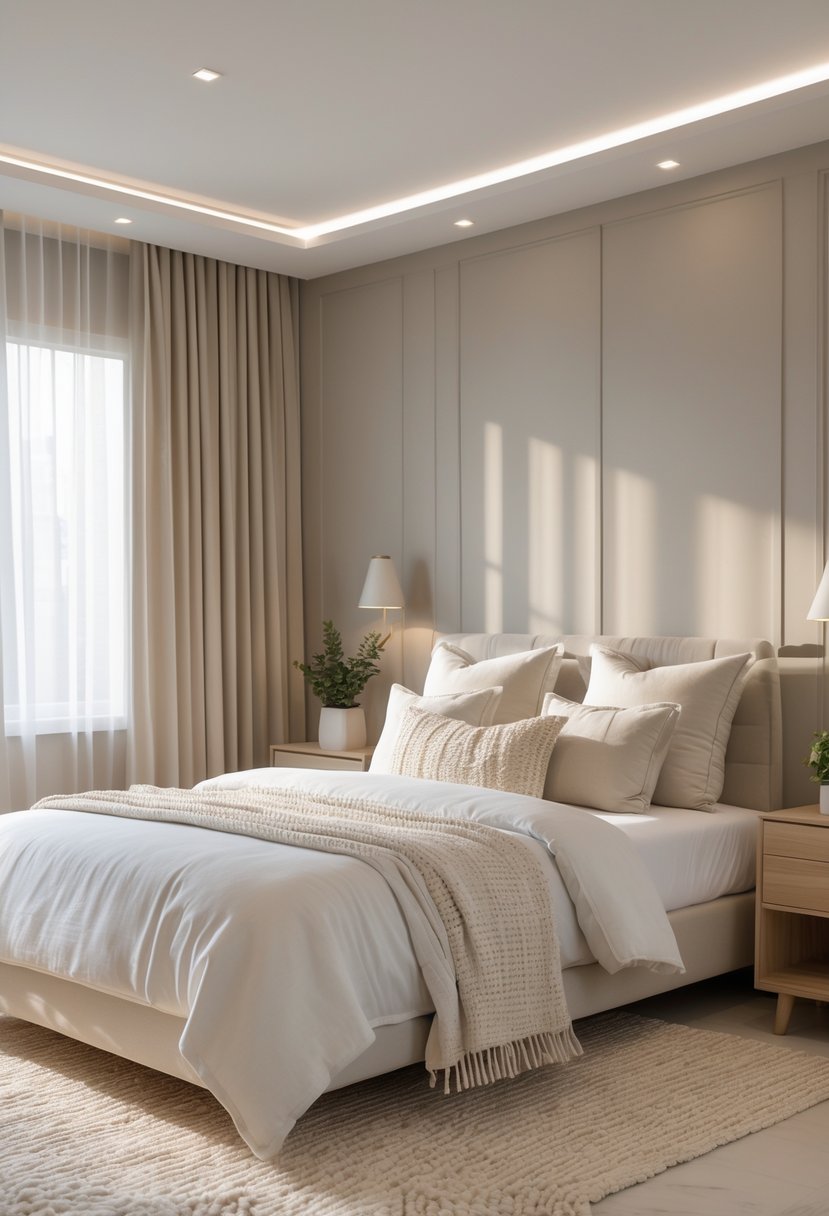
Neutral tones like beige, gray, and taupe create a restful setting that works well in master bedrooms. These shades pair easily with natural textures such as wood or linen.
Soft whites and off-whites add brightness without feeling stark. Light earthy tones bring warmth while keeping the space balanced and uncluttered.
Accent walls with textured wallpaper
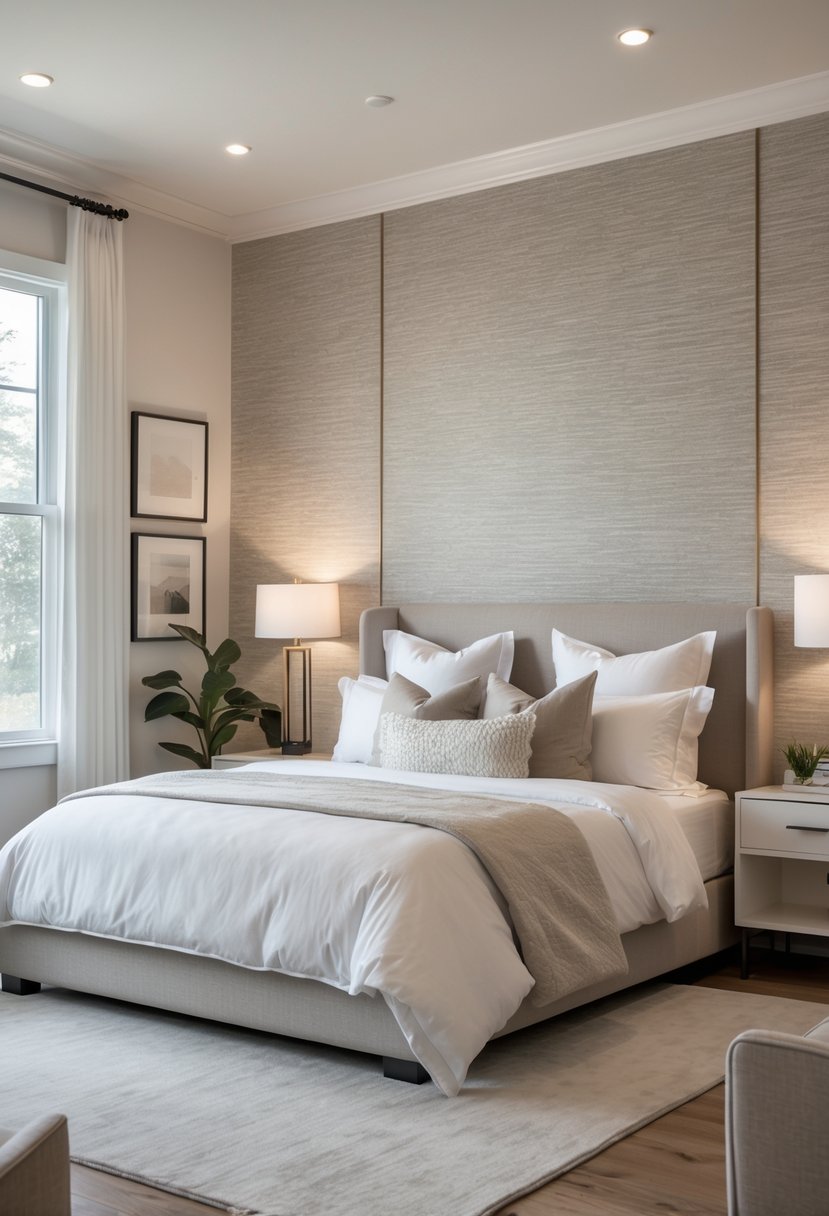
Textured wallpaper gives a master bedroom more depth and interest without needing extra decor.
In 2026, homeowners often choose patterns like stripes, botanicals, or geometric designs to create a focal point.
These wallpapers can make the room feel more modern, cozy, or elegant depending on the chosen style and color.
Layered lighting with dimmable fixtures
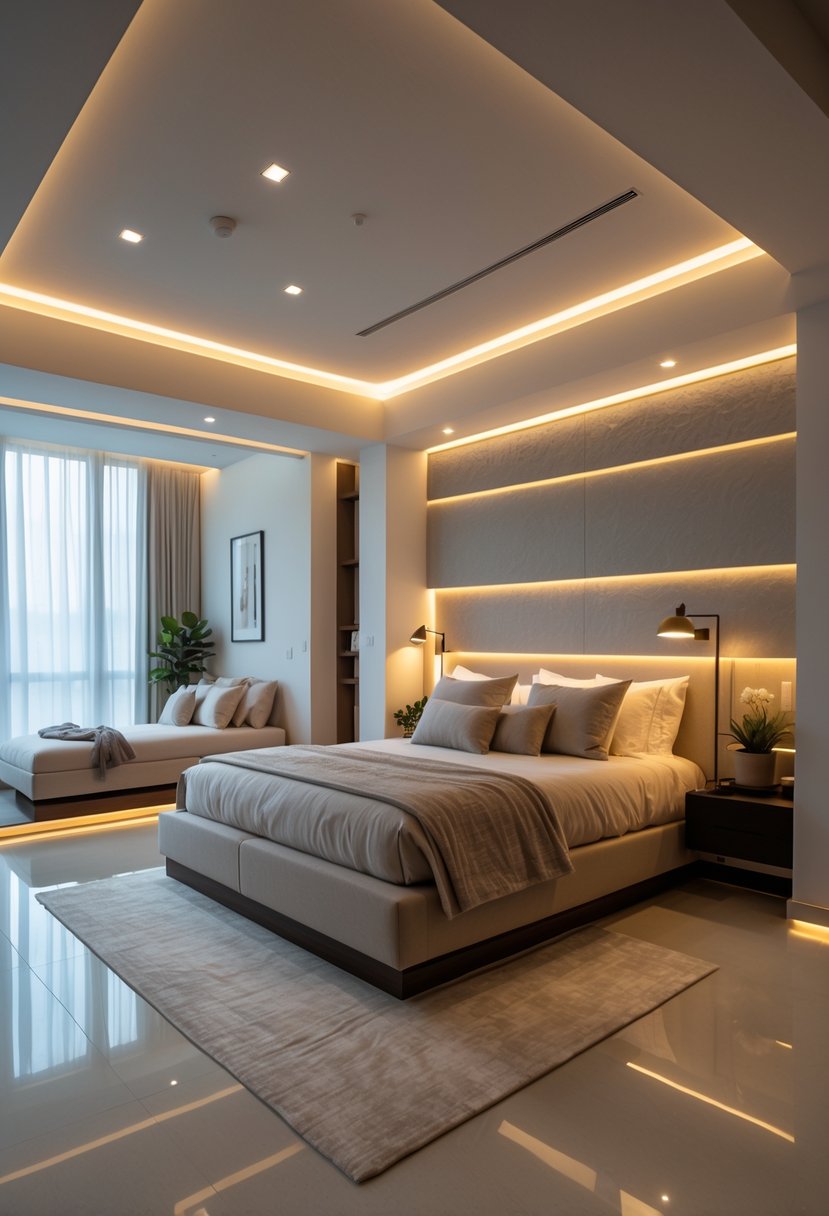
Layered lighting helps create balance in the master bedroom by combining ceiling lights, wall sconces, and bedside lamps.
Dimmable fixtures allow users to adjust brightness for reading, relaxing, or winding down.
This approach adds flexibility and makes the room feel comfortable at different times of day.
Platform beds with built-in storage
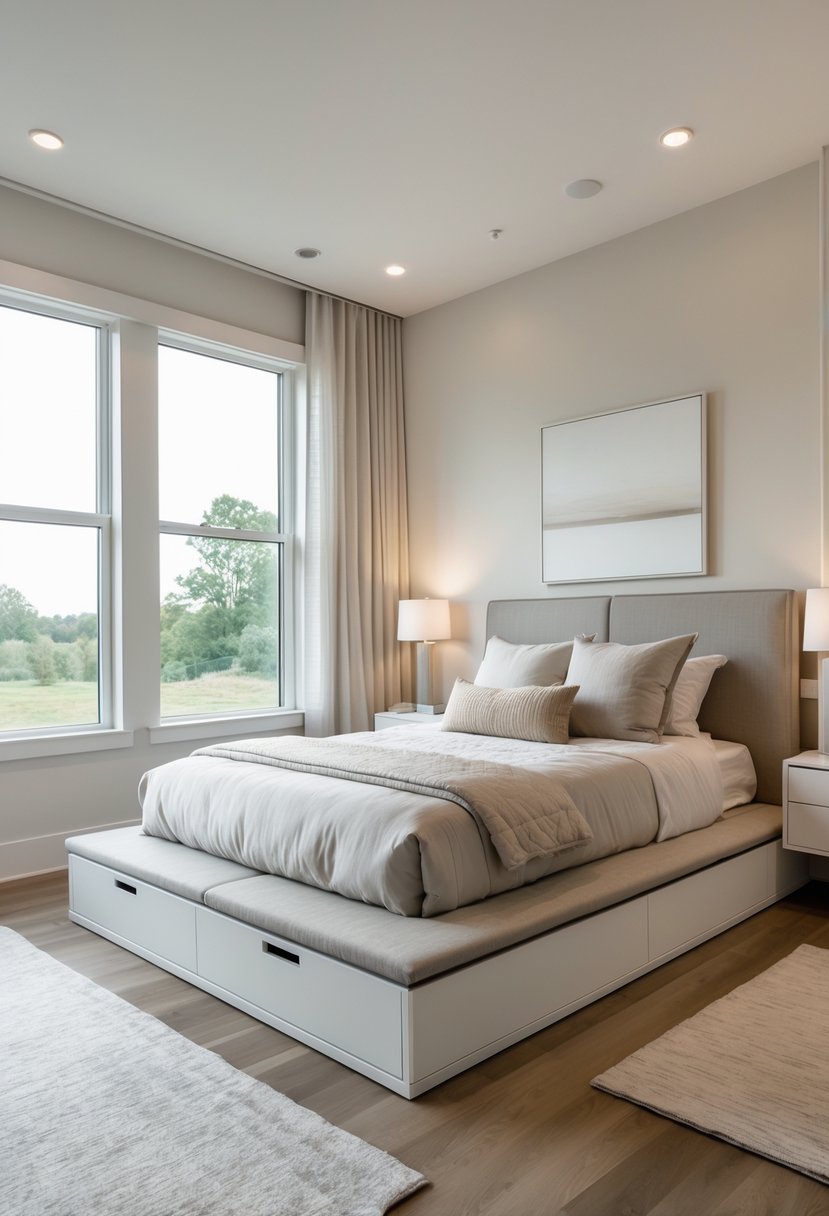
Platform beds with built-in storage help maximize space in the master bedroom. Drawers or compartments under the frame provide room for clothing, bedding, or everyday items.
These designs work well in both small and large bedrooms. They keep the space organized while maintaining a clean, modern look.
Velvet upholstered headboards
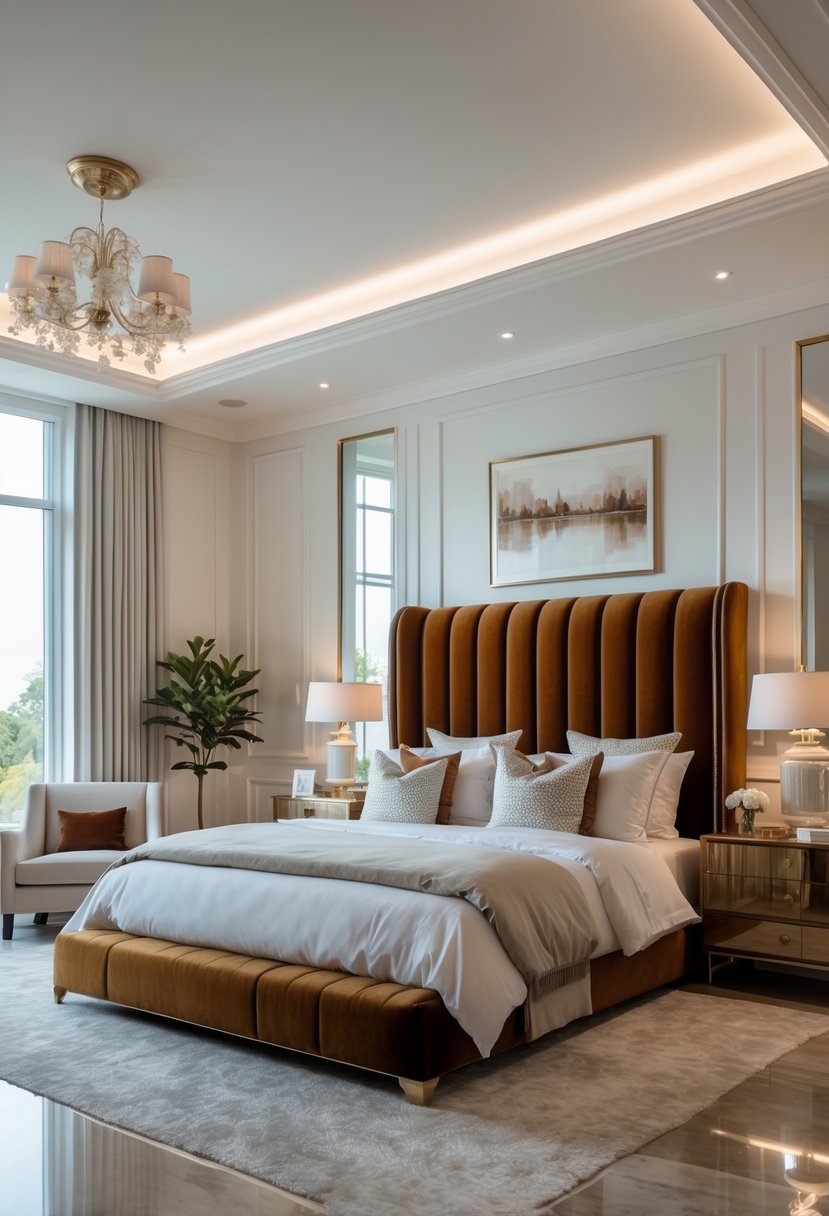
Velvet upholstered headboards add a soft texture and a refined look to the master bedroom. The fabric provides a smooth surface that feels both comfortable and stylish.
They work well in both modern and traditional spaces. The rich material helps the bed stand out as the central feature of the room.
Minimalist floating nightstands
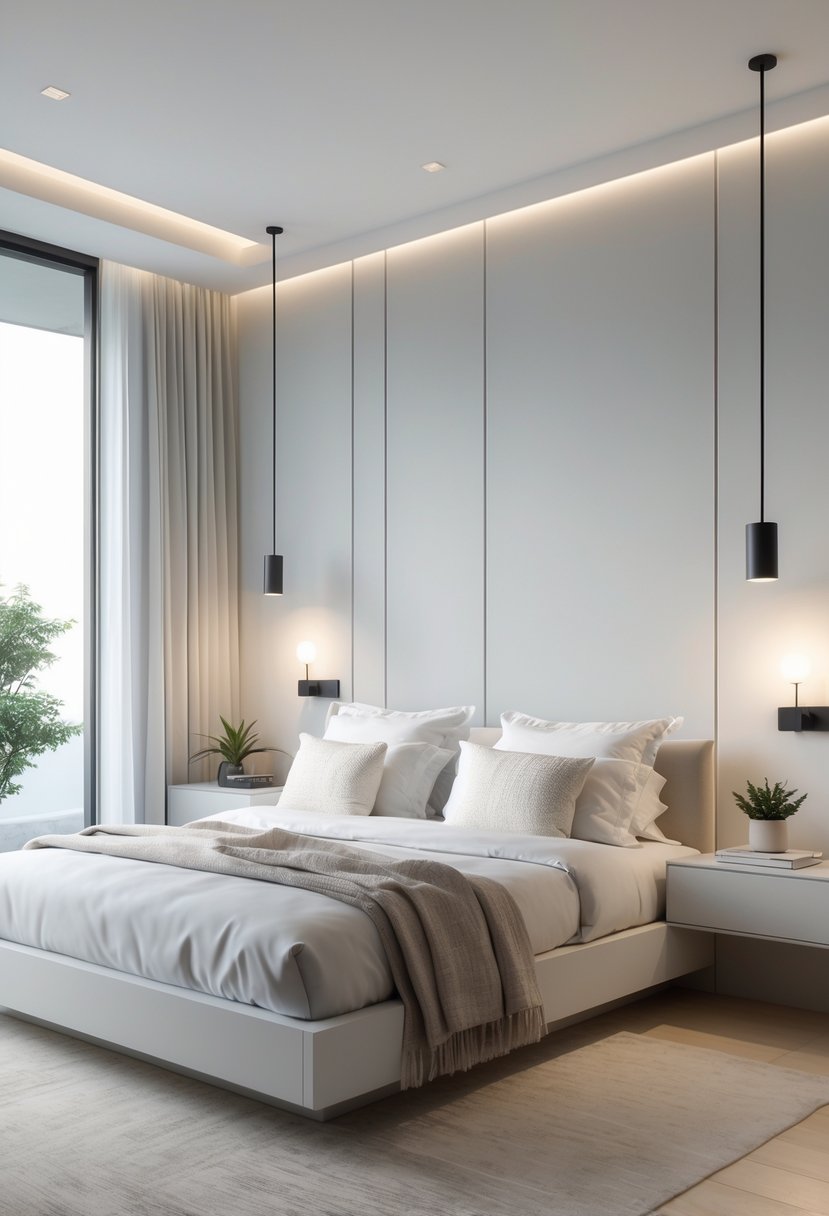
Minimalist floating nightstands create a clean look while keeping the floor open. They work well in small or large bedrooms.
These wall-mounted pieces often come in simple wood or sleek finishes. Some include small drawers or shelves for basic storage.
They add function without taking up extra space, making them a practical choice for modern bedrooms.
Large area rugs for warmth and comfort
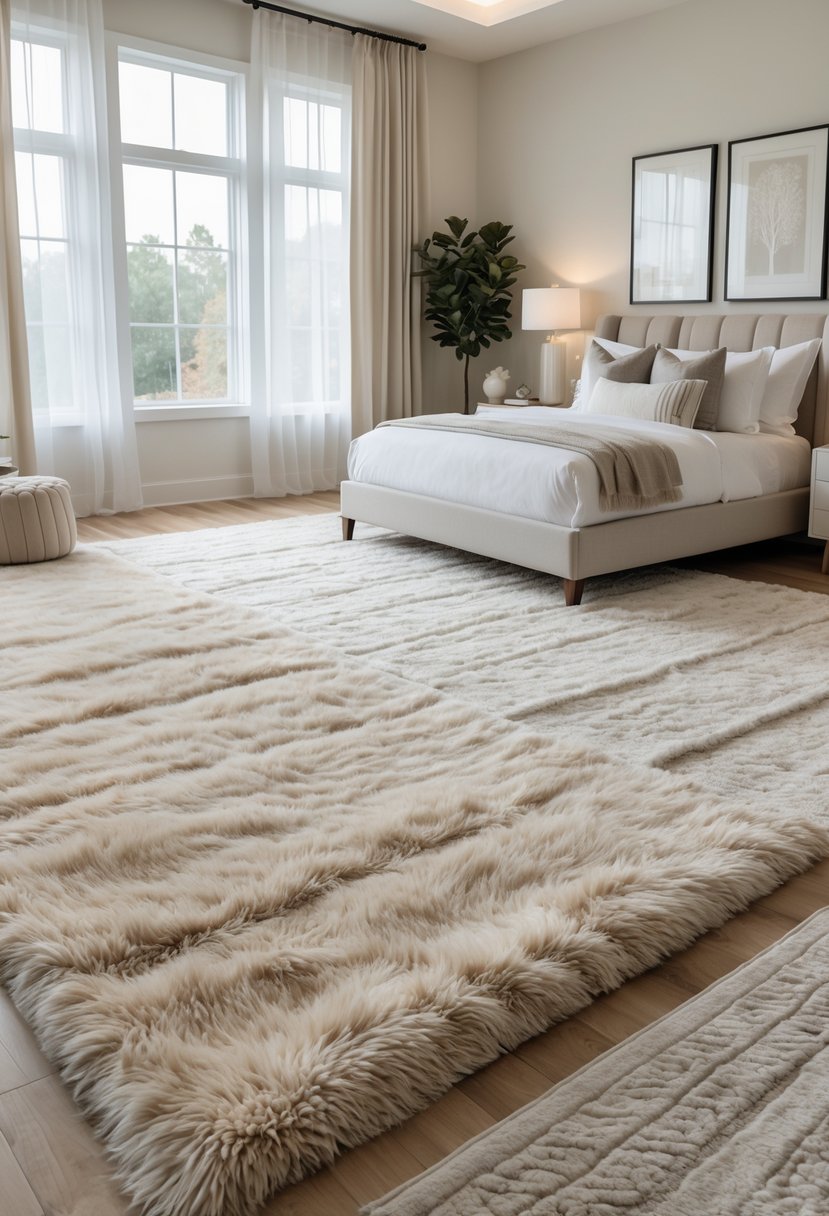
Large area rugs add warmth underfoot and help define the main space in a master bedroom.
Placing a rug beneath the bed creates a soft surface while leaving some flooring visible for balance.
High-pile or textured rugs also reduce noise and bring a cozy, inviting feel to the room.
Statement chandeliers or pendant lights
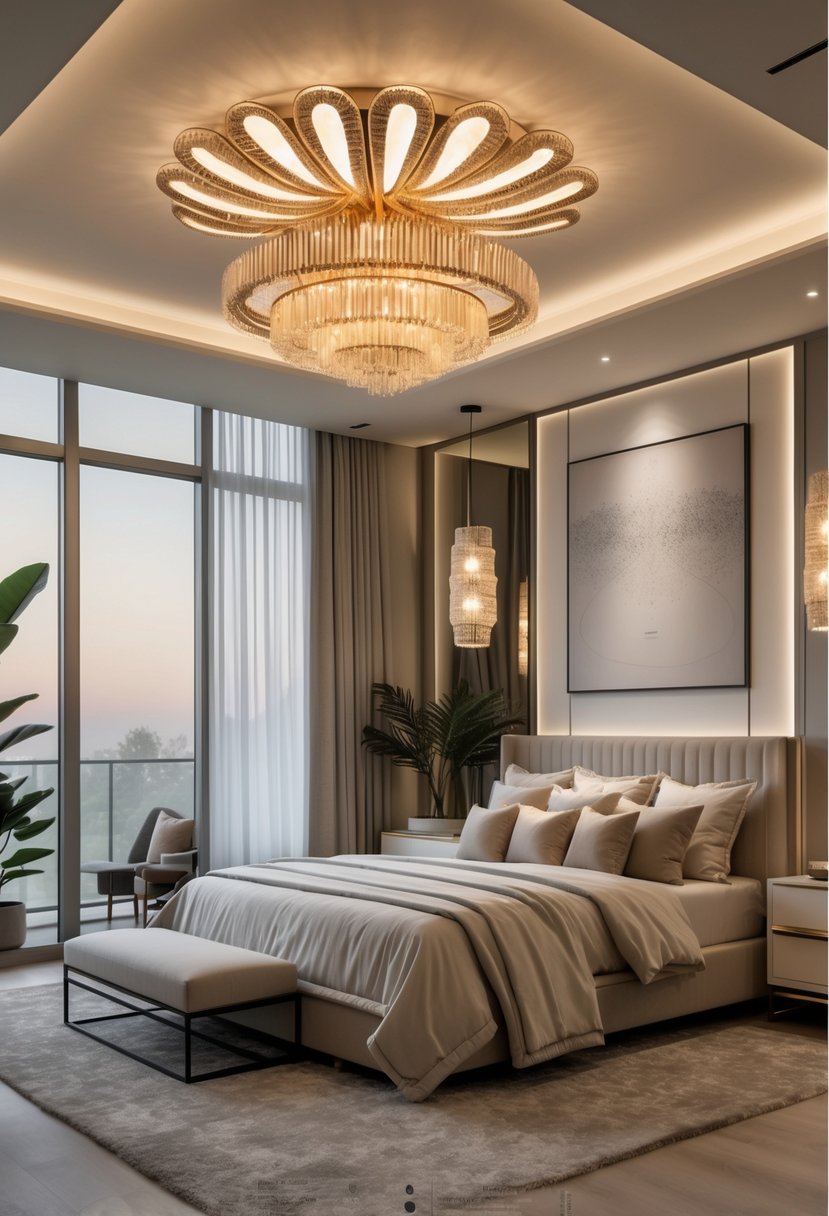
In 2026, many bedrooms feature statement chandeliers or pendant lights as focal points. These fixtures add style while providing balanced illumination.
Designers often choose simple shapes or layered materials to match modern and classic interiors. Placement above the bed or in the center of the room keeps the look cohesive.
Sheer curtains paired with blackout drapes
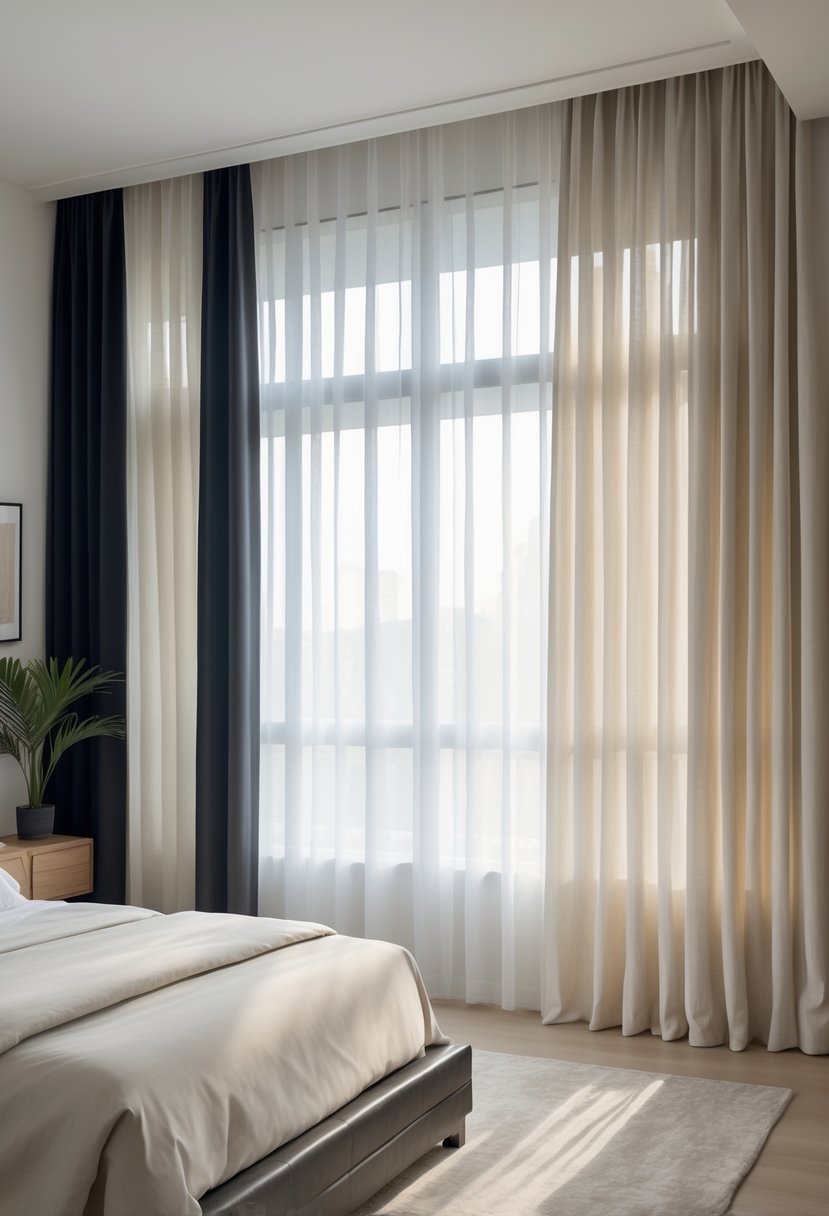
Sheer curtains add soft light and maintain privacy during the day. Blackout drapes block light when needed for rest or comfort.
Together, they give flexibility for both brightness and darkness. This layered look also creates a clean, modern style suited for master bedrooms in 2026.
Mixing metallic finishes in decor accents
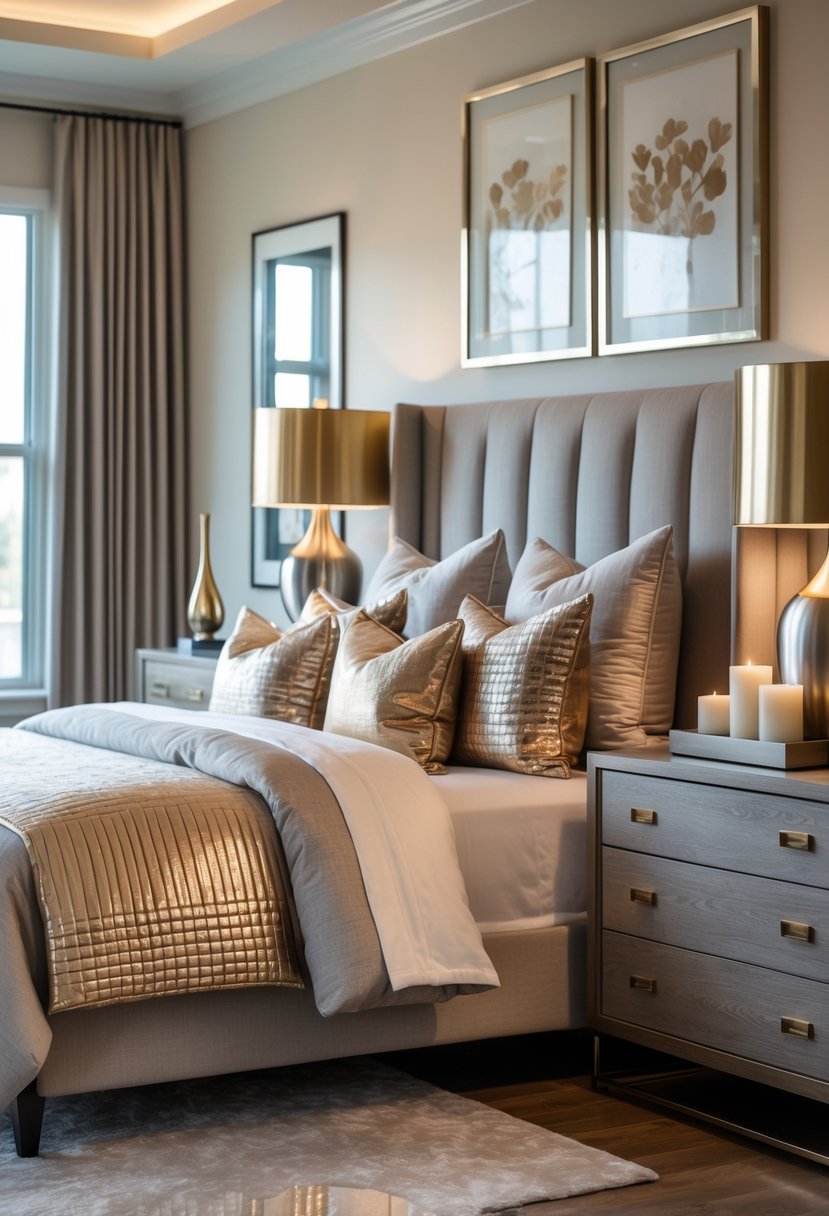
They can mix metallic finishes to add depth and interest to a bedroom. Pairing warm tones like brass with cooler tones like chrome creates balance.
Using metallic accents in lighting, mirrors, or hardware keeps the look cohesive. A neutral backdrop allows the finishes to stand out without feeling overwhelming.
Incorporating indoor plants for freshness
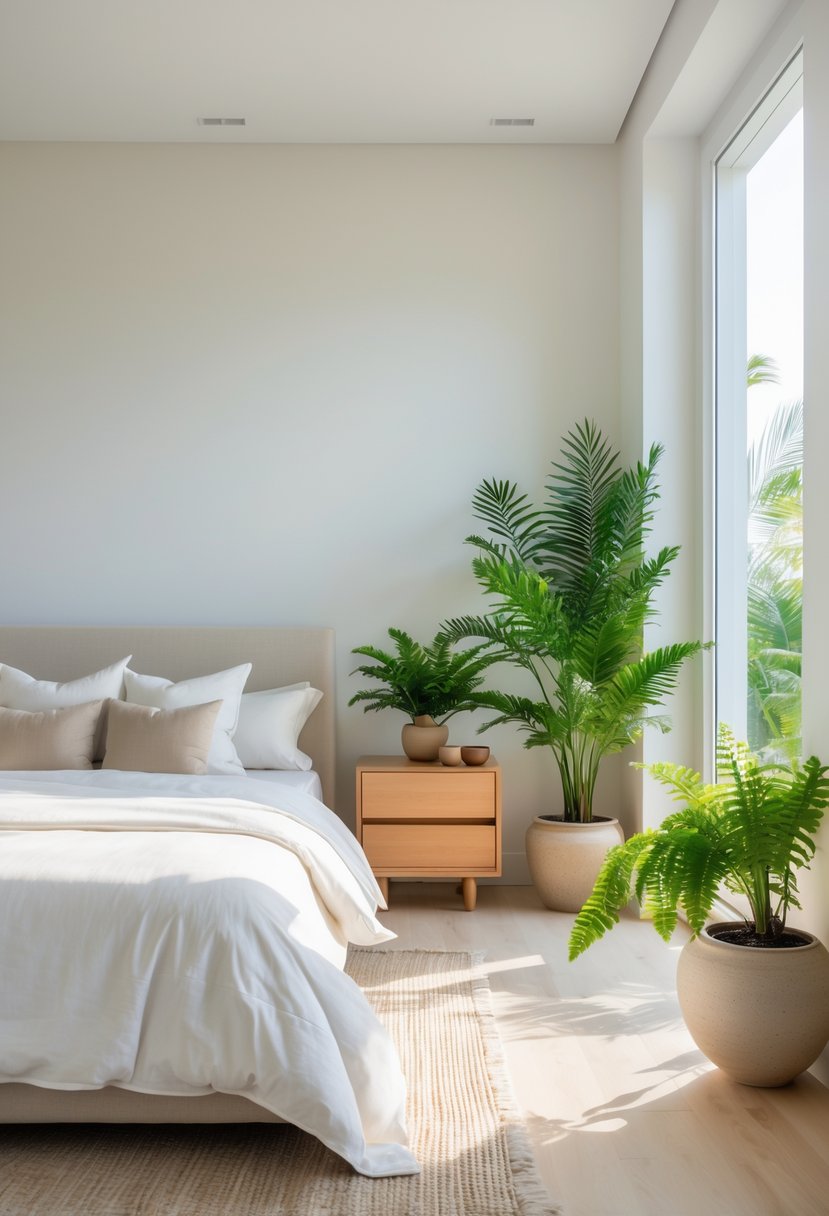
Adding plants to a master bedroom introduces natural texture and soft color. They create a simple way to refresh the space without heavy decoration.
Small potted plants, hanging vines, or a single tall floor plant can fit different room sizes. Placement near windows helps them thrive while keeping the room bright.
Wall-mounted reading lamps
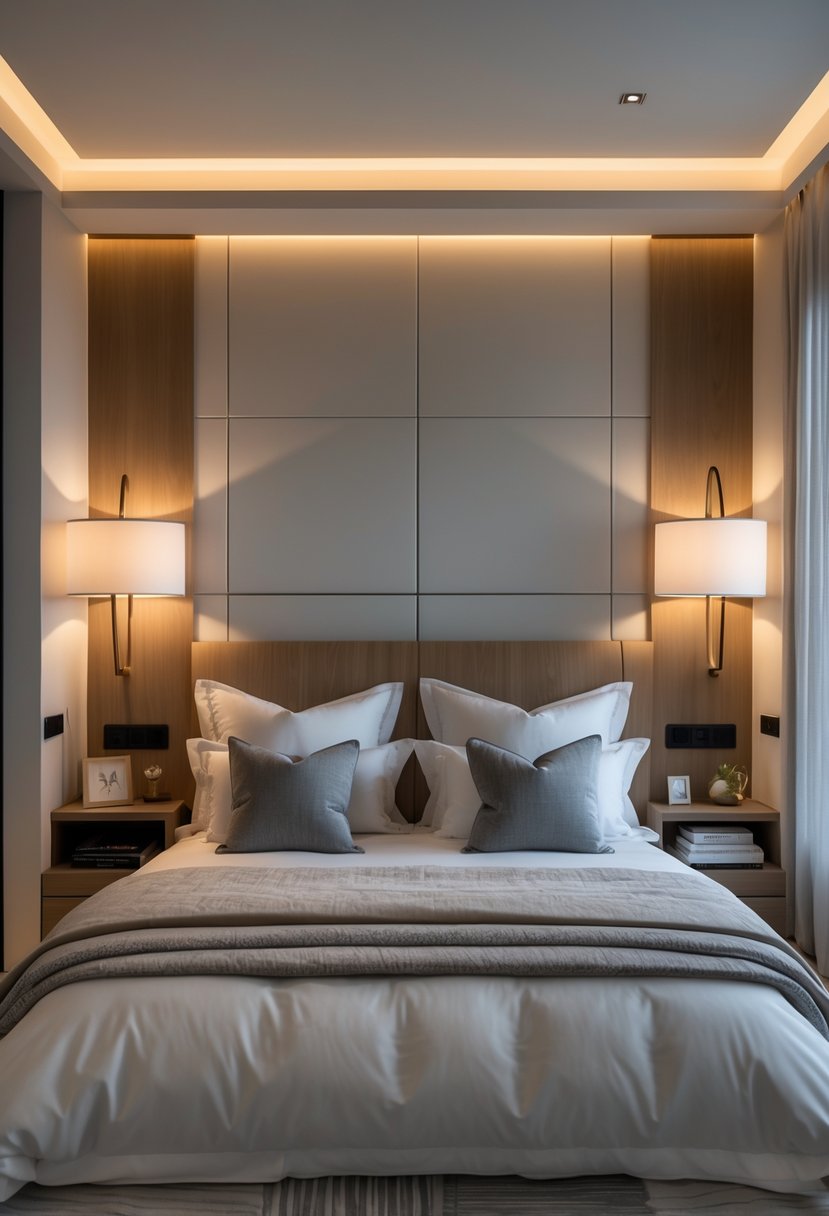
Wall-mounted reading lamps save space on nightstands while providing direct light for reading.
They come in adjustable designs that let users control the angle and brightness.
These lamps also add a clean, modern look that fits well with 2026 bedroom trends.
Cozy window seats with cushions
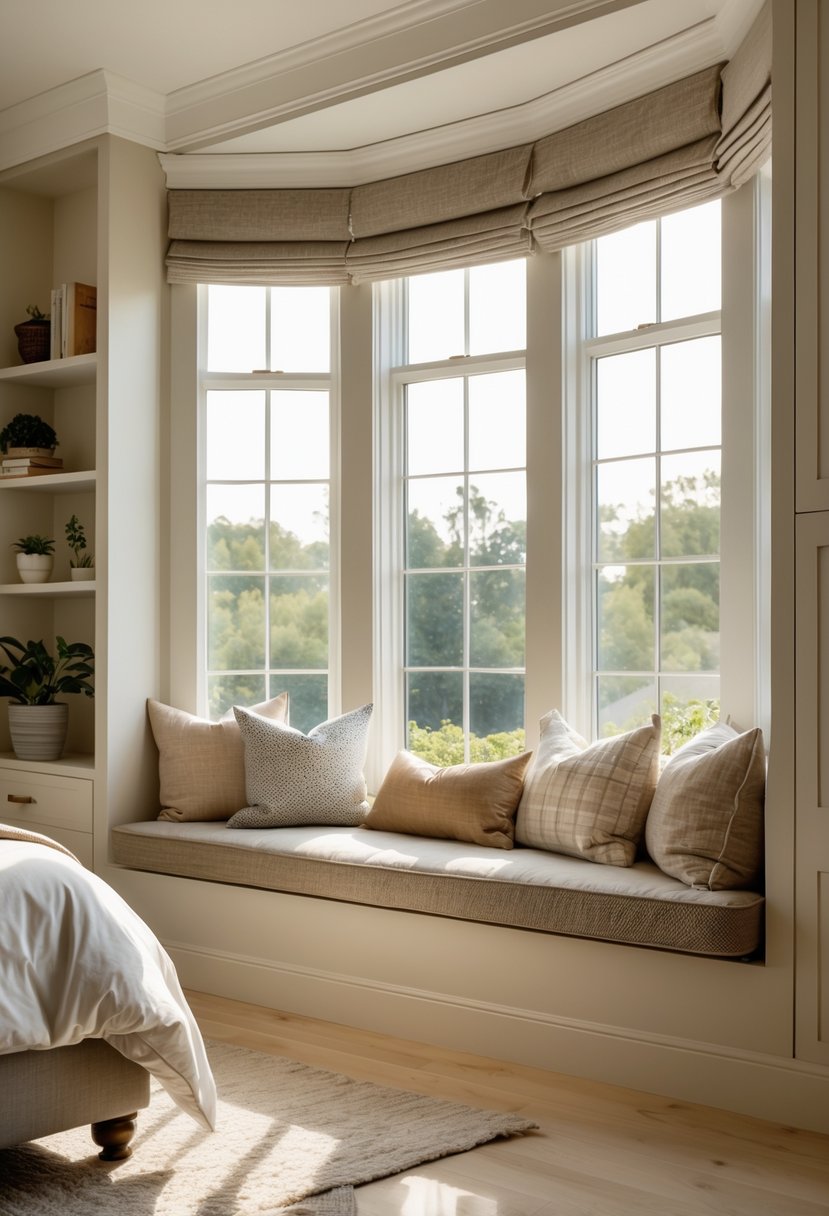
Window seats create a comfortable spot that blends seating with style. Cushions add softness and make the space more inviting.
They work well for reading, relaxing, or enjoying natural light. Built-in storage under the seat can also increase function without taking extra space.
Artwork featuring nature-inspired themes
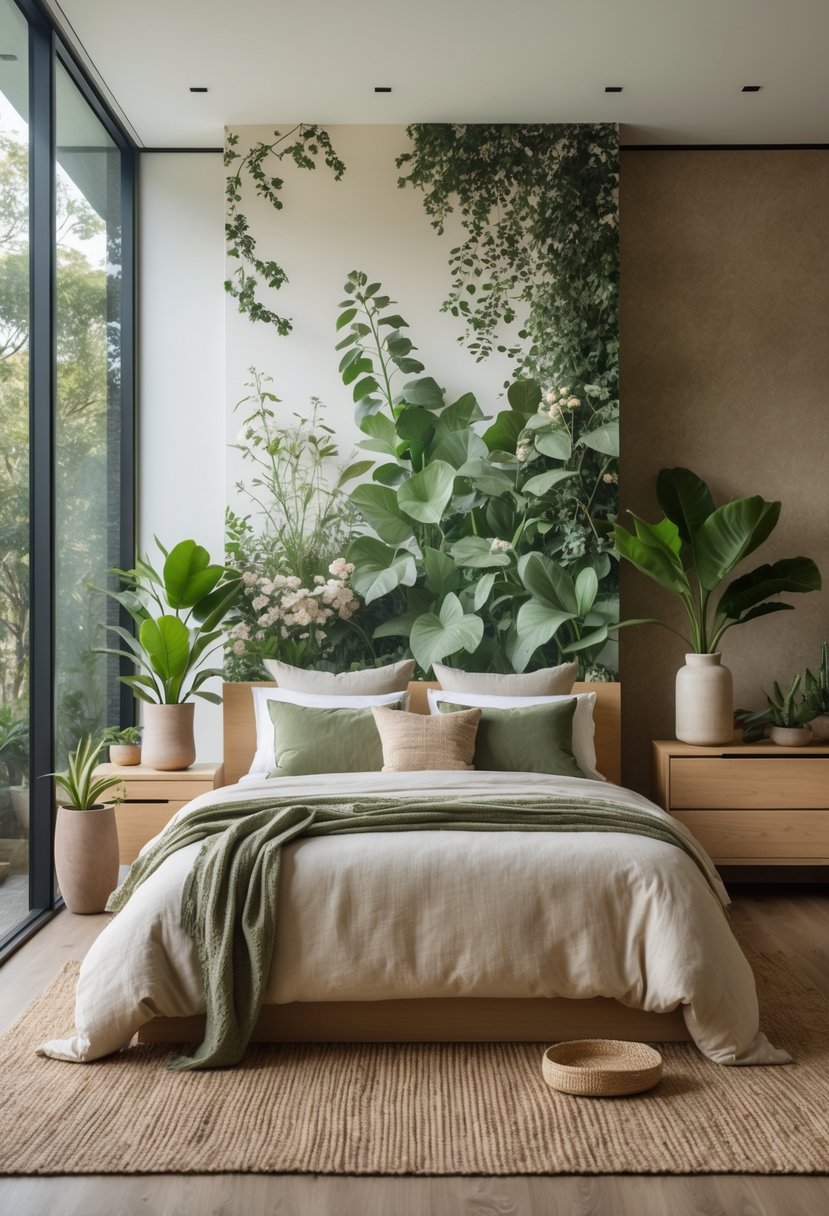
Nature-inspired artwork adds calm and balance to a master bedroom.
Pieces featuring landscapes, plants, or natural textures create a relaxing atmosphere.
Framed prints, canvas art, or simple line drawings of leaves and trees work well with modern and minimalist designs.
Mirrored furniture to enhance light
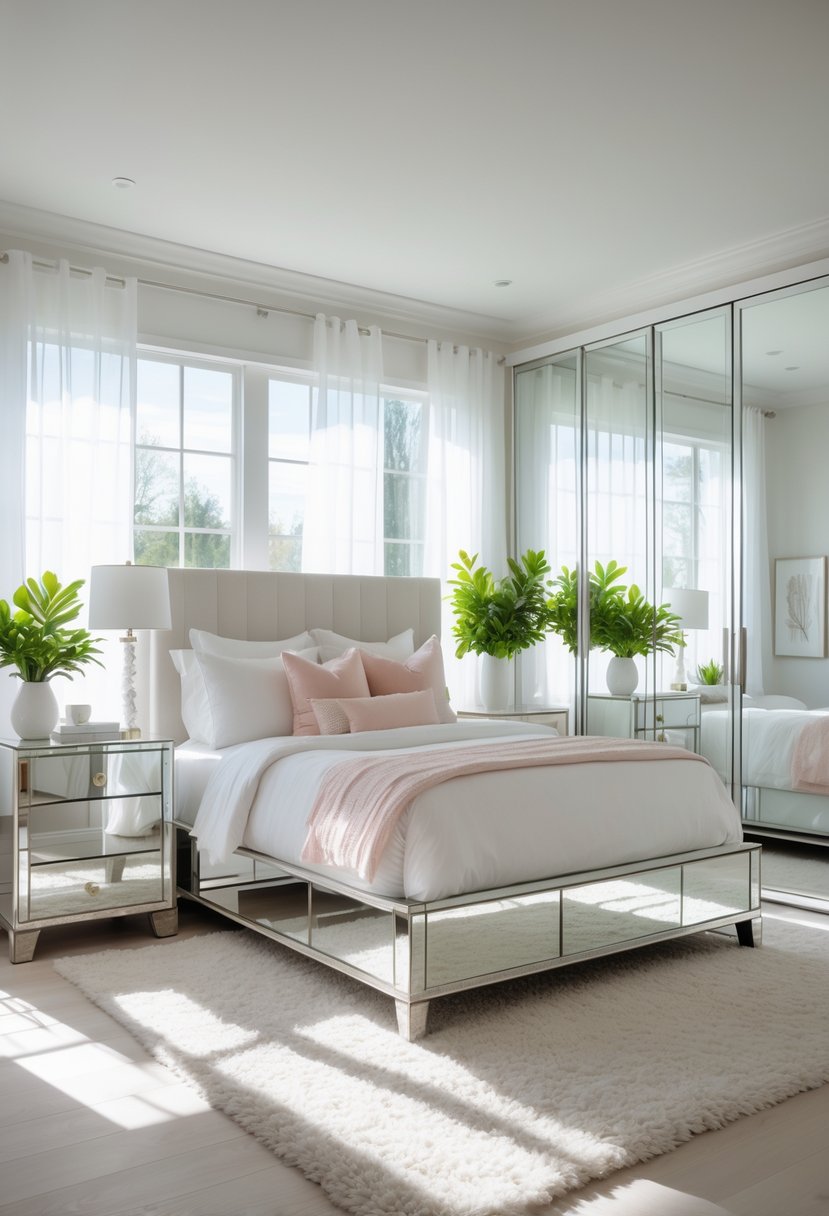
Mirrored furniture helps reflect natural and artificial light, making a bedroom appear brighter.
Pieces like mirrored dressers, nightstands, and vanities add both function and style while reducing dark corners.
These reflective surfaces also create a sense of openness, which can make even smaller rooms feel more spacious.
Soft, breathable bedding in natural fibers
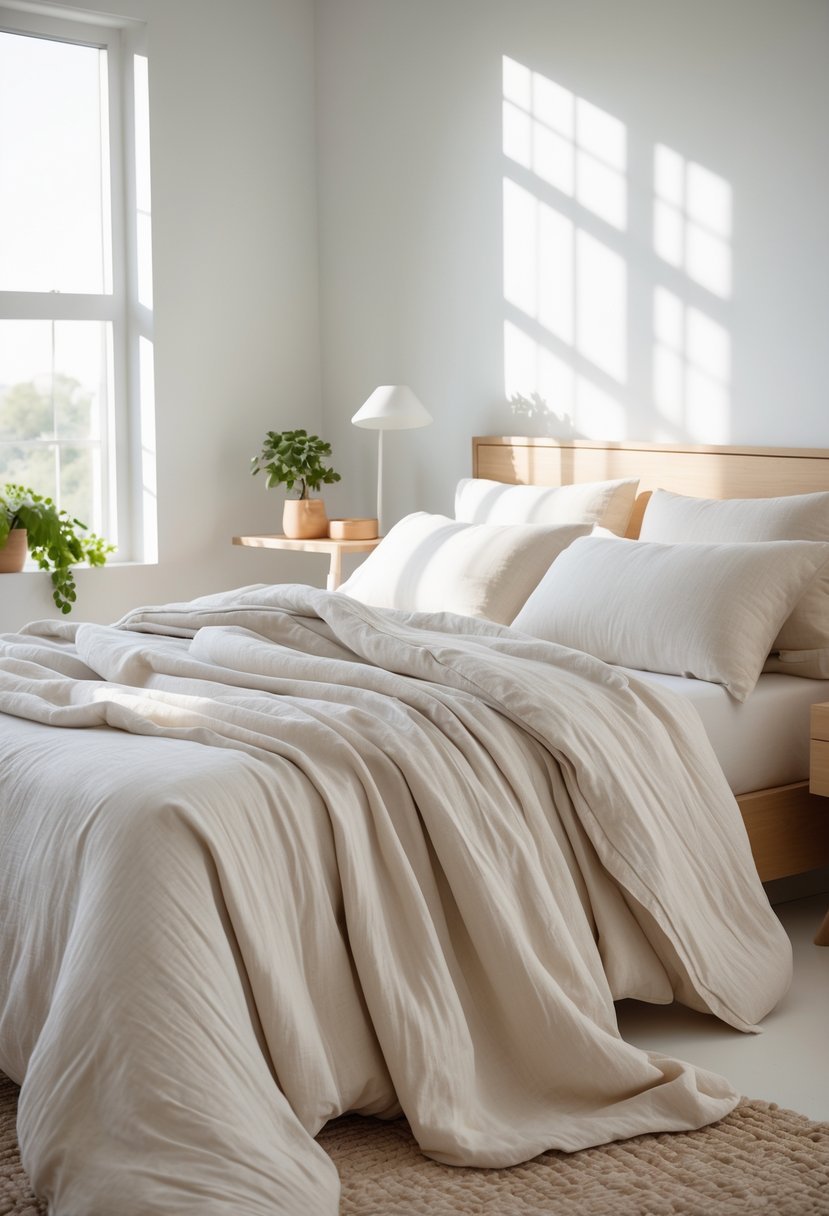
Natural fibers like cotton, linen, and bamboo help create a comfortable sleep environment. They allow air to flow, which reduces overheating at night.
These fabrics also feel soft against the skin and work well in both warm and cool seasons. Many people choose them for their durability and simple care.
Using layered textiles for depth
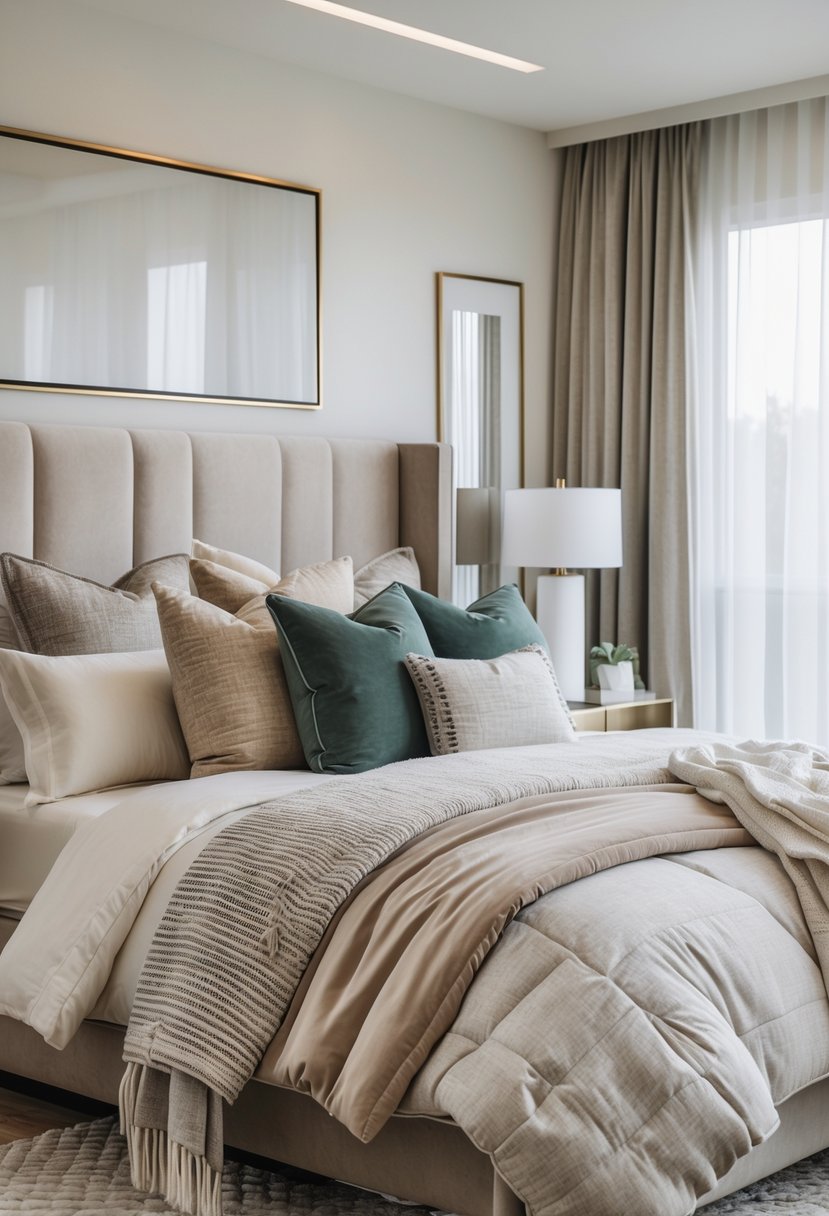
Layered textiles add texture and warmth to a master bedroom. They make the space feel more inviting without requiring major changes.
People often combine blankets, pillows, and curtains in different fabrics to create depth. Mixing smooth, soft, and textured materials helps the room look balanced and comfortable.
Decorative ceiling molding for elegance
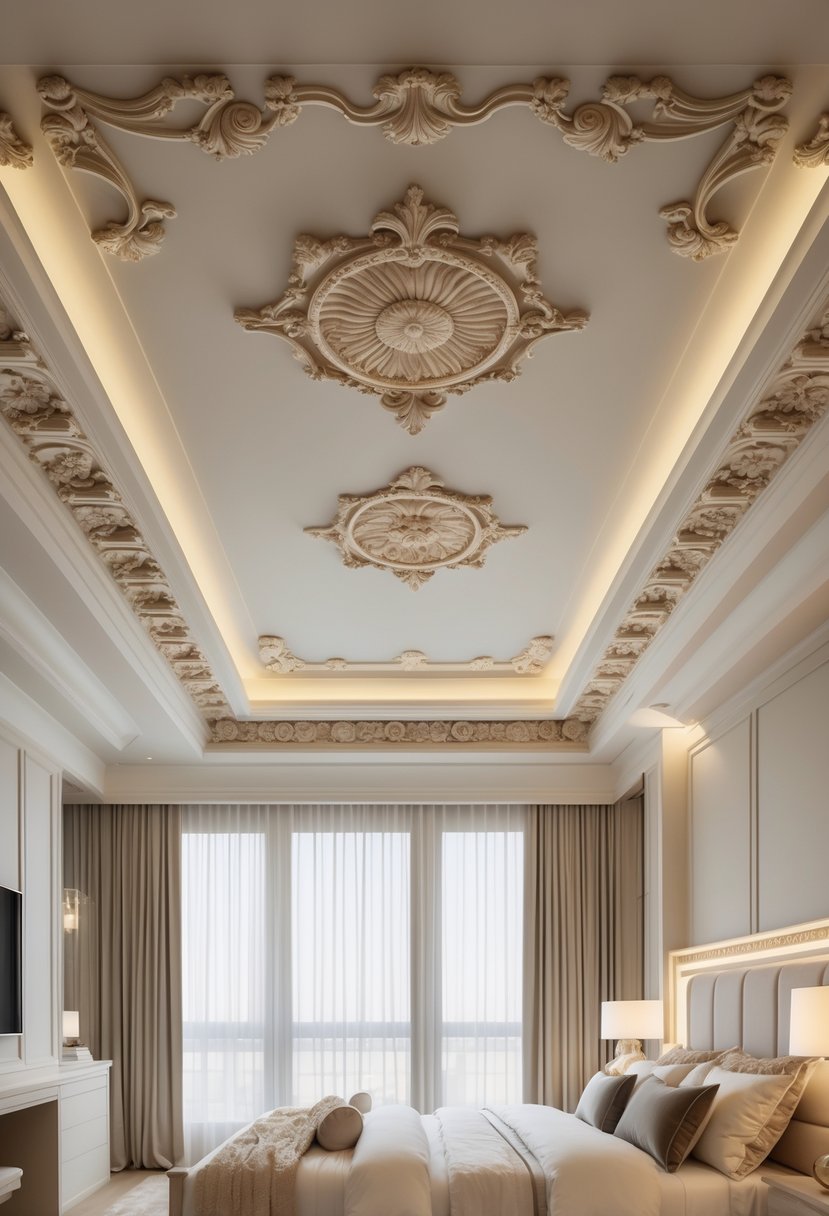
Ceiling molding adds structure and detail to a master bedroom, giving the space a polished look. It works especially well in rooms with high ceilings.
Simple crown molding can frame the ceiling and make the room feel more refined. Wider trim or layered designs create a stronger visual impact.
Painting the molding in a contrasting or matching color helps tie the ceiling into the overall design. This small detail can subtly elevate the room’s style.
Blackout roller shades for better sleep
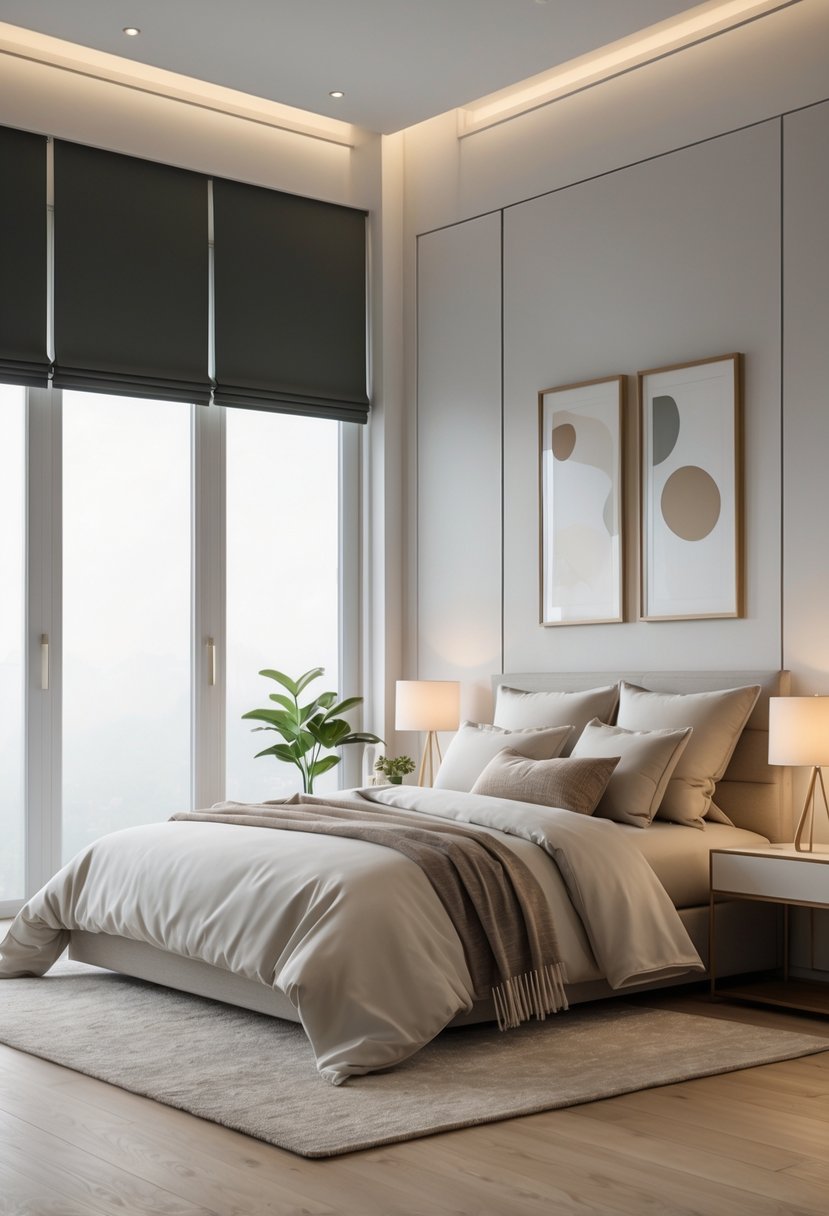
Blackout roller shades block outside light, helping the bedroom stay dark at night or during the day. This makes it easier for people to fall asleep and stay asleep.
They also add privacy and can reduce glare from streetlights or early morning sun. Many designs fit modern bedrooms without taking up much space.
Vintage-inspired furniture pieces
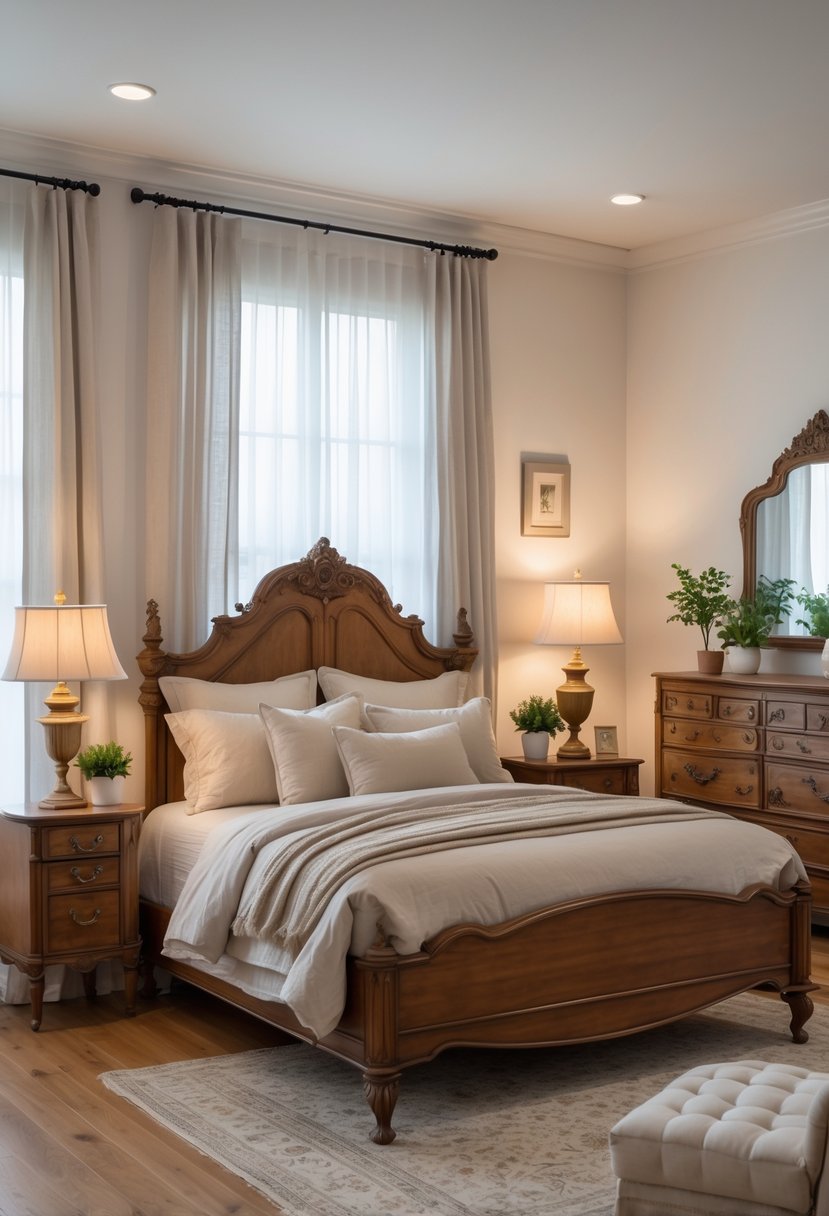
Vintage-inspired furniture adds character and warmth to a master bedroom. Pieces like antique dressers, armoires, and sideboards bring both function and style.
In 2026, free-standing furniture is gaining popularity over built-ins. These versatile items allow easy rearranging and can adapt to different layouts without major changes.
Classic wood finishes and timeless designs help these pieces blend with modern or traditional decor. They create a balanced look that feels both practical and inviting.
Built-in wardrobes with sliding doors
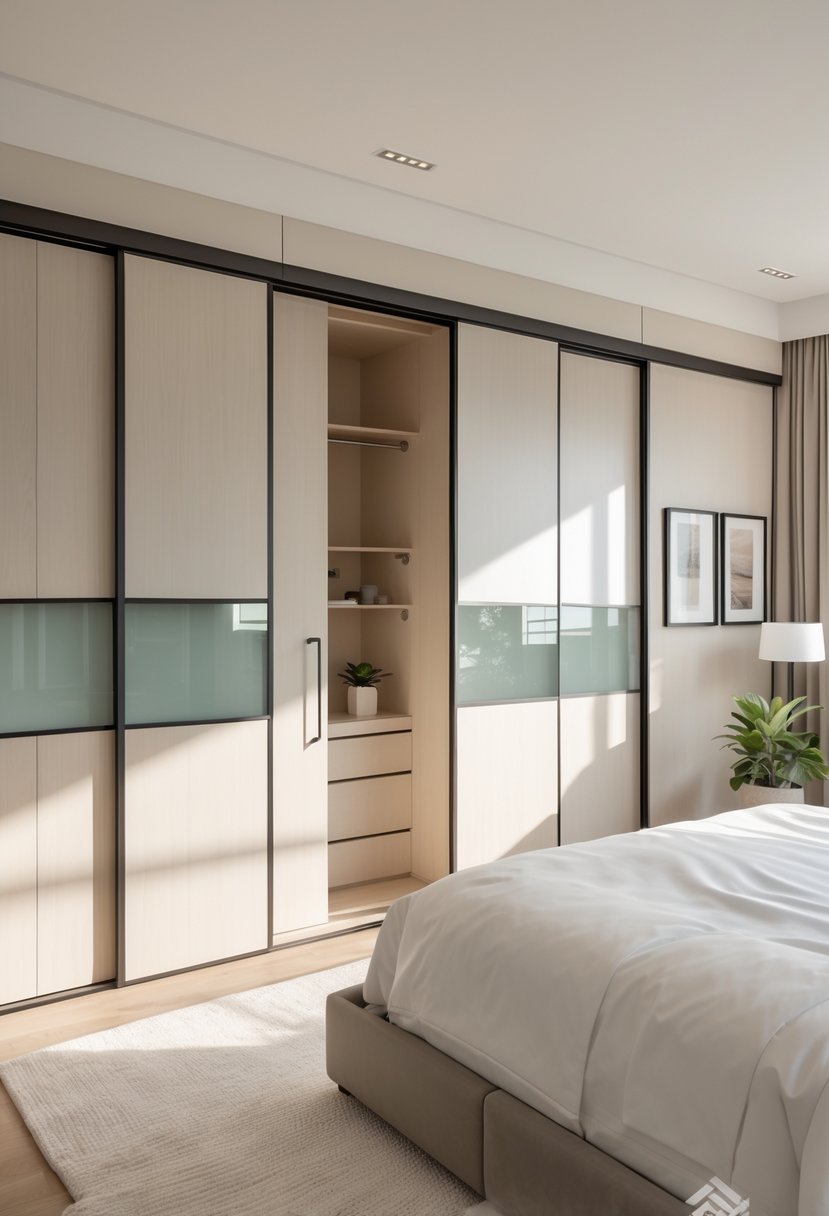
Built-in wardrobes with sliding doors save space by removing the need for swinging panels. They work well in both small and large bedrooms.
Sliding doors can feature mirrors, wood finishes, or glass panels. These options help the wardrobe blend with different styles while keeping storage organized.
Many designs include shelves, drawers, and hanging sections. This makes it easier to keep clothing and accessories neatly arranged.
Incorporating smart home controls
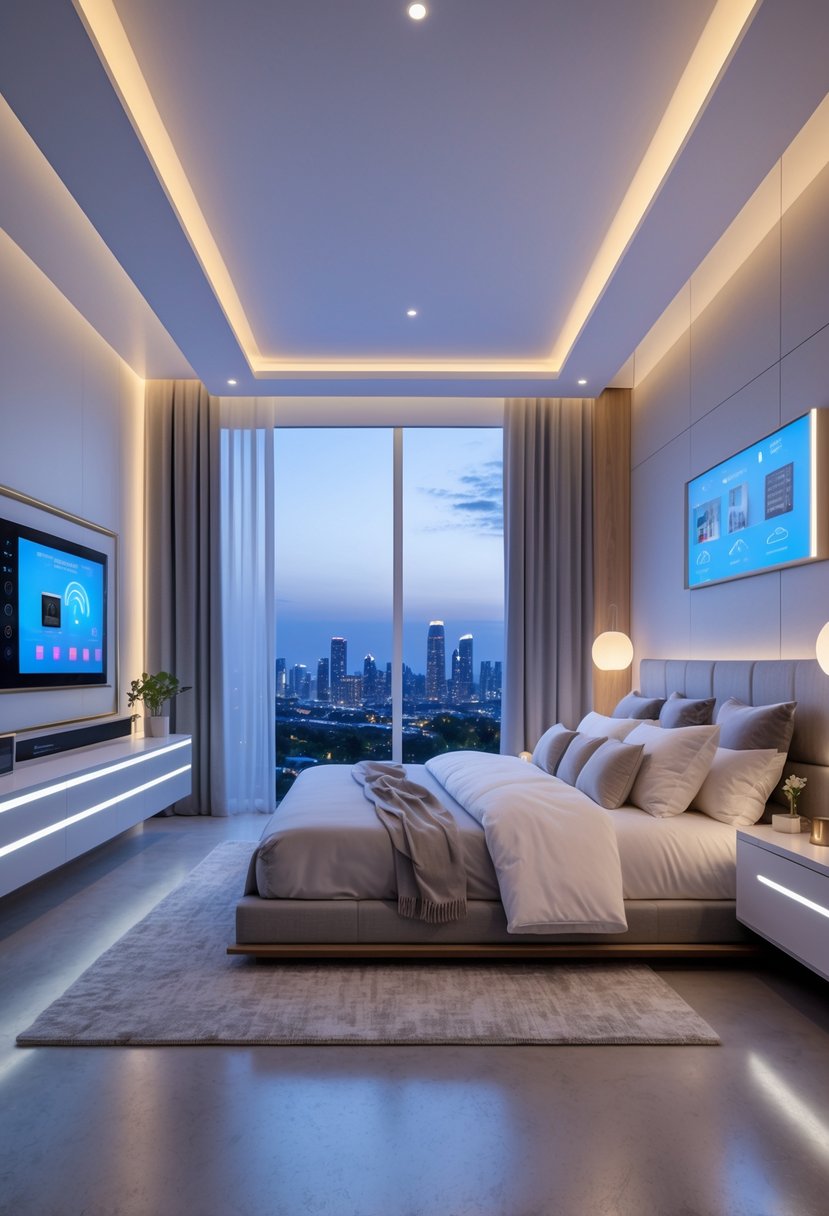
Smart home controls let people adjust lighting, temperature, and sound with ease. Many use voice assistants or mobile apps for quick changes.
These systems can connect to other devices, allowing one hub to manage the bedroom environment. This creates a more streamlined and convenient daily routine.
Master Bedroom Design Trends for 2026
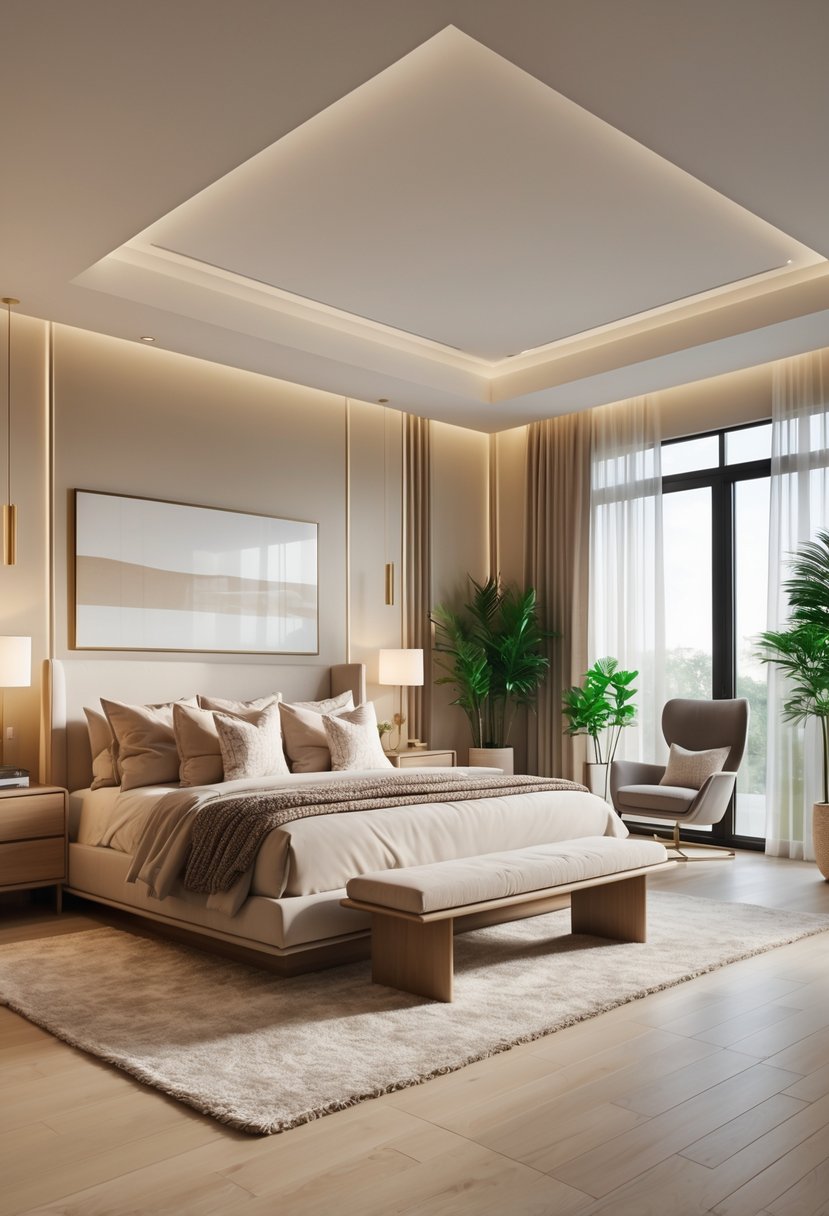
Design choices in 2026 highlight a shift toward softer tones and natural finishes, along with layouts that balance comfort and function. Bedrooms now serve as both restful retreats and flexible spaces that adapt to daily needs.
Emerging Color Palettes
Color trends in 2026 lean toward nature-inspired hues that create calm, balanced spaces. Soft greens, muted blues, and warm earth tones dominate, offering a restful backdrop. These shades pair well with natural wood finishes and textured fabrics.
Neutral bases such as beige, cream, and light gray remain popular, but they are often layered with accent colors. Deep terracotta, clay, or forest green accents add warmth and depth without overwhelming the room.
Designers also use contrasting tones to define spaces. For example:
- Light walls with darker trim
- Neutral bedding paired with bold throws
- Warm wood floors balanced by cool-toned rugs
This approach makes the room feel both grounded and modern. Metallic finishes in bronze or matte black are also appearing in lighting and hardware, adding subtle detail without being flashy.
Innovative Layouts and Floor Plans
Bedrooms in 2026 focus on multi-functional zoning. Many layouts now include small work areas, reading corners, or wellness spaces without sacrificing comfort.
Furniture placement plays a key role. Floating the bed away from walls or centering it against a statement headboard creates a focal point. Built-in storage solutions, such as under-bed drawers or wall-to-wall wardrobes, maximize space in smaller rooms.
Open layouts also gain attention. Sliding partitions or glass dividers allow flexibility, letting homeowners separate a workspace or lounge area when needed. This design keeps the room airy while maintaining privacy.
Technology integration is subtle but practical. Smart lighting, climate controls, and hidden charging stations are built into the layout, supporting convenience while keeping the space uncluttered.
Smart Technology Integration
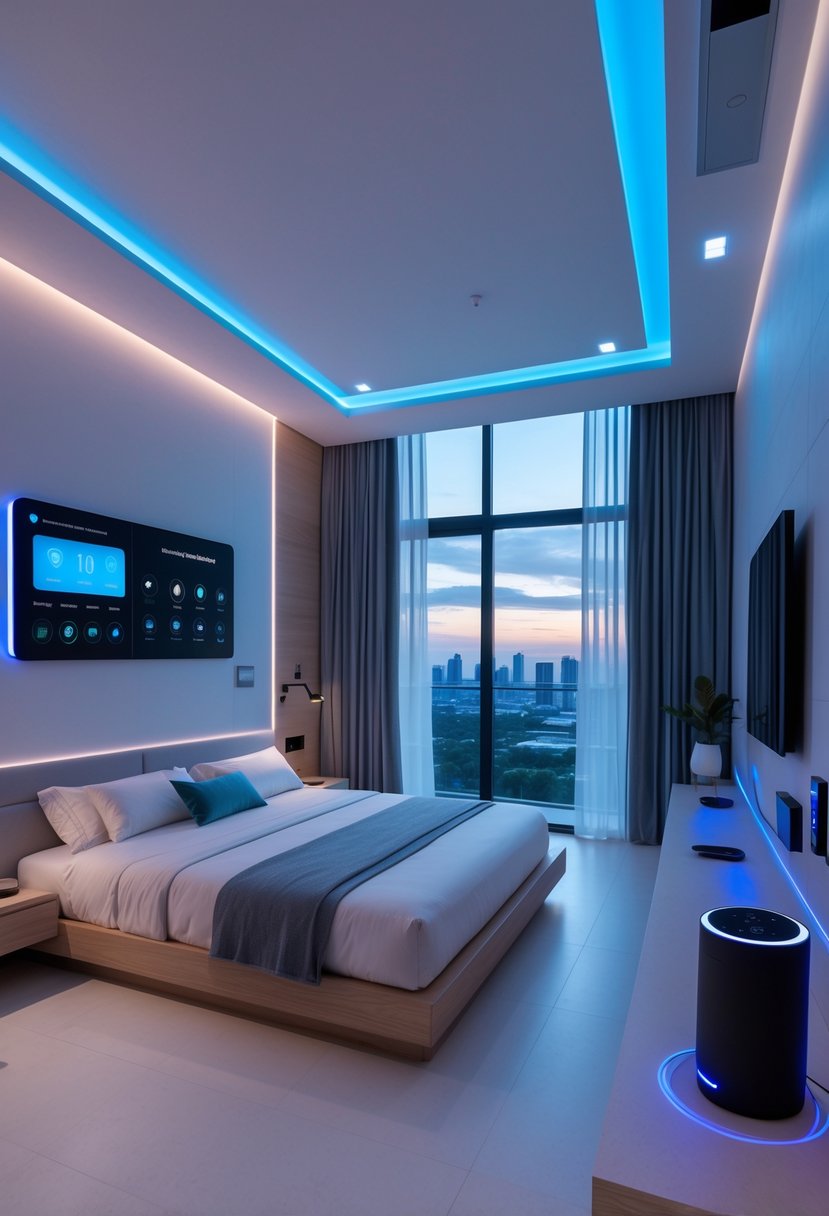
Smart features in the bedroom focus on convenience, energy efficiency, and comfort. They allow residents to manage daily routines more easily while creating a space that adjusts to personal needs.
Automated Lighting Solutions
Automated lighting systems bring flexibility and control to the bedroom. Homeowners can schedule lights to dim at night or brighten in the morning, supporting natural sleep cycles. Motion sensors reduce the need for switches, making the room more functional in the dark.
Many systems connect to voice assistants, allowing hands-free adjustments. This feature is especially useful when winding down or reading in bed. Dimmable LED bulbs paired with smart controls also help save energy compared to traditional lighting.
Color temperature adjustment is another benefit. Warm tones in the evening promote relaxation, while cooler tones in the morning can help increase alertness. Some systems even adapt automatically based on the time of day.
For those who want more personalization, lighting can be grouped into zones. For example:
- Bedside lamps for reading
- Accent lighting to highlight décor
- Overhead lights for general use
This level of control makes the bedroom more adaptable to different activities without requiring multiple switches.
Climate and Comfort Controls
Smart climate systems help maintain a consistent and comfortable bedroom environment. Thermostats can learn daily routines and adjust temperature automatically for sleep and wake times. Zoned heating and cooling allow the bedroom to stay at the right temperature without affecting the rest of the house.
Humidity control adds another layer of comfort. Smart humidifiers or dehumidifiers can connect to sensors that monitor air quality. This ensures the room stays balanced, which supports better sleep and reduces discomfort from dry or damp air.
Integration with ceiling fans, heated flooring, or air purifiers provides even more control. These devices can be scheduled or triggered by sensors, creating a space that responds to real conditions rather than manual adjustments.
Energy efficiency is also a key factor. By avoiding unnecessary heating or cooling, smart systems reduce utility costs while maintaining comfort. Many devices offer usage reports that help homeowners track patterns and make informed adjustments.
Together, these features create a bedroom environment that supports rest while reducing the effort needed to maintain it.
Looking for professional guidance? Check out this guide to bedroom wall ideas from Better Homes & Gardens.