
Kitchen Designers Ideas 2026: 23 Expert Concepts for Modern Homes
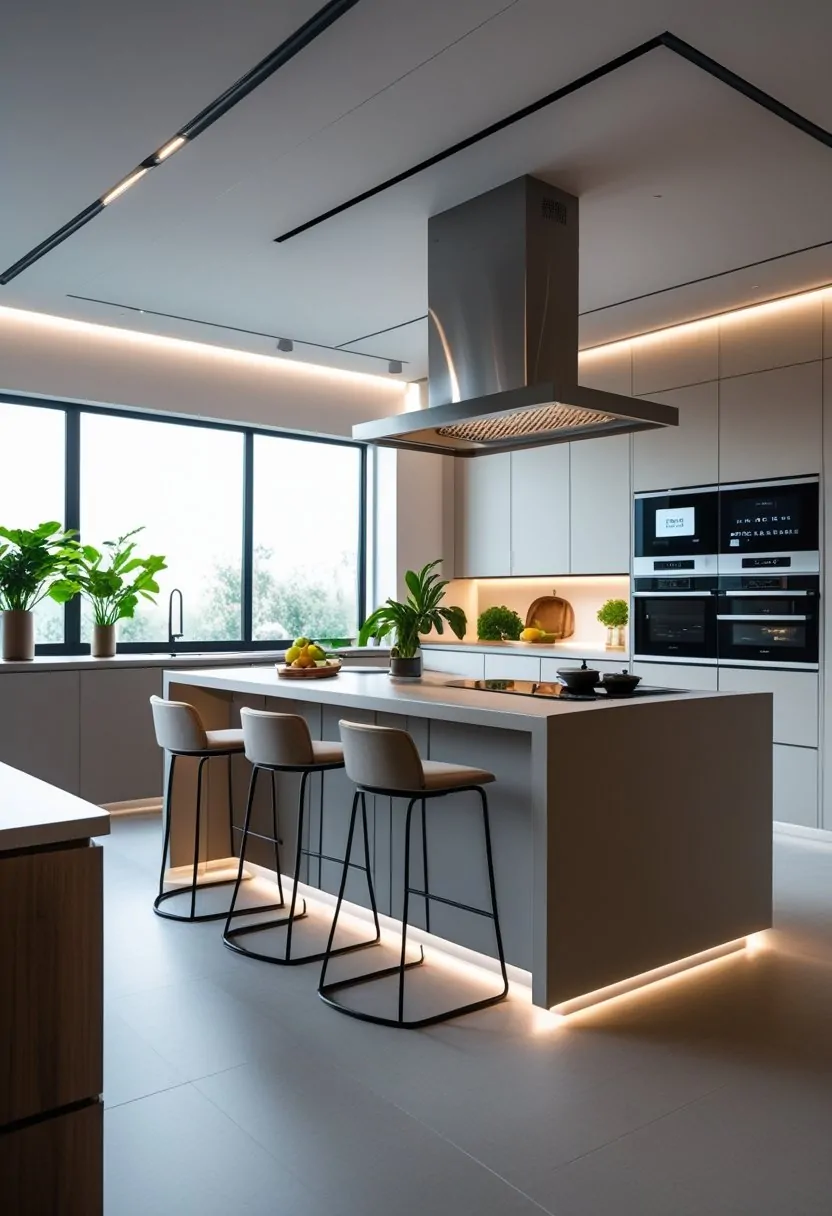
Designing a kitchen in 2026 means balancing style with function in ways that feel both modern and practical. Homeowners continue to look for spaces that work smoothly for daily routines while also creating a welcoming place to gather. The most valuable ideas focus on layouts, finishes, and features that make the kitchen both efficient and visually appealing.
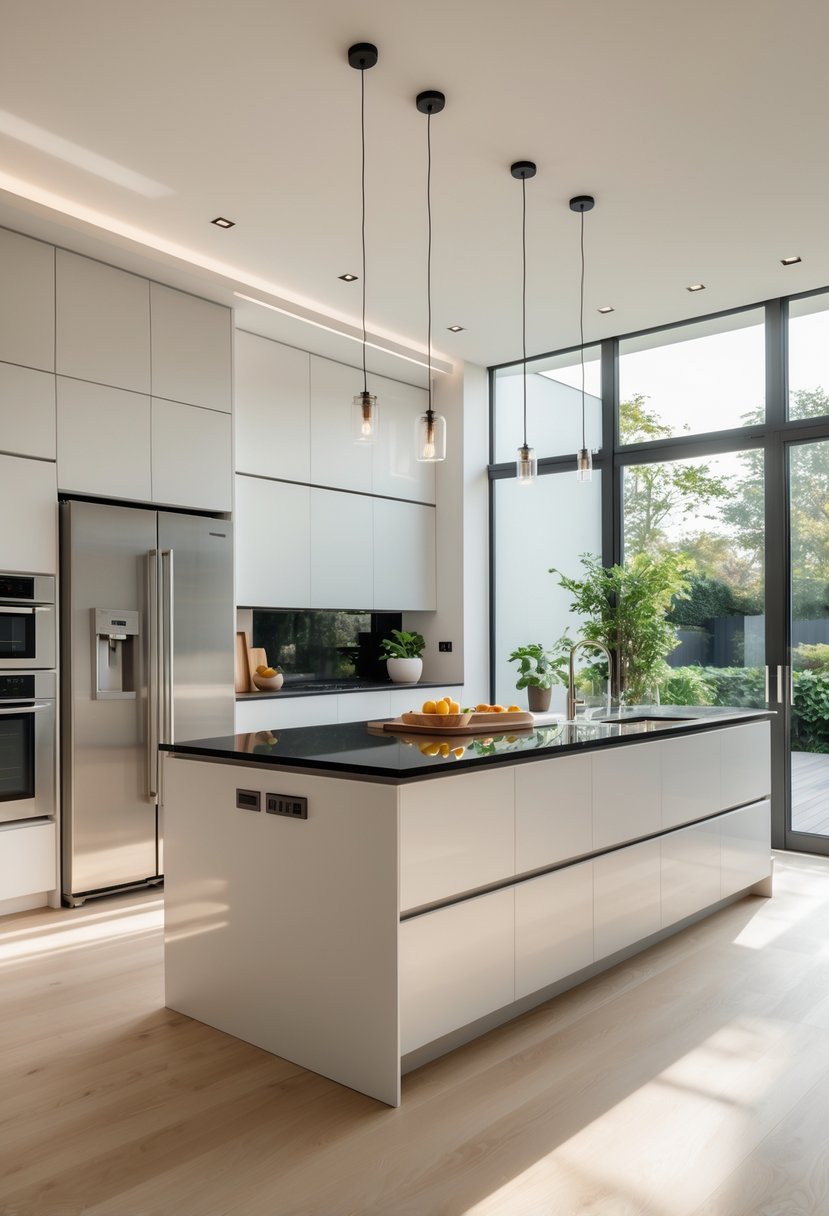
This article explores key design directions shaping kitchens in 2026. From layout choices that improve flow to details that add character, each section highlights ideas that blend usability with style. By looking at both timeless elements and emerging trends, it becomes easier to see how today’s design choices can create a kitchen that feels current and lasting.
Open-concept kitchen with large island
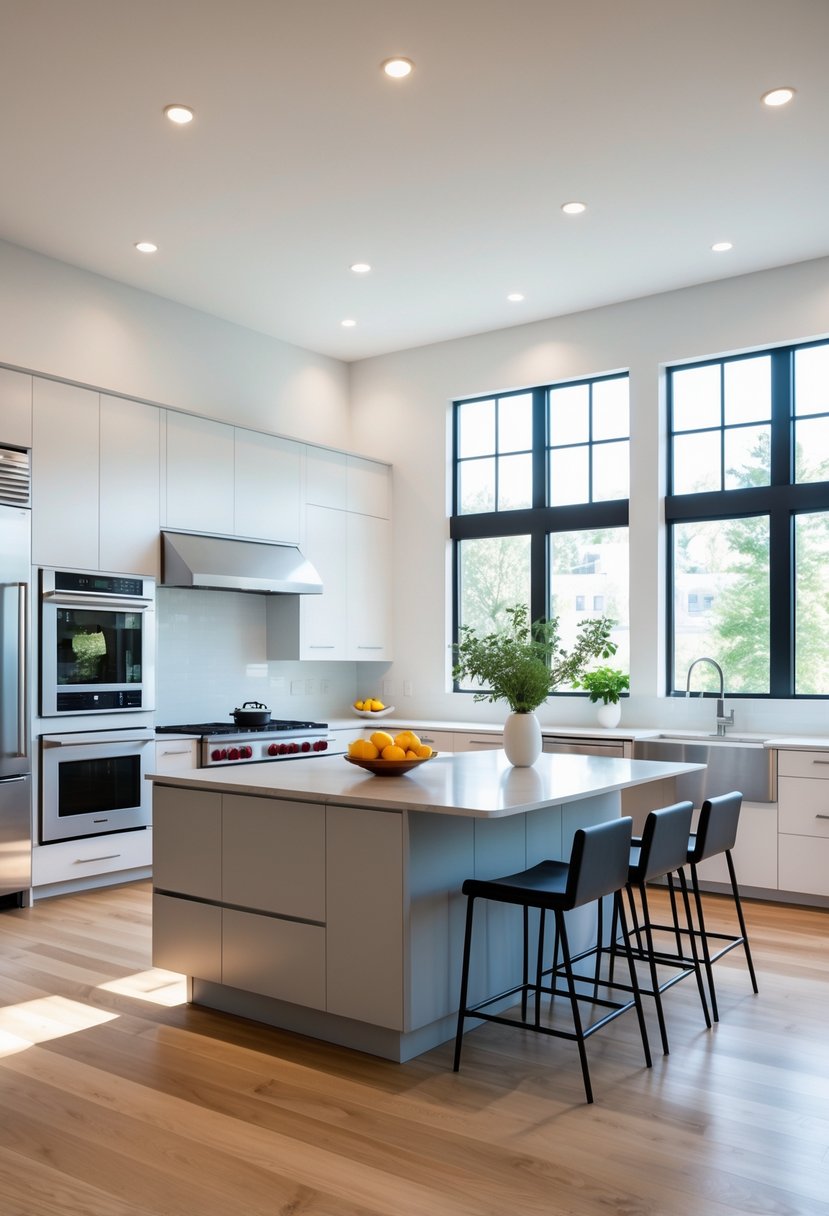
An open-concept kitchen with a large island creates a central hub for cooking and gathering. The layout improves movement between the kitchen, dining, and living areas.
The island often includes seating, extra storage, and added counter space. Some designs also integrate sinks, cooktops, or outlets for greater functionality.
Two-tone cabinetry for visual interest
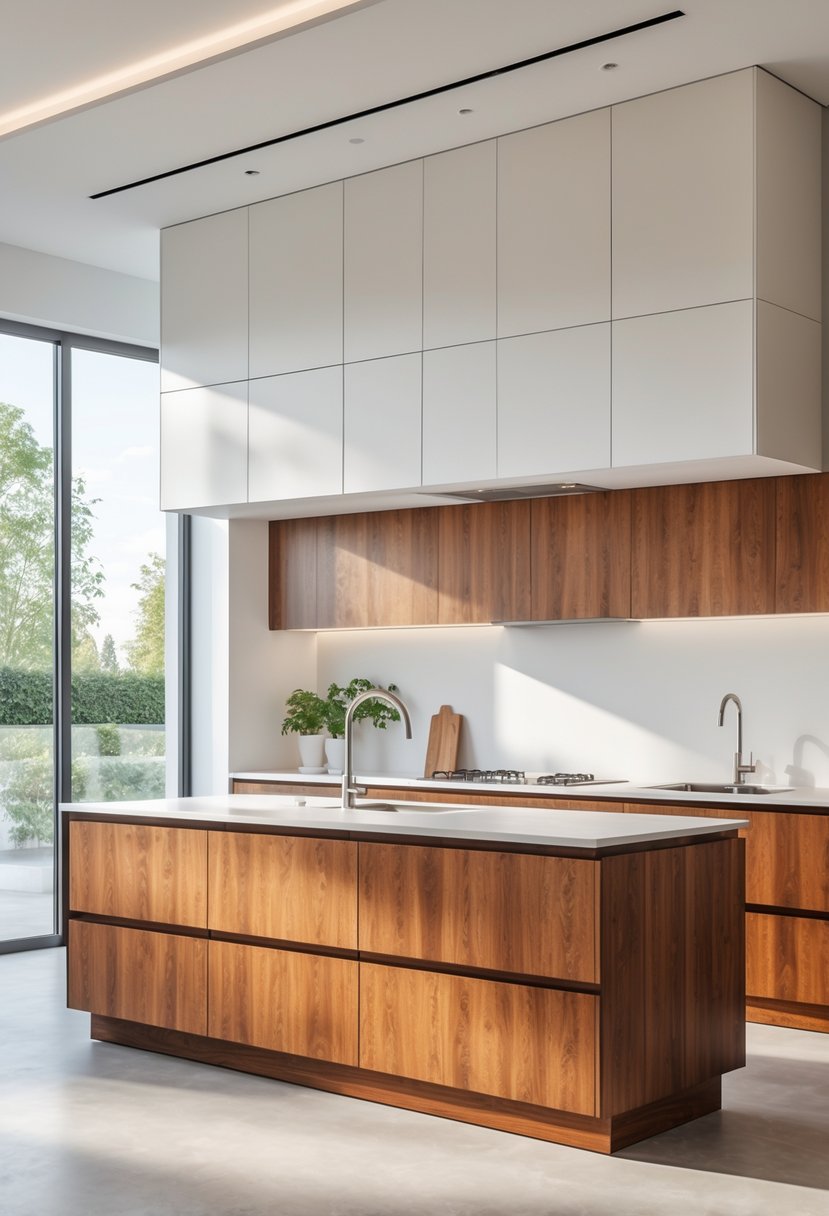
Two-tone cabinetry gives kitchens a balanced and modern look. Designers often combine light upper cabinets with darker lower ones to create contrast.
This approach works in both small and large spaces. It adds depth without overwhelming the room and allows homeowners to highlight certain features.
Popular pairings include white with navy, black with white, or neutral tones with soft greens.
Integrated appliances for a seamless look
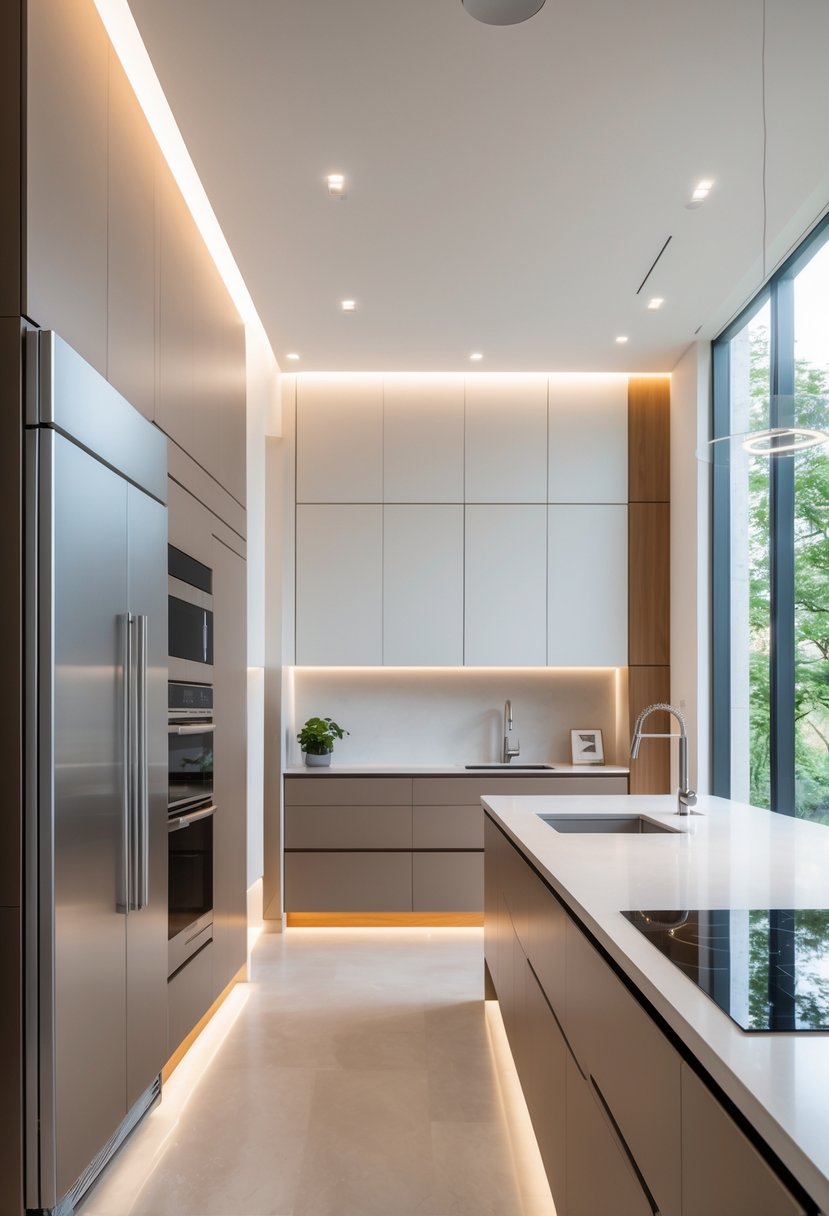
Integrated appliances fit into the cabinetry, creating a smooth and uniform style. They help the kitchen look clean and organized without visible gaps or bulky equipment.
Designers in 2026 often use built-in refrigerators, dishwashers, and ovens to maximize space. This approach blends function with modern design trends.
Matte black hardware accents
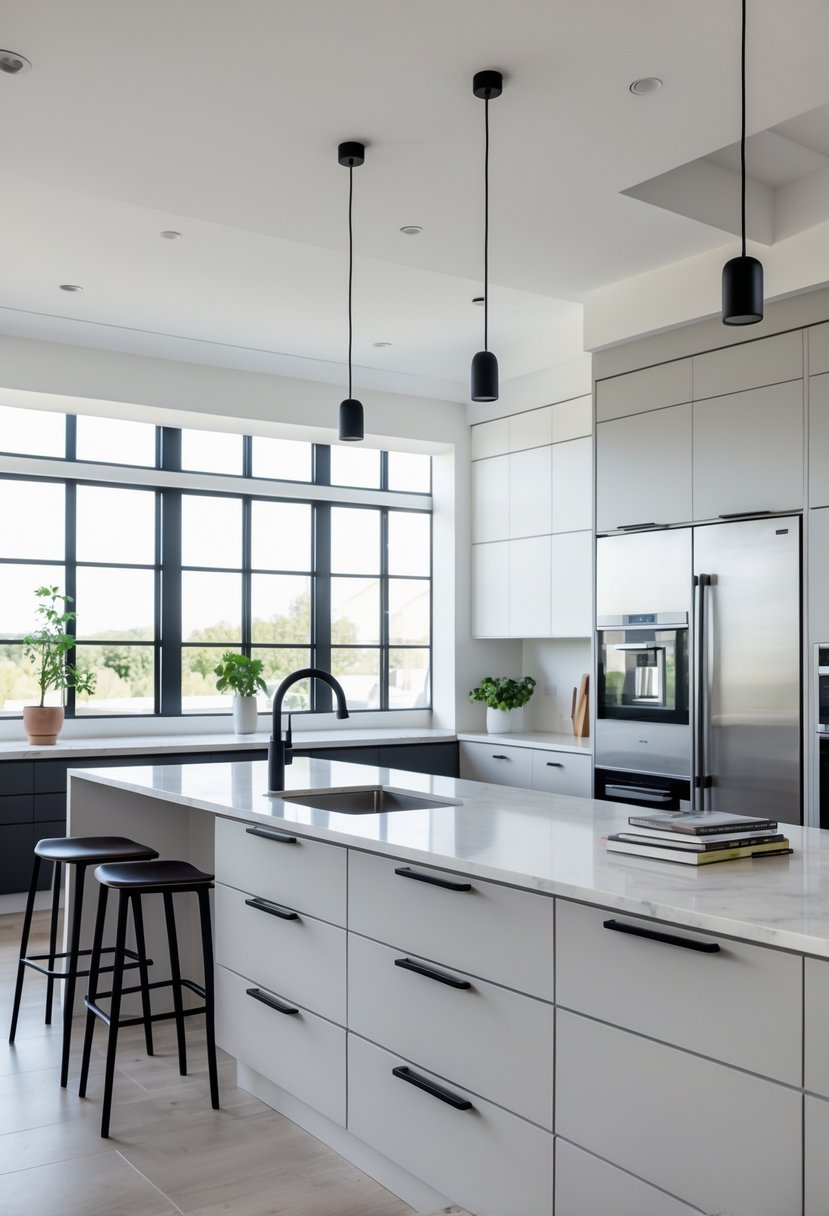
Matte black hardware gives cabinets and drawers a clean, modern look. It works well in both light and dark kitchens.
Designers often pair matte black with wood tones or white finishes for contrast. The finish also blends easily with mixed metal accents.
Many homeowners choose matte black pulls and knobs for a subtle yet stylish update.
Quartz countertops with subtle veining
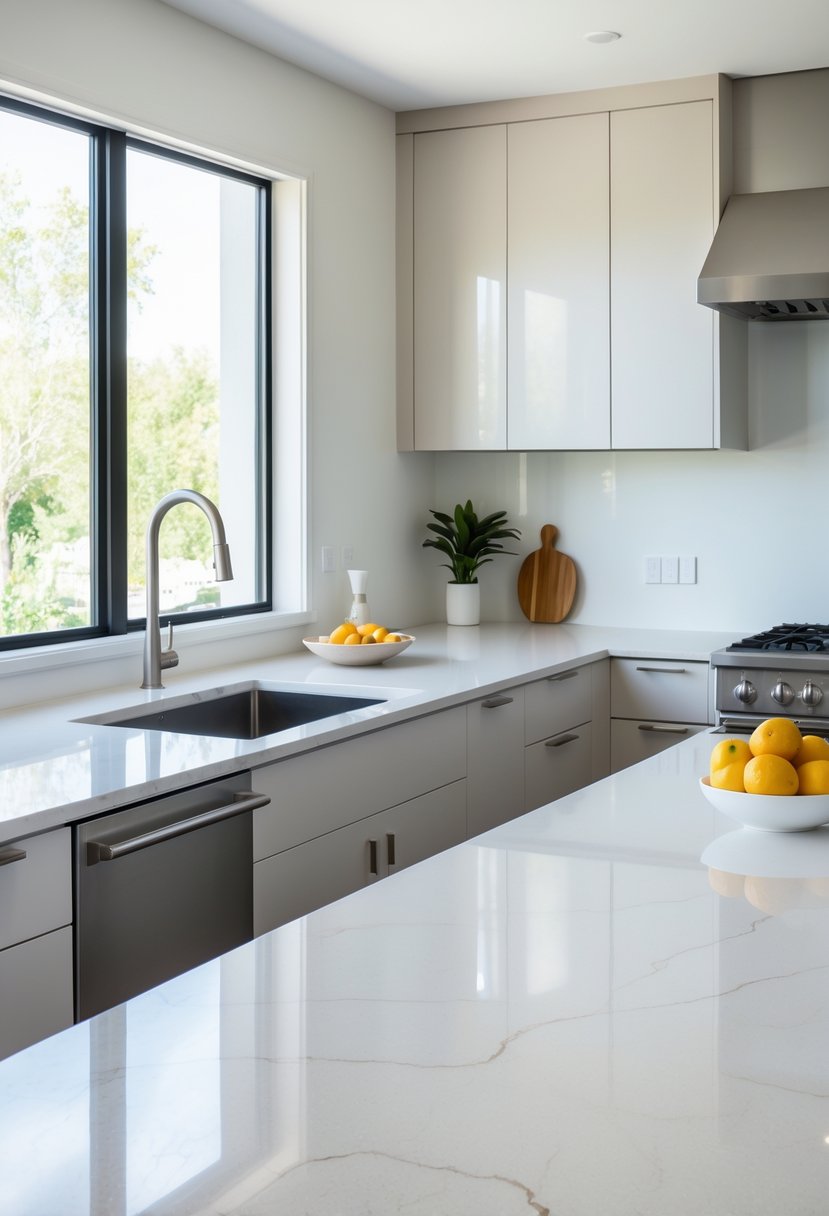
Quartz countertops with subtle veining create a clean and balanced look. The soft patterns add interest without overwhelming the space.
Designers often use these surfaces in modern kitchens to achieve a calm and refined style. The light veining pairs well with both neutral and bold cabinetry.
This option also provides durability while keeping a timeless aesthetic.
Glass-front upper cabinets
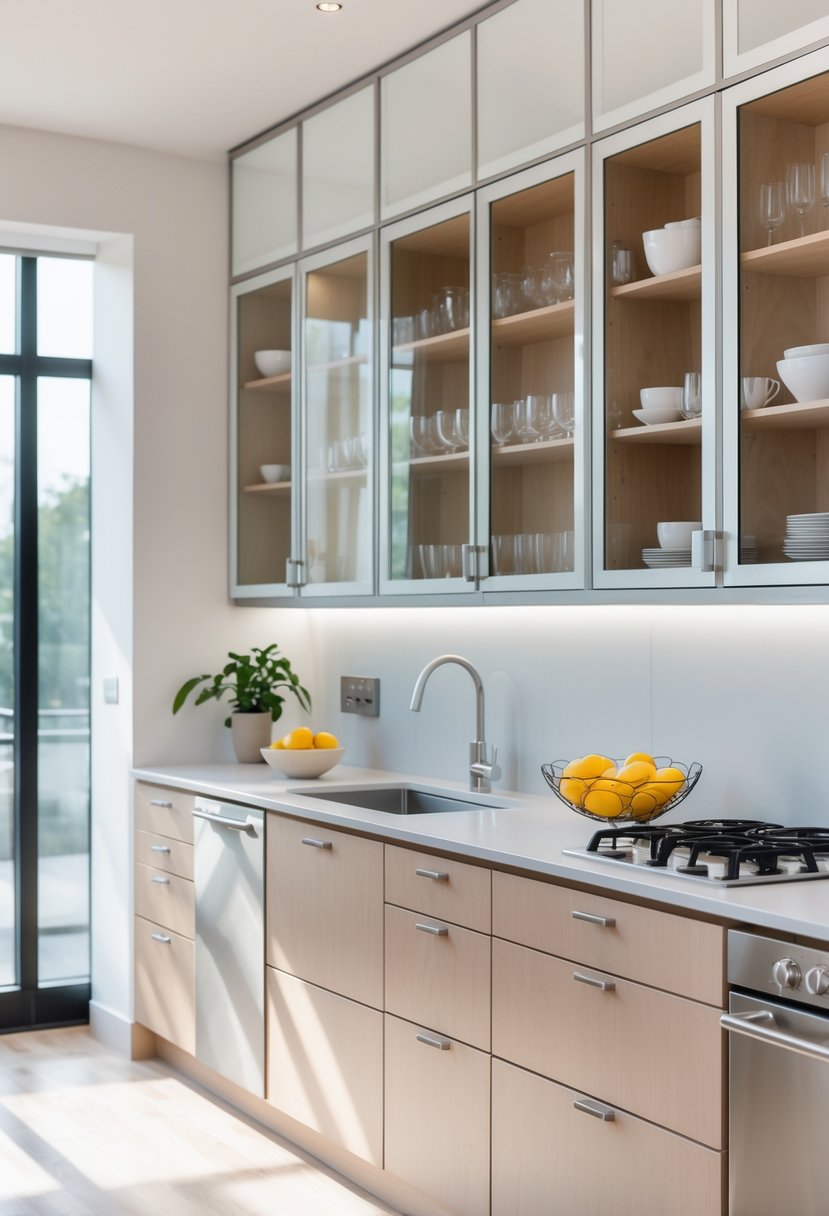
Designers in 2026 use glass-front upper cabinets in small, intentional ways.
Instead of covering whole walls, they often highlight one section, such as a bar area or a display shelf.
This approach keeps kitchens feeling open while reducing the need for perfectly matched dishes.
Under-cabinet LED lighting
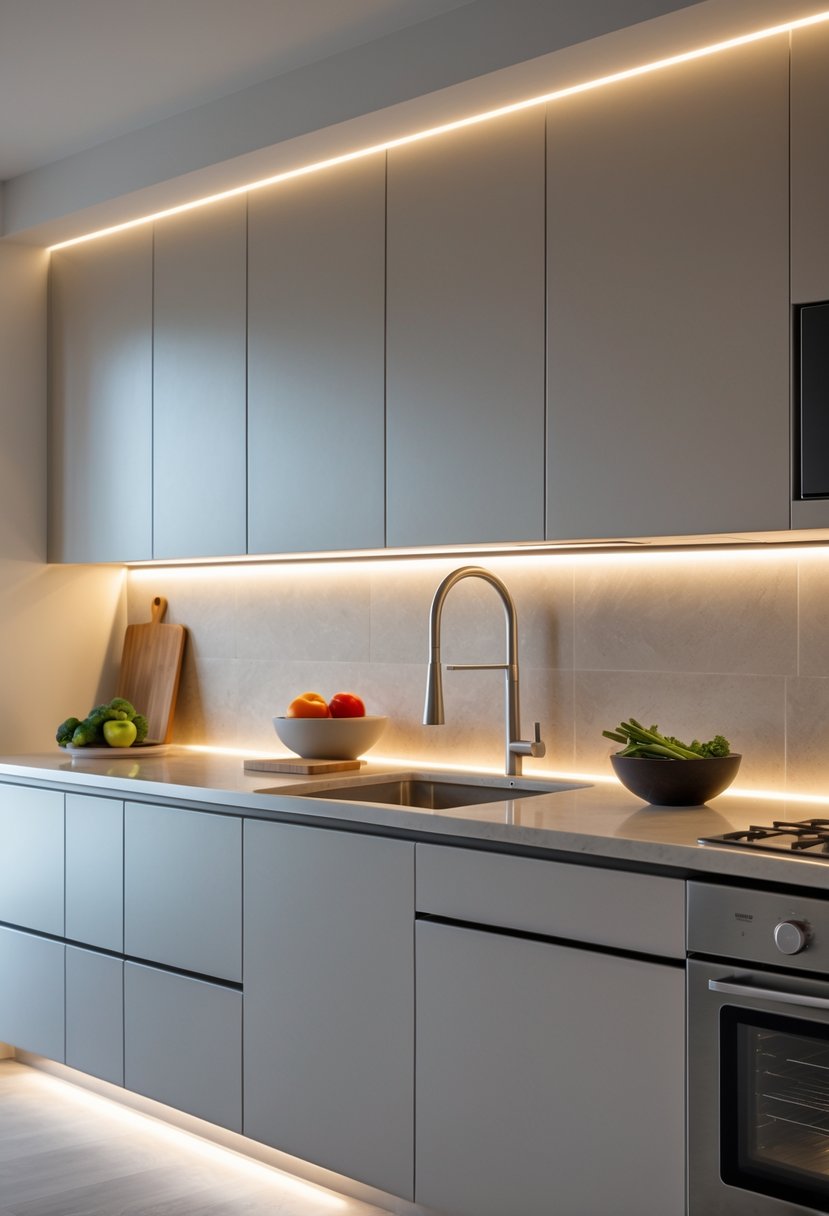
Under-cabinet LED lighting provides focused illumination for food preparation and daily tasks. It improves visibility while keeping counters free from shadows.
Designers note that these lights also add a modern look to kitchens. Slim LED strips or bars fit neatly under cabinets, offering both function and subtle style.
Butcher block countertop section
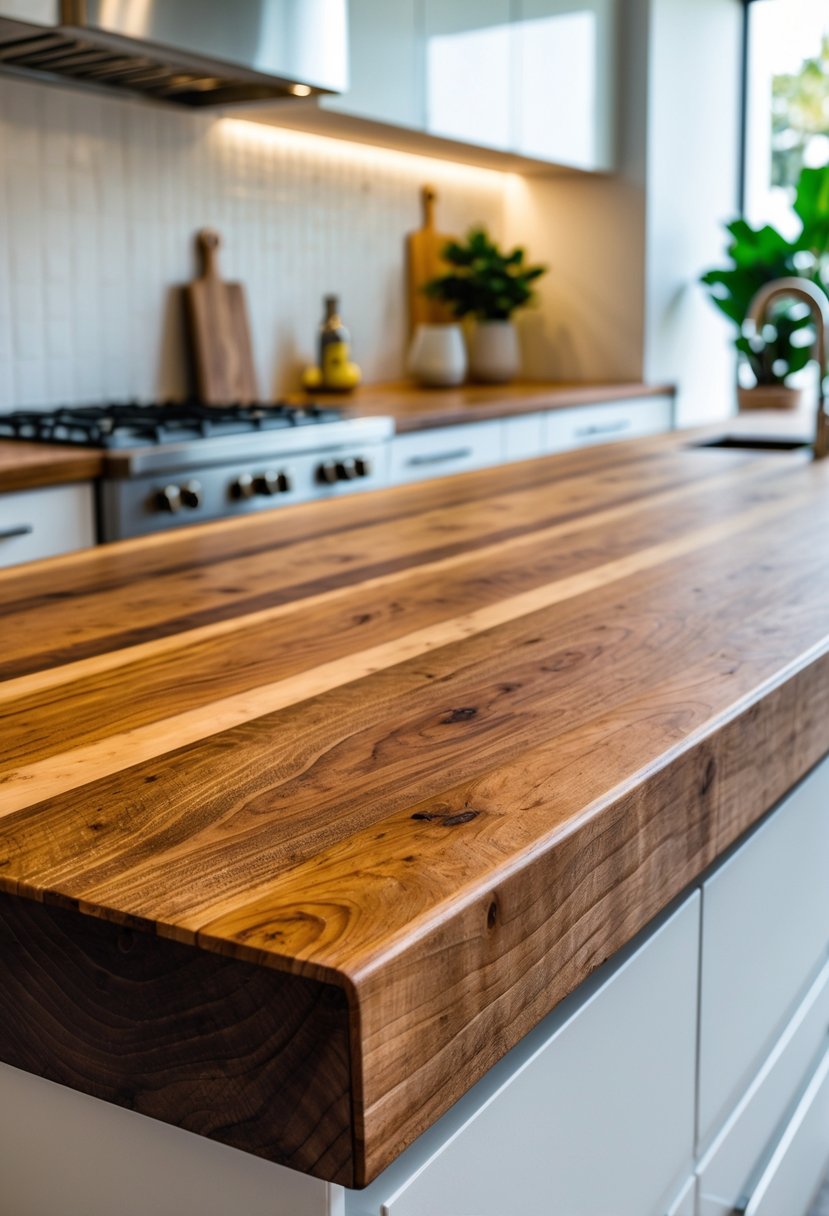
Butcher block countertops add a natural look that fits both modern and traditional kitchens. They bring warmth and texture that stone or synthetic surfaces do not.
They work well for food prep and casual dining. With proper care, they can last for years and adapt to many design styles.
Bold colored kitchen island
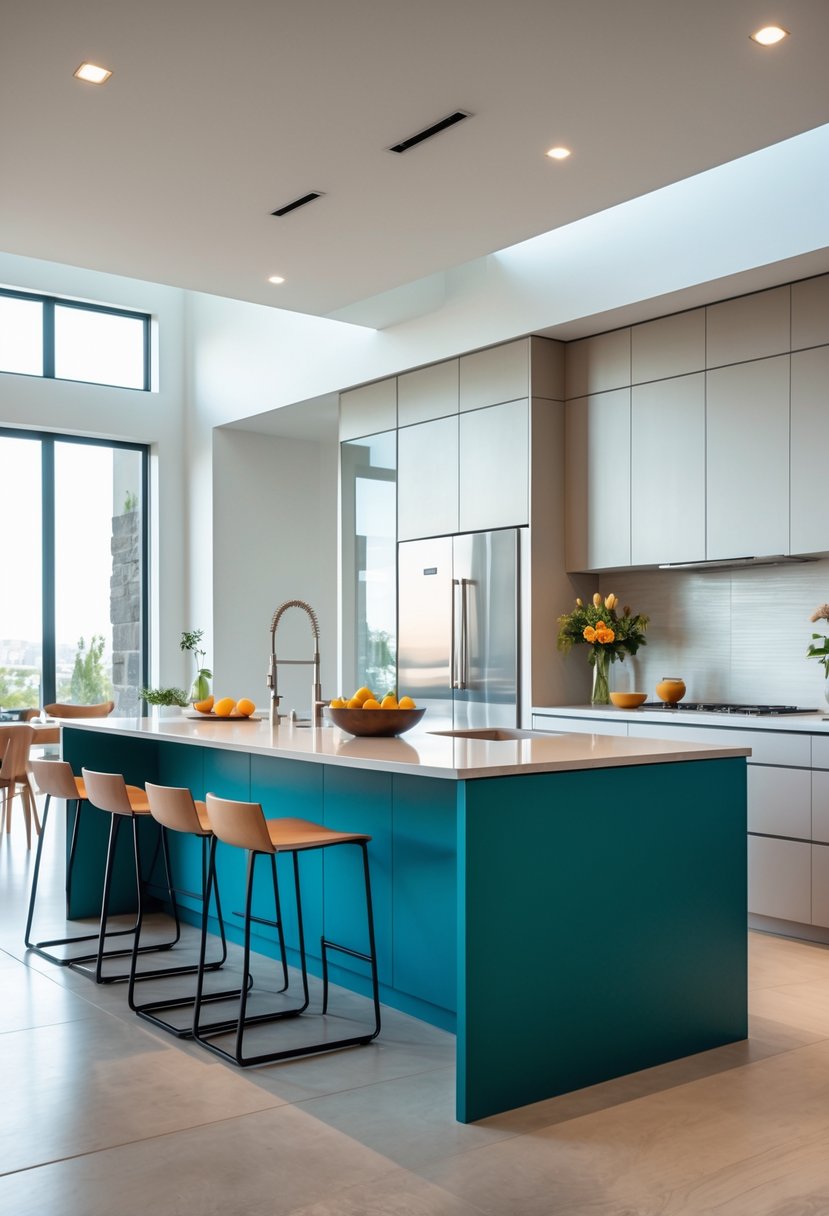
A bold colored kitchen island adds contrast and focus to the room. Designers in 2026 often use deep blues, greens, or warm terracotta tones.
These colors pair well with neutral cabinets and countertops. The island becomes both a practical workspace and a visual centerpiece.
Smart storage solutions in corners
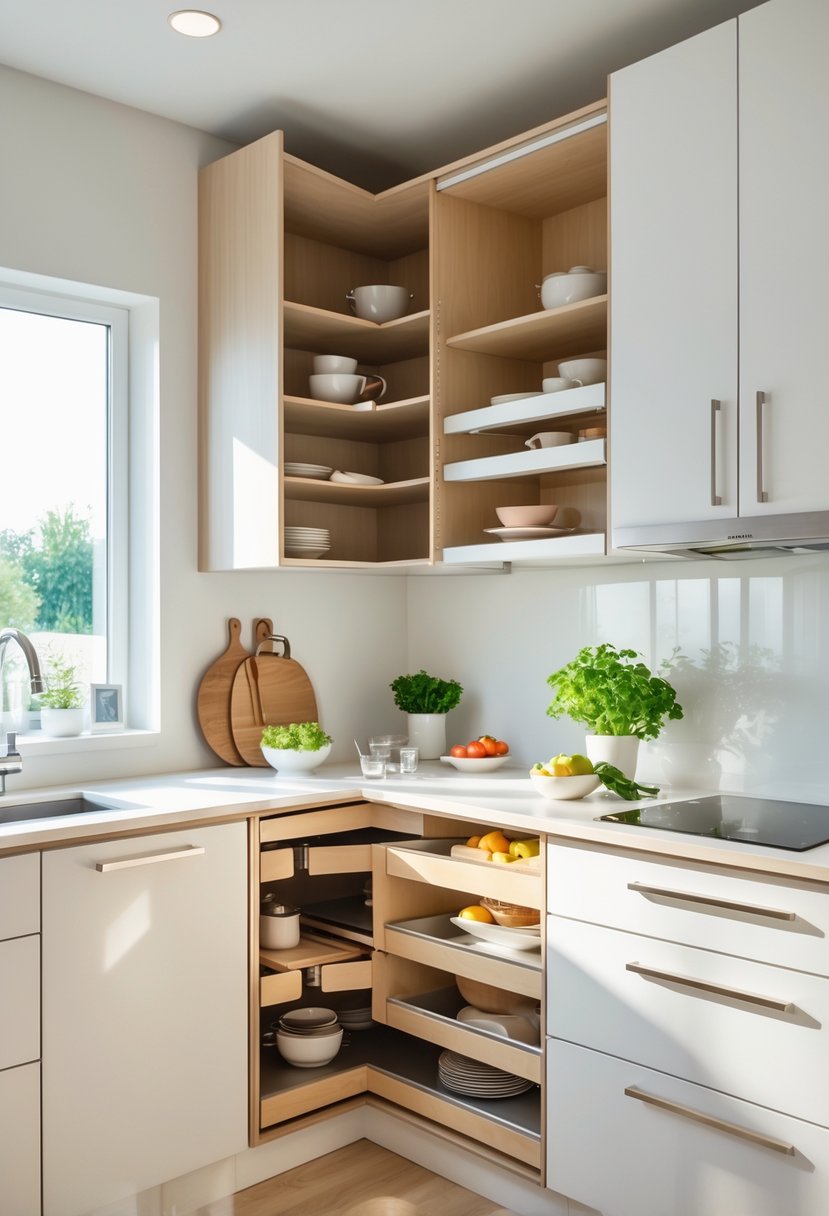
Designers use corner cabinets with pull-out trays or rotating shelves to make hard-to-reach areas more practical.
Some kitchens include corner sinks or built-in pantries to save space while keeping storage accessible.
Adjustable shelving and organizers help homeowners keep items tidy without wasting valuable corner space.
Floating shelves for display
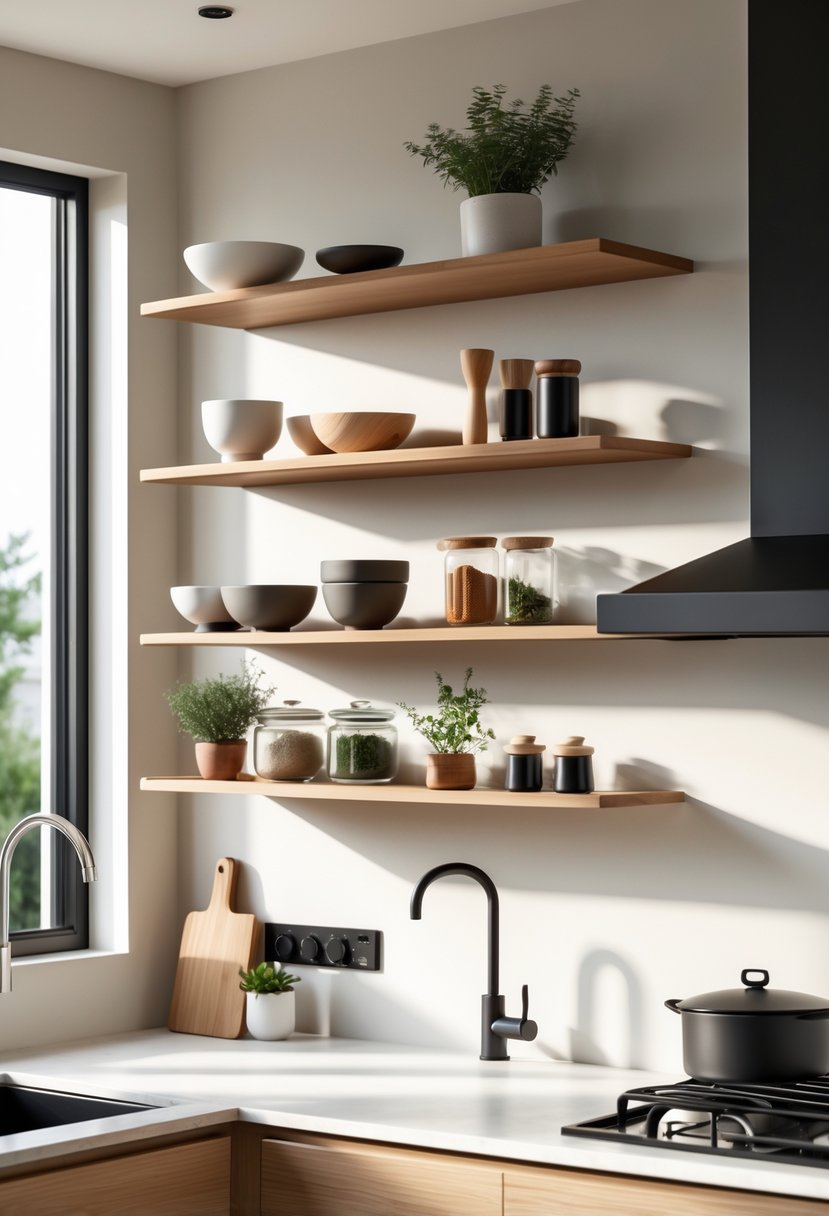
Floating shelves give kitchens a clean and open look. They provide storage while also keeping items easy to reach.
Many designers use them to display everyday dishes, glassware, or small plants. This adds function without overcrowding the space.
Different finishes, from wood to metal, allow shelves to match modern or traditional styles.
Classic subway tile backsplash
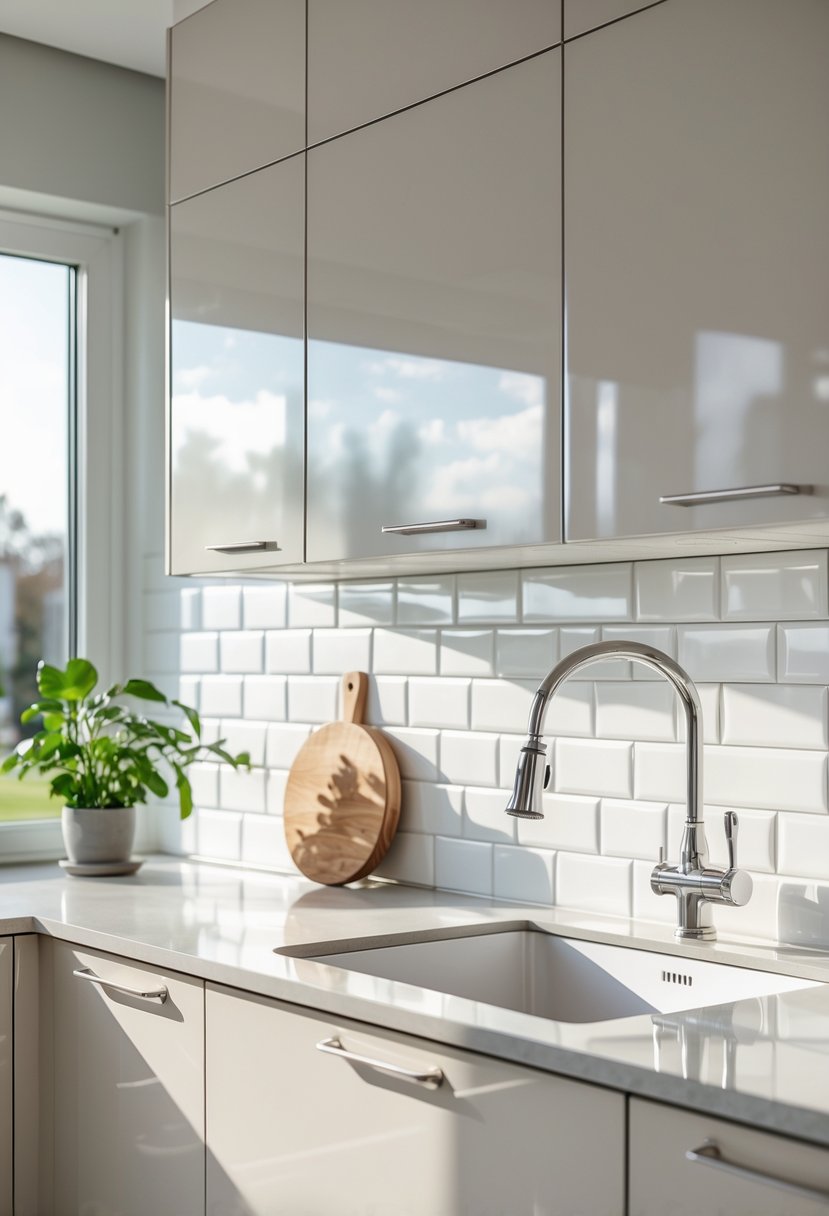
Subway tile backsplashes remain a dependable choice for many kitchens. Their simple rectangular shape creates a clean and balanced look.
Designers often use white tiles for a bright backdrop, but darker colors or contrasting grout can add subtle variation.
This style works well in both traditional and modern spaces, offering flexibility without overwhelming the design.
Marble slab backsplash
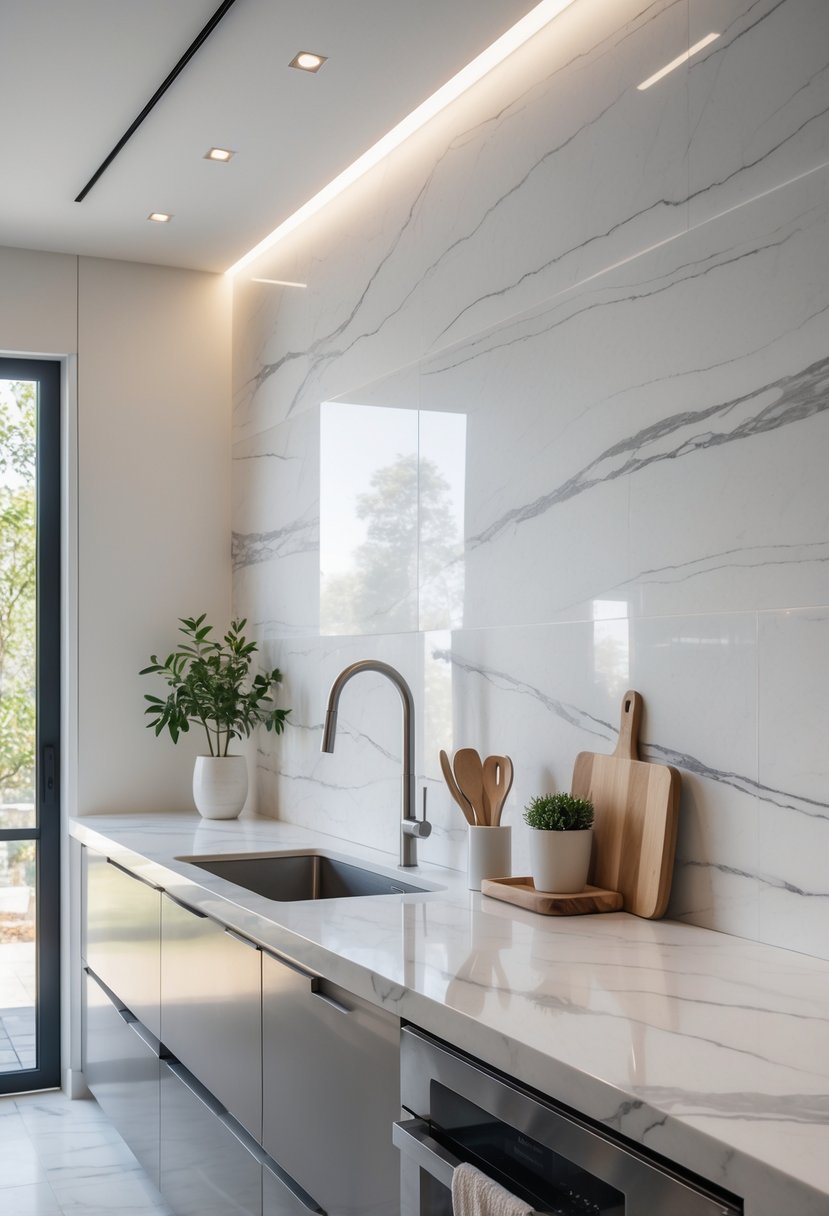
Marble slab backsplashes use a single large piece of stone instead of small tiles. This creates a smooth surface with fewer grout lines.
They highlight the natural veining and patterns of the marble. Many homeowners choose this option for a clean, modern look.
The slabs work well in both small and large kitchens. They provide durability while keeping the design simple and timeless.
Farmhouse sink with apron front
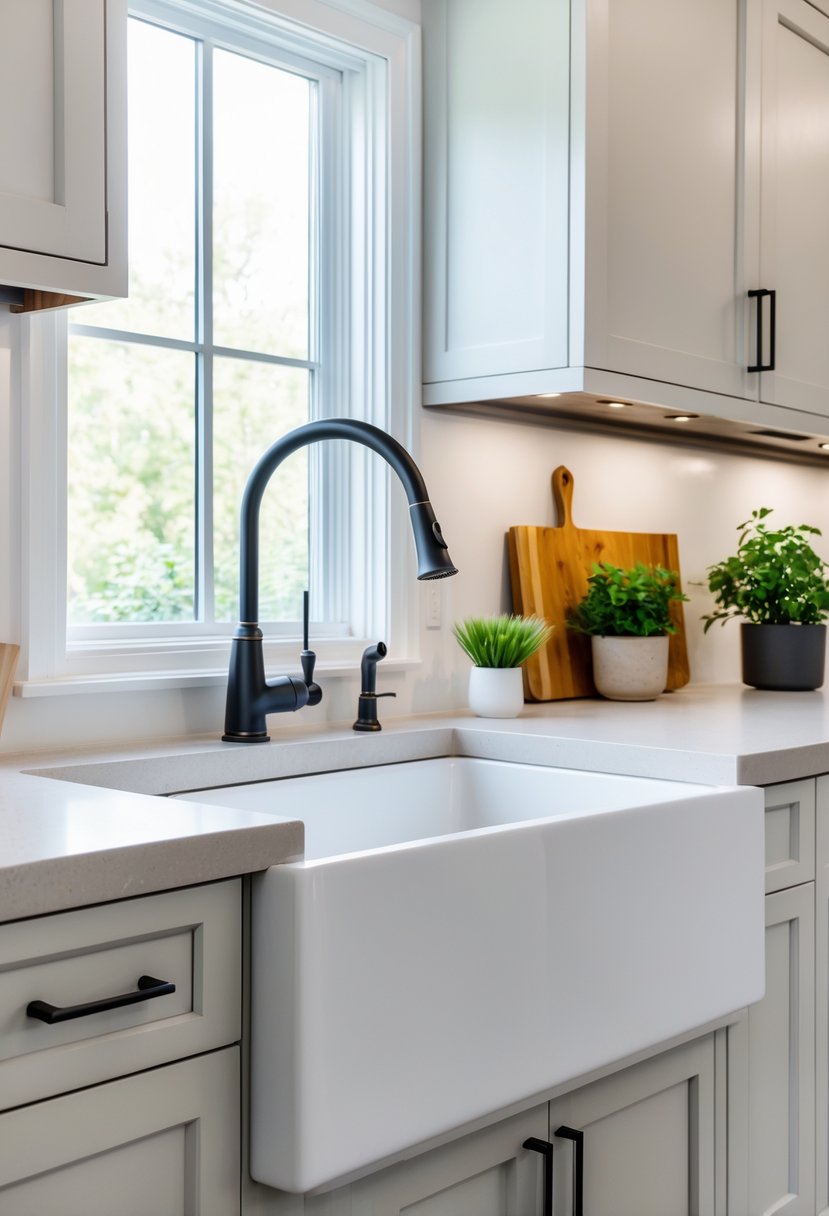
A farmhouse sink with an apron front adds both function and character to a kitchen. Its deep basin provides space for washing large pots and pans.
Designers often pair these sinks with shaker cabinets or natural wood finishes. The exposed front creates a focal point that blends rustic and modern styles.
Minimalist handleless cabinets
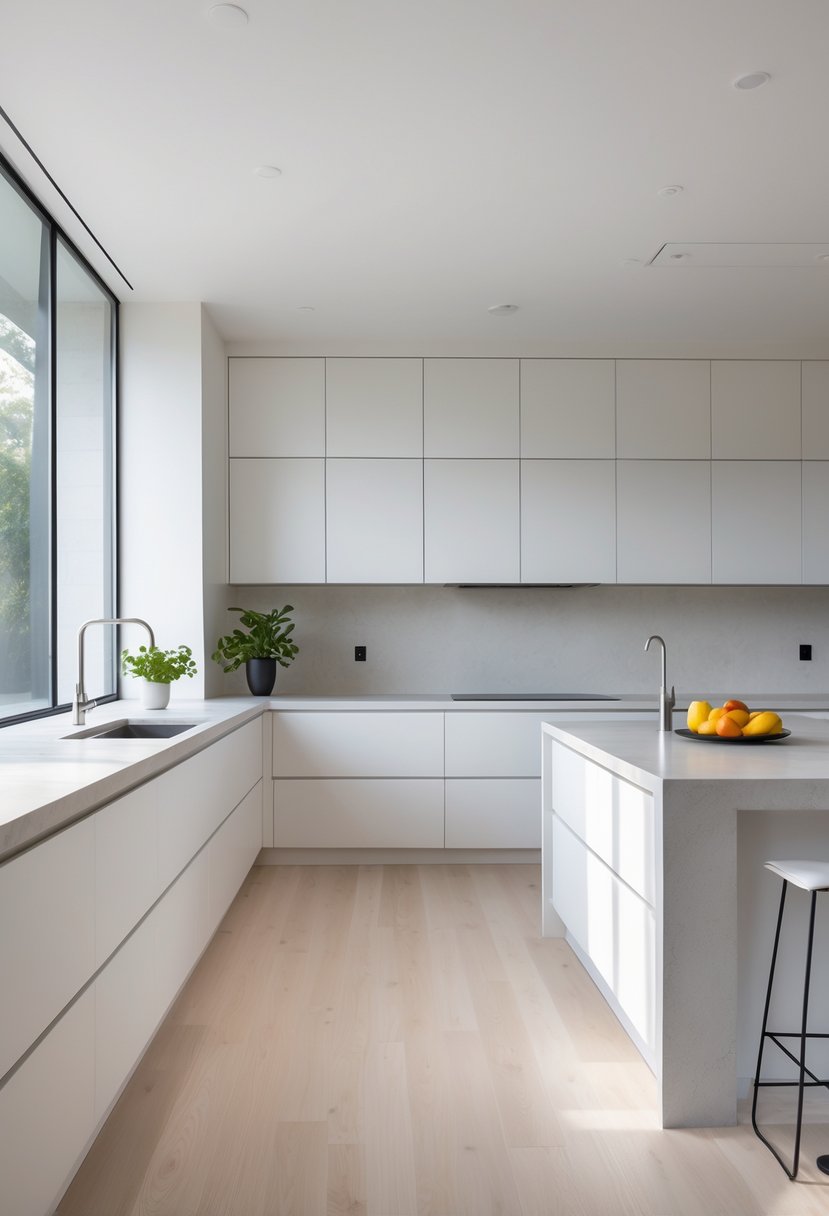
Handleless cabinets create a clean and simple look that fits well with modern kitchens. They reduce visual clutter and keep surfaces smooth.
This style also makes small spaces feel larger by removing bulky hardware. Many designers pair them with matte finishes or natural tones for a balanced design.
Industrial-style pendant lighting
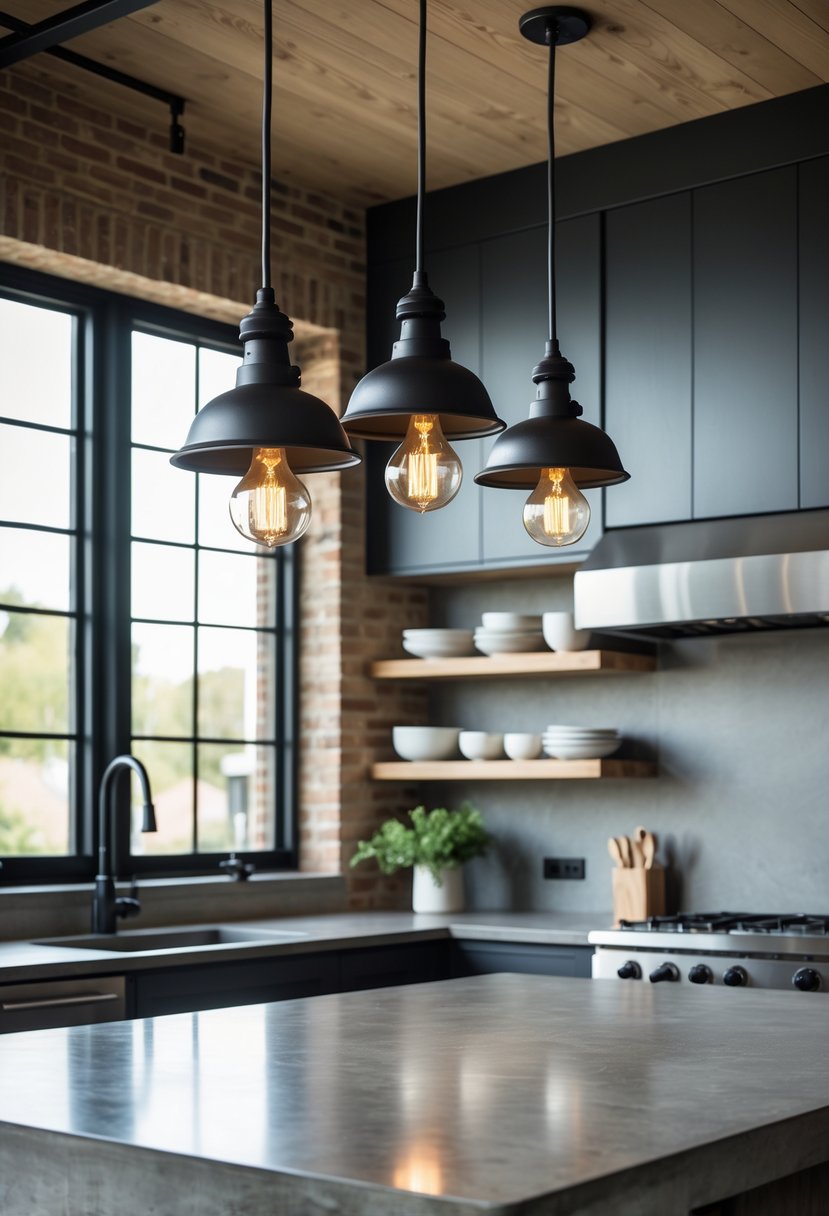
Industrial-style pendant lighting uses simple shapes, metal finishes, and exposed bulbs. It fits well in kitchens that favor a modern, farmhouse, or loft look.
Designers often place these pendants above islands or dining areas. Black, brass, or mixed metals add contrast and highlight functional workspaces.
Built-in wine fridge
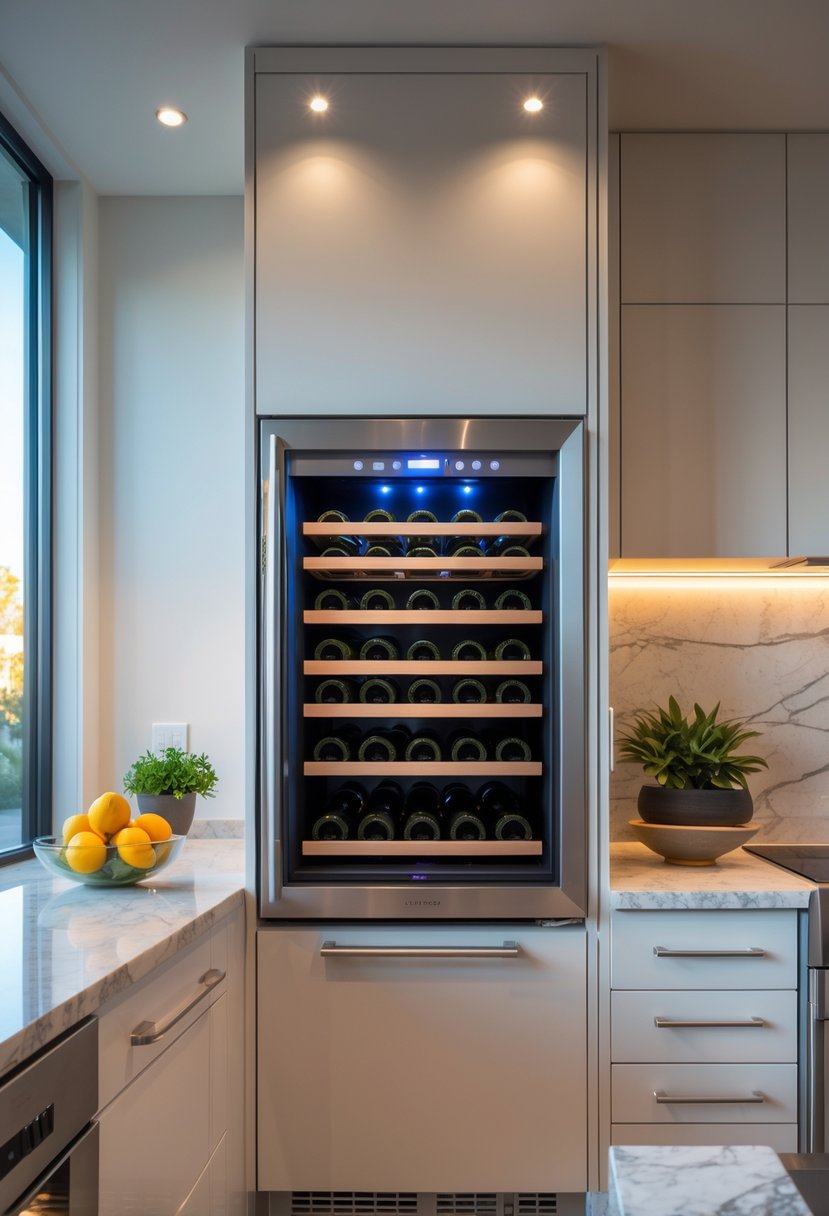
A built-in wine fridge fits neatly into kitchen cabinetry, creating a clean and modern look. It blends with surrounding finishes for a seamless design.
Designers often place it near prep areas or dining spaces for easy access. It works well in both large and small kitchens.
Many built-in models offer temperature control, keeping wine stored at the right conditions. This adds both function and style to the space.
Pull-out pantry shelves
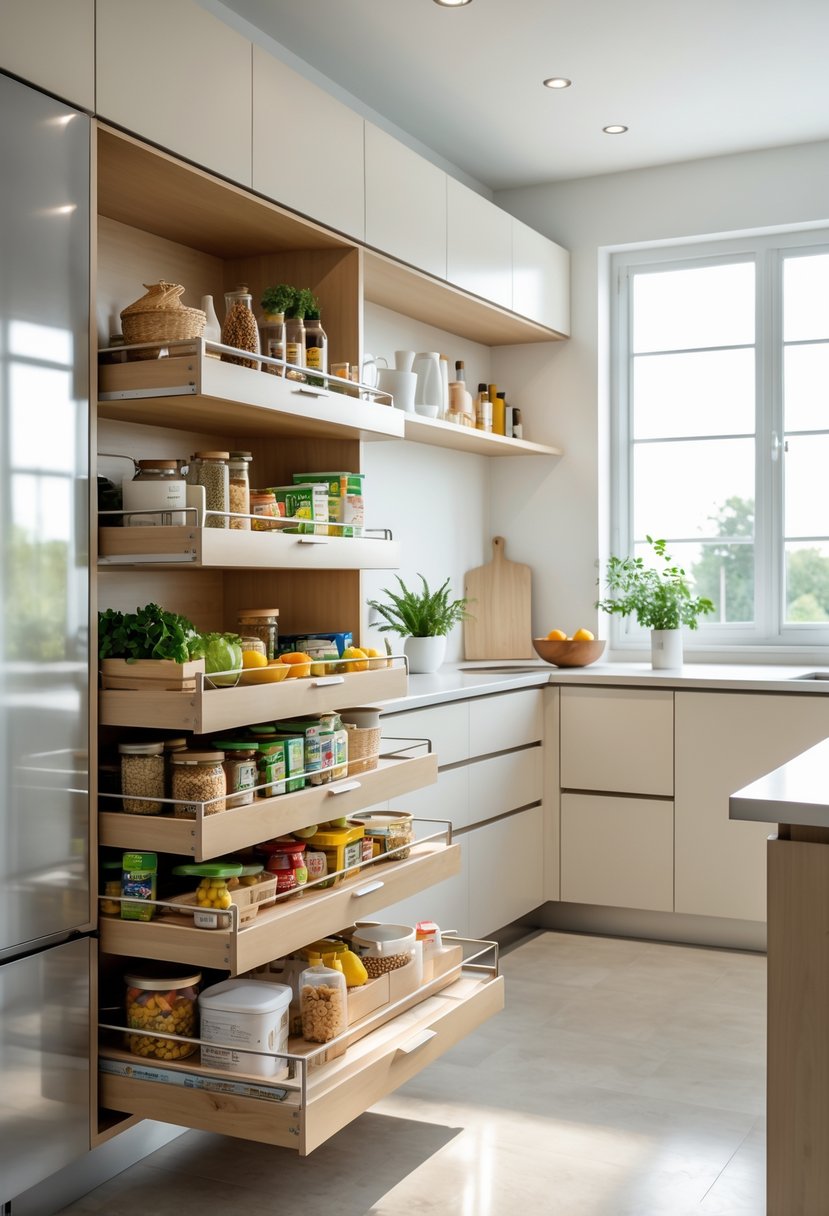
Pull-out pantry shelves make stored items easier to see and reach. They reduce the need to dig through the back of cabinets.
Designers often use them in narrow spaces where standard shelving would waste room. This approach helps kitchens stay organized and efficient.
Strong materials and smooth hardware keep shelves durable. Many designs now include soft-close features for added convenience.
Breakfast nook with built-in seating
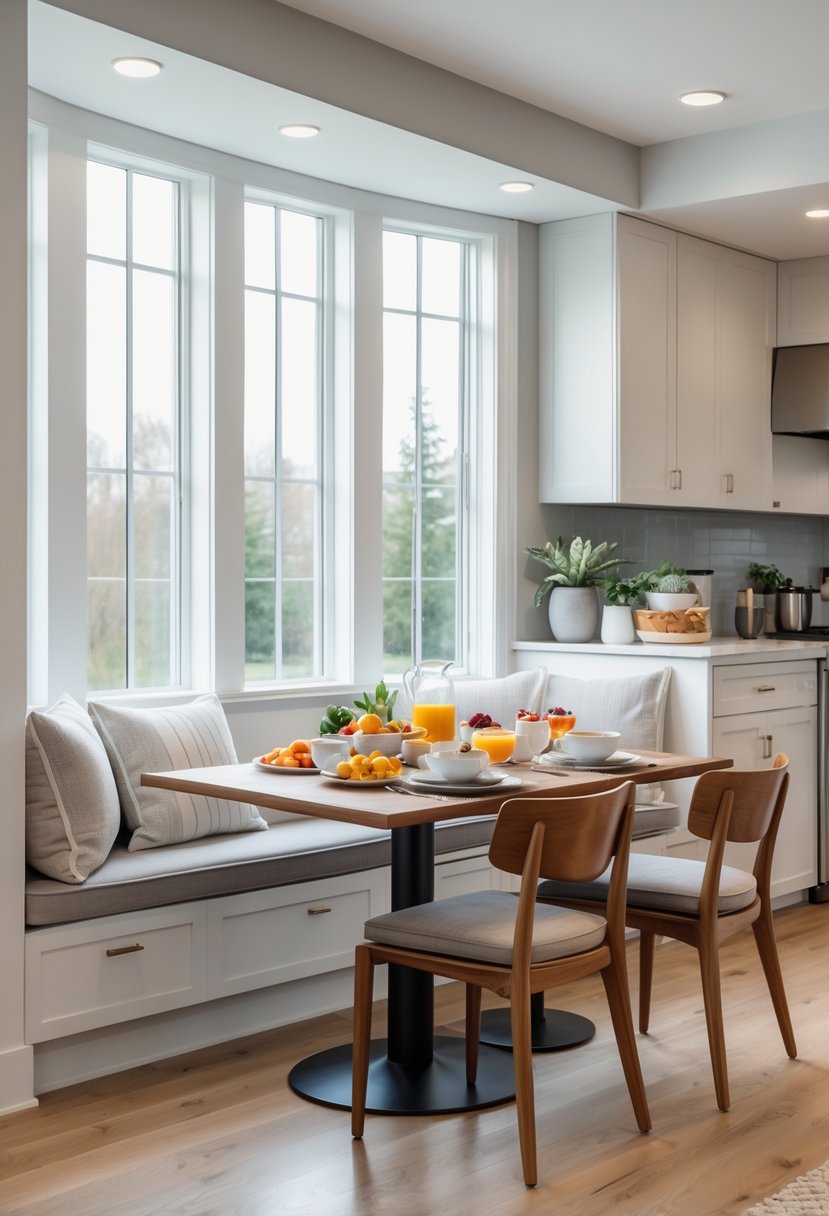
A breakfast nook with built-in seating makes efficient use of kitchen space. It often fits neatly into a corner or along a wall.
Designers use benches or banquettes to add both seating and storage. This approach works well in small and large kitchens alike.
Many homeowners choose simple cushions or upholstered seats. These details improve comfort while keeping the layout functional.
Mixed metal finishes
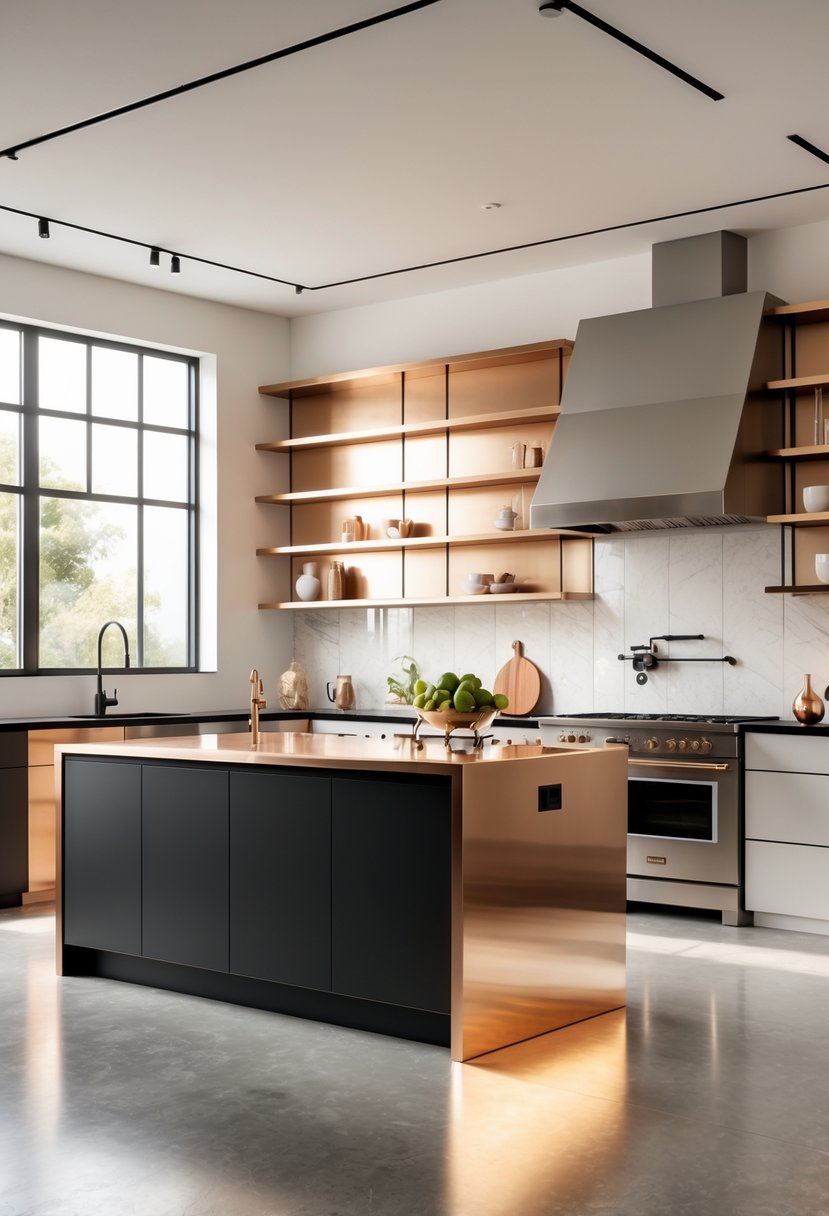
Designers in 2026 often pair different metal tones to create balanced and layered looks. A kitchen may feature brass handles with stainless steel appliances or a chrome faucet with bronze pulls.
This mix works in both modern and traditional spaces, giving cabinets and fixtures a more customized appearance.
Statement hood vent
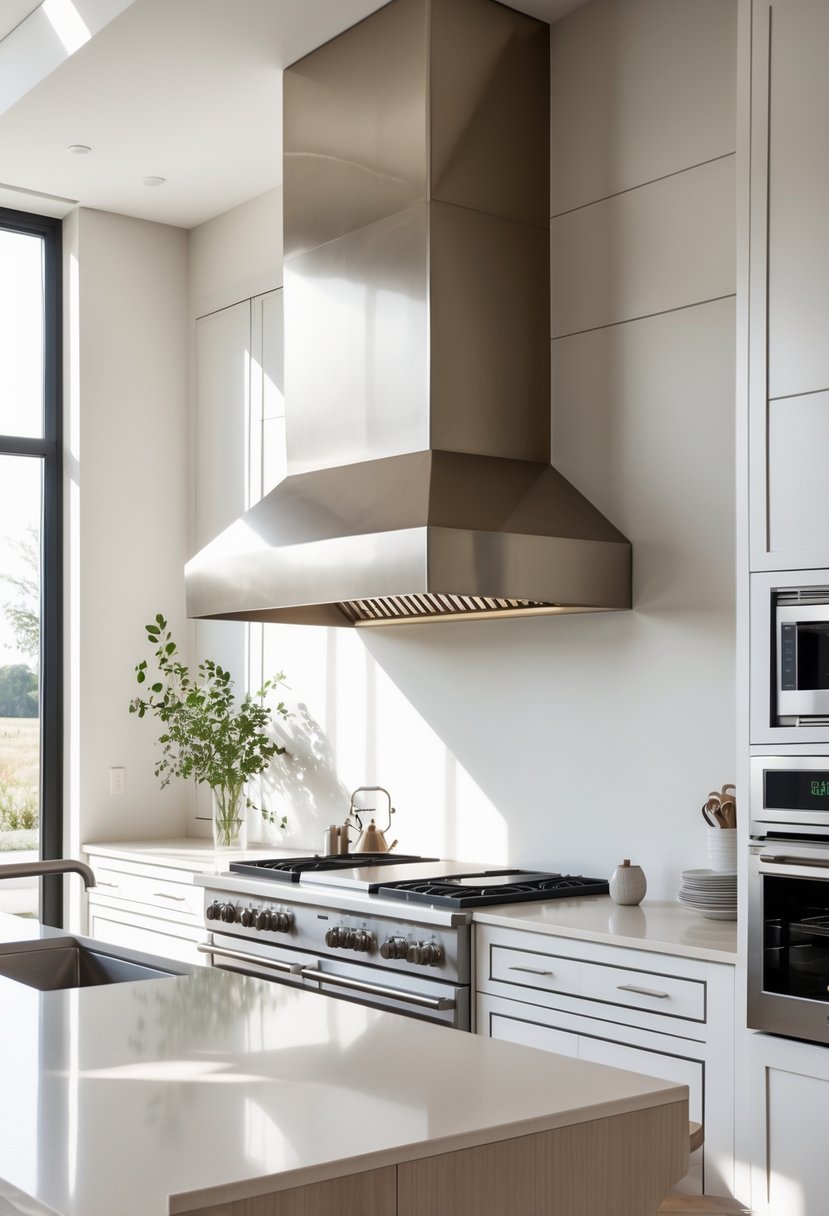
A statement hood vent serves both function and design, making it a central feature in modern kitchens.
Designers in 2026 often use bold materials like wood, plaster, or metal to create visual impact.
These hoods balance ventilation needs while adding character that complements the overall kitchen style.
Soft-close drawers
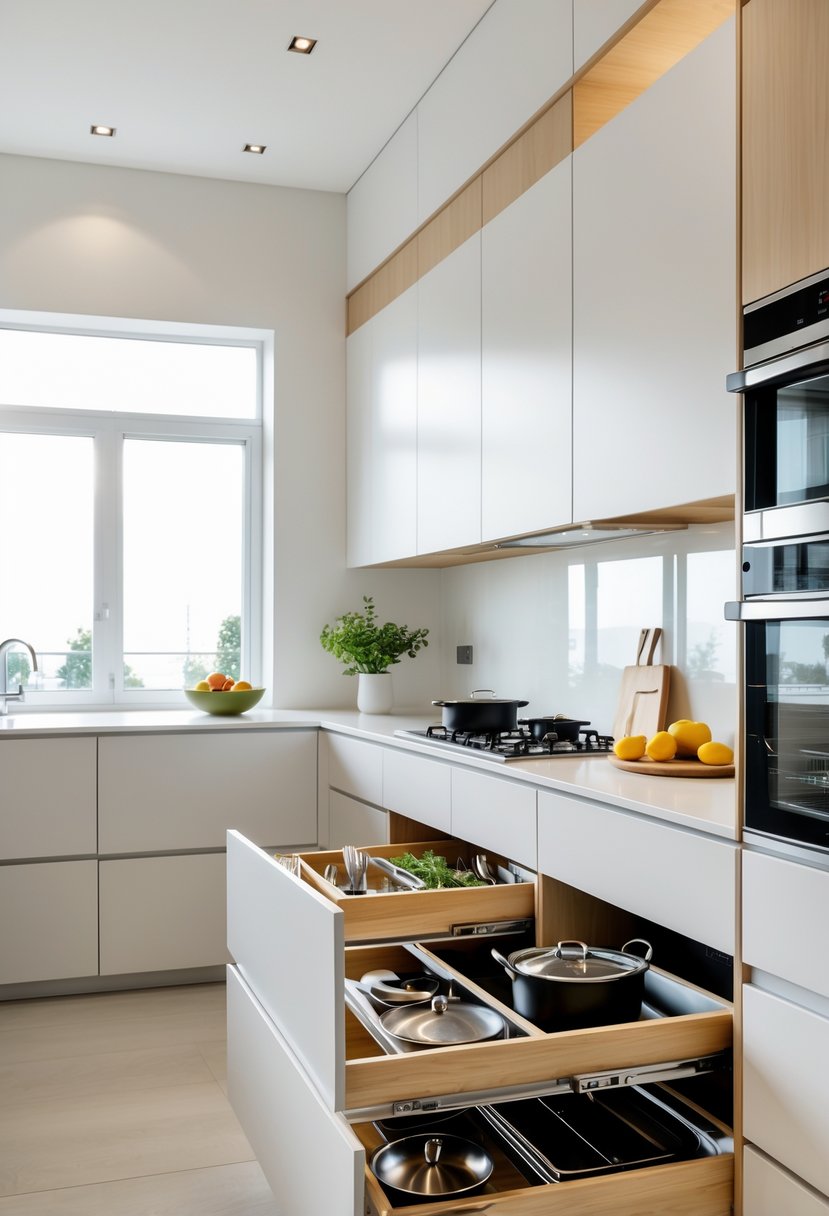
Soft-close drawers reduce noise by preventing slamming. They use built-in mechanisms that slow the drawer as it closes.
Designers in 2026 favor them for both function and comfort. The feature makes kitchens feel calmer and more refined.
They also help protect cabinets from wear, extending their lifespan.
Natural wood accents
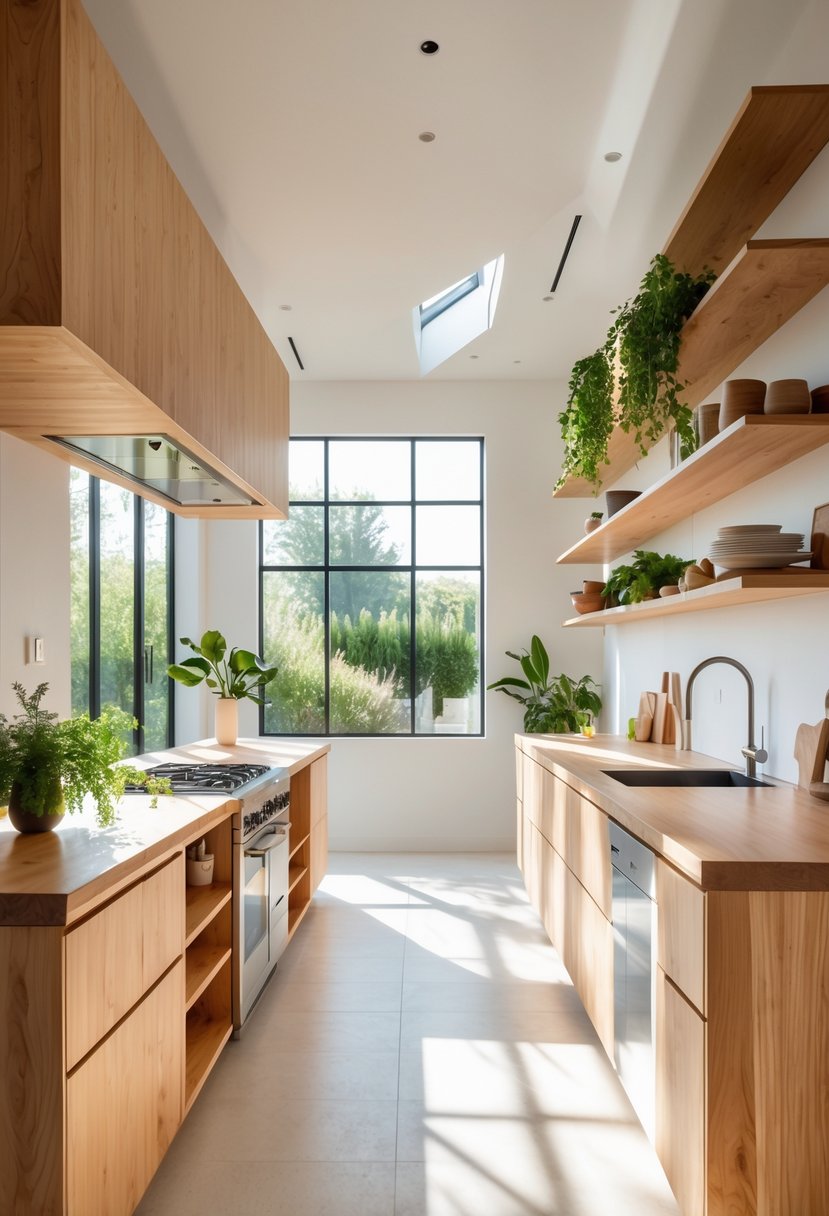
Designers highlight natural wood as a key feature in 2026 kitchens. Warm oak, walnut, and ash bring texture and balance to modern layouts.
Wood accents appear in cabinets, islands, and shelving. They pair well with neutral tones and mixed metals, creating a clean yet inviting look.
Emerging Trends in Kitchen Design for 2026
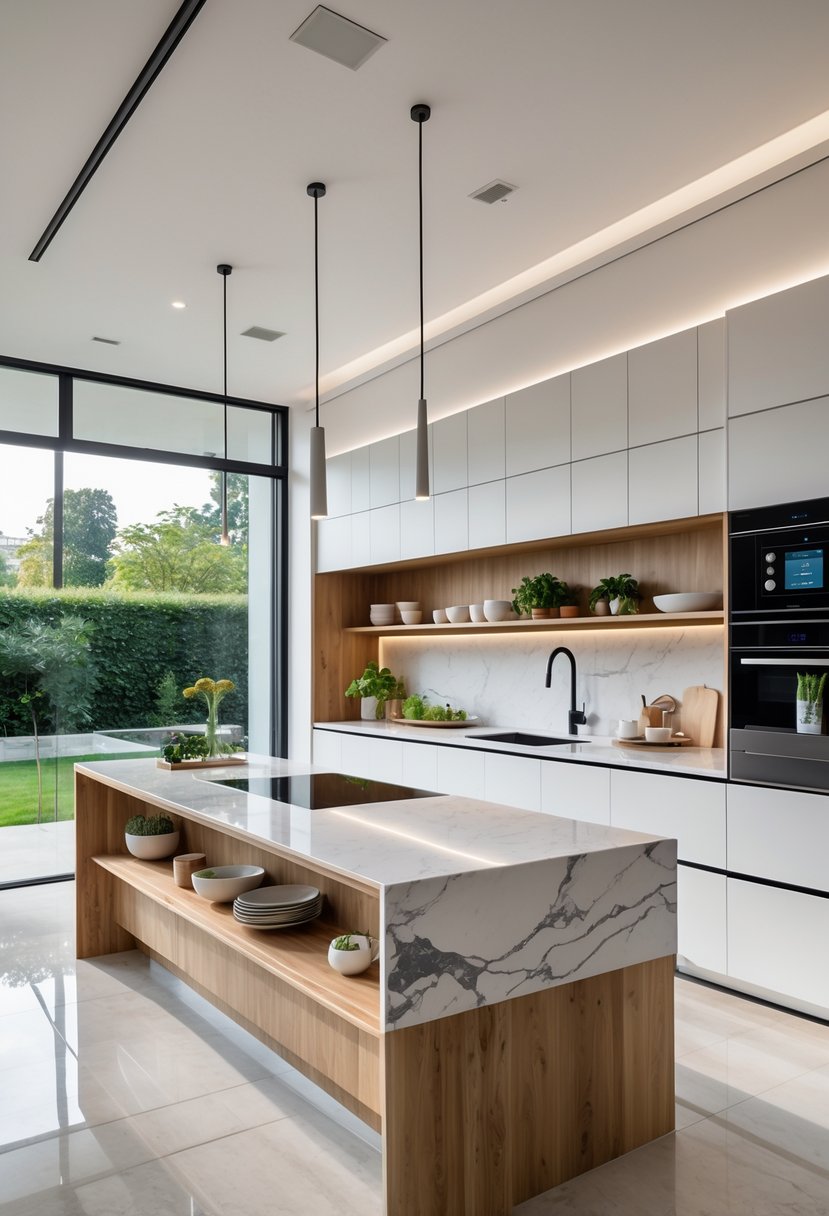
Kitchen design in 2026 emphasizes practical choices that improve efficiency, reduce environmental impact, and create a more personalized look. Designers focus on materials, technology, and finishes that balance style with long-term function.
Sustainable Materials and Eco-Friendly Solutions
Homeowners and designers are shifting toward materials that reduce waste and support healthier living spaces. Cabinets made from recycled wood, countertops from composite stone, and tiles crafted from repurposed glass are becoming common. These options provide durability while lowering environmental impact.
Energy-efficient appliances also play a major role. Induction cooktops, low-energy dishwashers, and refrigerators with smart sensors help reduce utility costs while conserving resources. Water-saving faucets and built-in filtration systems are now standard in many modern kitchens.
Another key change is the use of non-toxic finishes. Paints, stains, and sealants with low or zero VOCs improve indoor air quality. Designers also favor natural lighting and ventilation strategies to cut down on artificial energy use.
Sustainability is not limited to materials. Modular cabinetry, easy-to-repair hardware, and long-lasting surfaces ensure kitchens remain functional for decades without frequent replacements. This approach saves money and reduces landfill waste.
Smart Technology Integration
Technology continues to shape how kitchens function in 2026. Smart appliances now connect seamlessly to phones and home systems, making meal prep and energy tracking more efficient. Ovens that adjust cooking times automatically and refrigerators that monitor food freshness are no longer rare.
Voice and app controls also expand convenience. Lighting, ventilation, and even faucets can respond to commands or schedules. This integration reduces manual work while supporting energy management.
Designers are also incorporating hidden charging stations and wireless power pads into counters and islands. These features keep devices ready without cluttering the space.
Safety is another focus. Smart leak detectors, automatic shut-off valves, and air quality monitors help prevent accidents and maintain a healthier environment. Technology is not just about convenience but also about protecting the home.
Color Palettes and Finishes
Kitchens in 2026 move away from all-white schemes and embrace warmer, more natural tones. Earth shades like clay, sand, and olive bring a grounded feel, while deep blues and forest greens add contrast. Neutral bases paired with bold accent colors create balance without overwhelming the space.
Matte finishes are favored over glossy ones. They reduce fingerprints and reflections, making surfaces easier to maintain. Cabinets often feature two-tone combinations, such as dark lowers with lighter uppers, to add depth.
Metallic finishes also evolve. Brushed nickel, bronze, and muted gold hardware replace high-shine chrome. These softer metals pair well with natural materials like wood and stone.
Textured surfaces are another trend. Fluted cabinet doors, ribbed glass, and stone backsplashes add dimension without relying on heavy patterns. These details give kitchens a modern yet timeless character.
Maximizing Functionality in Modern Kitchens
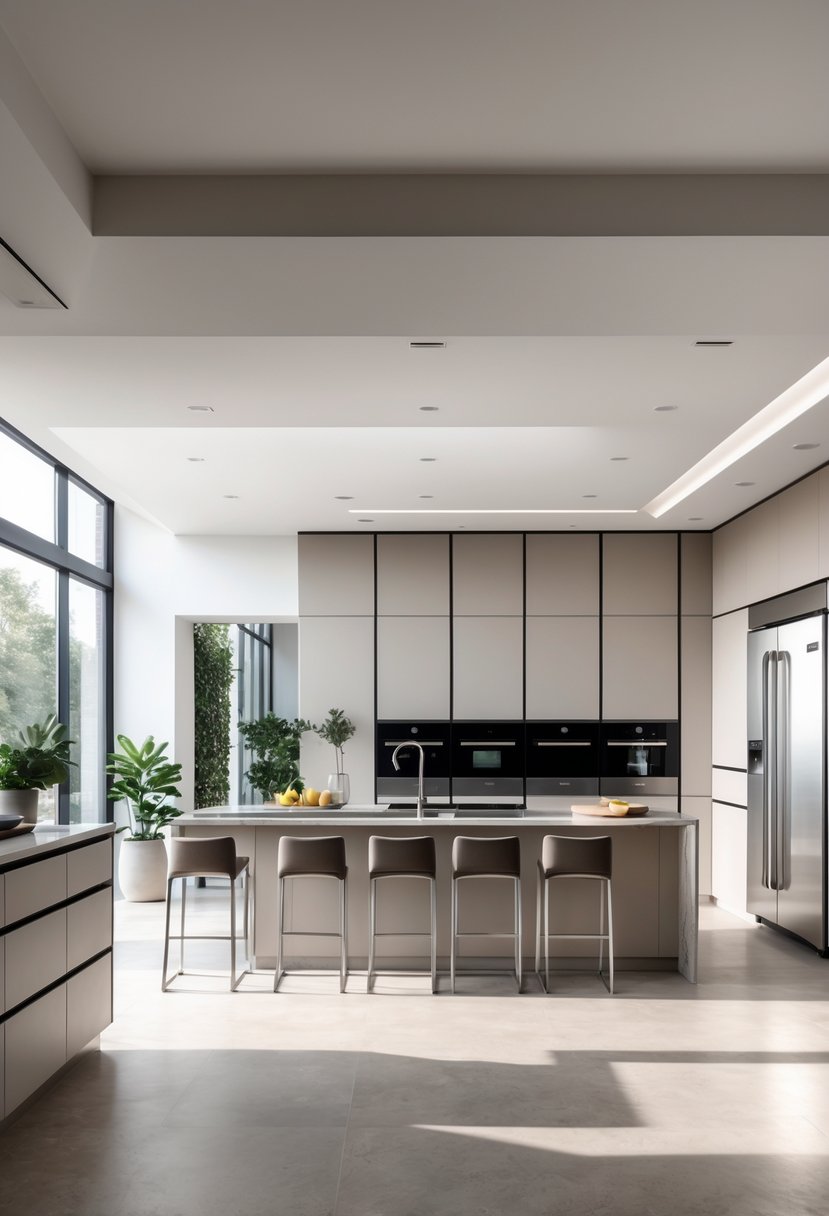
Modern kitchens balance style with efficiency by focusing on smart storage and layouts that reduce wasted movement. Designers emphasize solutions that save space, improve comfort, and make everyday tasks easier.
Space-Saving Storage Solutions
Homeowners in 2026 often face limited kitchen space, so storage design plays a central role. Tall cabinets that reach the ceiling reduce clutter and free up counter space. Pull-out shelves, rotating corner units, and slim sliding racks help make every inch usable.
Drawer organizers keep utensils, spices, and small tools in order. Deep drawers now replace many lower cabinets because they allow easier access to pots and pans without bending or digging.
Open shelving remains popular for quick access, but it works best when paired with closed storage to hide bulkier items. Many designers also integrate hidden compartments, such as toe-kick drawers at the base of cabinets, to store flat items like trays or cutting boards.
A simple comparison of storage options:
| Storage Type | Best Use | Benefit |
|---|---|---|
| Pull-out shelves | Pantry items, spices | Easy reach, no wasted space |
| Deep drawers | Pots, pans, dishes | Better access, less bending |
| Toe-kick drawers | Trays, baking sheets | Uses overlooked space |
| Vertical dividers | Cutting boards, lids | Keeps items upright and neat |
Ergonomic Layouts
Function in the kitchen depends on how easily people move between cooking, cleaning, and storage zones. Designers often use the “work triangle,” which places the sink, stove, and refrigerator within a few steps of each other. This reduces unnecessary movement during meal prep.
Counter heights now vary to suit different tasks. Standard counters remain at 36 inches, but raised sections around 42 inches work well for baking or bar seating, while lower surfaces near 30 inches make kneading or chopping more comfortable.
Appliances also follow ergonomic planning. Wall ovens installed at chest height prevent bending, while dishwashers raised slightly off the floor reduce strain. Pull-out trash bins near prep areas and sinks keep cleanup efficient.
Lighting also affects usability. Task lighting under cabinets ensures clear visibility when chopping or measuring. Designers often pair it with ambient ceiling lights to create even brightness throughout the room.
Looking for professional guidance? Check out this guide to small galley kitchen ideas from Better Homes & Gardens.


