
Cozy Retreats On A Dime: 25 Unusual Backyard Ideas You’ll Love
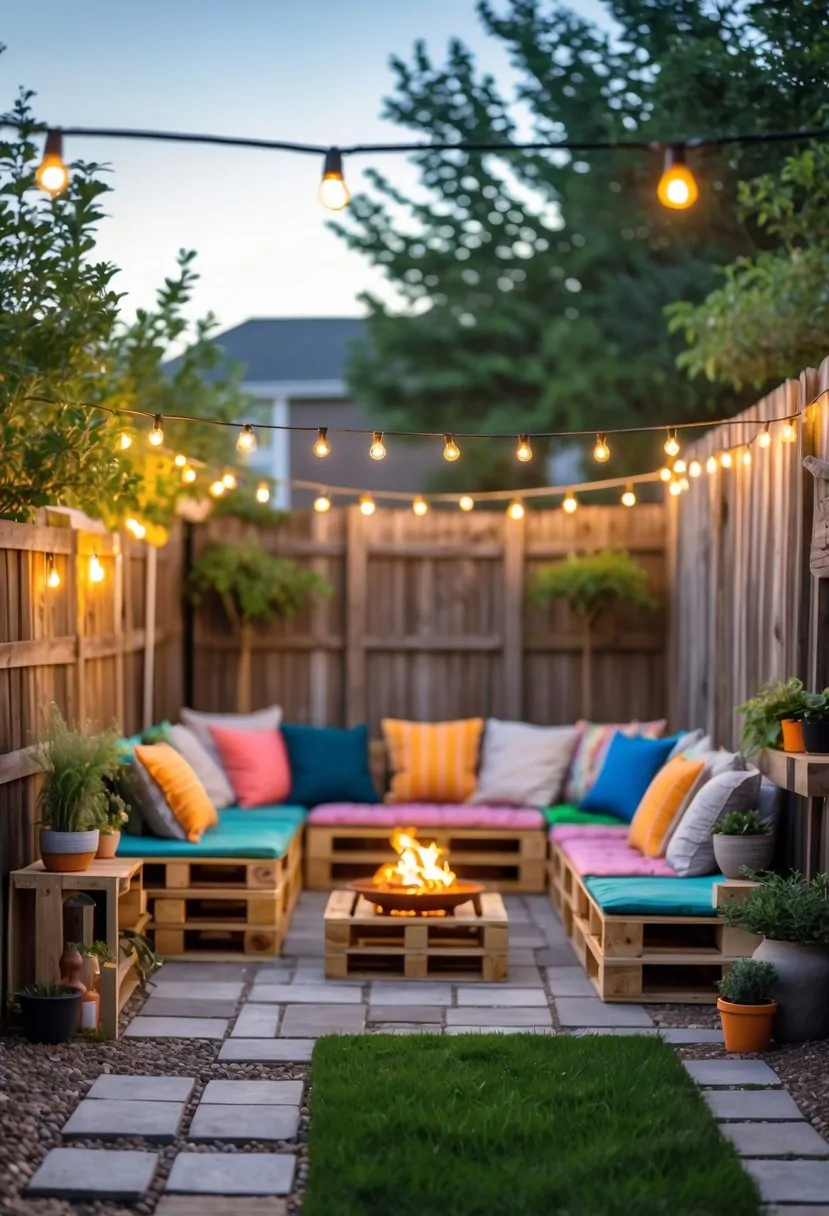
Creating a cozy retreat does not have to cost much. With the right choices, anyone can enjoy a warm cabin, a peaceful garden corner, or a snug reading nook without overspending. Cozy retreats on a dime give people affordable ways to relax, recharge, and enjoy comfort without stretching their budget.
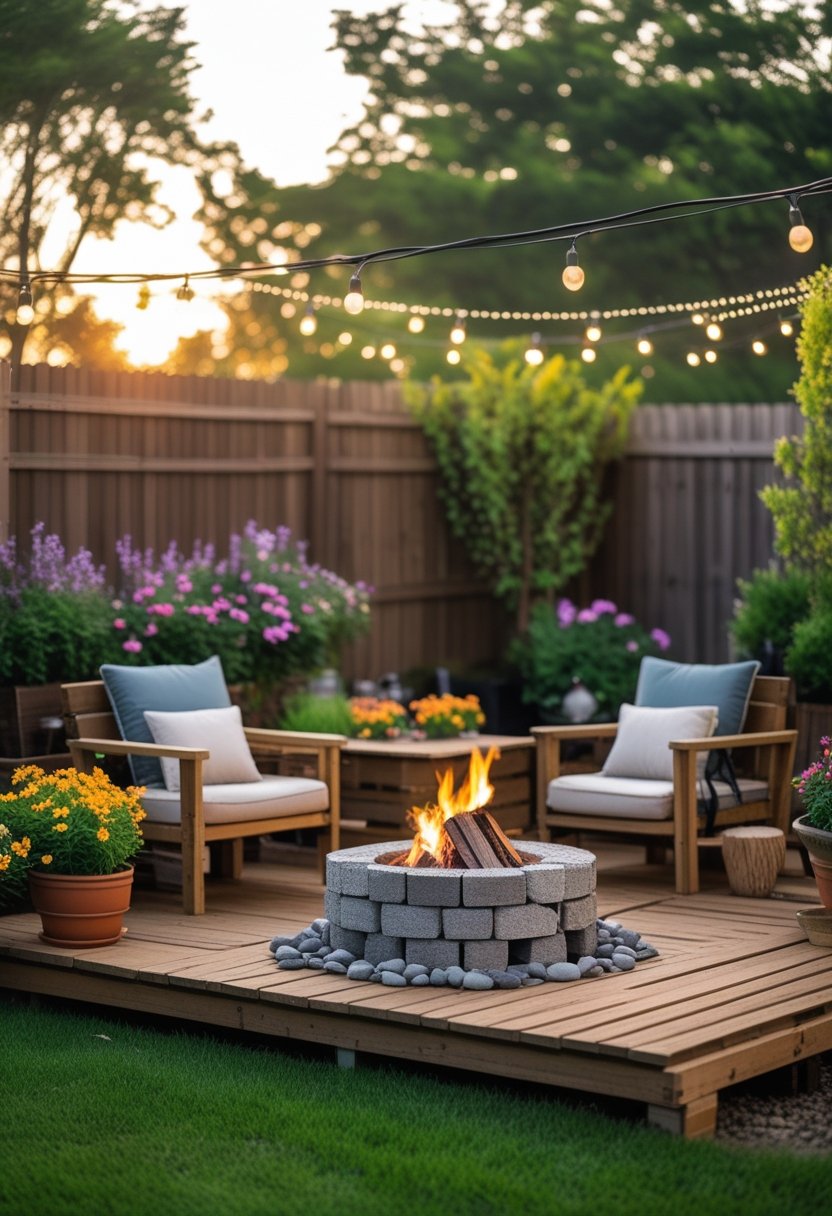
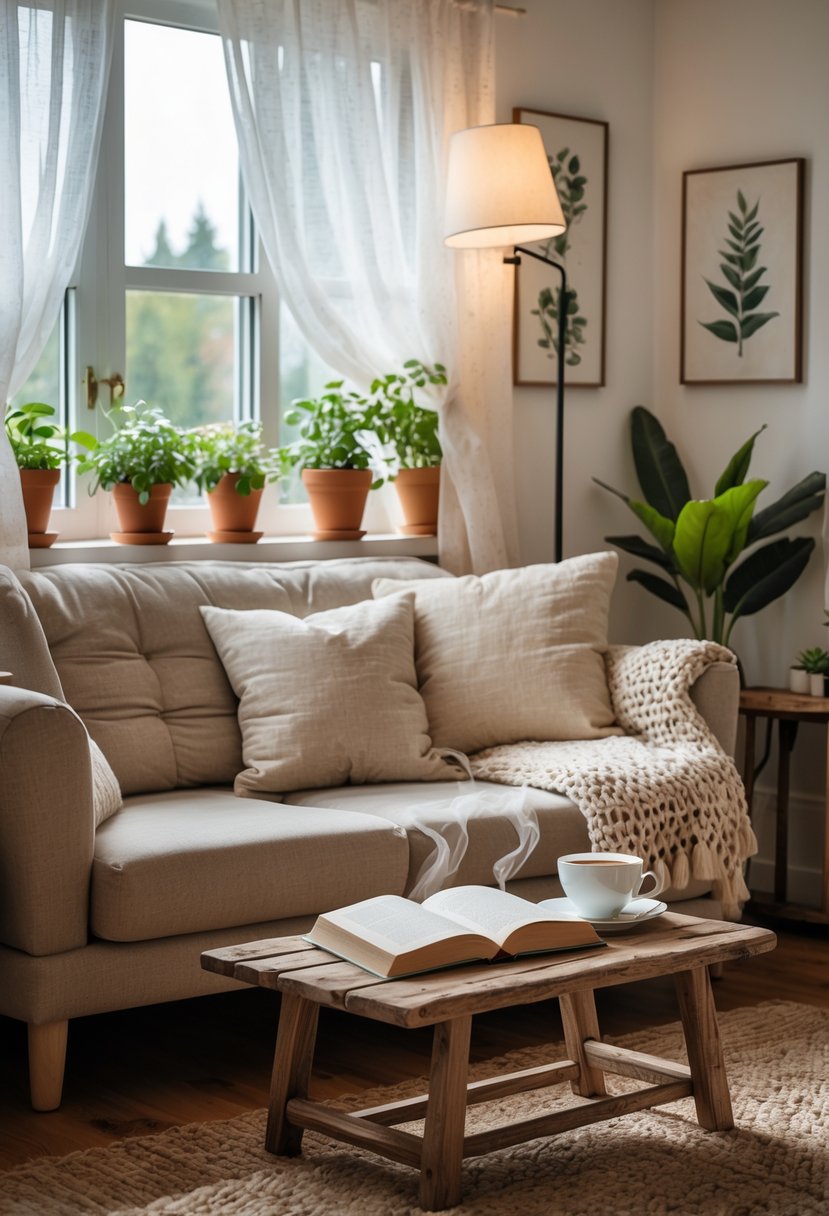
These retreats can take many forms, from small cabins tucked away near the city to simple home setups that use secondhand furniture, soft lighting, and natural textures. By focusing on simple details that invite comfort, people can enjoy the same sense of escape found in more expensive getaways.
Affordable retreats also work for different needs—whether for a solo recharge, a family weekend, or a romantic escape. The key is knowing how to choose spaces, plan with intention, and add small touches that make the experience feel special without adding extra cost.
Key Takeaways
- Cozy retreats can be affordable and still feel inviting
- Simple details and smart planning create comfort on a budget
- Different types of retreats fit solo, family, or group needs
What Are Cozy Retreats On A Dime?

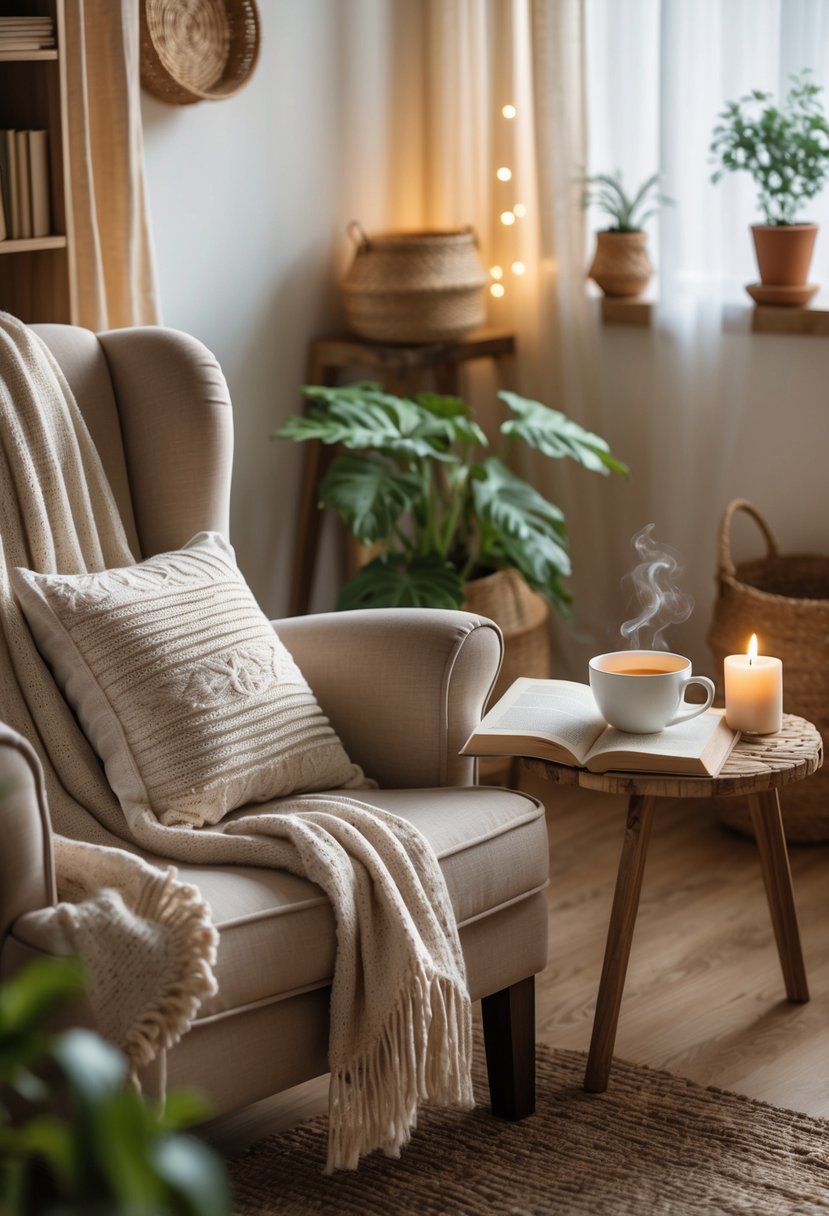
Cozy retreats on a dime focus on creating warm, comfortable spaces or getaways without spending much money. They rely on simple design choices, affordable materials, and thoughtful planning to provide comfort and relaxation at a lower cost.
Defining Cozy Retreats
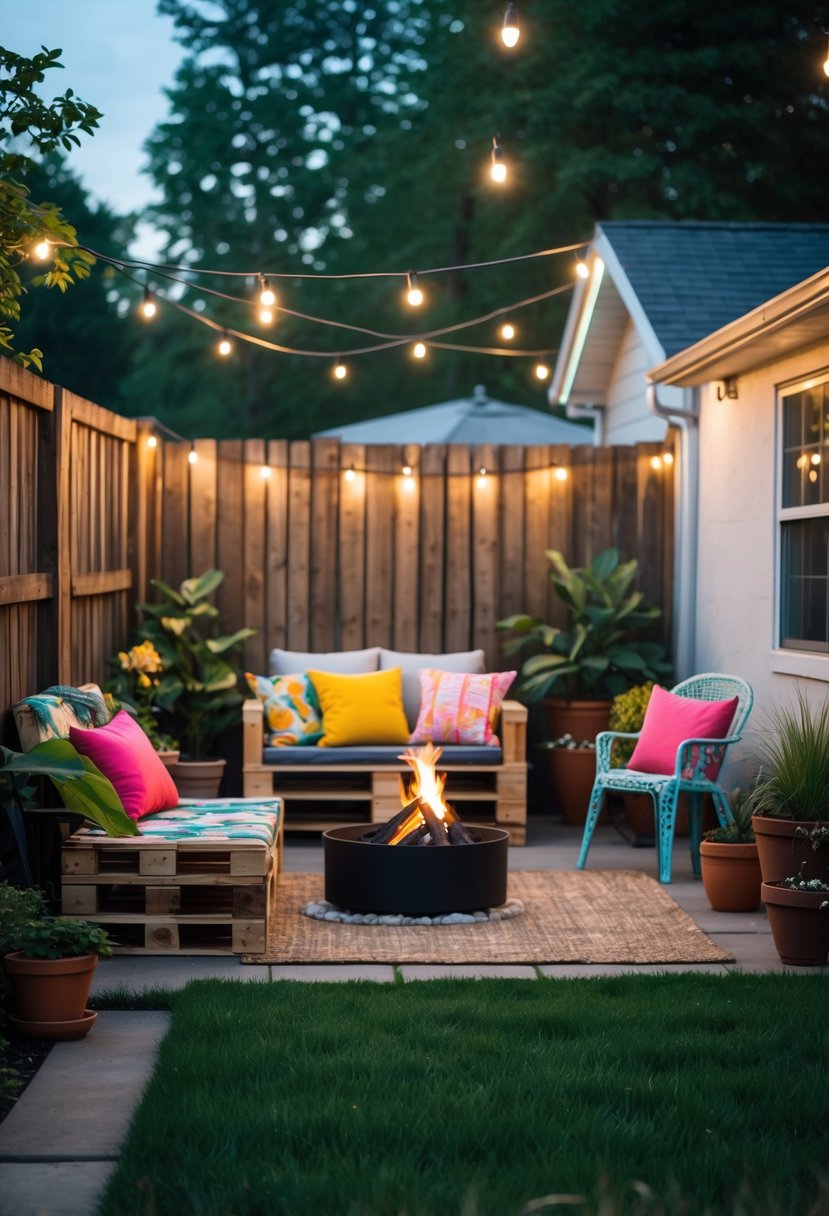
A cozy retreat is a space designed for rest, warmth, and comfort. It can be a corner of a home, a small cabin, or even a patio set up for quiet evenings. What makes it “cozy” is not luxury, but the careful use of textures, lighting, and layout.
Soft textiles like blankets, rugs, and pillows help create a sense of comfort. Natural elements such as wood accents or plants add warmth and make the space feel inviting.
Instead of focusing on size or expensive décor, cozy retreats highlight atmosphere. A small reading nook with a lamp and chair can be just as restful as a larger, more decorated room.
In short, a cozy retreat is about how a space feels rather than how much it costs or how much space it takes up.
Understanding Budget-Friendly Escapes

Budget-friendly escapes are about making the most of limited resources. They avoid unnecessary expenses while still offering comfort and relaxation. This may involve repurposing items, shopping secondhand, or using simple DIY projects.
For example, a thrifted chair combined with a low-cost throw blanket can create a welcoming reading spot. Adding candles or lanterns gives warmth without the cost of new lighting fixtures.
A table of common low-cost ideas:
| Item | Affordable Option | Cost-Saving Benefit |
|---|---|---|
| Seating | Thrifted chair or beanbag | Reuses existing furniture |
| Lighting | Candles or string lights | Low cost and flexible placement |
| Décor | Plants or reclaimed wood | Natural, budget-friendly style |
These small choices add up to create a retreat that feels personal and inviting without requiring a large budget.
Why Choose Affordable Retreats
People choose affordable retreats because they make comfort accessible. Not everyone can travel to expensive destinations or renovate entire rooms, but almost anyone can create a cozy space with a few thoughtful updates.
Affordable retreats also reduce financial stress. Instead of worrying about costs, individuals can focus on enjoying their space. A modest budget encourages creativity and often leads to unique, personal designs.
They also support sustainability. Repurposed furniture, secondhand finds, and natural materials reduce waste while keeping costs low. This makes the retreat both eco-friendly and affordable.
In the end, affordable retreats allow people to enjoy comfort, warmth, and relaxation in a way that fits their lifestyle and budget.

Types Of Cozy Retreats

Affordable retreats can be found in many forms, from simple wooden cabins to compact cottages and even canvas yurts. Each option offers different levels of comfort, privacy, and connection to nature, making it easier to match a getaway to both budget and personal preference.
Cozy Cabin Getaways
A cozy cabin offers a balance of rustic charm and modern comfort. Many cabins feature wood interiors, small fireplaces, and simple kitchens that allow guests to cook instead of dining out. This makes them cost-effective while still providing a warm and private space.
Cabins often sit in forested areas, near lakes, or in the mountains. Locations like the Smoky Mountains and Lake Tahoe are popular for budget-friendly rentals, especially in off-peak seasons. Staying outside of major tourist months usually lowers rates.
Some cabins provide shared outdoor spaces such as fire pits or picnic areas, which reduce costs while still offering a social atmosphere. For travelers who want peace, smaller standalone cabins are available at modest prices.
Key budget tips:
- Book during weekdays instead of weekends.
- Choose cabins with basic amenities instead of luxury features.
- Look for state park or national forest rentals, which are often cheaper than private resorts.
Tiny Houses And Cottages
Tiny houses and small cottages appeal to travelers who want efficient spaces with thoughtful design. These retreats usually include compact kitchens, loft-style sleeping areas, and multi-use furniture that maximizes space.
They are often located near towns or rural communities, making it easy to combine outdoor activities with local dining or shopping. Unlike larger rentals, tiny houses usually cost less to heat and maintain, which keeps rental prices lower.
Cottages, especially older ones, may have simple interiors but provide cozy details like wooden beams, porches, or small gardens. They work well for couples or solo travelers who want privacy without paying for unused space.
Advantages of tiny stays:
- Lower nightly rates than larger vacation homes.
- Often located near attractions without resort fees.
- Energy-efficient and easy to maintain.
Yurts, Tents, And Unique Stays
Yurts and tent-style retreats give travelers a low-cost way to stay close to nature. Many yurts come with wooden floors, insulated walls, and simple furnishings, which make them more comfortable than standard camping tents.
These stays are common in state parks, campgrounds, and private glamping sites. They allow guests to enjoy hiking, fishing, or stargazing without the expense of a full cabin rental. Some sites even include shared bathrooms or communal kitchens to keep costs down.
Unique stays like converted barns, tiny A-frame huts, or eco-pods also fall into this category. They offer memorable experiences at prices often below traditional lodging.
Budget considerations:
- Bring your own bedding or cooking supplies when allowed.
- Check if utilities like heat or electricity are included.
- Choose locations with free outdoor activities nearby.
How To Find Affordable Cozy Retreats
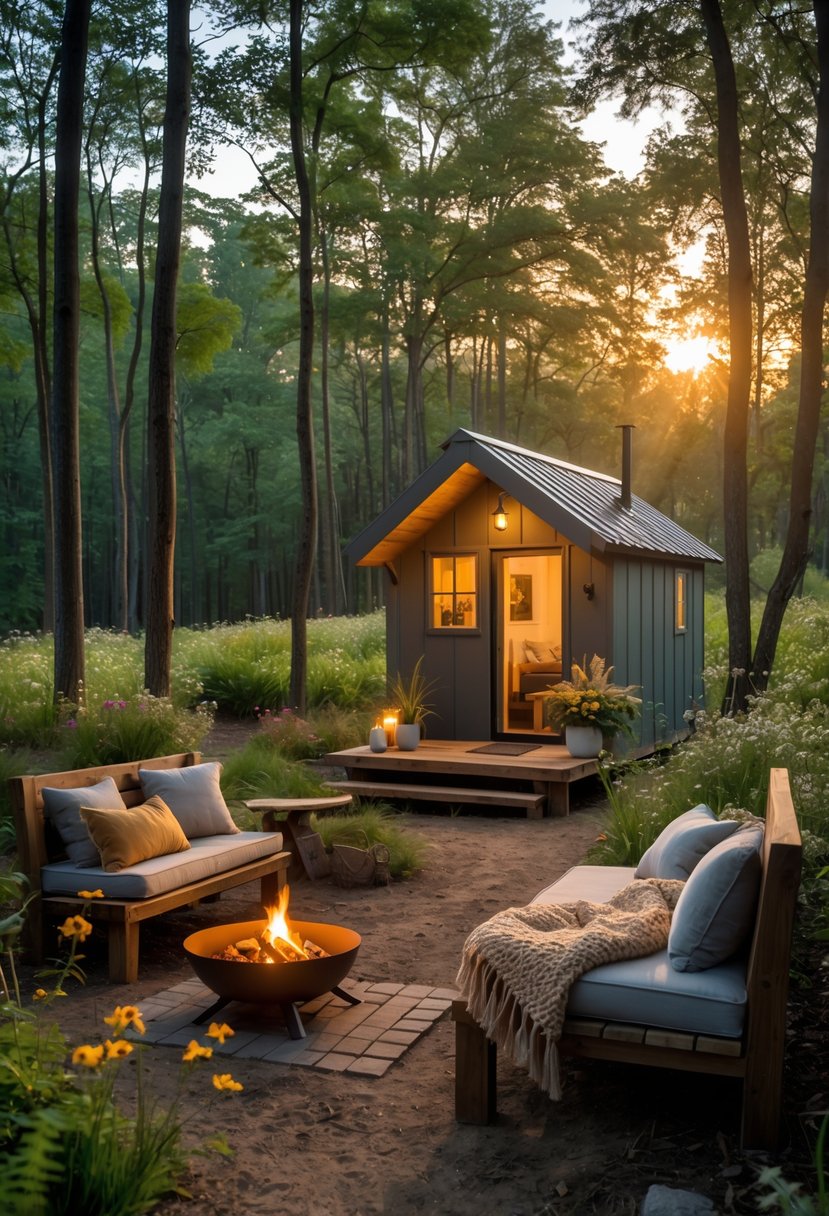
Travelers can save money on retreats by using the right booking tools, keeping an eye out for discounts, and staying flexible with dates. Small changes in planning often make a big difference in cost.
Best Booking Platforms
Online platforms make it easier to compare retreat prices and find budget-friendly stays. Sites like Booking.com, Expedia, and Airbnb often list cabins, lodges, and small wellness resorts at different price points. They allow users to filter results by price, amenities, and location.
Specialized travel sites also focus on wellness retreats. For example, some list yoga getaways, spa weekends, or mountain cabins at daily rates starting under $100. These platforms may highlight package deals that include meals, classes, or activities.
It helps to check multiple platforms instead of relying on one. Some retreats only advertise on niche sites, while others appear on mainstream booking engines. Comparing across at least two or three sources can quickly reveal the best value.
Tips For Finding Discounts
Discounts are common if travelers know where to look. Many retreats offer lower rates for early bookings, off-season stays, or last-minute openings. Signing up for newsletters from retreat centers and travel sites often gives access to promo codes or limited-time offers.
Group bookings can also lower costs. Retreats sometimes reduce rates when several people reserve together. This works well for friends or families who want to share a cabin or lodge.
Another option is to search for bundled packages. Some retreats include meals, guided activities, or spa treatments in the price. While the upfront cost may look higher, it often saves money compared to paying separately for each service.
Flexible Travel Dates
Flexibility with travel dates is one of the easiest ways to save. Prices for retreats often drop during weekdays, shoulder seasons, or less popular months. A stay in early spring or late fall can cost significantly less than peak summer.
Travelers should use fare calendars and price alerts to spot the cheapest dates. Many booking sites show a monthly view of rates, making it simple to compare costs at a glance.
Being open to shifting arrival or departure by just a day or two can also cut expenses. A weekend retreat that starts on Friday may be more expensive than one starting on Sunday.
Top Destinations For Cozy Retreats On A Budget
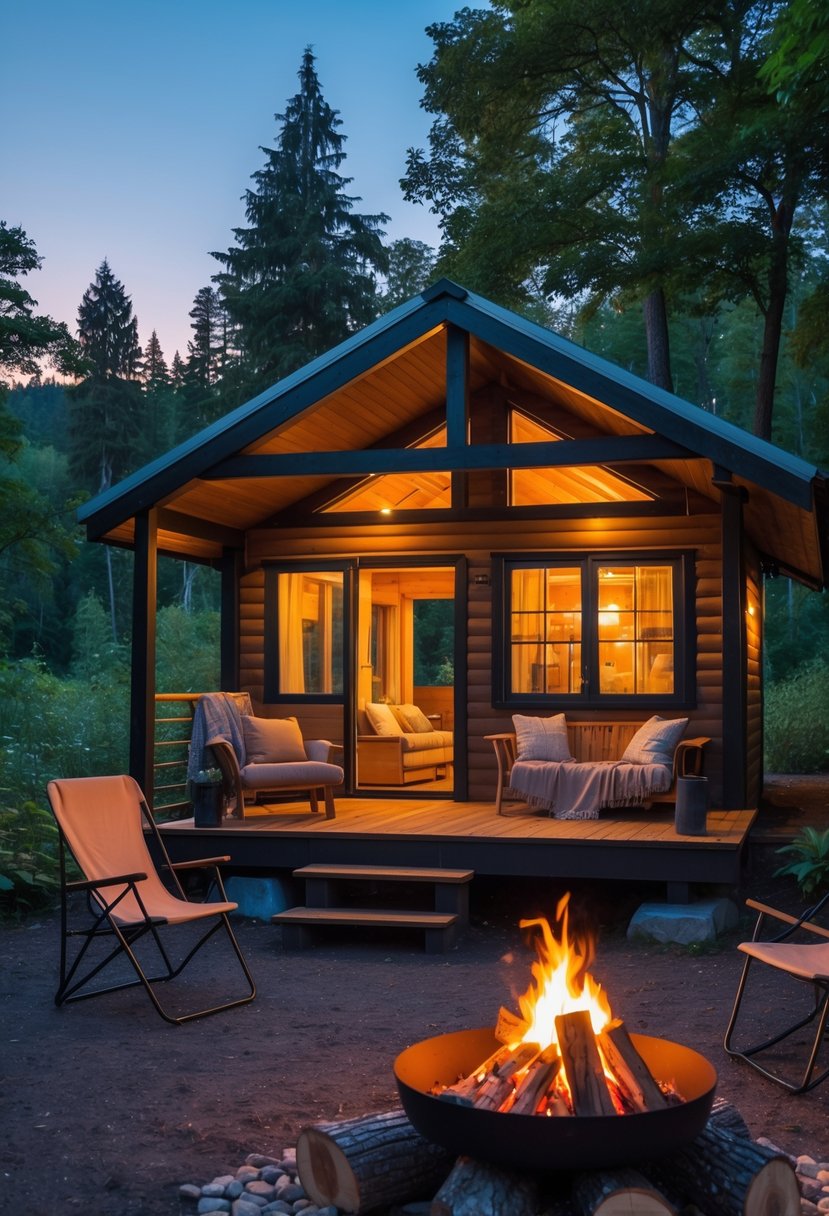
Affordable retreats often combine natural beauty, simple lodging, and easy access to outdoor activities. Travelers can cut costs by choosing smaller towns, rustic cabins, or lakeside rentals that offer comfort without high resort prices.
Mountain Escapes
Mountain towns provide fresh air, scenic trails, and quiet cabins at rates far lower than luxury resorts. Places like Leavenworth, Washington, or small towns in the Smoky Mountains let visitors enjoy hiking, fishing, and local culture without overspending.
Budget cabins often include basic kitchens, which help travelers save money on meals. Many towns also feature free or low-cost activities such as public trails, scenic overlooks, and community events.
Examples of affordable options:
- Leavenworth, WA – Bavarian-style village with budget inns and cabins.
- Smoky Mountains, TN/NC – Wide range of rustic rentals and free hiking trails.
- Colorado mountain towns – Small communities with inexpensive lodges and camping cabins.
These destinations balance charm with affordability, making them strong choices for travelers who want mountain scenery without luxury prices.
Lakefront Hideaways
Lakeside retreats give travelers calm views and water activities at a fraction of the cost of coastal resorts. Smaller lakes in the Midwest and Northeast often have simple cabins or cottages that rent for less than popular beach towns.
Visitors can swim, kayak, or fish without paying extra fees. Many lake communities also have public docks, picnic areas, and trails that add value to a stay.
Affordable lake destinations include:
- Lake Tahoe (off-season) – Lower rates in spring and fall.
- Finger Lakes, NY – Budget cabins near wineries and state parks.
- Lake of the Ozarks, MO – Wide range of low-cost rentals.
By choosing less crowded lakes or traveling outside peak summer months, guests can enjoy a peaceful setting while keeping costs under control.
Countryside Retreats
Rural areas offer quiet escapes with lower lodging prices than busy tourist hubs. Farm stays, small inns, and countryside cabins often provide comfort at budget-friendly rates.
Activities usually include walking trails, local markets, and seasonal festivals. Guests often find value in the slower pace and simple amenities, which reduce the need for costly entertainment.
Notable countryside options:
- Vermont villages – Affordable inns surrounded by farmland and forests.
- Texas Hill Country – Rustic cabins near rivers and wineries.
- Midwest farmland stays – Farmhouses and cottages at modest prices.
These retreats give travelers a chance to recharge in peaceful surroundings while avoiding the higher costs of city or resort destinations.
Cozy Cabin Essentials
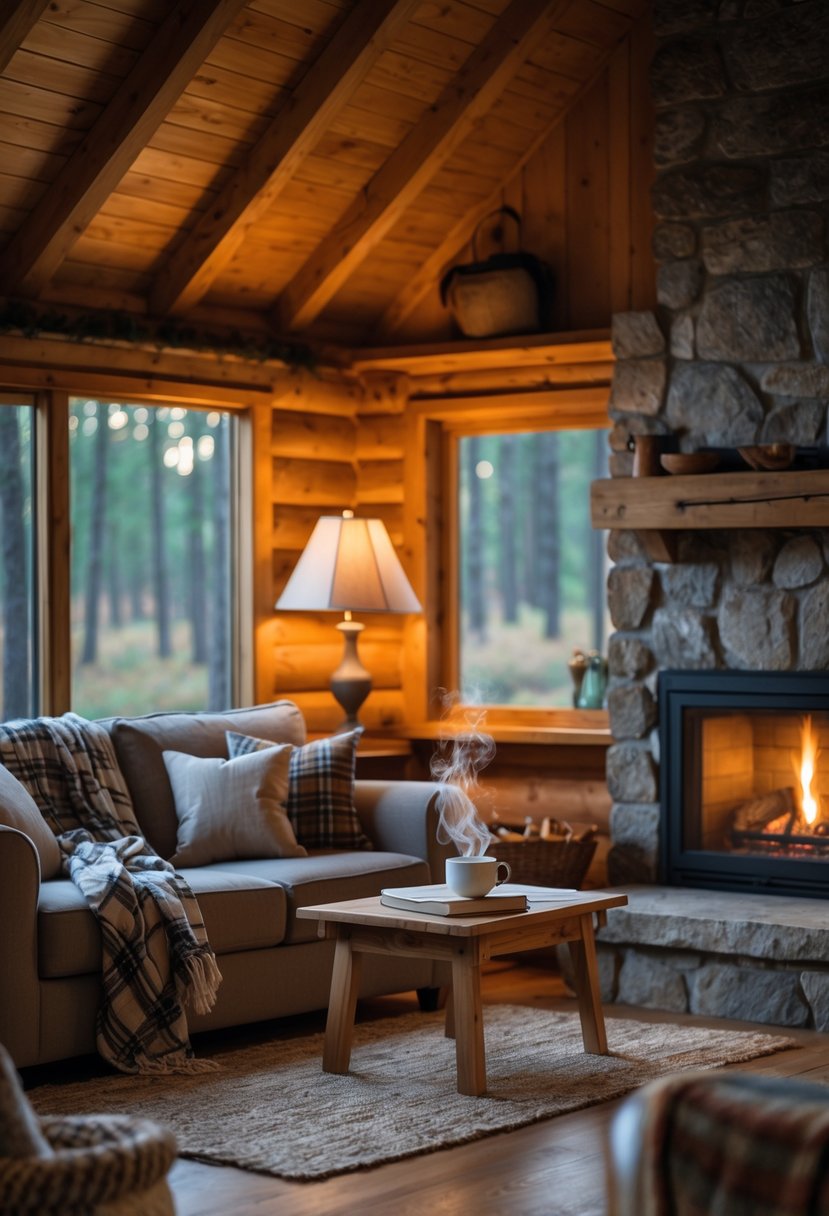
A cozy cabin feels inviting when it balances practical amenities, comfort-focused details, and basic safety measures. These elements work together to create a space that is functional, warm, and secure.
Must-Have Amenities
A small cabin often lacks the space of a full home, so choosing the right amenities matters. A reliable heat source such as a wood stove, pellet stove, or propane heater is essential for cold weather. Access to clean drinking water, whether from a well, filter system, or portable containers, should always come first.
Cooking tools also play an important role. A compact stove, cast iron skillet, and durable utensils allow simple meal preparation. A small refrigerator or cooler helps keep food safe.
Lighting is another priority. Battery-powered lanterns, LED string lights, or solar lamps provide steady light without high energy use. A cabin with limited power benefits from energy-efficient solutions that keep the space usable after dark.
Basic amenities checklist:
- Heat source (wood, propane, or electric)
- Water supply or filtration
- Cooking equipment and storage
- Reliable lighting options
Comfort Features
Comfort turns a basic cabin into a welcoming retreat. Soft textiles like flannel sheets, wool blankets, and thick rugs add warmth and texture. Layering fabrics makes the interior feel cozy while also improving insulation during colder nights.
Seating should be both practical and inviting. A small sofa, cushioned bench, or pair of armchairs provides a place to relax by the fire. Adding pillows and throws makes the space more comfortable without requiring large furniture.
Natural elements such as wood accents, stone details, and neutral colors help connect the interior to the outdoors. Small touches like candles, simple wall art, or a woven basket for storage keep the design functional while still creating charm.
Comfort boosters:
- Warm bedding and throw blankets
- Cushioned seating
- Rugs for added insulation
- Simple decorative accents
Safety Considerations
Even a cozy cabin needs basic safety features. A fire extinguisher and smoke detector should be installed and checked regularly. Carbon monoxide detectors are especially important when using gas or wood-burning heat sources.
First aid kits stocked with bandages, antiseptic, and common medicines prepare the cabin for minor injuries. A flashlight with extra batteries ensures visibility during power loss.
Good ventilation reduces moisture buildup and helps prevent mold. Windows that open easily and a small fan improve airflow. In colder climates, insulated walls and sealed gaps protect against drafts while maintaining indoor safety.
Safety essentials:
- Fire extinguisher and detectors
- First aid supplies
- Flashlights and spare batteries
- Adequate ventilation and insulation
Planning The Perfect Cozy Retreat
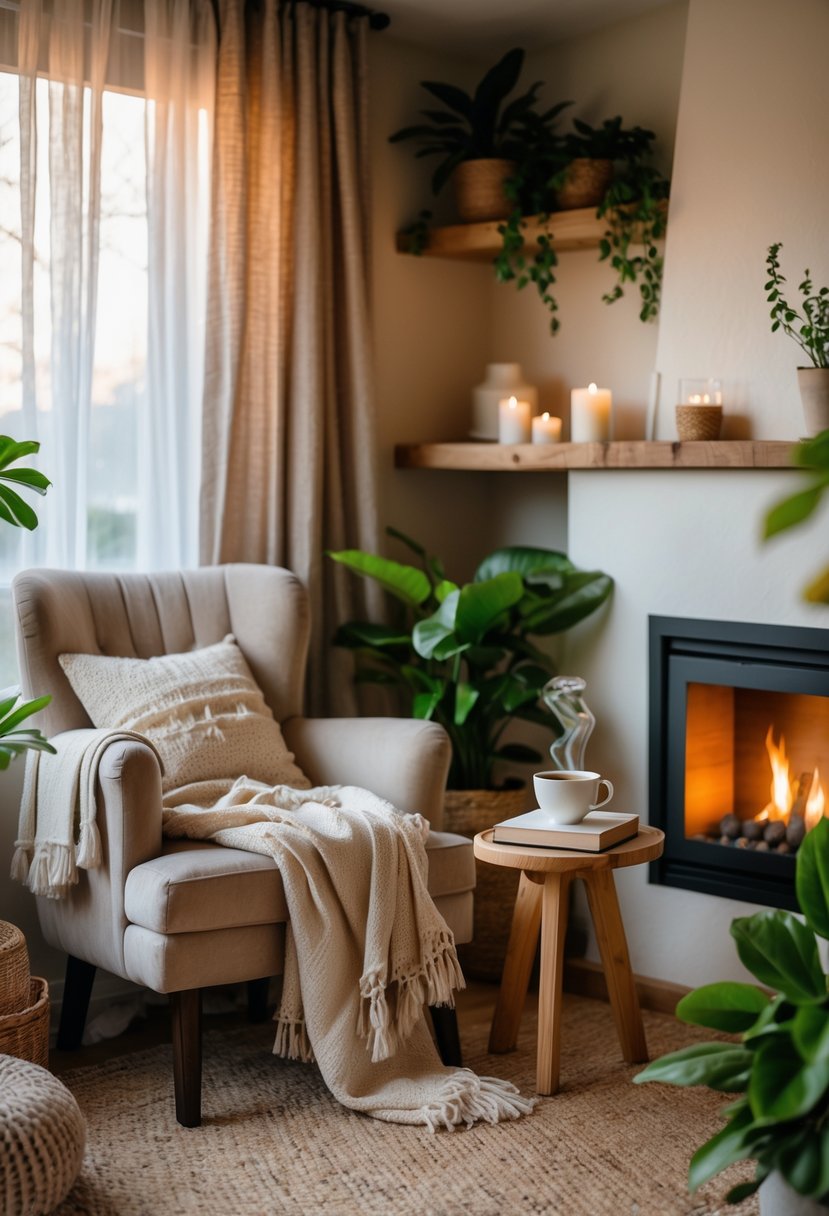
A successful retreat depends on careful planning that balances cost, comfort, and practicality. The most effective approach focuses on money management, a fitting destination, and simple but thoughtful preparation.
Setting A Budget
Budgeting helps prevent overspending and ensures the retreat remains affordable. Start by listing the main expenses: lodging, meals, travel, and activities. Break these into fixed and flexible costs. Fixed costs, like cabin rental or campground fees, stay the same. Flexible costs, like food or entertainment, can be adjusted to fit available funds.
A simple table can help:
| Expense | Estimated Cost | Notes |
|---|---|---|
| Lodging | $200 | 2 nights, shared cabin |
| Food | $80 | Groceries + snacks |
| Travel | $60 | Gas for carpool |
| Activities | $40 | Hiking permits, games |
They should also set aside 10–15% of the budget for unexpected costs. This avoids stress if prices change or emergencies arise. Using cash or prepaid cards for discretionary spending can also help keep costs under control.
Choosing The Right Location
The location shapes the entire experience. A small cabin, a rural farmhouse, or even a backyard setup can all work if they fit the group’s needs and budget. Travelers should look for places with affordable lodging, nearby outdoor activities, and a calm setting that encourages rest.
Accessibility matters. A spot within a few hours’ drive saves money on transport and allows more time to enjoy the retreat. If the group prefers a rustic style, cabins with basic amenities and natural surroundings may be ideal. For those who want convenience, a rental near a small town provides both quiet and access to supplies.
Seasonal prices also influence cost. Off-season bookings often cut lodging expenses while still offering the same atmosphere. Checking reviews and photos before booking helps avoid surprises.
Packing Smart
Packing light but with intention reduces stress and keeps costs low. Each person should bring clothing that matches the weather, comfortable shoes, and a few versatile layers. Packing reusable items such as water bottles, tote bags, and travel-sized toiletries saves money and reduces waste.
Food is another key area. Bringing groceries and simple cooking supplies avoids expensive dining out. Non-perishable snacks like nuts, granola, or dried fruit are easy to pack and budget-friendly.
Entertainment does not need to be costly. A deck of cards, a couple of board games, or a small Bluetooth speaker can provide group fun without extra expense. By focusing on essentials and avoiding excess, travelers can enjoy comfort without unnecessary weight or cost.
Seasonal Cozy Retreat Ideas

Affordable retreats depend on timing and simple adjustments. Choosing the right season allows travelers to enjoy comfort, save money, and make the most of natural surroundings without overspending.
Winter Escapes
Winter retreats often focus on warmth and indoor comfort. Cabins near forests or mountains provide low-cost lodging, especially outside peak holiday weeks. Travelers can save by booking weekday stays or choosing smaller cabins with shared amenities.
Simple upgrades make a winter stay cozier without major expense. Thick blankets, hot drinks, and a small space heater create comfort. Cooking meals indoors also reduces costs compared to dining out.
Outdoor activities remain budget-friendly in many areas. Snowshoeing, sledding, and local winter festivals often cost little or nothing. For those near ski towns, free trails or community events offer alternatives to expensive lift tickets.
A sample budget-friendly winter plan might include:
| Item | Cost-Saving Tip |
|---|---|
| Lodging | Book off-peak dates |
| Food | Cook meals in cabin |
| Activities | Use free or low-cost trails |
Spring And Fall Retreats
Spring and fall bring mild weather and lower travel demand. Cabins near lakes, rivers, or wooded trails often cost less than in summer. These seasons also allow for open-air activities without the high expense of peak tourist times.
Travelers can enjoy hiking, biking, or fishing at little cost. Local farmers’ markets provide affordable seasonal foods that can be cooked at the cabin. Packing layers instead of buying new gear also keeps expenses down.
Fall foliage and spring blooms add natural appeal without extra cost. Many state parks and public lands charge minimal entrance fees, making them ideal for budget retreats.
For added savings, travelers can:
- Choose midweek stays
- Share lodging with friends or family
- Bring reusable gear instead of renting
Romantic Cozy Retreats On A Dime

Affordable romantic retreats often center on simple comforts like quiet cabins, natural settings, and private spaces that allow couples to slow down without overspending. Many budget-friendly stays highlight seclusion, scenic views, and cozy interiors rather than costly extras.
Couples’ Cabin Experiences
Cabins give couples a chance to enjoy nature while keeping expenses low. Locations in the Smoky Mountains, Lake Tahoe, or smaller regional parks often rent small cabins for less than a hotel in a busy city. These stays usually include basics like a kitchenette, fireplace, and outdoor seating.
Cooking meals together in the cabin helps cut costs and adds to the experience. Instead of dining out, couples can prepare simple dishes and enjoy them by the fire or on a porch with a view.
Free or low-cost activities often surround these cabins. Hiking trails, lake access, or nearby scenic drives provide memorable experiences without high fees. Couples who plan ahead can find cabins with off-season discounts, making the trip even more affordable.
Budget Tip: Compare weekday vs. weekend rates. Staying midweek usually saves money and avoids crowds.
Private Hideaways
Private hideaways focus on seclusion and quiet rather than luxury. Small cottages, tiny homes, or even rustic log cabins often sit in less-traveled areas, which lowers rental costs. These spaces give couples privacy without requiring high-end amenities.
Many hideaways include features like outdoor fire pits, hot tubs, or hammocks. These simple touches create a relaxing atmosphere at a fraction of the price of resorts.
Staying in remote areas often means fewer restaurants or shops nearby. Couples can bring their own food and supplies, which keeps spending under control.
Examples of affordable hideaways:
- Forest cabins near state parks
- Lakeside cottages with shared docks
- Tiny homes on rural farmland
By choosing quiet locations and limiting extra costs, couples create an intimate retreat that feels special while staying within budget.
Family-Friendly Cozy Retreats
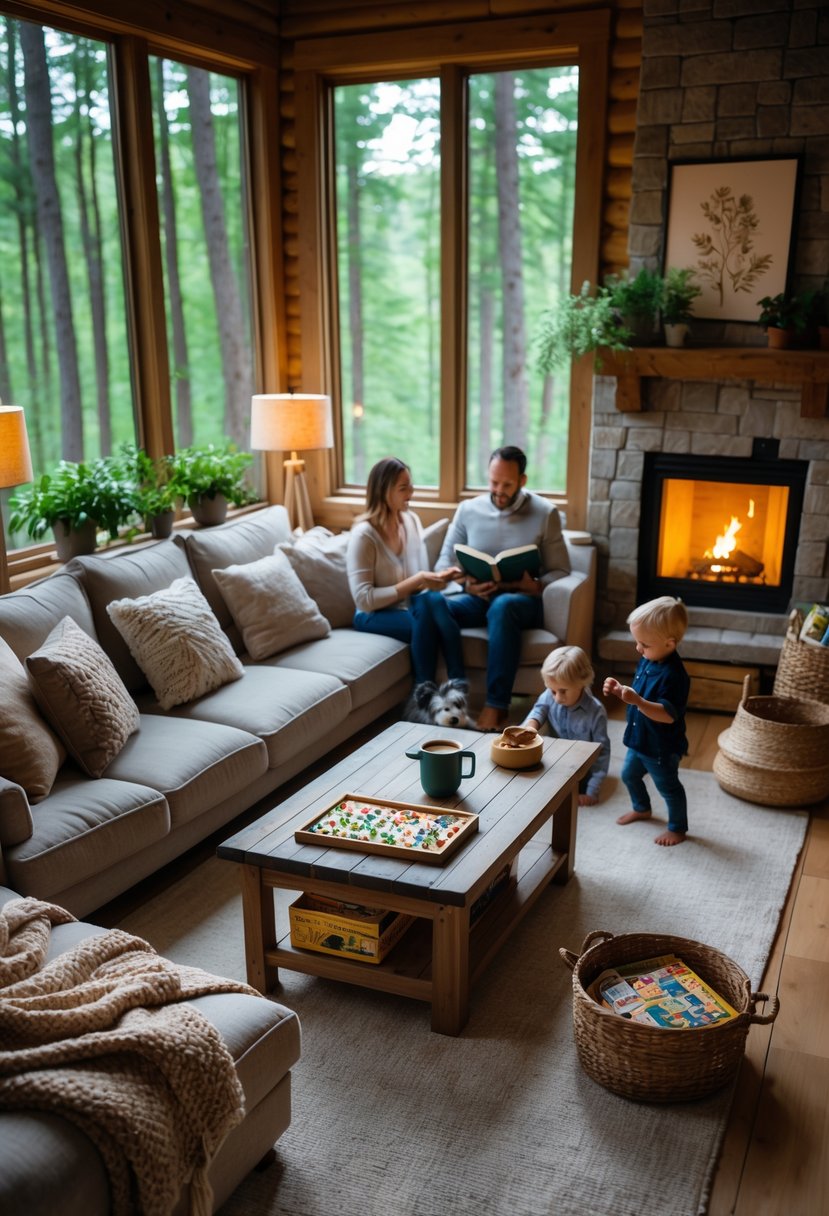
Families looking for affordable cabin stays often value two things: safe spaces that keep kids entertained and shared activities that bring everyone together. Cabins designed with these needs in mind can balance comfort, fun, and cost.
Kid-Friendly Cabins
Cabins that cater to children usually include both indoor and outdoor features that keep them engaged. A game room with a pool table, board games, or a small media space gives kids something to do when the weather turns.
Outdoor play areas such as hiking trails, sledding hills, or open yards for ball games provide safe ways to burn energy. Parents often look for cabins near ski slopes or lakes so kids can try seasonal activities without long drives.
Practical features also matter. Extra bedrooms, bunk beds, and simple kitchens make it easier for families to manage meals and sleeping arrangements. Many budget-friendly rentals offer these basics without unnecessary extras, keeping costs low while still meeting family needs.
Key kid-friendly features to look for:
- Multiple bedrooms or loft spaces
- Indoor games or entertainment options
- Safe outdoor space for play
- Easy access to trails, lakes, or ski areas
Group Activities
Shared activities help families connect during retreats. Many cabins are located near parks, trails, or lakes, which makes group outings like hiking, fishing, or kayaking easy to plan. Winter cabins may offer sledding hills or nearby ski runs for group fun.
Inside the cabin, families often cook meals together. Large dining tables or outdoor fire pits create natural gathering spots. Even simple activities like roasting marshmallows or playing card games can make evenings memorable.
Some larger cabins also provide space for group challenges such as scavenger hunts, team cooking nights, or trivia games. These low-cost activities encourage teamwork and keep everyone engaged without needing expensive excursions.
Examples of affordable group activities:
- Family hikes or nature walks
- Cooking or grilling meals together
- Campfire storytelling
- Indoor board game tournaments
Solo Retreats For Rest And Recharge
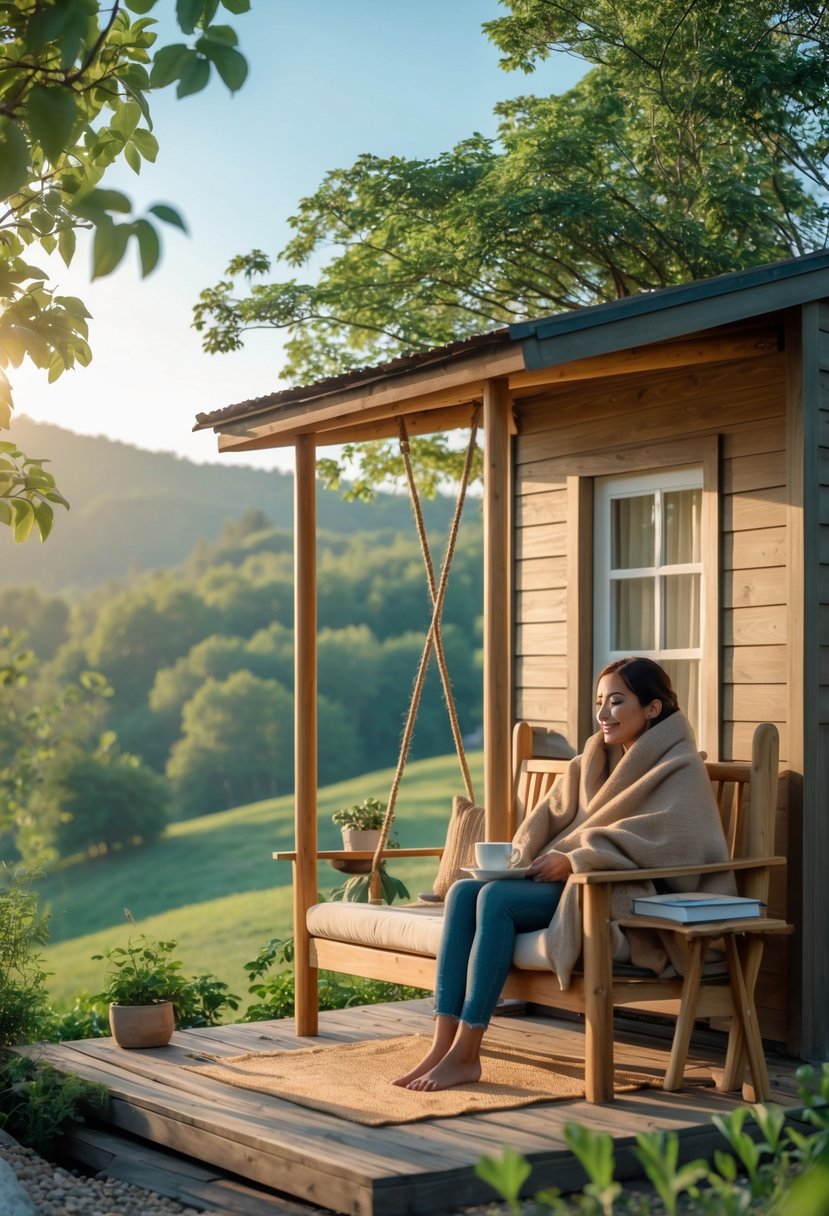
Taking time away alone allows people to reset their routines and focus on personal well-being. Affordable solo retreats can provide quiet spaces, structured activities, and environments that encourage both rest and reflection.
Best Retreats For Solo Travelers
Solo travelers often look for retreats that balance privacy with supportive settings. Affordable options include cabin stays in forested areas, budget-friendly wellness centers, and eco-lodges that emphasize simple comforts. These places usually provide nature access, healthy meals, and quiet spaces that support rest without high costs.
Locations in the U.S. such as mountain cabins, lakeside cottages, or small retreat centers often serve this purpose well. Many offer flexible stays, allowing guests to choose between structured programs like yoga or meditation and unstructured time for personal reflection.
A useful way to compare options:
| Retreat Type | Key Benefit | Budget Range |
|---|---|---|
| Cabin in nature | Privacy and solitude | Low to mid |
| Wellness center | Guided activities | Mid-range |
| Eco-lodge | Sustainable environment | Low to mid |
These settings give travelers the chance to recharge without needing luxury accommodations or group travel.
Mindfulness And Relaxation
Mindfulness practices form the core of many solo retreats. Activities such as guided meditation, breathwork, journaling, or silent walks help reduce stress and promote focus. Retreats often provide quiet spaces away from digital distractions, which supports deeper rest.
Many programs also include gentle yoga classes, nature immersion, or evening reflection sessions. These activities encourage slower pacing and help participants reconnect with daily rhythms.
Simple tools like meditation cushions, outdoor seating areas, and access to natural landscapes make mindfulness accessible without extra cost. By combining these elements, solo retreats create an environment where travelers can relax, reflect, and leave with a clearer state of mind.
Pet-Friendly Cozy Retreats
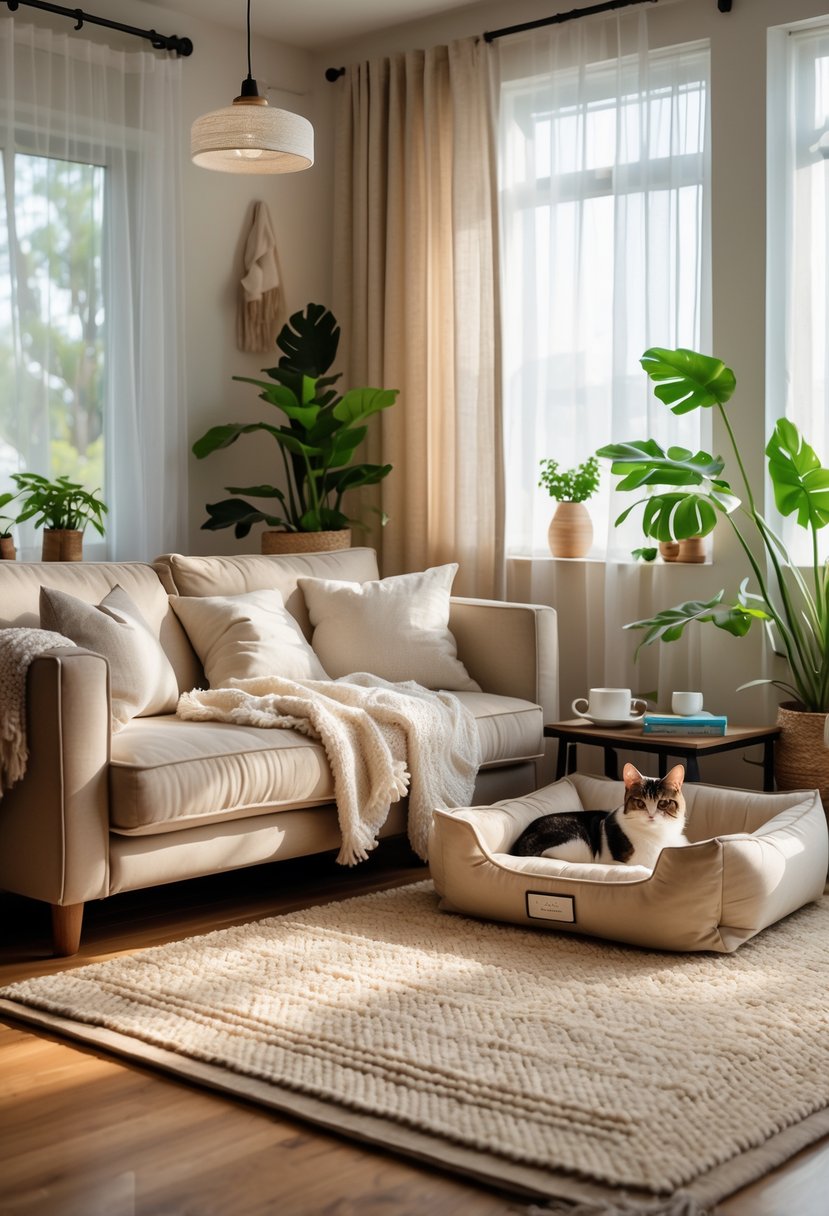
Many budget-friendly cabins and cottages now welcome pets, making it easier for travelers to bring their dogs or cats along. Locations often combine quiet natural surroundings with simple comforts, giving both people and pets space to relax without added cost.
Traveling With Pets
Traveling with pets requires planning, especially when choosing lodging. Many cabins in Ohio, such as those in Hocking Hills or Amish Country, allow pets and provide easy access to trails and open areas. These settings give dogs room to walk, while still keeping owners close to nature and local attractions.
Pet policies vary, so checking details before booking is important. Some rentals allow multiple pets, while others limit the size or number of animals. Fees also differ, with some charging a flat rate and others asking for a nightly fee.
Simple steps can make the trip smoother. Packing a pet’s food, bed, and favorite toy helps reduce stress. Keeping pets on a leash in shared outdoor spaces also ensures safety for both animals and other guests.
Pet-Friendly Amenities
Cabins and retreats often include features designed for pets. Fenced yards, outdoor fire pits, and nearby trails make it easier for dogs to exercise while owners relax. Some properties even provide water bowls, waste bags, or designated play areas.
Amenities can differ by location. For example:
| Amenity | Benefit for Pets and Owners |
|---|---|
| Fenced Yard | Safe off-leash space for dogs |
| Nearby Trails | Easy daily walks in natural settings |
| Pet-Friendly Furniture | Reduces worry about damage fees |
These extras make a stay more comfortable and reduce the need to bring additional supplies. For travelers on a budget, choosing a cabin with built-in pet amenities can save both money and time.
Unique Cozy Retreat Experiences
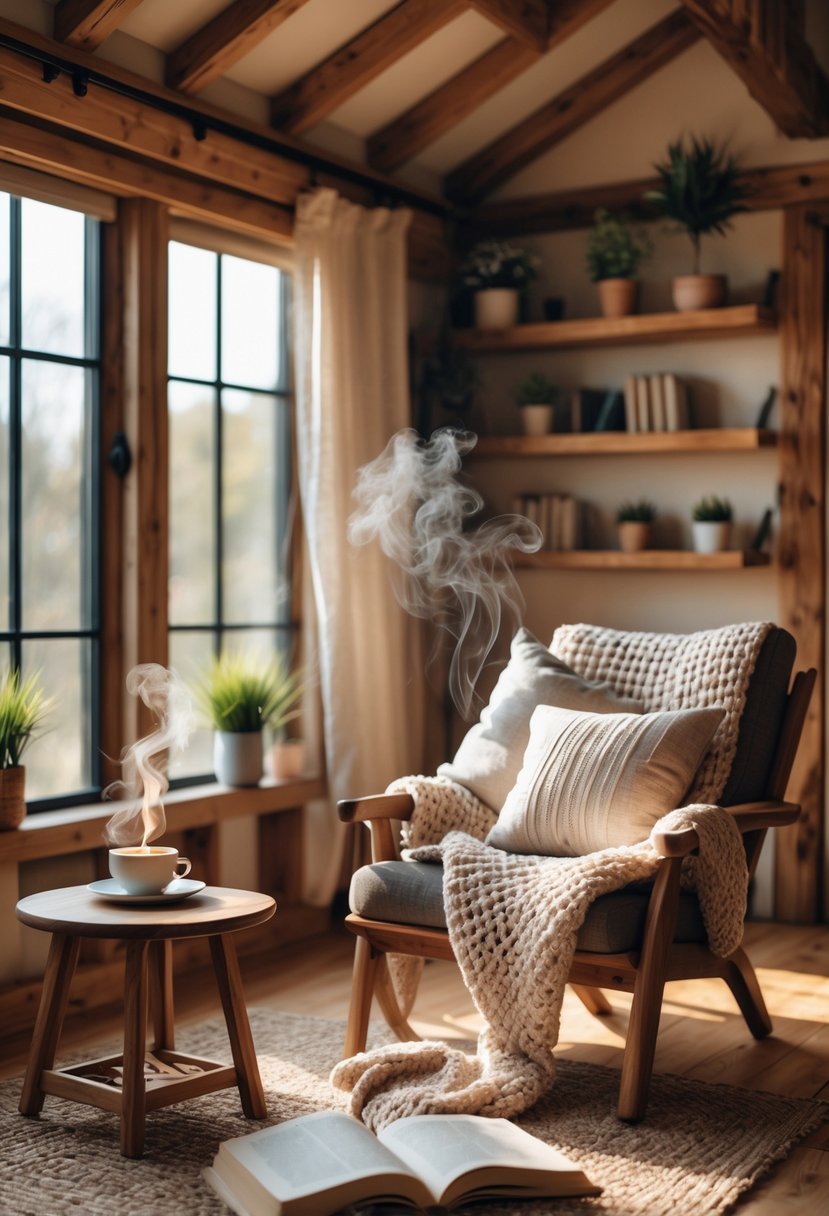
Affordable retreats can still feel special when they offer unusual settings or simple comforts in nature. Some stays focus on creative design while others highlight self-sufficiency and quiet surroundings.
Treehouses And A-Frames
Treehouses and A-frame cabins give travelers a mix of charm and practicality. A-frame cabins often use angled roofs that shed snow and rain, making them popular in mountain areas. Treehouses, built above ground, provide a sense of privacy while keeping guests close to the outdoors.
Many budget-friendly rentals use small footprints and simple layouts. Sleeping lofts, compact kitchens, and wood-burning stoves are common features. These spaces often rely on natural light and minimal furnishings, which reduces costs while keeping the design cozy.
Treehouses may use ladders or narrow stairways, so they work best for those comfortable with climbing. A-frames, on the other hand, usually offer easier access and more space for families. Both options place guests in quiet settings where they can enjoy hiking, stargazing, or reading by a fire.
Key features often include:
- Elevated decks or lofts
- Rustic wood interiors
- Small but efficient layouts
- Proximity to trails or lakes
Off-Grid Adventures
Off-grid retreats focus on living simply without full reliance on modern utilities. Many cabins and tiny homes use solar panels, rainwater systems, or composting toilets. These setups lower operating costs, which can make stays more affordable.
Guests often bring their own food and supplies, since stores may be far away. Cooking is usually done on propane stoves, outdoor grills, or wood-fired ovens. Limited Wi-Fi or phone service encourages visitors to spend time outdoors instead of online.
Off-grid stays vary in comfort. Some cabins include basic beds and heat, while others offer extras like outdoor hot tubs or saunas. What they share is a quiet environment where travelers can disconnect and enjoy nature without distractions.
Common off-grid elements:
- Solar or generator power
- Limited running water
- Outdoor gathering spaces
- Secluded natural surroundings
Budget-Friendly Activities At Cozy Retreats
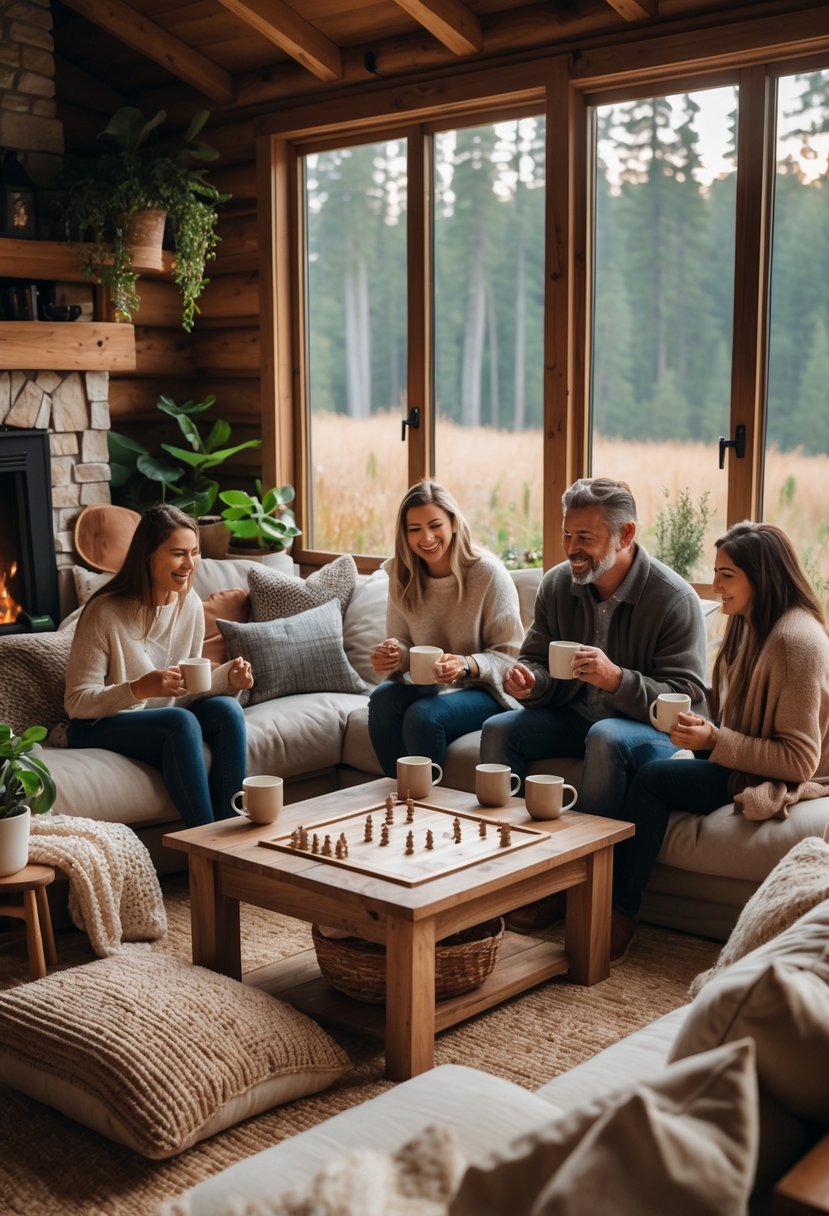
Simple outdoor experiences can create lasting memories without requiring much money. Exploring nearby trails and gathering around a fire both offer relaxation, connection, and enjoyment in ways that feel natural and affordable.
Nature Walks And Hiking
Walking through nature gives people a chance to slow down and notice details often missed in daily life. Trails in local parks or nearby wooded areas usually cost little or nothing to access, making them an easy choice for budget-conscious retreats.
Hiking does not require expensive gear. A sturdy pair of shoes, a reusable water bottle, and a small backpack are often enough. Families can pack snacks or a simple picnic to enjoy along the way.
Short trails work well for children or beginners, while longer paths provide more challenge for those who want exercise. Many parks offer free maps or marked routes, which help groups stay safe and on track.
A simple checklist can help:
- Water
- Snacks
- Comfortable shoes
- Light jacket or hat
These walks encourage conversation, fresh air, and quiet time away from screens, all without adding cost.
Campfires And Stargazing
Gathering around a campfire creates a relaxed space for conversation, warmth, and simple meals. Firewood can often be purchased locally at low cost, and many retreat areas provide fire pits or safe spots for building small fires.
Cooking over the fire adds to the experience. Roasting marshmallows, heating soup, or making foil packet meals keeps food simple and affordable.
When the fire burns low, looking up at the night sky becomes the focus. Stargazing requires no equipment, though a blanket or reclining chair makes it more comfortable. A free stargazing app can help identify constellations, planets, or satellites.
This combination of firelight and open sky offers both relaxation and shared activity, making it one of the most cost-effective ways to enjoy evenings outdoors.
DIY Tips For Creating A Cozy Atmosphere
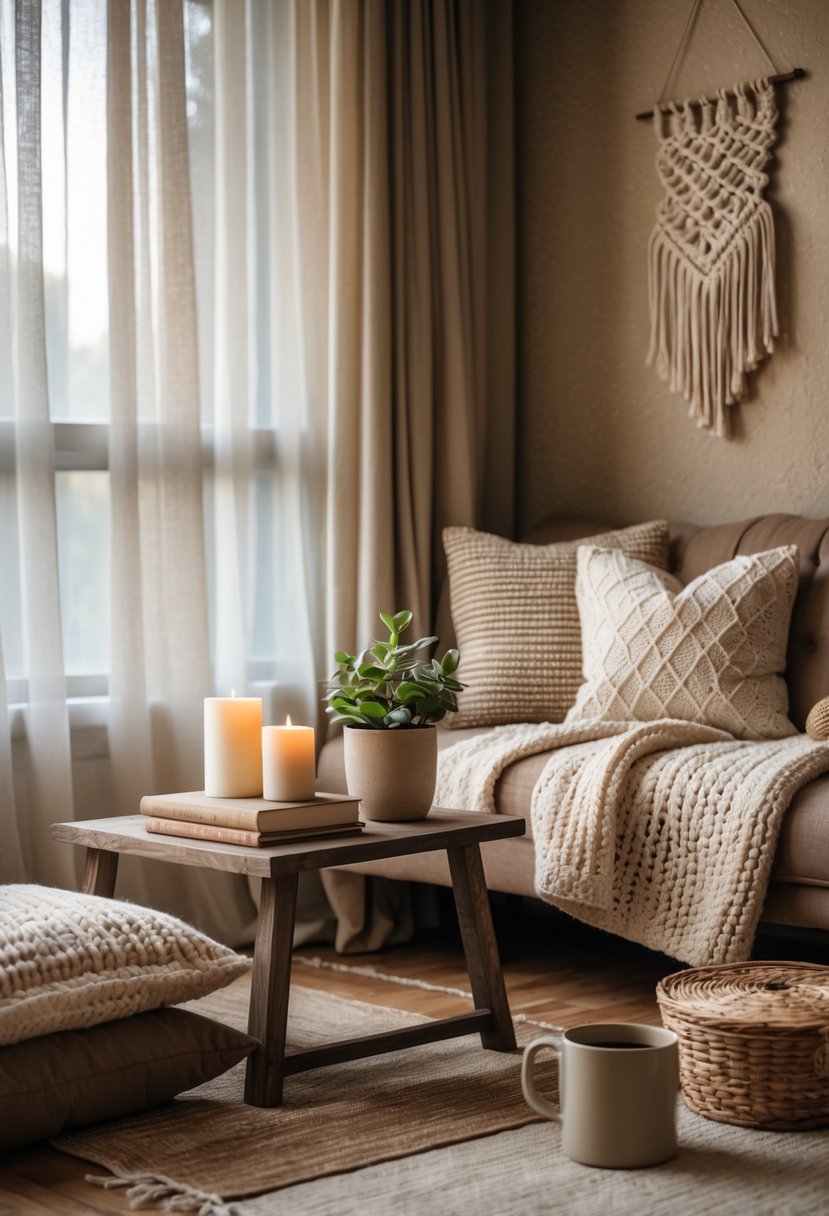
Small changes like lighting, textures, and low-cost décor can create a warm and inviting space. Simple upgrades add comfort without requiring major renovations or large budgets.
Decorating On A Budget
Affordable décor often makes the biggest difference in how a space feels. String lights, thrifted finds, and secondhand furniture can add charm without high costs. Neutral colors with a few accent pieces help tie the area together while keeping expenses low.
Repurposing items saves money and adds character. For example, old crates can work as side tables, and mason jars can become candle holders. Using outdoor rugs or throw blankets creates defined areas and adds softness to hard surfaces.
A simple table shows how small updates can stay budget-friendly:
| Item | Cost Range | Impact |
|---|---|---|
| String Lights | $10–$20 | Warm lighting and ambiance |
| Outdoor Rug | $25–$40 | Defines space, adds comfort |
| Thrifted Chair | $15–$30 | Extra seating, unique style |
Mixing low-cost pieces with personal touches, like framed photos or potted plants, makes the space feel lived-in and welcoming.
Easy Comfort Upgrades
Comfort comes from details that encourage relaxation. Adding cushions, soft throws, or a hammock can make even a small corner feel inviting. Using layered textures—such as cotton, wool, or rattan—creates a cozy look without much effort.
Lighting also shapes atmosphere. Warm-toned bulbs or solar lanterns give off a soft glow that feels calm and inviting. A small fire pit or tabletop heater can extend outdoor use into cooler evenings.
Plants add freshness and soften hard edges. Low-maintenance options like succulents or ferns work well in both indoor and outdoor retreats. Even a few potted herbs can make the area feel more alive while serving a practical purpose.
By focusing on comfort-driven details, the space feels both functional and relaxing at minimal cost.
Sustainable And Eco-Friendly Retreats
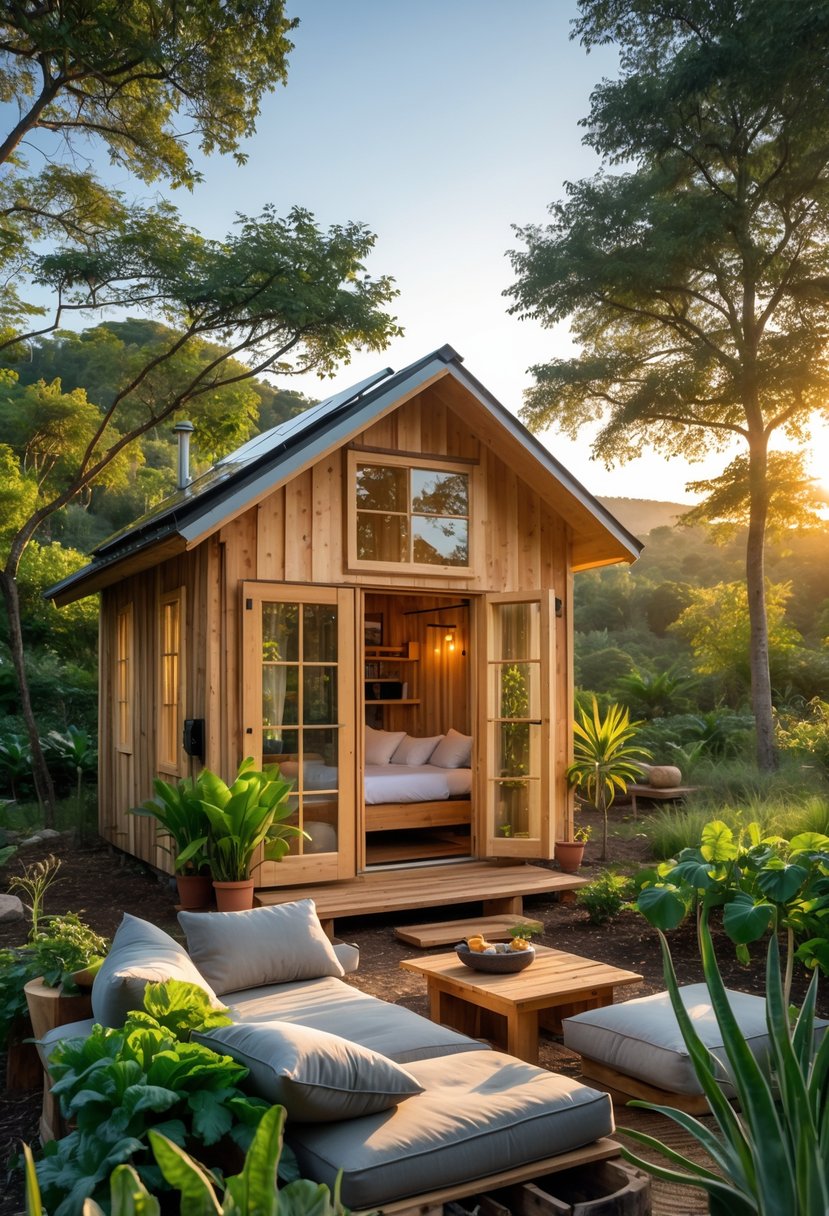
Travelers can enjoy budget-friendly stays while still supporting the environment. Many retreats now focus on reducing waste, conserving energy, and working with local communities to create responsible travel options.
Green Accommodation Choices
Eco-friendly lodging often uses renewable energy, natural materials, and efficient water systems. Guests may find solar-powered cabins, composting toilets, or rainwater collection systems that keep costs low while protecting resources.
Food is another key factor. Many retreats serve farm-to-table meals using local produce, which reduces transport emissions and supports nearby farmers. Some even grow their own vegetables and herbs on-site.
Simple design choices also matter. Natural ventilation, recycled building materials, and limited single-use plastics help reduce the overall footprint. These practices not only cut expenses but also show how comfort and sustainability can work together.
For travelers, choosing these accommodations means spending less on utilities while enjoying a more authentic connection to the environment. Options range from rustic lodges in forests to small coastal cabins that blend into the landscape.
Low-Impact Travel Tips
Getting to and from a retreat can affect its environmental value. Travelers can lower their footprint by using public transportation, carpooling, or choosing destinations closer to home. Walking or cycling for short distances also reduces both costs and emissions.
Packing light makes a difference too. Smaller luggage reduces fuel use on buses, trains, and planes. Reusable water bottles, cloth bags, and refillable toiletries cut down on waste during the trip.
Supporting local businesses is another practical step. Buying food, crafts, or services from nearby vendors keeps money in the community and reduces the need for imported goods.
By focusing on these habits, travelers can enjoy affordable retreats while keeping their impact on the environment as small as possible.
Booking Last-Minute Cozy Retreats
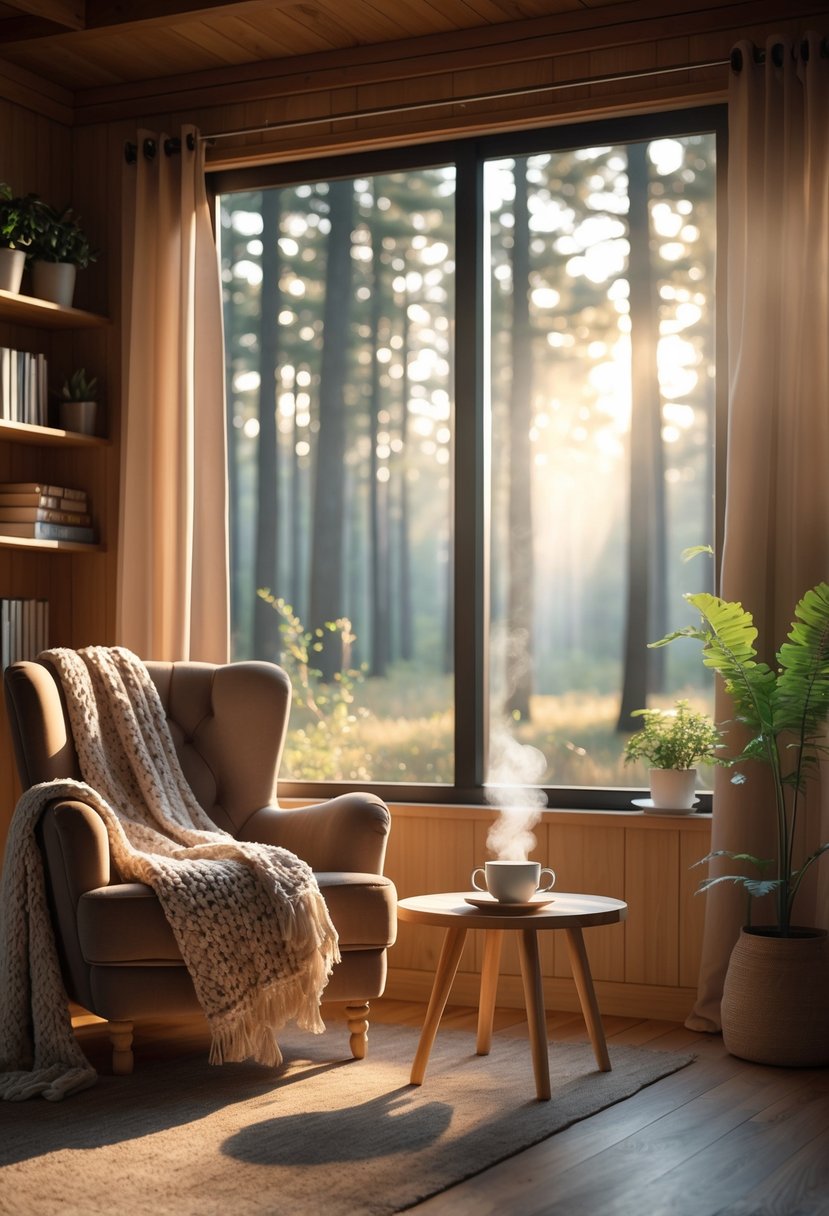
Travelers can save money and still enjoy comfort by booking last-minute stays. Timing, flexibility, and careful searching often make the difference between overpaying and finding a budget-friendly retreat.
Finding Last-Minute Deals
Many booking platforms offer discounts when properties remain unbooked close to the travel date. Sites like Airbnb, cozycozy, and hotel apps often lower prices to fill empty rooms or cabins. This can be especially useful in areas with a wide range of rentals, such as Buffalo, NY, or the Finger Lakes region.
To compare quickly, travelers should use aggregator sites that show multiple listings side by side. Sorting by lowest price first or filtering by discounted stays helps narrow down affordable options.
Last-minute deals are also common during weekdays or off-peak seasons. A cabin in the Smoky Mountains, for example, may cost less in late fall compared to peak summer. Checking multiple dates within the same week can reveal significant price differences.
Quick tips for finding deals:
- Search across 2–3 booking platforms
- Check both short-term rentals and hotels
- Look at weekday rates instead of weekends
- Sign up for email alerts or last-minute apps
Flexible Getaway Planning
Flexibility often leads to better prices and choices. Travelers who can adjust their destination, lodging type, or travel dates increase their chances of finding affordable retreats. For example, choosing a cabin outside of a major tourist hub usually costs less than staying in the main town.
Transportation flexibility also matters. Driving a few extra miles to a nearby retreat can save money compared to flying or booking in a crowded city.
Packing light and avoiding rigid schedules makes it easier to book whatever option is available at the best price. A traveler who is open to a cozy cabin, a small inn, or a wellness retreat will likely find more affordable last-minute openings.
Ways to stay flexible:
- Keep 2–3 possible destinations in mind
- Avoid peak holiday weekends
- Consider shorter stays if prices are high
- Stay open to different types of lodging
Cozy Retreats Near Urban Centers
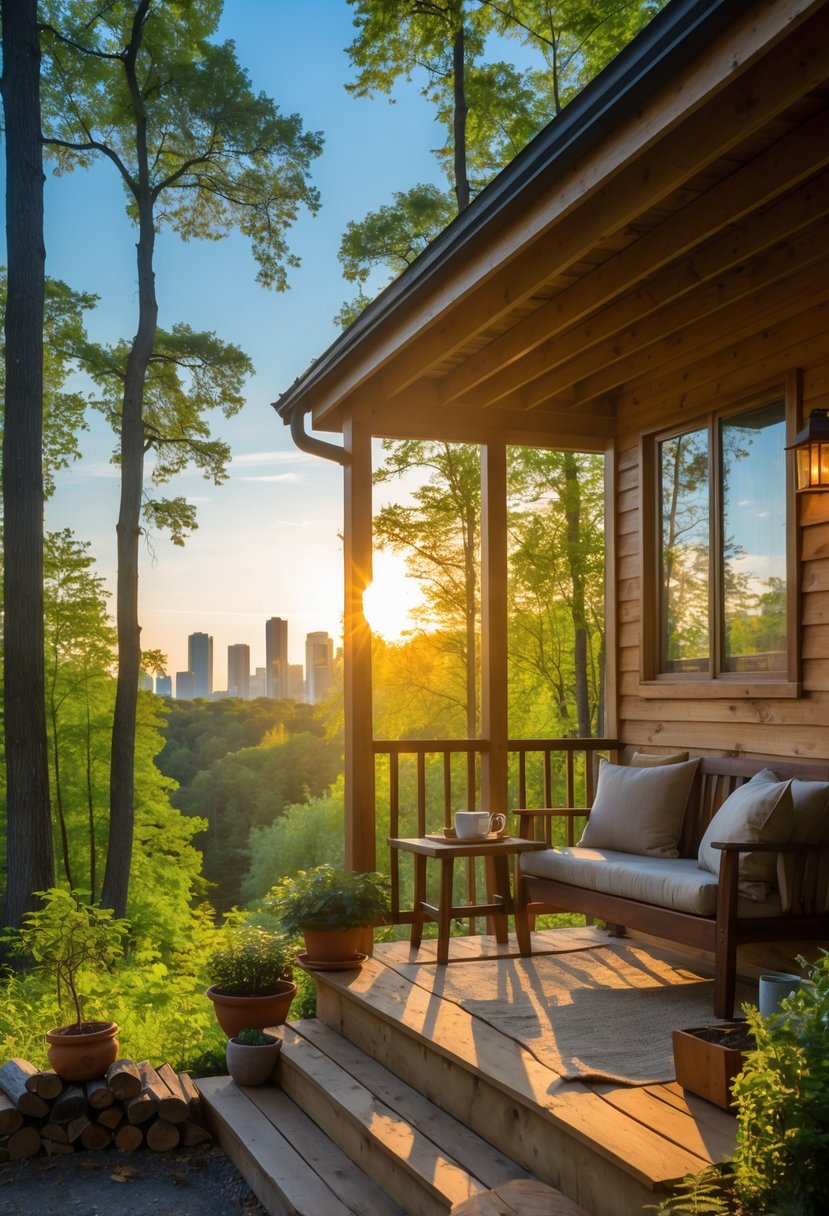
Many affordable retreats sit just outside major cities, offering both convenience and relaxation. Travelers can enjoy short commutes to peaceful stays while still keeping access to city amenities.
Quick Escapes From The City
Short weekend getaways near urban hubs give people a chance to rest without long travel times. A cabin or small rental just outside the city can cost less than a downtown hotel while providing more privacy and space.
Locations close to public transit or highways make these escapes easy to reach. For example, a two-bedroom apartment near a subway stop allows guests to explore the city during the day and return to a quieter space at night.
Budget-friendly options often include shared rentals, small apartments, or compact cabins. These stays keep costs low while still offering essentials like Wi-Fi, kitchens, and comfortable beds.
Examples of quick escapes:
- Subway-access rentals within a few miles of city centers
- Weekend cabins an hour’s drive from major hubs
- Shared apartments near parks or cultural sites
Choosing these options helps travelers save money on both lodging and transportation.
Accessible Nature Retreats
Nature-focused retreats near cities allow people to enjoy outdoor activities without long trips. Cabins or cottages within driving distance of urban areas often sit near lakes, forests, or hiking trails.
These stays usually balance comfort with simplicity. Many include basic kitchens, heating, and cozy furnishings while keeping prices lower than luxury resorts. Guests can spend the day outdoors and return to a quiet, affordable space at night.
Popular choices include rustic cabins in wooded areas, small homes near national parks, and lakeside rentals within a short drive of downtown.
| Type of Retreat | Distance From City | Common Features |
|---|---|---|
| Rustic cabin | 1–2 hours | Fireplace, simple kitchen |
| Lakeside rental | 45–90 minutes | Water access, outdoor seating |
| Forest cottage | Under 2 hours | Hiking trails nearby |
These options provide a balance of accessibility, cost savings, and natural settings.
Affordable Luxury: Getting More For Less

Travelers can enjoy comfort and style without overspending by choosing destinations and stays that balance quality with value. Many properties now offer features once reserved for high-end resorts at prices that fit modest budgets.
Upscale Amenities On A Budget
Many mid-range hotels and boutique stays now include amenities that feel high-end. Guests often find spa services, rooftop pools, and fitness centers included in nightly rates that cost far less than luxury resorts.
All-inclusive packages are another way to stretch money. These often cover meals, drinks, and activities, reducing the need for extra spending. For example, coastal resorts in Mexico or Southeast Asia may provide ocean-view rooms, daily breakfast buffets, and guided tours at a fraction of typical luxury costs.
Travelers can also look for off-season deals. A mountain lodge in the Alps or a beachfront villa in Greece may drop prices by half outside peak months, while still offering the same upscale comforts. This approach allows guests to enjoy more space, better service, and higher-quality dining without paying premium rates.
Hidden Gem Properties
Smaller towns and lesser-known regions often hide properties that deliver luxury experiences without the high price tag. In Colombia’s Minca, eco-lodges feature infinity pools and organic cafés while costing less than city hotels. Similar options exist in Eastern Europe, where boutique inns offer stylish rooms and wellness perks at budget-friendly rates.
In the United States, hot spring resorts and mountain cabins provide spa-like relaxation for less than urban hotels. These stays often include extras like private soaking tubs, yoga classes, or farm-to-table meals.
A simple comparison can help:
| Location | Luxury Feature | Typical Cost Range |
|---|---|---|
| Bali | Private villa with pool | $70–$120 per night |
| Hungary | Thermal spa hotel | $60–$100 per night |
| Colorado | Hot spring lodge | $90–$150 per night |
By choosing these hidden gems, travelers access upscale experiences while keeping expenses reasonable.
Retreats For Digital Detox
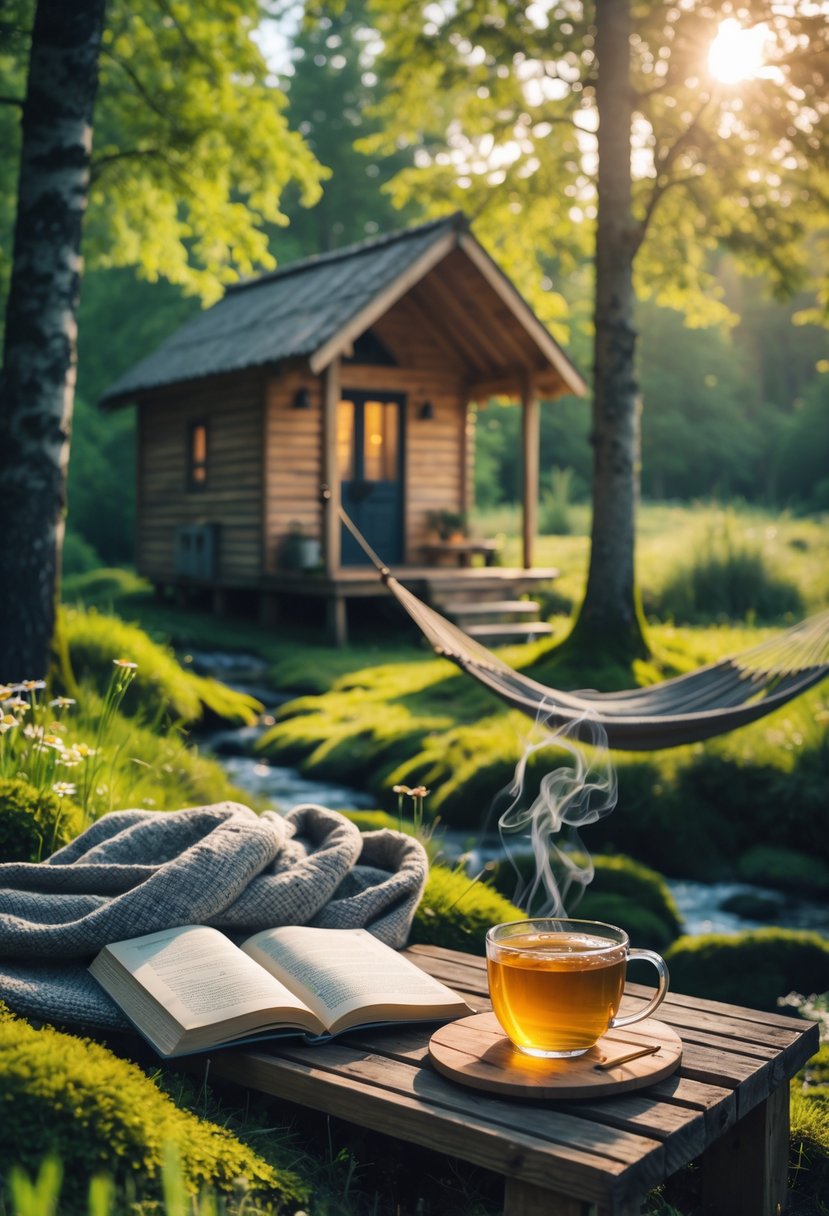
Many affordable retreats focus on creating quiet spaces away from screens. They encourage simple routines that make it easier to rest, reset, and enjoy natural surroundings without constant digital interruptions.
Disconnecting From Technology
Digital detox retreats often limit or remove internet and phone access. Guests may stay in cabins, farmhouses, or small lodges where Wi-Fi is absent or only available in shared areas. This setup makes it easier to step back from constant notifications.
Some retreats collect phones at check-in or provide lockboxes. This helps reduce the urge to check devices. Instead of scrolling, participants spend time outdoors, read, or enjoy conversations without distractions.
Affordable options include weekend stays at rural farms, forest cabins, or beach cottages. These places usually focus on basic comfort rather than luxury. The goal is not high-end service but a calm space where people can slow down and enjoy daily life without screens.
Mindful Activities
Retreats often include simple activities that support rest and focus. Common options are yoga, hiking, meditation, journaling, and guided nature walks. These activities are easy to join and do not require special skills.
Some programs also offer group discussions or workshops on healthy digital habits. These sessions encourage guests to think about how technology fits into their lives and how to create better routines.
Low-cost retreats may use local landscapes as their main feature. For example, guests might explore woodland trails, swim in nearby lakes, or gather around a fire in the evening. These activities provide structure while keeping costs low and experiences meaningful.
Safety And Security At Budget Retreats
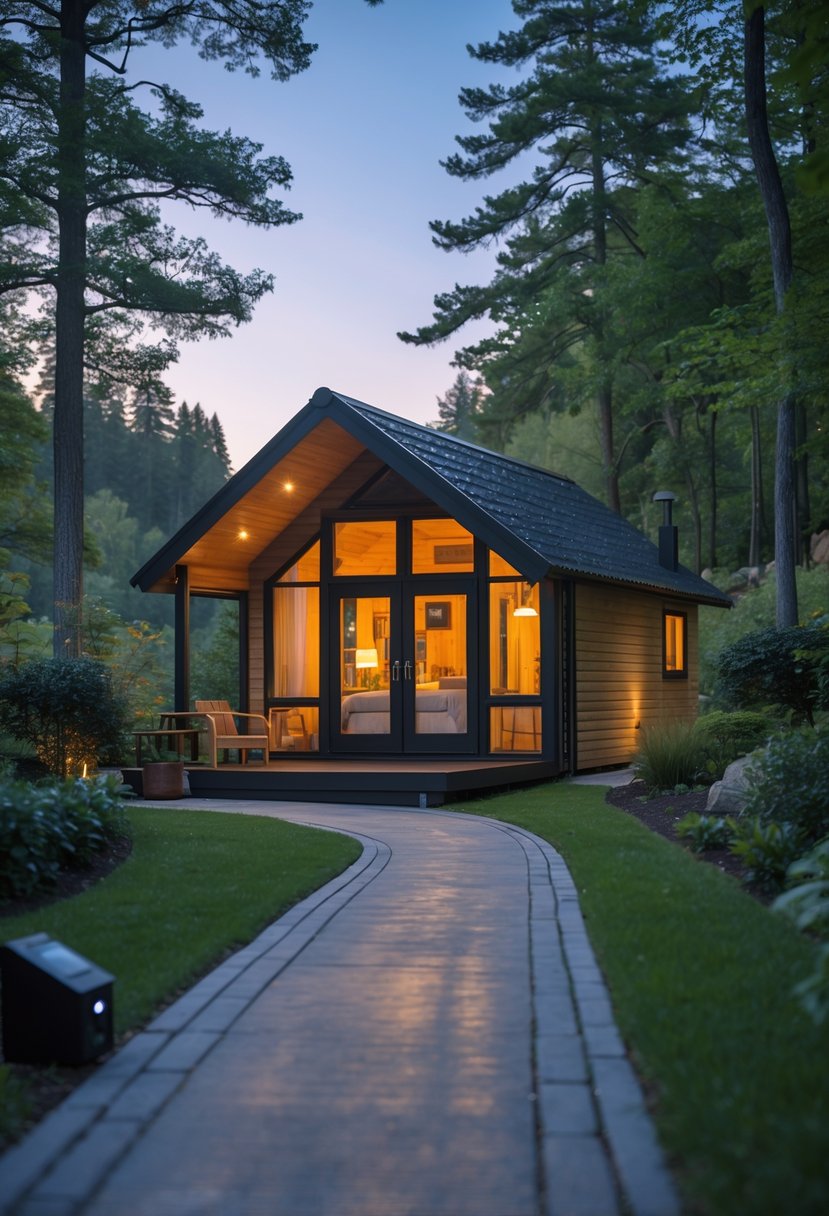
Travelers often focus on saving money, but safety should remain a priority. Affordable retreats can still provide secure stays when guests take time to check property details and prepare for unexpected situations.
Verifying Hosts And Properties
Guests should confirm that the host or property manager is legitimate before booking. Reliable platforms usually show verified profiles, reviews, and ratings. A lack of history, missing photos, or vague descriptions can be warning signs.
Reading recent reviews offers insight into cleanliness, neighborhood safety, and how hosts handle problems. Consistent feedback from different travelers is more trustworthy than a single comment.
It helps to cross-check the property address on a map. Doing so shows how close it is to public transport, hospitals, or police stations. A safe location is often more important than a lower price.
When possible, guests should contact the host directly with specific questions. Clear and timely communication suggests professionalism, while poor responses may indicate risk.
Checklist for verification:
- Host identity verified by platform
- Multiple recent reviews
- Accurate photos of property
- Clear cancellation and refund policies
Emergency Preparedness
Even budget retreats should have basic safety measures in place. Guests can look for smoke detectors, fire extinguishers, and visible emergency exits. These small details make a big difference in urgent situations.
Travelers should save local emergency numbers, since not all countries use the same system. For example, Serbia uses 192 for police, 193 for fire, and 194 for medical help.
Packing a small personal kit with a flashlight, first-aid supplies, and backup phone charger adds another layer of security. This is especially helpful in rural or off-grid retreats.
Guests should also share their itinerary with a trusted contact. Knowing where someone is staying can speed up assistance if problems arise.
Quick emergency steps:
- Identify exits upon arrival
- Save local emergency numbers
- Keep essentials within reach at night
- Inform a friend or family member of location
Retreats For Special Occasions
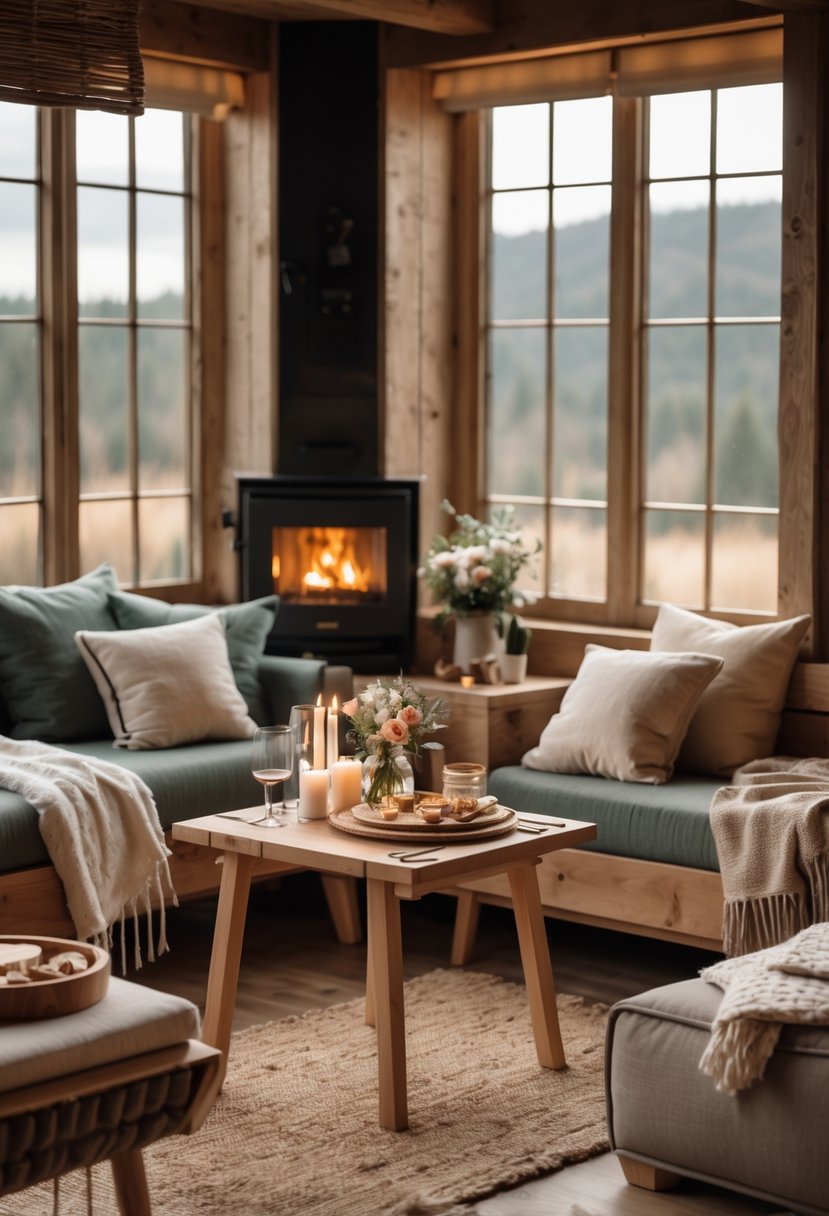
Special gatherings often call for a setting that feels both memorable and affordable. Cozy retreats can provide privacy, comfort, and flexibility without requiring a large budget.
Celebrating On A Budget
Many people assume retreats are too expensive for group events, but small cabins and shared spaces often cost less than traditional venues. Renting a cabin or yurt can be more affordable than booking a banquet hall, especially when the cost is split among guests.
Simple upgrades like bringing homemade meals, using outdoor fire pits, or decorating with personal touches can keep expenses low. These details allow the group to focus on the experience rather than the price tag.
Affordable ideas include:
- Cabins with shared kitchens for cooking instead of catering
- Glamping tents or yurts that offer comfort without hotel rates
- Nature-based activities like hiking or lake swimming that cost nothing
These options create a relaxed environment that works well for family reunions, small weddings, or team gatherings. The setting feels special without requiring luxury-level spending.
Anniversaries And Birthdays
Cabins and retreat houses offer a private space that feels more personal than a restaurant or hotel. A couple celebrating an anniversary might choose a cozy cabin with a jacuzzi tub, while a birthday group could rent a larger lodge that sleeps several guests.
The key is matching the space to the size and style of the celebration. For example, a log home retreat can host a group dinner, while a smaller cabin works for a quiet weekend away.
Examples of fitting choices:
- Romantic anniversaries: cabins with hot tubs, fireplaces, or lake views
- Small birthdays: shared cabins with outdoor seating and grills
- Milestone events: larger retreat homes that can host group meals and activities
These spaces allow people to mark important dates in a setting that feels personal, comfortable, and cost-effective.
Retreats For Wellness And Self-Care
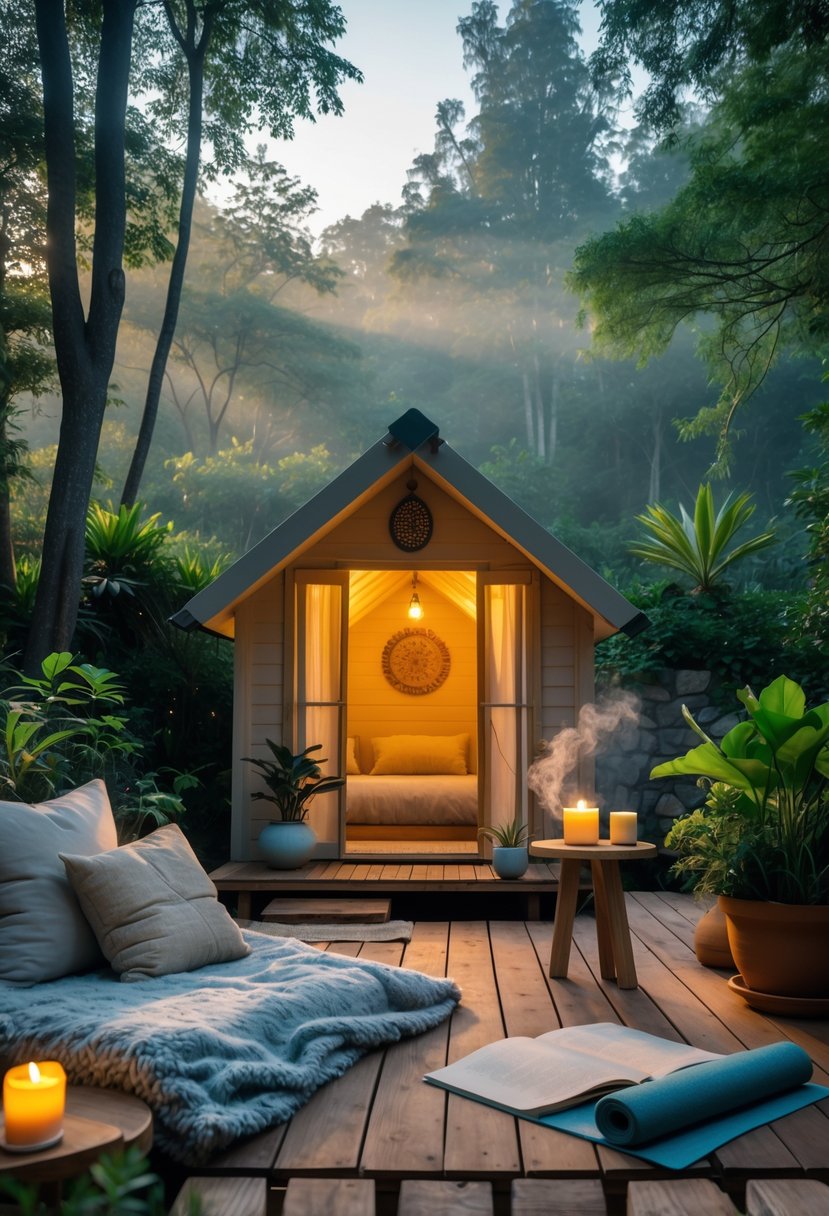
Affordable wellness retreats often focus on simple practices that reduce stress and support healthy routines. Many combine movement, relaxation, and quiet time with features that feel restorative without requiring luxury prices.
Yoga And Meditation Spaces
Budget-friendly retreats often provide shared or outdoor spaces for yoga and meditation. These areas may be simple wooden platforms, small studios, or shaded garden spots. What matters most is a calm setting that allows guests to focus on breathing, stretching, and mindfulness.
Daily classes are usually led by instructors who guide participants through gentle poses and short meditation sessions. Some retreats also offer self-guided practice with mats and cushions available. This flexibility lets travelers choose between structured lessons or quiet personal time.
Many retreats highlight the natural surroundings as part of the experience. Practicing yoga at sunrise or meditating near a forest trail can feel restorative without adding extra cost. Even basic facilities can support a routine that helps people slow down, clear their thoughts, and reset their energy.
Spa-Like Features
Low-cost retreats may not include luxury spas, but many provide simple amenities that create a similar effect. Common features include hot tubs, saunas, or mineral pools. These shared spaces encourage relaxation and can help ease muscle tension after yoga or hiking.
Some retreats focus on natural therapies instead of expensive treatments. Examples include herbal steam rooms, saltwater baths, or DIY skin care workshops using local ingredients. These options keep costs low while still offering a sense of care and comfort.
Guests often find that small touches make a big difference. Soft robes, quiet lounges, or outdoor hammocks provide spaces to rest between activities. By blending modest spa-like features with a calm environment, retreats can support self-care without high expense.
Travel Tips For Cozy Retreats On A Dime
Saving money while enjoying a peaceful retreat often comes down to smart choices in how people get around and how they handle meals. Small adjustments in these areas can reduce costs without taking away from comfort or relaxation.
Transportation Savings
Travelers often spend a large part of their budget on getting to and from their retreat. Choosing the right method of transportation can make a big difference.
For shorter distances, buses and regional trains usually cost less than flights. Many cities also offer discounted passes for multiple rides, which can be cheaper than buying single tickets.
Carpooling or ridesharing can cut costs when traveling with others. Splitting fuel and tolls often makes driving more affordable than flying, especially for groups.
Booking transportation early usually provides lower prices. Budget airlines and long-distance buses often raise fares as the date gets closer.
A simple way to compare costs is to use a table:
| Option | Best For | Savings Potential |
|---|---|---|
| Bus/Train | Short to medium trips | Low to moderate |
| Carpool/Rideshare | Groups or flexible travel | Moderate to high |
| Budget Airline | Longer distances | Moderate |
Meal Planning And Cooking
Food expenses can add up quickly during a retreat. Preparing meals instead of eating out helps keep costs low while still allowing for enjoyable dining.
Rentals with kitchens or even small kitchenettes provide the most flexibility. Cooking breakfast and dinner at the retreat and eating lunch out is a balanced approach many travelers use.
Simple meal plans can prevent overspending. For example:
- Day 1: Pasta with vegetables
- Day 2: Rice and beans
- Day 3: Sandwiches and salad
Buying groceries in bulk and choosing local markets often lowers costs compared to restaurants. Travelers can also bring snacks like fruit, nuts, or granola to avoid expensive impulse purchases.
Cooking together can also add to the cozy retreat experience. It saves money and creates a relaxed atmosphere that eating out may not provide.
Inspiring Real-Life Cozy Retreat Stories
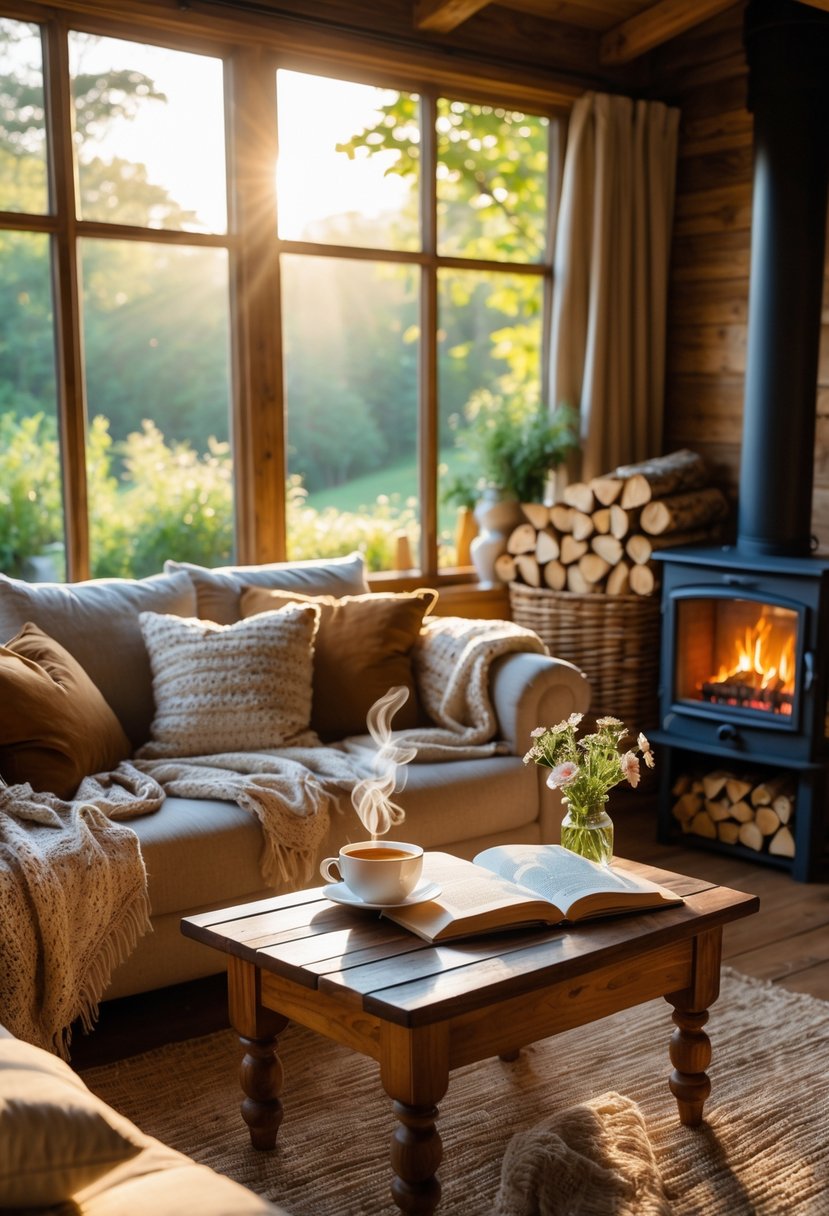
People who take part in affordable retreats often share how small details—like a quiet cabin, shared meals, or nature walks—made the experience meaningful. Their stories show how comfort and inspiration can come from simple spaces rather than expensive settings.
Memorable Guest Experiences
Guests often describe budget retreats as more personal and grounding than luxury getaways. One woman who attended a cabin retreat later shared how the time away helped her make lasting changes in her daily life. She credited the quiet setting and supportive group for giving her clarity.
Others recall how modest cabins or cottages offered a sense of peace. Features like wood stoves, cozy textiles, and natural light created a warm atmosphere without costly upgrades.
Participants also valued the chance to connect with others in small groups. Shared cooking, fireside conversations, and group walks built friendships that lasted beyond the retreat. These simple activities often became the most memorable parts of their stay.
Common highlights mentioned by guests:
- Affordable lodging with rustic charm
- Time to unplug from devices
- Opportunities for reflection and creativity
- Connection with like-minded people
Lessons Learned From Budget Retreats
Affordable retreats often teach guests that comfort does not require high spending. Many learned that natural materials, simple meals, and shared spaces created just as much relaxation as expensive décor or catered dining.
Attendees also noticed how planning ahead reduced costs. Carpooling, group grocery shopping, and using multipurpose spaces kept expenses low while still providing comfort.
Some guests found that focusing on activities—such as journaling, yoga, or guided nature walks—mattered more than the setting itself. These low-cost practices gave structure and meaning without adding financial strain.
Key takeaways from budget retreats:
- Simplicity increases focus on rest and creativity
- Shared resources reduce costs for everyone
- Experiences often outweigh material comforts
These lessons show how thoughtful planning and simple choices can make a retreat both affordable and deeply rewarding.
For more ideas, check out these backyard fire pit ideas to refresh your space for the season.


