
Eclectic Kitchen Design With Natural Textures: 22 Inspiring Ideas for a Stylish Space
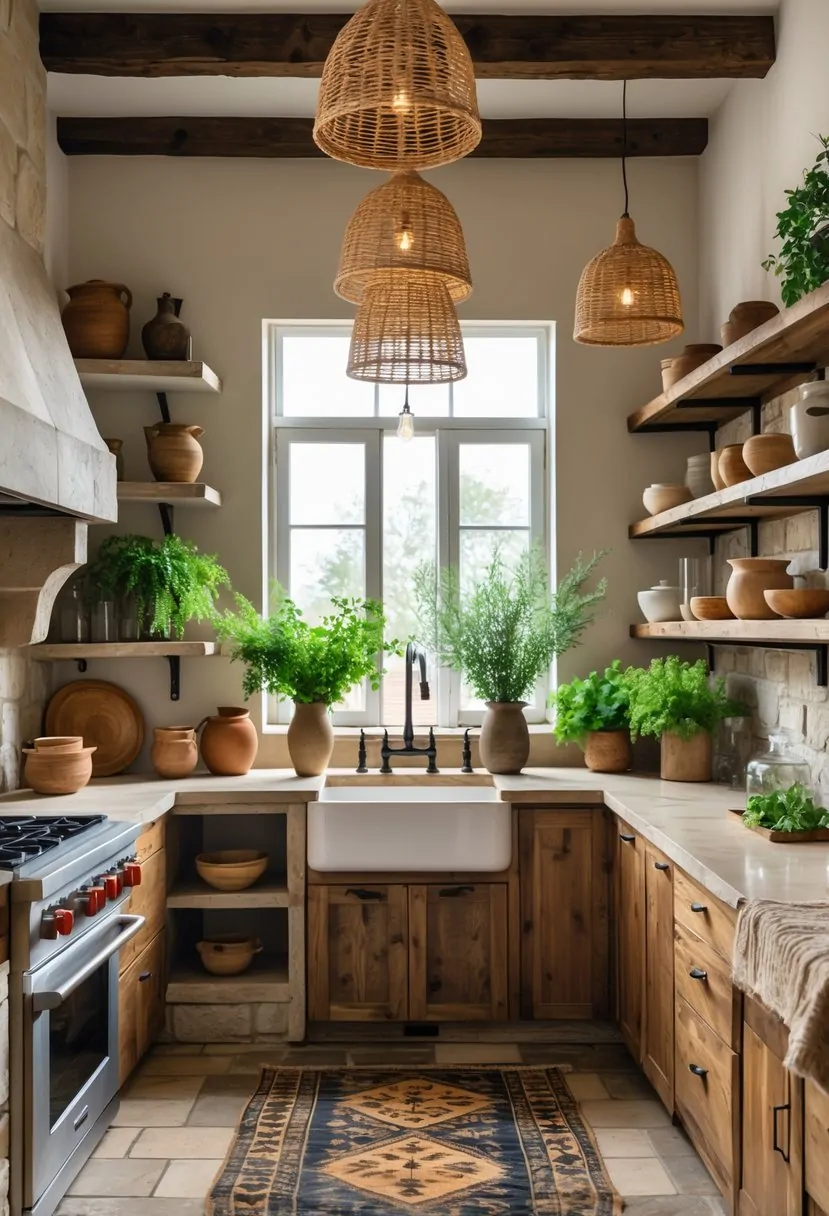
Eclectic kitchen design blends different styles, colors, and materials to create a space that feels personal and inviting. By combining natural textures with varied finishes, a kitchen can strike the right balance between warmth and character. The value of this approach comes from creating a kitchen that feels unique while still comfortable and functional.
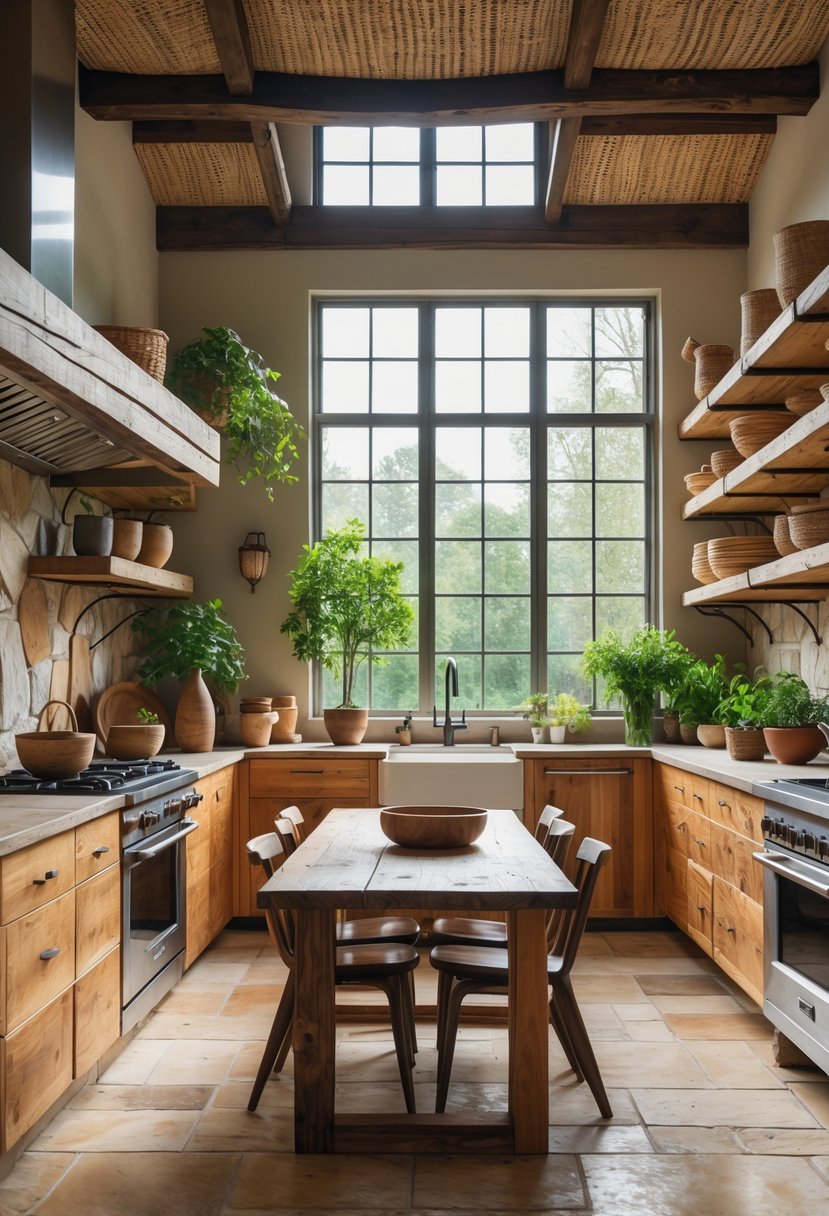
Natural elements like wood, stone, and brick bring depth and texture that enhance the eclectic style. When paired with thoughtful details such as open shelving, layered textiles, and handcrafted accents, the space reflects both creativity and practicality. This mix of materials and finishes sets the stage for a kitchen that feels timeless yet adaptable.
Incorporate reclaimed wood countertops for warmth and texture
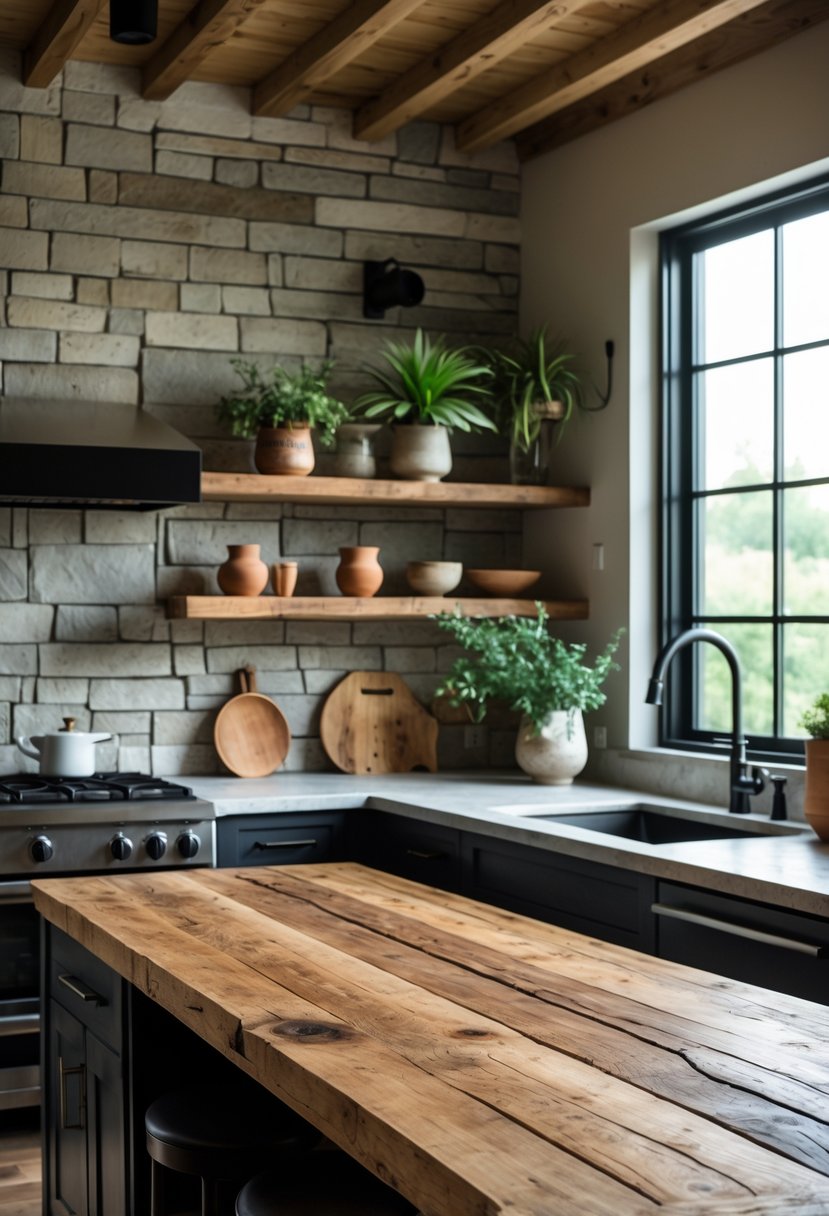
Reclaimed wood countertops add natural texture and subtle character to a kitchen. The visible grain and imperfections create a surface that feels authentic and lived-in.
They also bring warmth that balances sleek finishes like stone or metal. This makes them a practical choice for eclectic kitchens seeking both style and function.
Use natural stone backsplashes like marble or slate
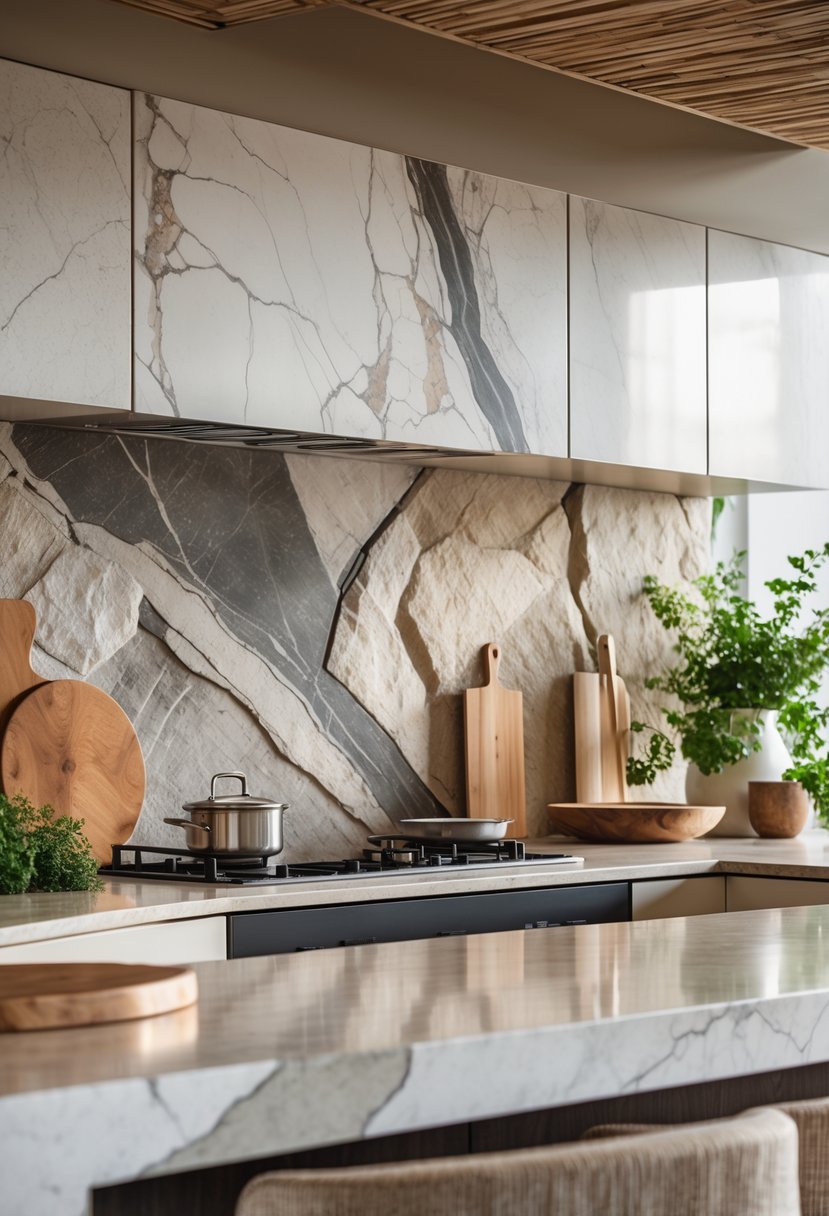
Natural stone backsplashes add texture and depth to a kitchen. Marble offers a smooth, classic look, while slate provides a more rustic feel.
These materials pair well with both modern and traditional designs. They also come in a range of colors and finishes, giving flexibility in style choices.
Mix matte and glossy tile finishes for visual interest
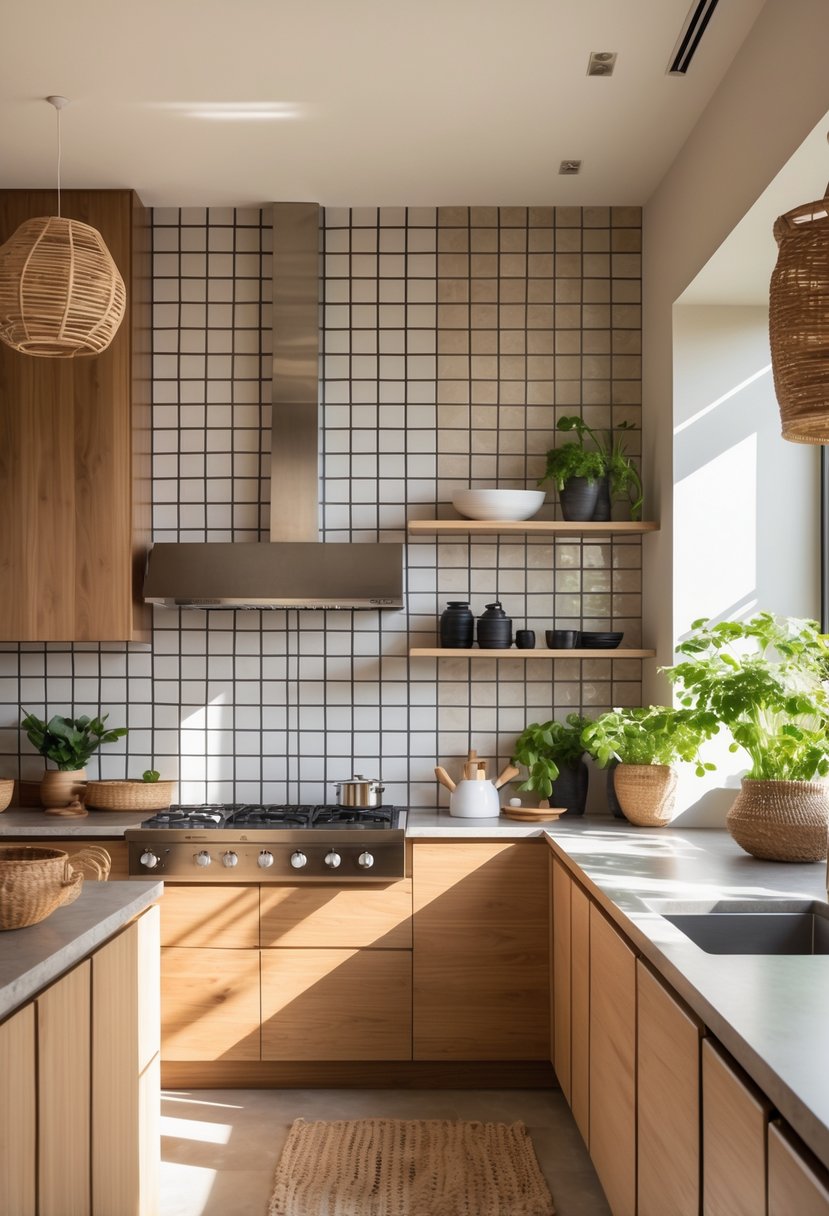
Mixing matte and glossy tiles adds subtle contrast that makes a kitchen feel more layered.
Glossy tiles work well for backsplashes or small accent areas, while matte tiles suit larger surfaces like floors.
This balance highlights texture, keeps the design cohesive, and prevents the space from looking flat.
Add open shelving made from raw wood
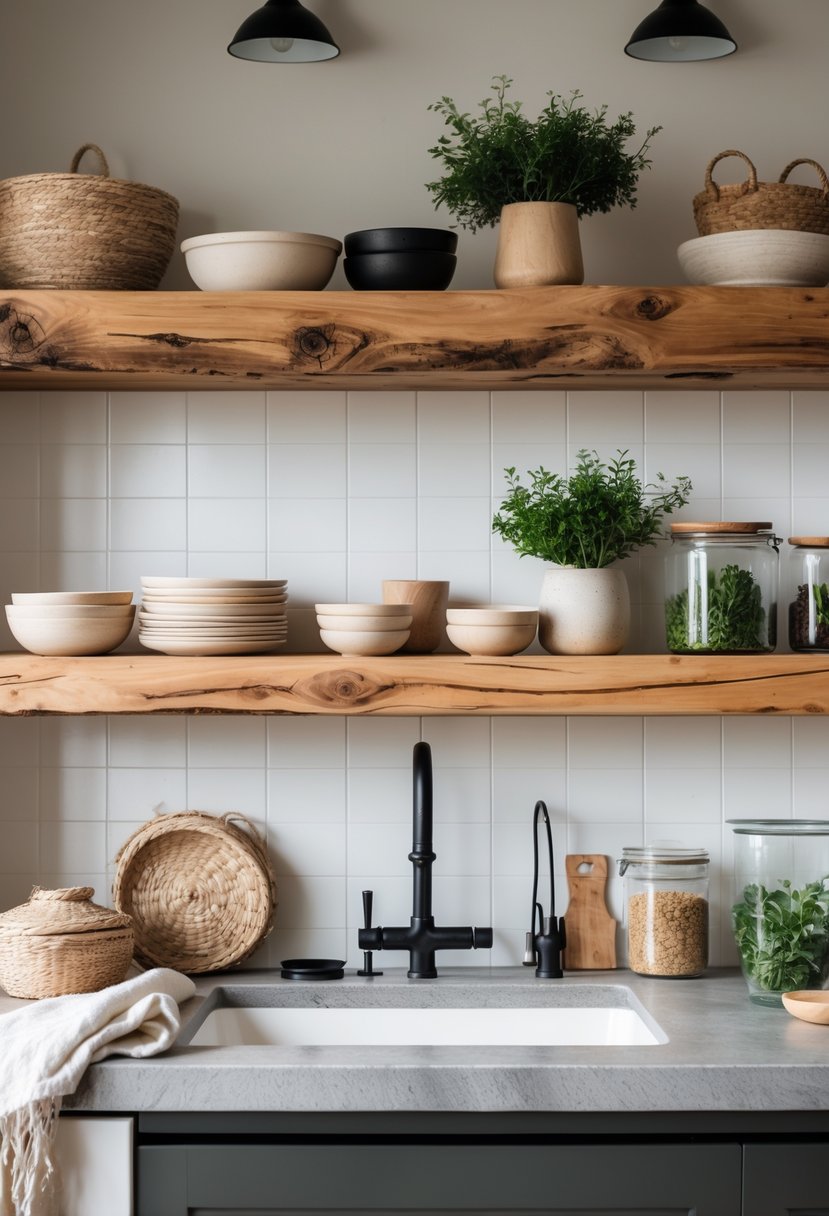
Open shelving made from raw wood adds warmth and texture to a kitchen. The natural grain creates visual interest and pairs well with many design styles.
They can use these shelves to display everyday dishes, glassware, or small plants. The open design keeps items accessible while adding character.

Raw wood shelving also works with both rustic and modern elements. Its simple form blends easily with metal, stone, or tile finishes.
Include brick accent walls for rustic charm
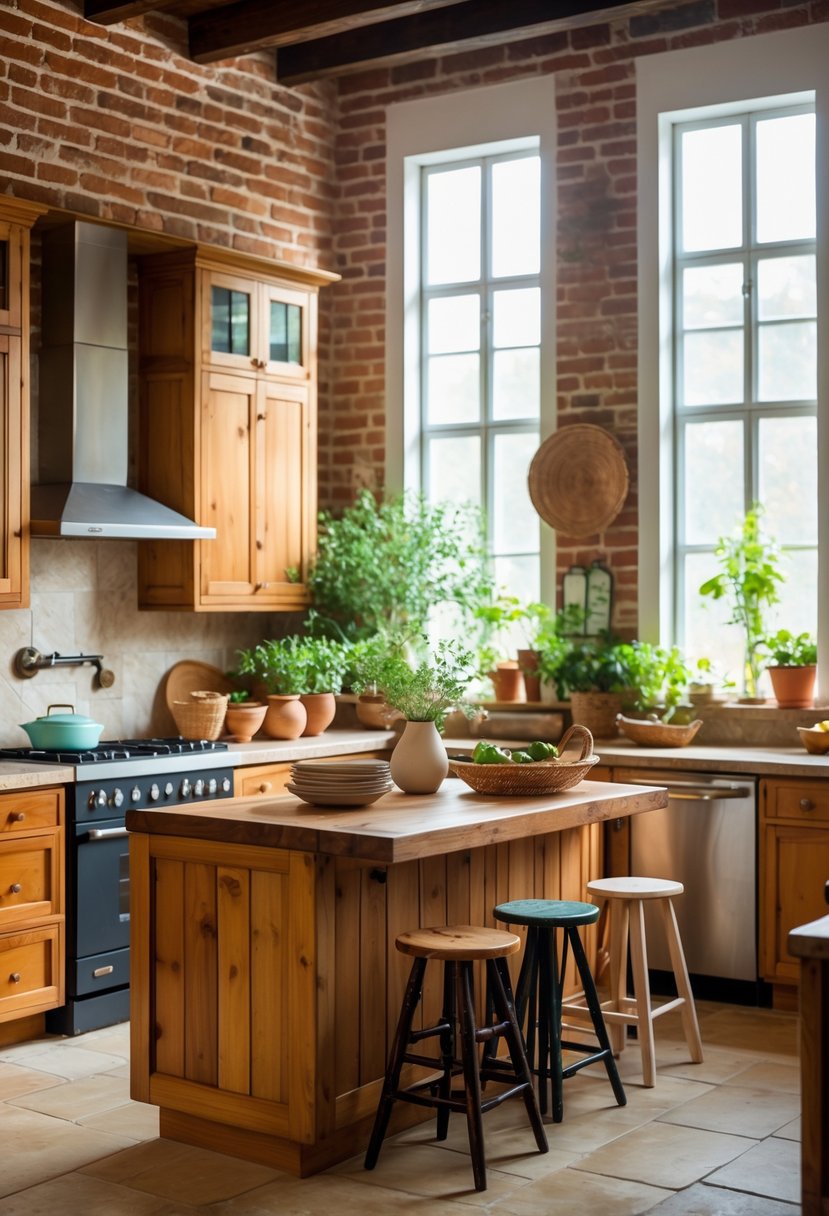
Brick accent walls add texture and warmth to a kitchen. They create a natural focal point without overwhelming the space.
Homeowners often use exposed brick to balance rustic and modern elements. It works well in both small and large kitchens.
Faux brick panels provide a similar look when original brick is not available.
Combine woven rattan baskets for storage
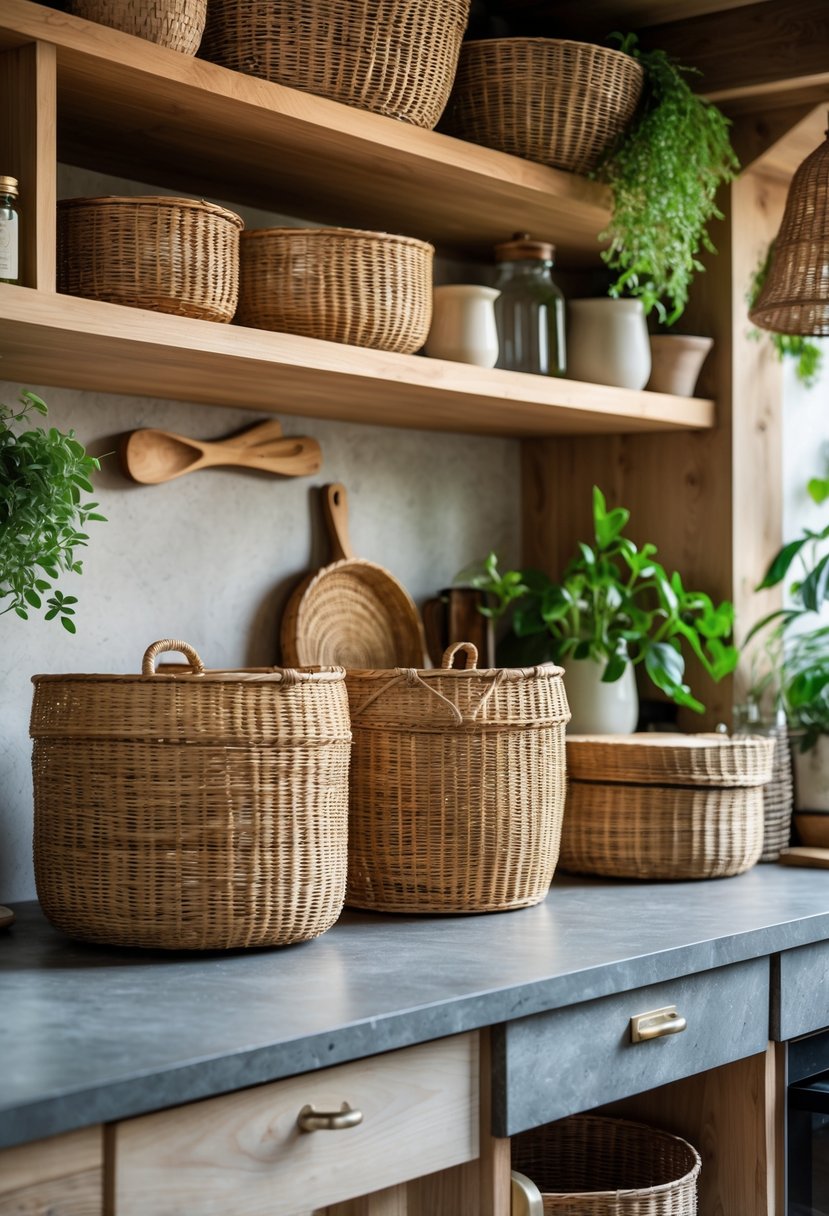
Woven rattan baskets add both storage and texture to a kitchen. They keep items organized while blending with natural materials like wood and stone.

They work well for holding produce, linens, or utensils. Their neutral tones fit into eclectic spaces without overwhelming other design elements.
Install terracotta floor tiles for earthy tones
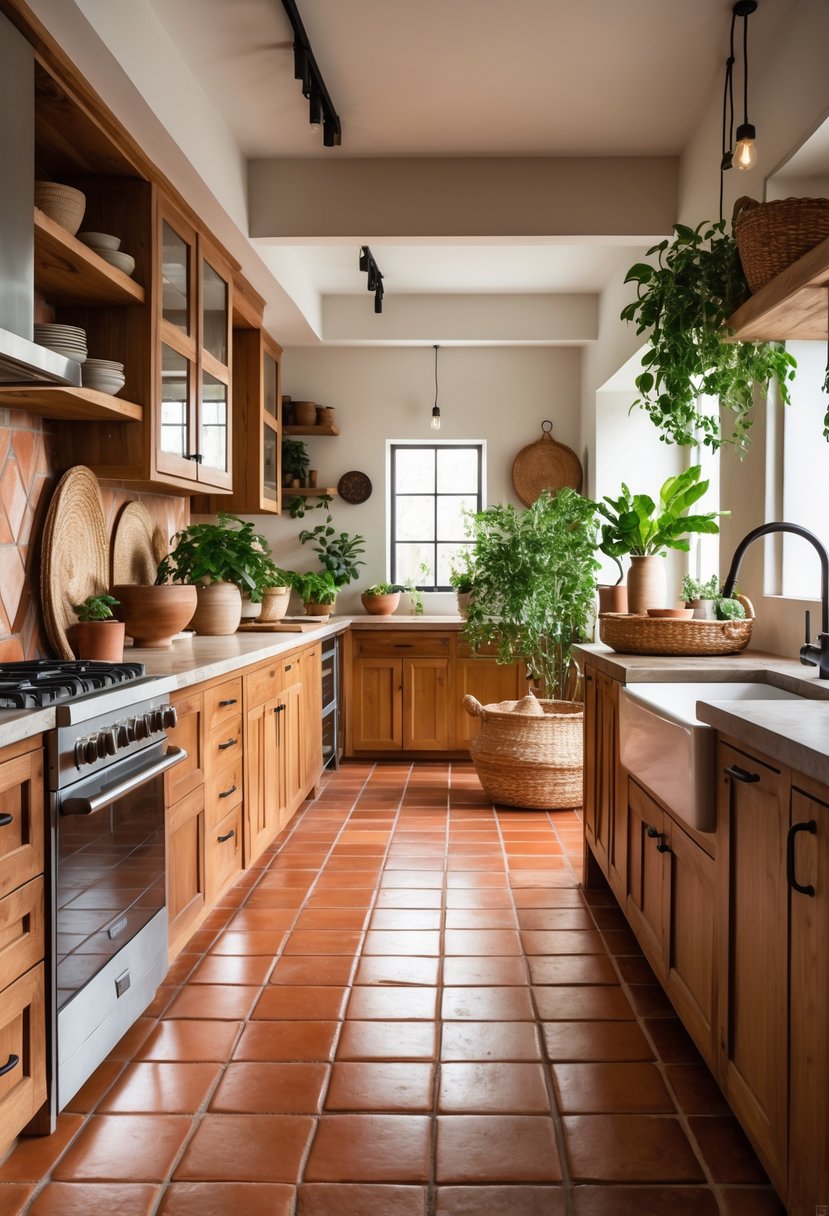
Terracotta floor tiles add natural warmth through their clay-based color. They create a grounded look that works well in both rustic and modern kitchens.
The matte texture reduces glare and blends with wood, stone, or metal finishes. Their durability makes them a practical choice for high-traffic areas.
Layer textured wool or jute rugs
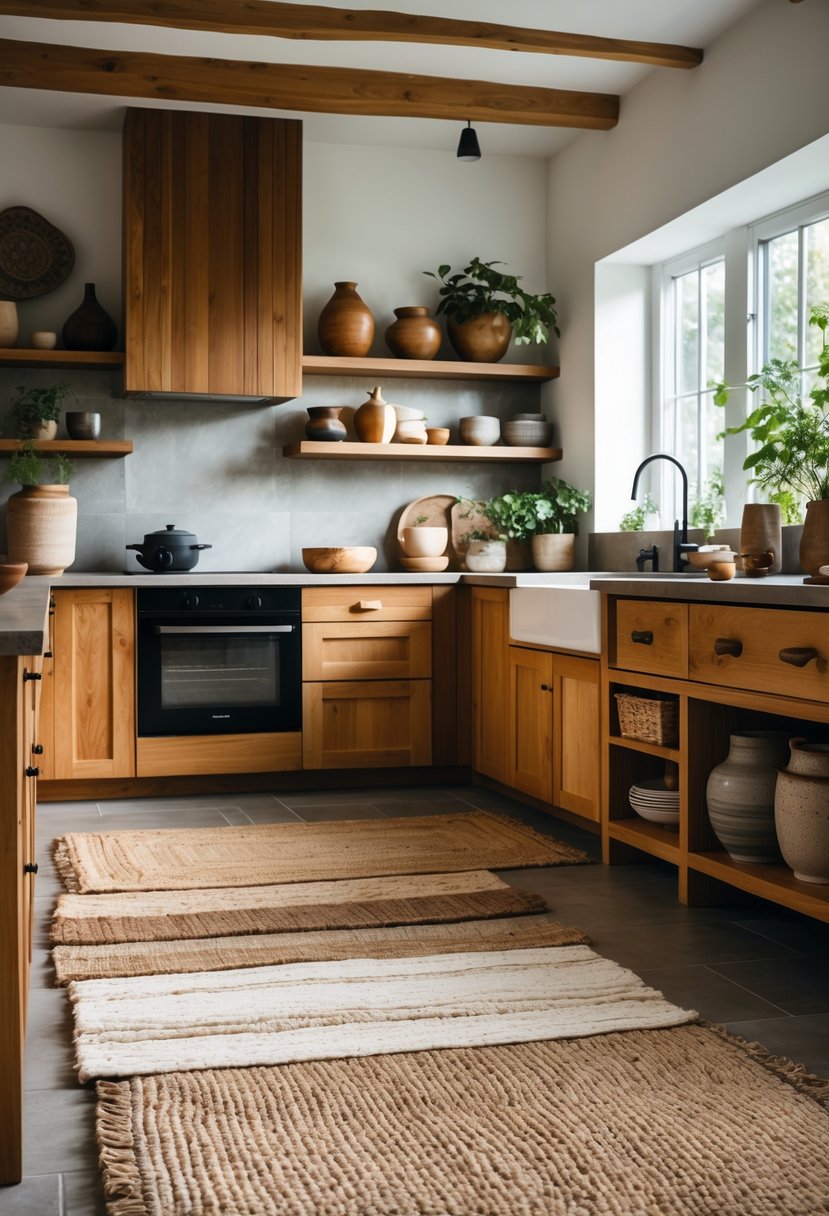
They can place a jute rug as a base to bring in a natural, earthy texture. Jute works well in kitchens because it is durable and neutral.
Layering a wool rug on top adds softness and warmth. The mix of fibers creates contrast while keeping the look simple and balanced.
Feature live-edge wooden kitchen islands
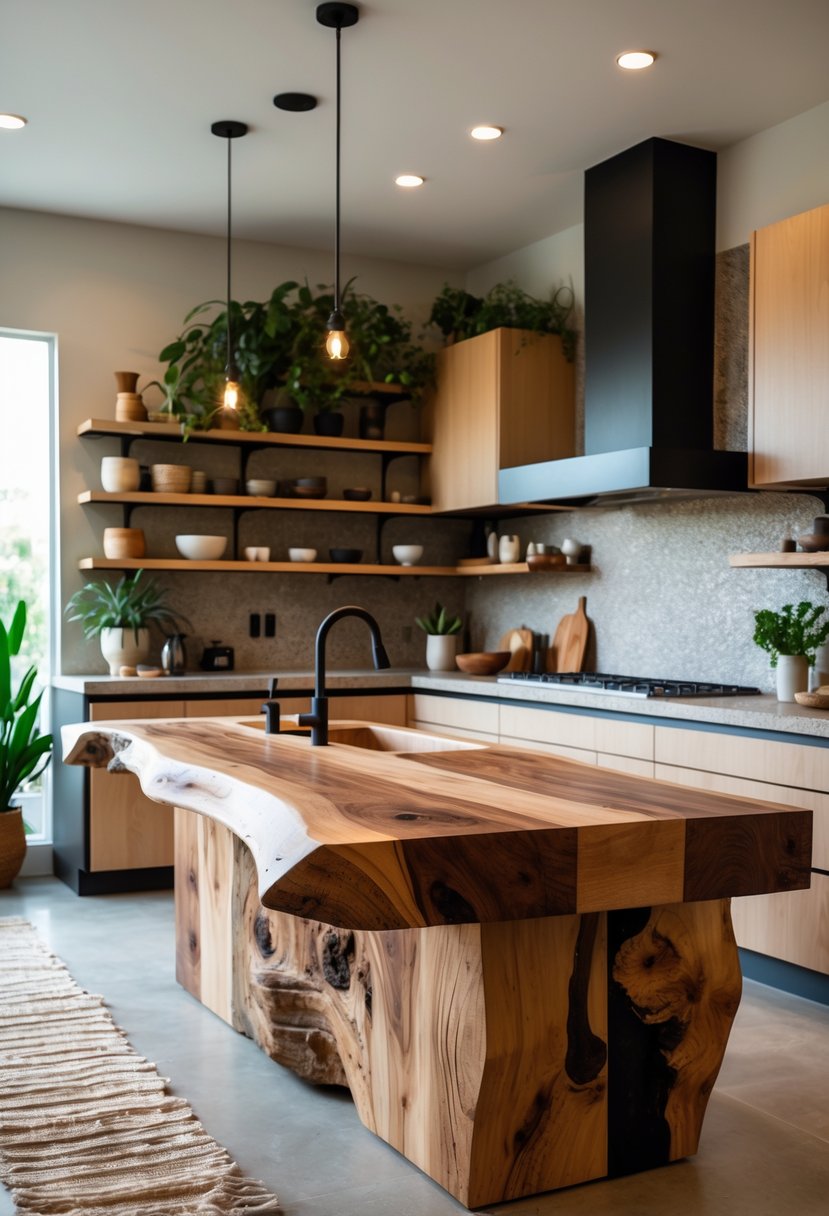
Live-edge kitchen islands highlight the natural edges of wood, keeping knots and curves visible. This design choice adds texture and character to a space.
They work well in eclectic kitchens by mixing organic shapes with other materials like stone or metal. Each piece remains unique due to its natural grain and form.
Use vintage wooden stools with natural patina
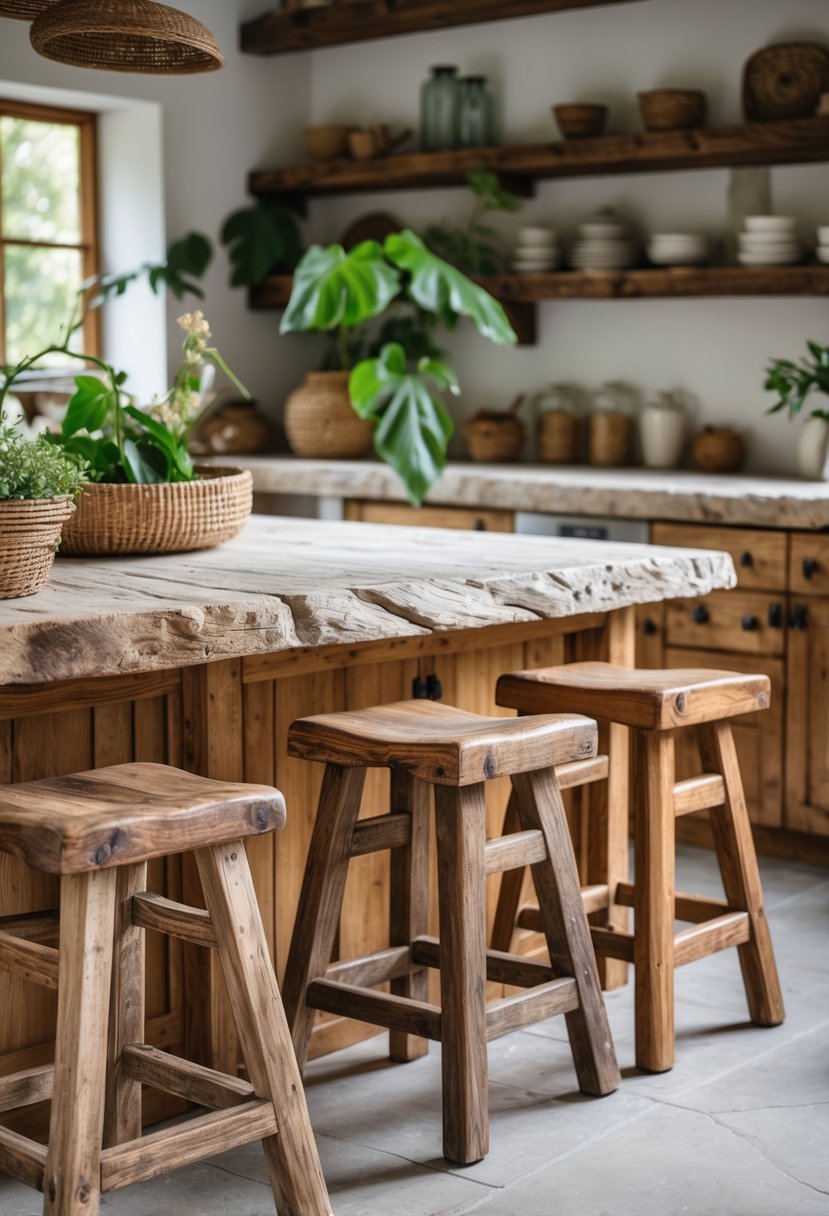
Vintage wooden stools add character through their worn finishes and visible grain. Their natural patina shows years of use, which creates warmth and authenticity in the kitchen.
They work well with stone, brick, or reclaimed wood surfaces. The stools also provide functional seating while blending seamlessly into an eclectic mix of textures.
Incorporate potted herbs and greenery
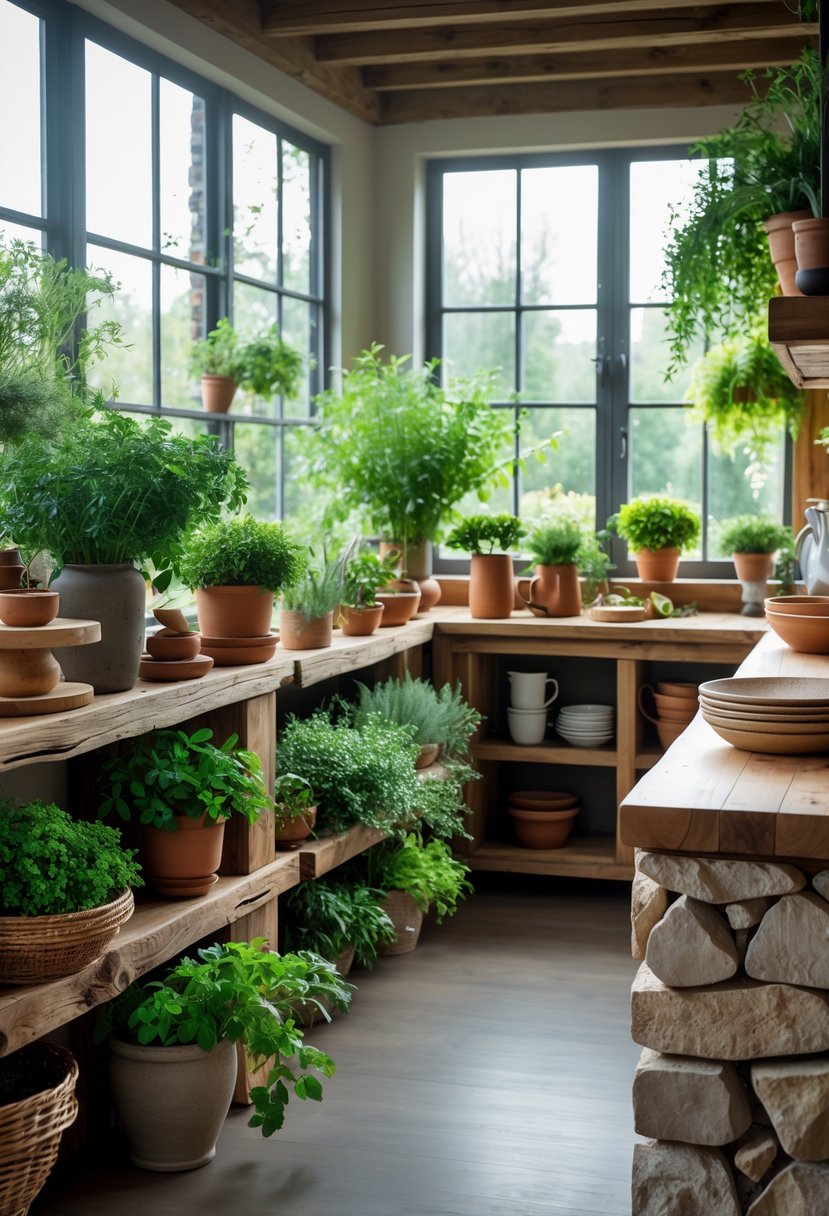
Potted herbs add both function and style to an eclectic kitchen. They provide fresh ingredients while bringing natural color into the space.
Small plants on windowsills or countertops create a simple, practical touch. Larger potted greenery or hanging planters can serve as focal points that soften harder surfaces like metal or stone.
Mix patterned ceramic tiles with natural textures
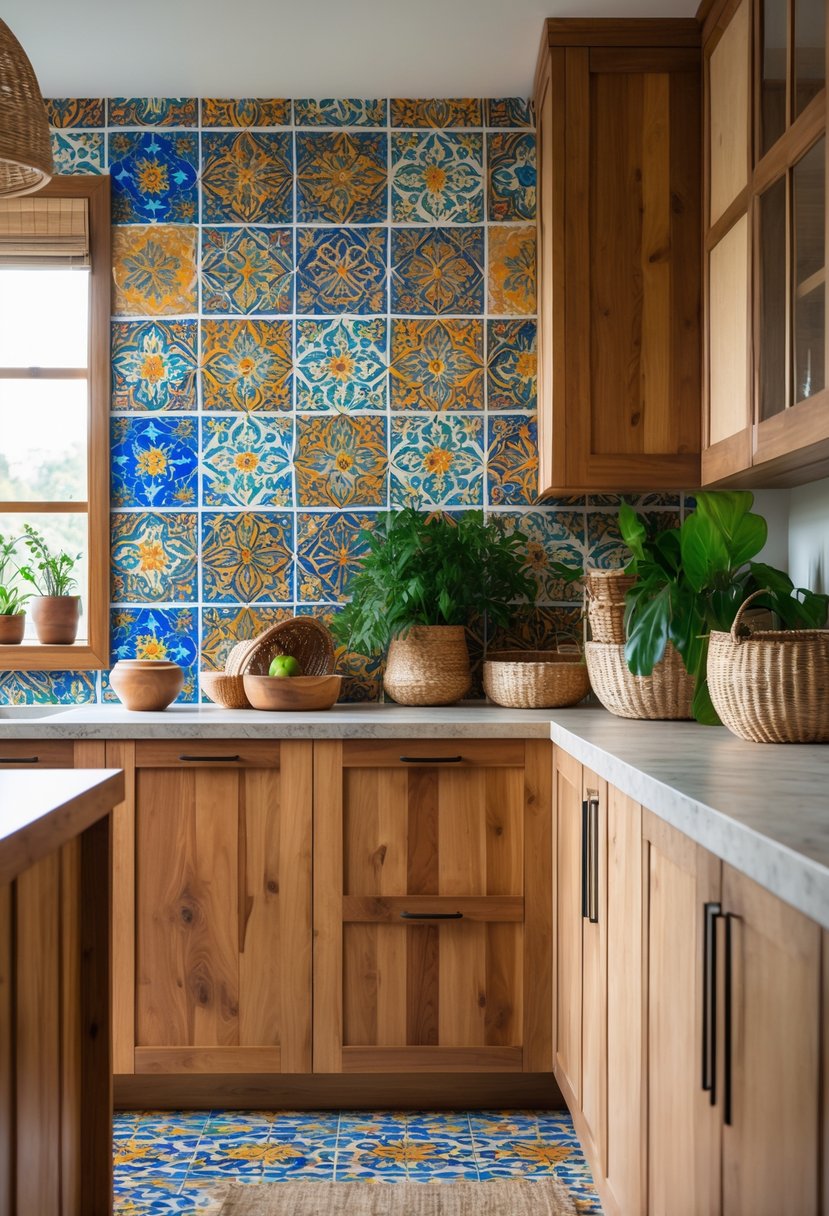
Patterned ceramic tiles add visual interest and break up plain surfaces. They can highlight areas like a backsplash or kitchen island.
Natural textures such as wood, stone, or brick balance the boldness of patterns. Together, they create contrast while keeping the space grounded and cohesive.
Add leather or suede bar stools
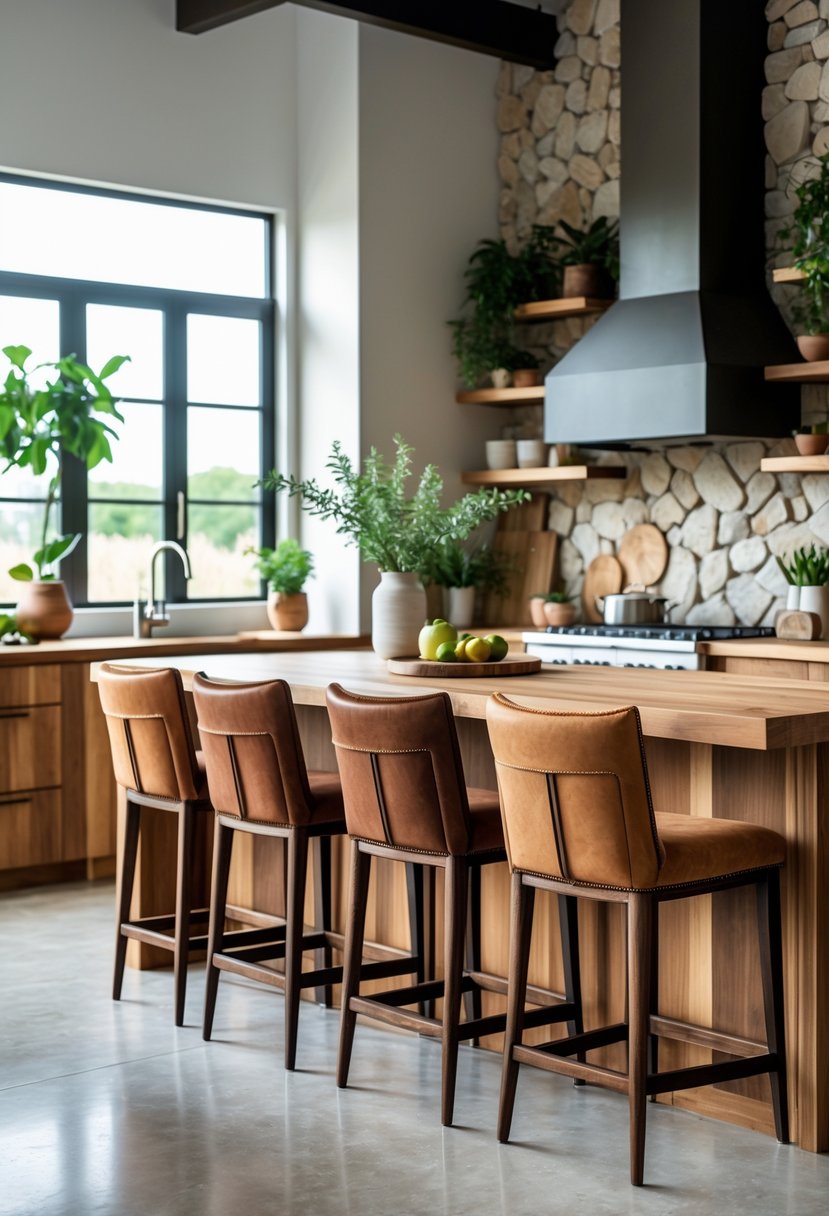
Leather or suede bar stools bring texture and comfort to an eclectic kitchen. Their smooth or soft finishes contrast well with natural materials like wood, stone, or brick.
Metal frames create a modern touch, while wooden bases add warmth. This mix helps the stools blend into both casual and refined spaces.
Use linen or cotton window treatments
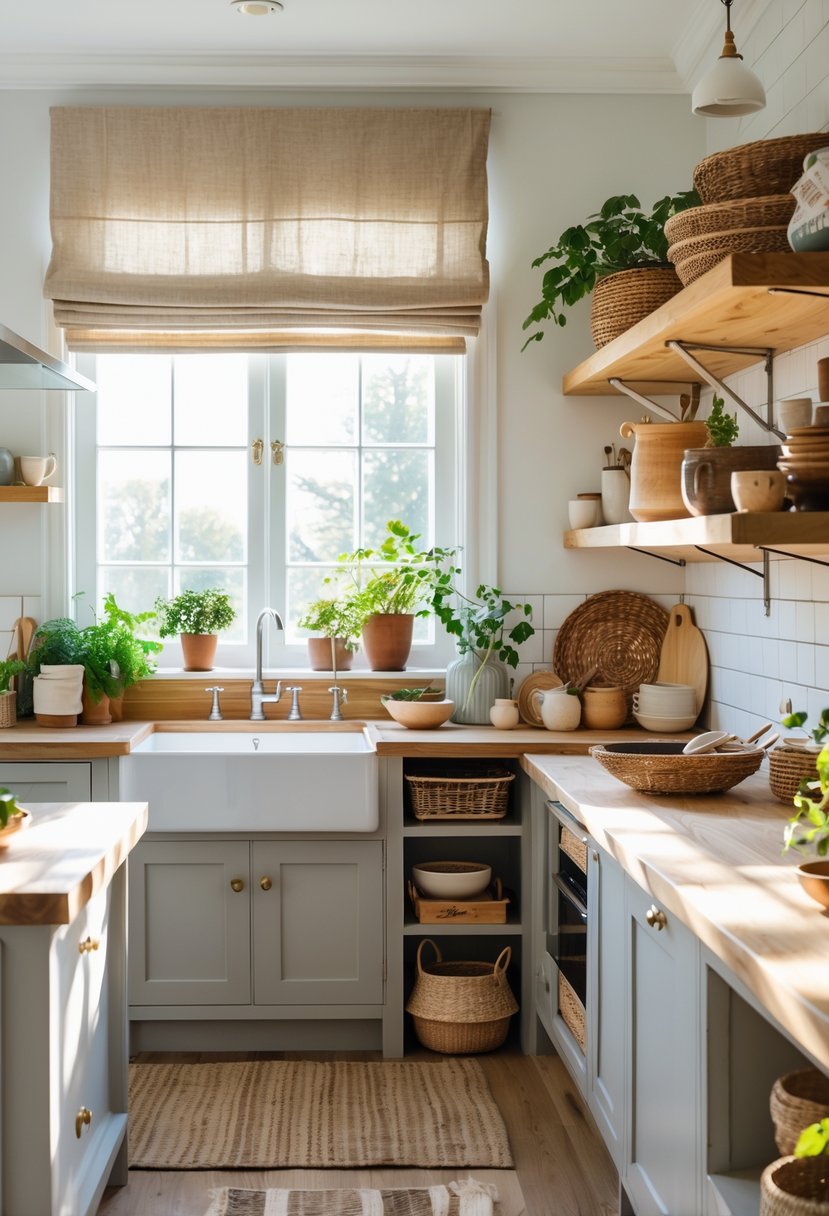
Linen and cotton window treatments bring a soft, natural texture to an eclectic kitchen. Their light weave allows natural light to filter through while still offering some privacy.
These fabrics pair well with wood, stone, or brick surfaces, creating balance between hard and soft elements in the space.
Include copper or bronze light fixtures
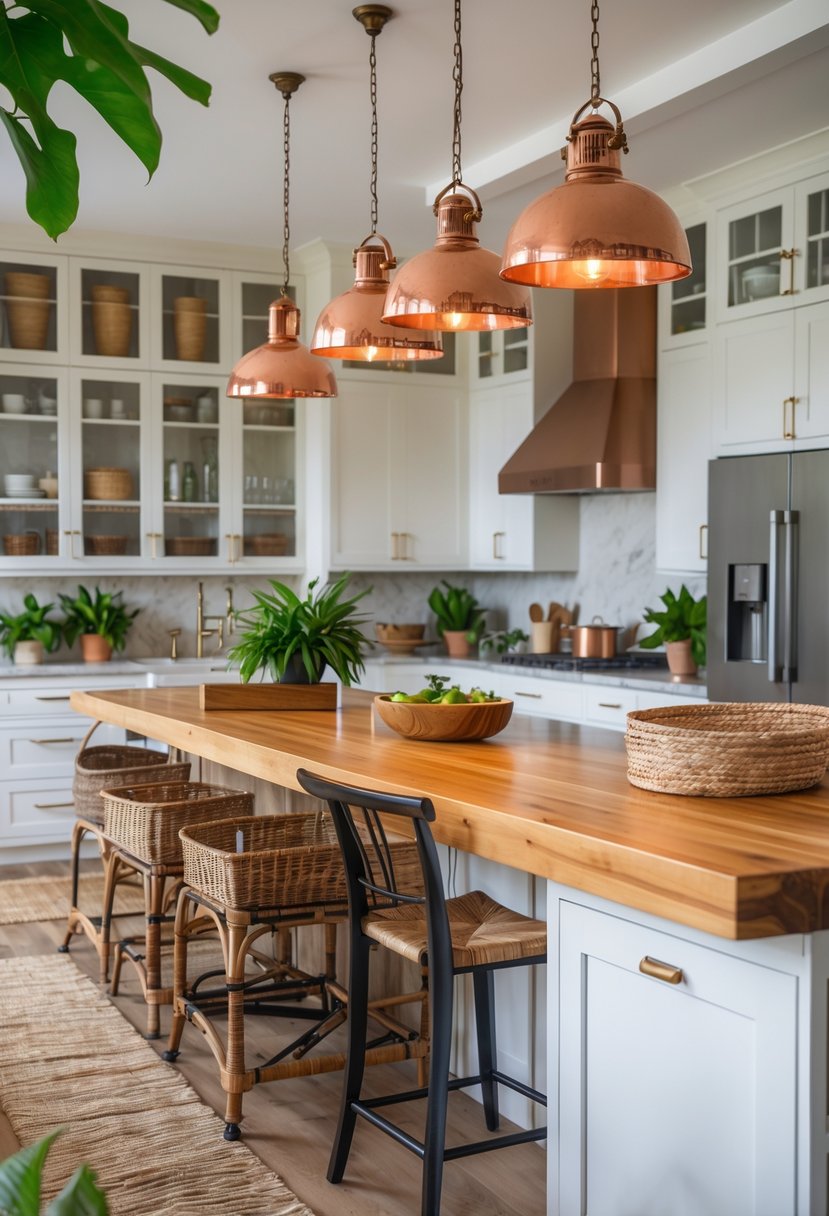
Copper and bronze light fixtures add warmth and depth to an eclectic kitchen. Their natural tones pair well with wood, stone, and other textured materials.
These metals also work with a range of styles, from vintage to modern. Pendant lights or chandeliers in bronze or copper create subtle contrast without dominating the space.
Display artisanal pottery and ceramics
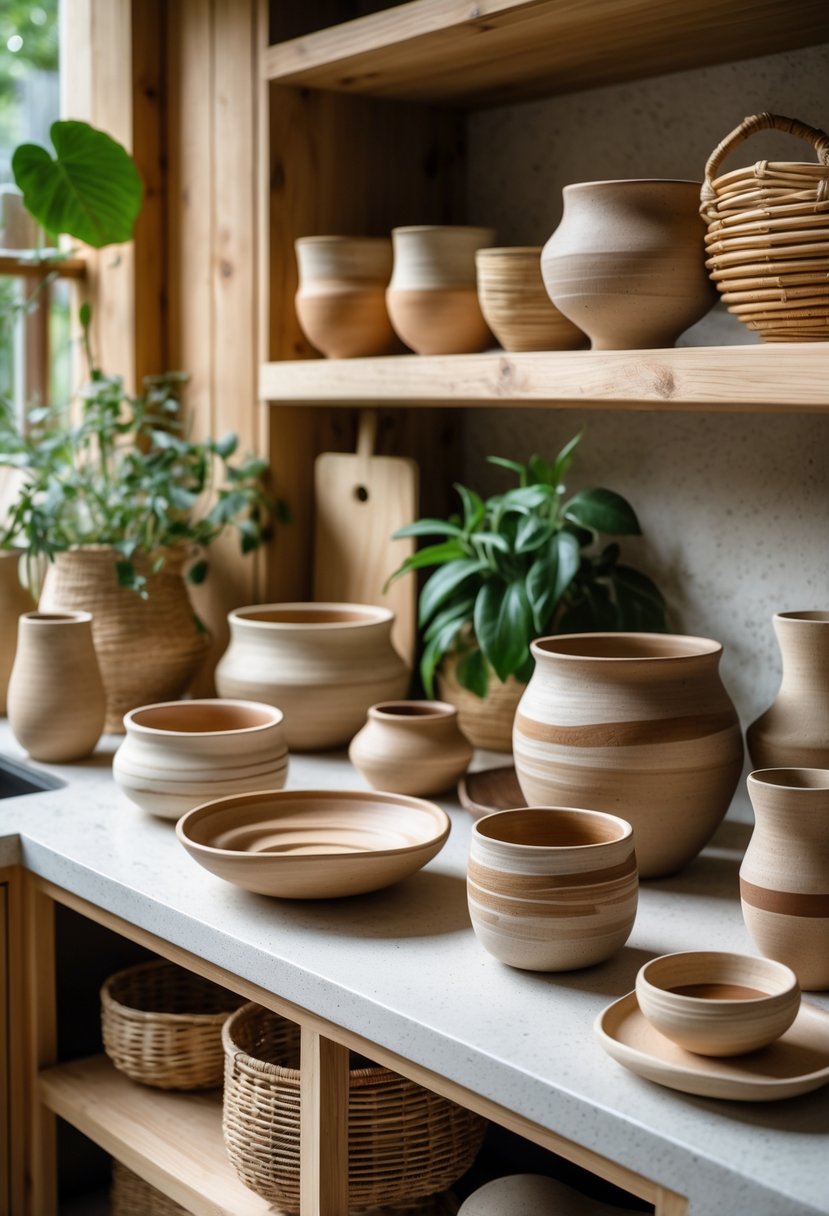
They can place handmade pottery on open shelves to bring warmth and texture into the kitchen.
Ceramics with natural tones blend well with wood, stone, or brick finishes.
Grouping pieces of different heights or shapes creates a balanced and interesting display.
Combine rough-hewn wood beams with modern cabinetry
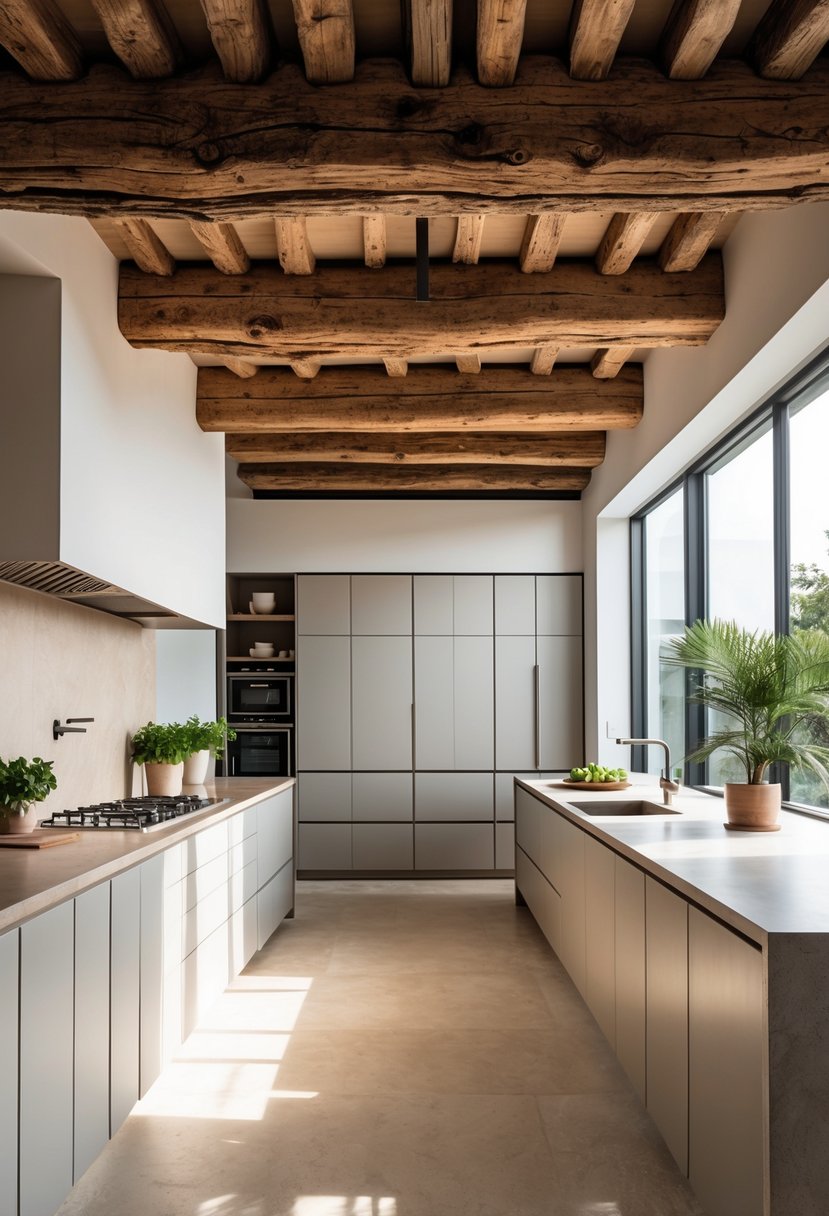
Rough-hewn wood beams add texture and character to a kitchen. Their natural finish contrasts with the clean lines of modern cabinetry.
This mix highlights both rustic and contemporary elements. It creates a balanced look that feels warm yet streamlined.
The beams draw the eye upward while the cabinetry keeps the layout functional and simple.
Add textured plaster or stucco walls
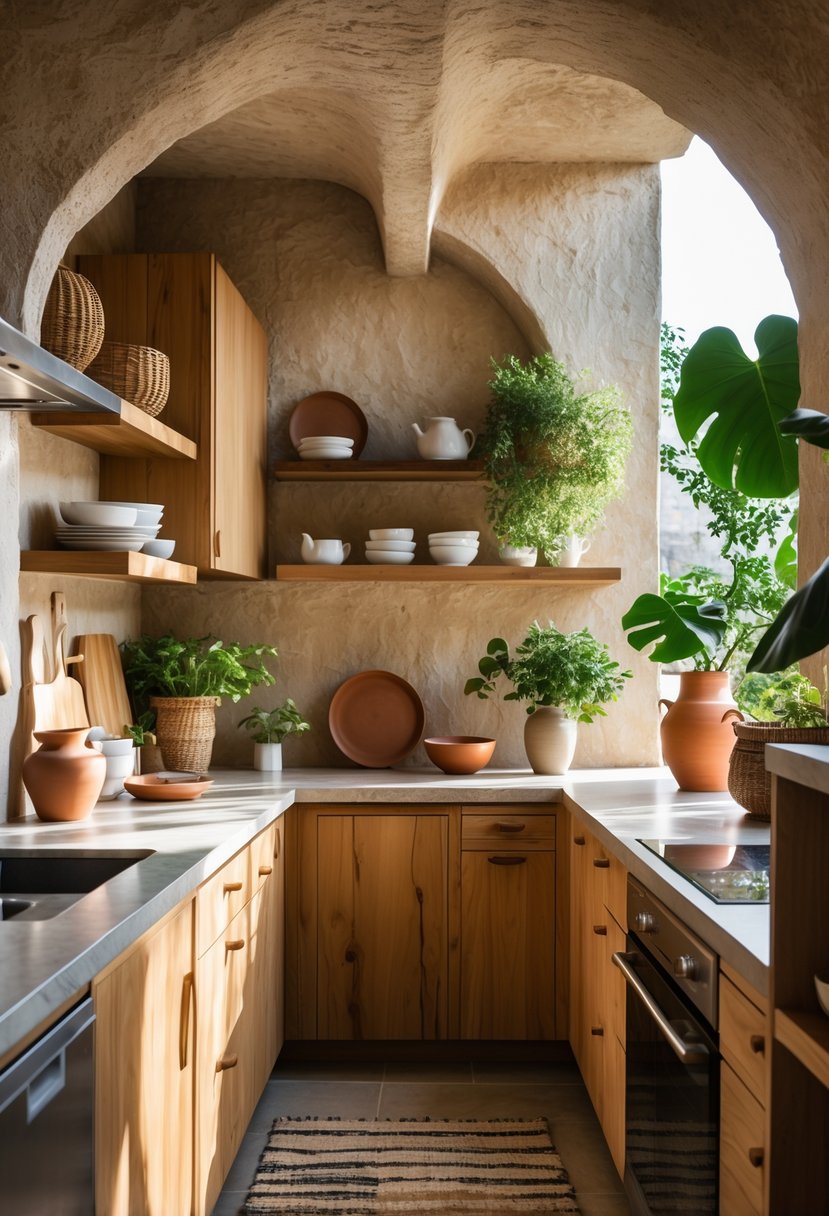
Textured plaster or stucco walls bring depth and character to a kitchen. They provide a subtle alternative to flat painted surfaces.
Plaster can look smooth and refined, while stucco offers a more rustic and earthy finish. Both materials pair well with wood, stone, or metal accents.
Use bamboo or cork flooring
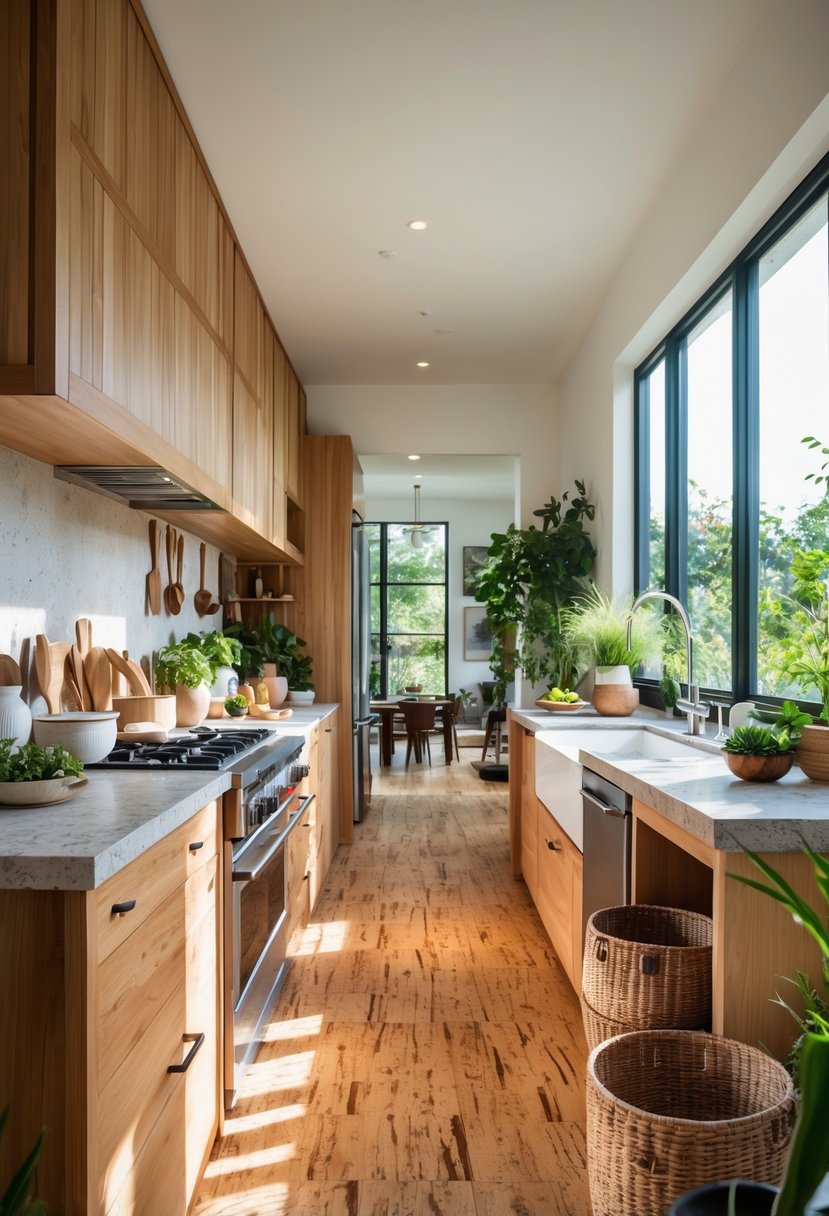
Bamboo flooring gives kitchens a clean, natural look while remaining durable under daily use. Its light tone pairs well with both modern and eclectic styles.
Cork flooring offers a softer surface underfoot and reduces noise. It also brings warmth and texture, making it a practical choice for busy kitchens.
Feature a mix of stone and wood open shelves
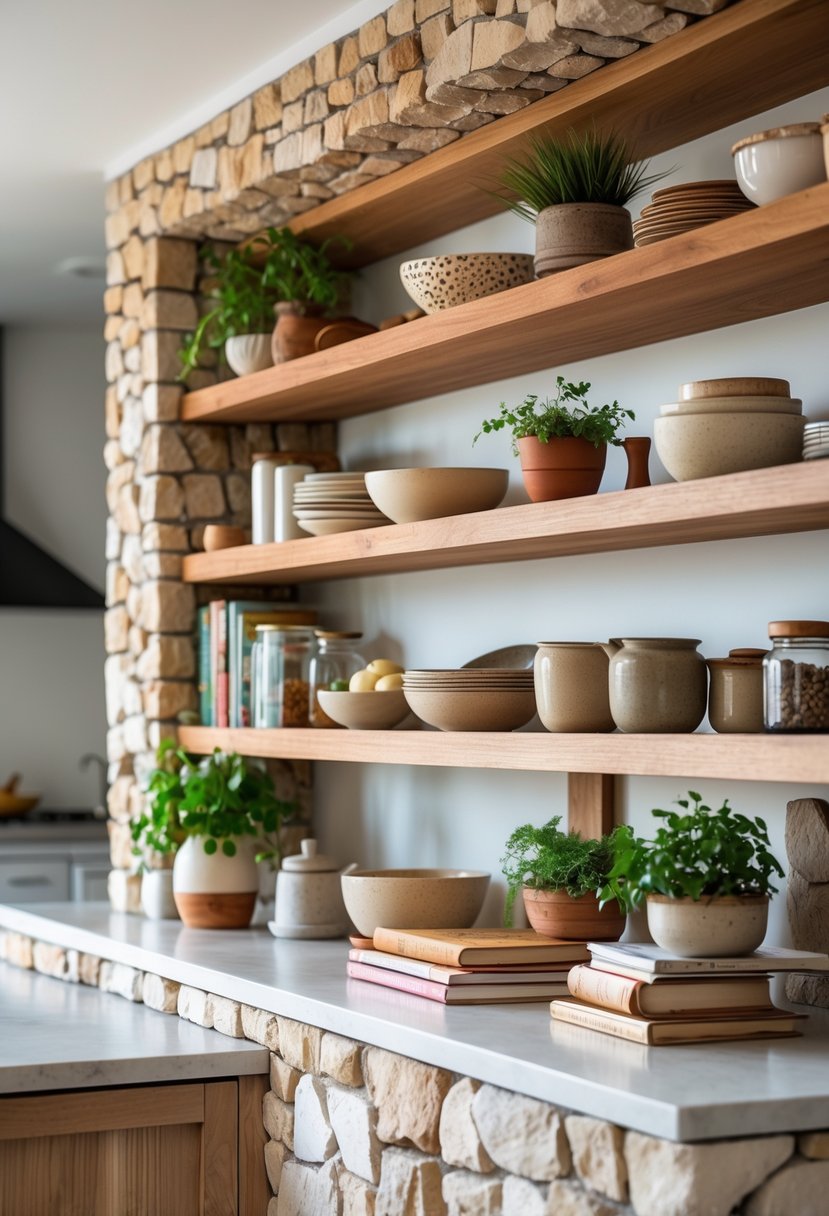
Stone and wood open shelves bring both texture and function to a kitchen. The natural contrast creates visual interest without overwhelming the space.
Stone adds durability and a grounded feel, while wood introduces warmth and balance. Together, they make storage practical and design-focused.
Include handcrafted wooden cutting boards as decor
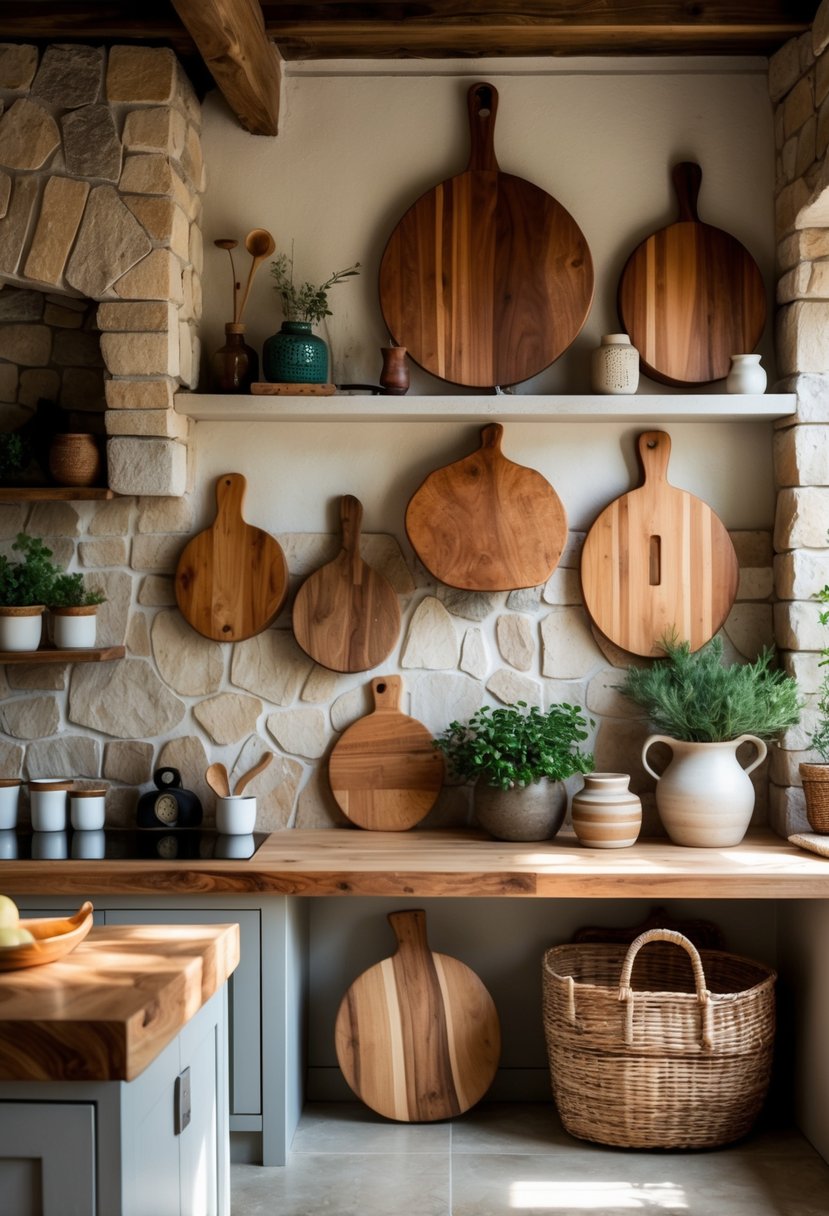
Handcrafted wooden cutting boards add both function and style to a kitchen. Their natural grain and texture bring warmth to modern or rustic spaces.
They can rest against a backsplash, lean on open shelving, or sit on a countertop. This simple display highlights craftsmanship while keeping them within easy reach.
Mix matte black hardware with natural wood
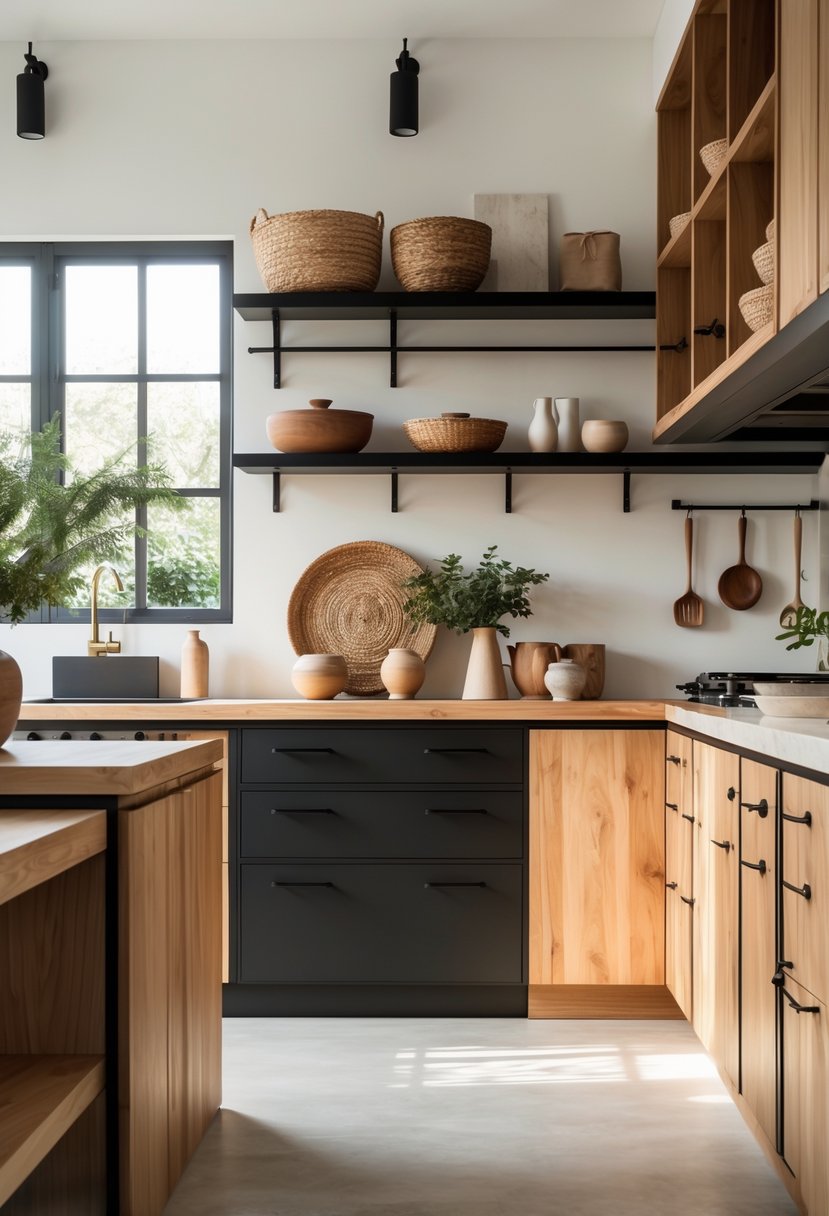
Matte black hardware pairs well with natural wood because it creates a clear contrast. The dark finish highlights the grain and tone of the wood.
This combination works in both modern and rustic kitchens. It keeps the design simple while adding depth and balance.
Fundamentals of Eclectic Kitchen Design
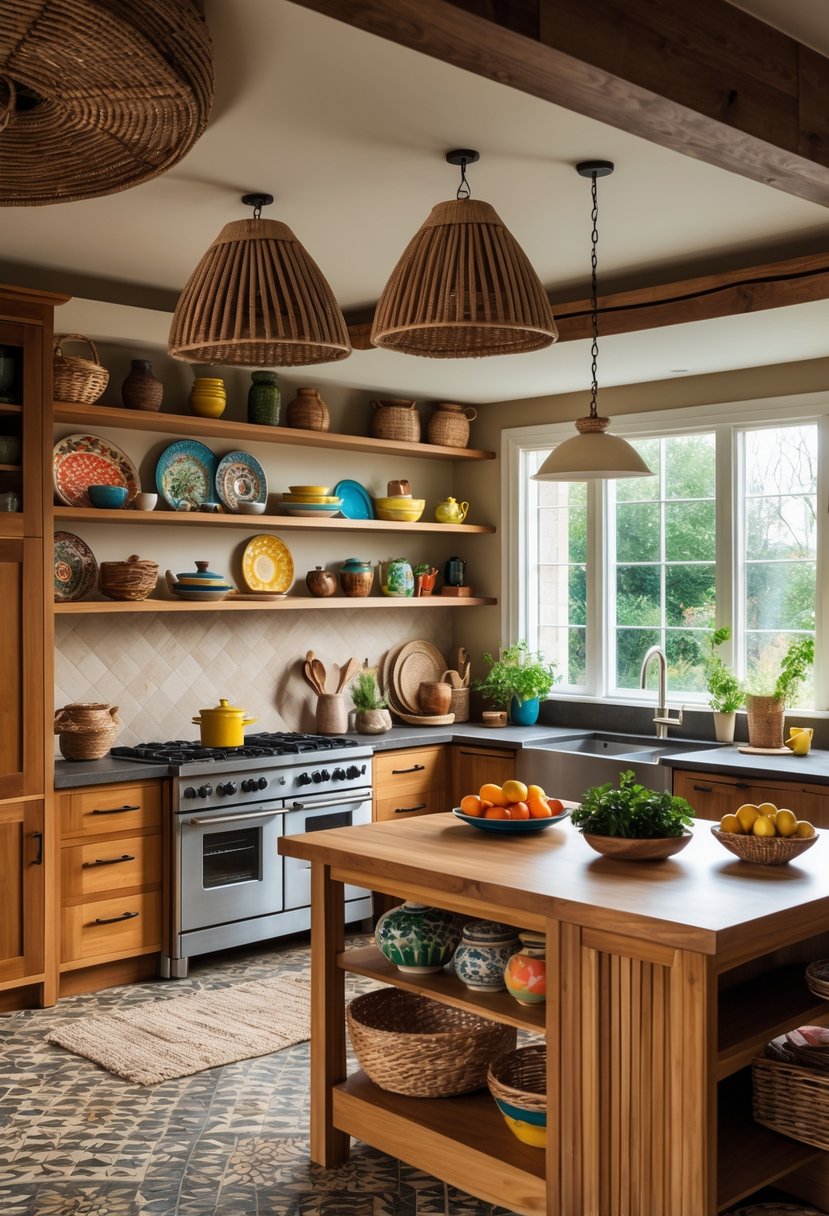
Eclectic kitchen design brings together different styles, textures, and colors to create a space that feels both personal and functional. It relies on mixing elements in a way that looks intentional rather than random, with attention to detail and balance.
Defining Eclectic Style in the Kitchen
An eclectic kitchen combines pieces from different design styles, time periods, and materials. Instead of following one theme, it allows flexibility and creativity. A space might feature vintage cabinets, modern lighting, and rustic wood accents all in one room.
The key is that these choices reflect the homeowner’s taste. Unlike a minimalist or traditional kitchen, eclectic design does not follow strict rules. Instead, it uses variety to express personality.
Common features of this style include:
- Mixed materials such as wood, stone, metal, and tile
- Layered textures like smooth marble next to rough brick
- Varied finishes combining matte, glossy, and natural surfaces
- Personal accents such as artwork, collections, or unique dishware
This approach creates a kitchen that feels lived-in and authentic. It avoids looking staged by blending old and new elements in a way that feels natural.
Balancing Contrast and Cohesion
While eclectic design embraces variety, it still needs structure. Without balance, a kitchen can feel cluttered or mismatched. Designers often use a few unifying details to tie the space together.
Color is one of the most effective tools. A consistent palette, even with bold accents, helps maintain harmony. For example, neutral walls can balance patterned tiles or brightly colored cabinets.
Repetition also plays an important role. Using similar textures or finishes in different areas creates flow. A wood kitchen island may echo wooden open shelves, while metal hardware can match pendant lights.
A simple framework might look like this:
| Element | Cohesion Strategy |
|---|---|
| Color | Use 2–3 main tones throughout |
| Texture | Repeat materials in multiple areas |
| Scale | Balance large bold pieces with smaller accents |
By combining contrast with cohesion, the kitchen feels intentional and visually balanced while still expressing individuality.
Incorporating Natural Textures
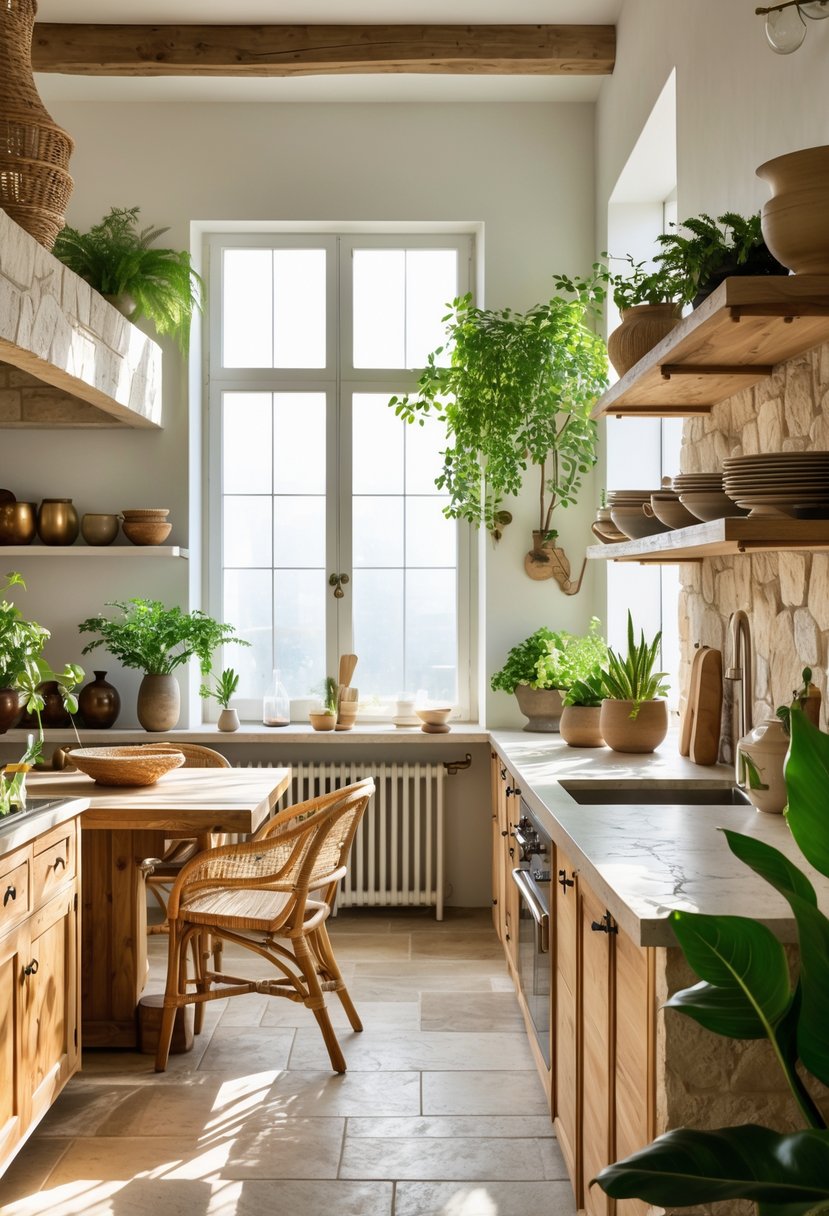
Natural textures bring warmth, depth, and balance into a kitchen. The right materials and thoughtful layering create a space that feels inviting while still being practical for everyday use.
Choosing Organic Materials
Wood, stone, and natural fibers form the foundation of an eclectic kitchen with texture. Each material adds a distinct look and function. For example, hardwoods like oak or walnut provide durability for cabinets, while bamboo offers a lighter, sustainable option.
Stone surfaces such as granite, marble, or soapstone create strong focal points. These materials work well for countertops, backsplashes, or even sinks, offering both texture and long-lasting performance.
Incorporating natural fibers like jute rugs or woven baskets softens hard surfaces. They also add warmth underfoot and help balance the heavier look of stone or wood.
A mix of finishes—matte, polished, or raw—ensures the space doesn’t feel flat. Pairing rough stone with smooth wood highlights the character of each material and keeps the kitchen visually engaging.
Layering Textural Elements
Layering textures adds depth without overwhelming the space. Instead of relying on one material, combining several creates contrast and visual interest.
For example:
- Stone backsplash with wood shelving
- Metal hardware against matte cabinetry
- Woven textiles beside smooth countertops
Lighting also plays a role in texture. Soft, warm light enhances the grain of wood and the roughness of stone, while brighter task lighting highlights sleek surfaces.
Plants introduce another layer of texture. Potted herbs or trailing greenery bring organic softness and natural color that balances harder materials.
By mixing surfaces and finishes, the kitchen feels cohesive yet dynamic. Each layer contributes to a balanced design that looks intentional and functional.
Learn more about eclectic interior design from Apartment Therapy.


