
Pantone-Like Kitchen Color Trends For Modern And Timeless Design
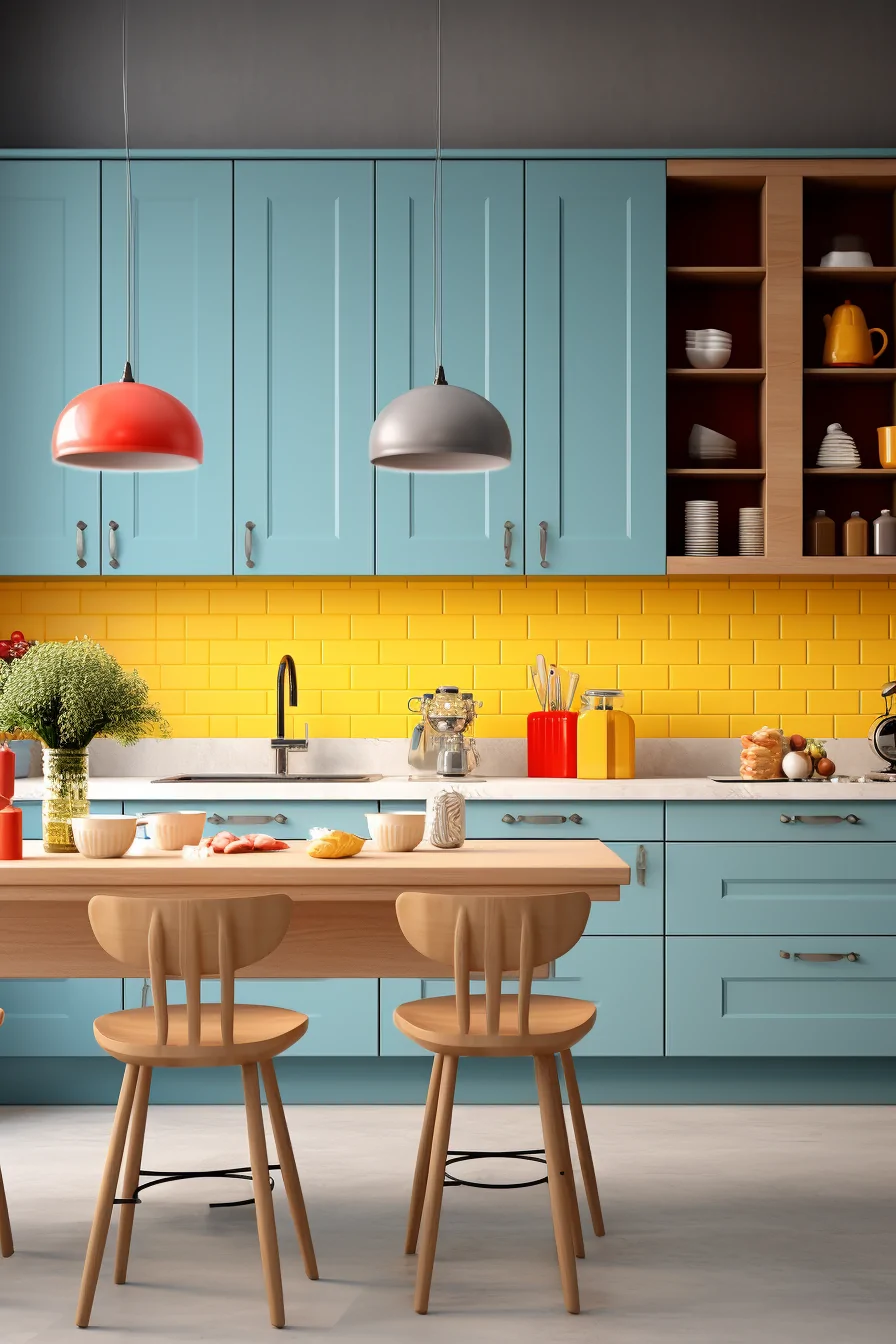
Color plays a central role in shaping how a kitchen feels and functions. The right shades can make the space feel warm, calm, or modern, and they often set the tone for how the entire home flows. Exploring Pantone-like kitchen color trends gives anyone a clear guide to choosing shades that balance style with everyday comfort.
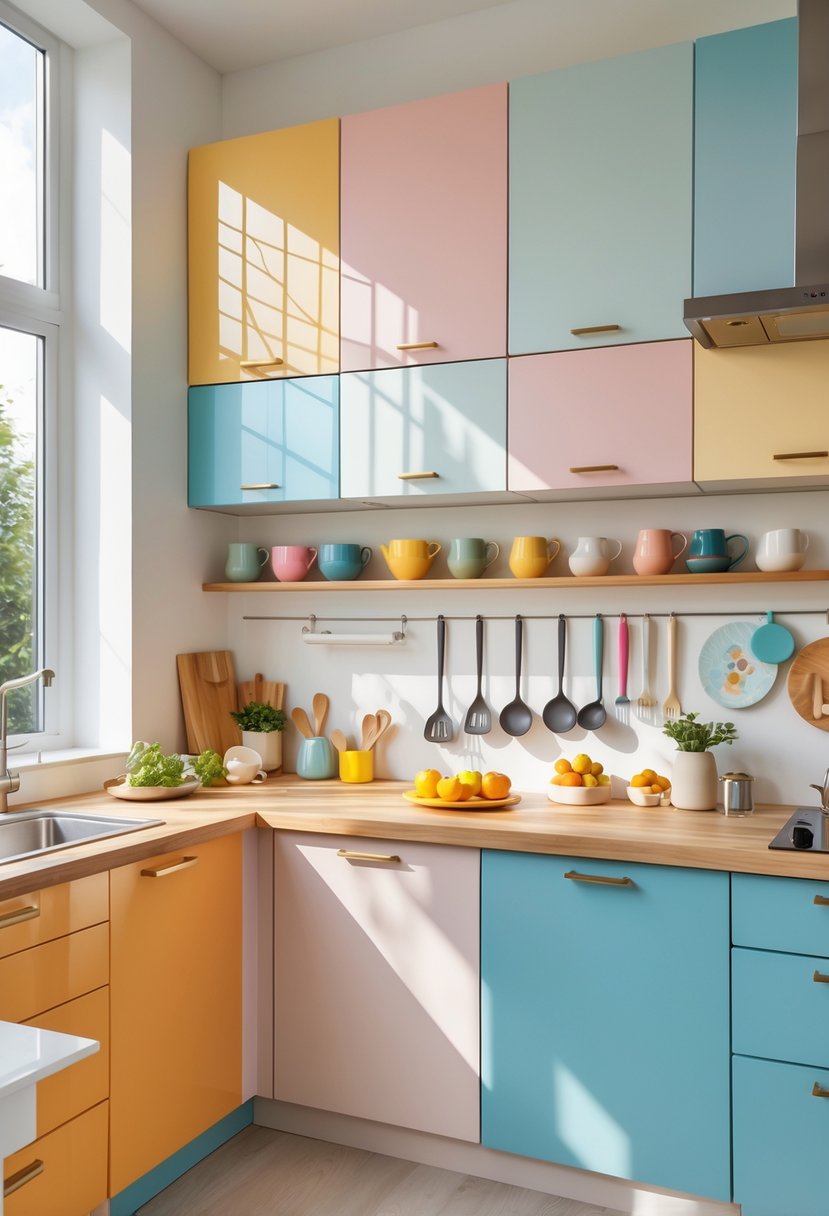
This article looks at a wide range of color directions, from soft neutrals to richer tones, to show how different palettes can influence design choices. By examining both subtle and bold options, it highlights practical ways to create a kitchen that feels current while staying timeless.
Mocha Mousse by Pantone
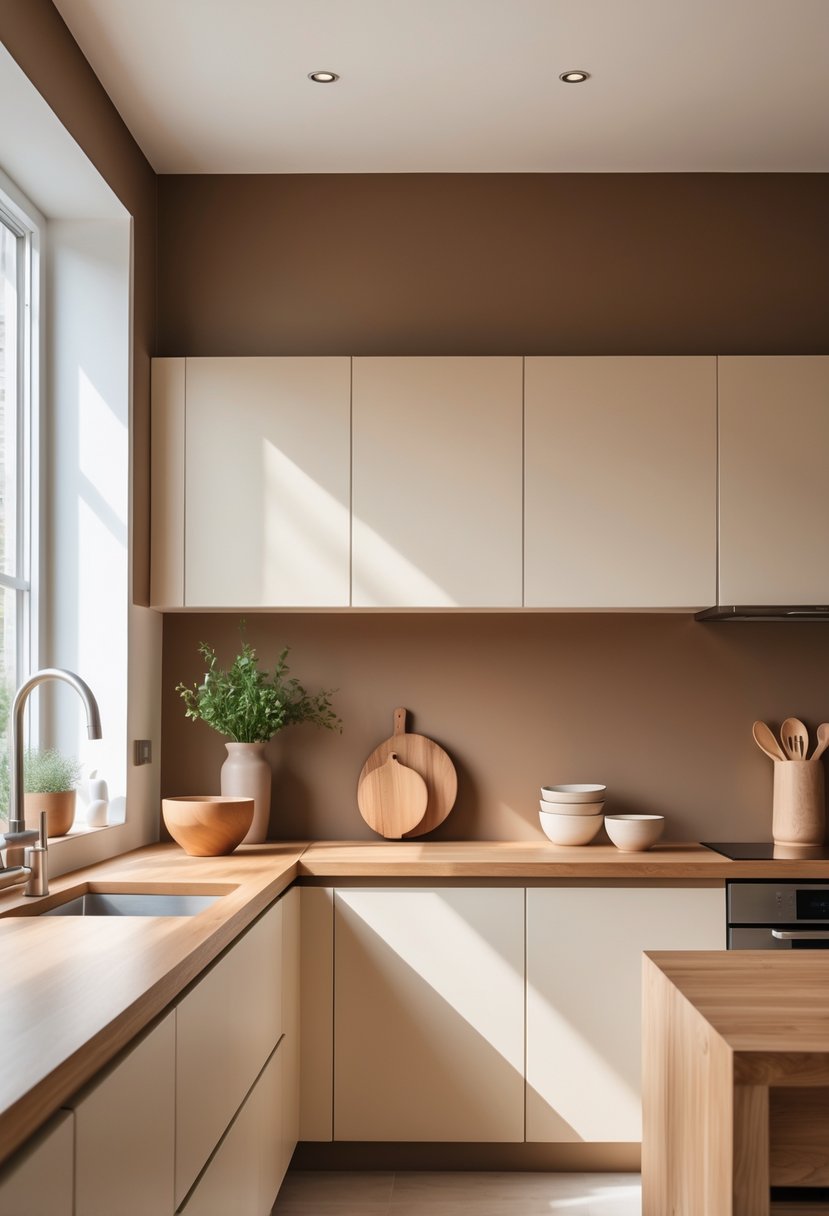
Pantone selected Mocha Mousse as the Color of the Year for 2025. This warm brown carries soft undertones that create a grounded and natural look.
Designers note its versatility in kitchens, where it pairs well with wood, stone, and neutral accents. It adds depth without feeling heavy.
Soft Brown with Creamy Overtones
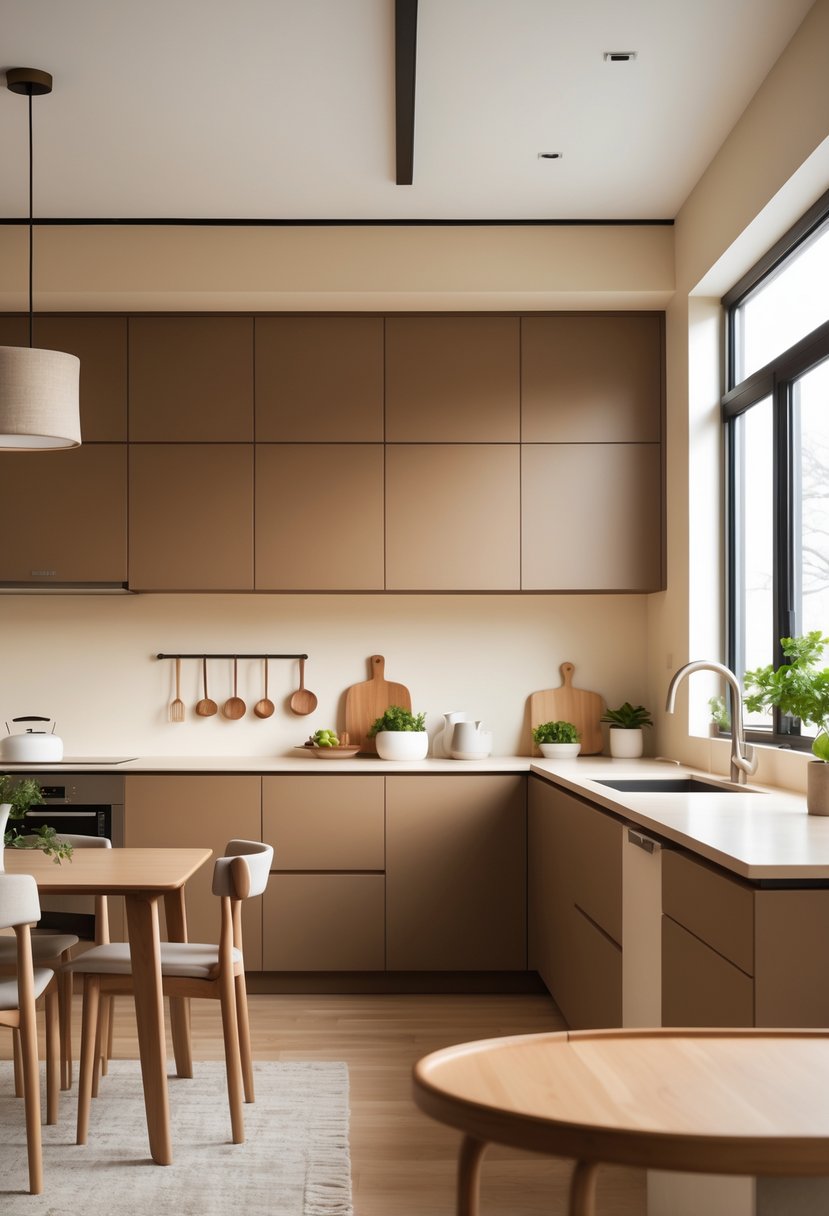
This soft brown shade creates a warm and welcoming kitchen atmosphere. Its creamy undertones keep the color neutral while adding depth.
Designers note that it pairs well with muted pinks, soft greens, and light blues. It also complements natural wood finishes and simple white accents.
Nude Accent Colors

Nude tones bring a soft, natural look to kitchen spaces. They work well on walls, cabinets, or smaller details like bar stools and backsplashes.
Designers often pair nude shades with muted greens, blush tones, or light browns. This creates a calm and balanced palette without overwhelming the space.
Blush Color Family
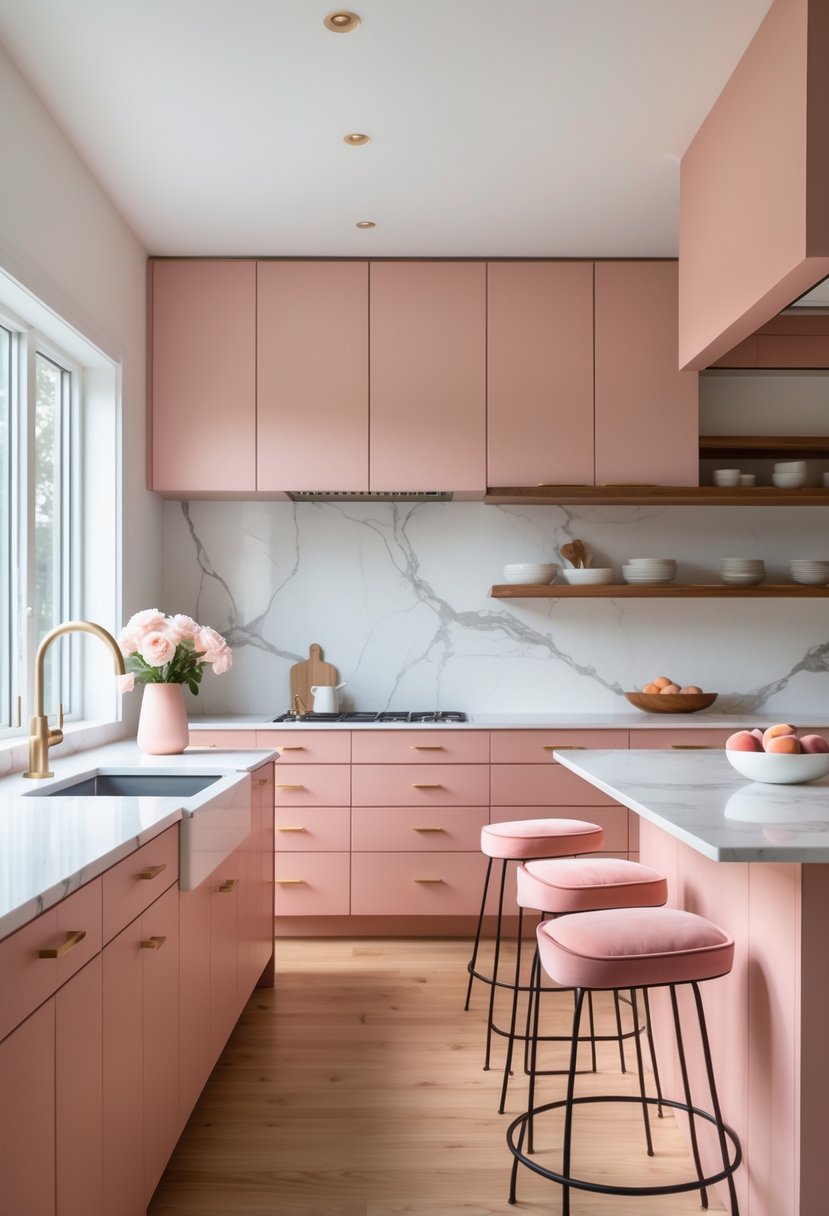
The blush color family brings soft pink and nude tones into the kitchen. These shades create a gentle backdrop that works well with both light and dark finishes.
Designers often pair blush with muted greens, warm browns, or off-white cabinetry. This balance keeps the space calm while adding subtle warmth.
Periwinkle Accents
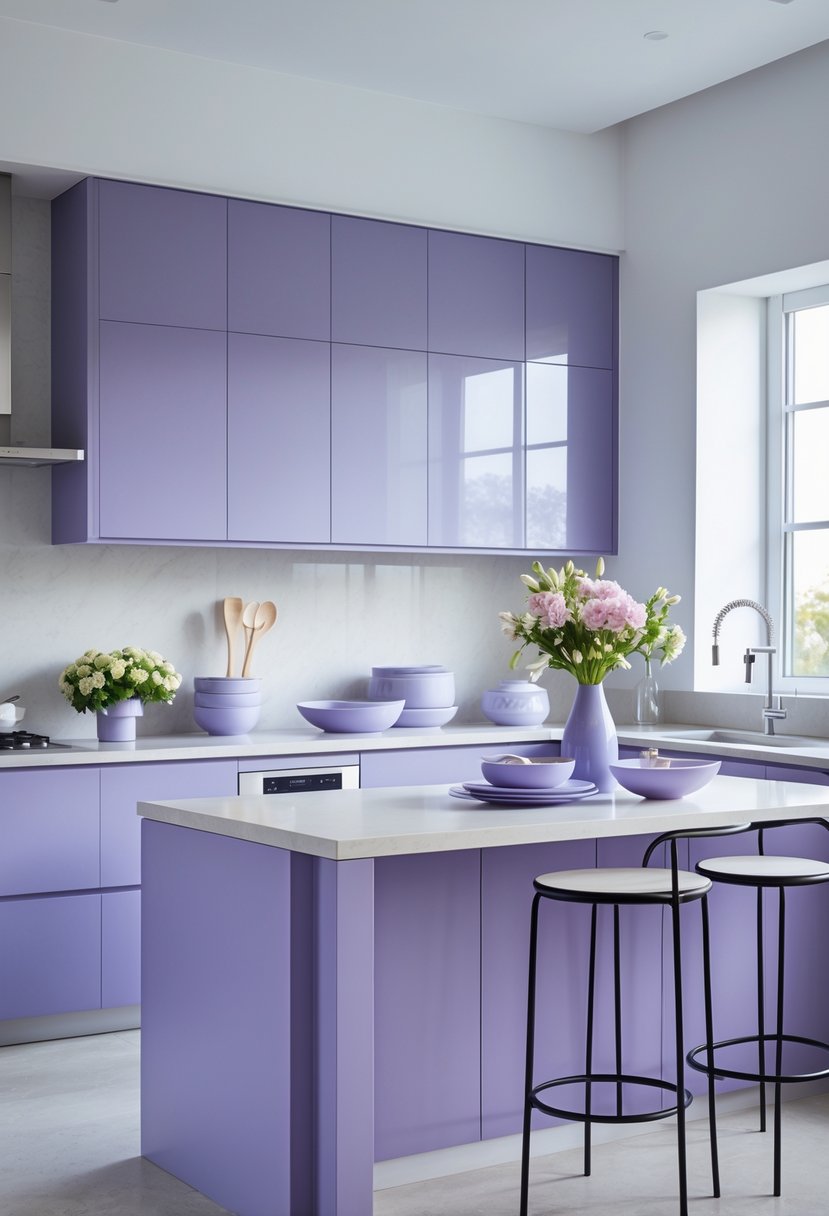
Periwinkle adds a soft touch that works well in kitchens with both light and dark finishes. It blends blue and violet tones, creating a calm but modern look.
Many designers use periwinkle on cabinets or backsplashes to introduce color without overwhelming the space. It pairs well with white, gray, and natural wood.
Rose Tones
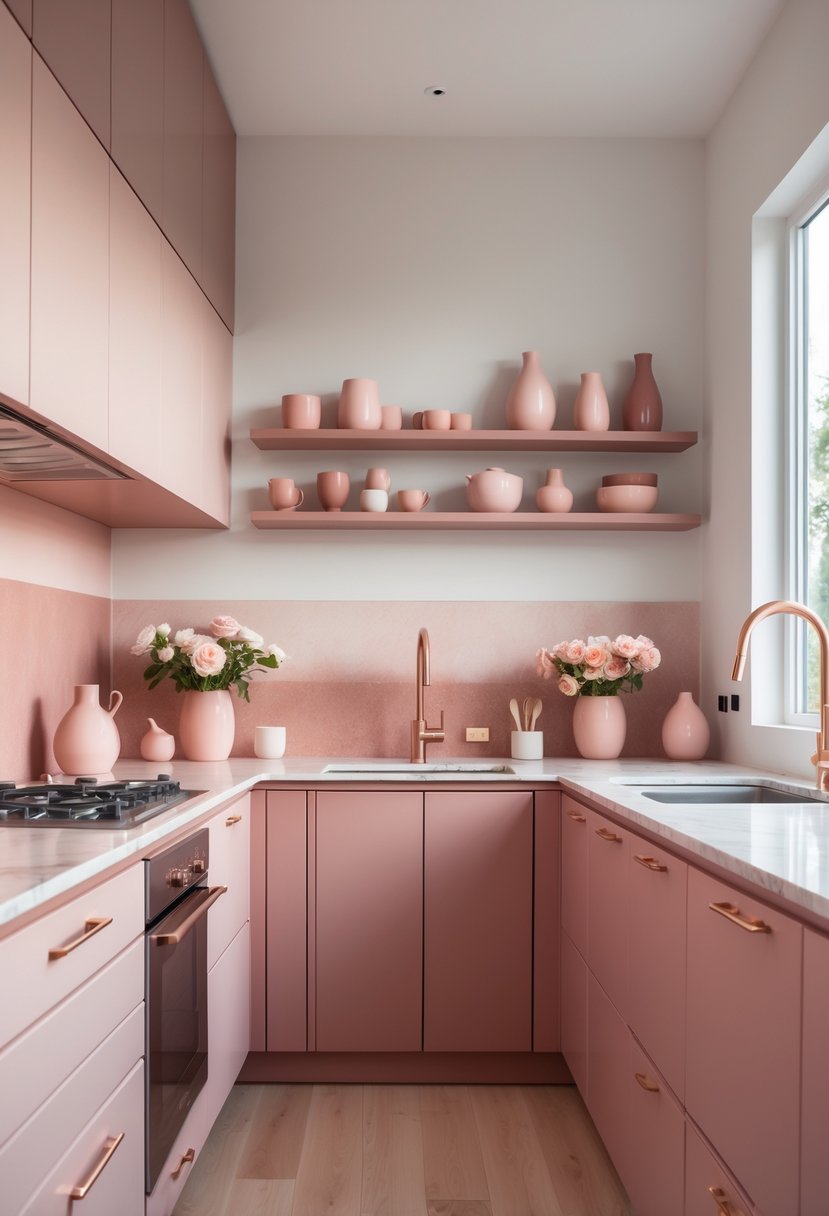
Rose tones bring a soft and calming effect to kitchen spaces. They work well on cabinets, backsplashes, or accent walls.
This shade pairs easily with marble, light wood, or neutral counters. It adds warmth without feeling overwhelming.
Designers often use rose tones to create a balanced, modern, and welcoming atmosphere.
Dusty Green Shades
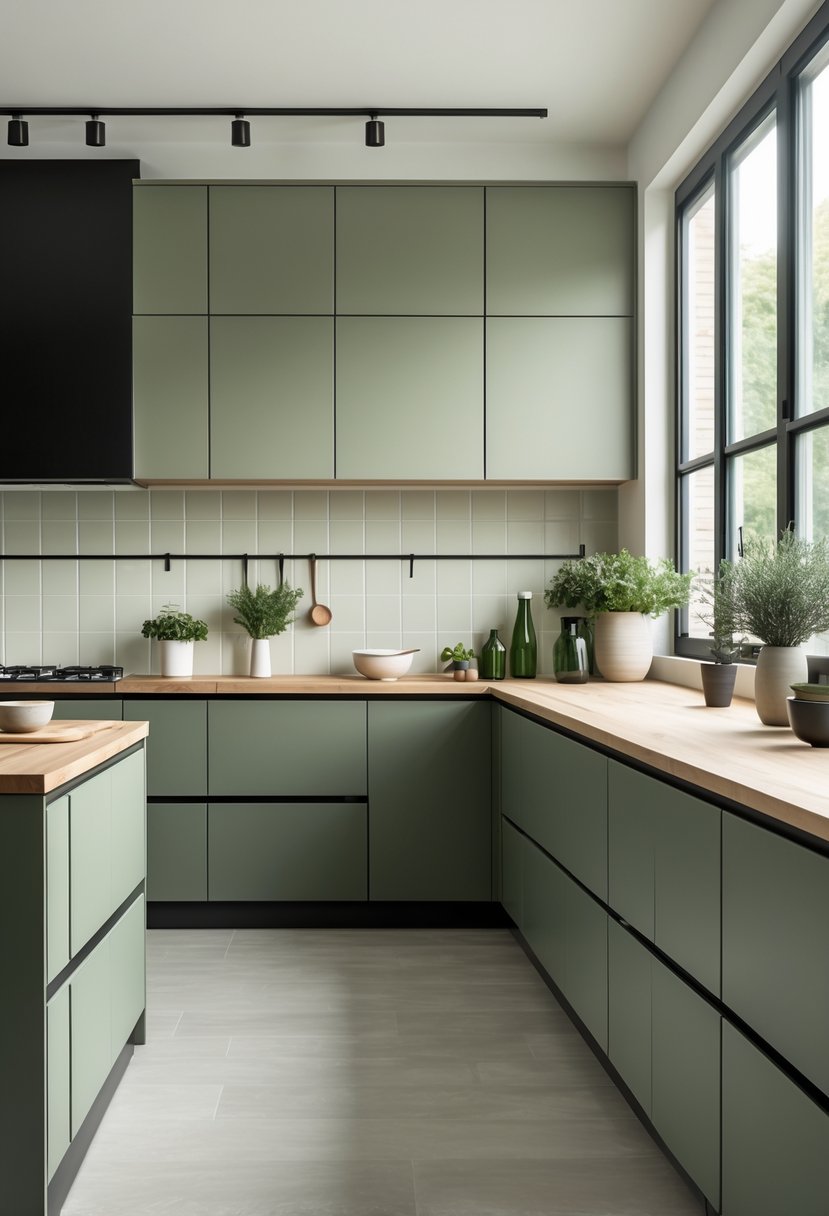
Dusty green shades bring a calm and natural feel to kitchens. They work well with both light and dark finishes.
These muted tones pair easily with wood, stone, or metal accents. Many designers use them to create a balanced, timeless look.
Soft sage and olive variations remain especially popular in 2025 kitchen designs.
Modern Desert Clay
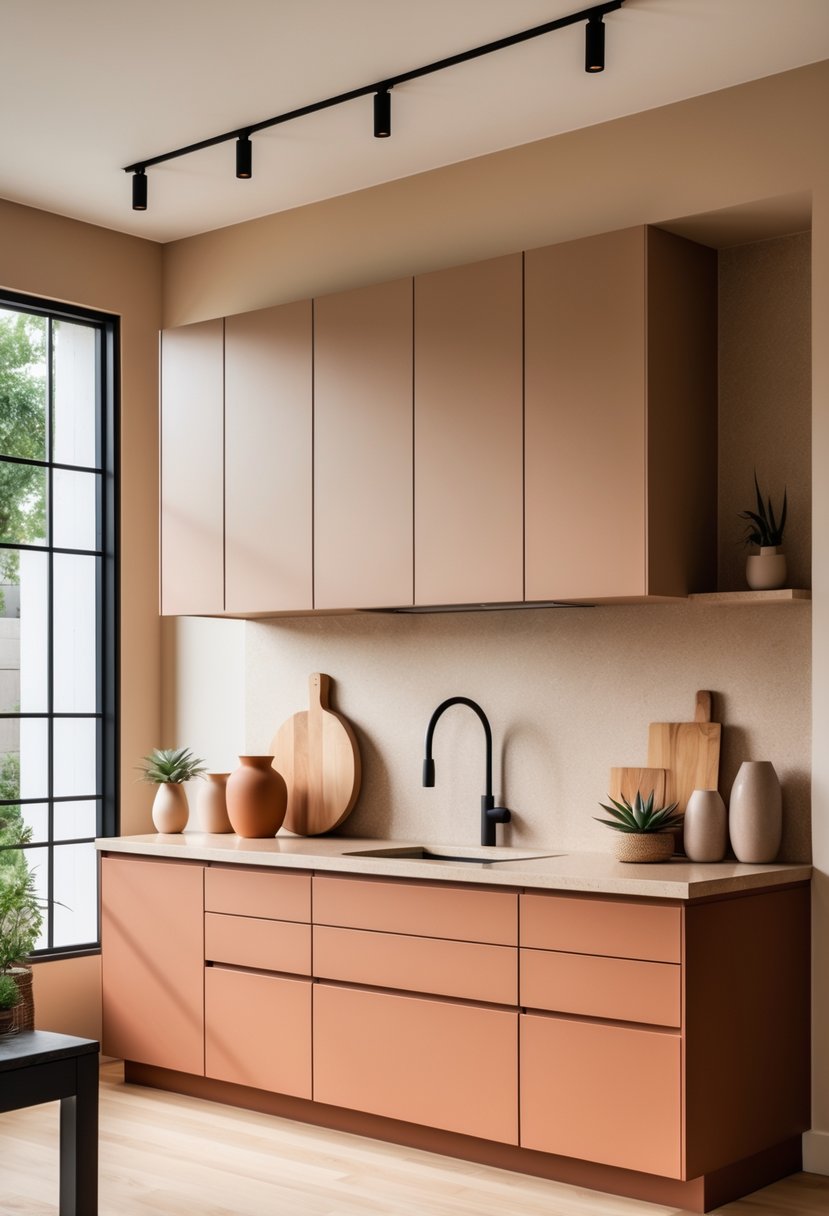
Desert Clay brings a warm, earthy tone that feels grounded and natural.
It works well on kitchen walls or cabinets, creating a soft backdrop that pairs easily with wood and stone.
Designers often use it with white, cream, or muted green for a balanced and modern look.
Sophisticated Seafoam
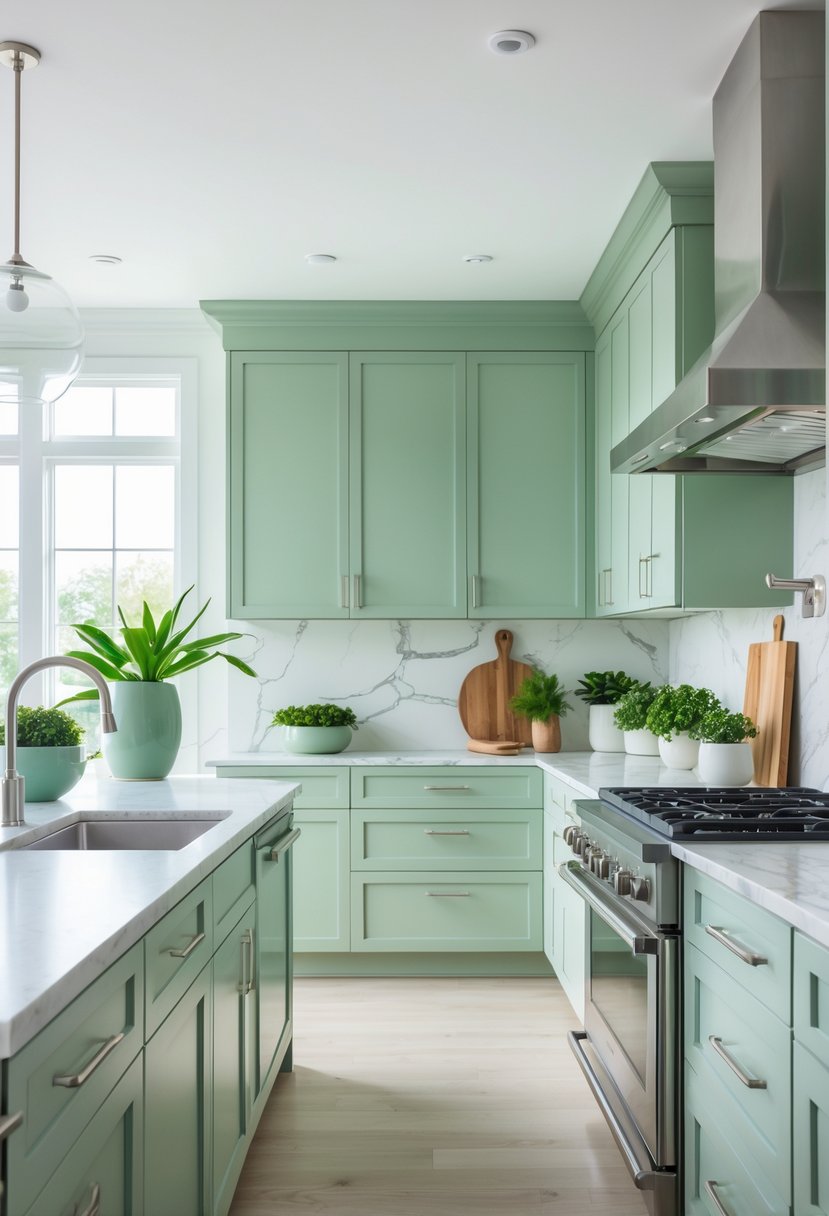
Seafoam green brings a calm, coastal feel to the kitchen while staying modern and versatile.
It pairs well with white countertops, light wood, or brushed metal finishes for a balanced look.
This soft shade adds color without overwhelming the space, making it easy to blend with both classic and contemporary styles.
Warm Earthy Taupes
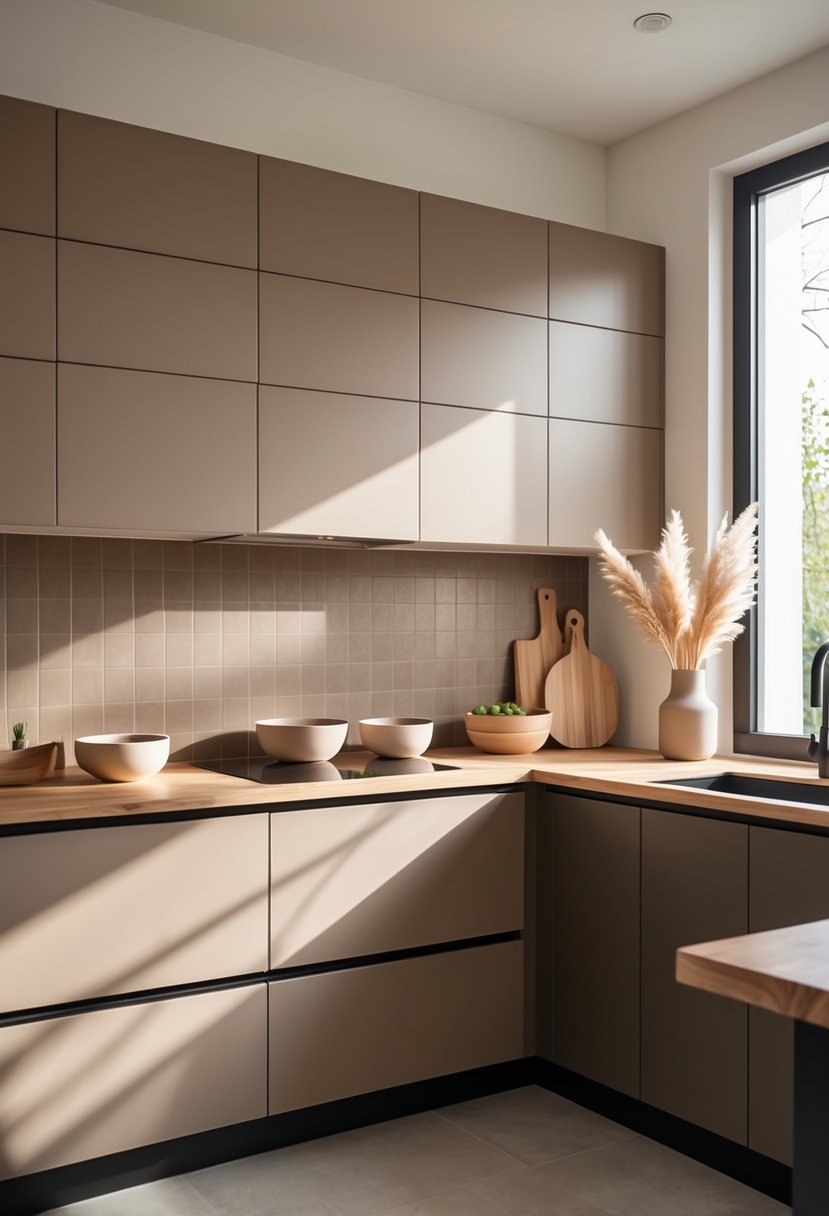
Warm earthy taupes bring a soft, natural base to kitchen design. They pair well with stone, wood, and clay finishes, creating a calm and balanced look.
These tones work with muted greens, terracotta accents, or warm metallics. The result feels grounded while still offering flexibility for modern or rustic styles.
Chocolate Brown Hues
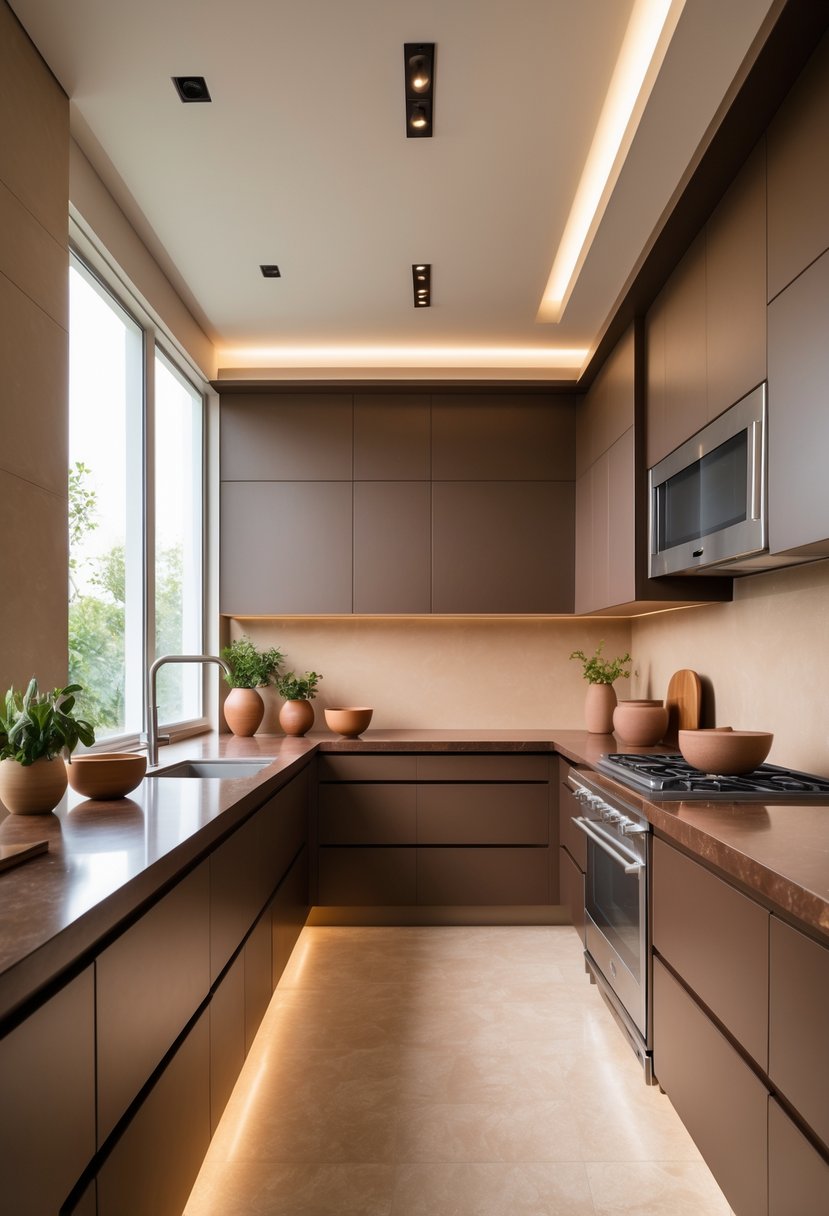
Chocolate brown brings warmth and depth to kitchen spaces. It pairs well with natural wood, stone, and other earthy tones.
Designers use it for cabinets, walls, or furniture to create a grounded look. It also works as an accent shade through stools, rugs, or small decor pieces.
Cozy Intimate Kitchen Colors
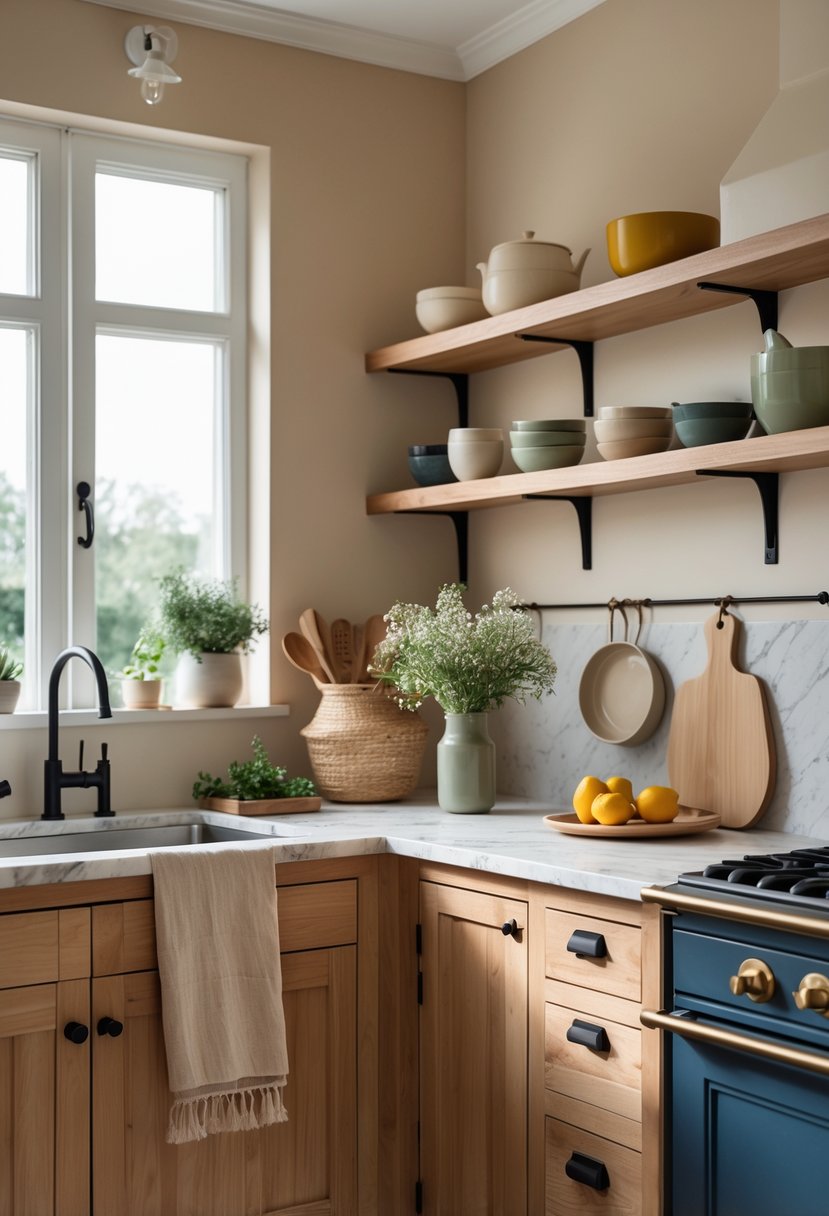
Soft earthy tones like warm beige, clay, and muted terracotta create a calm and welcoming setting. These shades pair well with natural wood finishes.
Deep colors such as charcoal, forest green, or navy add a sense of intimacy. They work best in smaller spaces or paired with lighter accents.
Natural Calm Palette
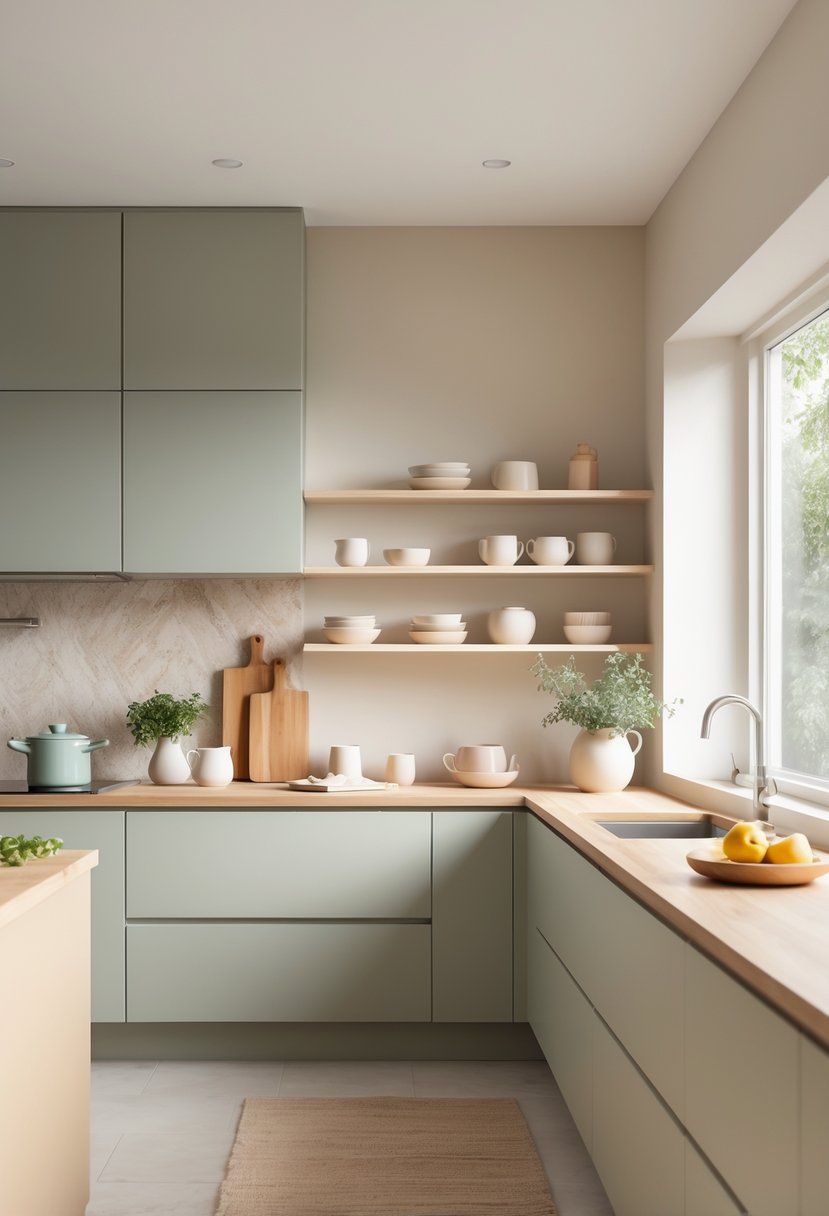
This palette uses soft neutral tones like beige, taupe, and warm gray. These shades create a relaxed mood without overwhelming the space.
Designers often pair these colors with natural wood or stone. The mix keeps the kitchen feeling balanced and comfortable.
Light green or muted blue accents can add variety. They bring subtle color while keeping the calm atmosphere intact.
Pantone 2024 Color Palette
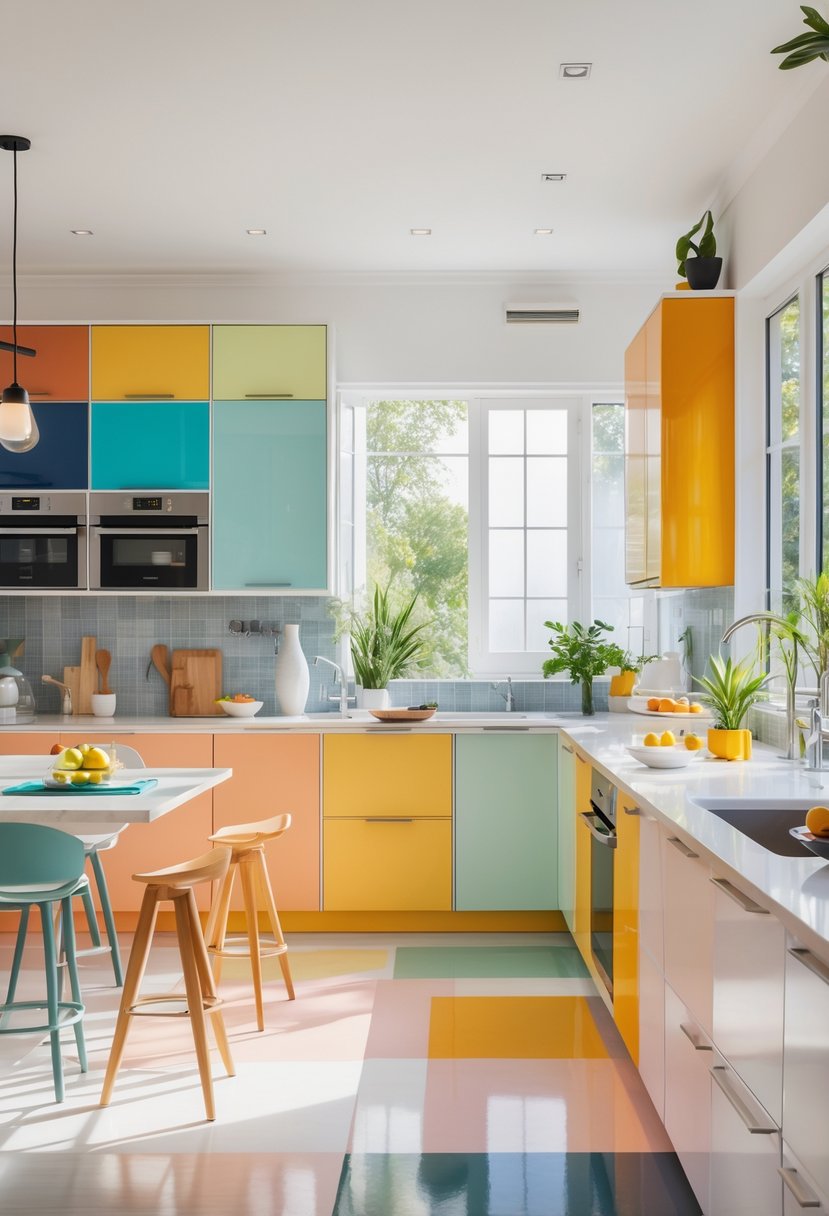
Pantone introduced Peach Fuzz as the 2024 Color of the Year. It is a soft, warm shade that works well in kitchens.
The palette includes calm and natural tones that pair with both light and dark finishes. These colors bring a balanced and approachable look to interior spaces.
Timeless Brown and Beige Combos
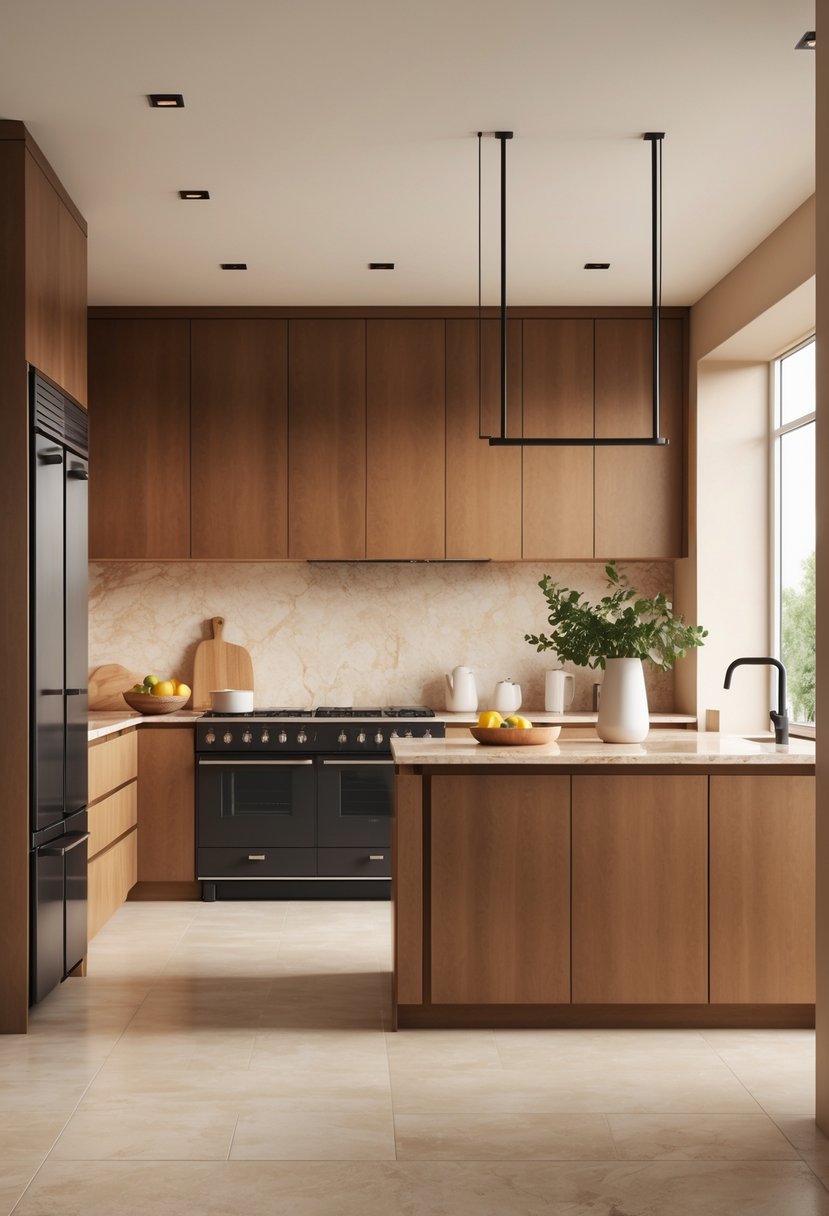
Brown and beige create a neutral base that works well in both modern and traditional kitchens.
These tones pair easily with natural wood, stone, or metal finishes, adding warmth without overwhelming the space.
They also adapt to changing styles, making them a practical choice for long-term kitchen design.
Cream and Soft White Pairings
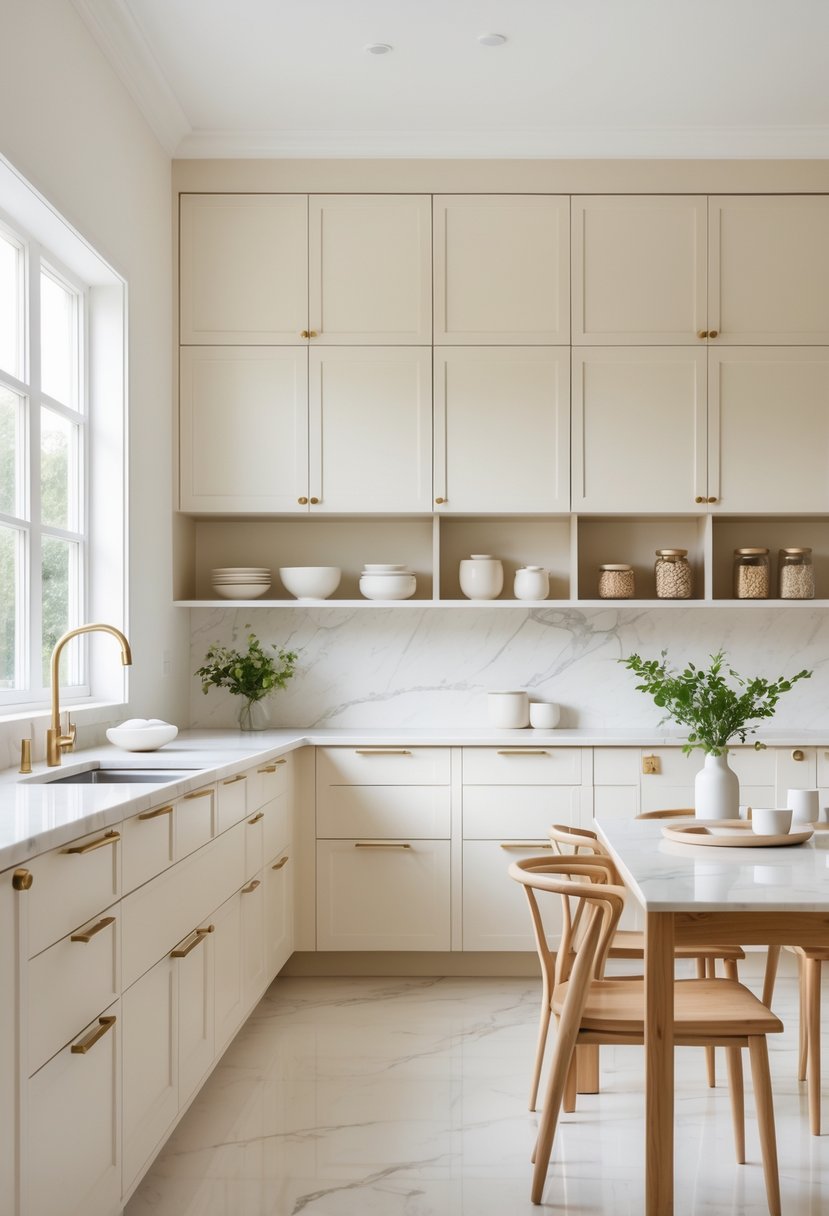
Cream and soft white create a gentle, balanced look that works in both modern and traditional kitchens. The combination feels clean without looking stark.
This pairing adapts well to small or large spaces. It allows flexibility with accents like wood, metal, or muted colors.
Muted Floral Colors
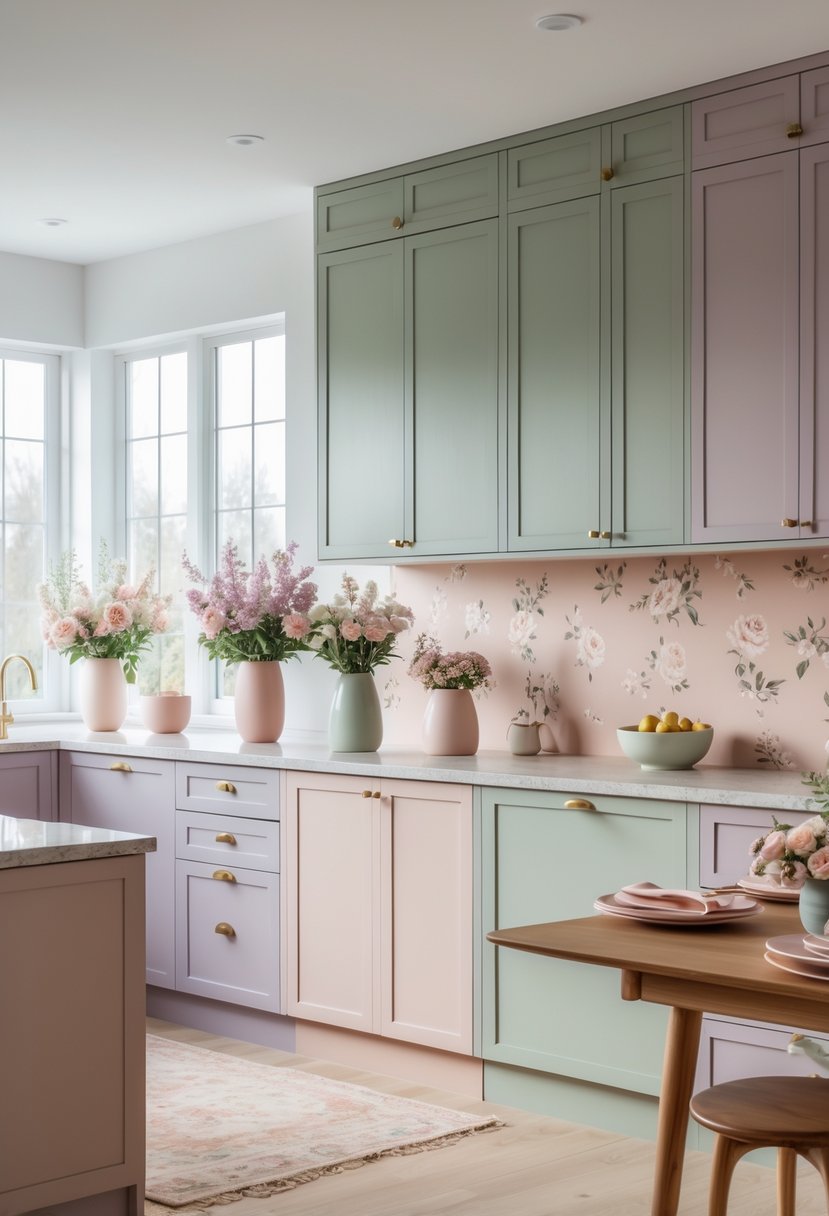
Muted floral colors bring a soft, natural look to the kitchen. Shades like dusty rose, lavender gray, and pale sage create a calm atmosphere.
These tones pair well with neutral finishes such as cream or light wood. They add color without overwhelming the space.
Blush and Rosewood Mix
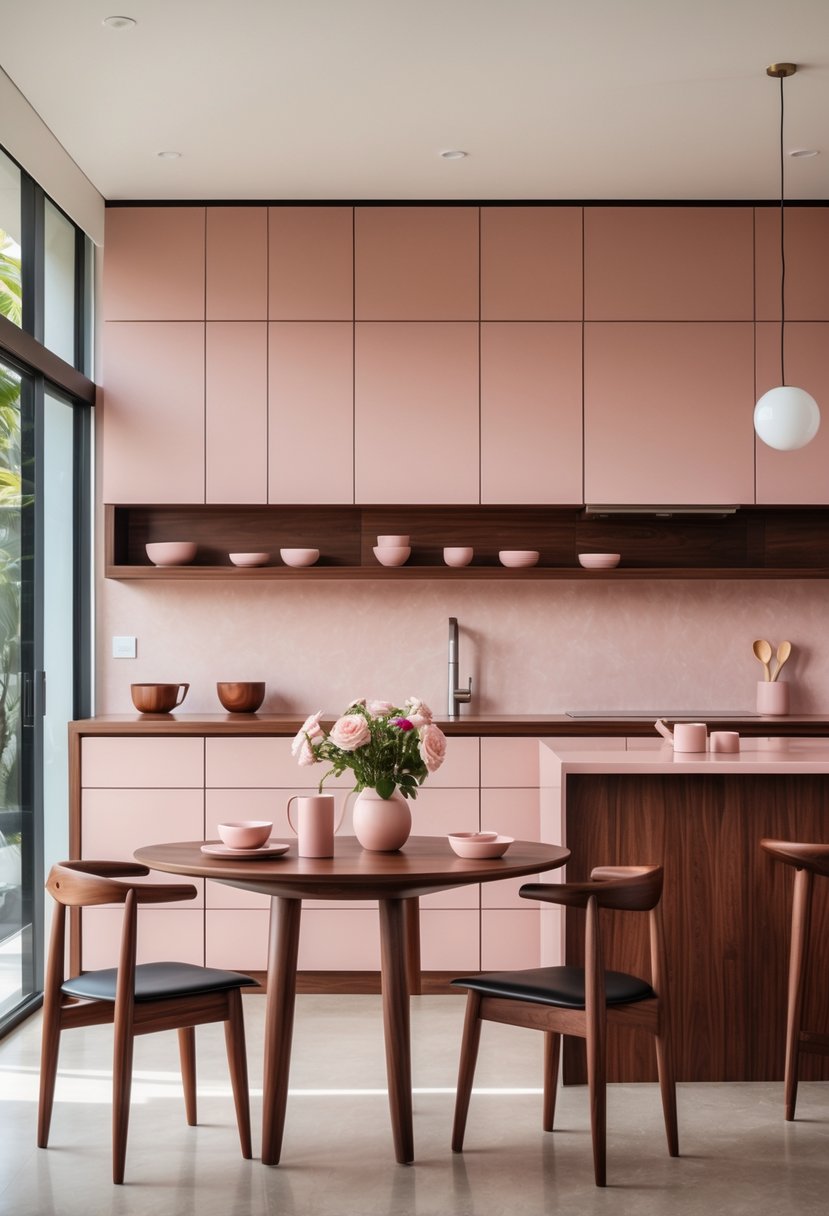
Blush and rosewood create a balanced kitchen palette that feels warm and refined. The soft blush tones lighten the space, while rosewood adds depth and contrast.
This mix works well with both modern and rustic designs. It pairs easily with natural wood, stone, or metallic finishes for a cohesive look.
Soft Green and Taupe
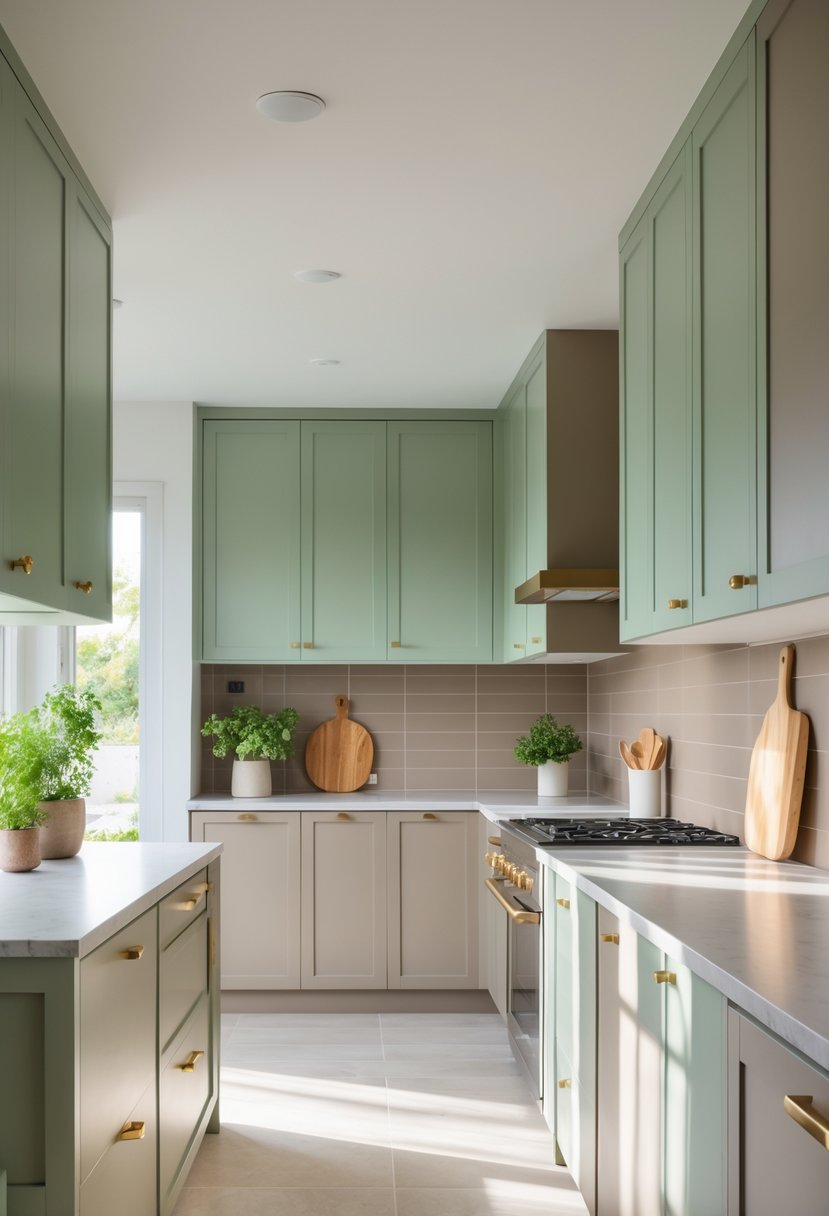
Soft green pairs well with taupe, creating a calm and balanced kitchen palette. The combination feels natural and works in both modern and traditional spaces.
Designers often use taupe for cabinets or walls and add soft green in accents or backsplashes. This pairing keeps the space warm but not overwhelming.
Warm Neutrals with Depth
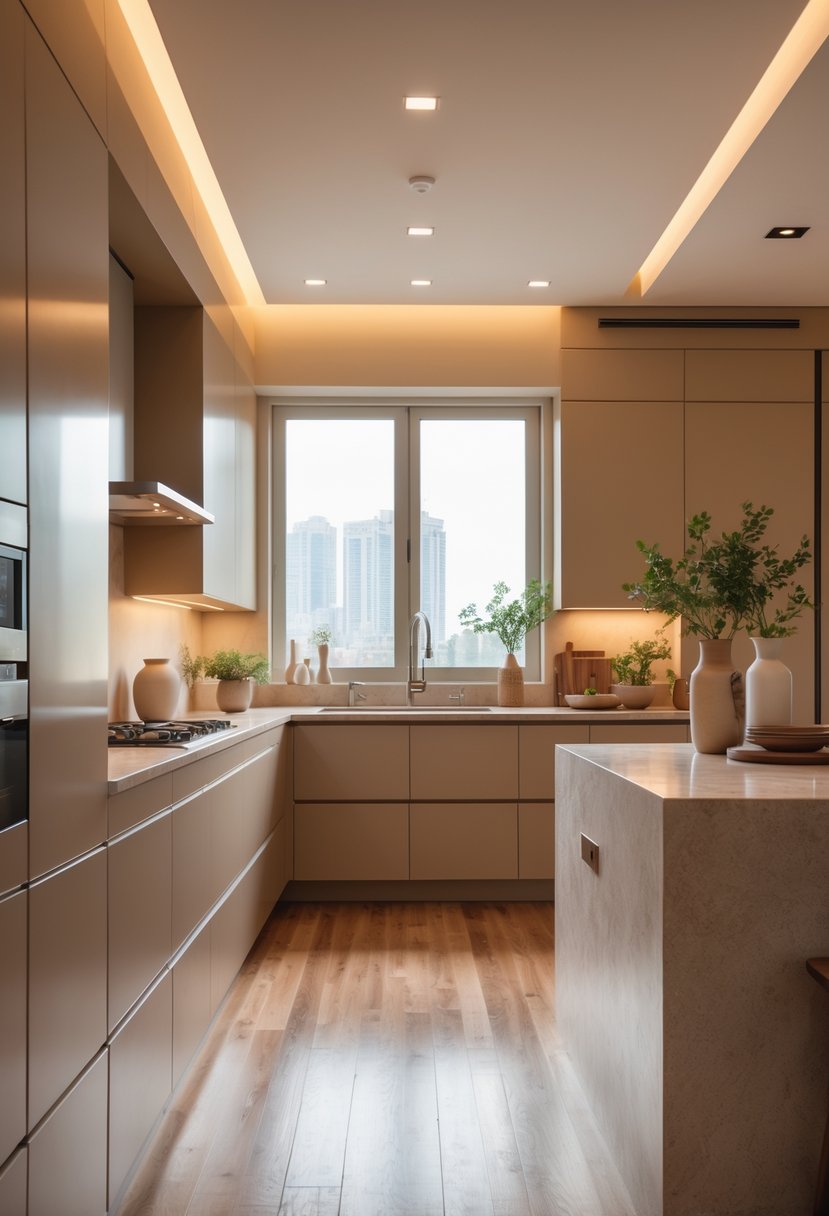
Warm neutrals in 2025 lean toward shades like mocha, taupe, and creamy beige. These tones create a calm and versatile base for kitchens.
Designers often pair soft neutrals with natural wood or darker accents. This layering adds depth while keeping the space balanced and inviting.
Rich Mocha and Latte Shades
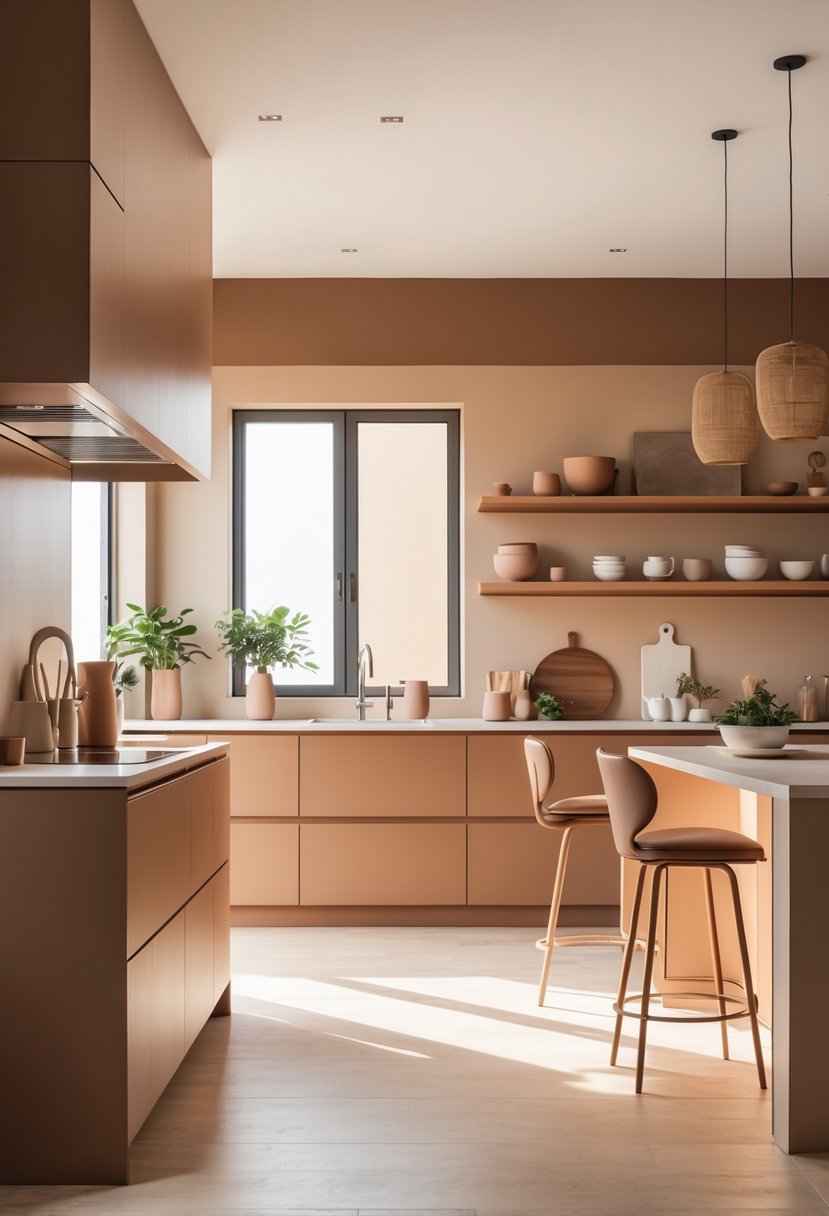
Mocha and latte tones bring warmth and comfort to kitchen spaces. These shades work well with both light and dark finishes, making them versatile choices.
Designers note that Pantone’s 2025 Color of the Year, Mocha Mousse, highlights this trend. Its soft, earthy brown pairs easily with natural wood, stone, and muted accents.
Subtle Gray and Brown Blends
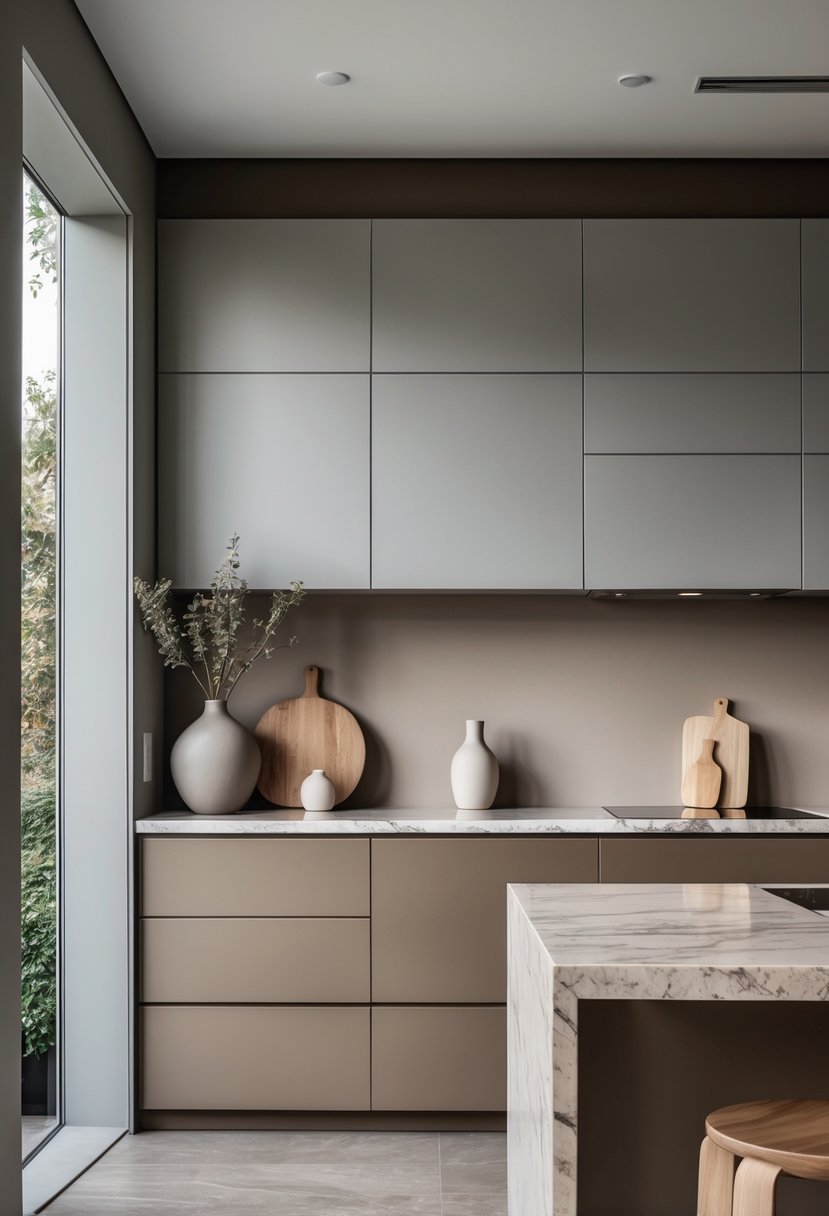
Gray and brown create a balanced look that feels both modern and warm. The mix works well in kitchens where homeowners want a neutral base without stark contrasts.
Soft gray cabinets paired with natural wood tones bring out texture and depth. This combination highlights clean lines while keeping the space inviting.
Warm Taupe and Clay
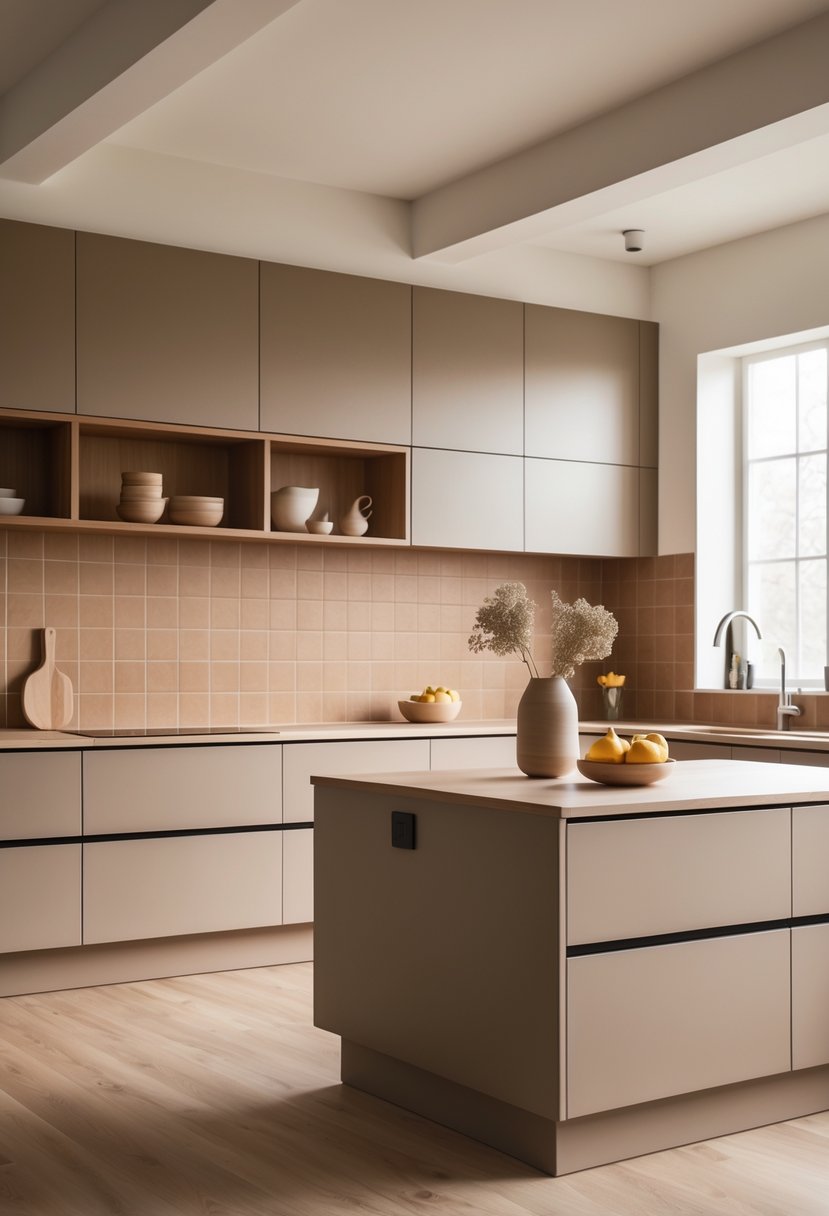
Warm taupe and clay bring a balanced, earthy look to kitchen spaces. These tones sit between gray and beige, offering a soft backdrop that feels calm and versatile.
They pair well with natural materials like wood, stone, and ceramic, creating a grounded atmosphere that works in both modern and rustic kitchens.
Dusty Blue and Brown Contrast
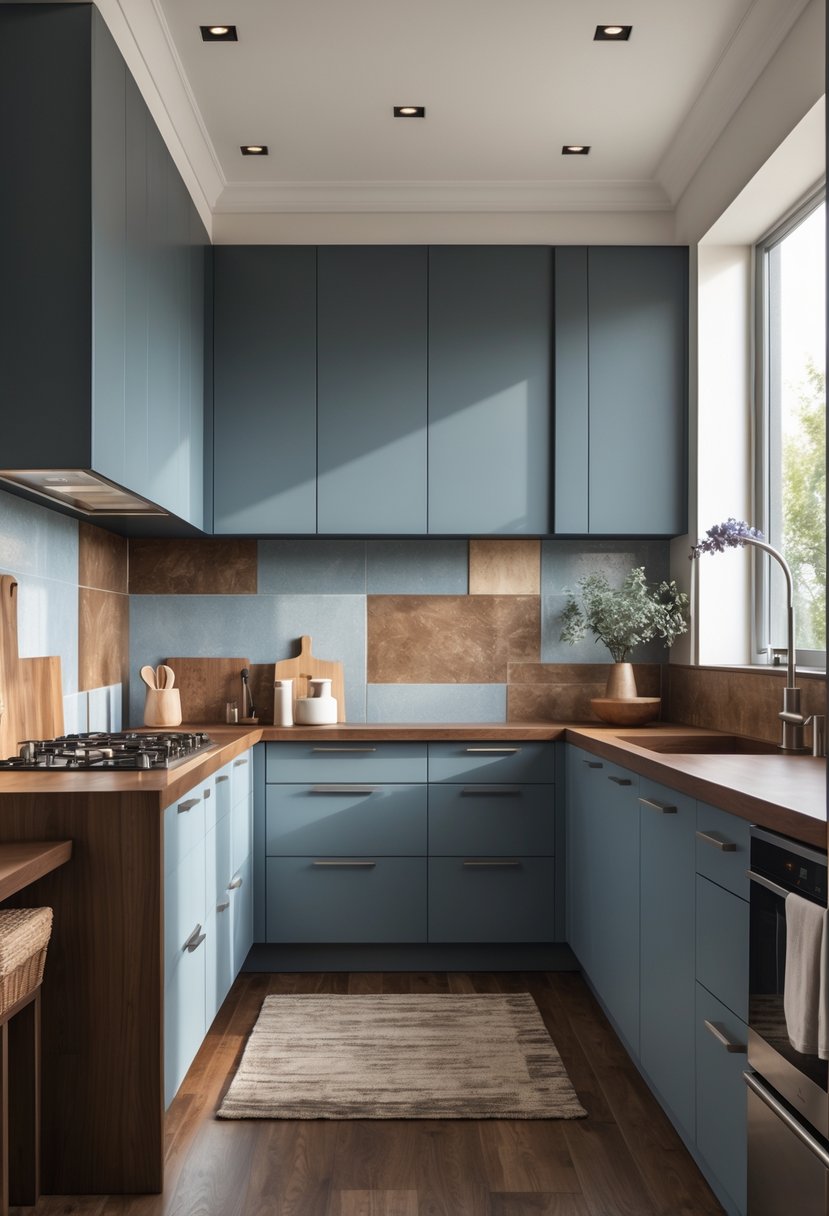
Dusty blue pairs well with brown because the cool tone balances the warmth of natural wood.
This mix works in both modern and rustic kitchens, offering a calm but grounded look.
Designers often use blue cabinetry with walnut or oak finishes to create a subtle contrast.
How Pantone-Inspired Colors Influence Kitchen Design
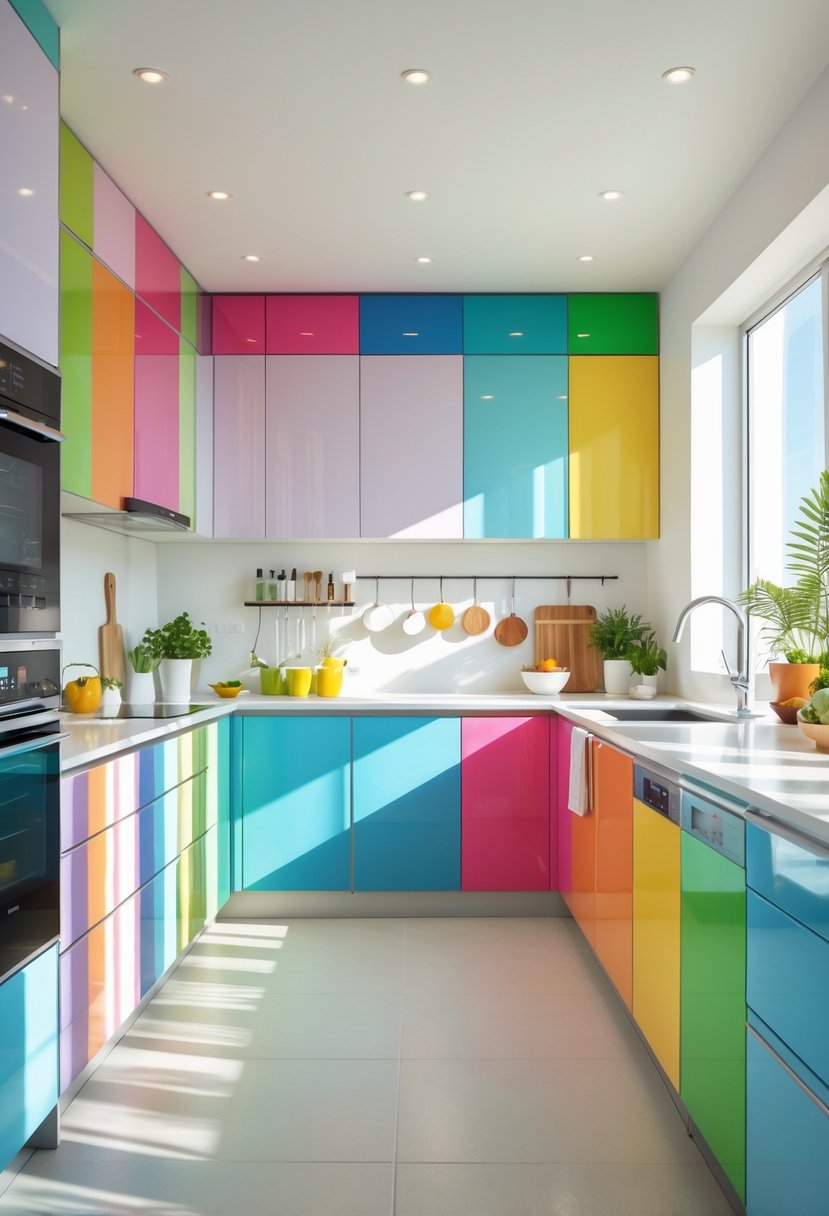
Color choices in a kitchen affect both mood and function. They shape how people feel in the space and guide how the room blends with the rest of the home. Subtle shifts in tone can make a kitchen feel warmer, brighter, or more modern.
The Psychology of Color in Kitchens
Color psychology plays a direct role in how people experience a kitchen. Warm shades like terracotta, peach, or mocha create comfort and invite longer gatherings. Cooler tones such as soft grey or muted blue encourage calm and focus, which works well in spaces where cooking is the main activity.
Designers often use neutral bases—beige, cream, or olive green—to provide balance. These tones reduce visual clutter and allow brighter accents to stand out. For example, a neutral wall can highlight colorful backsplashes or appliances without overwhelming the room.
Certain colors also influence appetite and energy. Reds and oranges may stimulate hunger, while greens often connect to freshness and health. The right mix depends on whether the kitchen is meant for lively socializing or quiet daily routines.
Pantone Trends and Their Impact on Home Aesthetics
Pantone’s annual color choices often guide kitchen design updates. In 2024, Peach Fuzz brought a soft, inviting warmth that paired well with natural wood and light stone. By 2025, Mocha Mousse introduced a richer, grounding tone that worked with both modern and traditional layouts.
These shades influence not just paint but also appliances, textiles, and finishes. Small items like toasters, rugs, or cabinet hardware often follow Pantone releases, making it easy to refresh a kitchen without a full remodel.
Pantone-inspired palettes also help unify open-concept homes. A kitchen painted in a trending shade can flow naturally into the dining or living space, creating visual harmony. This approach keeps interiors current while still practical for everyday use.
Tips for Incorporating Pantone-Like Colors in Your Kitchen
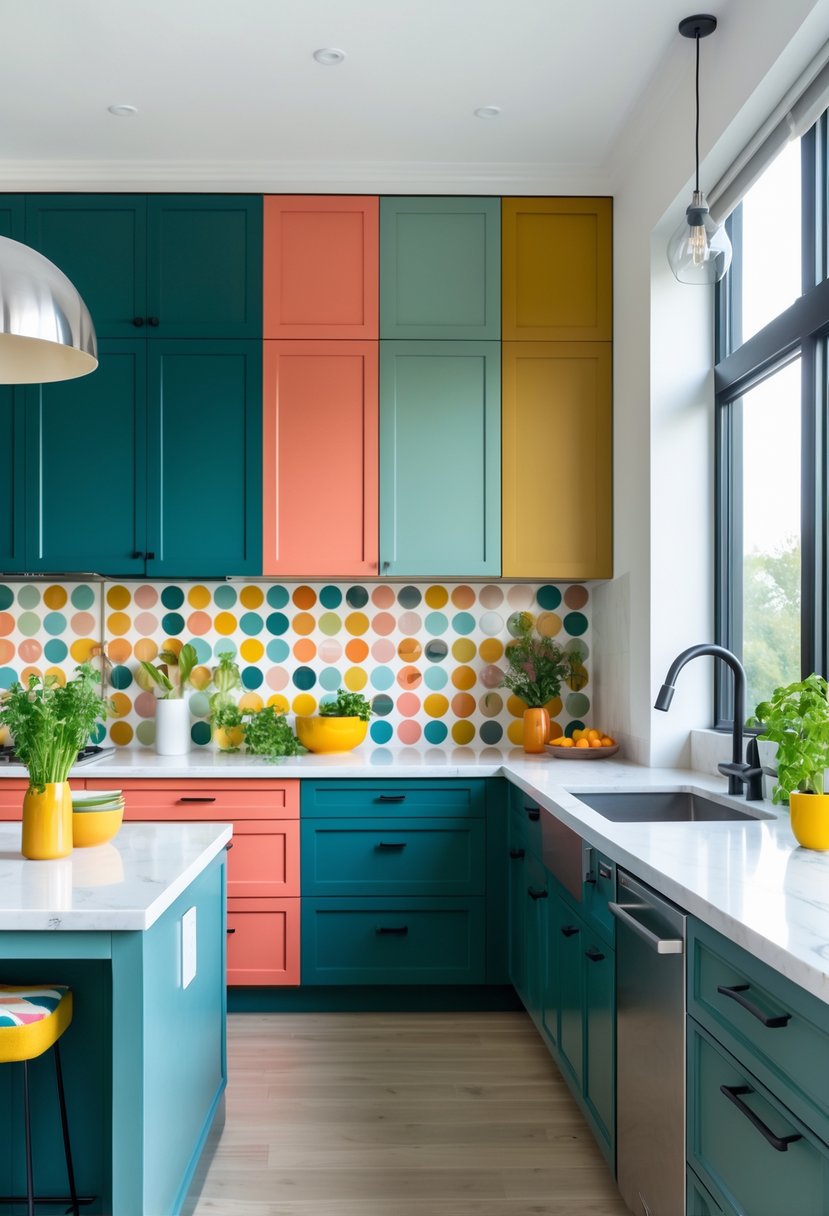
Color choices in a kitchen affect how the space feels and functions. Strong shades can energize the room, while softer tones create balance and comfort. The right mix of hues and finishes helps the design look intentional and long-lasting.
Balancing Bold and Neutral Shades
A kitchen can look overwhelming if every surface uses a strong color. To prevent this, designers often pair bold shades with neutral backgrounds. For example, deep blues or rich greens on cabinets work well when balanced with white walls or light countertops.
Neutrals such as beige, gray, and off-white help bold tones stand out without clashing. They also make it easier to change accent colors later. A bold backsplash paired with neutral cabinetry is one way to add personality without committing to a full-color scheme.
Accent pieces like stools, small appliances, or open-shelf decor allow color to be introduced in smaller doses. This approach keeps the kitchen adaptable and avoids costly changes if trends shift.
| Bold Feature | Neutral Balance |
|---|---|
| Navy cabinets | White quartz counters |
| Terracotta tiles | Light oak flooring |
| Emerald backsplash | Soft gray walls |
Selecting Finishes and Materials
The finish of a material changes how a color appears in the space. Glossy surfaces reflect more light, making colors look brighter, while matte finishes soften tones and reduce glare. Choosing between the two depends on how much attention the feature should draw.
Wood, stone, and metal also influence how colors read. For instance, warm wood cabinets make earthy shades like mocha or peach feel grounded. Stainless steel appliances pair well with cooler tones, such as slate or icy blue.
Durability matters when selecting materials. Painted cabinets in bold colors need high-quality finishes to prevent chipping. Countertops and backsplashes should use stain-resistant surfaces, especially if they feature lighter shades.
Mixing different textures—like matte cabinets with glossy tiles—adds depth without introducing more colors. This creates balance while keeping the design visually engaging.
For more inspiration on working with trending hues, see the 2026 color of the year picks that paint companies are predicting you’ll love.


