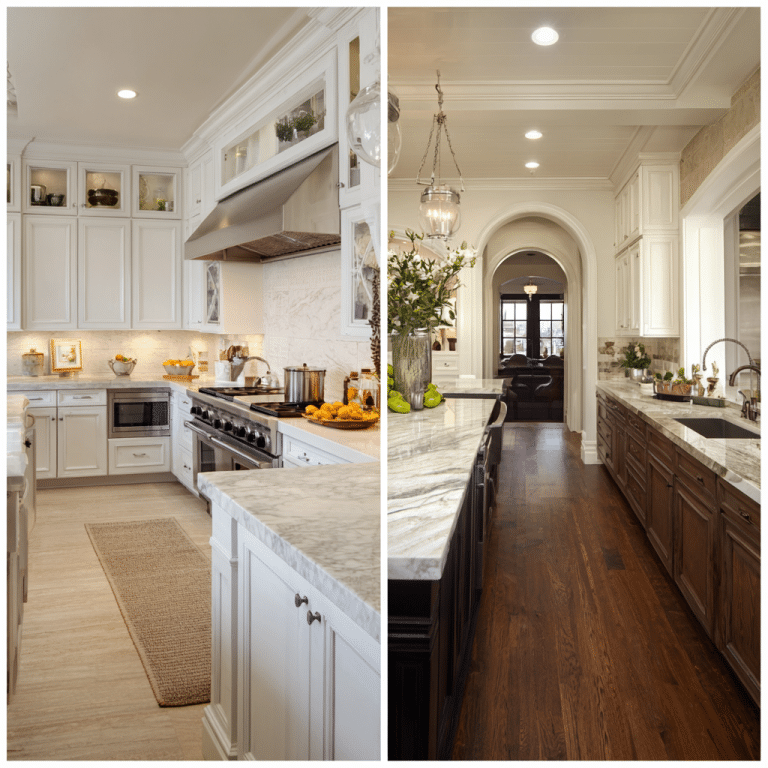
Kitchen Wall Color Combinations: Stylish Ideas for a Fresh Look
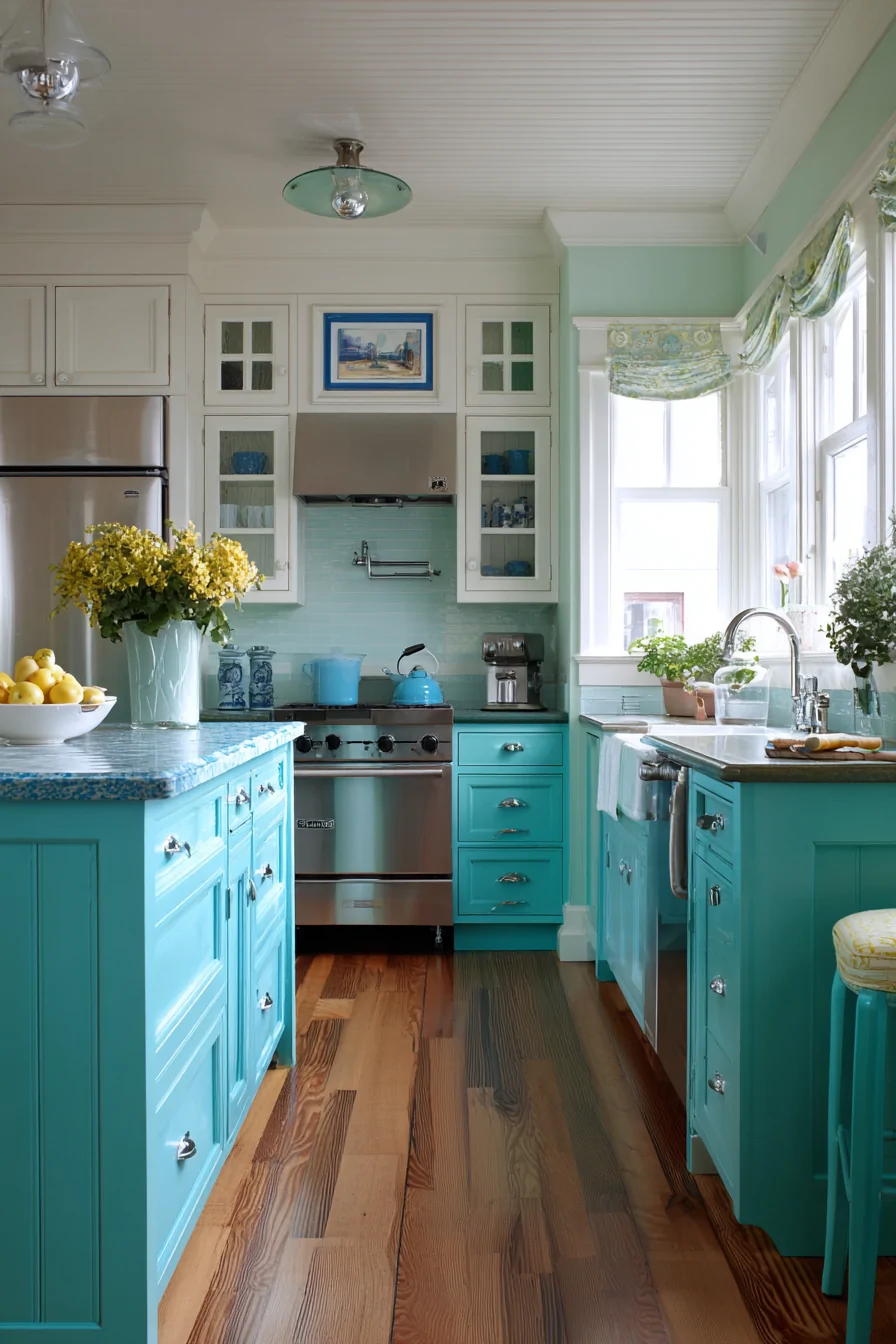
Choosing the right wall color combination can shape the entire look and feel of a kitchen. The right pairing creates balance, highlights design features, and sets the mood for daily life. A well-chosen color scheme helps a kitchen feel more inviting, functional, and visually cohesive.
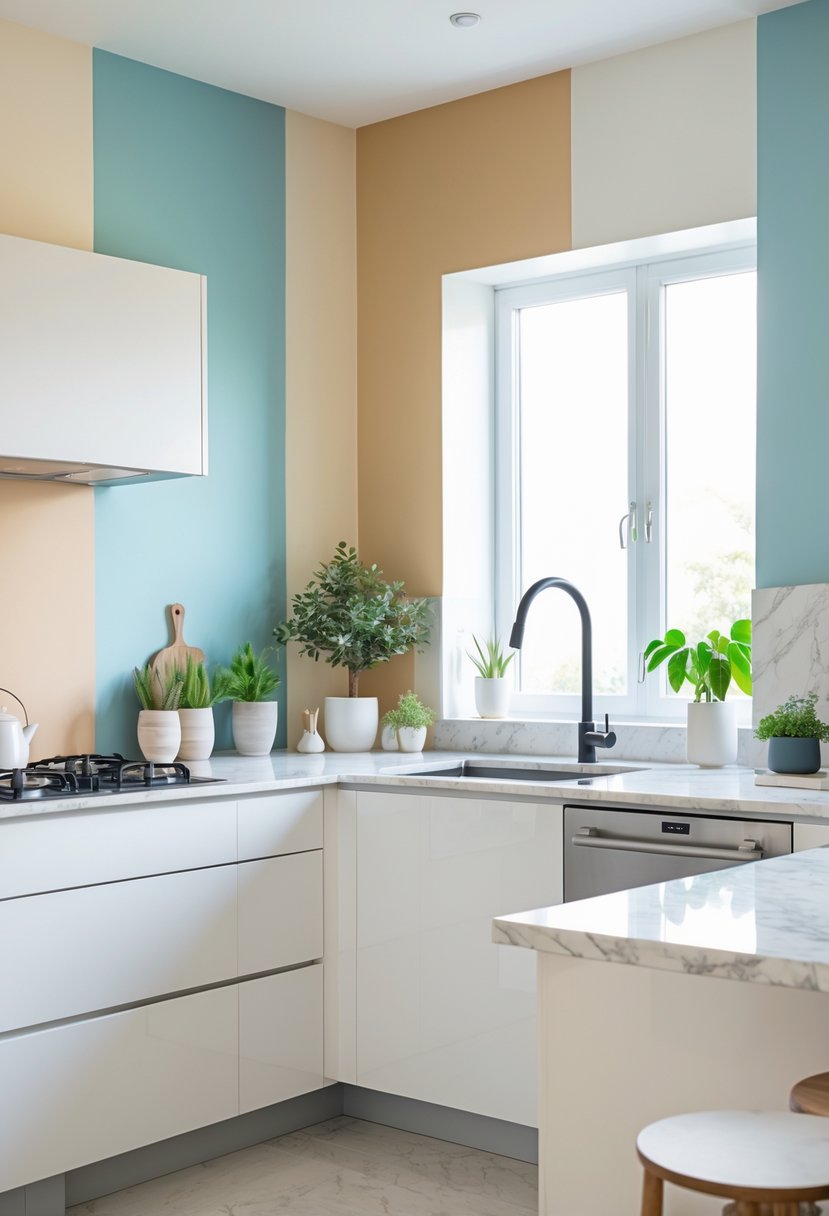
This article explores a variety of color combinations that work in both modern and classic kitchens. From soft neutrals to bold contrasts, each pairing shows how different shades can influence style and atmosphere without overwhelming the space.
Soft Gray and Crisp White
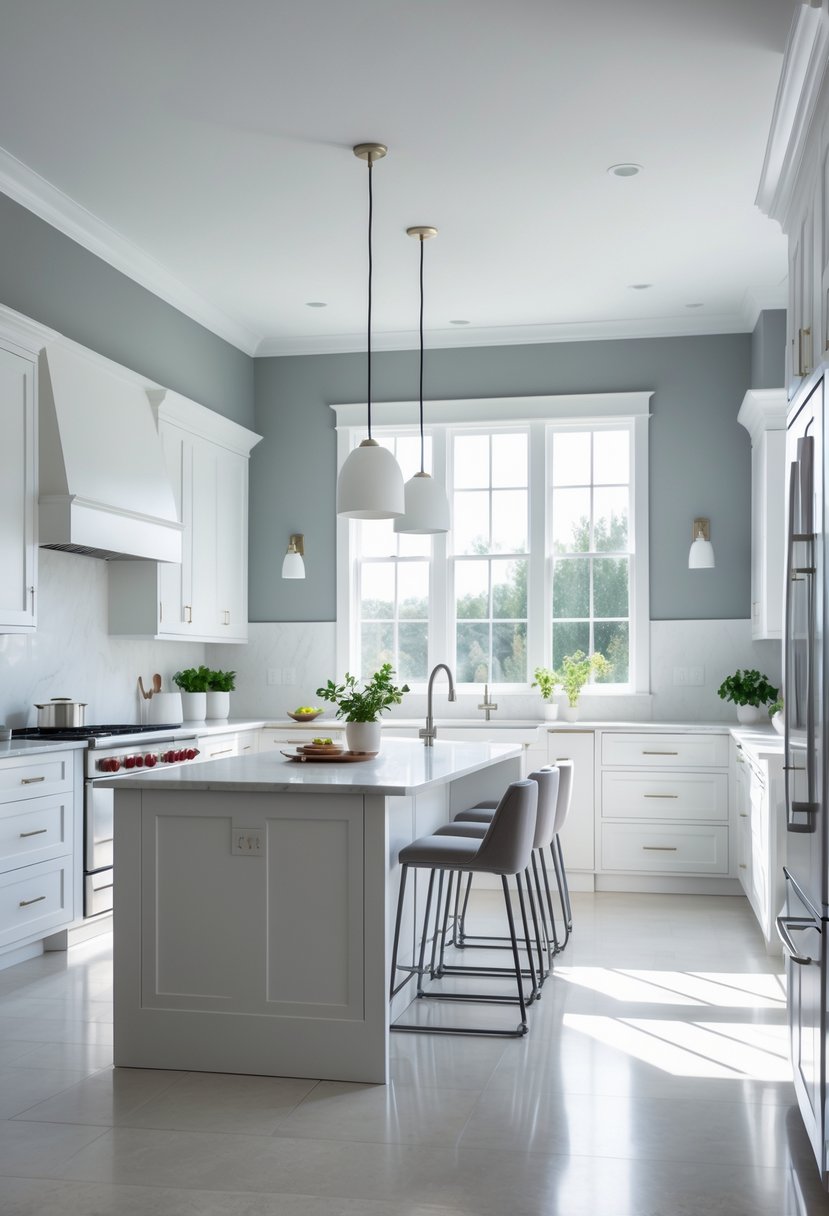
Soft gray walls create a calm backdrop that works well in many kitchen styles.
Crisp white accents, such as cabinets or trim, keep the space bright and balanced.
Together, these colors form a clean look that can shift from modern to traditional with small design changes.
Navy Blue and Warm Wood
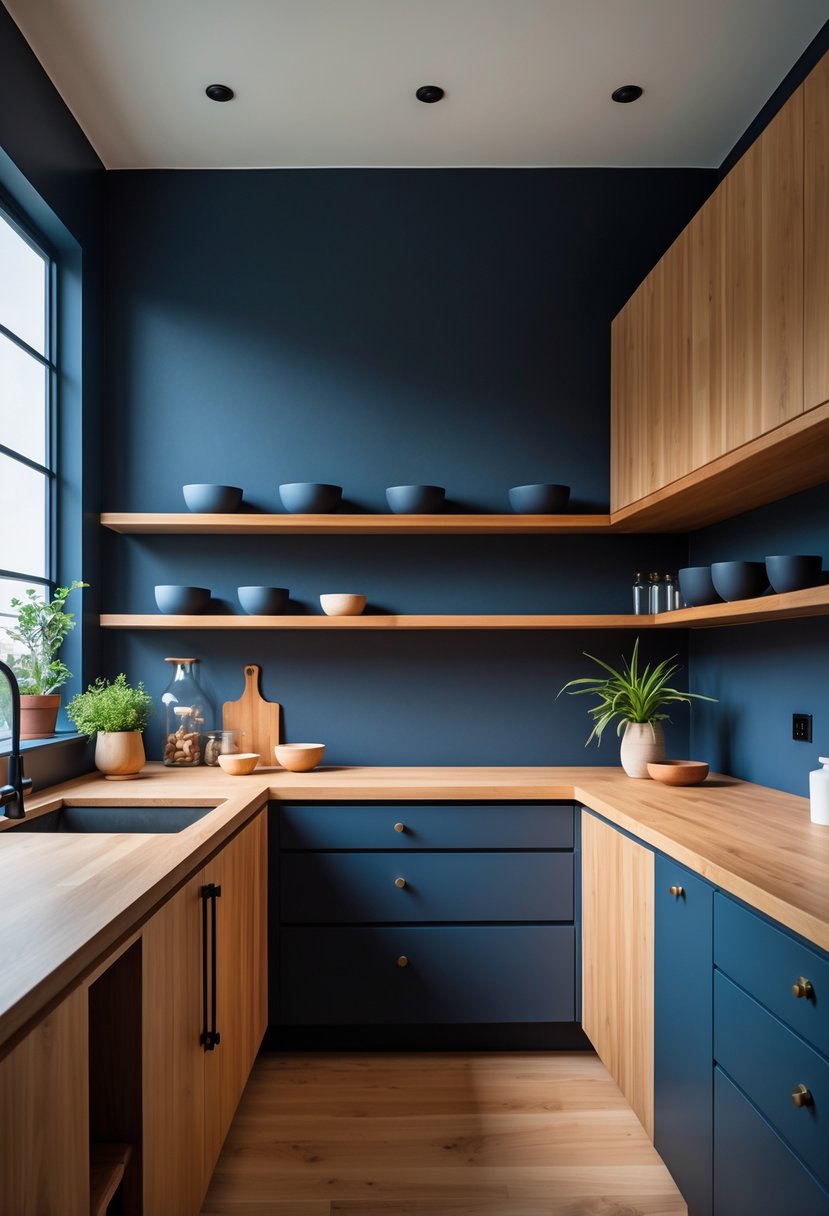
Navy blue pairs well with natural wood because the deep tone balances the warmth of the grain.
This combination works in kitchens where wood cabinets or shelving soften the boldness of navy walls.
The mix creates a space that feels grounded while still looking modern and clean.
Sage Green and Cream
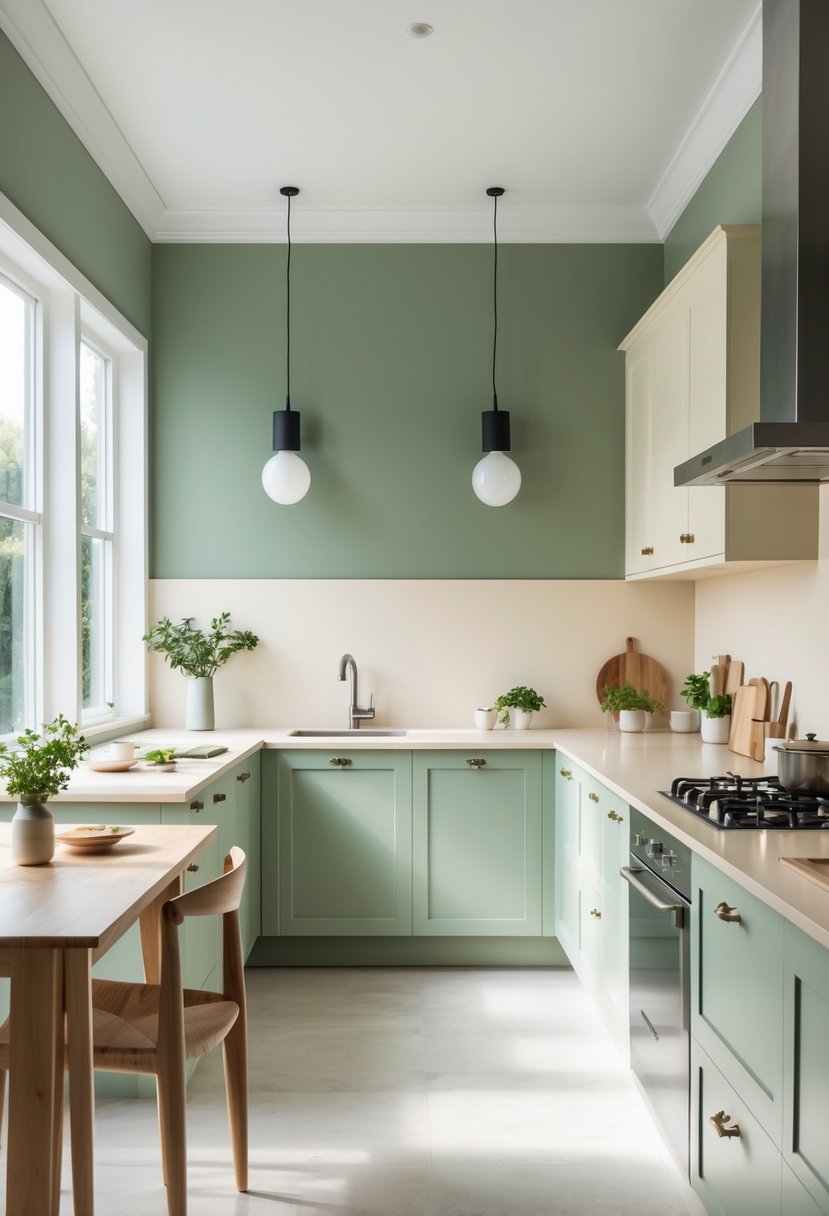
Sage green and cream create a soft, balanced look in the kitchen. The muted green adds calmness, while cream brings warmth and brightness.
This pairing works well on walls and cabinets, offering a timeless style that feels fresh without being overwhelming.
Many designers use cream walls with sage cabinetry to keep the space light and inviting.
Charcoal and Pale Pink
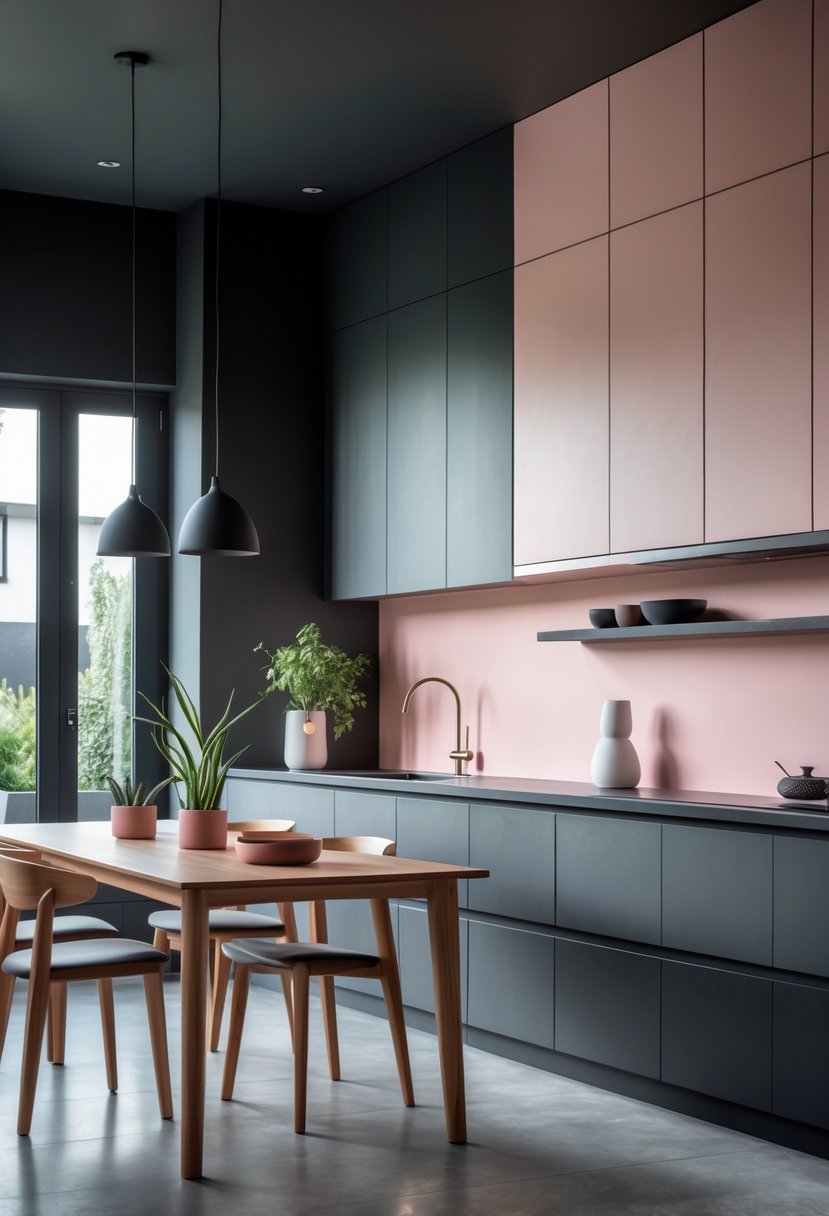
Charcoal provides a strong, neutral base that works well on kitchen walls. It creates a sleek backdrop that pairs easily with different finishes.
Pale pink adds a soft contrast to the darker tone. When used together, the colors balance each other and bring warmth without overwhelming the space.
Deep Teal and Brass Accents
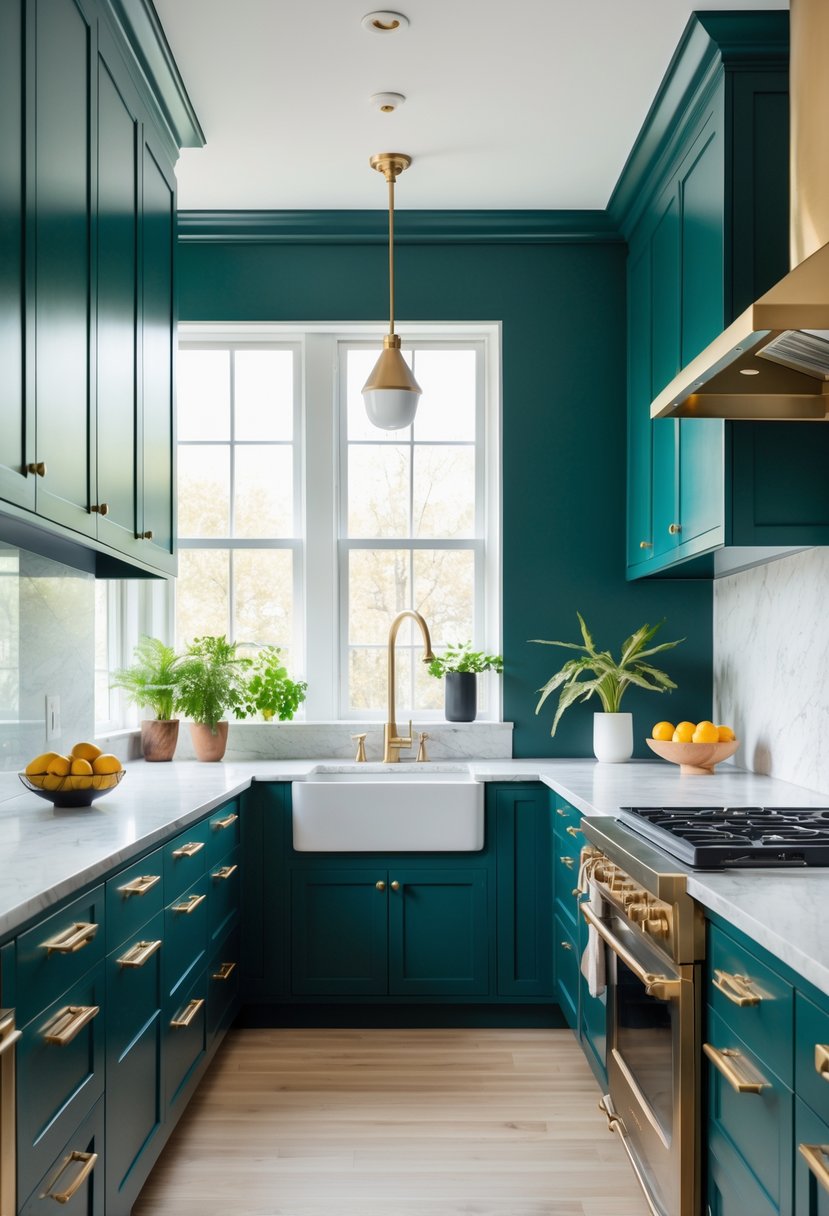
Deep teal walls add depth and richness to a kitchen, creating a bold backdrop.
Brass accents, such as light fixtures or cabinet handles, bring warmth and balance to the darker tone.
Together, the pairing offers a modern look that feels both stylish and inviting.
Warm Beige and Olive Green
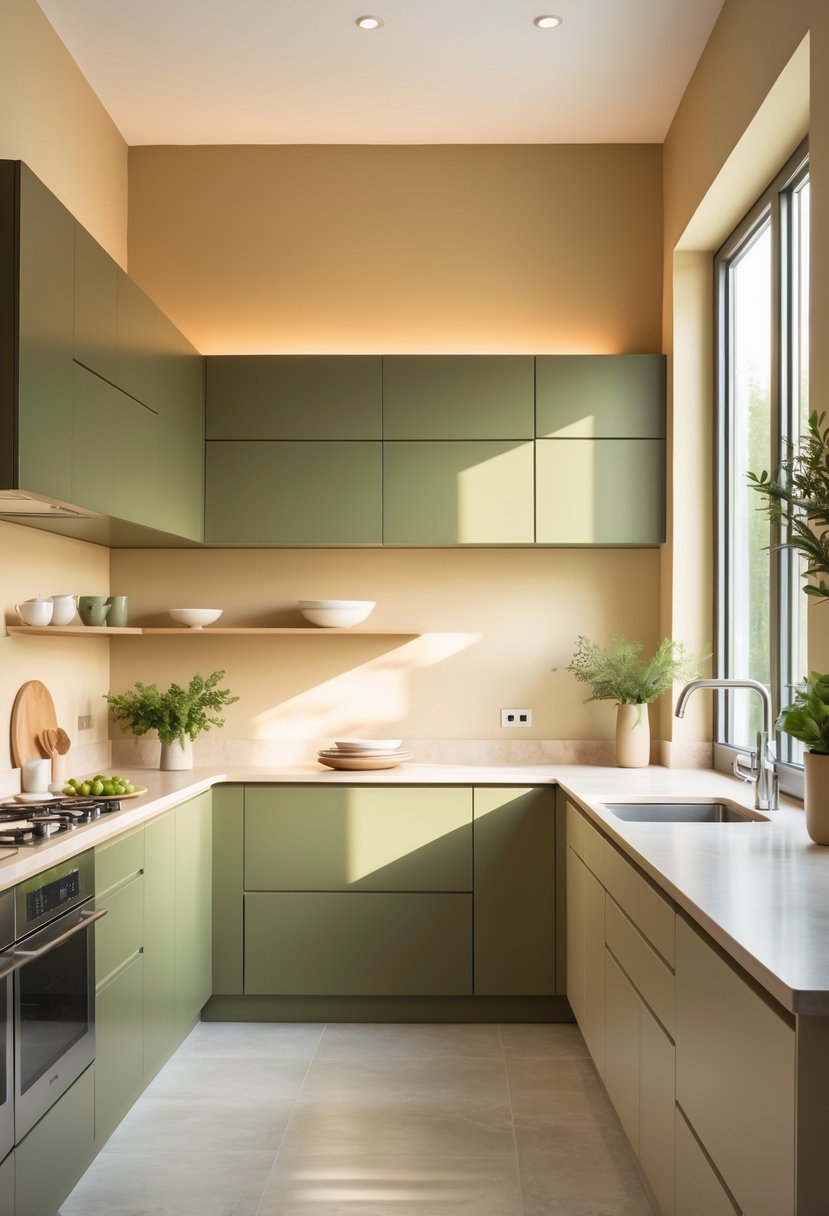
Warm beige walls balance the richness of olive green, creating a calm and natural look.
This pairing works well in kitchens that aim for a grounded and welcoming atmosphere.
The soft beige tones brighten the space while olive green adds depth and character.
Classic White and Black Trim
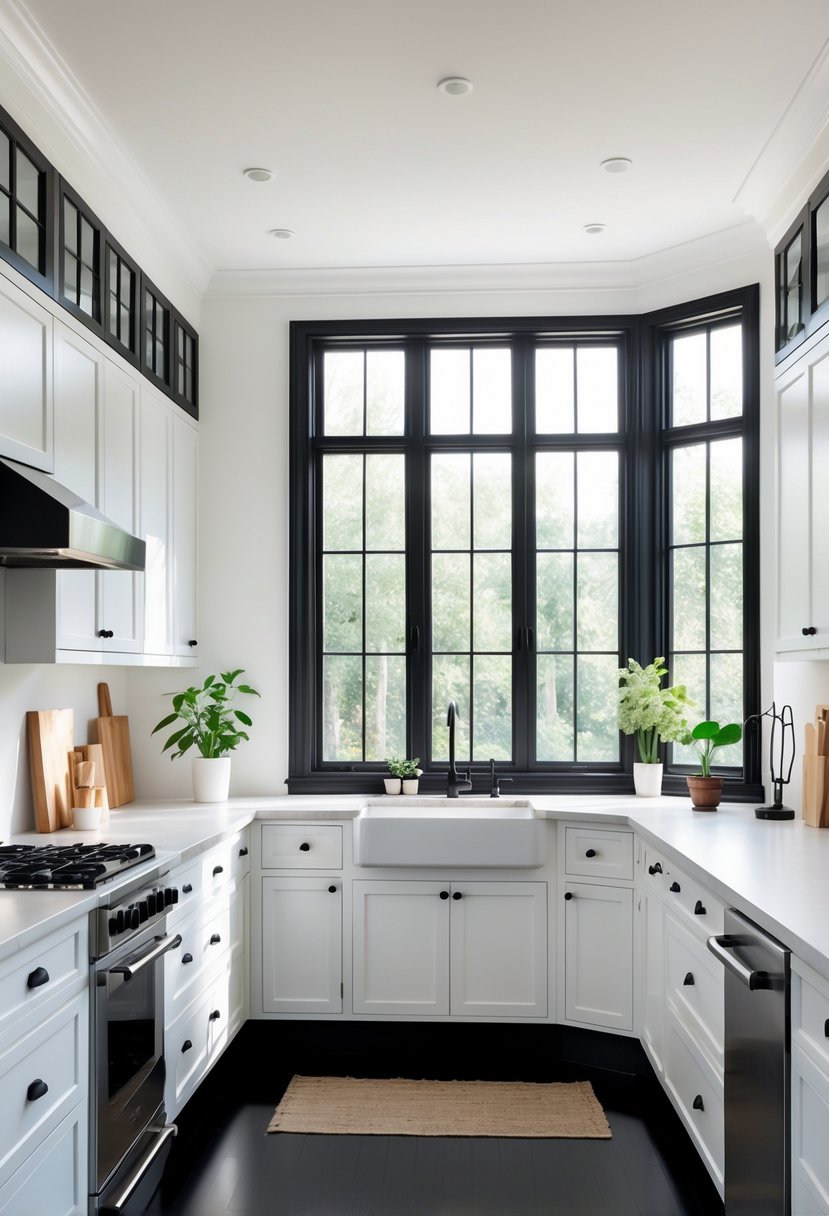
White walls with black trim create a clean and defined look in a kitchen. The contrast highlights architectural details and gives the space structure.
This pairing works well with both modern and traditional styles. It also allows flexibility when choosing cabinets, countertops, and décor since the base colors stay neutral.
Dusty Blue and Light Gray
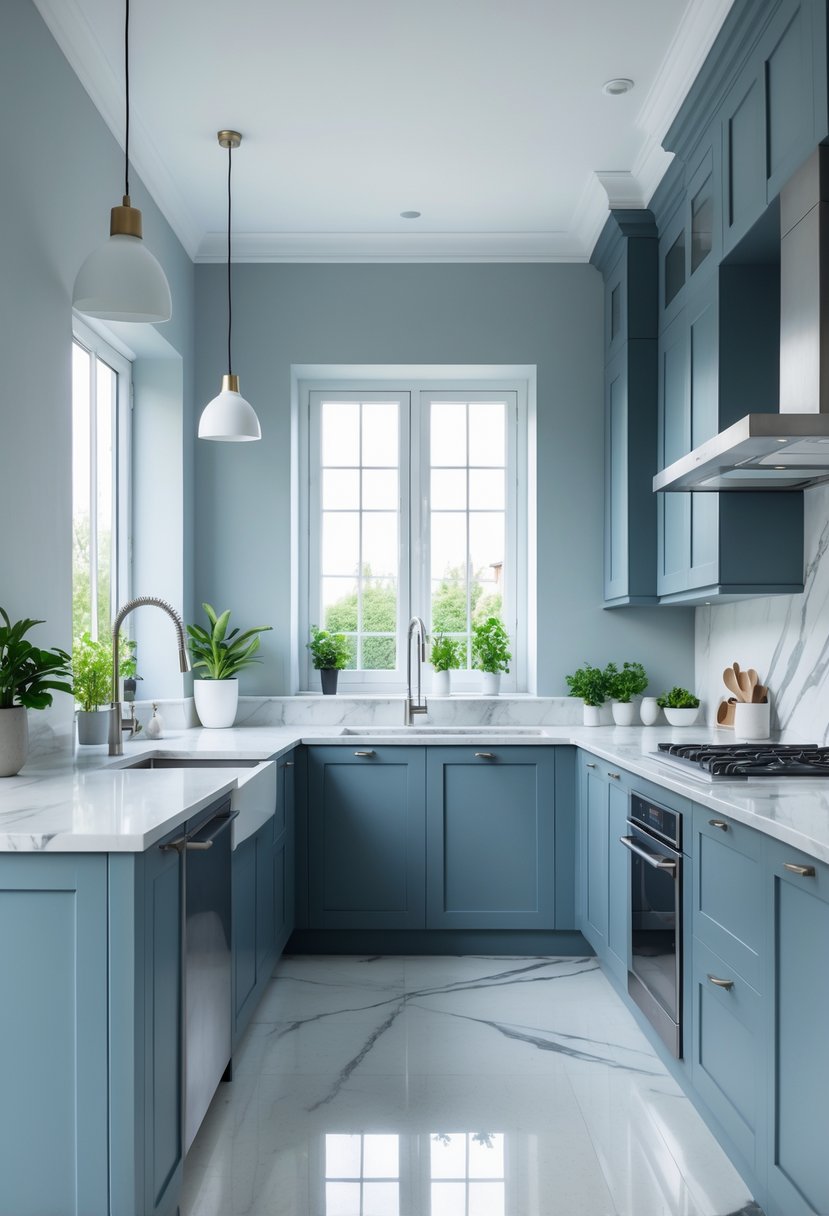
Dusty blue walls paired with light gray accents create a calm and balanced kitchen look. The muted tones work well in both small and large spaces.
This combination allows natural light to stand out while keeping the room soft and inviting. It also blends easily with wood or white finishes.
Mustard Yellow and Slate Gray
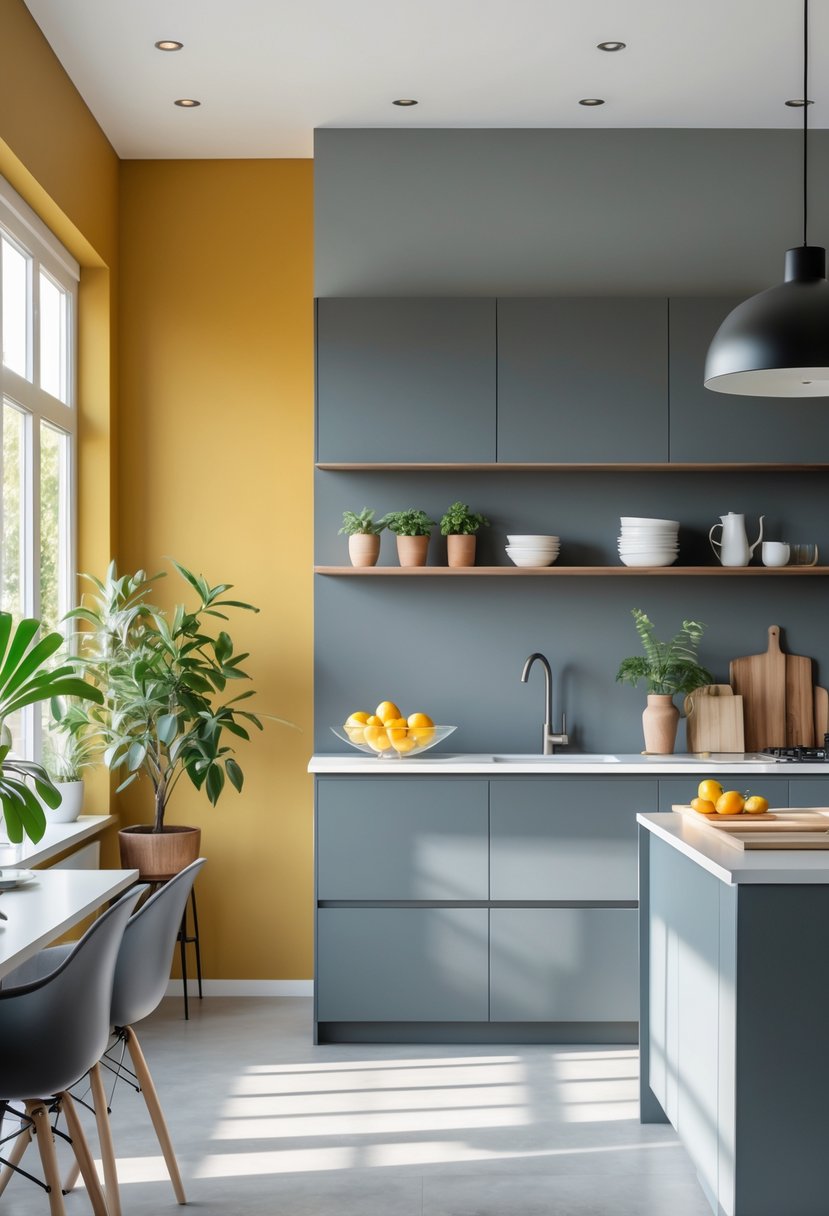
Mustard yellow adds warmth and energy, while slate gray provides balance and depth.
This pairing works well in kitchens where contrast is desired without overwhelming the space.
Using gray on walls or cabinets with mustard accents in chairs, dishware, or textiles creates a clean and cohesive look.
Blush Pink and Soft Taupe
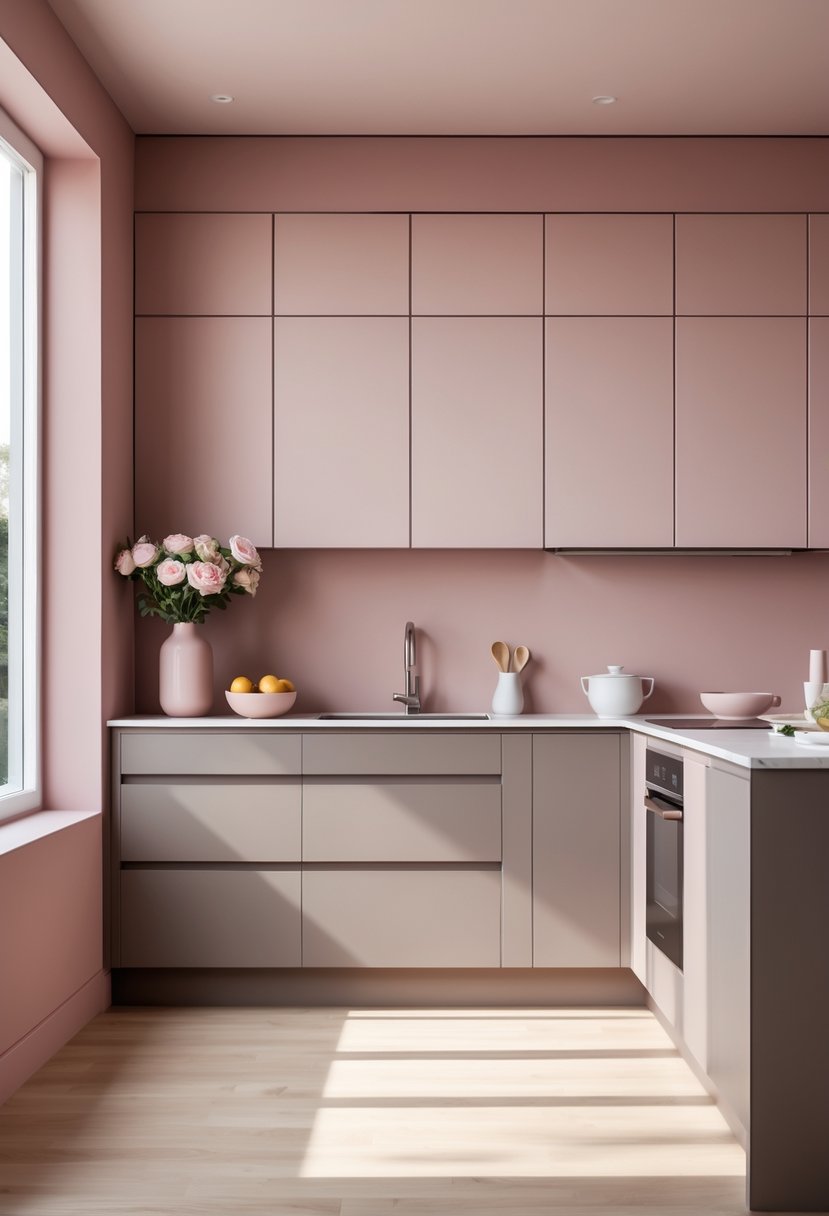
Blush pink adds a gentle warmth that softens the look of a kitchen. It pairs well with soft taupe, which brings balance and a grounded feel.
Together, these shades create a calm and welcoming space. The combination works with both light cabinetry and natural textures like wood or stone.
Rich Burgundy and Soft Gray
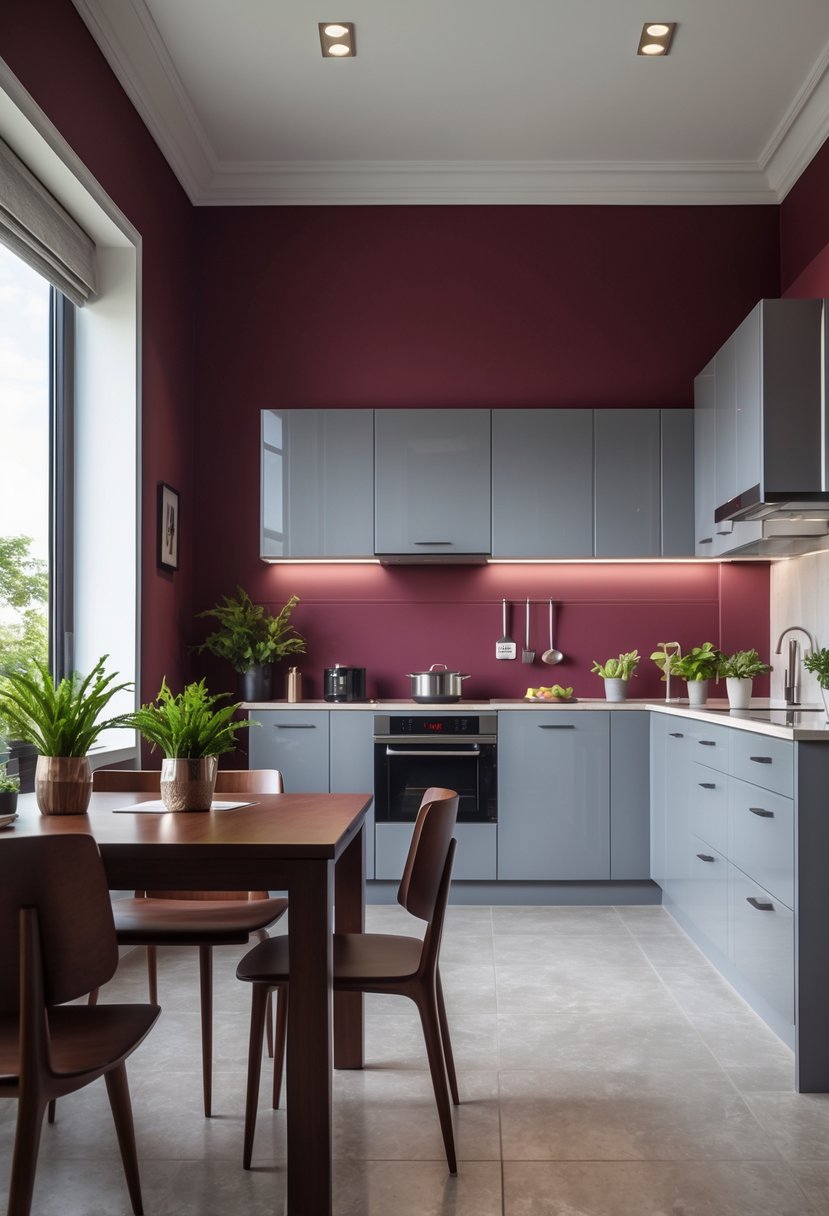
Burgundy walls paired with soft gray cabinets create a balanced and grounded look. The deep tone adds warmth, while gray keeps the space calm and neutral.
This combination works well in both modern and traditional kitchens. Light flooring or countertops can help prevent the room from feeling too dark.
Muted Lavender and White
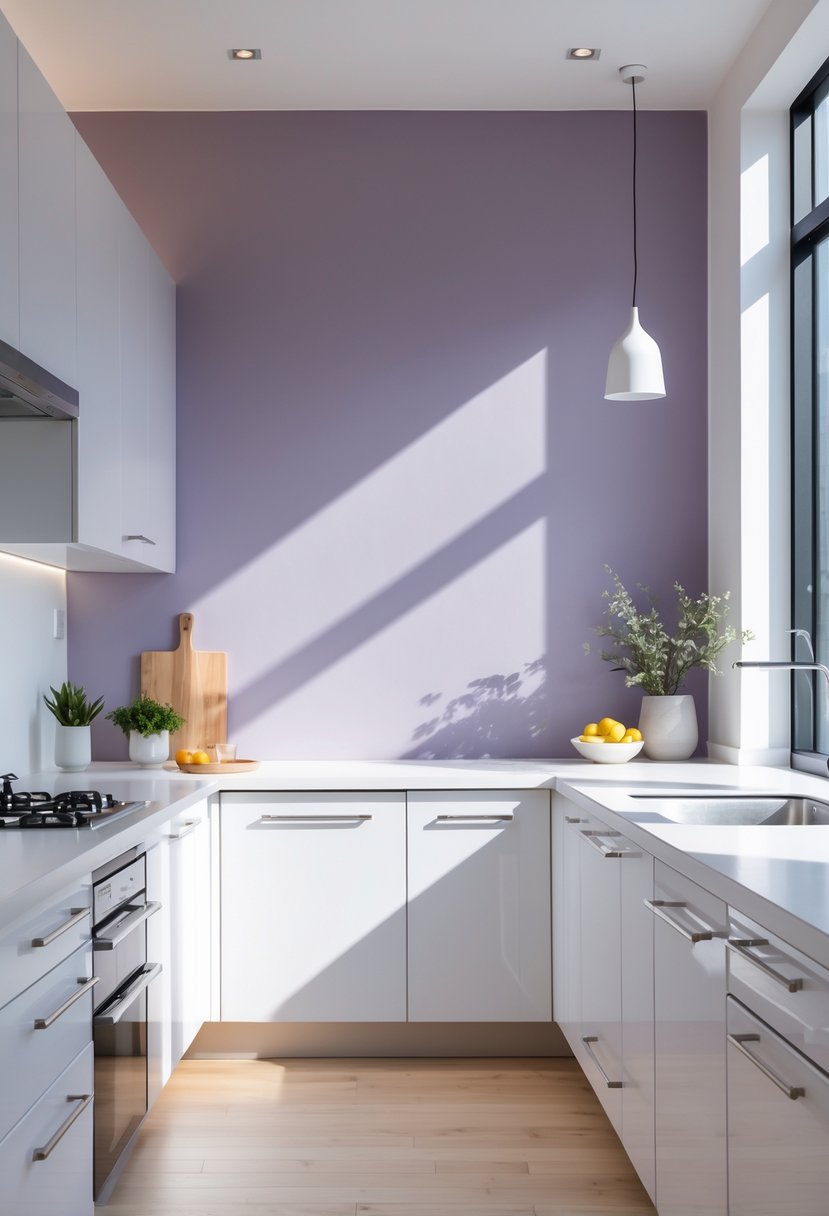
Muted lavender pairs well with white for a calm and balanced kitchen look.
The soft purple tone adds gentle color without overwhelming the space.
White keeps the design clean, bright, and versatile, making it easy to match with different finishes and materials.
Forest Green and Light Oak
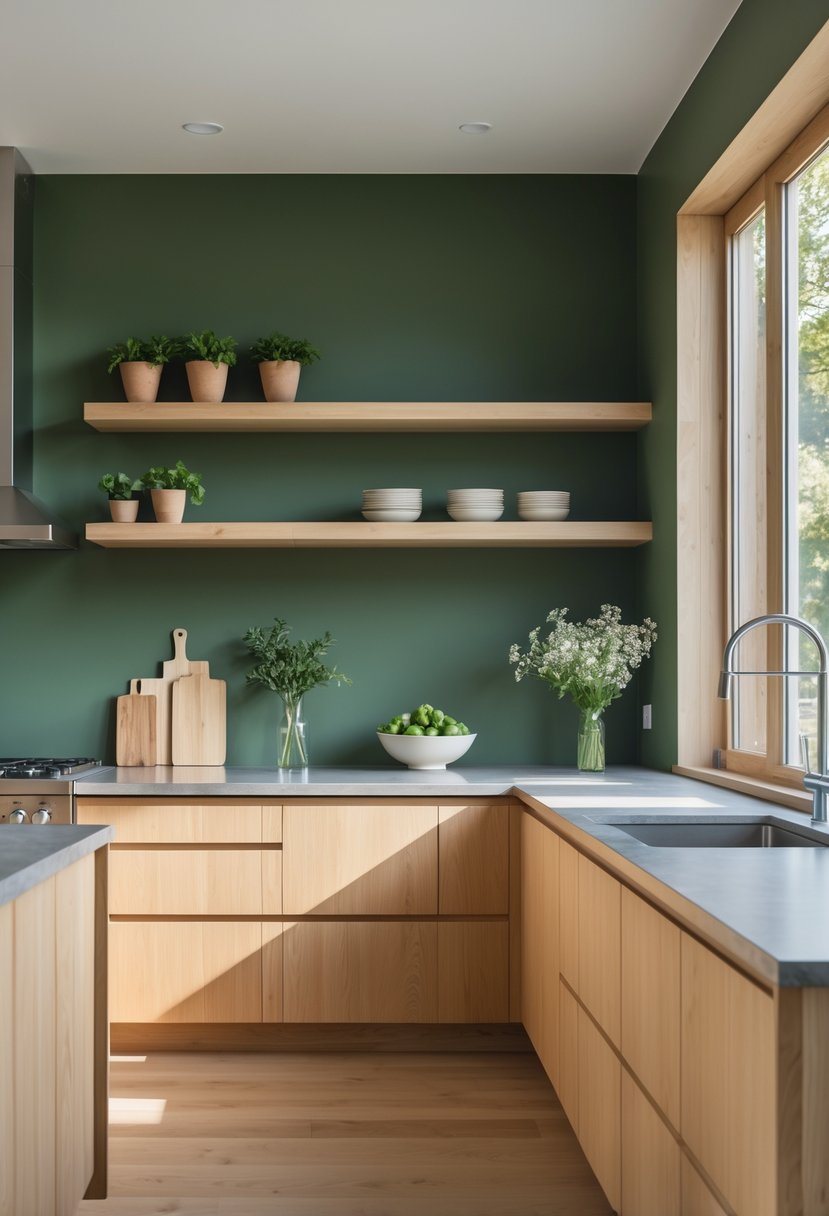
Forest green walls create a strong backdrop that highlights the warmth of light oak cabinets.
The mix of deep green and natural wood adds balance, keeping the space grounded yet inviting.
Light countertops or backsplashes can brighten the room and prevent the darker tone from feeling heavy.
Coral and Aqua Blue
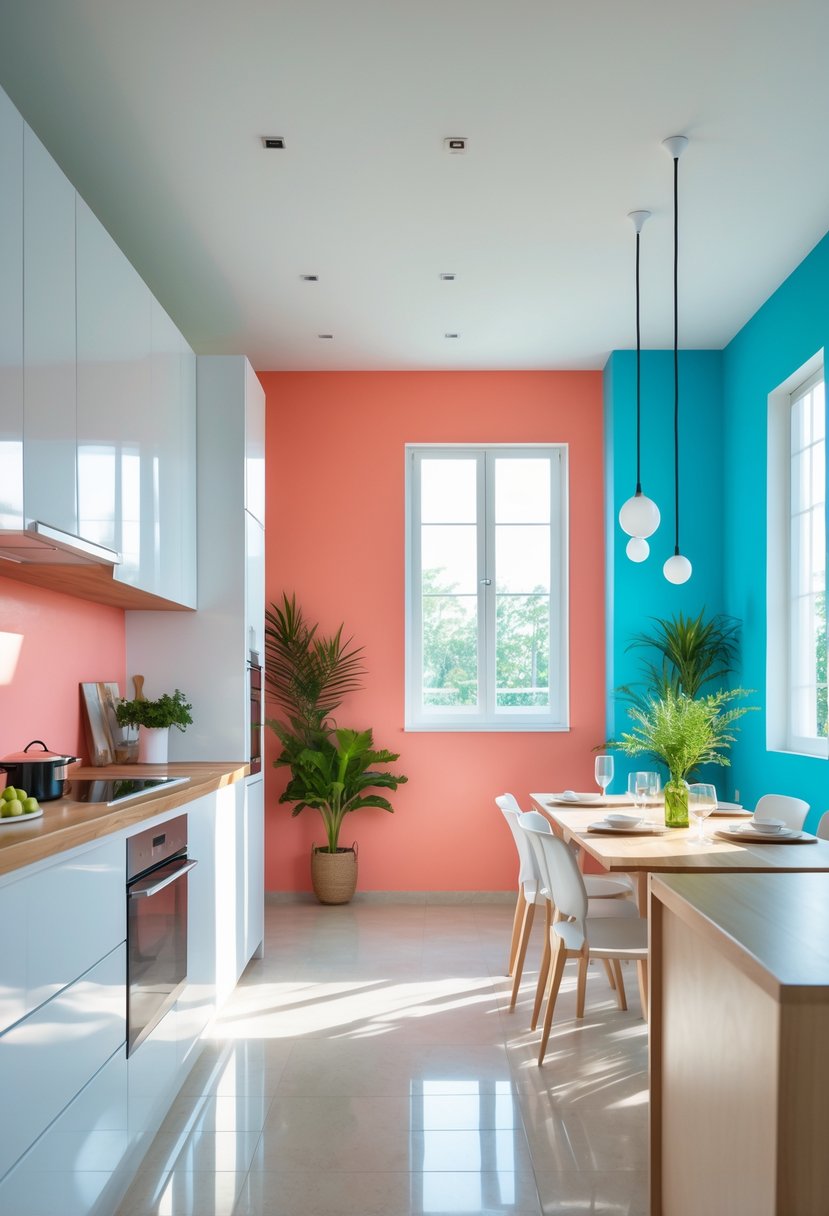
Coral and aqua blue create a balanced mix of warm and cool tones.
This pairing works well in kitchens where a fresh, coastal look is desired.
Small coral accents, such as dishware or textiles, can stand out against aqua walls or cabinets.
Steel Blue and Soft White
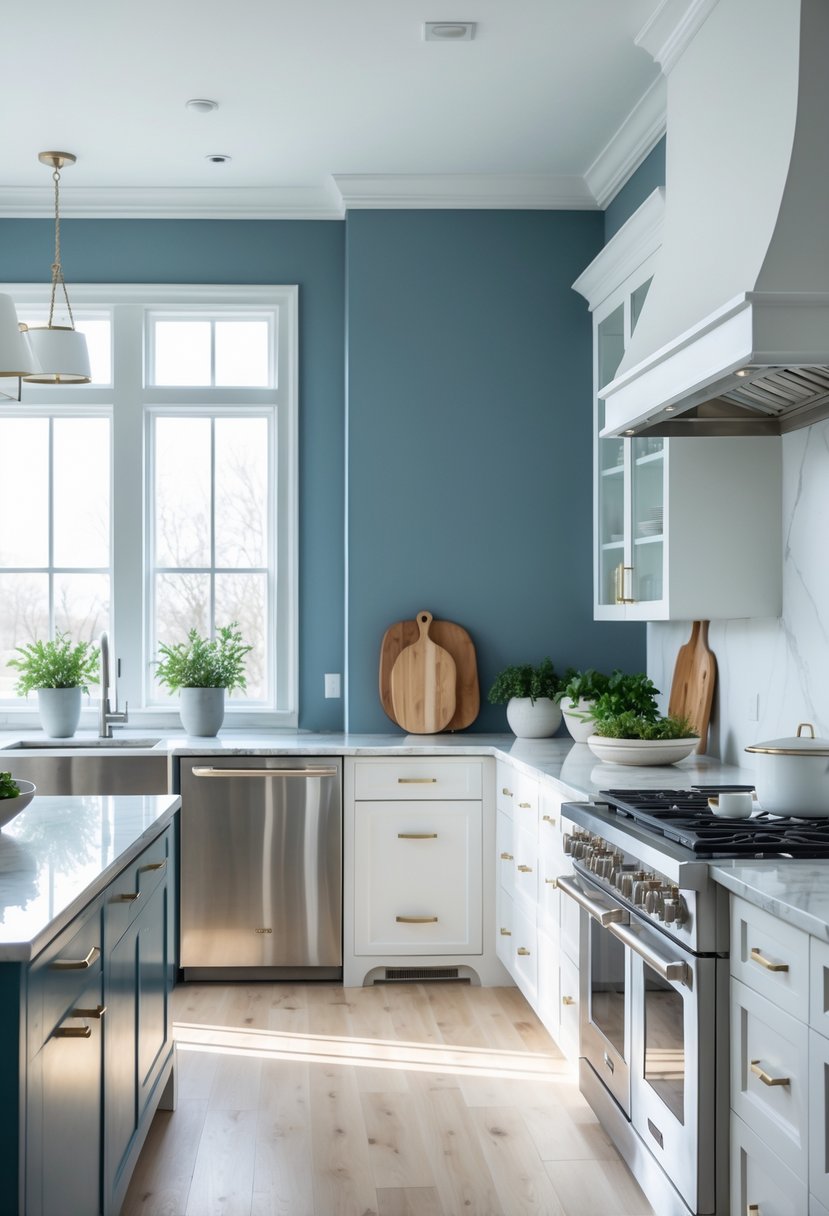
Steel blue walls add depth while soft white balances the tone with brightness.
This pairing works well in kitchens that need both contrast and a calm atmosphere.
They can use steel blue on an accent wall or cabinetry and keep the rest white for a clean look.
Terracotta and Soft Beige
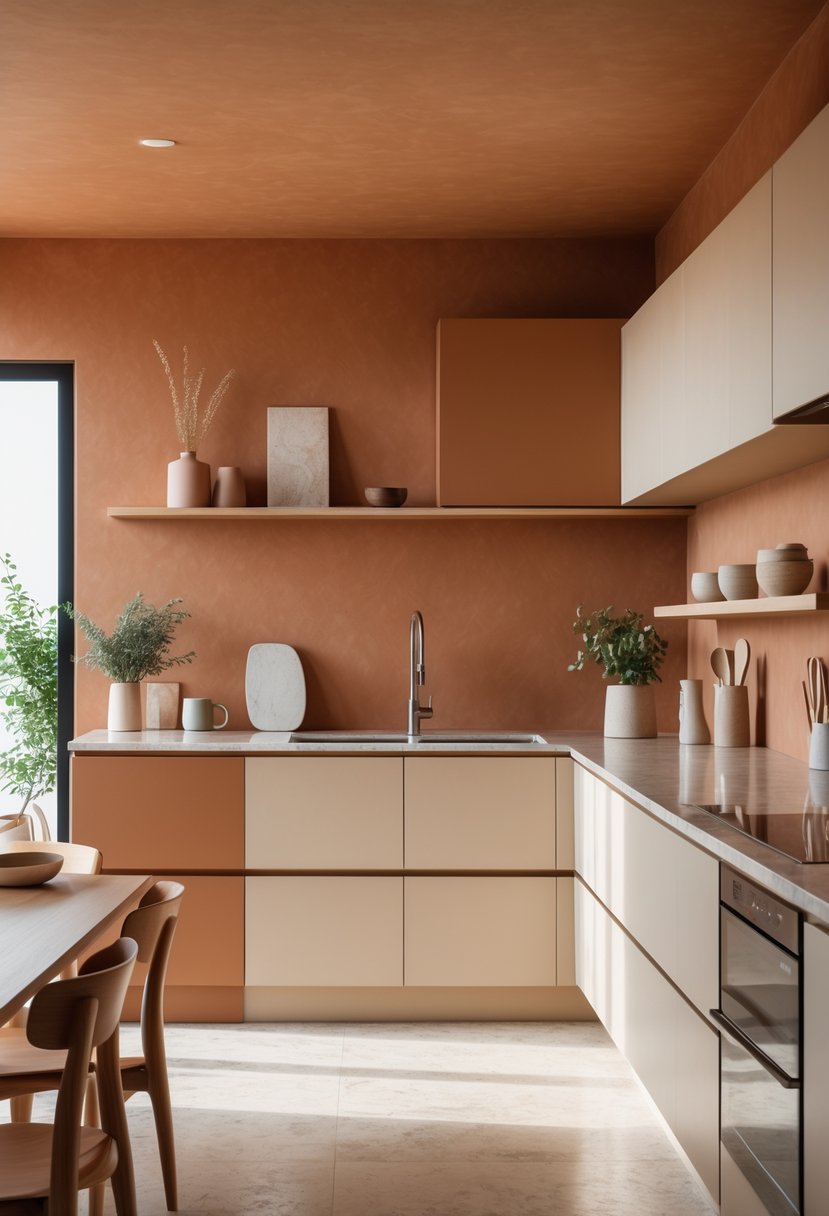
Terracotta and soft beige create a warm, natural look that feels balanced. The earthy tones work well together because they share similar undertones.
This combination suits both modern and traditional kitchens. Beige softens the richness of terracotta, while terracotta adds depth and character to the neutral base.
Powder Blue and Warm White
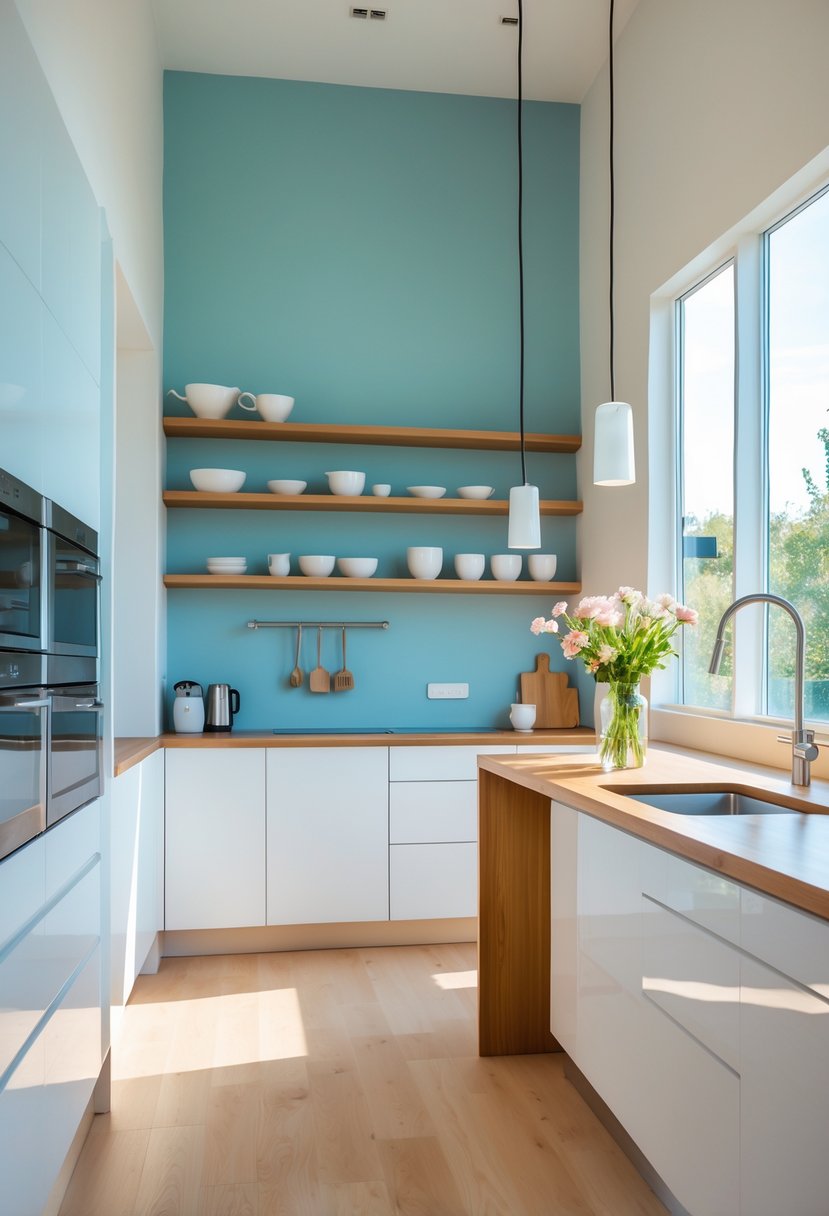
Powder blue walls paired with warm white create a calm and inviting kitchen backdrop. The soft contrast feels balanced without being stark.
This combination works well with both natural wood and light stone finishes. It adds subtle color while keeping the space bright and open.
Chocolate Brown and Cream
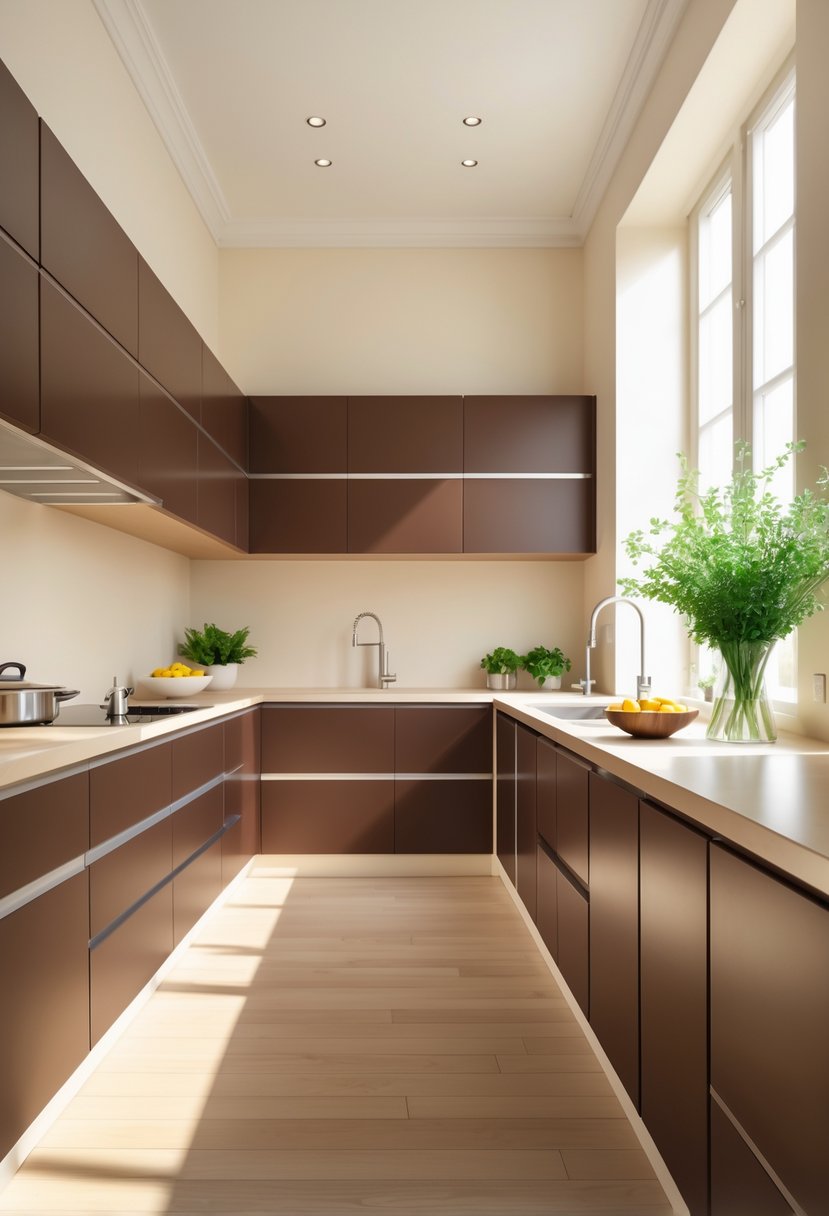
Chocolate brown and cream create a warm and balanced kitchen look. The contrast between the deep brown and the soft cream makes each color stand out.
Many designs use cream walls with brown cabinets for a clean yet inviting style. This pairing works well in both modern and traditional kitchens.
Pale Mint and Light Gray
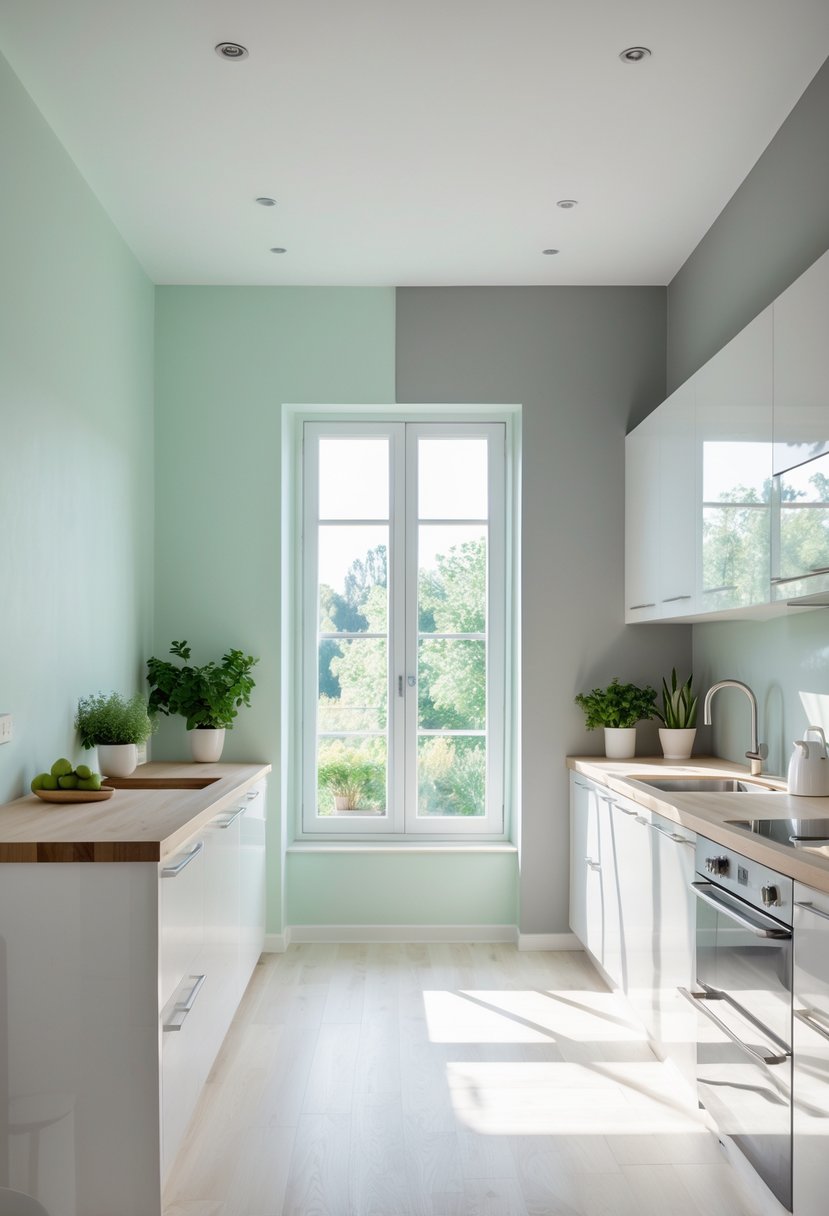
Pale mint walls bring a soft touch of color that pairs well with light gray cabinets. The combination creates a fresh and balanced look.
This pairing works best in kitchens with natural light, as the mint tone stays bright and the gray remains calm and neutral.
Sunset Orange and Neutral Beige
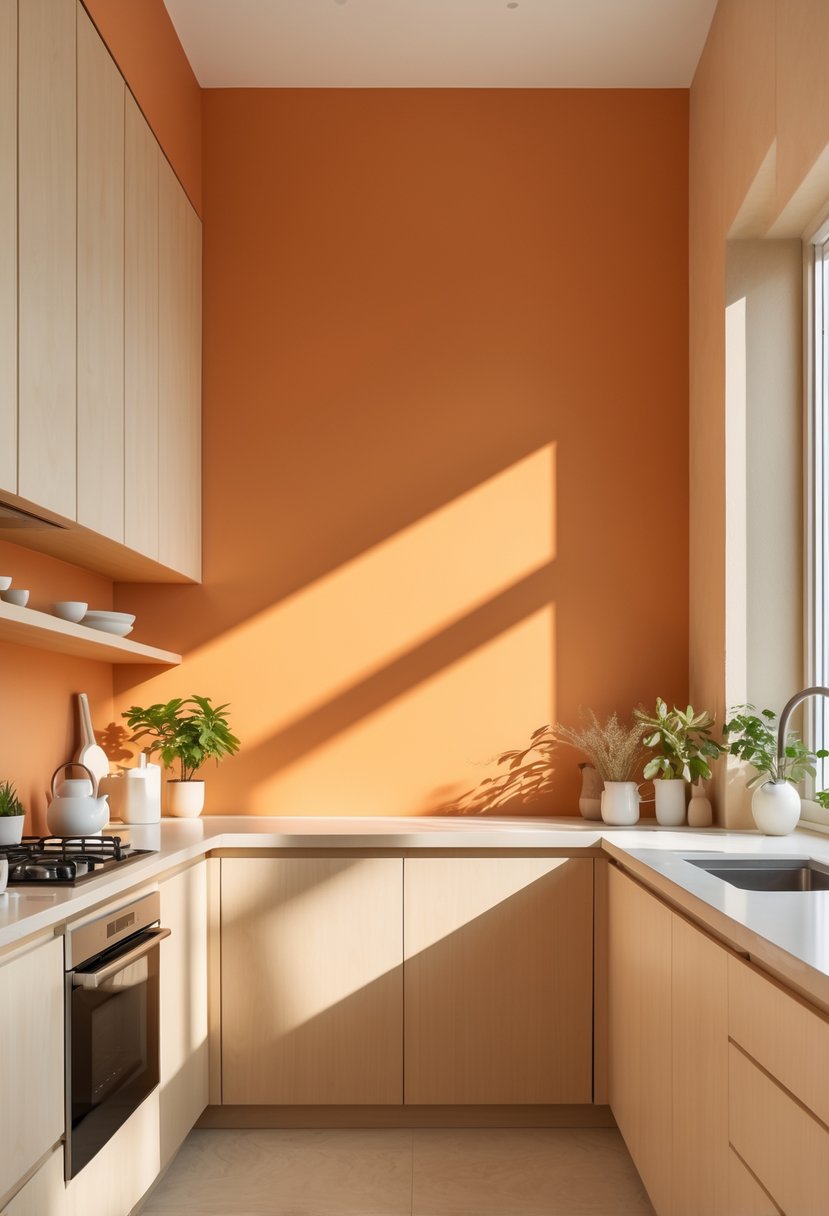
Sunset orange adds warmth and energy, while beige provides a calm balance. Together, they create a welcoming and modern look.
This combination works well on walls, with beige as the base and orange as an accent. It keeps the space bright without feeling overwhelming.
Eggplant Purple and Soft Gray
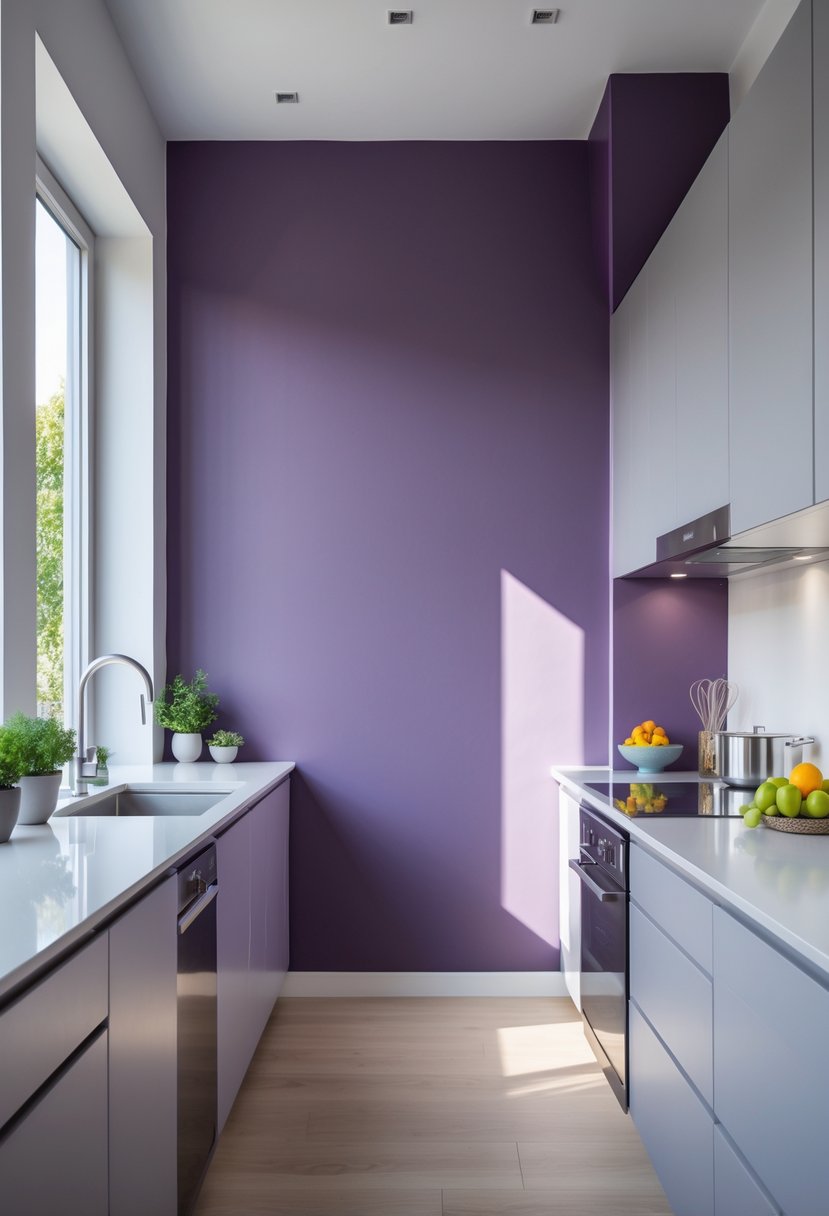
Eggplant purple brings depth and richness to a kitchen wall. Its bold tone pairs well with softer shades.
Soft gray balances the intensity of purple. Together, they create a modern and calm look.
This combination works with both natural light and artificial lighting, keeping the space inviting.
Ivory and Soft Gold
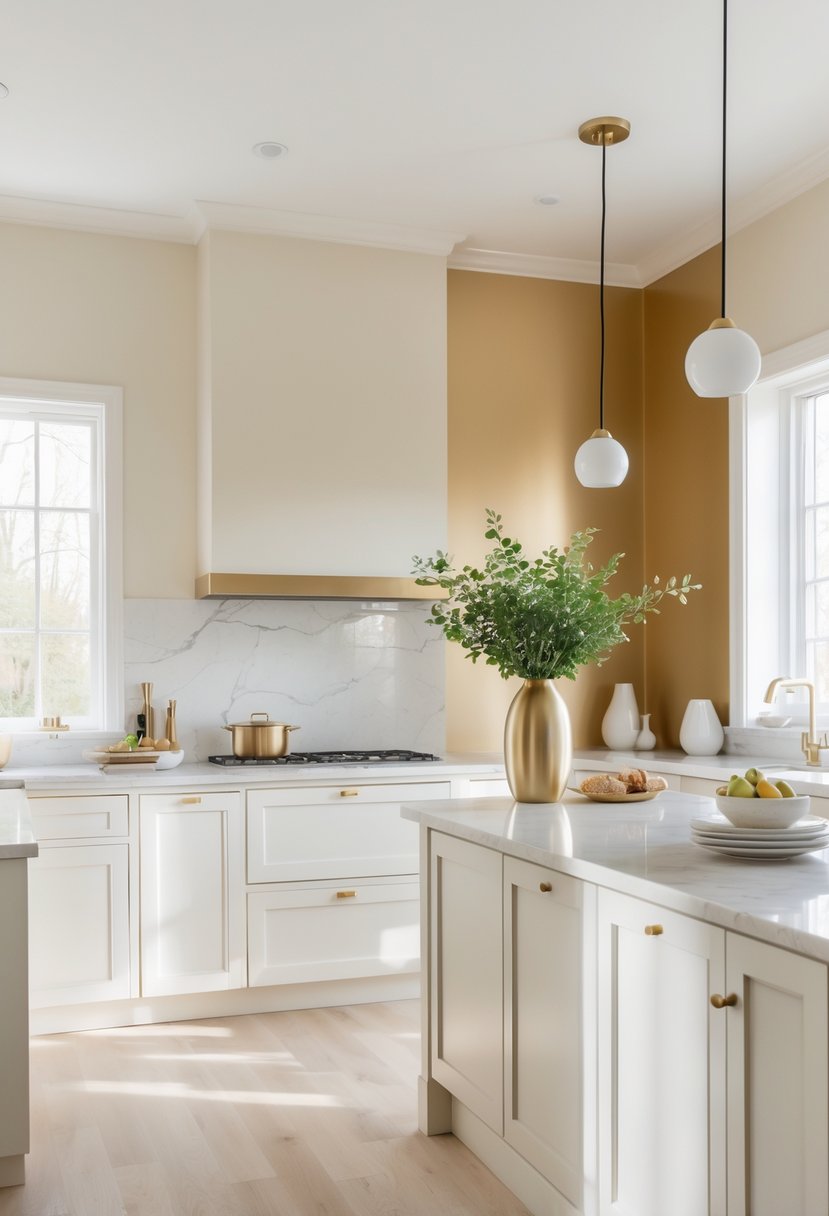
Ivory cabinets paired with soft gold accents create a warm and balanced look. The combination feels calm but still carries a touch of elegance.
Soft gold works well on fixtures, lighting, or trim against ivory walls. This pairing adds subtle contrast without making the space feel overwhelming.
How Wall Color Influences Kitchen Atmosphere
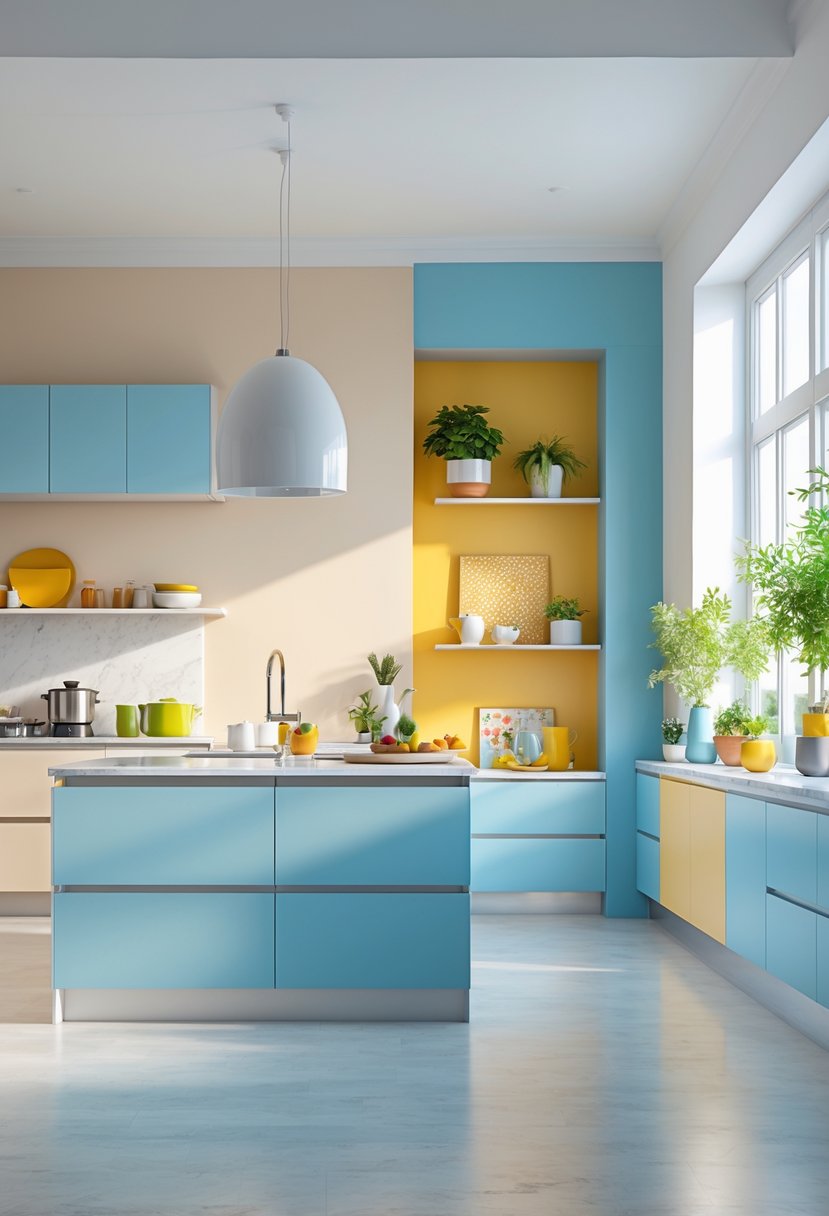
Wall color shapes how a kitchen feels and functions. It can affect mood, energy levels, and even how large or small the space appears. The right choice supports both comfort and practicality.
Psychological Effects of Color
Different shades influence emotions in distinct ways. Warm tones like soft yellows, creams, and light terracotta often create a friendly and welcoming environment. These colors can make the kitchen feel more cheerful and lively, which works well for families who spend a lot of time cooking and eating together.
Cool tones such as pale blues, greens, and grays tend to bring a sense of calmness and balance. They can help reduce visual clutter in a busy kitchen and promote a cleaner, more relaxed look. A muted green, for example, can connect the room to nature and feel refreshing.
Neutral colors like white, beige, and light taupe provide flexibility. They allow cabinets, backsplashes, or appliances to stand out without overwhelming the space. Neutrals also adapt well to both traditional and modern design styles.
When choosing wall colors, homeowners often consider how they want the kitchen to feel during everyday use. A bright, energetic palette may suit an active household, while a softer scheme may work better for those who prefer a calm, quiet space.
Lighting and Space Perception
Wall color interacts strongly with both natural and artificial light. Lighter shades reflect more light, which can make a small kitchen appear larger and more open. A white or pale beige wall can prevent shadows from making the room feel cramped.
Darker colors, while stylish, absorb more light. This can make a large kitchen feel cozier but may also reduce brightness if windows are limited. In such cases, pairing dark walls with lighter cabinets or countertops helps balance the effect.
The direction of sunlight matters as well. A north-facing kitchen often benefits from warmer tones to counter cooler daylight, while a south-facing kitchen can handle cooler shades without feeling cold.
Artificial lighting also changes how colors appear. LED bulbs with warm tones enhance earthy shades, while cooler bulbs highlight blues and grays. Testing paint samples under different lighting conditions ensures the chosen color works throughout the day.
Tips for Choosing the Right Kitchen Wall Color Combinations
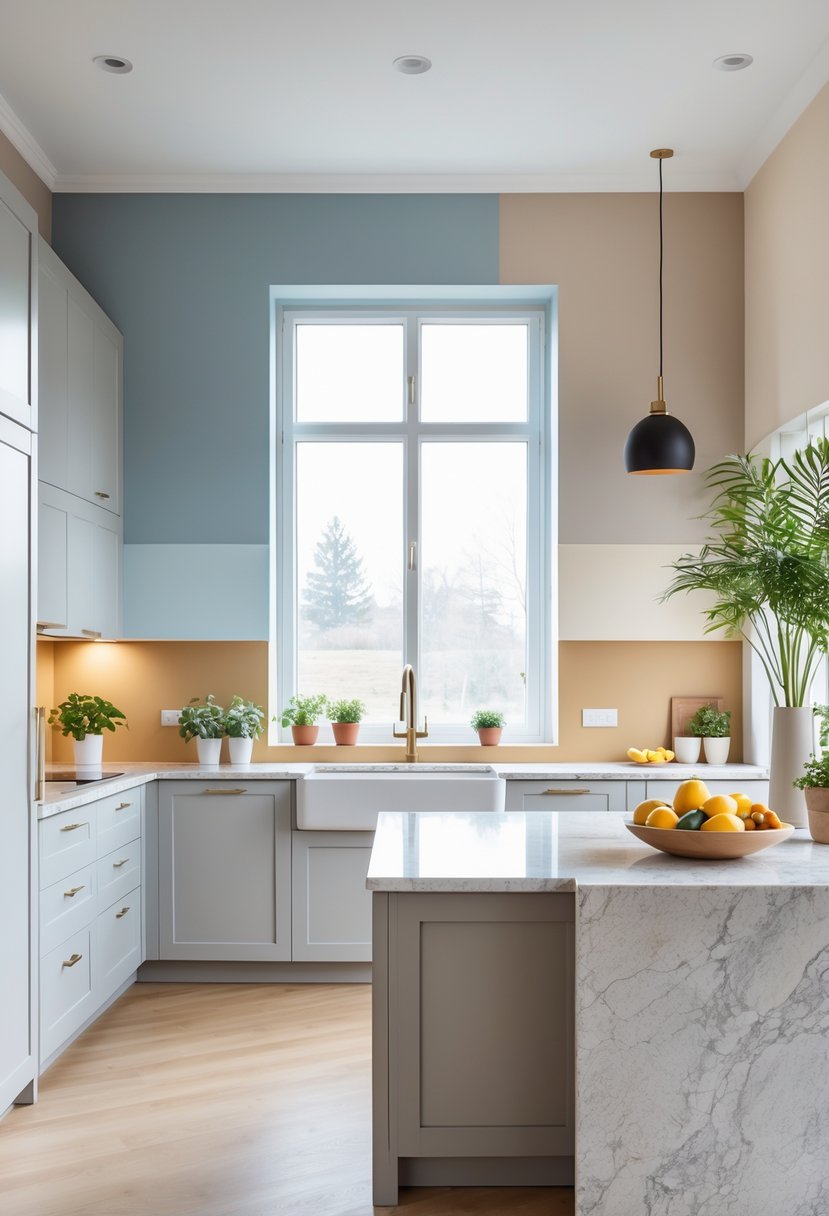
The most effective color choices connect the walls with existing features in the kitchen and strike a balance between contrast and harmony. A thoughtful mix of tones can make the space feel cohesive without overwhelming the eye.
Coordinating With Cabinets and Countertops
Cabinets and countertops usually take up the most visual space in a kitchen, so wall colors should work with them rather than compete. Light cabinets, such as white or pale wood, often pair well with soft grays, warm beige, or muted greens. These shades create a clean backdrop that highlights the cabinetry.
For darker cabinets like navy, espresso, or black, lighter wall shades help prevent the room from feeling heavy. Off-white, cream, or light taupe walls can brighten the space and keep it balanced.
Countertops also influence the choice. A busy granite or quartz surface benefits from a simpler wall color, while a solid countertop allows more freedom for bolder wall tones.
Quick guide:
- White cabinets → Gray, beige, or soft pastels
- Dark cabinets → Cream, taupe, or light neutrals
- Patterned countertops → Simple wall colors
- Solid countertops → Flexible wall options
Balancing Bold and Neutral Tones
A kitchen can feel flat if all surfaces use the same neutral shade. Adding a bold wall color introduces character, but it works best when balanced with softer tones elsewhere. For example, a navy accent wall pairs well with white cabinets and light counters.
Too many bold colors can overwhelm the space, so it helps to limit them to one or two areas. Accent walls, backsplashes, or small sections of open wall space are good places to introduce stronger hues.
Neutral walls such as gray, beige, or soft green create a steady backdrop for colorful décor. This approach lets the homeowner change accents like rugs, curtains, or bar stools without repainting the walls.
Balanced combinations include:
- Bold wall + neutral cabinets
- Neutral wall + colorful backsplash
- Accent wall + muted surrounding walls
For more color inspiration, explore these popular kitchen paint colors to find your perfect shade.