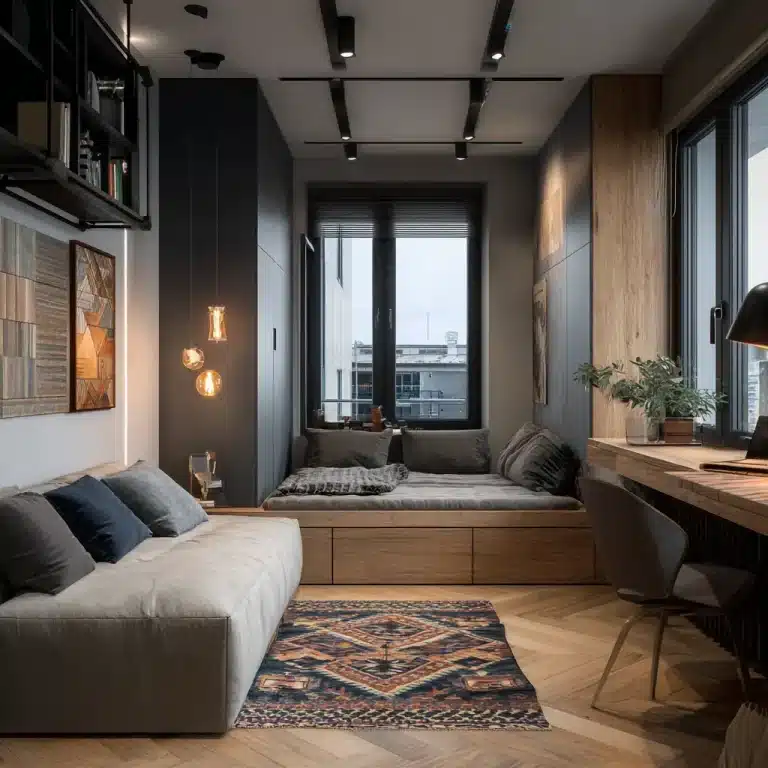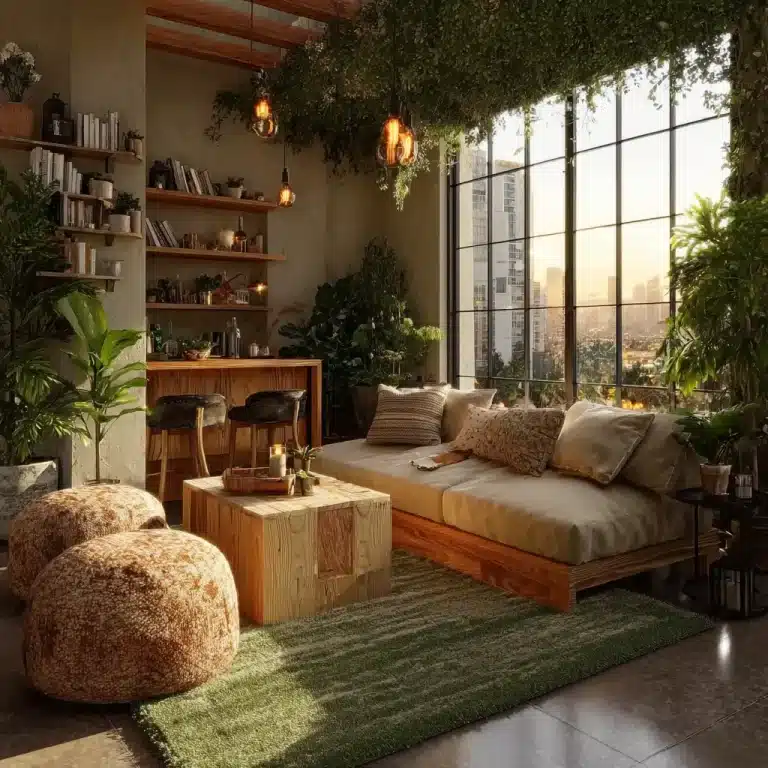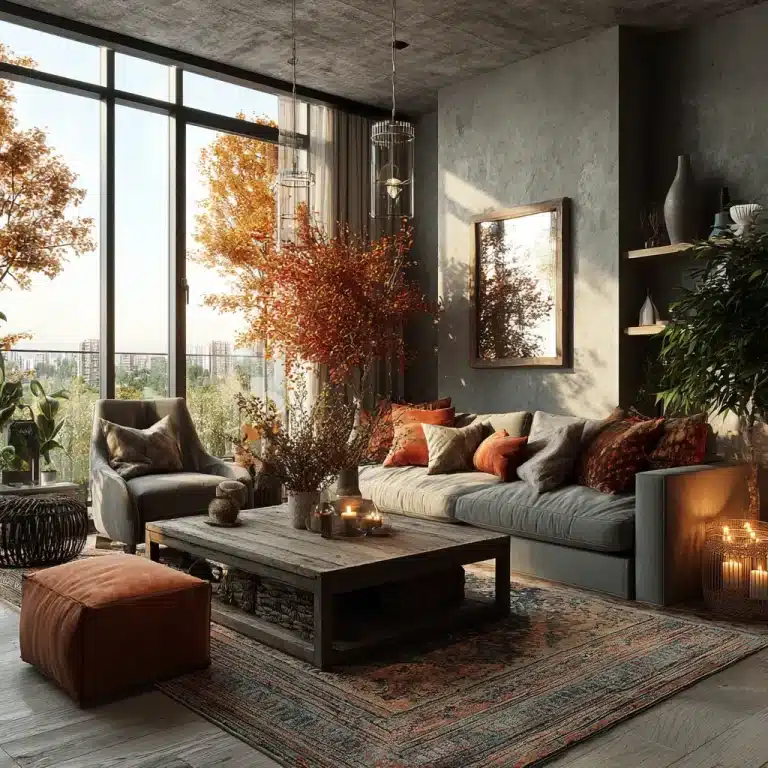
Apartment Makeover Ideas 2026: 22 Stylish Ways To Refresh Your Space
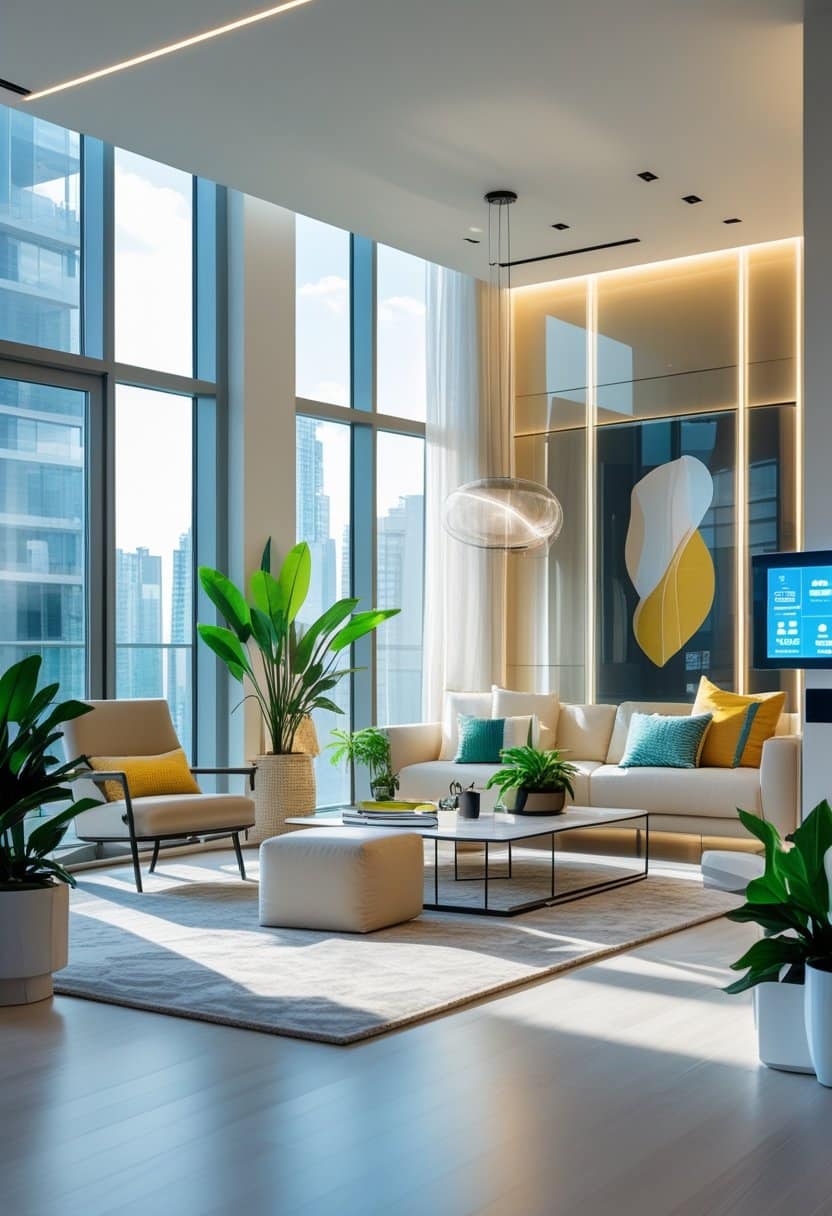
Apartment living in 2026 continues to evolve with fresh ideas that balance style, comfort, and practicality. Small changes can make a big impact, whether the goal is to refresh a single corner or transform an entire space. Apartment makeover ideas in 2026 focus on simple updates that improve function while also creating a modern, inviting atmosphere.
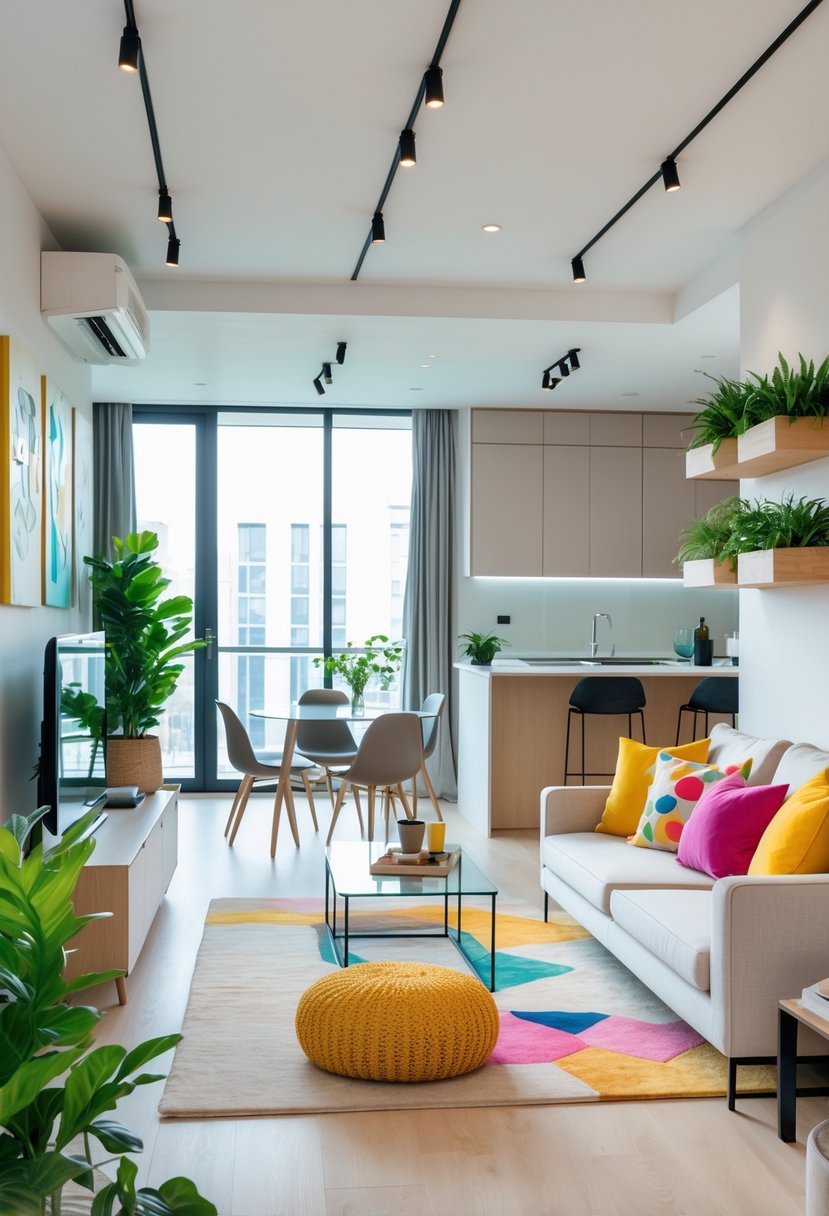
This approach highlights easy upgrades that do not require major renovations, making them ideal for both rentals and long-term homes. From creative storage solutions to smart design choices, these ideas help maximize space, add personality, and bring a sense of balance to everyday living.
Use peel-and-stick wallpaper for an easy, damage-free accent wall
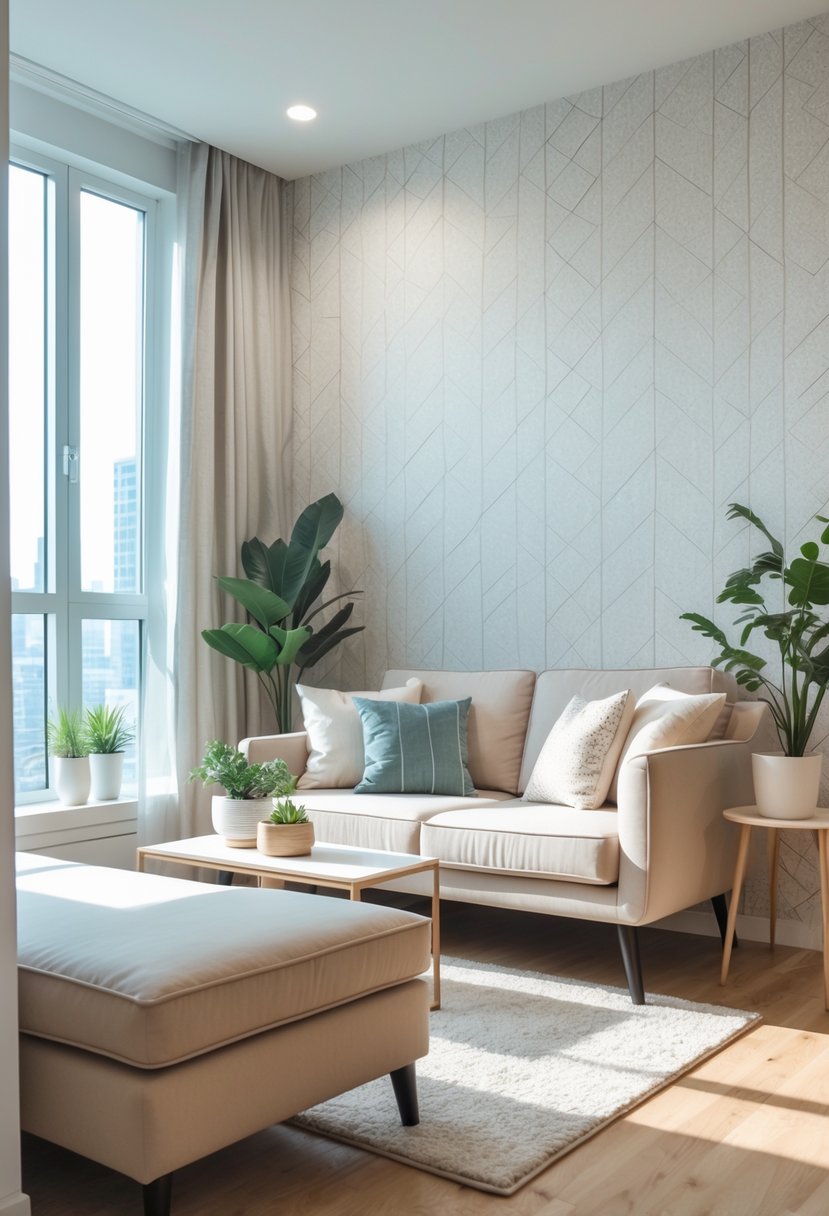
Peel-and-stick wallpaper lets renters or homeowners update a room without permanent changes. It applies with an adhesive backing and removes cleanly.
They can use it to create an accent wall, add pattern to small spaces, or highlight features like alcoves. It works best on smooth, clean surfaces.
Add floating shelves to maximize vertical storage
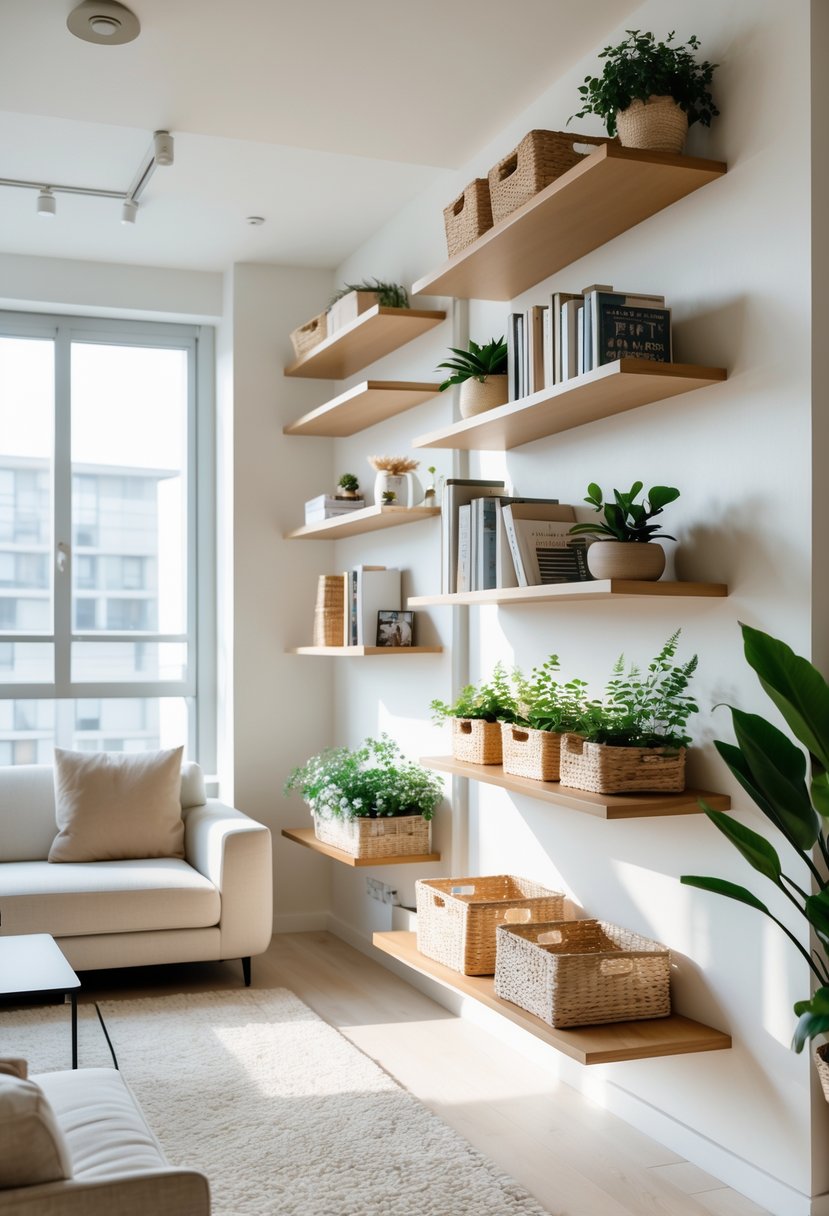
Floating shelves help use wall space that might otherwise stay empty. They work well in small apartments where floor space is limited.
Residents can place books, plants, or decor on them without crowding surfaces. The shelves also keep items within easy reach while maintaining a clean look.
Incorporate multi-functional furniture like a sofa bed
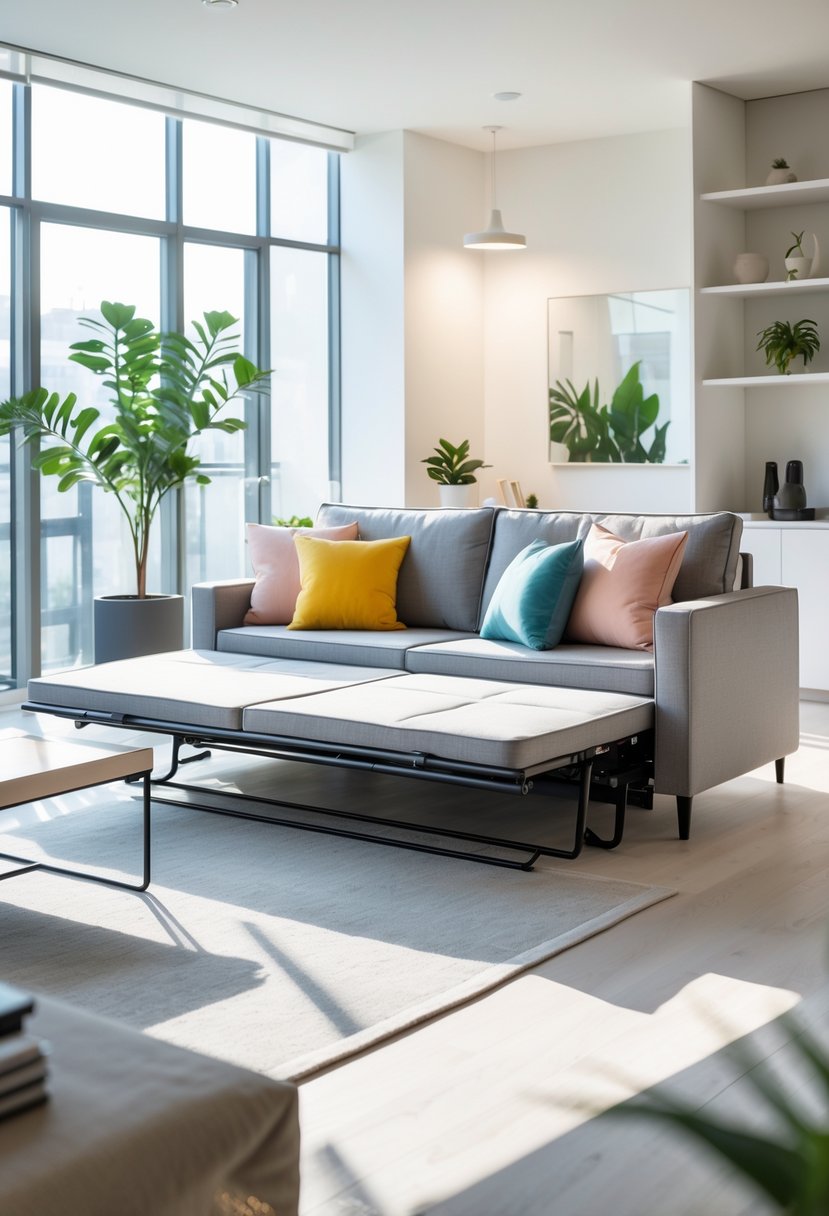
A sofa bed gives a living room both seating and sleeping space. It works well in small apartments where every square foot matters.
During the day, it functions as a regular couch. At night, it can be pulled out to provide a bed for guests.
Install removable hooks for hanging plants or art
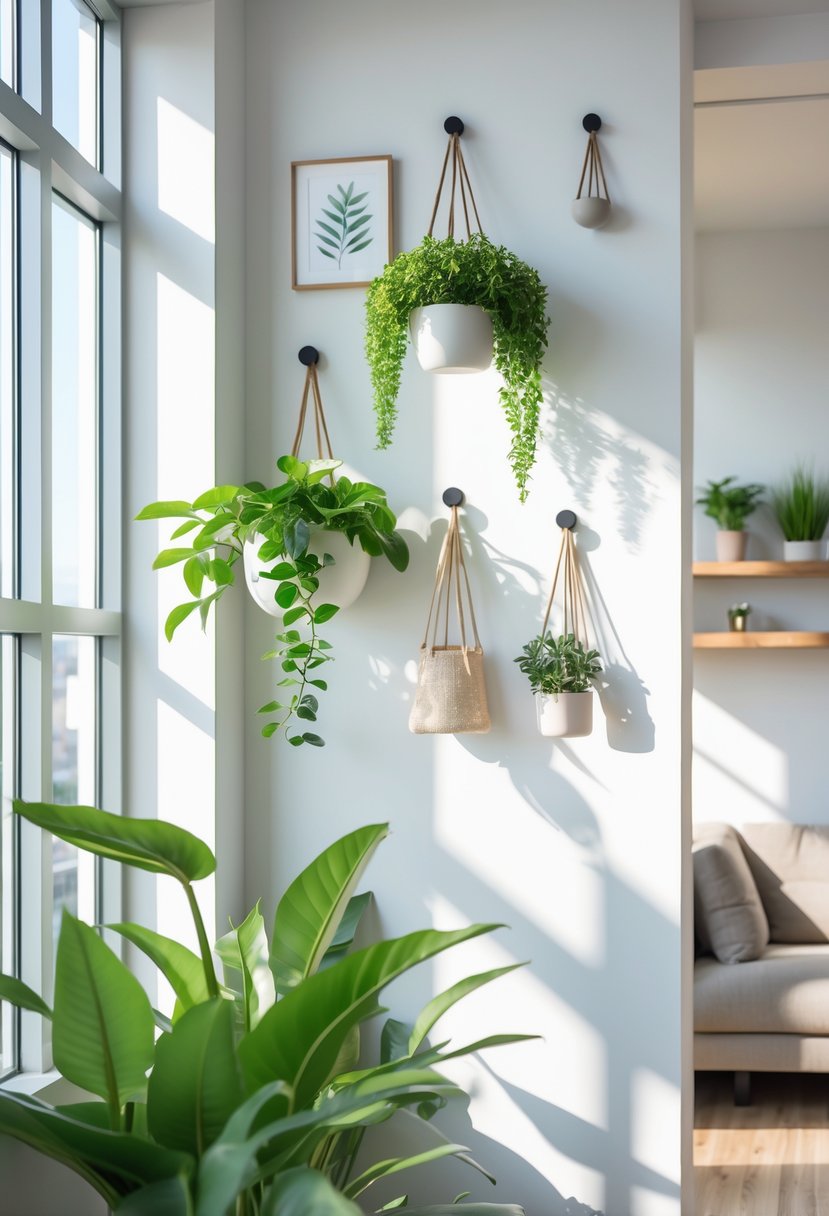
Removable hooks let renters hang plants or artwork without drilling into walls or ceilings.
They work well for lightweight items and can be placed in different spots to adjust the look of a room.
When removed, they leave little to no damage, making them renter-friendly.
Choose a bold accent color with throw pillows and rugs
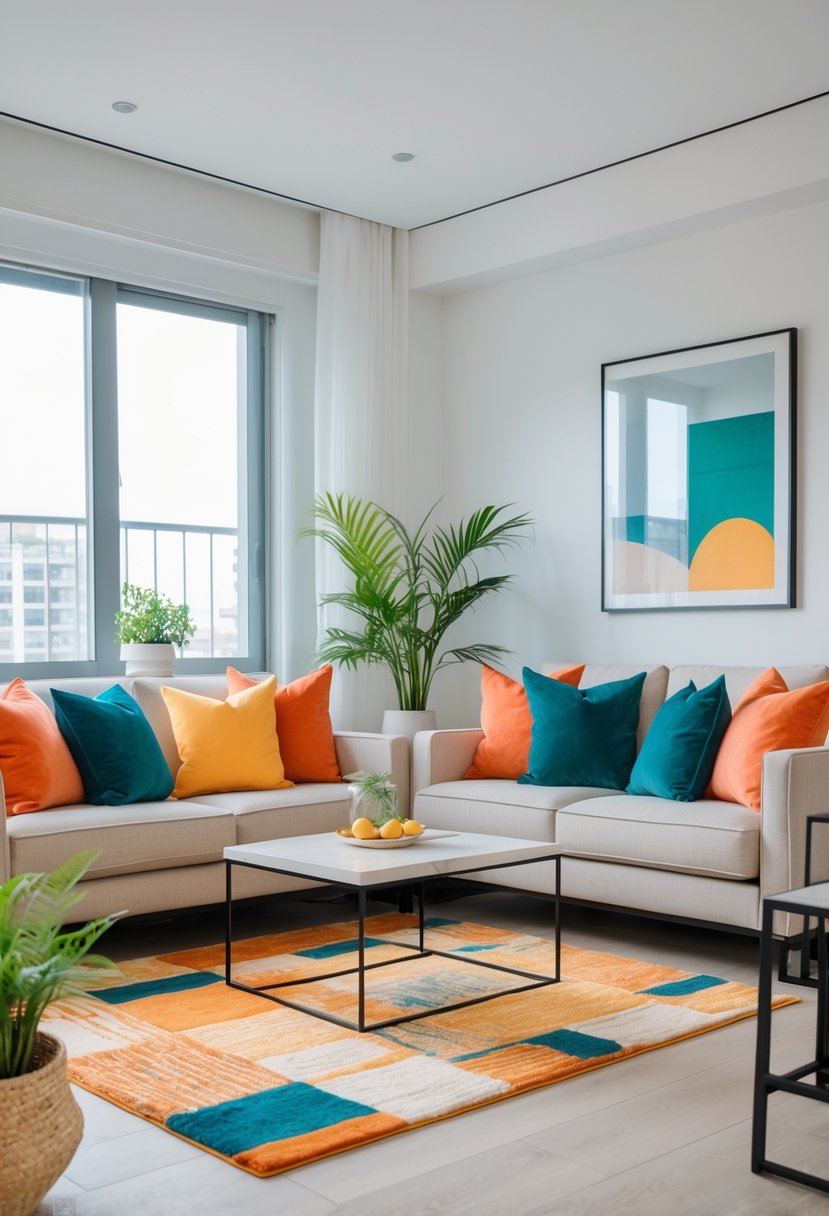
They can add bold color without changing the entire room by using throw pillows and rugs.
A bright rug under a neutral sofa or colorful pillows on a plain chair introduces contrast.
This approach keeps the space balanced while still highlighting a chosen accent shade.
Swap out outdated light fixtures with modern LED options
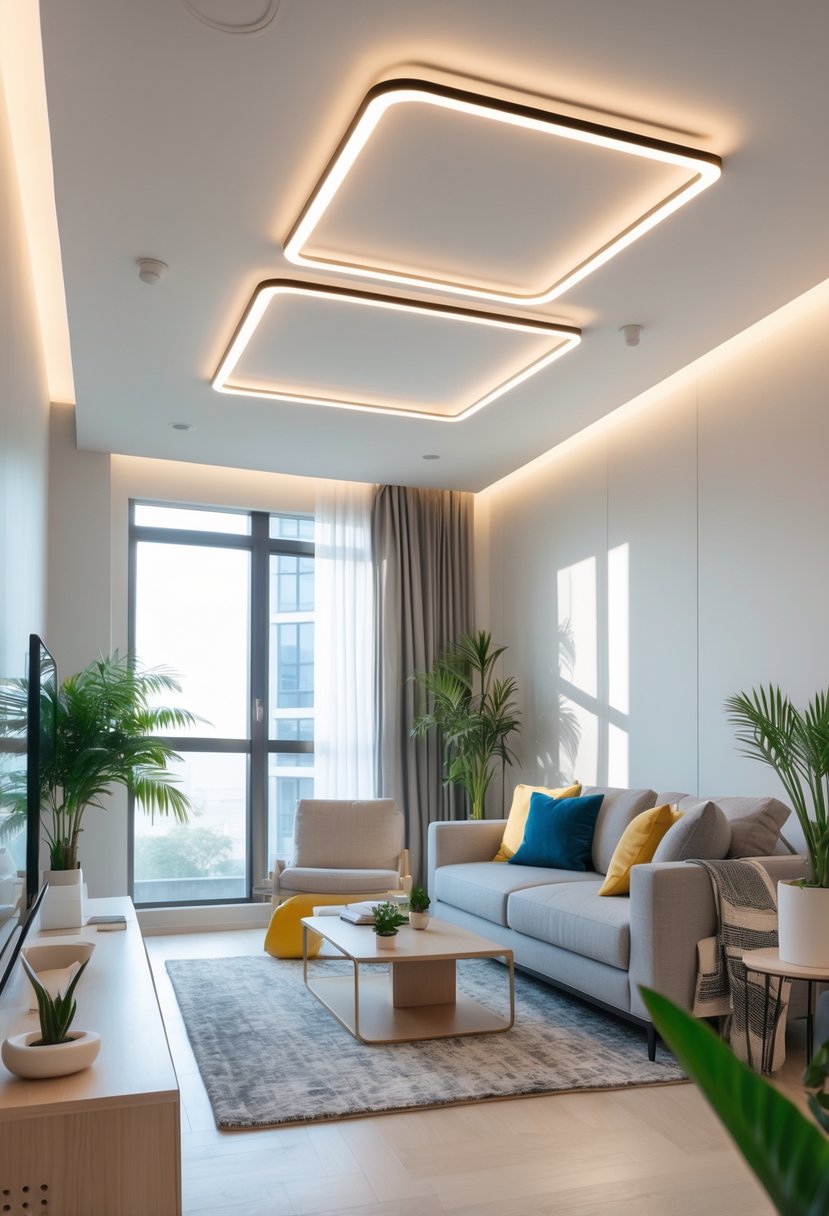
Modern LED fixtures use less energy and last longer than older bulbs. They provide consistent lighting without frequent replacements.
Replacing outdated fixtures with LEDs can also give rooms a cleaner, updated look. This small change can refresh an apartment without major remodeling.
Use a room divider to create distinct living zones
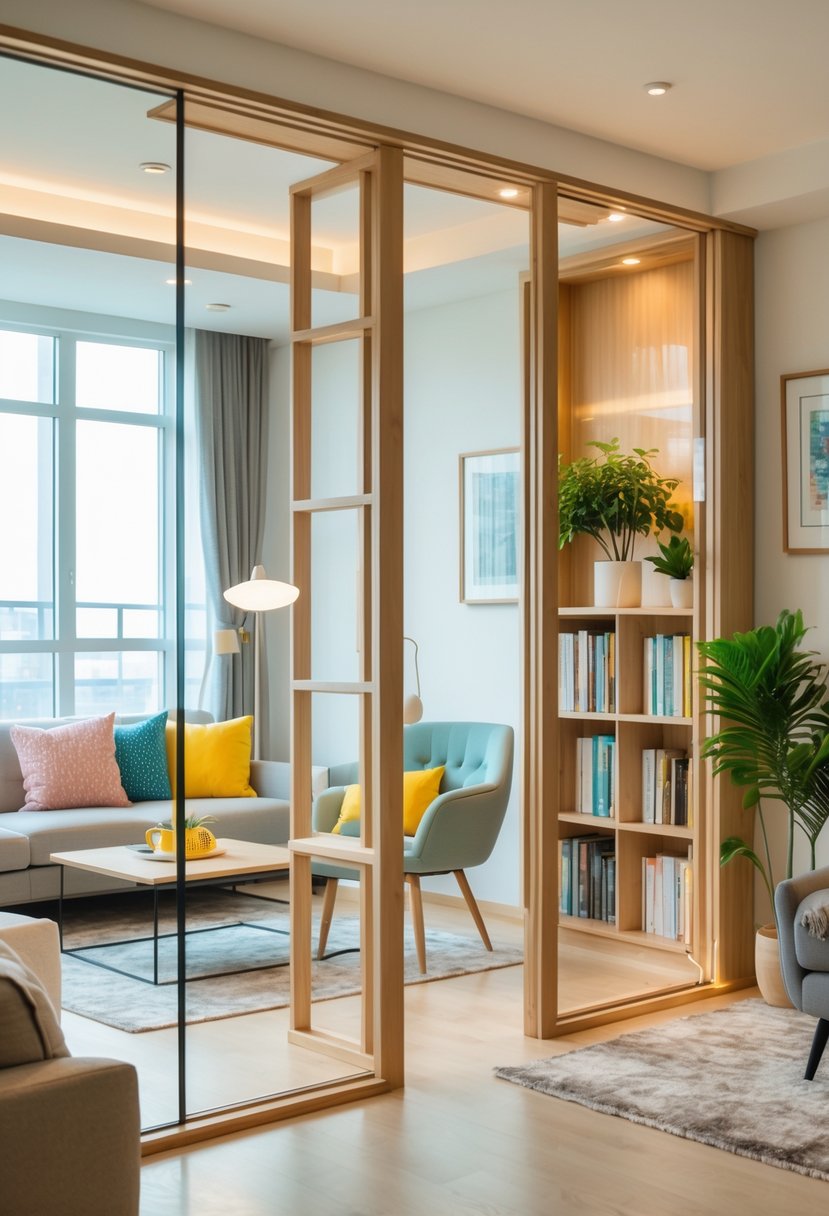
A room divider helps separate areas in an open apartment without permanent walls.
They can use folding screens, curtains, or shelving units to define spaces for work, dining, or relaxation.
This simple change improves function while keeping the layout flexible and easy to adjust.
Add a large mirror to visually expand the space
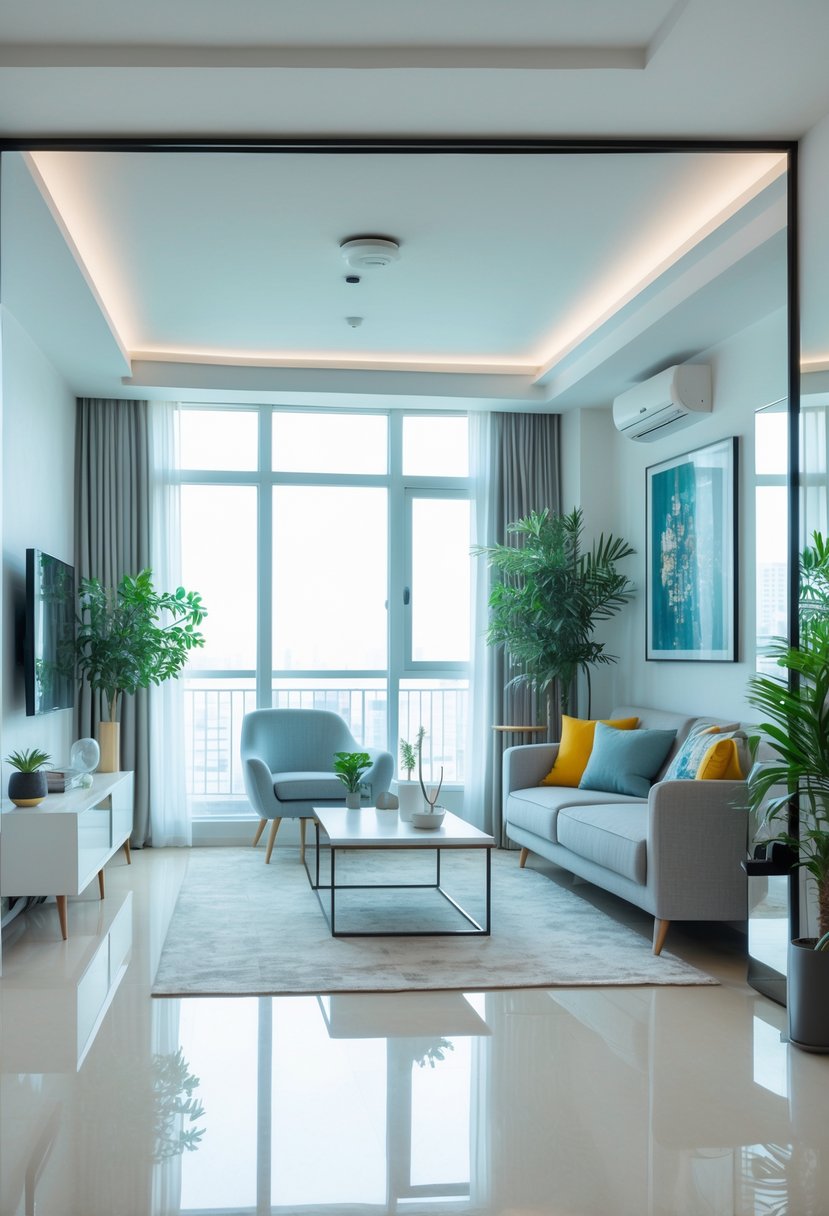
A large mirror reflects light and makes a room feel more open.
When placed on a wall, it can create the impression of extra depth.
They work well in living rooms, bedrooms, or entryways where space feels limited.
Layer lighting with floor lamps and table lamps for ambiance
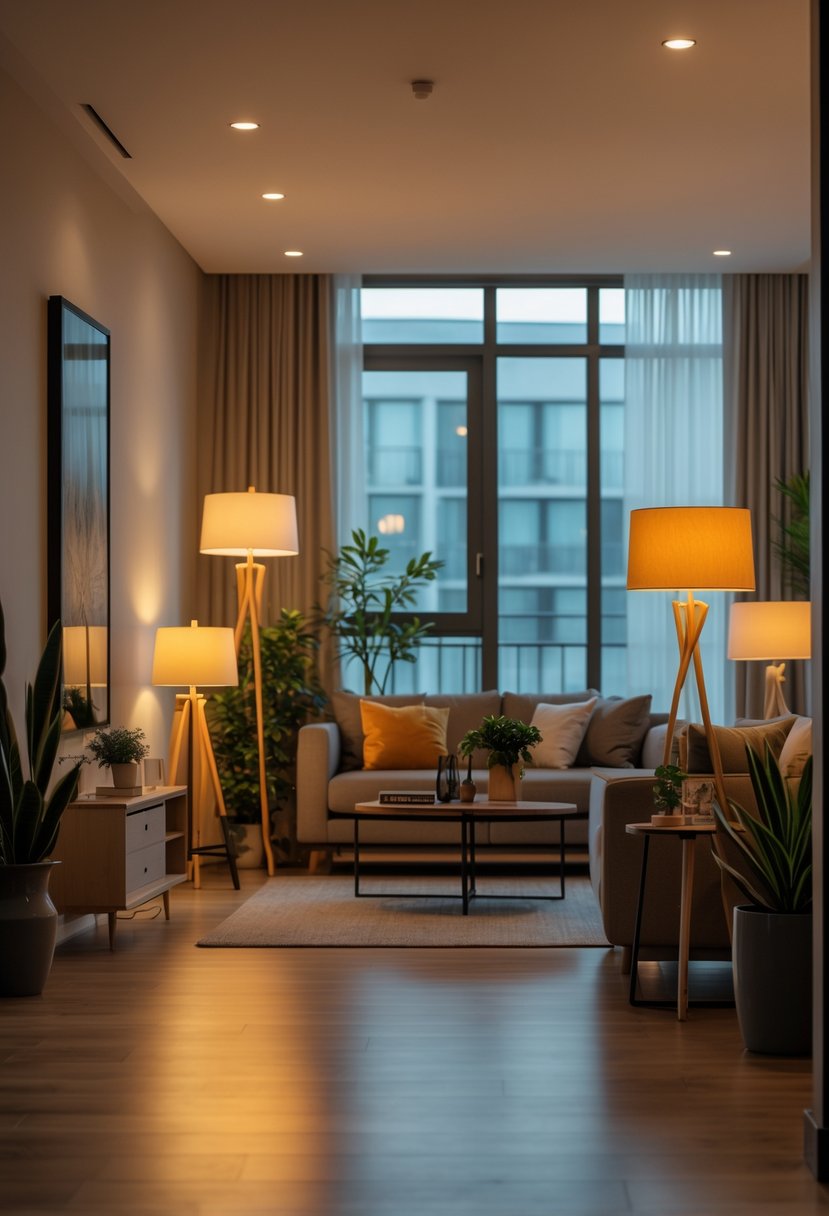
They can use floor lamps to add height and spread soft light across a room.
Table lamps provide focused light for reading or working while adding warmth to corners.
Together, these layers reduce shadows, create balance, and make small apartments feel more inviting.
Create a gallery wall with removable adhesive strips
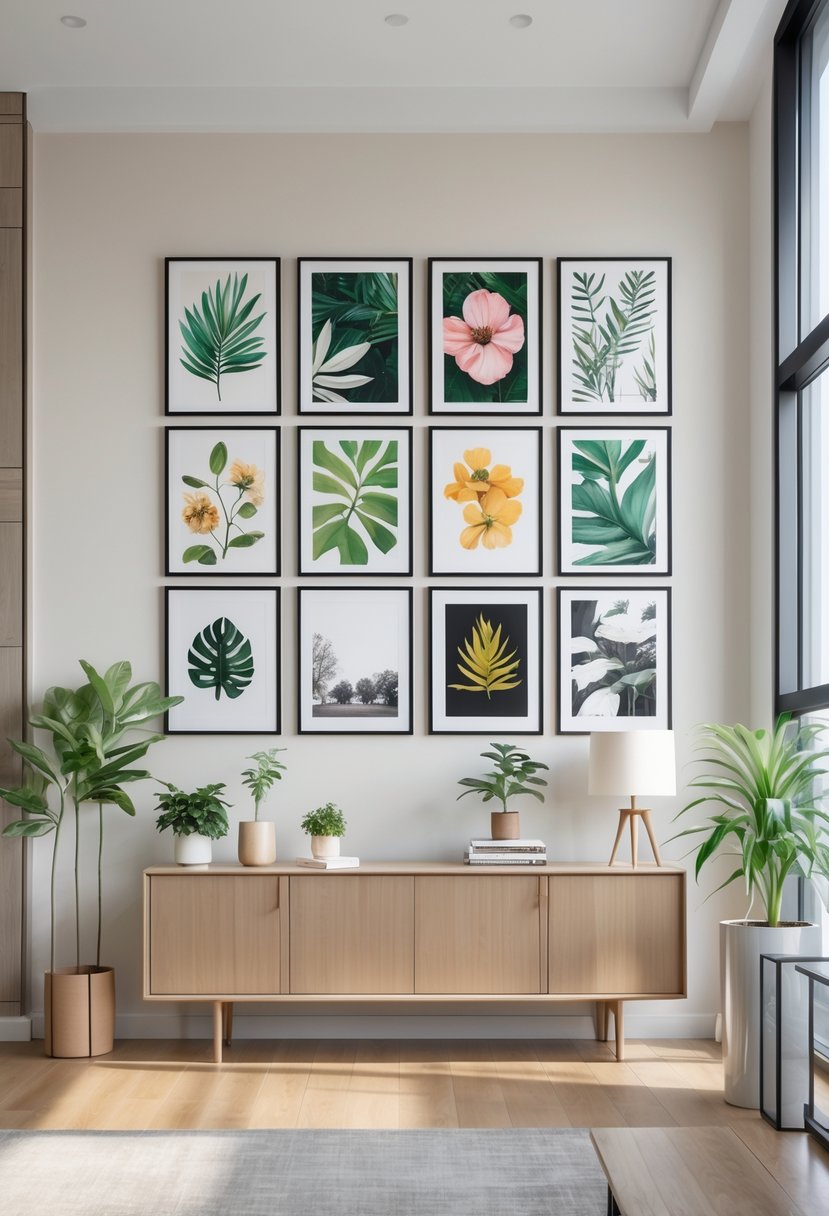
They can arrange photos, prints, or small art pieces using removable adhesive strips.
These strips hold items securely while keeping walls free of holes or damage.
By planning the layout first, they can adjust spacing and balance before pressing frames into place.
Use under-bed storage bins to declutter
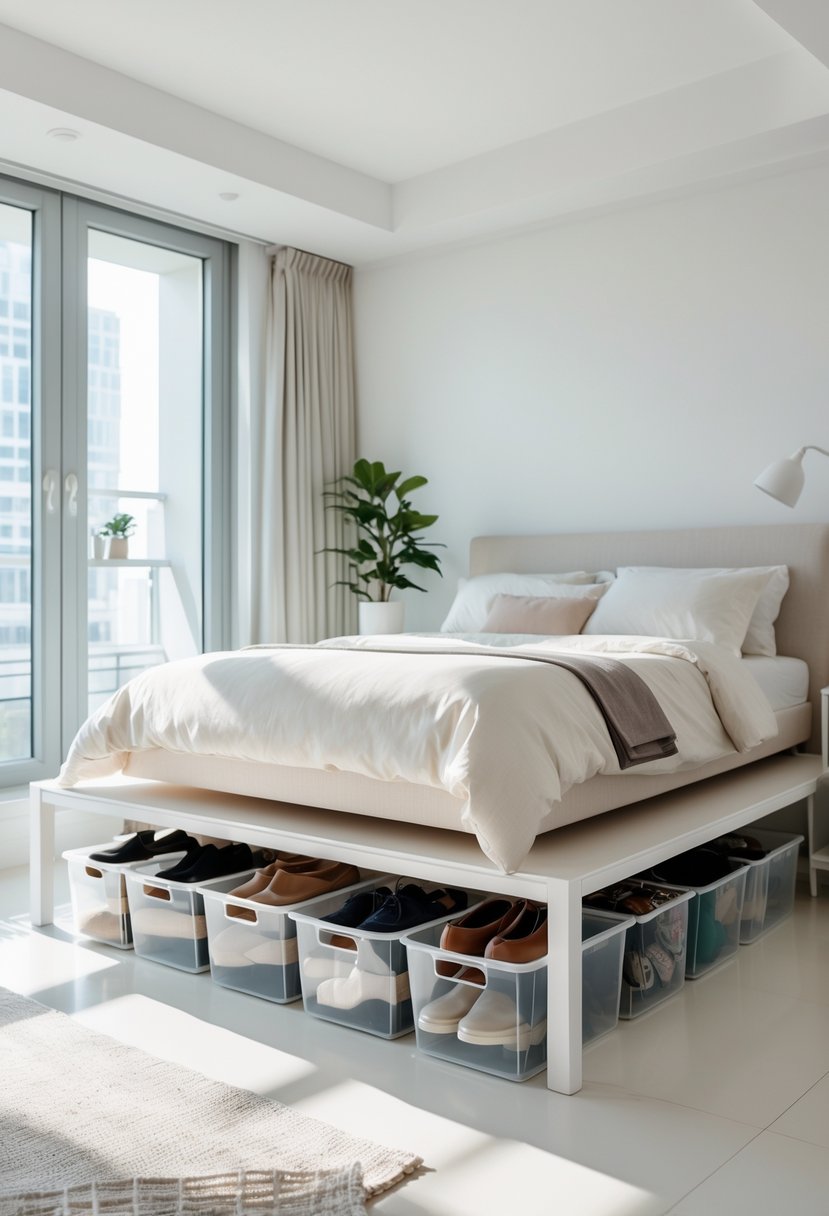
Under-bed storage bins help maximize unused space in small apartments. They slide easily beneath the bed and keep items out of sight.
People often use them for clothing, shoes, or bedding. Clear lids or labels make it simple to find what is stored without opening every container.
Incorporate greenery with low-maintenance indoor plants
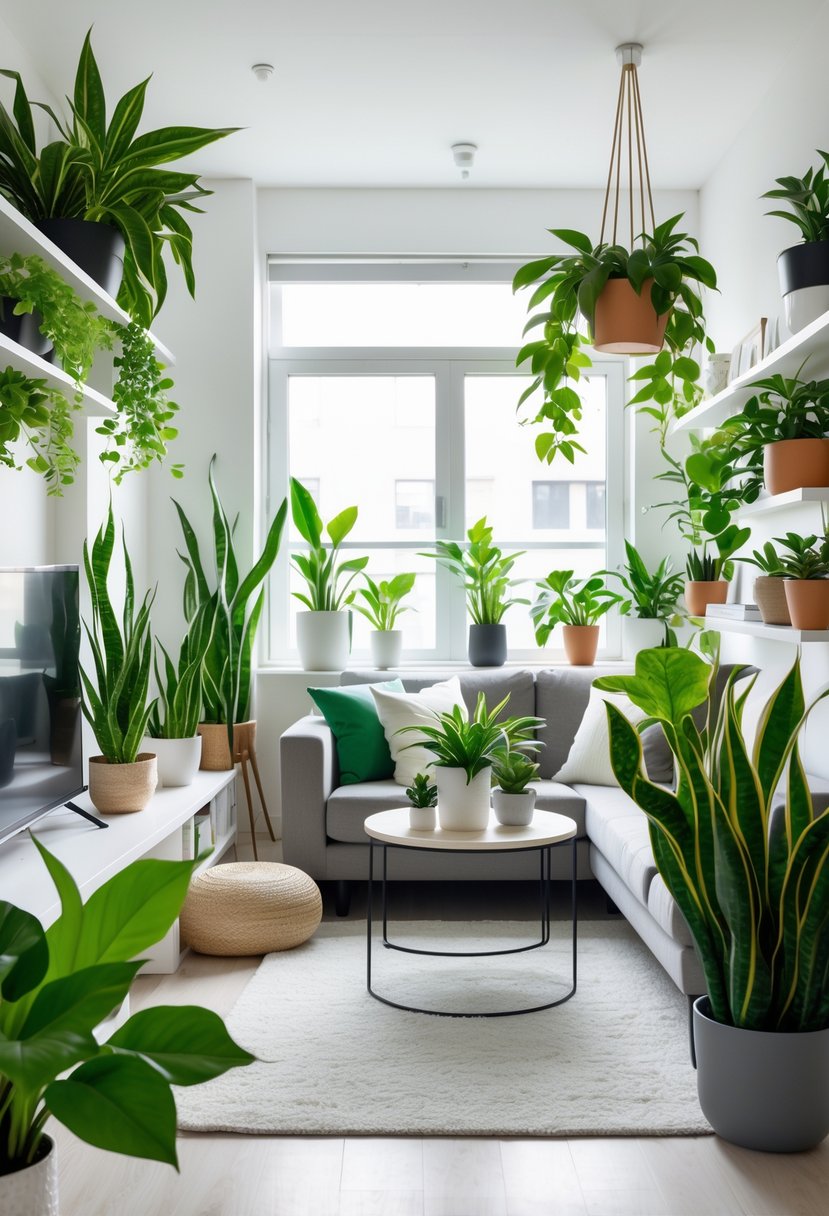
They can refresh an apartment with simple, low-maintenance plants like snake plants, pothos, or succulents.
These options grow well in small spaces and need little care, making them ideal for busy schedules.
Placing plants on shelves, side tables, or window sills adds greenery without taking up much room.
Apply contact paper to countertops for a fresh look
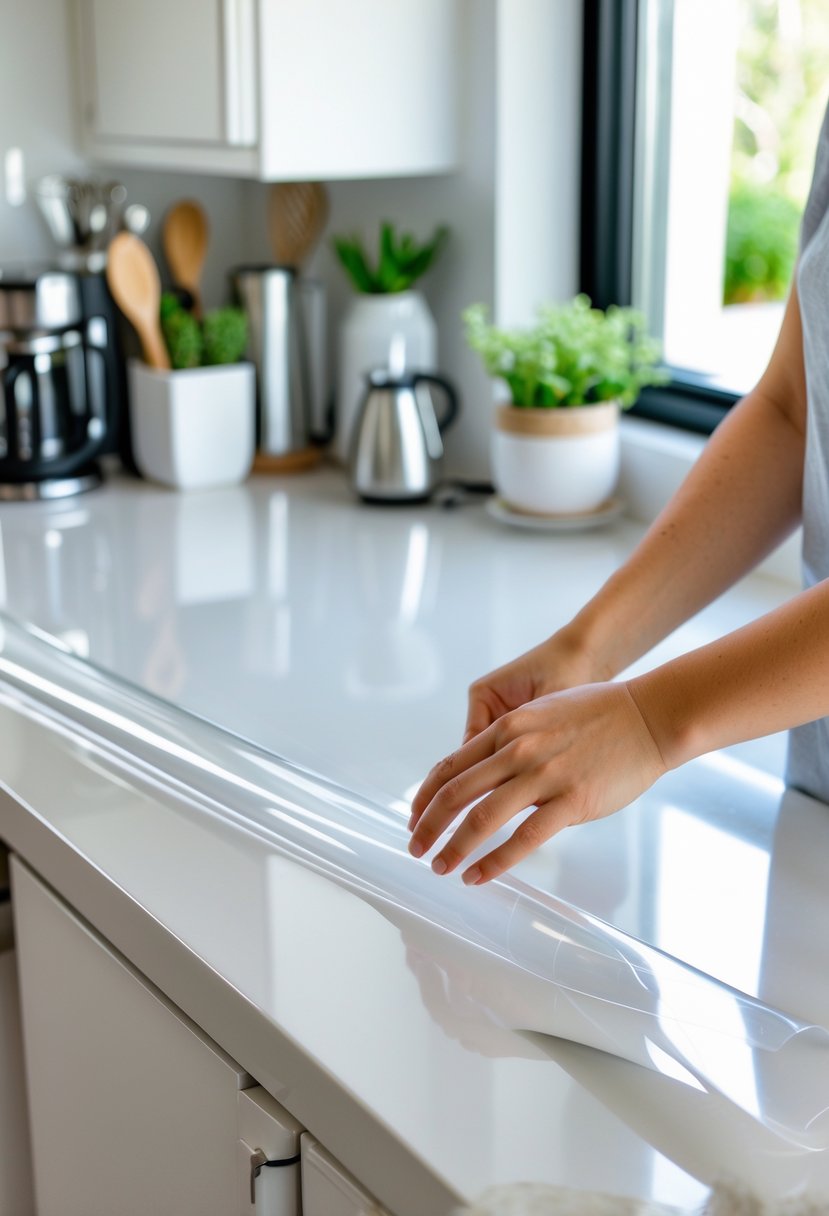
Contact paper offers a simple way to update worn or outdated countertops. It comes in many finishes, including marble and wood styles.
Tenants often choose it because it is affordable and removable. With careful measuring and smoothing, the surface can look neat and clean.
Use peel-and-stick tiles for a kitchen backsplash update
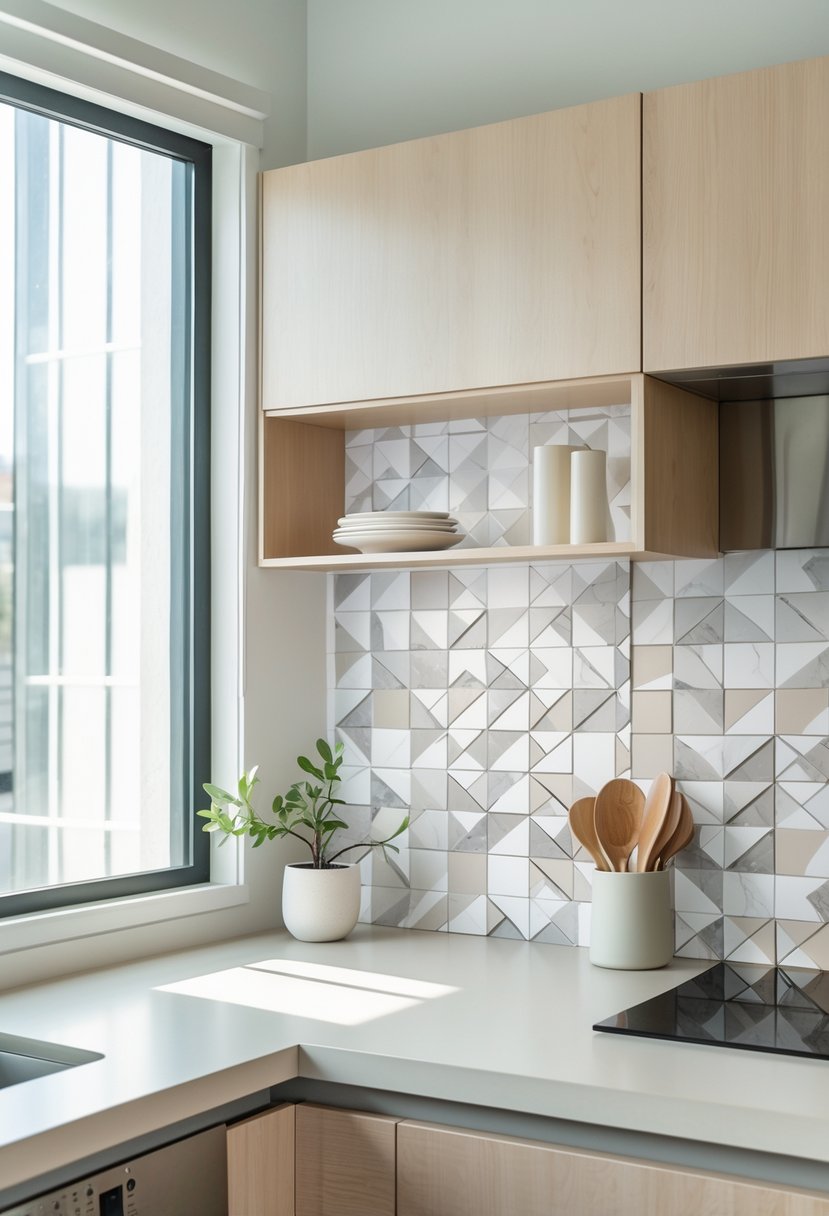
Peel-and-stick tiles give renters and homeowners a simple way to refresh a kitchen without major work.
They install directly over most flat surfaces, including existing tile, and require only basic tools.
The tiles come in many styles, making it easy to match different apartment designs.
Add a statement rug to define your living area
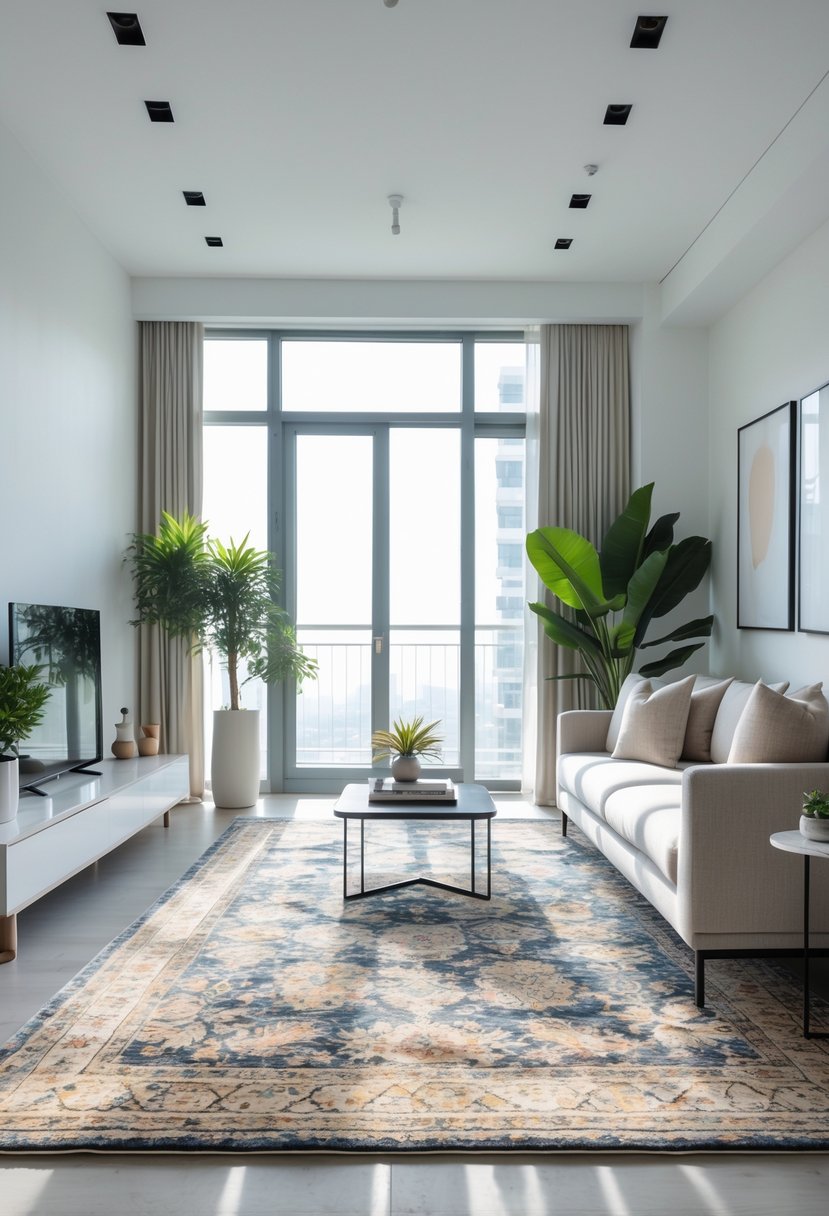
A statement rug helps separate the living area from other parts of an apartment.
It adds color, texture, and balance to the space without requiring major changes.
By choosing the right size and placement, they can anchor furniture and create a clear focal point.
Install tension rods for extra curtain options
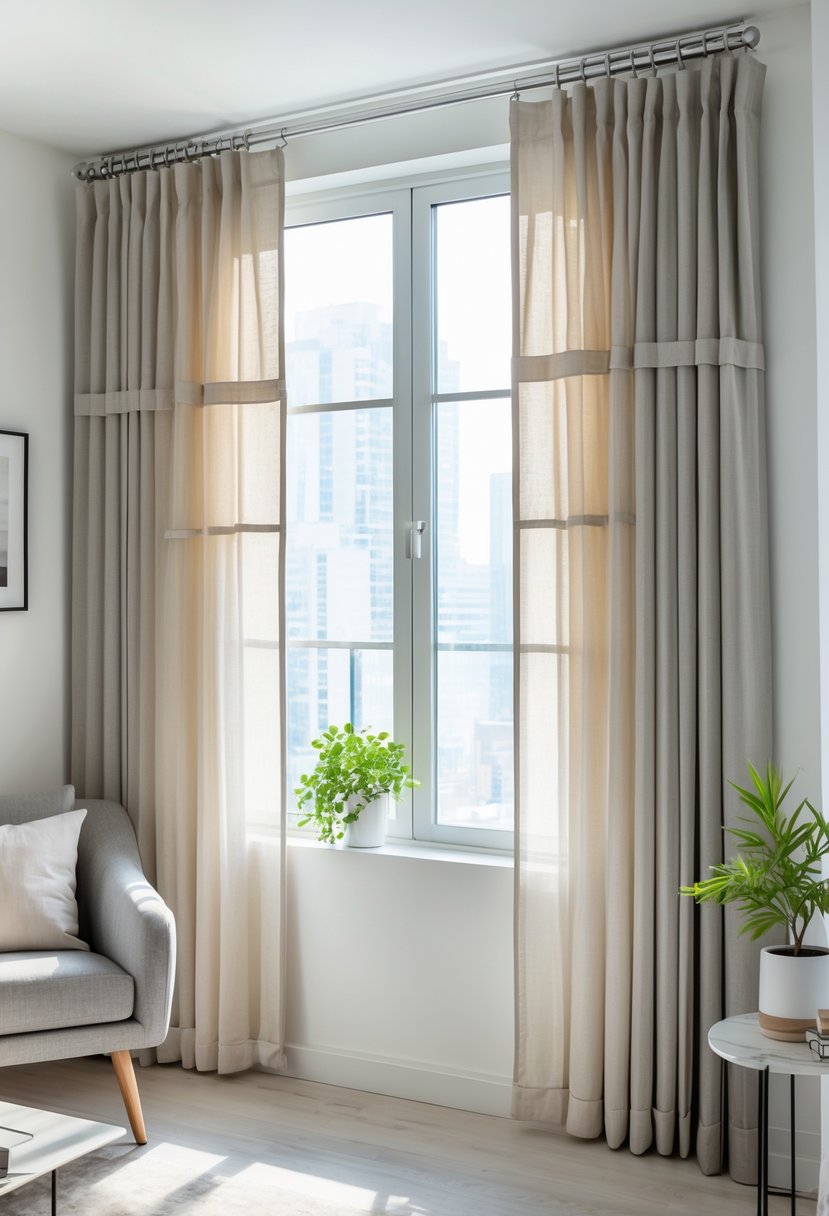
Tension rods let renters hang curtains without drilling holes. They fit inside window frames or between walls and adjust to size.
People can also use multiple rods to layer curtains. This creates light control and privacy while keeping the setup simple and removable.
Use decorative baskets for stylish storage solutions
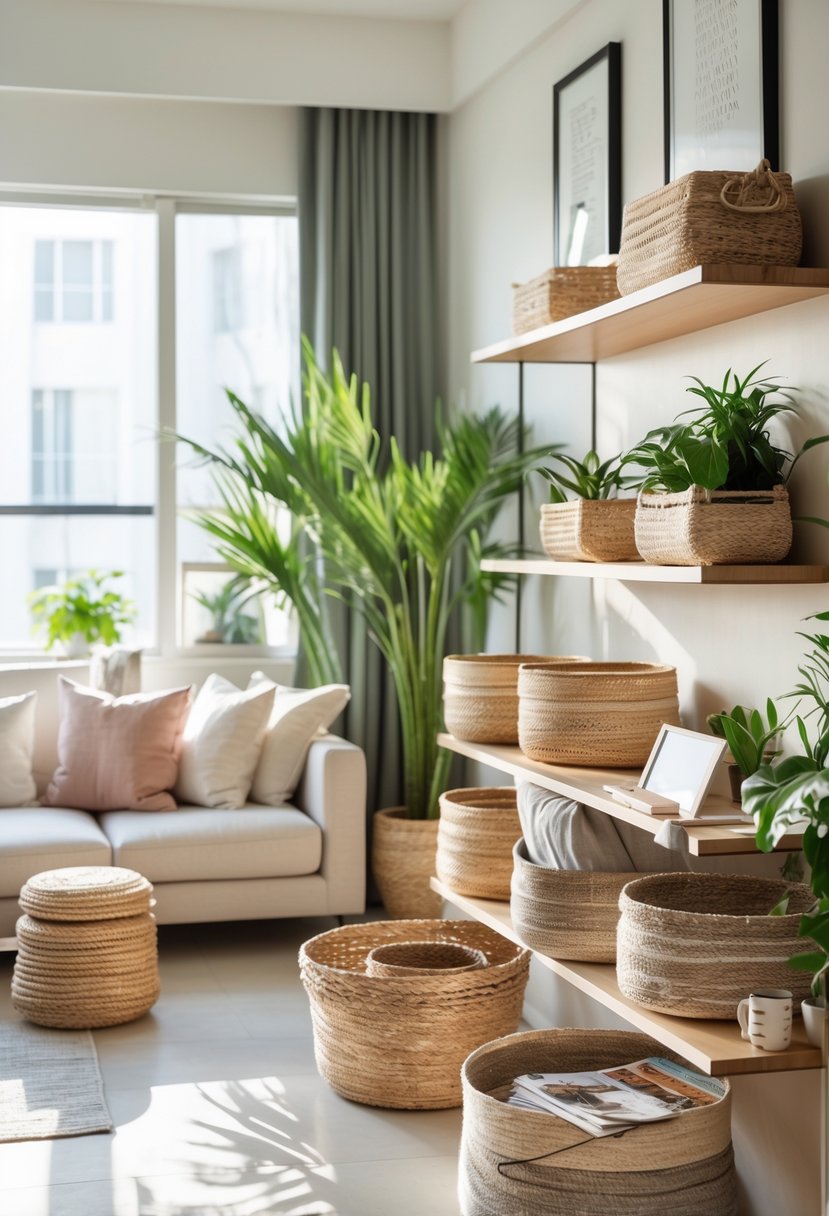
Decorative baskets give apartments both storage and visual appeal. They fit well in living rooms, bedrooms, or entryways.
They can hold blankets, magazines, or shoes while keeping spaces neat. Placing them on shelves or under benches saves space.
Different materials like wicker, fabric, or metal add texture and style to small areas.
Replace cabinet hardware with sleek, modern knobs
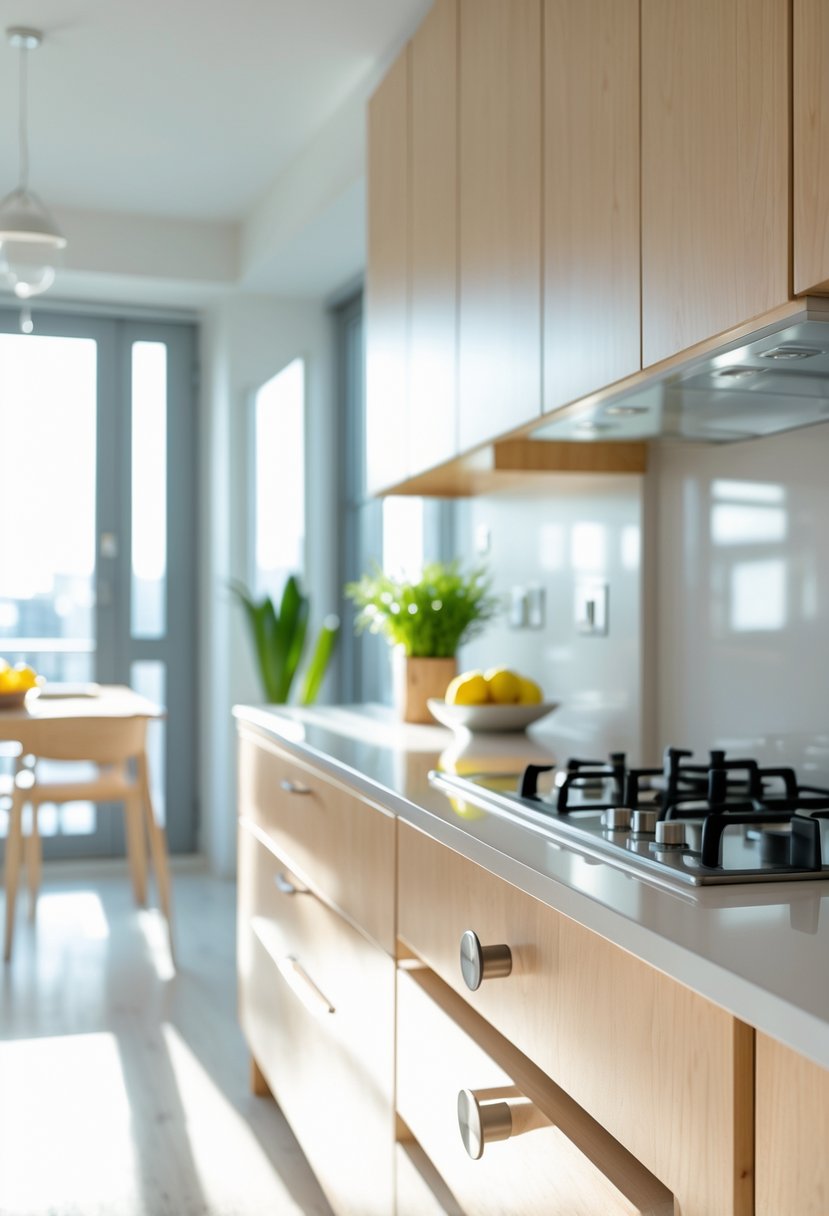
Swapping out cabinet knobs and pulls gives any apartment a quick update.
Matte black, brushed nickel, and slim bar handles create a clean, modern look.
This small change works in kitchens, bathrooms, and storage areas without requiring a full renovation.
Add a fold-down desk to create a compact workspace
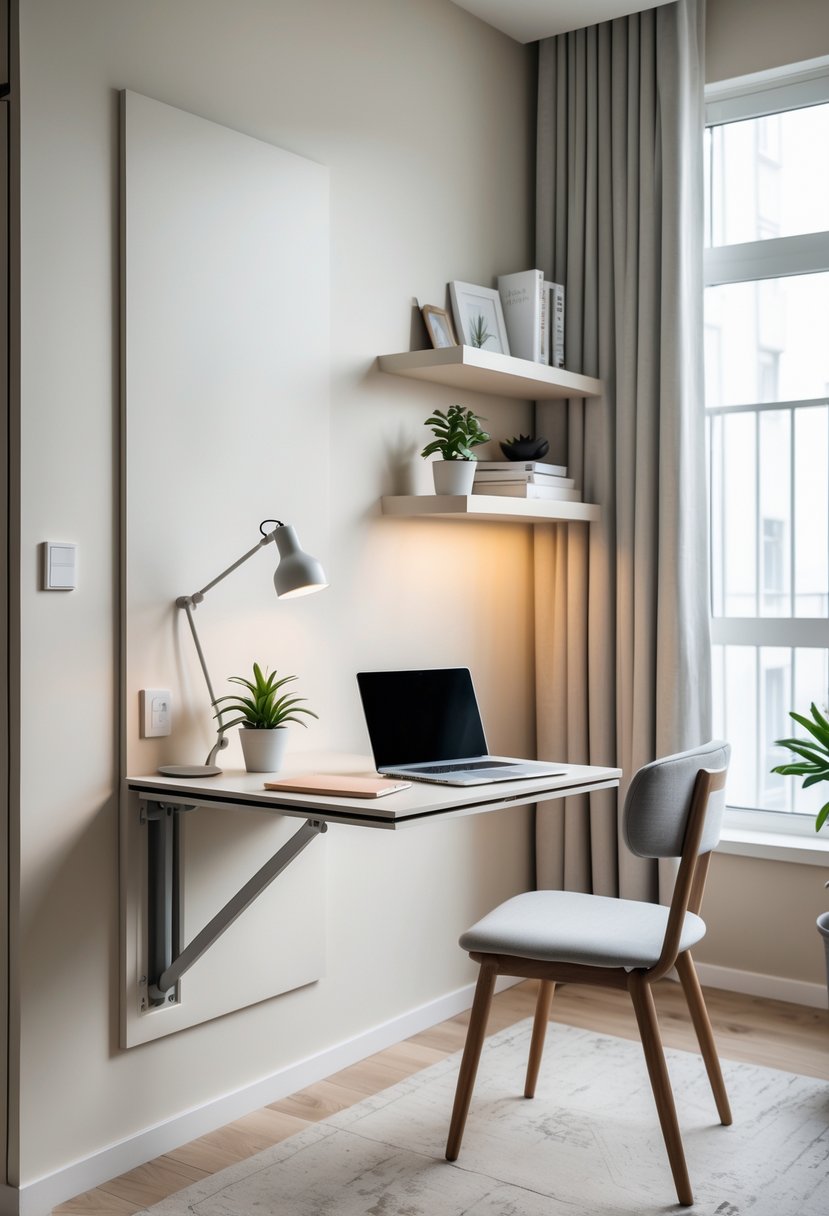
A fold-down desk helps save space in small apartments. It attaches to the wall and folds away when not in use.
This design works well for people who need a simple spot to work or study. It keeps the room open and uncluttered.
Hang string lights for cozy, ambient lighting
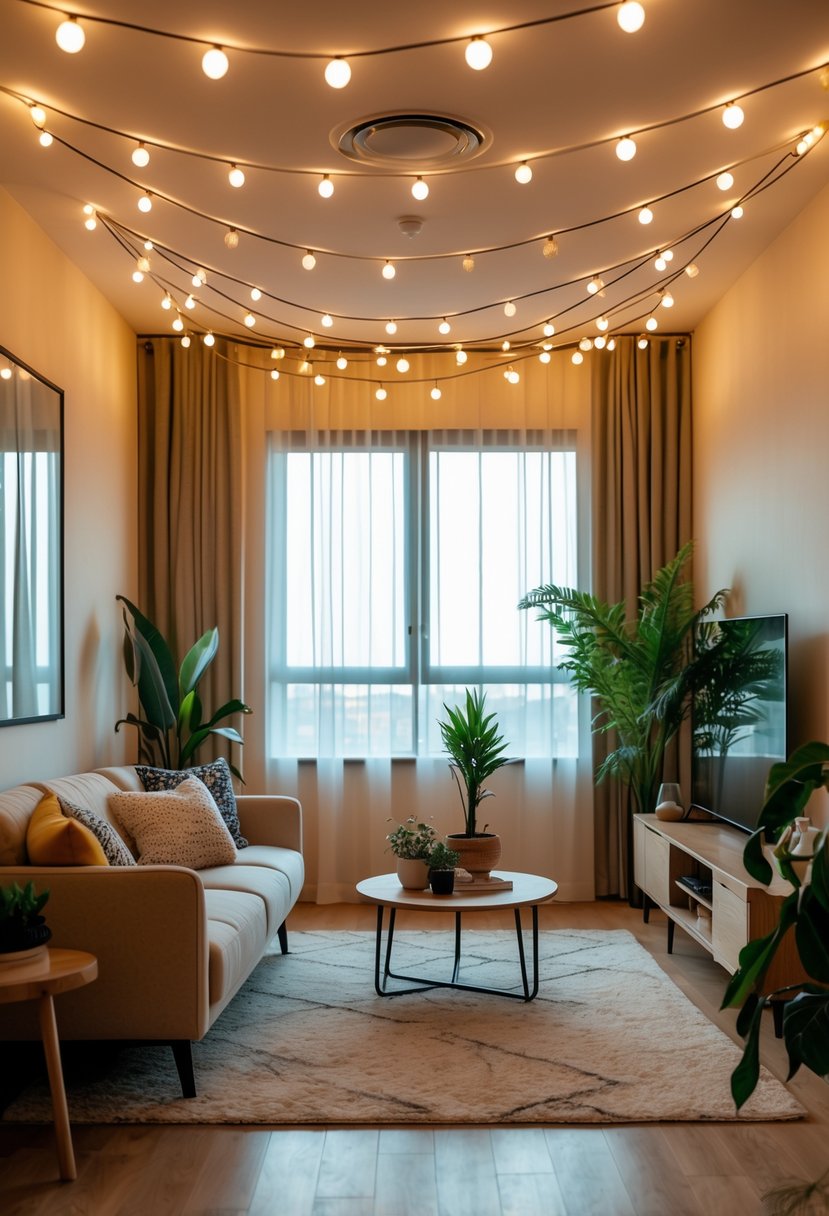
String lights add soft, even lighting that makes small spaces feel warmer.
They can be draped along walls, wrapped around balcony railings, or hung above a bed.
Using clips, hooks, or adhesive strips helps keep them secure without damage.
Use removable wallpaper borders for subtle style
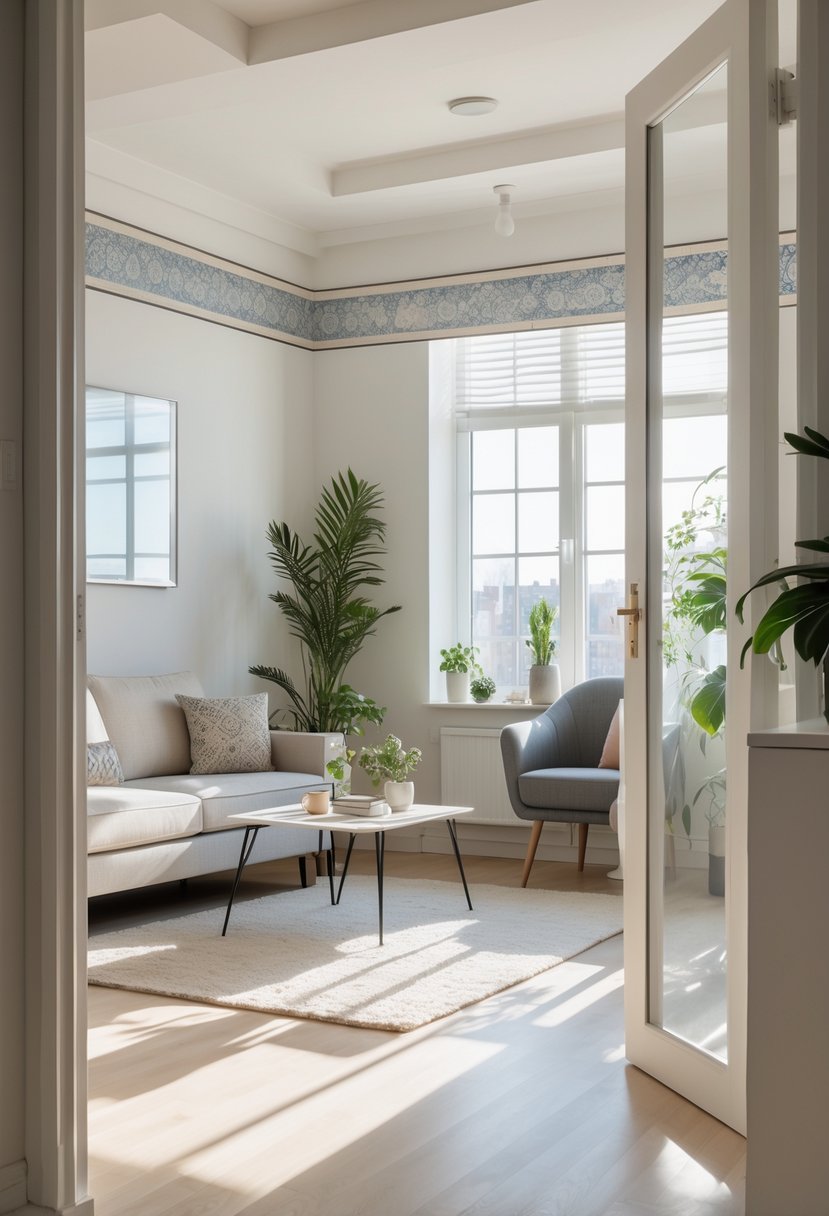
Removable wallpaper borders give renters a simple way to add detail without long-term changes.
They frame walls, doors, or ceilings with color and pattern while staying easy to remove.
This option works well for small updates that refresh a space without major effort.
Add a pegboard for customizable organization
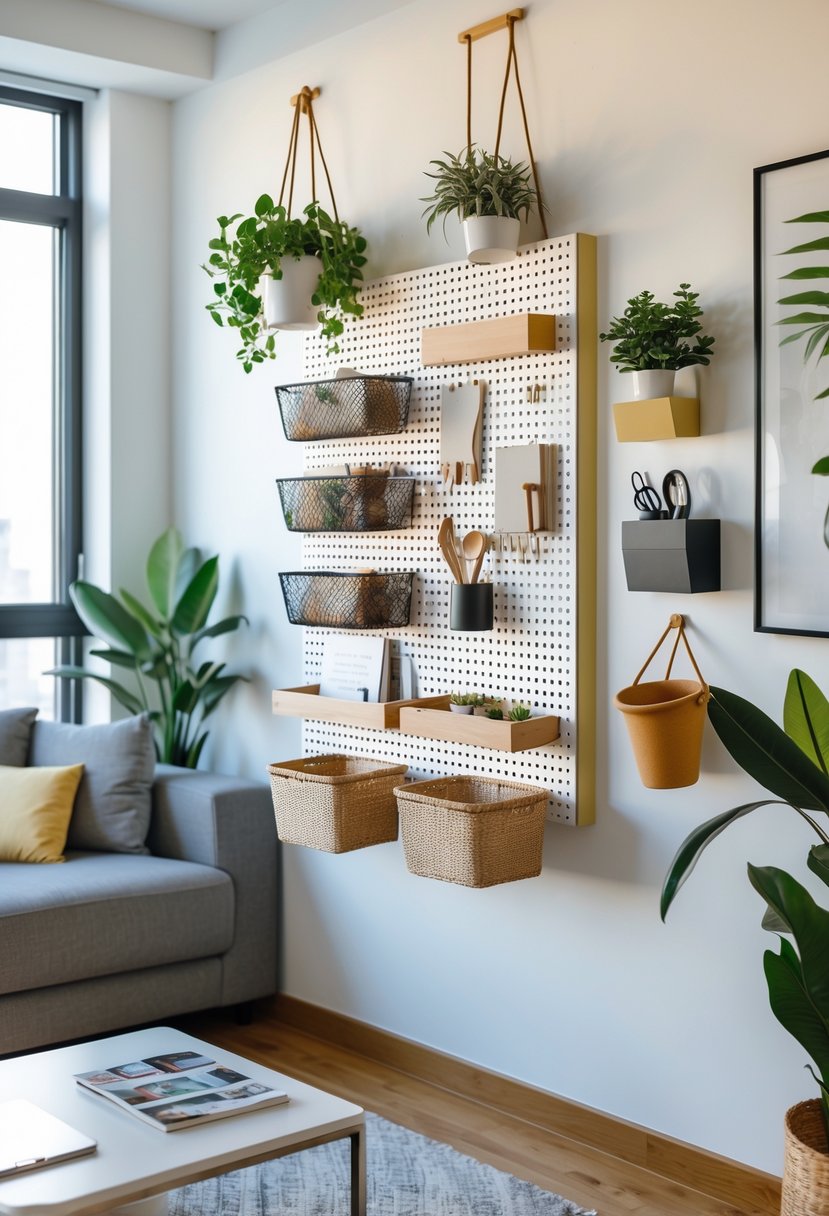
A pegboard helps maximize vertical space in small apartments. It keeps items visible and easy to reach.
Residents can adjust hooks, shelves, or baskets to fit changing needs. This flexibility works well for kitchens, offices, or entryways.
Painting or framing the board allows it to match existing decor.
Design Principles for Modern Apartment Makeovers
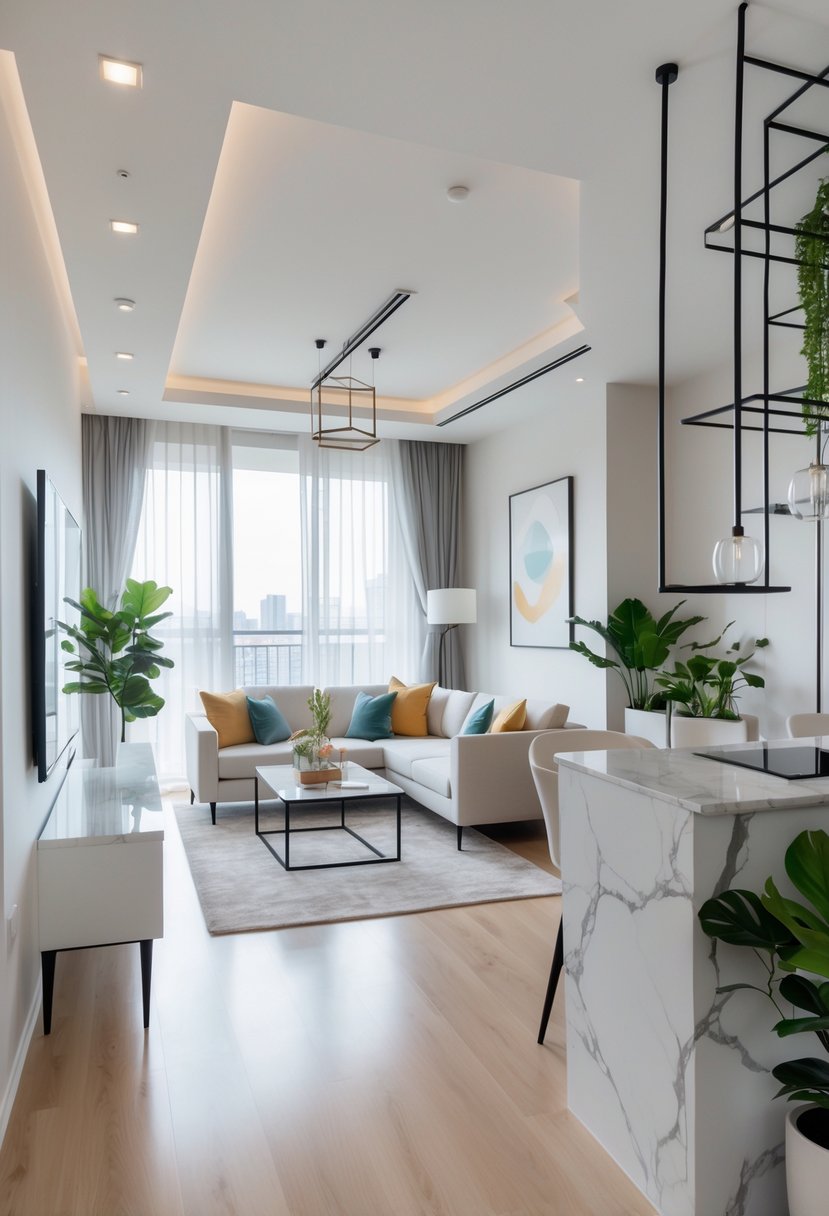
Modern apartment design focuses on creating spaces that feel both practical and visually engaging. Careful material choices and thoughtful layouts help ensure that homes remain comfortable, efficient, and environmentally responsible.
Balancing Functionality and Aesthetics
A successful apartment makeover blends everyday usability with a clean, appealing look. Furniture should serve more than one purpose, such as a sofa bed or a dining table with storage. This approach maximizes limited square footage while keeping the space uncluttered.
Lighting plays a major role in shaping both mood and function. Layered lighting—using ceiling fixtures, floor lamps, and under-cabinet lights—creates flexibility for different activities. Neutral backgrounds with bold accents allow residents to refresh the look without major changes.
Key strategies include:
- Choosing modular furniture for adaptability
- Using mirrors to expand visual space
- Creating defined zones for work, dining, and rest
By combining these elements, apartments remain practical without sacrificing style.
Incorporating Sustainable Materials
Sustainability is central to modern design. Many homeowners now prefer materials that reduce environmental impact while maintaining durability. Bamboo, cork, and reclaimed wood are popular for flooring and furniture. Recycled glass and metal also provide strong, attractive finishes.
Natural fabrics such as organic cotton, hemp, and linen reduce reliance on synthetics. These textiles not only improve air quality but also add warmth and texture. Low-VOC paints and finishes further support healthier indoor environments.
Examples of eco-friendly choices:
| Material | Common Use | Benefit |
|---|---|---|
| Bamboo | Flooring, furniture | Renewable and durable |
| Recycled glass | Countertops, tiles | Reduces waste |
| Cork | Flooring, wall panels | Insulating and sustainable |
By integrating these materials, apartments achieve a modern look while supporting long-term environmental goals.
Maximizing Space and Light
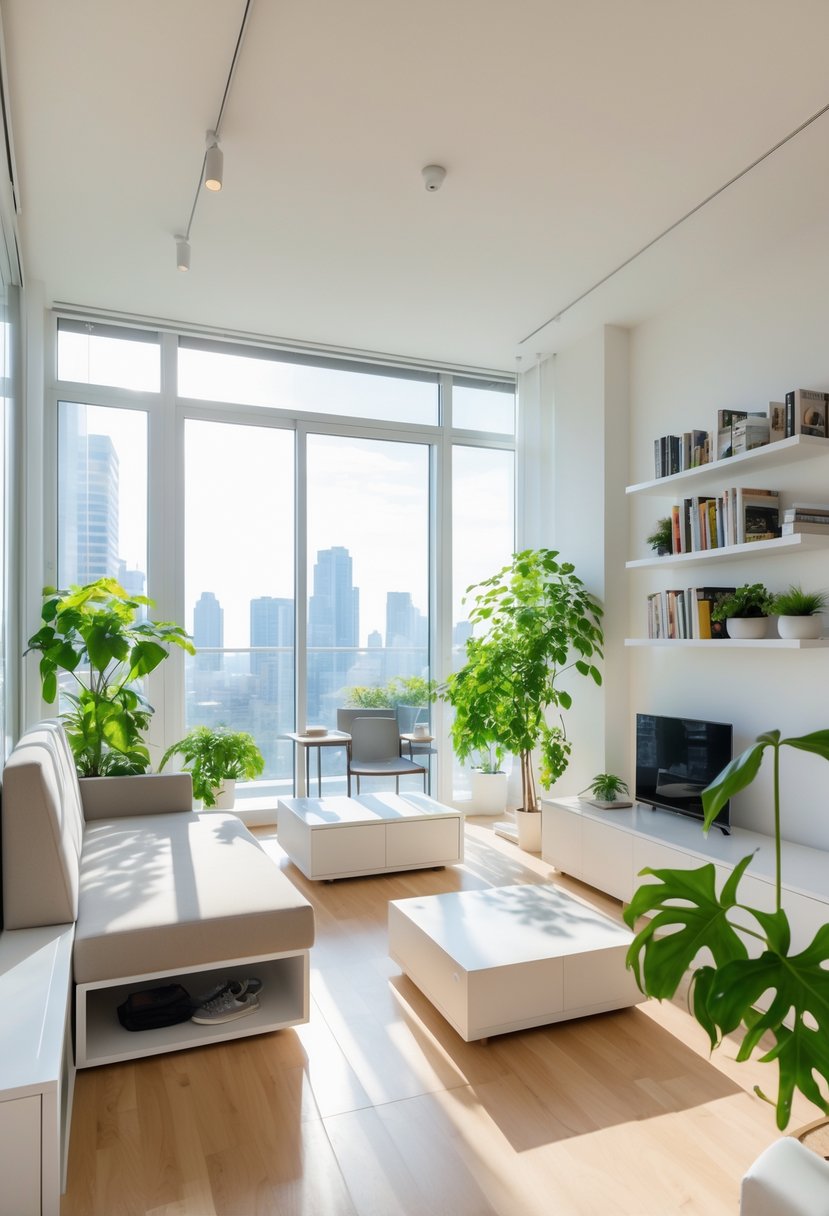
Apartments in 2026 often emphasize open layouts and smart lighting to make small areas feel larger and more comfortable. Careful planning of furniture placement and lighting sources helps create rooms that feel bright, efficient, and welcoming.
Open-Concept Layout Strategies
Removing unnecessary barriers between rooms allows light to travel further and makes compact spaces feel less confined. Many residents choose to merge the kitchen and living room, using a kitchen island or low shelving as a subtle divider.
Furniture arrangement plays a major role in keeping the space open. Low-profile sofas, armless chairs, and nesting tables reduce visual clutter. Sliding or pocket doors replace swinging doors to save floor area.
Smart zoning helps define areas without closing them off. Rugs, lighting, and varied wall colors create separation while keeping the overall flow. For example:
- Living zone: sofa, rug, and wall-mounted shelves
- Dining zone: table with pendant lighting
- Work zone: compact desk near natural light
This approach balances openness with functionality, making each area distinct but connected.
Optimizing Natural and Artificial Lighting
Natural light remains the most effective way to brighten a room. Large windows, sheer curtains, and reflective surfaces like mirrors expand the reach of daylight. Positioning desks or seating near windows maximizes comfort and reduces the need for artificial light during the day.
Artificial lighting supports the space after sunset. In 2026, layered lighting is common, combining ceiling fixtures, wall sconces, and task lamps. Adjustable LED systems allow residents to control brightness and color temperature for different activities.
Materials also affect light quality. Glossy finishes, glass furniture, and light-colored walls reflect illumination, while matte or dark surfaces absorb it. A simple table comparing lighting types can help guide choices:
| Lighting Type | Best Use | Example Fixture |
|---|---|---|
| Ambient | General room lighting | Ceiling-mounted LED |
| Task | Focused work or reading | Desk lamp, under-cabinet |
| Accent | Highlighting features | Track lights, sconces |
Together, these strategies ensure apartments feel brighter, larger, and more practical.