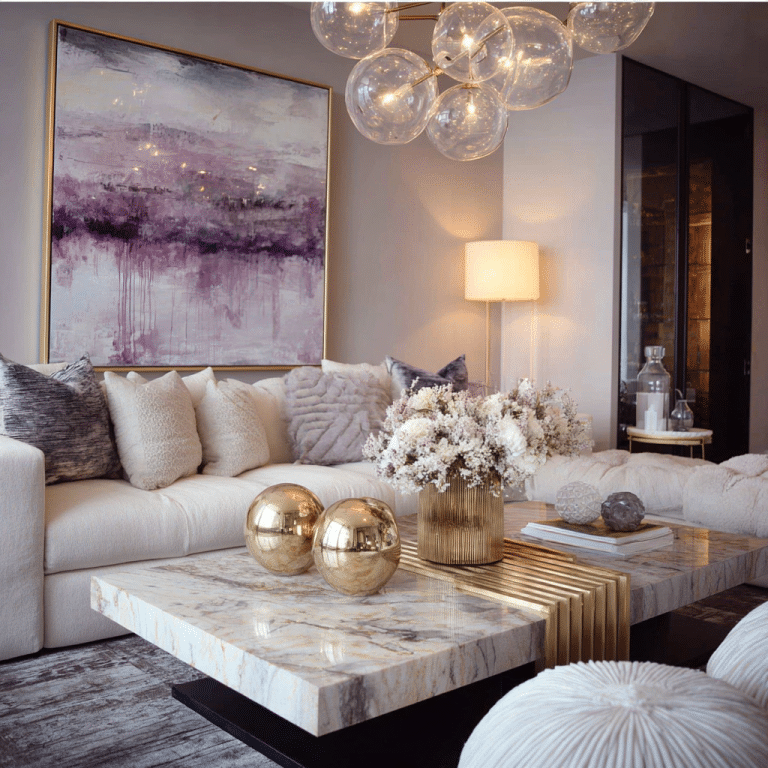
Surreal Living Room Styling Ideas: 21 Creative Ways to Transform Your Space
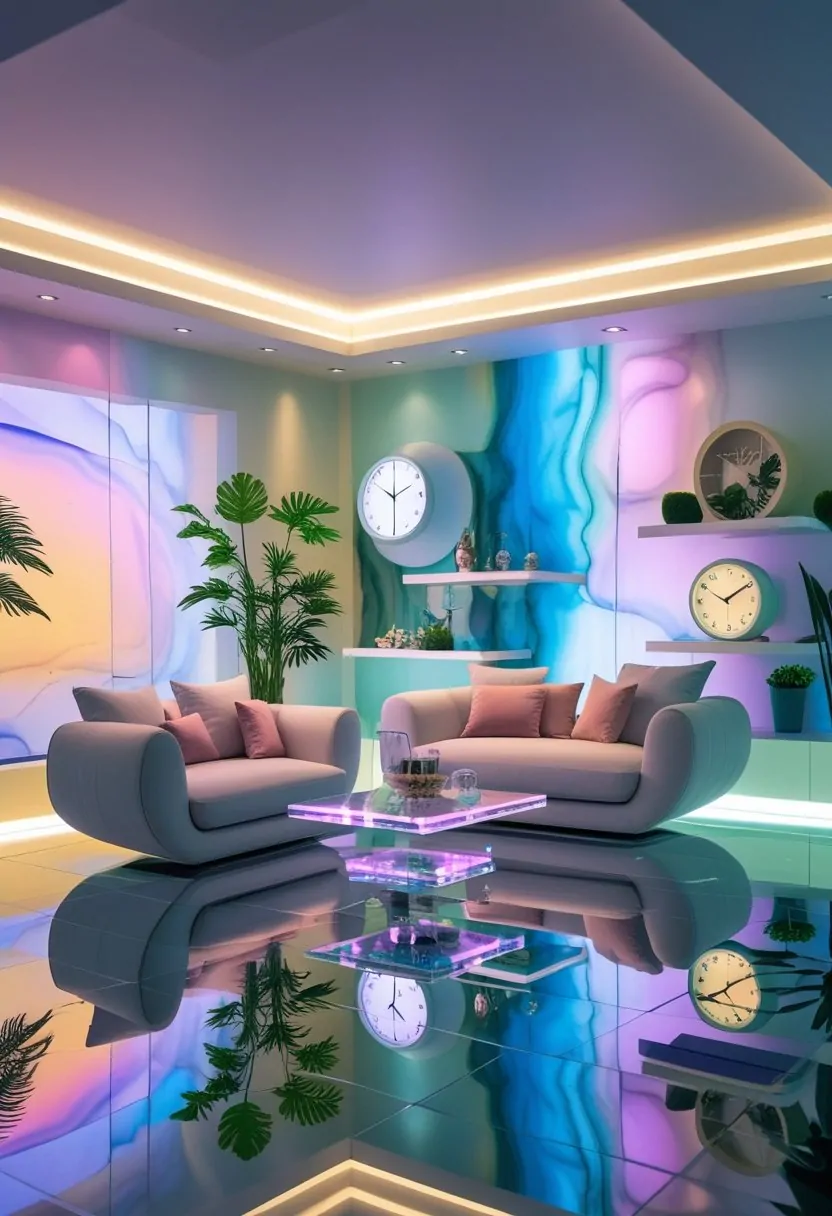
Surreal living room styling takes familiar spaces and gives them an unexpected twist. It blends everyday function with imaginative design, creating interiors that feel both practical and dreamlike. This approach allows anyone to transform a standard living room into a space that challenges expectations while still feeling inviting.
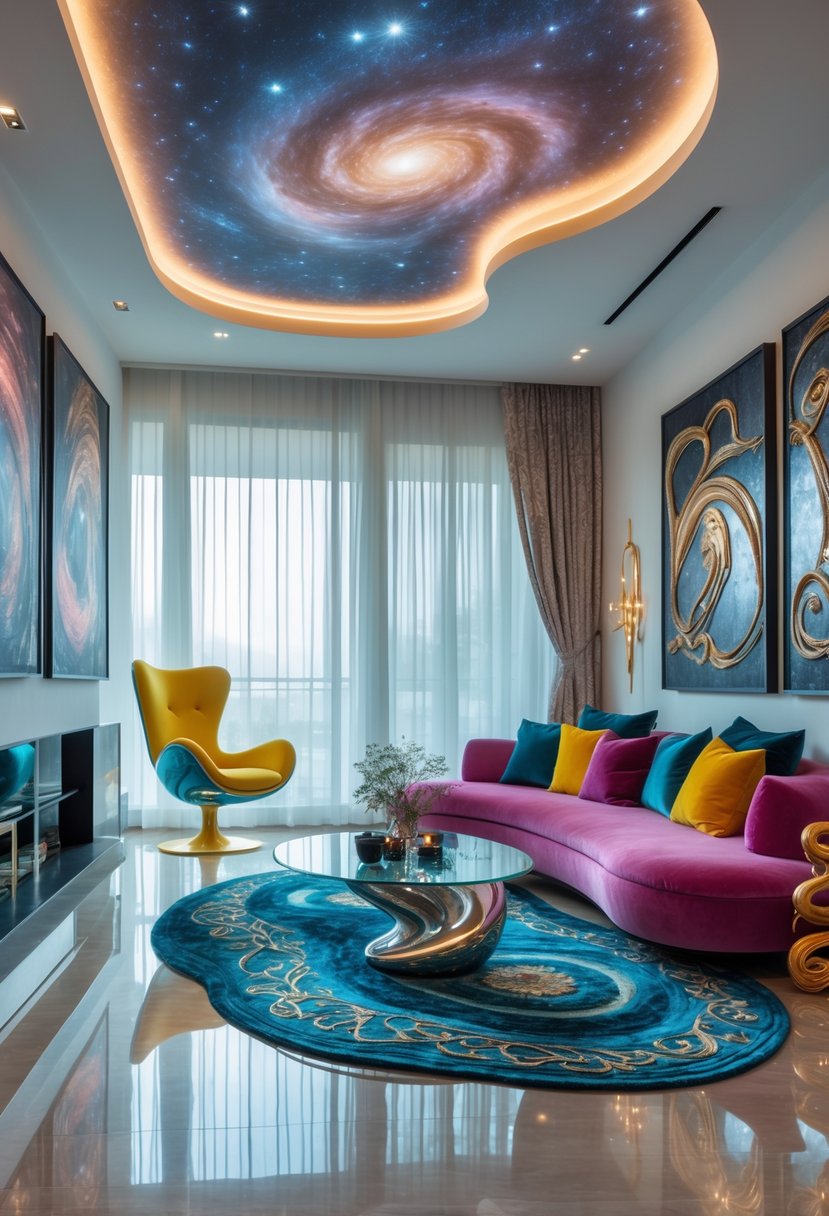
By mixing bold colors, unusual furniture shapes, and playful art, surreal styling opens the door to endless possibilities. Each element works together to spark curiosity and add personality, turning the living room into more than just a place to sit—it becomes a conversation piece and a reflection of creative vision.
Bold, contrasting color palettes
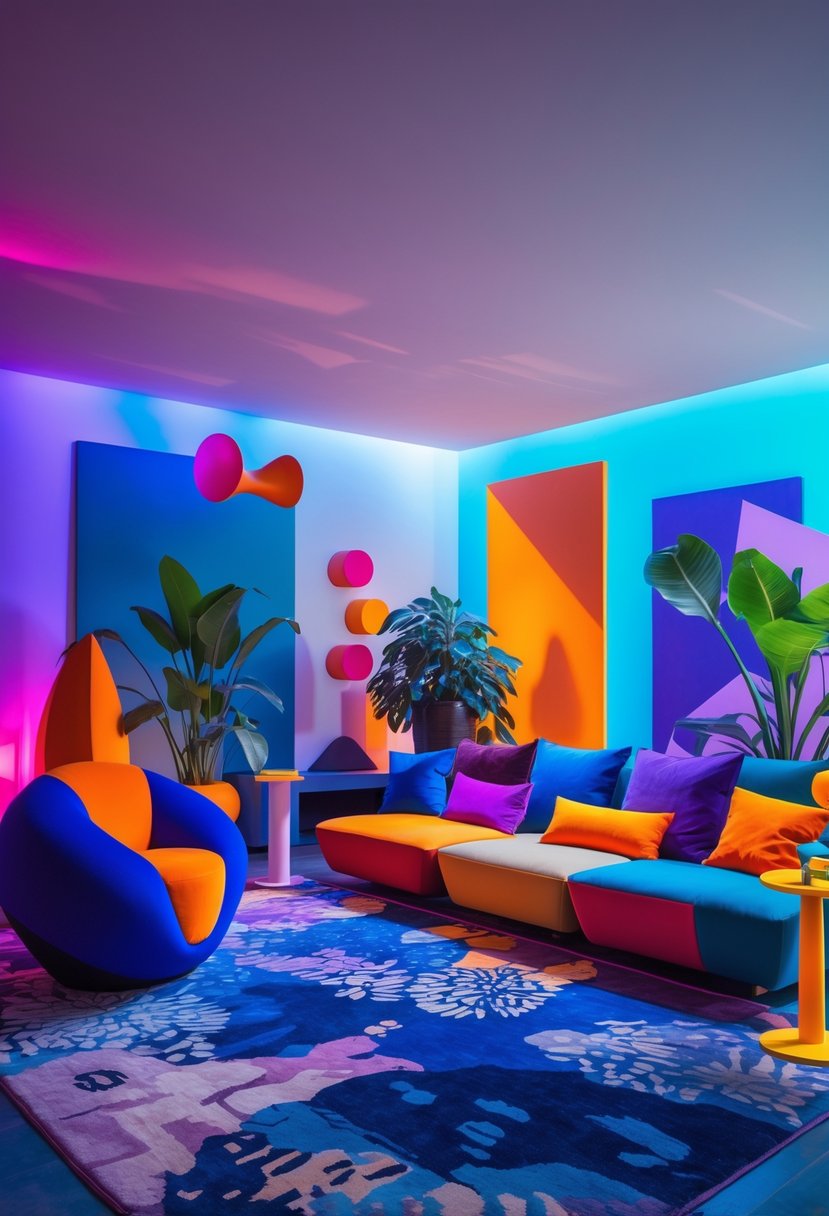
They can use bold, contrasting colors to create a surreal living room that feels visually striking.
Pairing jewel tones like emerald green with ruby red or sapphire blue adds depth and energy.
High-contrast combinations, such as black and white with bright accents, help highlight furniture and decor.
Mismatched vintage furniture
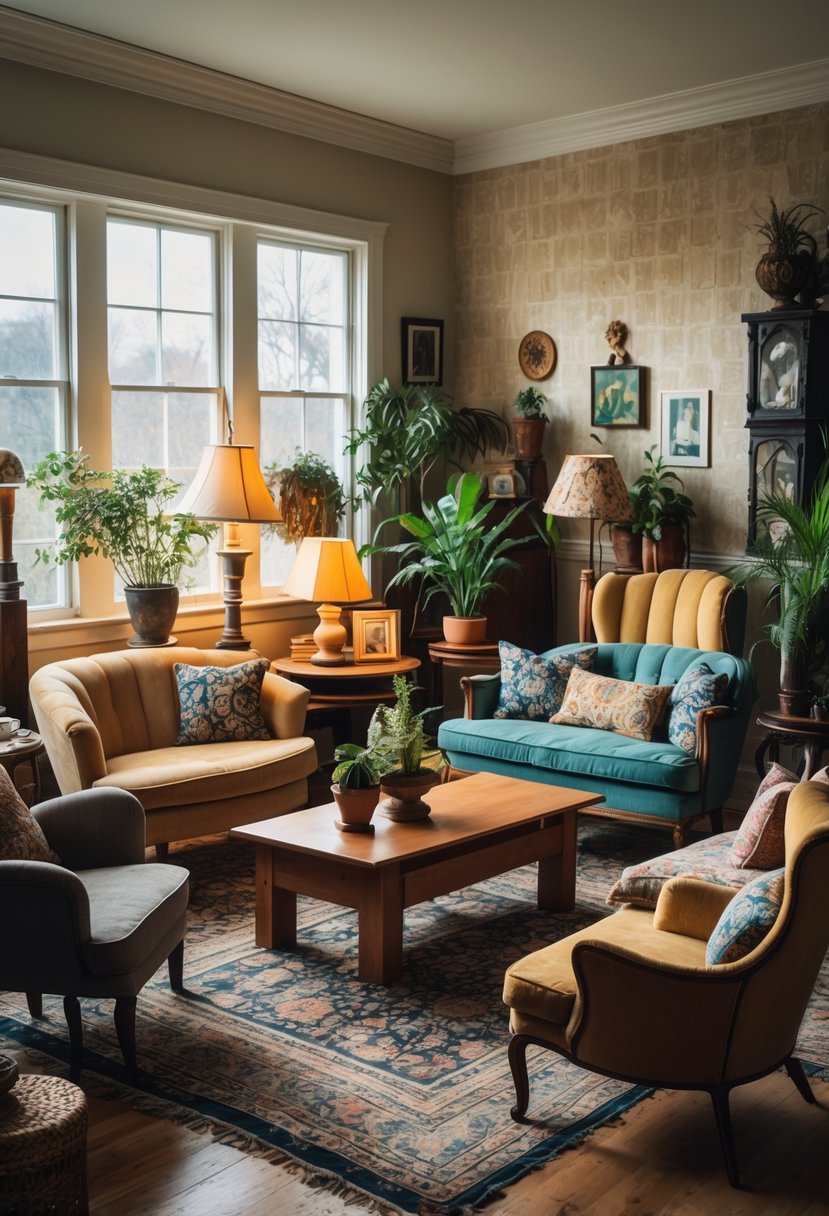
They can pair chairs, tables, and sofas from different decades to create a layered look.
Using varied wood tones, fabrics, and finishes adds depth without needing identical sets.
A shared color palette or repeated detail, like brass hardware or patterned fabric, helps tie the mismatched pieces together.
Salvador Dalí-inspired wall art
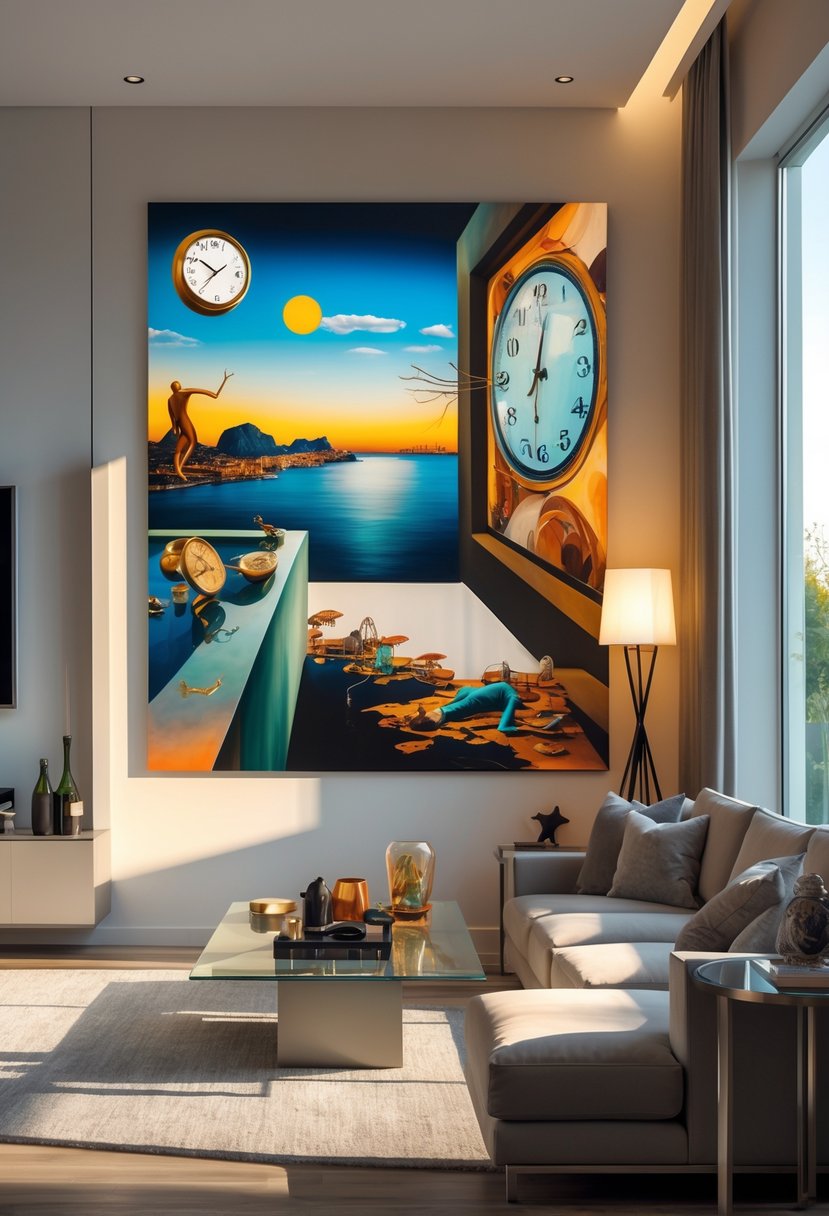
Dalí-inspired wall art adds surreal shapes and dreamlike imagery to a living room. His use of melting forms and distorted objects creates a striking visual focus.
Pieces such as warped clocks or fluid landscapes work well as statement art. They introduce creativity while keeping the space visually engaging.
Floating shelves with surreal sculptures
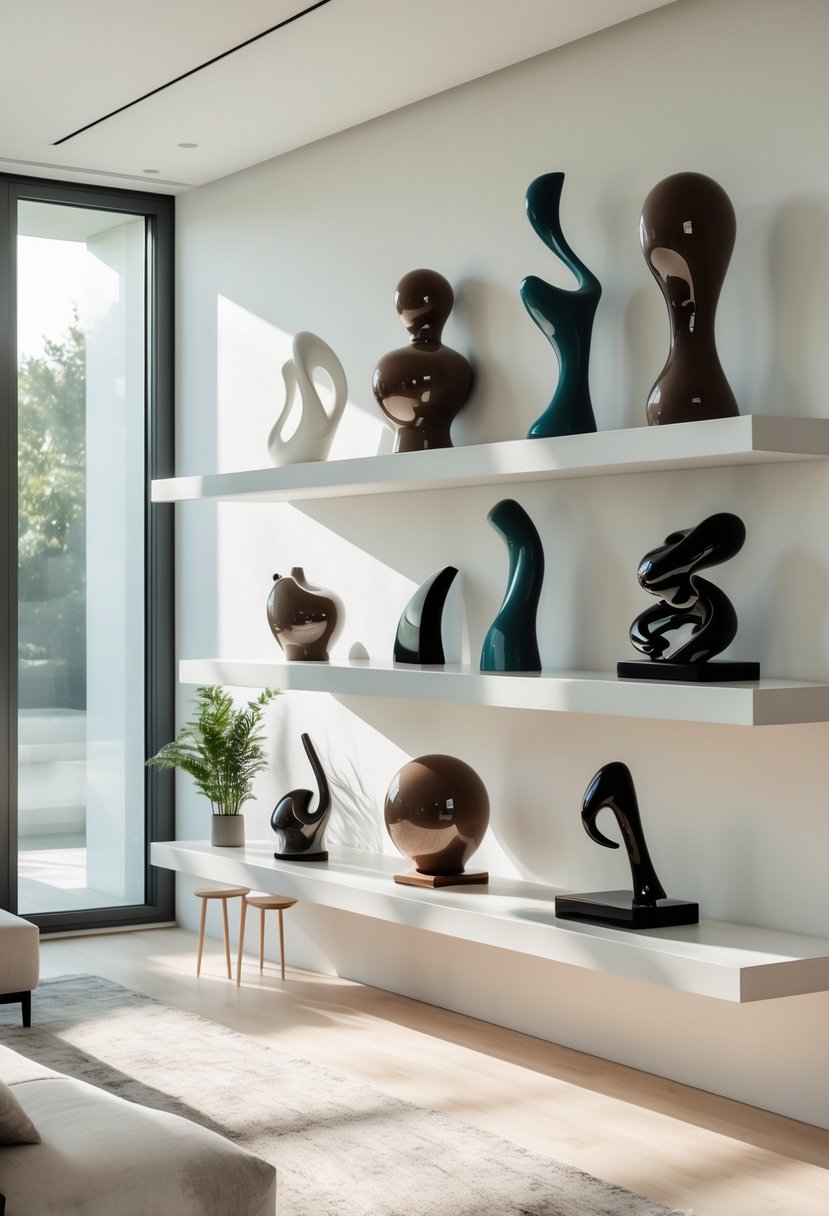
Floating shelves can display surreal sculptures in a clean and modern way. They keep the artwork visible without taking up floor space.
Placing unusual shapes or dreamlike figures on shelves adds visual interest. The contrast between simple shelving and imaginative pieces highlights the art.
Grouping sculptures with small plants or framed prints creates balance. This approach makes the shelves both functional and artistic.
Mirrored coffee tables
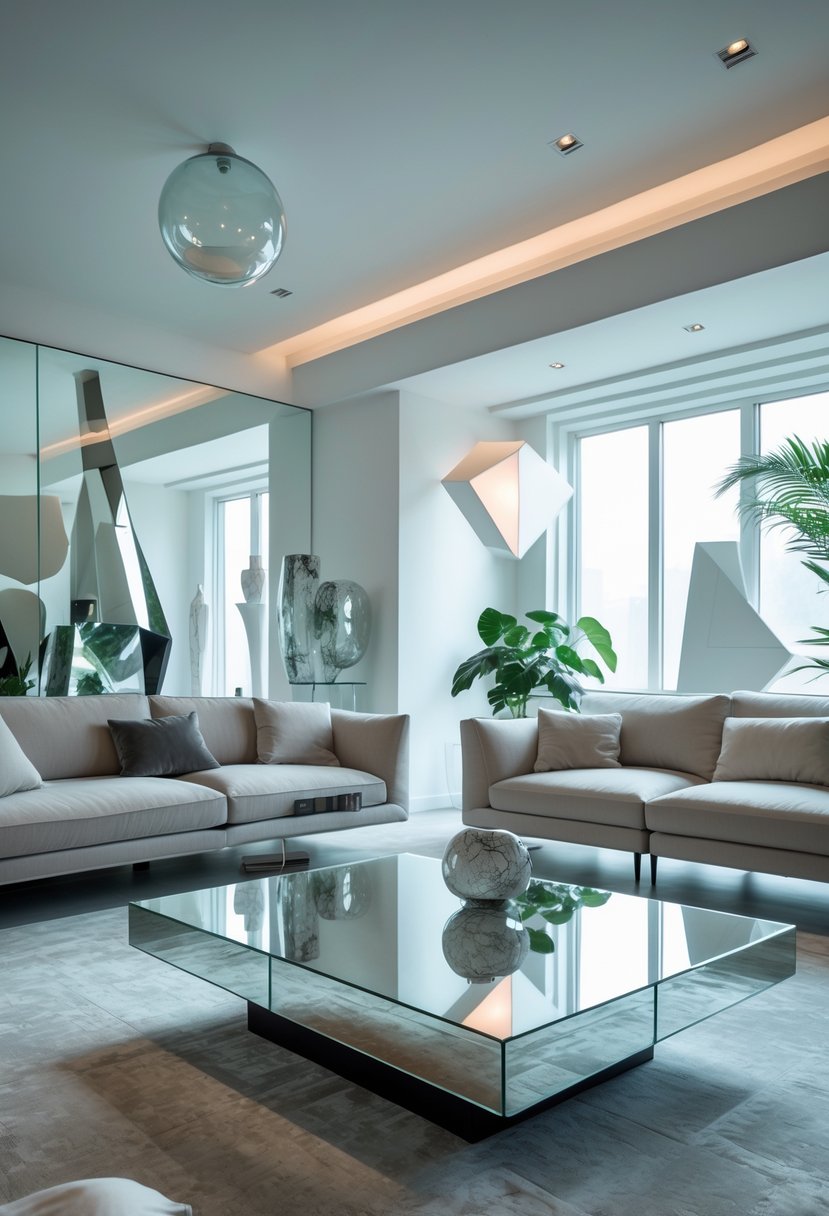
Mirrored coffee tables reflect light and help make a living room feel brighter. Their surfaces add a subtle shine that pairs well with surreal or modern decor.
They come in different shapes, such as rectangular, round, or oval, which makes them easy to fit into varied room layouts.
Designers often use them to create a sense of openness, especially in smaller spaces.
Asymmetrical lighting fixtures
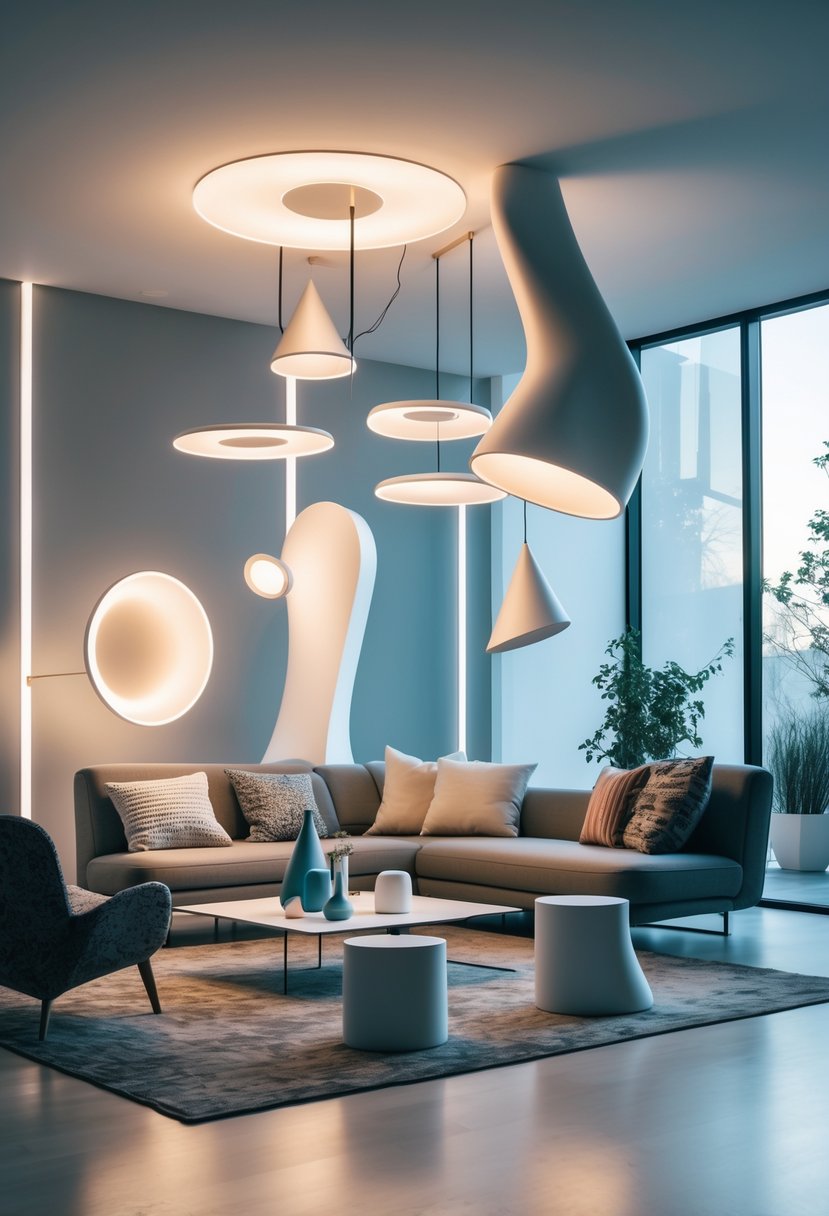
Asymmetrical lighting fixtures add visual interest by breaking away from balanced, mirror-like arrangements.
They create movement in a room and draw attention to specific areas without overwhelming the space.
Designers often use uneven pendant heights or off-center lamps to give the living room a more dynamic and modern feel.
Dreamlike, oversized floor rugs
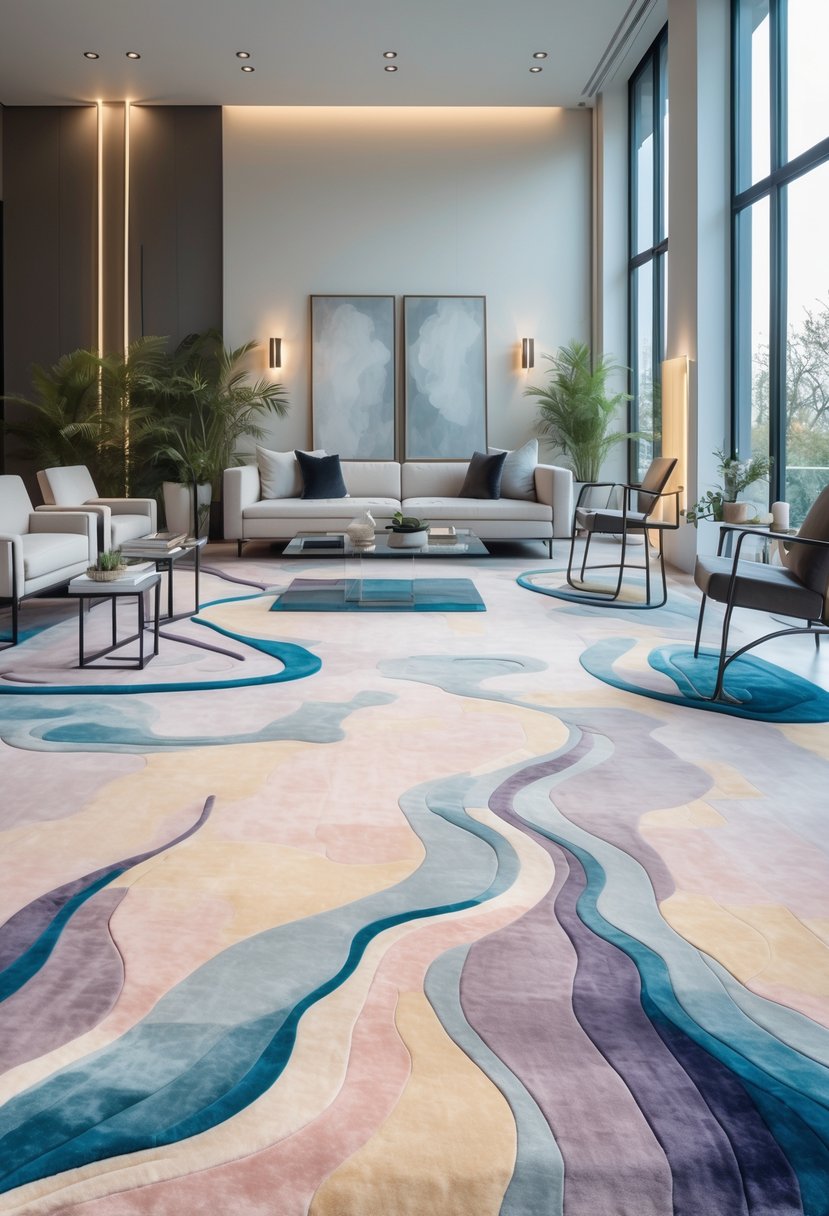
Oversized rugs can anchor a surreal living room by defining the space and adding visual balance. Their large scale creates a foundation for bold furniture and artistic decor.
Patterns with abstract shapes or unusual color blends introduce a dreamlike effect. These designs draw attention and set the tone for the entire room.
Furniture with distorted shapes
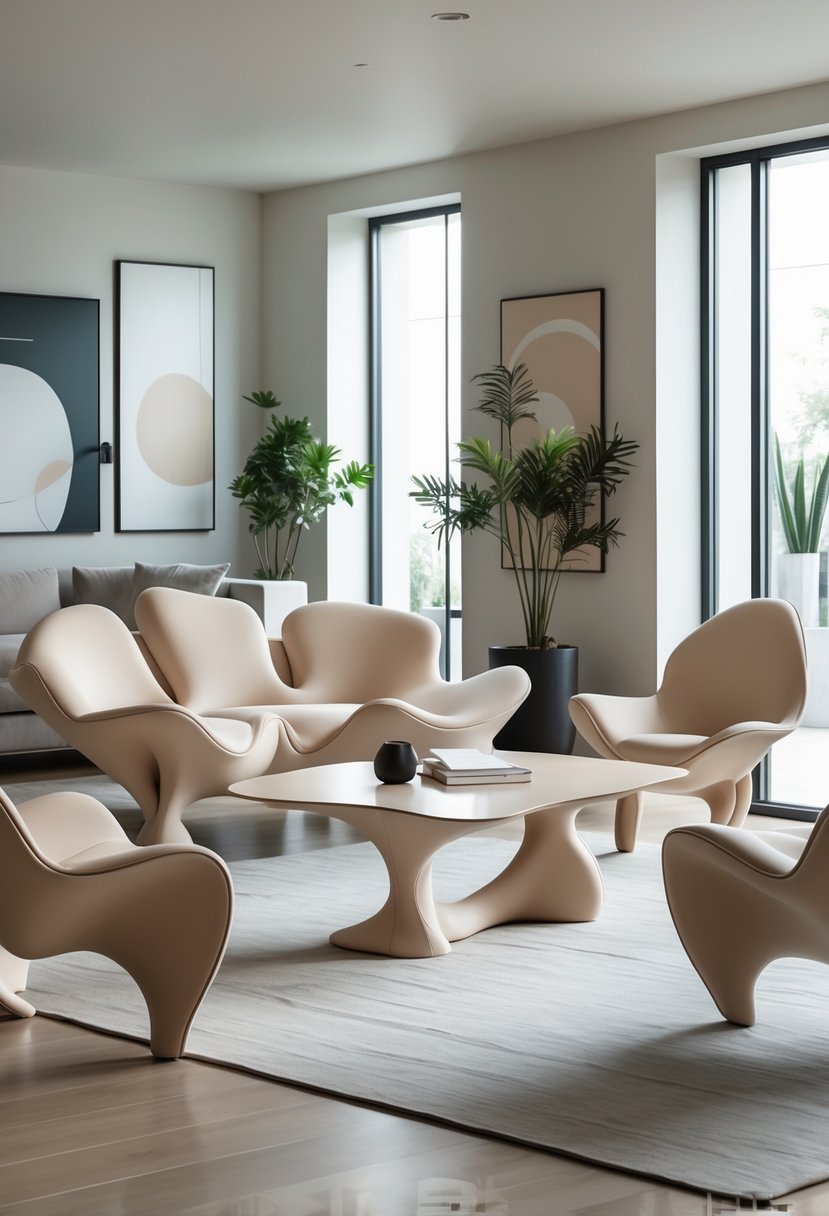
Surreal living rooms often feature furniture that bends or twists away from traditional forms. Sofas may curve in unexpected directions, while tables can take on organic or irregular outlines.
Chairs that appear to melt or stretch add a playful yet functional element. These designs create visual interest and make the room feel imaginative without losing comfort.
Unexpected ceiling murals
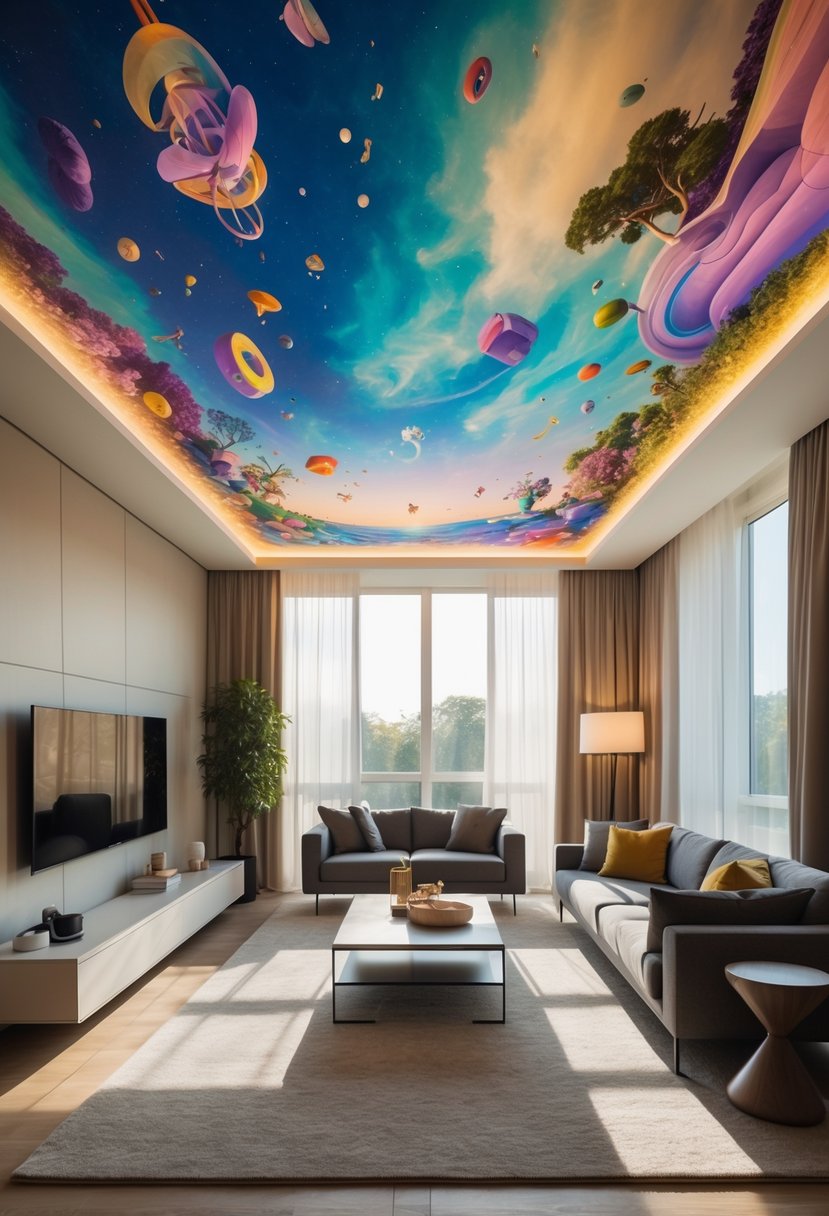
Ceiling murals bring a new layer of creativity to a living room. They shift attention upward and make the ceiling part of the design instead of leaving it plain.
People often choose abstract shapes, surreal landscapes, or soft patterns. These designs can add depth, color, and a sense of imagination to the space.
Surrealist clocks with melting effects
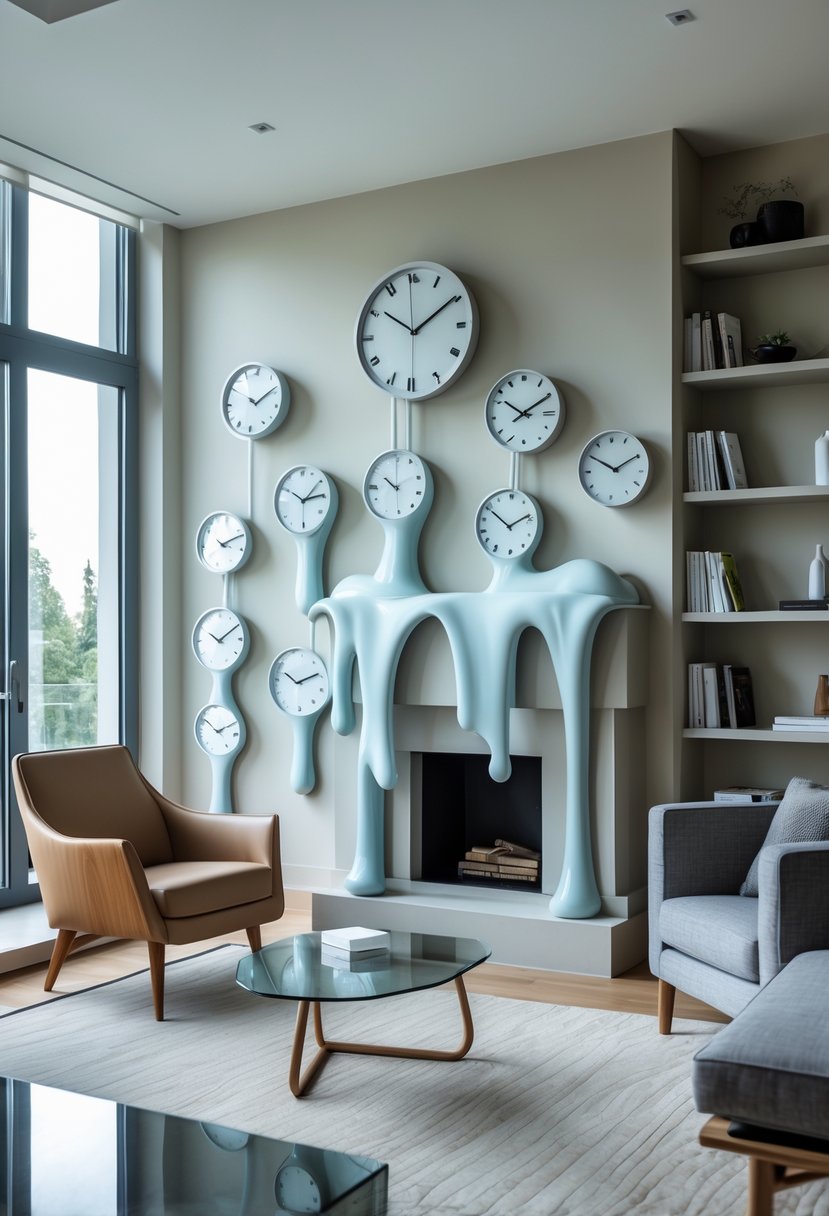
Surrealist clocks with melting effects add a playful yet artistic touch to a living room. Their distorted shapes create a sense of movement and challenge the idea of traditional timepieces.
These clocks work well as wall art or tabletop accents. They pair easily with modern furniture and minimalist spaces, offering a subtle surrealist detail.
Glass display cases for odd collectibles
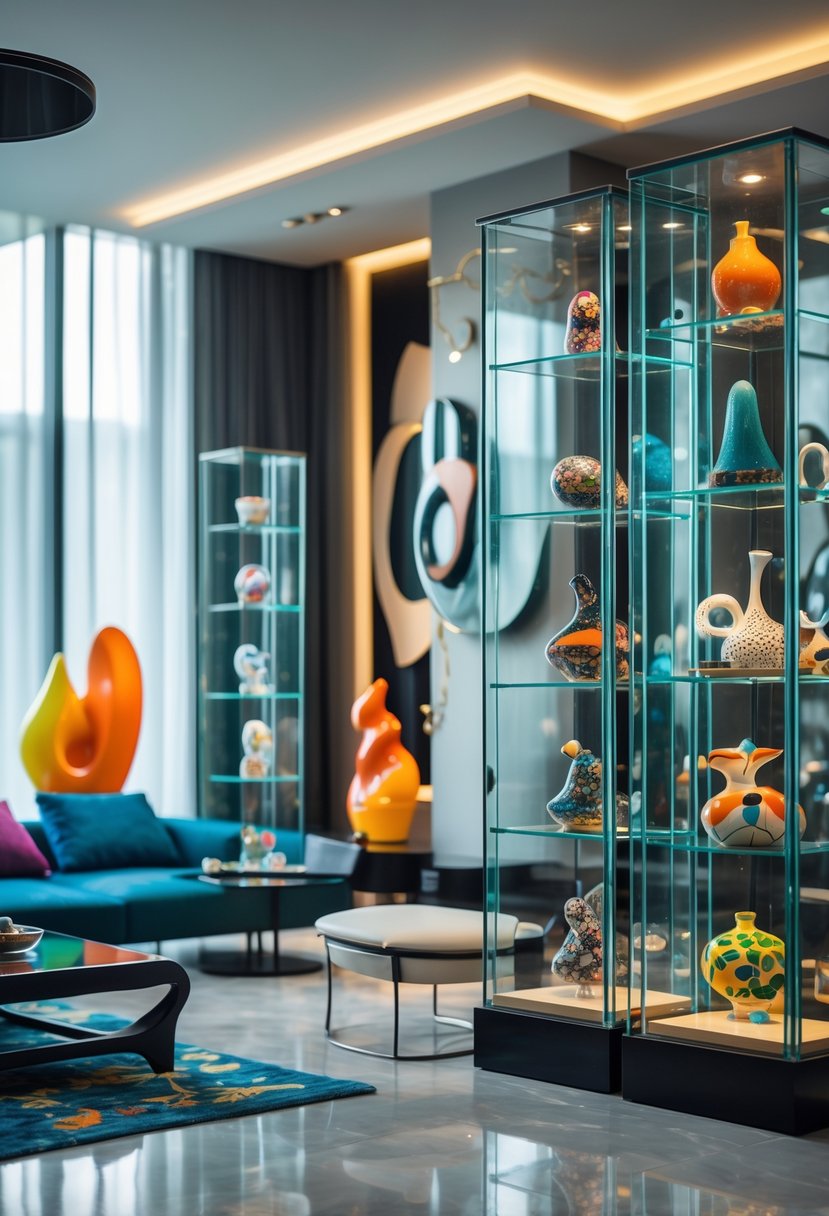
Glass display cases let people showcase unusual items without clutter.
They keep objects safe from dust while still visible.
Lighting, such as small LEDs, can highlight textures and shapes.
These cases work well for quirky collections like shells, vintage toys, or handmade art.
Abstract geometric wall decals
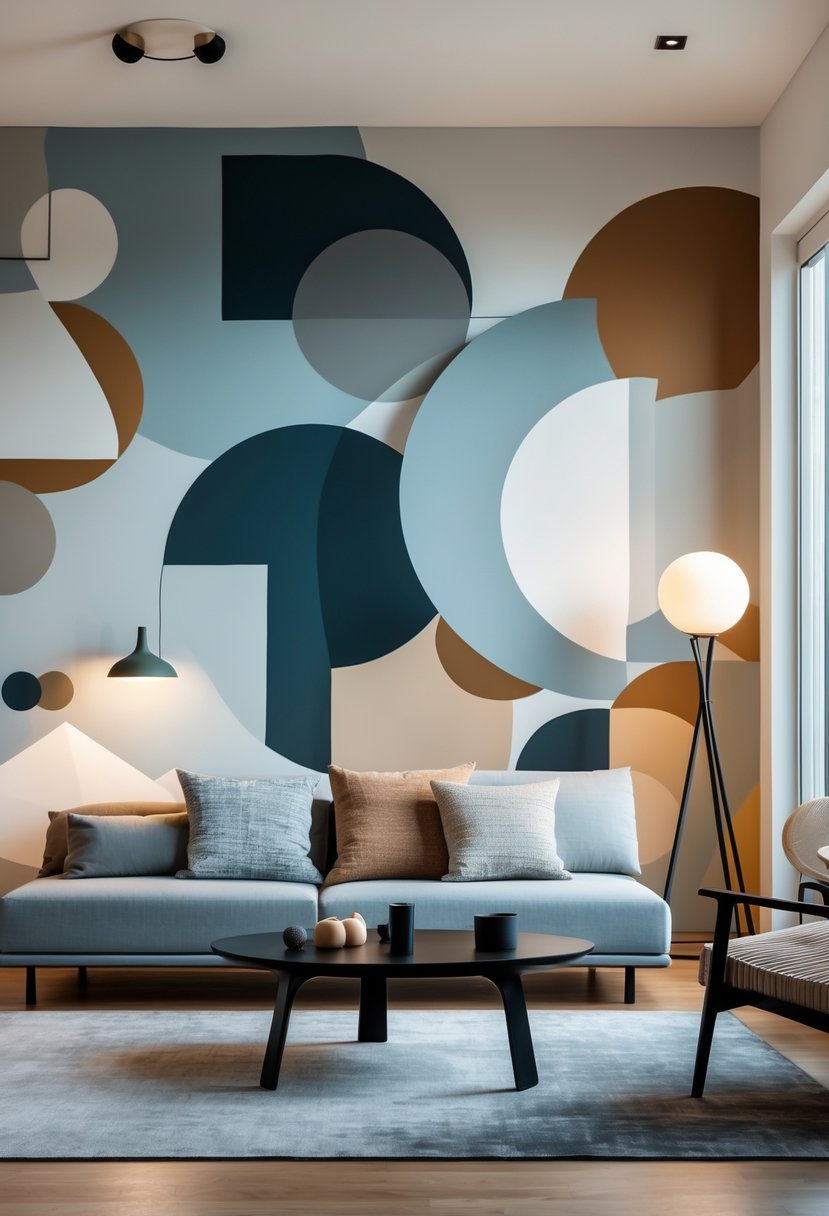
Abstract geometric wall decals add structure and color to a living room without permanent changes. They work well for renters or anyone who prefers easy updates.
These decals come in many shapes, from sharp angles to soft curves. They can highlight one wall or create a repeating pattern across a larger space.
Whimsical animal-shaped chairs
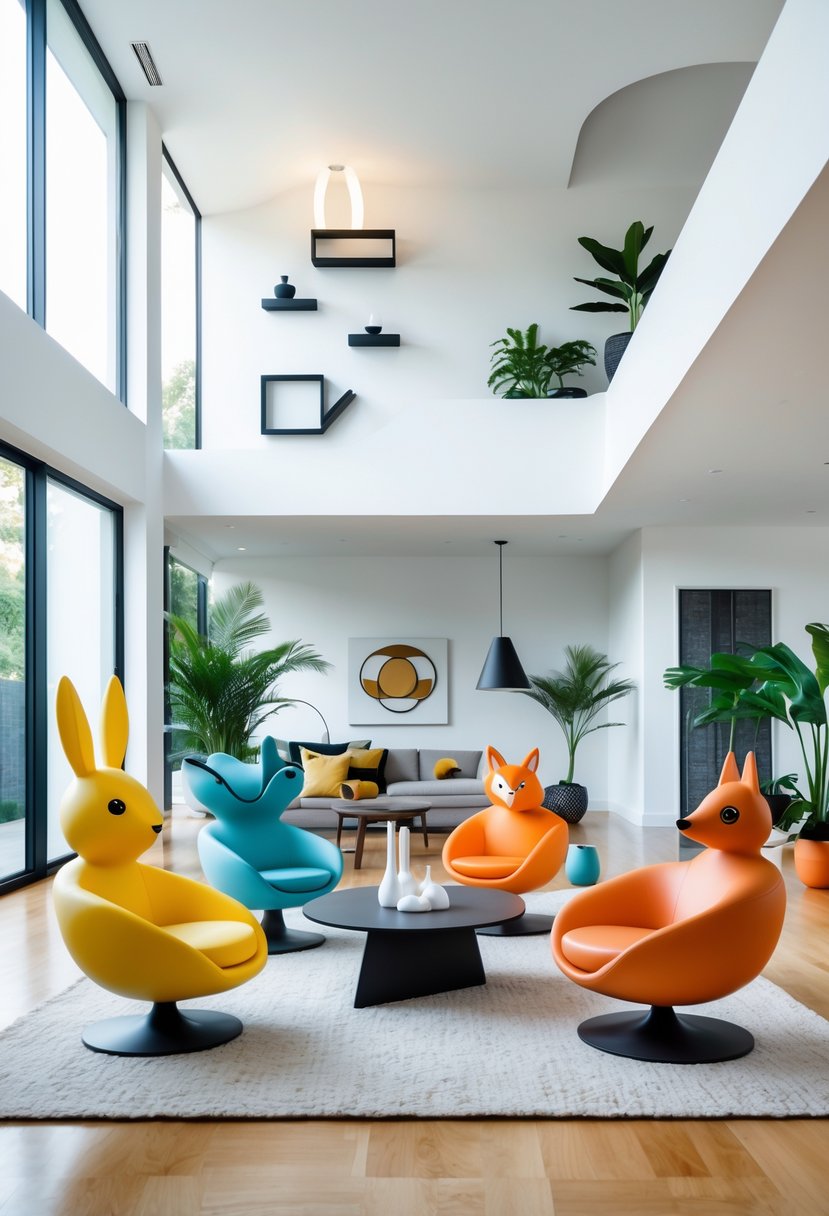
Animal-shaped chairs bring a playful element to surreal living room design. They balance comfort with creativity, making them both functional and decorative.
These chairs often resemble animals through form, texture, or detailing. Their unique appearance allows them to stand out as focal points while blending with other whimsical furniture.
Oversized surrealist paintings
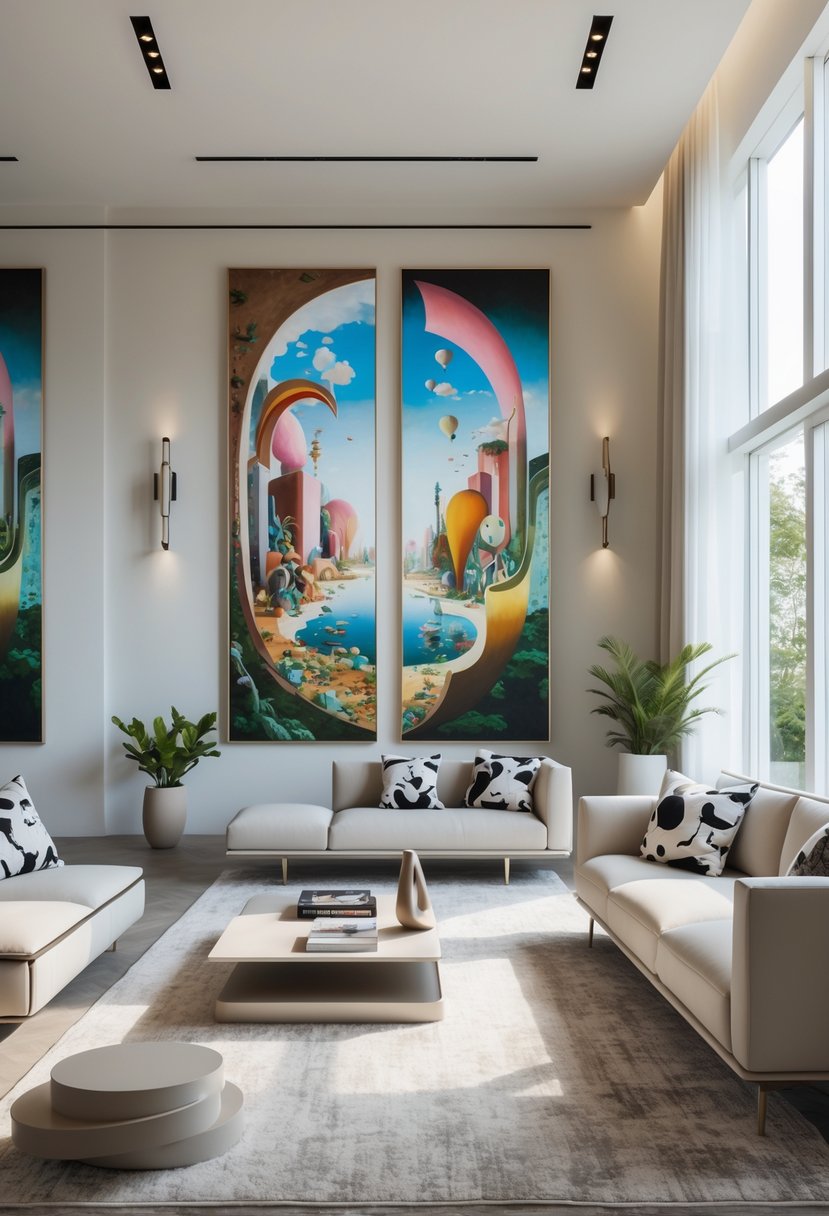
Oversized surrealist paintings can anchor a living room and set the tone for the entire space. Their scale makes them a natural focal point.
These artworks often feature dreamlike imagery or unexpected combinations that challenge normal design rules. They add visual interest without requiring many additional decorative pieces.
Placing one large surrealist painting above a sofa or on a main wall creates balance. It also helps tie together other unusual furniture or decor elements in the room.
Translucent acrylic furniture
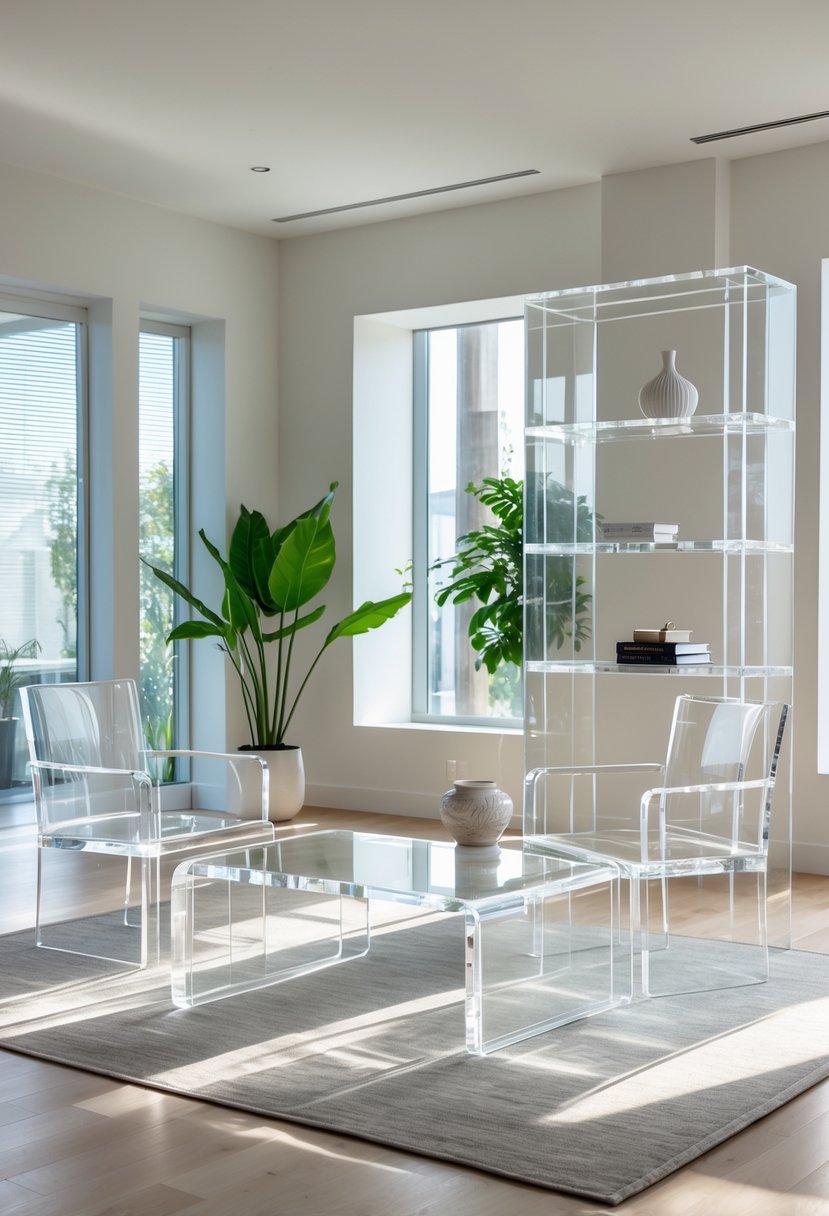
Translucent acrylic furniture adds a light and modern touch to a surreal living room. Its clear surfaces reduce visual clutter and make the space feel more open.
Designers often use acrylic chairs, coffee tables, or shelving to balance bolder, unconventional pieces. The transparency allows unusual shapes and colors around it to stand out more clearly.
Floating or levitating furniture illusions
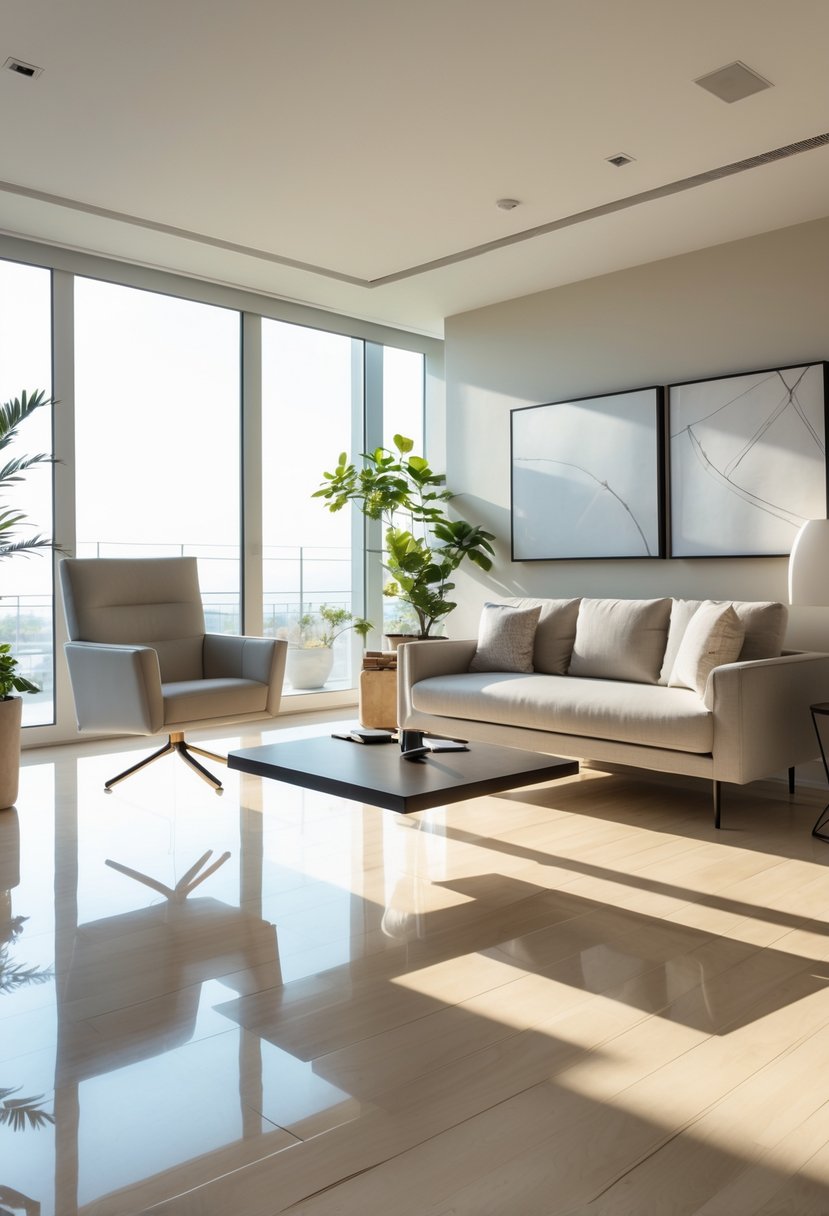
Designers often use mounted or wall-fixed furniture to create the appearance of floating pieces. Sofas, shelves, and cabinets lifted off the floor make the room feel more open.
This approach also highlights clean lines and reduces clutter. The effect works well in modern interiors that value simplicity and visual balance.
Unexpected color gradients on walls
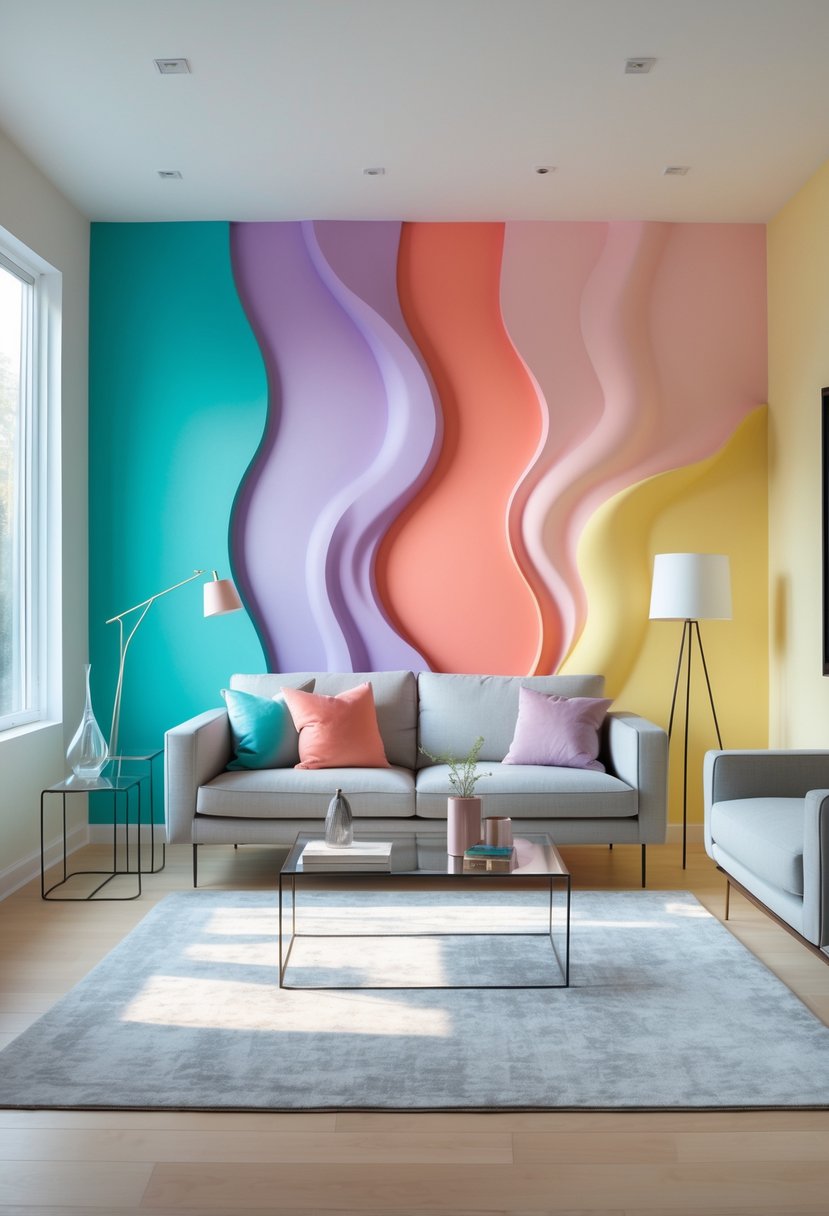
Using color gradients on walls introduces a smooth shift between shades that feels dynamic yet balanced.
They can move from light to dark tones or from one color family to another, creating depth without heavy patterns.
This approach works well in surreal interiors, adding visual interest while keeping the space cohesive.
Surrealist patterned throw pillows
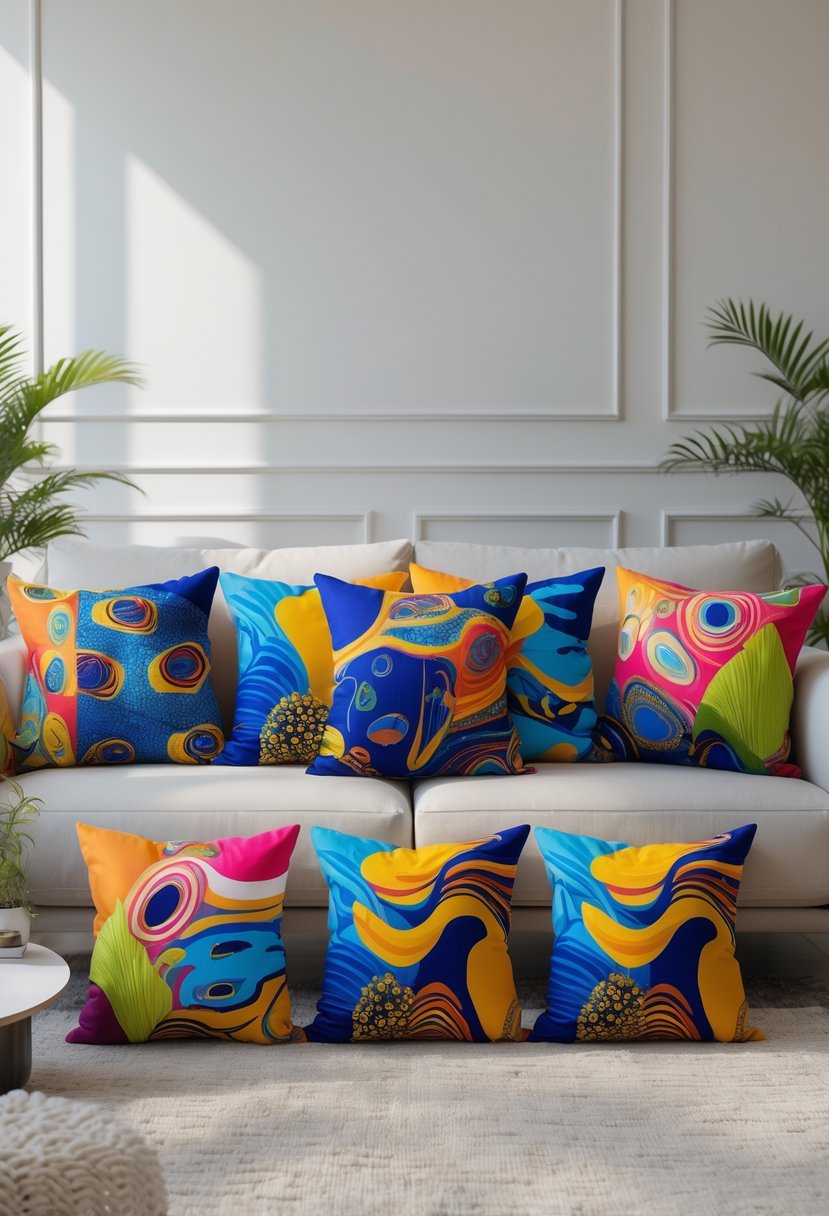
Surrealist patterned throw pillows add visual interest through bold prints and unexpected designs. They often feature abstract shapes, dreamlike images, or unusual color combinations.
These pillows work well on neutral sofas or chairs, where their patterns become focal points. Mixing several designs can create a layered and artistic look.
Unconventional plant holders
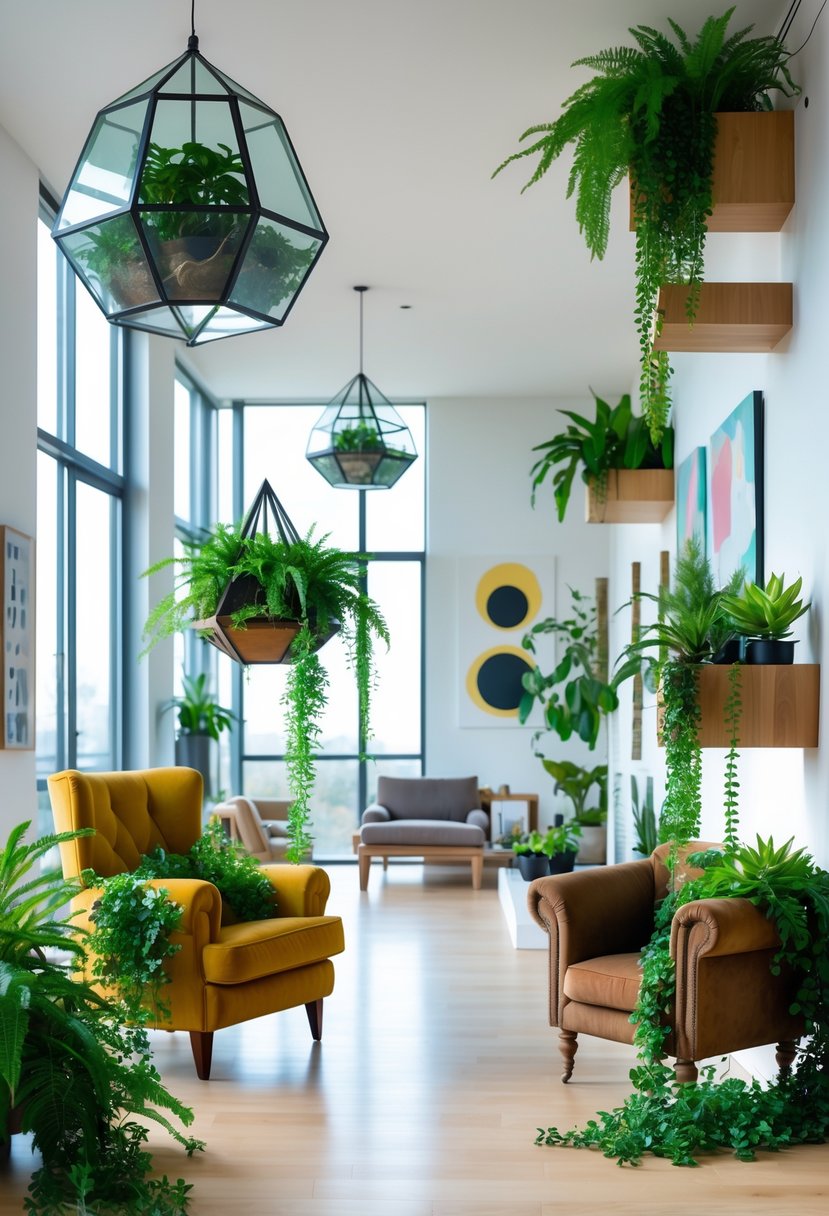
They can use repurposed items like baskets, jars, or metal frames to display plants in creative ways.
Hanging plants from simple hooks or mounted racks adds greenery without taking up floor space.
Unusual holders, such as reused kitchenware or crafted hangers, give the room a distinct and modern look.
Faux taxidermy art pieces
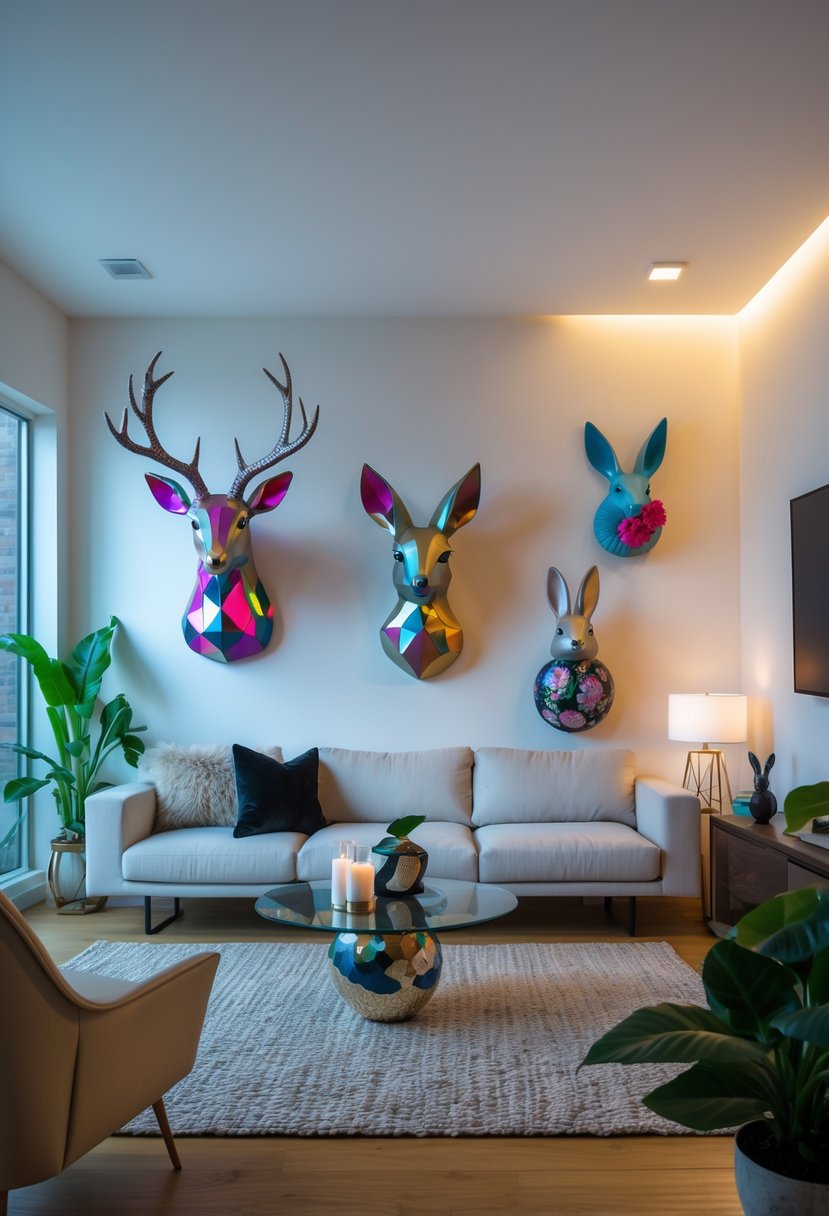
Faux taxidermy offers a playful way to bring animal-inspired decor into a living room without using real specimens.
These pieces often come in materials like resin, fabric, or metal, making them versatile for different styles.
They can serve as wall art or accent pieces, adding texture and visual interest to modern interiors.
Curved, fluid room dividers
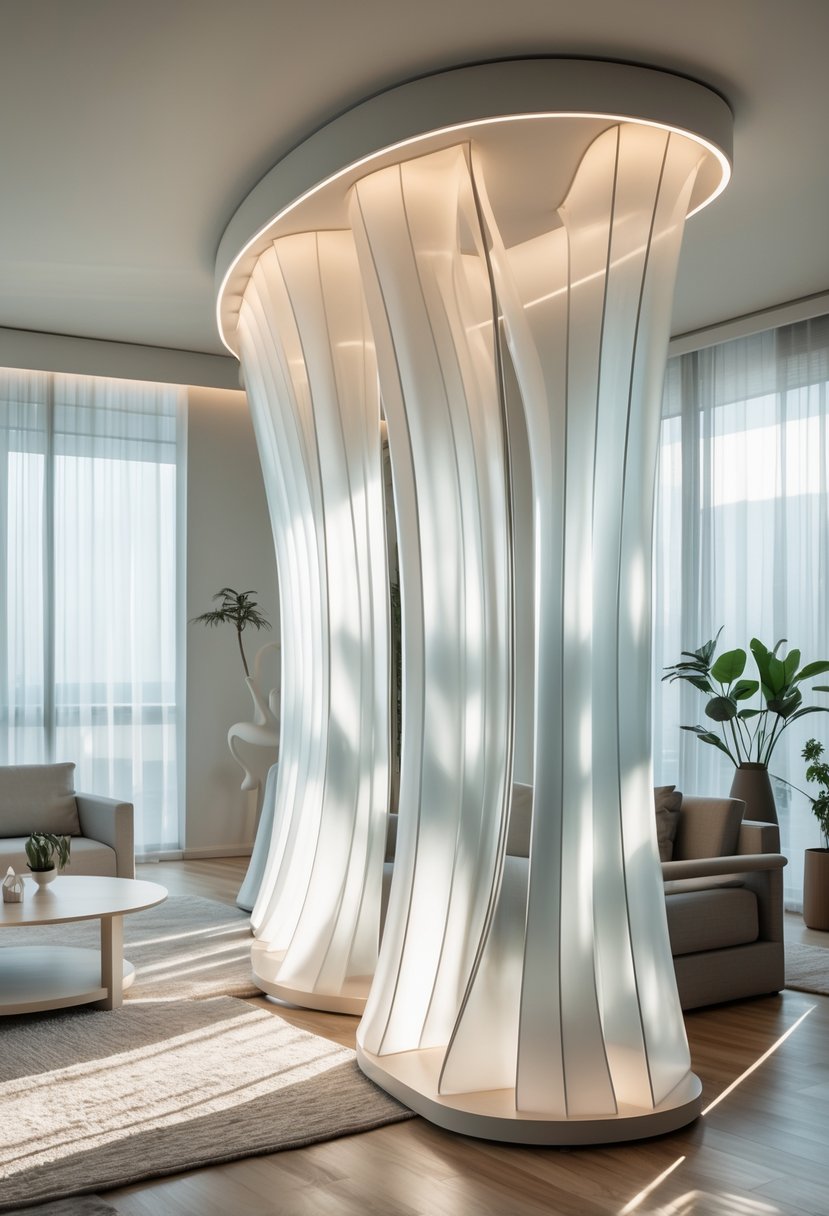
Curved dividers soften the look of a living space and create a natural flow between areas.
They can separate zones without blocking light or making the room feel closed off.
Materials like wood, glass, or fabric add texture while keeping the design flexible and modern.
Principles of Surreal Living Room Design
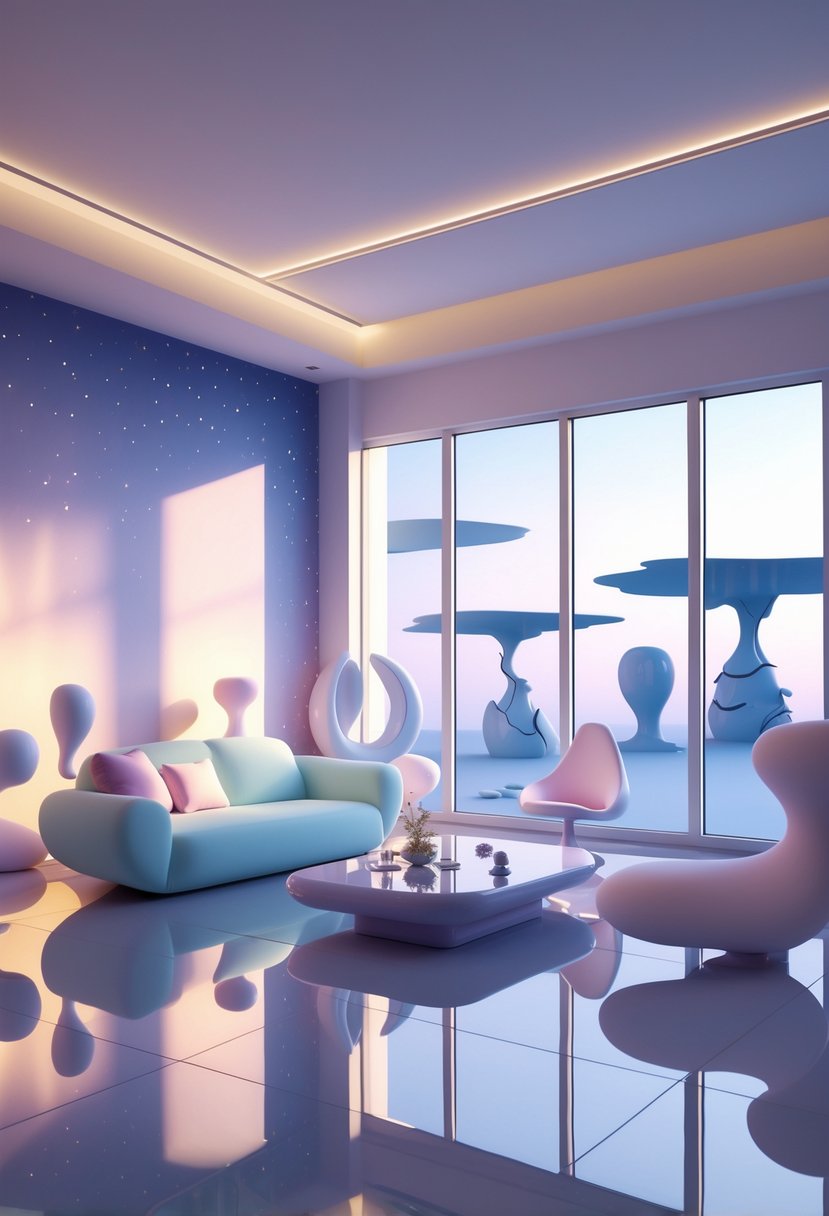
Surreal living rooms rely on both creative expression and practical structure. They use unusual shapes, bold color choices, and imaginative details while still keeping the space comfortable and livable.
Balancing Imagination and Function
A surreal living room should surprise without sacrificing comfort. Furniture with unusual forms, such as asymmetrical chairs or sculptural tables, can act as focal points. At the same time, seating must remain supportive, and surfaces should still serve their purpose.
One way to achieve balance is by mixing one or two statement pieces with simpler items. For example, a sofa with exaggerated curves can pair well with a plain rug or neutral walls. This prevents the room from becoming overwhelming while still keeping its surreal quality.
Practical needs should guide placement. Lighting must highlight key art or furniture while also being bright enough for daily use. Storage can be disguised in creative ways, such as shelves that appear to float or cabinets with irregular shapes.
The key is to let imaginative elements stand out without removing what makes the space livable. A surreal room works best when people can enjoy its creativity while still using it comfortably every day.
Color Theory in Surreal Spaces
Color plays a central role in creating a surreal atmosphere. Designers often use high-contrast combinations, such as deep blue against bright yellow, to create a sense of visual tension. Cool tones can make a space feel dreamlike, while bold warm tones can add energy and intensity.
Layering colors in unexpected ways helps reinforce the surreal effect. For example:
- Walls: muted or gradient tones
- Furniture: bold accent shades
- Accessories: metallic or reflective finishes
Patterns can also shift the mood. Stripes, abstract prints, or gradients can distort perspective and add movement. When used carefully, these elements create a sense of depth that feels imaginative but not chaotic.
The most effective approach is to combine unusual colors with a few grounding neutrals. This keeps the room visually striking without overwhelming the eye.
Integrating Art and Decor
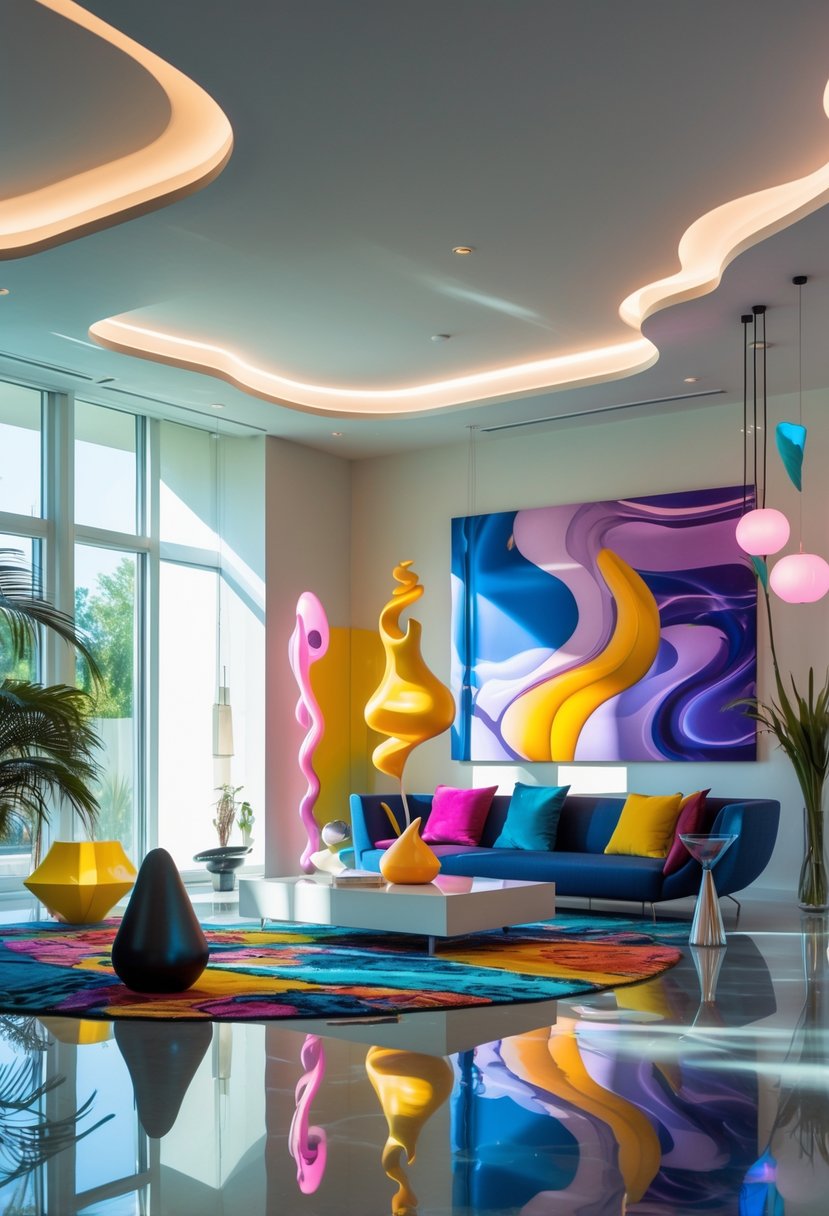
Surreal living rooms rely on bold focal points and unusual combinations of surfaces to create a distinct atmosphere. Large-scale artwork, sculptural furniture, and layered materials work together to shift the space from ordinary to imaginative.
Statement Pieces That Anchor the Room
A surreal interior often begins with one or two statement pieces that set the tone. This could be a sculptural coffee table, a sofa with unexpected curves, or an oversized surrealist painting. These items draw attention immediately and give the room a clear sense of direction.
Placing a bold artwork above a sofa or fireplace creates a visual anchor. The piece does not need to match the rest of the decor but should contrast in a way that feels intentional. For example, a sleek modern sofa can sit beneath a dreamlike canvas with distorted shapes.
Lighting also plays a role in highlighting these focal points. A chandelier with asymmetrical arms or a pendant light shaped in an abstract form can double as functional art. Positioning such fixtures near key furniture increases their impact.
When selecting statement pieces, scale matters. A small surreal sculpture may get lost in a large room, while an oversized wall piece can overwhelm a compact space. Balancing size with placement ensures the design feels cohesive.
Blending Textures and Unconventional Materials
Surrealist-inspired design often mixes materials that are rarely paired together. A polished metal side table can sit next to a velvet chair, while a rug with irregular patterns can soften the hard edges of glass furniture. These contrasts create visual tension that feels deliberate rather than random.
Using unexpected finishes helps push the style further. Examples include resin-coated wood, mirrored surfaces, or translucent acrylic furniture. Each material reflects light differently, which adds depth and keeps the room from looking flat.
Layering textures is another way to add interest. A faux fur throw on a leather sofa, or a ceramic lamp placed on a rough stone pedestal, gives the space a tactile quality. These combinations encourage interaction and make the room feel more dynamic.
Color also supports material play. Pairing bold hues like cobalt blue or deep red with neutral surfaces prevents the room from becoming too chaotic. The contrast between color and texture creates balance while maintaining the surreal effect.
Learn more about eclectic interior design from Apartment Therapy.