
Contemporary Living Room Ideas 2026: 21 Stylish Designs for Modern Homes
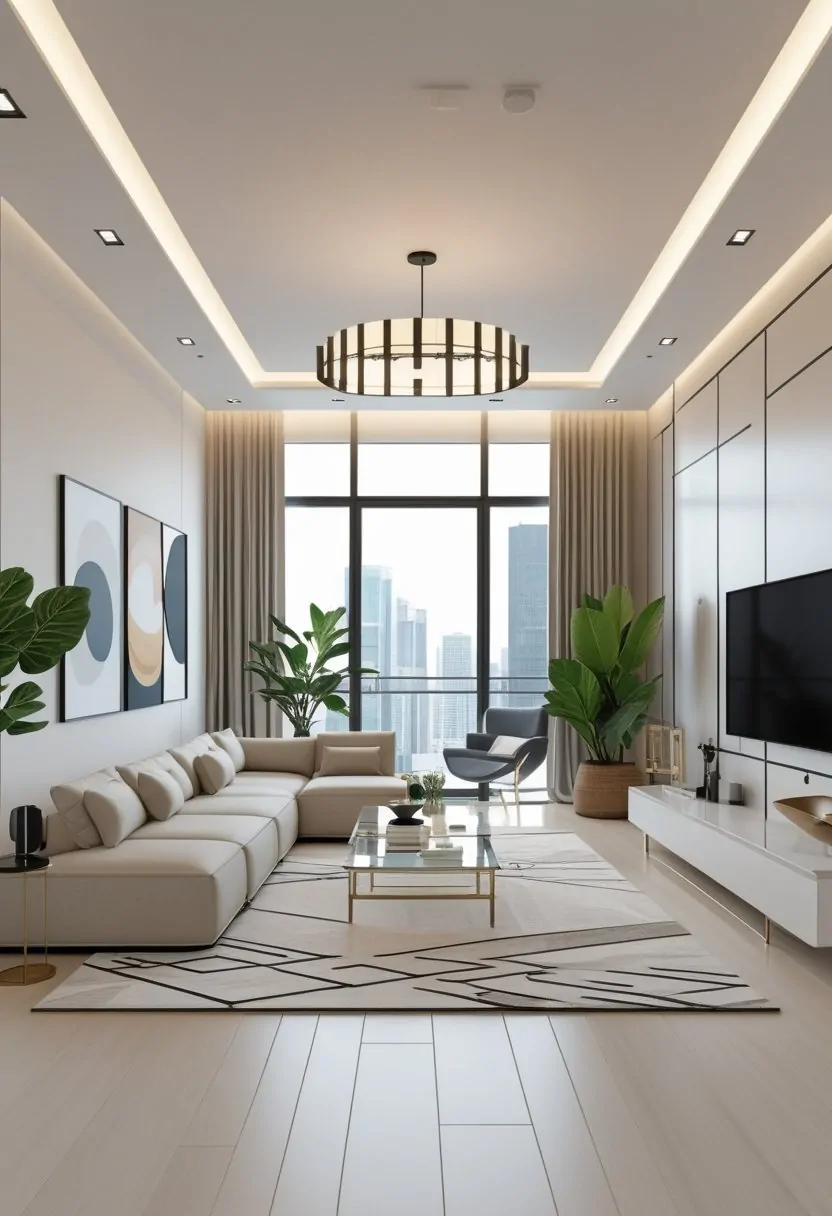
Contemporary living rooms in 2026 focus on creating spaces that feel both stylish and practical. Design trends highlight balance, blending comfort with modern details that make a space feel fresh and inviting. Anyone looking to update their home can find inspiration in ideas that combine clean lines, thoughtful materials, and functional layouts.
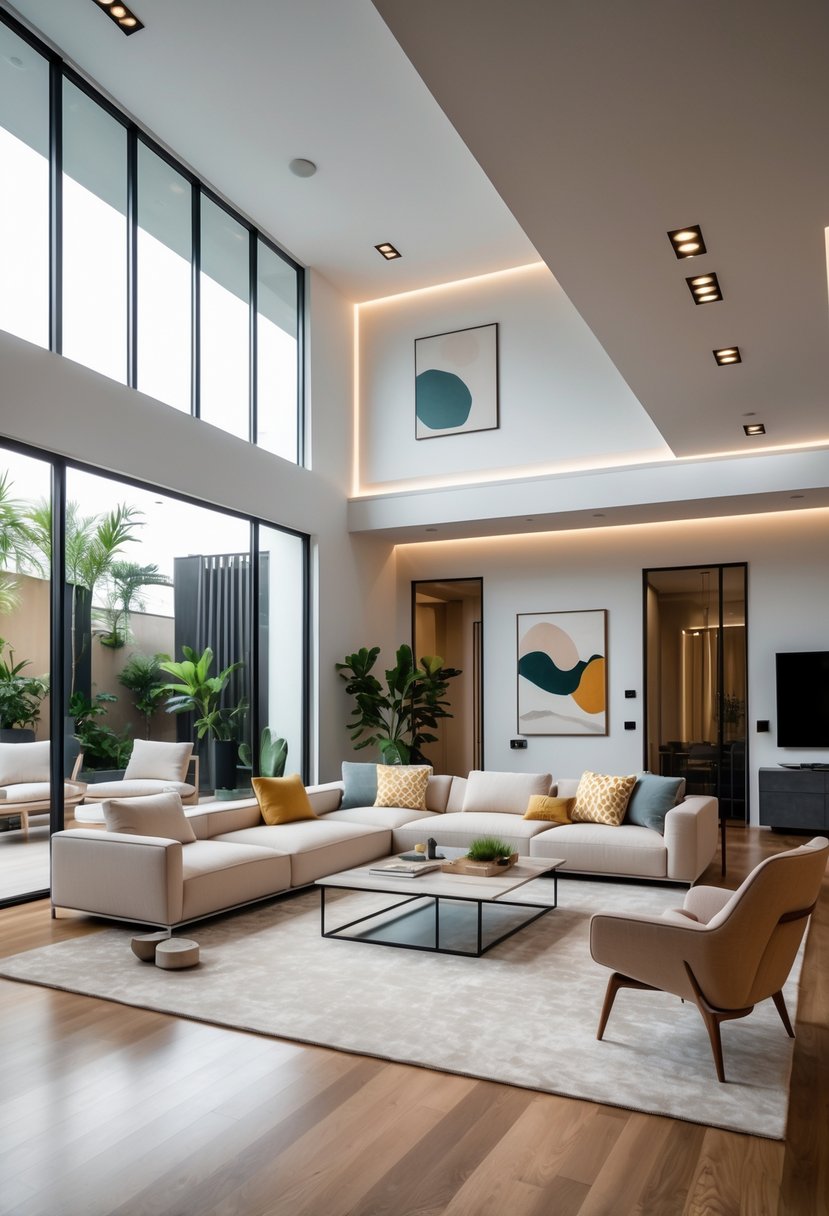
This approach to design does not rely on one single style but instead embraces subtle color choices, creative furniture, and details that bring personality into the room. From layouts that improve flow to accents that add warmth, the goal is to shape a living room that feels current while remaining timeless.
Neutral color palettes with soft grays and beiges
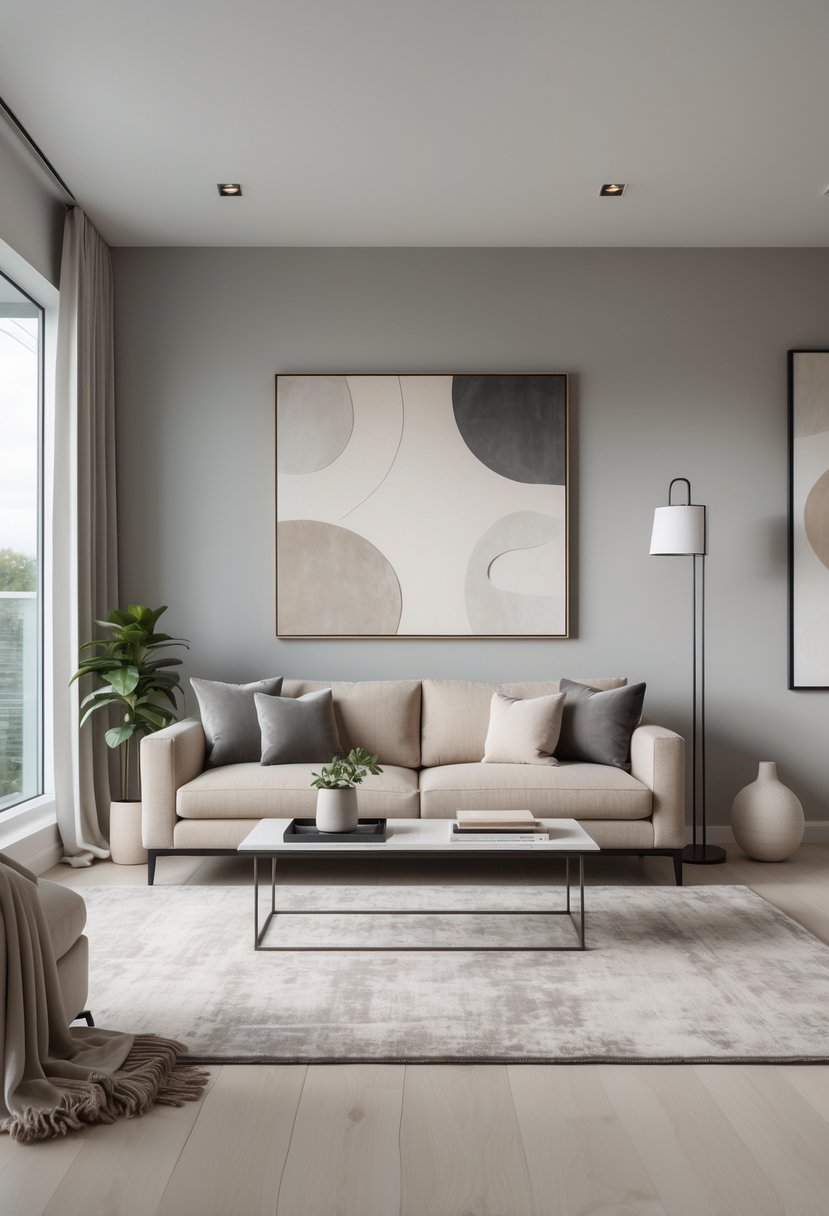
Soft grays and beiges create a balanced backdrop that works well in contemporary living rooms. These tones provide a calm and versatile base for furniture and decor.
Gray brings a cooler touch, while beige adds warmth and comfort. Together, they form a neutral palette that feels modern yet inviting.
Sculptural furniture as functional art pieces
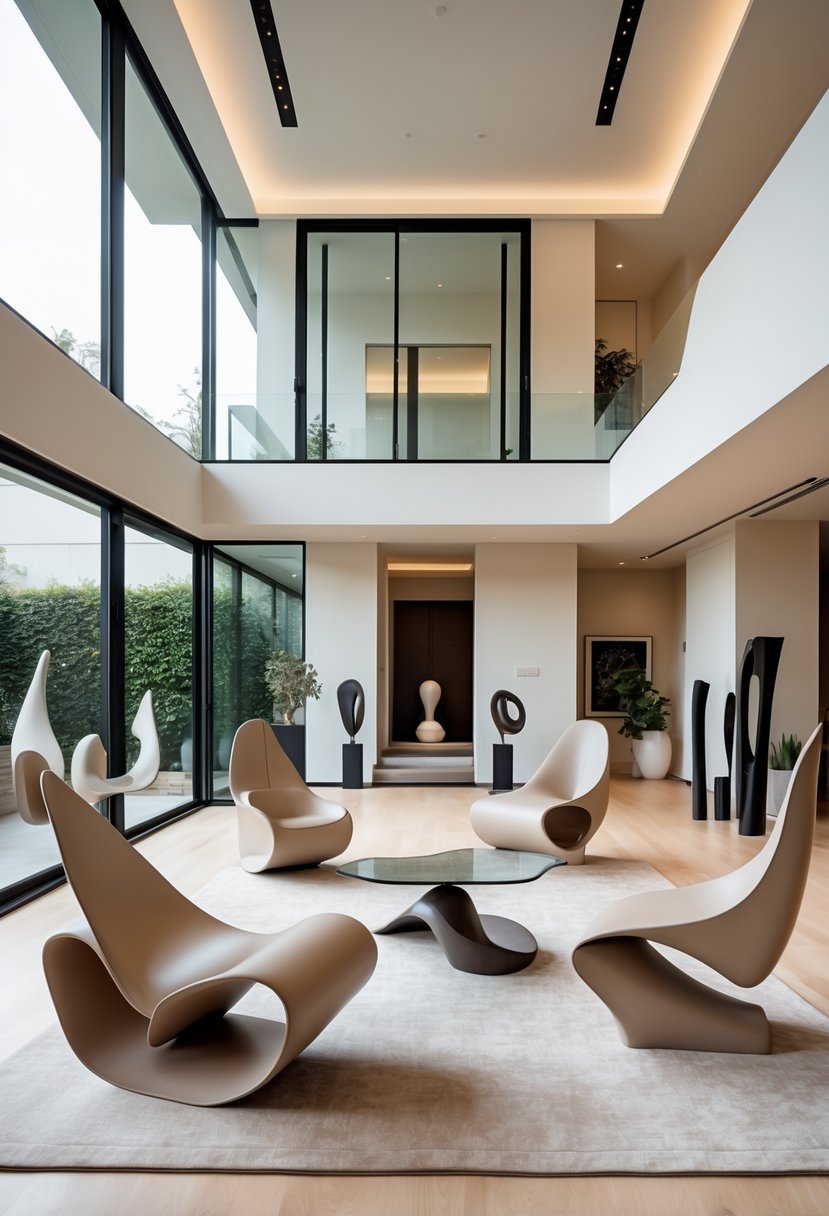
Sculptural furniture combines everyday use with artistic design. Each piece serves a purpose while also acting as a visual focal point in the room.
Designers often use organic shapes, bold lines, and unique materials. These features make items like sofas, chairs, and tables both practical and expressive.
Layered textures combining velvet and linen
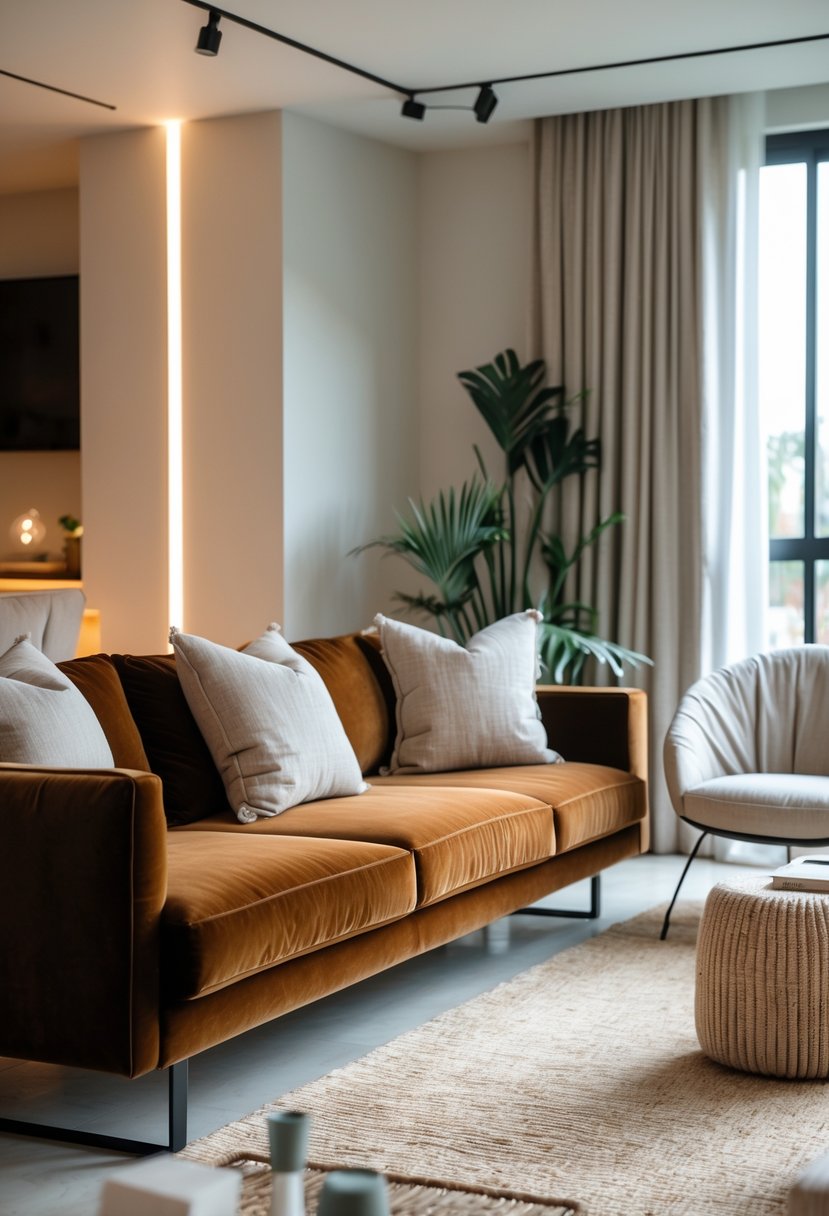
Velvet and linen create a balanced mix of soft and structured textures. Velvet adds smooth depth, while linen brings a light, natural feel.
Together, they prevent a space from looking flat. Designers often pair velvet cushions with linen sofas or chairs to achieve contrast without overwhelming the room.
Statement lighting fixtures with geometric designs
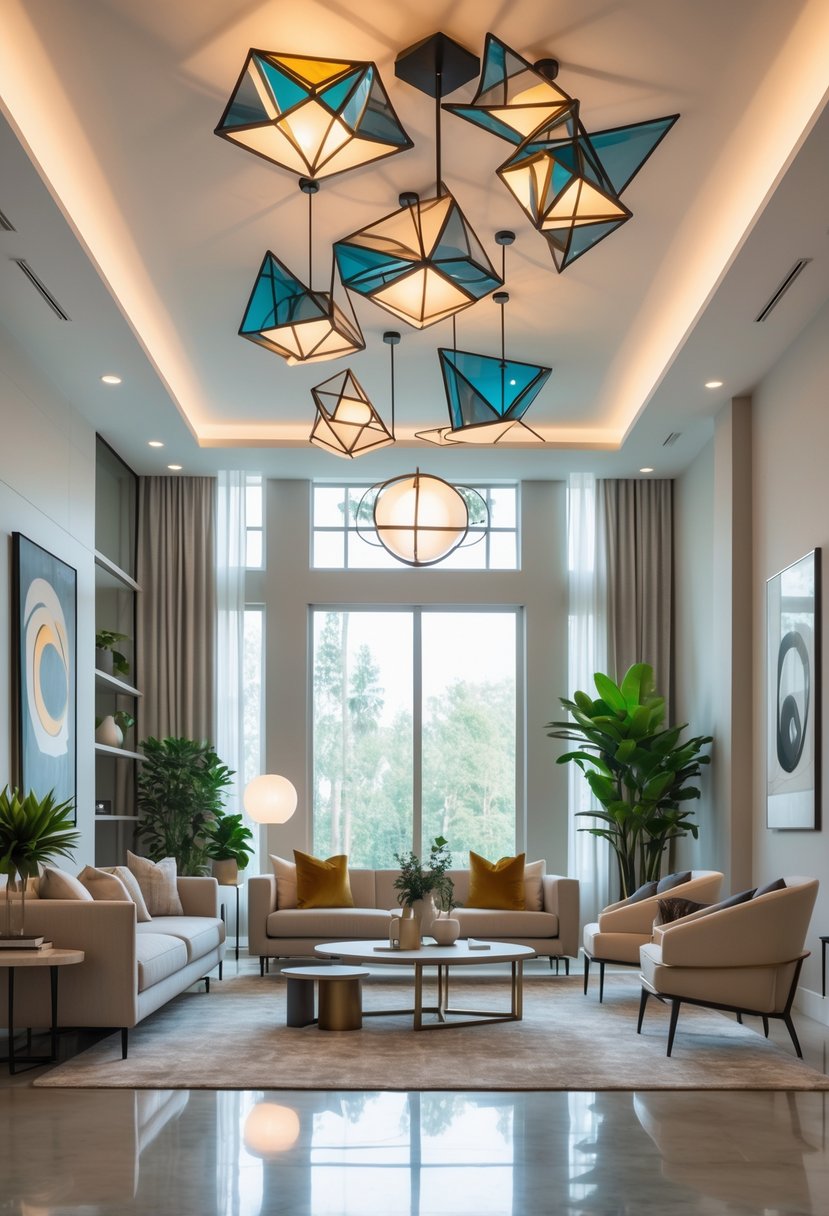
Geometric lighting fixtures bring clean lines and structured shapes into the living room. They often feature angular or symmetrical patterns that add a modern look.
These fixtures work well as statement pieces because they combine function with design. A bold chandelier or pendant can create focus while still providing balanced light.
Many designs use metal, glass, or mixed materials to highlight their form. This gives the room a contemporary touch without overwhelming the space.
Minimalist shelving with integrated storage
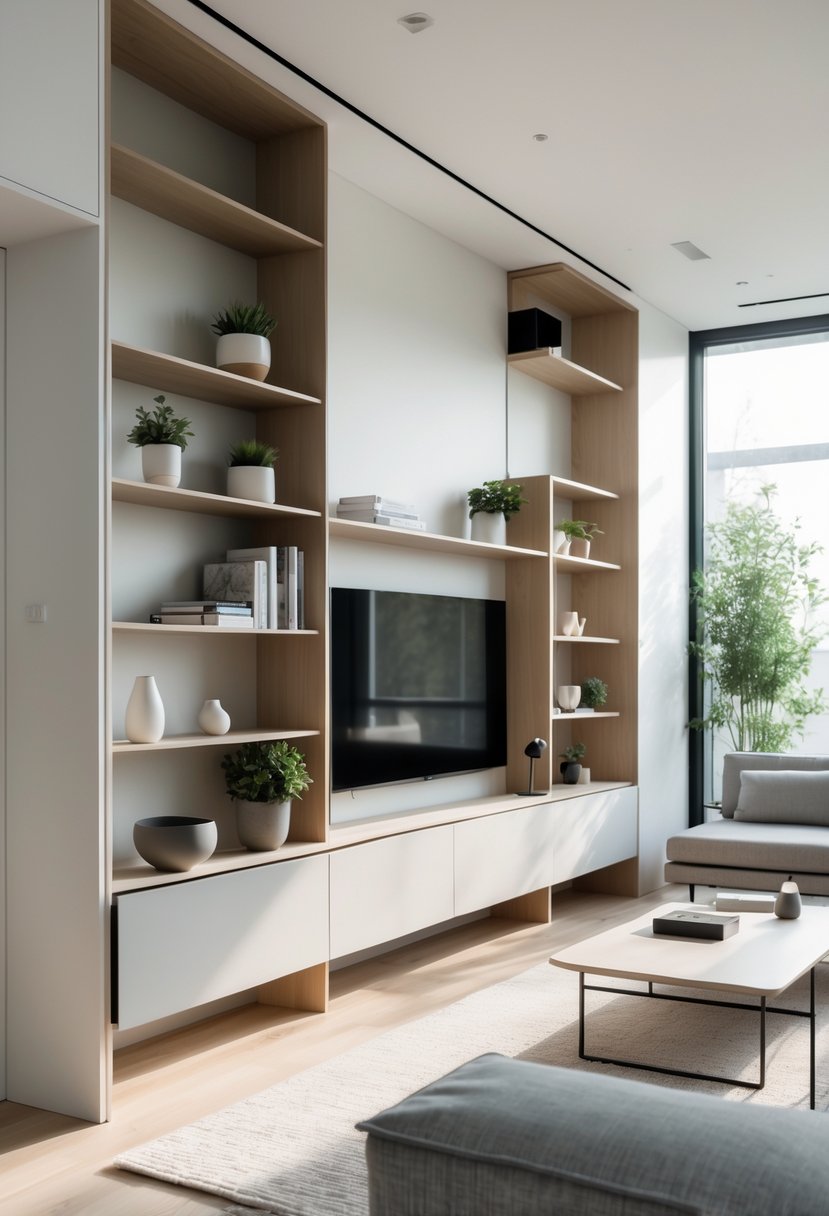
Minimalist shelving uses clean lines and simple forms to keep spaces uncluttered.
Integrated storage combines open shelves with closed cabinets, giving room for both display and hidden organization.
This approach works well in contemporary living rooms, where balance between function and style is important.
Natural wood accents for warmth and balance
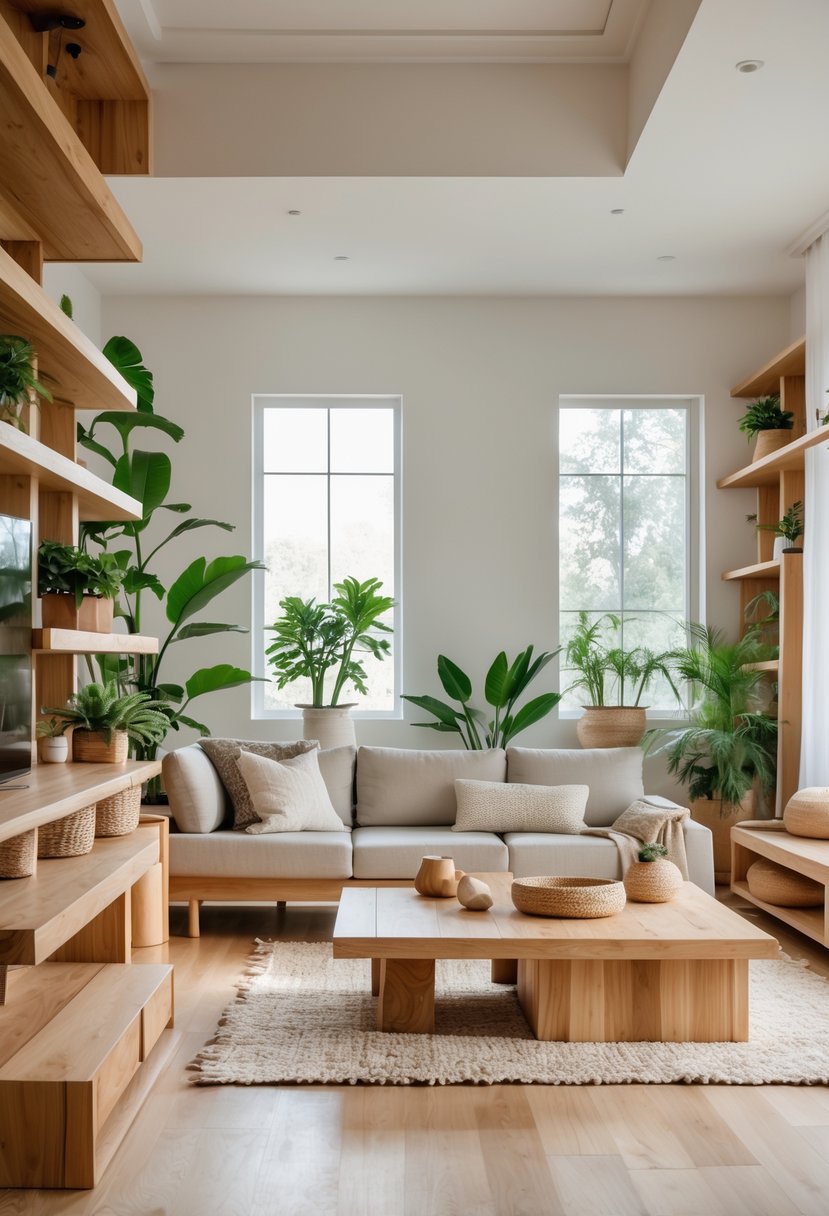
Natural wood accents add texture and create a balanced look in a contemporary living room. They work well with both light and dark color palettes.
Simple choices like a wooden coffee table, shelving, or wall panels bring warmth without overwhelming the space.
Pairing wood with neutral fabrics and clean lines keeps the design modern and inviting.
Graphic black and white prints for contrast
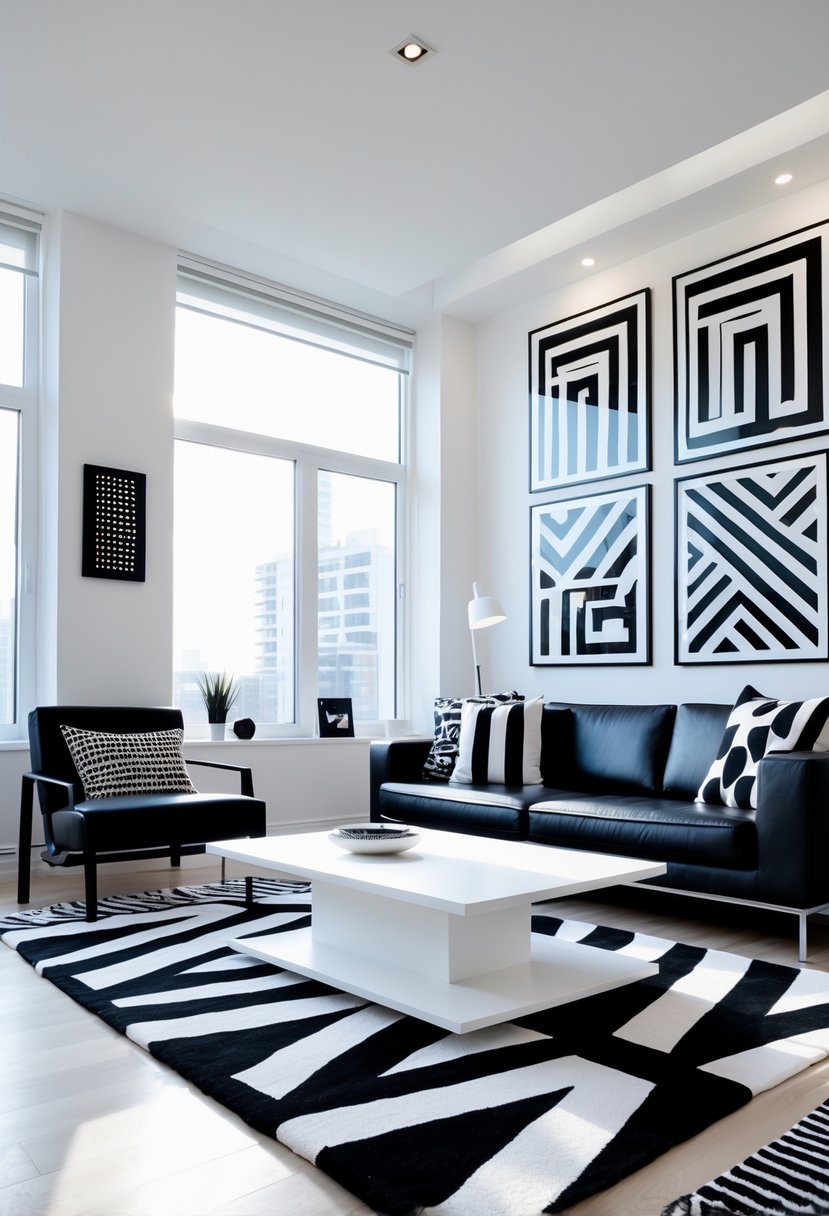
Graphic prints in black and white add clear definition to a living room. They create a strong focal point without overwhelming the space.
Simple patterns like stripes, grids, or abstract shapes work well on rugs, pillows, or wall art. These details keep the room balanced and modern.
Symmetrical furniture arrangements for harmony
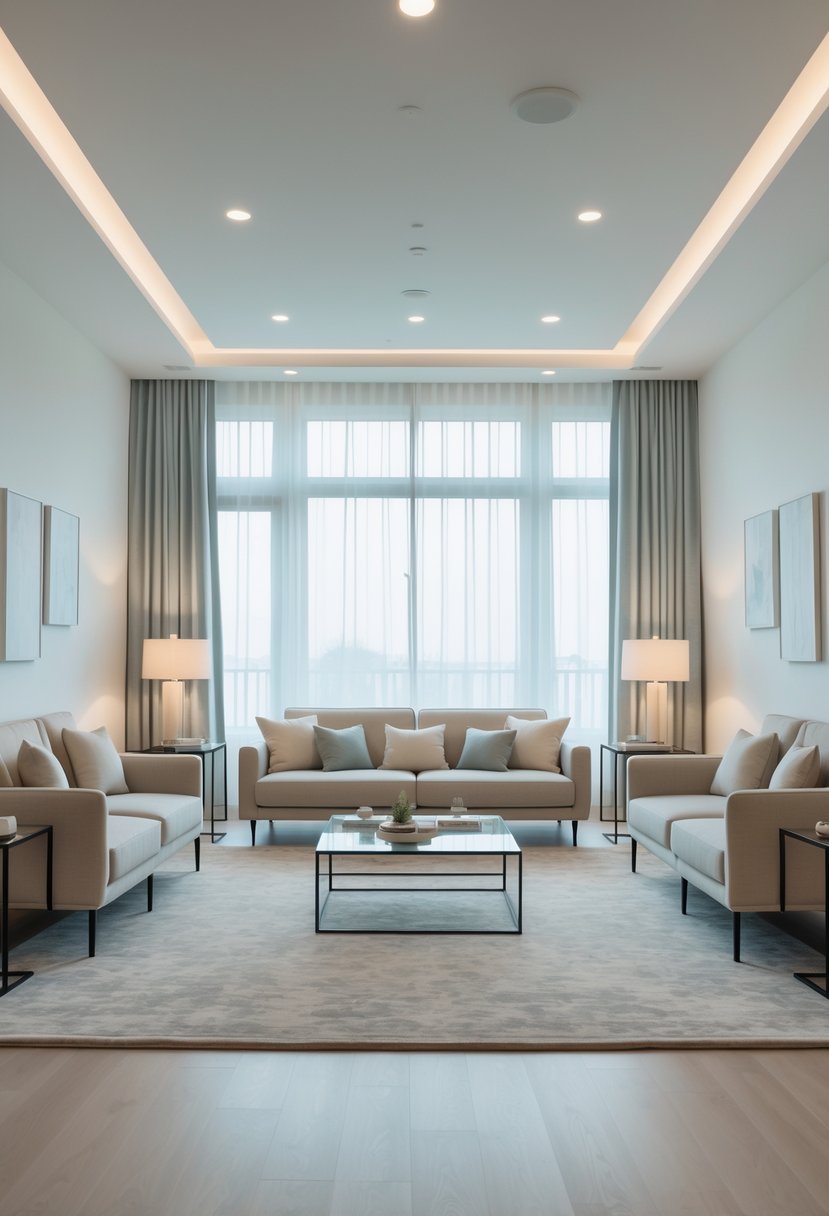
Symmetrical layouts use matching pieces on opposite sides to create balance.
Placing identical sofas, chairs, or tables across from each other gives the room a clear focal point.
This approach helps the space feel orderly while keeping the design simple and functional.
Curved sofas to soften sharp lines
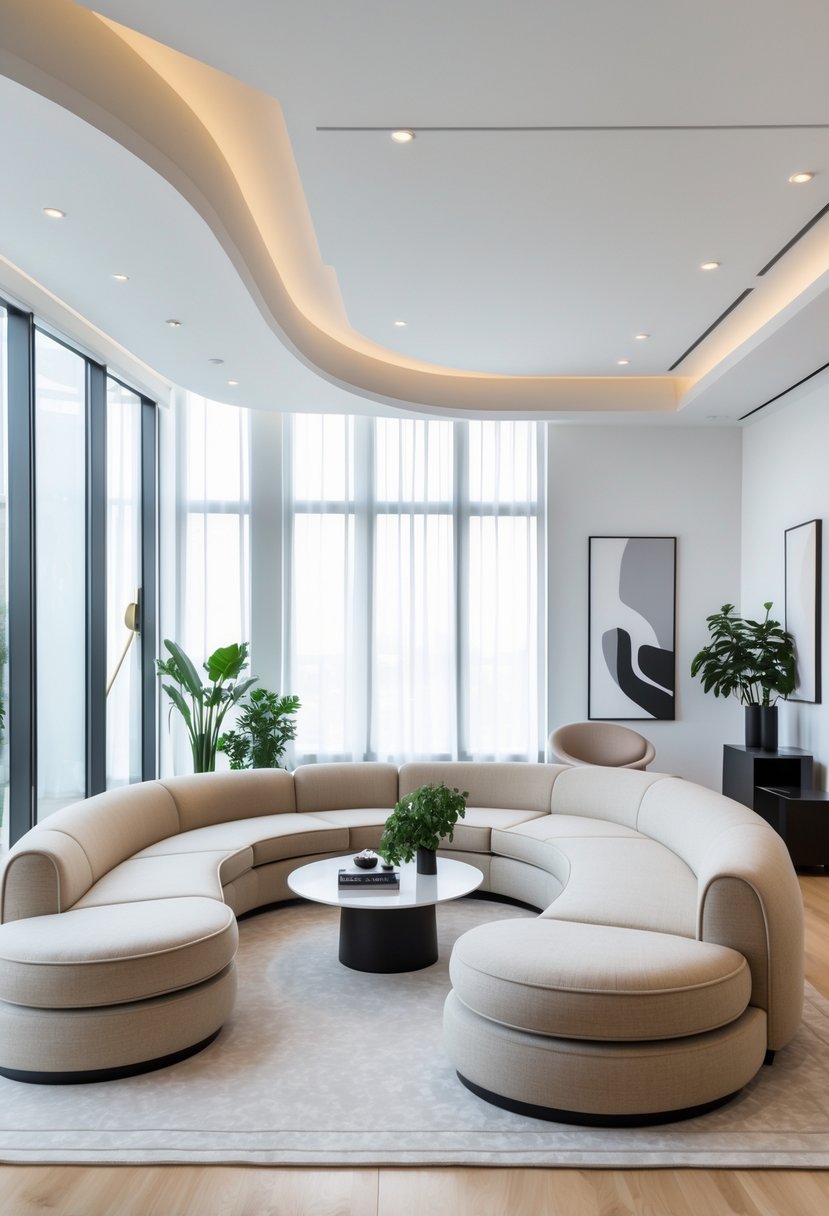
Curved sofas reduce the rigid feel of straight edges in a living room. They introduce a softer shape that helps the space feel balanced.
These pieces also guide natural flow, making seating areas more inviting. Their rounded form pairs well with both modern and classic interiors.
Metallic finishes in brass or matte black
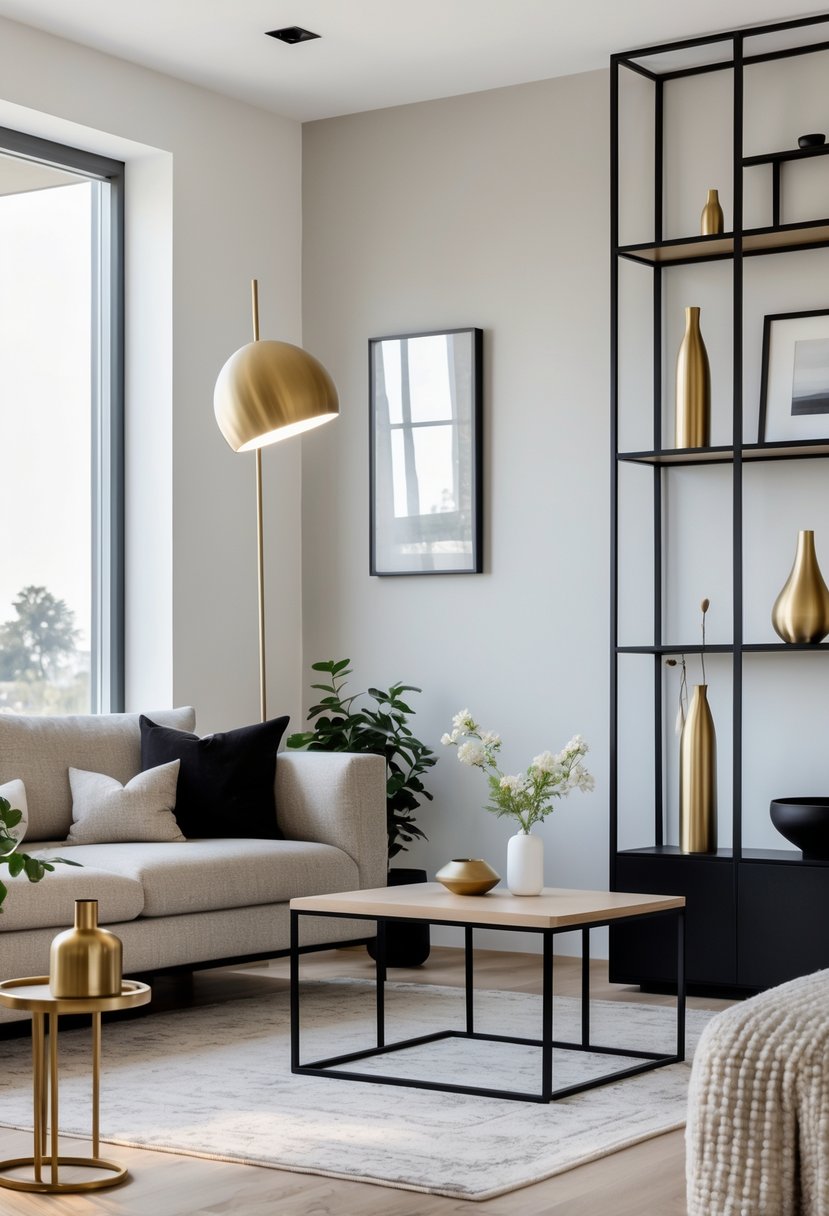
Brass adds warmth and a timeless look, making it a strong choice for lighting, tables, or hardware. It works well in both modern and classic spaces.
Matte black creates contrast and gives a clean, modern edge. Designers often pair it with brass to balance warmth and boldness.
Pastel tones paired with clean lines
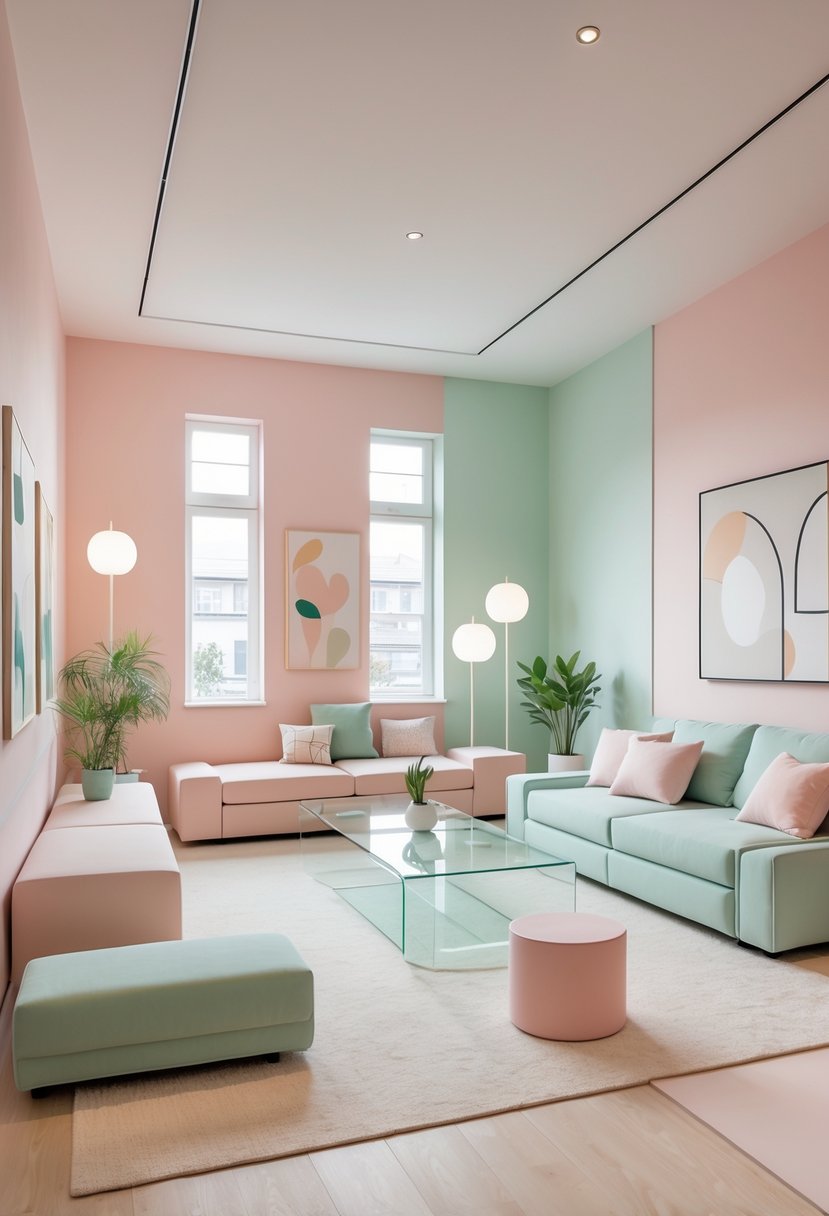
Pastel tones create a soft backdrop that works well with modern living room design. They add color without overwhelming the space.
Clean lines in furniture and décor keep the room looking organized and balanced. The combination helps the space feel calm, uncluttered, and easy to live in.
Open layouts promoting flow and connectivity
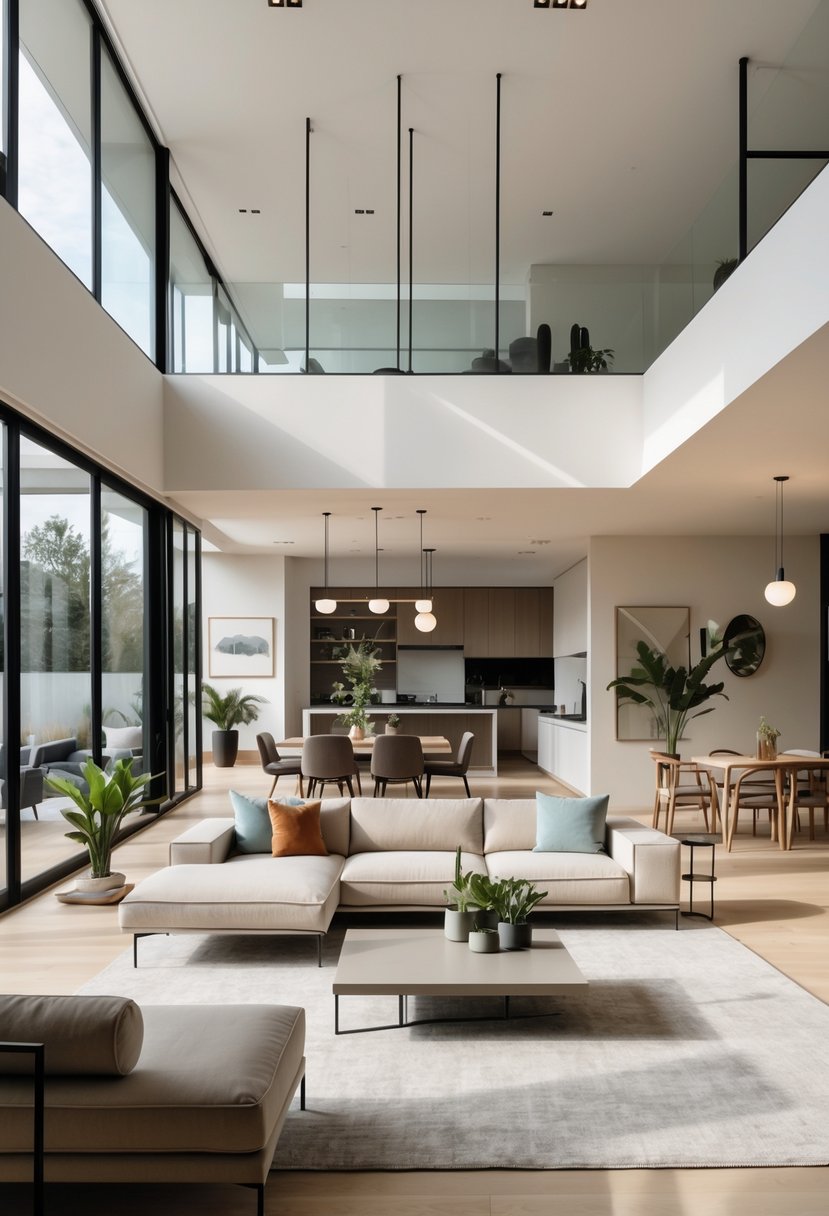
Open layouts remove barriers between living, dining, and kitchen areas, making movement easier.
They allow natural light to spread across the space, creating a brighter environment.
Defined zones with rugs or furniture placement help maintain order while keeping the space connected.
Large-scale abstract wall art
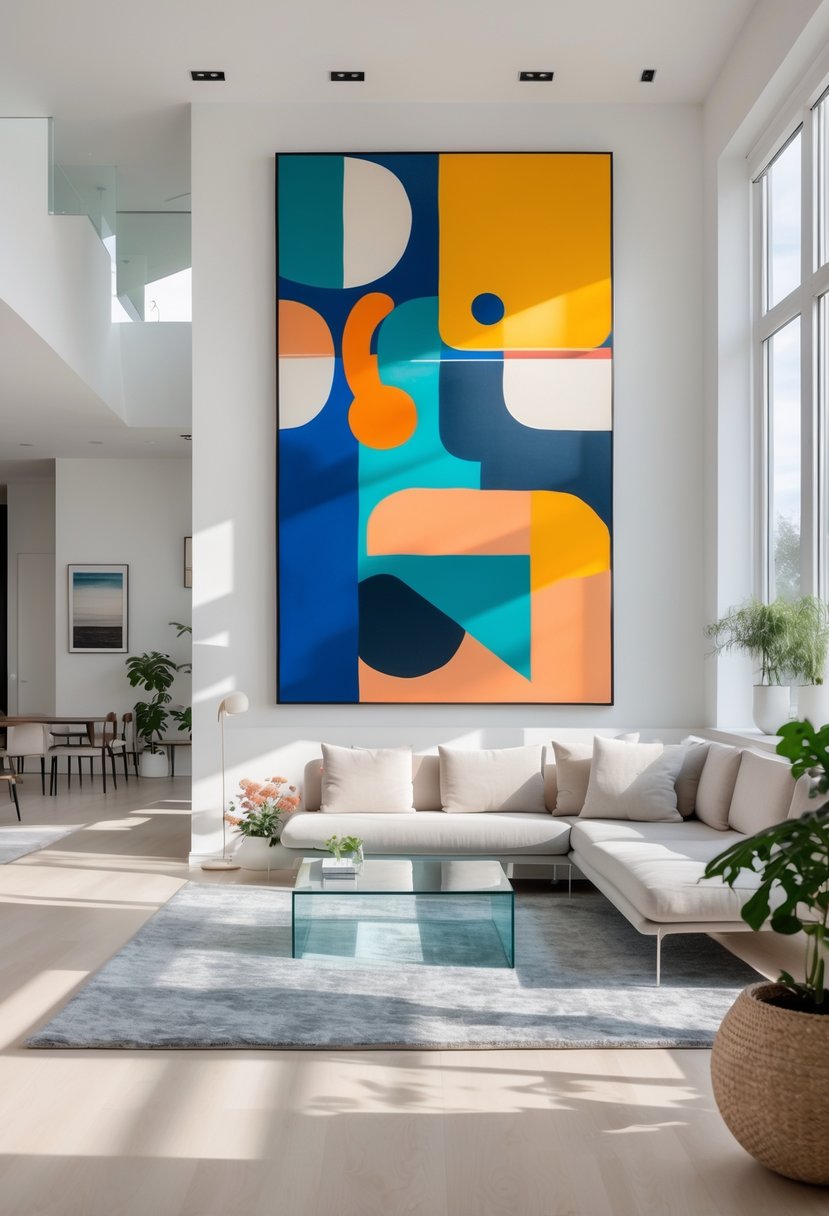
Large abstract wall art adds a clear focal point to a living room. It helps define the space and creates balance on wide or tall walls.
Bold brush strokes, geometric shapes, or layered textures bring visual interest. These pieces work well above sofas or as a central feature.
Choosing simple frames or frameless canvases keeps the look modern. Matching colors with furniture or accents ties the room together.
Low-profile modular seating
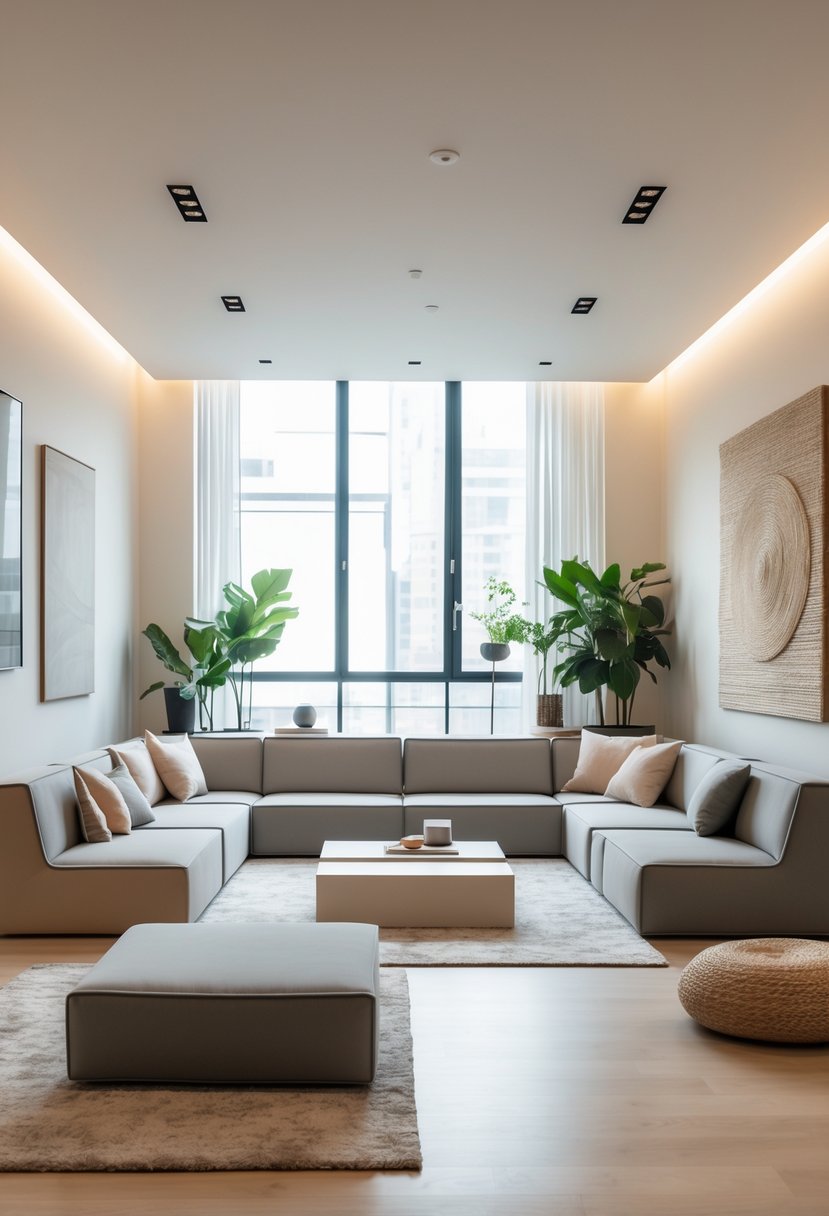
Low-profile modular seating helps create a clean and open look in the living room. Its lower height makes the space feel less crowded and more relaxed.
These pieces can be rearranged to fit different layouts, making them practical for both small and large rooms.
Neutral fabrics and simple lines keep the design modern while still comfortable.
Mixed materials like glass and stone
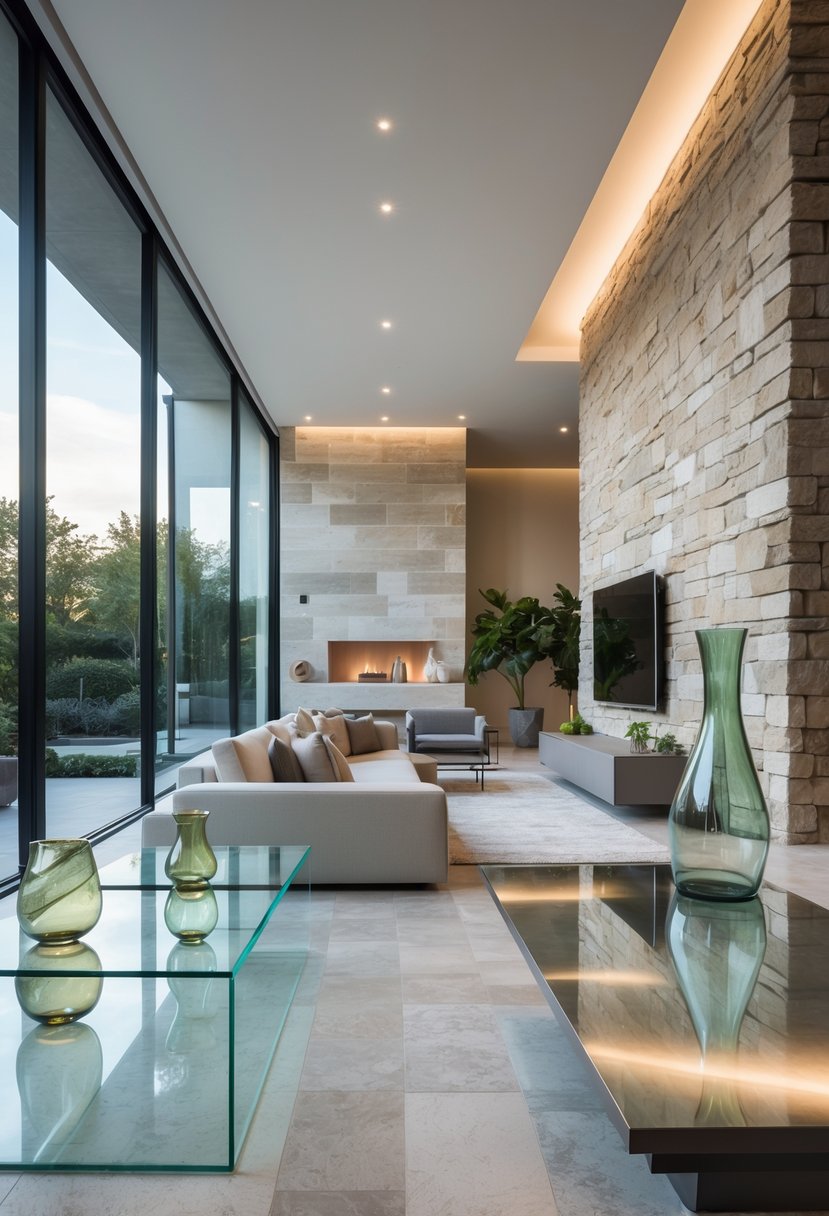
Designers often use glass and stone together to balance lightness with strength. Stone adds texture and stability, while glass brings openness and clarity.
This mix works well in living rooms where natural light highlights the contrast. It creates a clean, modern look without feeling cold or heavy.
Built-in media units for sleek tech integration
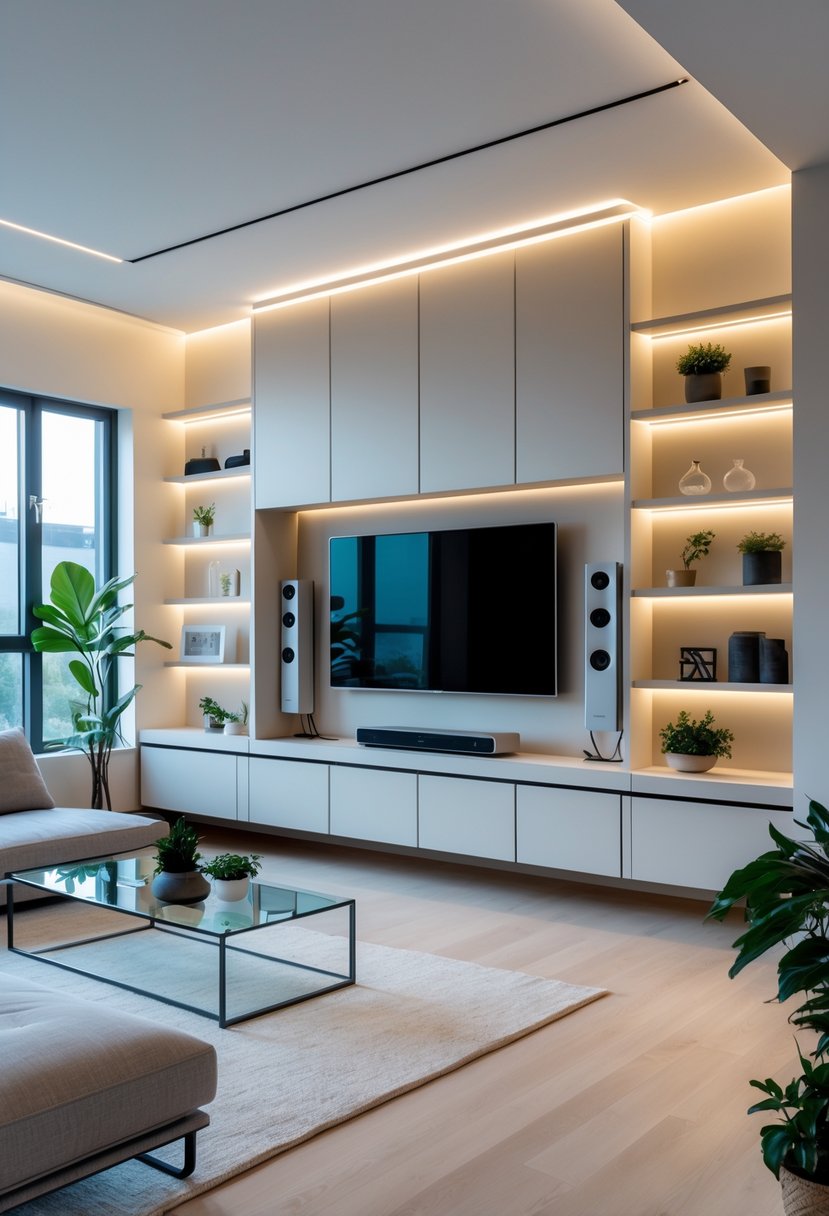
Built-in media units help keep living rooms organized by concealing wires and devices. They create a clean backdrop that supports modern design.
Many units include floating shelves or hidden storage. This allows homeowners to display decor while keeping electronics out of sight.
Some designs also integrate lighting or fireplaces. This adds function without disrupting the streamlined look.
Cozy layered rugs with subtle patterns
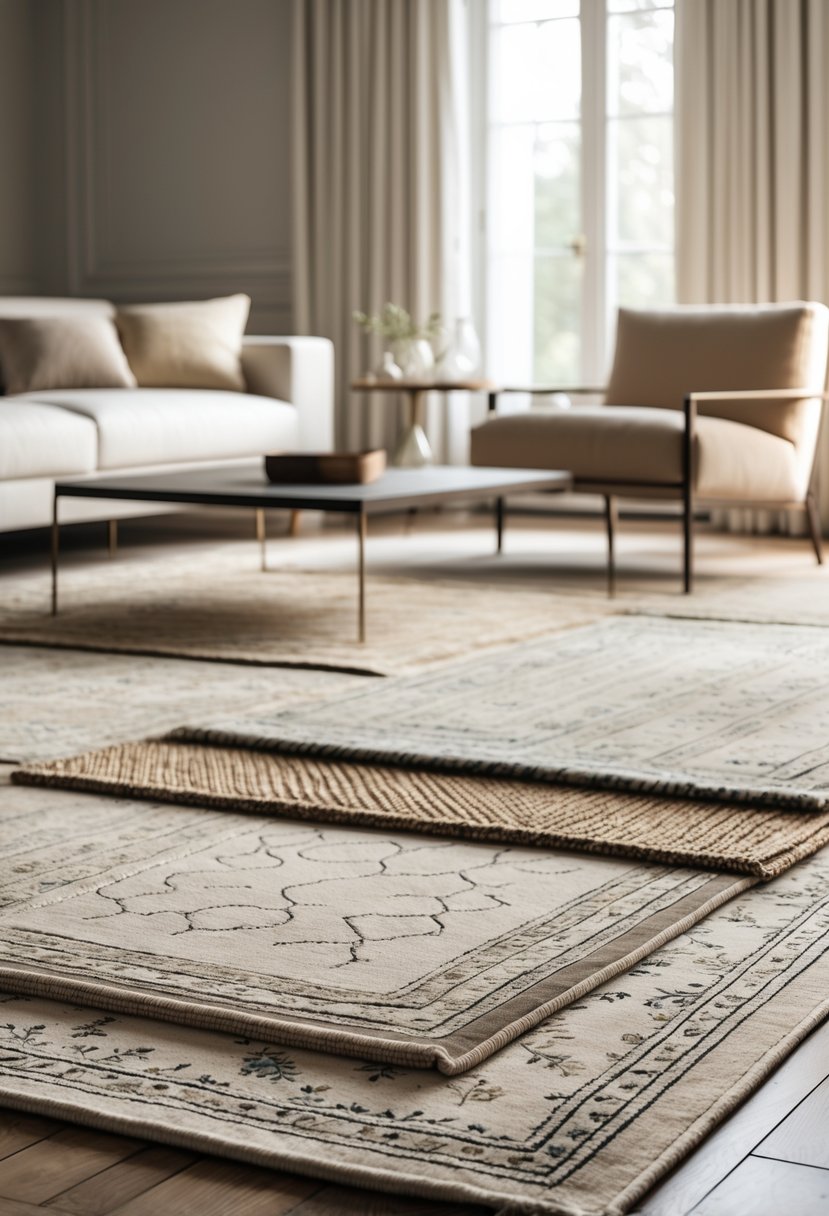
Layered rugs add warmth and texture to a living room without overwhelming the space.
Using subtle patterns keeps the look calm while still adding visual interest.
They can place a larger neutral rug as the base and layer a smaller patterned rug on top for balance.
Indoor plants for natural vibrancy
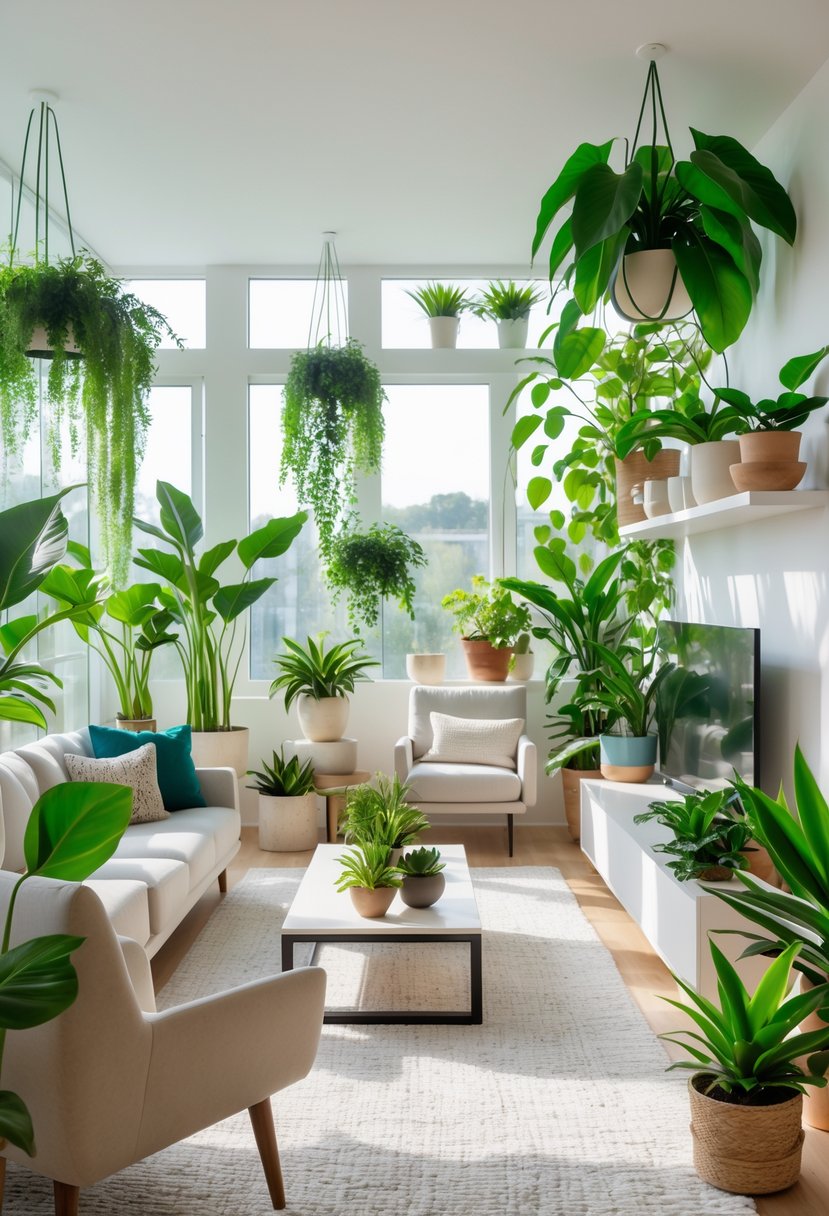
Indoor plants add color and freshness to a living room without major changes.
They work well in corners, on shelves, or beside seating areas to soften the space.
Mixing tall floor plants with smaller tabletop or hanging varieties creates balance and variety.
Floating furniture to enhance space
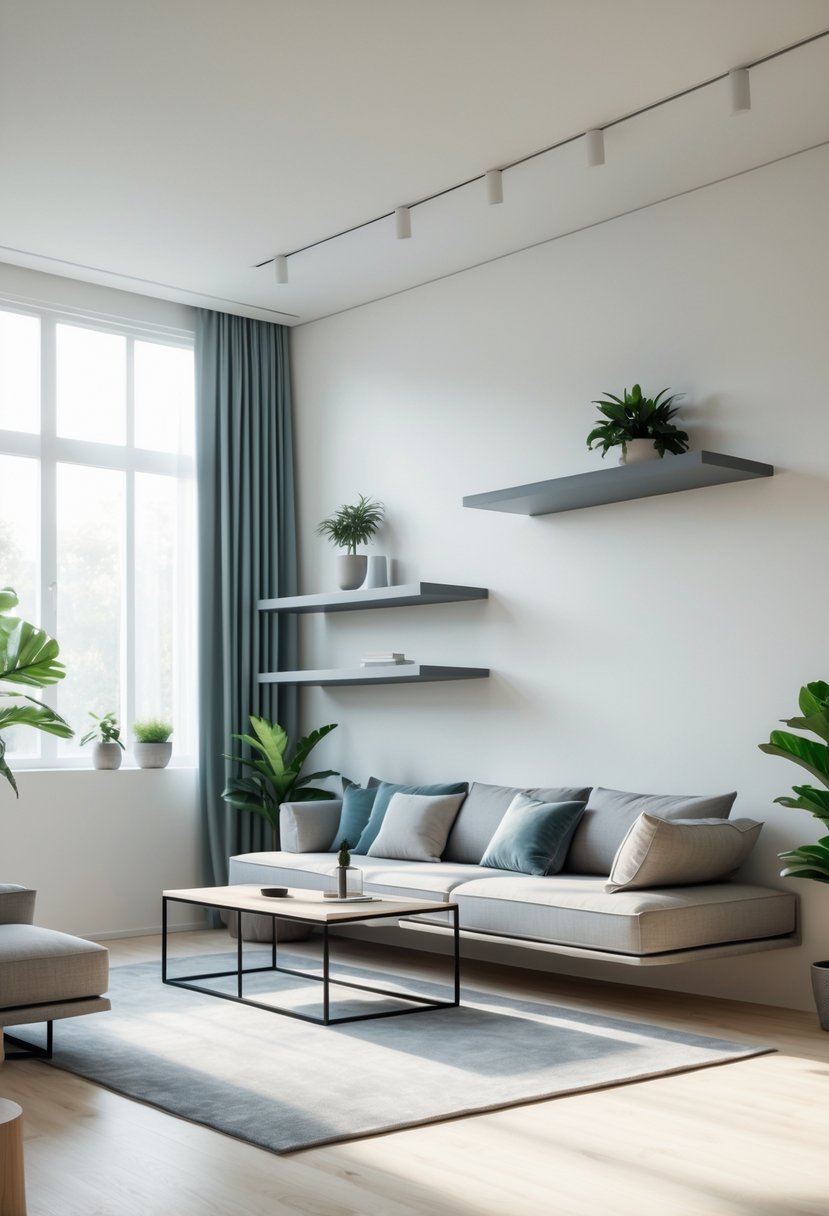
Floating furniture creates a cleaner look by lifting pieces off the floor. Mounted sofas, shelves, and cabinets make rooms feel less crowded.
This approach also improves function by freeing up floor space for movement or storage. It works well in both small and large living rooms.
Monochromatic schemes with varied textures
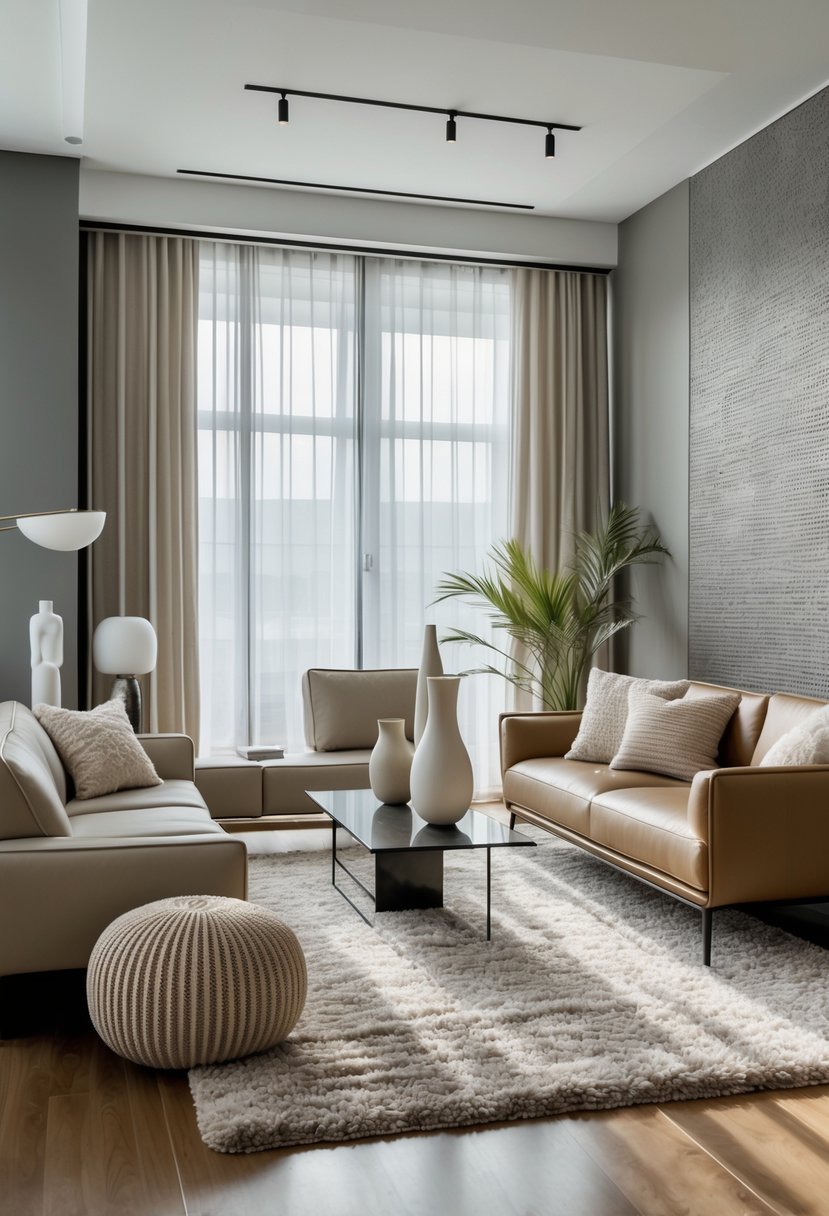
A monochromatic palette creates a clean and cohesive look. Designers often rely on shades of one color to set a calm and balanced tone.
Texture adds depth and prevents the room from feeling flat. Soft rugs, smooth leather, and natural fabrics bring contrast within the single-color scheme.
Layering materials like wood, stone, or metal further enhances interest. This approach keeps the design simple yet visually engaging.
Accent walls in muted earth tones
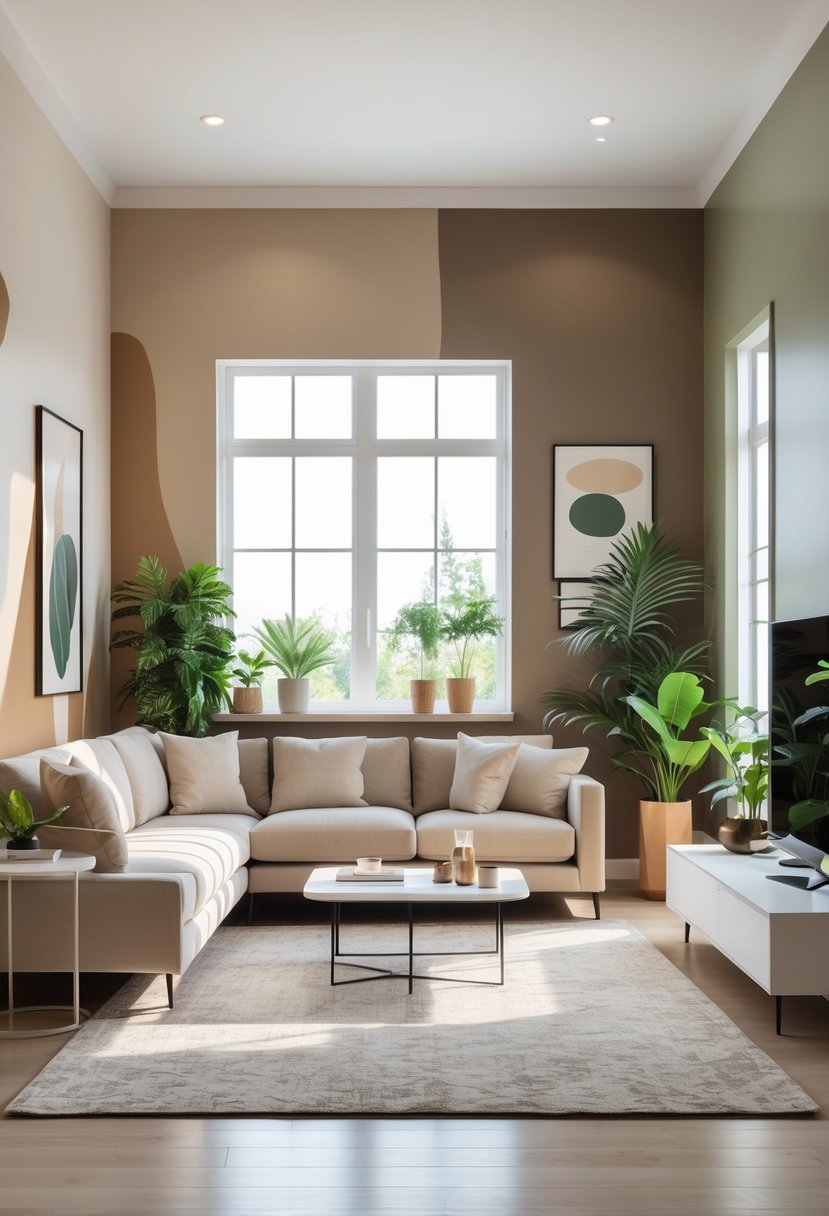
Muted earth tones on an accent wall add warmth without overpowering the room. Shades like beige, clay, and sage create a calm backdrop that works well with modern furniture.
These colors pair easily with natural textures, such as wood or stone, giving the living room a balanced and cohesive look.
Defining Contemporary Living Room Style
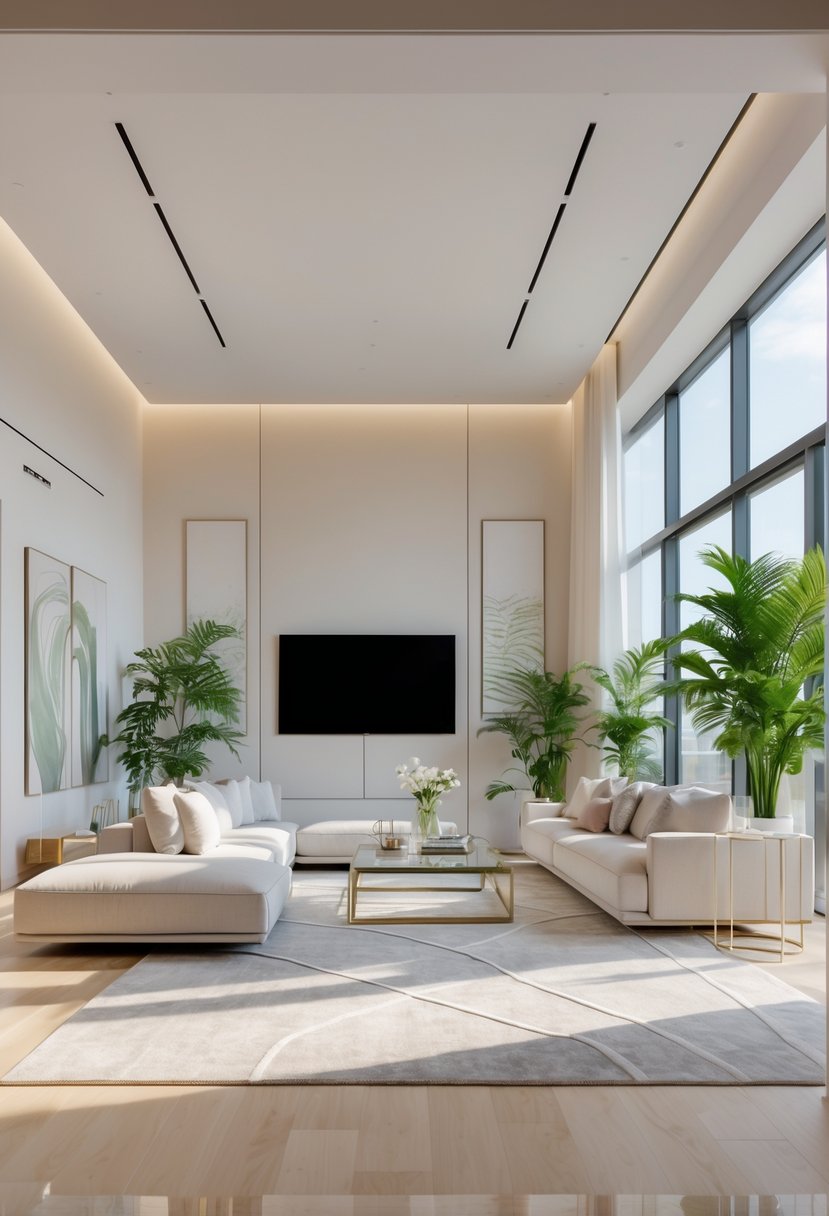
Contemporary living rooms in 2026 focus on clean structure, functional comfort, and a balance between minimalism and warmth. They highlight modern materials, neutral tones, and smart layouts that adapt to everyday living while staying visually refined.
Key Elements of Contemporary Design
Contemporary living rooms emphasize simplicity and function. Furniture often features straight lines, smooth surfaces, and low profiles. Pieces are chosen for comfort but avoid excess ornamentation.
Spaces feel open and uncluttered. Designers often use built-in storage or modular furniture to keep the room flexible and practical. Lighting plays a major role, with recessed fixtures, slim floor lamps, and natural light used to shape the atmosphere.
Technology also integrates seamlessly. Smart lighting, hidden speakers, and streamlined media units blend into the design without drawing attention. This creates a living room that feels modern but not overwhelming.
A balance between soft textures and sleek finishes prevents the space from feeling cold. For example, a leather sofa may pair with a wool rug or a stone coffee table with fabric accent chairs. This mix keeps the design approachable while maintaining a modern look.
Color Palettes and Material Trends for 2026
Neutral colors remain central, but in 2026 they often include warm beige, taupe, and soft gray rather than stark white. These tones create a calm backdrop that works with both natural and synthetic materials.
Accent colors appear in muted shades of deep green, terracotta, or navy. These add depth without overpowering the space. Designers often use them in throw pillows, rugs, or wall art for flexibility.
Materials lean toward eco-friendly and durable choices. Expect sustainable woods, recycled metals, and organic fabrics to appear in furniture and decor. Matte finishes on metal and stone add a subtle, modern touch.
Glass and natural stone continue to be popular for tables and surfaces, while textured fabrics like linen and boucle bring warmth. This mix of hard and soft materials supports a space that feels both modern and inviting.
Integrating Technology Seamlessly
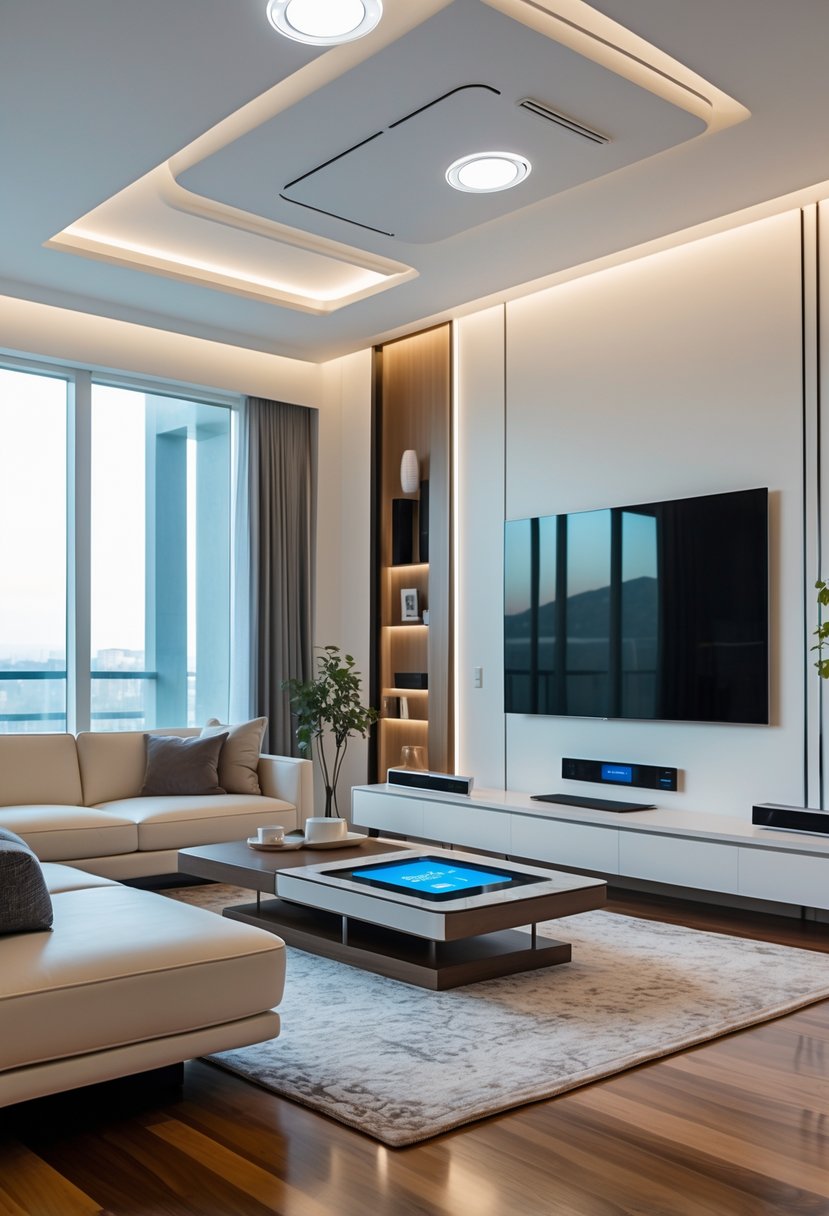
Technology in living rooms now focuses on convenience, efficiency, and visual harmony. Devices blend into the background, offering control and comfort without disrupting the style of the space.
Smart Home Features for Modern Living Rooms
Smart systems now manage lighting, temperature, and entertainment with minimal effort. Homeowners often use voice assistants, automated blinds, and smart thermostats to adjust comfort levels quickly. These tools support daily routines while reducing energy waste.
Entertainment setups also benefit from hidden or built-in solutions. For example, TVs can retract into cabinets or double as digital art displays when not in use. Wireless speakers and soundbars replace bulky equipment, keeping surfaces clean and uncluttered.
Lighting plays a central role. Programmable LED systems shift brightness and color to match different activities, from reading to hosting guests. Many can connect to mobile apps, offering remote control and scheduling.
Key advantages include:
- Energy savings through automation
- Space efficiency with discreet designs
- Flexibility via app or voice control
These features allow technology to serve the space without dominating it.
Balancing Functionality and Aesthetics
A modern living room must look inviting while still supporting smart functions. Designers often integrate devices into furniture or architectural elements, such as built-in charging stations within side tables or recessed speakers in ceilings.
Materials and finishes also help technology blend in. Matte black outlets, slim switches, and flush wall panels prevent visual clutter. Hidden wiring ensures that cords do not interrupt the room’s flow.
To maintain balance, homeowners can group controls into a single hub rather than scattering devices. This reduces the number of visible gadgets while keeping access simple.
A common approach is pairing natural textures—like wood or stone—with sleek tech surfaces. The contrast keeps the room warm and livable while still feeling current.
By treating technology as part of the design plan, the room remains both stylish and highly functional.
Discover more small living room design ideas from Apartment Therapy.


