
Earth-Tone Home Decor: 22 Stylish Ideas for a Warm and Natural Look
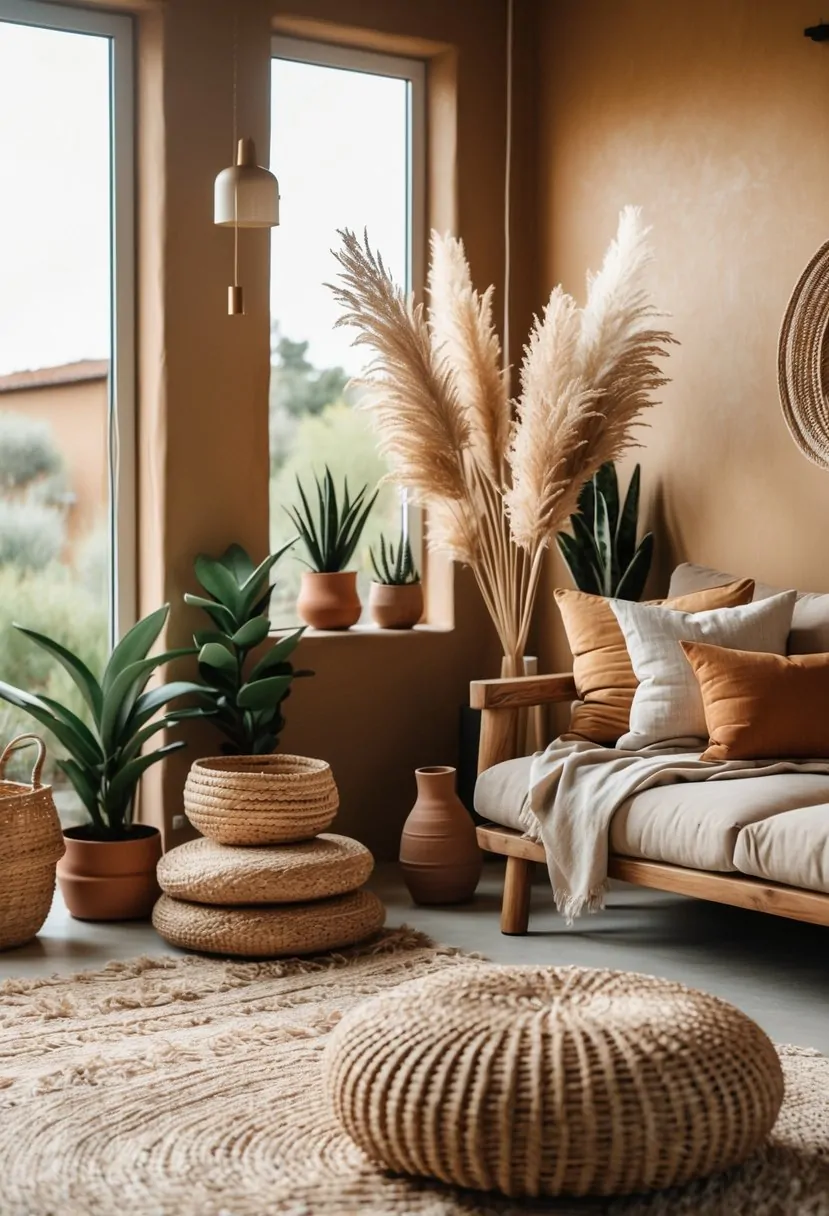
Earth-tone home decor draws inspiration from the natural world, using colors and textures that create a calm and inviting atmosphere. It offers a simple way to bring warmth, balance, and a grounded feel into any living space. By focusing on shades like terracotta, olive green, beige, and brown, this style connects the indoors with the outdoors in a subtle yet effective way.
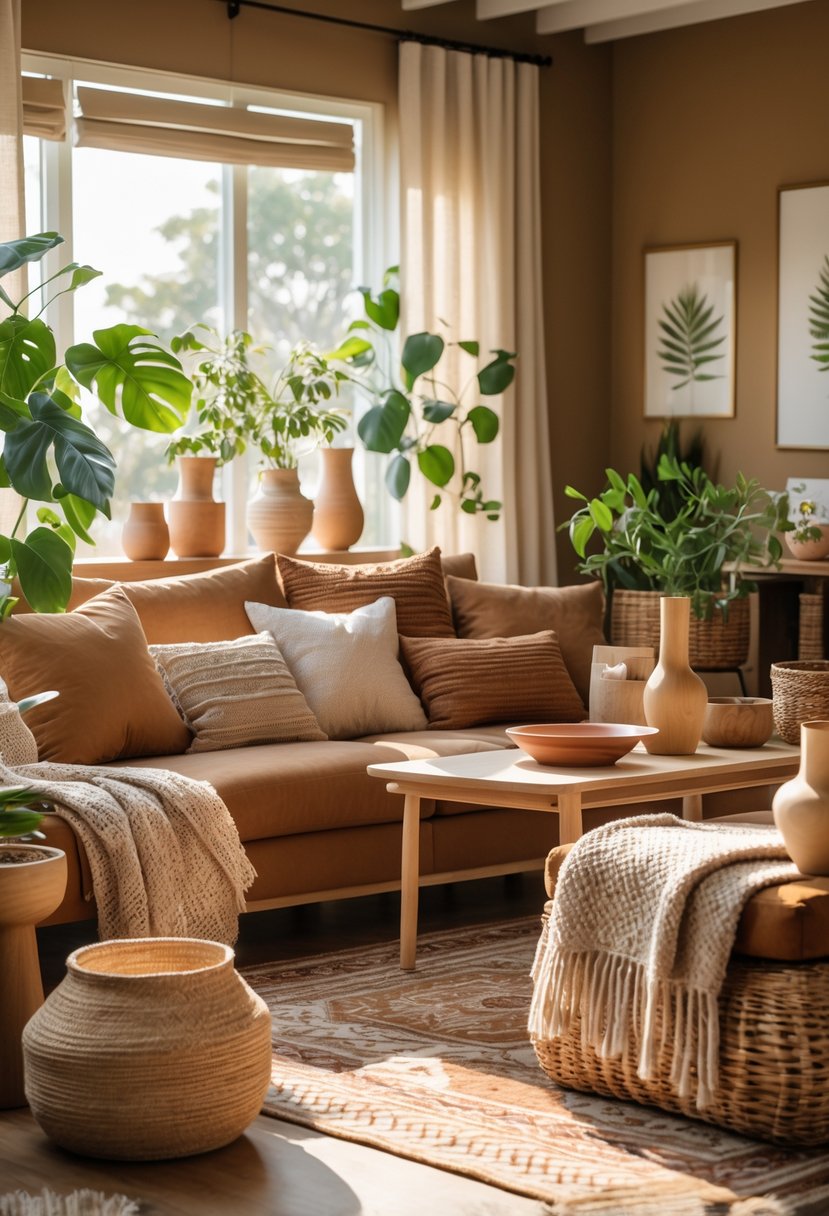
This approach works across different rooms and design styles, whether modern, rustic, or somewhere in between. From wall colors to furniture choices and natural accents, earth tones provide a flexible foundation that feels timeless and easy to live with.
Use terracotta wall paint for warmth and depth
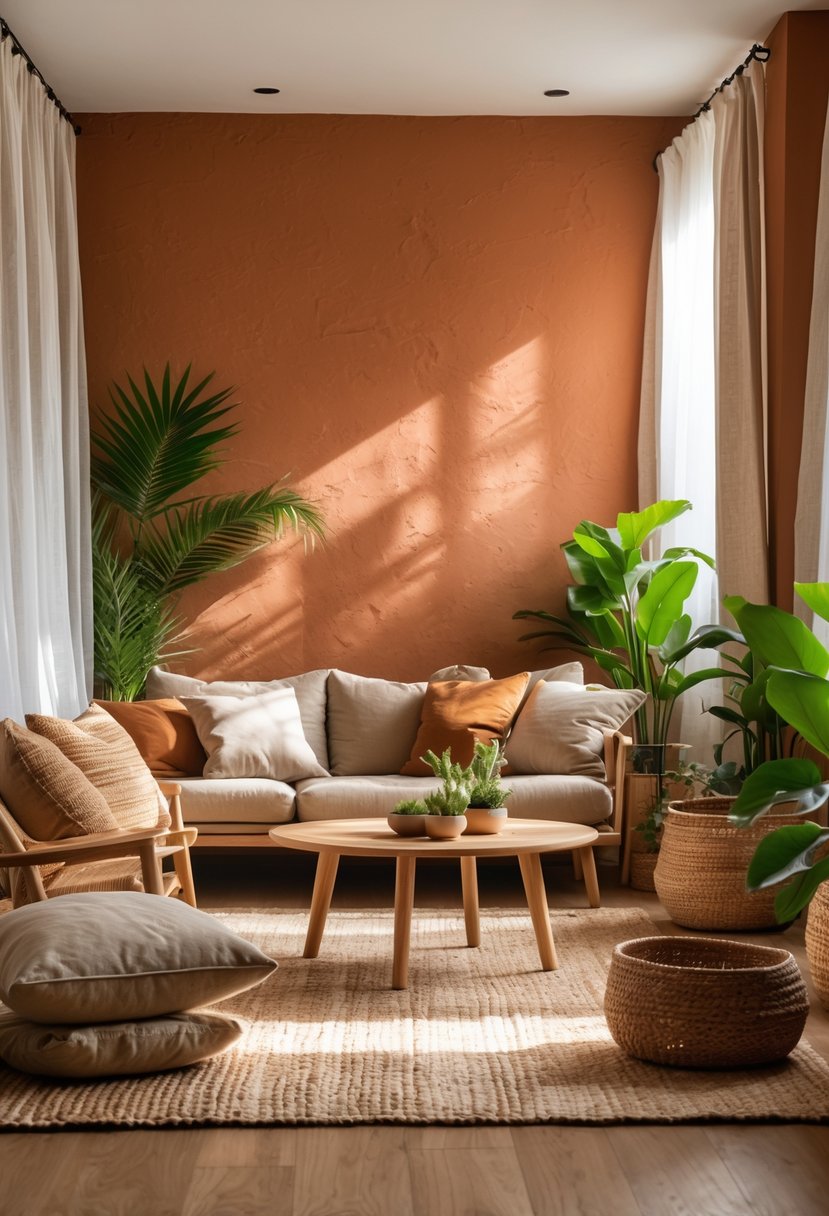
Terracotta wall paint adds a grounded, natural feel to a room. Its earthy tone creates a sense of warmth that works well in living spaces and bedrooms.
The color pairs easily with wood, stone, or neutral fabrics. Subtle variations in shade bring depth and visual interest without overwhelming the space.
Incorporate olive green velvet cushions
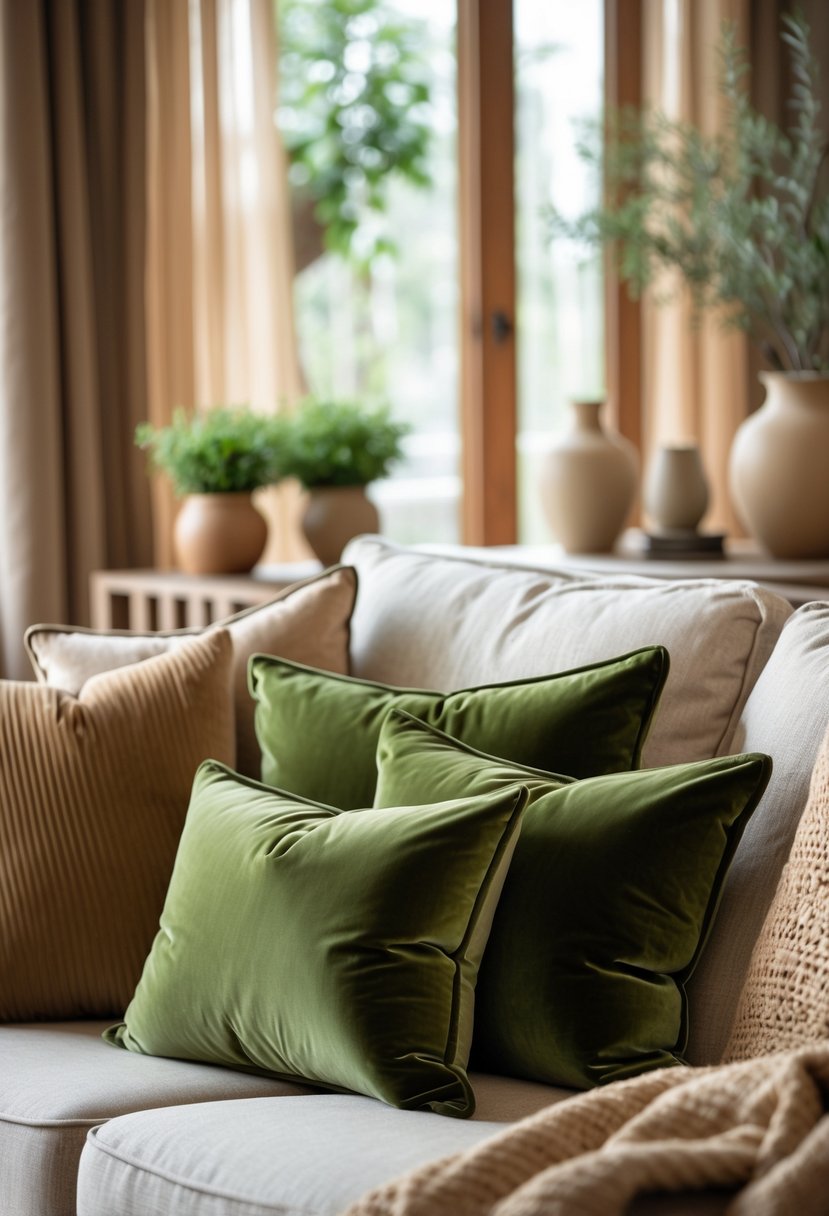
Olive green velvet cushions add texture and depth to a room. Their soft finish creates a subtle sense of comfort without overwhelming the space.
They pair well with neutral tones like beige, cream, or gray. This balance keeps the look calm while still highlighting the rich green shade.
Placing them on sofas, chairs, or beds introduces color in a simple, flexible way.
Add a reclaimed wood coffee table
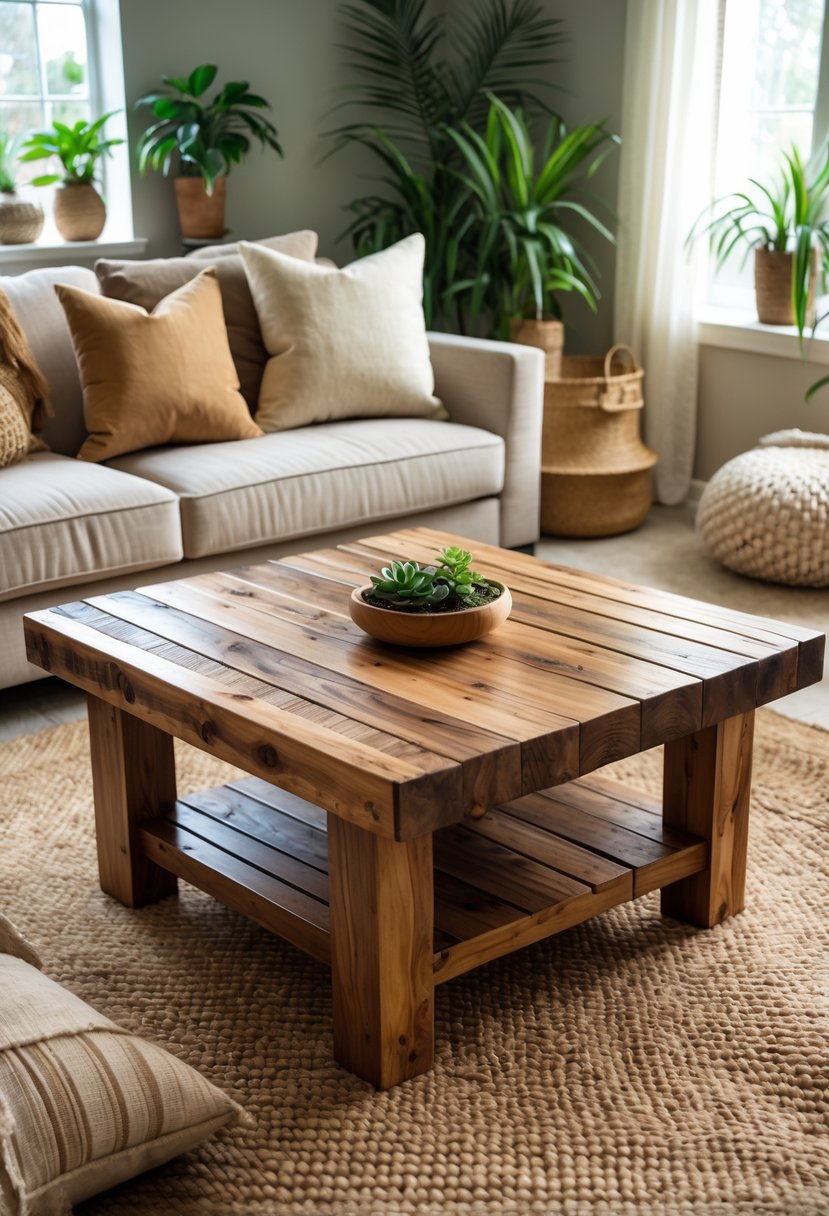
A reclaimed wood coffee table introduces natural texture and warmth to an earth-tone living room. Its worn surface pairs well with soft neutrals and muted shades.
Because it uses salvaged materials, the table also supports sustainable design. Each piece carries unique marks that add quiet character to the space.
Choose a beige linen sofa
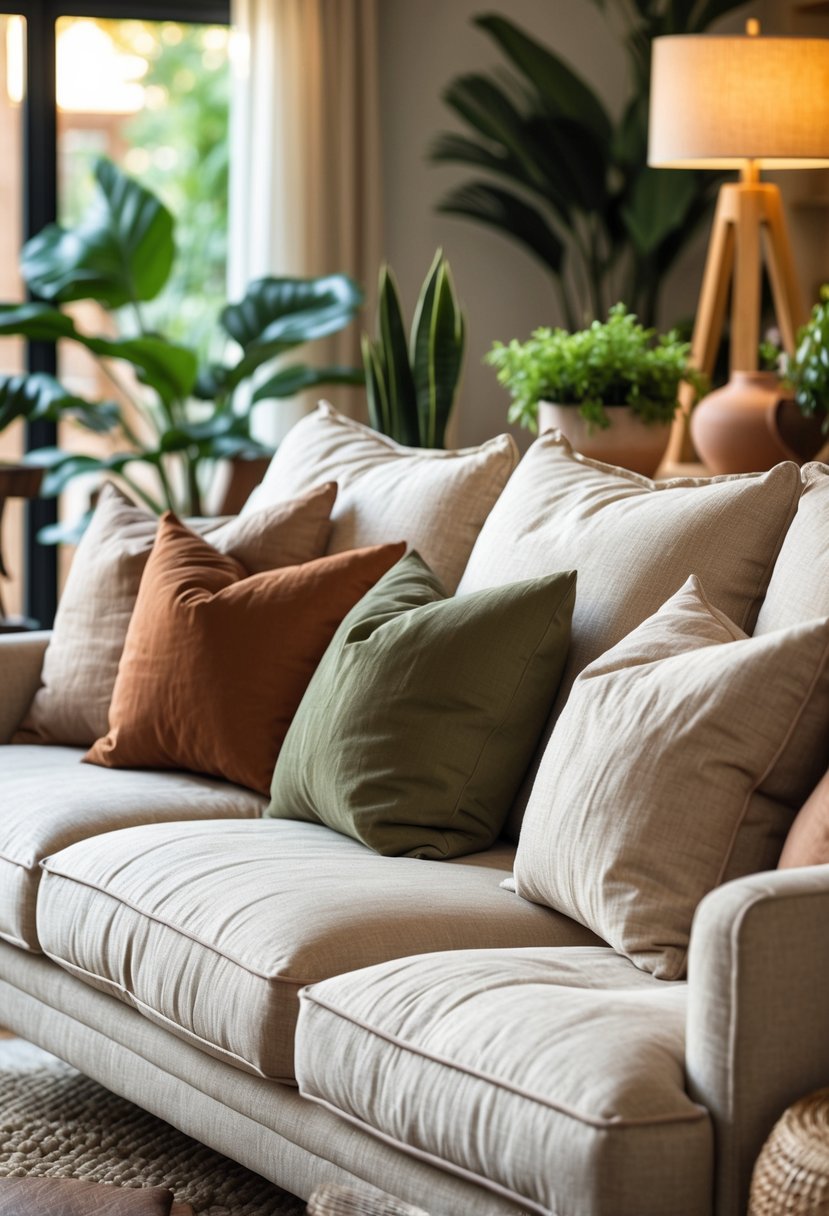
A beige linen sofa works well as a neutral base in an earth-tone living room. Its soft color blends easily with natural shades like browns, greens, and terracotta.
The linen fabric adds texture without overwhelming the space. It pairs well with wood accents, woven rugs, and muted accessories.
Use jute area rugs for texture
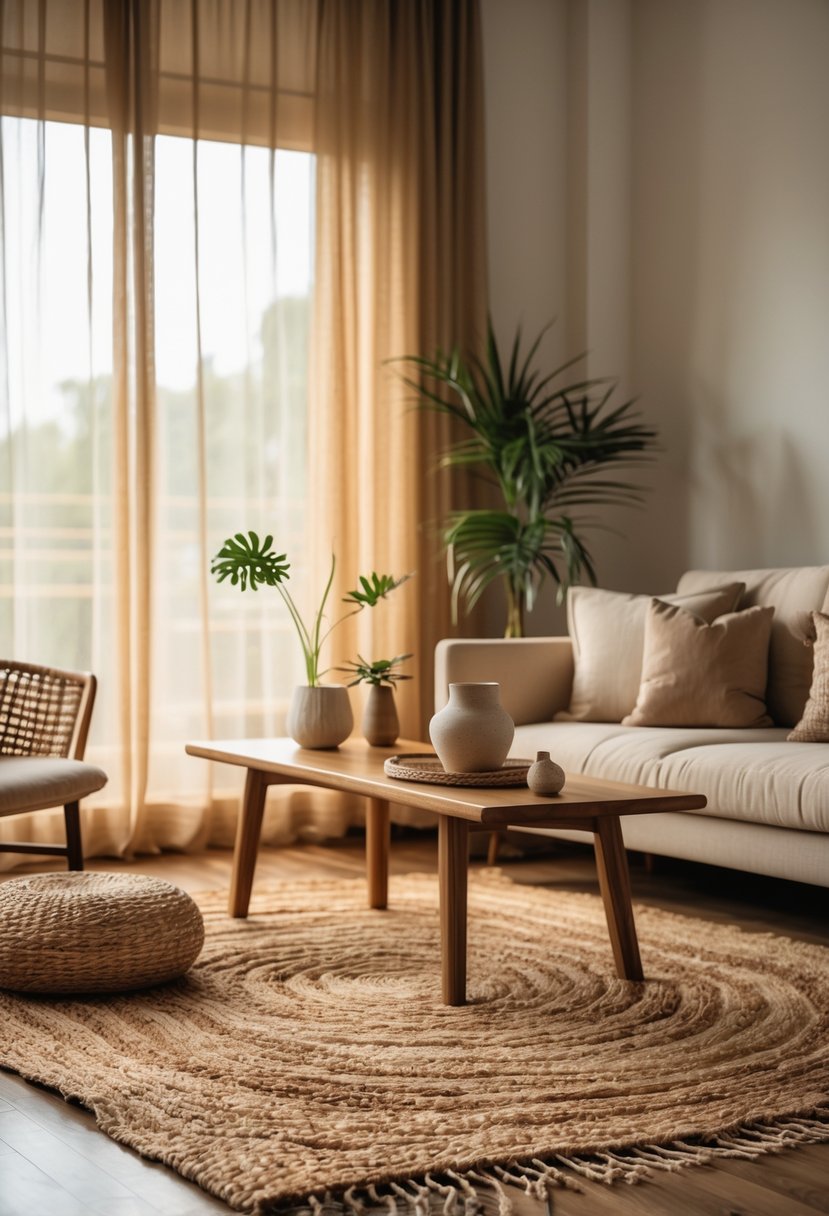
Jute area rugs add natural texture that blends well with earth-tone interiors. Their neutral shades work with wood, stone, and muted fabrics.
They create a grounded look without overwhelming a space. Placing one in a living room or dining area helps define the seating while keeping the design simple.
Display ceramic vases in earthy tones
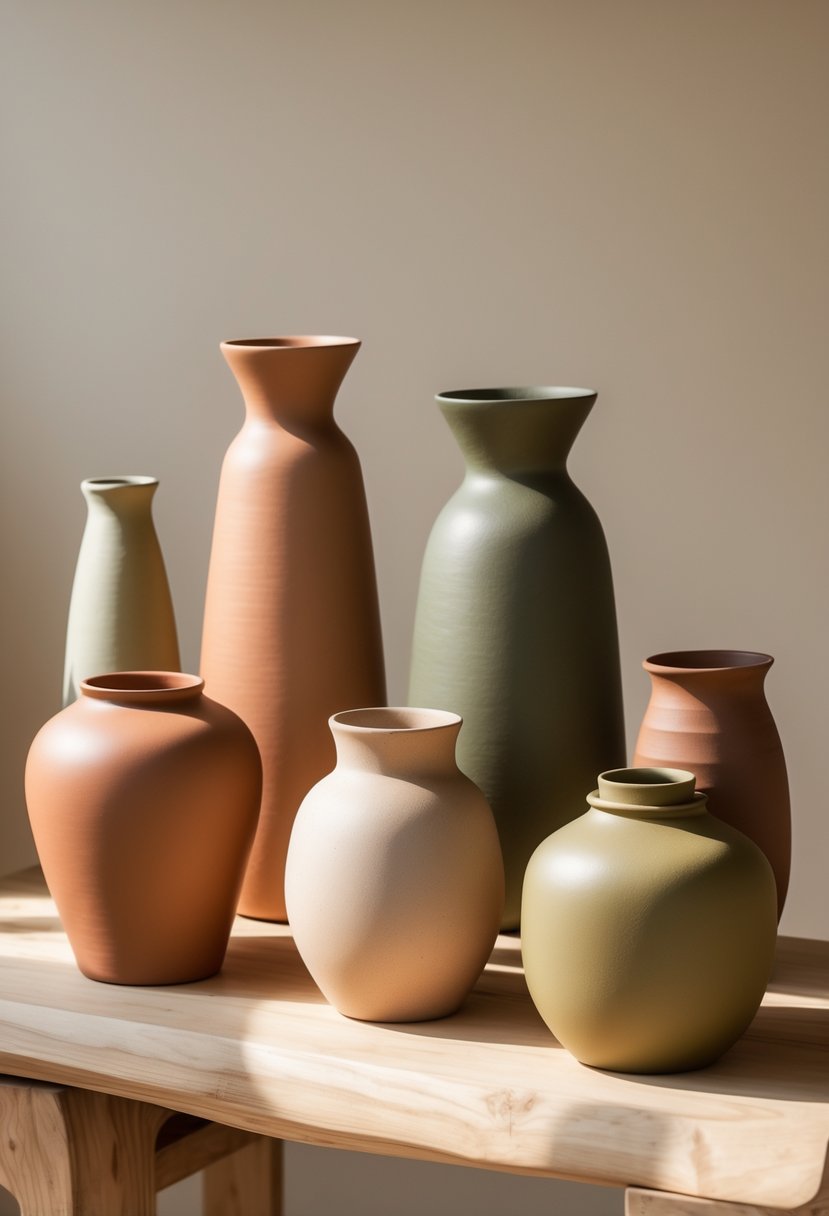
Ceramic vases in muted browns, beiges, and terracotta shades add natural texture to a room. They work well on shelves, tables, or mantels.
Earth-tone vases pair easily with dried flowers, greenery, or left empty as simple decor. Their neutral colors blend with many interior styles.
Install matte black iron light fixtures
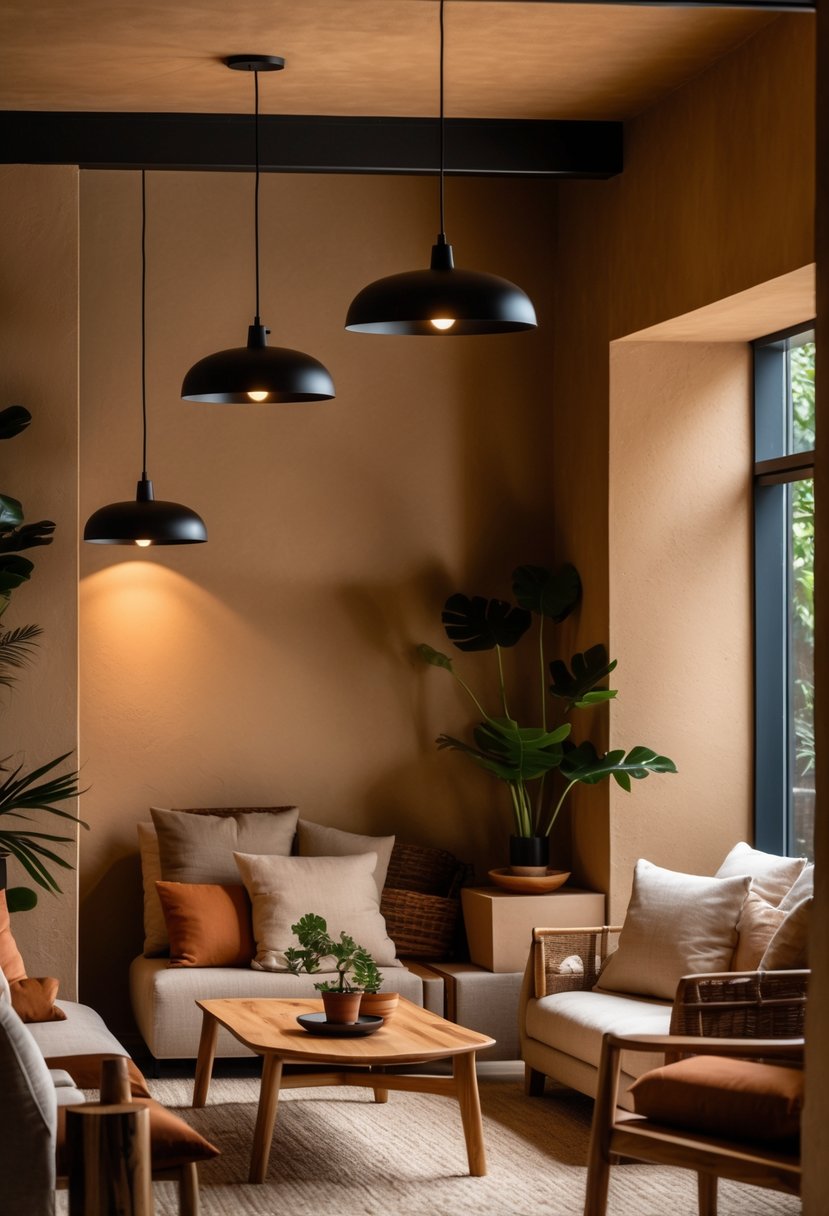
Matte black iron light fixtures add contrast to earth-tone spaces. They pair well with wood, stone, and neutral walls.
These fixtures create a clean, modern look without overpowering natural textures. Their dark finish grounds the room and highlights surrounding colors.
They also blend easily with mixed metal accents, such as bronze or brass hardware.
Opt for woven rattan baskets
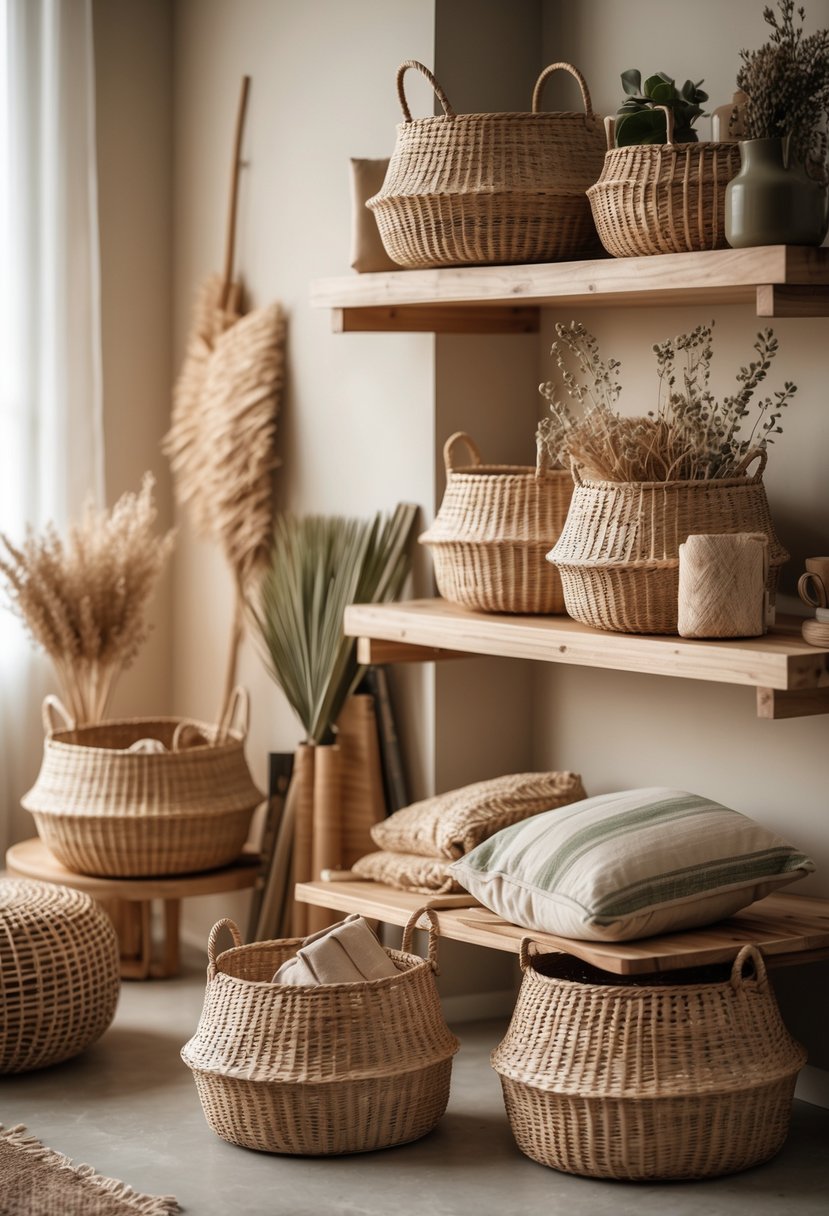
Woven rattan baskets add natural texture to a room while keeping storage practical.
They work well for holding blankets, magazines, or plants without taking attention away from other decor.
Their neutral tones blend easily with earthy colors, making them suitable for both modern and rustic spaces.
Layer brown leather throws
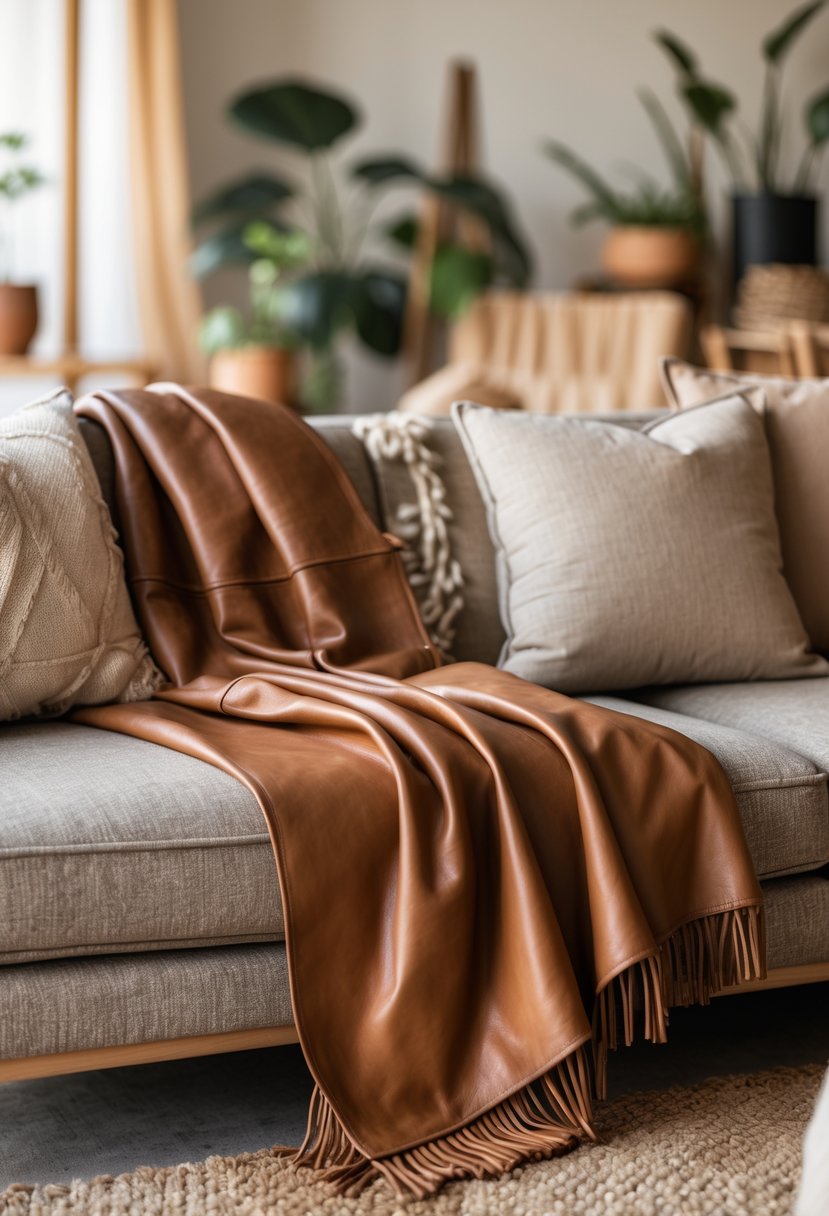
They can place brown leather throws over sofas or chairs to add texture and warmth.
The natural tones of leather blend well with earth-tone palettes, making the space feel cohesive.
Layering different shades of brown leather creates depth without overwhelming the room.
Use soft moss green curtains
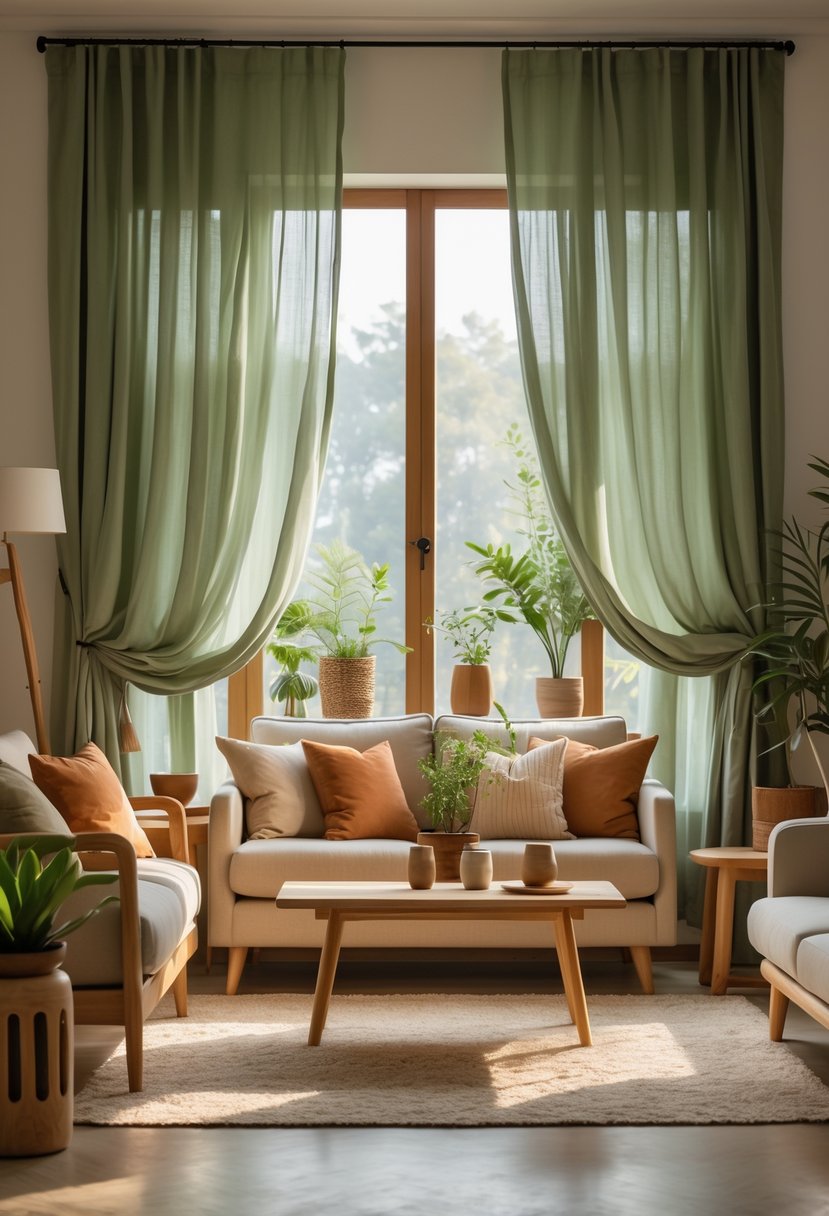
Soft moss green curtains add a natural touch to a room without overwhelming the space.
They pair well with other earth tones like beige, ivory, or warm browns.
Their muted shade creates balance, making them suitable for living rooms, bedrooms, or dining areas.
Incorporate warm beige stone tiles
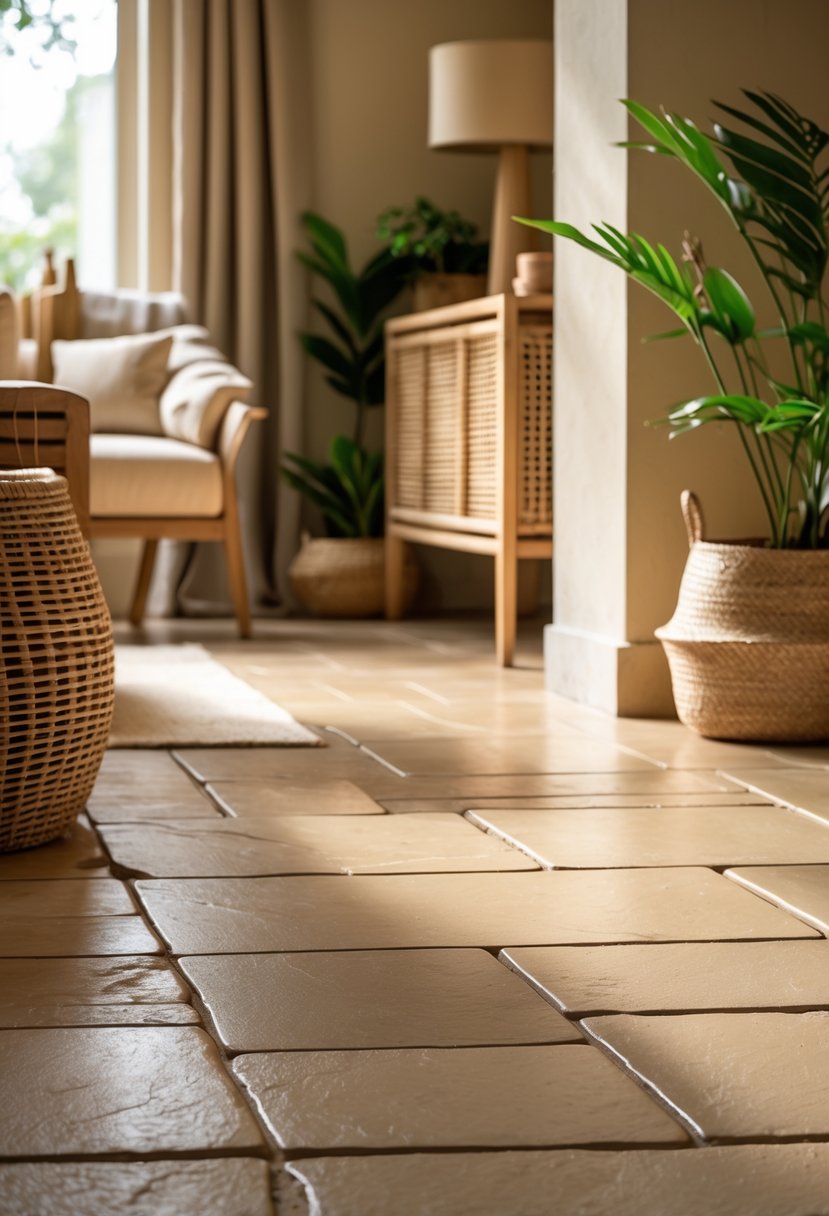
Warm beige stone tiles add a natural, grounded look to a room. They work well on floors, walls, or as a backsplash.
Their neutral shade blends easily with wood, fabric, and metal finishes. This makes them versatile for both modern and traditional interiors.
Add potted plants with terracotta pots
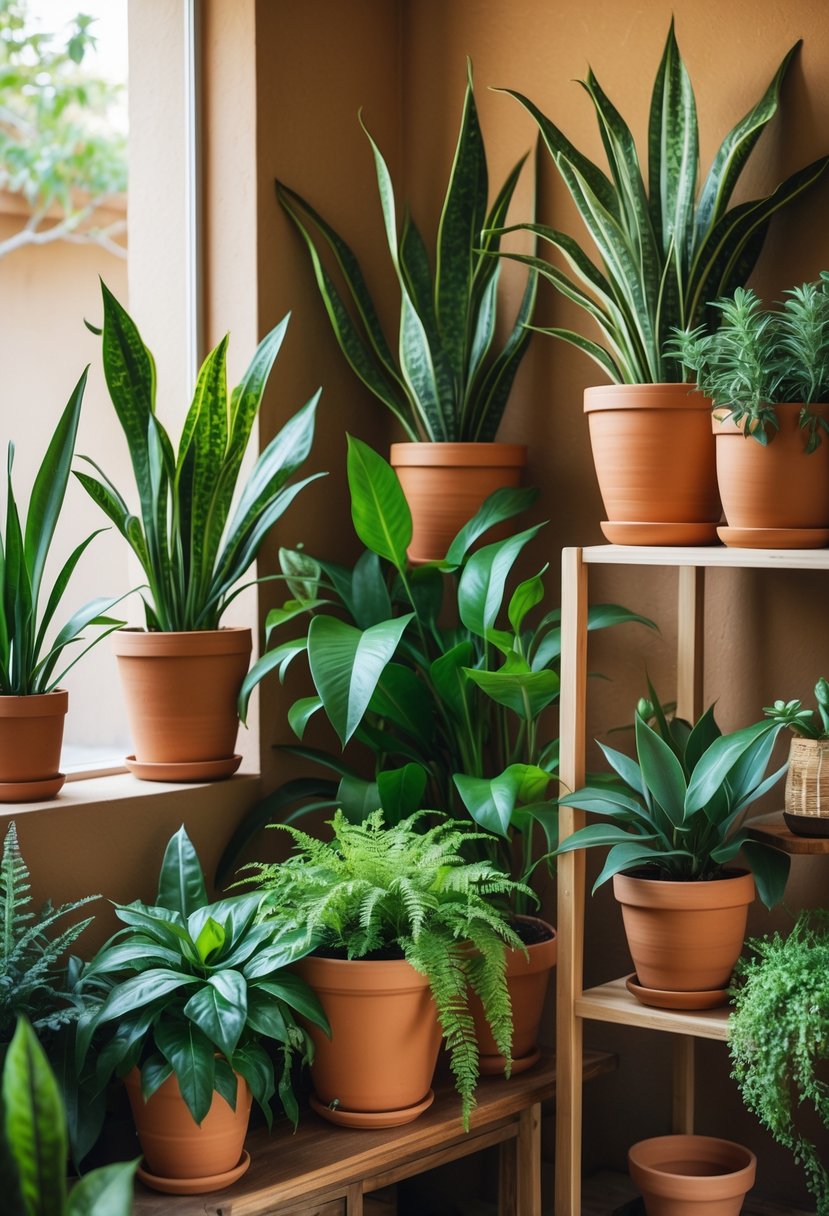
Terracotta pots bring natural warmth and texture that fit well with earth-tone decor. Their muted orange-brown color blends easily with wood, stone, and neutral fabrics.
They work indoors or outdoors, holding greenery, herbs, or flowers. Grouping different sizes creates balance and adds depth without overwhelming the space.
Hang macramé wall art
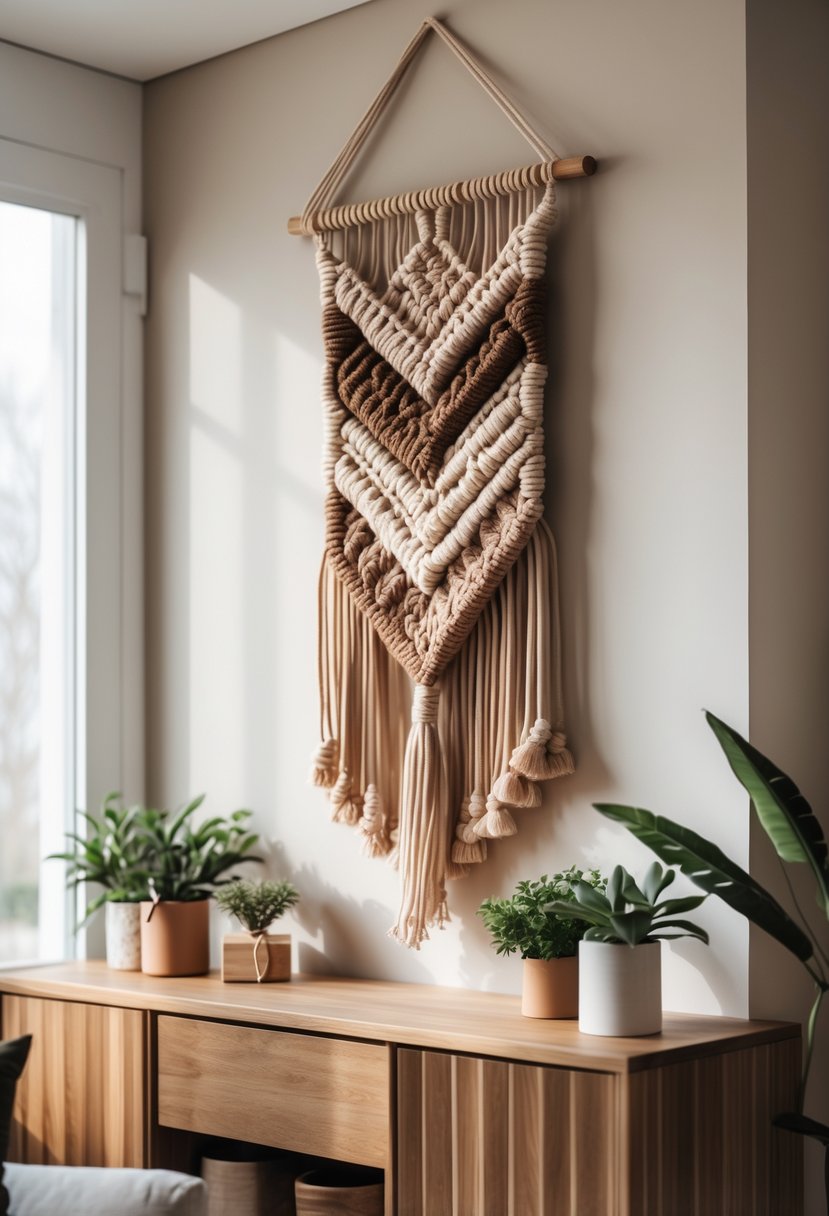
Macramé wall art in earth tones adds texture and warmth to a room.
Natural fibers like cotton or hemp bring a simple, organic look that fits well with neutral palettes.
Pieces in shades of beige, rust, olive, or mustard blend easily with other natural materials in home decor.
Use burnt sienna accent pillows
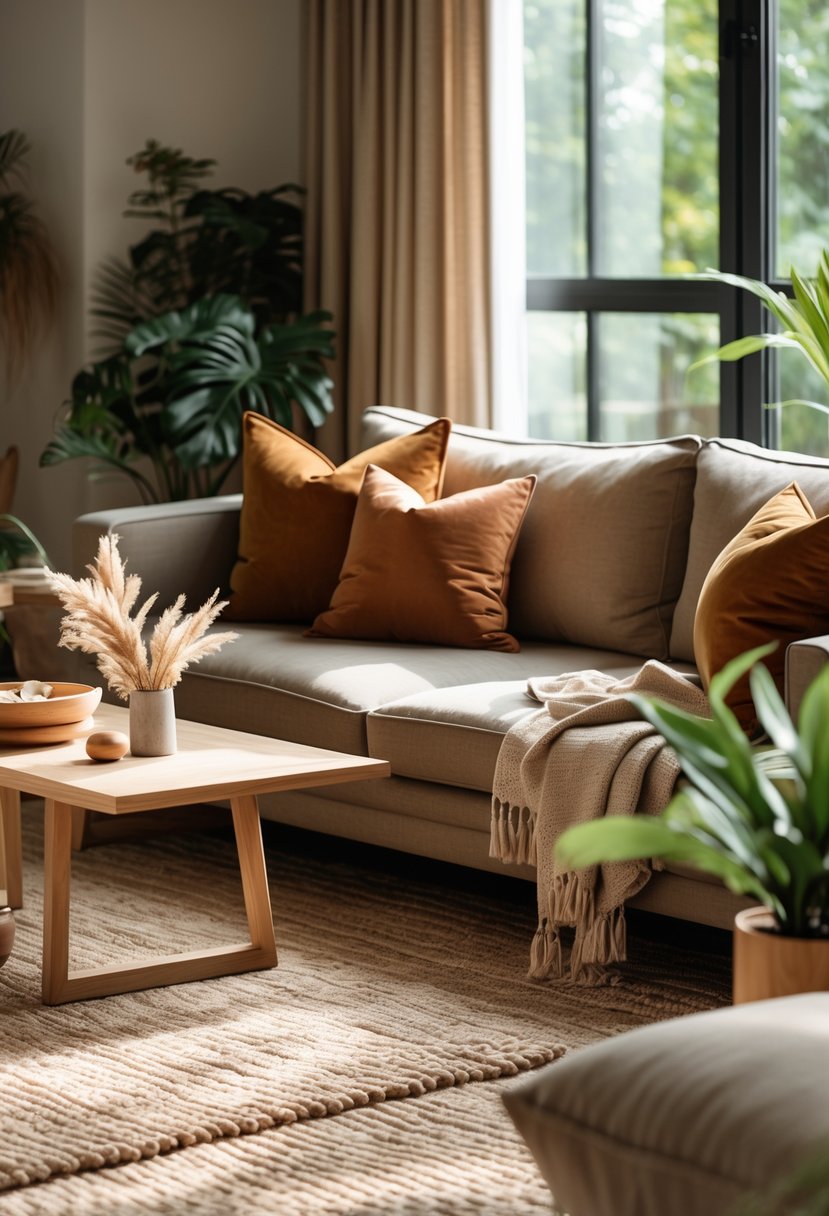
Burnt sienna accent pillows add a warm, earthy touch to living spaces. They work well on neutral sofas or chairs, creating contrast without overpowering the room.
These pillows pair easily with natural textures like linen, wool, or jute. Their rich tone blends with other earth colors, keeping the space balanced.
Choose natural wood dining chairs
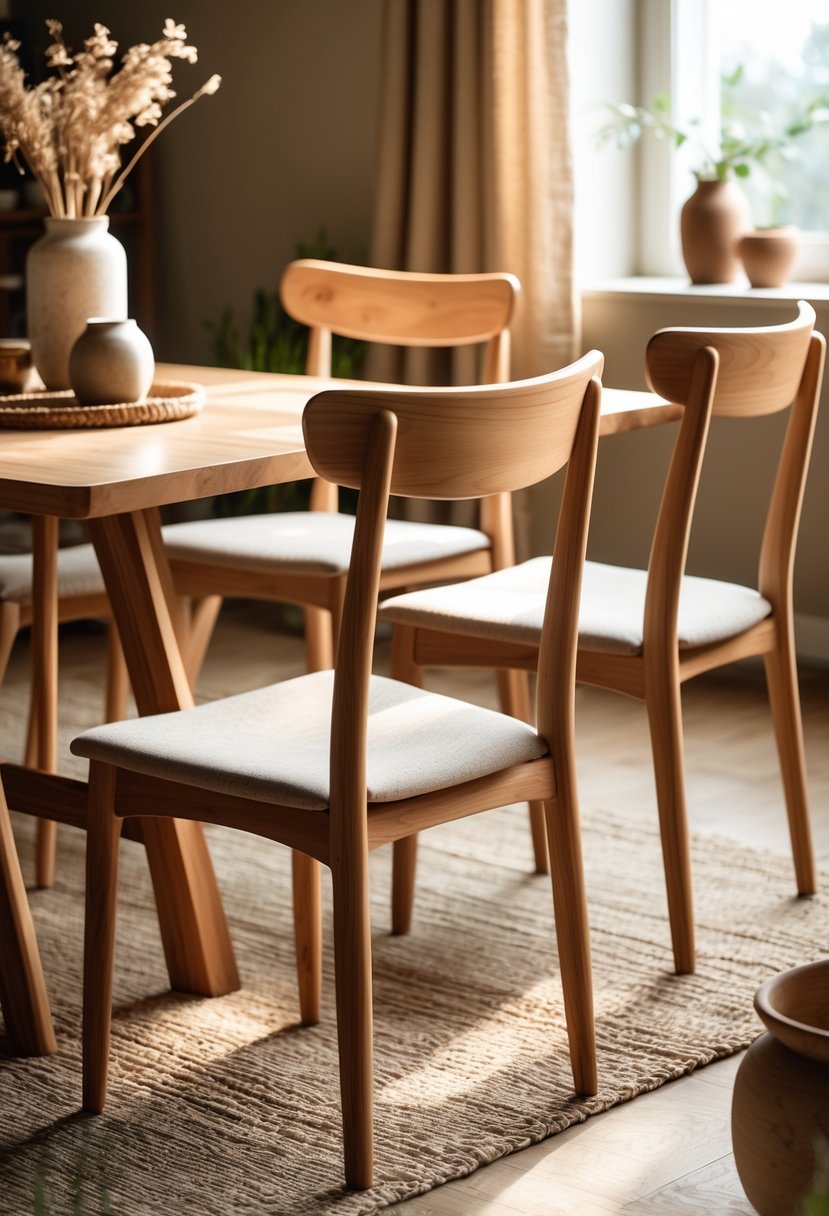
Natural wood dining chairs add warmth and texture to an earth-tone dining room. Their grain and finish bring a grounded, organic look that pairs well with neutral palettes.
They work with rustic, modern, or minimalist styles, making them a versatile choice. Simple designs in oak, walnut, or ash keep the space cohesive.
Add a clay pendant lamp
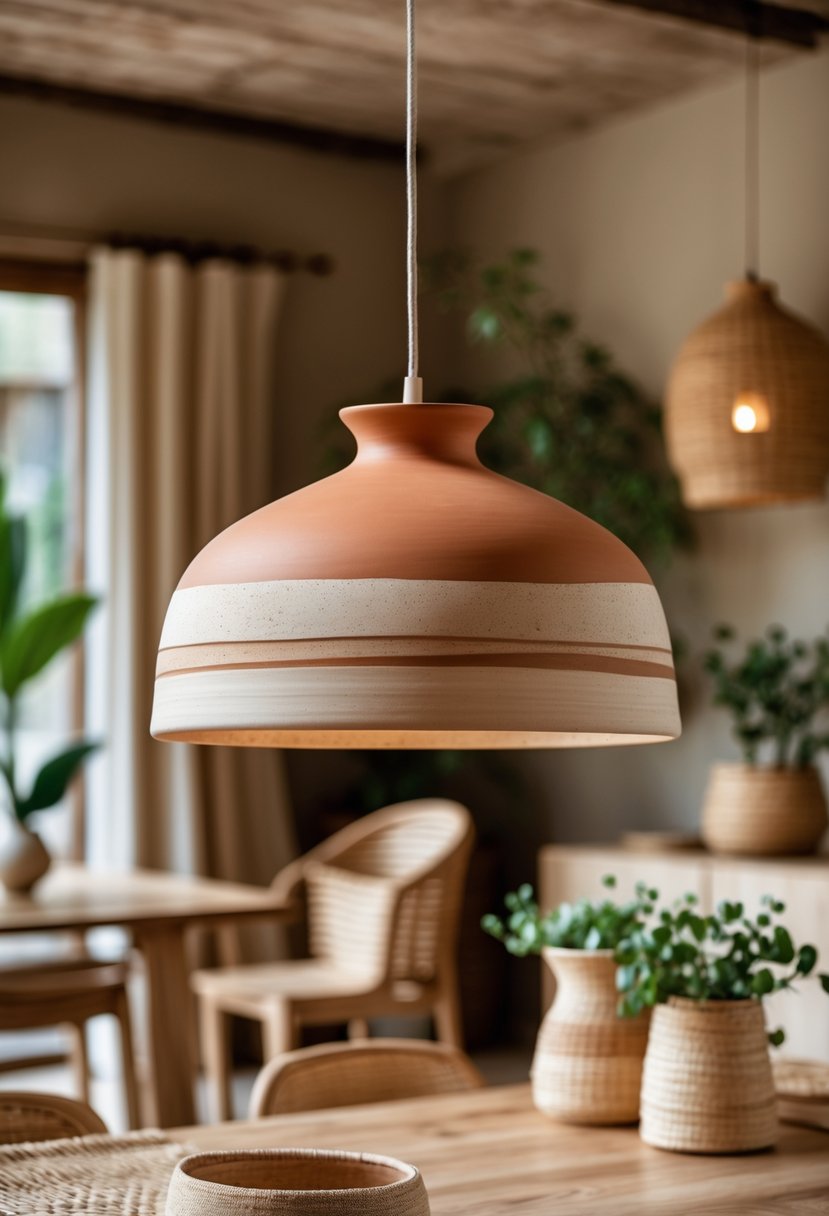
A clay pendant lamp adds a natural texture that fits well with earth-tone interiors. Its simple form and muted colors blend with wood, stone, and woven materials.
Because clay is durable and timeless, the lamp works in kitchens, dining spaces, or entryways without overpowering other design elements.
Use rust-colored ceramic dinnerware
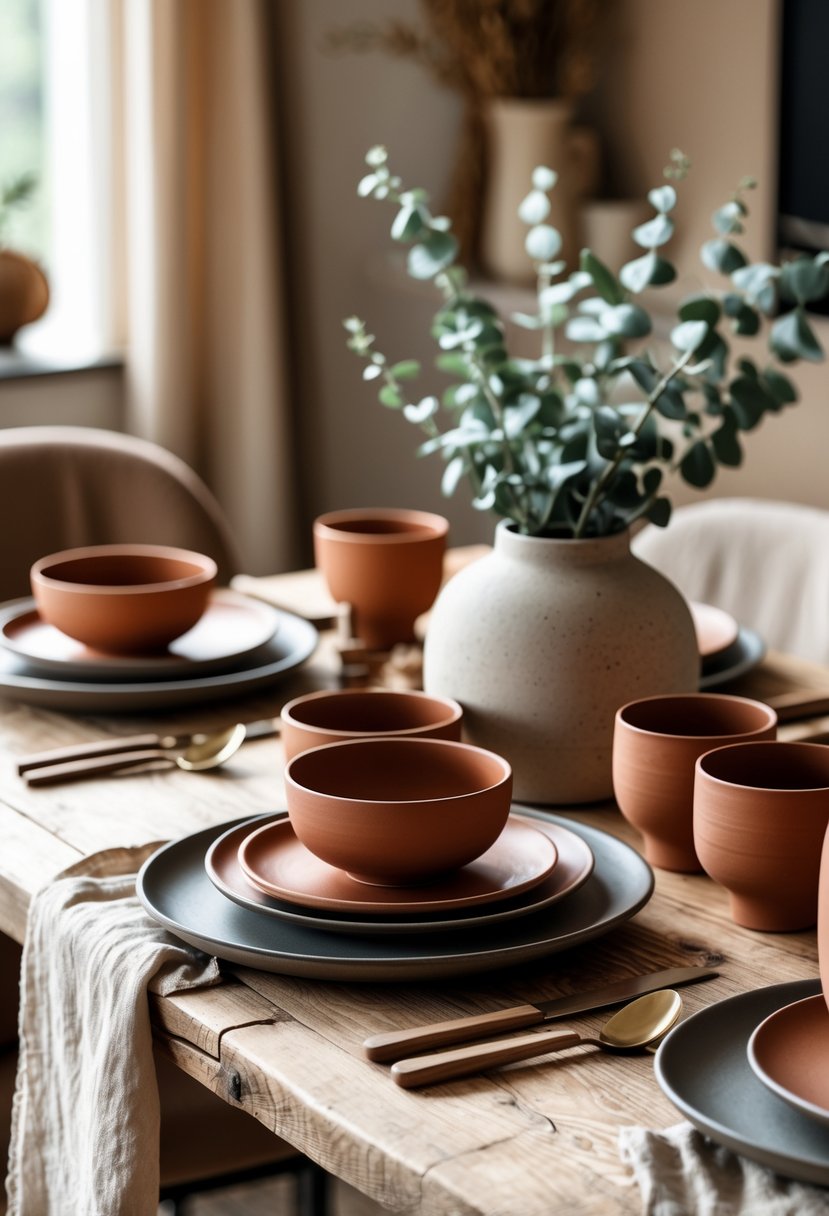
Rust-colored ceramic dinnerware adds warmth to a dining table. Its earthy tone pairs well with wood, linen, and other natural materials.
These pieces work in both casual and formal settings. They provide a subtle way to bring earthy colors into everyday meals.
Place a sisal rug in the living room
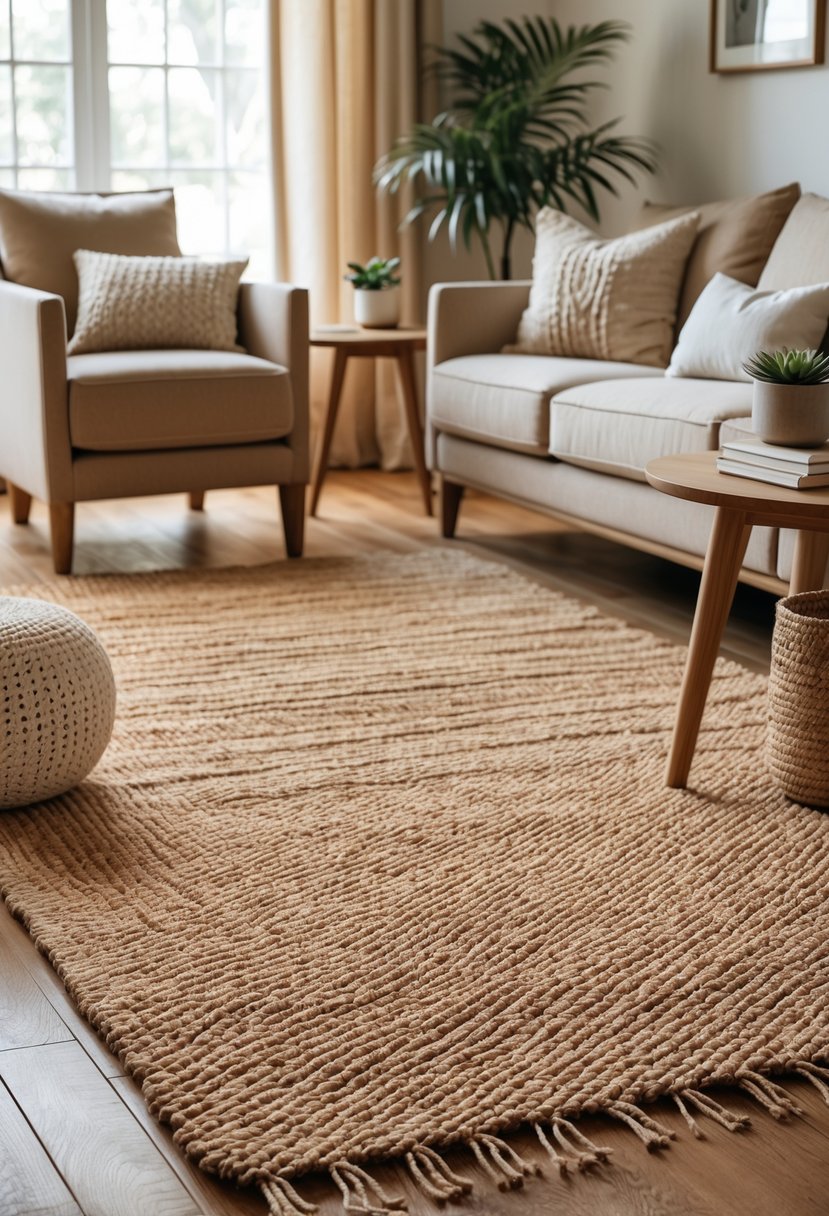
A sisal rug adds natural texture and a neutral base to the living room. Its subtle golden tone blends well with earth-inspired colors.
They can use it to ground a seating area or define space in an open layout. The firm weave also makes it durable for daily use.
Include dark walnut picture frames
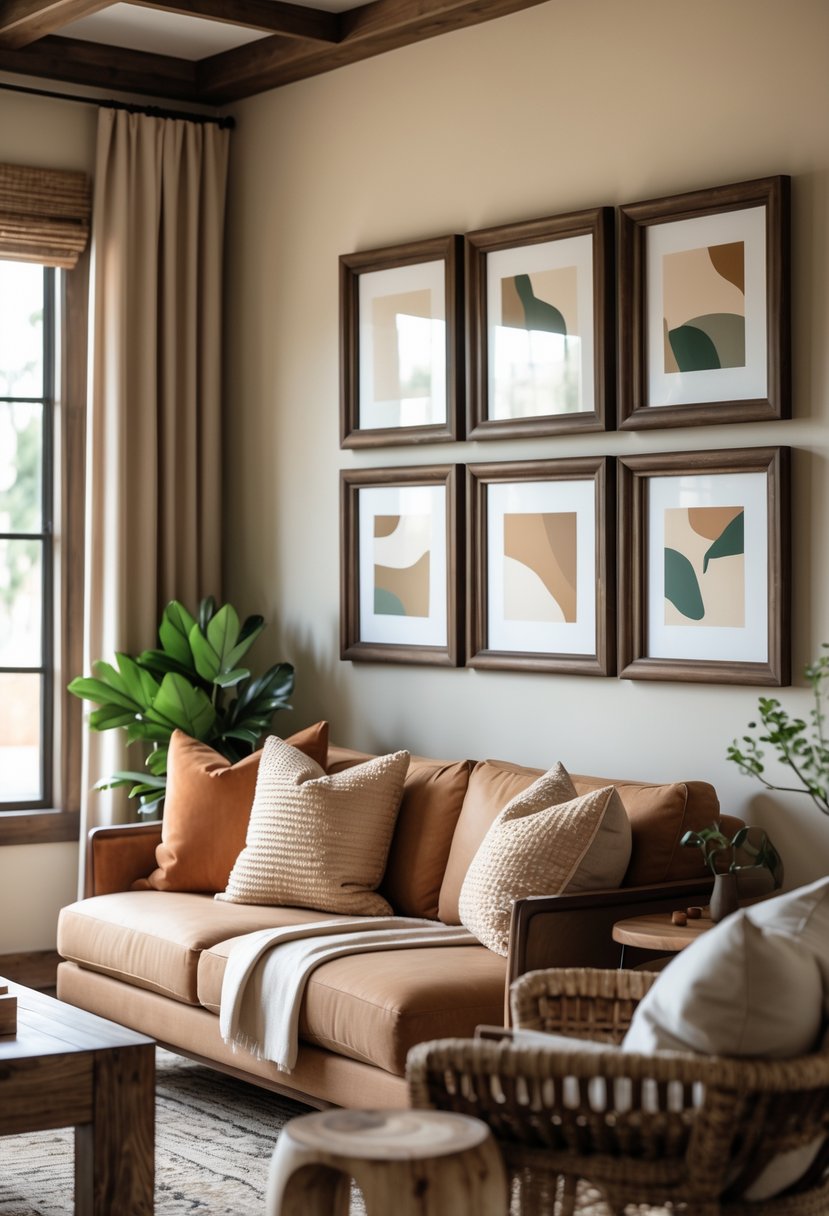
Dark walnut picture frames add warmth to earth-tone interiors. Their deep wood finish pairs well with neutral walls and natural textures.
They work with both modern and traditional styles. The visible grain and smooth surface create a simple, balanced look.
Frames in this finish also highlight photos and artwork without overwhelming the space.
Use warm taupe paint in bedrooms
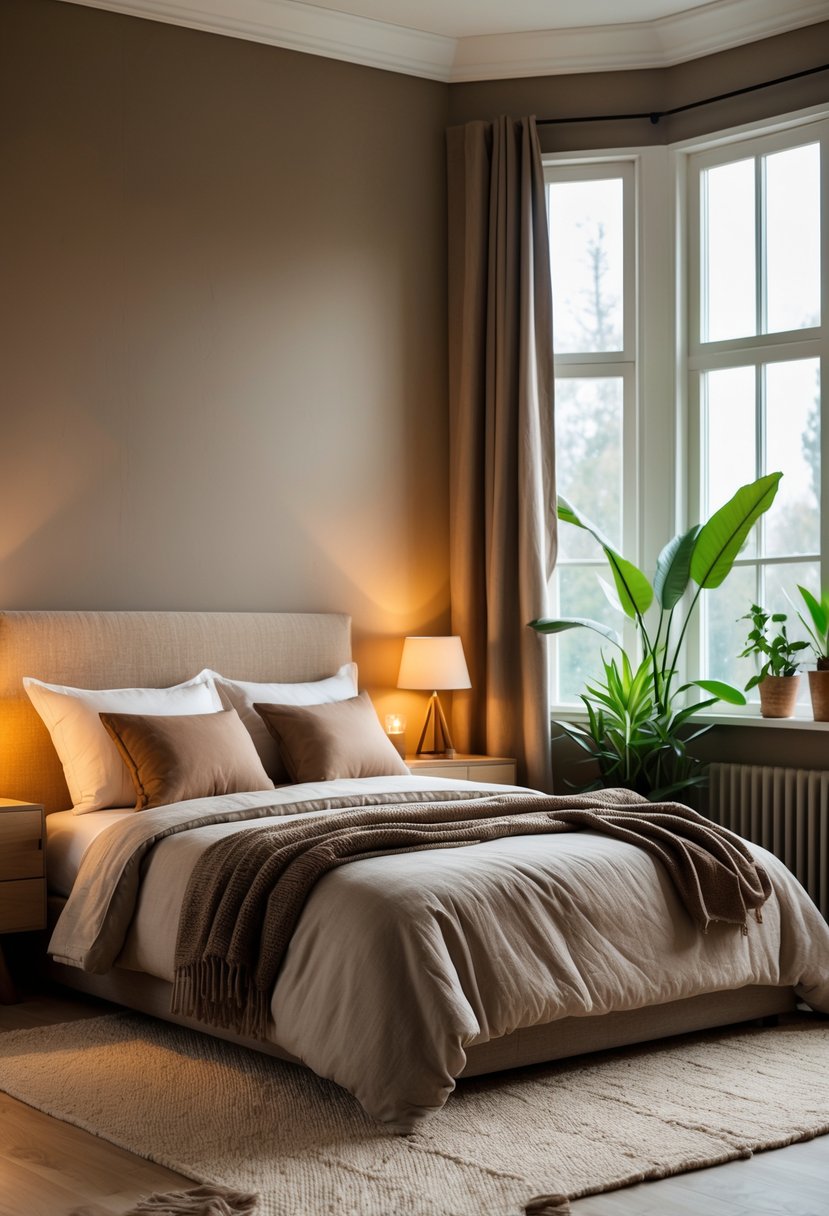
Warm taupe gives bedrooms a soft and inviting backdrop. Its neutral tone works well with both light and dark furniture.
This shade creates balance by adding warmth without feeling heavy. It pairs easily with natural textures like wood, linen, or woven accents.
Many choose warm taupe because it supports simple, calm bedroom design.
Add a woven seagrass pendant light
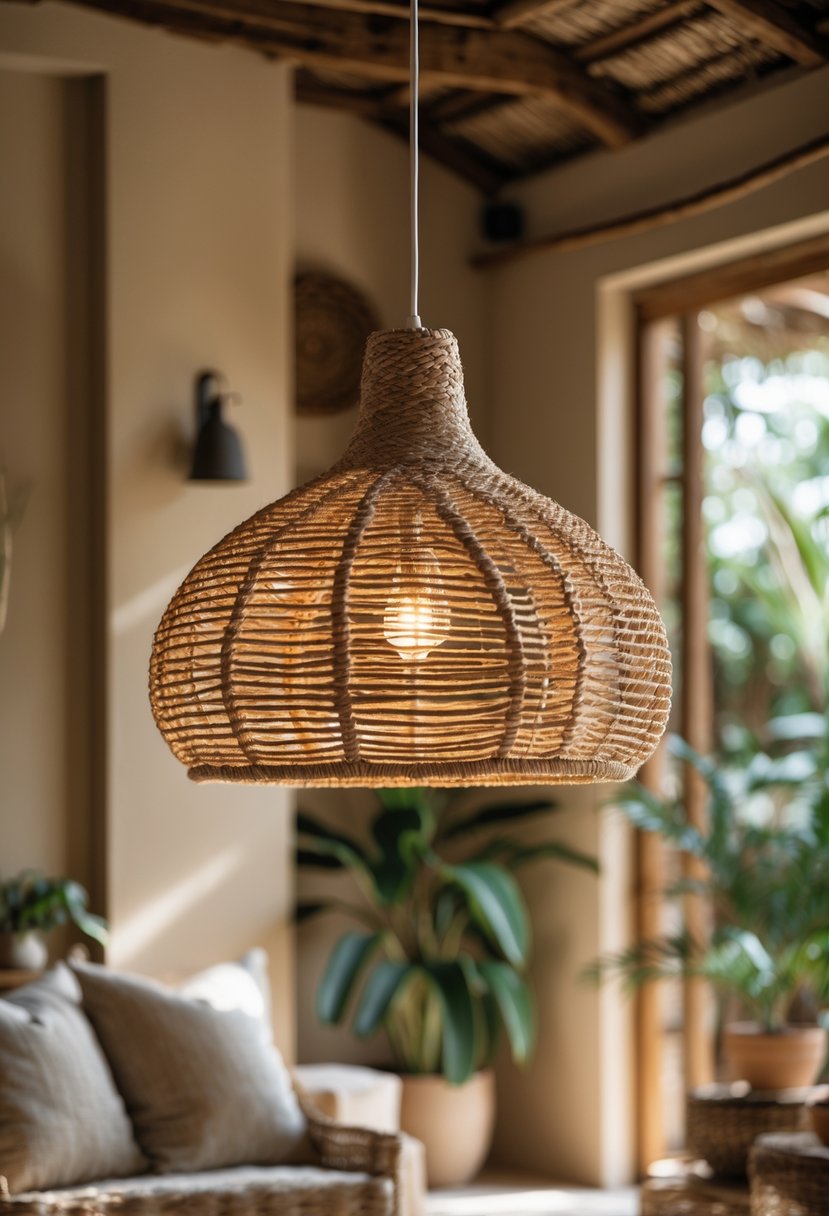
A woven seagrass pendant light introduces natural texture into a room. Its neutral tones blend well with earth-tone palettes.
The handwoven design allows soft light to filter through, creating a warm and relaxed atmosphere.
It works well in dining areas, kitchens, or living rooms with simple, natural decor.
Incorporate deep forest green accent walls
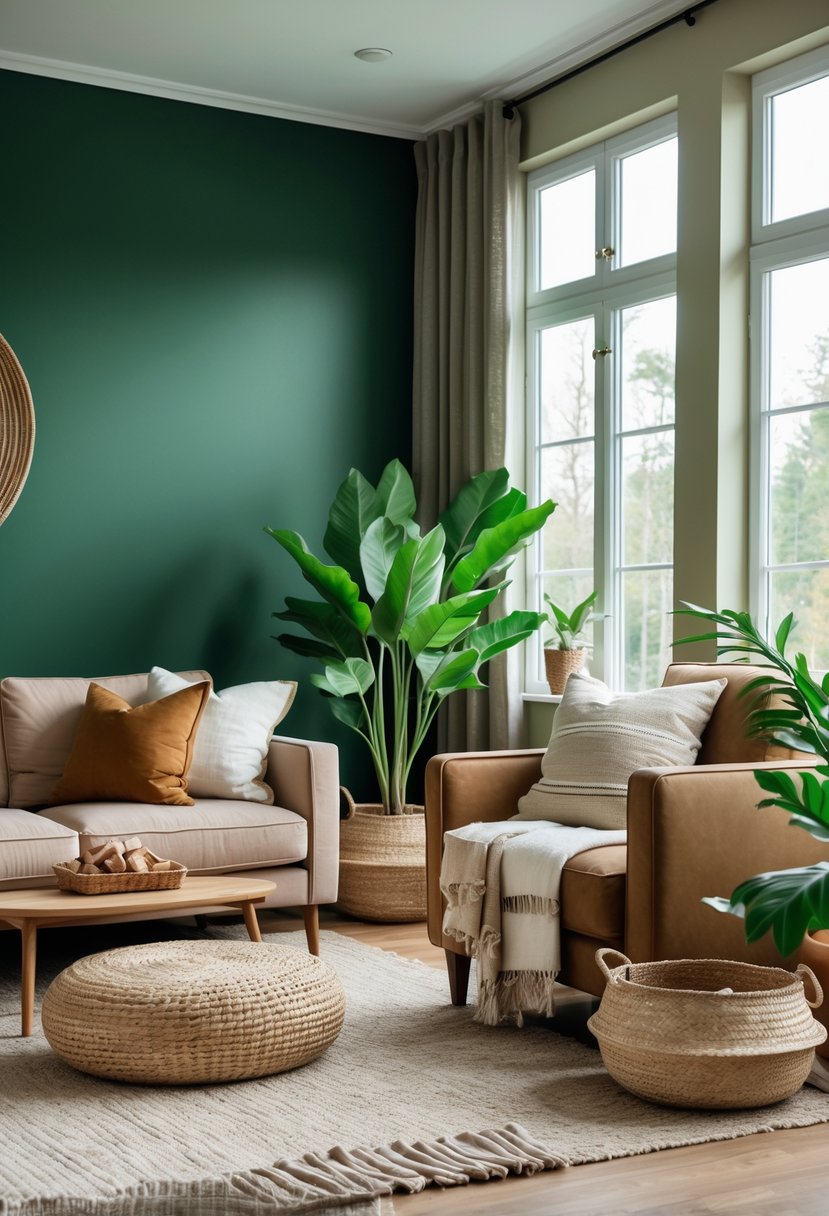
Deep forest green works well as an accent wall because it adds depth without overwhelming the space. It pairs naturally with wood, stone, and other earth tones.
This shade creates a calm backdrop in living rooms or bedrooms. It also highlights neutral furniture and soft textiles, giving balance to the room.
Core Principles of Earth-Tone Homes Decor
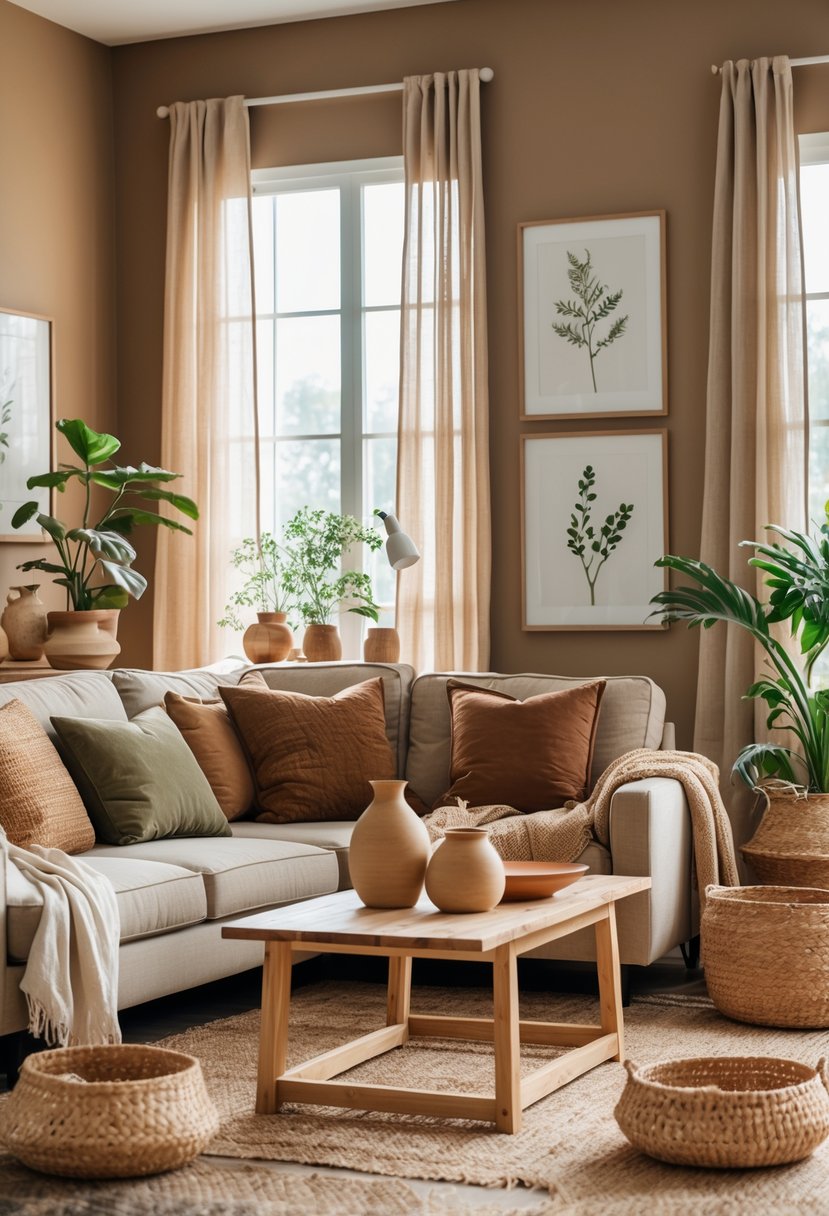
Earth-tone decor relies on natural colors and materials that create balance, warmth, and a sense of connection to nature. The choices made in color and material directly affect how a room feels and how sustainable the space becomes over time.
Color Psychology and Mood
Earth tones include shades of brown, beige, terracotta, muted green, and soft gray. These colors are drawn from soil, stone, plants, and clay, which makes them feel familiar and grounding. When used in interiors, they often create a calm and stable atmosphere.
Different tones influence mood in specific ways:
- Brown: Warmth, comfort, and security
- Green: Renewal, freshness, and balance
- Beige/Tan: Neutrality and openness
- Terracotta: Energy and warmth
Layering these shades helps avoid monotony. For example, pairing a muted olive wall with a tan sofa and terracotta accents keeps the space inviting while maintaining harmony. Soft contrasts between light and dark tones also add depth without overwhelming the eye.
Lighting plays an important role in how these colors appear. Natural light enhances earthy hues, while warm artificial lighting helps maintain their cozy effect in the evening.
Material Selection and Sustainability
Materials used in earth-tone decor often reflect the same natural inspiration as the color palette. Wood, stone, clay, linen, wool, and rattan are common choices because they bring texture and authenticity to a room. These materials also age well, which adds character over time.
Sustainability is a key factor in material selection. Choosing reclaimed wood, recycled textiles, or locally sourced stone reduces environmental impact. Natural fibers such as cotton and jute are biodegradable and durable, making them practical for long-term use.
A simple comparison shows the benefits:
| Material | Benefit | Example Use |
|---|---|---|
| Reclaimed wood | Reduces waste, durable | Flooring, tables |
| Linen | Breathable, biodegradable | Curtains, bedding |
| Clay/terracotta | Natural, long-lasting | Pots, tiles |
By combining natural textures with responsible sourcing, homeowners can create interiors that feel both timeless and environmentally conscious.
Integrating Earth Tones in Modern Spaces
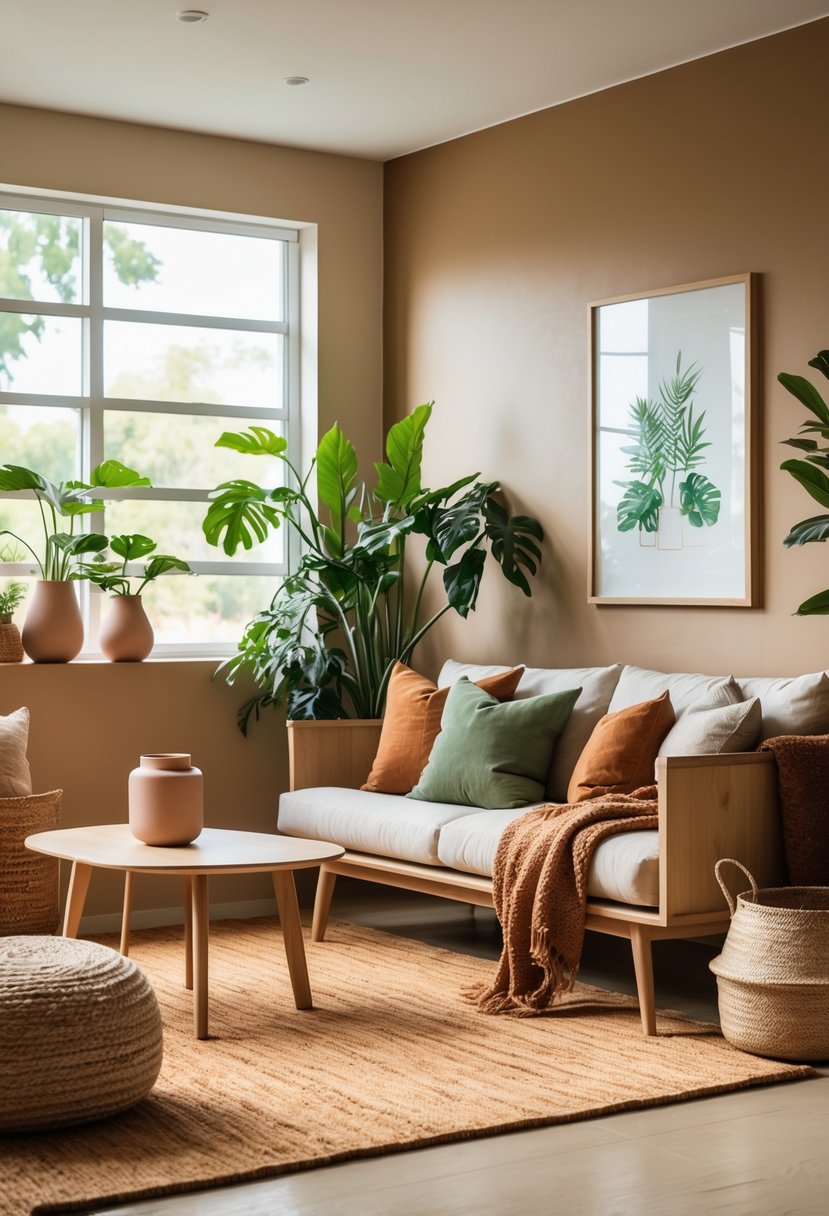
Earth tones add warmth and depth to modern interiors when paired with clean lines and simple layouts. The right mix of neutral bases, accent shades, and proper lighting helps create spaces that feel both contemporary and inviting.
Balancing Neutrals and Accents
Modern spaces often rely on neutral foundations such as beige, taupe, or soft gray. These shades work well on walls, large furniture, or flooring, providing a calm backdrop that avoids visual clutter.
Accents in deeper hues like terracotta, olive green, or rust add contrast and prevent the space from feeling flat. A sofa in a light sand color, for example, pairs well with throw pillows in rich clay tones.
Small details make a difference. Wooden side tables, ceramic vases, or woven baskets can introduce natural textures that complement the color palette. Mixing matte and glossy finishes also helps balance the look.
To keep consistency, homeowners often limit accent shades to two or three colors. This prevents the palette from becoming overwhelming while still adding variety.
Lighting Considerations for Earth Tones
Lighting plays a key role in how earth tones appear. Warm light enhances the richness of browns, terracotta, and muted greens, while cool light can make them look dull or washed out.
Natural light works best for these colors, so large windows or sheer curtains help maximize daylight. In the evening, soft white or warm LED bulbs maintain a cozy atmosphere.
Placement matters as well. Table lamps can highlight accent pieces, while recessed lighting ensures the neutral base shades stay even across the room.
For modern spaces, mixing ambient, task, and accent lighting creates balance. A pendant light above a dining table, paired with floor lamps in the living area, ensures earth tones remain consistent and inviting throughout the space.
To dive deeper into nature-inspired palettes, see these exciting neutral color palette ideas for expert guidance.


