
Eclectic Living Room Design With Natural Textures: 22 Inspiring Ideas for a Stylish Space
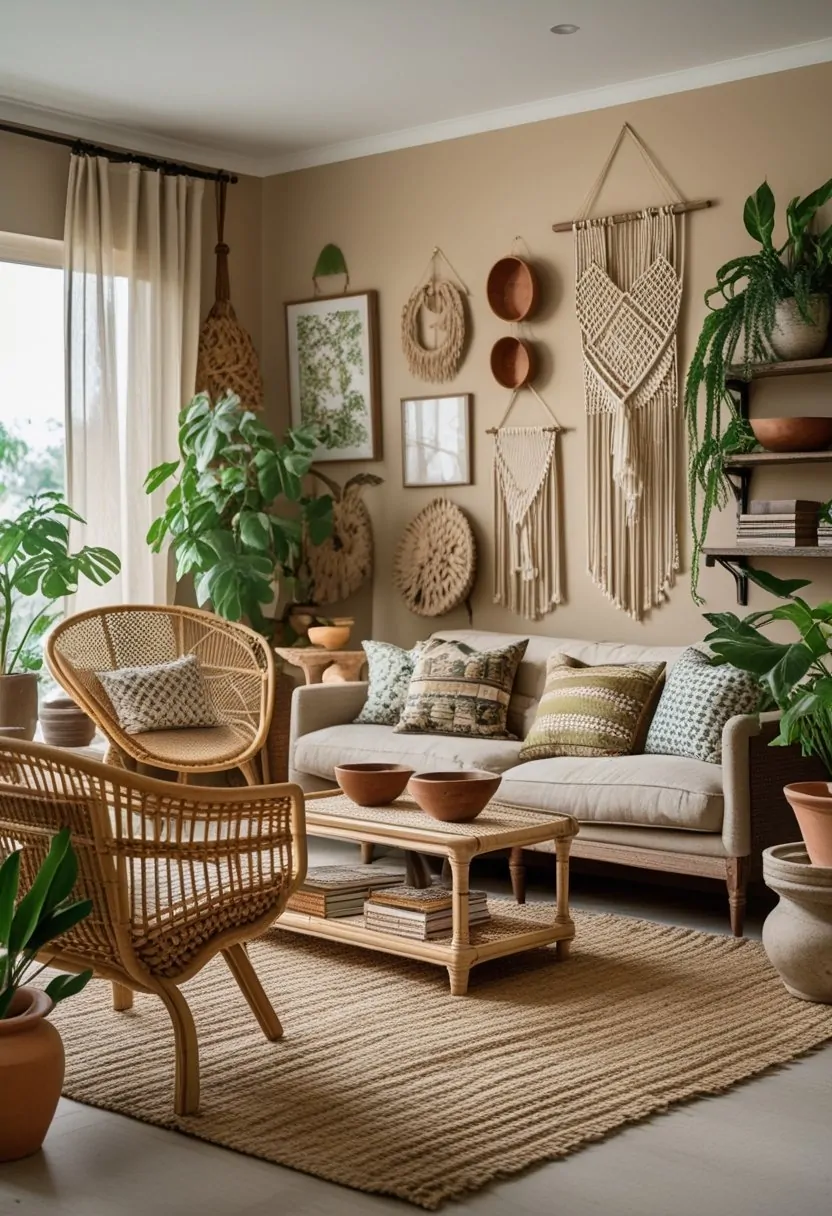
Eclectic living room design combines different styles, textures, and influences to create a space that feels personal and inviting. By blending natural materials with unique decor, the style balances comfort with character in a way that feels both relaxed and intentional. It shows how natural textures can ground an eclectic space, making it warm, cohesive, and timeless.
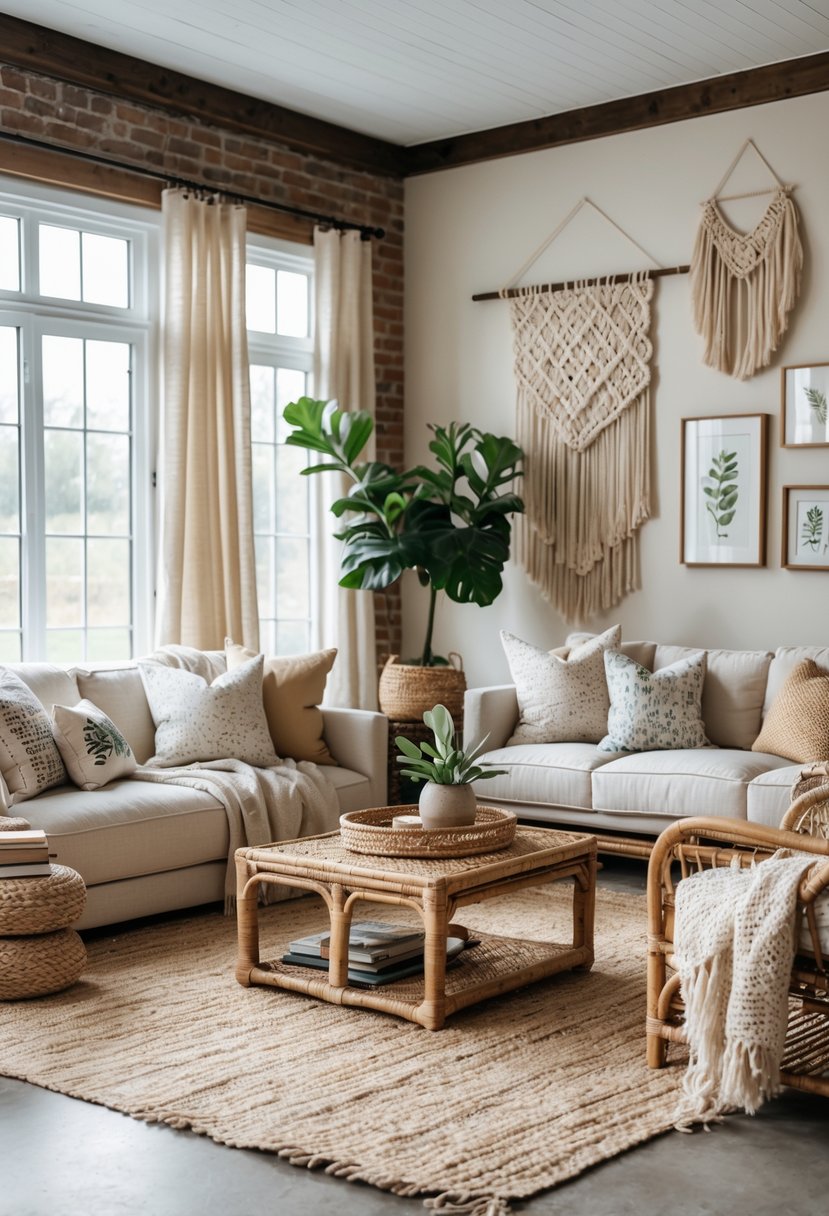
This approach allows a mix of rustic, modern, global, and industrial elements without losing harmony. From wood and stone to fabrics and woven fibers, every choice adds depth and interest while keeping the room functional and welcoming. The result is a space that reflects individuality while staying connected to nature through texture and material.
Incorporate weathered wood beams for rustic charm
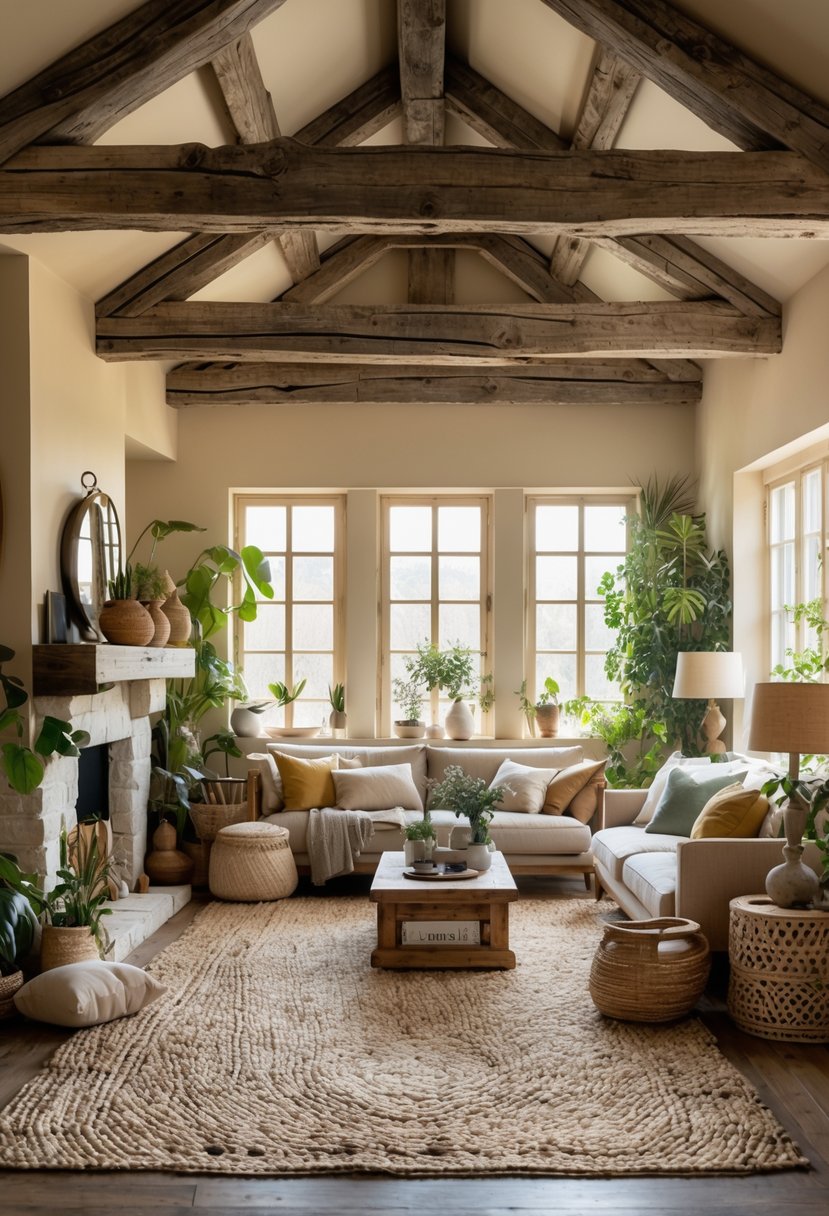
Weathered wood beams add natural texture that softens modern or eclectic spaces. Their aged finish introduces warmth without overwhelming the room.
They work well with neutral color palettes, letting the wood’s grain and tone stand out. Paired with layered textiles, the beams create a balanced rustic accent.
Use jute rugs to add natural fiber texture
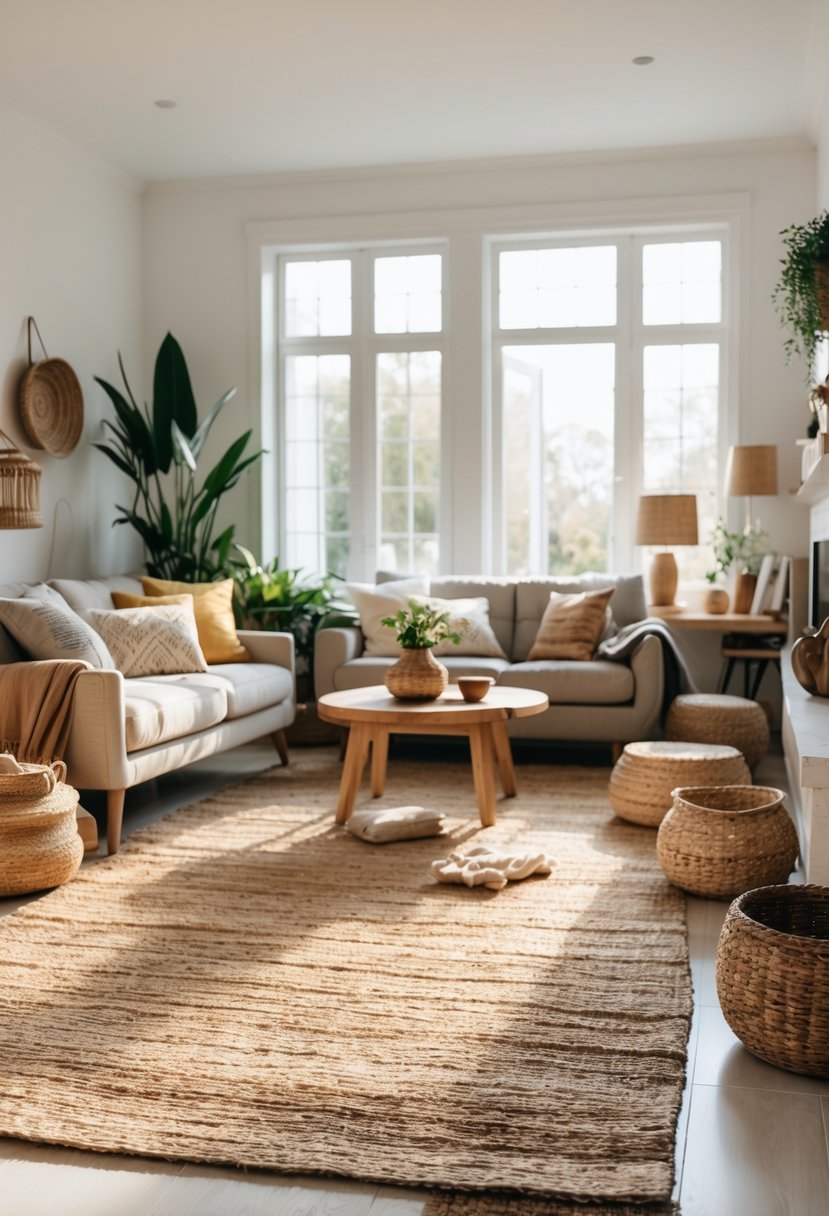
Jute rugs bring a simple, woven texture that fits well with many design styles. Their natural fibers add warmth without overwhelming a space.
They work on hardwood, tile, or layered under softer rugs for contrast. This makes them a versatile choice for creating depth in an eclectic living room.
Layer linen throw pillows in earth tones
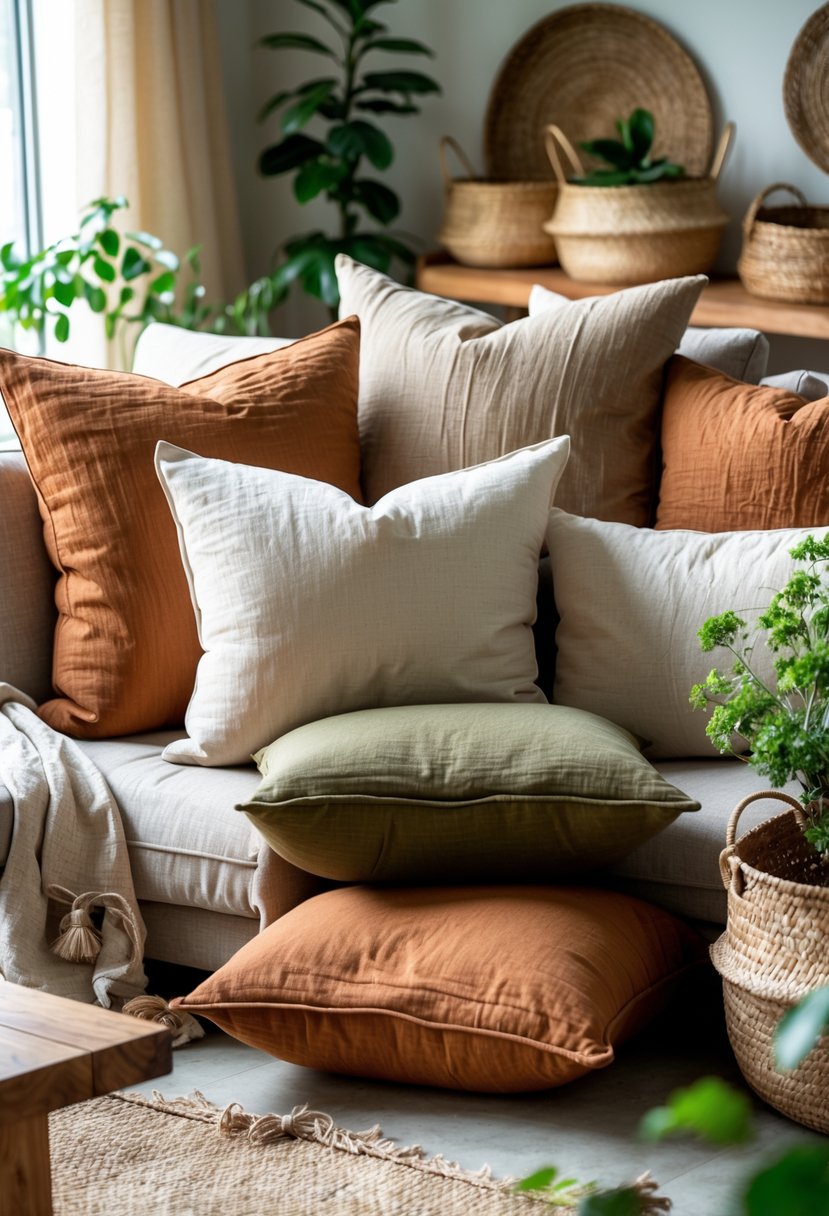
Linen throw pillows in earth tones add warmth and texture to an eclectic living room. Their natural fibers bring a relaxed, organic look that pairs well with varied furniture styles.
Mixing shades like beige, rust, olive, and soft gray creates depth without overwhelming the space. These tones blend easily with wood, stone, or woven accents.
Add sisal baskets for storage and texture
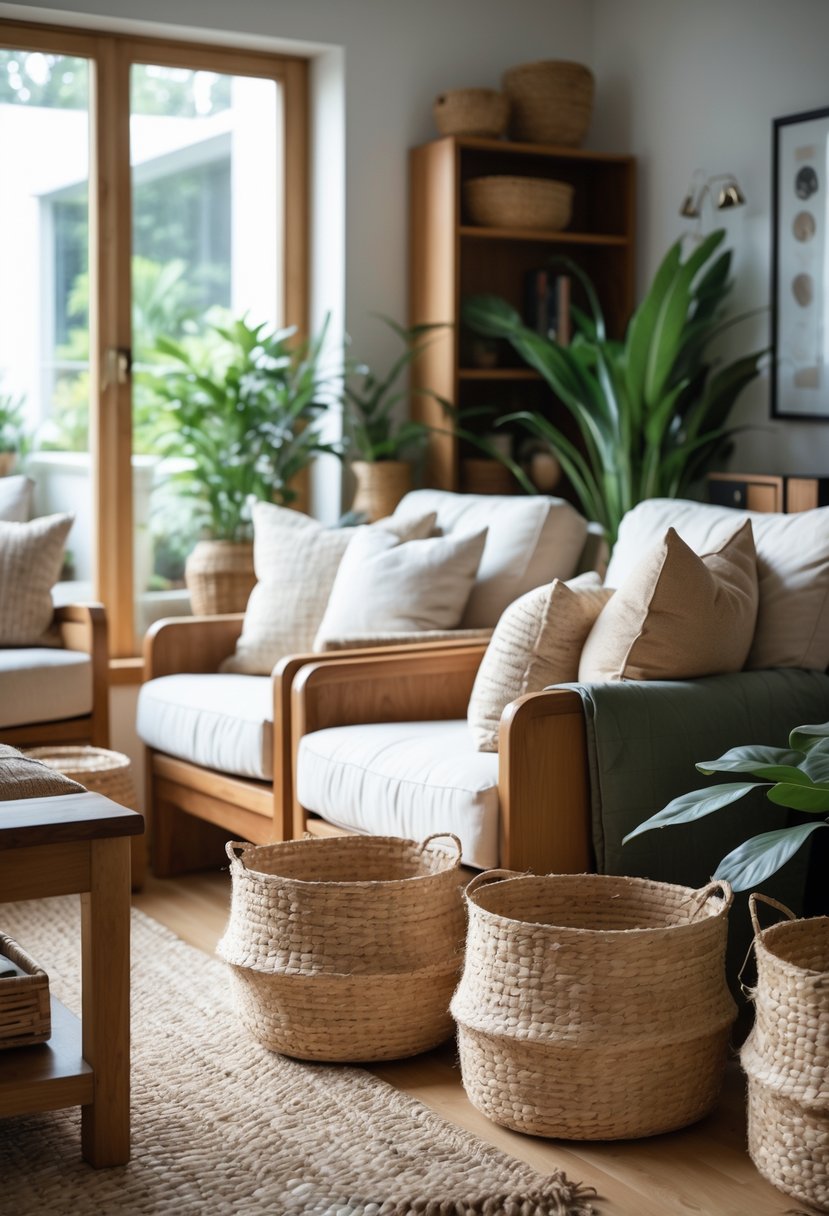
Sisal baskets give a living room both function and style. Their natural fiber adds a subtle texture that blends well with wood, fabric, and plants.
They work well for storing blankets, cushions, or magazines while keeping the space neat. Their neutral tones fit into many eclectic designs.
Mix leather and fabric seating for contrast
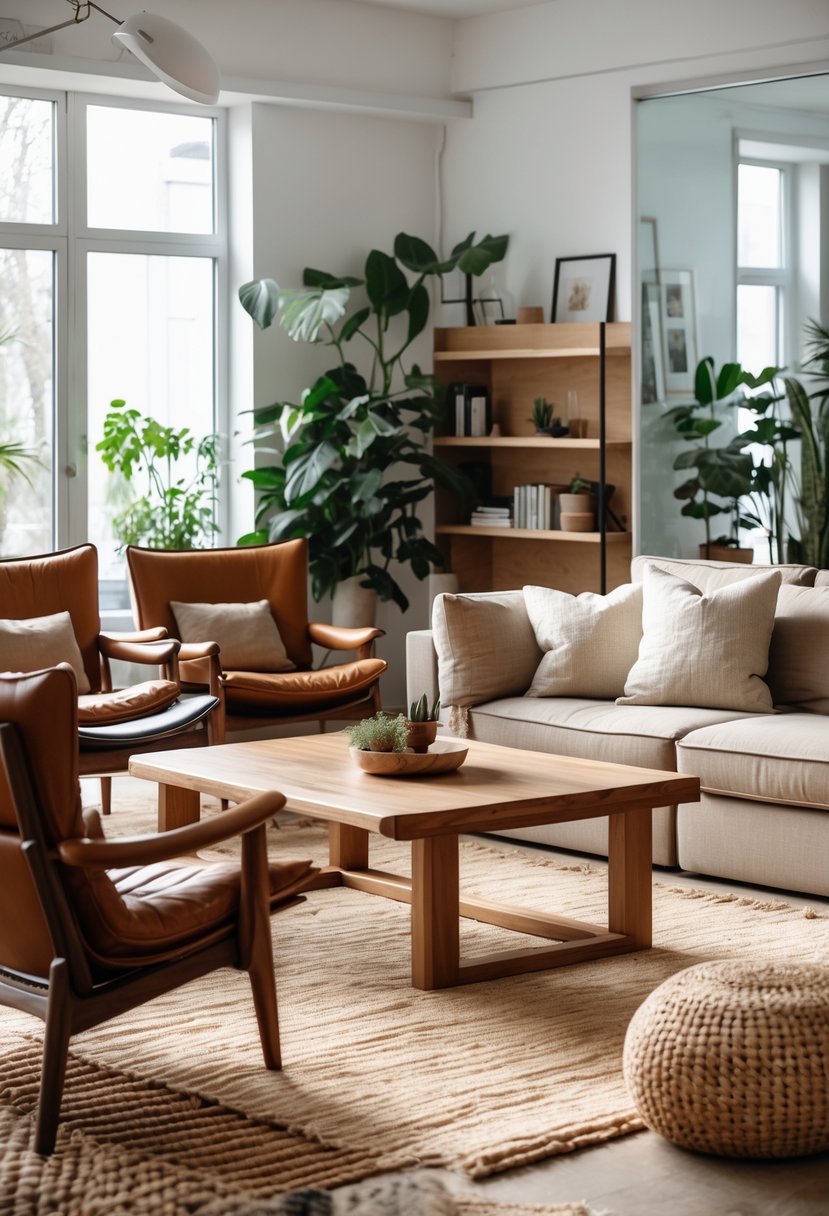
Leather and fabric seating can work well together when chosen with care. Each material brings a different texture that adds depth to the room.
Pairing a leather sofa with fabric chairs creates balance and prevents one material from dominating. This mix also makes the space feel more intentional and cohesive.
Include reclaimed wood coffee tables
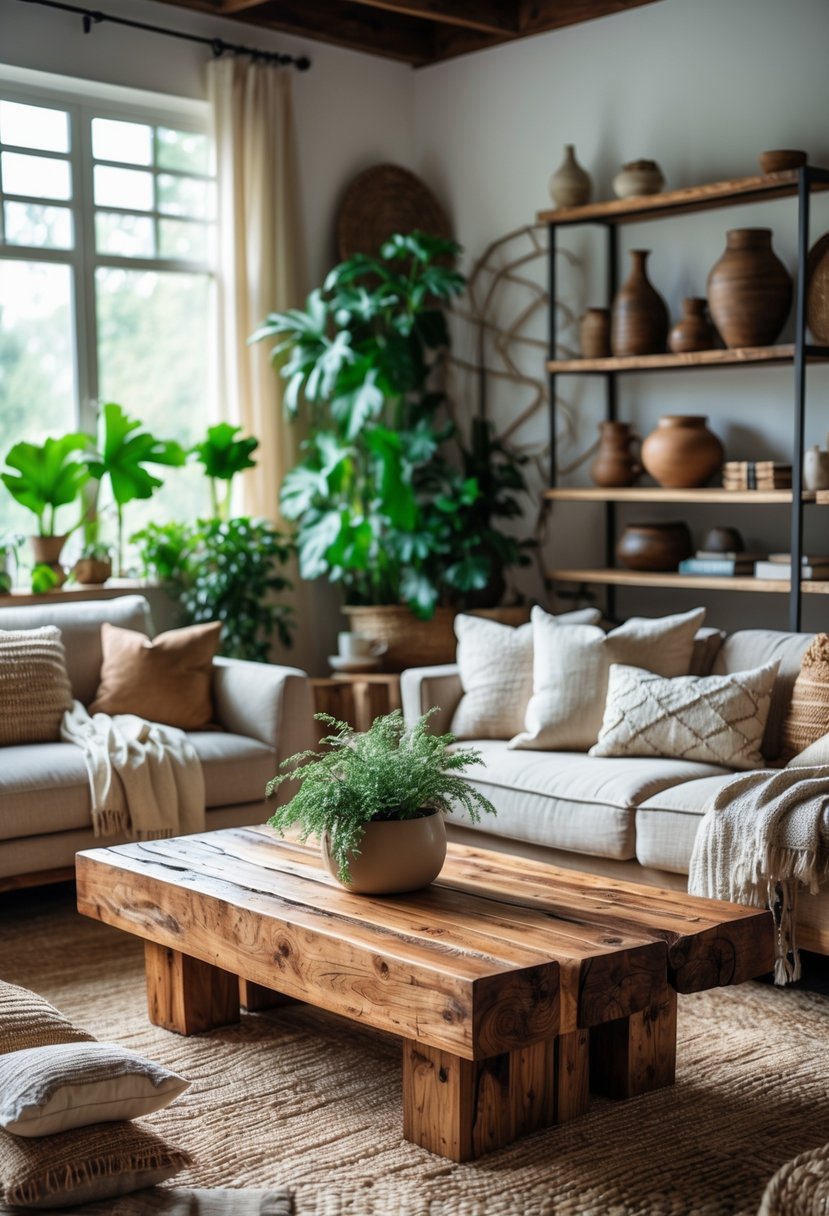
Reclaimed wood coffee tables add texture and character to an eclectic living room. Their natural grain and weathered finish bring warmth to the space.
They pair well with a mix of furniture styles, balancing modern and vintage pieces. This makes them a versatile choice for varied interiors.
Use textured earth-toned wall paint
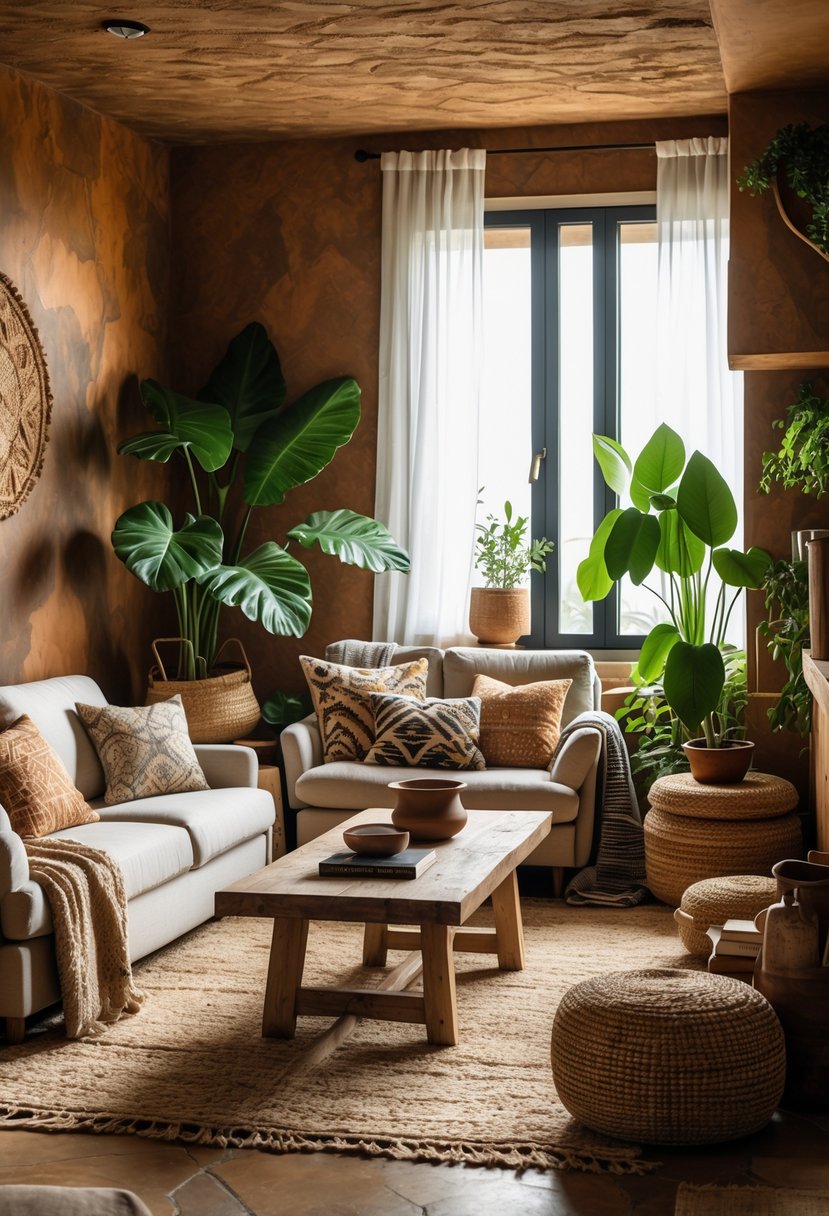
Textured wall paint in earth tones adds depth and warmth to a living room. Subtle variations in color and finish create a natural, layered look.
Shades like beige, taupe, or soft terracotta pair well with wood, stone, and fabric accents. This combination helps the space feel cohesive and balanced.
Display artisanal global artifacts
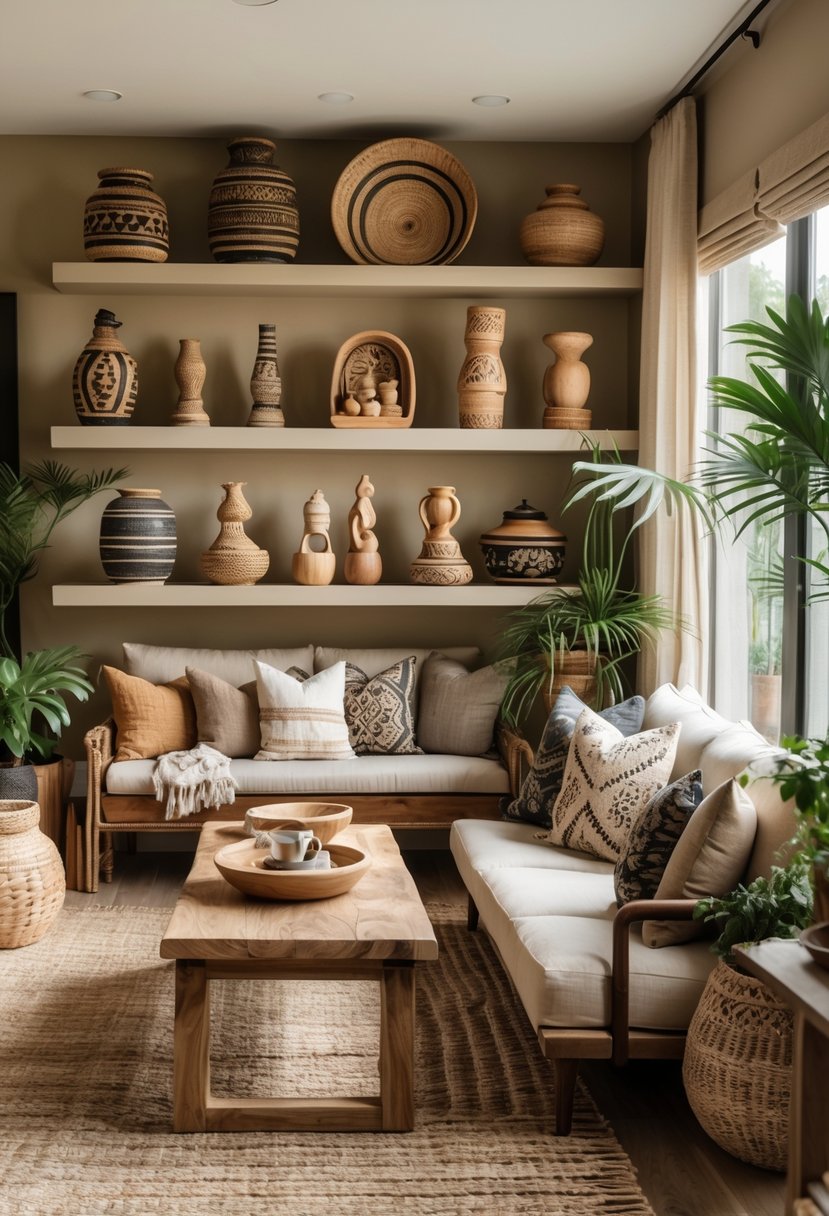
They can place handcrafted items such as woven baskets, carved wooden figures, or ceramic pottery to add cultural depth.
These pieces highlight traditional skills while blending naturally with textiles, plants, and wood.
Using artifacts from different regions creates variety and gives the living room a personal, collected look.
Combine vintage and modern furniture pieces
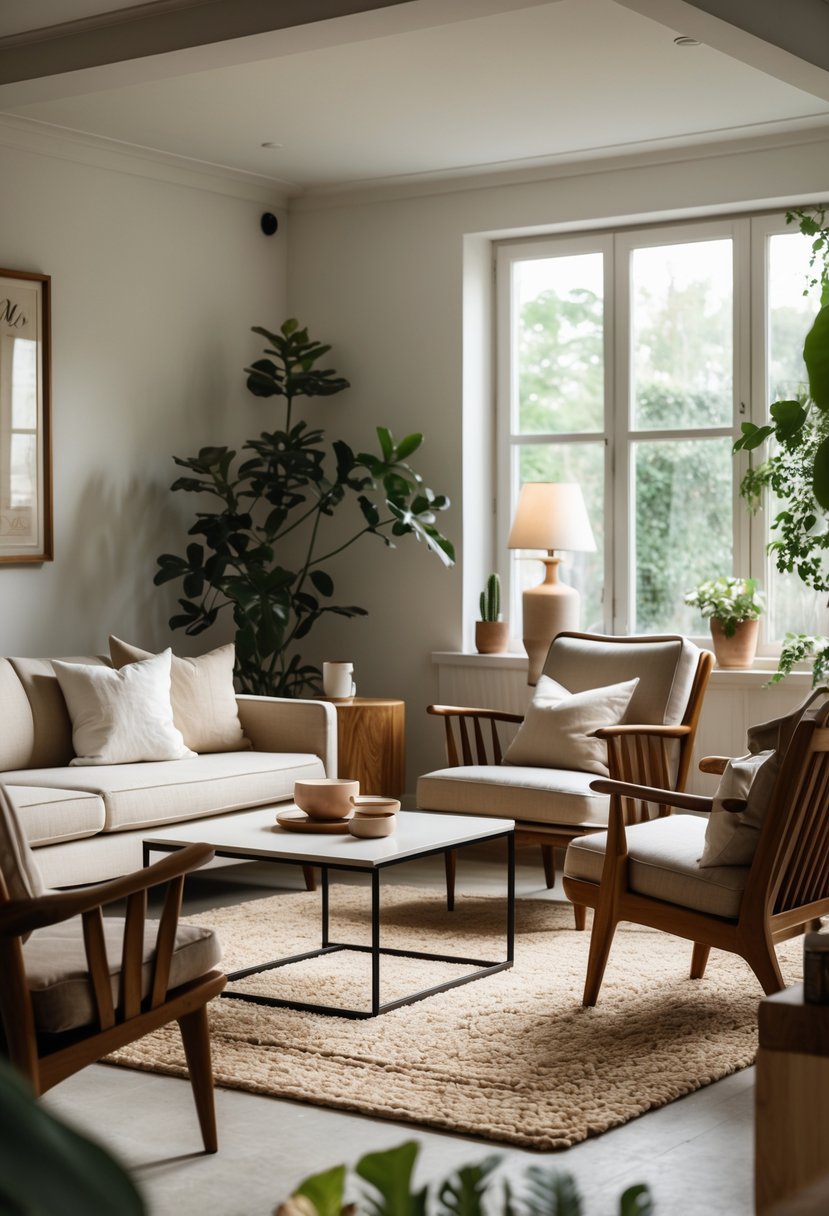
They can place a sleek modern sofa next to a vintage coffee table to create balance.
A mid-century chair pairs well with a contemporary side table, blending clean lines with character.
Using both styles in one space adds variety while keeping the room functional and inviting.
Introduce a green sectional sofa as a vibrant centerpiece
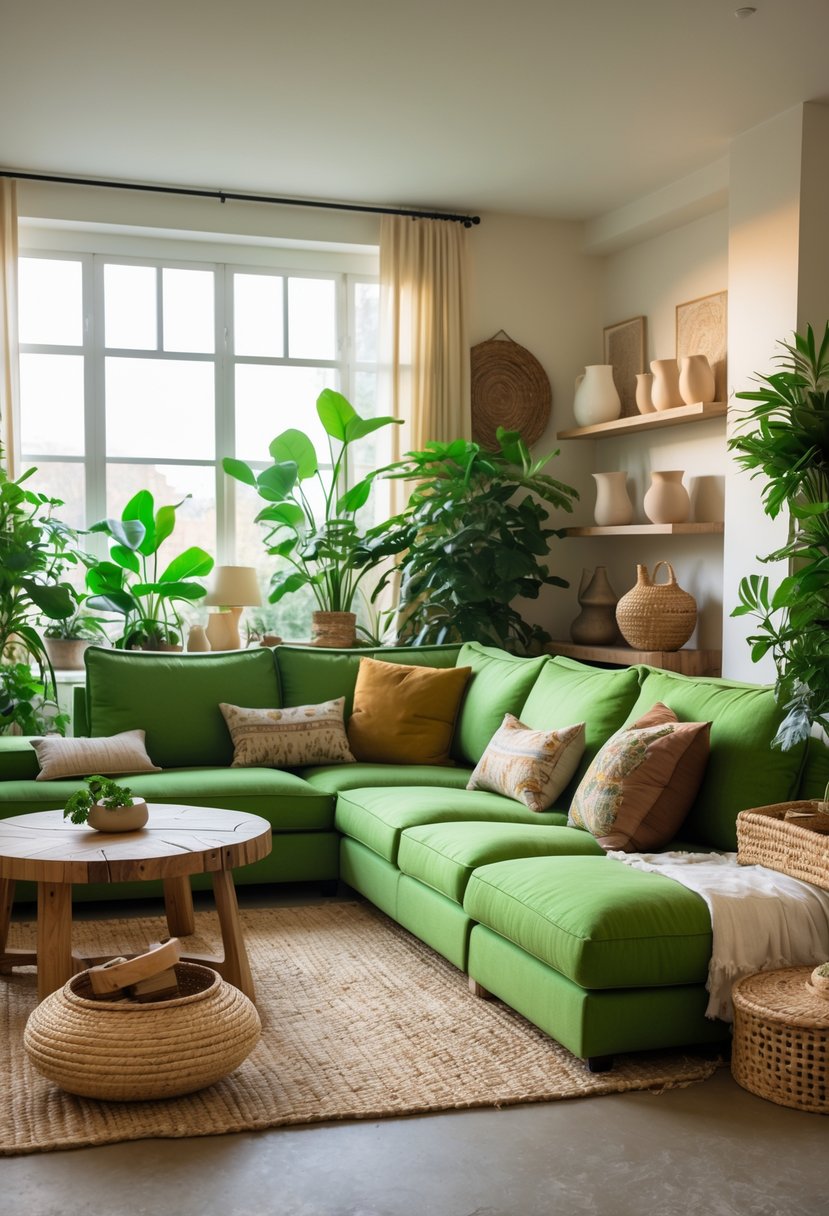
A green sectional sofa adds color while keeping a natural, grounded look. Its larger size makes it a clear focal point in the room.
They can pair it with neutral rugs, wood accents, or woven textures to balance the bold tone. This creates a cohesive yet lively space.
Use ethnic print throw pillows
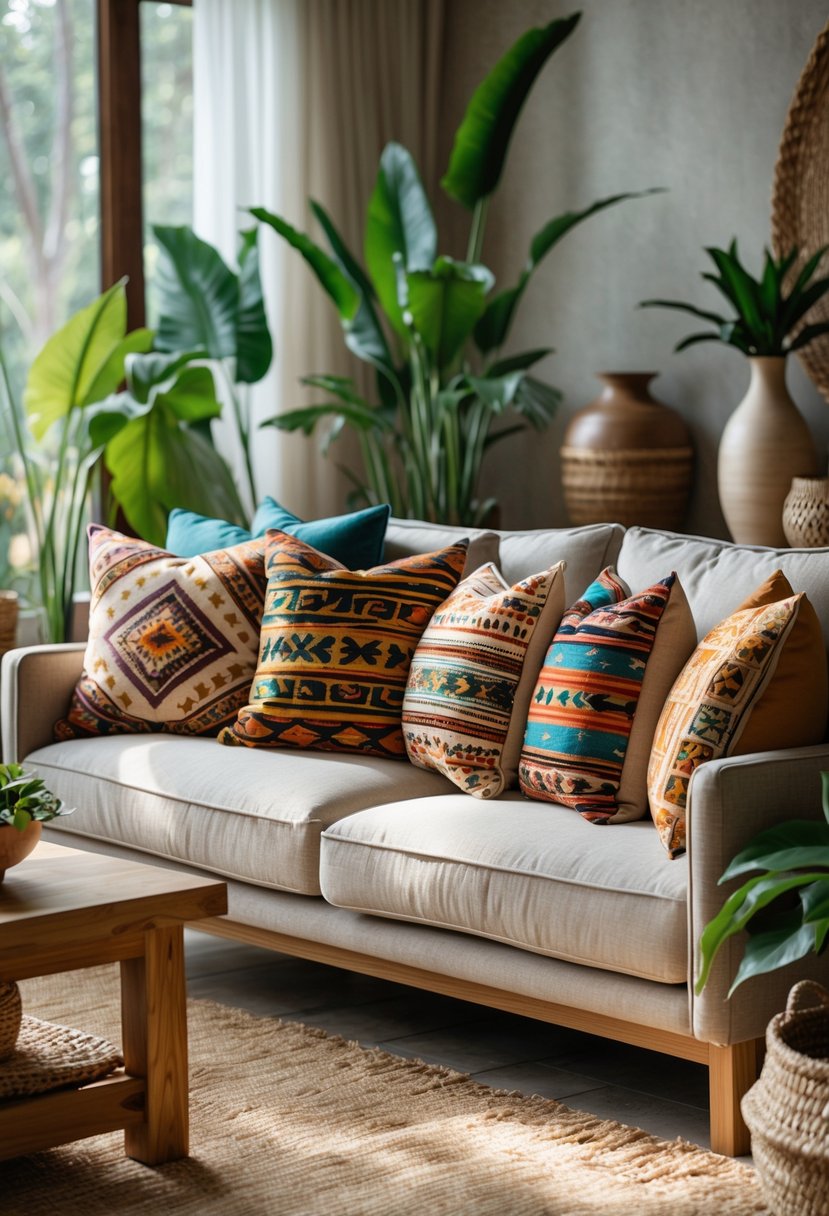
Ethnic print throw pillows add pattern and color to an eclectic living room. They work well with natural textures like wood, linen, or jute.
These pillows often feature tribal, Aztec, or global-inspired designs. Their bold patterns create contrast while keeping the room balanced and visually interesting.
Placing them on sofas or chairs helps tie together modern and traditional pieces.
Incorporate raw industrial elements like metal piping
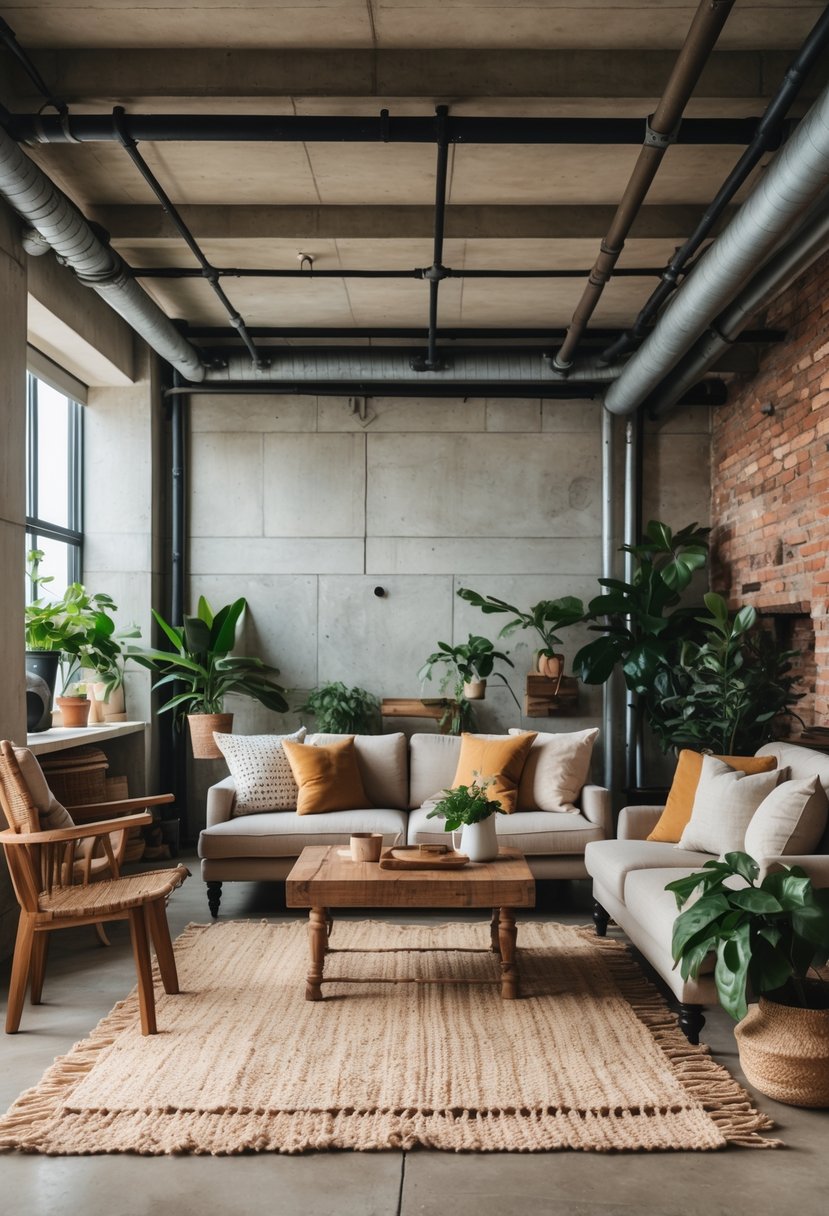
Metal piping adds structure and contrast to an eclectic living room. It works well as shelving supports, curtain rods, or simple wall accents.
The raw finish pairs with natural textures like wood or stone, creating balance. This combination keeps the space functional while adding subtle industrial character.
Add vintage industrial lighting fixtures
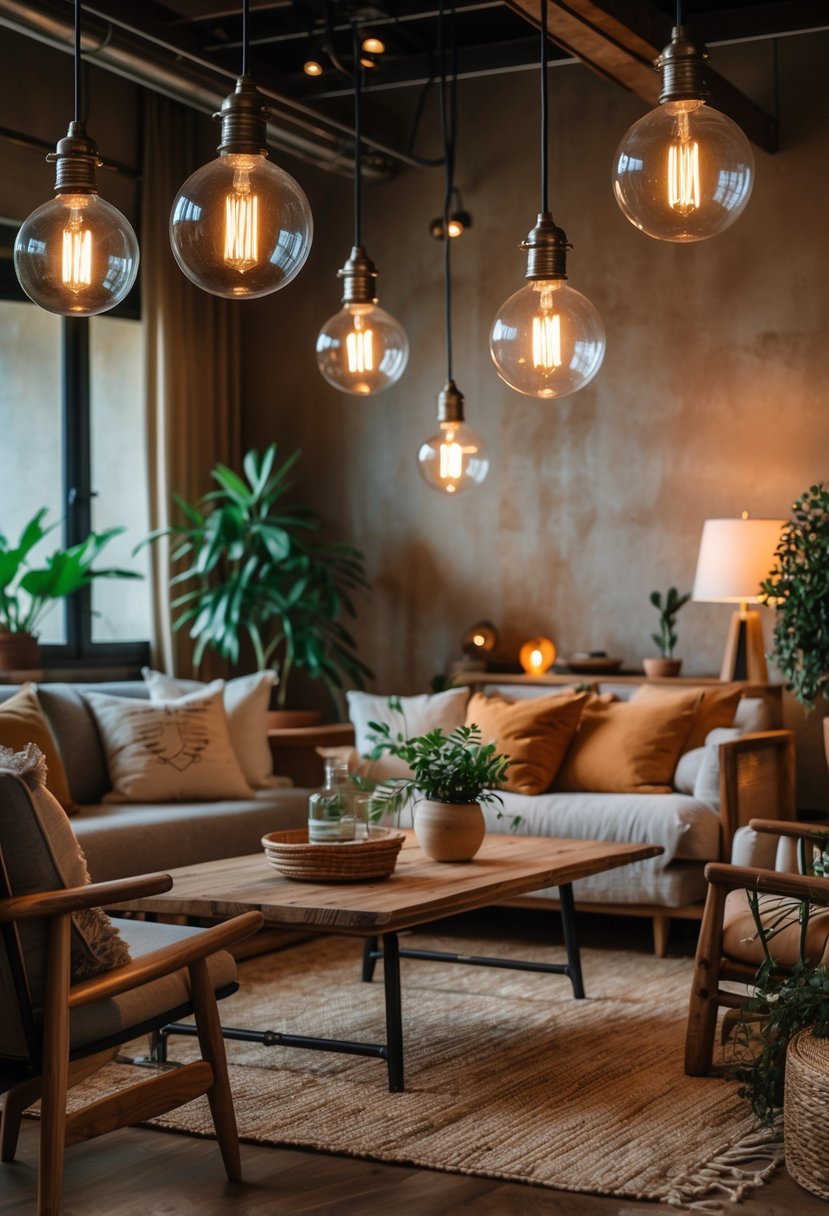
Vintage industrial lighting adds character while keeping the space functional. Metal finishes like brass, iron, or steel pair well with natural textures.
Pendant lights or exposed bulb fixtures create a simple focal point. These pieces balance the warmth of wood, textiles, and plants with an urban edge.
Use natural fiber curtains such as linen or cotton
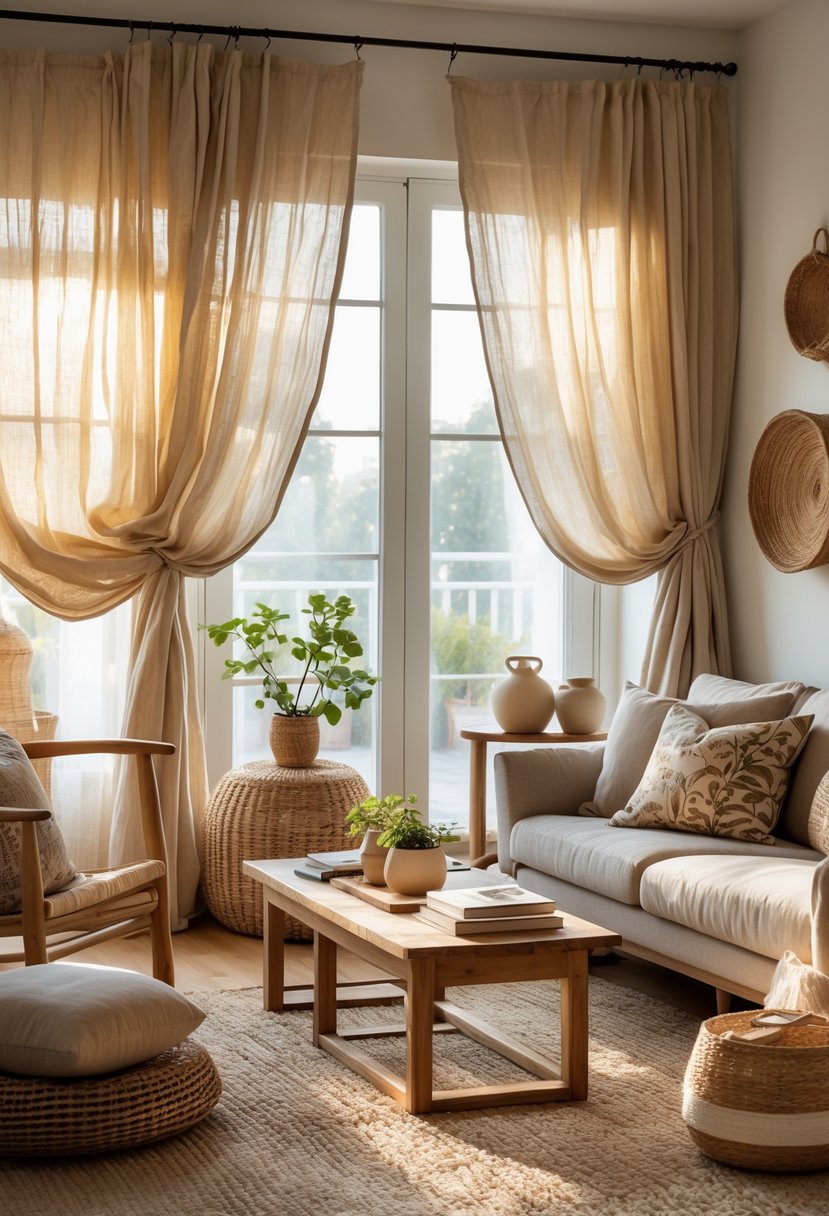
Natural fiber curtains like linen or cotton bring texture and warmth to a living room.
They filter light softly, creating a balanced atmosphere without blocking brightness.
These materials pair well with other natural elements such as wood, stone, or woven rugs.
Place woven rattan chairs for organic feel
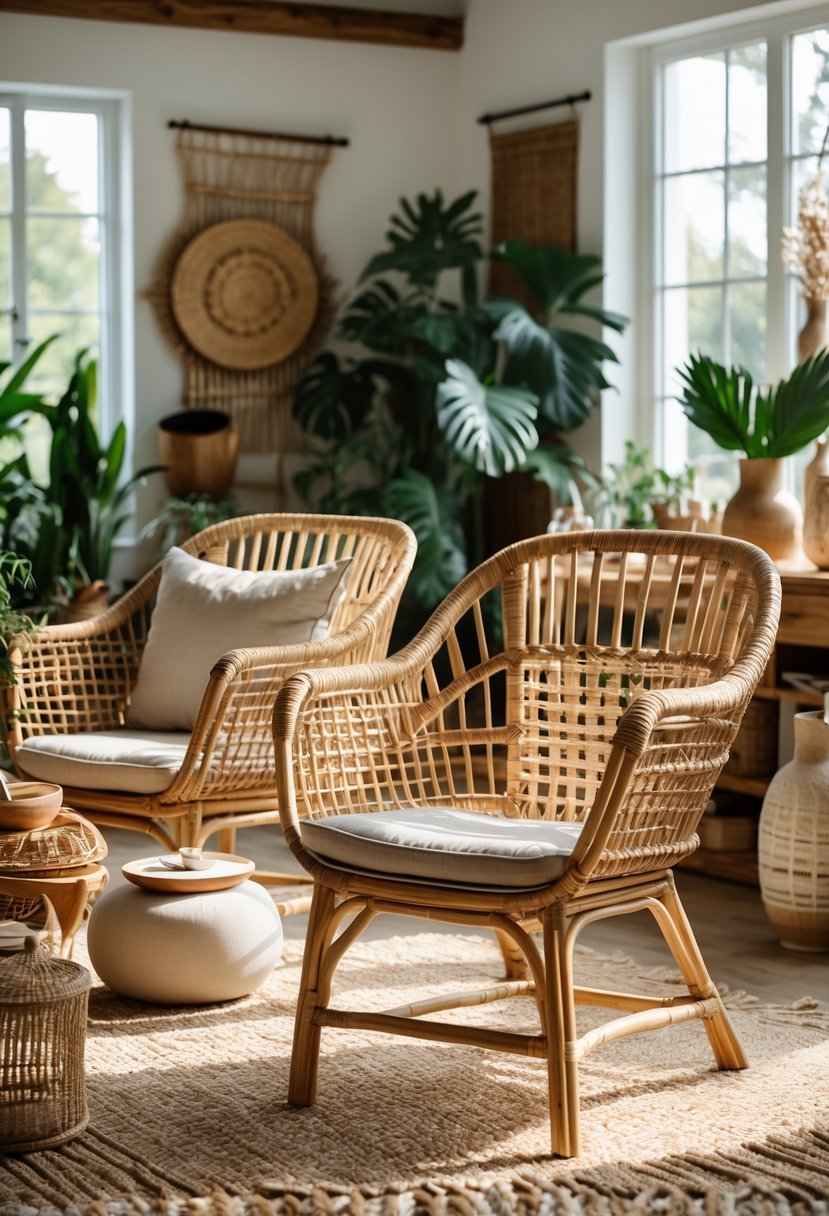
Woven rattan chairs add natural texture that blends well with eclectic design. Their neutral tones make them easy to pair with colorful textiles or patterned rugs.
They bring an organic look that softens modern pieces and balances bold decor. Lightweight and durable, they also work well in flexible seating arrangements.
Include plants to bring nature indoors
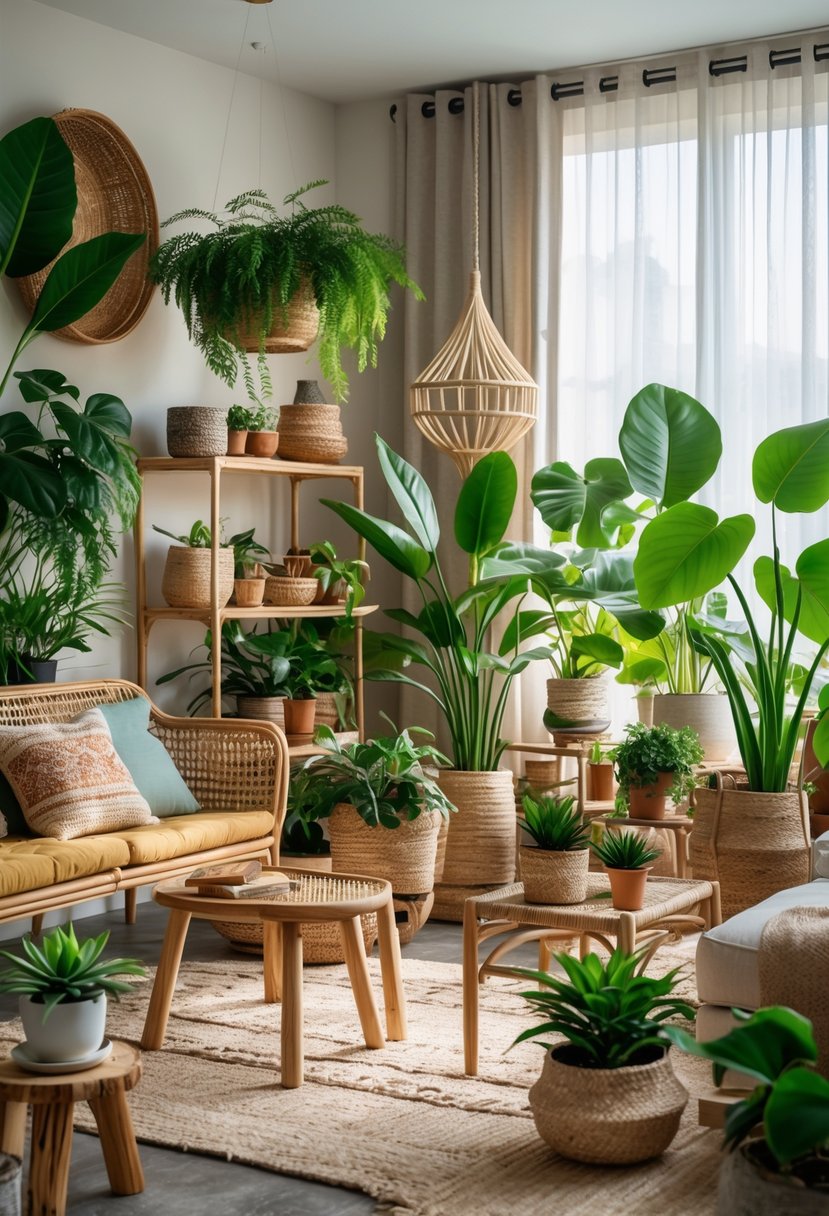
Plants add texture and depth to an eclectic living room. They soften sharp lines and balance bold patterns with natural shapes.
Small potted plants fit well on shelves or tables, while larger floor plants fill empty corners. Hanging planters create vertical interest without taking up floor space.
Greenery also pairs well with natural materials like wood, stone, and woven textiles, reinforcing a cohesive design.
Use stone or brick accent walls
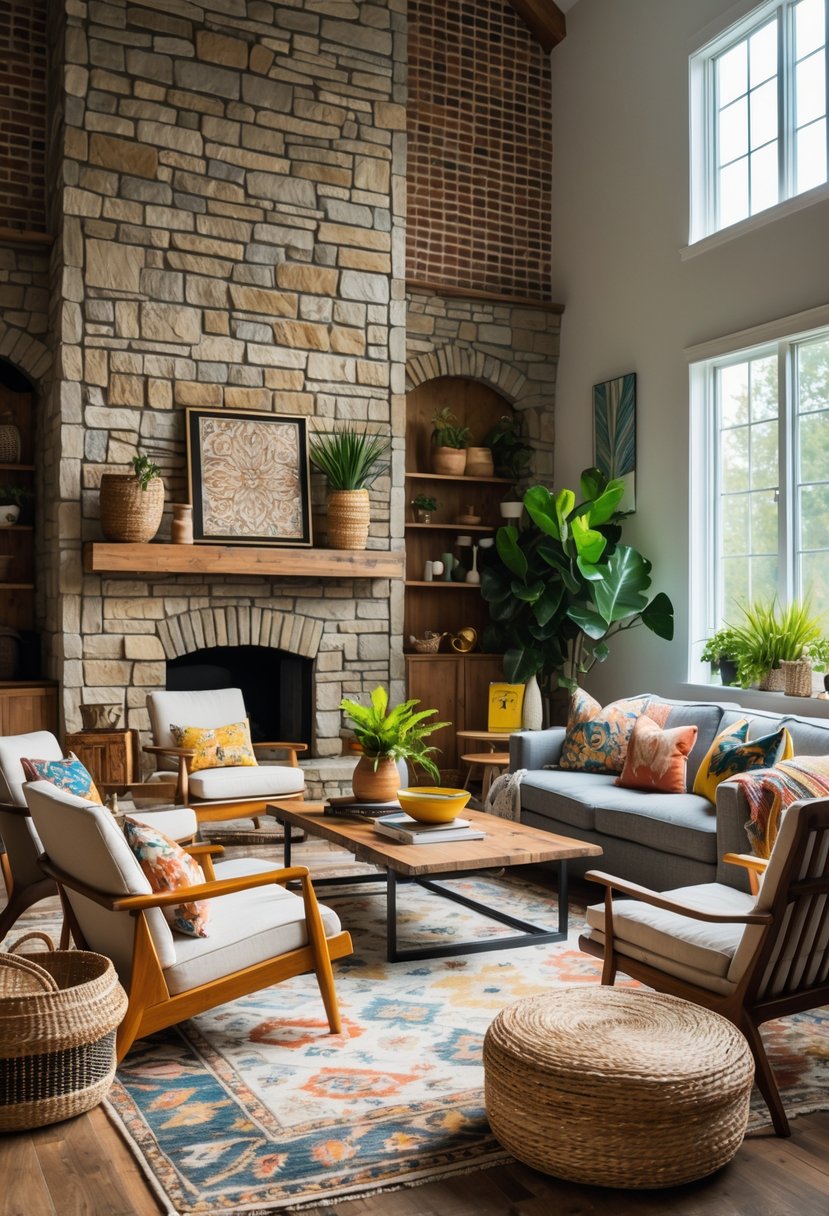
Stone and brick accent walls add texture and depth to an eclectic living room. They create a natural backdrop that works with both modern and traditional furniture.
Brick offers warmth and character, while stone provides a more rugged and tactile surface. Both materials pair well with layered textiles and varied finishes.
Layer soft wool or cotton throw blankets
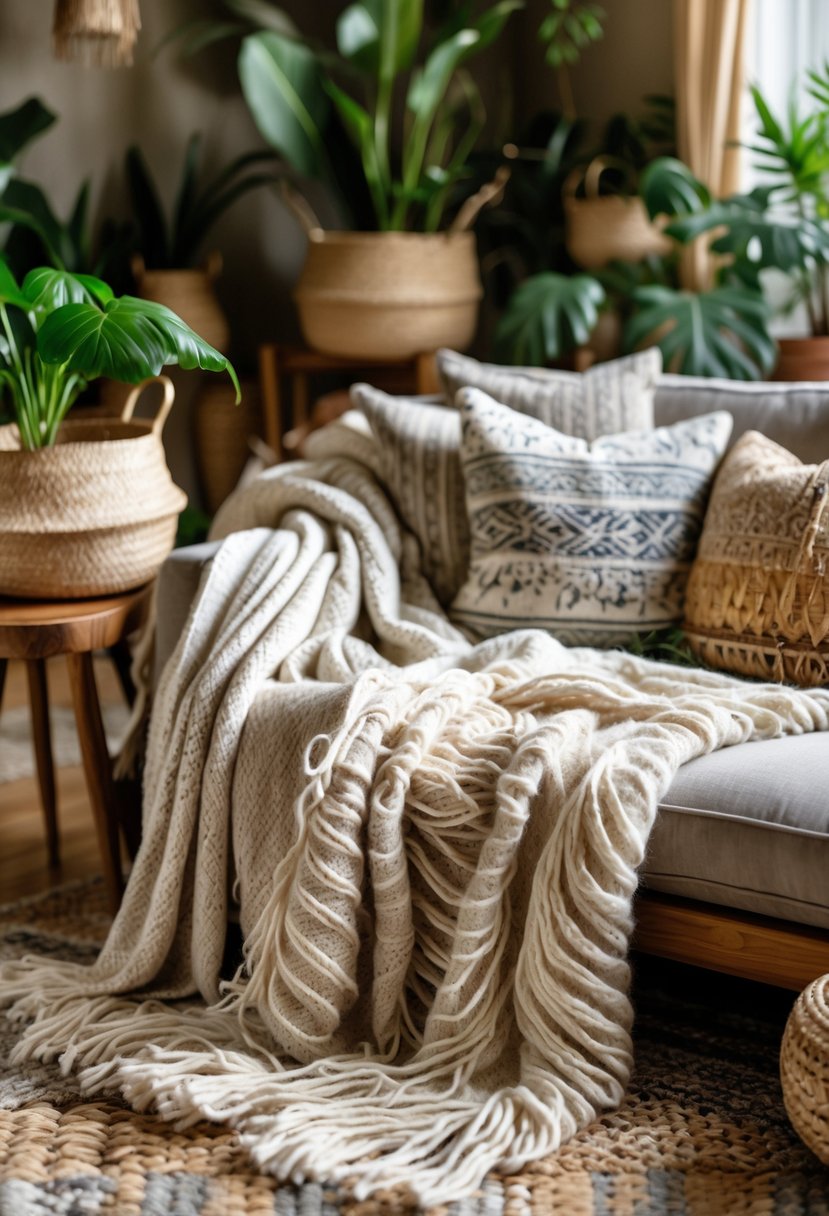
They can place wool or cotton throws across a sofa or chair to add warmth and comfort.
These natural fibers bring texture without overwhelming other design elements.
Layering a few different weaves or colors helps the room feel balanced and inviting.
Mix bold patterned rugs with neutral furniture
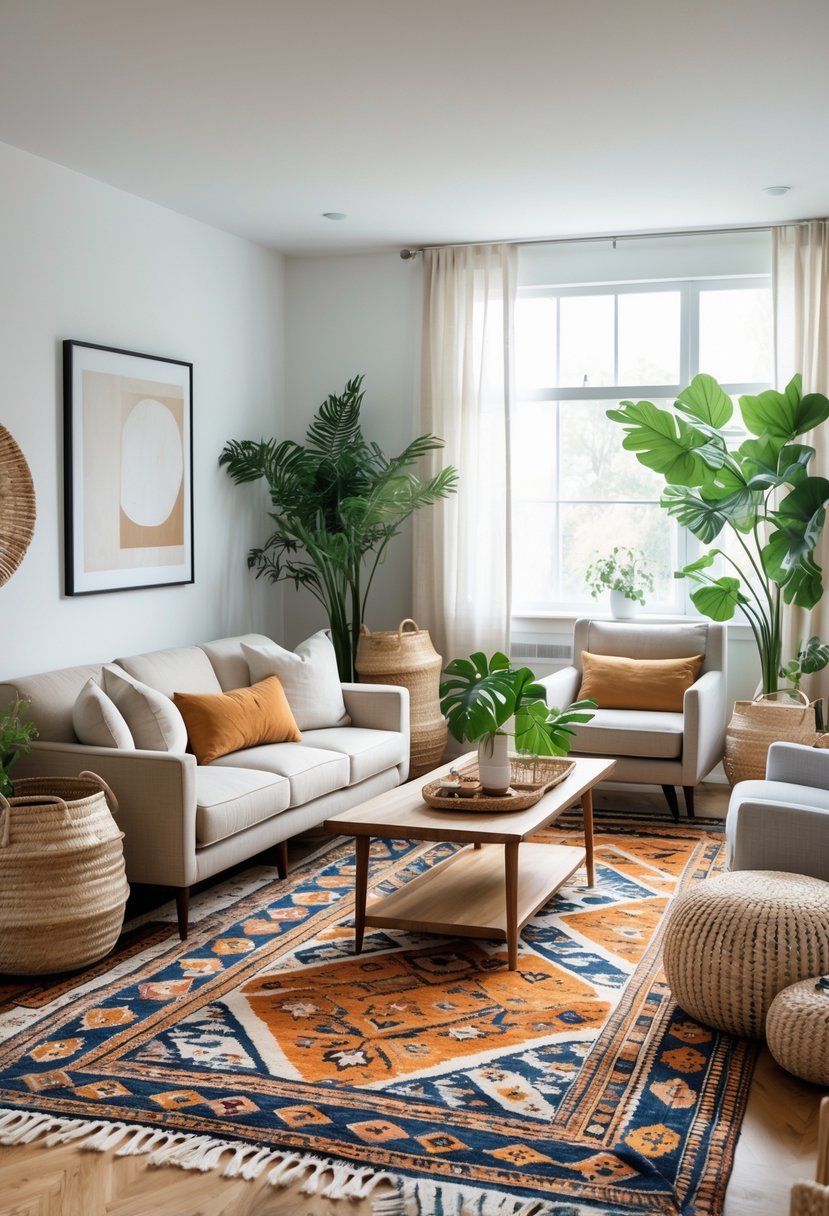
Bold patterned rugs add visual interest and set the tone of the room. Their colors and shapes create a strong focal point.
Neutral furniture balances the rug’s energy. Simple tones like beige, gray, or cream keep the space grounded.
Repeating rug colors in small accents ties everything together.
Add handcrafted pottery as decor accents
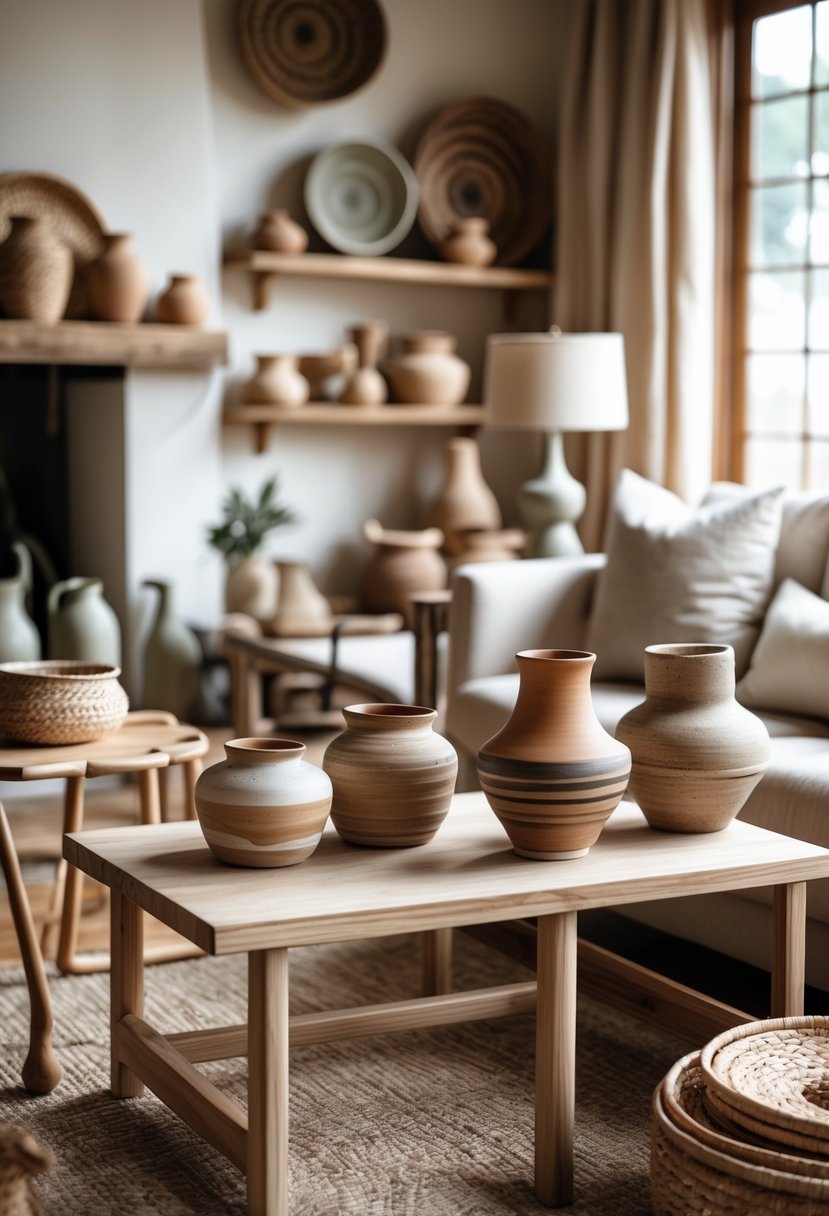
Handcrafted pottery adds texture and depth to an eclectic living room. Each piece brings a unique shape, glaze, and finish that complements natural elements like wood and stone.
They can be displayed on shelves, coffee tables, or sideboards. Grouping pottery in varied sizes creates visual balance while keeping the space personal and inviting.
Use open shelving with natural wood finish
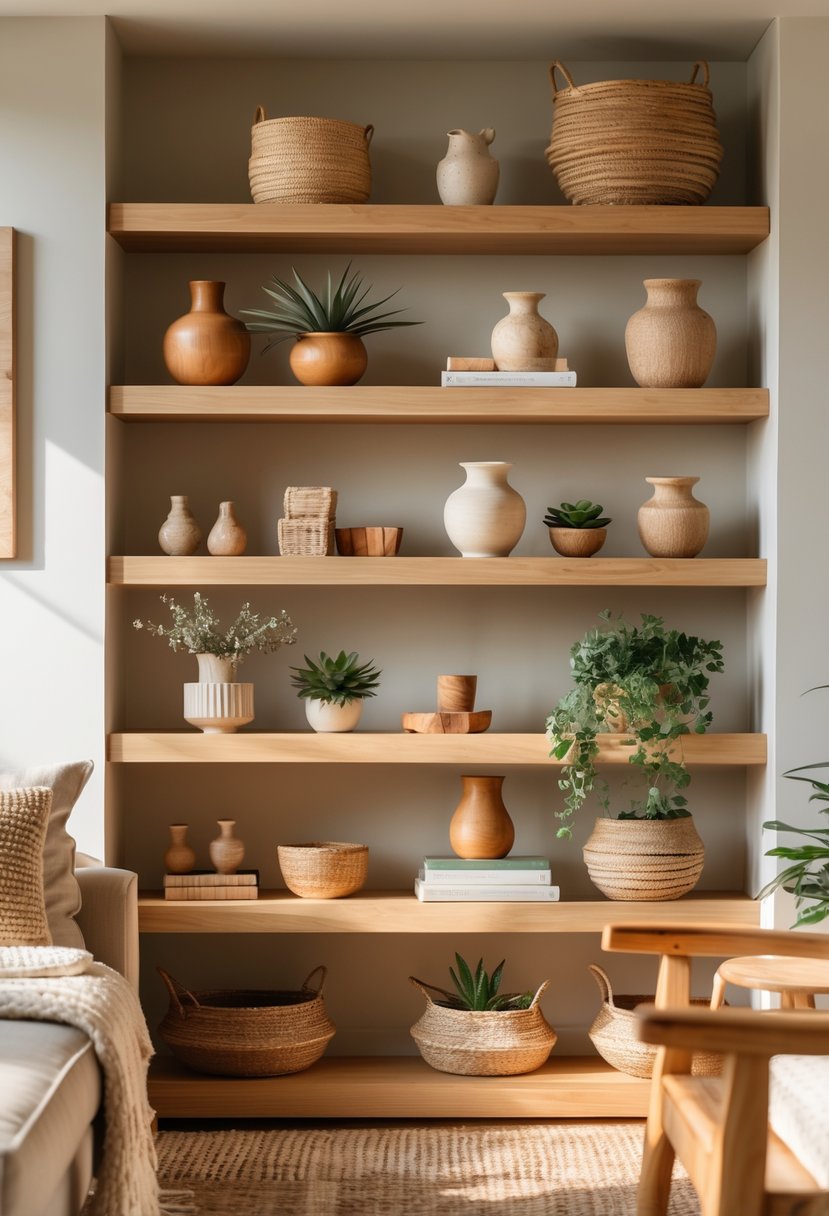
Open shelving in a natural wood finish adds warmth and texture to a living room. It creates a simple backdrop for displaying books, plants, or small decor items.
The wood grain brings in an organic element that pairs well with eclectic styles. Shelves stay practical while also contributing to the room’s design.
Incorporate textured ceramic vases
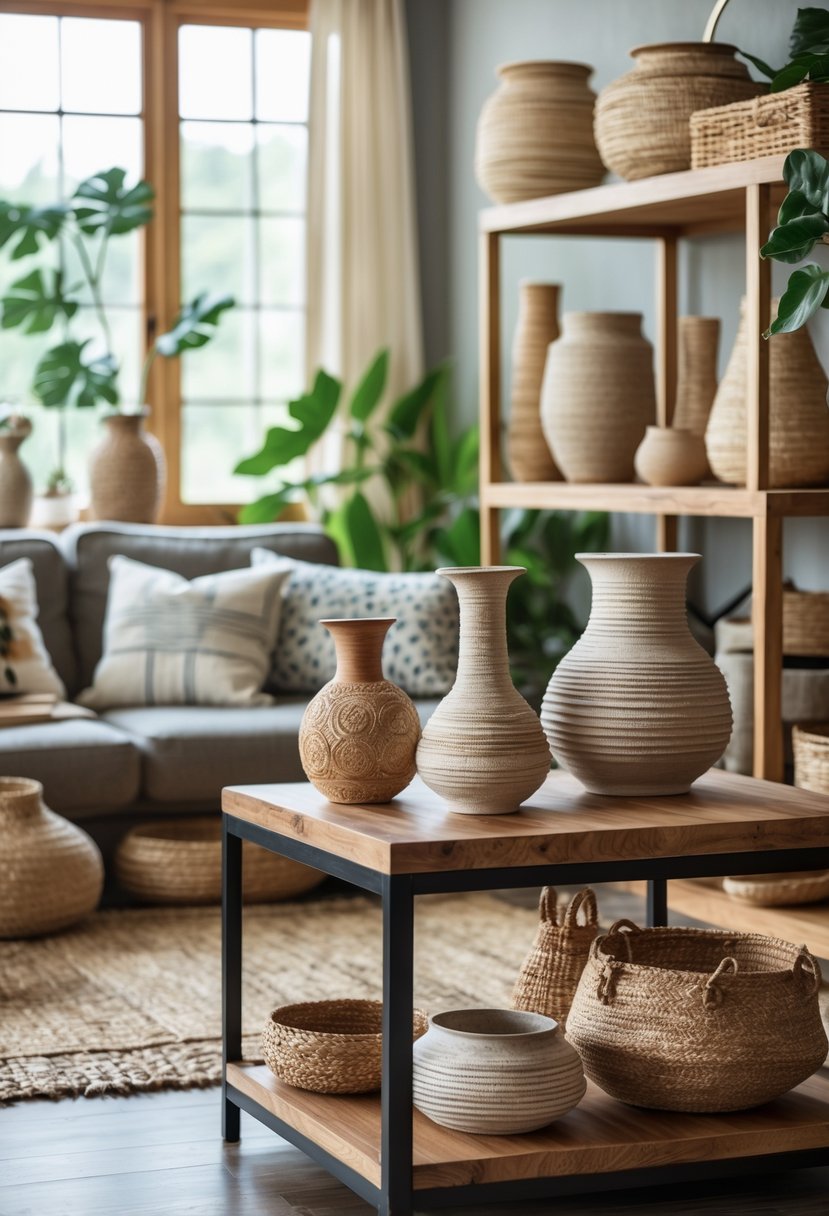
Textured ceramic vases add depth and character to an eclectic living room. Their varied surfaces create visual interest without overwhelming the space.
They work well in neutral tones or earthy glazes, blending with natural materials like wood and stone. Grouping different shapes together enhances balance and variety.
Principles of Eclectic Living Room Design
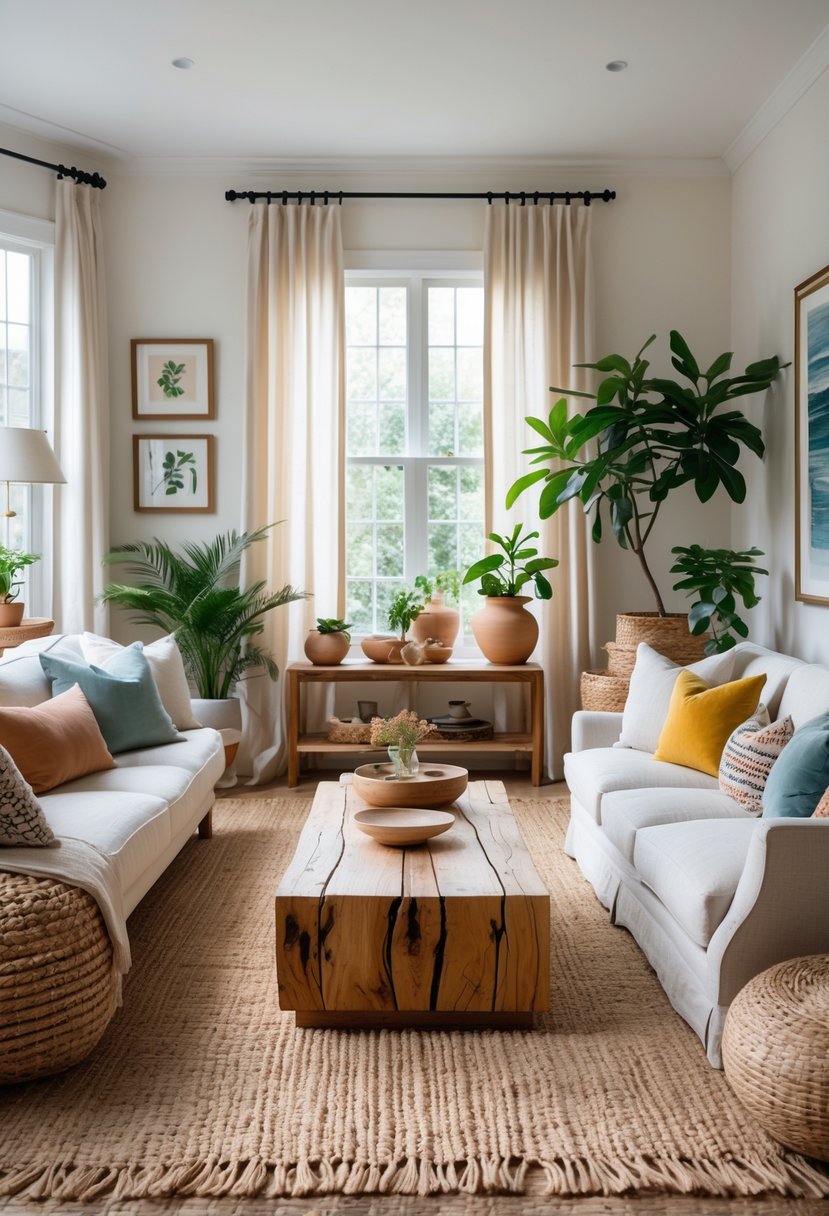
An eclectic living room depends on thoughtful choices that prevent the space from feeling chaotic. The key lies in creating a sense of balance between different styles and keeping colors coordinated so the room feels cohesive rather than random.
Balancing Diverse Styles
An eclectic space often combines furniture and décor from different eras, such as a mid-century chair next to a rustic wooden table. To avoid clutter, each piece should have a clear purpose and not compete for attention.
One effective method is to pair one statement item with supporting pieces that are more neutral. For example, a patterned sofa can be balanced with solid-colored chairs and simple side tables. This keeps the eye from becoming overwhelmed.
Using repeated elements also helps unify the mix. Similar shapes, materials, or finishes can connect otherwise unrelated pieces. A brass lamp, brass-framed mirror, and brass drawer pulls tie together furniture from different styles.
Scale matters as well. Large, bulky furniture should not sit beside delicate, small items that get lost visually. Keeping proportions consistent ensures the room feels intentional and comfortable.
Color Coordination Strategies
Color acts as the anchor for eclectic design. Even when mixing patterns and textures, a consistent palette prevents the space from looking disorganized. A simple way to achieve this is by choosing two to three main colors and repeating them across furniture, textiles, and accessories.
Neutral backgrounds, such as beige or light gray walls, allow brighter accents to stand out without overwhelming the room. A bold rug or colorful throw pillows add interest while still fitting into the chosen palette.
Patterns should share at least one common color to connect them. For example, a striped rug with blue tones can pair well with floral curtains that also include blue. This creates variety while keeping harmony.
Accent colors can be introduced sparingly for energy. A mustard pillow, green plant, or terracotta vase adds personality without disrupting the overall coordination.
Incorporating Natural Textures Effectively
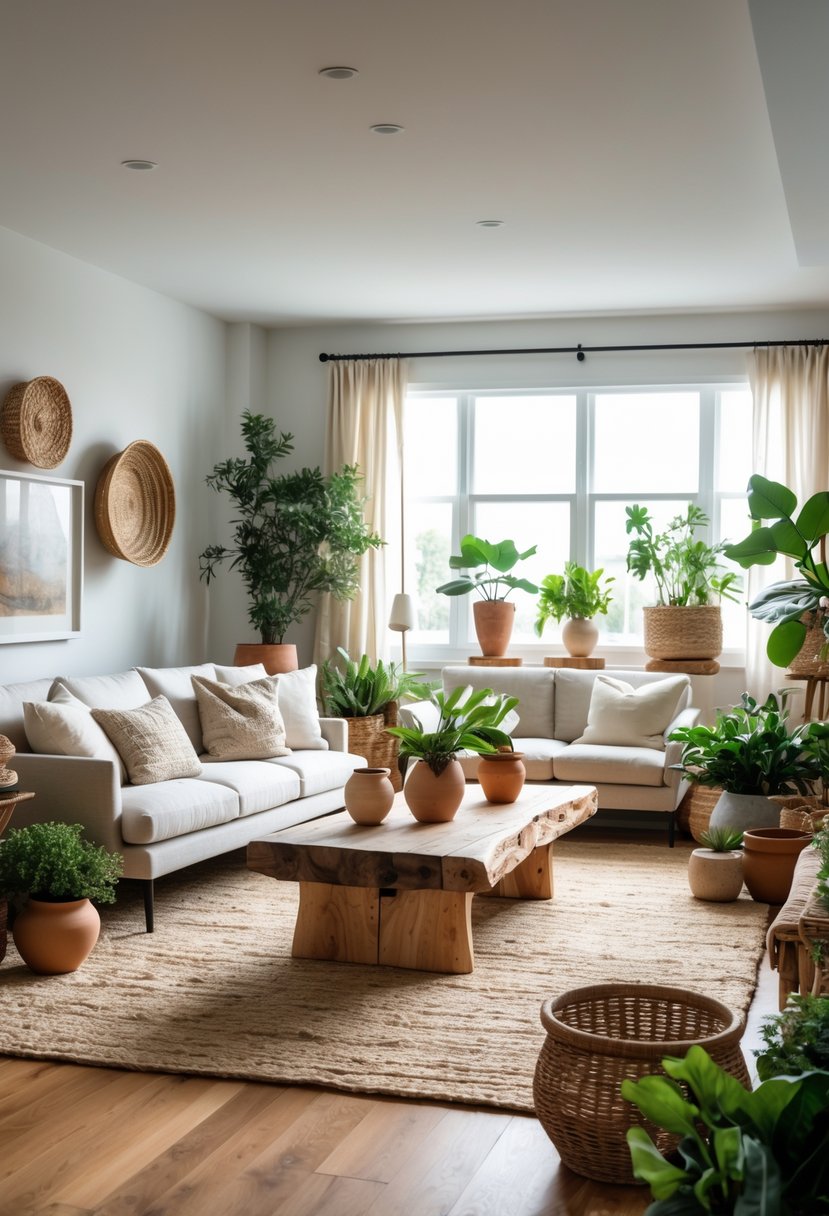
Natural textures create warmth, add depth, and make an eclectic living room feel balanced. Combining different organic materials and varied finishes allows the space to feel layered and visually interesting without becoming cluttered.
Layering Organic Materials
Using multiple natural materials together helps the room feel grounded. Wood, stone, rattan, and clay each bring unique character. A reclaimed wood coffee table can sit beside a woven jute rug, while stone planters or terracotta pots add weight and texture.
Layering works best when materials contrast in scale and surface. For example, smooth marble pairs well with rough-hewn wood, while a sisal rug offsets sleek leather seating. These combinations prevent the room from looking flat.
A helpful approach is to mix at least three natural materials in visible areas:
- Flooring: wood or stone
- Furniture: rattan, bamboo, or reclaimed wood
- Accents: clay, linen, or woven baskets
This method keeps the space cohesive while still highlighting variety.
Mixing Textiles and Finishes
Textiles add softness and comfort while balancing harder surfaces. Linen curtains, cotton throws, and wool cushions can layer together without overwhelming the room. Each fabric has a distinct texture that contributes to the overall design.
Finishes also play a key role. Matte finishes on wood or stone give a rustic feel, while polished surfaces introduce contrast. Mixing both creates visual balance.
A simple way to apply this is through upholstery and accessories: pair a velvet sofa with a jute rug, or match a leather chair with a knitted throw. These combinations highlight differences in texture, making the room feel richer and more inviting without relying on bold colors or patterns.
Learn more about eclectic interior design from Apartment Therapy.


