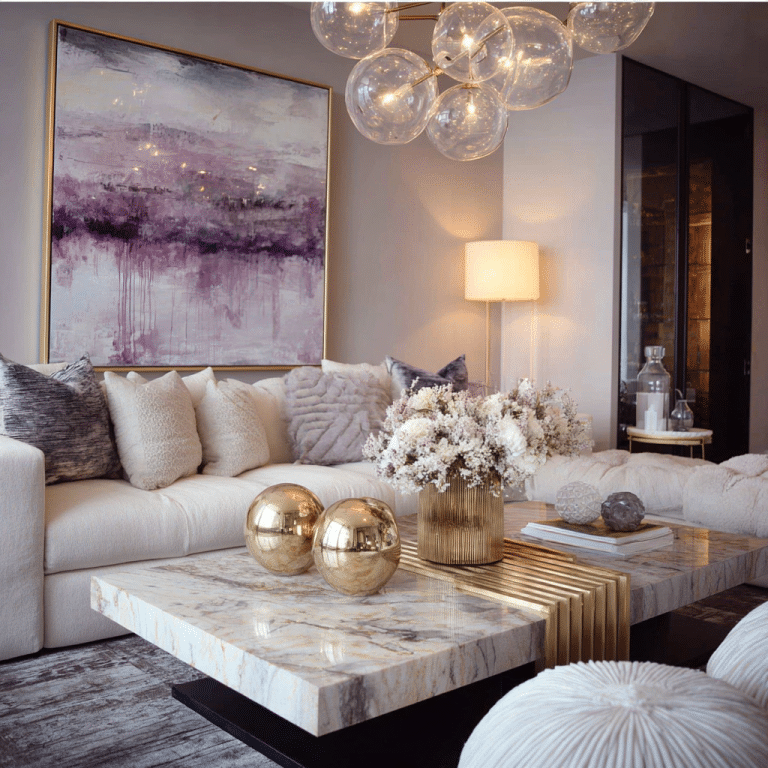
21 Living Room Ideas 2026 Trends For A Stylish And Functional Space
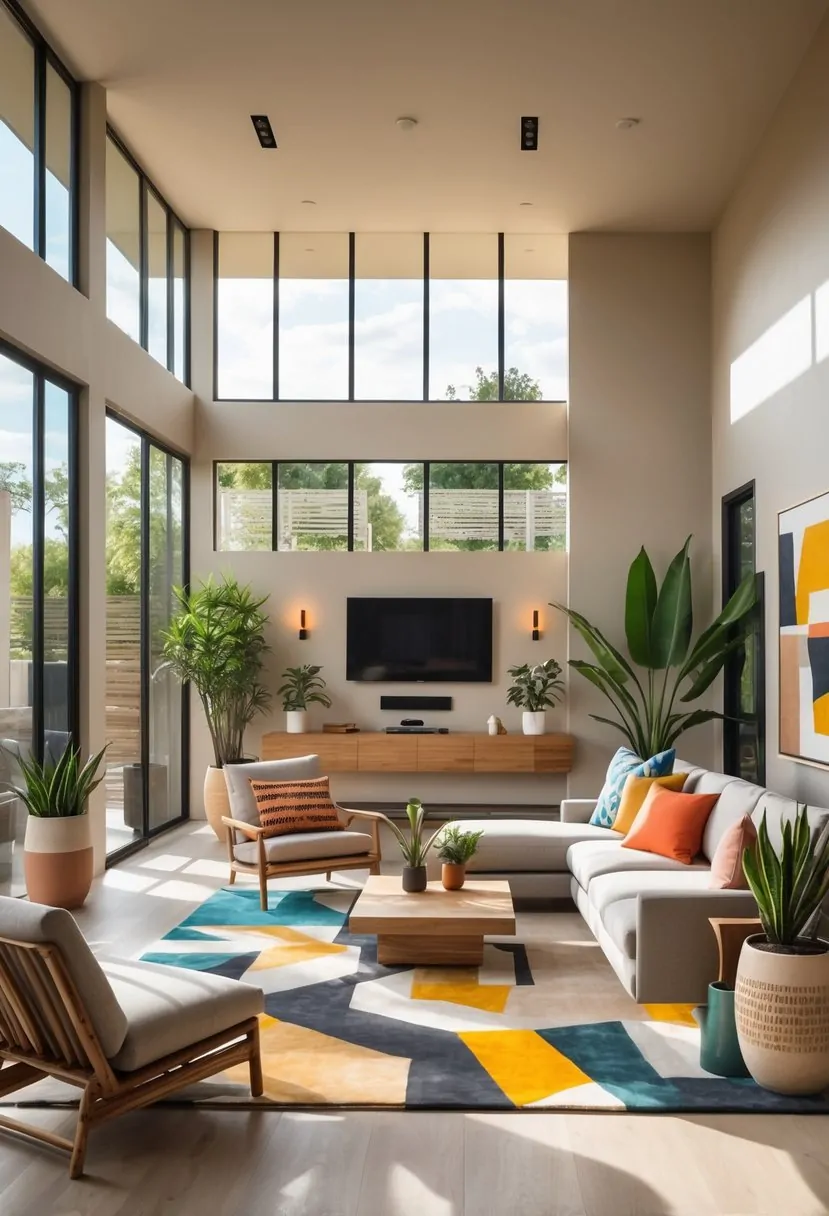
Living rooms continue to evolve as both style and comfort take center stage. In 2026, design choices focus on creating spaces that feel warm, functional, and personal while still reflecting modern aesthetics. This article explores 21 living room ideas that highlight the most relevant trends shaping interiors in 2026.
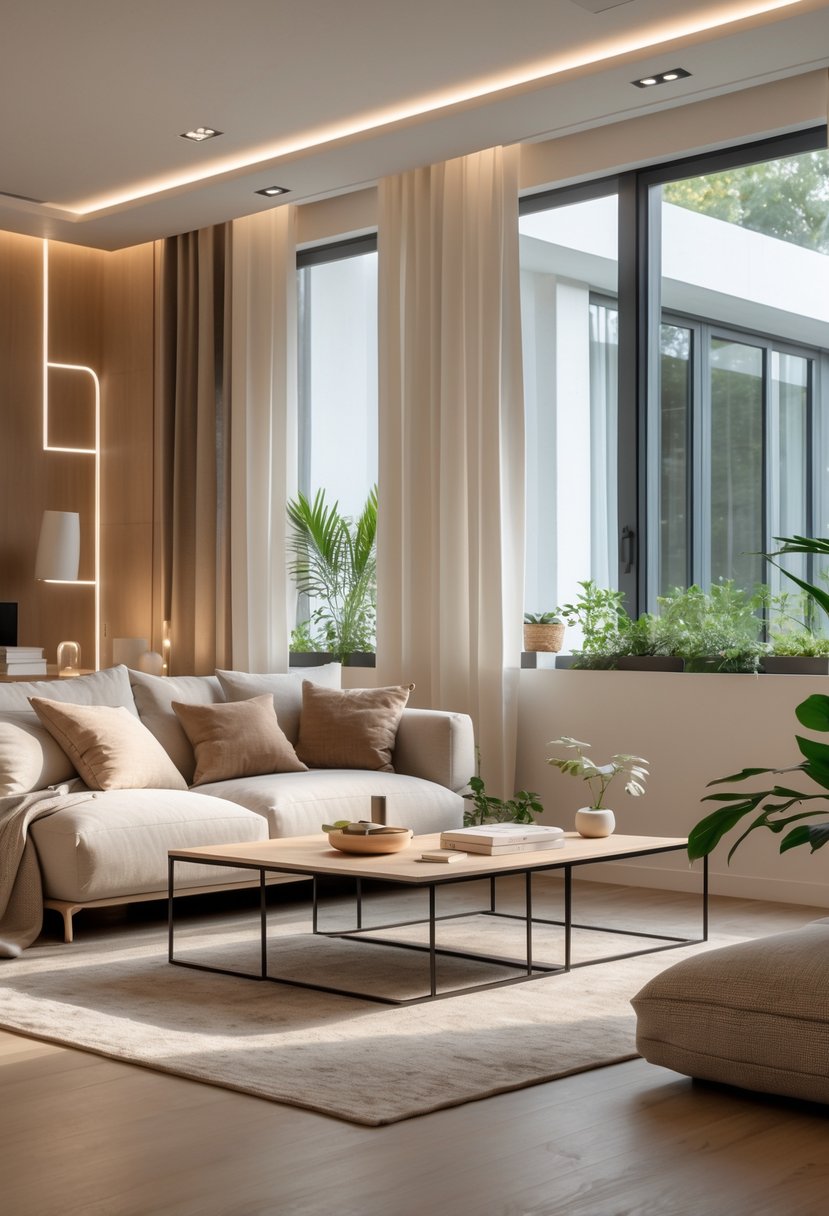
From sustainable materials to bold design accents, each trend shows how small changes can transform the way a space looks and feels. The following sections break down the key elements that define the 2026 living room aesthetic and offer practical ways to bring them into everyday life.
Sustainable & Eco-friendly Materials
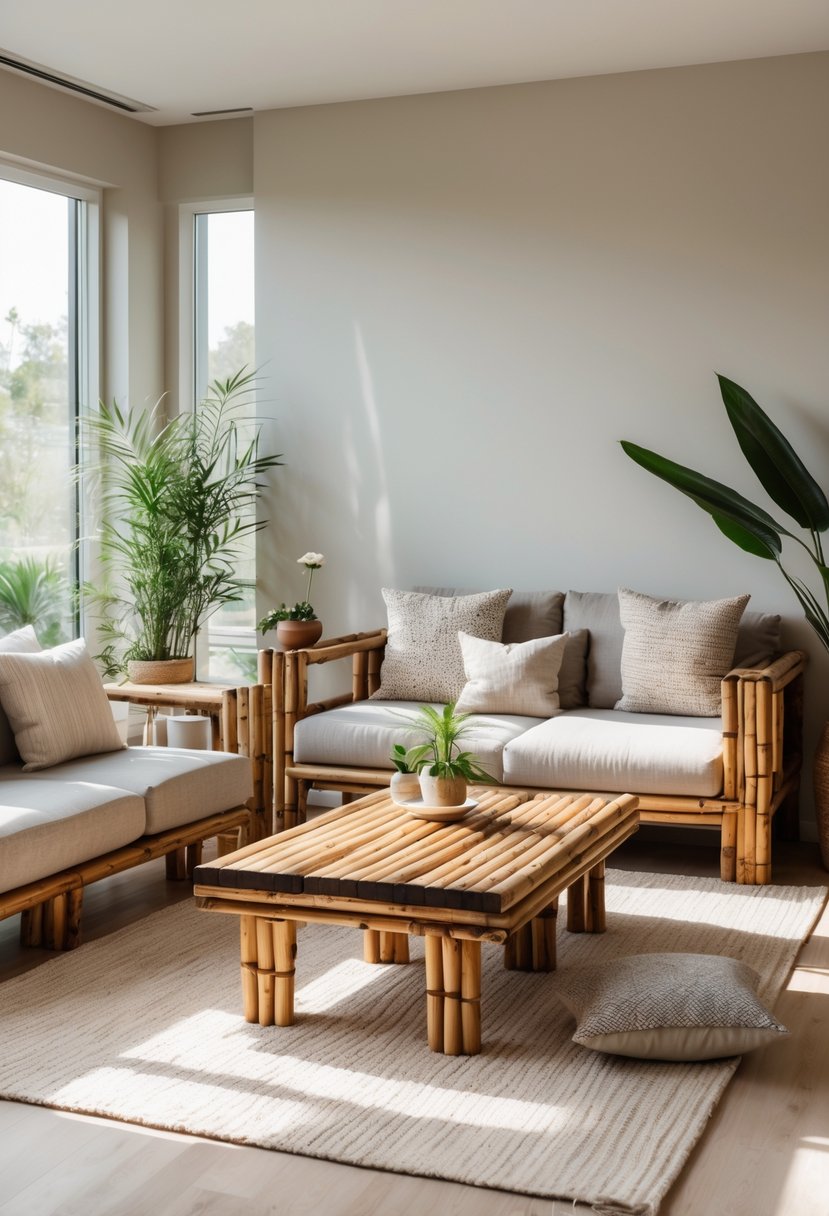
Designers in 2026 favor natural and renewable materials like reclaimed wood, bamboo, and organic fabrics. These choices reduce waste and support healthier living spaces.
Many living rooms now include recycled or upcycled furniture. This approach gives older pieces new purpose while lowering environmental impact.
Energy-efficient finishes and low-VOC paints also help create safer indoor air quality.
Earthy Tones Palette
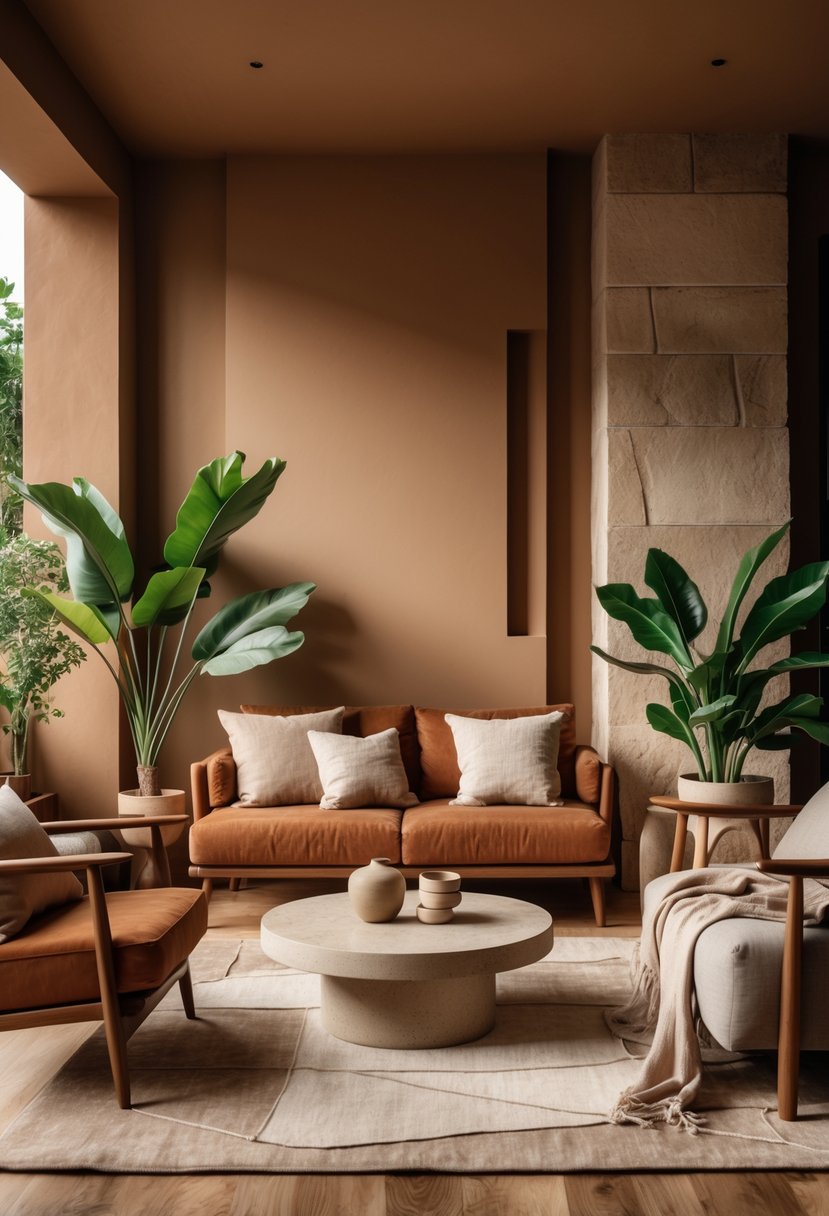
In 2026, living rooms feature a strong focus on earthy tones. Designers highlight shades like terracotta, olive, and warm browns to create a grounded look.
These colors work well with natural textures such as wood, stone, and linen. They bring a calm, balanced feeling to modern spaces.
Soft greens and muted neutrals also appear in many palettes. Together, they add warmth without overwhelming the room.
Vintage & Retro Accents
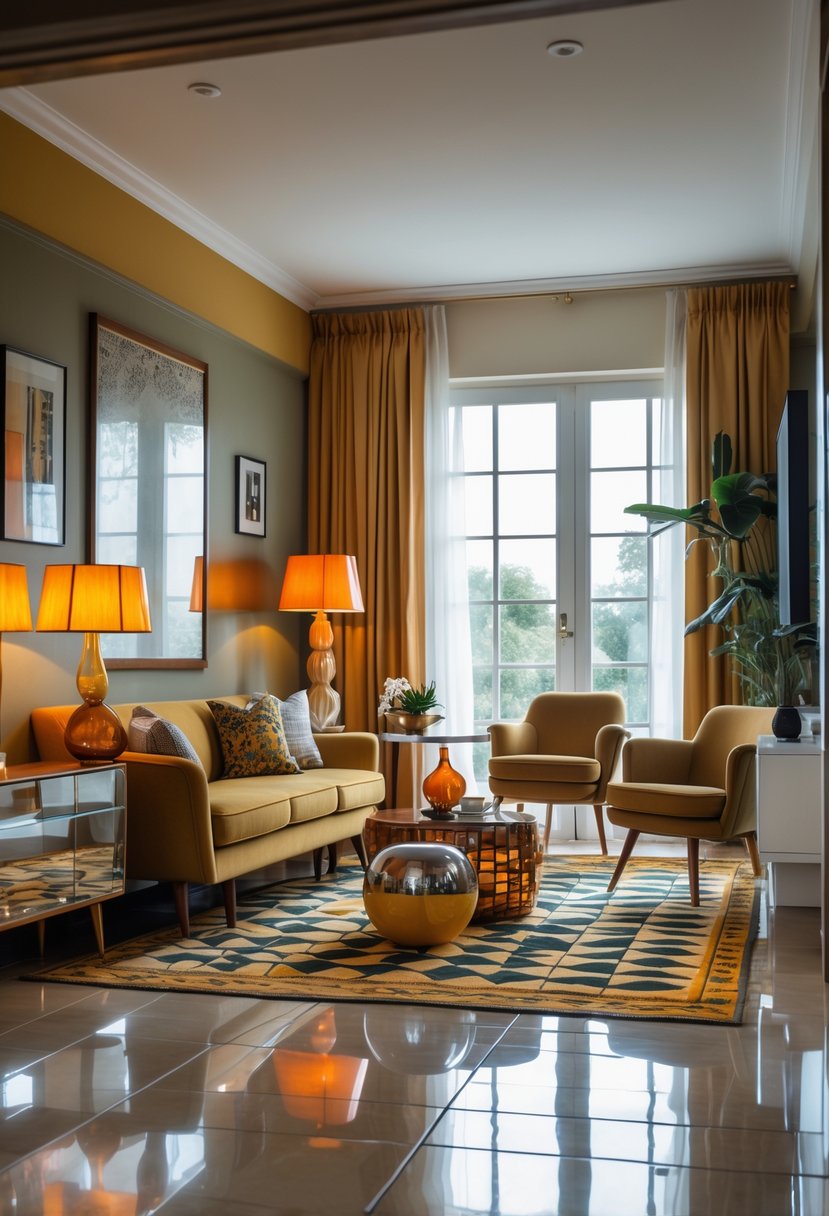
They bring back familiar shapes, colors, and textures from past decades. Small touches like patterned rugs, retro lamps, or mid-century chairs add character without overwhelming the room.
Mirrored furniture, porcelain tile, and 70s-inspired details also appear in 2026 living rooms. These accents mix well with modern pieces to create balance.
Bold Lighting Fixtures
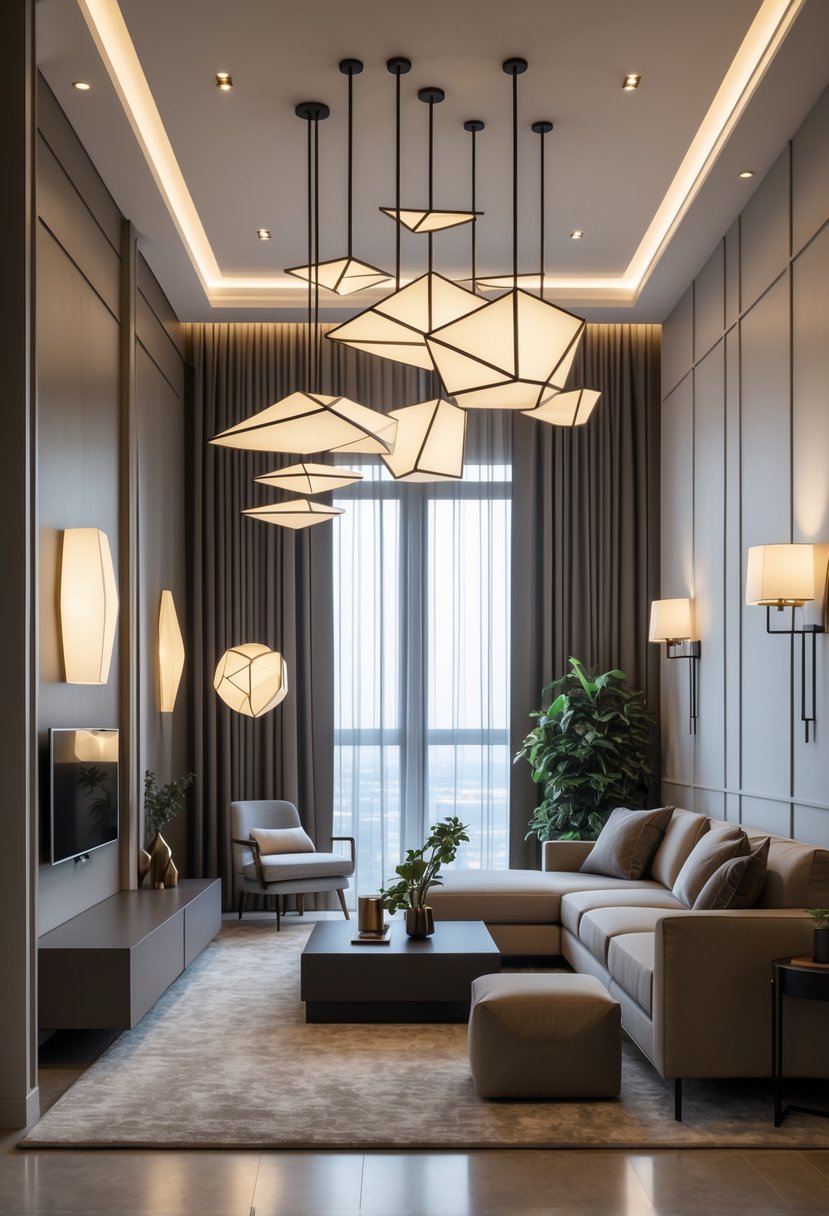
In 2026, living rooms feature lighting as a central design element. Large sculptural fixtures and geometric shapes replace smaller, hidden lights.
Designers favor layered setups with pendants, sconces, and dimmable options. These choices create flexible lighting that works for both daily use and entertaining.
Curved Sofas
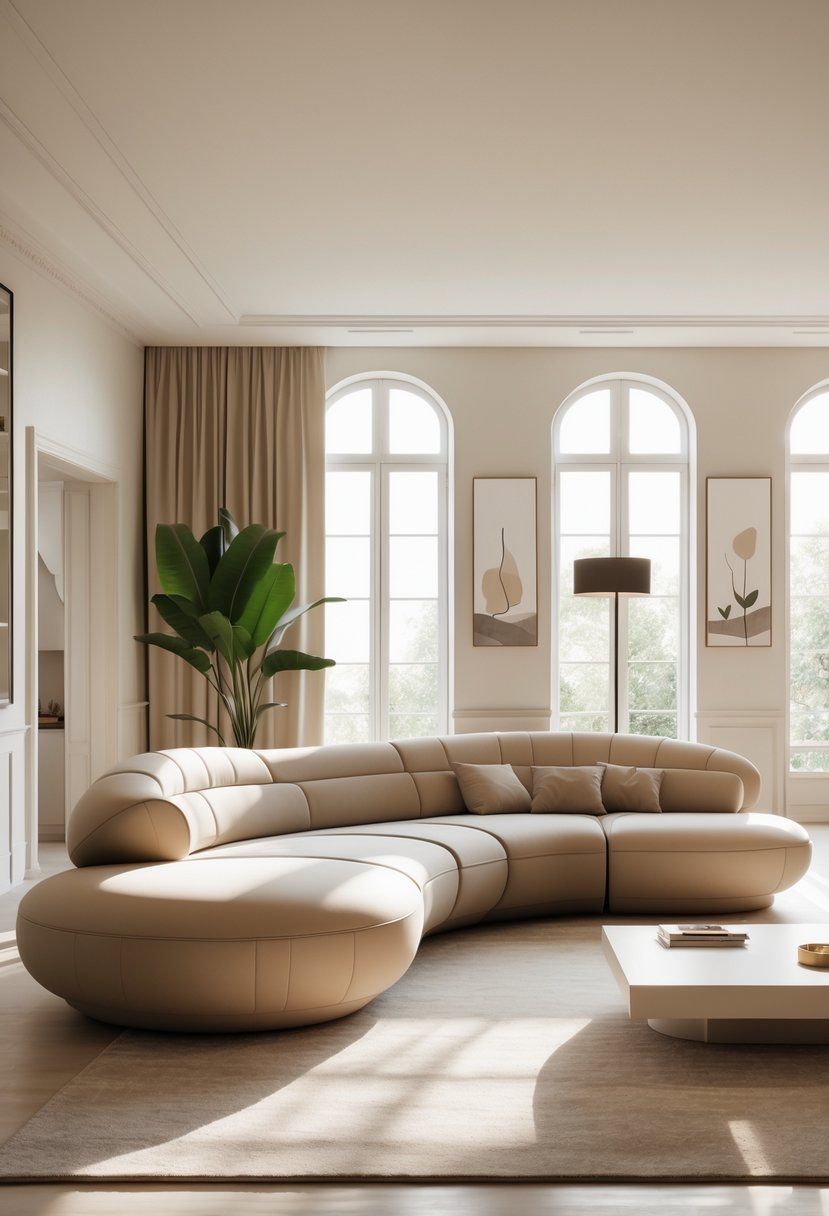
Curved sofas continue to appear in living rooms as a key furniture trend for 2026. Their rounded shapes soften the layout and create a more natural flow in the space.
Designers note that these sofas can make seating areas feel more inviting. They also pair well with both modern and classic interiors.
Vibrant Maximalism
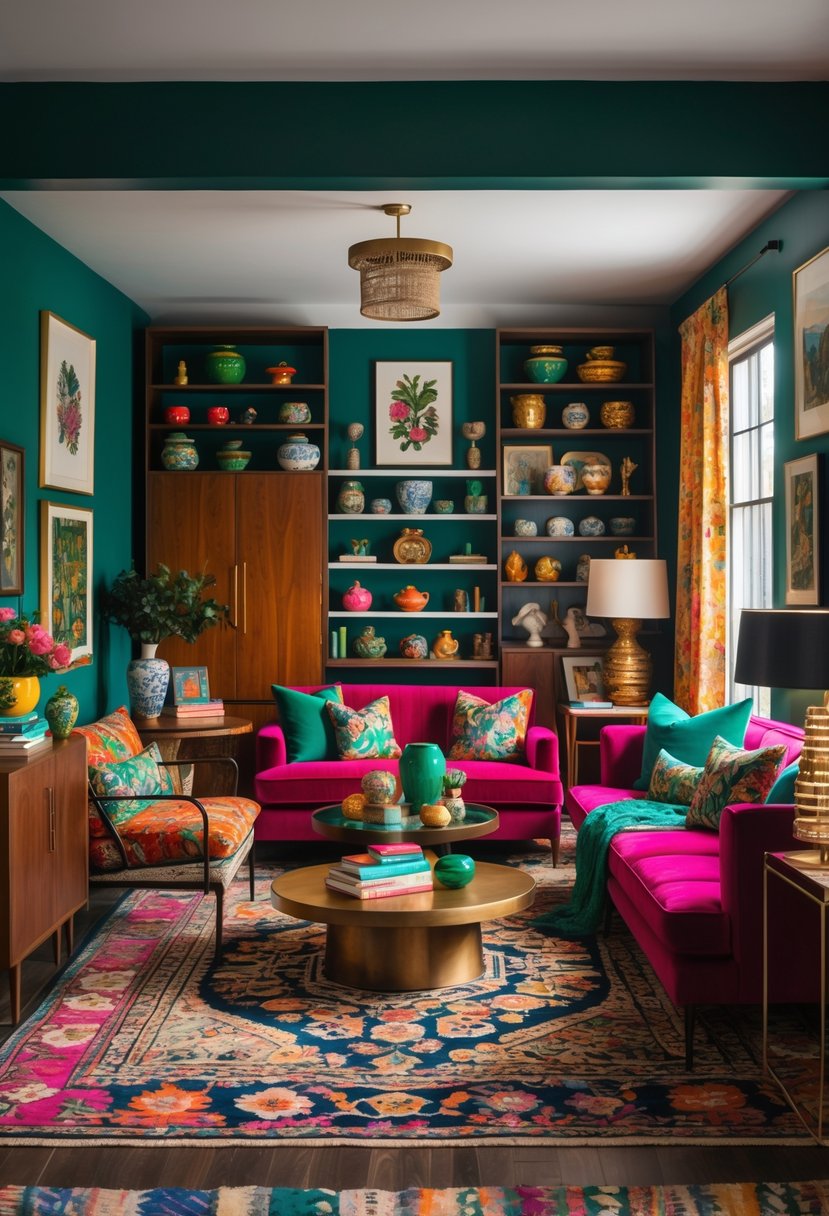
Maximalism in 2026 highlights bold colors, layered textures, and personal collections. It moves away from minimal spaces and embraces variety.
Designers use patterned fabrics, rich tones, and statement furniture to create depth. Each piece adds character without following strict rules.
This approach encourages mixing styles, from vintage finds to modern accents. It reflects individuality while keeping the room inviting.
Comfort-First Seating
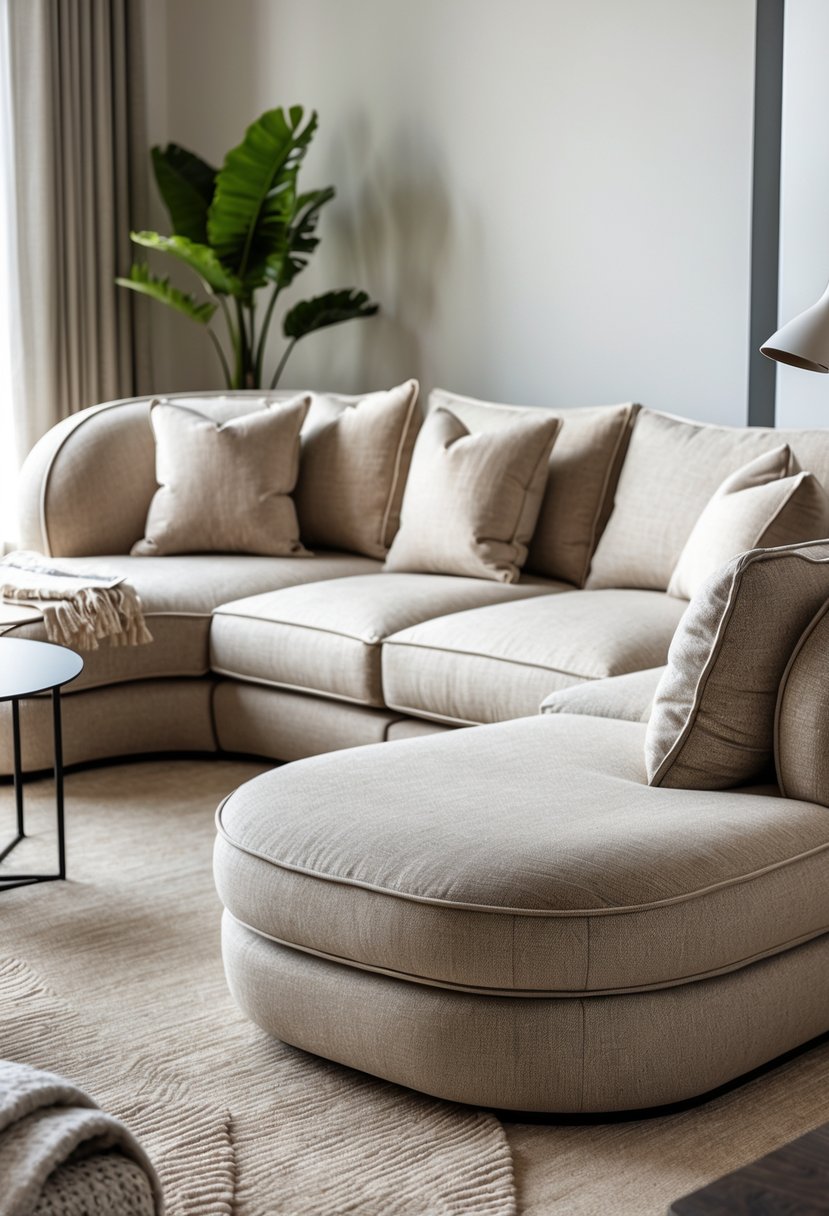
In 2026, living rooms highlight seating that puts comfort first. Sofas and chairs use deeper cushions and softer fabrics to support everyday use.
Designers favor curved shapes and textured upholstery. These details make seating more inviting without losing modern style.
Sectionals remain popular as they fit both small and large spaces. They give flexibility for family gatherings or quiet relaxation.
Art Deco Elements
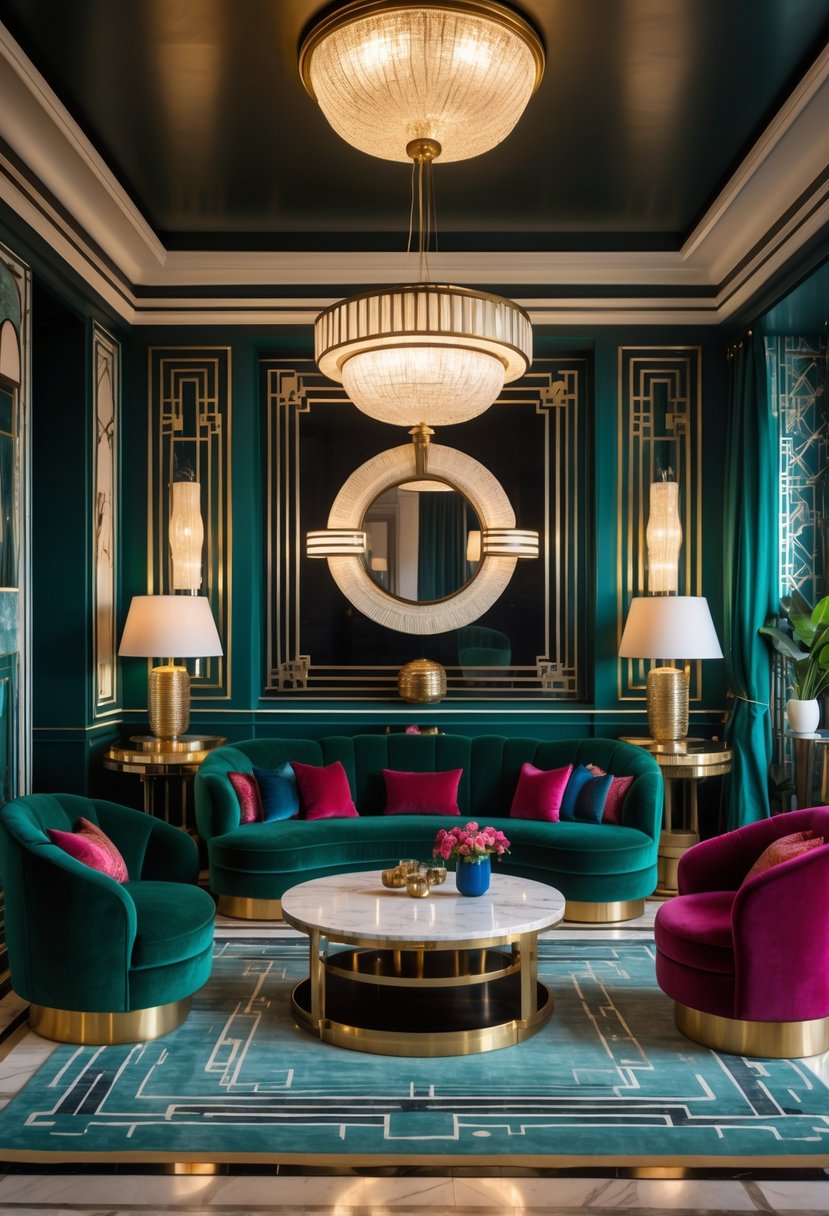
Art Deco brings geometric patterns, bold lines, and rich materials into the living room.
Designers use jewel tones, velvet, marble, and metallic finishes to highlight this style.
Curved furniture and statement lighting also reflect Art Deco influences while keeping the space functional.
Color-blocked Browns
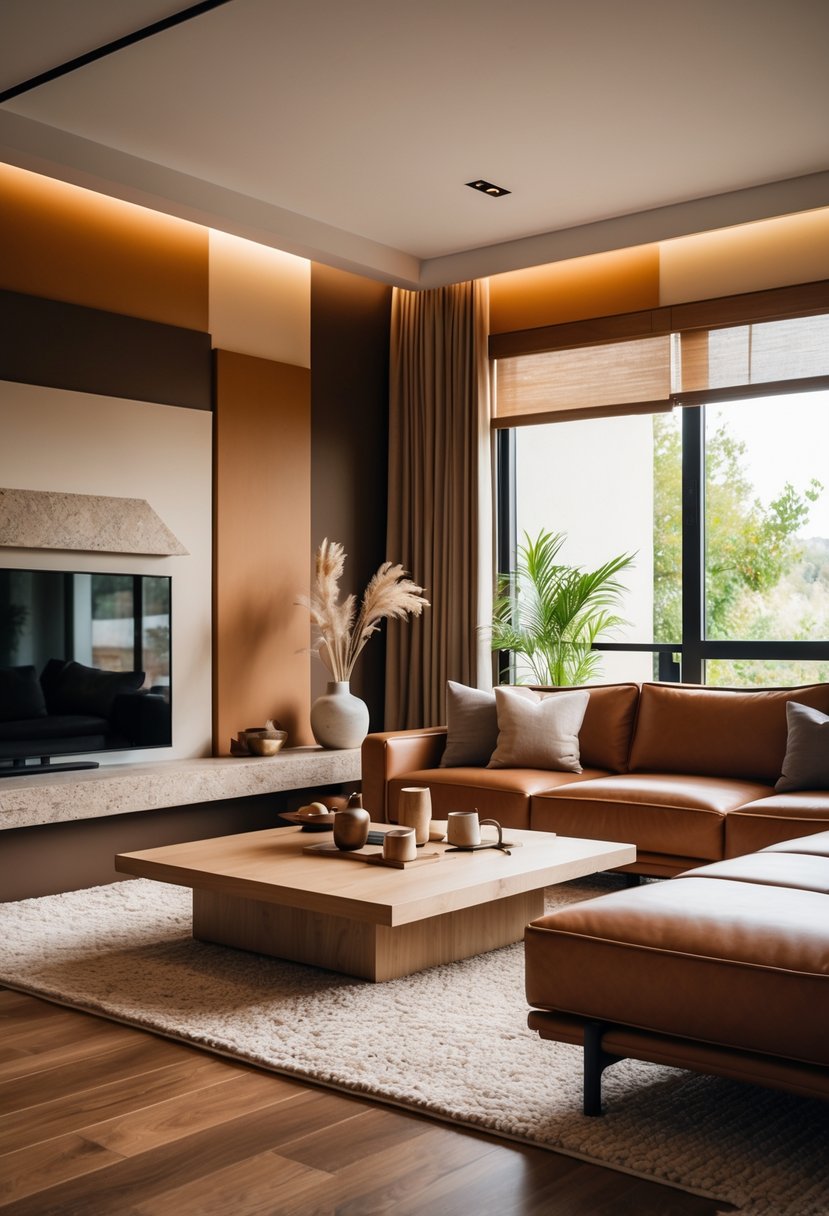
Designers highlight brown as a leading shade in 2026 living rooms. It appears in layered tones, from caramel to deep chocolate.
Color-blocking brings contrast without harsh edges. Pairing lighter and darker browns creates depth while keeping the palette warm.
This approach works with natural textures like wood, leather, and stone. It adds structure without overwhelming the space.
Metallic Finishes
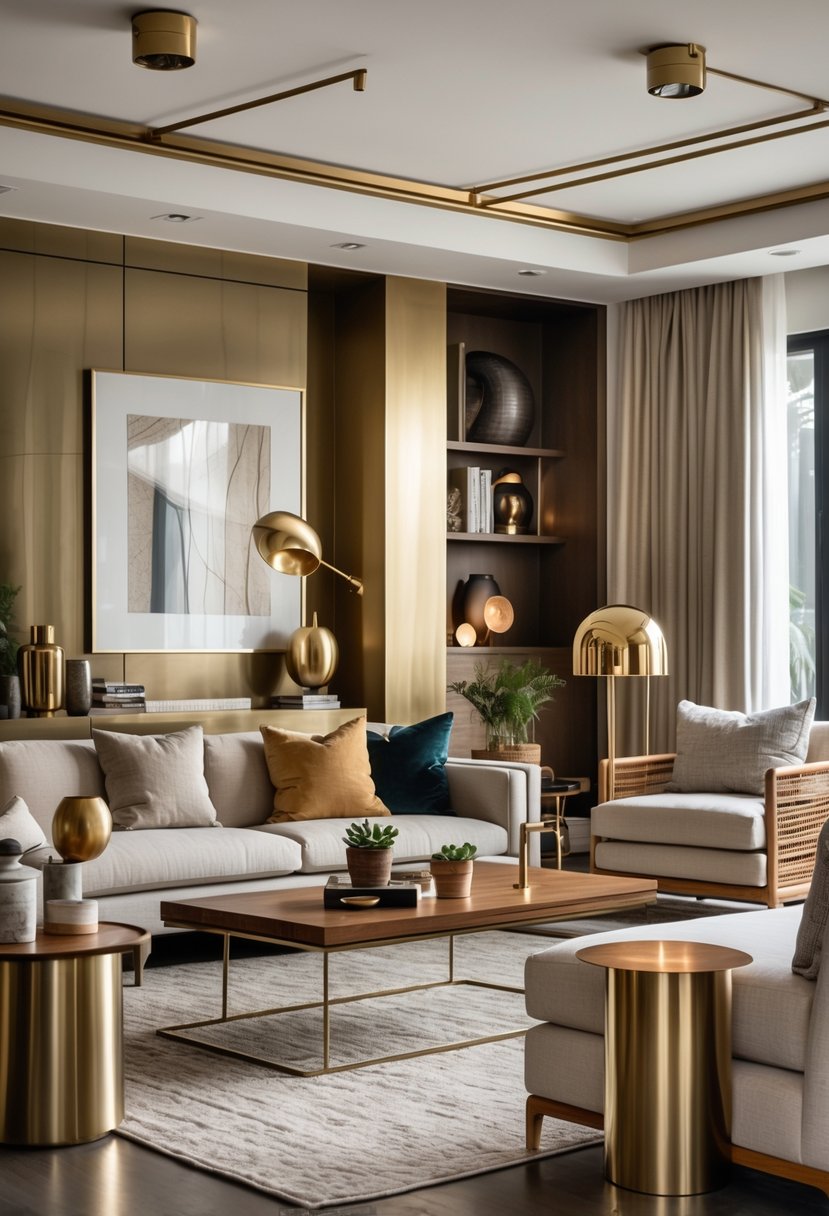
Designers continue to use metallic finishes to bring depth and contrast to living rooms. Brass, chrome, and bronze remain popular choices for accents.
Mixing metals creates a layered look that feels modern yet balanced. Subtle finishes, like brushed brass or matte steel, work well with warm neutrals and natural textures.
Darker Wood Furniture
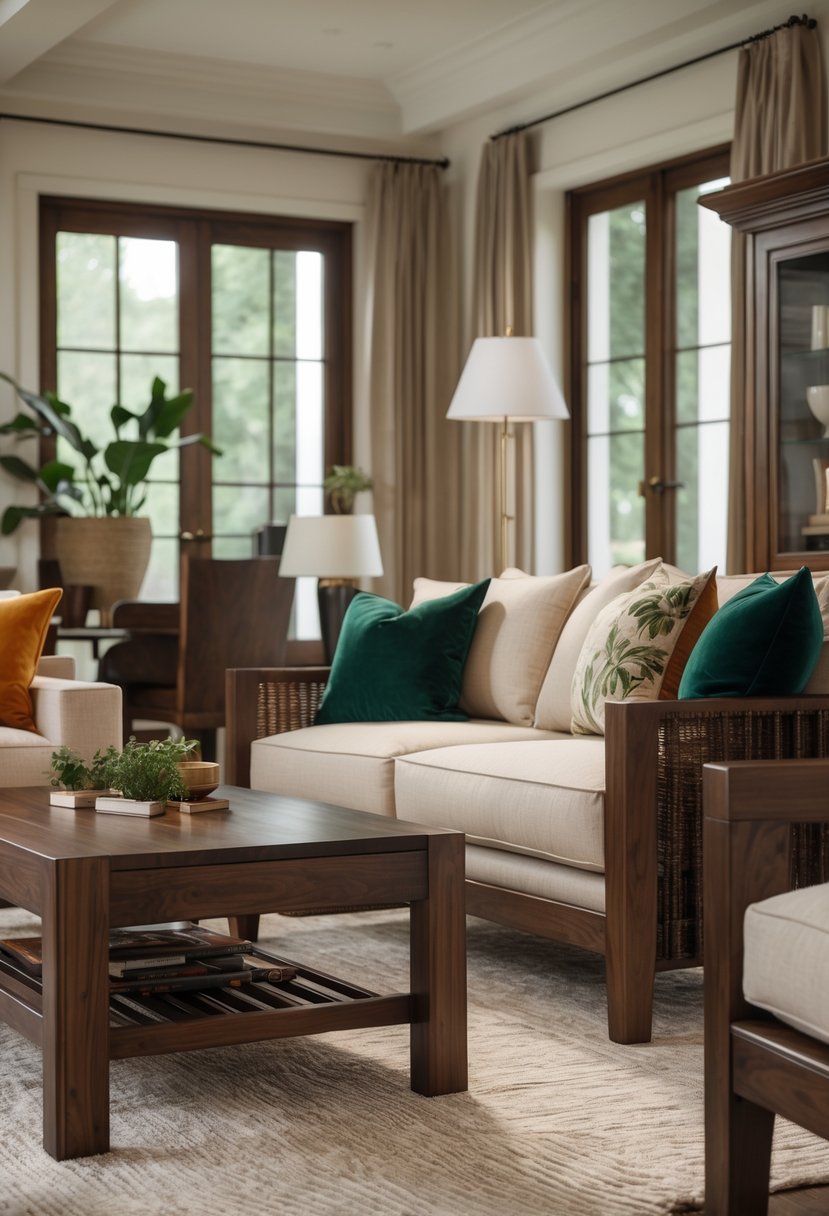
Darker wood furniture adds depth and warmth to living rooms in 2026. It pairs well with both modern and traditional styles.
Many designs feature walnut, oak, or mahogany finishes. These woods create a grounded look that balances lighter walls and textiles.
They also work with neutral palettes and bold accent colors, making them versatile choices.
Custom Seating with Bold Accents
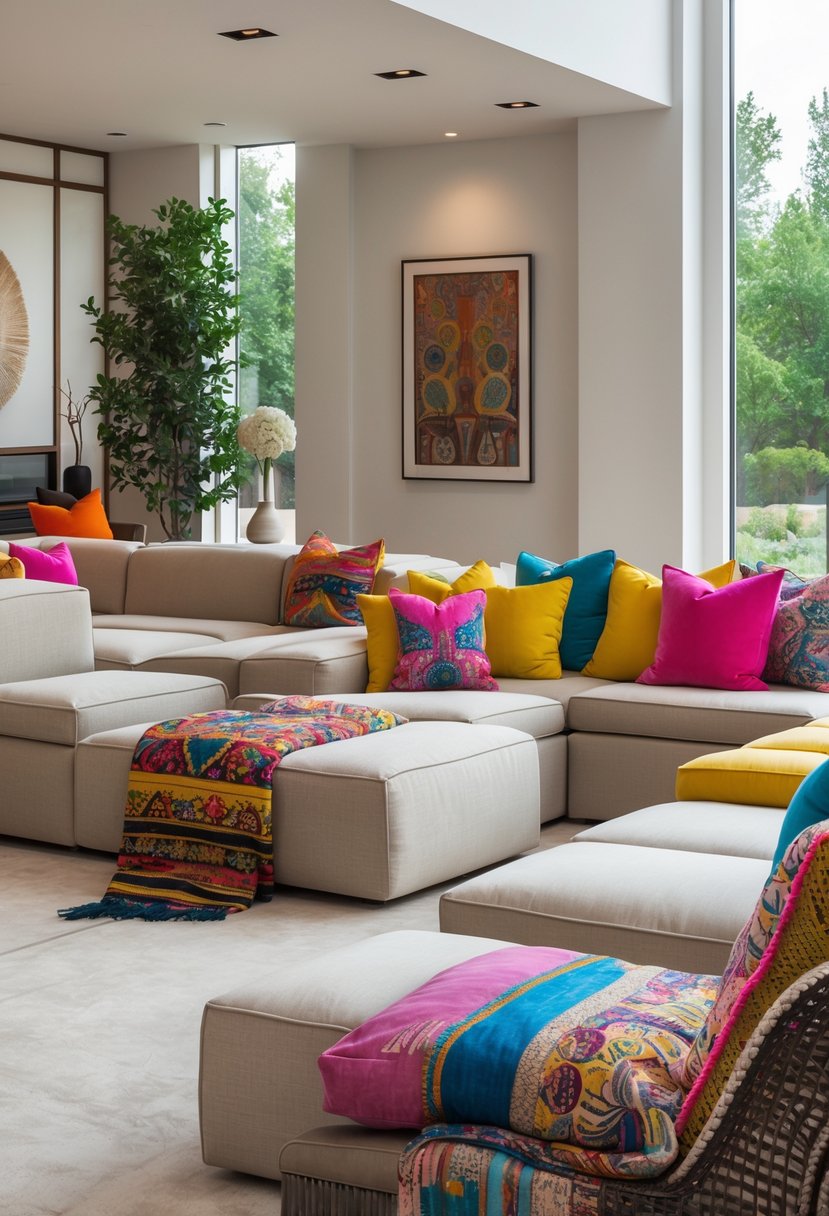
In 2026, living rooms highlight custom seating designed to fit specific layouts and needs. Built-in benches, modular sofas, and tailored sectionals create flexible arrangements.
Bold accents balance these pieces with color and texture. Bright cushions, patterned throws, or sculptural side chairs add contrast without overwhelming the space.
Laid-Back Style
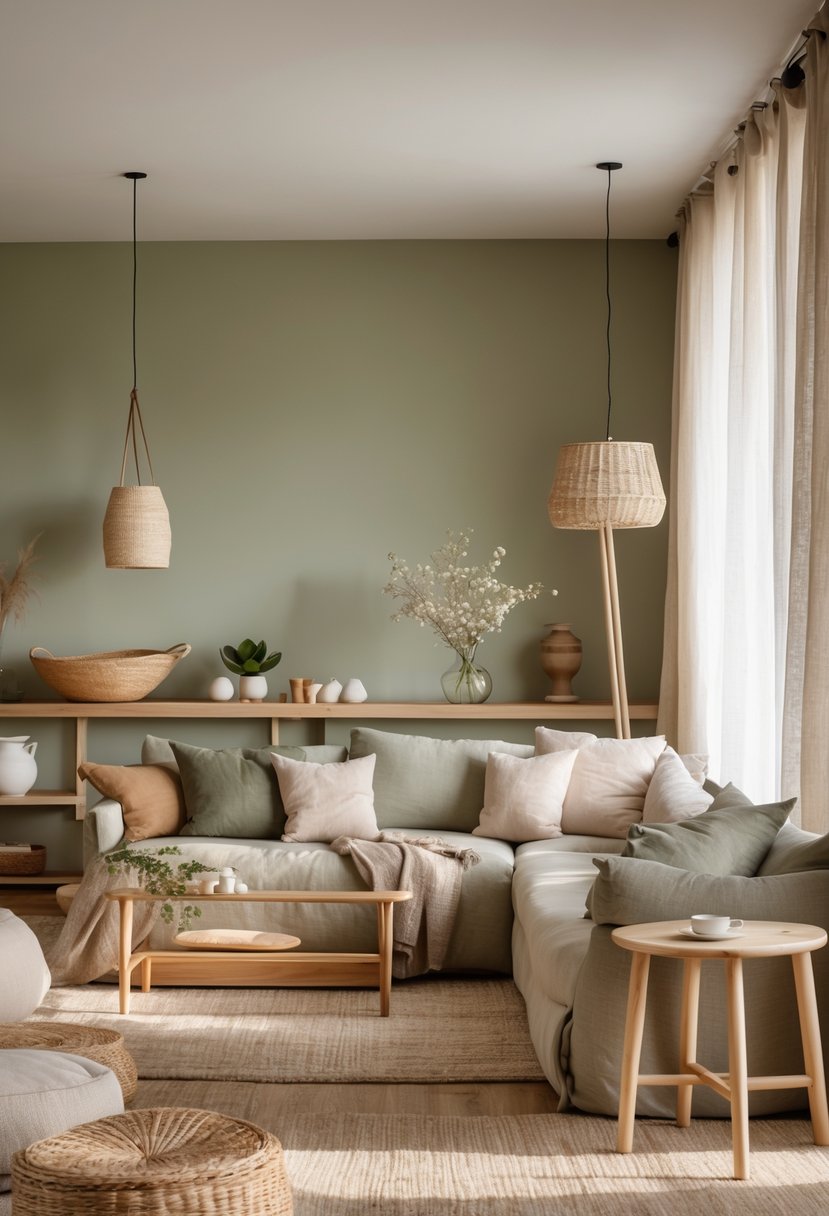
This style uses soft textures, warm neutrals, and simple furniture to create a calm mood.
Designers often pair earthy tones like sage or caramel with natural materials such as wood or linen.
The look avoids clutter, focusing on comfort and spaces that feel easy to live in.
Patterned Rugs and Fabrics
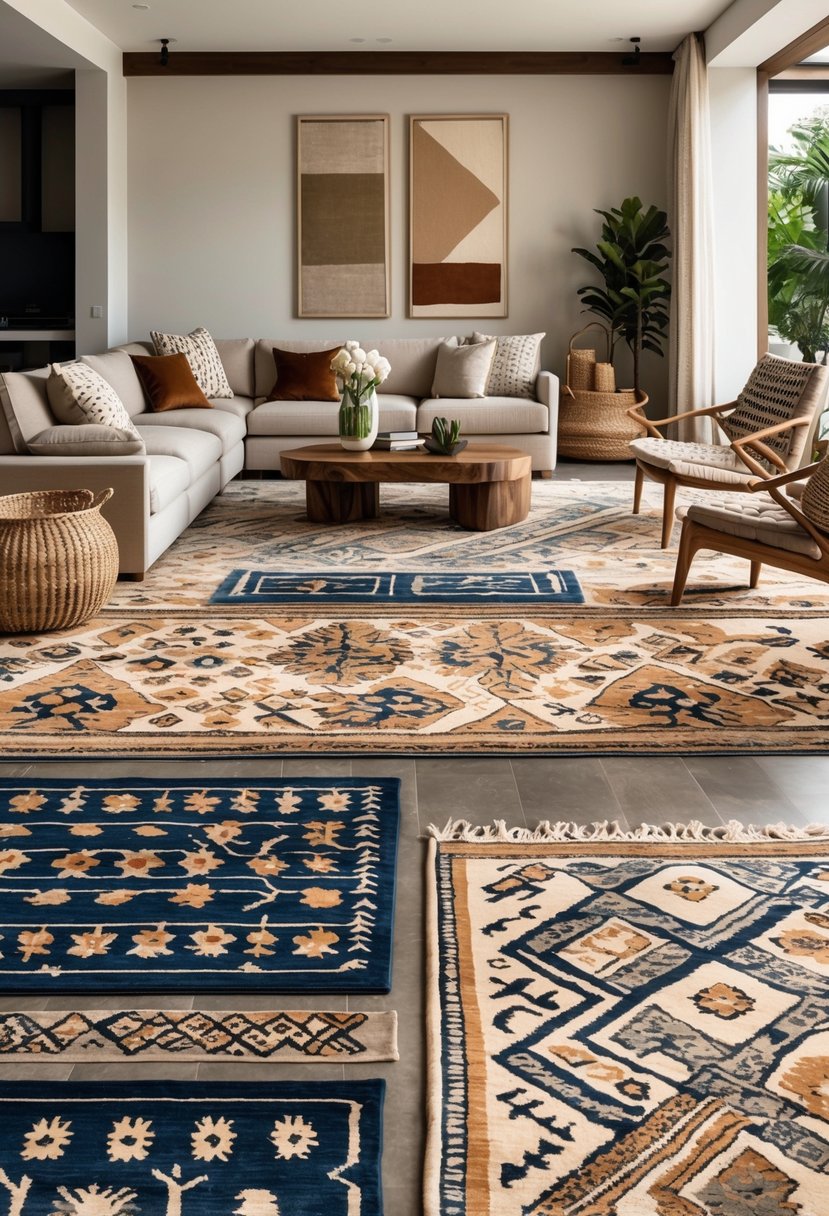
Patterned rugs and fabrics appear more often in 2026 living rooms. Designers use them to add visual interest without overwhelming the space.
Geometric prints, florals, and textured weaves give depth to seating areas. These patterns work well with neutral walls and natural materials.
Layering rugs with different designs helps define zones in open layouts. This approach keeps the room balanced while adding character.
Desert Retreat Theme
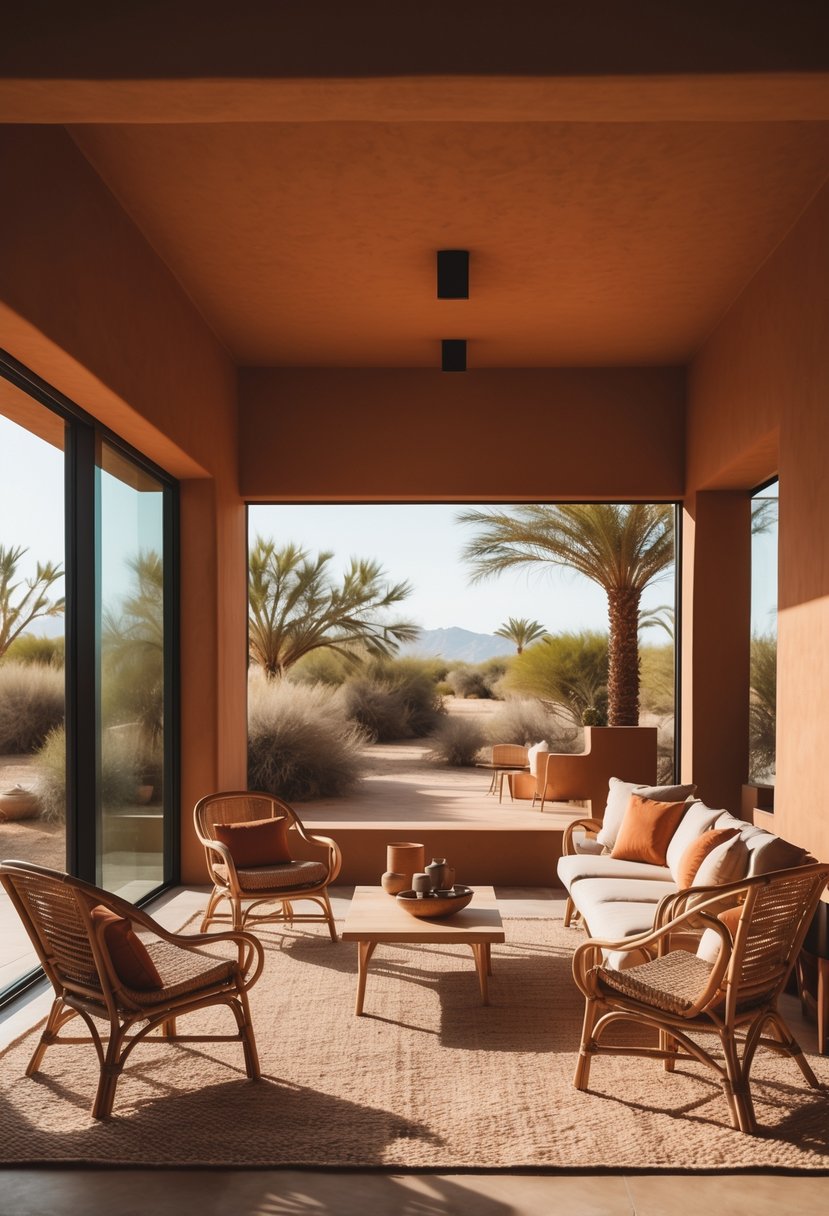
This style uses warm earthy tones like terracotta, sand, and rust to create a calm setting.
Natural textures such as rattan, woven fabrics, and wood add depth without clutter.
Large windows and simple furniture keep the space open while reflecting the desert’s natural light.
Hard-Meets-Soft Textures
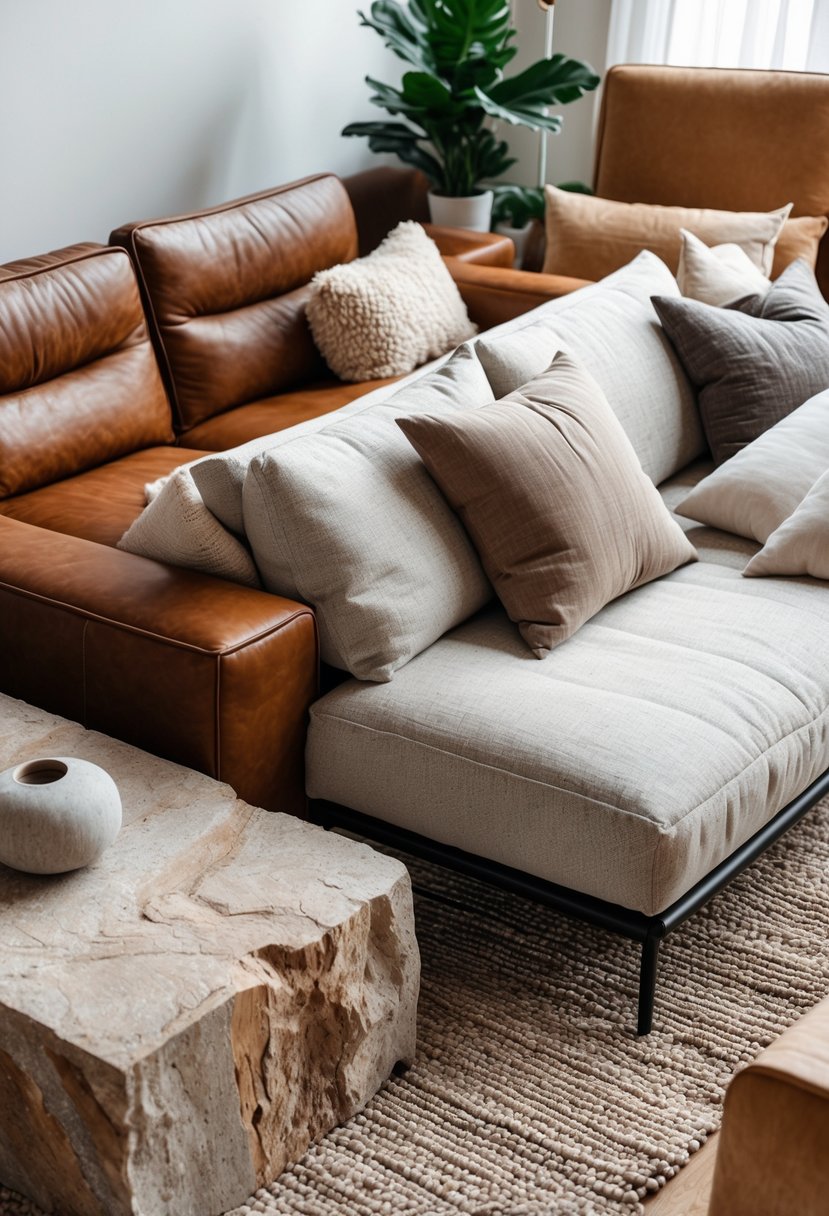
Designers in 2026 pair sturdy materials like stone, wood, and metal with softer textiles.
A leather sofa might sit beside a wool rug, or a stone coffee table may be balanced with linen cushions.
This mix creates contrast while keeping the space comfortable and functional.
Open Floor Plans
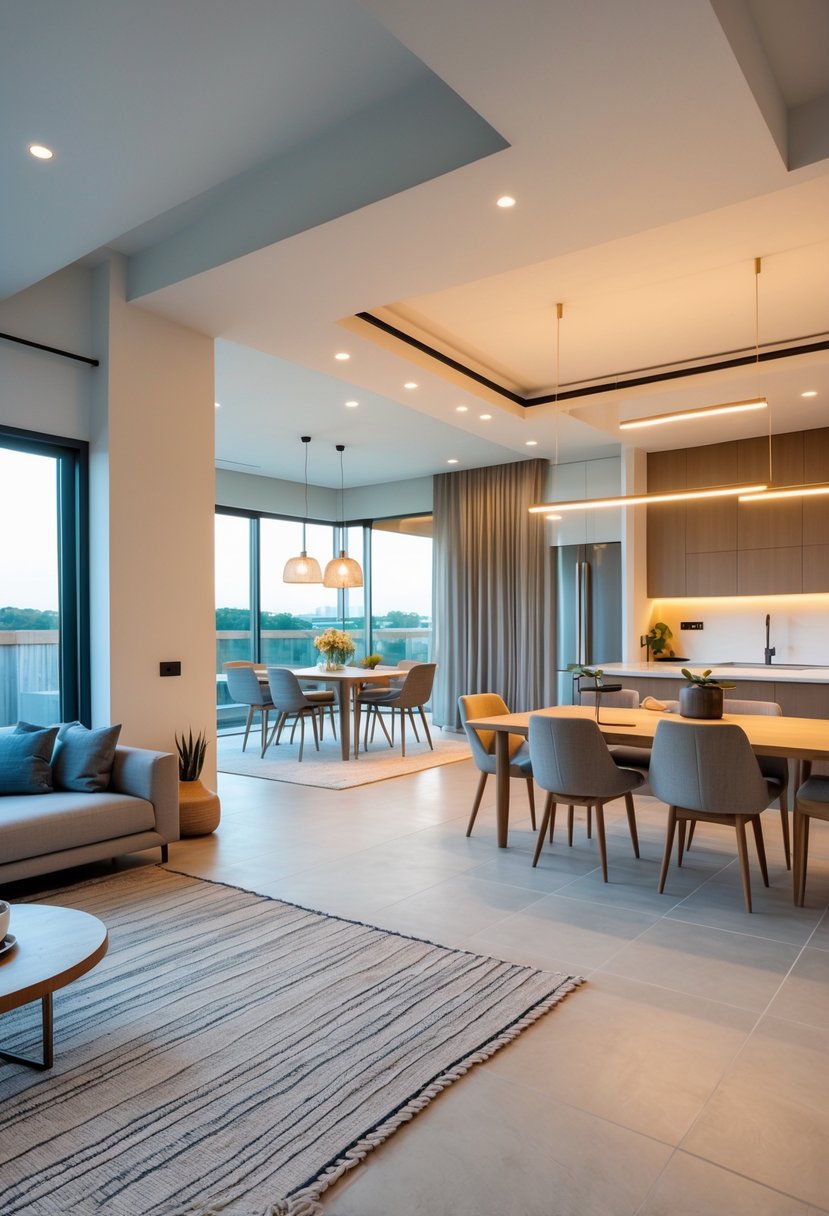
Open floor plans in 2026 highlight flexible layouts that connect living, dining, and kitchen areas. They make spaces feel larger and more practical.
Designers often use rugs, lighting, and furniture placement to define zones. This approach helps maintain flow while still giving each area its own purpose.
Natural Fiber Textiles
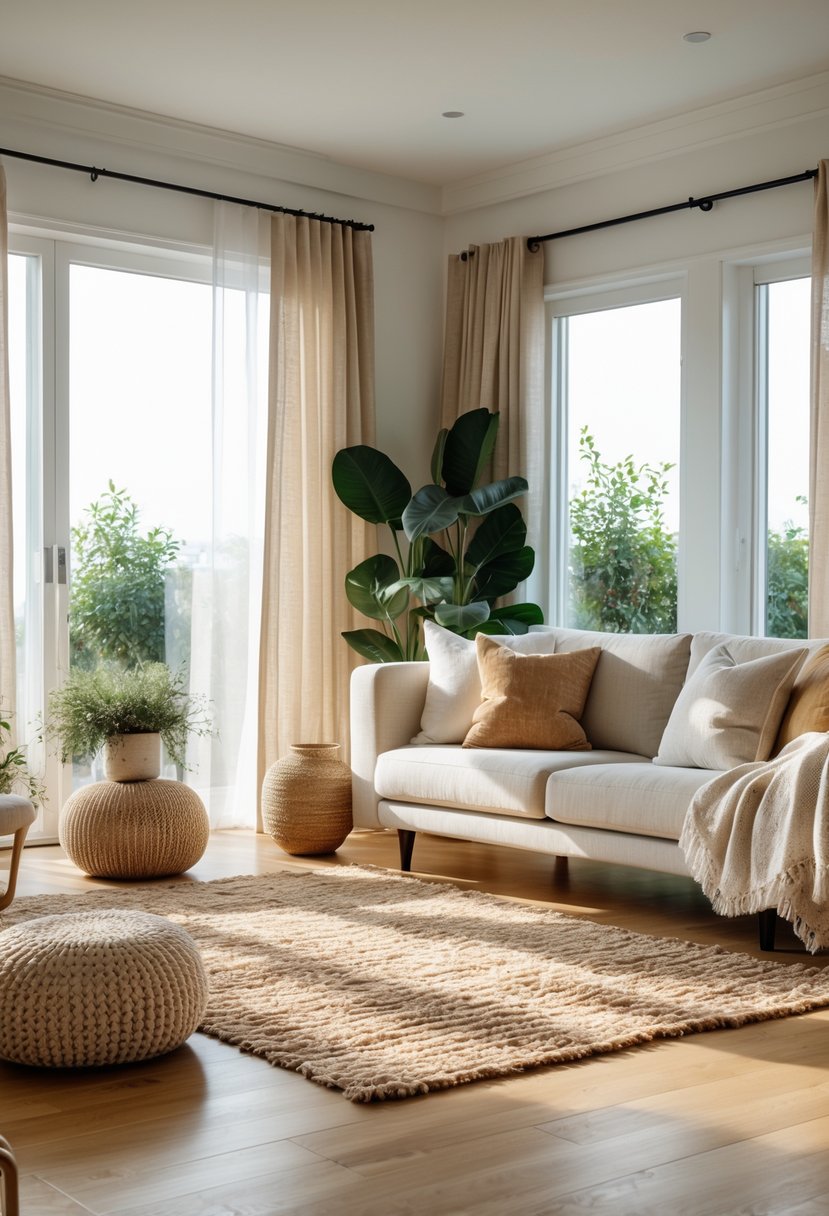
In 2026, living rooms highlight natural fiber textiles for comfort and sustainability.
Materials like cotton, wool, and linen appear in upholstery, rugs, and curtains.
These fabrics bring texture and warmth while supporting eco-friendly design choices.
Reeded and Fluted Surfaces
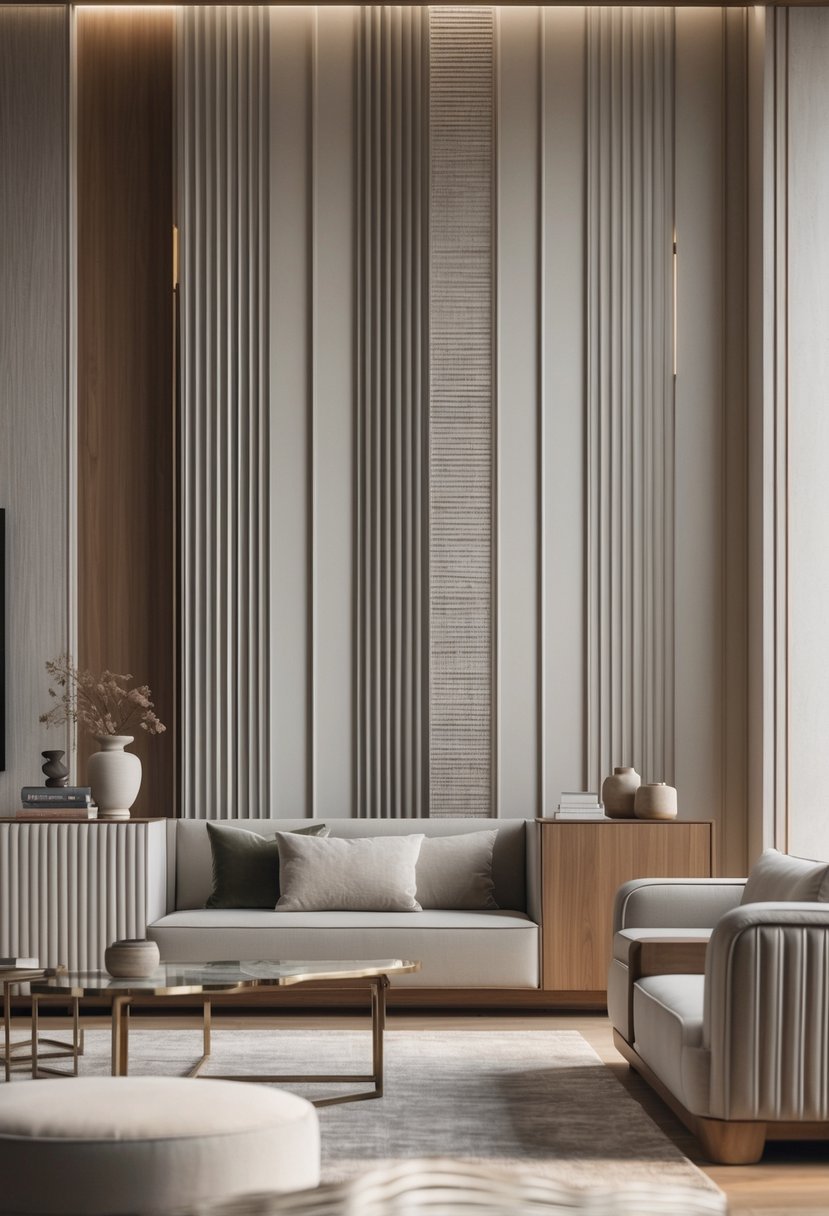
Reeded and fluted finishes add subtle texture to living room furniture and walls. They create depth without overwhelming a space.
Designers use these details on cabinets, coffee tables, and wall panels. The vertical lines bring structure and a clean look that fits both modern and traditional interiors.
Warm Neutral Colors
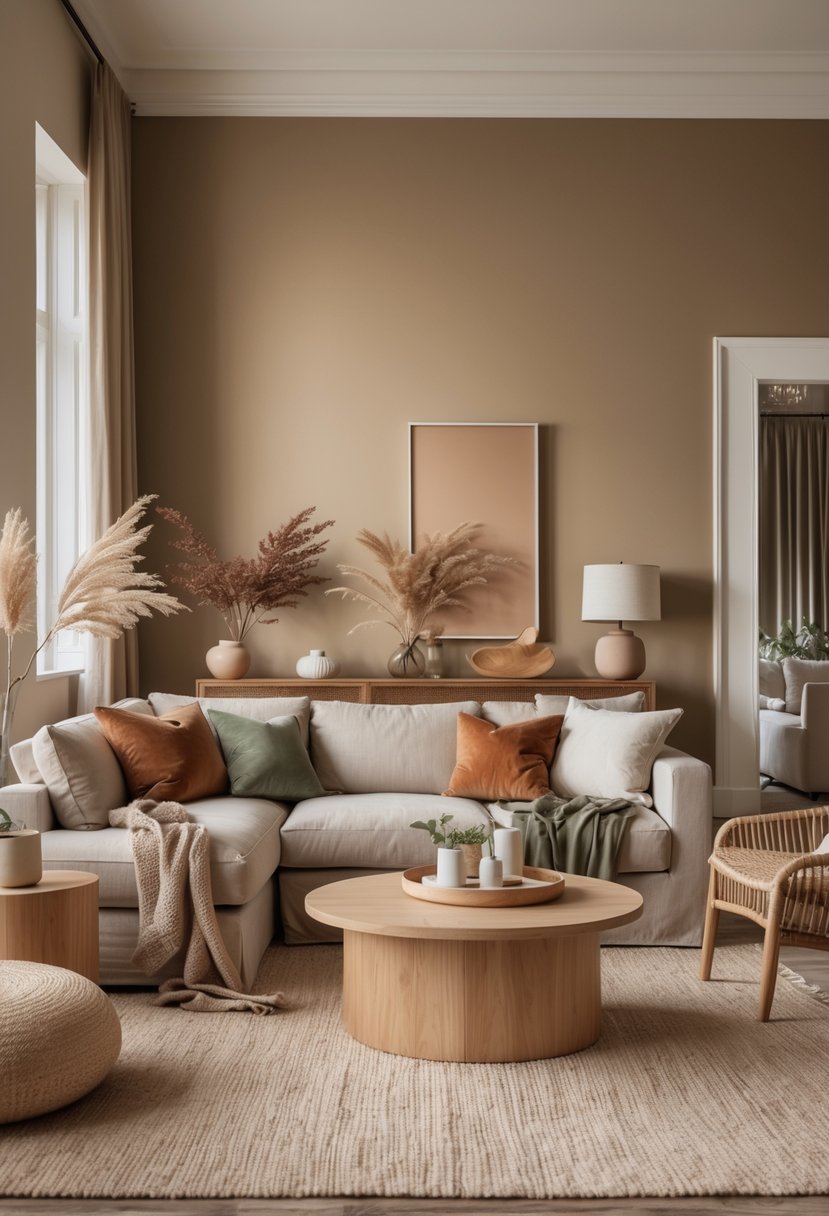
In 2026, designers highlight warm neutrals as a key choice for living rooms. Shades like beige, taupe, and soft brown create a balanced backdrop.
These tones pair well with natural textures such as wood or linen. They help a space feel calm without looking plain.
Warm neutrals also work with deeper colors like terracotta or green. This makes them flexible for both modern and classic interiors.
Muted Terracotta Shades
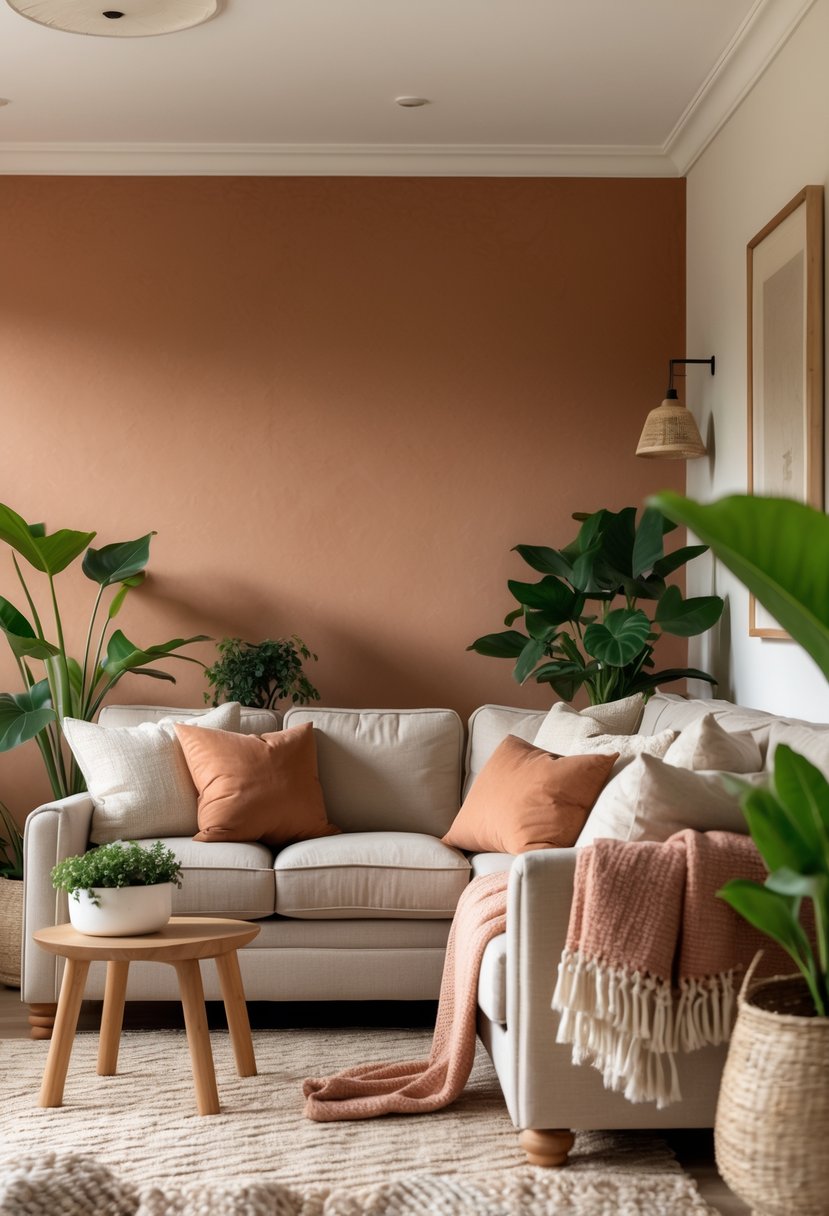
Muted terracotta brings a warm, earthy tone that feels grounded and natural. Designers note it pairs well with soft neutrals and greens.
This shade works in both modern and traditional spaces. It adds depth without overpowering the room.
Many use it on accent walls, furniture, or textiles for subtle impact.
Understanding the 2026 Living Room Aesthetic
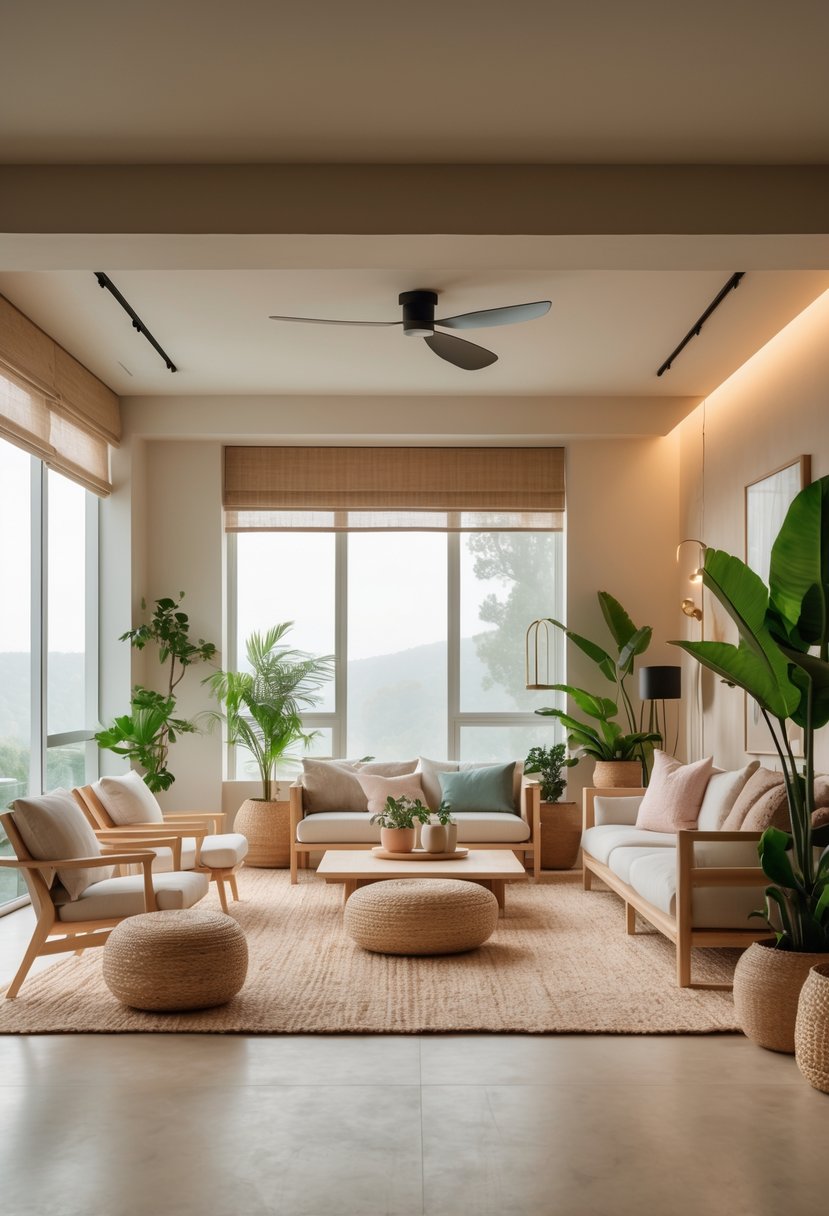
Living rooms in 2026 emphasize both comfort and functionality while reflecting natural influences and modern lifestyles. Materials, layouts, and color choices work together to create spaces that feel lived-in yet carefully designed.
Key Influences on 2026 Design Trends
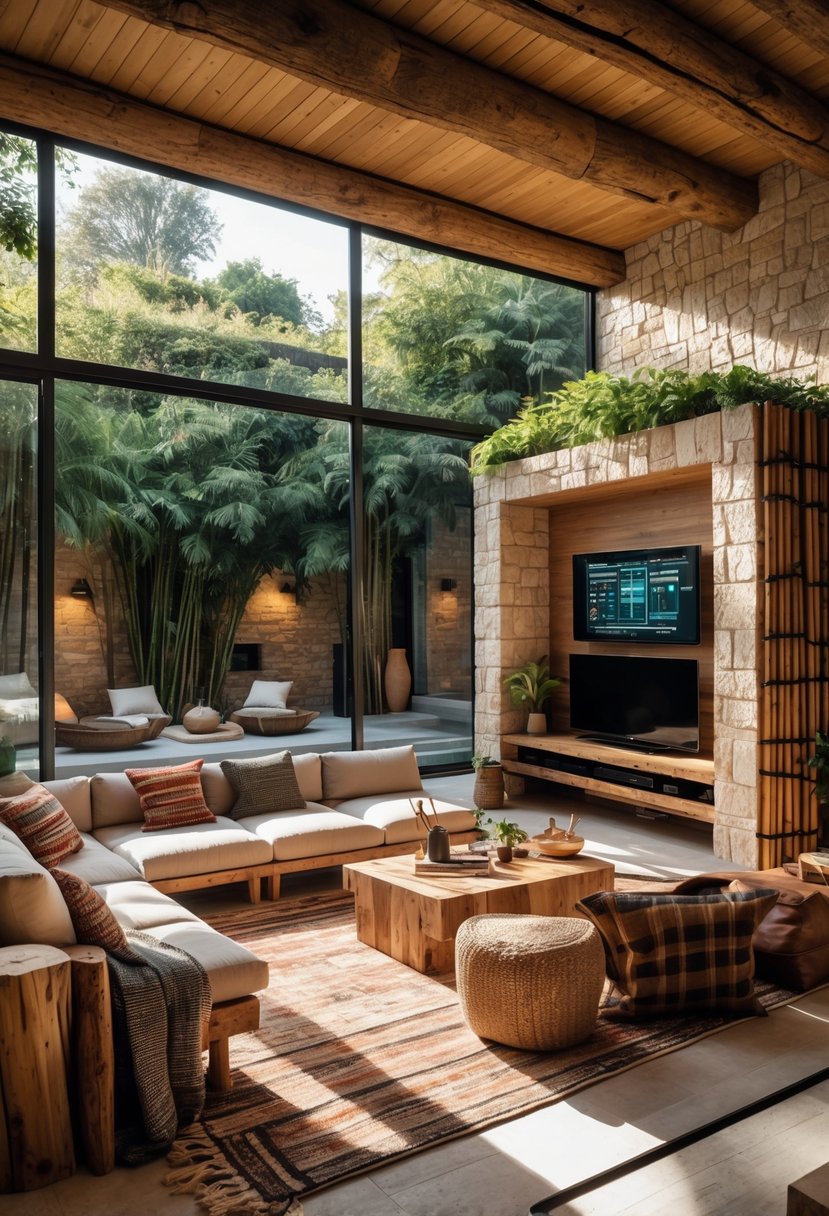
Designers in 2026 focus on how people actually use their living rooms. Instead of only aiming for polished, picture-perfect spaces, they design for flexibility, relaxation, and daily routines.
Sustainability plays a major role. Reclaimed wood, stone surfaces, and bamboo accents appear often, reflecting a shift toward eco-conscious living. Large windows and indoor greenery also highlight the connection between indoors and outdoors.
Technology shapes the aesthetic as well. Smart lighting, hidden charging stations, and adaptable furniture help rooms adjust to different needs, from work to entertainment.
Cultural references also influence design. Elements like plaid patterns, gaming-inspired layouts, and updated Tuscan details show how traditional and contemporary ideas blend.
Key features shaping the style include:
- Natural and reclaimed materials
- Multi-use furniture with built-in tech
- Large windows and indoor plants
- Patterns and motifs inspired by global culture
Color Palettes Shaping Modern Spaces
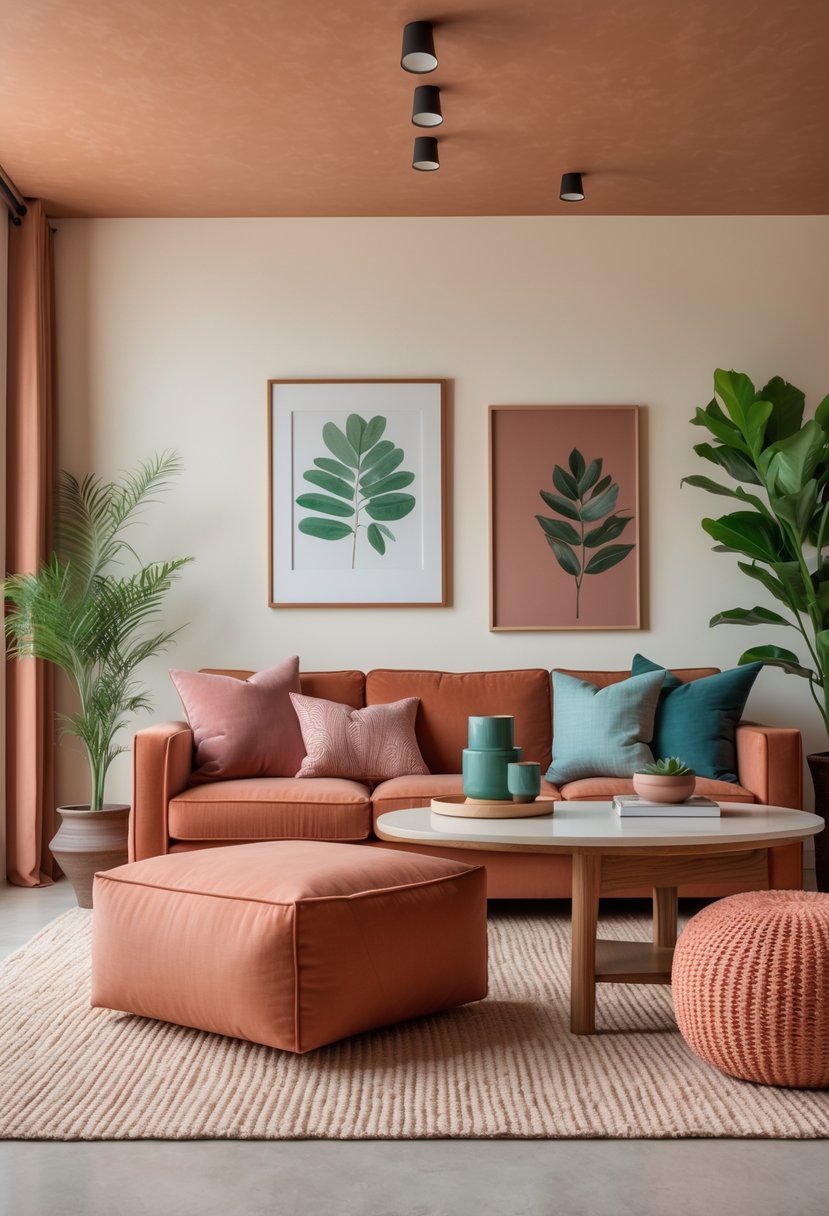
The 2026 living room color story balances warmth with freshness. Earth tones like terracotta, clay, and walnut wood continue to anchor interiors, offering stability and comfort.
Alongside these, muted greens and blue-greens bring a calming, nature-inspired feel. Coral and burgundy add depth, while mauve tones introduce a softer contrast. Cream emerges as a leading neutral, replacing stark whites with a warmer base.
Designers often pair these shades in layered combinations. For example, cream walls with walnut furniture and terracotta accents create a grounded look, while adding coral or green keeps the space lively.
Popular 2026 combinations include:
- Cream + Walnut + Terracotta
- Blue-green + Coral + Neutral beige
- Mauve + Burgundy + Soft cream
This palette reflects a move toward natural comfort while still allowing bold highlights that make a room feel current.
Expert Tips for Implementing 2026 Living Room Trends
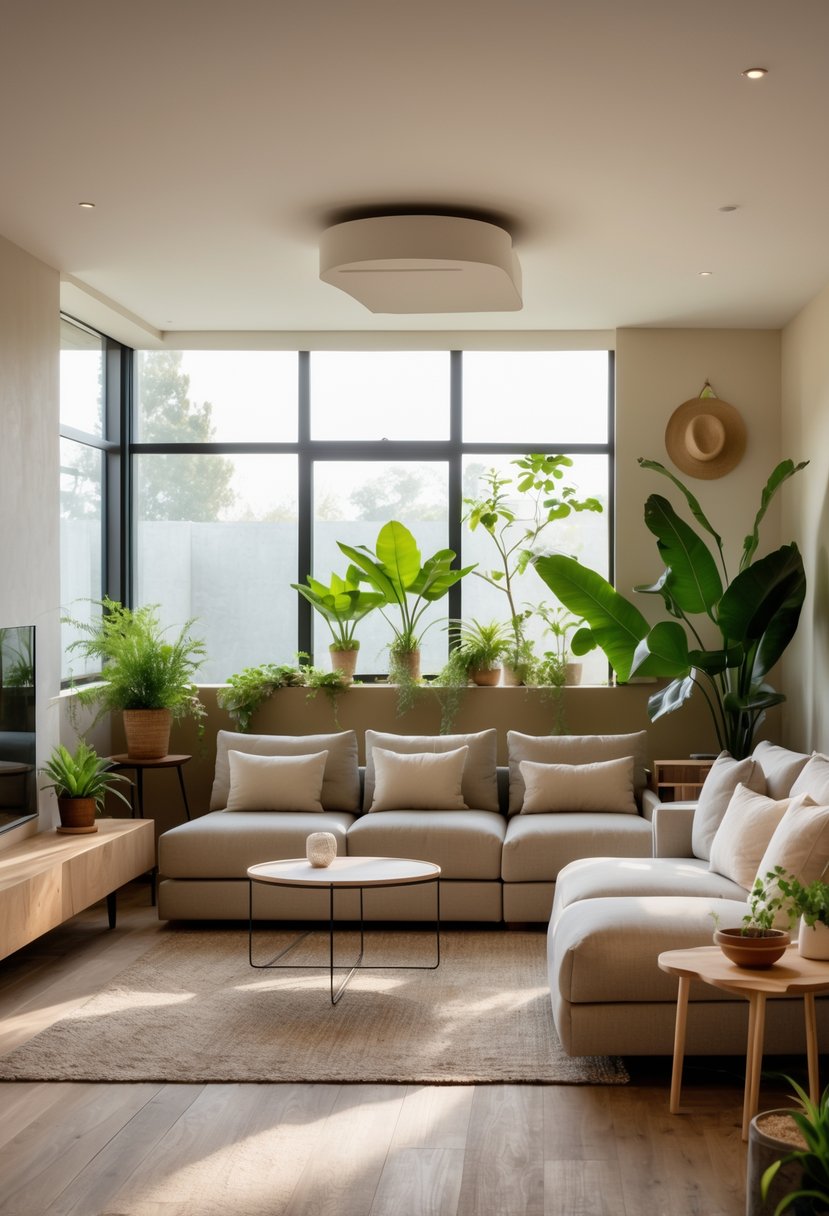
Designers recommend focusing on choices that keep the room practical while still reflecting current styles. Materials, layouts, and finishes should support everyday use, while also considering long-term value and environmental impact.
Balancing Style and Functionality
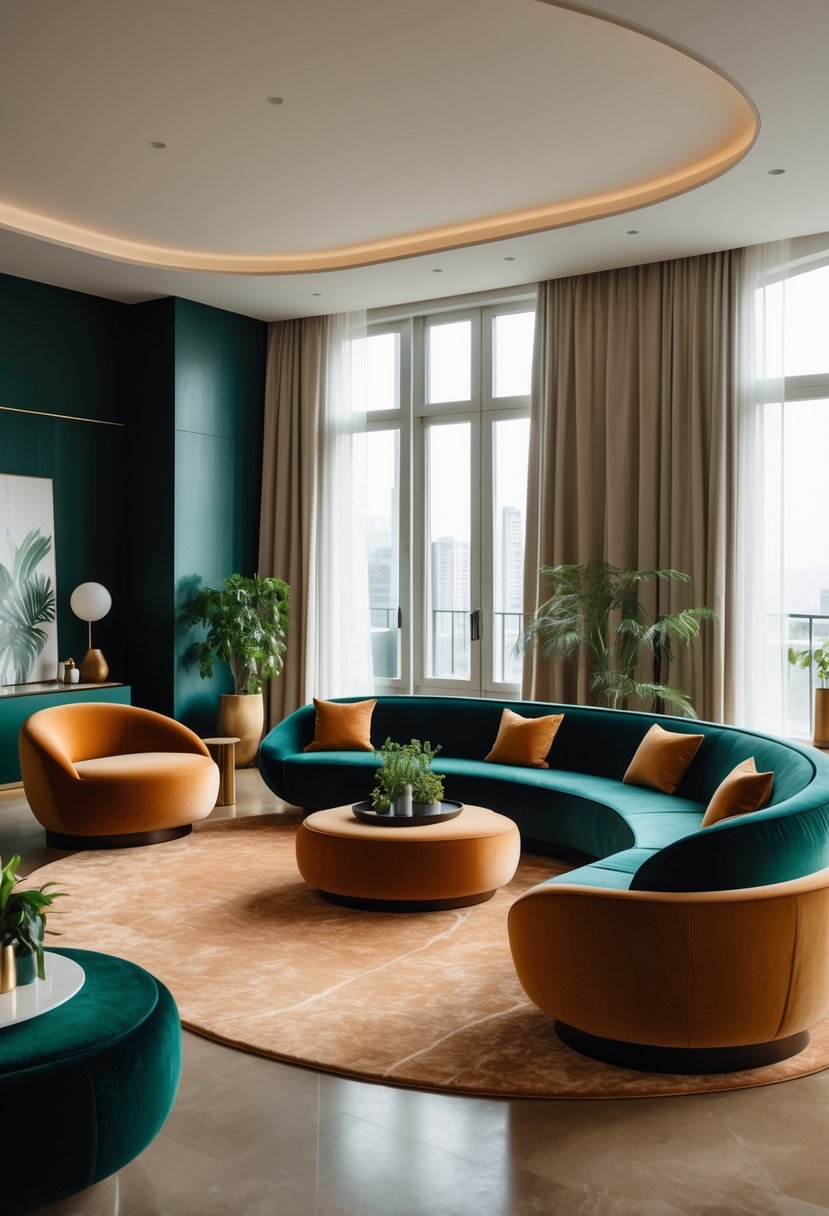
A living room should look current but also work for daily life. In 2026, curved seating, textured fabrics, and rich color palettes are common, but they must fit the size and flow of the room. Oversized furniture may overwhelm small spaces, while lighter pieces can create more flexibility.
Key tips include:
- Choose multi-functional furniture such as storage ottomans or modular sectionals.
- Use durable fabrics like performance upholstery for high-traffic areas.
- Place lighting in layers: overhead, task, and accent.
He or she should also think about traffic flow. A clear path between seating and entry points makes the space more comfortable. Adding a small reading nook or corner table can enhance function without cluttering the layout.
Sustainable Decor Choices
Eco-friendly design continues to gain importance. Many 2026 trends highlight natural materials such as wood, stone, and organic textiles. Choosing pieces made from recycled or responsibly sourced materials helps reduce environmental impact while still supporting a modern look.
Practical options include:
- Reclaimed wood tables instead of new mass-produced ones.
- Low-VOC paints in warm neutrals like terracotta or caramel.
- Natural fiber rugs such as jute or wool.
Energy efficiency also plays a role. LED lighting, smart thermostats, and large windows that maximize natural light lower energy use while creating a brighter, more inviting space. By combining these choices, homeowners can follow design trends without sacrificing sustainability.
For additional ideas from design experts, see these small living room ideas from Apartment Therapy.