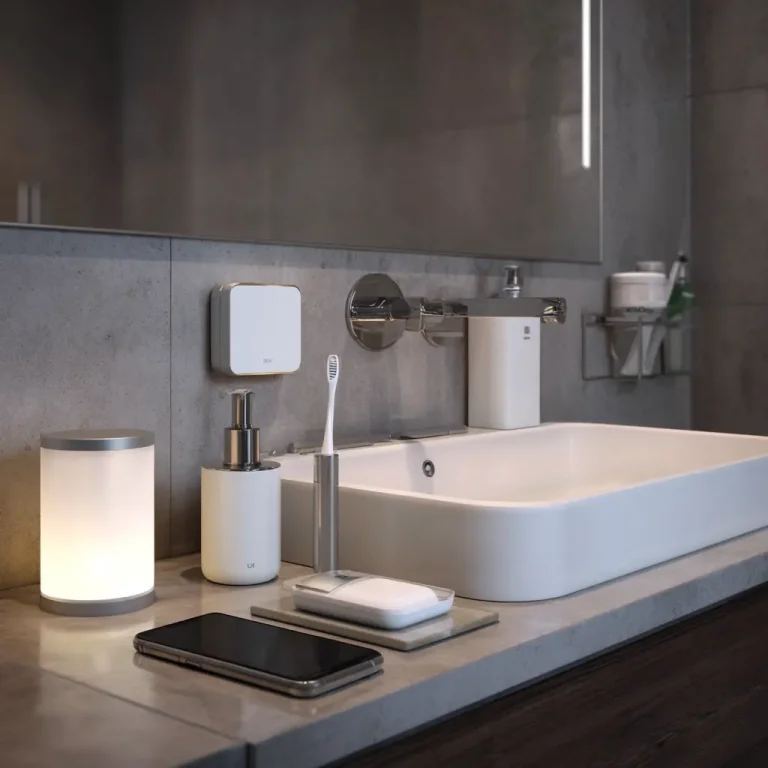
Laundry Room Makeover Ideas 2026: 24 Smart Ways to Refresh Your Space
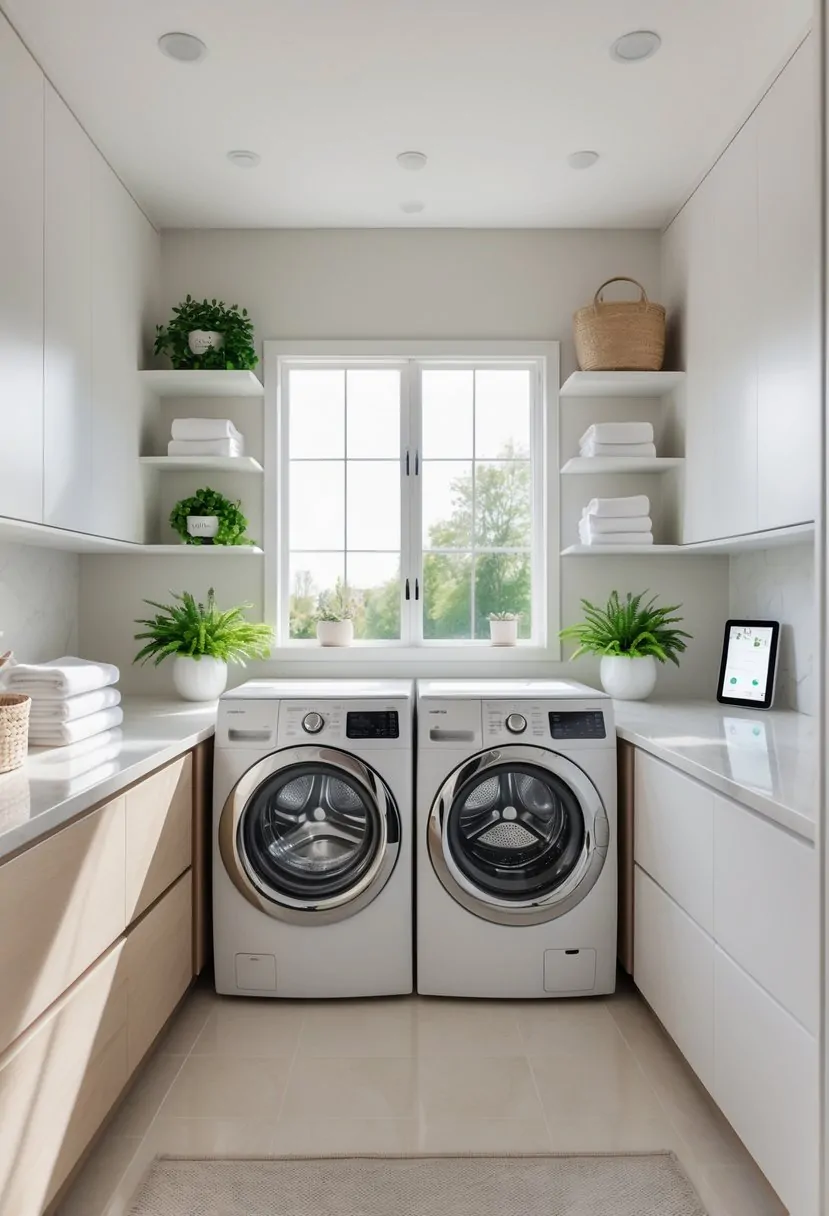
A laundry room often serves as one of the most used yet least designed spaces in a home. Small updates or larger changes can make this area both practical and pleasant to use. A well-planned makeover helps turn everyday chores into a smoother and more organized routine.
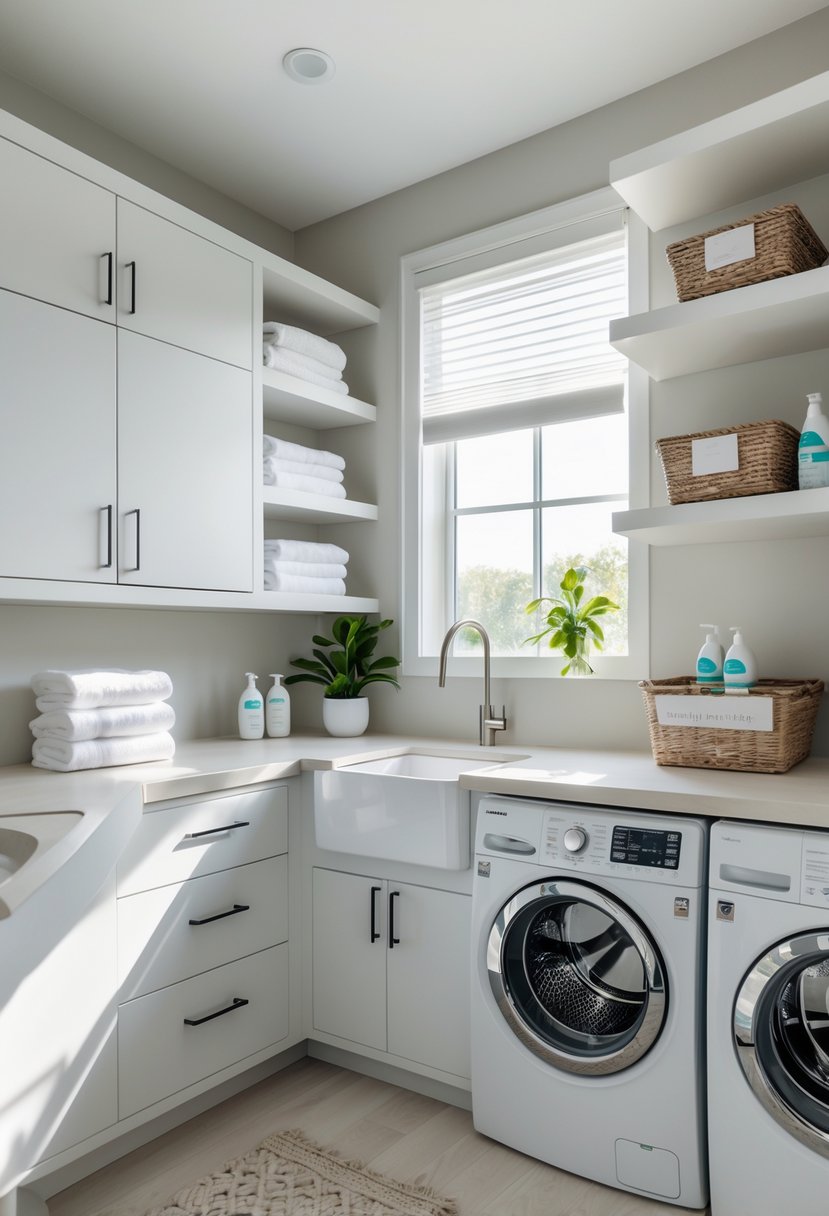
In 2026, design trends focus on blending function with style in simple, effective ways. From storage solutions to layout improvements, every detail can create a space that works better and feels more inviting. This article explores practical ideas that show how small adjustments or bigger upgrades can refresh any laundry room.
Install floating shelves for extra storage
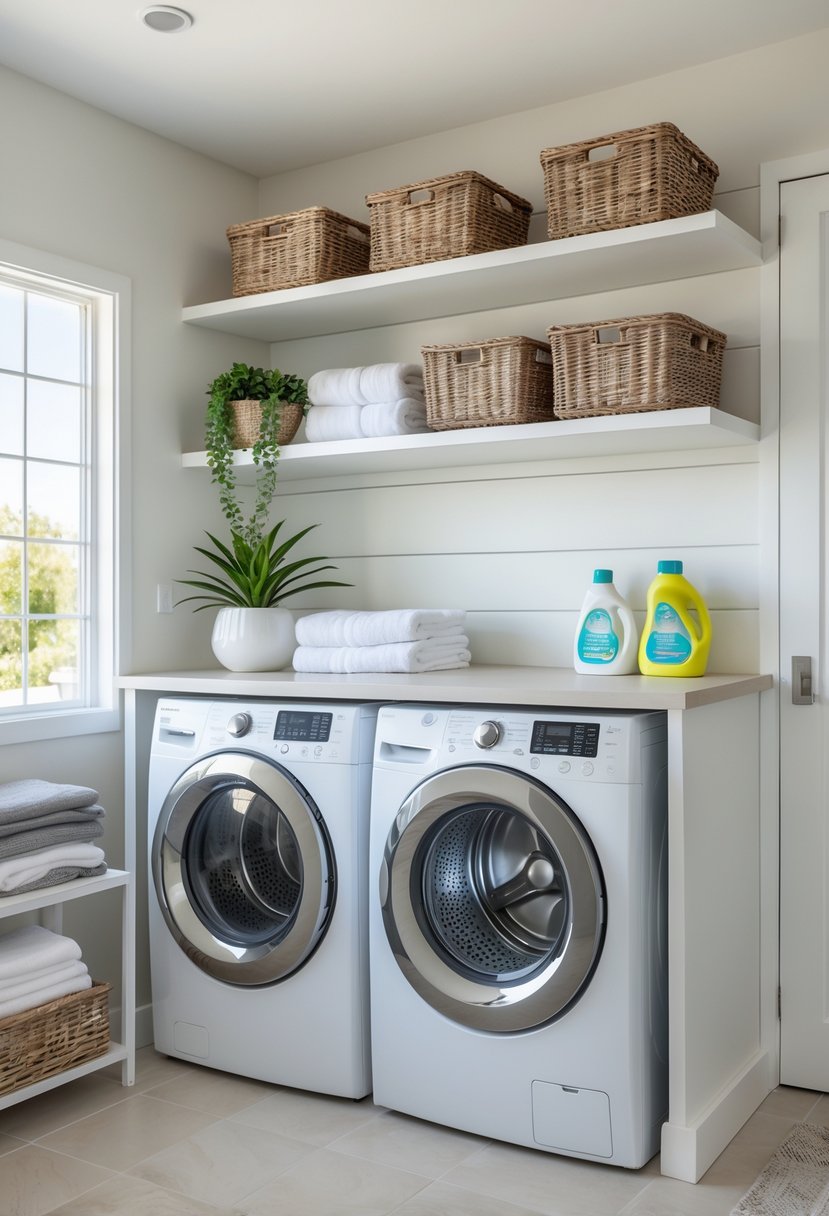
Floating shelves give the laundry room more storage without taking up floor space.
They keep detergents, cleaning supplies, and baskets within easy reach.
Homeowners can install them above machines or along unused walls to make the space more organized and functional.
Use vibrant blue floral wallpaper
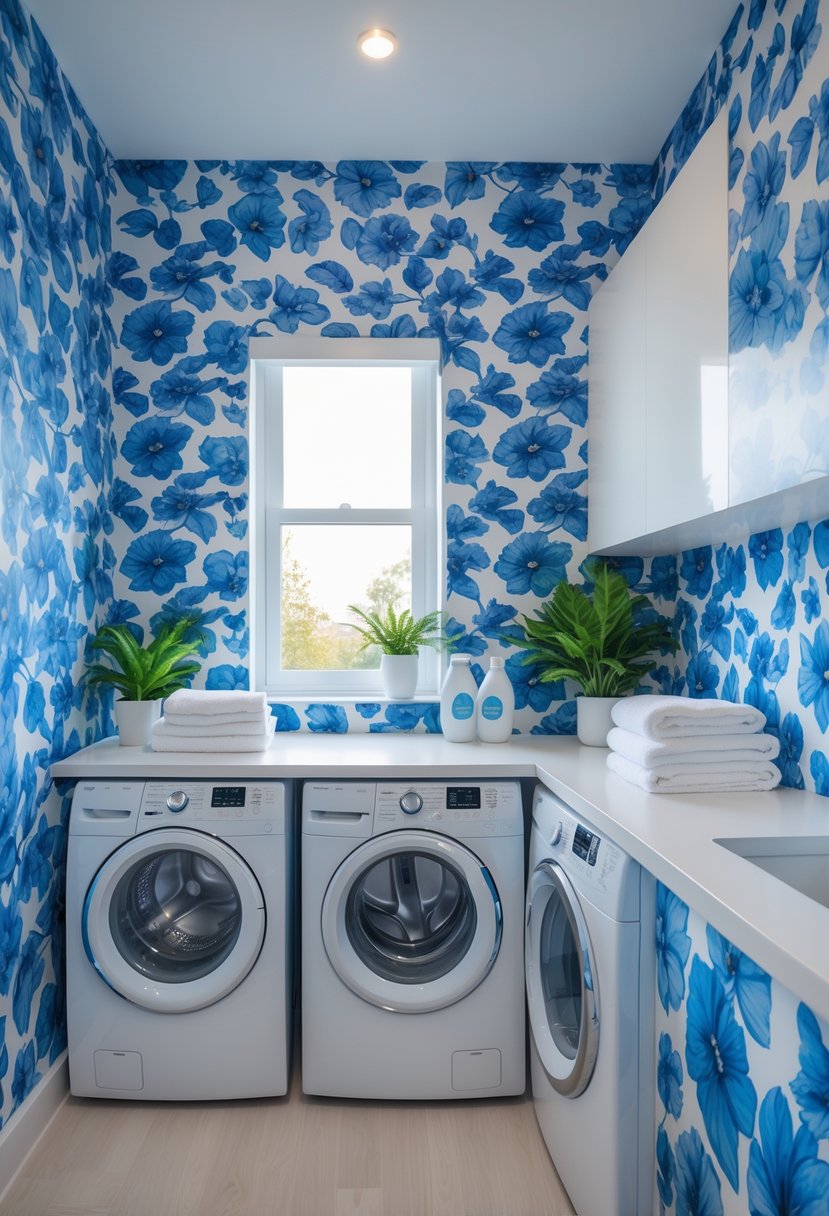
Blue floral wallpaper adds color and pattern to a laundry room without overwhelming the space.
It pairs well with white or light cabinetry, creating a fresh and balanced look.
The design can also tie together flooring, shelving, and décor, giving the room a cohesive style.
Add a striped rug for visual interest
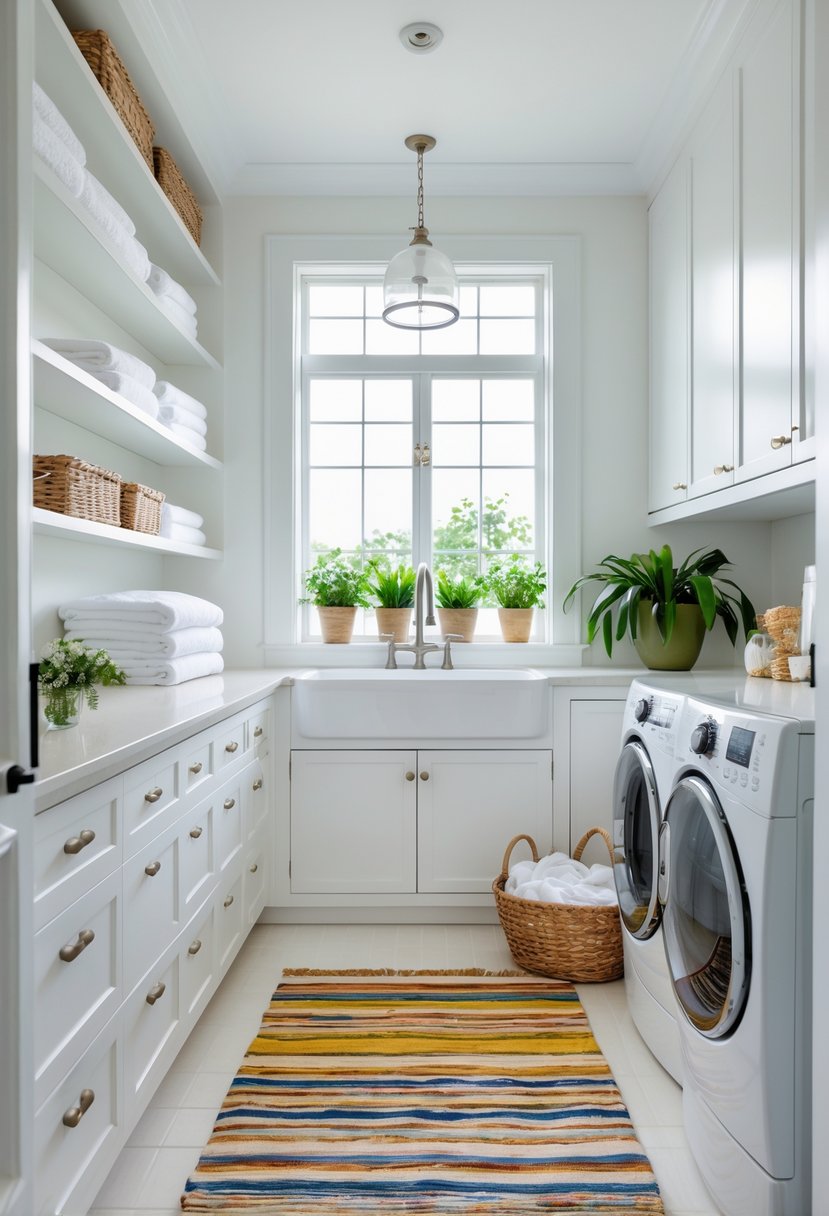
A striped rug can bring pattern into a laundry room without overwhelming the space. The lines add structure and help define the floor area.
Stripes work well with both modern and traditional designs. They create a simple focal point while keeping the room functional.
Replace cabinet doors with shaker style
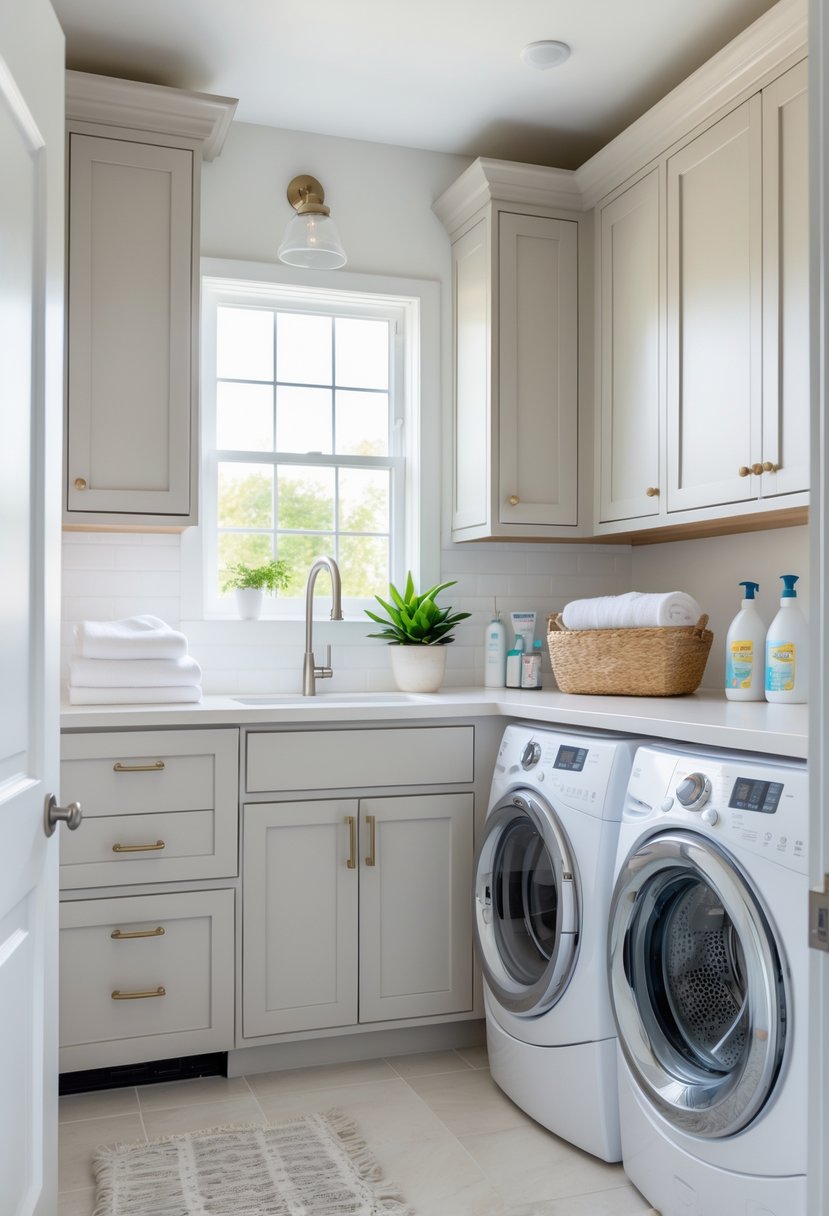
Shaker cabinet doors give the laundry room a clean and timeless look. Their simple frame design works well with both modern and traditional spaces.
Homeowners can update old doors by adding trim or replacing them with ready-made shaker fronts. This change creates a more organized and uniform appearance.
Incorporate a utility sink with a farmhouse faucet
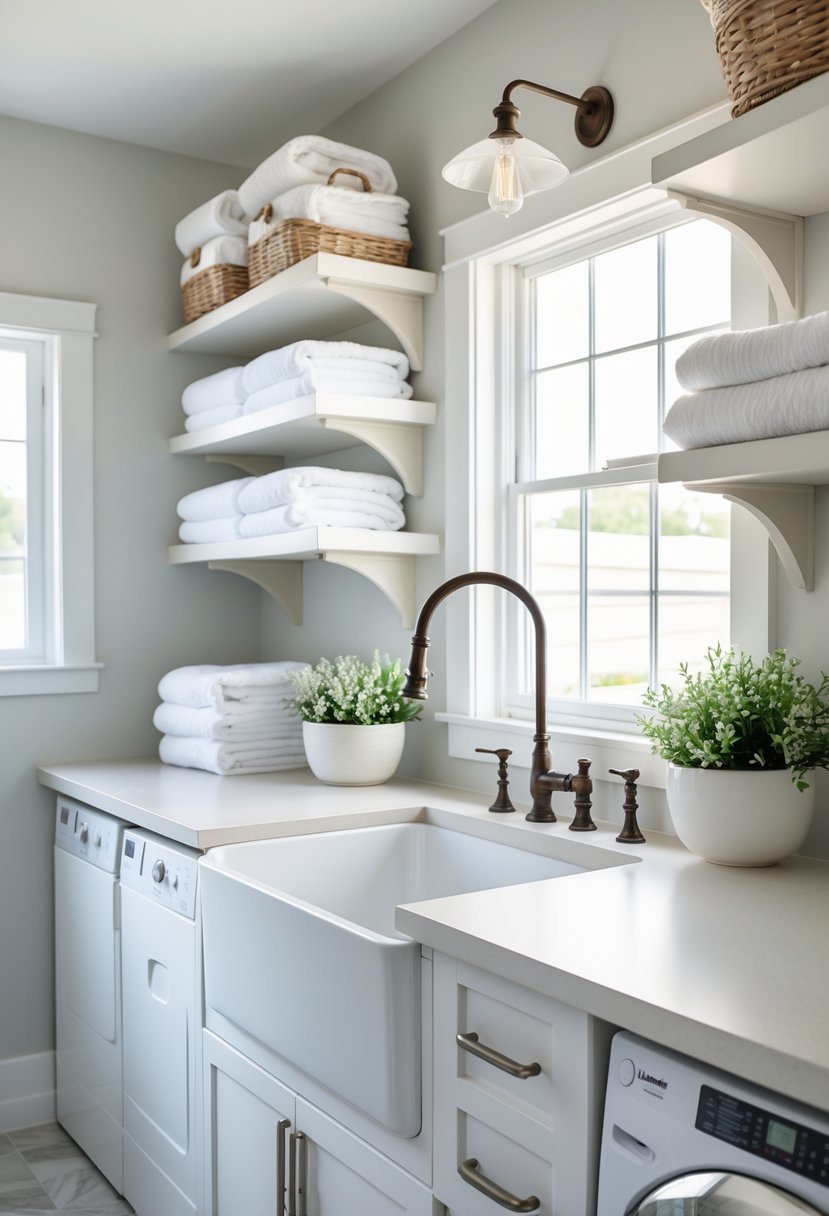
A utility sink with a farmhouse faucet adds both function and style to a laundry room. Its deep basin makes it easier to soak clothes or clean larger items.
The farmhouse faucet design offers strong water flow while keeping the look simple and timeless. It blends well with modern or rustic storage solutions.
Mount wall hooks for hanging laundry bags
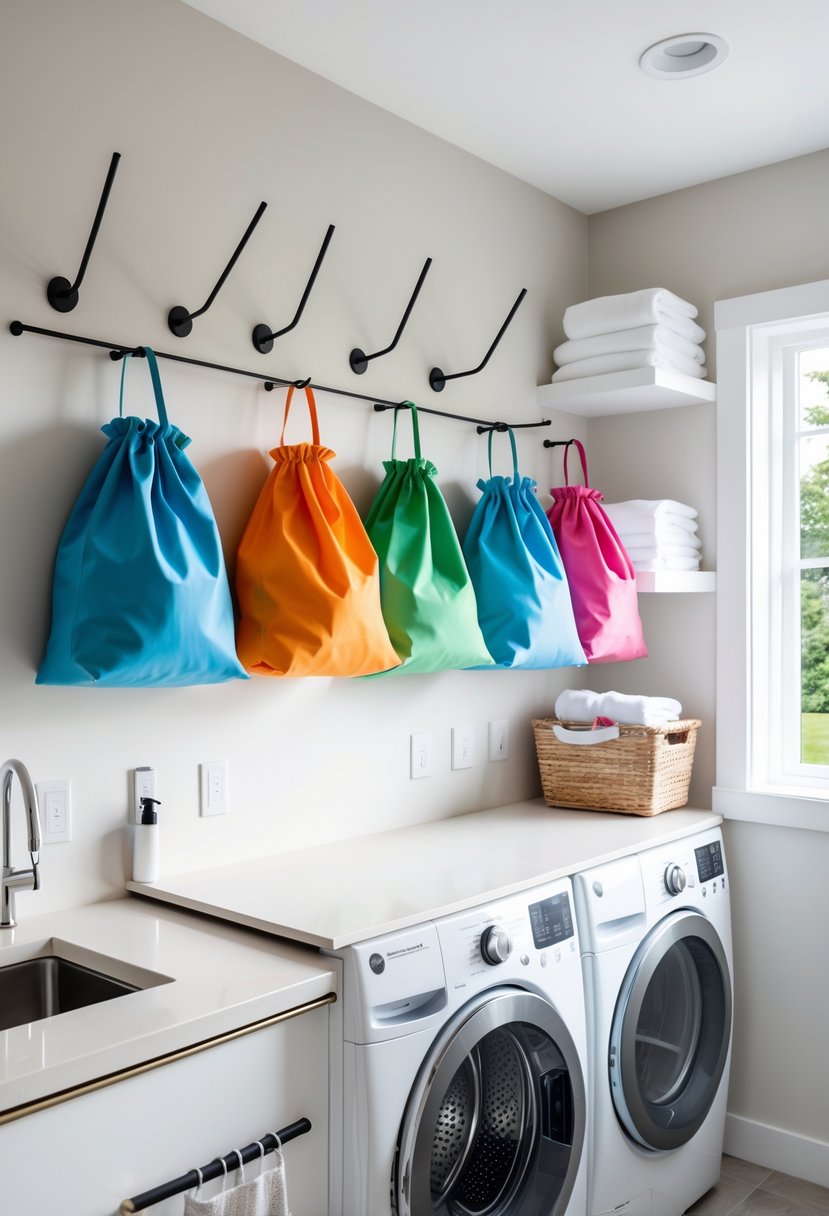
Wall hooks create a simple way to keep laundry bags off the floor. They help free up space while keeping items within reach.
Hooks can hold bags for sorting clothes, storing delicates, or keeping reusable totes organized. Placement near the washer or dryer makes them most practical.
Use clear glass jars for detergent storage
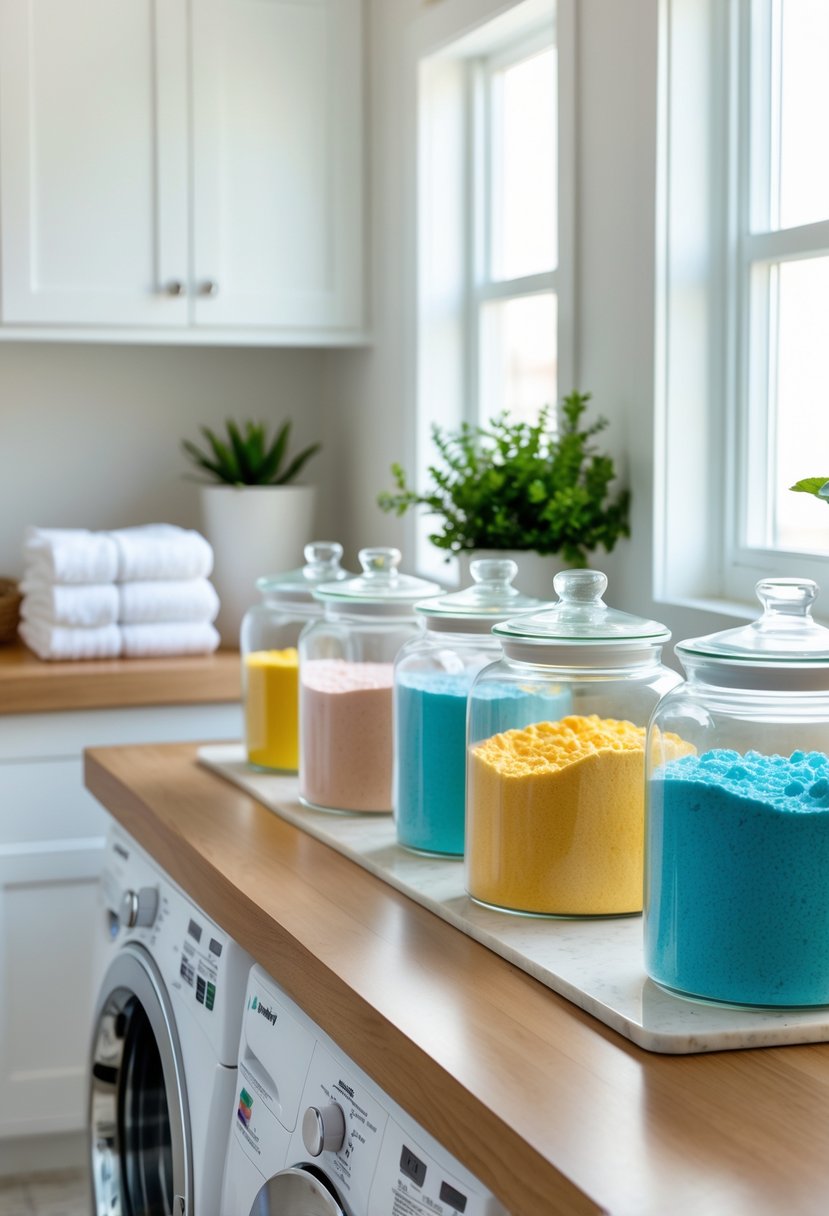
Clear glass jars keep detergent visible and easy to access. They work well for powders, pods, or liquids.
Labels help prevent confusion and keep the space organized.
The jars also make it simple to see when supplies need refilling.
Add a fold-down ironing board
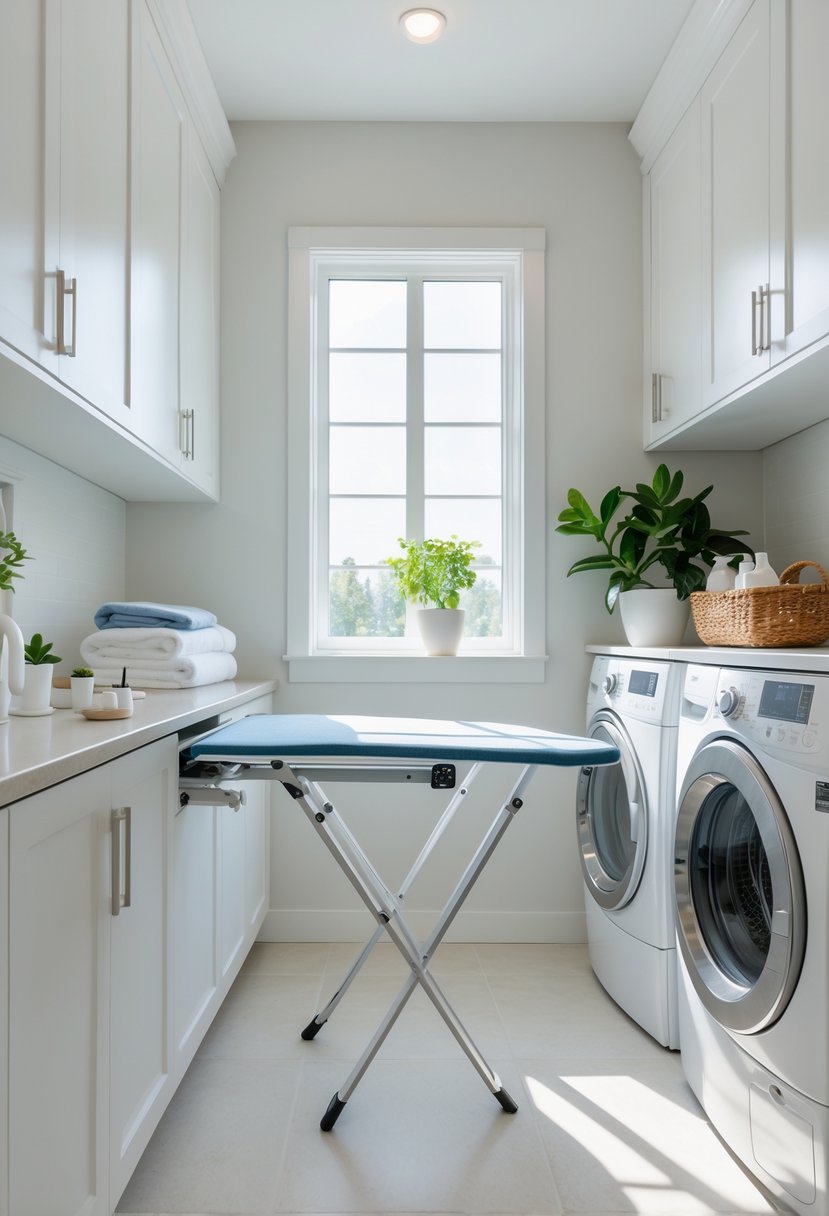
A fold-down ironing board saves space and keeps the laundry area organized. It folds neatly against the wall or inside a cabinet when not in use.
This option works well in small rooms where every inch matters. It provides a practical surface without taking up permanent floor space.
Install under-cabinet LED lighting
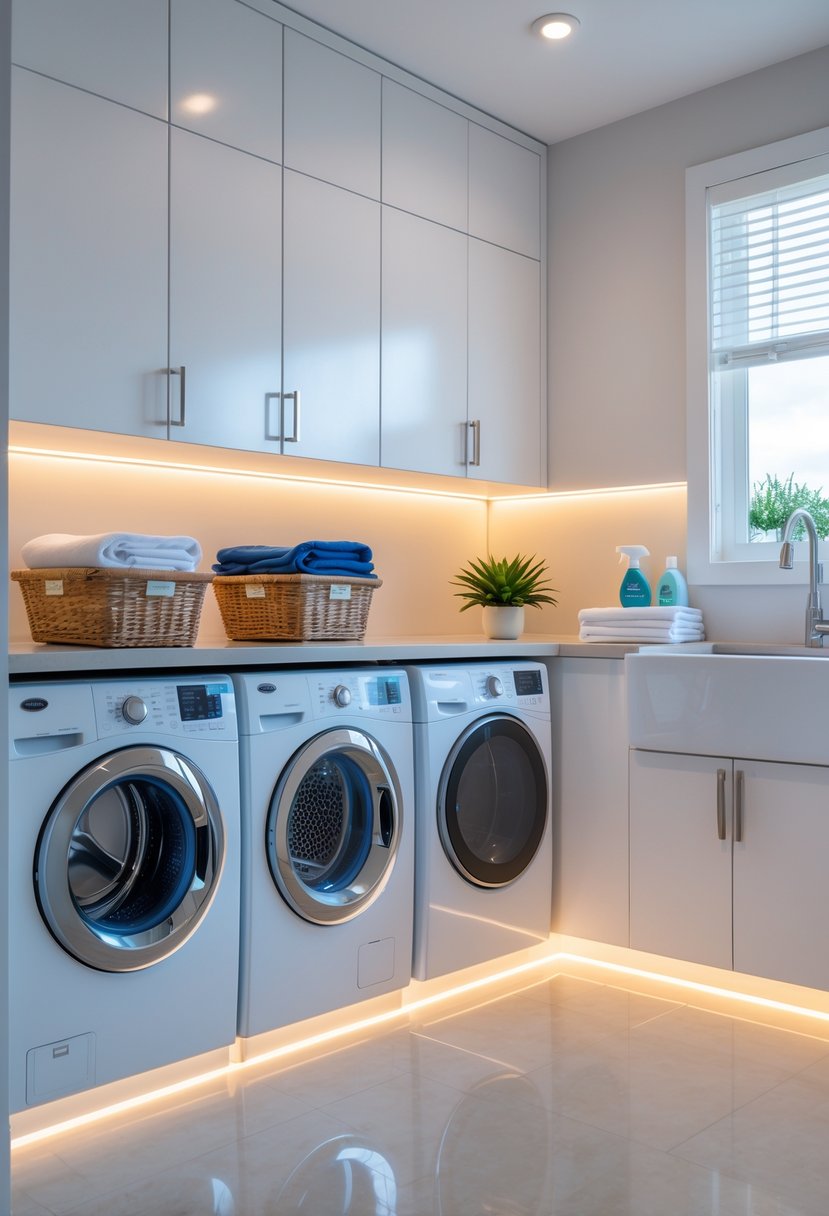
Under-cabinet LED lighting helps brighten work surfaces in the laundry room. It reduces shadows and makes folding or treating stains easier.
These lights are available as strips or puck lights, and most install with simple mounting hardware or adhesive backing.
LED options use less energy than traditional bulbs and provide consistent light. They also come in different color temperatures to match the room’s style.
Use a pegboard for organizing cleaning tools
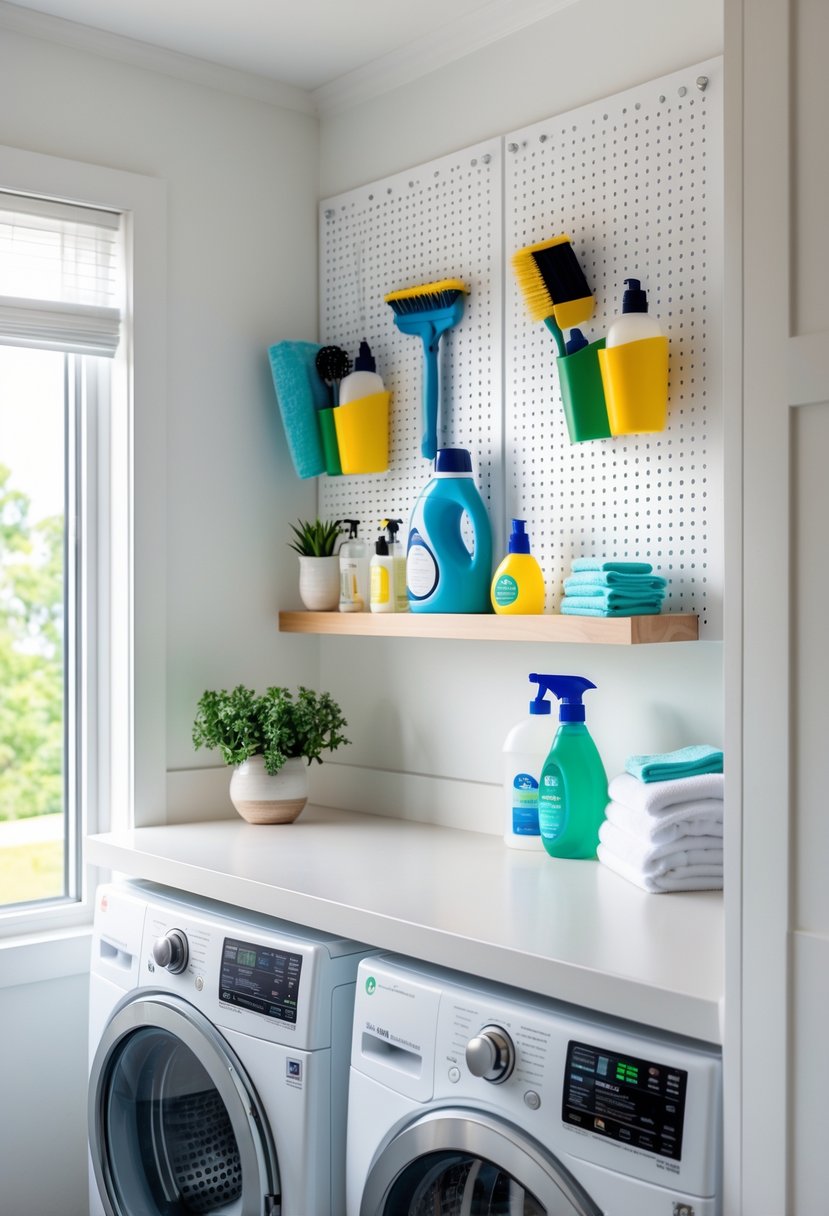
A pegboard helps keep brooms, mops, and brushes off the floor and easy to reach.
Hooks, shelves, and baskets can hold detergents, cloths, or smaller tools.
This setup saves space and makes the laundry area look more organized and functional.
Incorporate a built-in drying rack
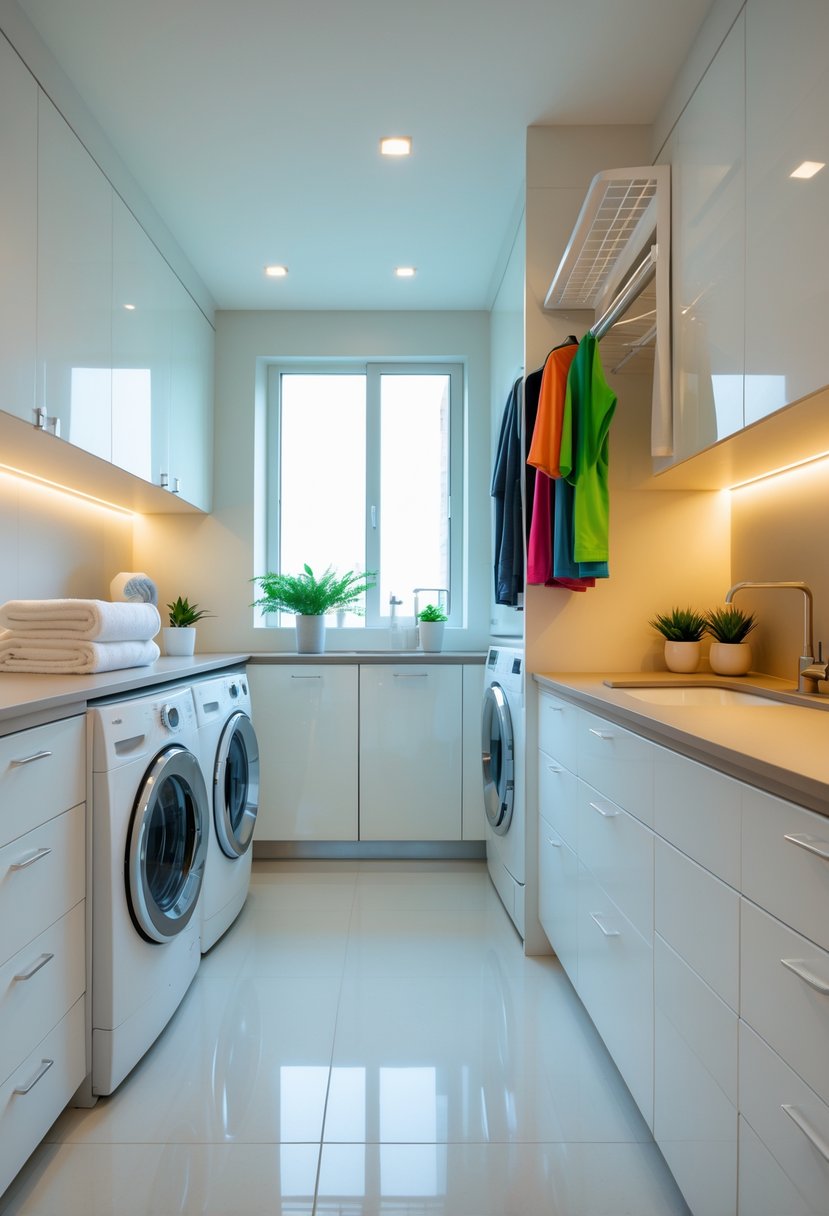
A built-in drying rack saves space and keeps the laundry area organized. It can be tucked into a wall, cabinet, or drawer when not in use.
This type of rack works well for air-drying delicate clothing. It provides a practical solution without taking up extra floor space.
Paint cabinets in matching blue tones
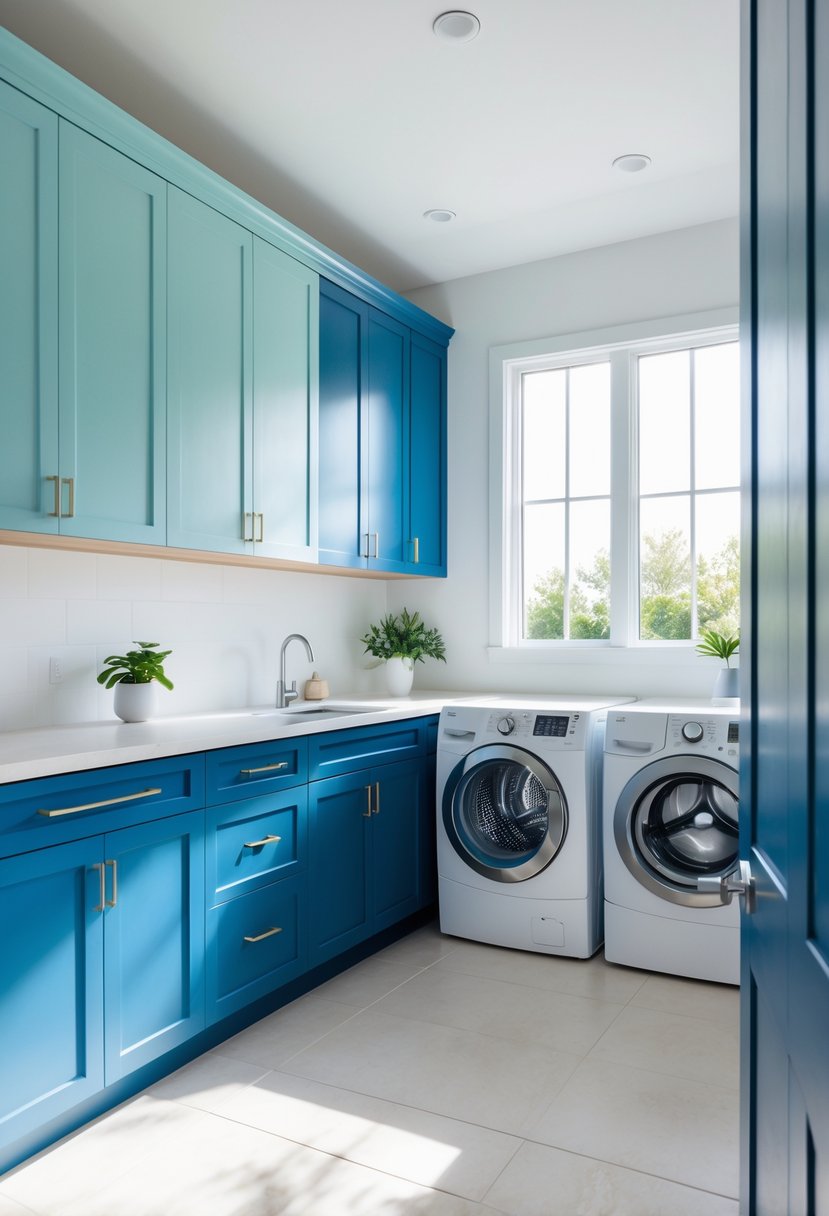
Painting cabinets in matching blue tones creates a clean and cohesive look in the laundry room.
Lighter shades like sky or powder blue make small spaces feel brighter.
Darker tones such as navy or teal add depth and pair well with neutral walls or natural wood accents.
Add a statement pendant light fixture
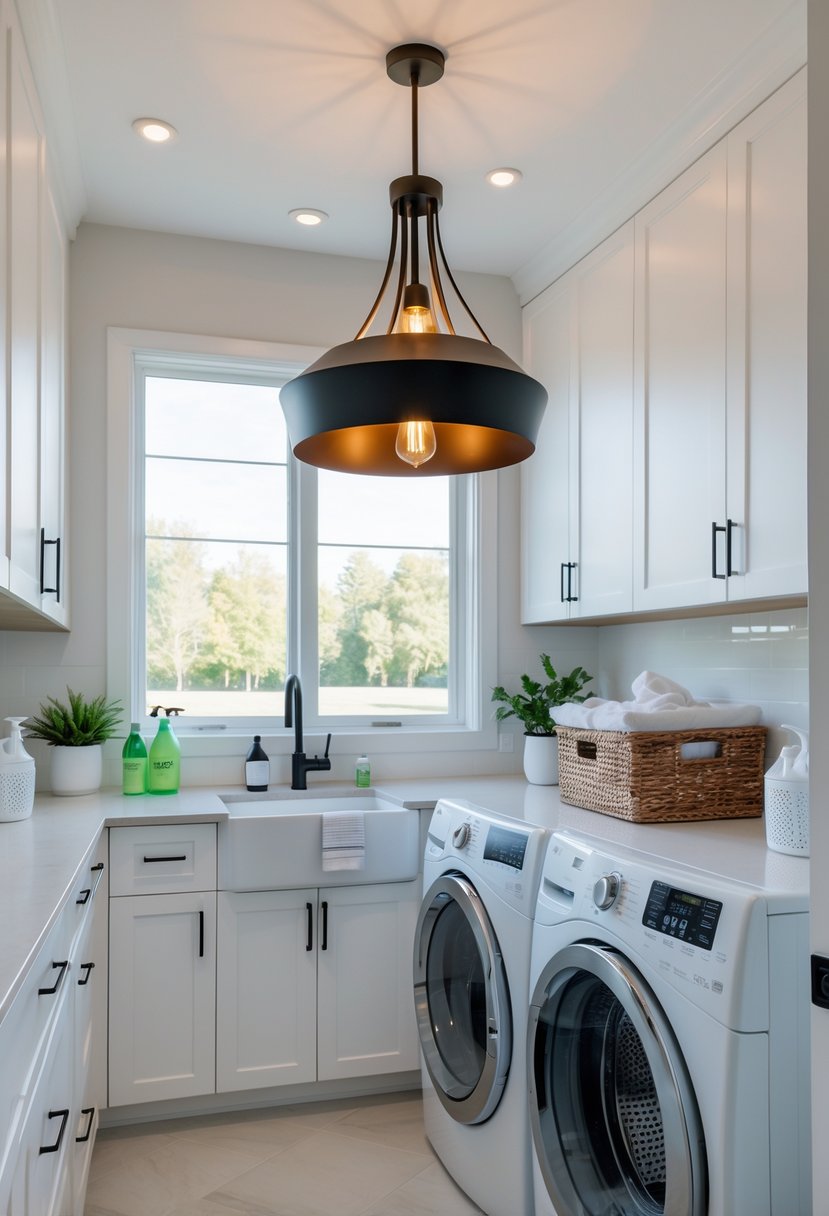
A pendant light fixture can give the laundry room a clear focal point. It provides both style and practical illumination.
Choosing a larger shade or unique design helps the space feel more intentional. Matching the fixture’s color with walls or cabinets keeps the look balanced.
Use woven baskets for sorting laundry
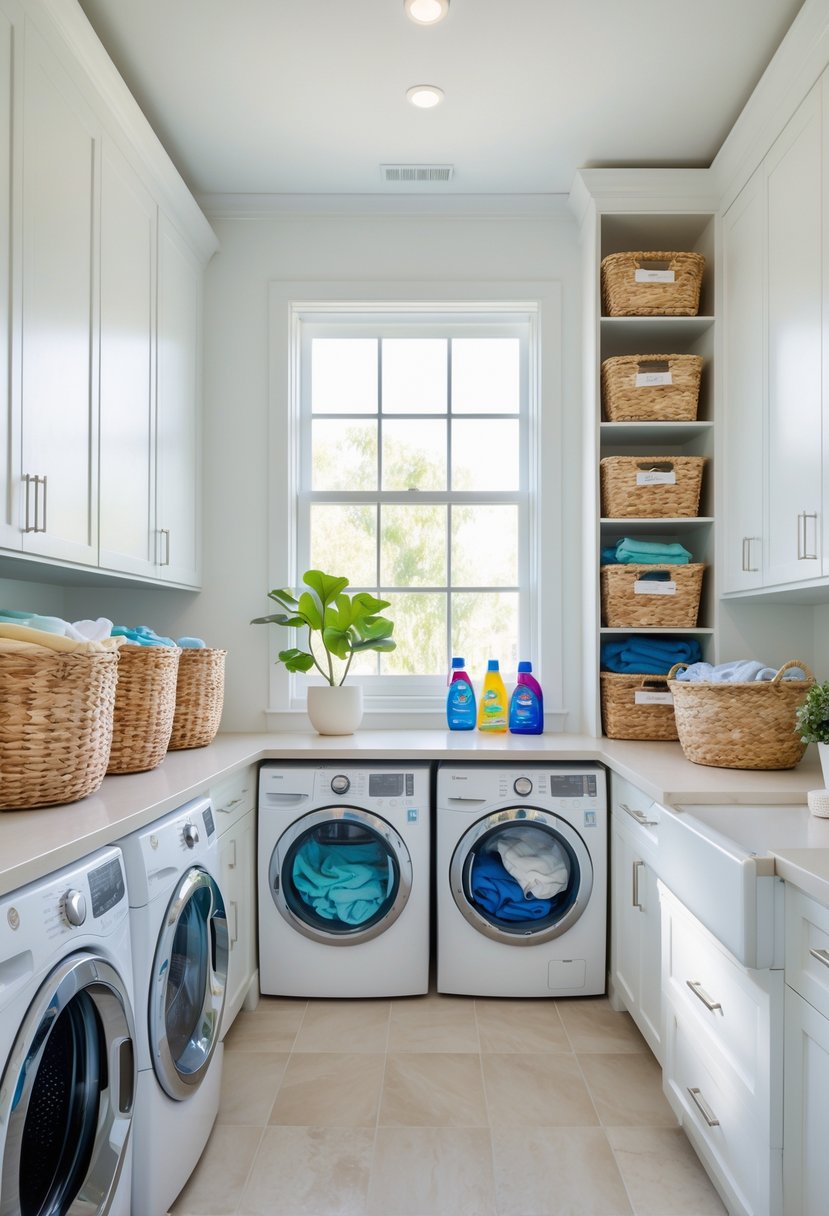
Woven baskets give a simple way to keep laundry organized. They work well for separating colors, delicates, and everyday items.
Many designs include sturdy handles, making them easy to move from room to room. Their neutral look also blends with most laundry room styles.
Using several baskets helps keep clothes sorted before washing. This reduces time spent organizing later.
Install a sliding barn door
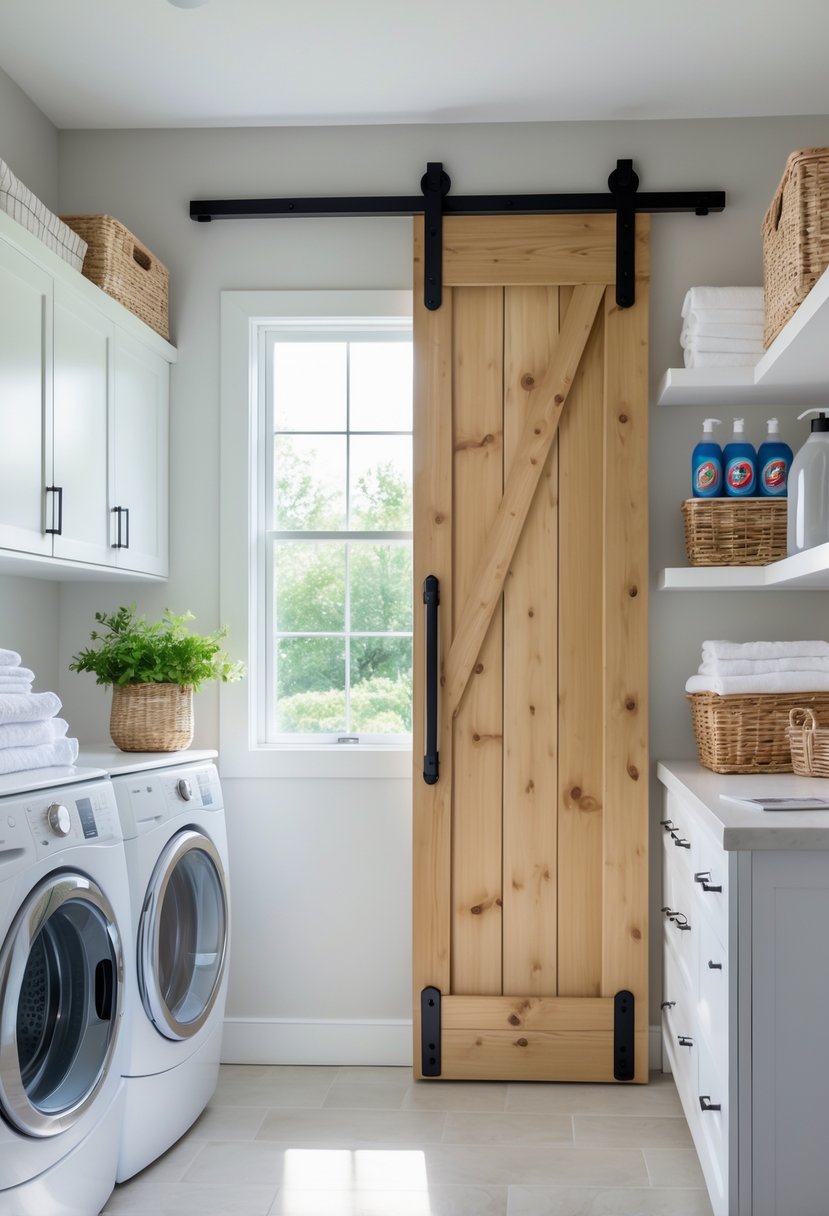
A sliding barn door saves space in tight laundry areas where a swinging door may not fit well.
It adds a clean, functional look that works with both modern and rustic styles.
Homeowners can choose from wood, glass, or painted finishes to match their existing décor.
Add a chalkboard wall for notes
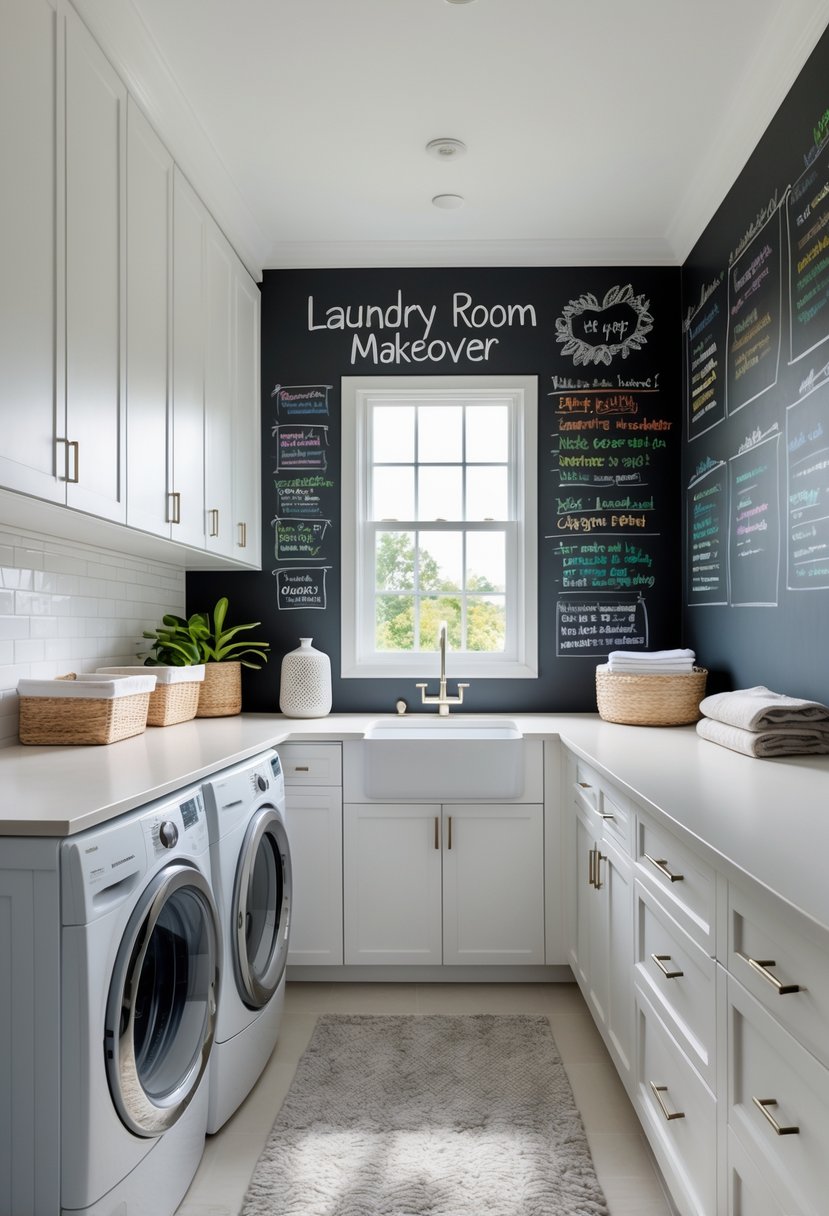
A chalkboard wall gives the laundry room a practical spot for reminders, lists, or schedules.
It also adds a simple design element that blends function with style.
Families can use it for tracking chores, writing notes, or planning laundry tasks.
Use peel-and-stick backsplash tiles
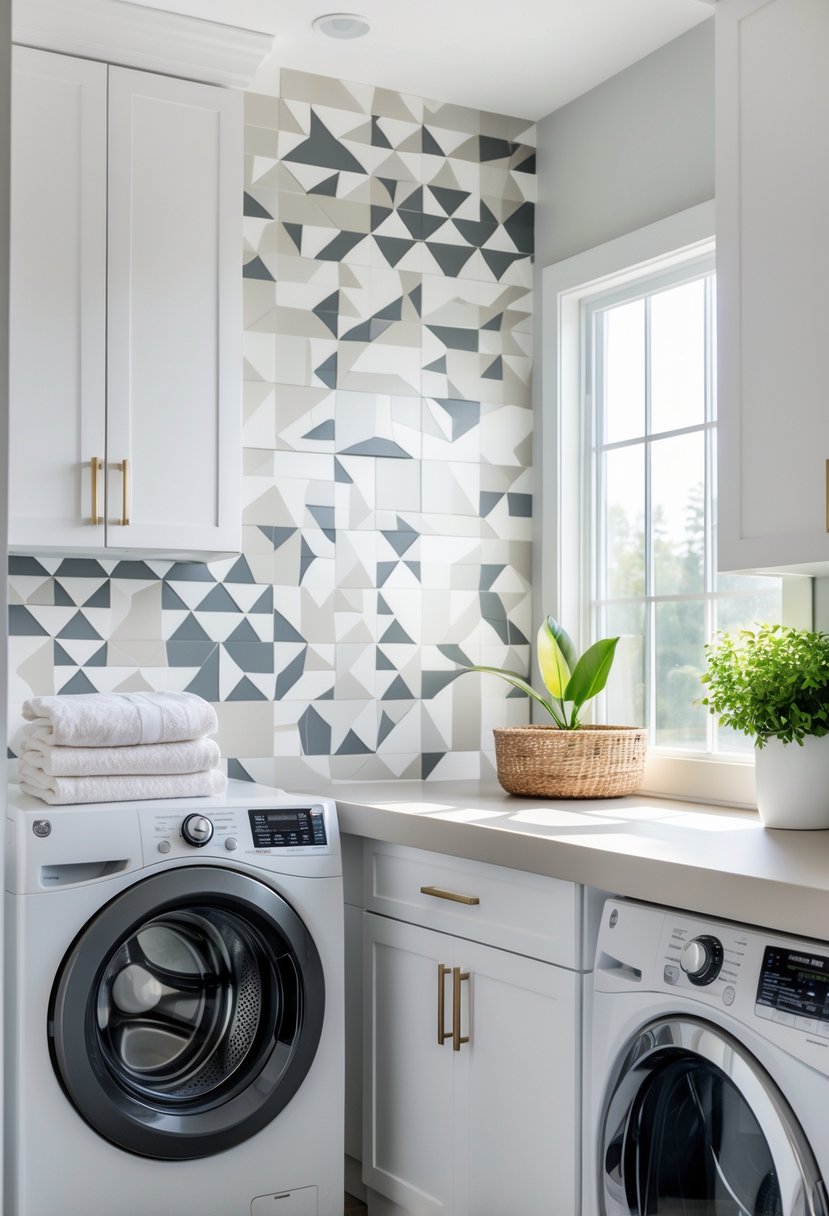
Peel-and-stick backsplash tiles give laundry rooms a quick style upgrade without complex tools.
They come in many colors and patterns, including subway and mosaic looks.
Installation is simple: clean the wall, peel the backing, and press the tile in place.
Incorporate a small bench with storage
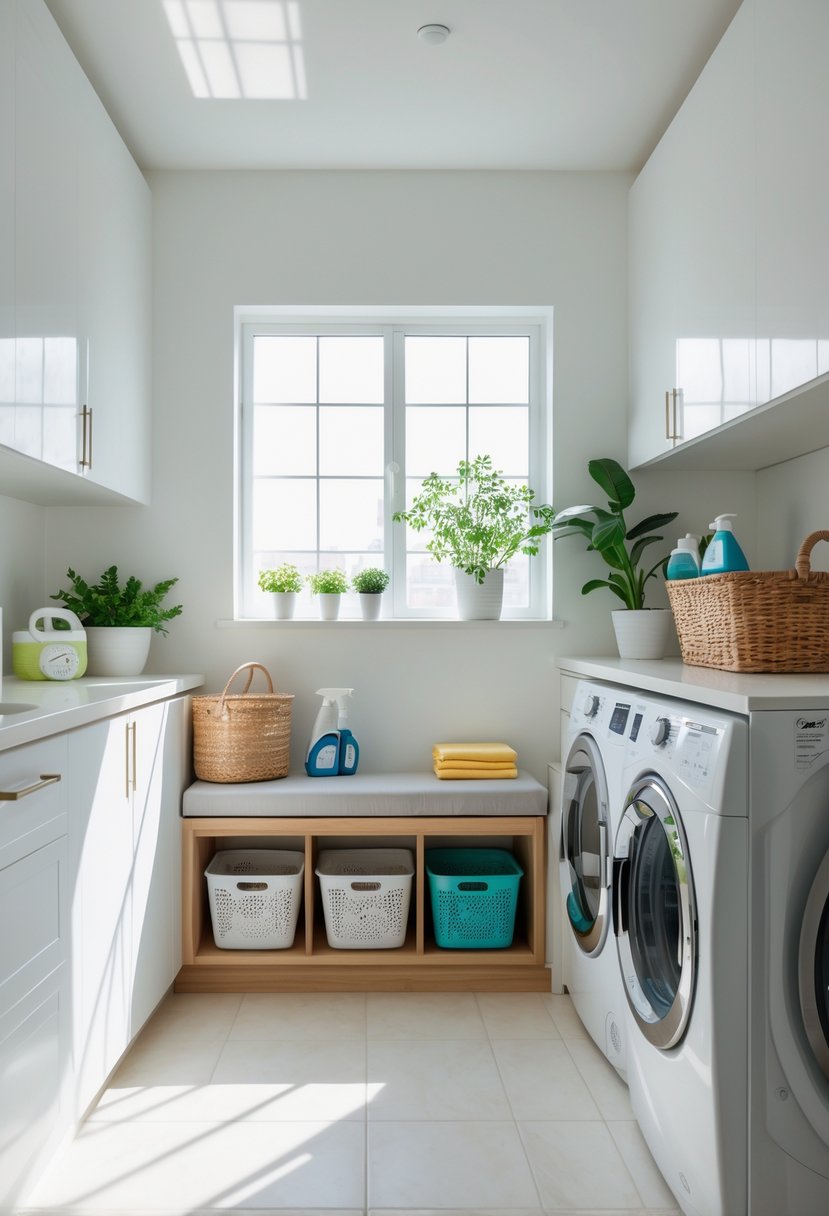
A small bench with built-in storage helps keep laundry rooms organized. It provides a place to sit while folding or sorting clothes.
Storage inside the bench can hold baskets, cleaning supplies, or extra linens. Adding hooks above the bench creates even more space for hanging items.
Hang a decorative curtain over appliances
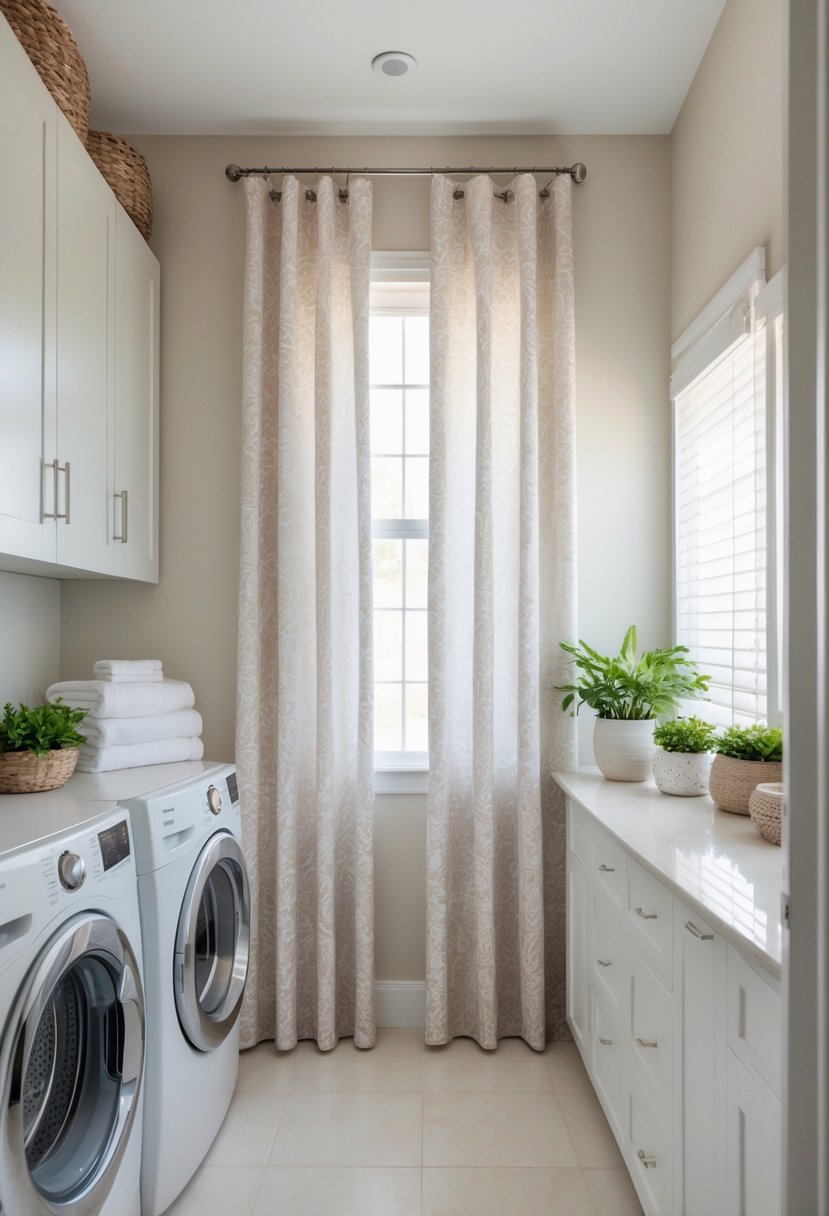
A simple curtain can hide washers and dryers while keeping the space tidy.
They can choose fabric that matches the room’s colors for a coordinated look.
This option works well in small areas where cabinetry may not fit.
Use stackable washer and dryer units
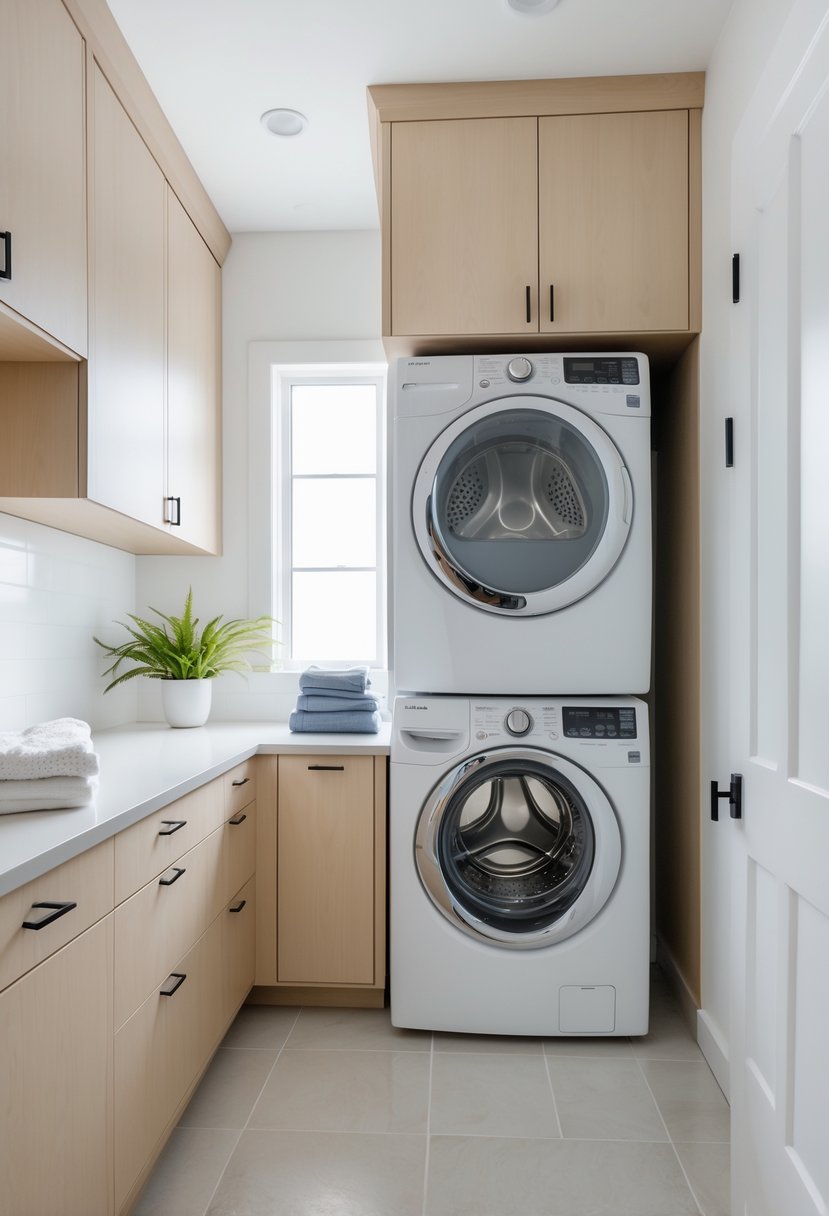
Stackable washer and dryer units save floor space by arranging machines vertically. This setup works well in apartments or small laundry rooms.
The extra room can hold shelves, cabinets, or a folding counter. Some models also include storage drawers for detergent and other supplies.
This layout makes the area more organized and practical without needing extra square footage.
Add a magnetic strip for holding small metal items
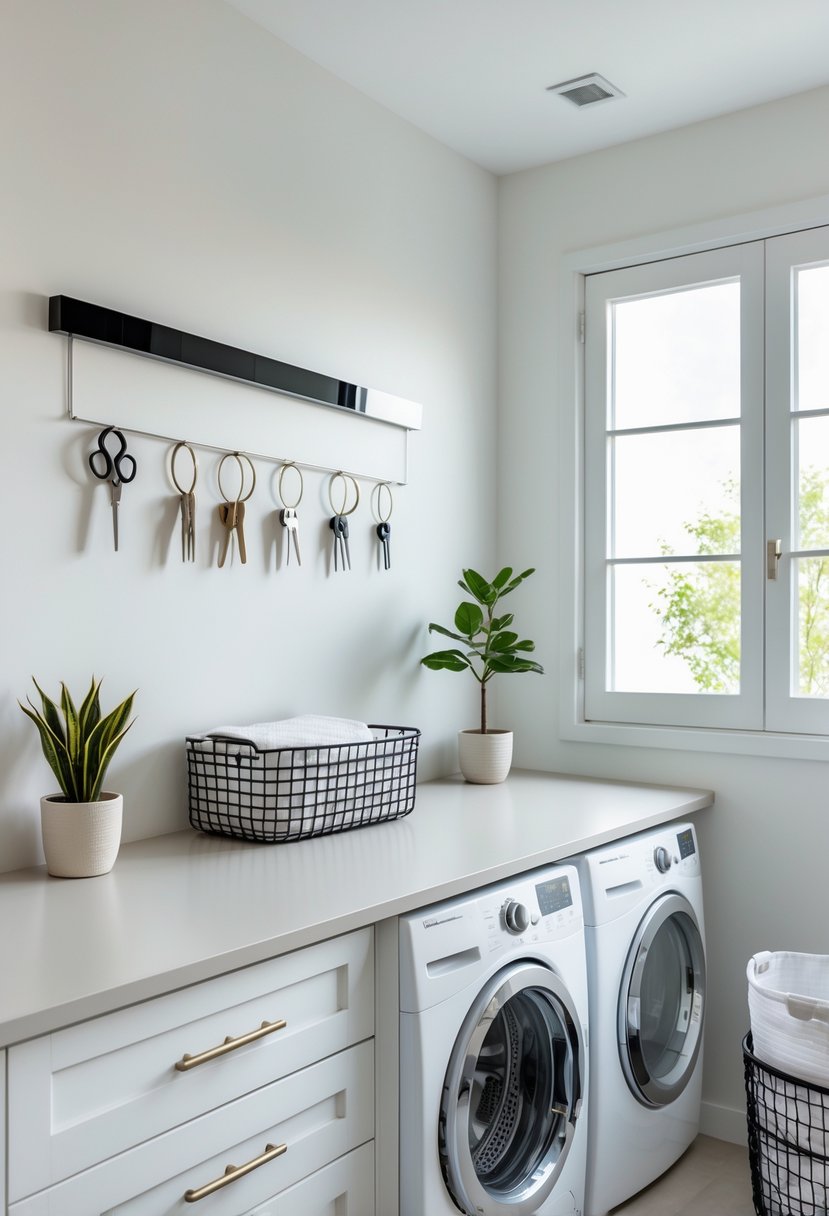
A magnetic strip helps keep small tools and accessories in one place. It works well for scissors, pins, or tweezers.
Mounting it on a wall or inside a cabinet saves counter space. This makes items easy to see and quick to grab when needed.
Install a pull-out hamper system
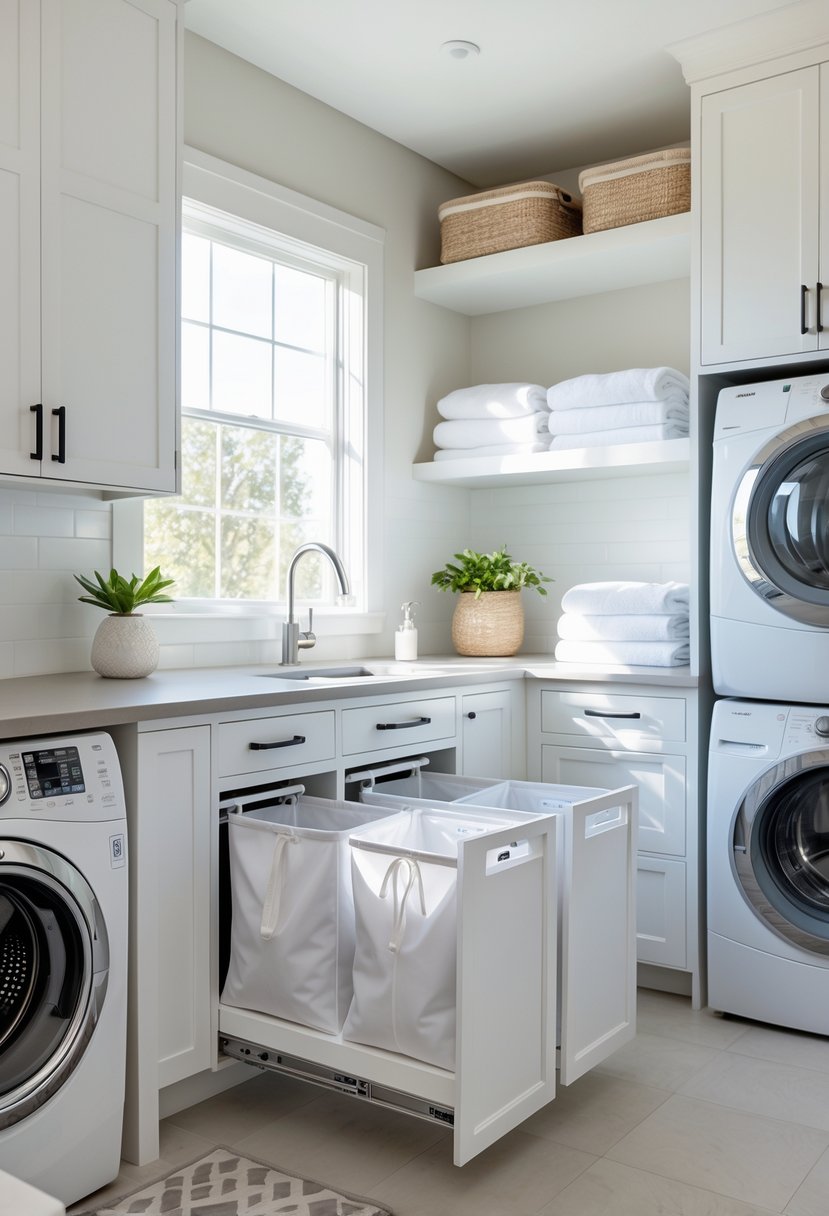
A pull-out hamper system keeps laundry hidden and organized inside a cabinet. It slides out smoothly, making it easy to sort and store clothes.
This setup saves floor space and reduces clutter. Homeowners can choose single or double hampers depending on their laundry needs.
Use decorative storage bins with labels
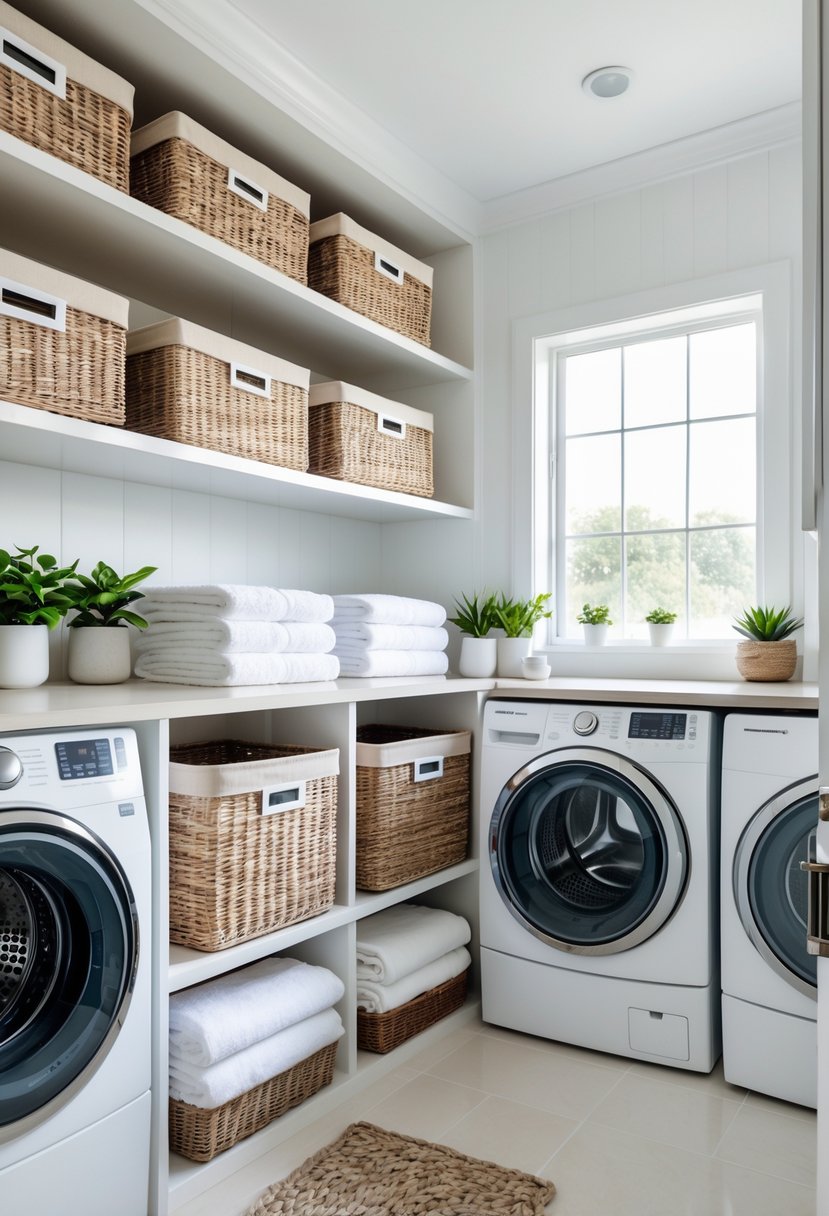
Decorative storage bins help keep laundry supplies neat while adding a clean look to the room.
Labels make it easy for everyone to find and return items quickly.
Using matching bins creates a consistent style and reduces visual clutter.
Add a countertop over front-load machines
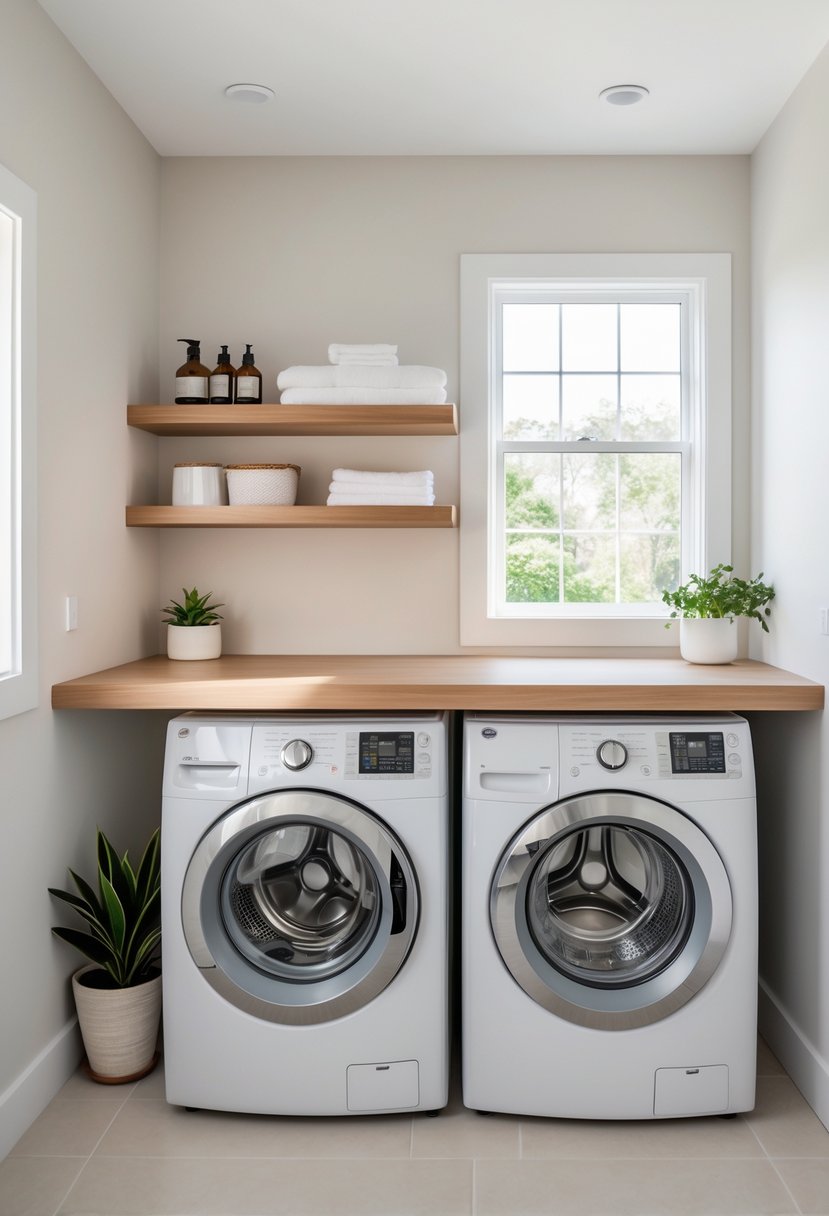
A countertop above front-load washers and dryers creates a flat surface for folding clothes.
It also provides space for sorting laundry or setting baskets within easy reach.
Many homeowners choose wood, laminate, or stone materials to match cabinets and shelves.
Planning Your Laundry Room Makeover
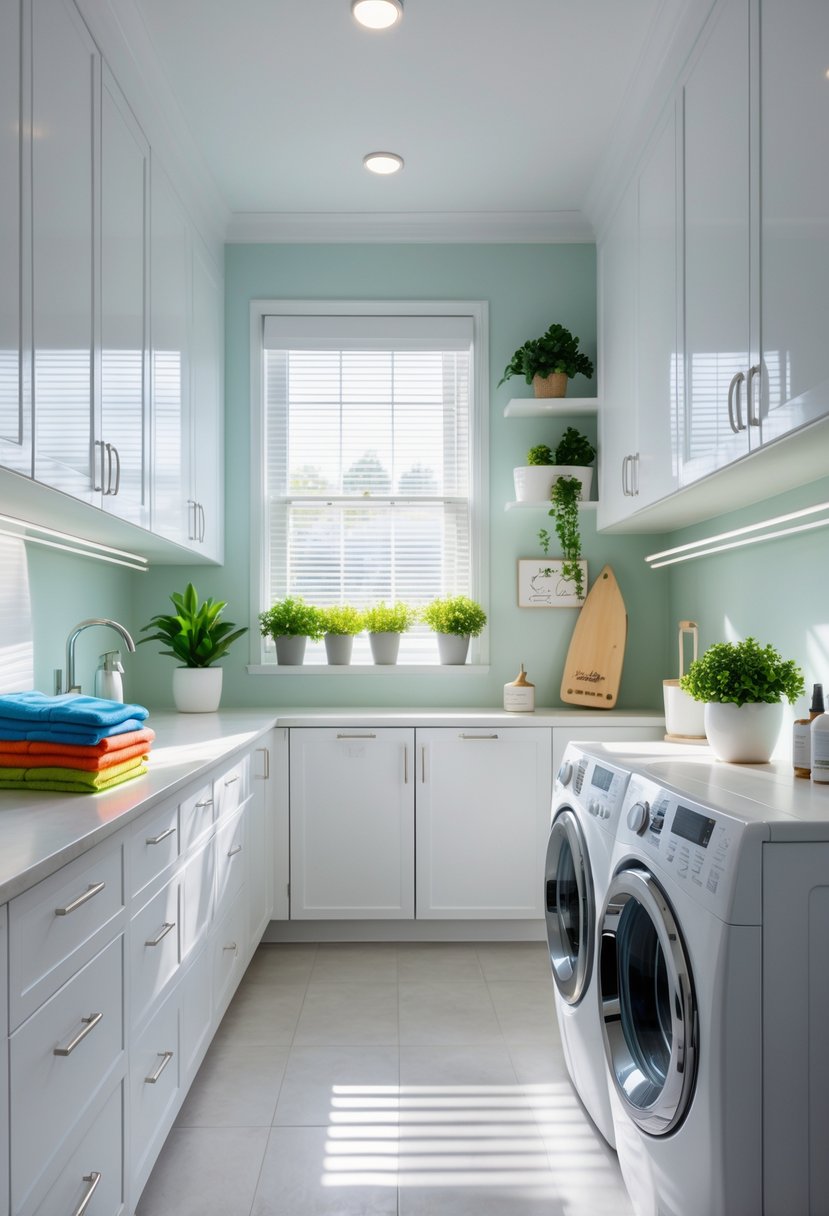
A successful laundry room update starts with understanding how the space is used and how much can be spent. Careful planning helps balance function, style, and cost so the room works well for daily tasks while staying within budget.
Assessing Space and Storage Needs
The first step is to measure the room carefully. Dimensions of walls, ceiling height, and appliance placement determine what can fit without crowding the area. Even small laundry rooms can feel larger when appliances, cabinets, and shelves are arranged efficiently.
Storage plays a central role in keeping the room organized. Homeowners often need space for detergents, cleaning supplies, baskets, and seasonal items. Adding closed cabinetry hides clutter, while open shelving keeps essentials within reach. A mix of both usually provides the best balance.
It also helps to think about workflow. Placing the washer and dryer near counter space allows folding right after drying. Hanging rods above machines or next to cabinets give space for air-drying clothes.
For very compact areas, vertical storage solutions such as tall cabinets or wall-mounted racks maximize available space without reducing floor area. Sliding doors or stackable appliances also save room in tight layouts.
Setting a Budget for 2026 Renovations
Budget planning should start with identifying the main priorities. Some may want to invest in energy-efficient appliances, while others focus on cabinetry, flooring, or lighting. Listing these items in order of importance makes it easier to decide where money should go.
Costs vary depending on the scope of work. A simple refresh with paint, shelving, and new lighting may stay under a few hundred dollars. A full remodel with appliances, cabinetry, and flooring can reach several thousand.
Using a table can help organize spending:
| Item | Estimated Range (USD) |
|---|---|
| Paint & Wallpaper | $100 – $500 |
| Shelving & Cabinets | $300 – $2,500 |
| Appliances | $800 – $4,000+ |
| Flooring & Lighting | $400 – $2,000 |
Setting aside at least 10–15% of the budget for unexpected issues, such as plumbing or electrical updates, prevents delays. Planning with realistic numbers ensures the makeover stays on track financially.
Incorporating Smart Technology
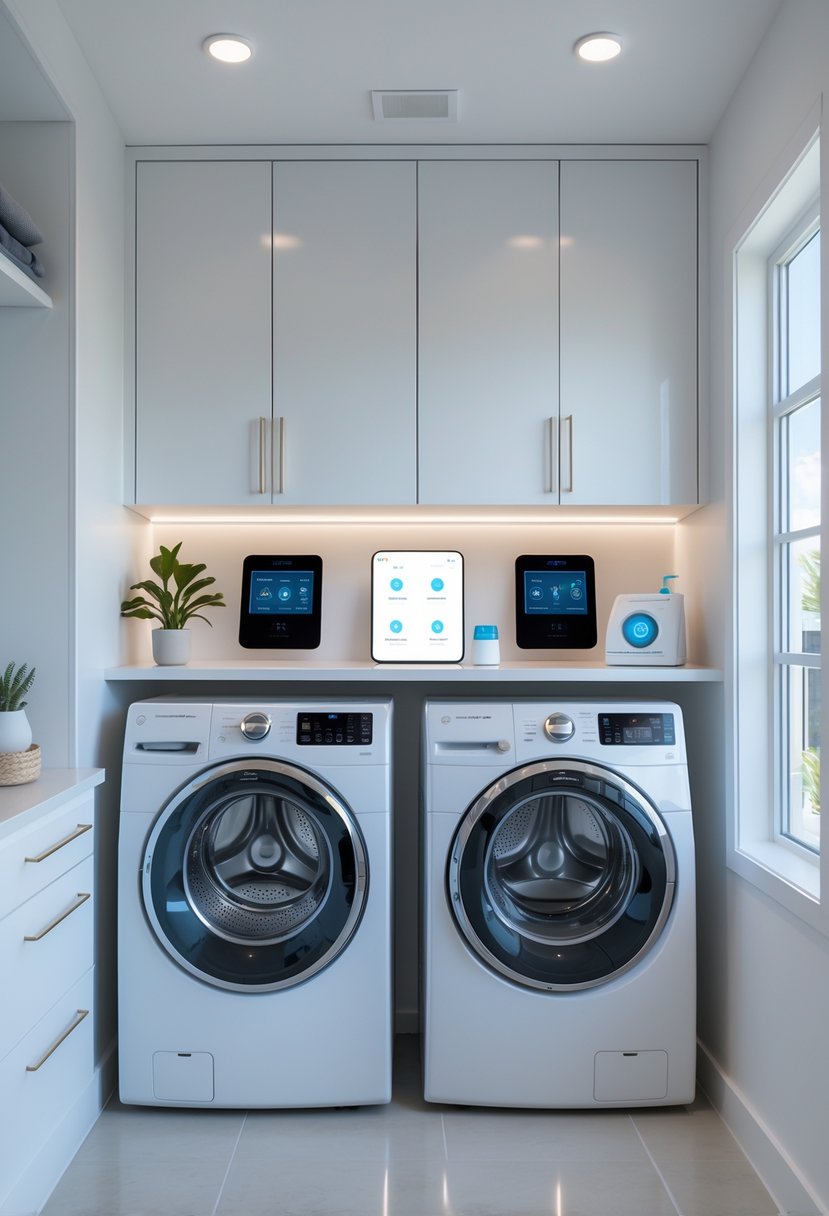
Modern laundry rooms use technology to save energy, reduce manual work, and improve organization. Upgrades focus on appliances that use less power and water, along with systems that automate routine tasks for greater convenience.
Energy-Efficient Appliances
Energy-efficient washers and dryers lower utility costs while reducing environmental impact. Many new models use load-sensing technology to adjust water levels automatically. Some dryers feature moisture sensors that stop cycles once clothes are dry, preventing wasted energy.
Appliances with the ENERGY STAR® label often use up to 25% less energy than standard models. Homeowners should compare features like spin speed, water usage per cycle, and drying times before purchasing. These details affect both long-term savings and daily performance.
A simple comparison can help guide choices:
| Feature | Standard Model | Energy-Efficient Model |
|---|---|---|
| Water per load | Higher usage | Lower usage |
| Drying control | Timed only | Moisture sensors |
| Energy consumption | Higher | Reduced by 20–25% |
Smart appliances often connect to mobile apps, allowing users to schedule loads or receive cycle alerts. This helps manage time better and ensures machines run during off-peak energy hours.
Automated Laundry Solutions
Automation in laundry rooms reduces repetitive tasks. Smart dispensers measure the right amount of detergent and fabric softener, removing guesswork and avoiding waste. Some machines also track supply levels and send reminders when products run low.
Connected systems let users start or pause cycles remotely. This makes it easier to coordinate laundry with daily routines. For example, a person can load clothes in the morning and start the wash later from their phone.
Advanced dryers now include wrinkle prevention cycles that tumble clothes periodically until they are removed. This reduces ironing needs and keeps clothes fresh if they cannot be folded right away.
Homeowners can also integrate laundry equipment with voice assistants like Alexa or Google Assistant. This allows for hands-free control, such as checking cycle status or starting a load without touching the machine.
By combining these tools, laundry tasks become more efficient, consistent, and less time-consuming.
Discover more small laundry room ideas from The Spruce for extra inspiration.