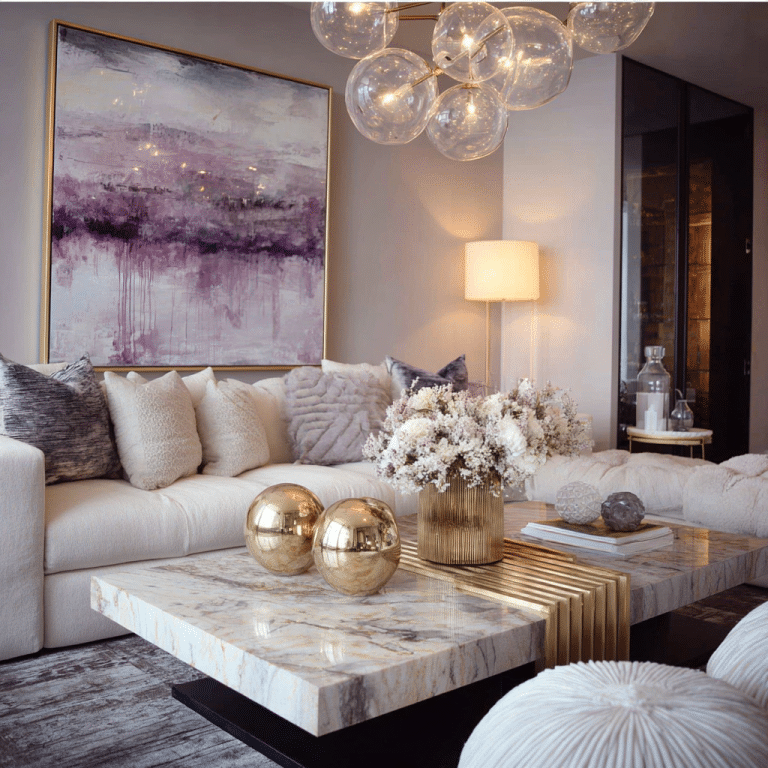
Living Room Makeover Ideas 2026: 21 Fresh Ways to Transform Your Space
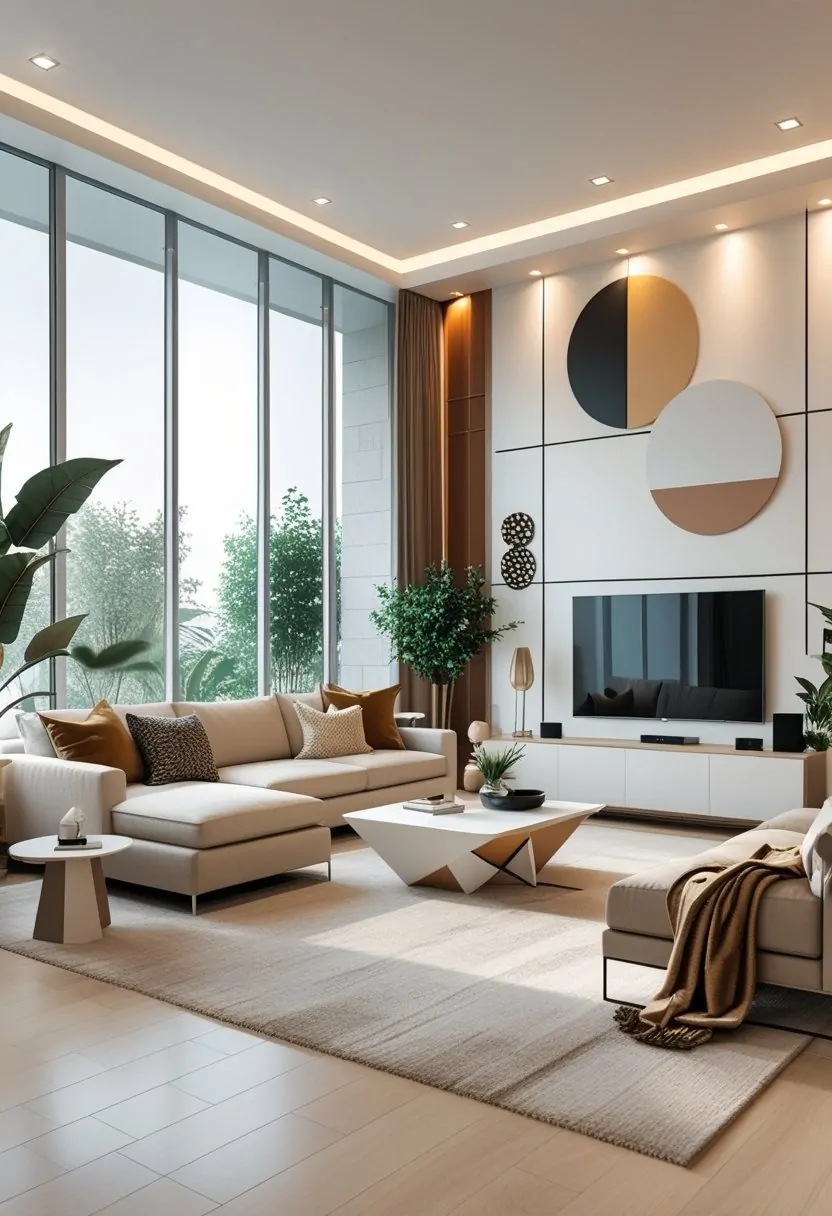
A living room often sets the tone for the rest of the home, and small changes can make a big impact on how the space feels and functions. In 2026, design ideas continue to balance comfort with style, offering ways to refresh layouts, update colors, and use furniture more effectively. A well-planned makeover helps any living room feel more inviting, practical, and visually balanced.
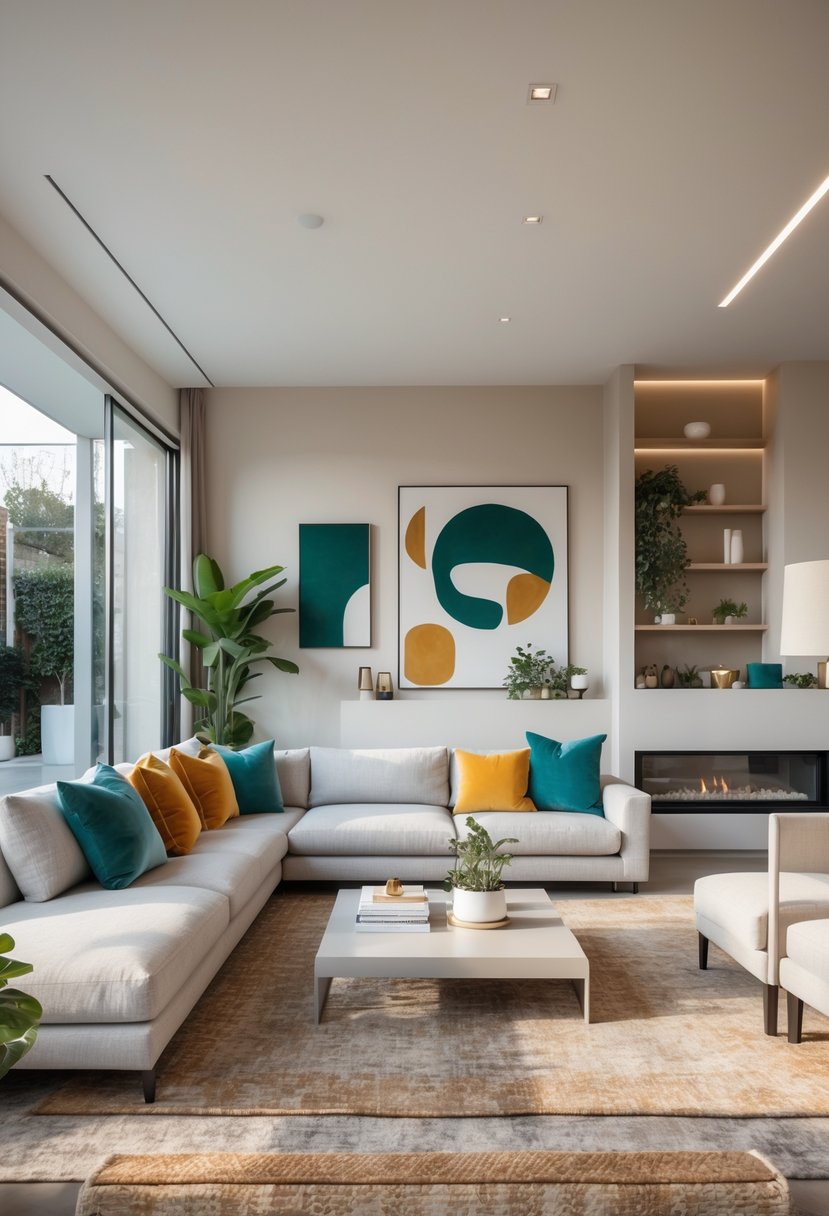
This article explores simple yet impactful updates that enhance both style and comfort. From adding texture and warmth to choosing the right focal points, each idea provides a clear way to create a modern living room that feels personal and functional.
Layer rugs for texture and warmth
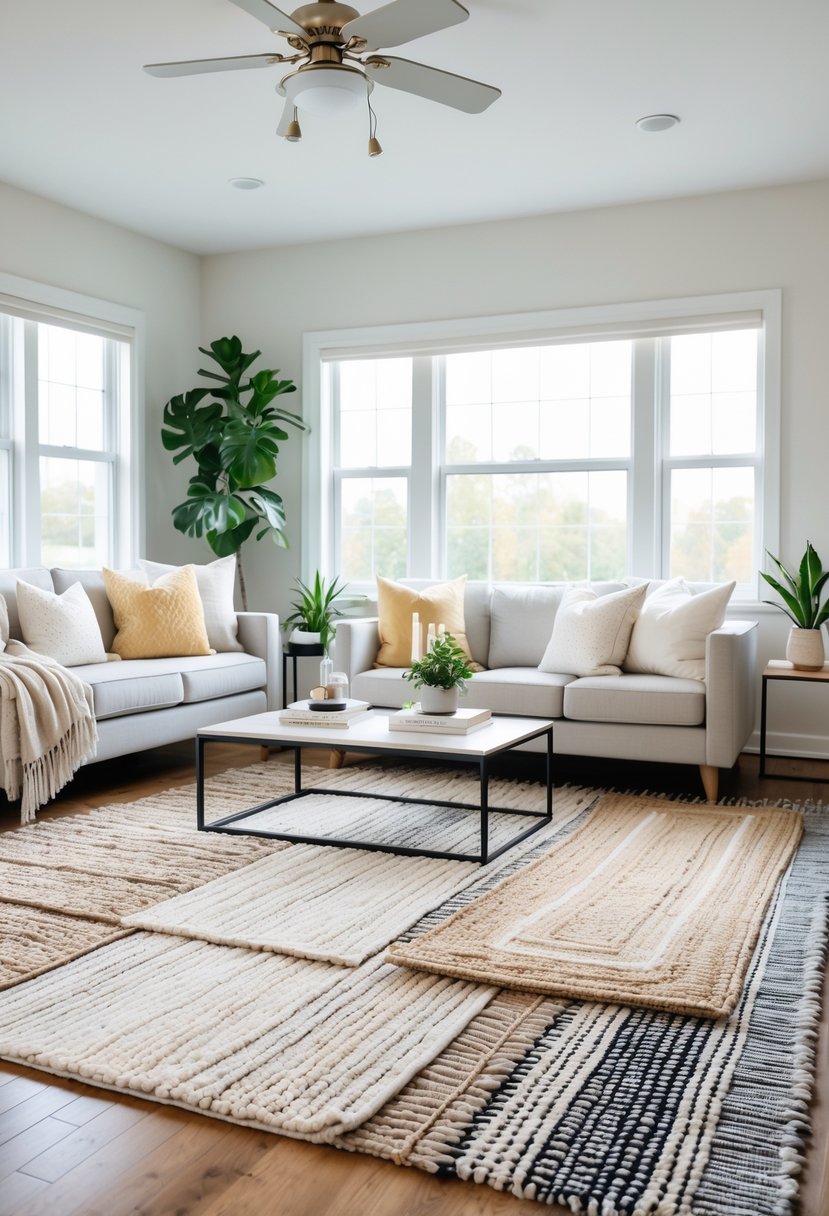
Layering rugs adds depth and comfort to a living room. It creates a more inviting space by combining different materials and patterns.
A larger base rug can ground the room, while a smaller rug on top introduces color or texture. This method works with both neutral and bold designs.
They can mix flat-weave rugs with plush options to balance style and function.
Use bold colors to create focal points
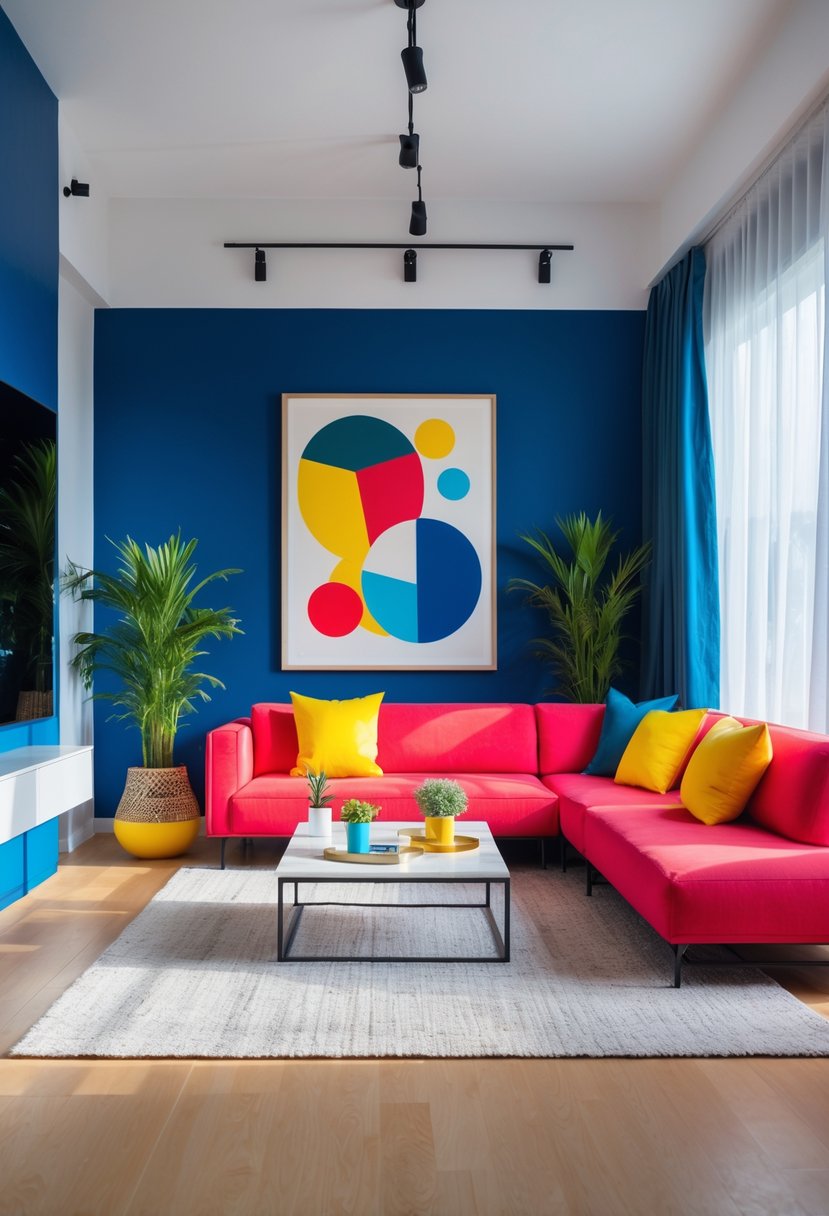
Bold colors can highlight specific areas in a living room. A single accent wall in teal or cobalt can draw attention without overwhelming the space.
Furniture or decor in rich tones, like an emerald sofa or mustard cushions, can serve as natural focal points.
Repeating one or two bold colors across rugs, pillows, or artwork helps keep the design balanced.
Incorporate mirrors to enlarge the space
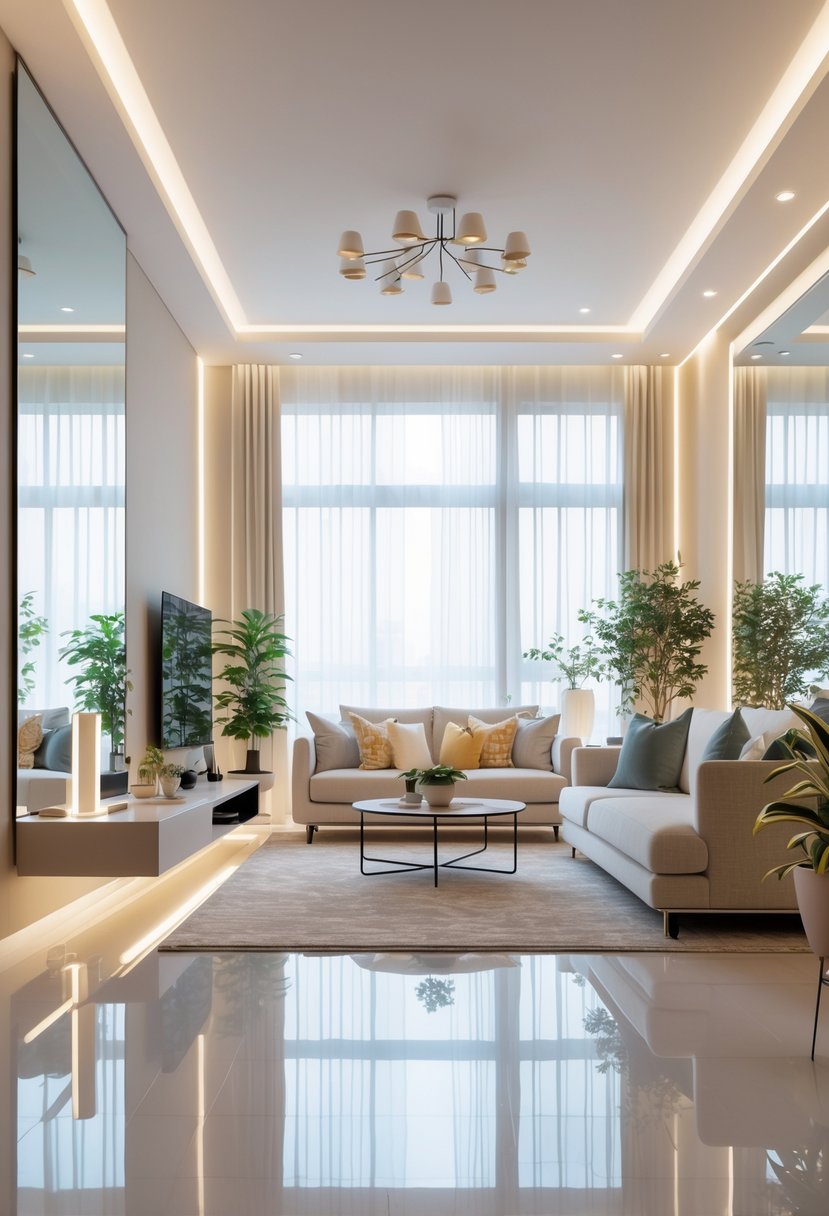
Mirrors reflect light and make a room feel brighter. When placed across from windows, they can bring in more natural light.
Large wall mirrors create the impression of extra depth. Leaning or hanging them behind furniture can also help the space look more open.
Add built-in shelving for storage and display
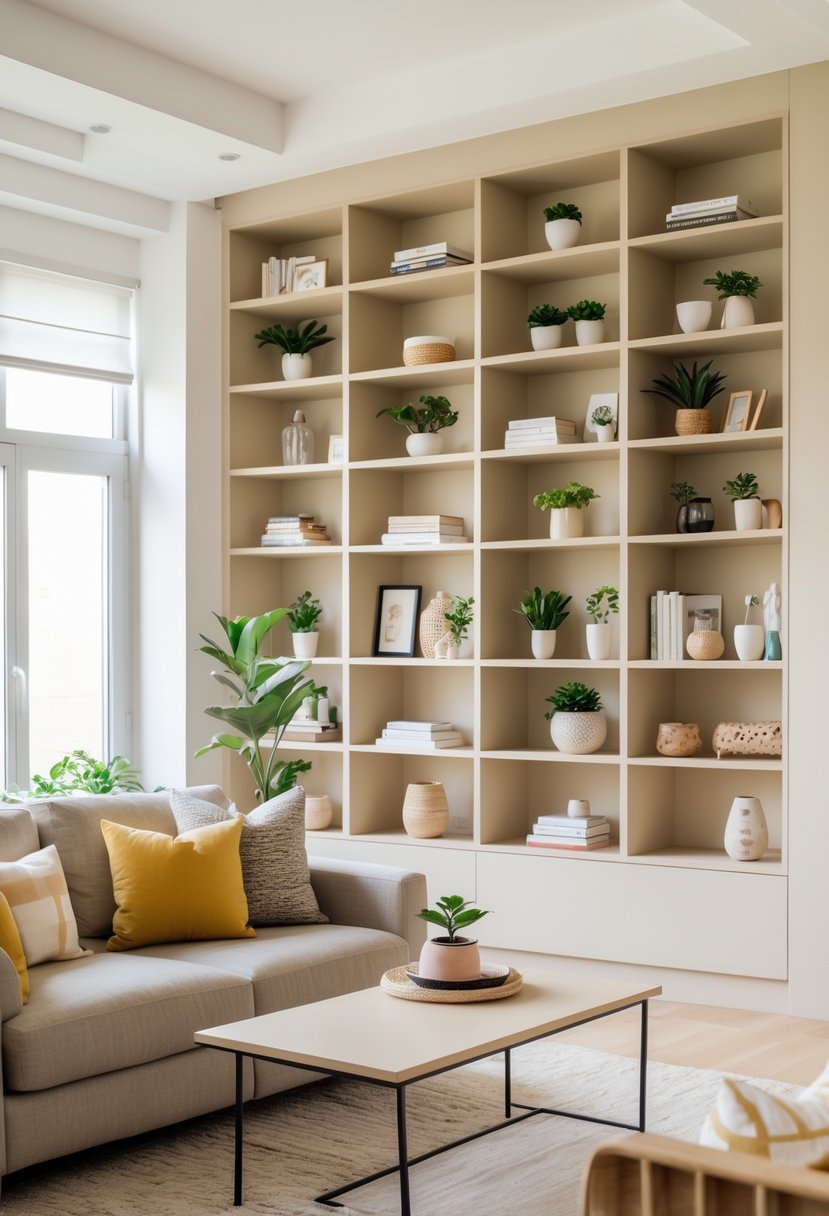
Built-in shelves give the living room both function and style. They create space for books, decor, and media equipment without taking up extra floor area.
Homeowners can choose open shelves for display or add cabinets below to hide clutter. This flexibility helps match different design needs.
Mix and match patterned cushions
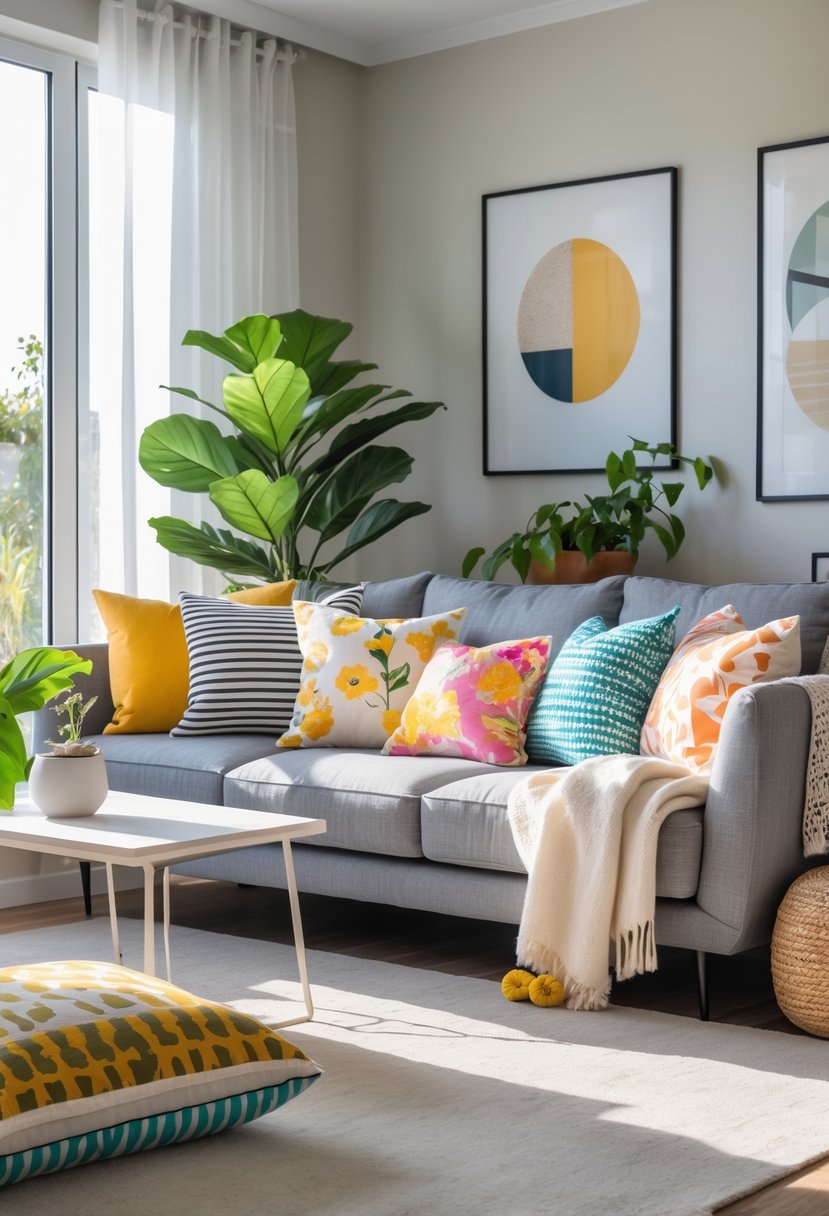
Patterned cushions can add depth and interest to a living room. They work well to break up solid colors on sofas and chairs.
Mixing geometric, floral, or abstract prints creates variety without overwhelming the space. Keeping a shared color palette helps the patterns feel balanced.
Choose warm neutral tones for a cozy feel
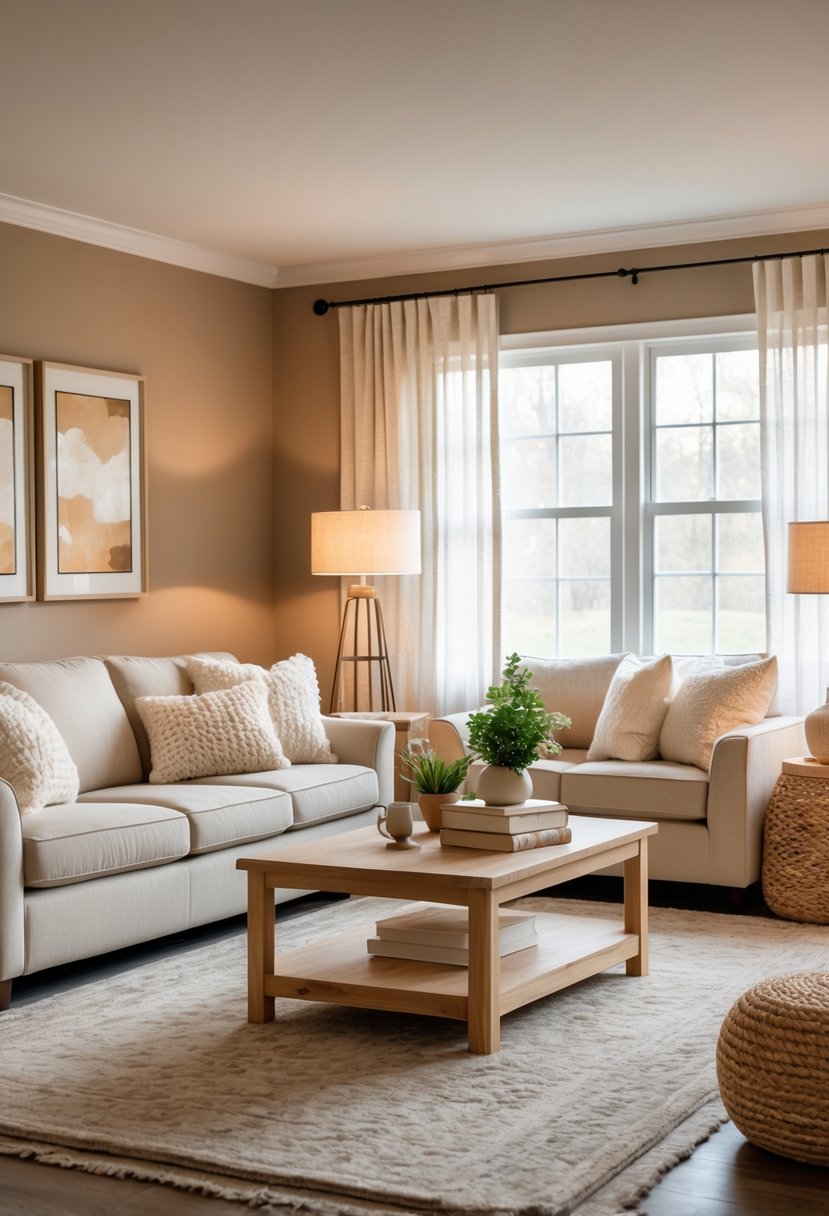
Warm neutral tones like beige, cream, and soft gray help create a calm backdrop.
They pair well with natural textures such as wood, stone, or linen.
By layering different shades, the living room feels inviting without looking plain.
Install dimmable lighting for ambiance
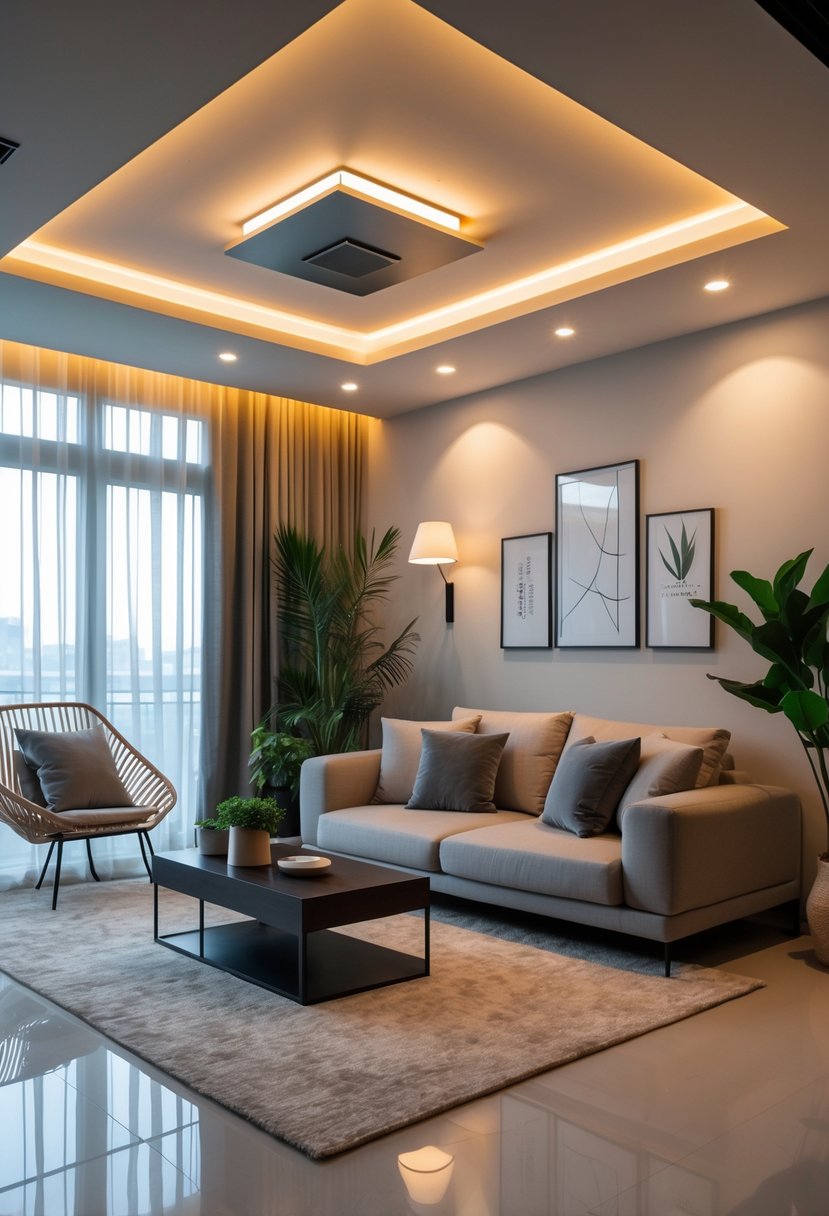
Dimmable lighting lets homeowners adjust brightness to match different activities. It creates flexibility for reading, watching movies, or hosting guests.
They can use floor lamps, ceiling fixtures, or wall sconces with dimmer switches. This setup makes the living room feel more comfortable and adaptable.
Use a statement coffee table
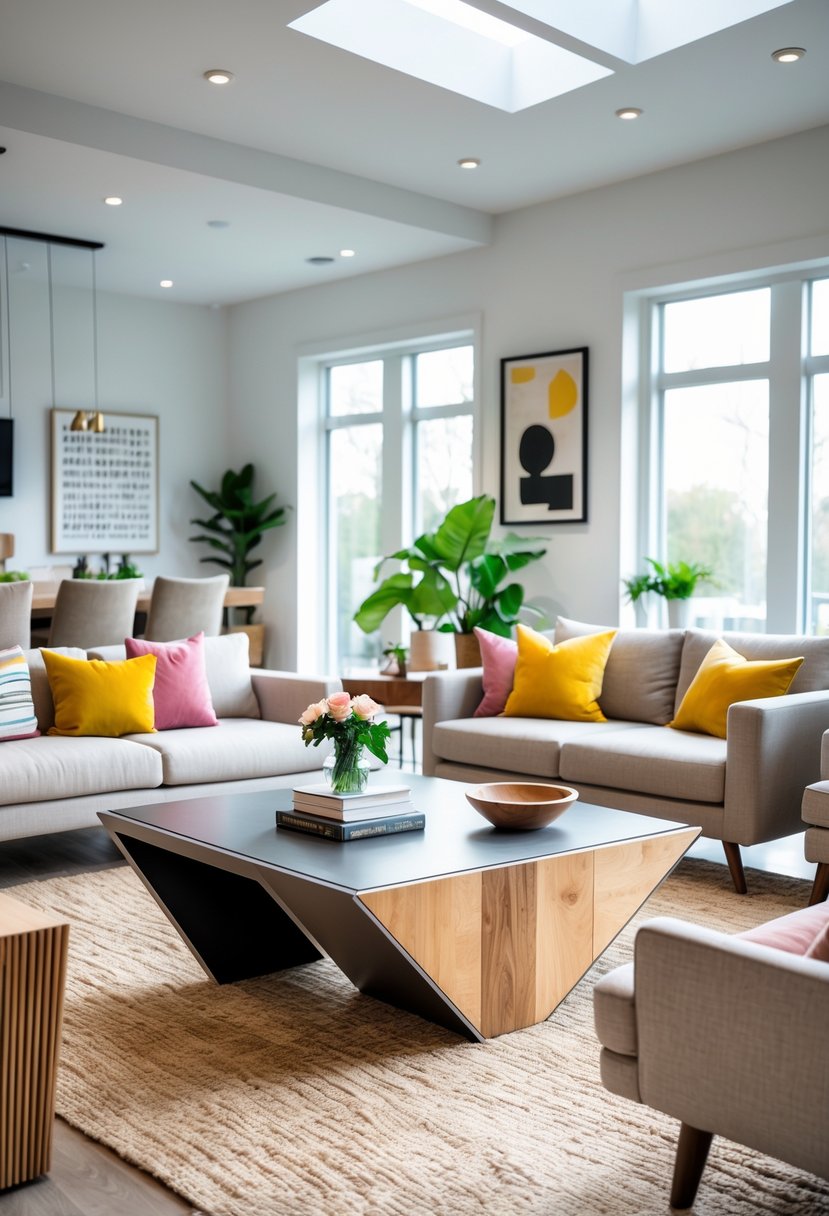
A statement coffee table can anchor the living room and set the tone for the space. It works as both a functional surface and a focal point.
They can choose bold shapes, unique materials, or multi-purpose designs to add character. Even small changes in style can refresh the entire room.
Add indoor plants for freshness
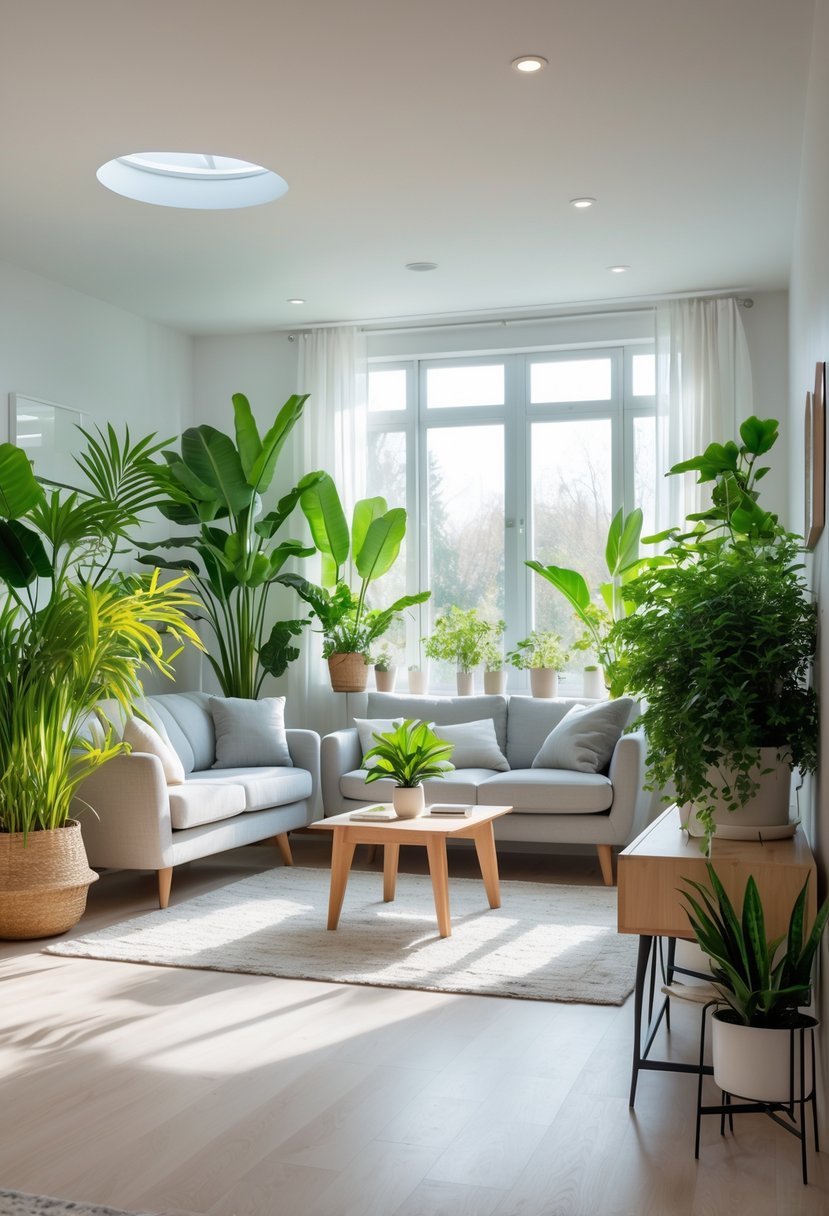
Indoor plants bring natural color and texture into a living room. They make the space feel more inviting without requiring major changes.
Small potted plants fit well on shelves or side tables, while larger floor plants can fill empty corners. Hanging plants add depth and variety to the layout.
Create a gallery wall with framed art
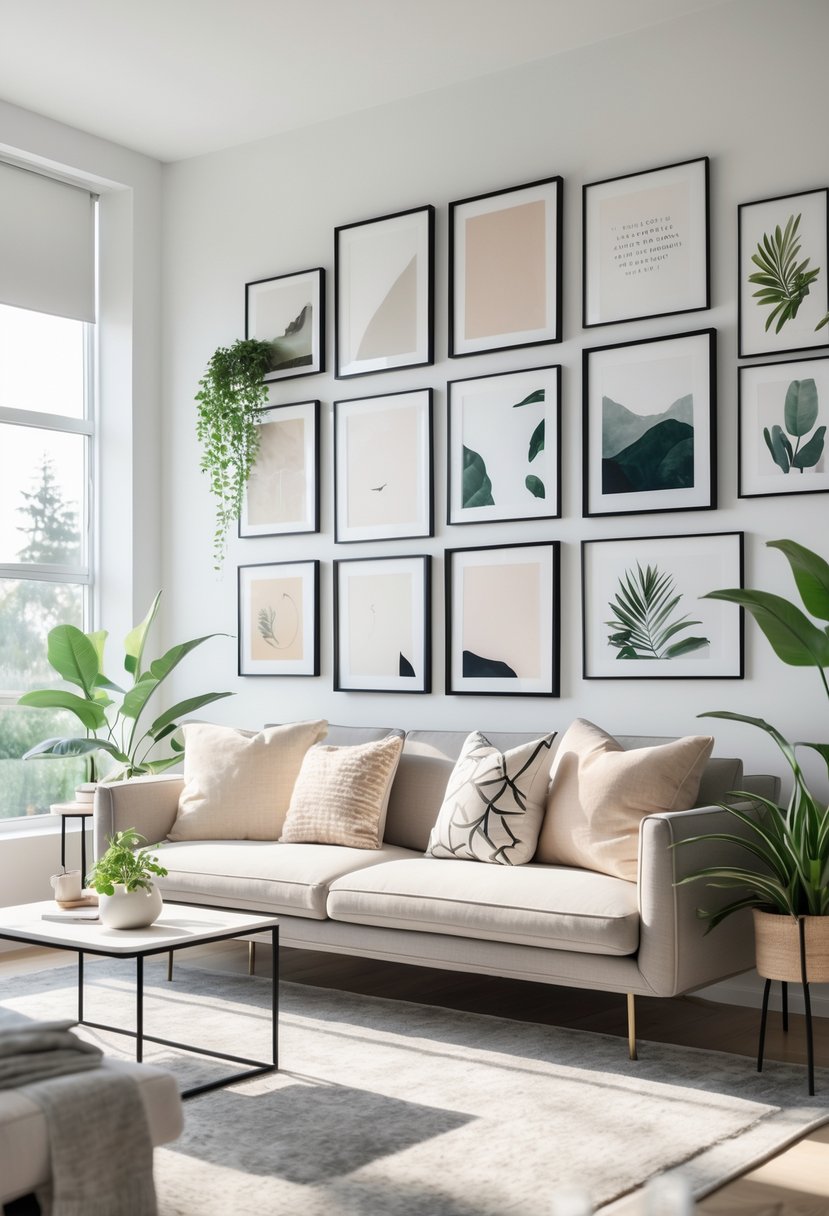
A gallery wall adds structure and interest to a living room. It works well for displaying photos, prints, or artwork in one defined space.
They can choose a central piece as the anchor, then arrange smaller frames around it. Matching or complementary frames help keep the layout balanced.
Using a consistent color palette ties the display together. Simple lighting can also highlight the artwork and make the wall feel intentional.
Use multifunctional furniture for flexibility
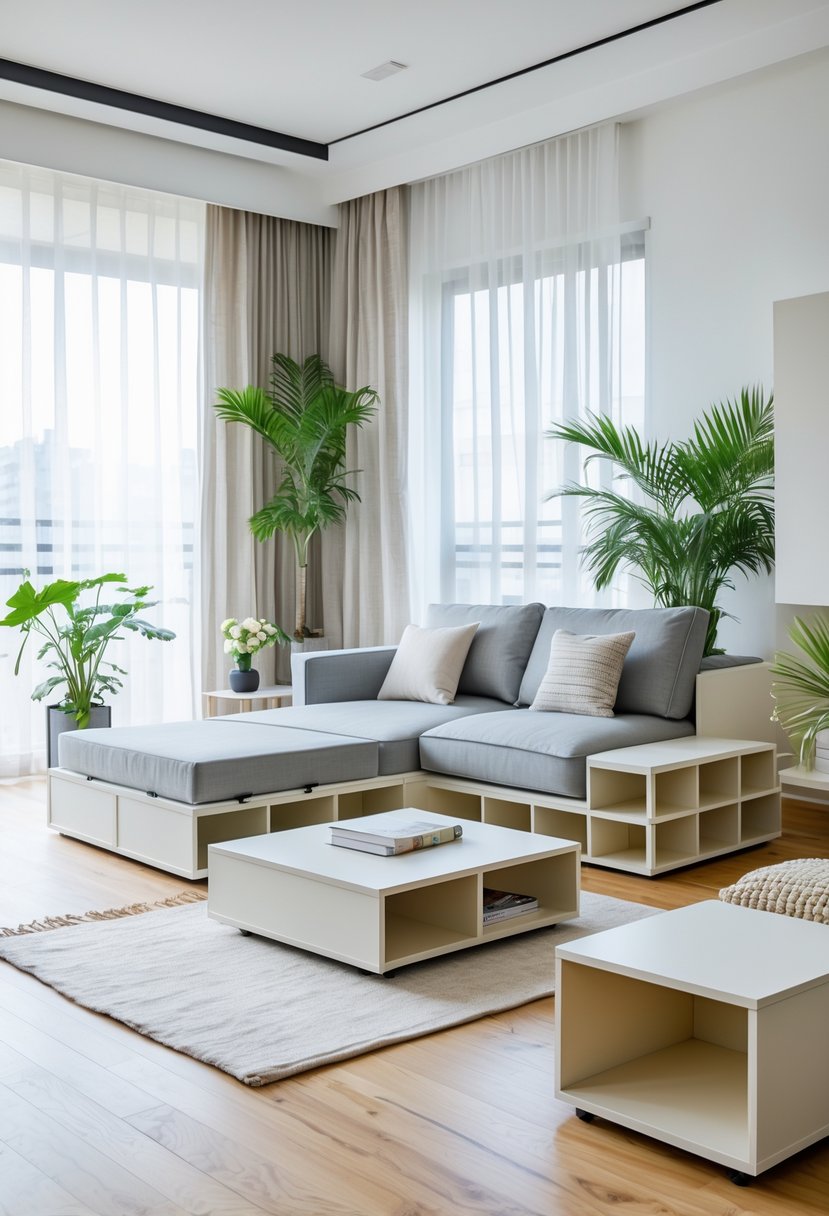
Multifunctional furniture helps a living room adapt to different needs without taking up extra space.
A storage ottoman, for example, works as seating, a footrest, or a place to keep blankets.
Modular sofas and foldable tables let people rearrange layouts easily, making the room more practical.
Paint an accent wall in a chic color
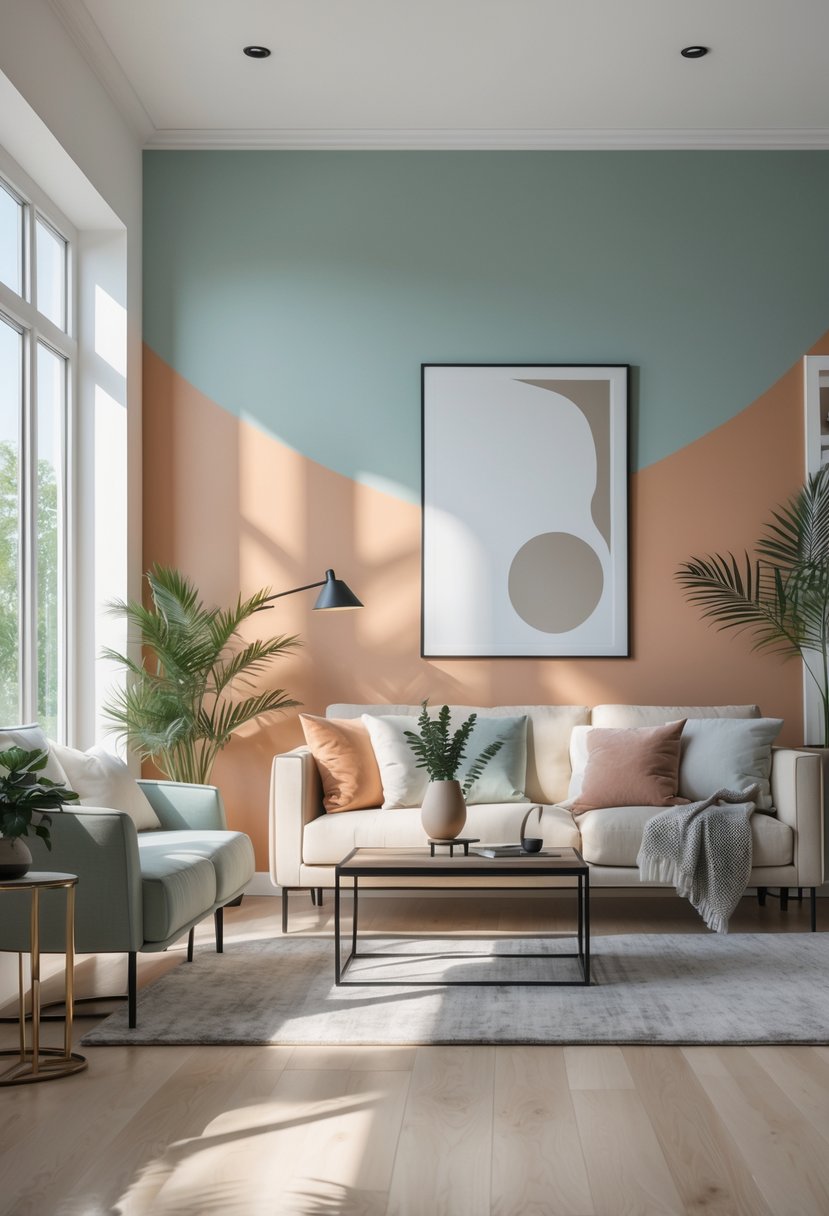
An accent wall adds focus to a living room without overwhelming the space. Designers in 2026 favor warm neutrals, deep greens, and soft blues for a balanced look.
She can choose one bold shade for a single wall to create contrast. This simple update refreshes the room with minimal effort.
Incorporate metallic decor accents
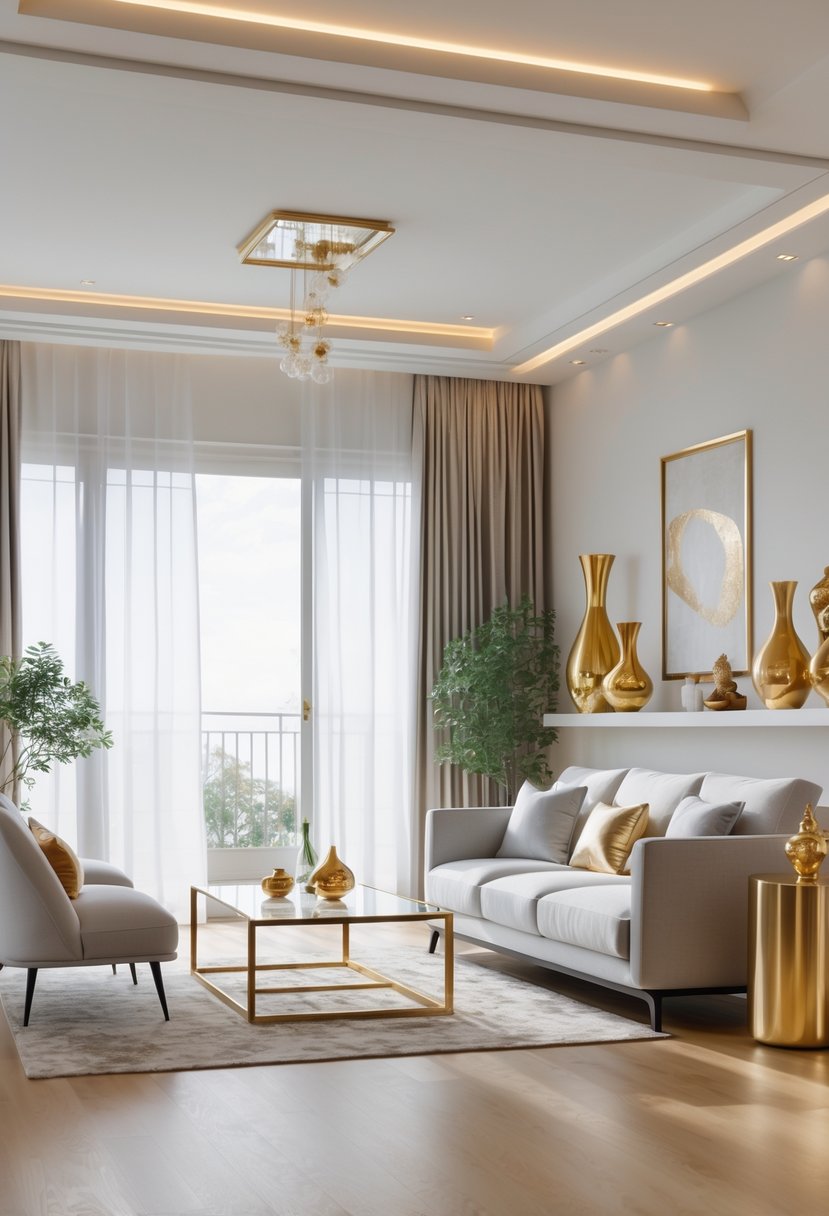
They can add subtle shine without overwhelming the room. Small pieces like mirrors, trays, or picture frames often work well as a starting point.
Larger items such as lighting fixtures or side tables can bring more impact. Mixing different finishes, like brass and chrome, creates balanced contrast.
Use sheer curtains to maximize natural light
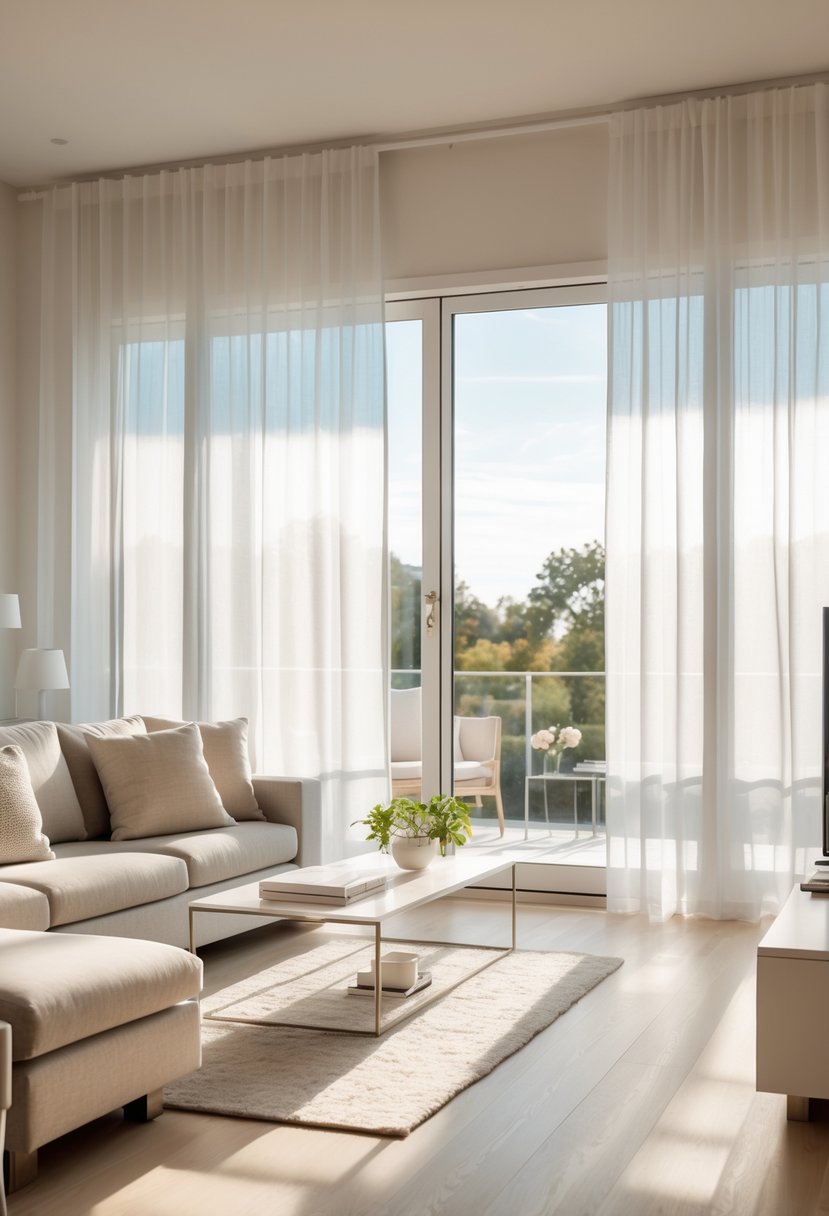
Sheer curtains allow sunlight to pass through while softening glare. They create a brighter space without blocking views.
When hung from ceiling to floor, they make windows appear taller and rooms feel more open.
Layering sheer panels with heavier drapes adds flexibility for privacy and light control.
Add a cozy reading nook with a comfy chair
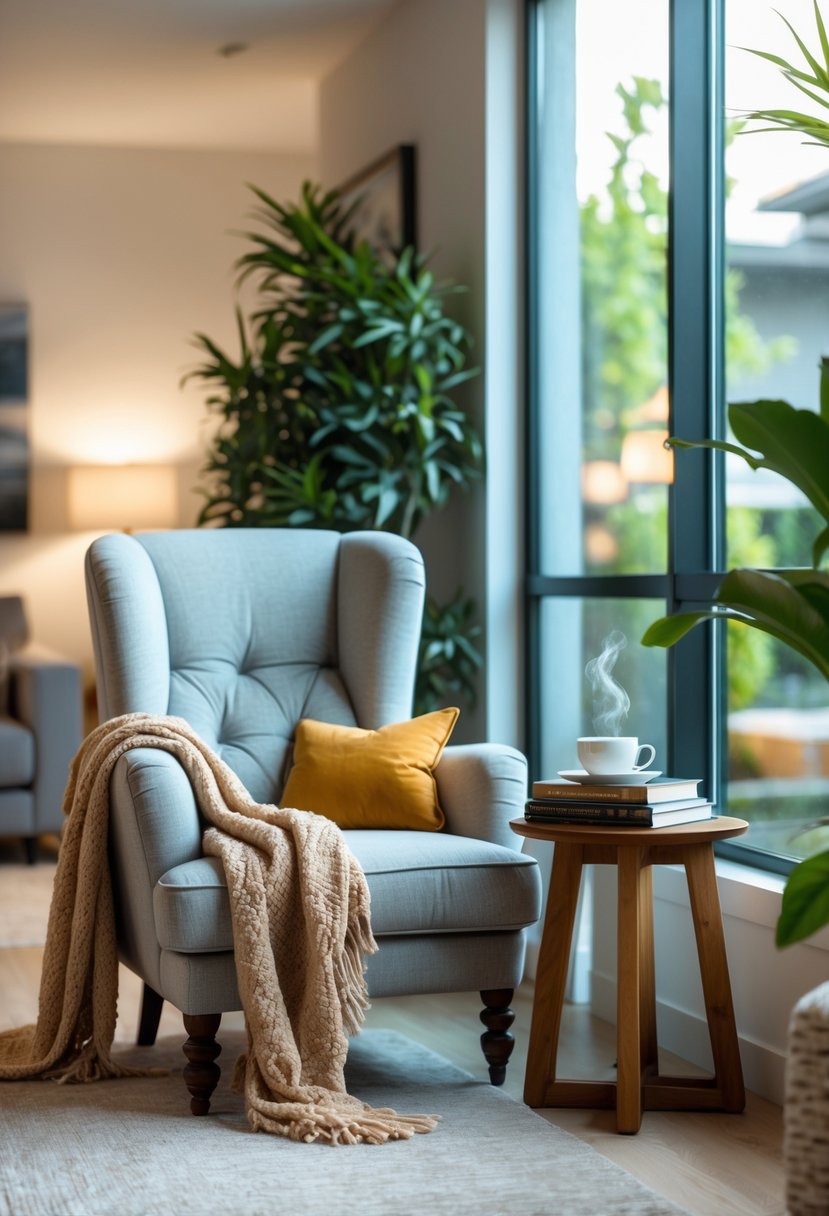
A small corner can become a quiet spot with the addition of a comfortable chair.
They can place a floor lamp nearby to provide steady light for reading.
A small side table works well for holding books, drinks, or a reading lamp.
Use textured throws and blankets
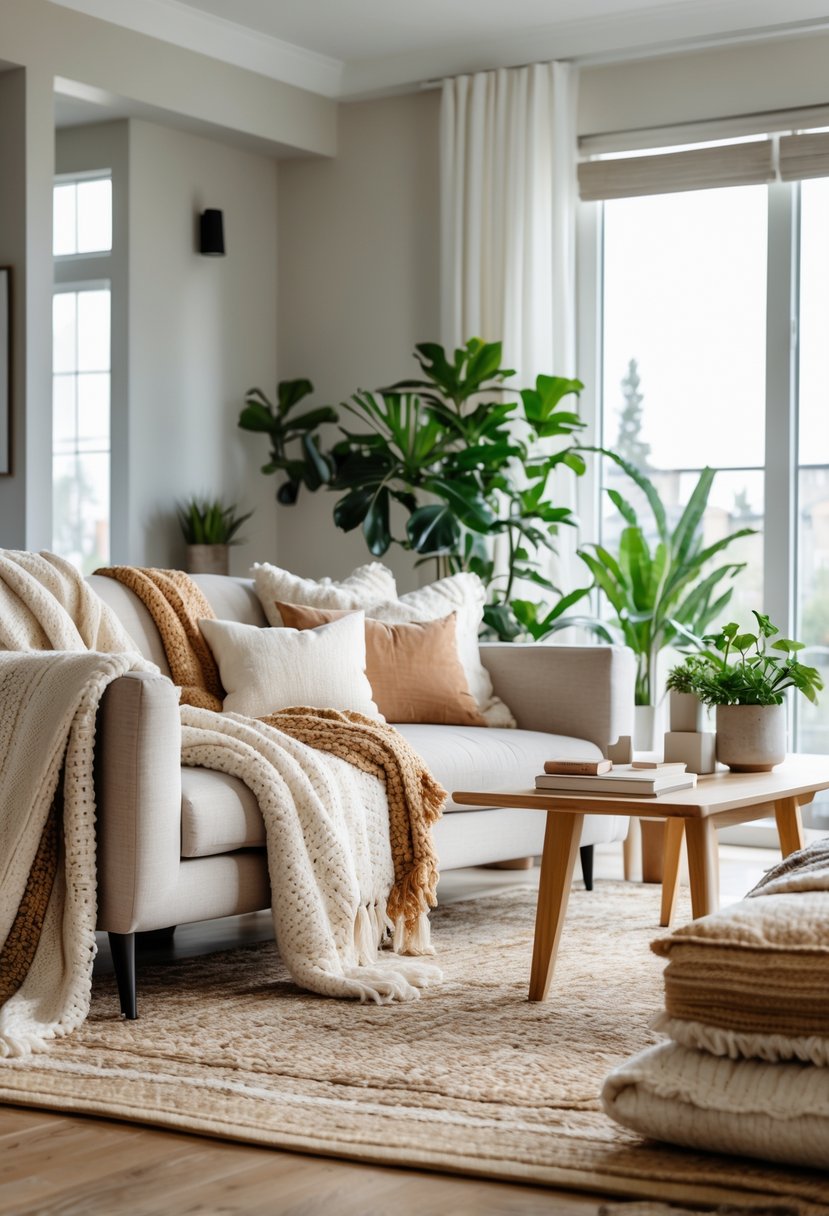
They can add warmth and depth to a living room without major changes. A simple knit or woven throw softens the look of a sofa or chair.
Layering blankets with cushions creates contrast and visual interest. Different materials, like cotton or faux fur, bring variety while keeping the space inviting.
Choose a large area rug to unify seating
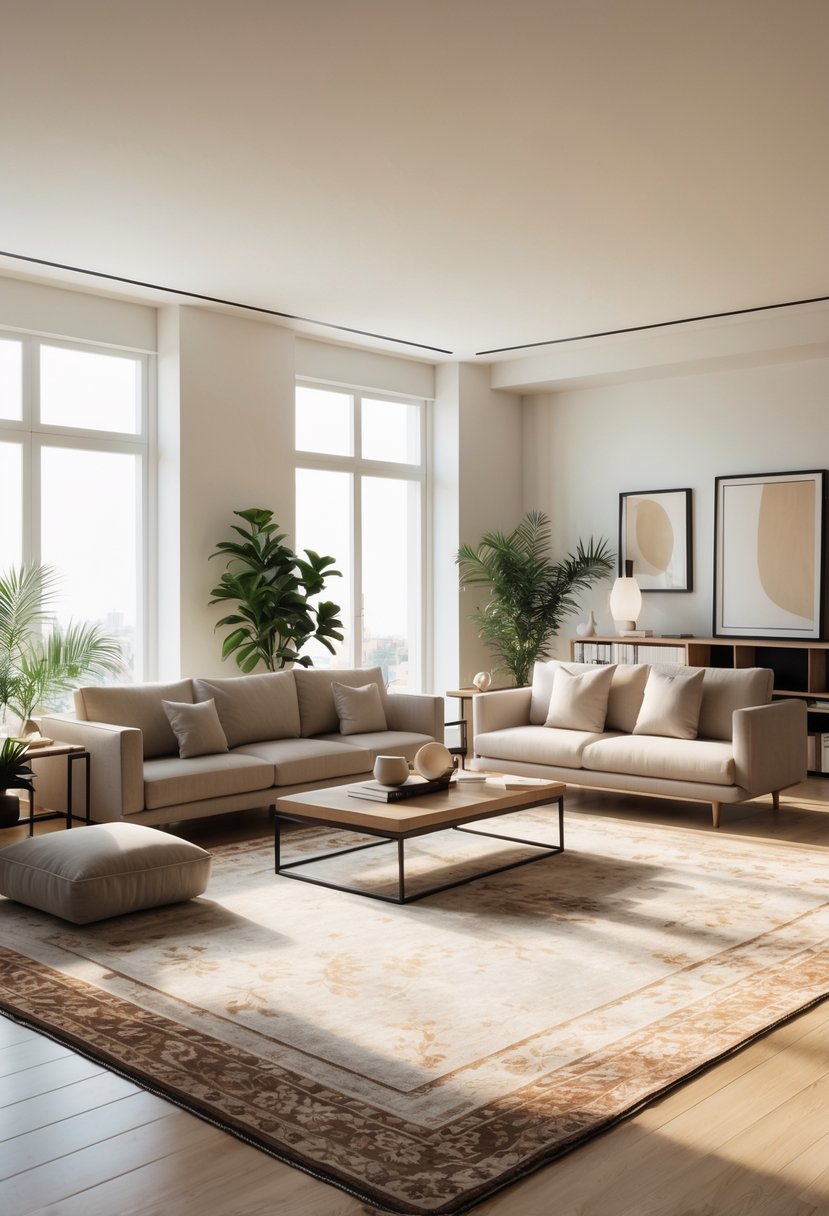
A large area rug helps define the seating area by bringing furniture pieces onto the same surface.
Placing sofas, chairs, and a coffee table on the rug creates a connected layout.
The rug also balances the room’s proportions, making the space look organized and cohesive.
Incorporate natural materials like wood and stone
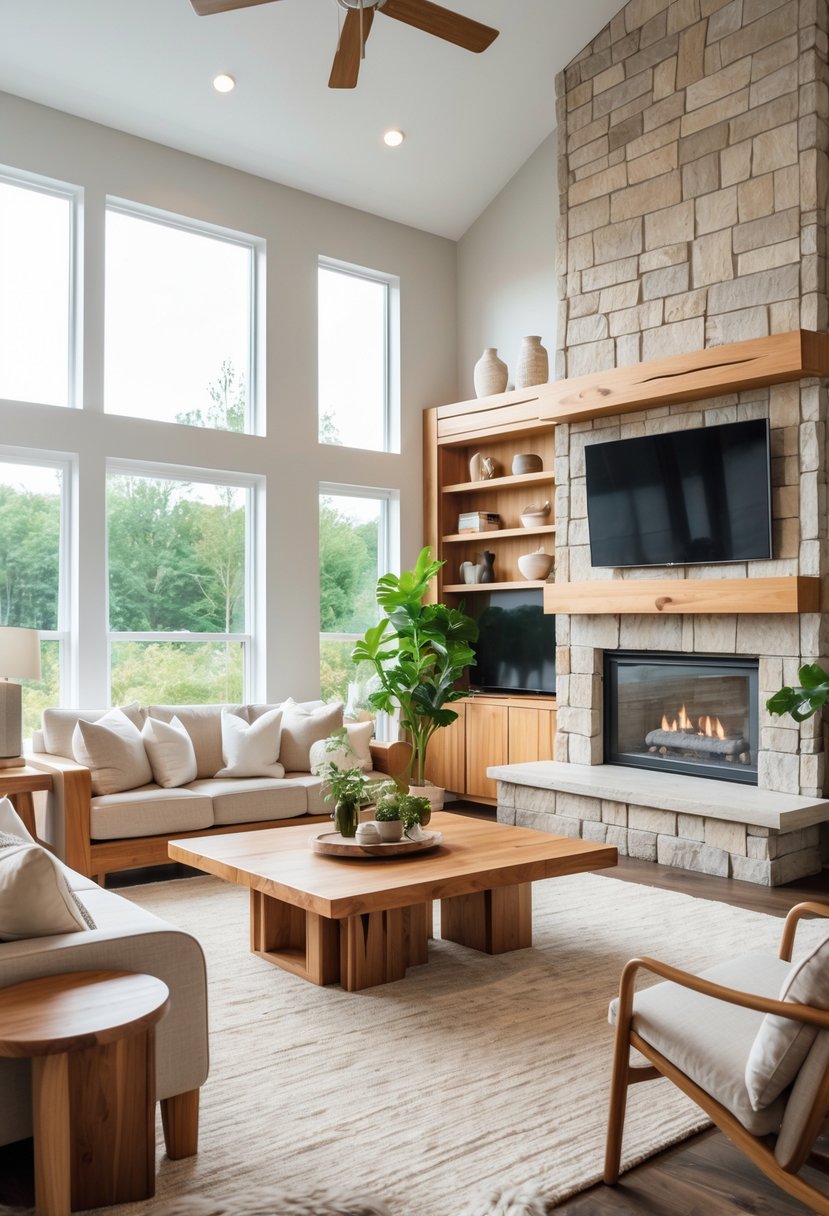
Wood and stone add warmth and texture to a living room. They create a grounded look that feels balanced and timeless.
A wooden coffee table or shelving pairs well with stone accents like a fireplace or wall detail. Together, these materials bring a simple, natural character to the space.
Add floating shelves for minimalistic storage
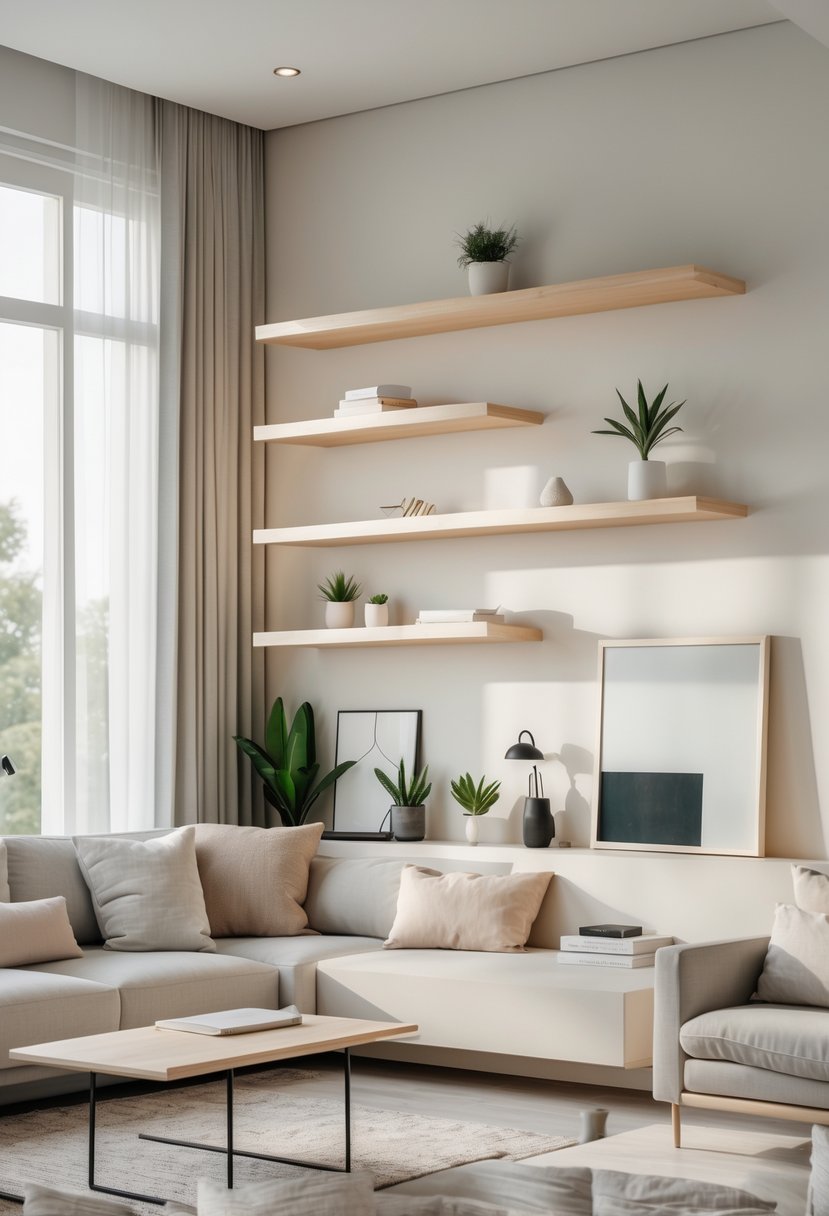
Floating shelves give the living room a clean look while keeping items within reach.
They work well for displaying books, framed photos, or simple decor without taking up floor space.
Different sizes or finishes let them match modern, rustic, or minimalist styles.
Use geometric patterns in decor elements
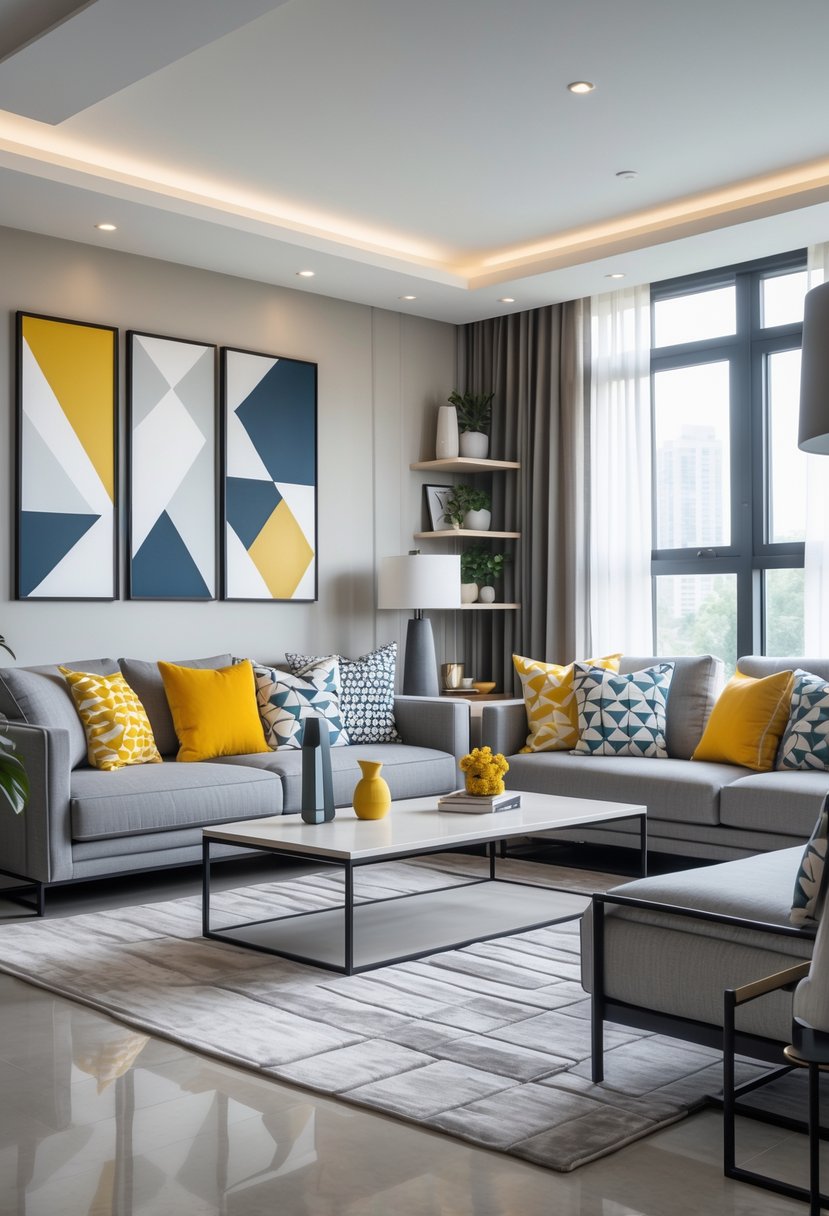
Geometric patterns add structure and interest to a living room. They work well on rugs, throw pillows, or wall art without overwhelming the space.
Many 2026 designs highlight bold shapes like diamonds, chevrons, and grids. These patterns can create a modern look while keeping the room balanced and cohesive.
Place a large floor mirror strategically
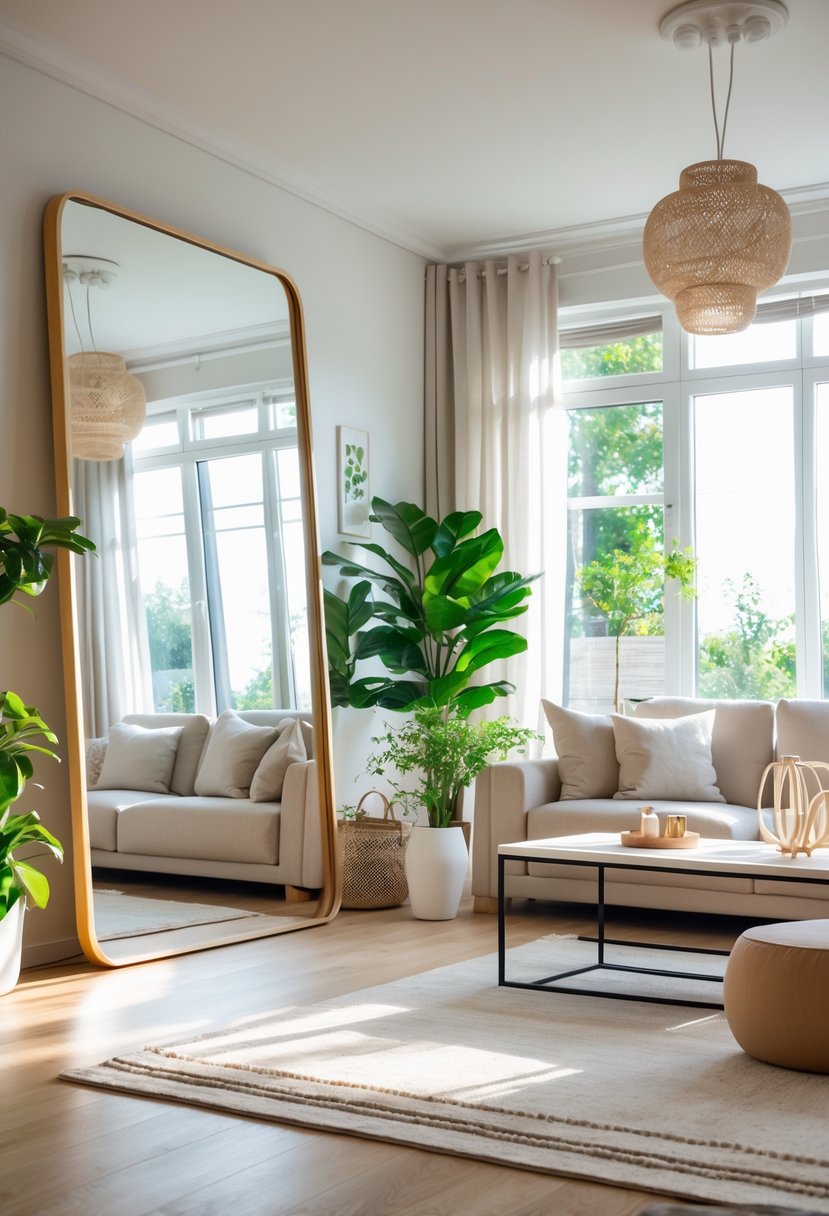
A large floor mirror can make a living room feel brighter by reflecting natural light.
When placed opposite a window, it helps distribute daylight across the space.
Leaning it against a wall also adds depth without requiring permanent installation.
Design Principles for a Modern Living Room
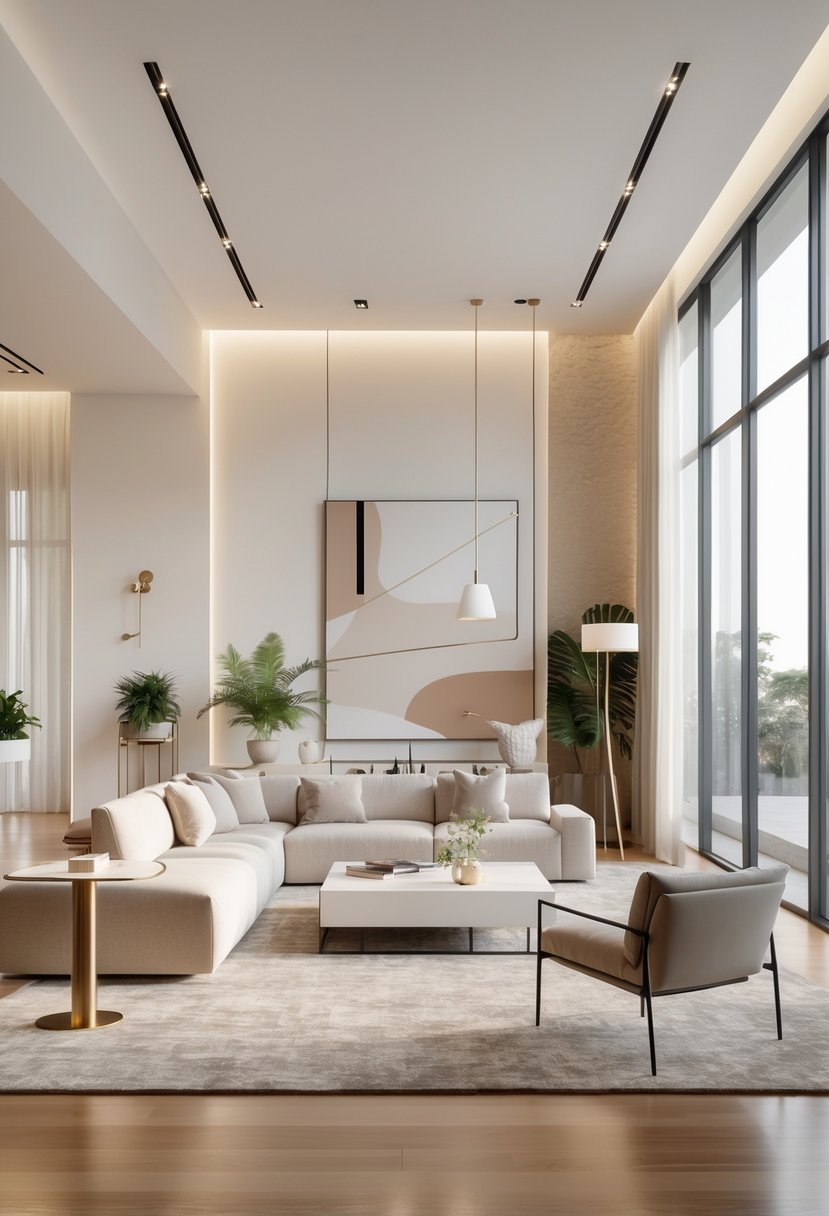
A modern living room focuses on creating a space that feels both practical and visually appealing. It also reflects current values by using eco-friendly choices that reduce waste and support long-term living.
Balancing Functionality and Aesthetics
A modern living room must serve daily needs while maintaining a clean, stylish look. Furniture should support comfort and usability without overcrowding the room. For example, modular sofas, nesting tables, and built-in storage keep the space adaptable and organized.
Lighting plays a major role in blending function with design. Layered lighting—such as ceiling fixtures, floor lamps, and wall sconces—adds flexibility for reading, relaxing, or hosting guests. Neutral color palettes with bold accents help create a calm backdrop while still allowing personality to show through.
Layout also matters. Open floor plans often connect the living room to kitchens or dining areas. To keep the space defined, designers use rugs, furniture placement, or shelving as subtle dividers. This balance ensures the room feels open but not chaotic.
Key elements to consider:
- Multi-purpose furniture
- Flexible lighting options
- Defined zones in open layouts
- Neutral base with accent colors
Incorporating Sustainable Materials
Sustainability has become central in modern living room design. Homeowners now look for materials that last longer and reduce environmental impact. Reclaimed wood, bamboo, and recycled metal are common choices for furniture and decor.
Textiles also play a role. Upholstery made from organic cotton, linen, or recycled fabrics supports eco-friendly living. Rugs made from natural fibers like jute or wool add warmth without relying on synthetic materials.
Paints and finishes with low or zero VOCs improve indoor air quality while keeping walls and furniture safe for families. Energy-efficient lighting, such as LED fixtures, reduces electricity use and lowers costs over time.
Examples of sustainable swaps:
| Conventional Option | Sustainable Alternative |
|---|---|
| Plastic furniture | Reclaimed wood pieces |
| Synthetic rugs | Wool or jute rugs |
| Standard paint | Low-VOC or natural paint |
By choosing durable and natural materials, the living room becomes both stylish and environmentally responsible.
Color Trends and Palette Selection for 2026
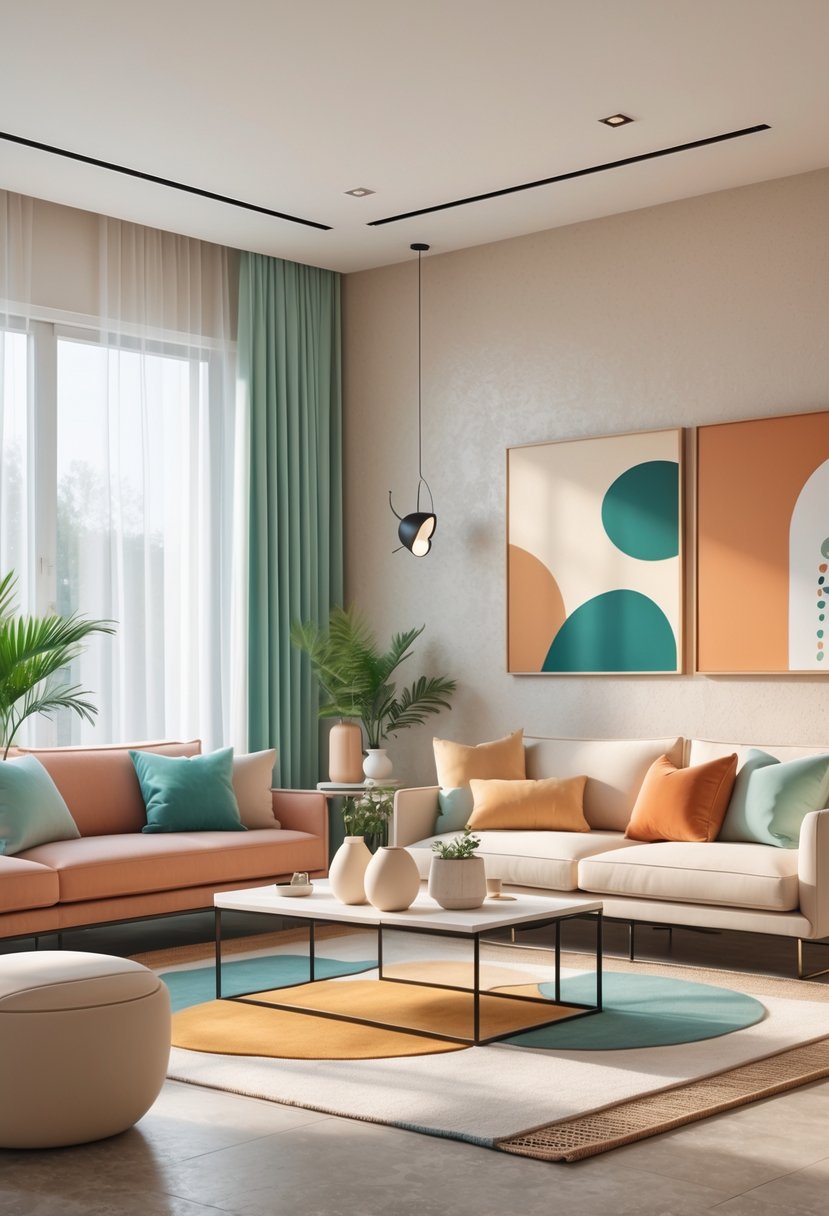
Designers highlight a shift toward warmer earth tones, muted pastels, and rich jewel shades. These colors balance comfort with style and allow homeowners to create spaces that feel updated without losing a sense of familiarity. Careful use of accents and contrast can make a room feel more dynamic and personal.
Emerging Color Schemes
In 2026, natural-inspired palettes gain attention. Warm clay, soft terracotta, and sandy beige appear as key neutrals. These shades pair well with muted greens and browns, creating a calm and grounded atmosphere.
Cooler tones remain present but are softer than in past years. Pale blue-gray and dusty lavender work as subtle backdrops, offering a light and airy feel without appearing stark.
Jewel tones also play a role in modern living rooms. Deep emerald, sapphire, and burgundy provide richness when used on furniture or accent walls. These colors add depth without overwhelming the space if balanced with lighter neutrals.
A simple pairing guide:
| Base Color | Complementary Accent | Effect |
|---|---|---|
| Warm Beige | Muted Olive | Relaxed and natural |
| Dusty Blue | Soft Gray | Calm and airy |
| Deep Emerald | Light Taupe | Bold yet balanced |
Accent Walls and Statement Pieces
Accent walls continue to serve as a tool for defining space. In 2026, they often feature darker tones like charcoal, navy, or rich terracotta. These shades create contrast against lighter walls and highlight architectural features.
Statement pieces, such as a colorful sofa or patterned rug, allow homeowners to test bold colors without committing to an entire room. Jewel-toned furniture or textured fabrics in rust, plum, or teal work especially well.
Painted trim and ceilings also gain popularity. Using a slightly darker or lighter shade than the walls adds subtle interest while keeping the palette cohesive. This approach gives a room depth without relying on heavy patterns.
For those hesitant to use strong colors, smaller accents—pillows, artwork, or lamps—can introduce variety. This method keeps the design flexible as trends evolve.
Explore these living room layout ideas from Apartment Therapy.