Open Kitchen Living Rooms For 2026: 22 Modern Design Ideas For Seamless Living
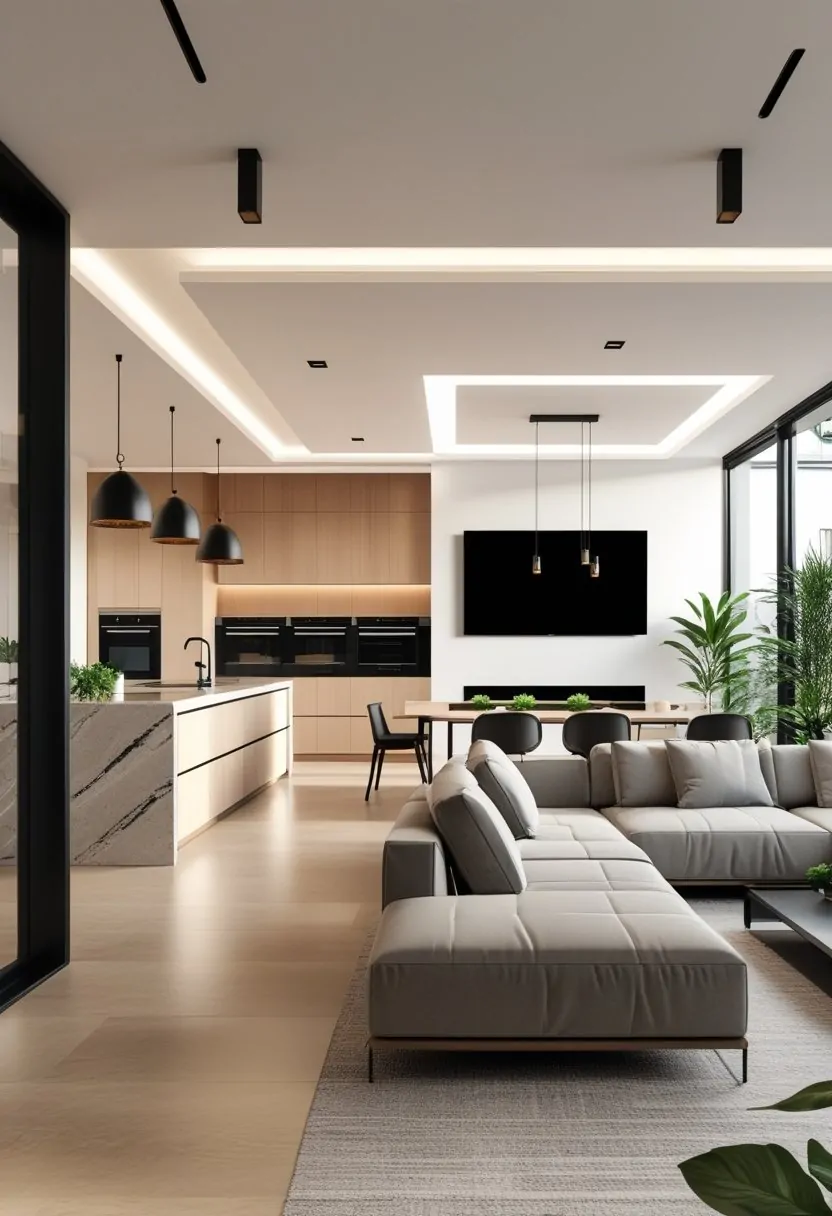
Open kitchen living rooms continue to shape modern homes, blending cooking, dining, and relaxing into one connected space. This design approach promotes openness, light, and easy movement, creating a balanced environment for daily living. It helps people make the most of their space while keeping style and comfort in harmony.
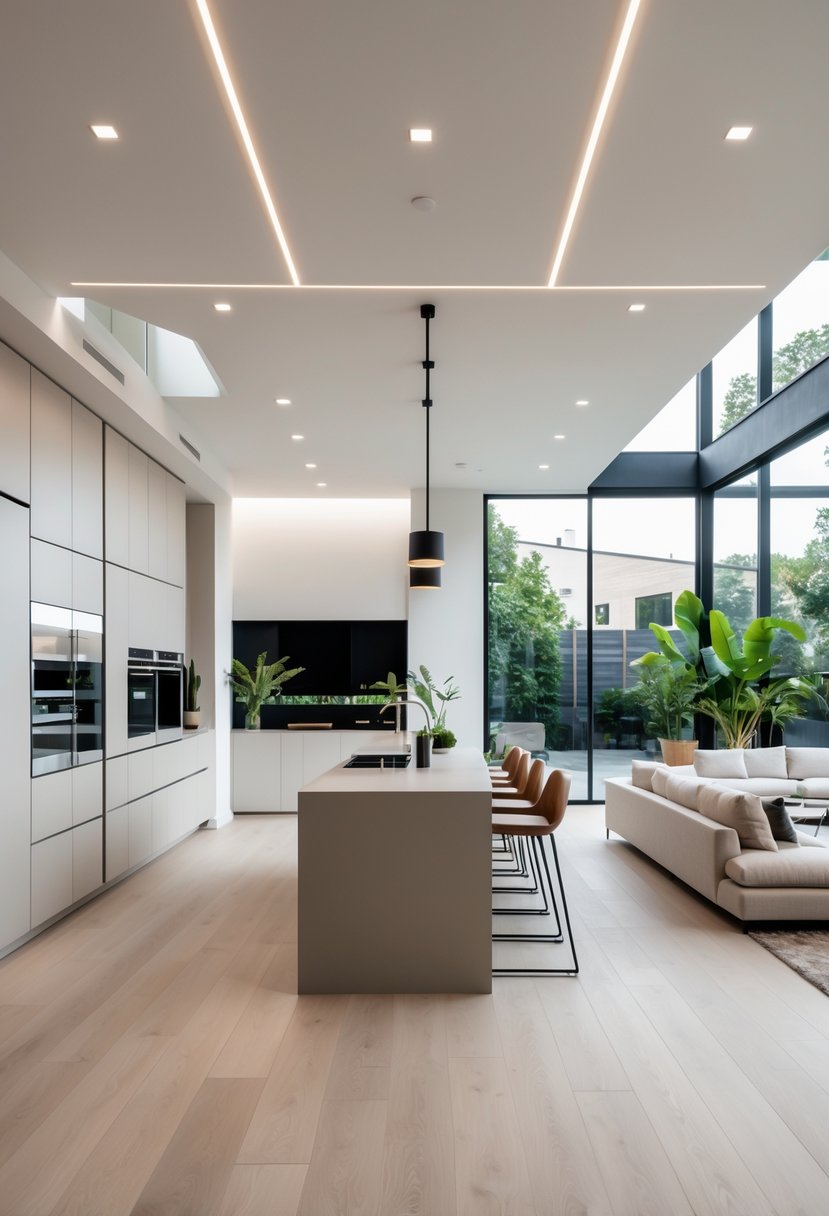
In 2026, open-concept layouts evolve with new materials, smart features, and design principles that focus on simplicity and function. These spaces aim to feel natural, welcoming, and efficient, reflecting how people live and connect today.
Maximize natural light with large windows
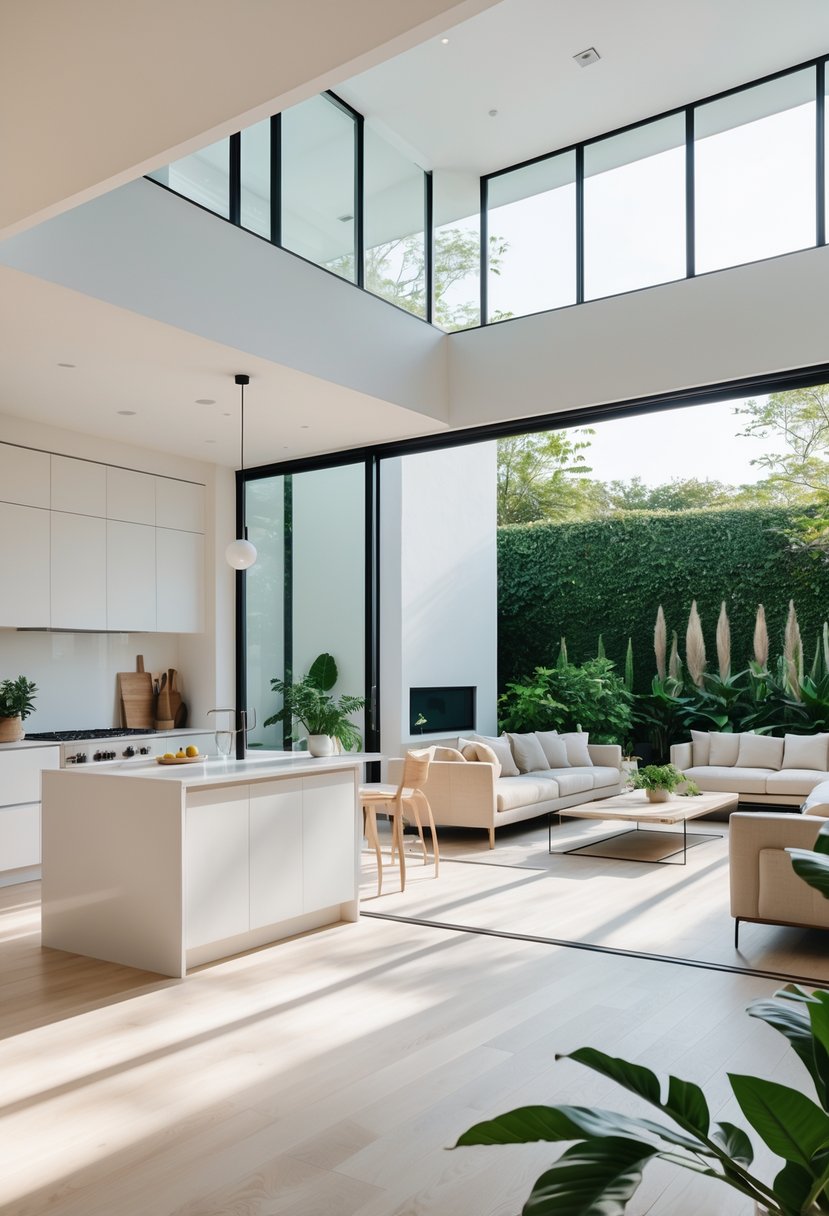
Large windows help connect the kitchen and living areas with the outdoors. They allow sunlight to fill the space, making it feel open and calm.
Floor-to-ceiling or sliding glass windows work well for modern layouts. They reduce the need for artificial lighting and highlight natural materials and colors.
Use a consistent color palette throughout
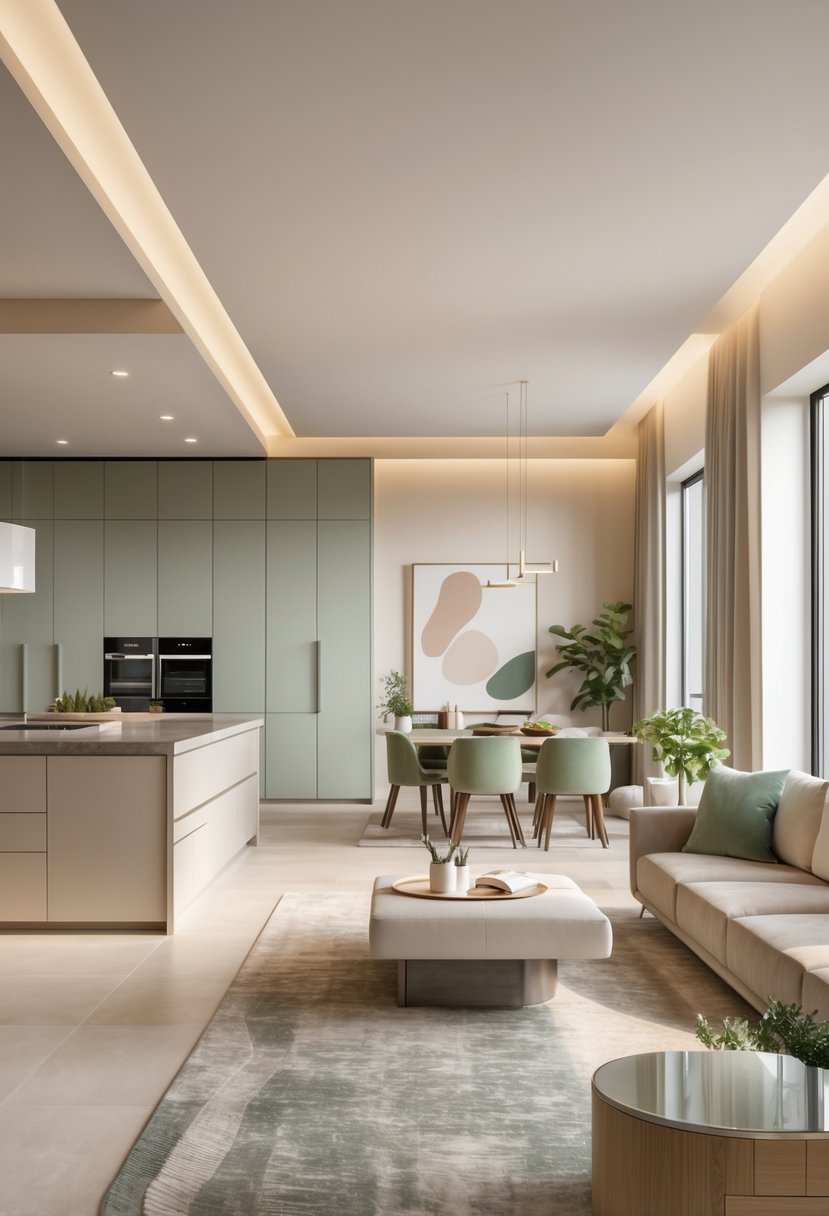
They keep the open kitchen and living room connected by using the same color tones in both spaces.
Soft earth tones or warm neutrals help the rooms flow together without sharp contrasts.
Repeating cabinet, wall, or fabric colors creates balance and makes the shared area feel unified and calm.
Incorporate a kitchen island with seating
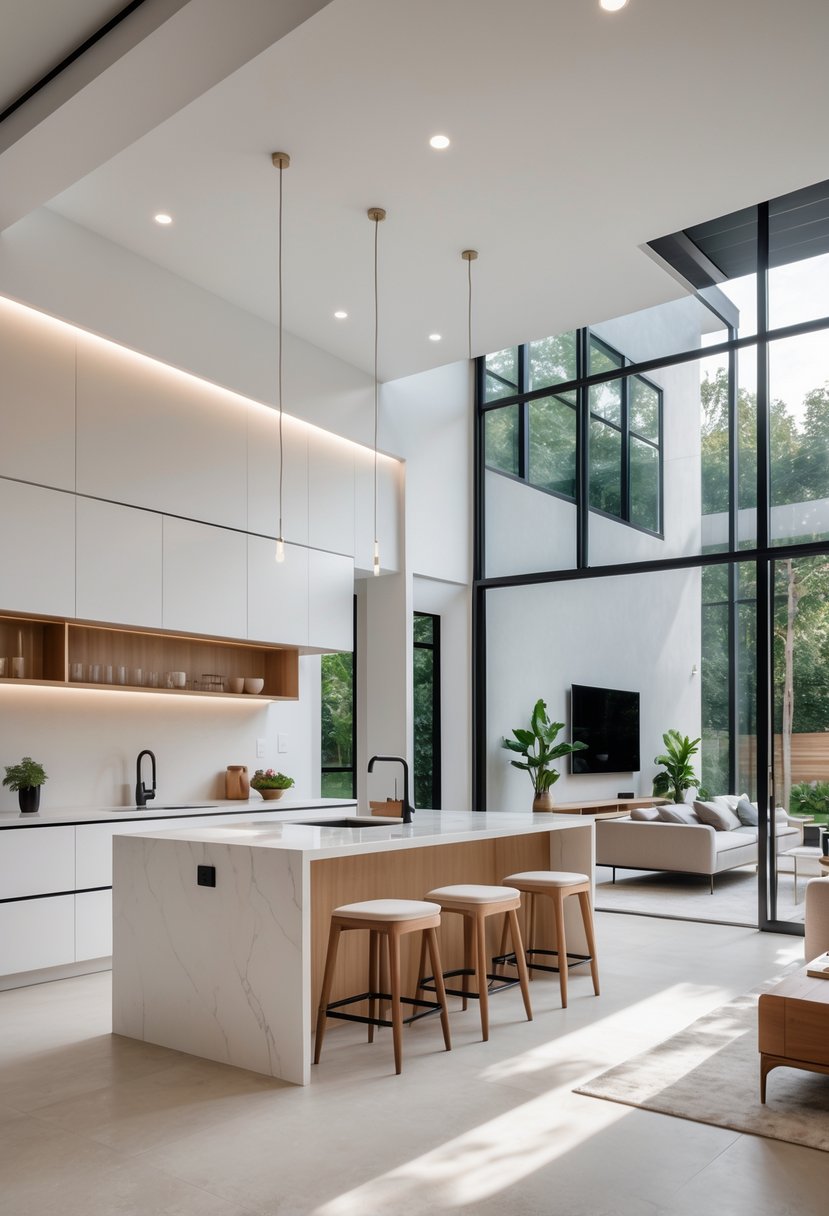
A kitchen island with seating adds function and comfort to an open kitchen living room. It provides extra counter space for cooking and a casual spot for meals or conversation.
Placing the island to face the living area helps connect both spaces. It encourages interaction while maintaining a clean and modern layout.
Choose sleek, minimalist cabinetry
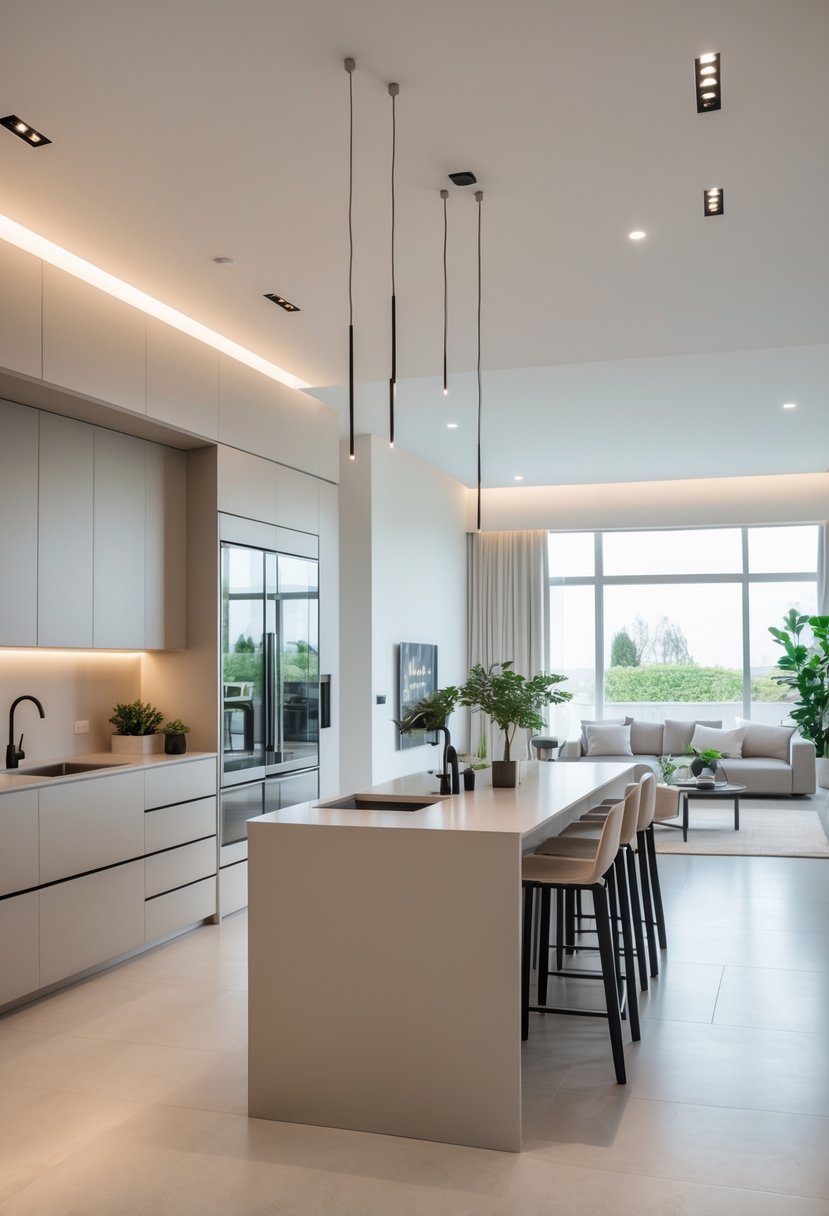
They can select cabinetry with clean lines and smooth surfaces to maintain an open and uncluttered look.
Handle-free doors or hidden pulls create a modern, streamlined appearance.
Neutral colors like white, beige, or light wood tones help the kitchen blend naturally with the living area.
Add pendant lighting over the island
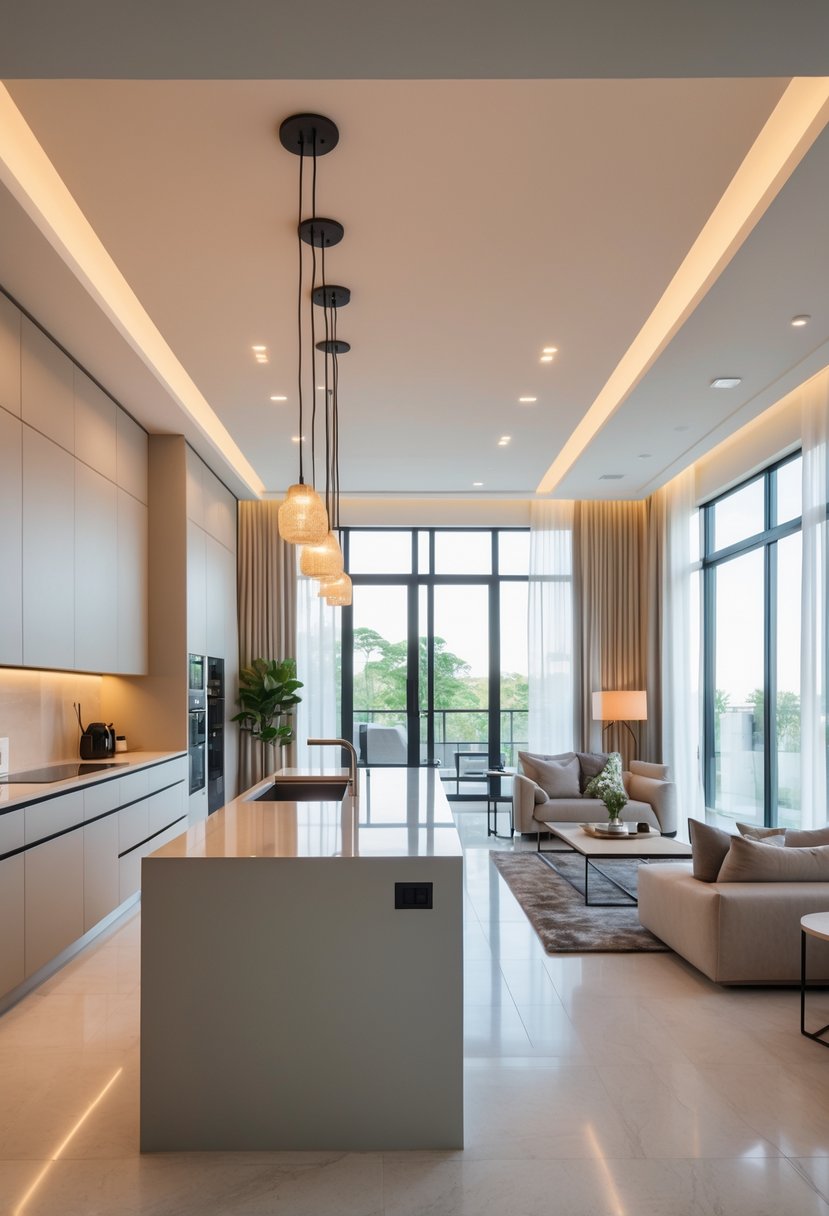
Pendant lighting helps define the kitchen island within an open living space. It provides focused light for cooking and dining while adding visual balance to the room.
Designers in 2026 favor simple shapes, natural materials, and adjustable heights. These choices keep the space bright, functional, and visually connected to the rest of the room.
Use hardwood flooring for continuity
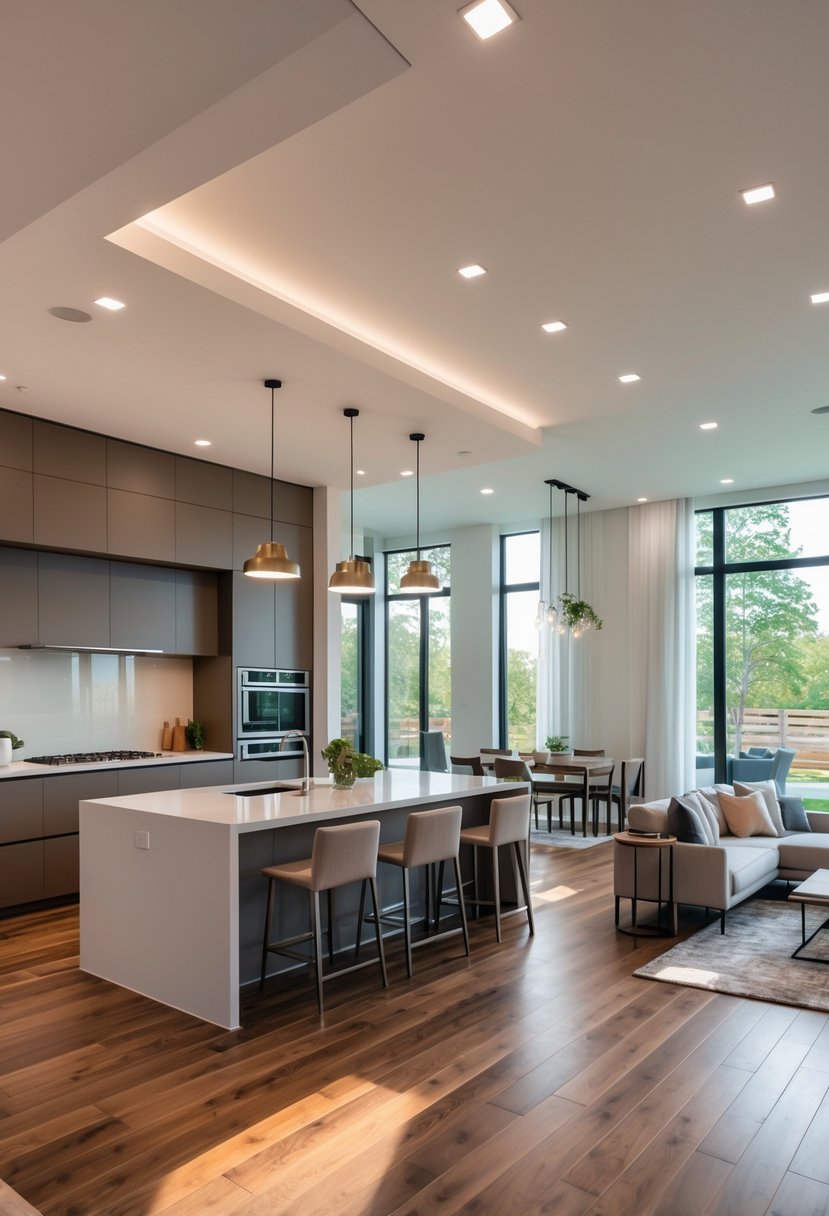
Hardwood flooring helps connect the kitchen and living room, making the open layout feel unified.
Using the same wood tone across both areas creates a smooth visual flow.
In 2026, designers favor natural finishes and warm, neutral shades that add balance and match many interior styles.
Create distinct zones with rugs
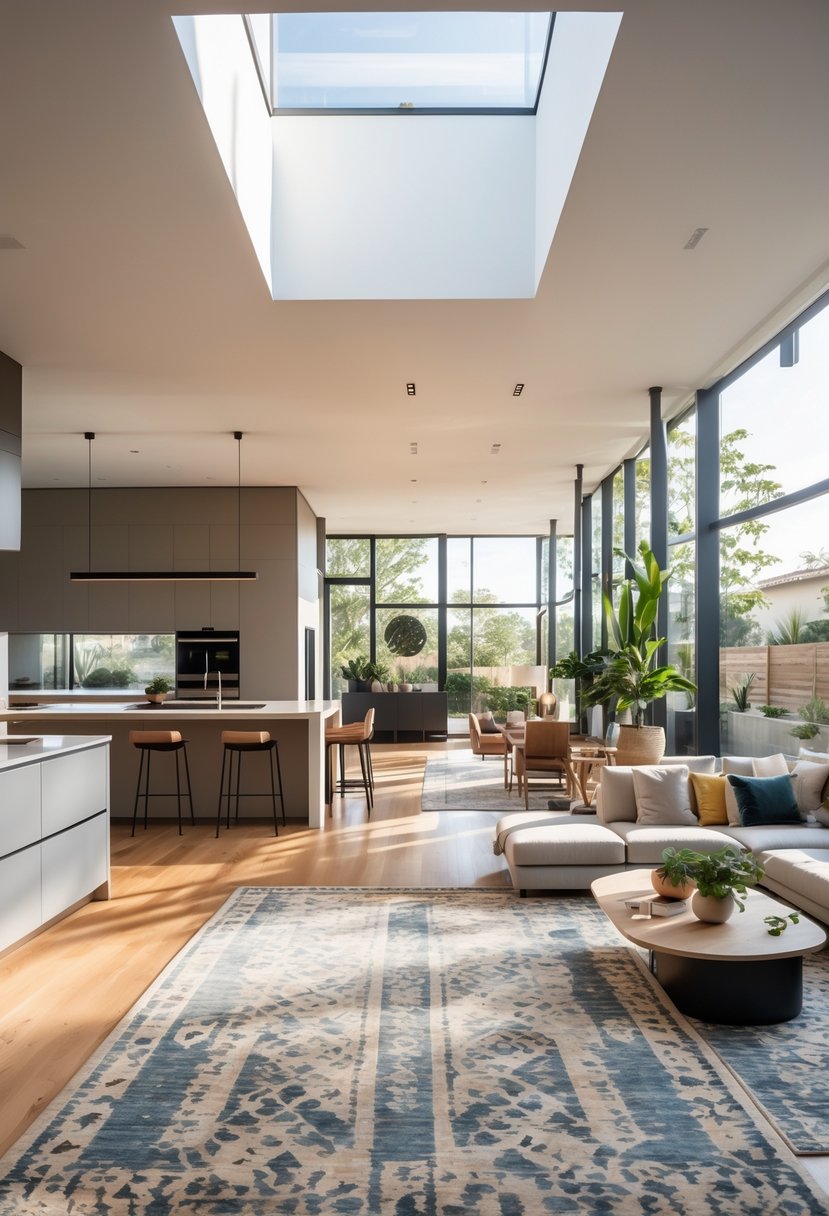
Rugs help define separate areas in an open kitchen living room.
They mark boundaries between cooking, dining, and relaxing spaces without using walls.
Different textures or colors can signal each zone’s purpose while keeping the overall design cohesive and balanced.
Incorporate hidden storage solutions
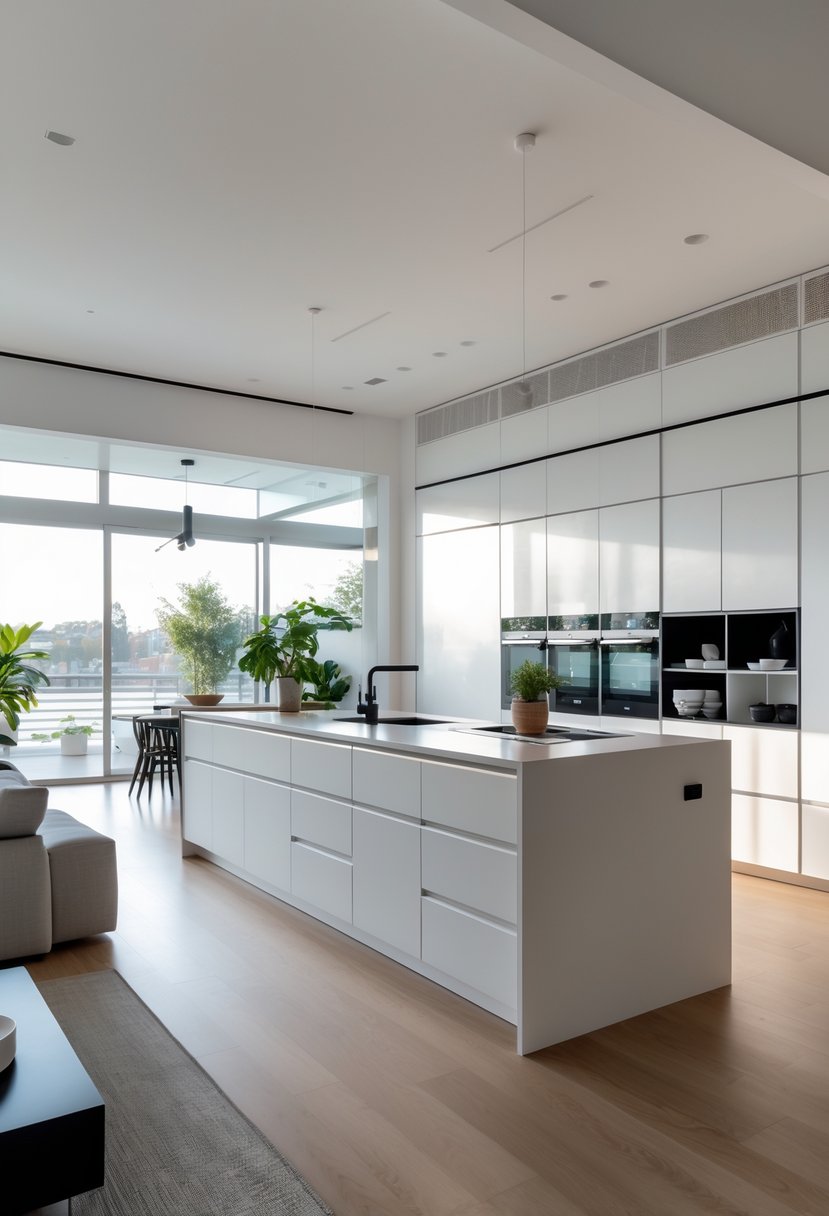
They can use built-in cabinets, drawers under seating, or lift-top tables to store items without clutter.
Hidden shelving behind panels or inside kitchen islands keeps essentials close yet out of sight.
These solutions help maintain a clean, open look while improving function in shared kitchen and living areas.
Use open shelving for display
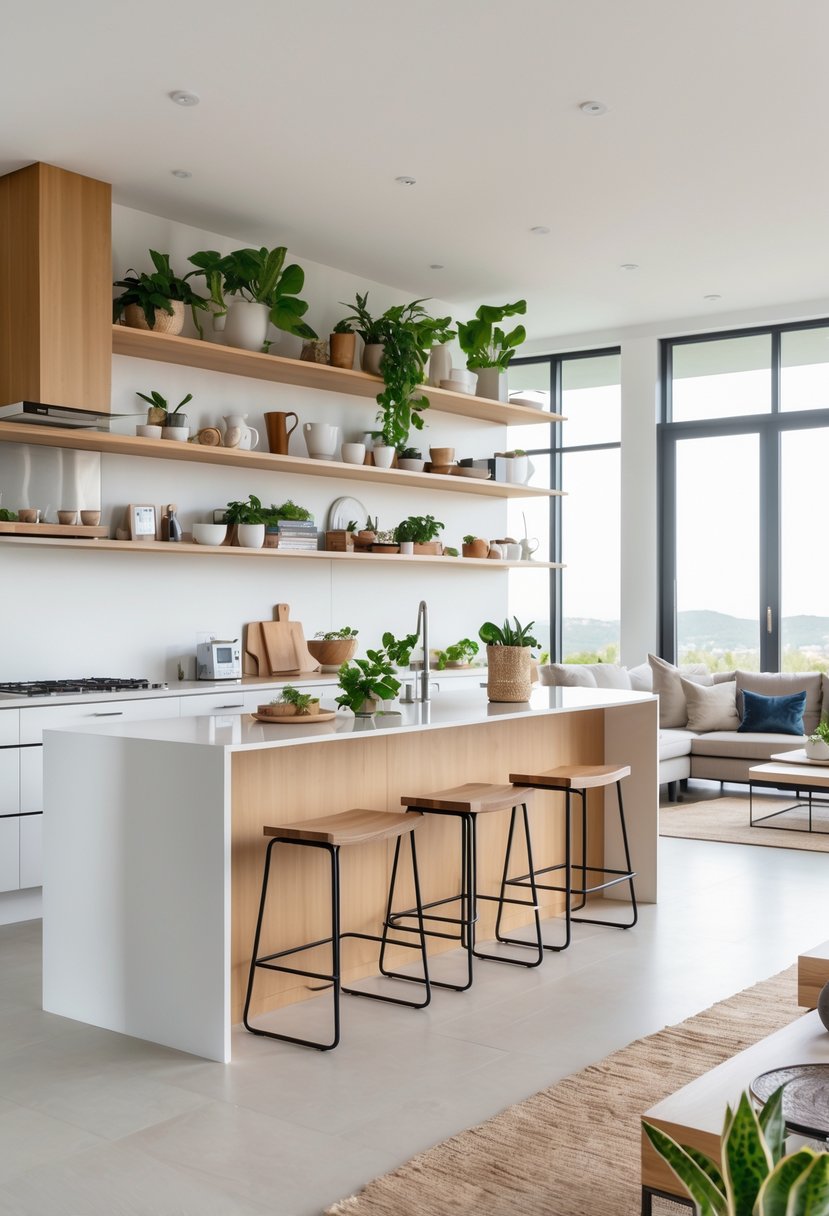
Open shelving helps connect the kitchen and living room visually. It keeps the space light and open while offering practical storage.
They can use shelves to display dishes, glassware, or small plants. This creates a simple, organized look that blends function with style.
Add a statement backsplash
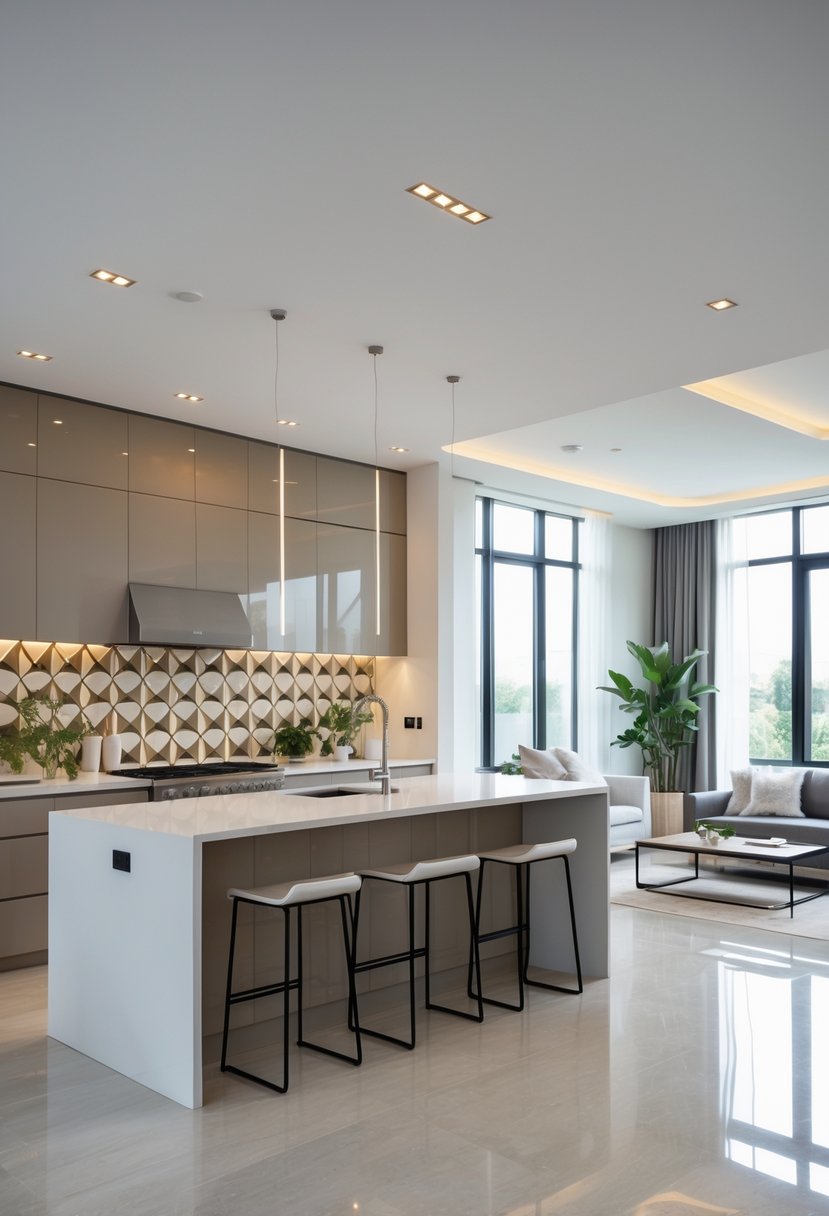
A bold backsplash can define the kitchen area within an open living layout. It adds color, texture, and visual interest without overwhelming the space.
In 2026, designers favor natural stone, handmade tile, and sustainable materials. These choices create subtle contrast while keeping the overall design cohesive and modern.
Install under-cabinet lighting
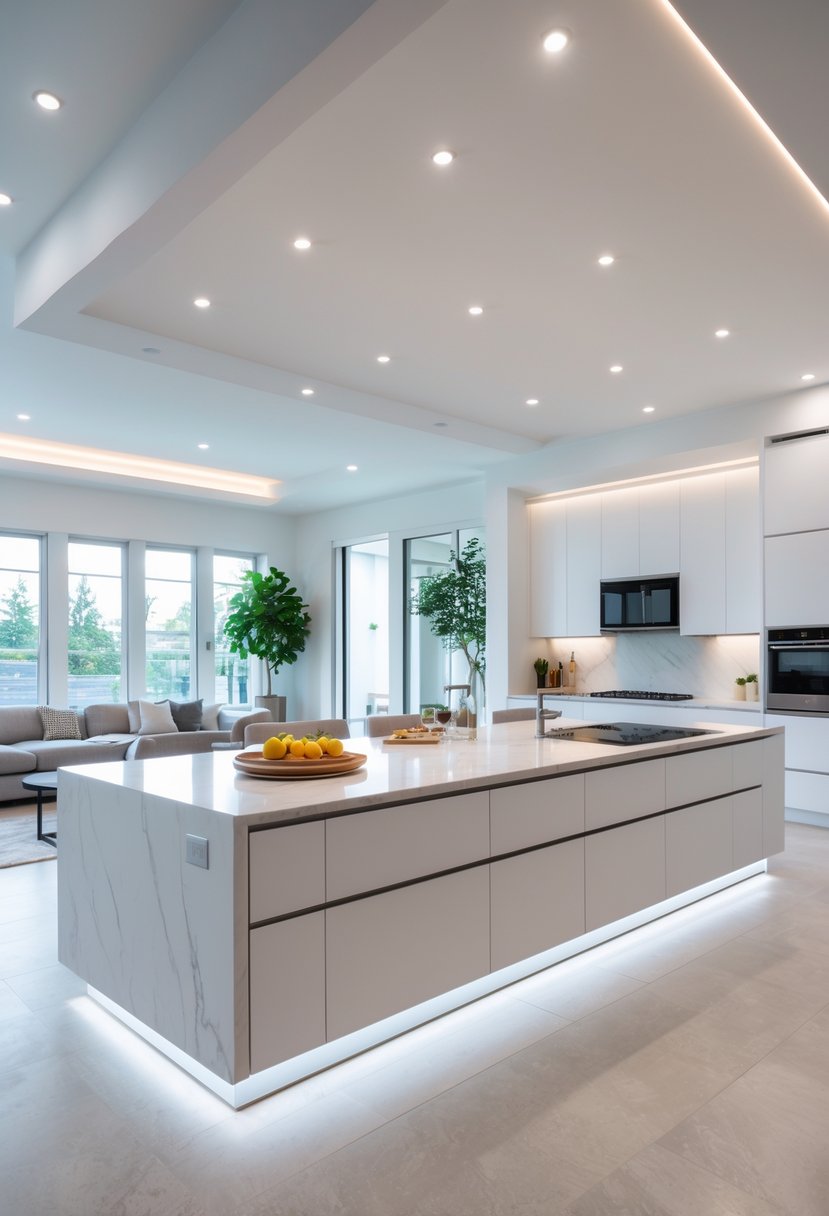
Under-cabinet lighting helps brighten work areas and reduce shadows in open kitchen living rooms. It makes food preparation easier and improves visibility.
LED strip or puck lights are common choices because they use little energy and fit neatly under cabinets.
Installing them usually involves mounting the lights, connecting wiring or plug-in adapters, and securing cables neatly.
Choose a large farmhouse sink
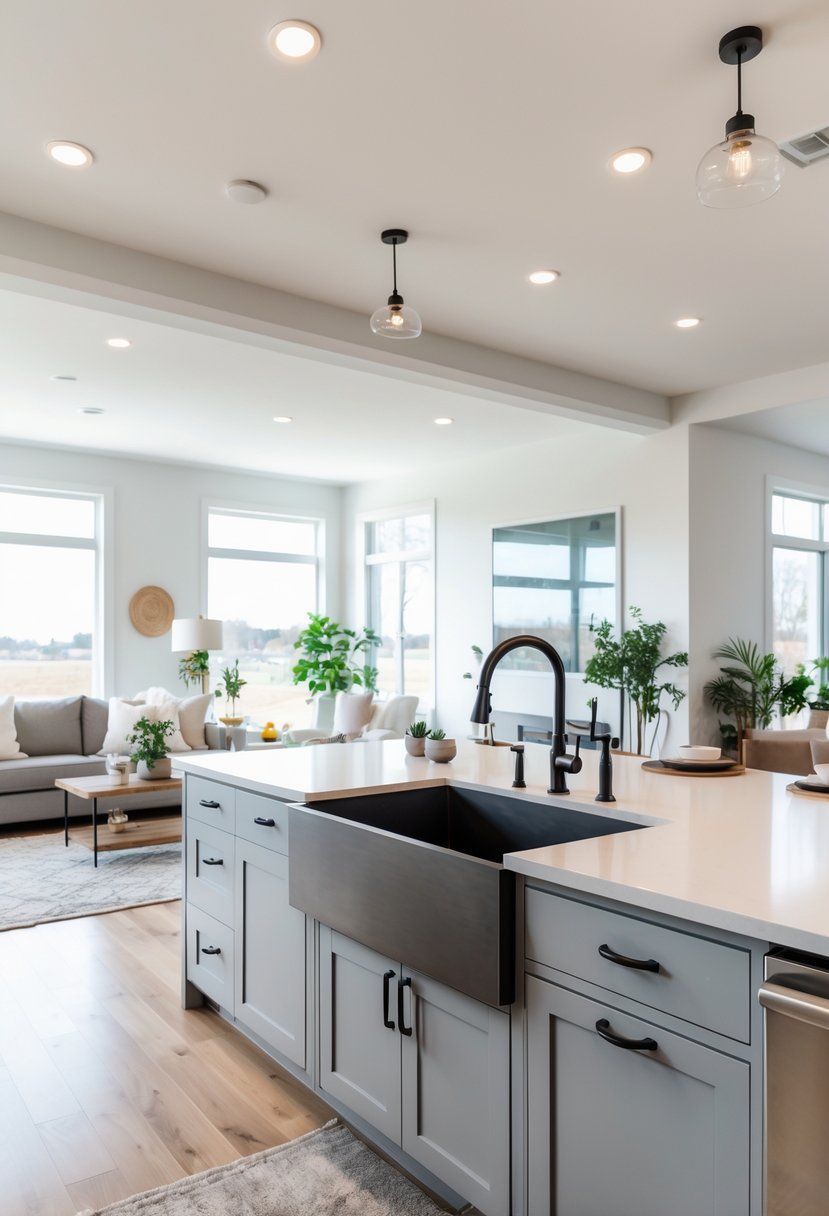
A large farmhouse sink fits well in an open kitchen living room. It adds a practical feature with a deep basin that handles large pots and dishes easily.
Its wide, apron-front design also matches both modern and rustic styles. This makes it a useful and attractive choice for shared living spaces.
Use bar stools that complement the décor
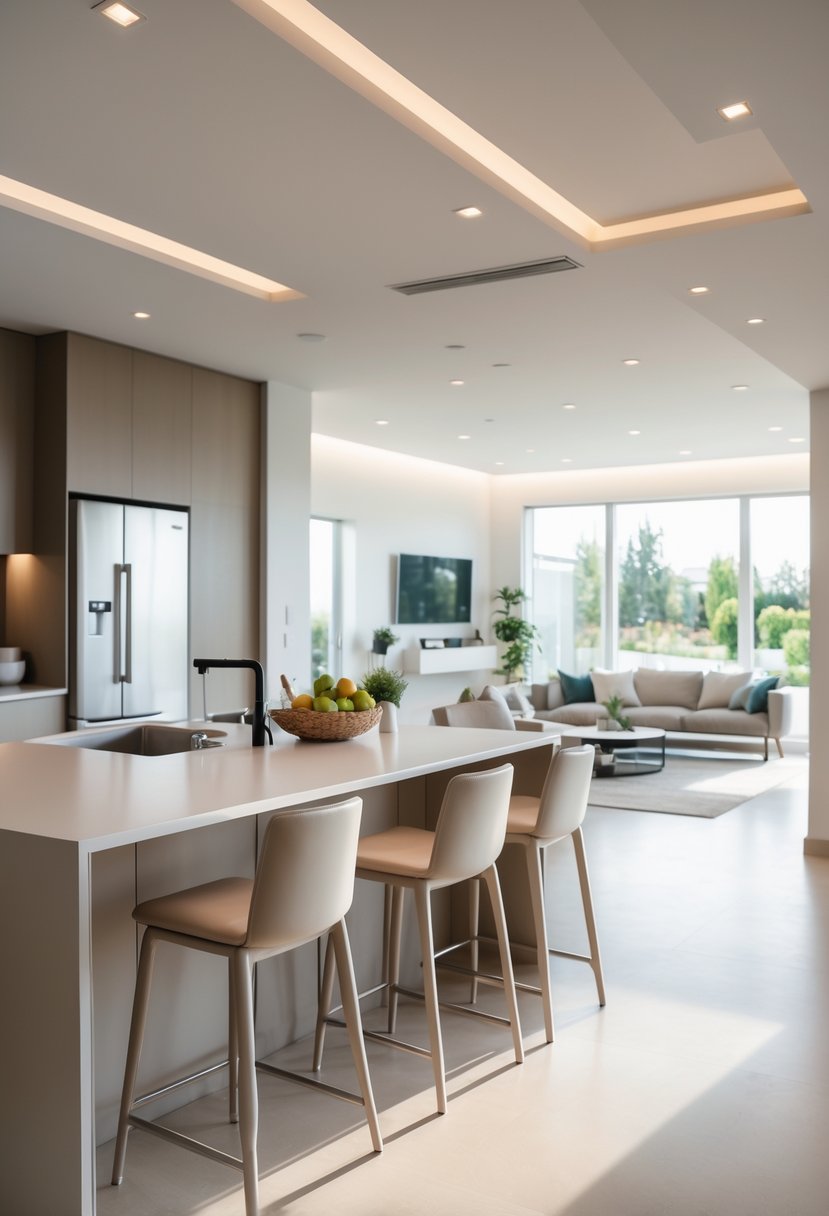
They should match the kitchen’s color scheme and materials.
Choosing stools with similar finishes or fabrics helps the space look connected.
Simple shapes and neutral tones fit most open layouts, while wood or metal accents can tie the kitchen and living areas together without overwhelming the design.
Add greenery for freshness
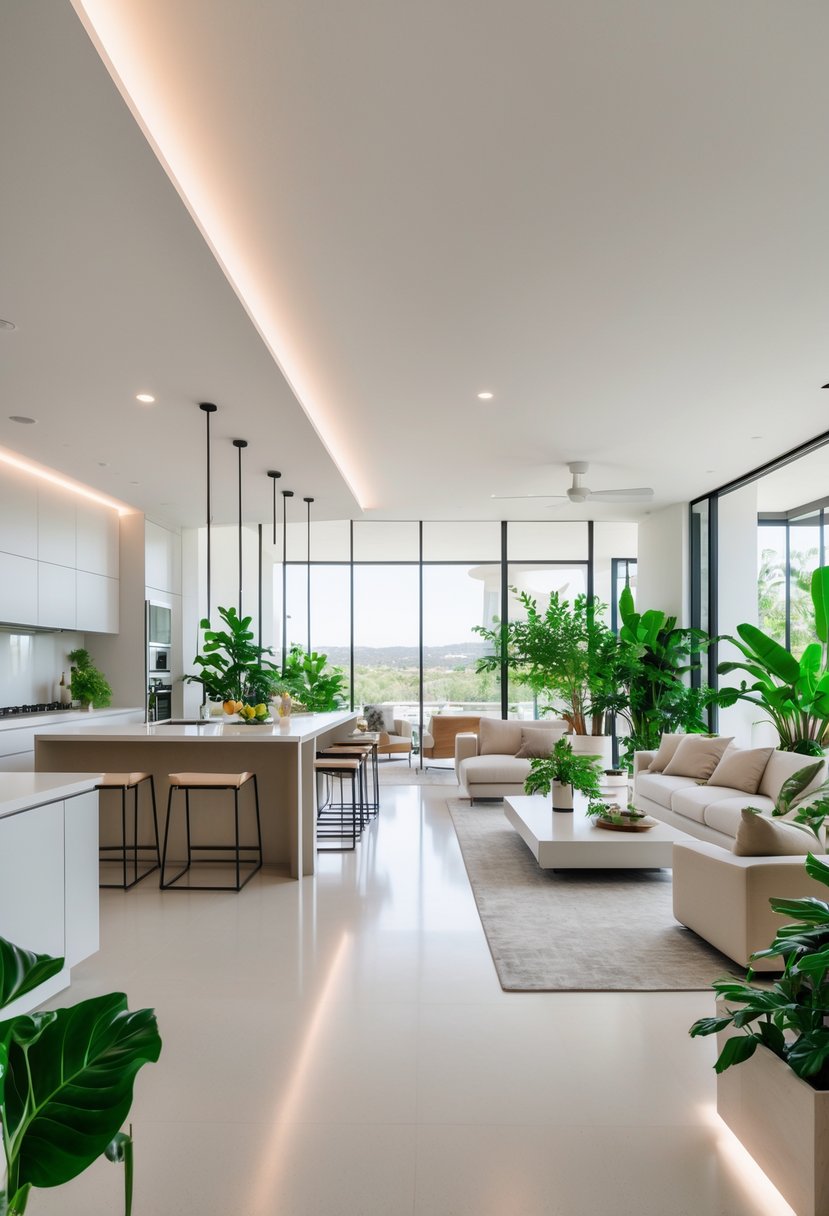
Plants bring natural color and texture to an open kitchen living room.
They help soften modern finishes and make the space feel more welcoming.
Small potted herbs, hanging planters, or a few leafy plants near windows can refresh the air and create a calm, balanced atmosphere.
Incorporate Smart Appliances
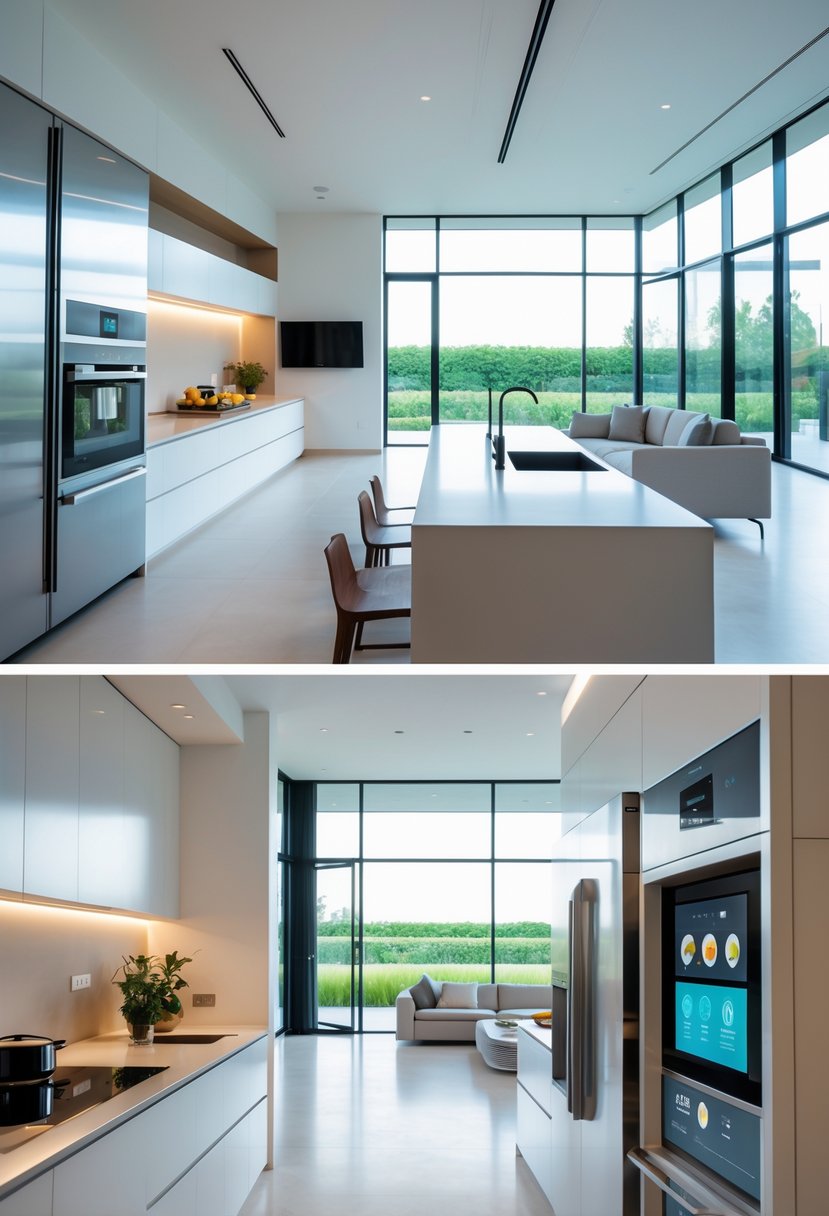
Smart appliances help open kitchen living rooms run smoothly and efficiently.
They include AI-powered ovens, energy-saving dishwashers, and connected fridges that monitor food freshness.
These devices blend with modern layouts, reduce energy use, and support easy control through apps or voice commands, improving daily convenience without cluttering the space.
Use a mix of textures for depth
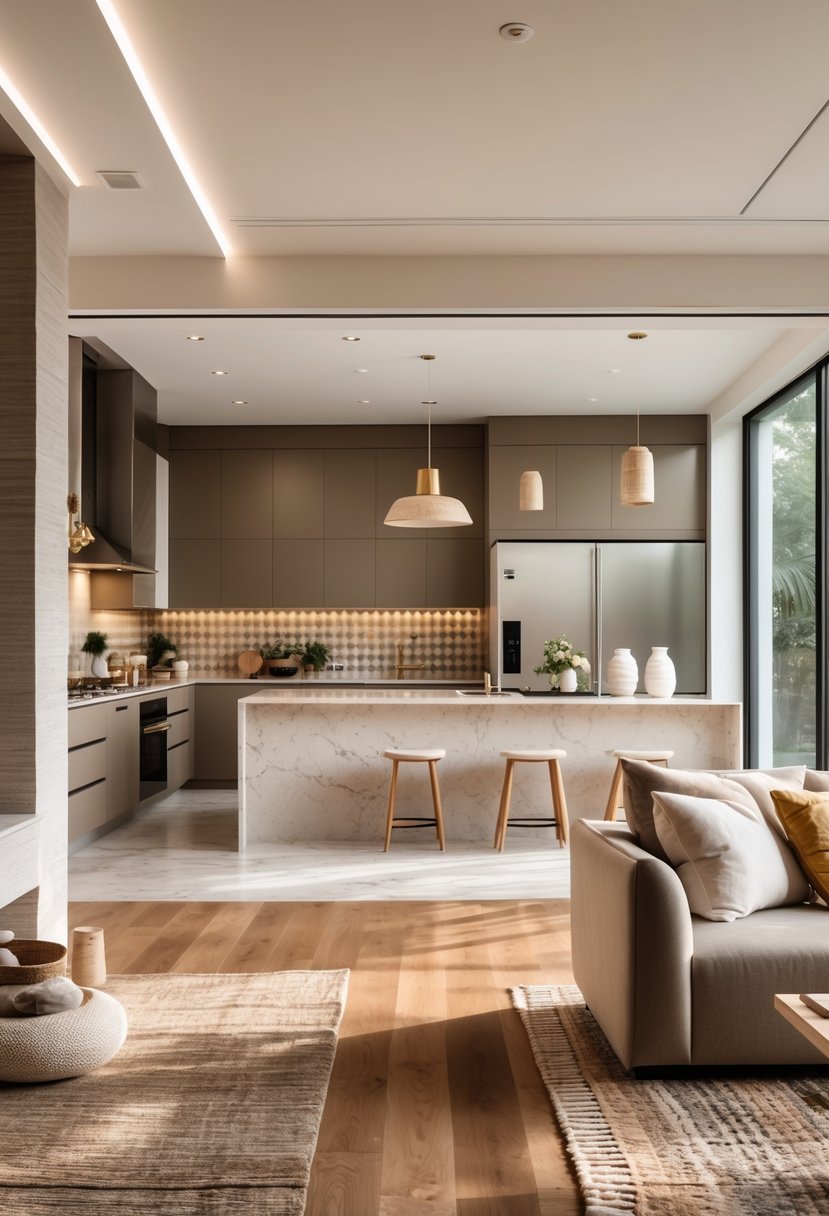
They can add depth to an open kitchen living room by combining smooth and rough surfaces. Pair matte cabinets with polished stone or metal accents.
Soft fabrics, such as wool rugs or linen cushions, balance hard materials like wood or tile. Layering textures helps each area feel distinct yet connected.
Add a built-in wine rack
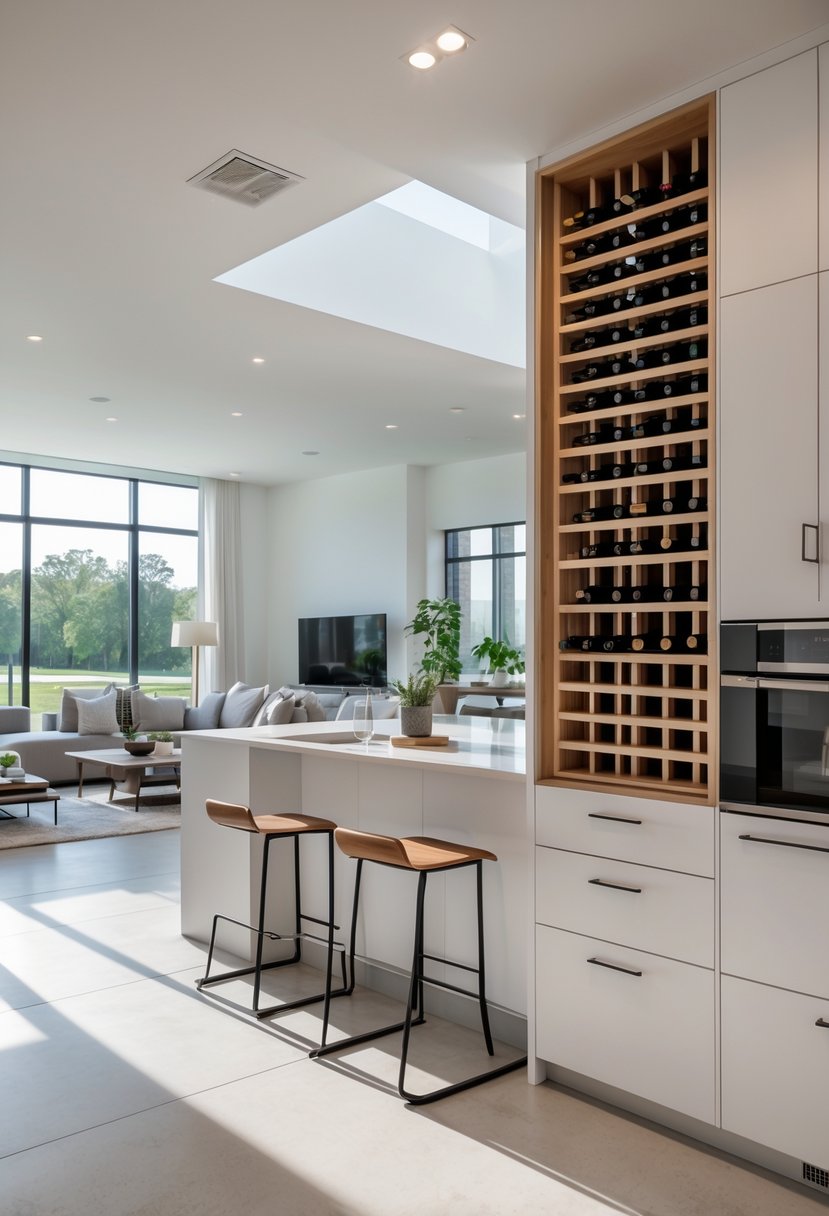
A built-in wine rack adds function and style to an open kitchen living room. It keeps bottles organized and easy to reach.
Designers often place racks under cabinets or within kitchen islands for a clean look. Wood or metal finishes can match existing cabinetry for a seamless appearance.
Create a seamless countertop transition
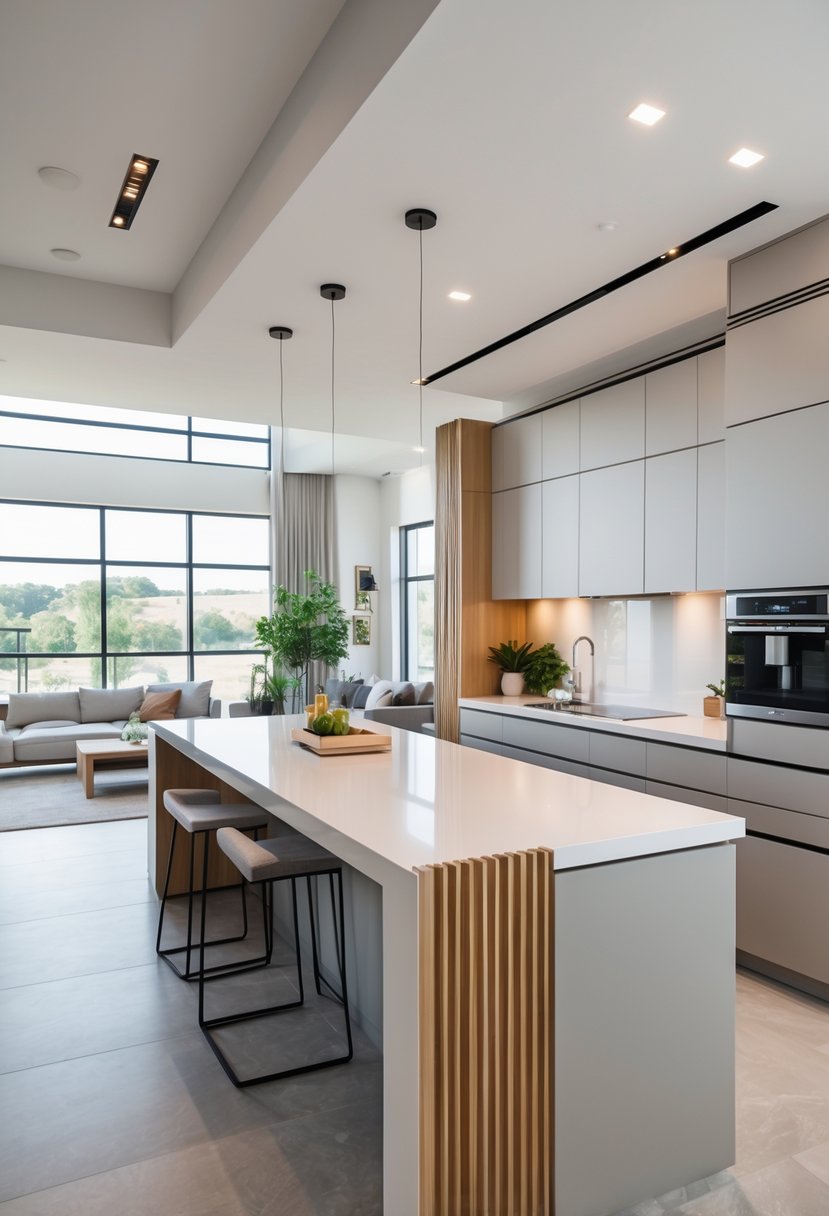
They can connect the kitchen and living room visually by using the same countertop material across both areas.
A continuous surface, such as quartz or wood, helps the space feel unified and open.
For contrast, they may use a subtle color shift or edge detail to define each zone without breaking the flow.
Use sliding or pocket doors for flexibility
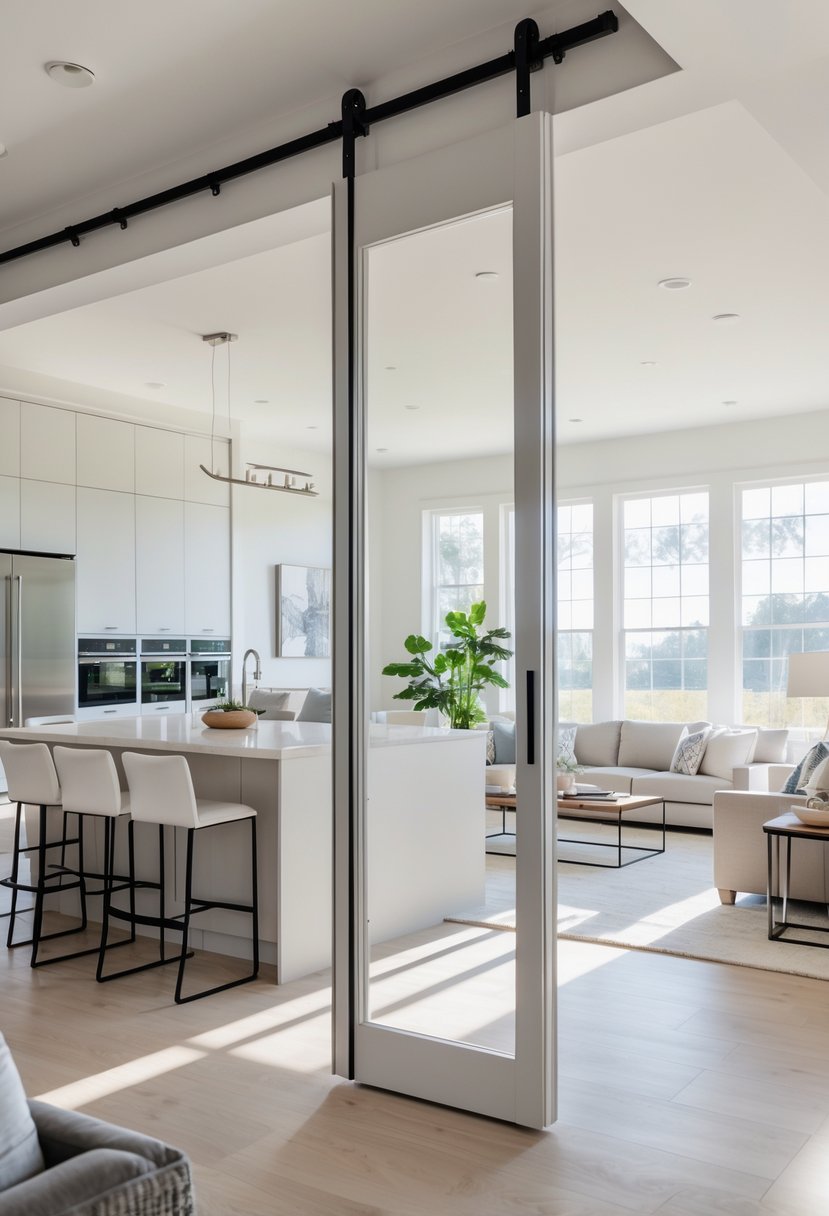
Sliding and pocket doors help define open kitchen living rooms without closing them off.
They move smoothly along tracks or into wall cavities, saving space and keeping walkways clear.
Homeowners use them to separate cooking and living areas when needed while maintaining an open, connected layout.
Incorporate artwork to define spaces
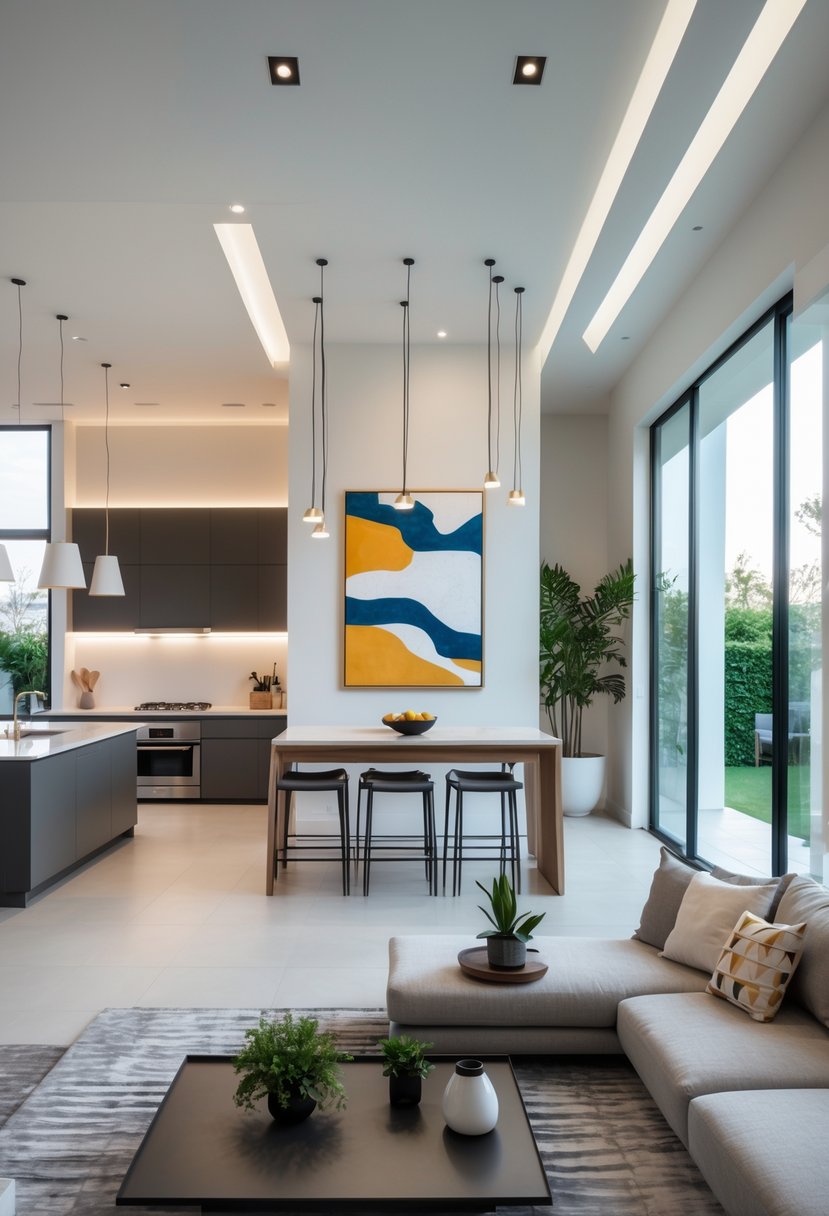
They can use artwork to visually separate the kitchen from the living area without adding walls.
A large painting or framed print above a sofa can anchor the living zone, while smaller pieces near the dining area create balance.
Coordinating colors and frames helps maintain flow while still marking distinct functions.
Choose a neutral palette with bold accents
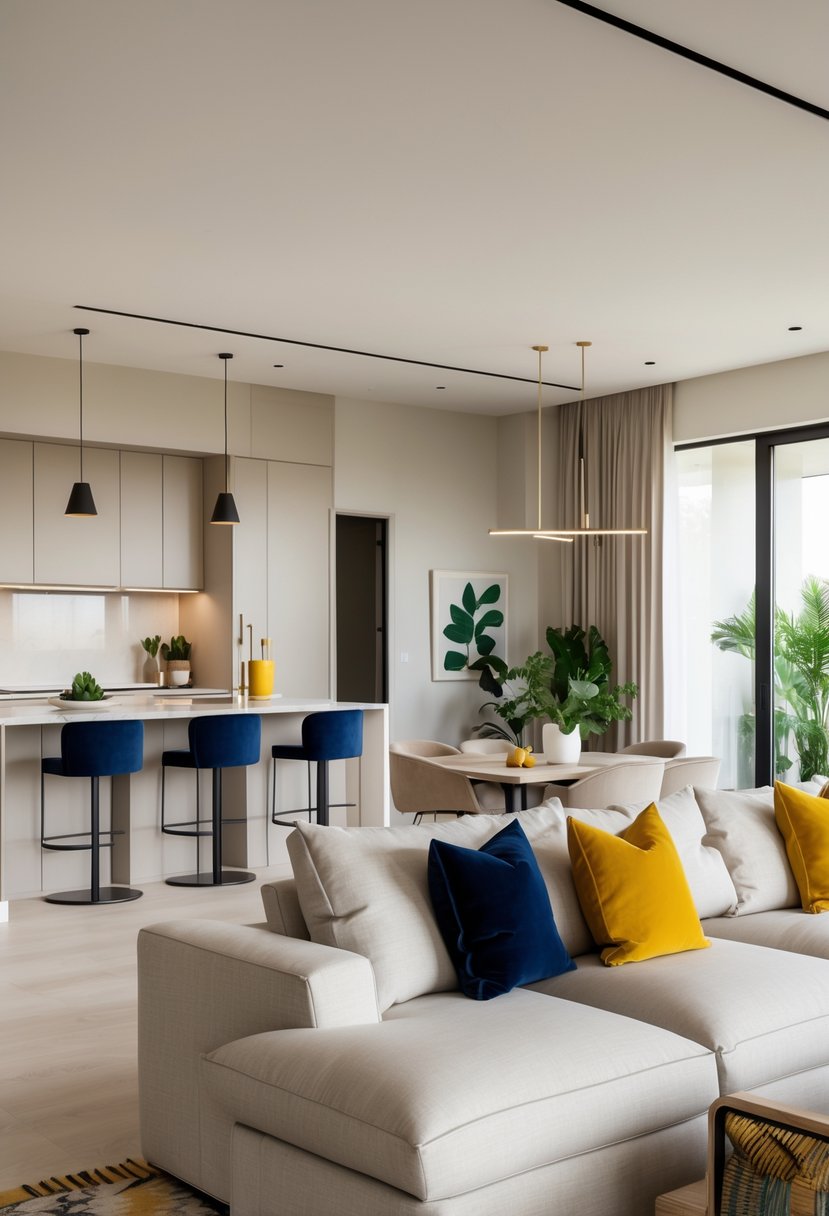
They can start with soft neutrals like white, beige, or light gray to create a calm base for the open kitchen and living room.
Adding bold accents such as navy, emerald, or terracotta brings contrast and definition.
This balance keeps the space cohesive while giving each area its own character.
Add a cozy seating nook
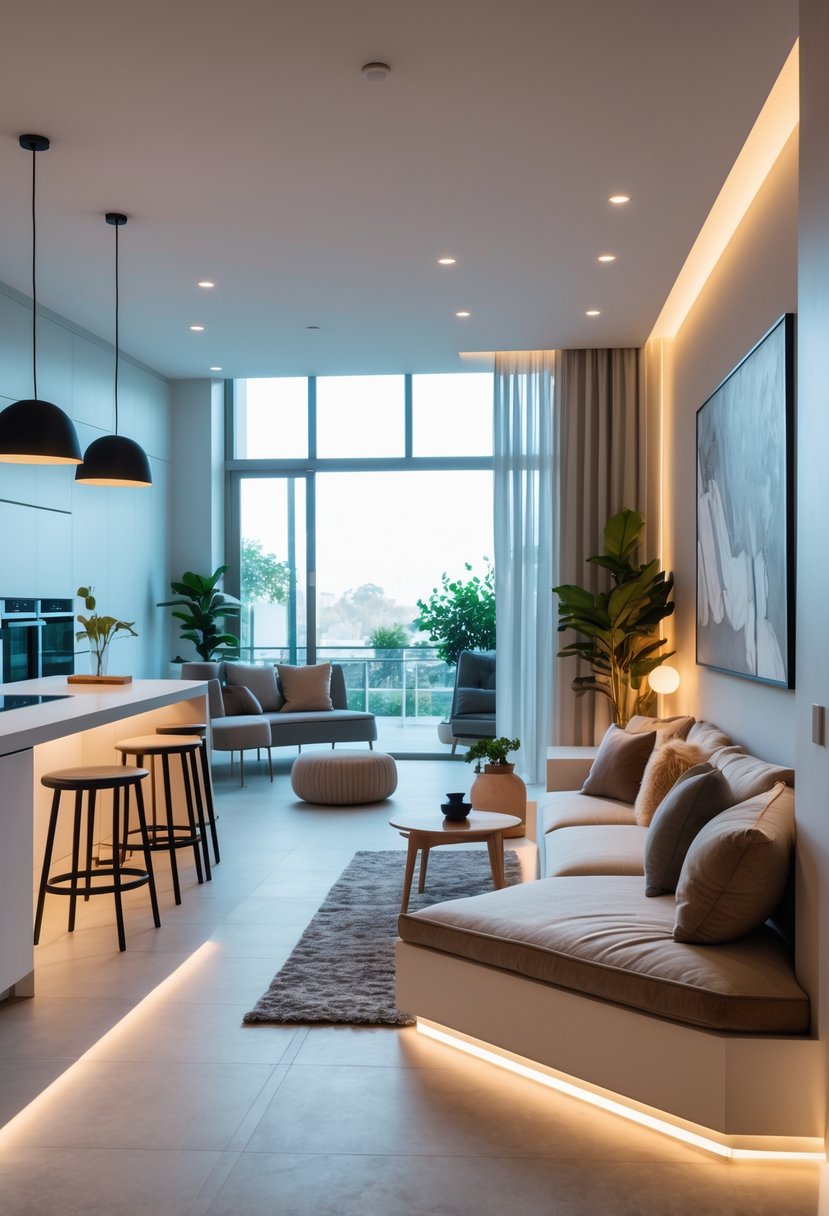
A small seating nook can make an open kitchen living room feel warm and inviting.
They can place a cushioned bench or a pair of armchairs near a window or island to create a relaxed spot for conversation.
Soft lighting and textured fabrics help define the nook without closing off the open layout.
Design Principles for Open Kitchen Living Rooms
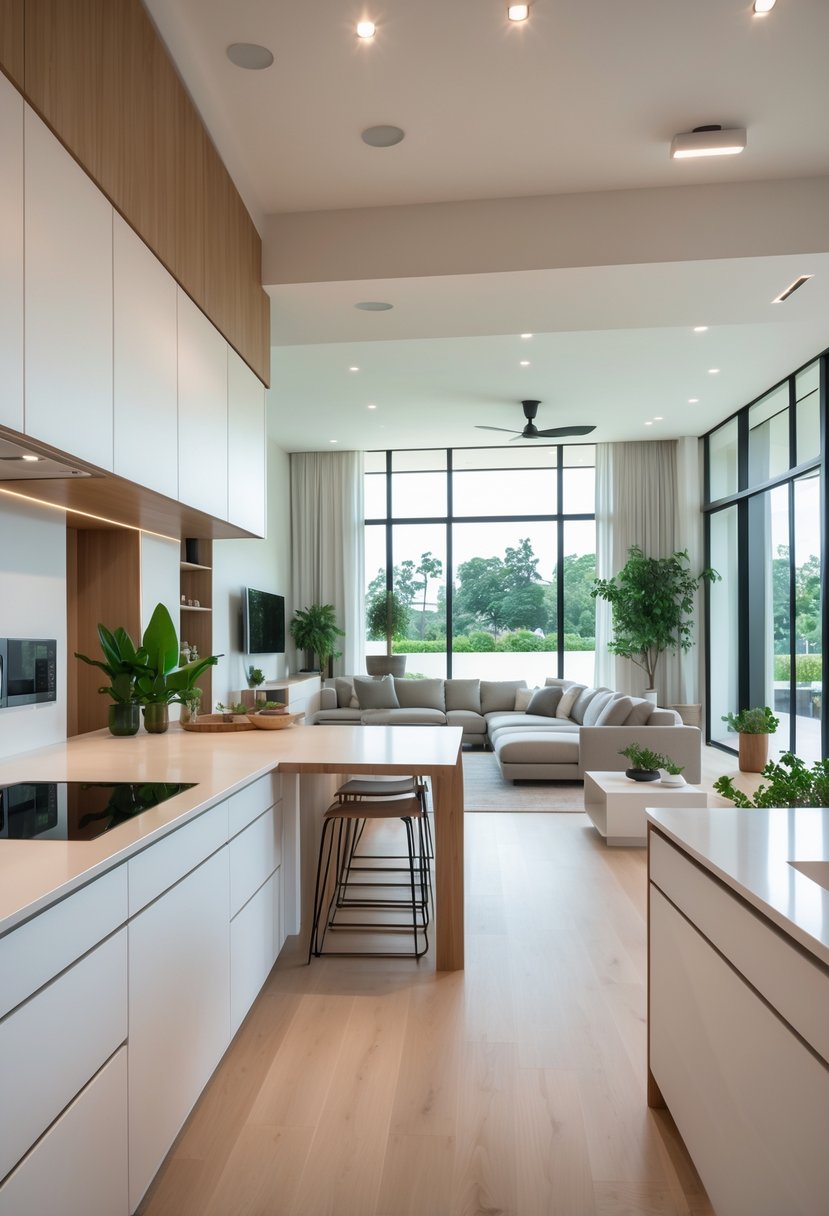
A well-designed open kitchen living room depends on how effectively the space supports daily activities, lighting needs, and personal comfort. The layout, lighting, and zoning choices determine whether the space feels practical, balanced, and inviting.
Optimizing Flow and Functionality
An open kitchen living room works best when movement between zones feels natural. Clear walkways between the cooking, dining, and lounging areas prevent congestion and improve comfort. Designers often recommend at least 36 inches of clearance around islands and main paths.
Furniture placement plays a major role in defining zones. A sofa back, area rug, or kitchen island can mark boundaries without using walls. These subtle divisions help maintain structure while keeping sightlines open.
Appliance and storage placement should support daily routines. For example, locating the refrigerator near both the prep area and dining space saves steps. Compact or built-in storage solutions reduce clutter and maintain a clean, cohesive look.
| Key Element | Recommended Practice |
|---|---|
| Walkway Width | 36–42 inches minimum |
| Zoning Tools | Rugs, furniture, lighting |
| Storage | Built-in or hidden cabinetry |
Integrating Lighting Solutions
Lighting defines the mood and usability of an open kitchen living room. A balanced plan includes ambient, task, and accent lighting to meet different needs. Recessed ceiling lights or track systems provide even illumination across zones.
Task lighting, such as pendant lights over islands or under-cabinet LEDs, improves visibility for cooking and prep work. In the living area, floor or table lamps create softer, more relaxed lighting for reading or socializing.
Layering light sources allows flexible control. Dimmers and smart lighting systems let users adjust brightness for cooking, dining, or evening relaxation without harsh contrasts between spaces.
Balancing Privacy and Openness
While open layouts promote connection, they can reduce privacy and increase noise. Strategic layout choices help balance these effects. Positioning the kitchen slightly offset from the main seating area can limit direct views of cooking messes.
Furniture, shelving, or partial partitions can create visual separation without blocking light. Materials like frosted glass, slatted wood, or open shelving define zones while keeping the space airy.
Sound control also matters. Using acoustic panels, area rugs, and upholstered furniture helps absorb noise from appliances and conversation, maintaining comfort and focus in shared spaces.
Trends Shaping Open Kitchen Living Rooms in 2026
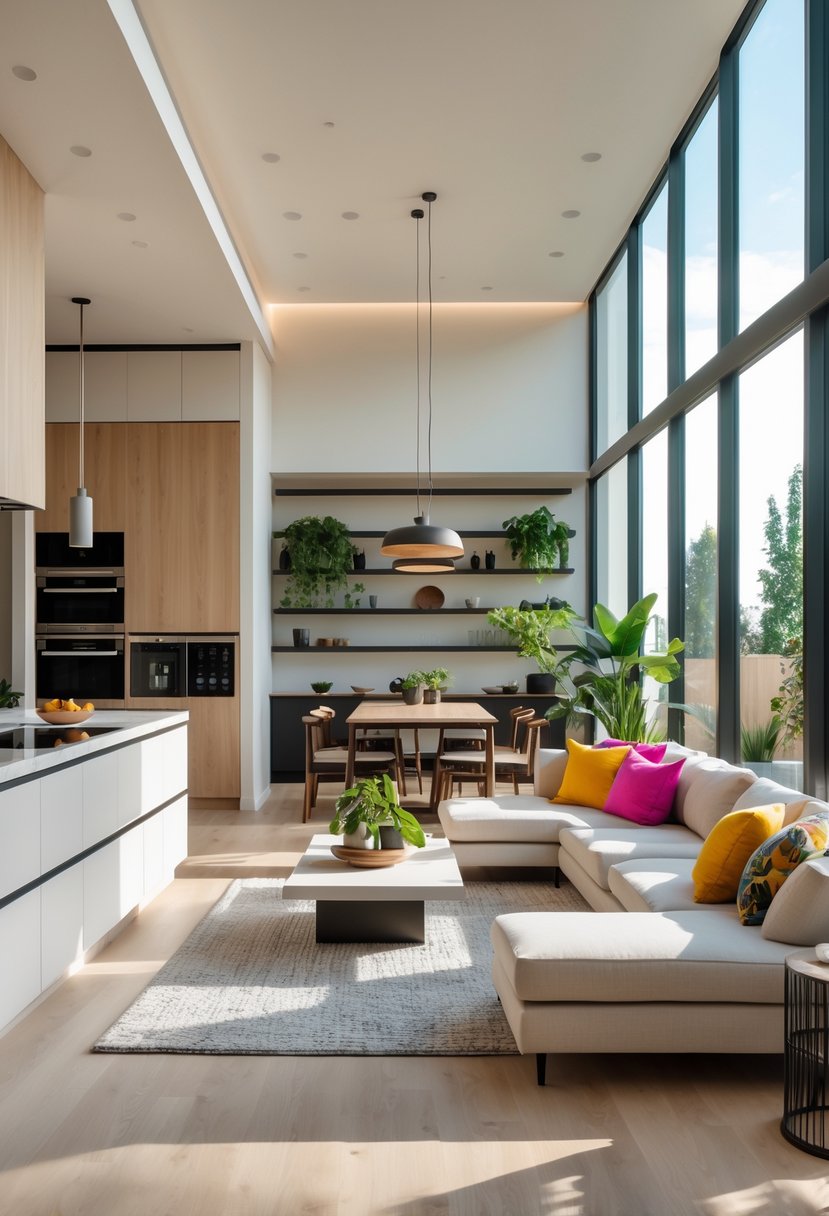
Designers in 2026 focus on making open kitchen living rooms both efficient and comfortable. Homes now emphasize eco-friendly materials and connected technology that improve daily living while maintaining a clean, modern look.
Sustainable Materials and Finishes
Sustainability plays a major role in kitchen and living room design. Homeowners favor recycled wood, bamboo, cork, and composite stone for cabinets, flooring, and countertops. These materials reduce waste and lower environmental impact.
Paints and finishes now use low-VOC or water-based formulas to improve indoor air quality. Designers also choose durable, long-lasting surfaces that require less frequent replacement, reducing long-term costs and waste.
Color palettes lean toward natural tones—warm beige, soft gray, and muted green—to create a calm and cohesive look between cooking and living areas. Furniture often includes locally sourced or reclaimed pieces, reflecting a growing interest in craftsmanship and resource efficiency.
| Material | Benefit | Common Use |
|---|---|---|
| Recycled wood | Reduces deforestation | Cabinets, shelving |
| Bamboo | Renewable and strong | Flooring, panels |
| Composite stone | Durable and low maintenance | Countertops |
Smart Home Technology Integration
Technology continues to blend seamlessly into open kitchen living rooms. Smart appliances, such as energy-efficient ovens and refrigerators, connect to home networks for easier control and monitoring.
Lighting systems now use motion sensors and app-based dimmers to adjust brightness based on activity or time of day. Integrated voice assistants manage music, climate, and cooking timers without cluttering the space.
Many homes feature hidden charging stations and wireless speakers built into furniture or cabinetry. These upgrades keep surfaces clear and maintain a unified aesthetic. Together, they create spaces that are both practical and connected, matching modern expectations for comfort and convenience.