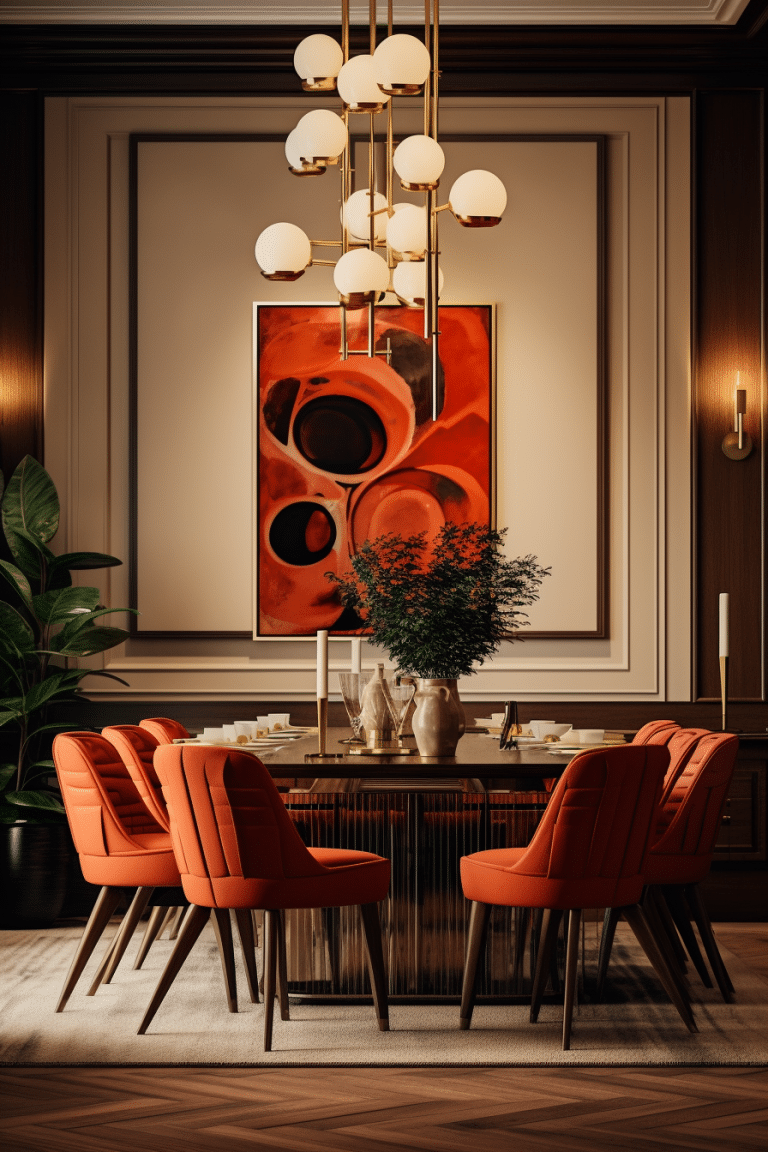
Dining Room Ideas 2026: 22 Inspiring Designs for Modern Homes

Dining rooms in 2026 focus on comfort, style, and connection. Design trends move toward spaces that feel both practical and personal, blending modern touches with timeless details. This year’s ideas show how thoughtful design choices can make any dining area more inviting and functional.
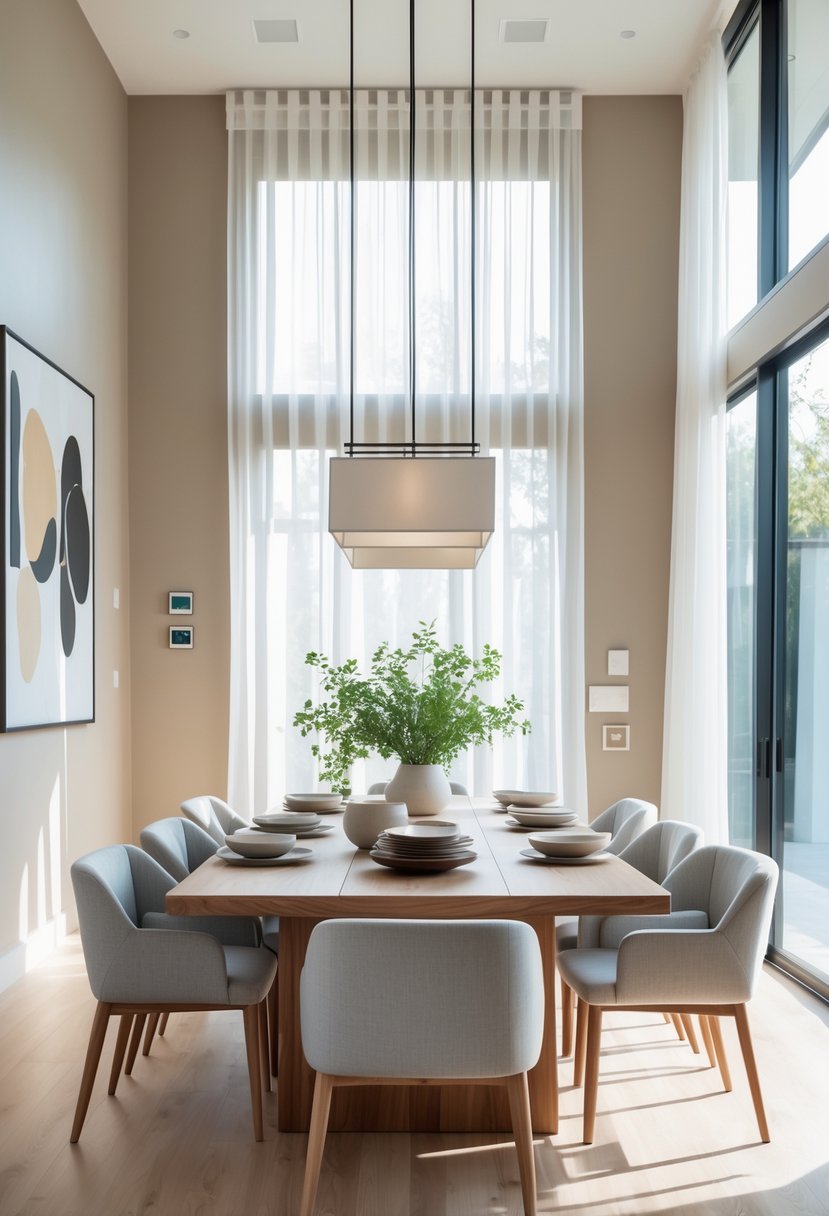
From lighting that sets the mood to furniture that encourages conversation, every element plays a part in shaping how people gather and share meals. The following sections explore ways to update a dining space with fresh textures, smart layouts, and balanced color choices that reflect today’s evolving lifestyles.
Incorporate a statement chandelier above the dining table
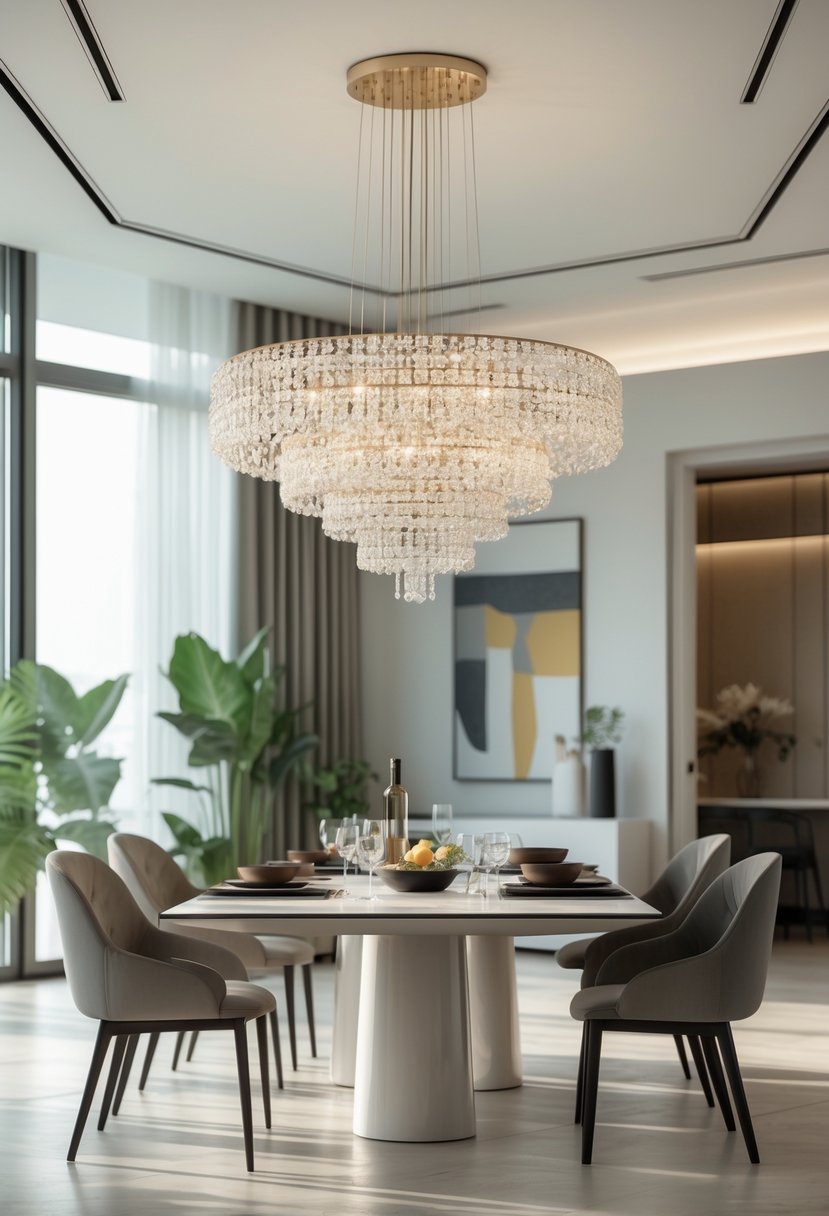
A statement chandelier draws attention and defines the dining area. It adds both light and visual interest to the space.
They should choose a size that fits the table and ceiling height. For standard ceilings, the fixture usually hangs about 30 inches above the tabletop.
Modern, classic, or minimalist designs each create a distinct atmosphere. Selecting one that matches the room’s style ensures balance and comfort.
Use a round pedestal table for intimate gatherings
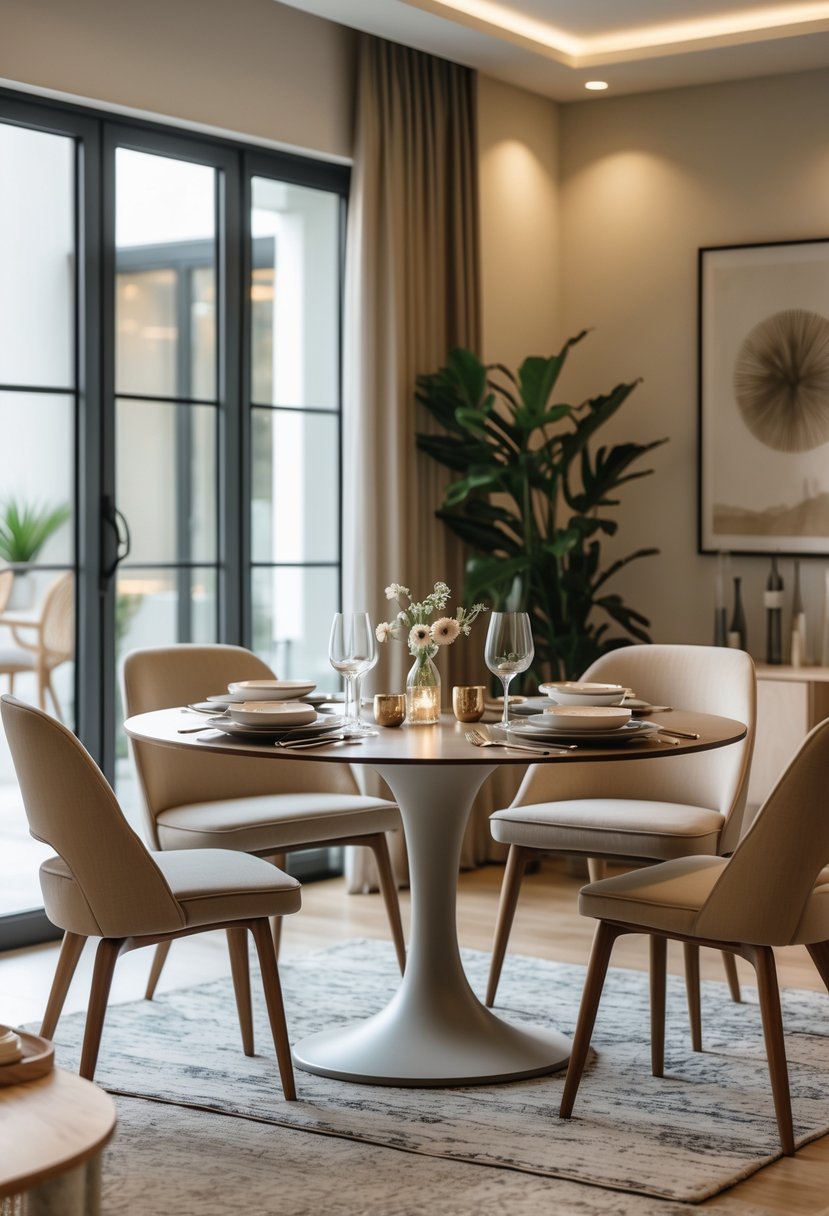
A round pedestal table helps create a balanced and welcoming dining space. Its single base allows chairs to fit easily, giving everyone more legroom.
The shape encourages conversation since no one sits at a corner. This setup works well for small dining rooms or cozy breakfast nooks.
Add built-in storage with open shelving and cabinets
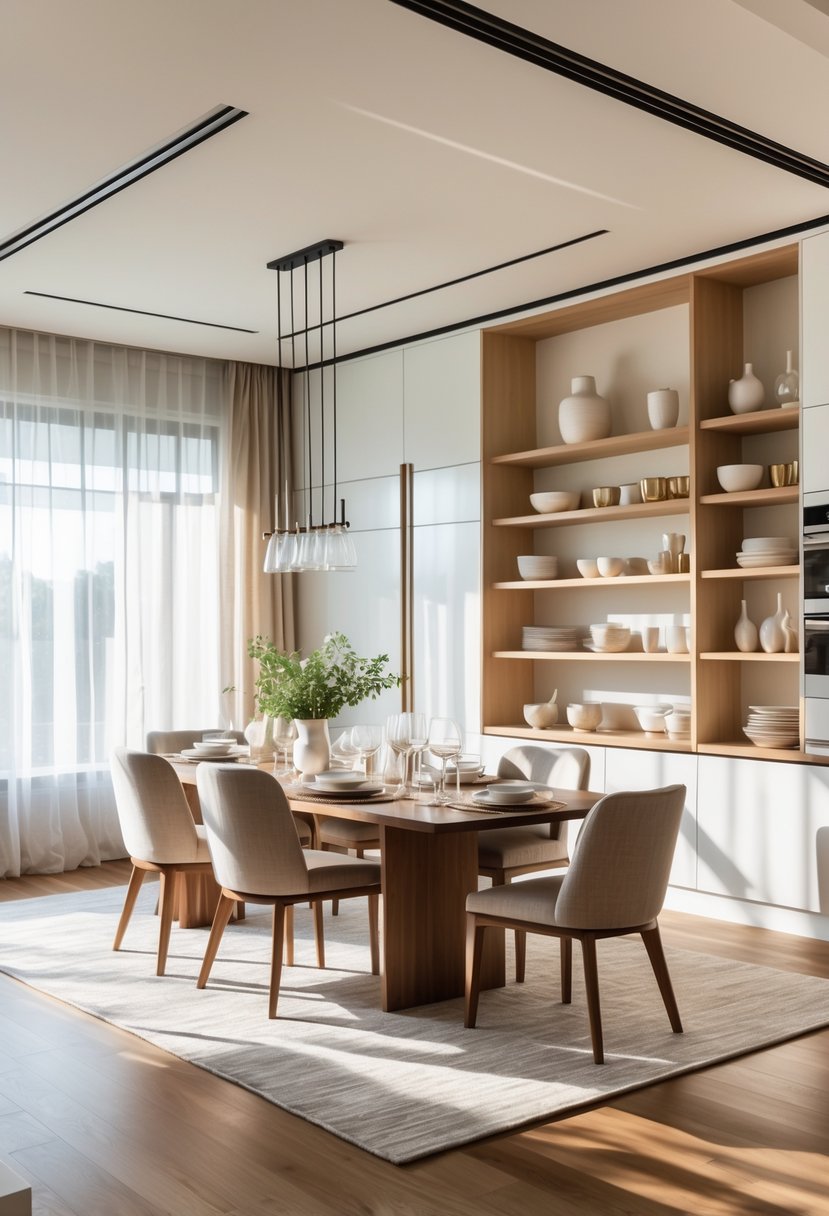
Built-in shelving and cabinets help keep dining rooms organized while saving floor space.
Open shelves display dishes or decor, while closed cabinets store items like linens or serving ware.
Mixing both styles creates balance between function and design, making the room feel tidy and practical.
Choose a bold accent wall color like navy or emerald green
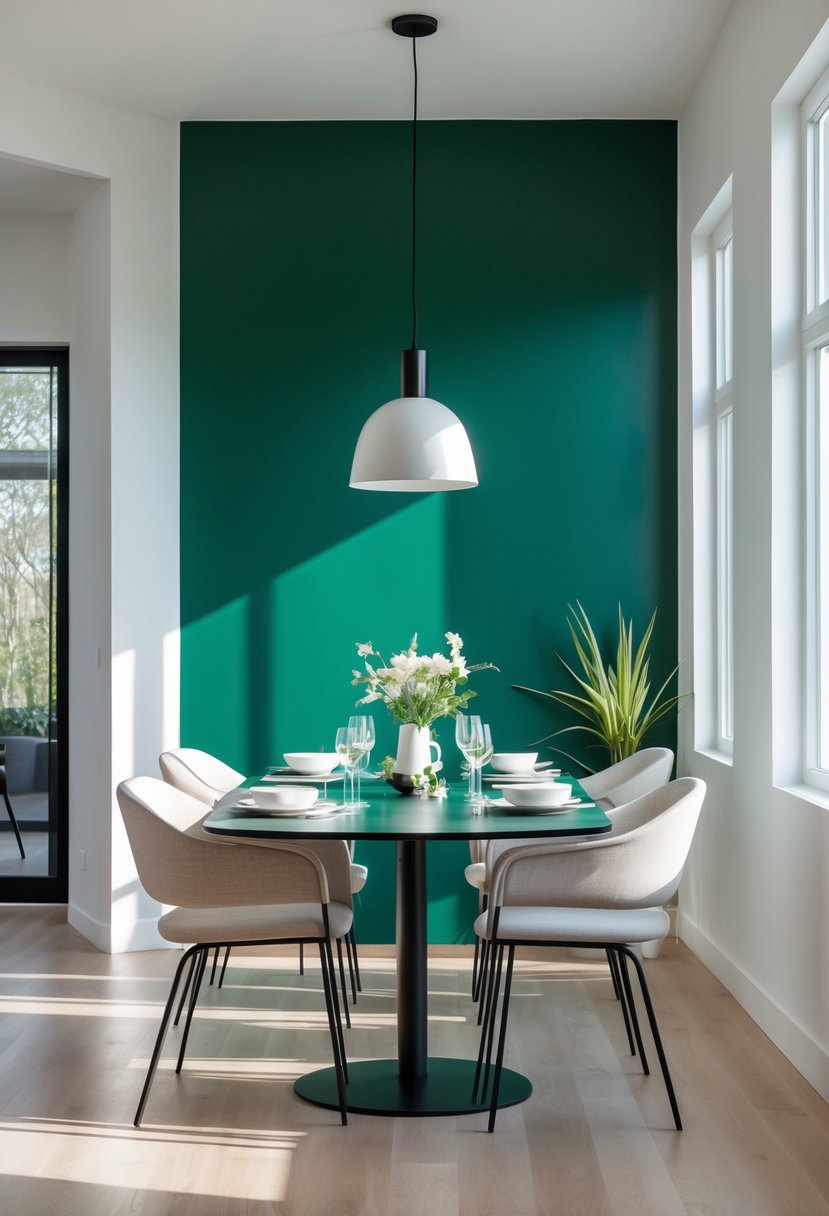
A bold accent wall can add depth and focus to a dining room.
Colors like navy or emerald green create contrast against neutral furniture and highlight textures or artwork.
These rich tones work well with both modern and traditional décor, giving the space a balanced and polished look.
Mix upholstered dining chairs with wooden ones
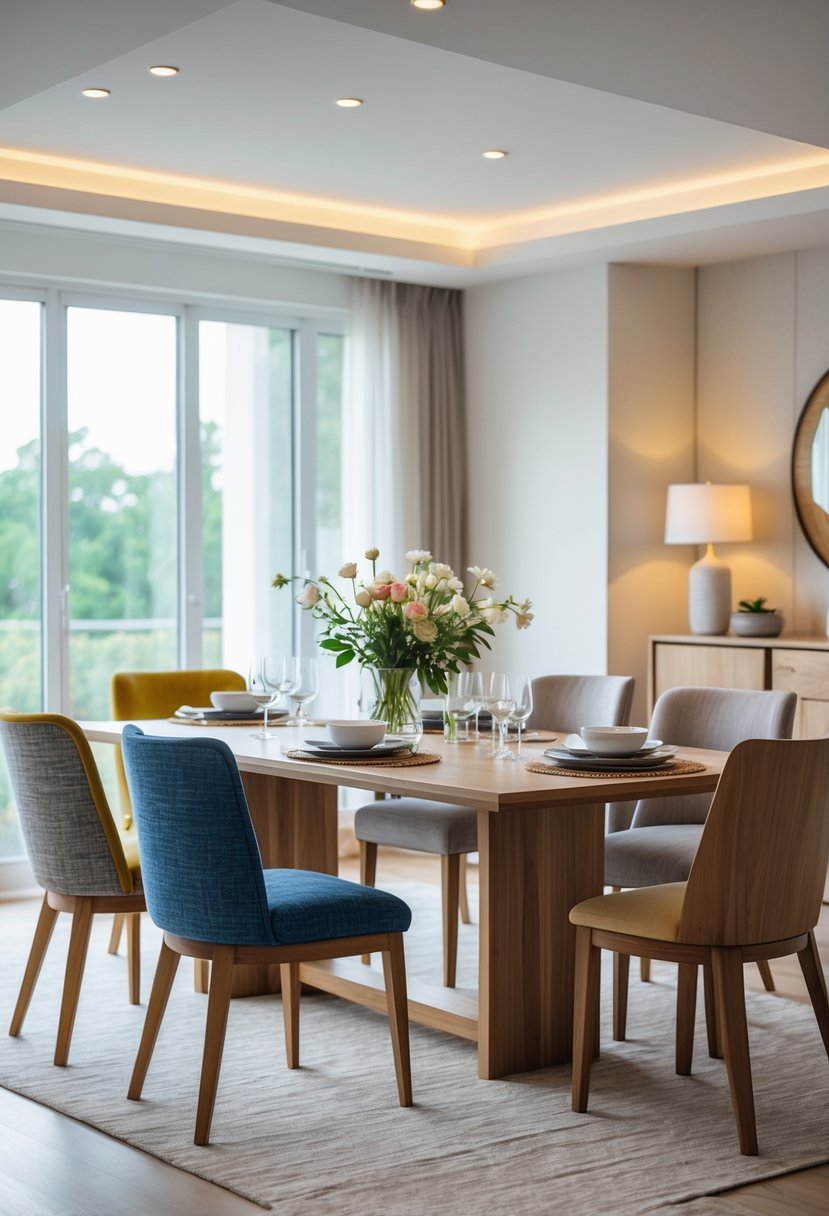
They can pair upholstered chairs with wooden ones to balance comfort and texture. The wood adds warmth and structure, while the fabric introduces softness and color.
Keeping a shared tone, such as similar wood finishes or fabric hues, helps the mix look intentional and cohesive rather than random.
Install a large mirror to enhance natural light
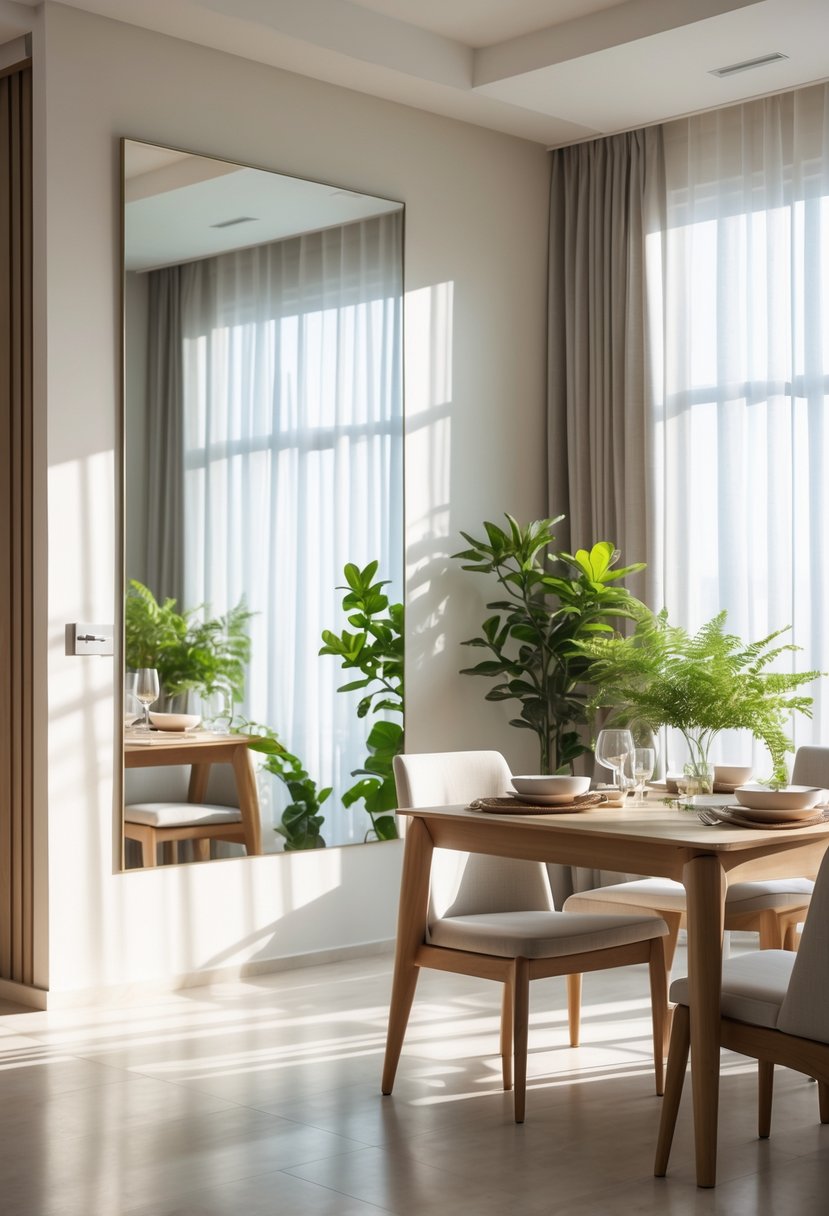
A large mirror can make a dining room feel brighter and more open.
When placed across from a window or light source, it reflects daylight and helps distribute it evenly through the space.
They can also use mirrors to highlight plants or artwork, adding depth without cluttering the room.
Use a runner rug to define the dining area
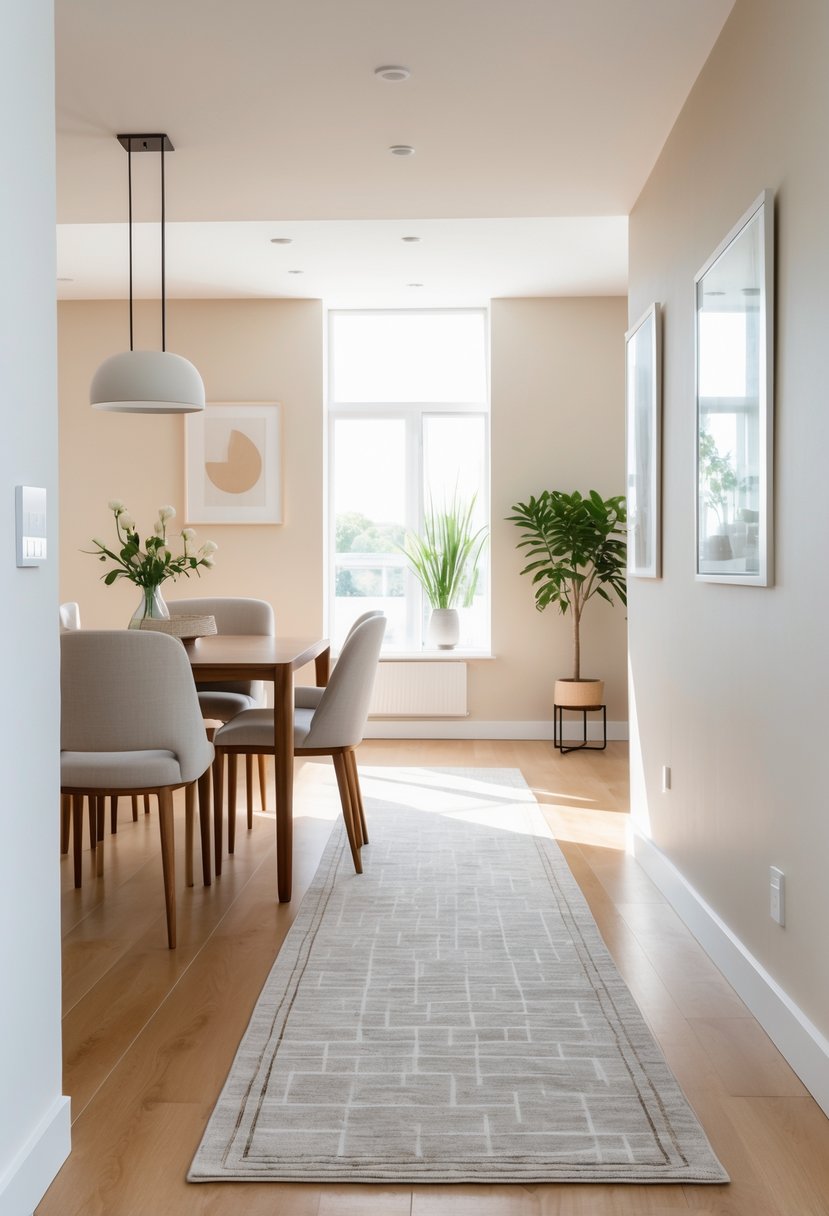
A runner rug can help outline the dining space, especially in open layouts. It visually separates the area from adjoining rooms without adding bulk.
They work well in narrow dining setups or alongside a table in a long room. The rug adds texture, warmth, and a clear sense of boundary.
Create a gallery wall with framed botanical prints
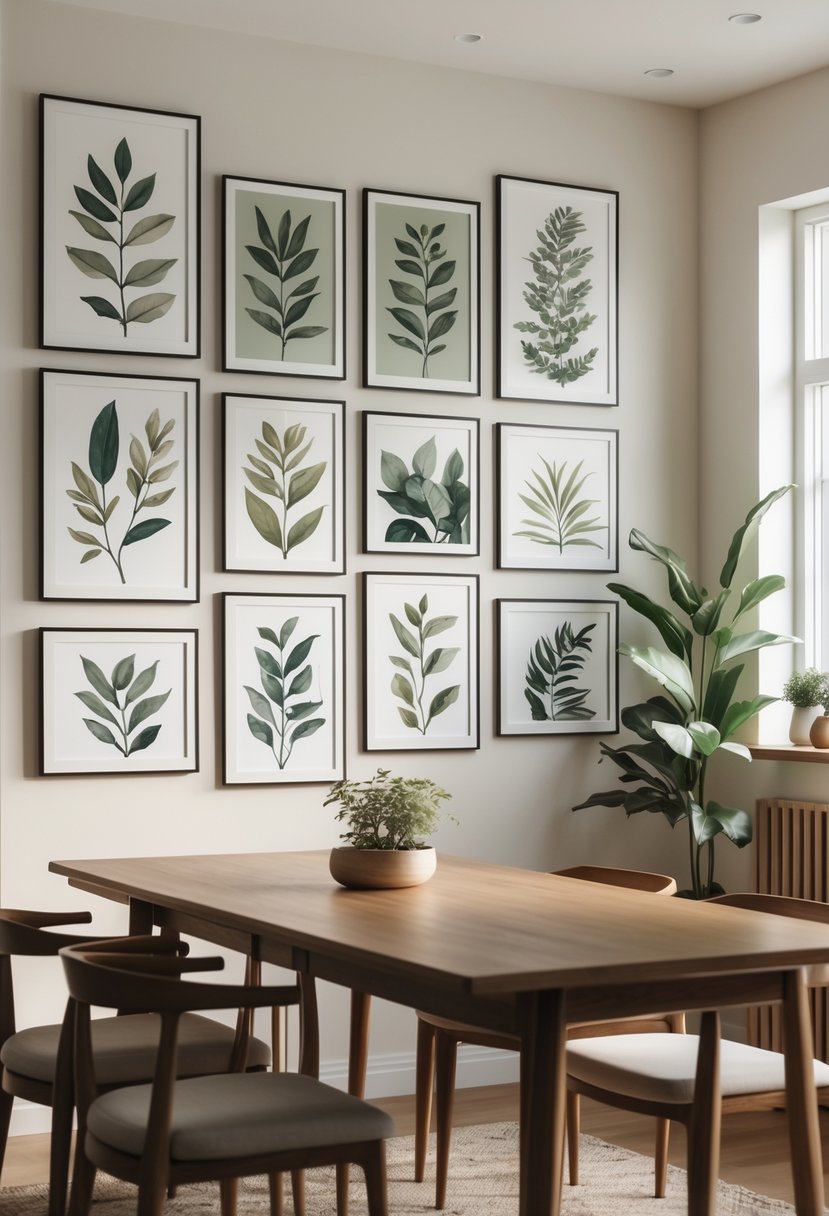
They can refresh a dining room by arranging framed botanical prints in a simple grid or balanced layout.
Using vintage or nature-inspired artwork adds color and texture without overwhelming the space.
Wood or black frames keep the look cohesive and pair well with neutral walls or natural materials.
Opt for a rustic farmhouse table with bench seating
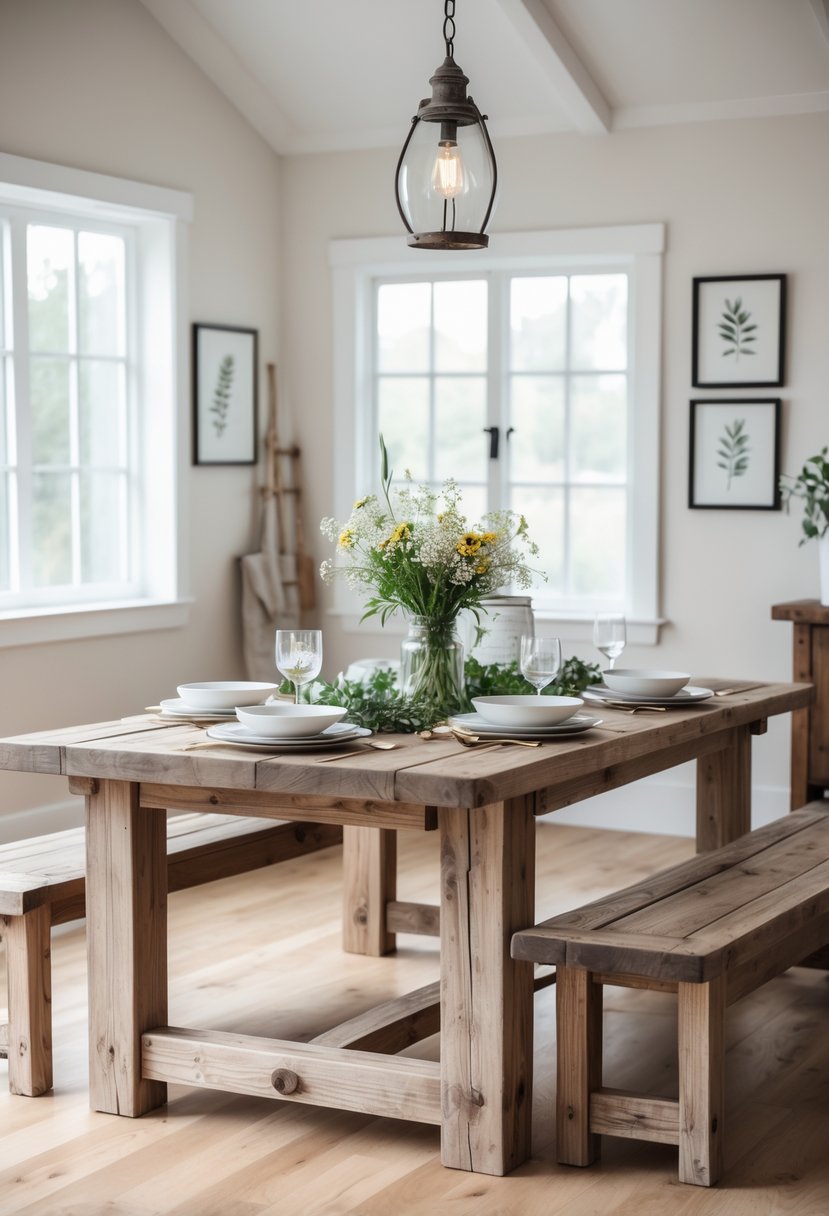
A rustic farmhouse table with bench seating adds warmth and practicality to a dining room. The natural wood tones and simple design create a relaxed, welcoming atmosphere.
Bench seating saves space and provides flexible seating for family or guests. It pairs well with neutral colors and vintage-inspired décor for a timeless look.
Hang sheer curtains for a soft, airy feel
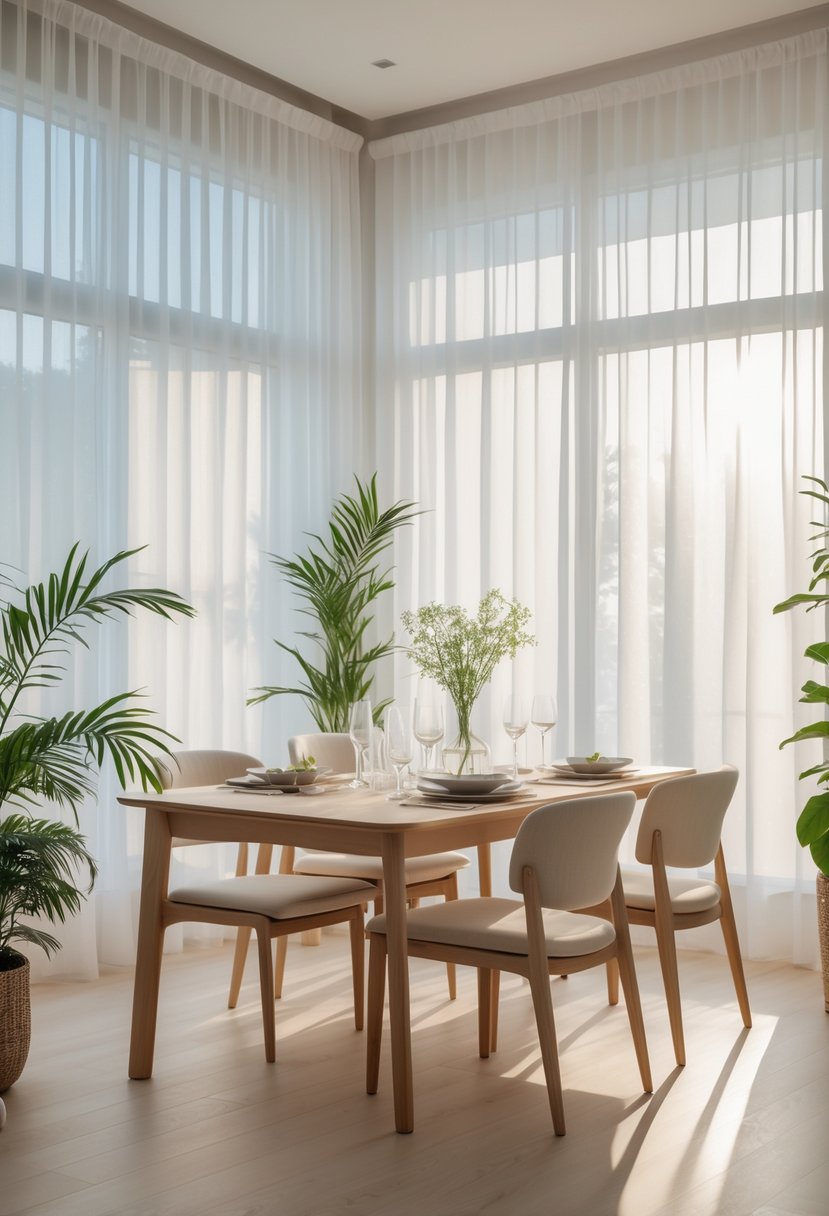
Sheer curtains let in natural light while keeping the dining area private and comfortable.
Their lightweight fabric creates a calm, open look that works well with both modern and traditional decor.
Neutral tones like white or beige blend easily, while soft pastels add gentle color without overwhelming the space.
Incorporate a sideboard for extra serving space
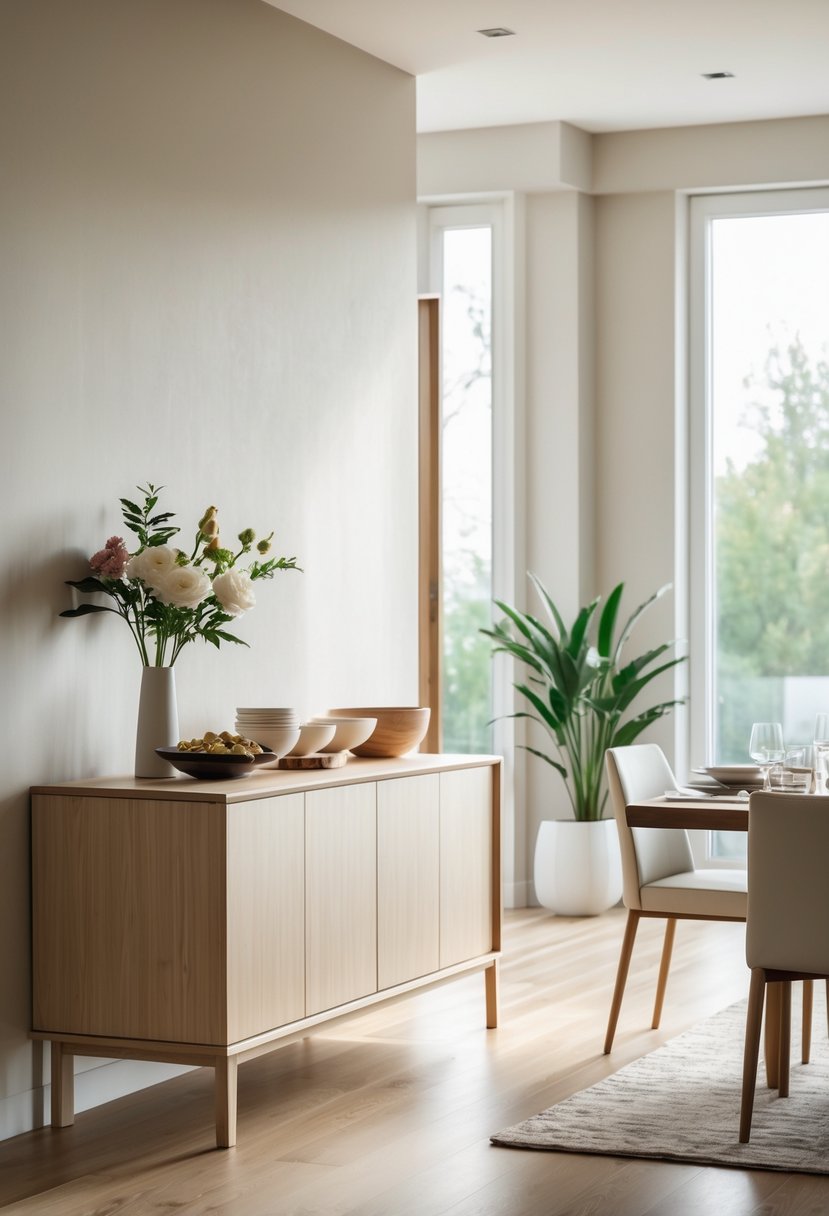
A sideboard adds useful surface area for serving food and drinks during gatherings. It also provides storage for dishes, glassware, and linens.
In 2026 dining rooms, sideboards often feature clean lines and durable materials that match modern and classic styles. They help keep the table clear and the space organized.
Use pendant lighting in clusters for modern appeal
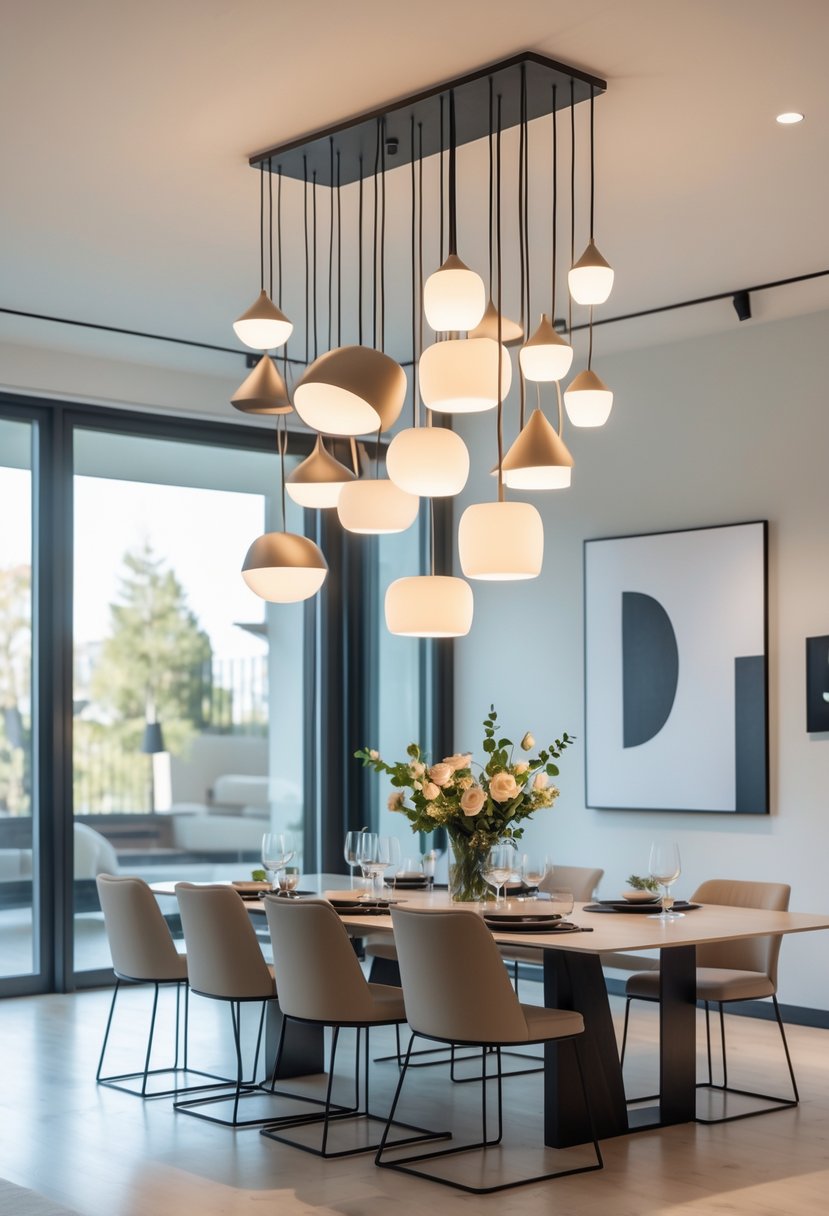
Clustered pendant lights create a clean, balanced look that fits well in modern dining rooms.
They provide focused light over the table while adding visual interest through shape and height variation.
Using multiple smaller fixtures instead of one large one helps evenly distribute light and define the dining area.
Select a glass-top table to open up the room visually
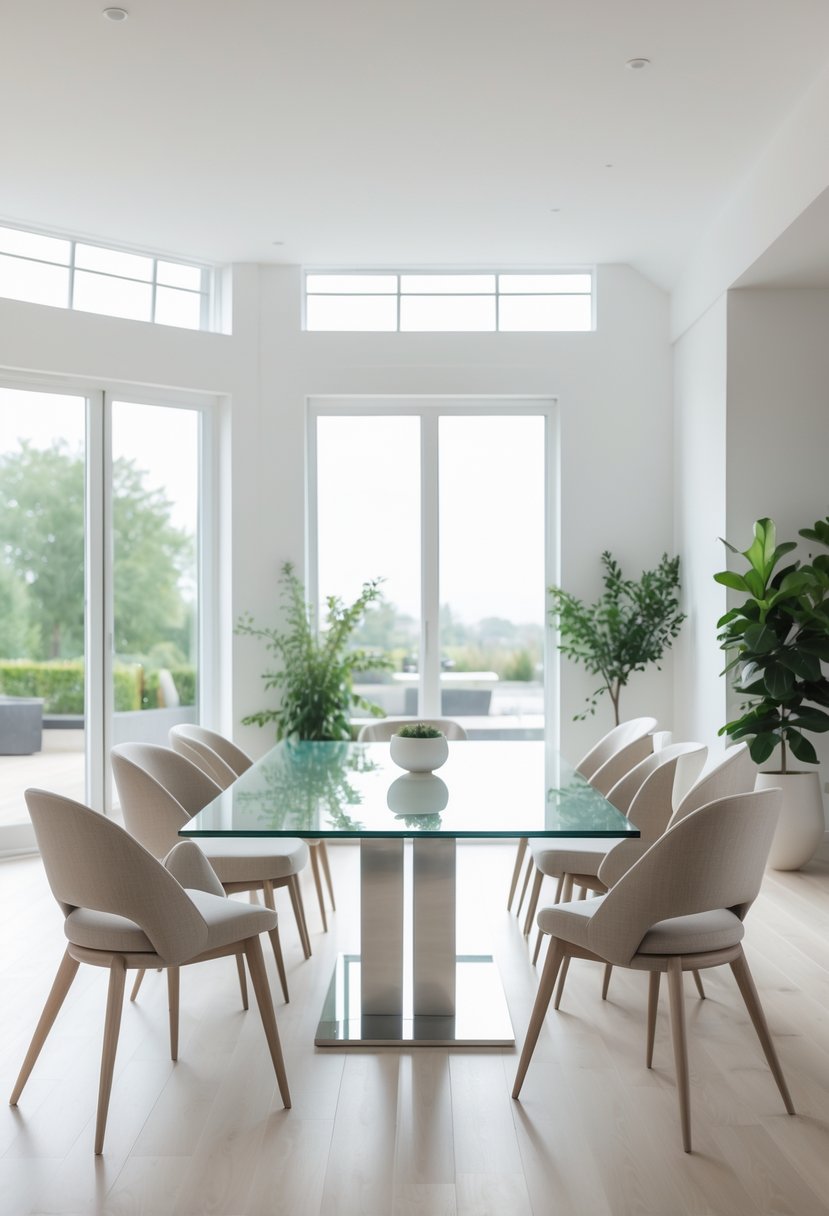
A glass-top dining table makes the room feel larger by allowing light to pass through. Its clear surface reduces visual clutter and highlights the table’s base design.
They can pair it with metal, wood, or stone bases to match different interior styles while keeping a balanced, open look.
Incorporate natural textures like rattan or jute
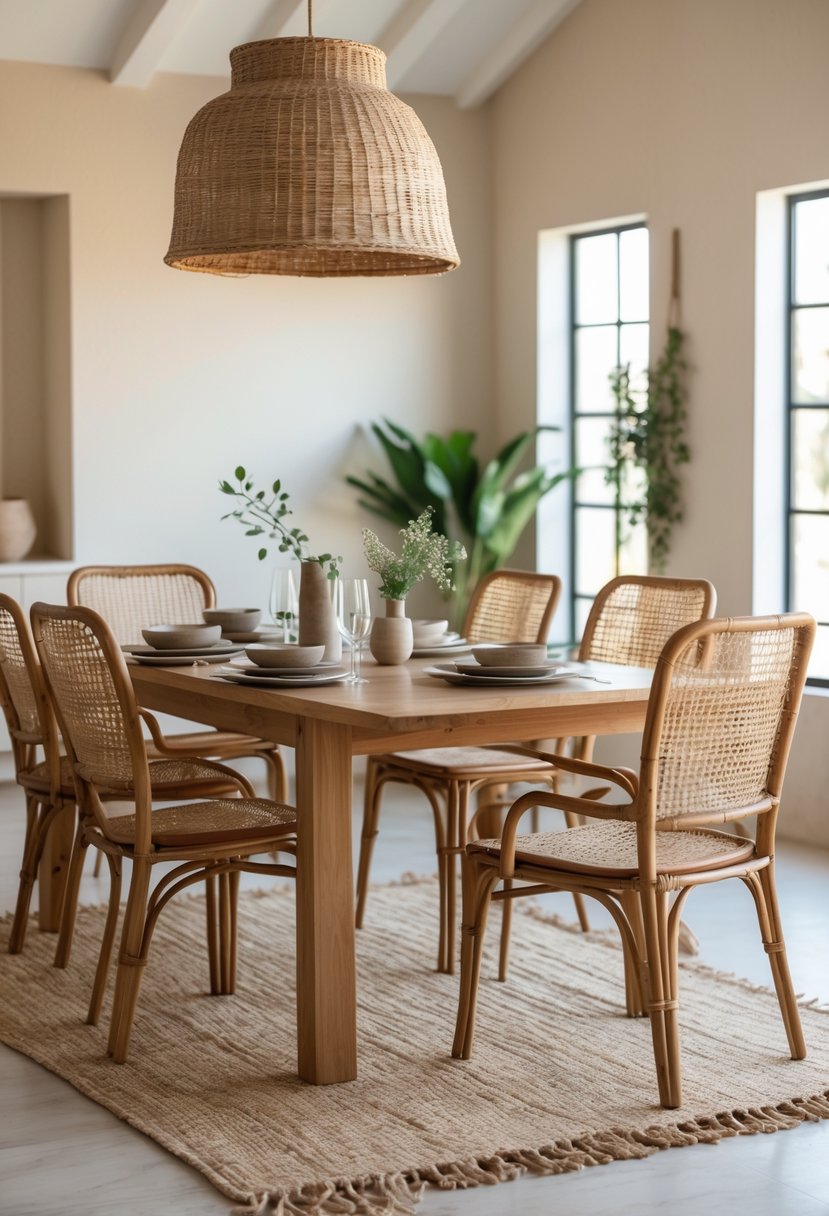
They can add warmth and depth to a dining room without overwhelming the space.
Rattan chairs or light fixtures bring a relaxed, organic look that pairs well with wood or neutral tones.
A jute rug under the table adds texture and helps define the dining area naturally.
Add greenery with potted plants or a small indoor tree
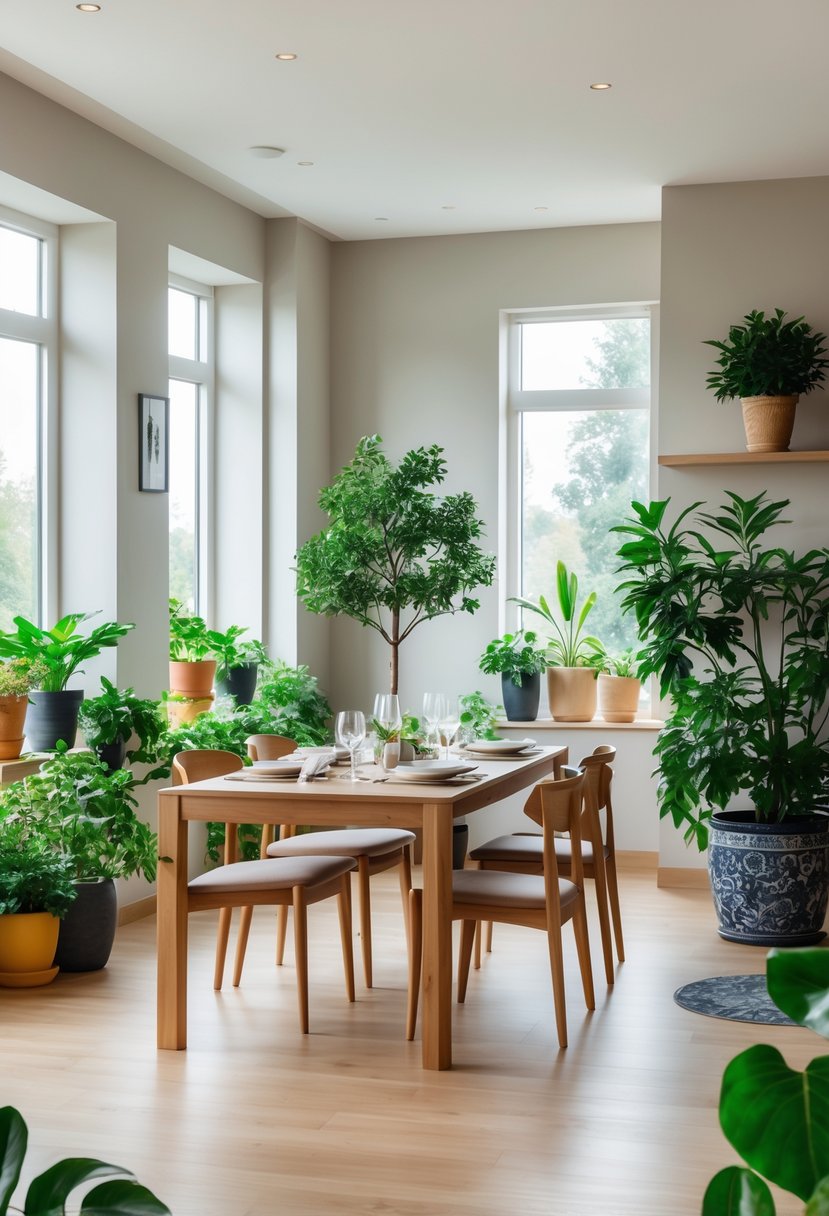
They can place a few potted plants in corners or near windows to bring natural color into the dining room.
A small indoor tree, such as a fiddle-leaf fig or rubber plant, adds height and texture.
Using simple ceramic or wooden pots keeps the look clean and balanced.
Use a monochromatic color scheme with varied textures
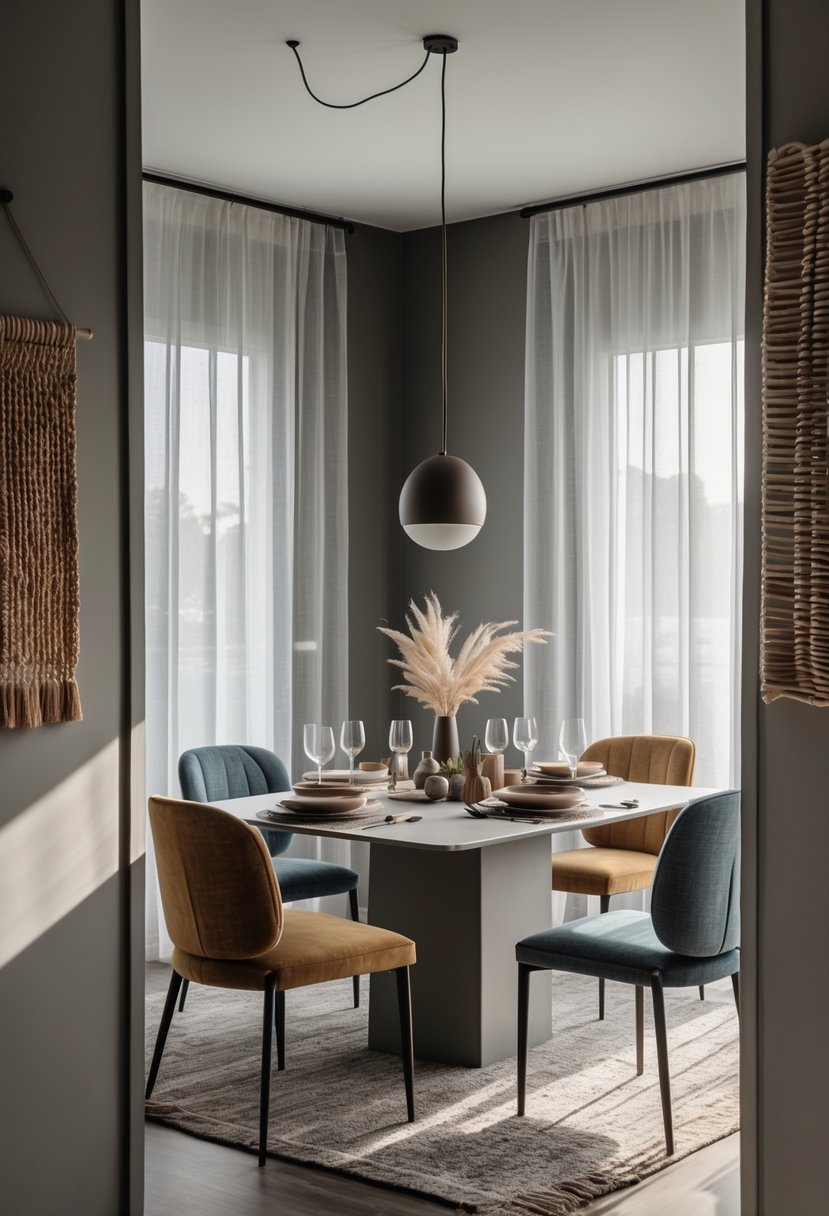
A monochromatic color scheme keeps the dining room cohesive and calm.
They can use different shades and tones of one color to add depth.
Mixing matte, glossy, and soft textures prevents the space from feeling flat while keeping a balanced and unified look.
Install wainscoting or beadboard for classic detail
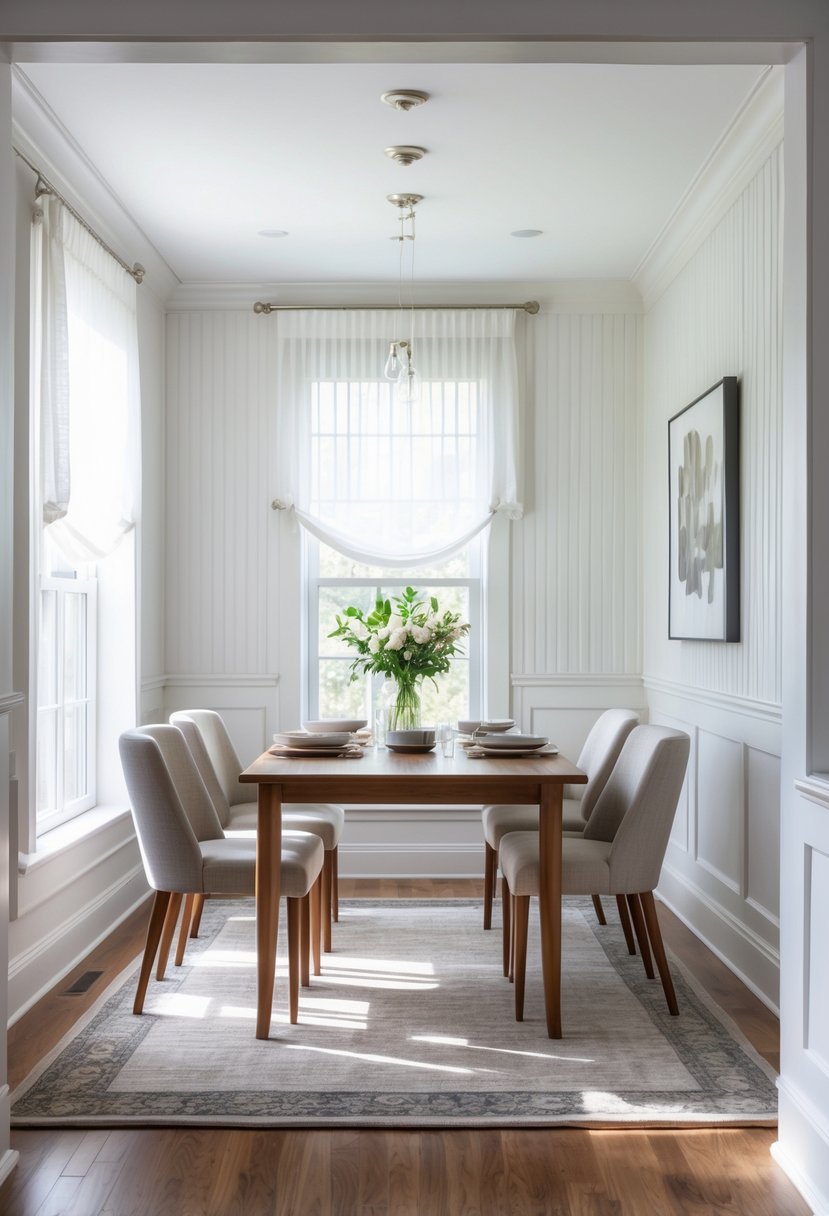
Wainscoting or beadboard adds texture and structure to dining room walls. It covers the lower portion of walls with panels that protect surfaces and create visual interest.
Homeowners can choose from styles like raised panels, board and batten, or beadboard to match traditional or modern interiors.
Choose a minimalist table with clean lines
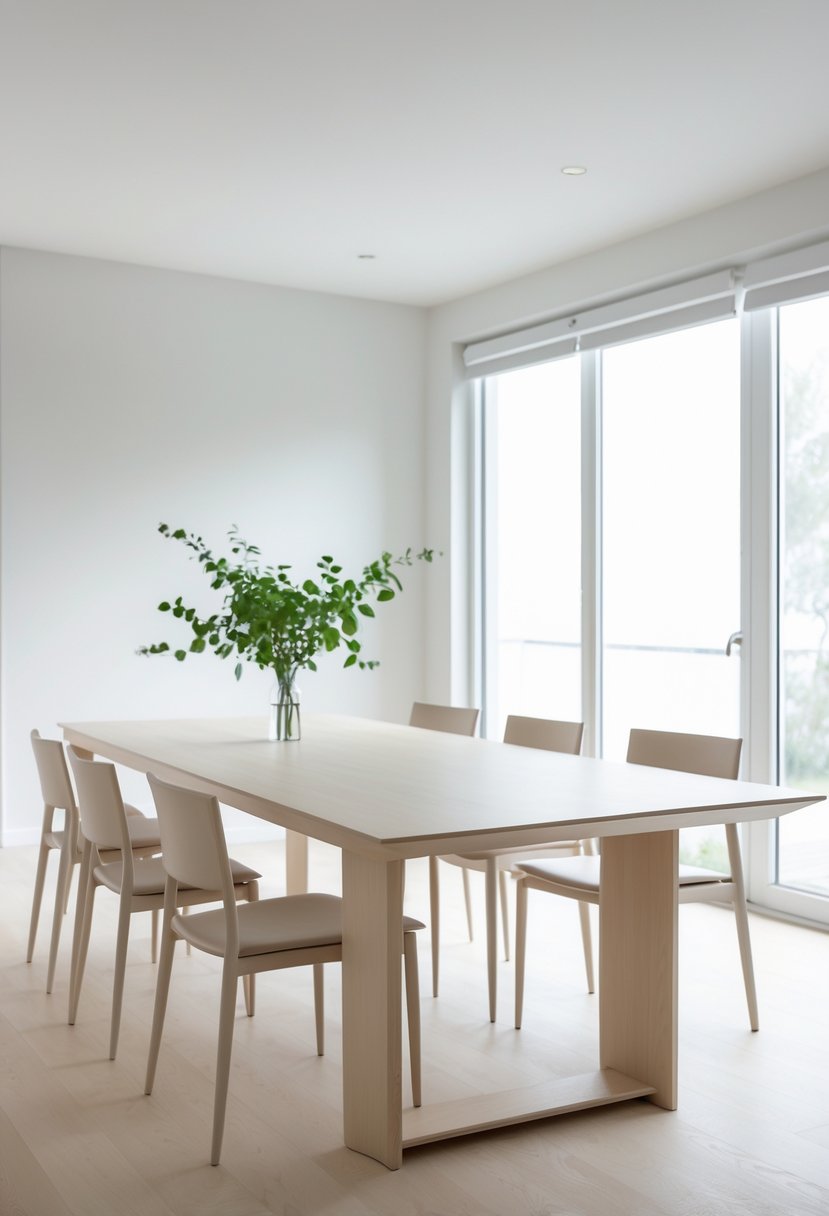
A minimalist dining table uses simple shapes and smooth surfaces to create a calm look.
They often feature wood, glass, or metal with slim legs and little detail.
Clean lines help the table blend easily with different styles while keeping the space open and uncluttered.
Create a cozy nook with banquette seating
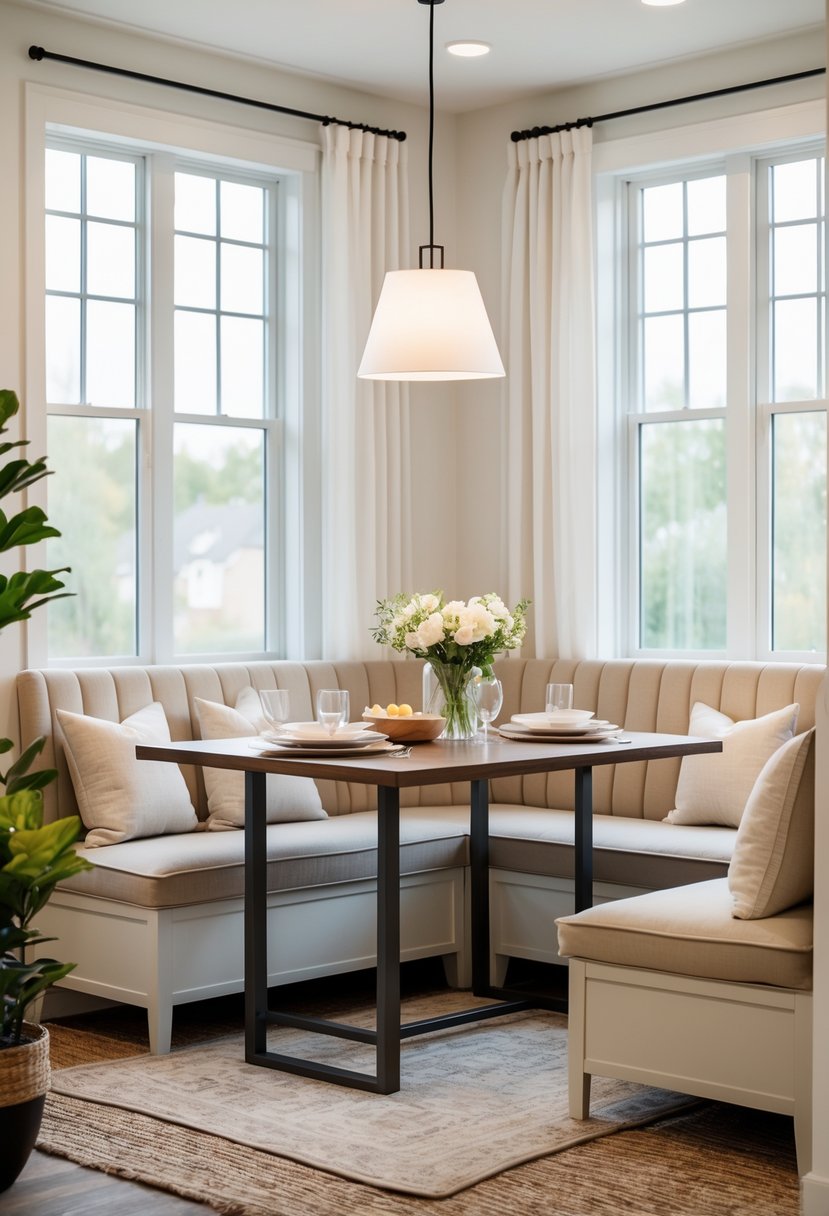
Banquette seating makes good use of corners and small dining areas. It provides extra seating without taking up much space.
Built-in benches can include storage under the seats, keeping the area tidy. Soft cushions and neutral fabrics create a warm, comfortable place for meals or conversation.
Use metallic accents like brass or matte black hardware
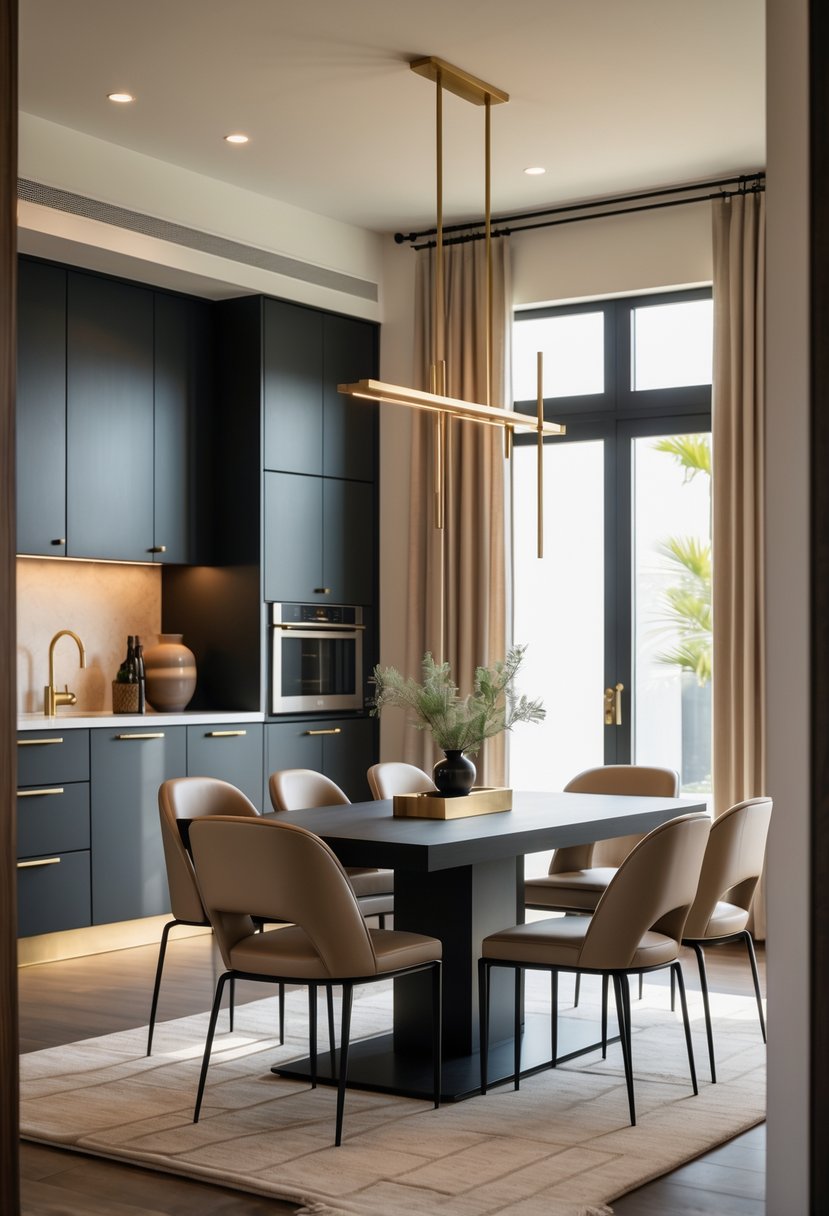
Metallic accents can give a dining room a refined, modern look. Brass adds warmth and pairs well with wood tones.
Matte black hardware offers contrast and suits both light and dark color schemes.
Using a mix of finishes, like brass lighting and black cabinet pulls, creates balance without feeling overly decorative.
Add a statement rug with geometric patterns
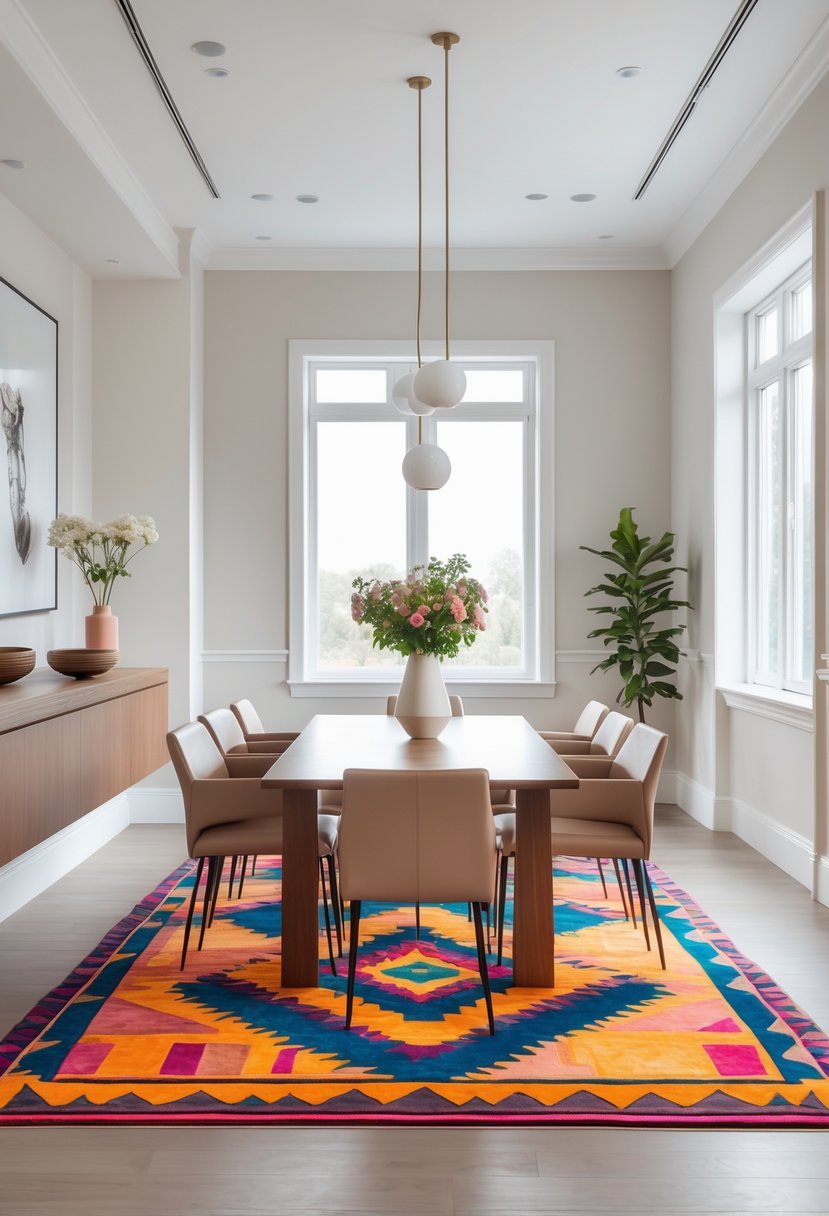
A geometric rug adds structure and visual interest to a dining room.
Its clean lines and shapes help define the space under the table.
They work well with both modern and traditional furniture.
Neutral tones keep the look calm, while bold patterns create a stronger focal point.
Incorporate vintage or antique decor pieces
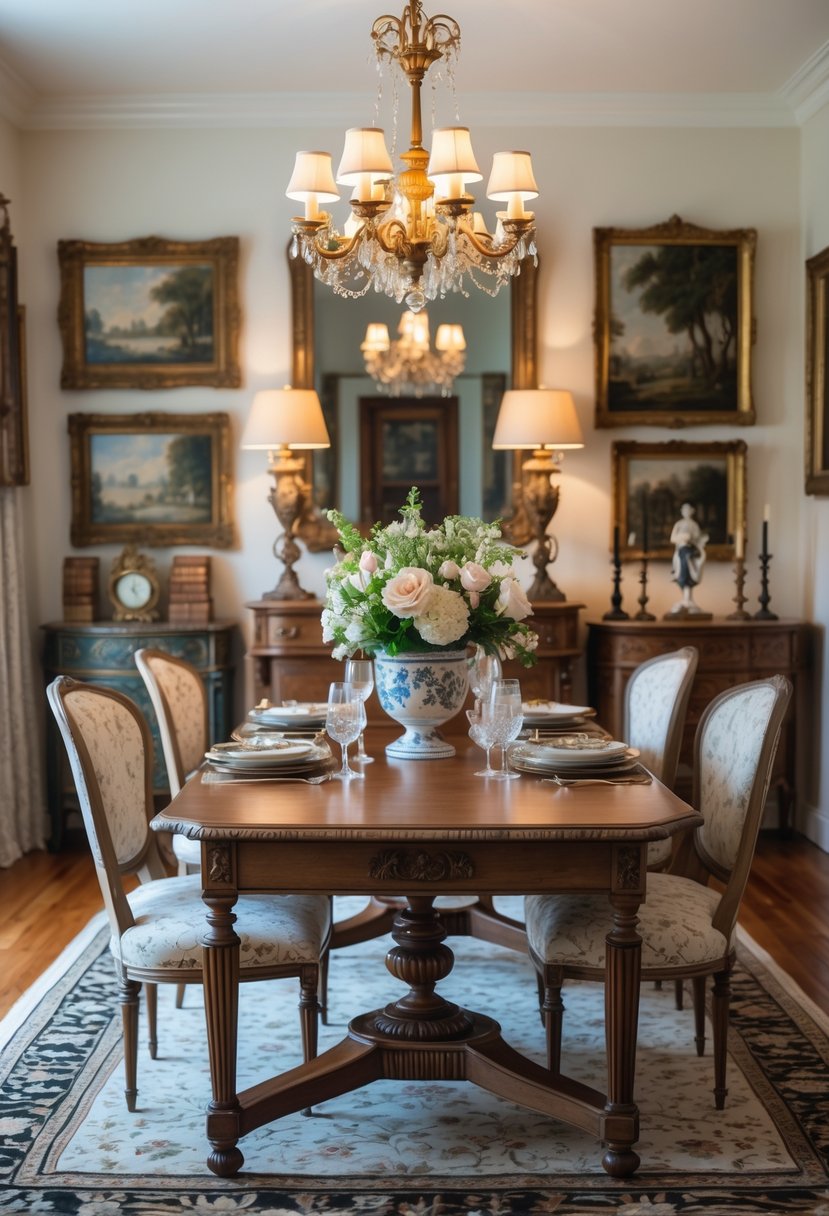
They can add warmth and character to a dining room. A vintage oak sideboard or antique mirror introduces texture and history.
Using silver or brass serving trays as display pieces gives subtle charm. Mixing these older items with modern furniture creates balance and a timeless, lived-in feel.
Emerging Trends in Dining Room Design
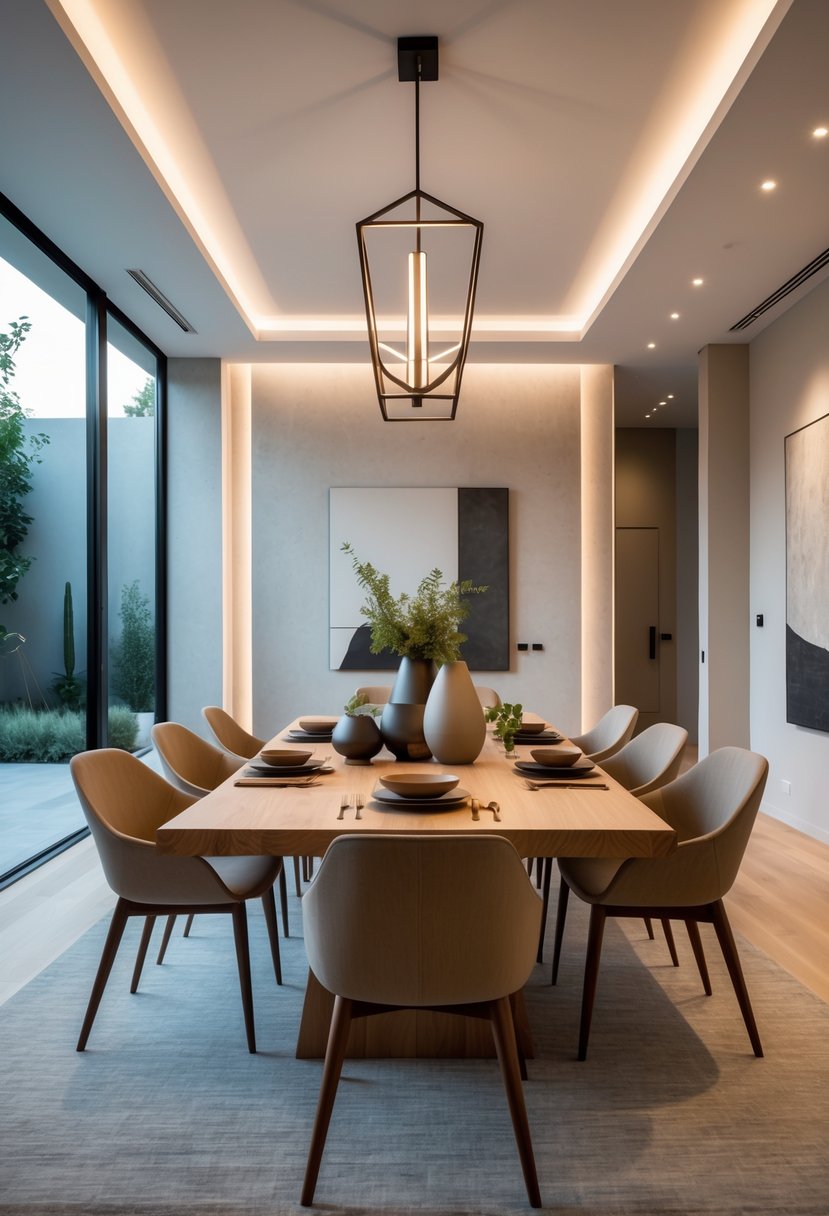
Designers in 2026 focus on balanced color palettes, eco-friendly materials, and functional lighting that supports comfort and energy efficiency. These updates create dining spaces that feel modern, practical, and connected to daily living.
Color Palettes for 2026
Dining rooms in 2026 use muted natural tones mixed with bold accent colors. Shades like clay, olive, sand, and soft gray form the base, while deep navy, rust, or forest green add contrast. This balance helps the room feel warm and modern without being overwhelming.
Designers also favor two-tone walls and layered textures. For example, a matte wall color paired with a glossy finish on trim or furniture adds depth. Metallic accents in brushed brass or black steel give a subtle, polished look.
Neutral colors remain popular because they adapt easily to changing décor. However, small pops of color—such as a painted chair or patterned rug—keep the space lively. The goal is to create a calm setting that still feels personal and inviting.
| Base Colors | Accent Colors | Finishes |
|---|---|---|
| Warm beige, soft gray | Deep green, rust, navy | Matte, brushed metal, natural wood |
Sustainable Materials and Furnishings
Environmental awareness shapes how dining rooms are built and furnished. Sustainable woods, recycled metals, and natural fabrics dominate new designs. Many tables and chairs now use certified wood or reclaimed materials that reduce waste while keeping a high-quality look.
Upholstery trends lean toward organic cotton, linen, and wool. These fabrics are durable and breathable, making them practical for everyday use. Designers also favor furniture with modular or multi-use designs, allowing pieces to adapt to different room sizes or functions.
Eco-friendly finishes such as low-VOC paints and water-based stains support healthier indoor air. Homeowners choose fewer but better-made items, focusing on craftsmanship rather than quantity. This shift reflects a long-term approach to both design and consumption.
Lighting Innovations
Lighting in 2026 emphasizes adjustability and energy efficiency. LED systems now offer tunable white light, allowing users to change brightness and warmth for different moods or times of day. Smart controls make it easy to shift from dinner lighting to soft evening tones.
Designers combine statement fixtures—like sculptural pendants or linear chandeliers—with hidden recessed lights for balanced illumination. Fixtures often mix metal and glass for a clean, modern look that complements various styles.
Natural light remains important. Large windows, sheer curtains, and reflective surfaces help brighten the space without extra energy use. Together, these lighting updates improve comfort, reduce energy costs, and enhance the dining experience.
Maximizing Functionality and Comfort
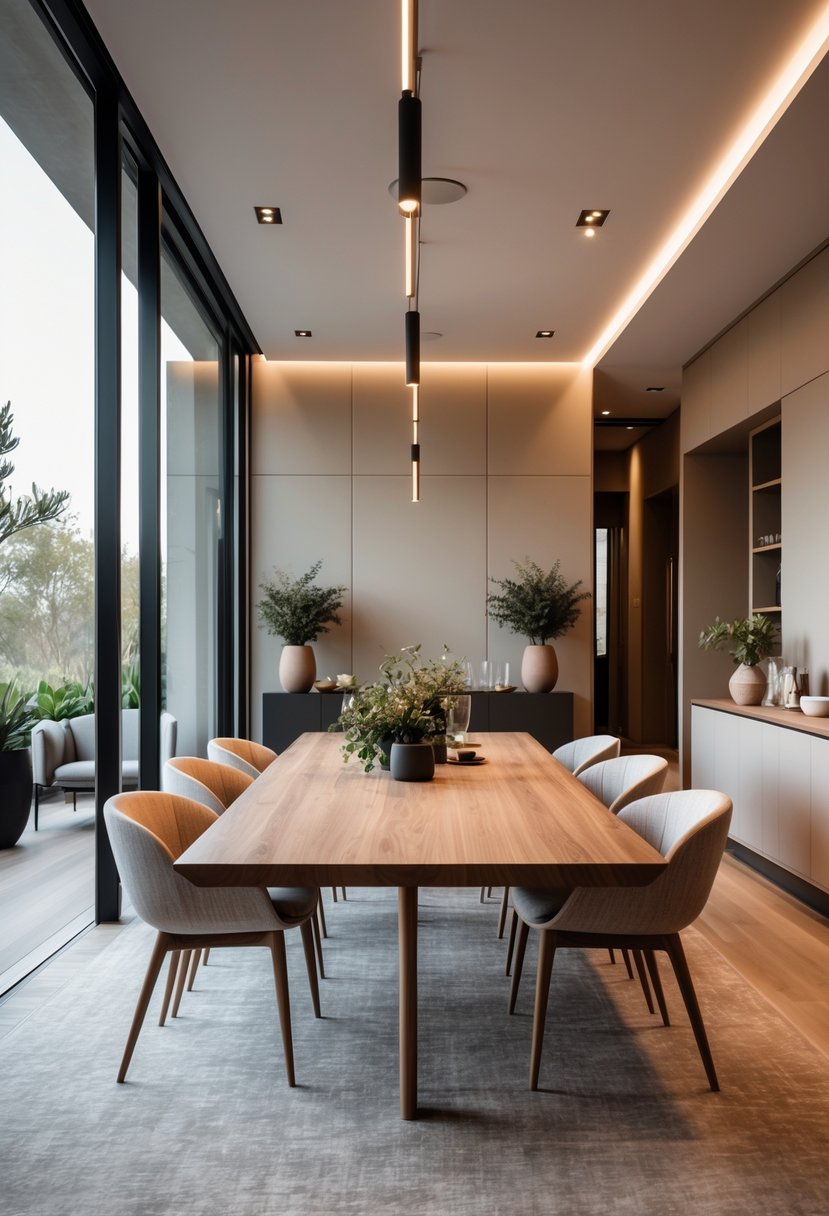
Designers in 2026 focus on creating dining spaces that adapt to daily life while maintaining a sense of ease. Practical layouts, flexible furniture, and smooth transitions between indoor and outdoor areas help people use their dining rooms for more than just meals.
Flexible Layout Solutions
Dining rooms now serve as multi-purpose spaces for eating, working, and socializing. To support this, homeowners use modular furniture such as extendable tables, stackable chairs, and storage benches that adjust to different needs.
A simple layout with movable pieces allows quick changes from family dinner to workspace. Foldable or nesting tables save space in smaller homes, while built-in storage keeps surfaces clear and organized.
Lighting zones also improve function. Adjustable pendant lights or wall sconces create a bright area for work and a softer mood for dining. Using a neutral color palette with warm accents helps the room feel calm and balanced, even when its purpose shifts throughout the day.
| Feature | Benefit |
|---|---|
| Extendable tables | Adapts to guest count |
| Modular seating | Supports multiple uses |
| Built-in storage | Reduces clutter |
| Adjustable lighting | Fits different activities |
Seamless Indoor-Outdoor Connections
Many new dining spaces include large sliding or folding doors that open to patios or gardens. This design expands usable space and brings in natural light, improving comfort and energy efficiency.
Durable materials like weather-resistant wood, aluminum, and stone help maintain a consistent look between interior and exterior areas. Coordinating furniture styles and color tones strengthens the visual link between both spaces.
Adding outdoor dining zones with shade structures or heaters allows year-round use. Homeowners often include planters, soft lighting, and textured fabrics to create a relaxed atmosphere that feels both open and connected to nature.