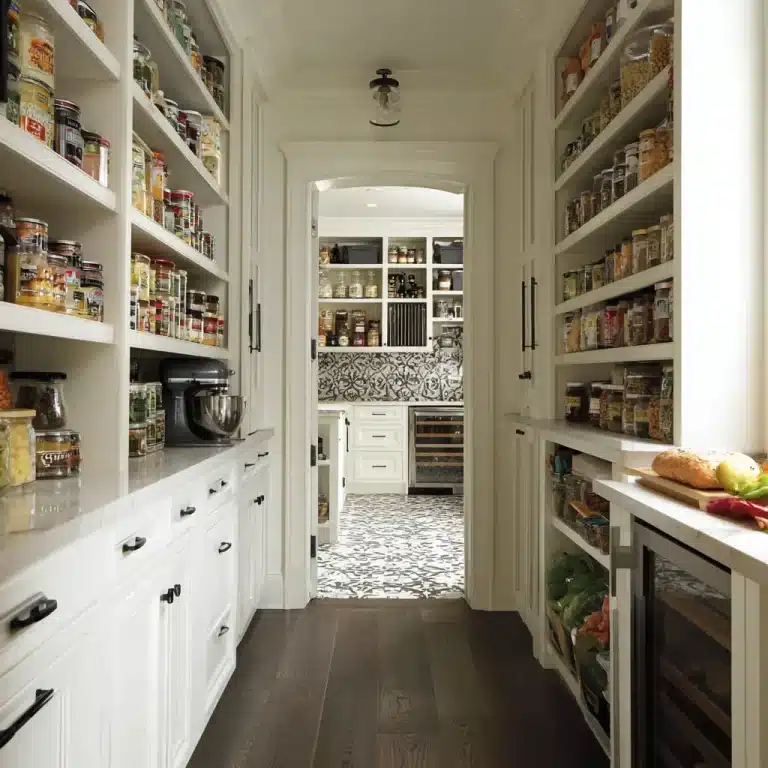
Castlecore Kitchen and Dining Room Inspiration: 22 Ideas for Timeless Elegance
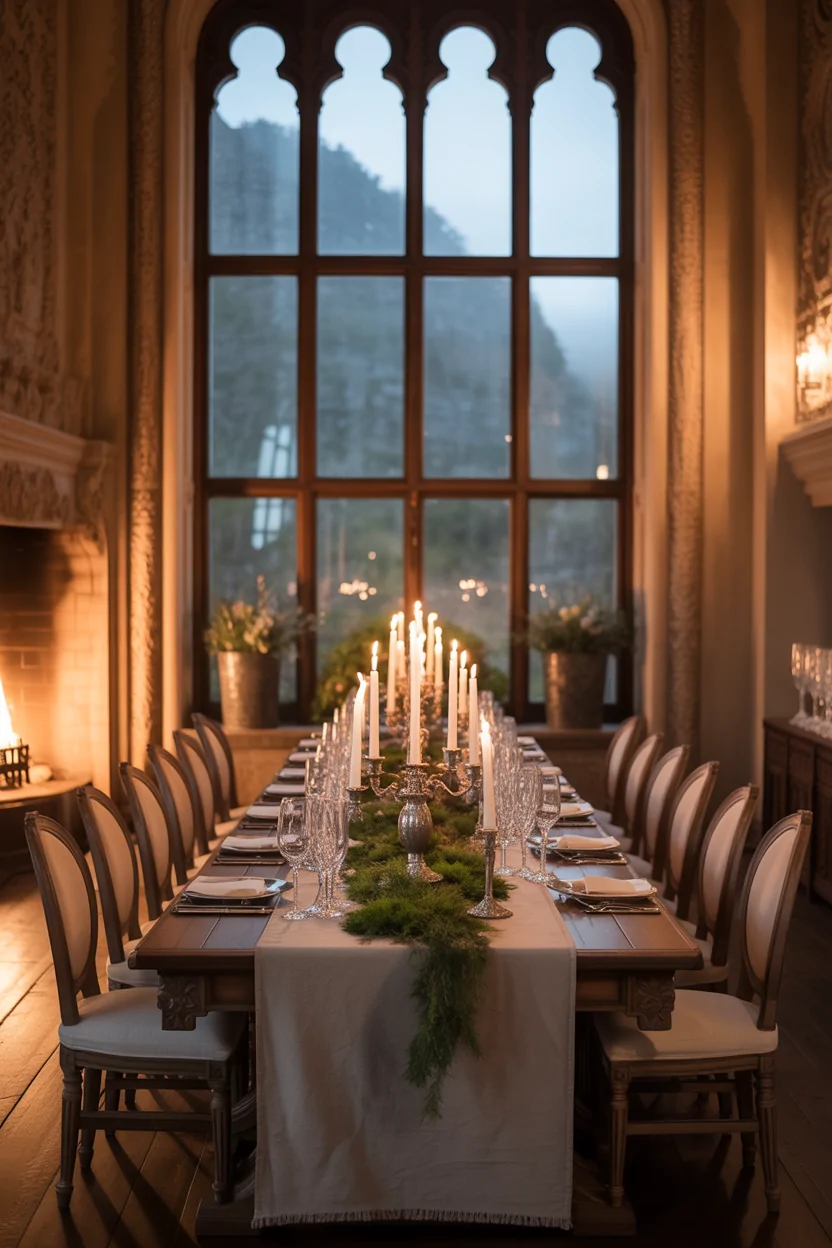
Castlecore design brings the charm of medieval castles into everyday living spaces, blending rustic textures with timeless details. It creates a sense of history while keeping the atmosphere warm and inviting. This style shows how a kitchen and dining room can feel both practical and atmospheric, turning daily meals into memorable experiences.
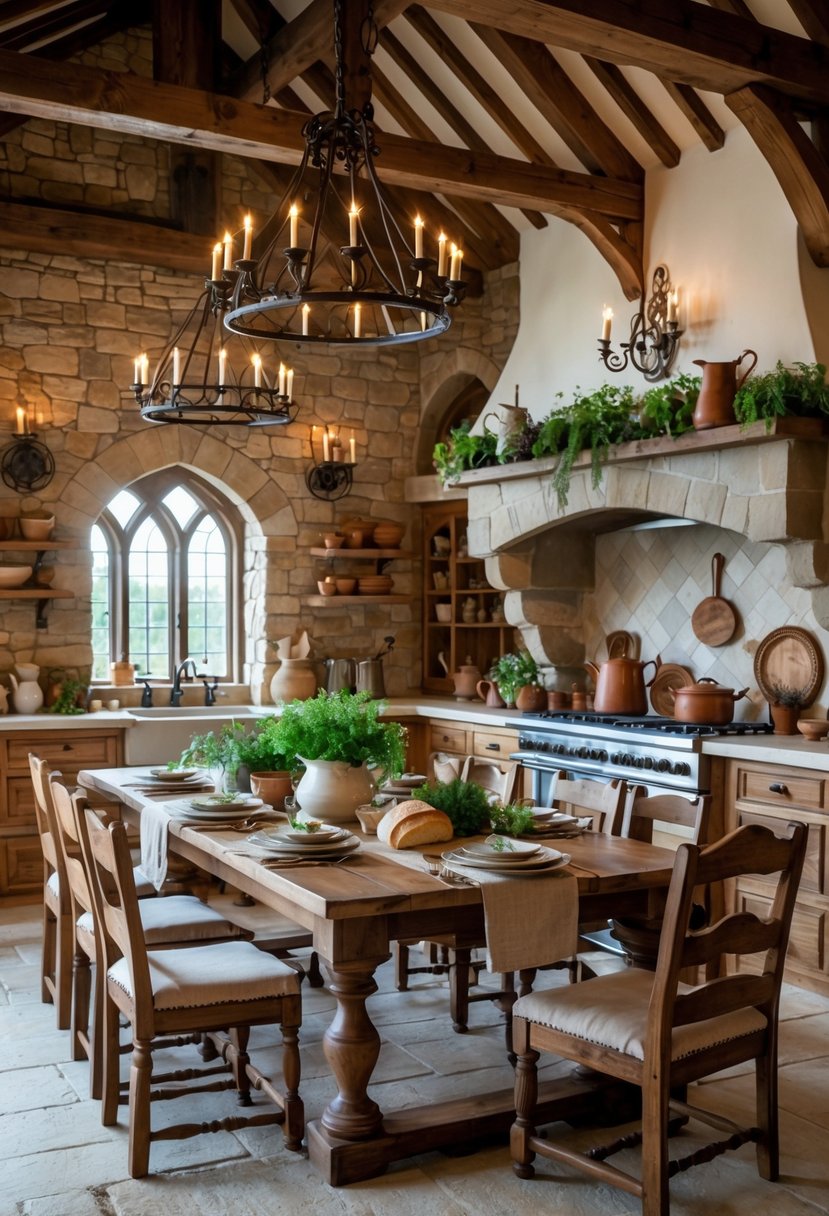
By focusing on natural materials, traditional craftsmanship, and subtle decorative touches, Castlecore balances function with character. Its influence can be seen in everything from the walls and furniture to the smallest accents, offering a complete approach to design that feels cohesive and enduring.
Stone accent walls for authentic medieval texture
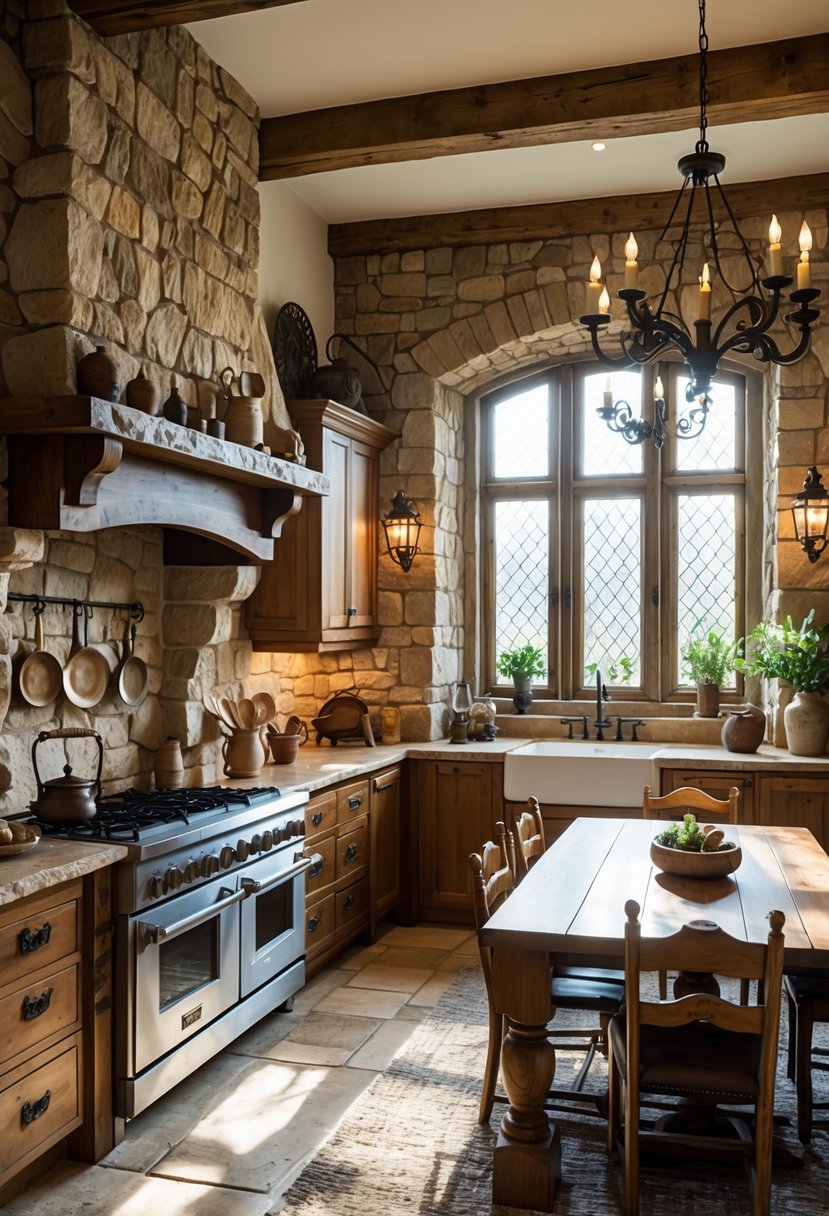
Stone accent walls give kitchens and dining rooms a grounded, historic feel. Their rough surface adds depth and visual interest without overwhelming the space.
Homeowners often use stone veneer panels for a cost-effective option. These panels create the look of traditional masonry while being easier to install.
Even a single stone wall can define the room’s atmosphere. It pairs well with wood beams, iron fixtures, and simple medieval-inspired furniture.
Gothic wrought iron chandeliers
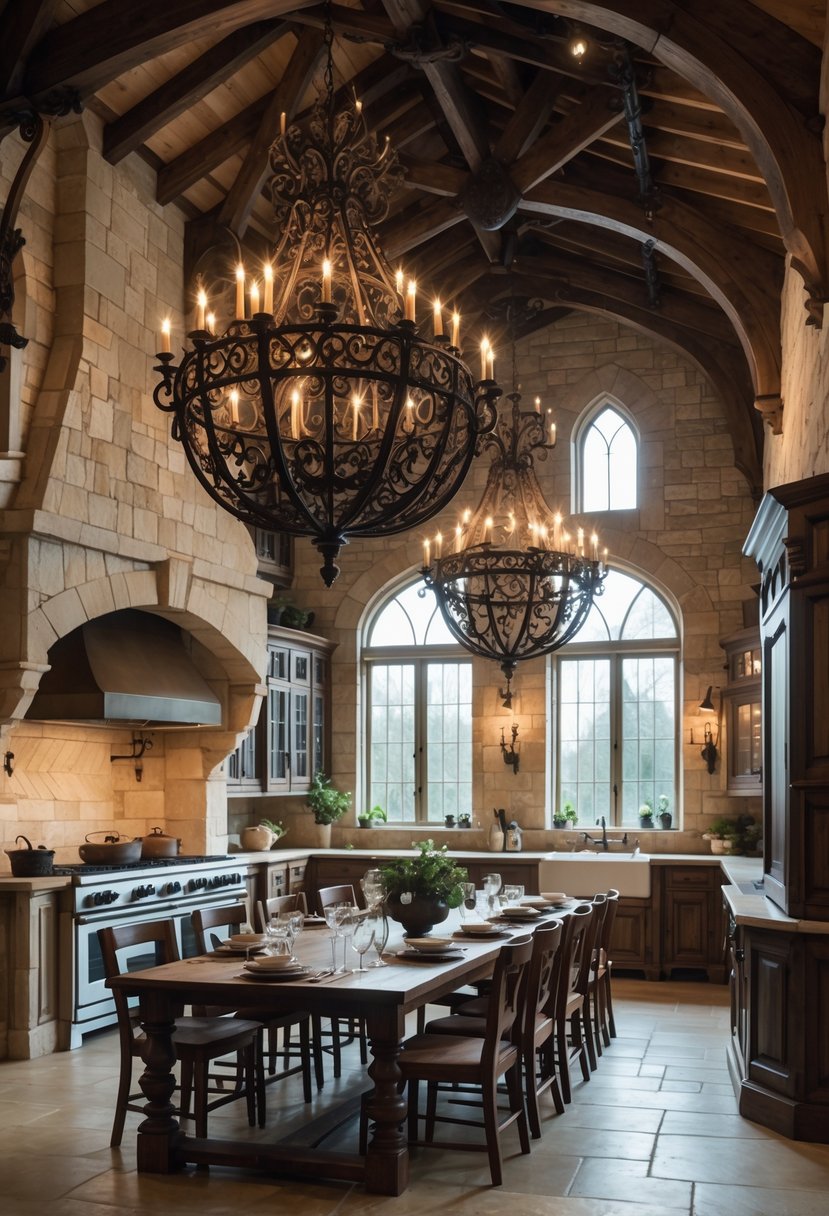
Gothic wrought iron chandeliers bring a medieval look to kitchens and dining rooms. Their dark metal frames and candle-style lights create a simple but strong focal point.
They work well over long wooden tables or in entryways, adding structure and balance without overwhelming the space.
Long reclaimed wooden banquet tables
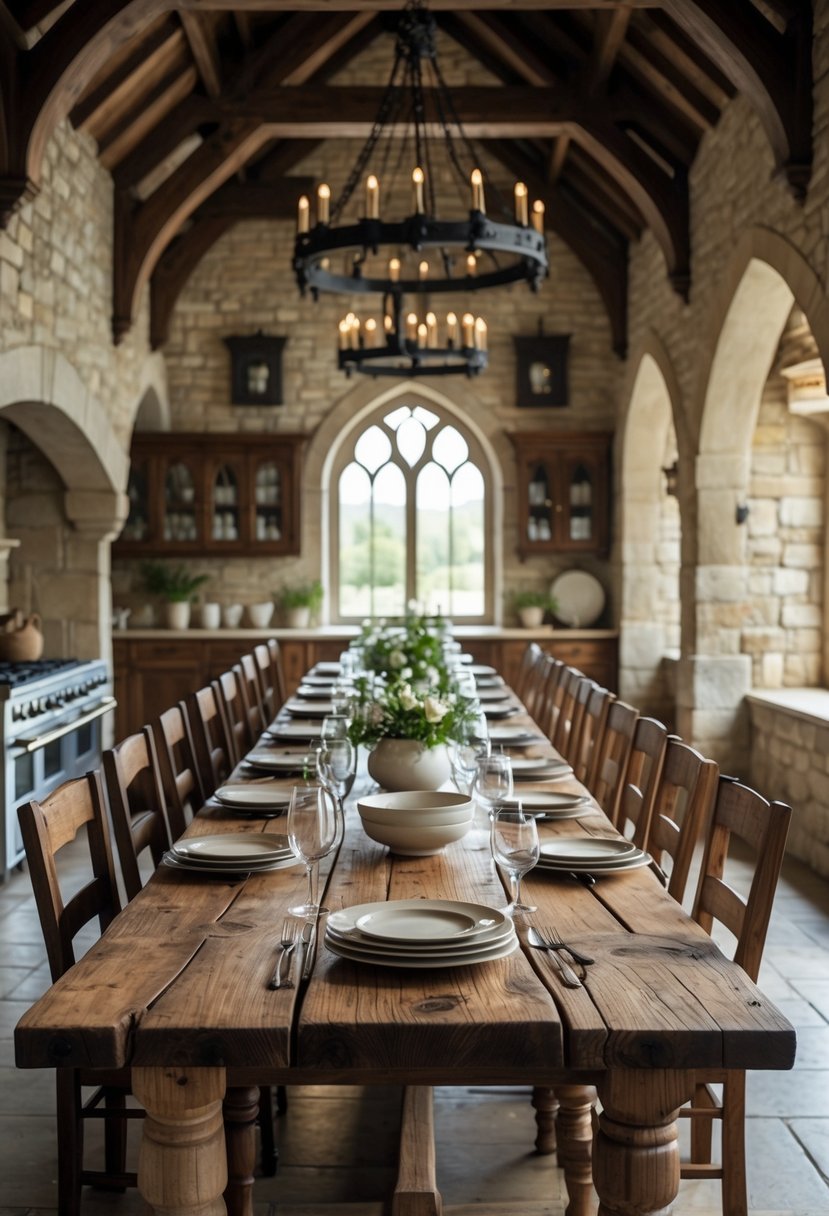
Long reclaimed wooden banquet tables bring both function and character to castlecore dining rooms. Their size allows many people to gather comfortably.
The aged wood adds texture and warmth, balancing stone walls or heavy furniture. Each table shows marks of its past use, giving the room a grounded, authentic feel.
High-backed medieval-style dining chairs
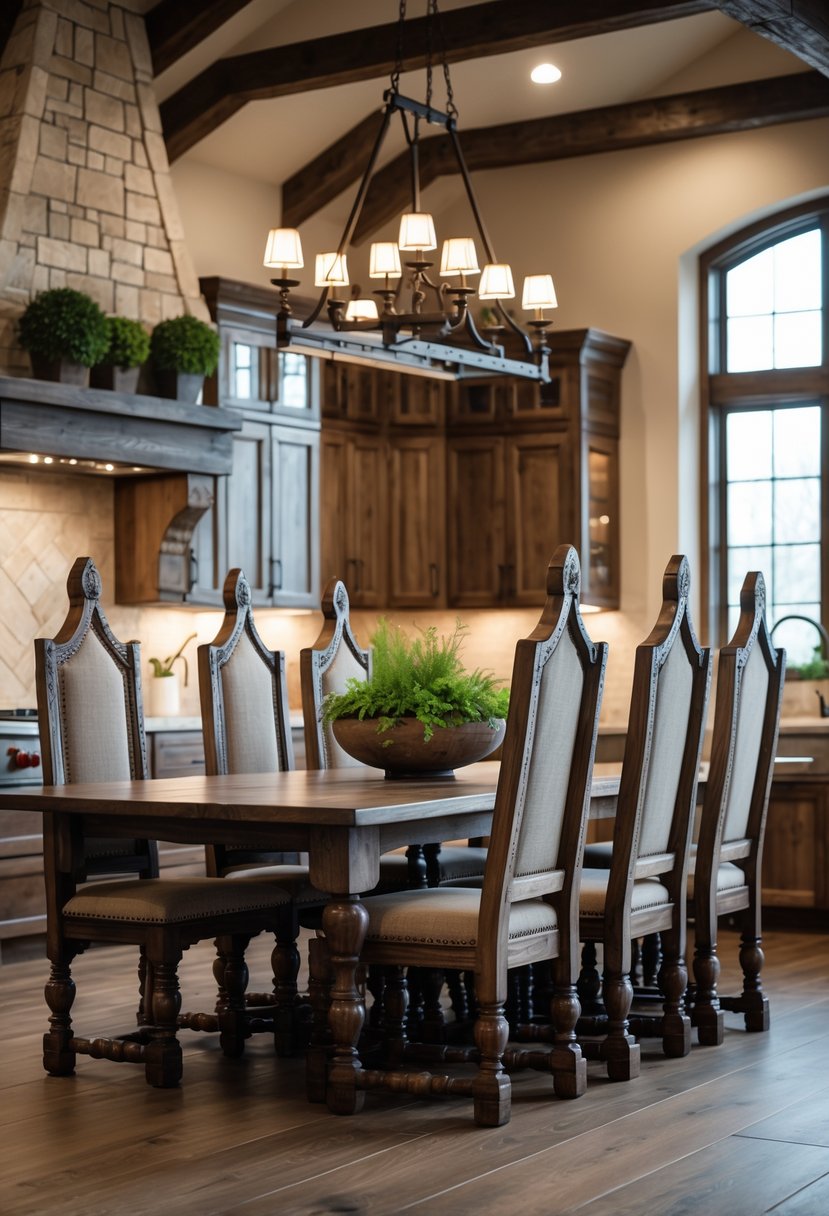
High-backed medieval-style dining chairs bring a formal and historic look to a dining space. Their tall frames often feature carved wood and simple Gothic details.
These chairs work well with long wooden tables, creating a setting that recalls medieval halls. They add structure and presence without overwhelming the room.
Heavy velvet or brocade curtains
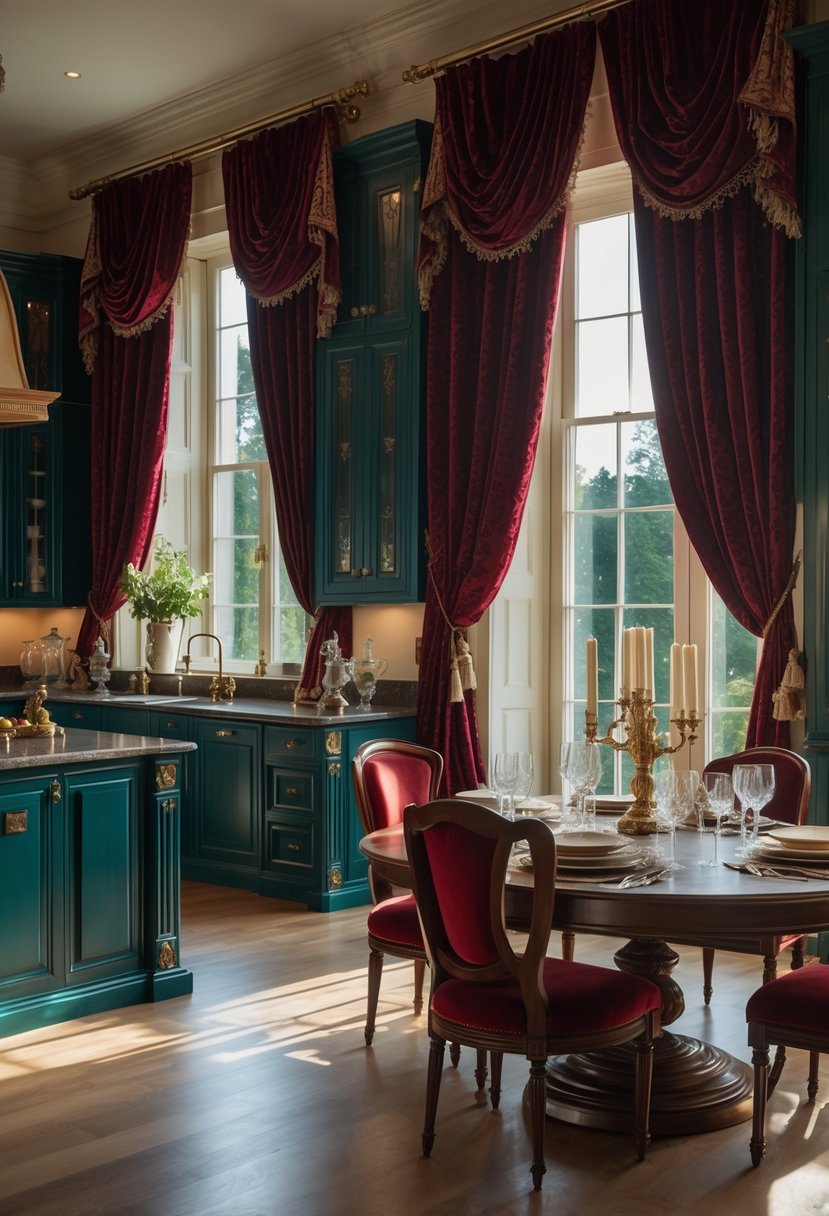
Heavy velvet or brocade curtains add depth and texture to a kitchen or dining room. Their weight helps frame windows with a structured look.
These fabrics create a sense of warmth and privacy. They also pair well with dark wood furniture and stone details often used in castlecore design.
Antique brass candle holders
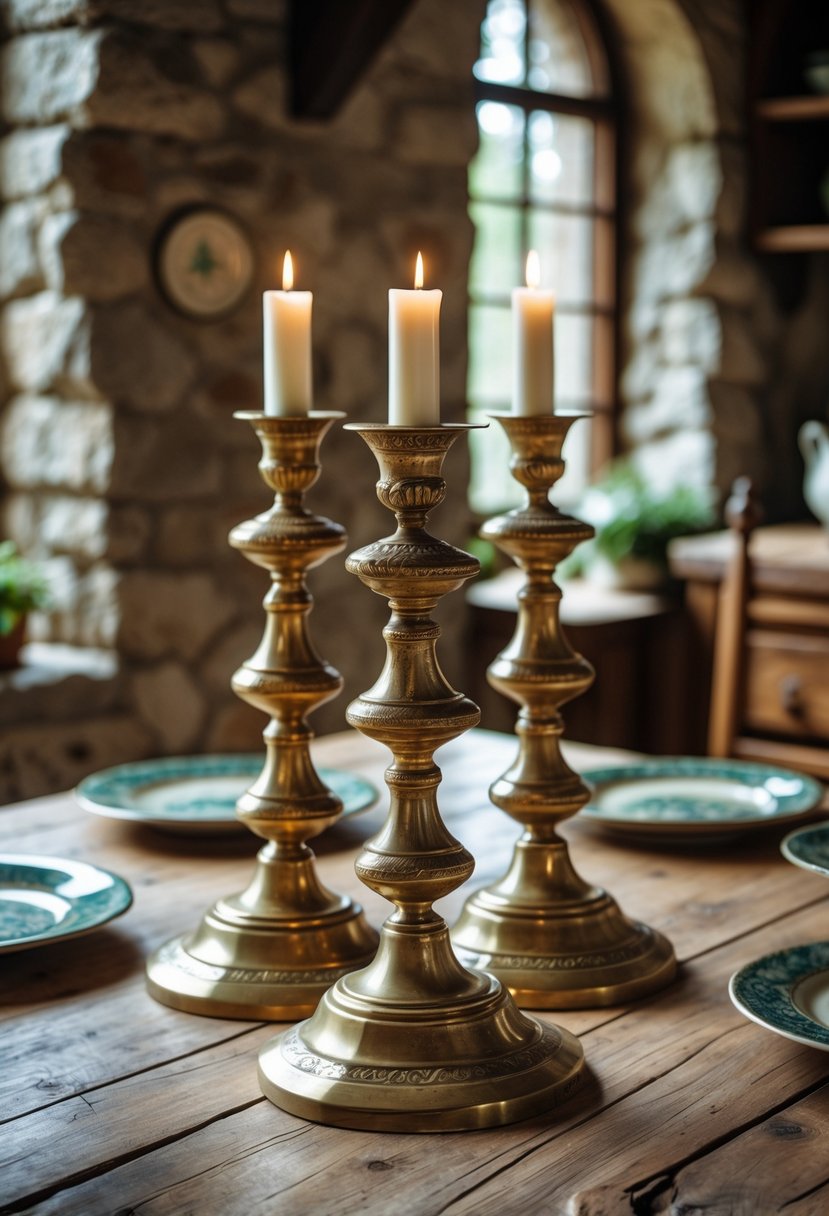
Antique brass candle holders add a warm, aged look to a dining space. Their simple metal finish pairs well with stone walls and wood furniture often found in castlecore style.
They work as both decoration and practical lighting. Placed on a long table or mantle, they create a subtle historic feel.
Ornate ceramic dishware with heraldic designs
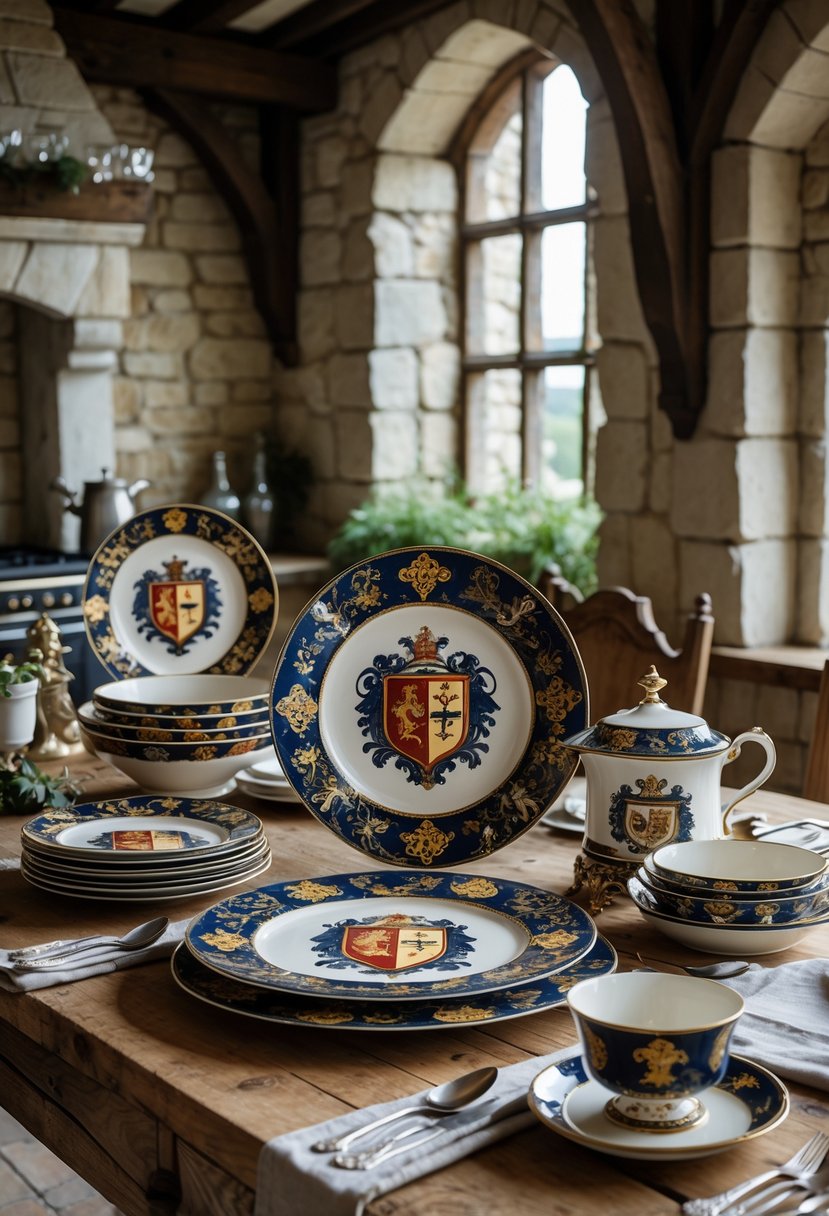
Ceramic dishware with heraldic patterns brings medieval character to the dining table. Shields, crests, and simple linework echo traditional castle motifs.
These pieces often use muted tones like deep blue, earthy red, or natural stone. The designs pair well with wooden tables and stoneware accents.
Collectors value handmade sets for their durability and unique detailing.
Tapestries depicting medieval scenes
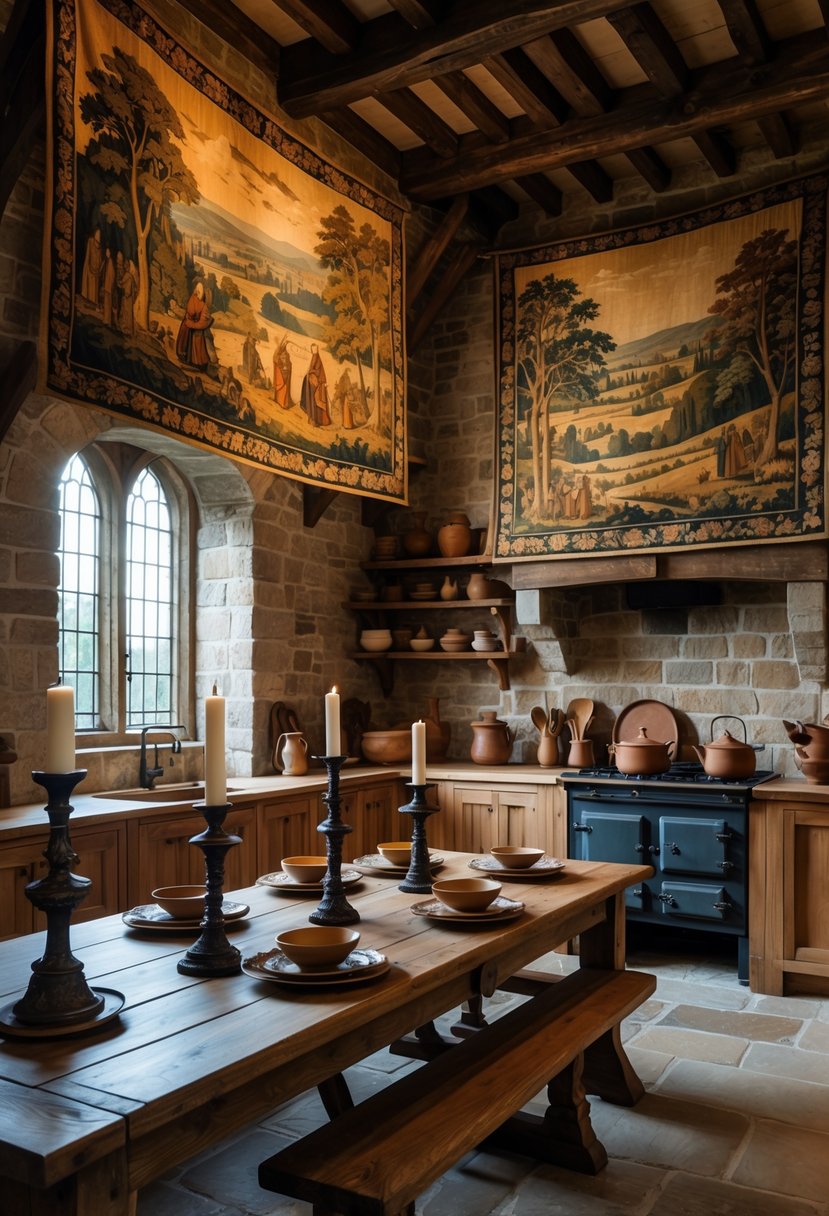
Tapestries with medieval scenes add texture and visual interest to dining spaces. They often show historical events, heraldic symbols, or daily life.
These textiles work well on stone or wood walls, softening the space while reinforcing the castle-inspired atmosphere.
They also provide warmth and reduce echoes, making large rooms feel more inviting.
Dark oak cabinetry with iron hardware
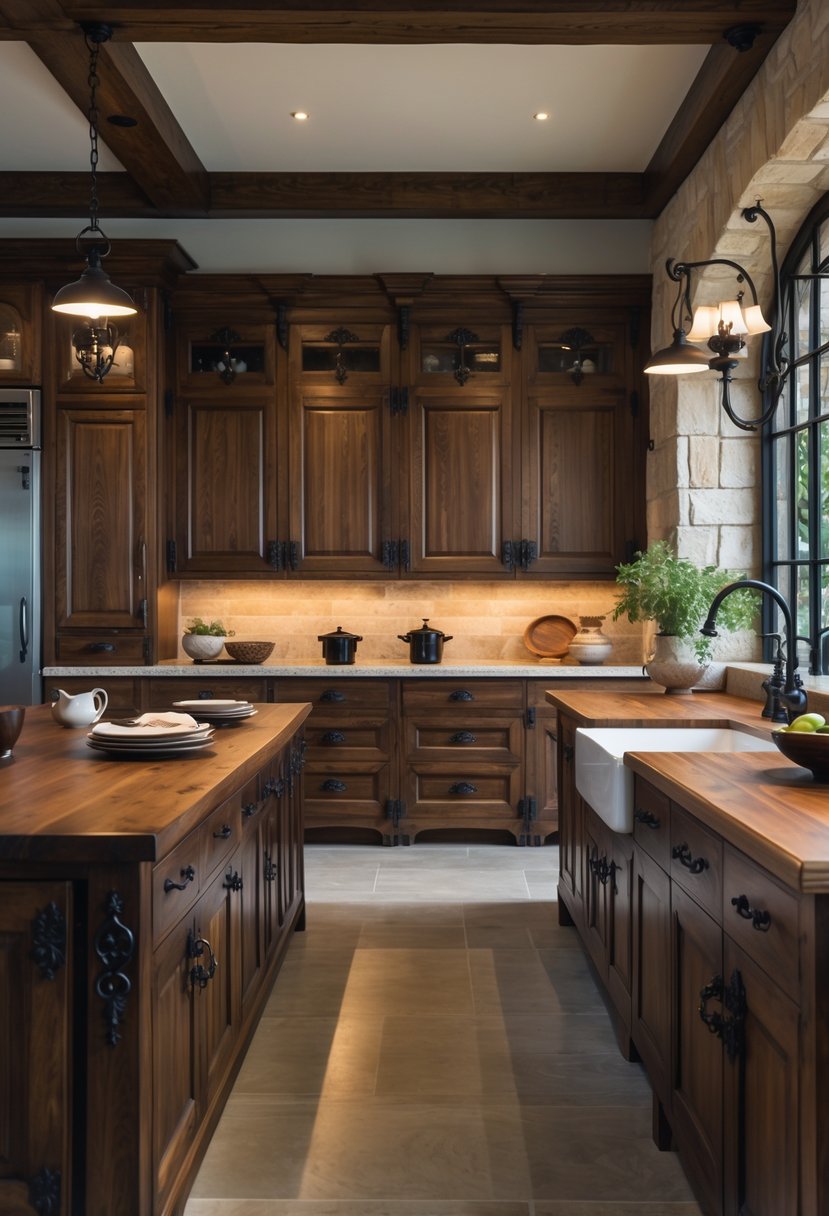
Dark oak cabinetry adds depth and a grounded feel to a castlecore kitchen. Its rich tone works well with stone walls and wooden beams.
Iron hardware pairs naturally with the oak, giving a sturdy and timeless look. The combination reflects medieval design while remaining practical for everyday use.
Layered rugs in deep reds and earth tones
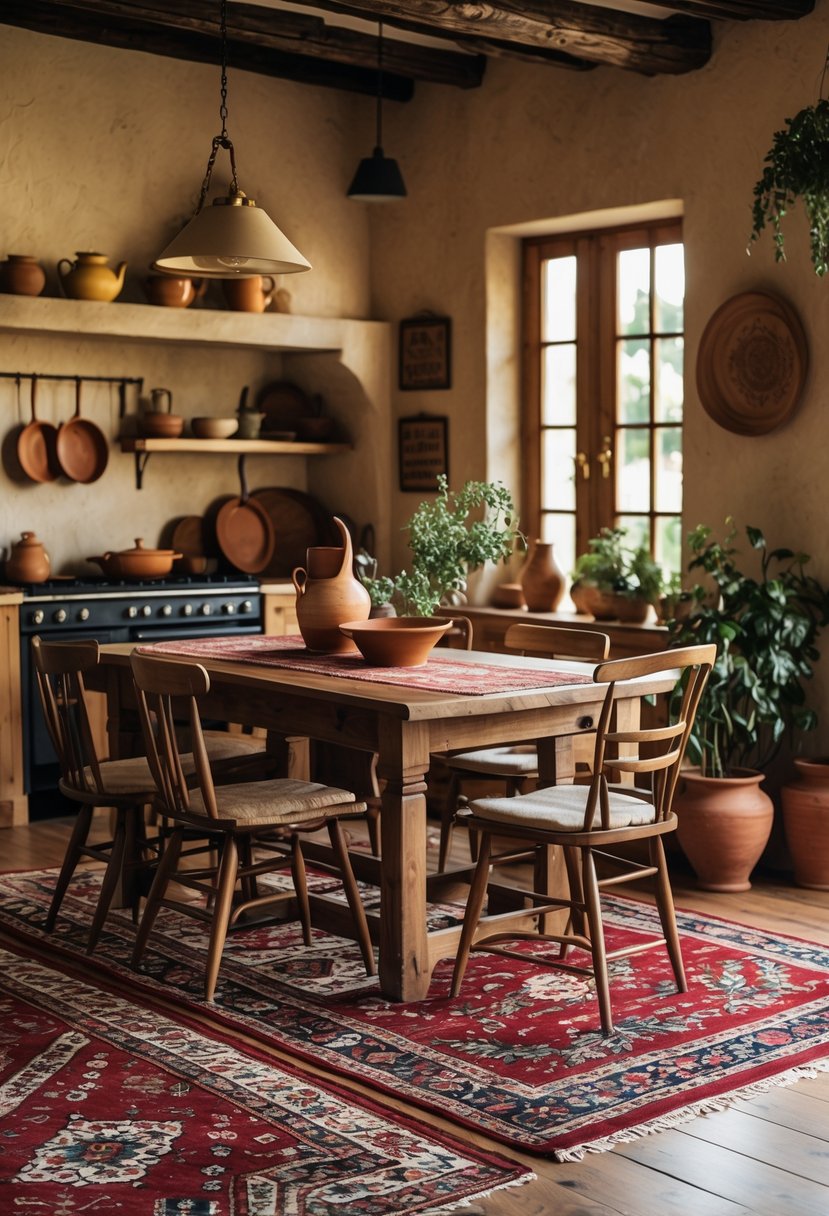
Layered rugs in deep reds and earth tones bring warmth and structure to castle-inspired kitchens and dining rooms.
They add texture under long wooden tables or near stone walls, grounding the space with natural shades.
Using flat-weave bases with patterned overlays creates depth without overwhelming the room.
Stone or travertine countertops
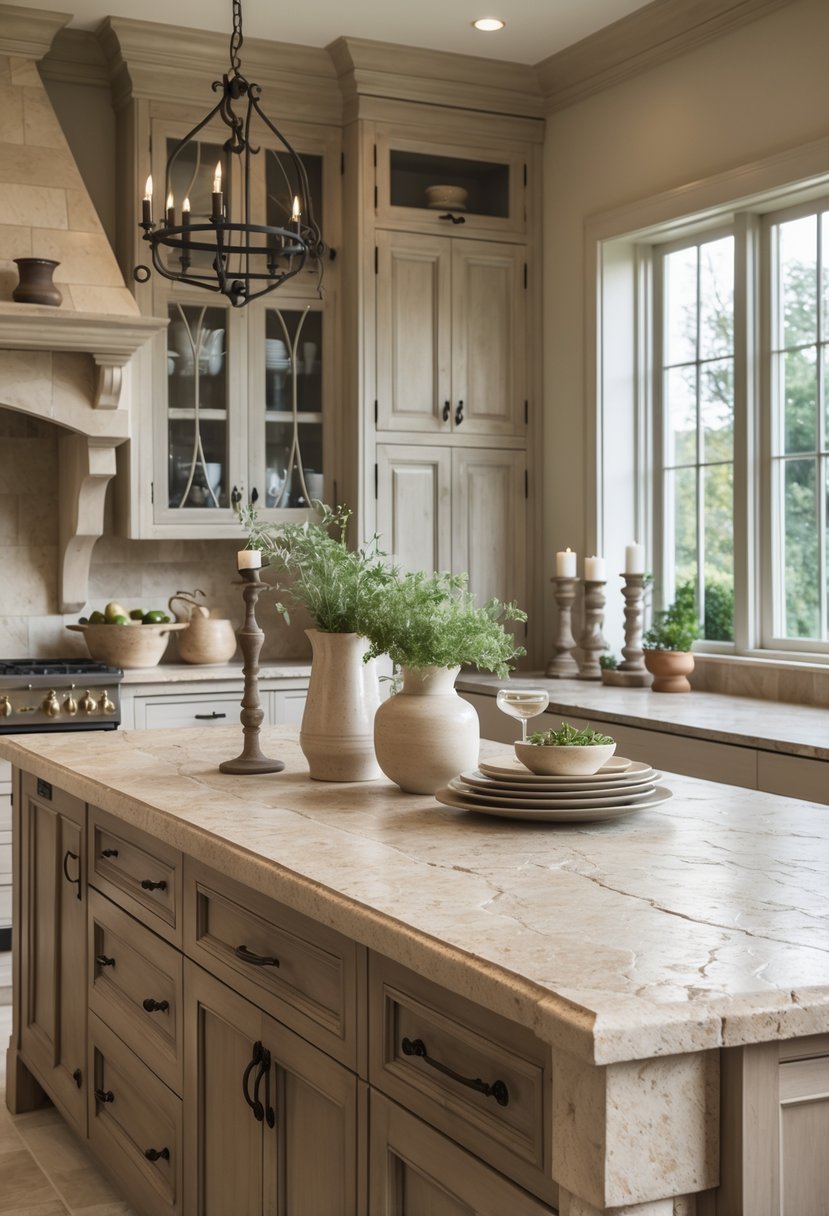
Stone countertops add weight and texture to a Castlecore kitchen. Natural surfaces like marble, granite, or soapstone bring durability and a timeless look.
Travertine offers a softer, warmer tone compared to other stones. It pairs well with wood and iron details often found in medieval-inspired spaces.
Vintage wrought iron pot racks
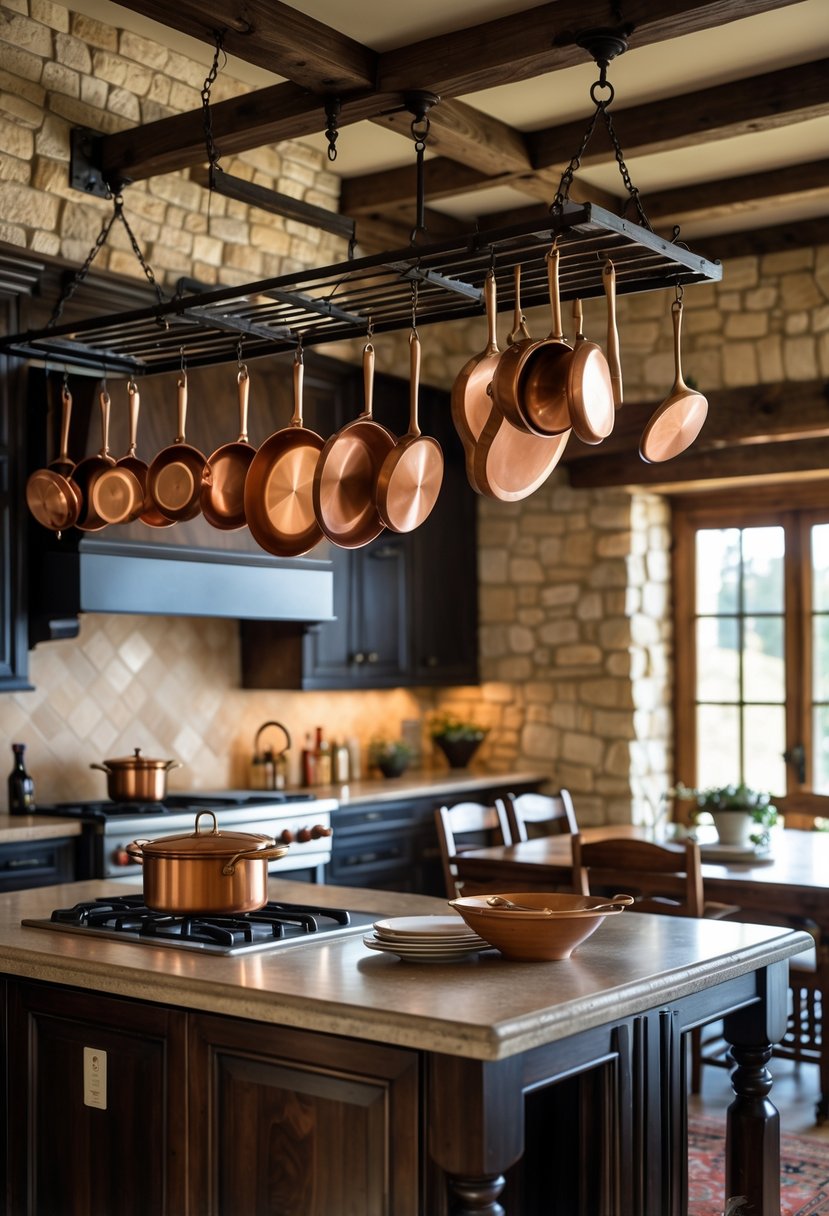
Vintage wrought iron pot racks add both storage and display to a kitchen. They keep cookware within reach while freeing up cabinet space.
Their sturdy frames support heavy pots and pans, making them practical for daily use. The dark metal also blends well with rustic or traditional interiors.
Many people pair wrought iron racks with reclaimed wood shelves. This combination creates a simple, functional, and classic look in dining and cooking spaces.
Decorative wooden beams on ceilings
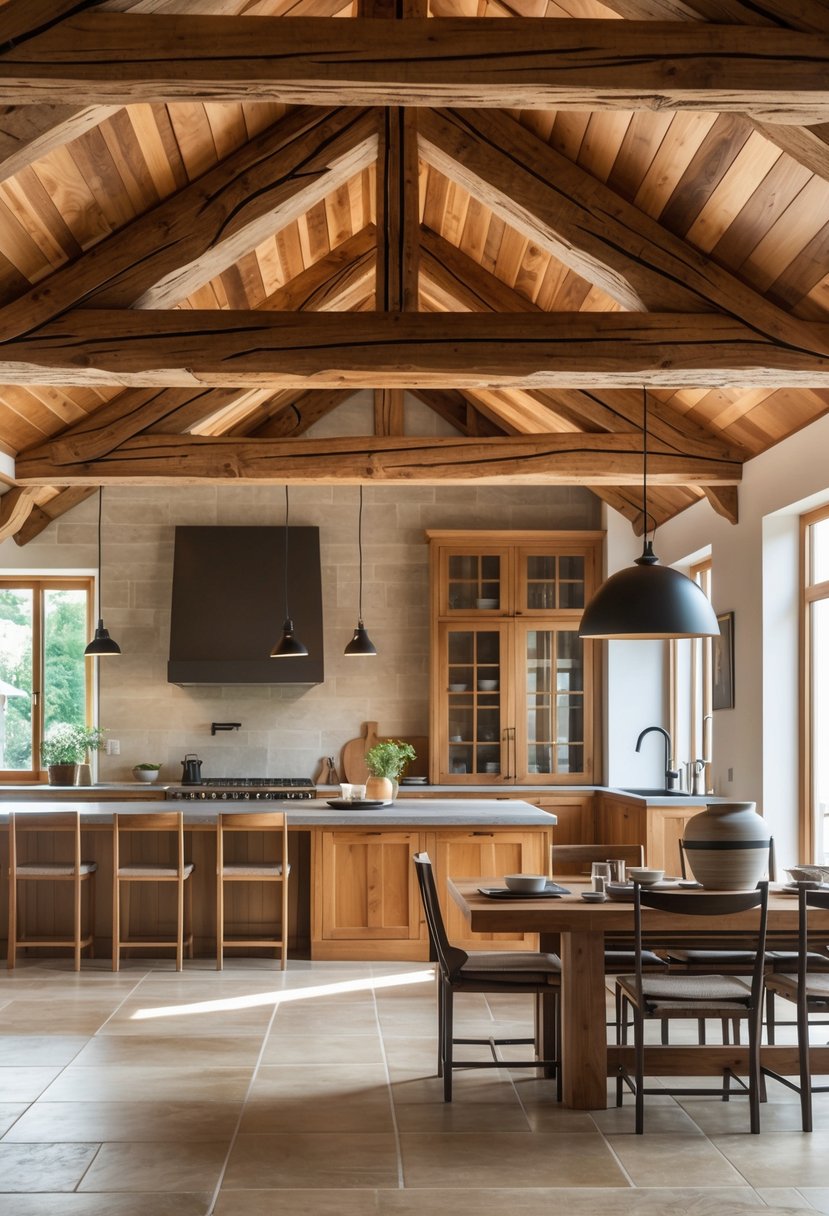
Decorative wooden beams add structure and texture to a Castlecore kitchen or dining room. They highlight the ceiling while keeping a natural and historic look.
Many designs use dark or reclaimed wood to create contrast against lighter walls. This style works well with stone, iron fixtures, and long wooden tables.
Floral arrangements in rustic urns
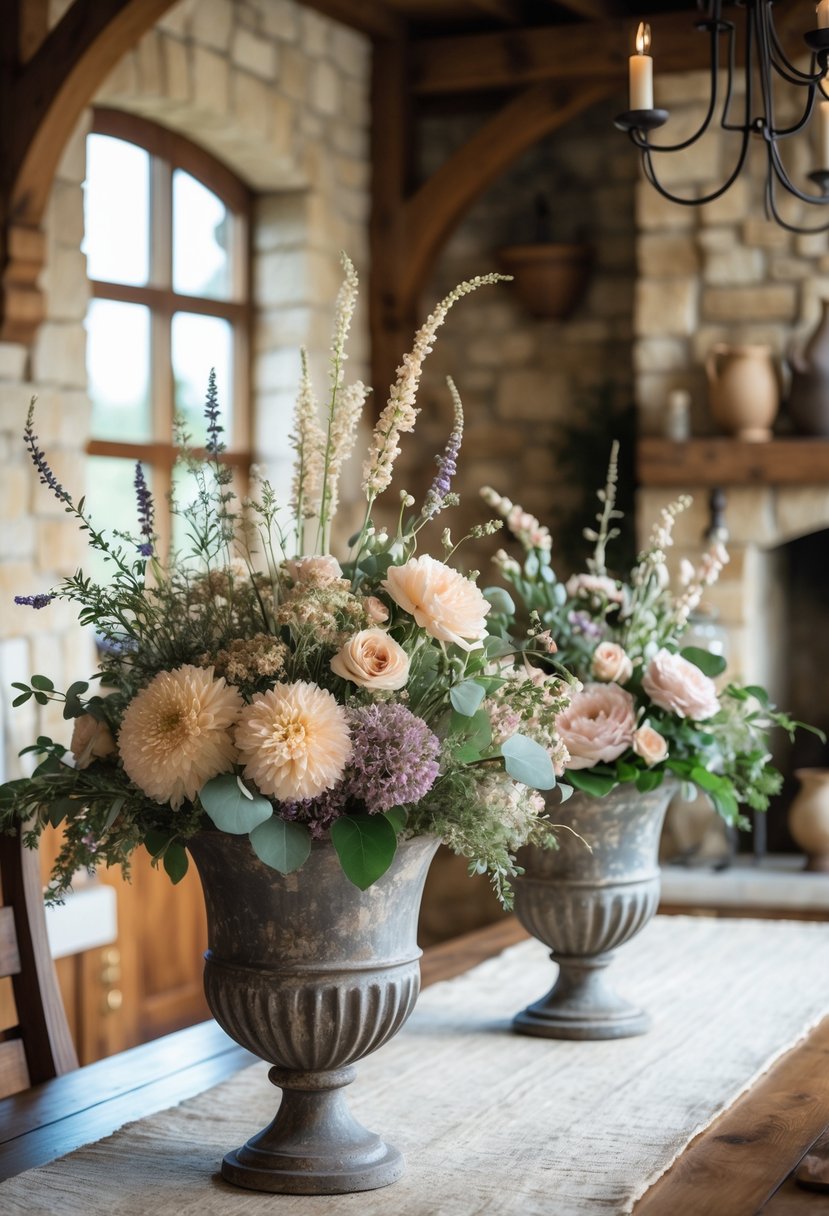
Floral arrangements in rustic urns add a natural touch to castlecore kitchens and dining rooms. The aged look of stone or metal urns pairs well with seasonal flowers and greenery.
They create a focal point on long wooden tables or sideboards, blending history-inspired style with simple, organic decoration.
Open shelving with antique kitchenware
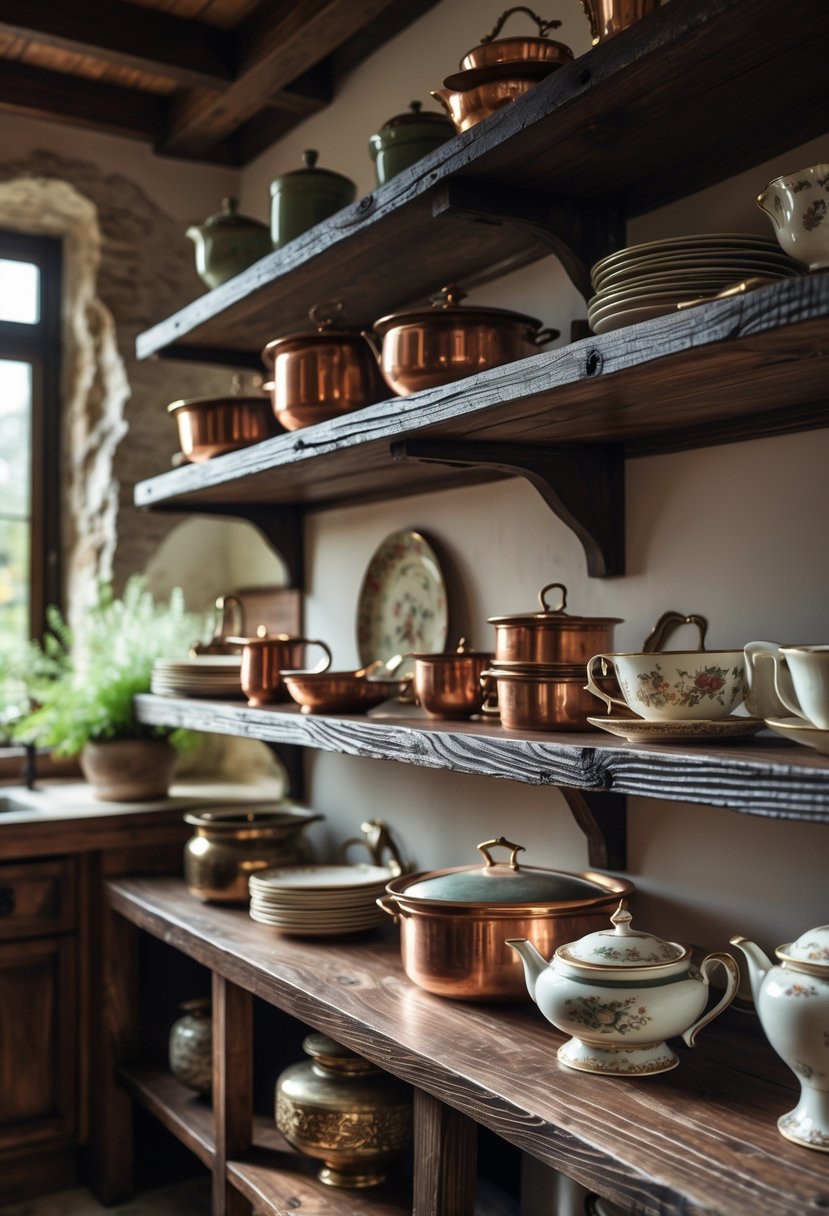
Open shelving lets antique kitchenware serve both practical and decorative purposes. Plates, jars, and cookware remain easy to reach while adding visual interest.
Wooden shelves work well for displaying vintage ceramics, copper pans, or glass jars. Their placement highlights the history and character of each piece.
Large farmhouse sinks in copper or stone
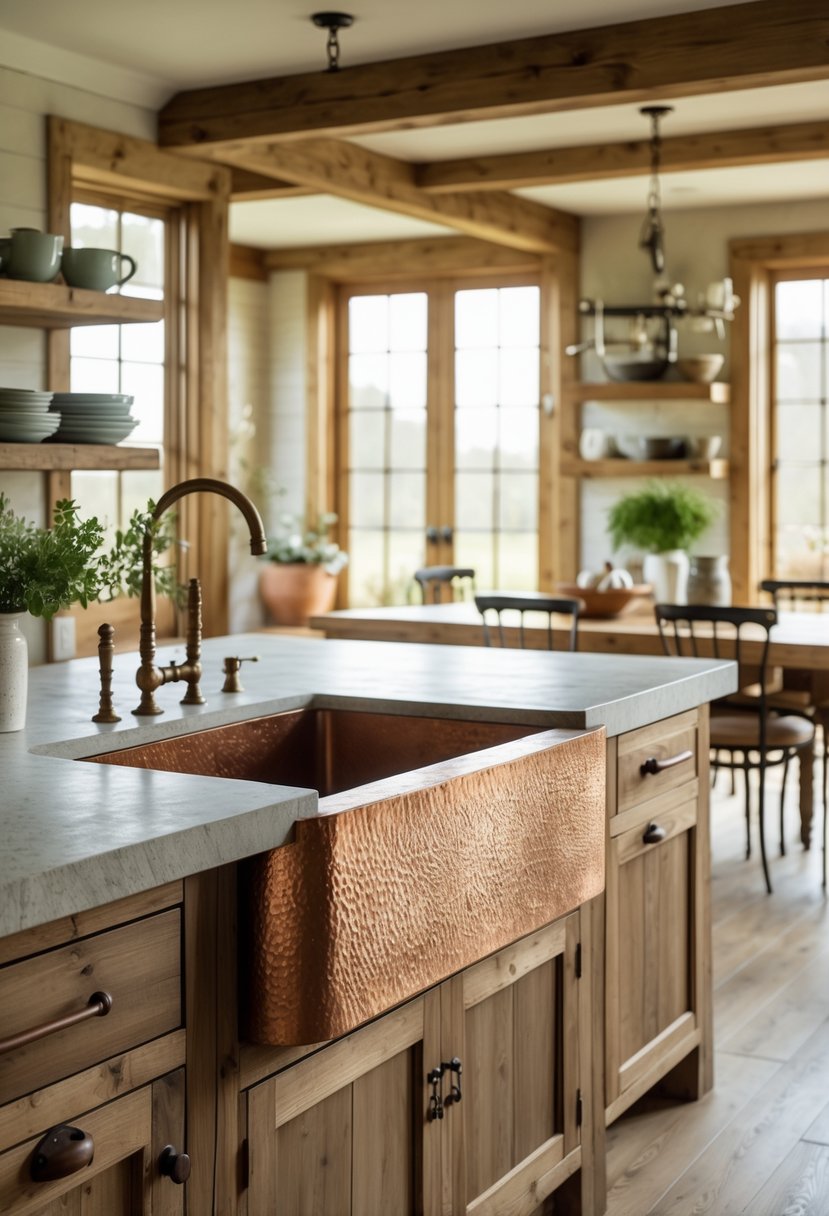
Large farmhouse sinks in copper or stone fit well with a Castlecore kitchen. Their size makes it easier to clean large pots and serve big meals.
Copper sinks add warmth and pair well with wood or stone countertops. Stone sinks offer a heavier, natural look that blends with rustic designs.
Iron or brass pendant lighting
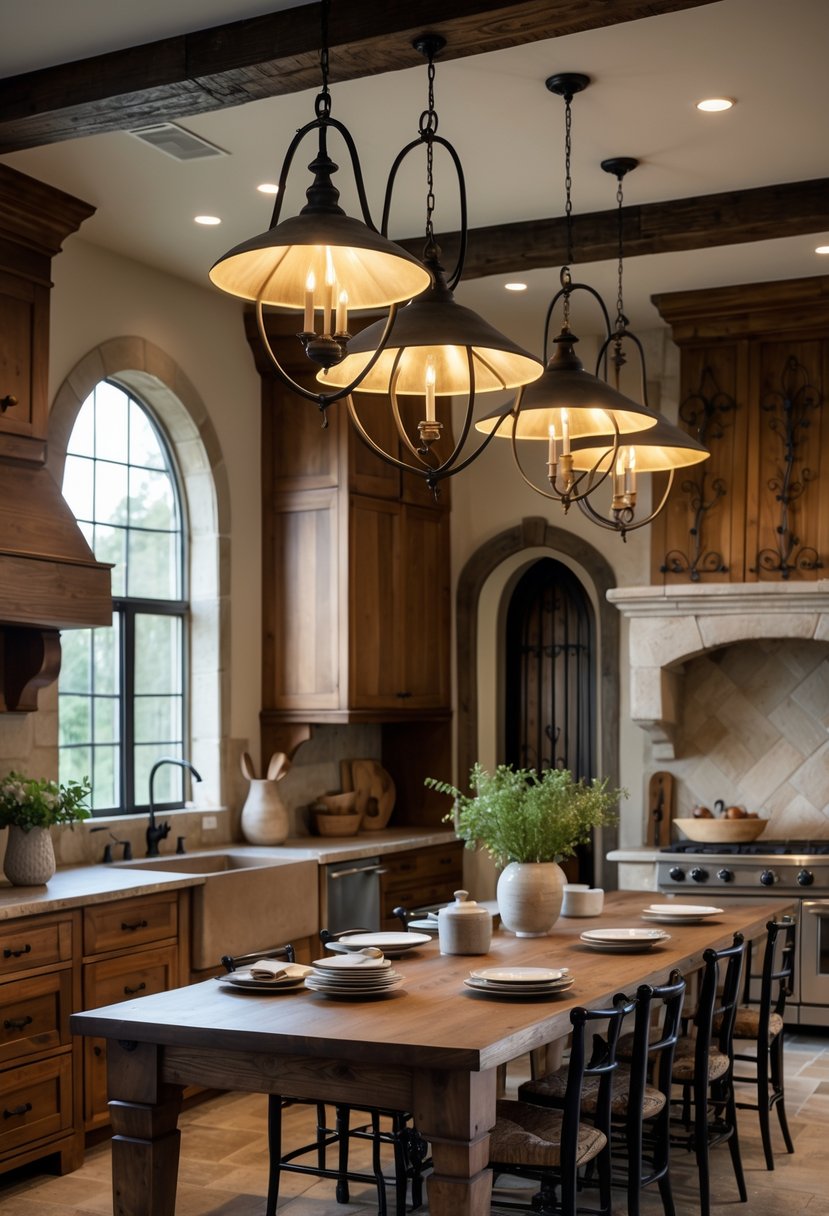
Iron and brass pendant lights bring weight and character to a Castlecore kitchen or dining room. Their aged finishes reflect light softly, creating a warm and steady glow.
These fixtures also pair well with stone, wood, and other natural materials often used in Castlecore interiors. They add function while reinforcing the historical look.
Hand-forged iron door handles
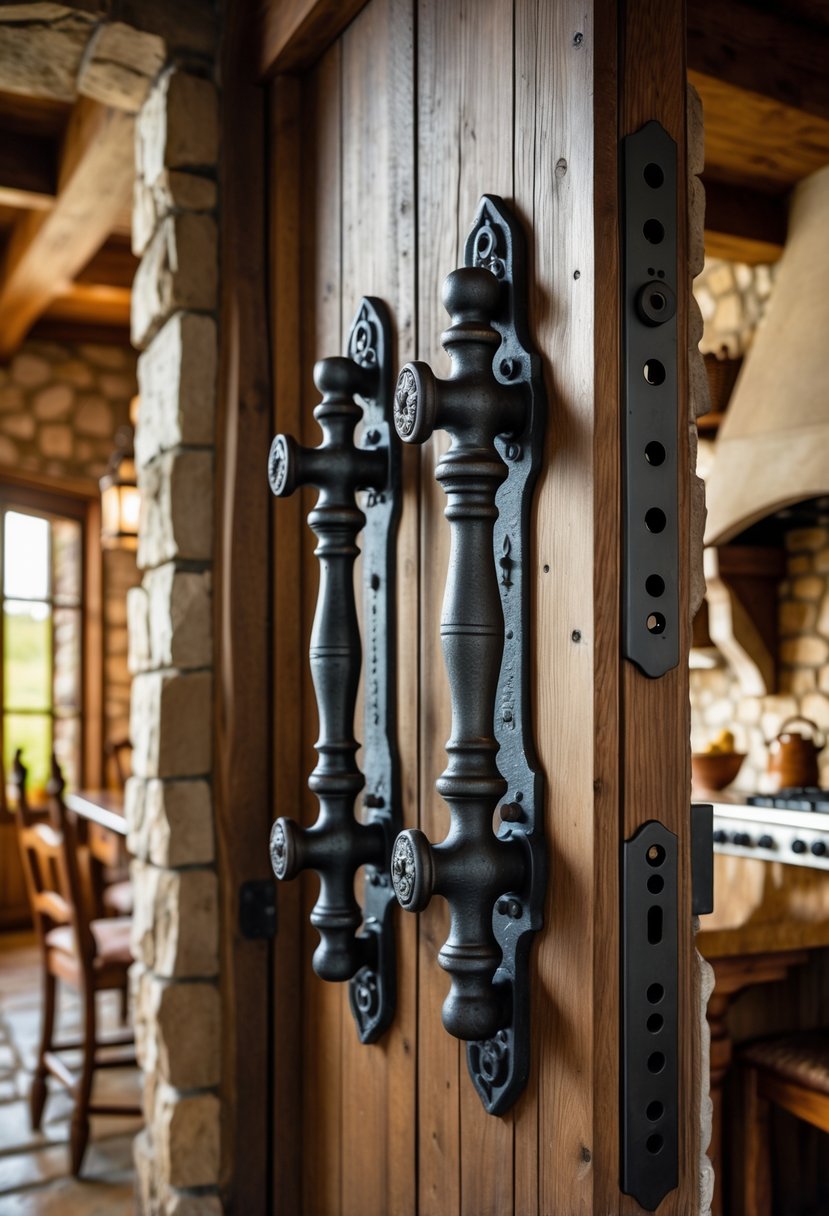
Hand-forged iron door handles add a practical and authentic touch to a castlecore kitchen or dining room. They reflect traditional craftsmanship and pair well with rustic wood doors and cabinets.
These handles often feature simple or medieval-inspired designs. Their sturdy build makes them suitable for both decorative and everyday use.
Heavy wooden doors with iron studs
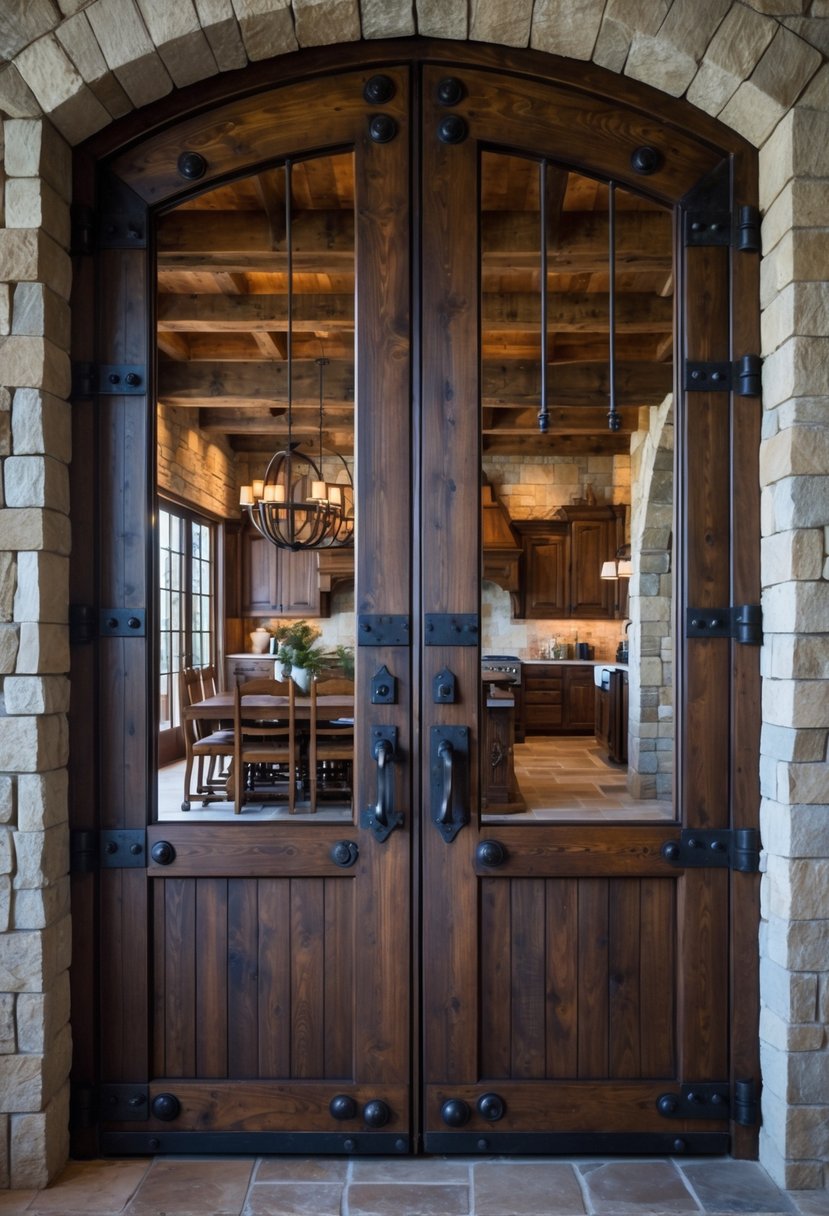
Heavy wooden doors with iron studs add a strong medieval touch to kitchen and dining spaces. They reflect the craftsmanship often seen in castle architecture.
The iron studs not only serve as decoration but also highlight durability. These doors can frame an entryway and set a grounded, historic tone.
Fireplace with stone surround
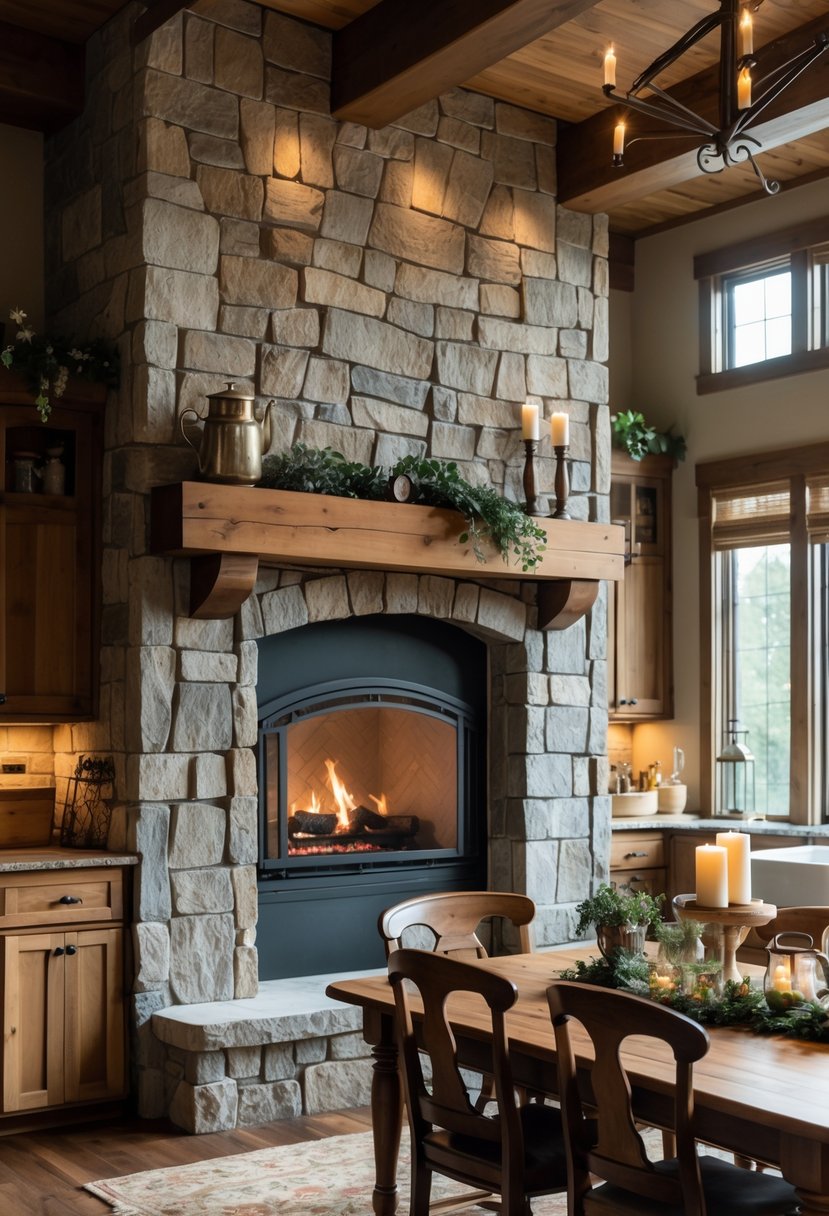
A stone fireplace surround adds texture and weight to a dining or kitchen space. It creates a clear focal point without overwhelming the room.
Homeowners often choose natural stone for its durability and timeless look. Even a small surround can bring a subtle medieval touch that fits Castlecore style.
Faux stone options also work well when real stone is not practical. They provide a similar appearance while being easier to install and maintain.
Decorative plate racks
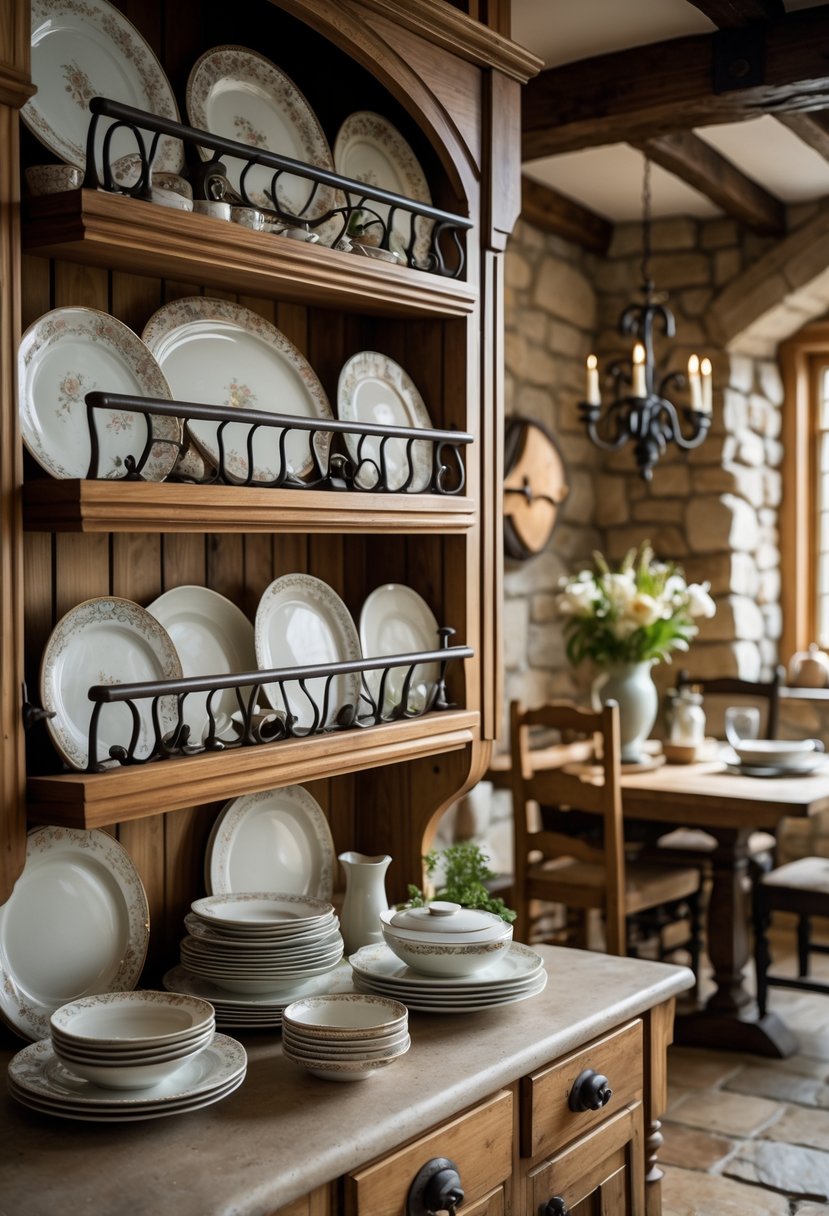
Decorative plate racks add both storage and charm to a Castlecore kitchen or dining room. They keep dishes visible while saving cabinet space.
Wooden racks fit well with rustic stone walls and long tables. Metal or antique-style designs bring a historic touch that matches the medieval-inspired look.
Textured plaster walls in muted tones
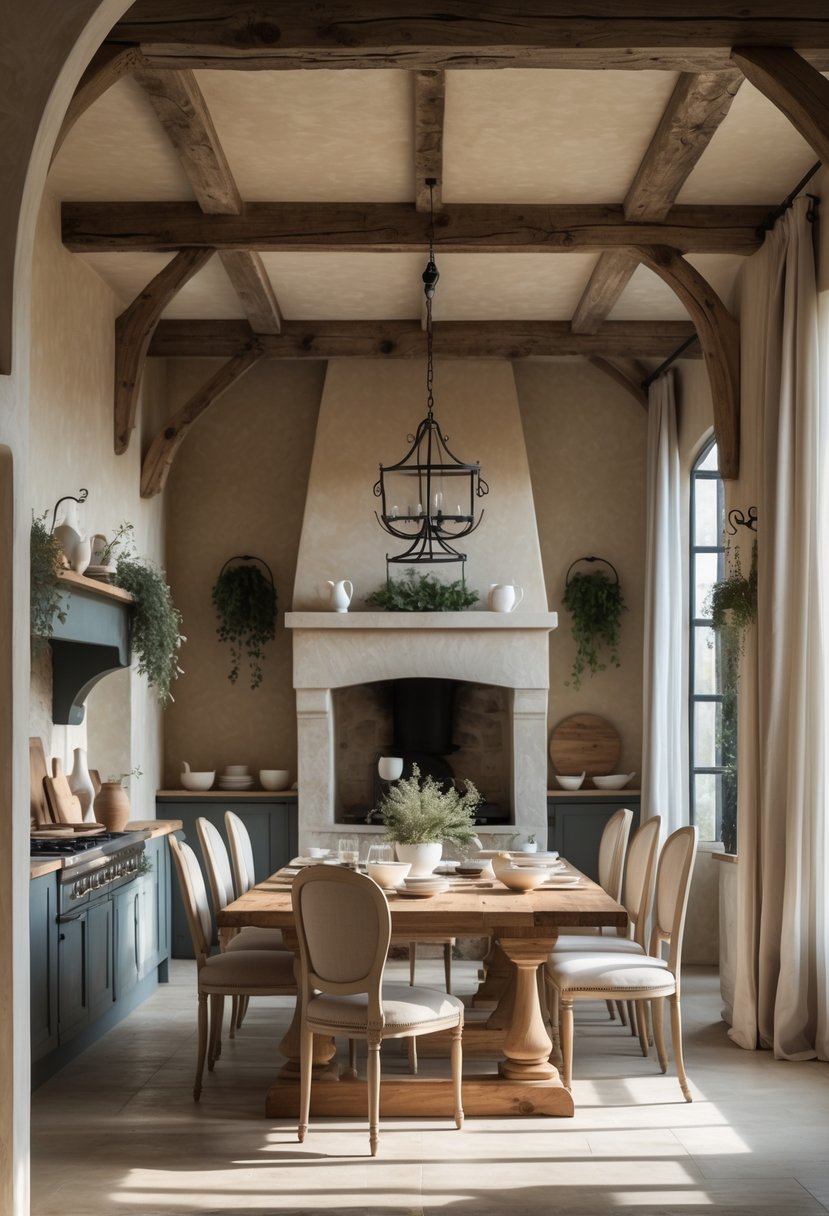
Textured plaster walls add depth and character to a castlecore kitchen. Soft finishes in beige, gray, or terracotta create a calm backdrop that highlights wood and stone details.
These muted tones work well with rustic beams, iron fixtures, and long wooden tables, reinforcing the old-world atmosphere without overwhelming the space.
Defining Castlecore Aesthetics
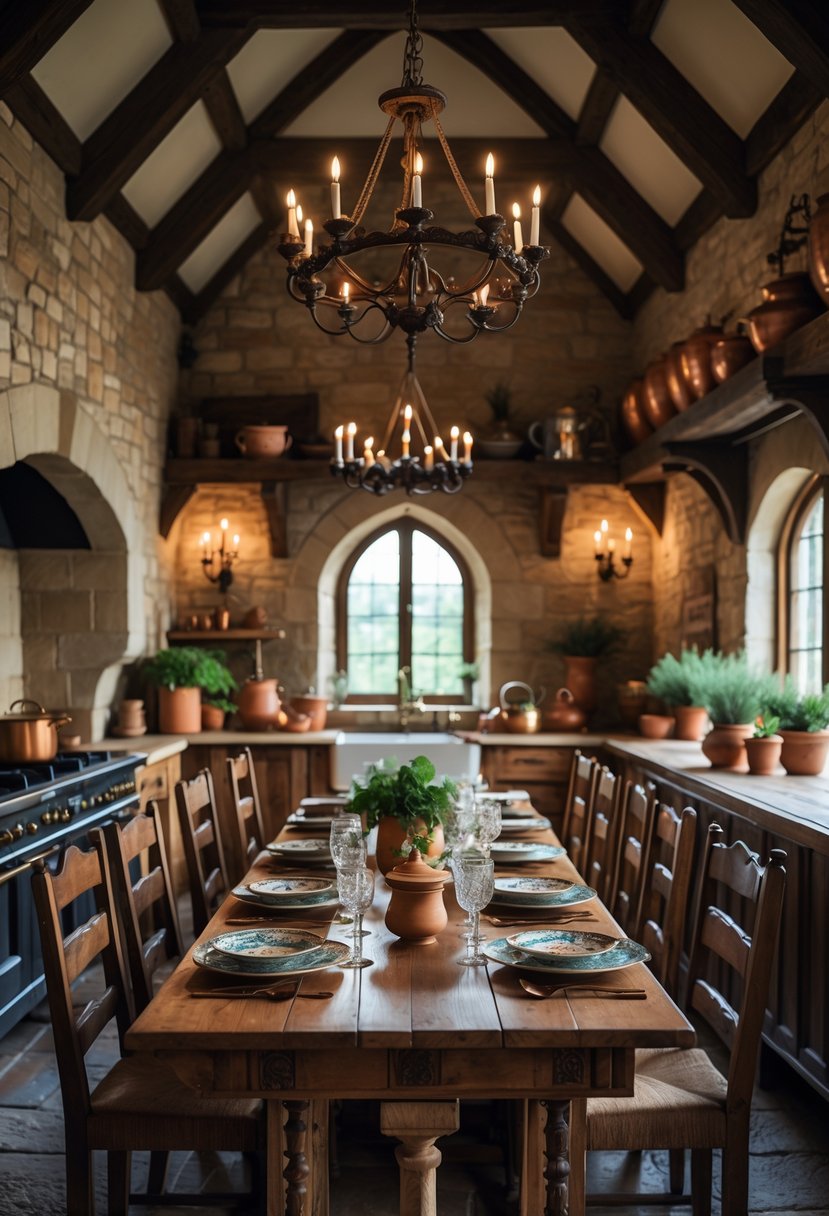
Castlecore blends medieval-inspired design with comfort and function. It focuses on durable materials, rich details, and a sense of warmth that makes spaces feel both historic and livable.
Key Elements of Castlecore Design
Castlecore design draws from features found in old castles but adapts them for modern use. Stone walls, exposed beams, and heavy wooden tables create a strong foundation. Iron accents, such as wrought-iron chandeliers or cabinet pulls, add a sense of permanence.
Furniture often leans toward solid wood with carved details. Long dining tables, high-backed chairs, and benches help set the tone. Decorative touches like tapestries, candle holders, and antique-style dishware bring in layers of character.
Lighting plays a central role. Instead of bright overhead fixtures, Castlecore favors soft, warm light from candelabras, lanterns, or chandeliers. This creates an atmosphere that feels both intimate and timeless.
Designers often pair authentic-looking finishes with practical updates. For example, a stone backsplash may be paired with modern appliances hidden behind wood-paneled fronts. This balance keeps the style grounded without sacrificing convenience.
Color Palettes and Textures
Castlecore relies on natural, earthy tones that reflect materials used in medieval architecture. Common colors include deep reds, muted greens, warm browns, and soft grays. These shades work well together and give the room a cohesive look.
Textures carry equal weight. Rough stone, aged wood, and wrought iron provide a tactile quality. Layering fabrics such as wool, linen, and velvet softens the harder surfaces.
A simple way to approach this is to combine three texture groups:
- Hard surfaces: stone, brick, wood
- Metals: iron, bronze, brass
- Fabrics: linen, velvet, wool
This mix creates contrast while keeping the space balanced. Choosing finishes with slight imperfections, like hand-hewn wood or weathered metal, enhances the lived-in feel without appearing artificial.
Incorporating Castlecore Into Kitchen and Dining Spaces
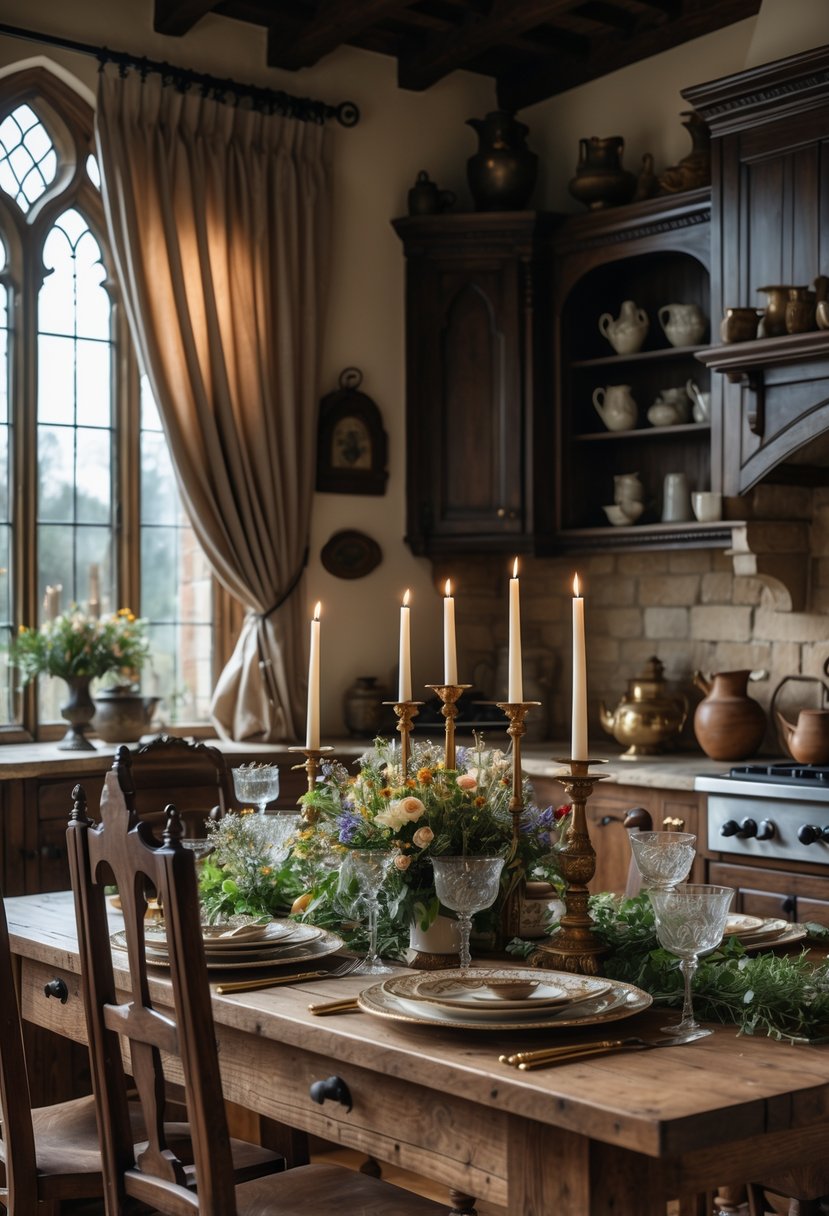
Castlecore design blends medieval influence with modern comfort by focusing on architectural structure, natural materials, and thoughtful lighting. These elements together create rooms that feel grounded, functional, and visually cohesive.
Architectural Details and Features
Strong architectural details give Castlecore kitchens and dining rooms their character. Stone walls, exposed beams, and arched doorways set the tone for a medieval-inspired space. Even a single feature, like a reclaimed wood beam or a carved stone mantel, can anchor the room.
Dining areas work well with long wooden tables, high-backed chairs, or benches. These pieces echo the communal feel of old banquet halls. Vaulted ceilings or even faux beams can add vertical interest without requiring a full remodel.
Smaller details matter too. Iron hardware on cabinets, carved moldings, or a built-in alcove for storage can introduce subtle historical references. These touches create depth without overwhelming the space.
Materials and Finishes
The Castlecore style relies on a balance of rugged and refined finishes. Natural stone, aged wood, and wrought iron form the core materials. These surfaces feel authentic and add weight to the design.
Wood should look solid and slightly weathered. Oak, walnut, or reclaimed planks work well for tables, cabinetry, and flooring. Stone slabs or tiles, such as limestone or travertine, bring texture to walls, counters, or hearths.
Textiles soften the harder surfaces. Heavy linen, velvet, or wool in muted tones can be used for curtains, cushions, or table runners. Pairing these with metal accents—such as brass or iron—creates contrast while keeping the palette grounded.
| Material | Common Use | Effect |
|---|---|---|
| Stone | Walls, counters, flooring | Adds weight and permanence |
| Wood | Tables, beams, cabinets | Brings warmth and age |
| Iron | Hardware, lighting | Provides strength and detail |
Lighting and Ambiance
Lighting plays a central role in shaping the Castlecore mood. Chandeliers with wrought iron frames or candle-style bulbs give a medieval look while still being practical. Wall sconces with warm-toned shades can highlight stone or wood surfaces.
For dining rooms, a large overhead fixture above the table creates focus. Kitchens benefit from layered lighting: task lights for prep areas, ambient lights for general use, and accent lights to highlight architectural features.
Warm light temperatures work best. Avoid cool or stark white bulbs, as they clash with the natural tones of stone and wood. Candles, whether real or LED, add another layer of atmosphere and reinforce the historical feel.
Explore how Castlecore is making the Middle Ages modern from Better Homes & Gardens.