
Compact Living Room Ideas 2026: 22 Smart Designs for Modern Small Spaces
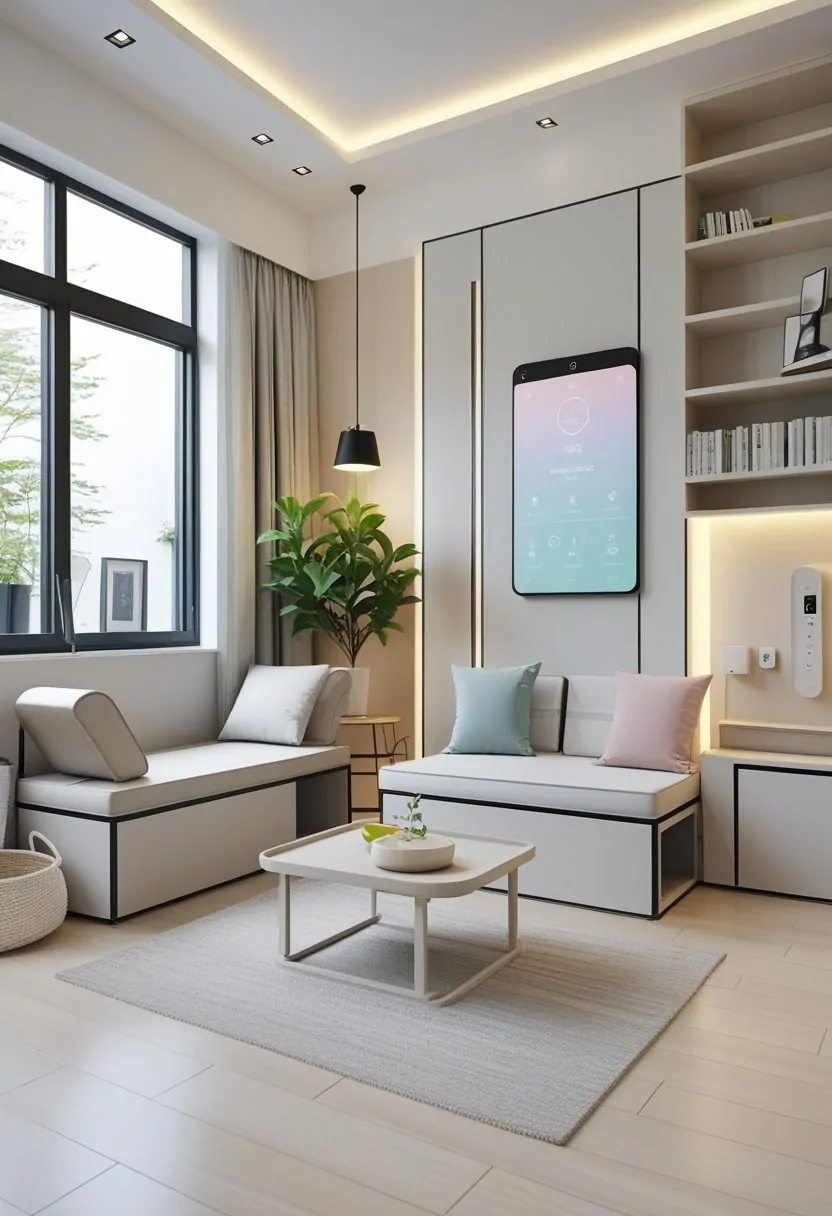
Compact living rooms in 2026 focus on making every inch count while keeping style and comfort intact. Smaller homes and apartments continue to shape modern design, leading to smarter ways to arrange furniture, use light, and choose colors. The key is learning how to create a space that feels open, practical, and inviting without needing more square footage.
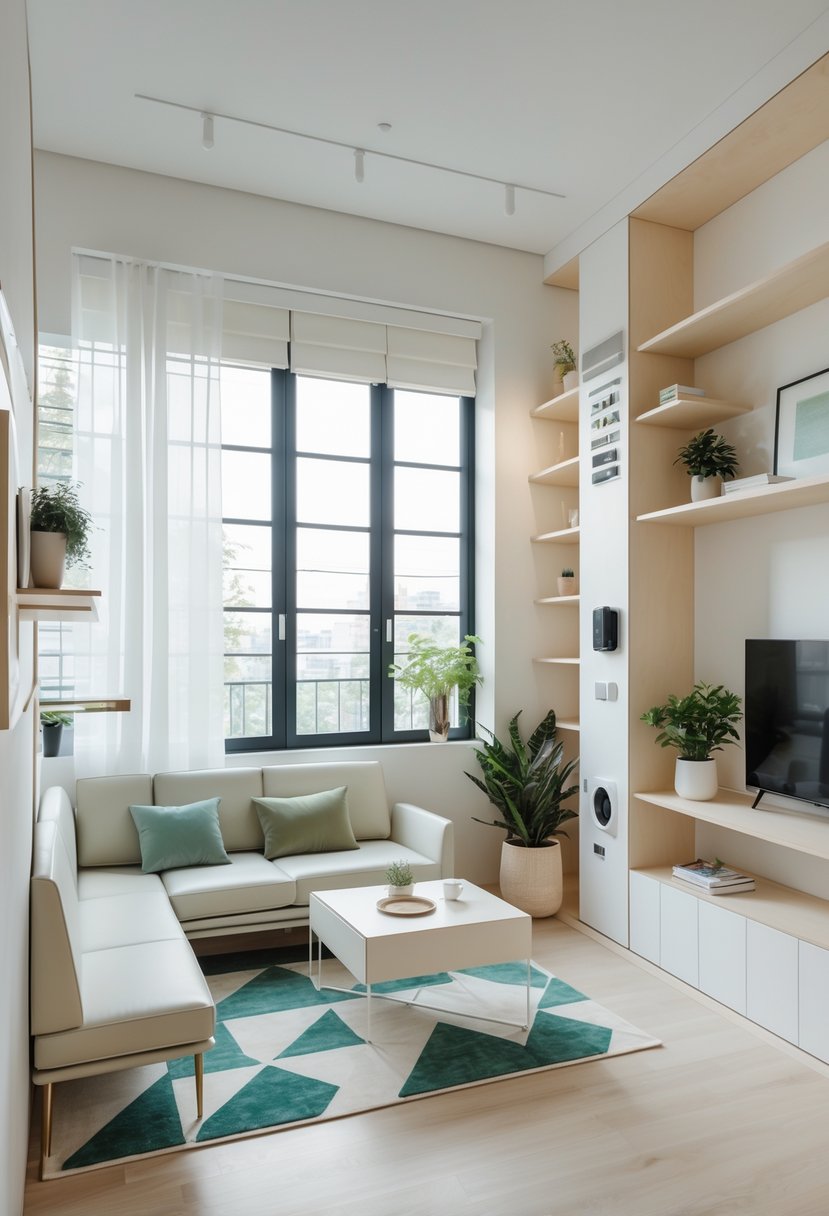
This article explores how thoughtful design choices—like multifunctional furniture, vertical storage, and light tones—can transform a small living area into a comfortable and efficient space. It highlights simple, modern strategies that help maximize space and maintain a balanced, uncluttered look.
Use multifunctional furniture like ottomans with storage
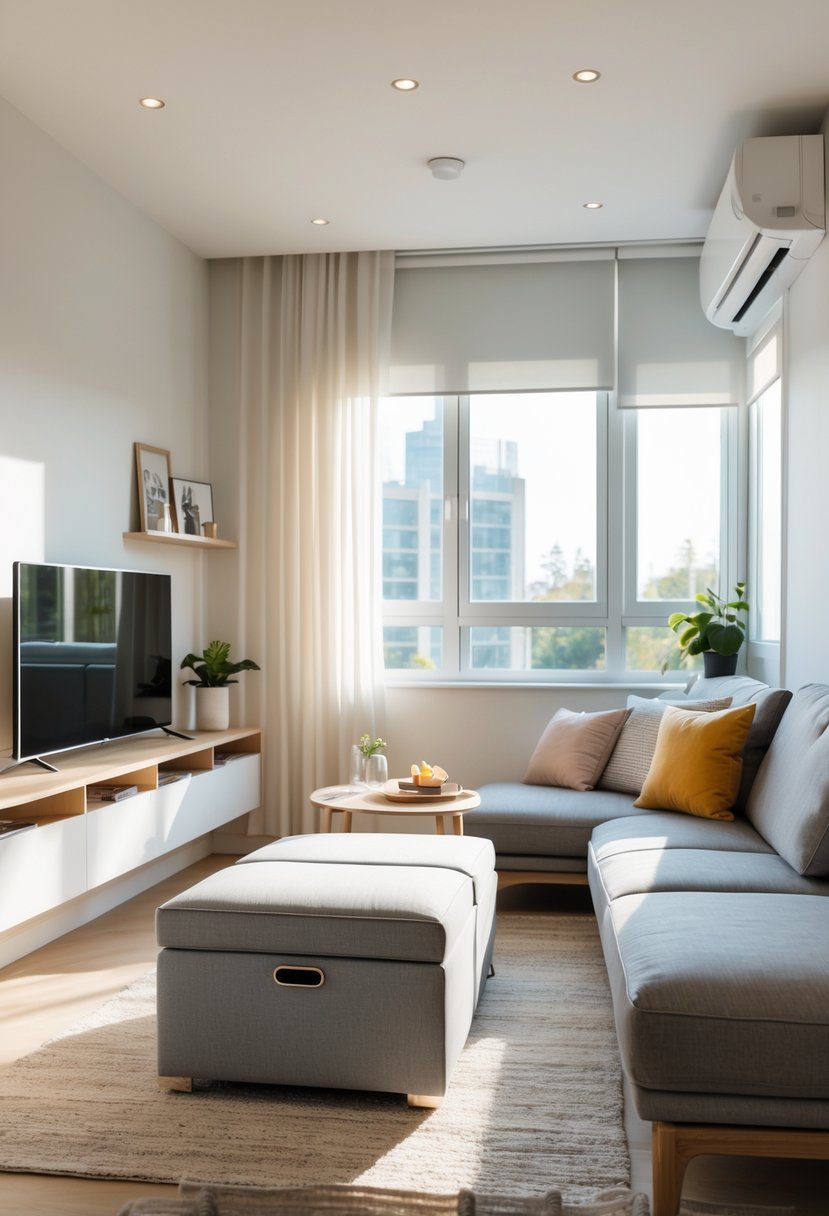
Ottomans with built-in storage help keep small living rooms organized.
They provide a place to sit, rest feet, or set items while hiding clutter inside.
Choosing neutral colors or simple designs helps them blend with other furniture and maintain a clean, open look.
Incorporate wall-mounted shelves to free floor space
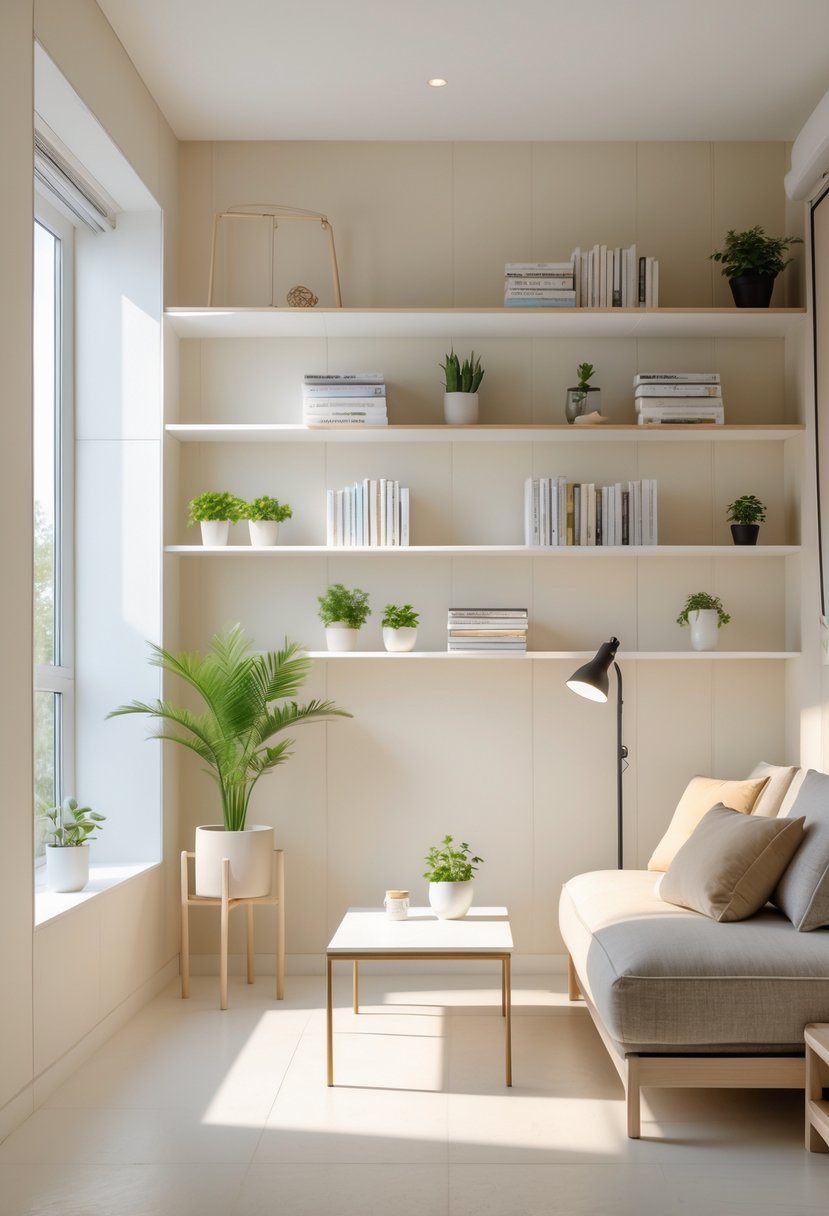
Wall-mounted shelves help keep small living rooms organized and open. They use vertical space, leaving the floor clear for seating or movement.
Floating shelves or wall-mounted cabinets can hold books, decor, or electronics. This setup keeps essentials within reach while maintaining a clean, uncluttered look.
Choose light, neutral wall colors to open up the room
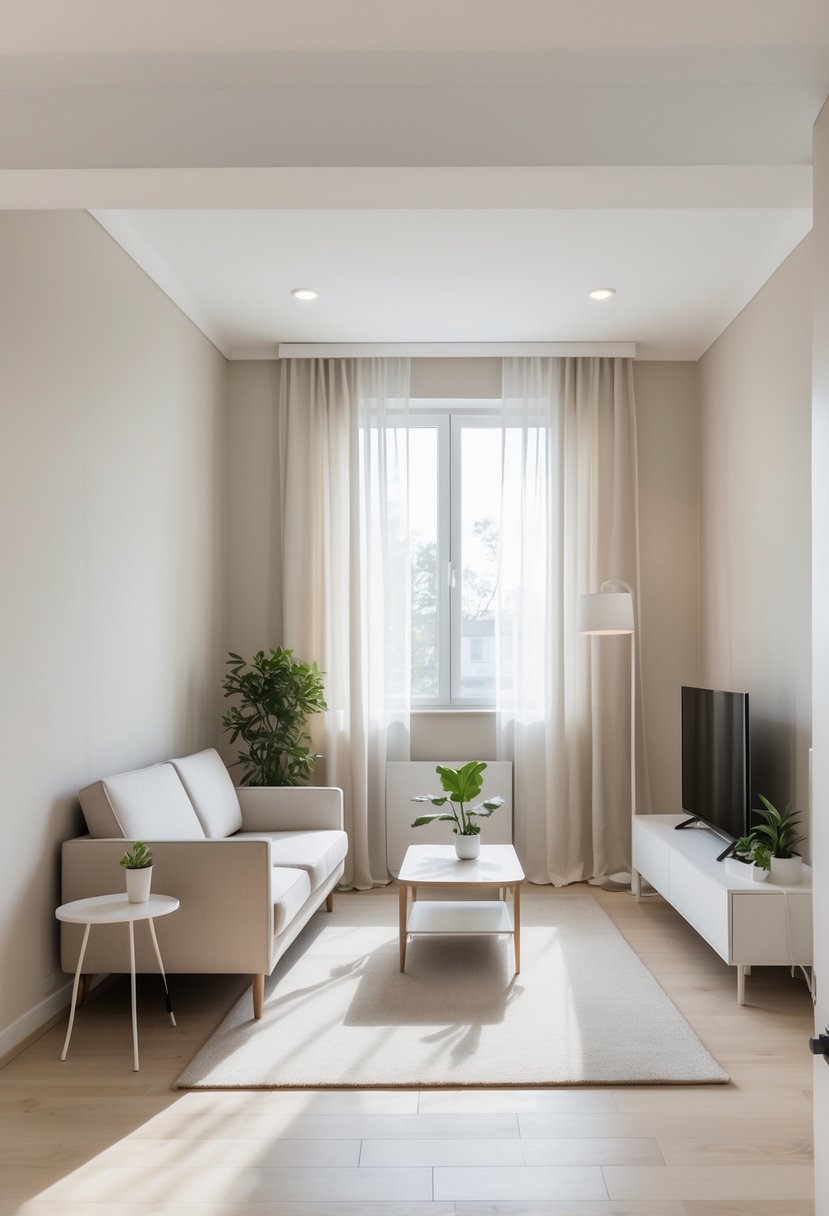
Light, neutral wall colors make a small living room feel more open and airy. Shades like white, beige, and soft gray reflect natural light, helping the space appear larger.
These tones also create a calm backdrop that pairs well with different furniture styles and accent colors.
Add mirrors strategically to create an illusion of space
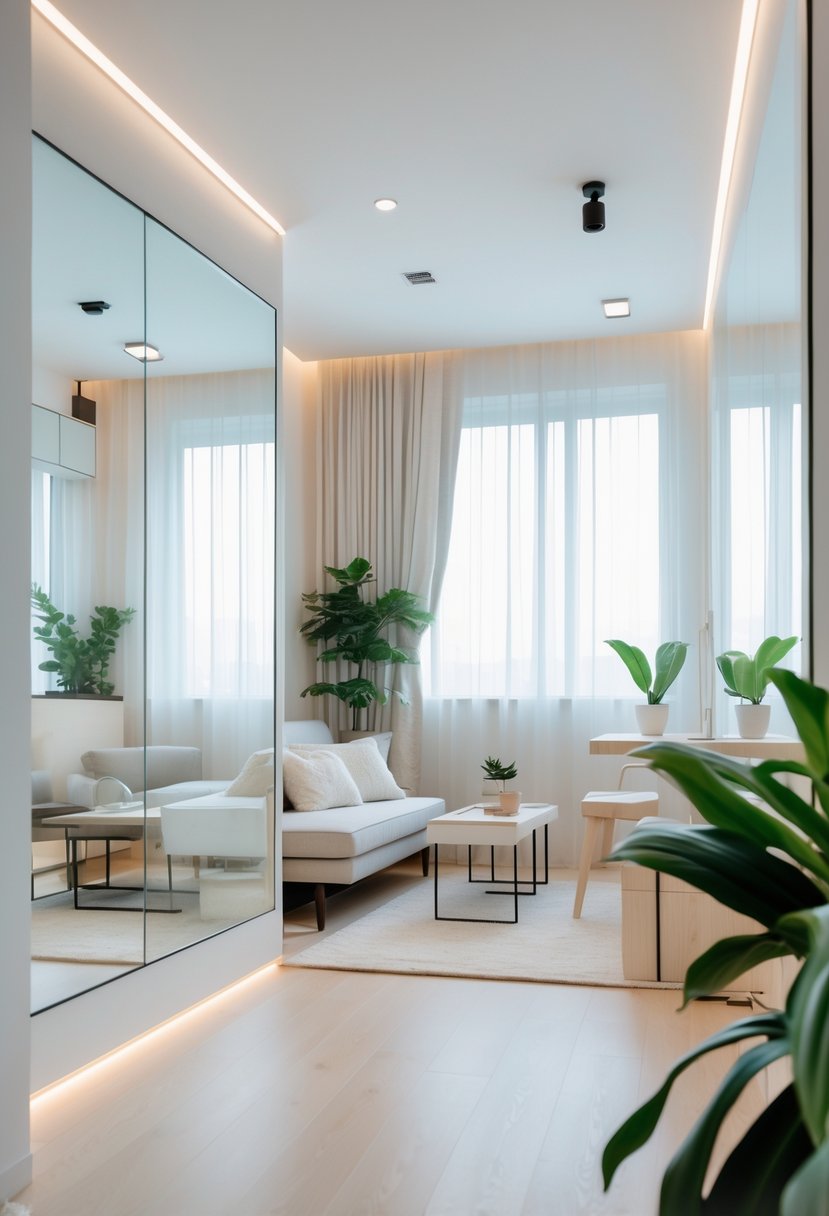
Placing mirrors across from windows helps reflect natural light, making a small living room appear brighter.
Using one large wall mirror or several smaller ones can extend the visual depth of the room.
Mirrors behind furniture or near corners can also make compact areas feel more open and balanced.
Opt for slim-profile sofas instead of bulky ones
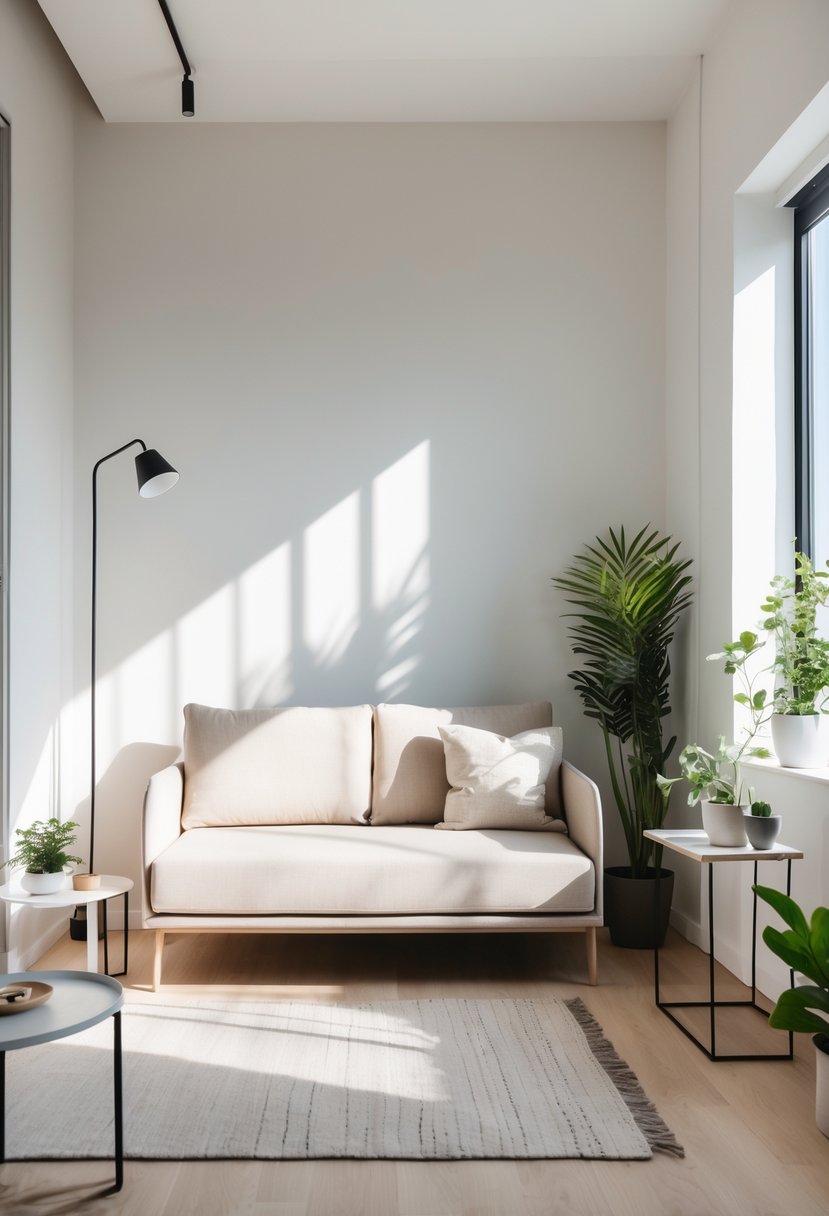
Slim-profile sofas help small living rooms feel open and organized. Their narrow arms and low backs take up less space while still offering comfort.
Raised legs or minimalist frames make the room look lighter and more spacious. These designs fit well in apartments or compact homes where every inch matters.
Use nesting tables that can be tucked away when not in use
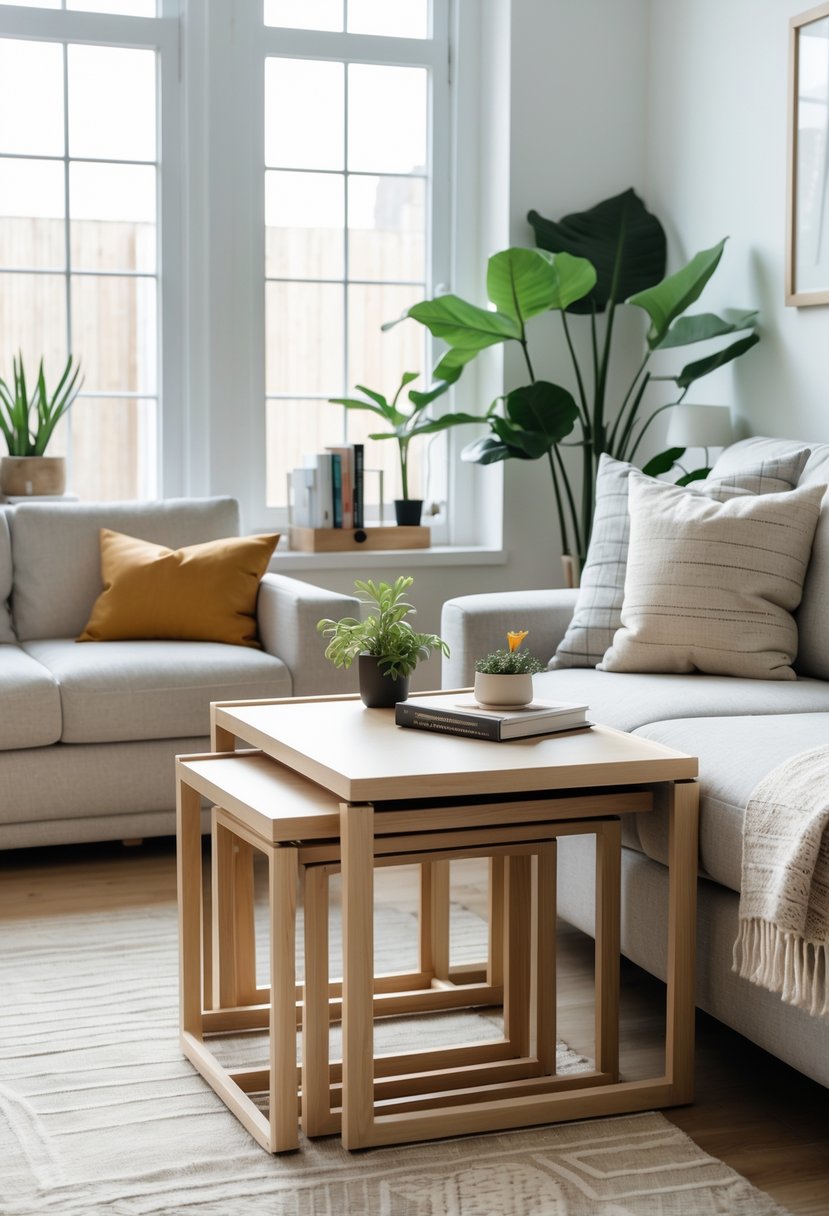
Nesting tables help save space in small living rooms. They fit neatly together when not needed and pull apart easily for extra surface area.
They work well beside a sofa or chair for holding drinks, books, or decor. Their compact design keeps the room open and organized.
Install floating TV units to reduce clutter
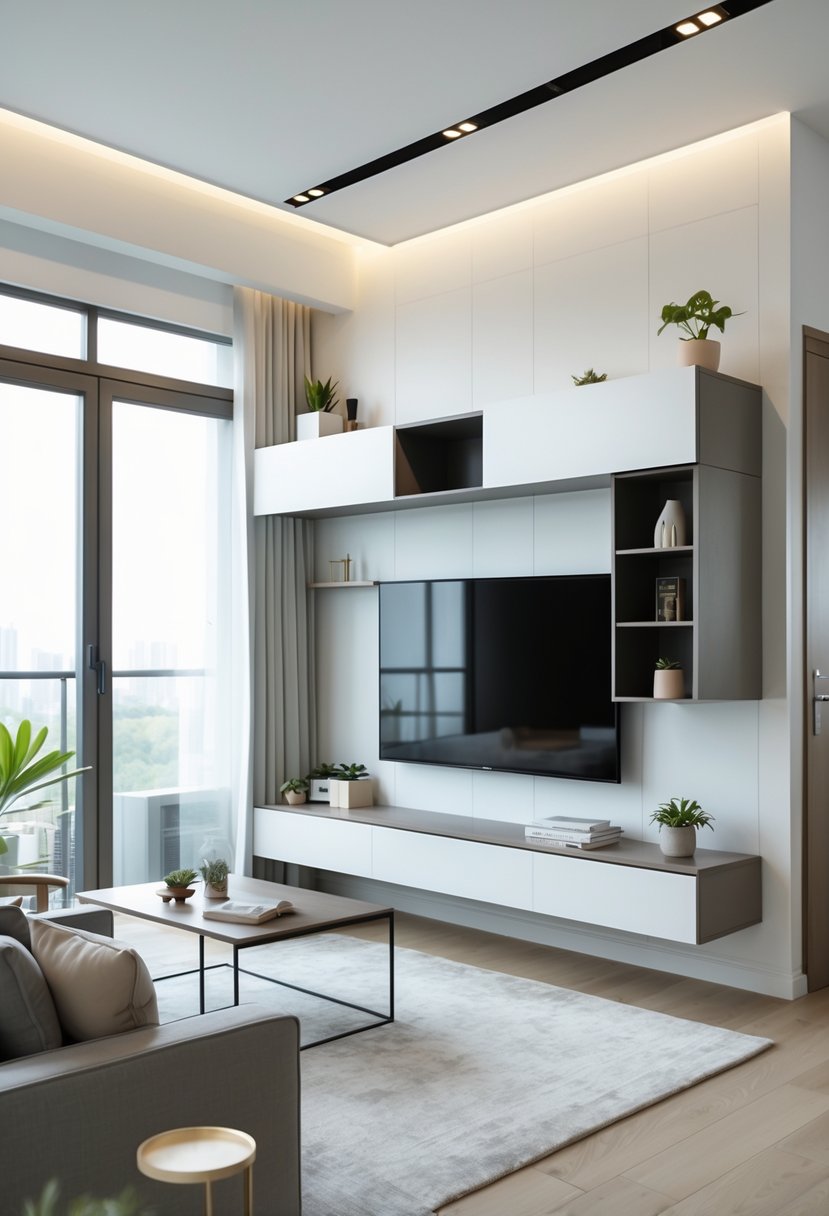
Floating TV units free up floor space and create a clean, open look.
They keep cables and devices organized, helping small living rooms feel larger.
Many designs include hidden storage or shelves, offering a practical way to store media equipment without adding bulky furniture.
Select rugs that define zones without overwhelming space
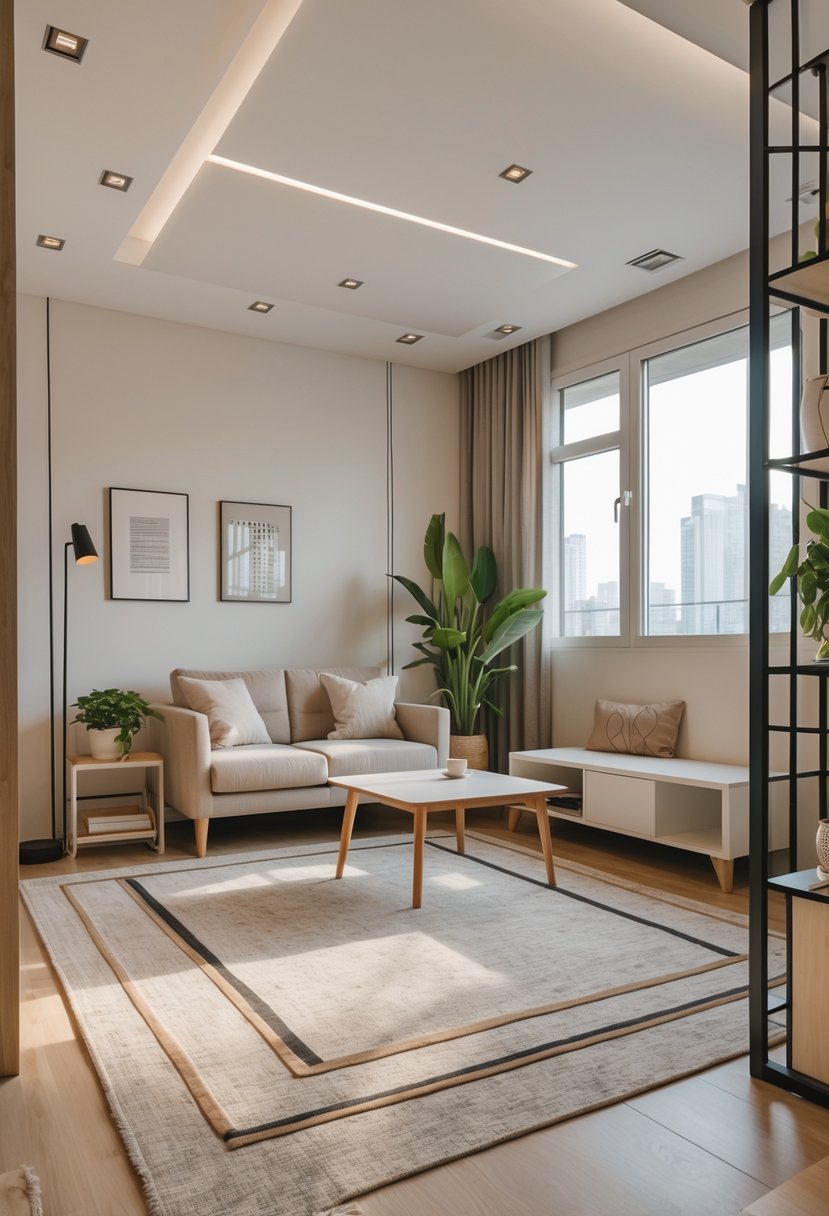
They can use rugs to separate seating, dining, or work areas in a small living room.
Light-colored or flatweave styles help the room feel open and connected.
Choosing a rug that covers about two-thirds of the floor keeps the space balanced without making it look crowded.
Incorporate fold-down desks or tables for flexible use
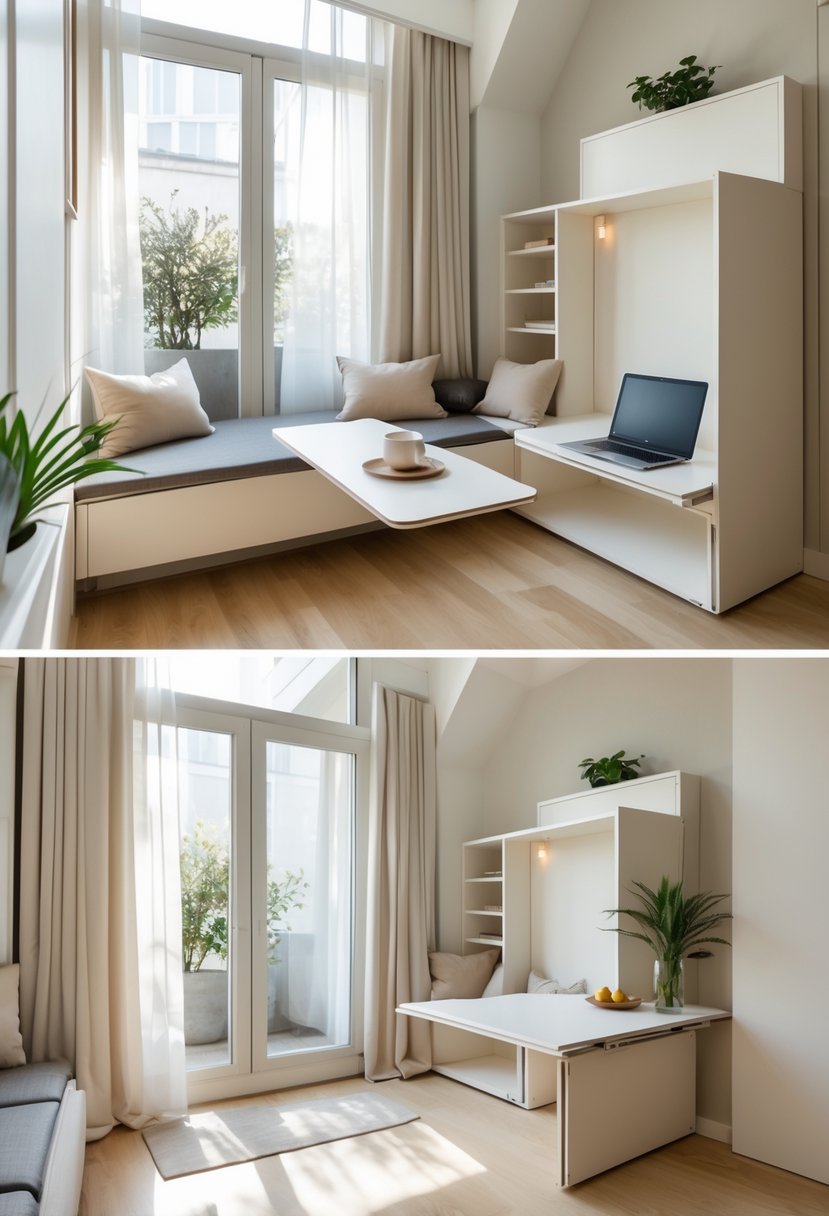
Fold-down desks and tables help small living rooms serve multiple purposes. They attach to walls or fold out when needed, saving floor space.
People can use them as workstations, dining areas, or craft spaces. When folded away, the room feels open and uncluttered.
Use vertical storage solutions like tall bookcases
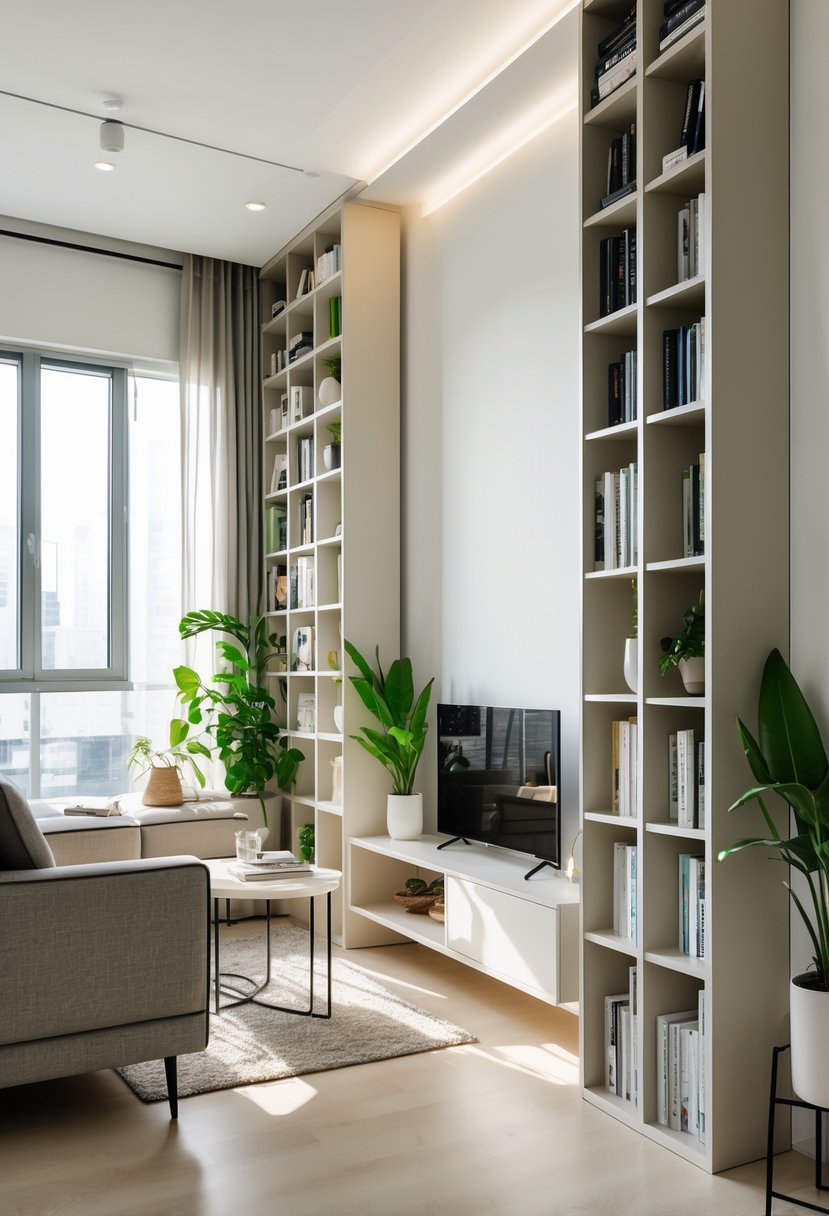
Tall bookcases help make the most of limited floor space. They draw the eye upward and create room for books, decor, and storage bins.
Using vertical storage keeps items organized and accessible. It also helps small living rooms feel open and tidy without adding bulky furniture.
Choose furniture with exposed legs for an airy feel
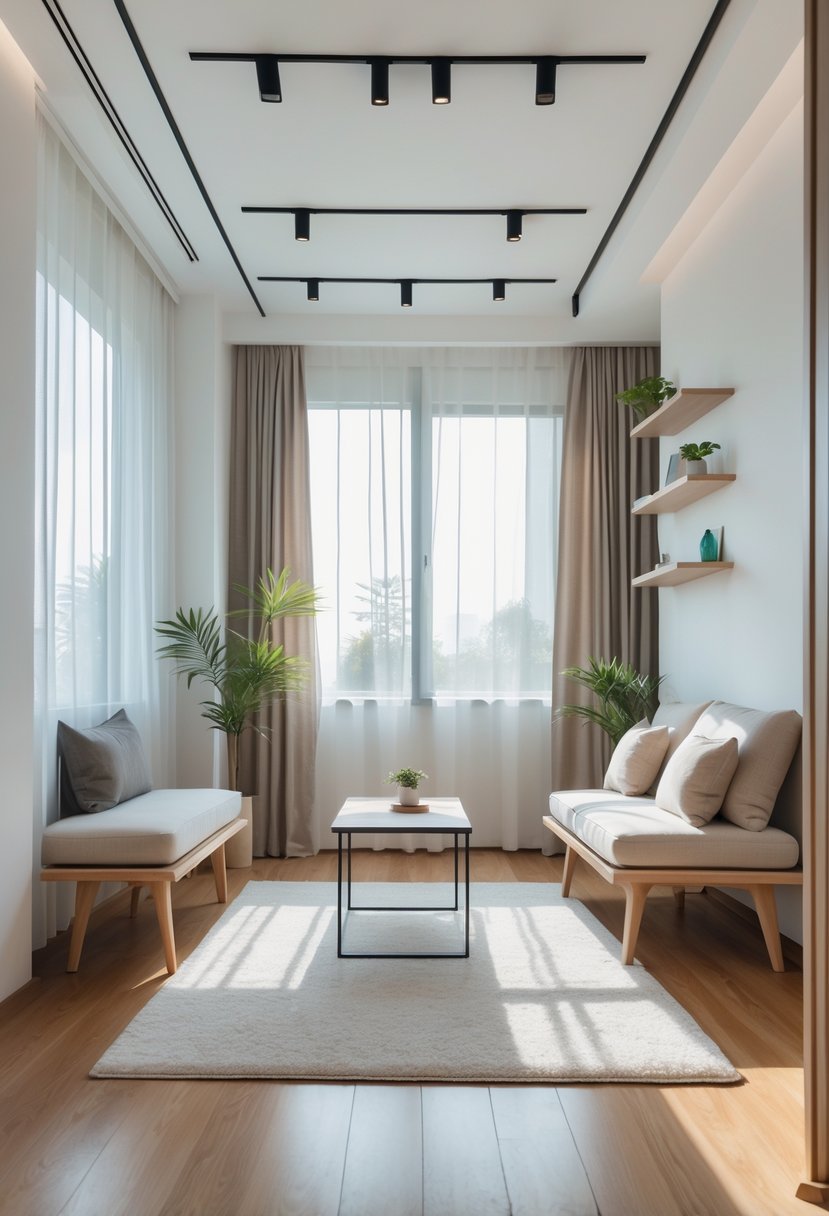
Furniture with visible legs helps light move through the room, making it look more open.
Sofas, chairs, and tables raised off the floor reduce visual weight and prevent a cramped look.
This design choice works well in compact spaces, creating a clean and balanced appearance.
Add built-in seating with storage underneath
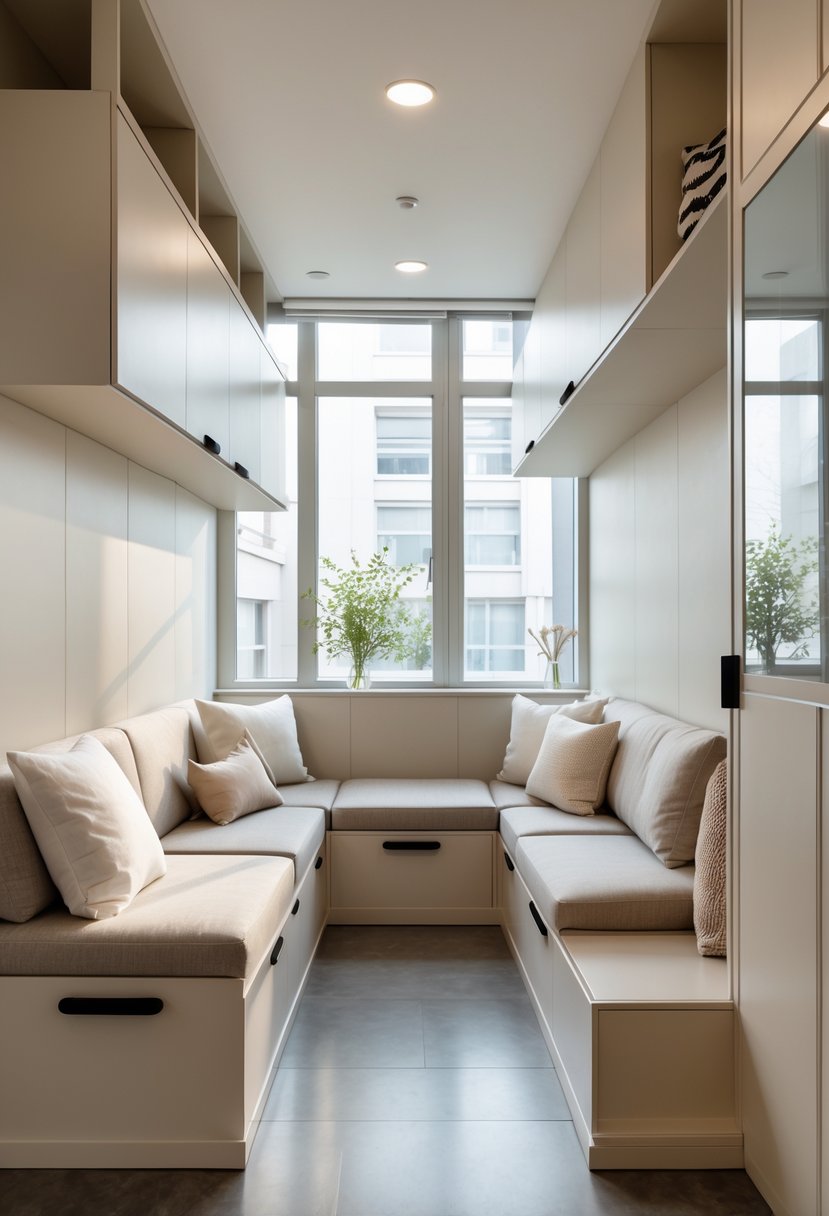
Built-in seating helps small living rooms use space efficiently. It provides extra seats without adding bulky furniture.
Storage drawers or lift-up lids under the seats keep toys, blankets, or books organized.
This design blends comfort and function while maintaining a clean, uncluttered look.
Use transparent acrylic chairs to maintain openness
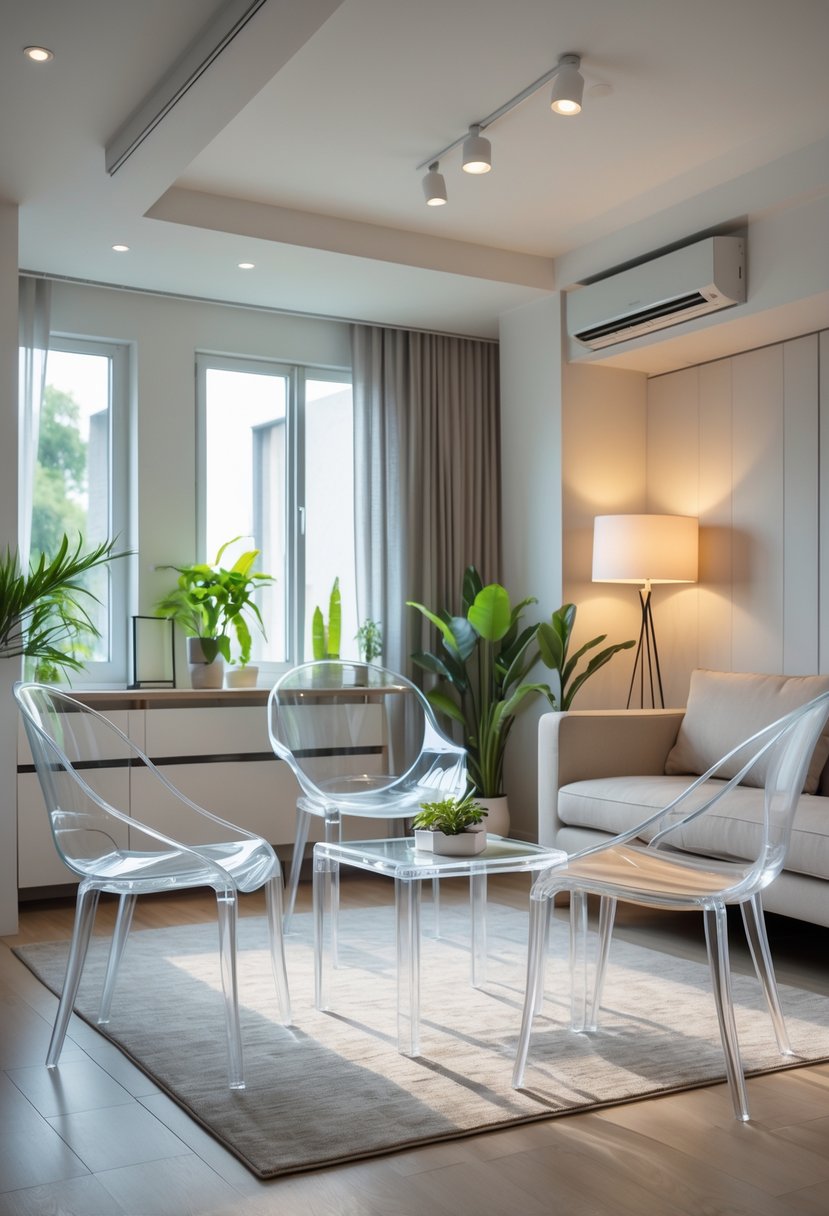
Transparent acrylic chairs help small living rooms feel more open by reducing visual clutter.
Their clear design blends with any décor and keeps spaces from looking crowded.
They also reflect light, which can make the room appear brighter and more spacious without adding bulk.
Layer lighting with floor lamps and wall sconces
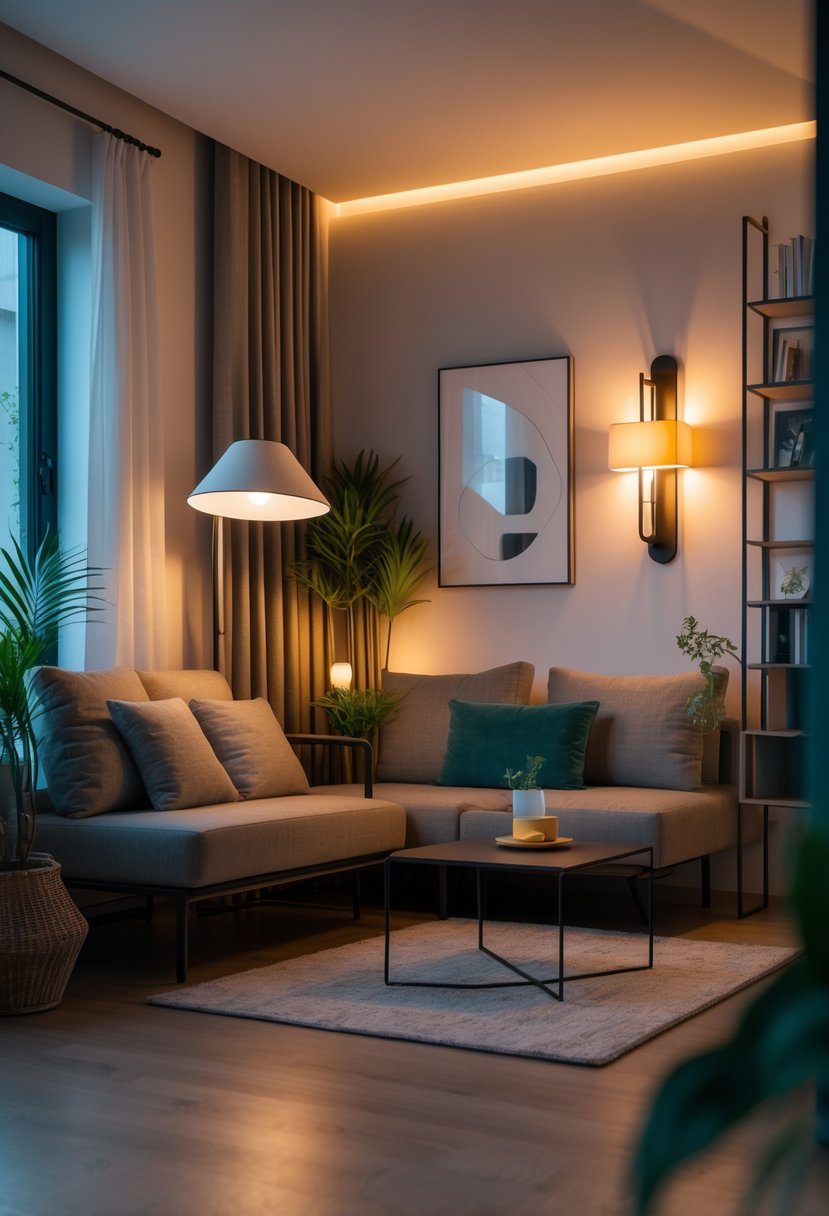
They can use floor lamps and wall sconces to build layers of light in a compact living room.
Wall sconces free up floor space while adding soft, ambient light.
Floor lamps provide focused or diffused light that balances brightness and creates a comfortable atmosphere.
Display art vertically to draw the eye upward
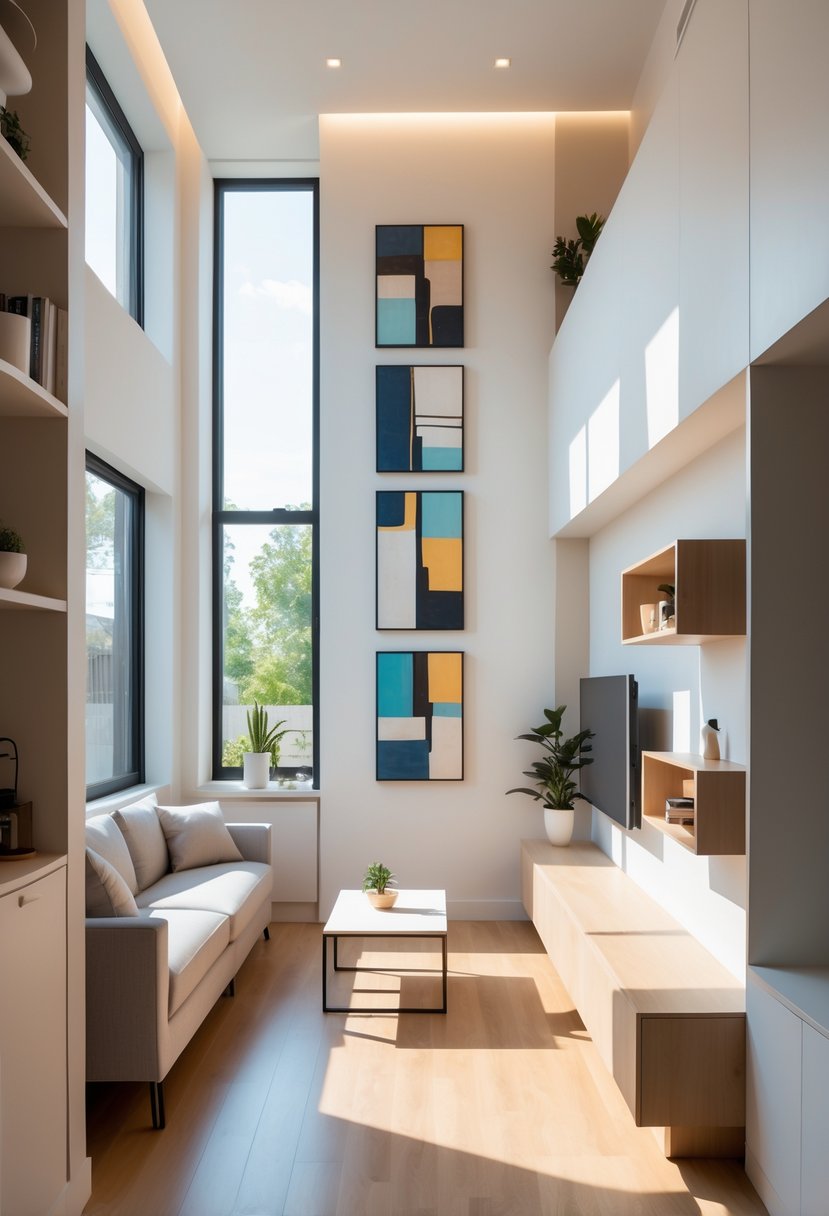
Arranging artwork in a vertical line helps make a compact living room feel taller.
They can stack frames from sofa height toward the ceiling to guide the eye upward.
Using matching or similar frames keeps the look clean while adding height and balance to the space.
Use curtains hung close to the ceiling to add height
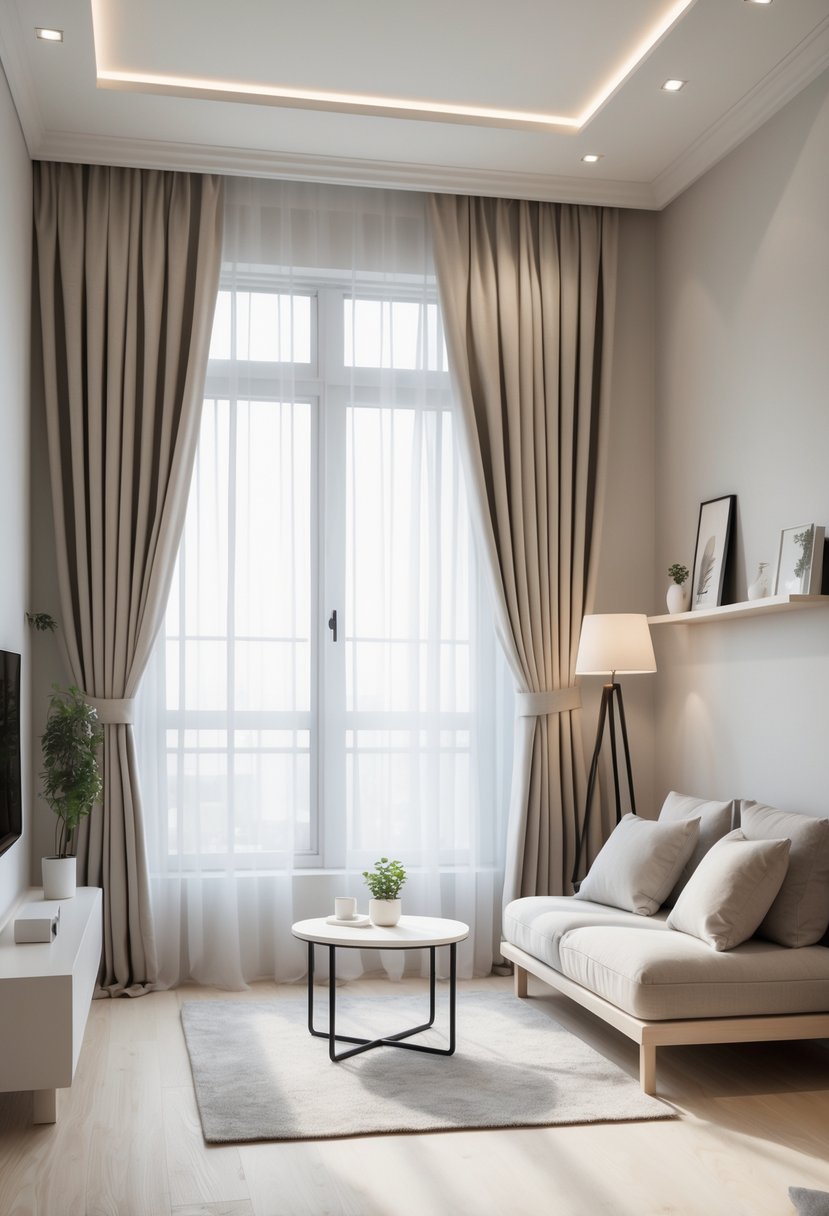
Hanging curtains near the ceiling helps draw the eye upward, making walls appear taller.
They can mount the curtain rod just a few inches below the ceiling and use floor-length panels for a balanced look.
This simple placement creates a sense of height without changing the room’s structure.
Incorporate plants in hanging pots to save floor space
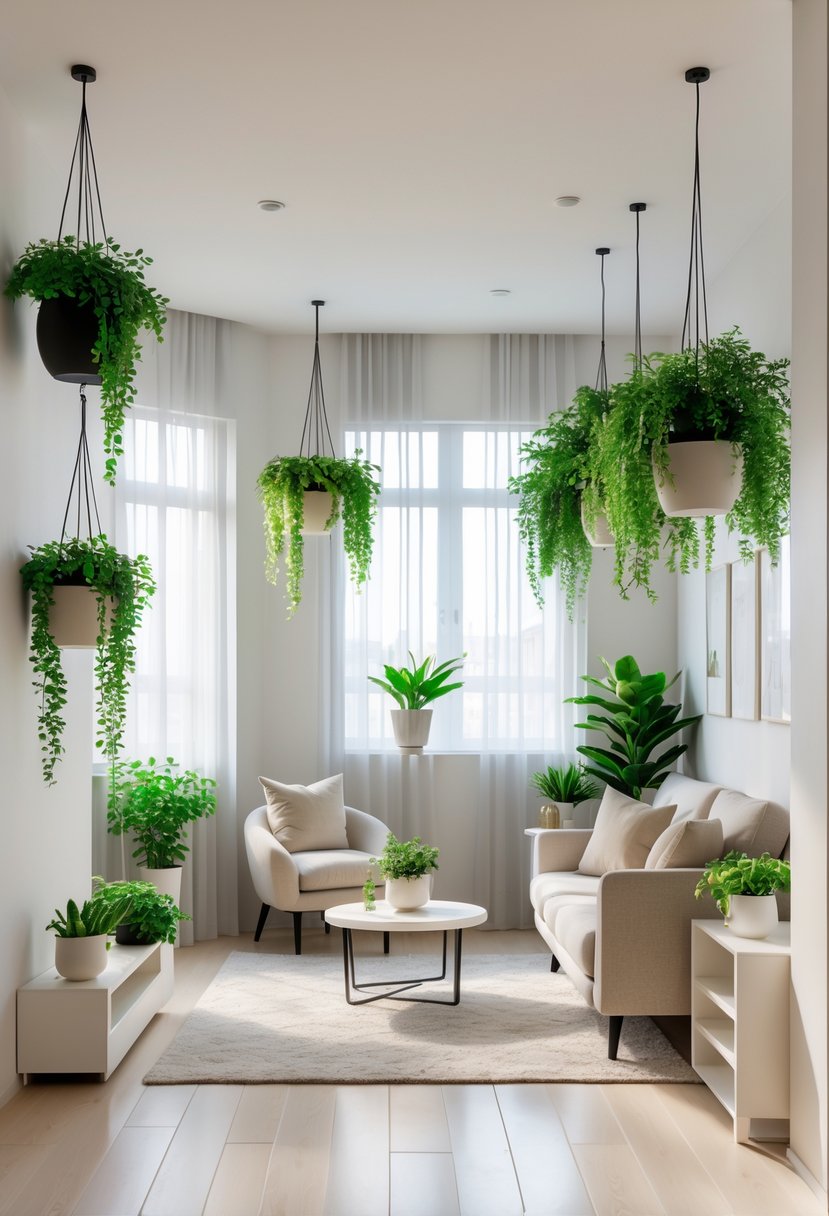
Hanging pots let small living rooms feel open while adding greenery. They keep floors clear and draw the eye upward, making the room appear taller.
Lightweight planters work well near windows or corners. Choosing low-maintenance plants like pothos or spider plants keeps care simple and space uncluttered.
Choose round furniture to improve flow in tight areas
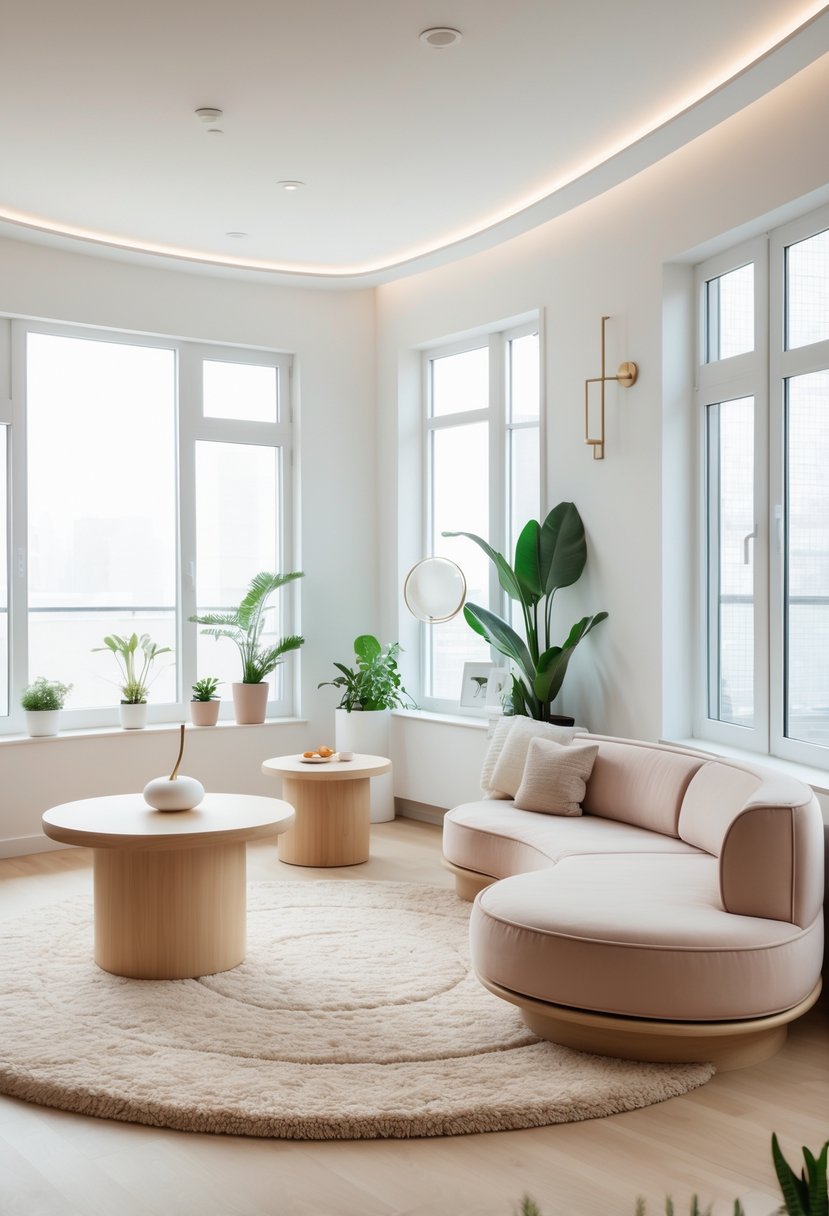
Round furniture helps small living rooms feel more open and easier to move through.
Pieces like circular coffee tables, curved sofas, and round rugs soften sharp corners and reduce visual clutter.
These shapes guide movement naturally, making the space feel smoother and more balanced without taking up extra room.
Use light-filtering window treatments for natural brightness
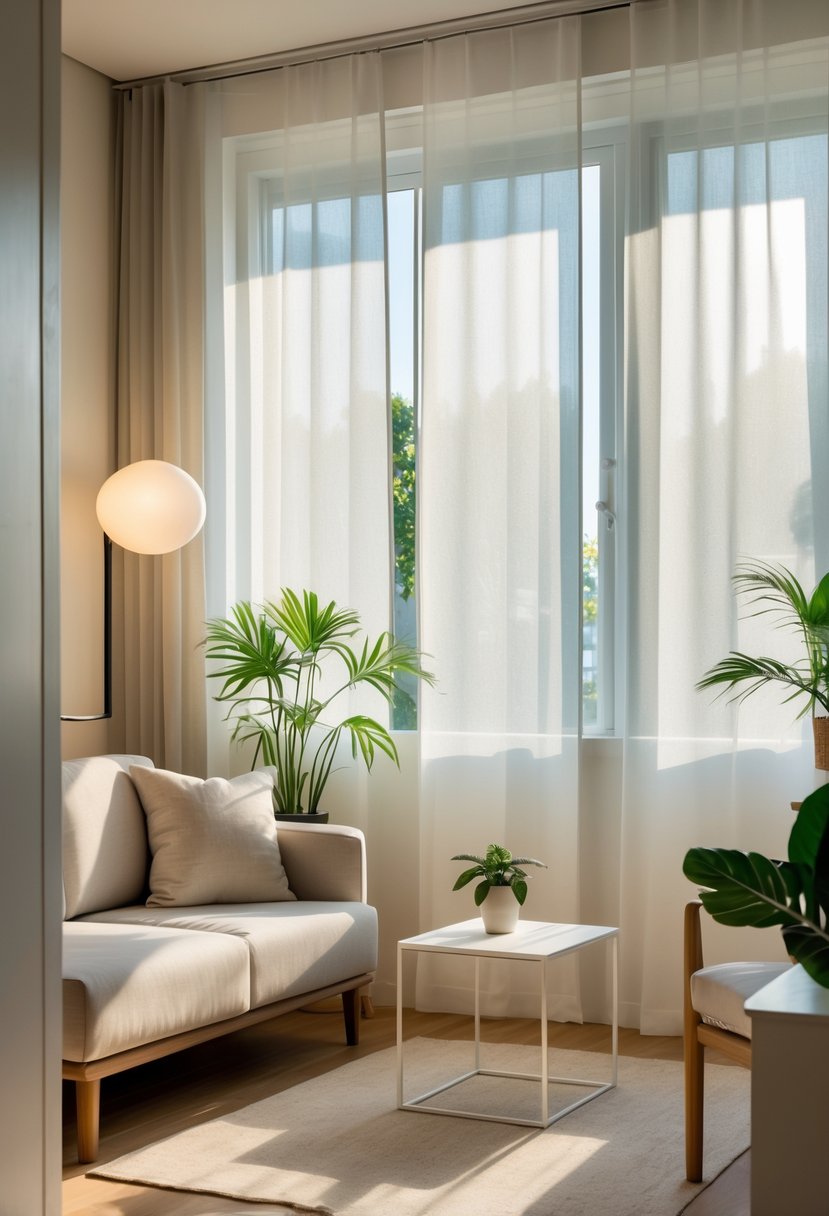
Light-filtering window treatments help small living rooms feel open and comfortable.
Sheer curtains or light-colored blinds allow sunlight to pass through while keeping privacy.
Placing mirrors near windows can reflect light deeper into the room, making it appear brighter without adding extra fixtures.
Create a dedicated reading nook with a compact chair
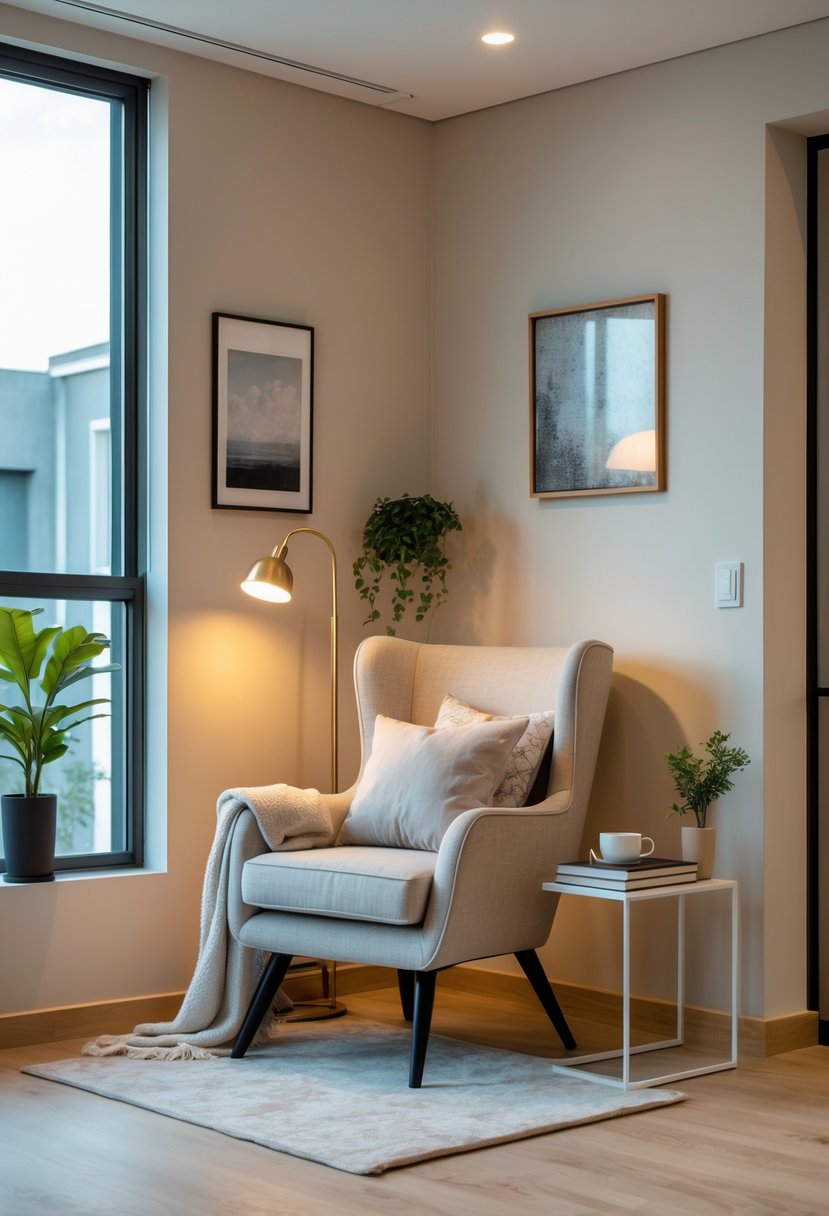
They can turn a small corner into a calm reading area with a compact chair and good lighting.
A slim armchair or cushioned bench fits well in tight spaces without crowding the room.
Adding a small side table and soft throw creates a simple, comfortable spot for quiet reading.
Use double-duty furniture like a sofa bed
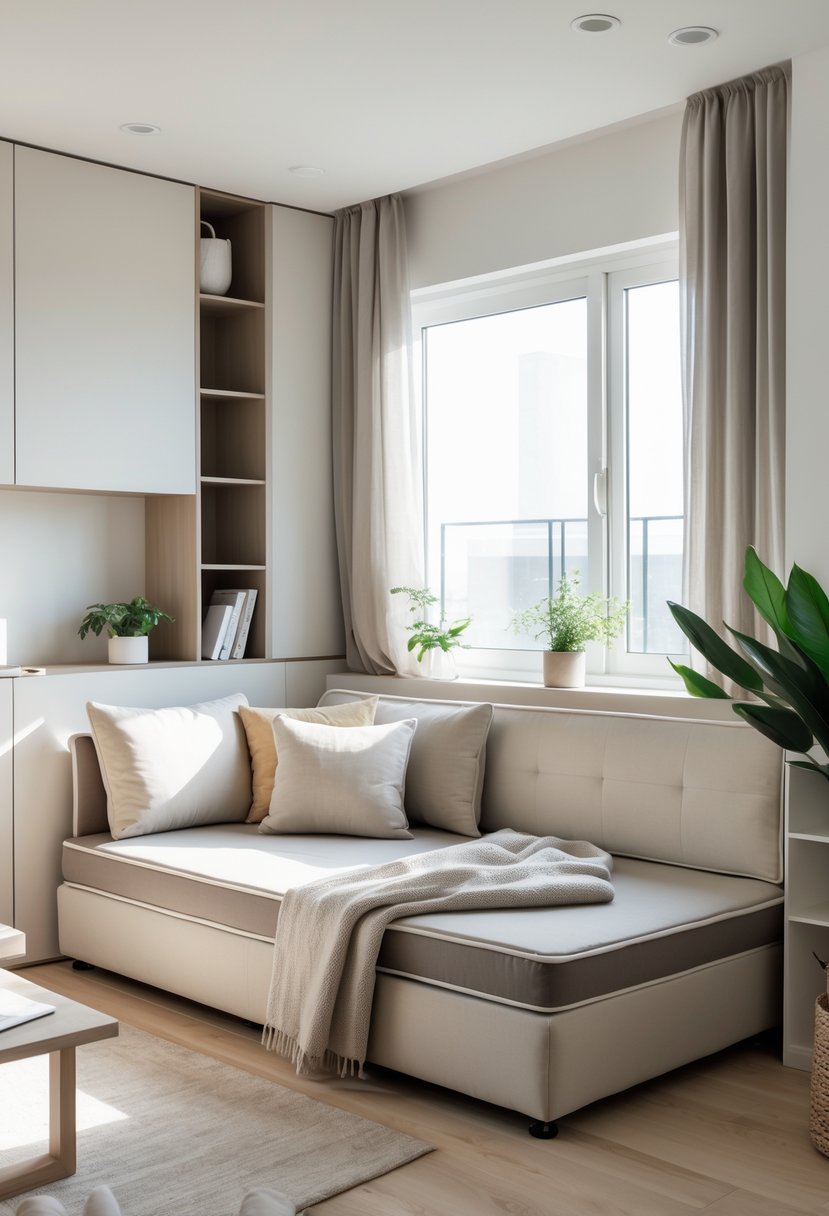
A sofa bed helps small living rooms serve more than one purpose. It provides seating during the day and converts into a bed for guests at night.
This type of furniture saves space and reduces the need for extra pieces. It also keeps the room neat and comfortable.
Incorporate sliding doors to save space
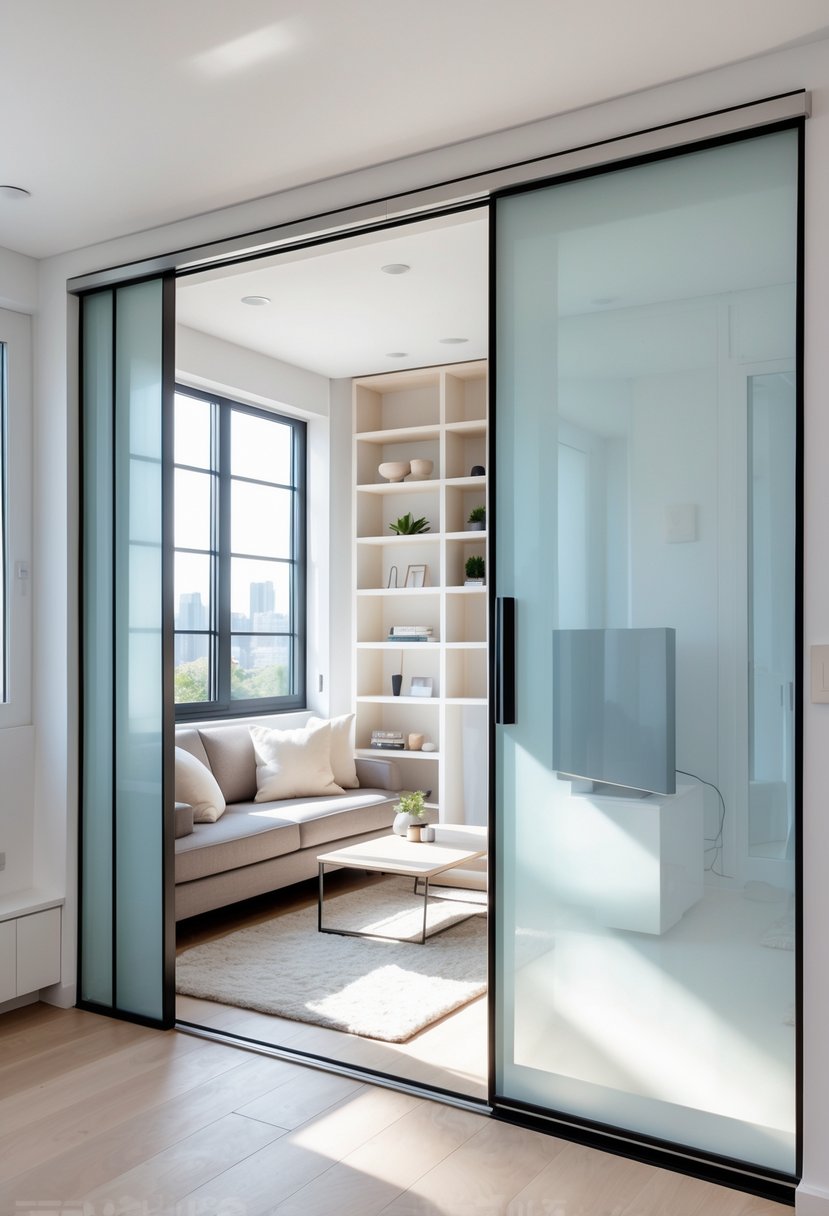
Sliding doors help small living rooms feel open and organized. They remove the need for swing space, making furniture placement easier.
Glass or minimalist-frame designs let in light and create a cleaner look. They also work well as room dividers, offering flexibility without making the area feel cramped.
Maximizing Space in Compact Living Rooms
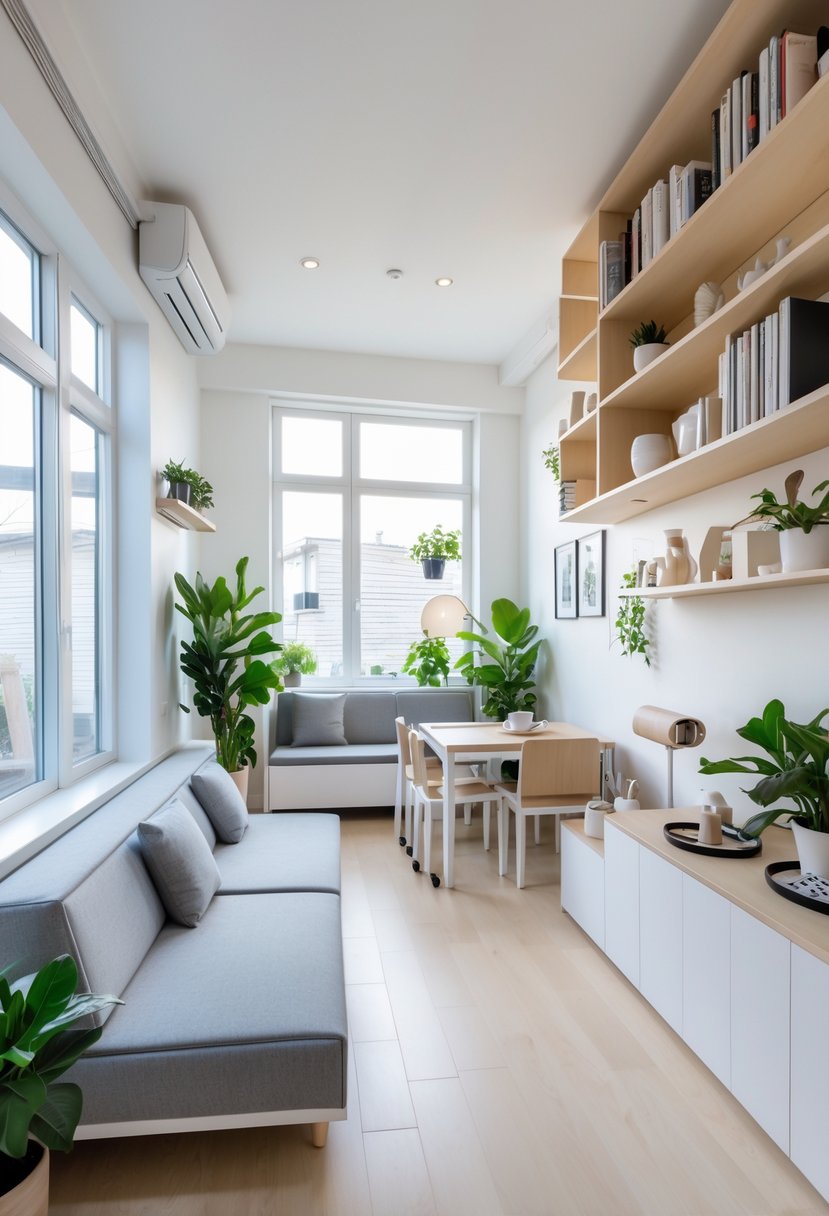
Small living rooms can feel open and balanced when furniture placement, storage, and design choices work together. Smart layouts, vertical organization, and multipurpose furniture help make limited areas practical and comfortable without adding clutter.
Strategic Furniture Arrangement
Good furniture placement makes a small room feel larger and easier to move through. Keeping walkways clear and grouping seating around a focal point, such as a TV or coffee table, helps define zones.
Tips for layout planning:
- Place larger pieces, like sofas, against walls to free up central space.
- Use armless chairs or open-base tables to reduce visual weight.
- Angle furniture slightly to soften corners and improve flow.
Floating furniture a few inches from the wall can also create depth. Using rugs to mark areas for seating or reading helps organize the room without adding partitions.
Utilizing Vertical Storage
Vertical space often goes unused in small living rooms. Tall shelving, mounted cabinets, and wall hooks can store items without taking up floor area.
Examples of vertical storage options:
| Type | Function | Placement |
|---|---|---|
| Floating shelves | Display decor or books | Above sofas or TVs |
| Tall bookcases | Store media and baskets | Corners or narrow walls |
| Wall-mounted cabinets | Hide clutter | Near entry or entertainment area |
Keeping storage units the same color as the wall makes them blend in visually. Adding lighting above or below shelves draws the eye upward, giving the illusion of higher ceilings.
Incorporating Multifunctional Pieces
Furniture that serves more than one purpose saves space and reduces the need for extra items. A sofa bed, nesting tables, or an ottoman with hidden storage can each handle multiple needs.
Common multifunctional options include:
- A lift-top coffee table that doubles as a workspace.
- Storage benches that provide seating and hide blankets or games.
- Foldable side tables that can be tucked away when not in use.
Choosing pieces with clean lines and neutral colors helps maintain a cohesive, uncluttered look while supporting both comfort and practicality.
Design Principles for Small Living Areas
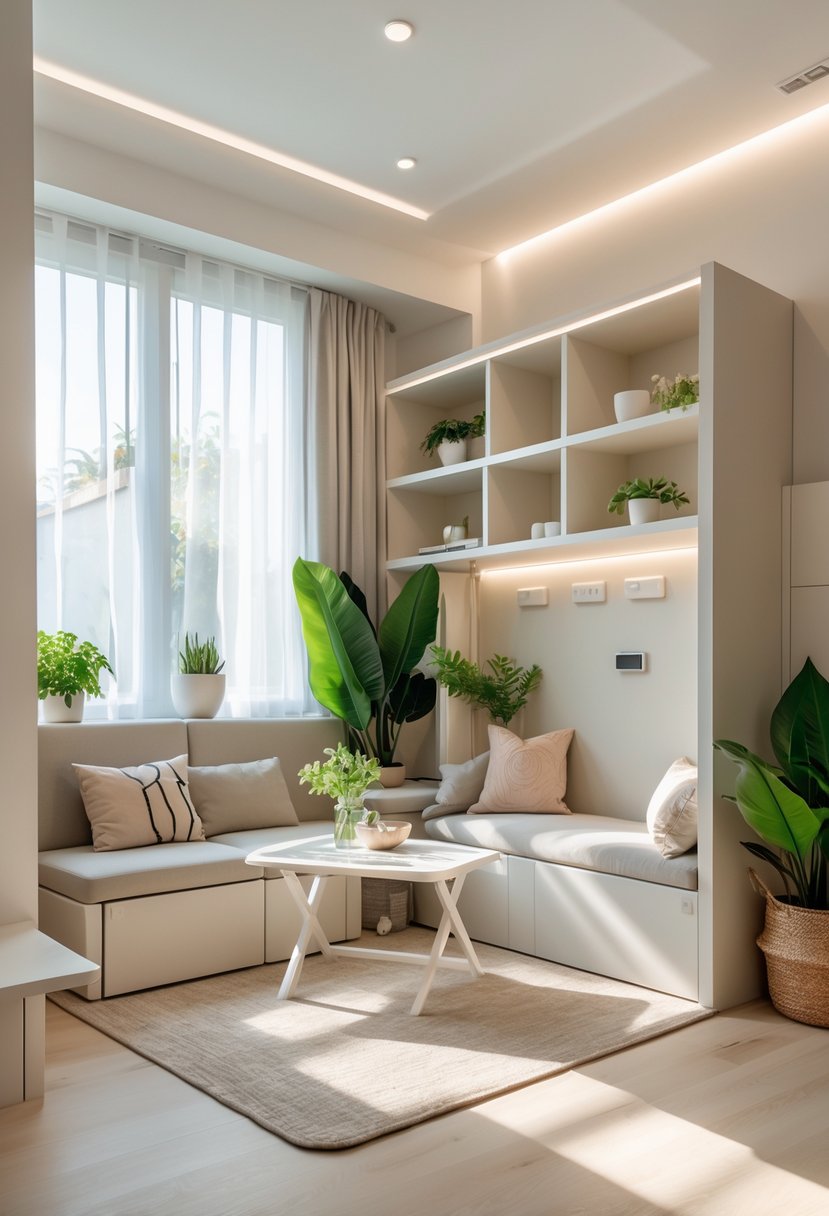
Compact living rooms benefit from thoughtful color choices, well-managed lighting, and furniture placement that encourages easy movement. Each design element should make the space feel open, balanced, and comfortable without adding clutter or distraction.
Choosing the Right Color Palette
Color affects how large or small a room feels. Light, neutral tones—such as soft whites, warm beiges, and pale grays—reflect more light and make walls appear farther apart. These shades help small living areas feel brighter and less confined.
Accent colors can add personality without overwhelming the space. Using one or two muted accent tones in pillows, rugs, or artwork keeps the design cohesive.
For contrast, darker colors work best in small amounts. A deep navy or charcoal feature wall can create depth when paired with lighter surroundings. Keeping flooring and wall colors similar also maintains visual continuity and reduces visual breaks.
Enhancing Natural Light
Natural light makes compact spaces feel larger and more inviting. Large windows, glass doors, and light-filtering curtains allow daylight to spread evenly across the room. Avoid heavy drapes or dark blinds that block sunlight.
Mirrors and reflective surfaces help bounce light around the space. Placing a mirror opposite a window can double the perceived brightness. Glossy finishes on furniture or décor also add subtle reflection without clutter.
When natural light is limited, use layered lighting. Combine ambient lighting from ceiling fixtures with task lights near seating areas and accent lights for art or shelves. Balanced lighting reduces shadows and keeps the room feeling open throughout the day.
Creating Visual Flow
A clear layout improves comfort and movement in small living rooms. Furniture should not block pathways or windows. Choosing compact, multi-functional pie For studio apartment dwellers, see these 24 stunning studio apartment layouts with clever space-saving ideas.ces—like nesting tables or storage ottomans—saves space and keeps the area organized.
Arranging furniture around a focal point, such as a coffee table or wall-mounted TV, creates order and flow. Keeping sightlines open between seating areas helps the room feel connected.
To define zones without closing them off, use area rugs or low shelving. These visual boundaries separate functions—like relaxing and dining—while maintaining an open, continuous look.
For additional ideas from design experts, see these small living room design ideas from Apartment Therapy.


