Apartment Living Room Designs 2026: 22 Modern Ideas for Stylish Urban Spaces
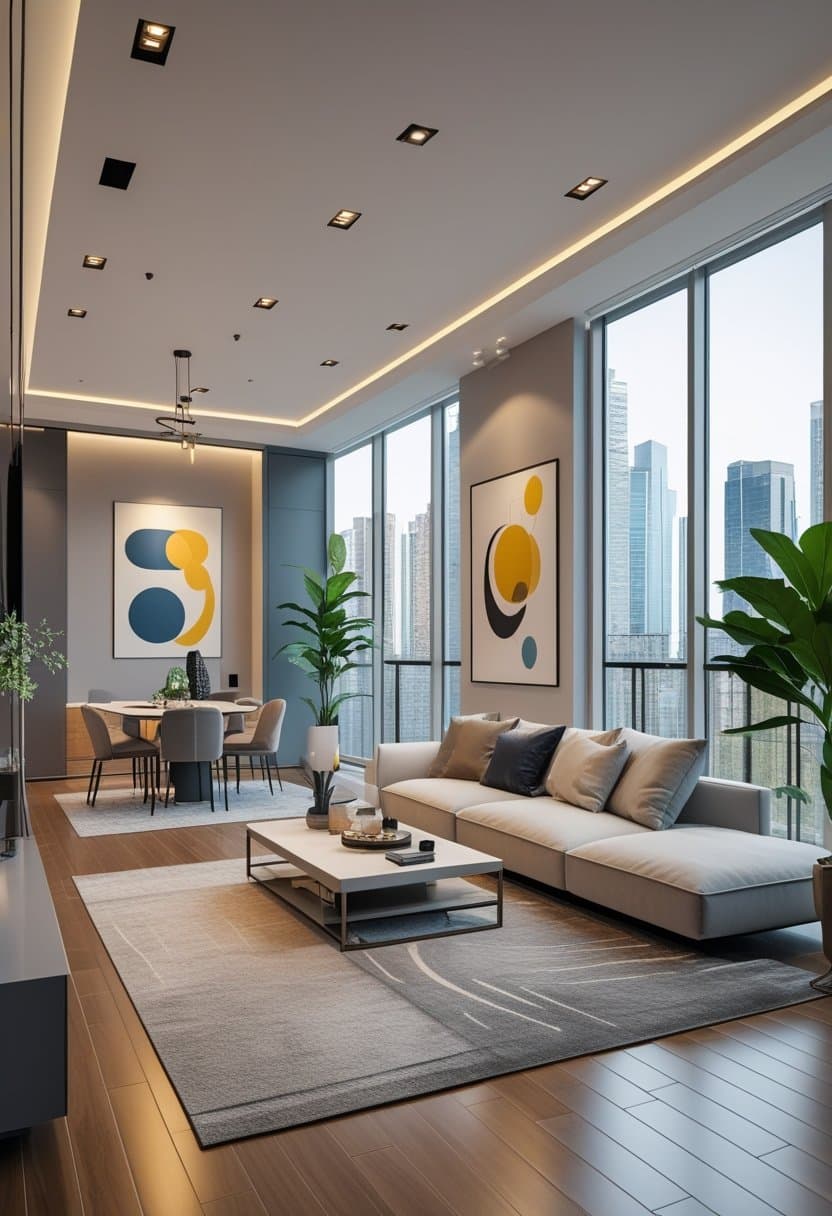
Apartment living rooms in 2026 focus on comfort, function, and style that fit modern city life. Design trends move toward spaces that feel open, bright, and easy to live in, even when square footage is limited. The goal is to create a living area that looks beautiful while making everyday life simpler and more enjoyable.
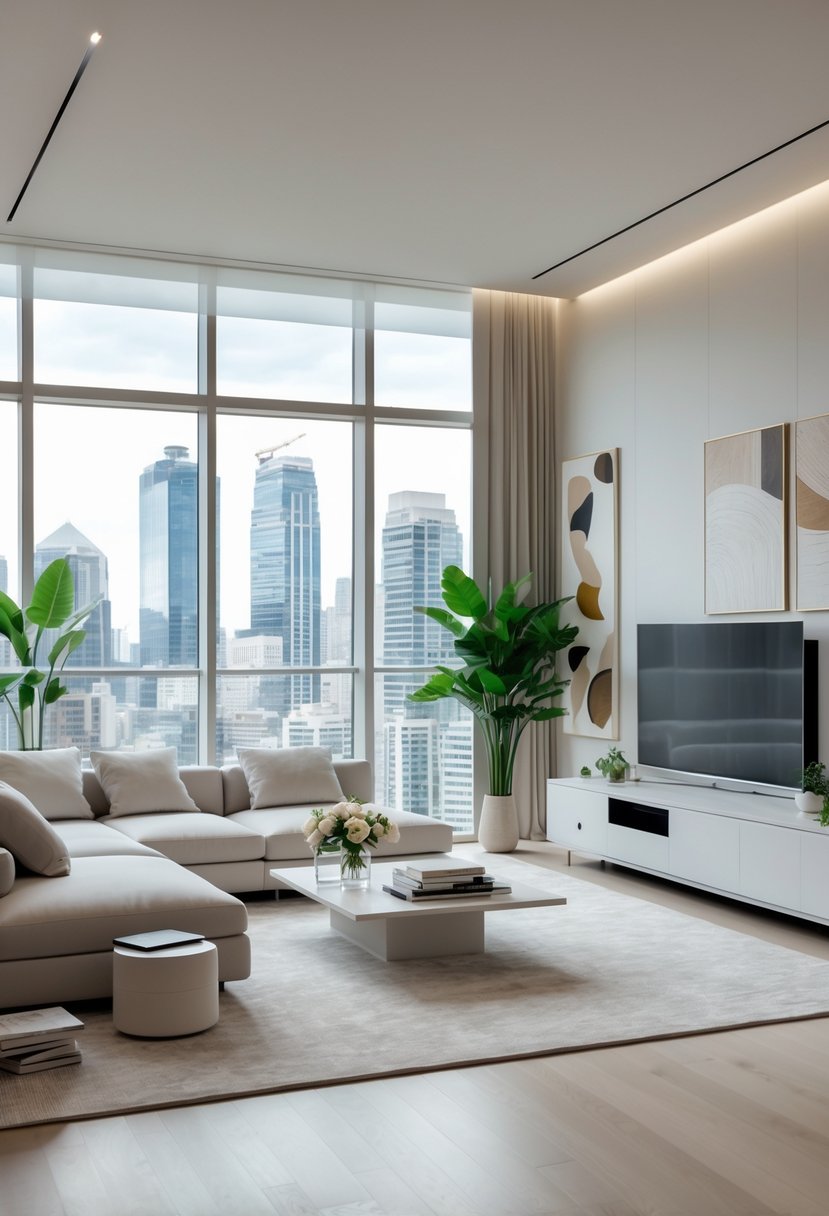
This article explores how thoughtful design choices can make any apartment living room feel larger, more inviting, and more personal. It highlights practical ideas like using light, color, and smart furniture to build a space that reflects both modern design and individual taste.
Maximize natural light with sheer curtains
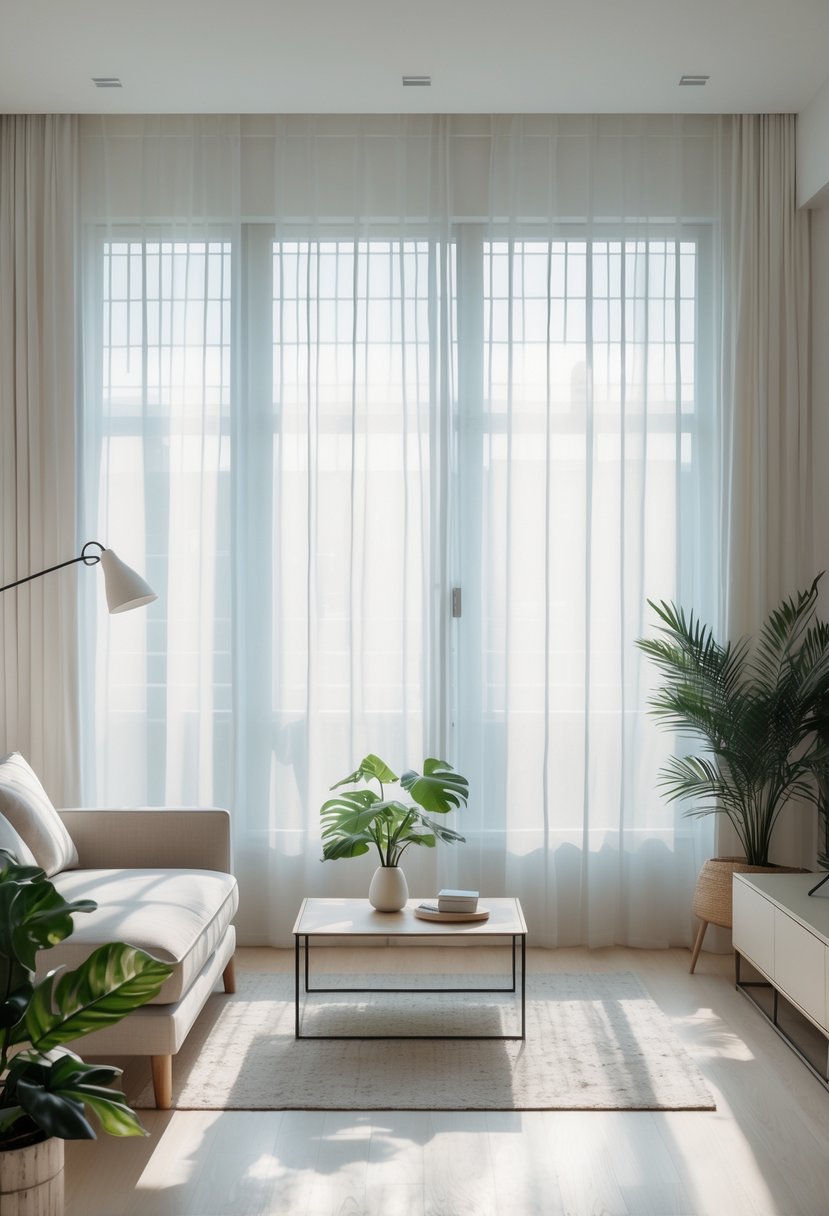
Sheer curtains let sunlight pass through while keeping privacy.
They soften the brightness and make small apartments feel more open.
Layering them with thicker drapes adds flexibility for light control.
Neutral or white fabrics work best to reflect daylight and create a calm, balanced look.
Use multifunctional furniture like storage ottomans
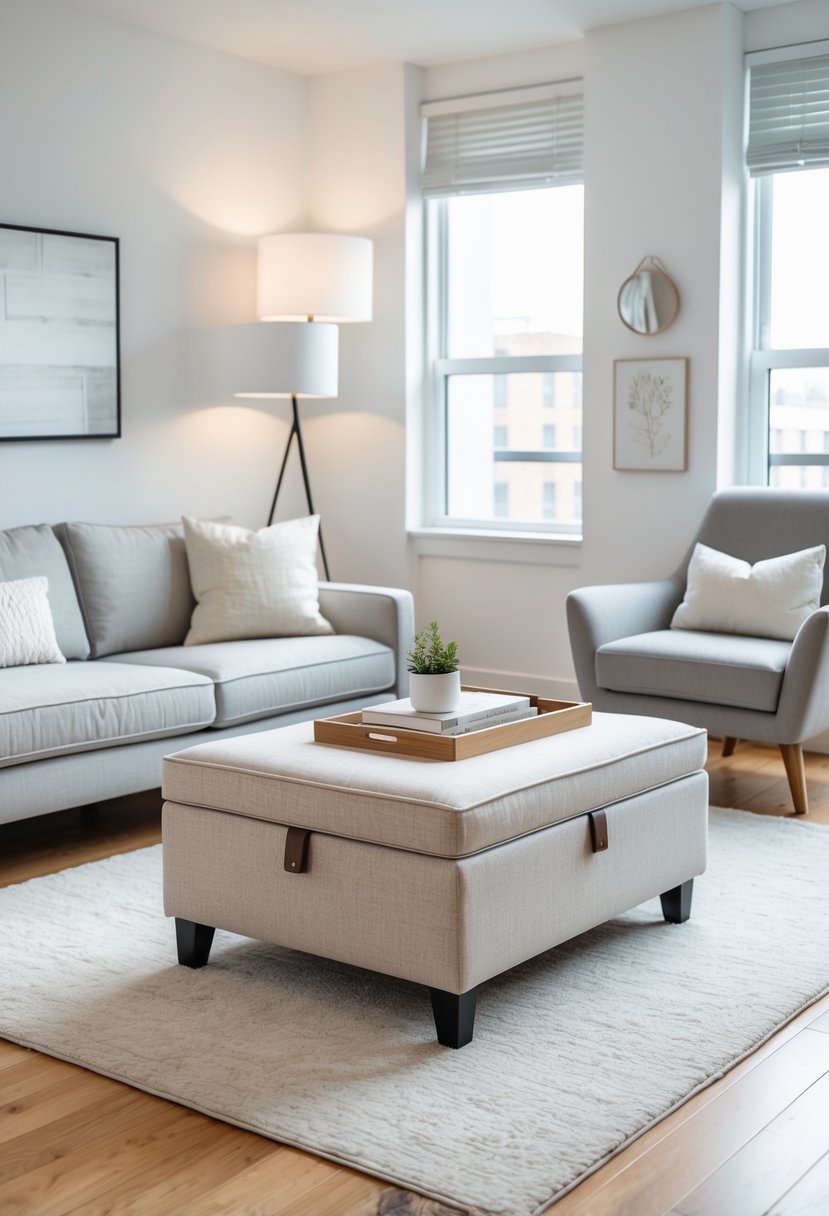
Storage ottomans help keep small living rooms organized by providing hidden space for blankets, books, or electronics.
They also serve as extra seating or a coffee table, making them practical for compact apartments.
Choosing neutral colors or simple designs allows them to blend easily with different décor styles.
Incorporate floating shelves for vertical storage
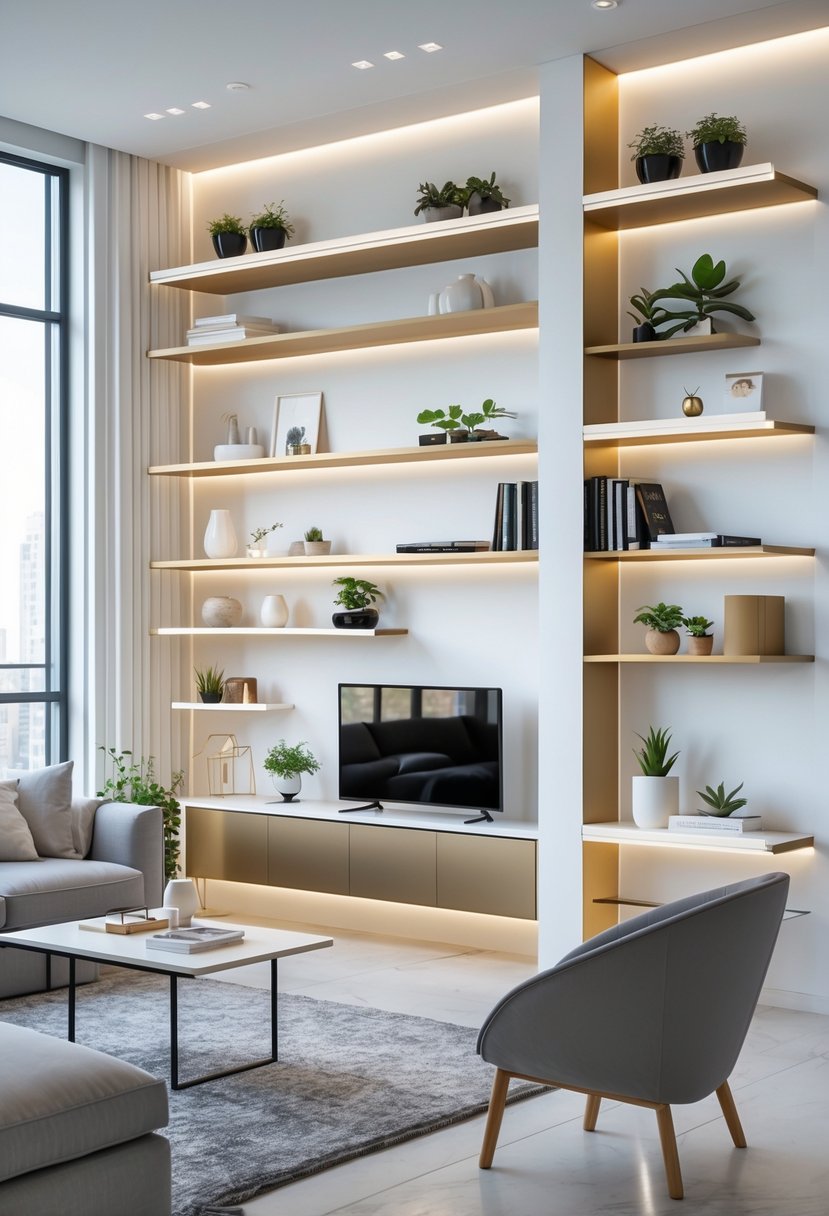
Floating shelves help make use of empty wall space in small apartments. They keep items off the floor and create a clean, open look.
Residents can use them to store books, display plants, or organize decor. Simple wood or metal finishes blend well with modern and minimalist designs.
Choose a neutral color palette with bold accent pieces
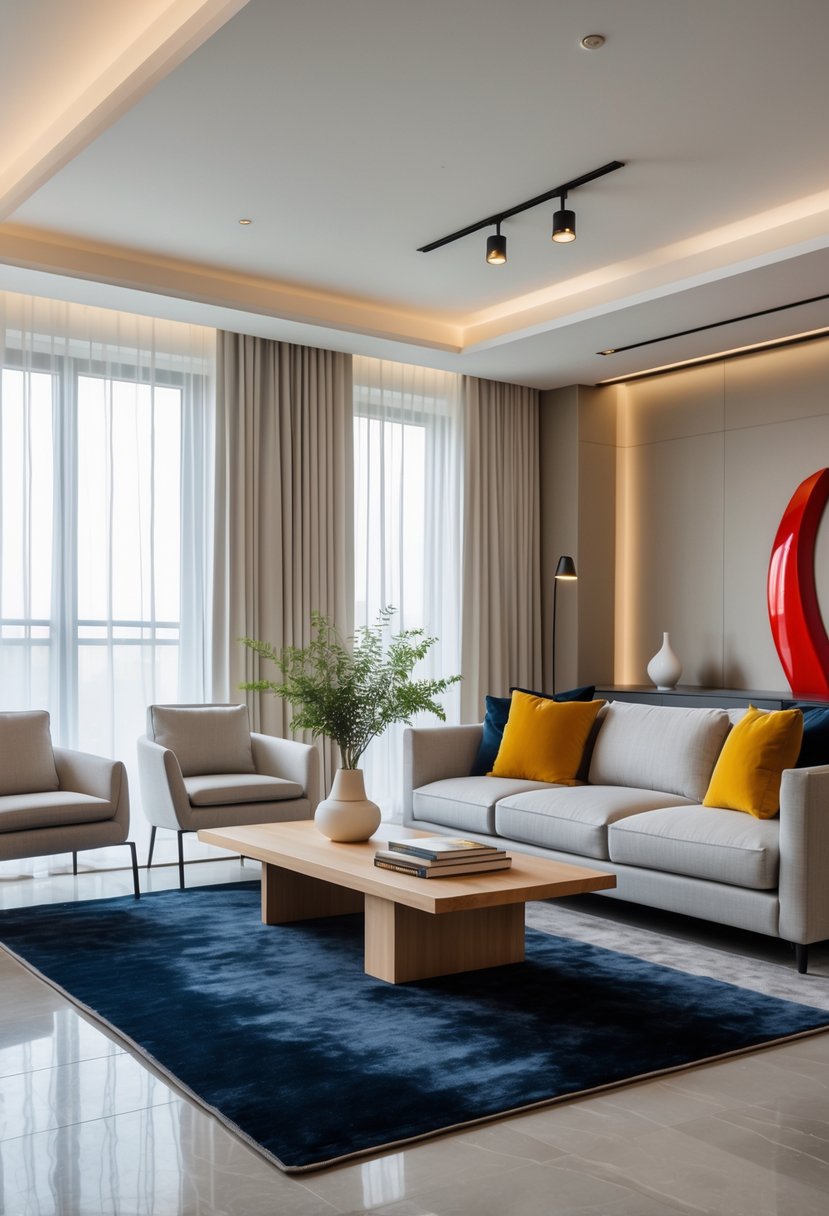
Neutral colors like white, beige, and gray create a calm and flexible base.
They make small apartments feel open and easy to decorate.
Adding bold accents, such as bright pillows, rugs, or artwork, brings personality without overwhelming the space.
Add a statement rug to define the seating area
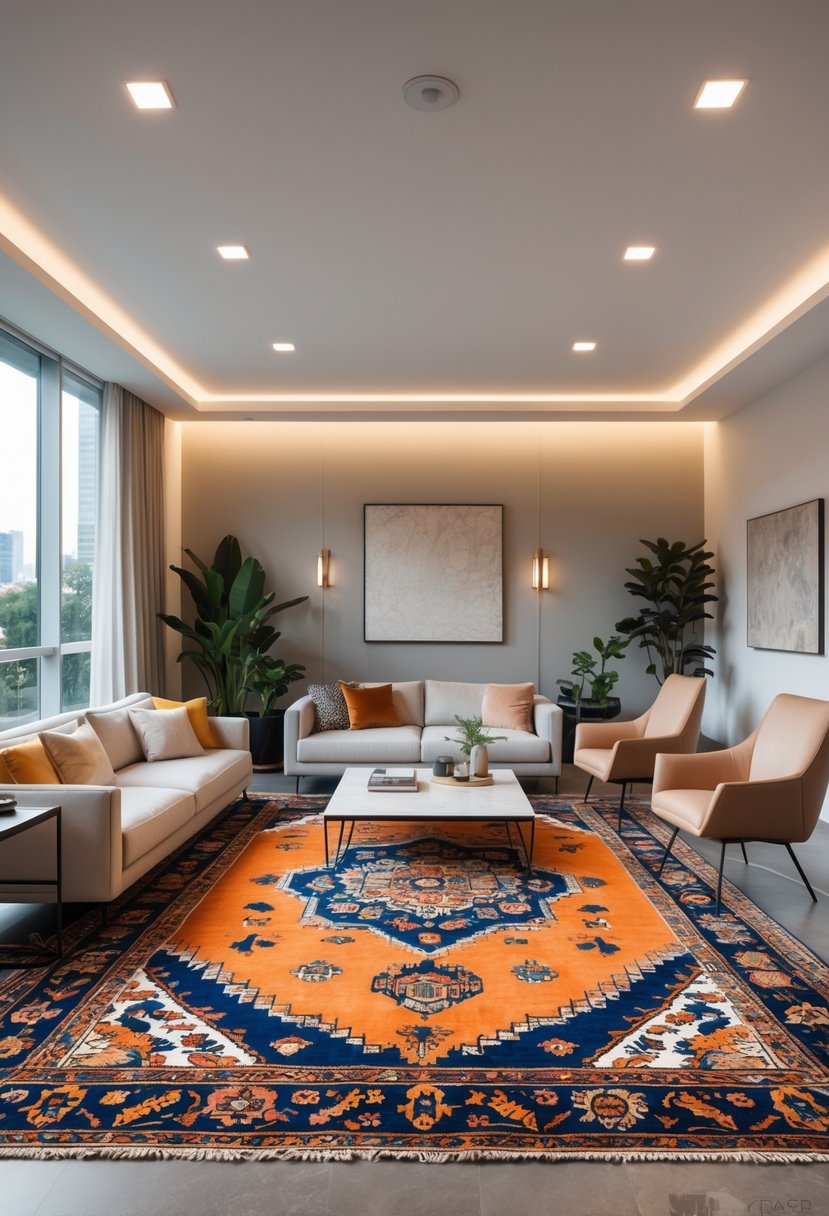
A statement rug helps organize an apartment’s living room by clearly marking the seating zone.
They can choose bold patterns or textured materials to add visual interest without overwhelming the space.
The rug also softens sound, adds comfort underfoot, and ties together furniture pieces for a cohesive look.
Opt for a compact sectional sofa for small spaces
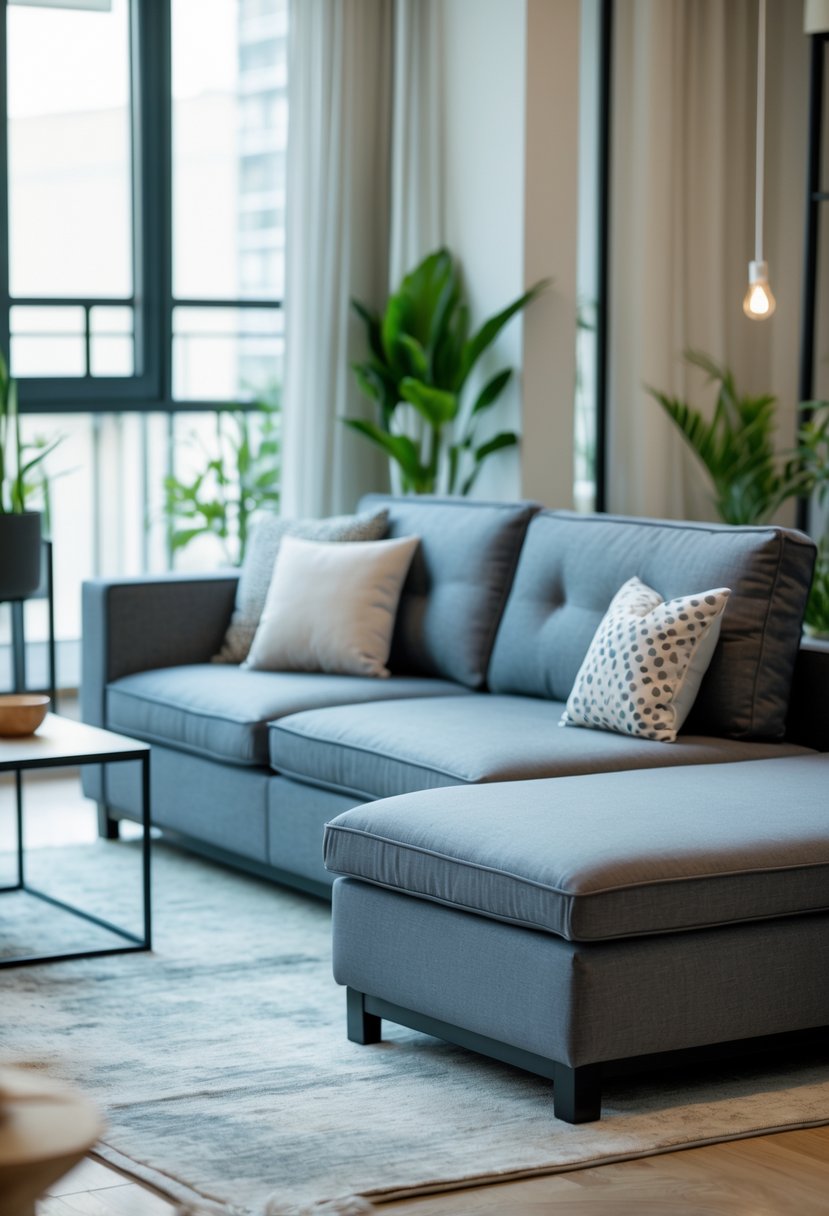
A compact sectional sofa helps maximize seating in small apartments without crowding the room.
L-shaped or modular designs fit neatly into corners and can adjust to different layouts.
Choosing neutral colors and low backs keeps the space open, while built-in storage adds useful function.
Use mirrors to create an illusion of space
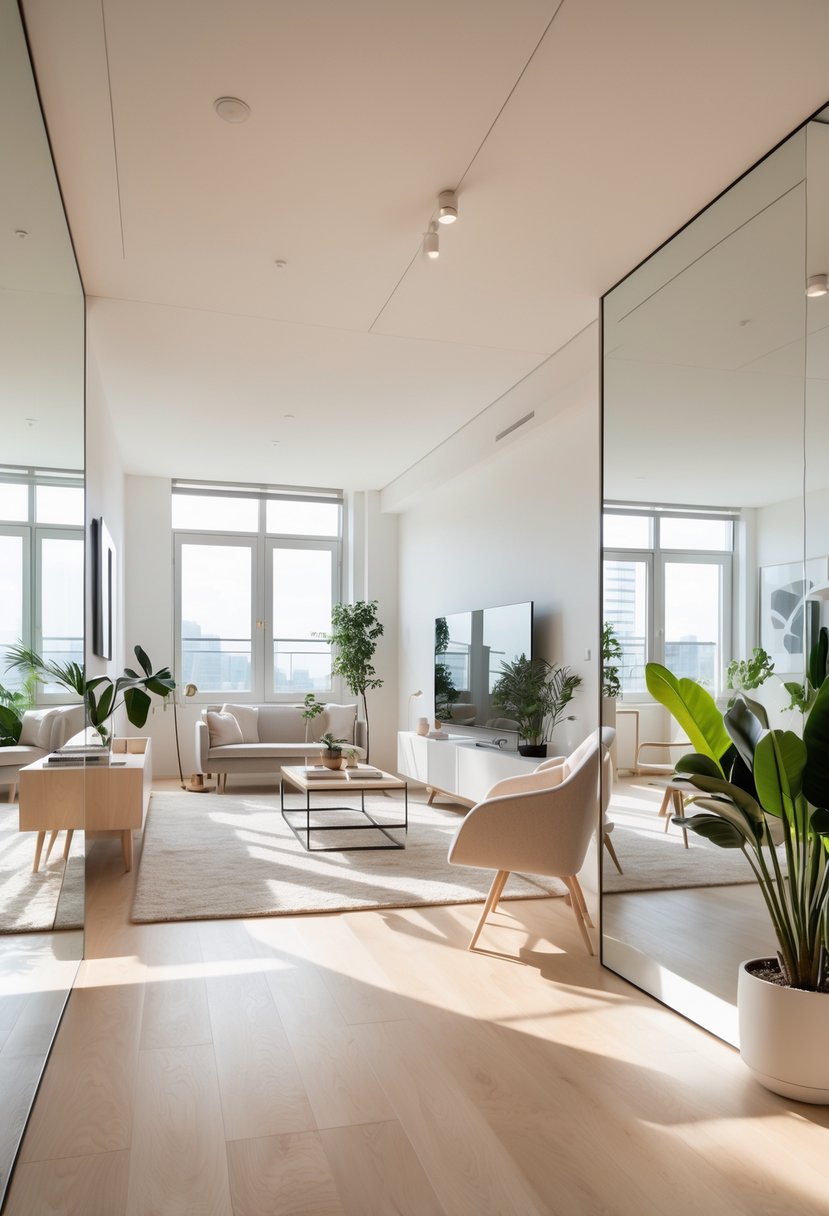
Mirrors can make a small living room appear larger by reflecting light and nearby areas.
Placing a large mirror across from a window helps distribute natural light evenly.
Using mirrored furniture or wall panels adds depth and keeps the room feeling open and balanced.
Incorporate plants for a fresh, natural touch
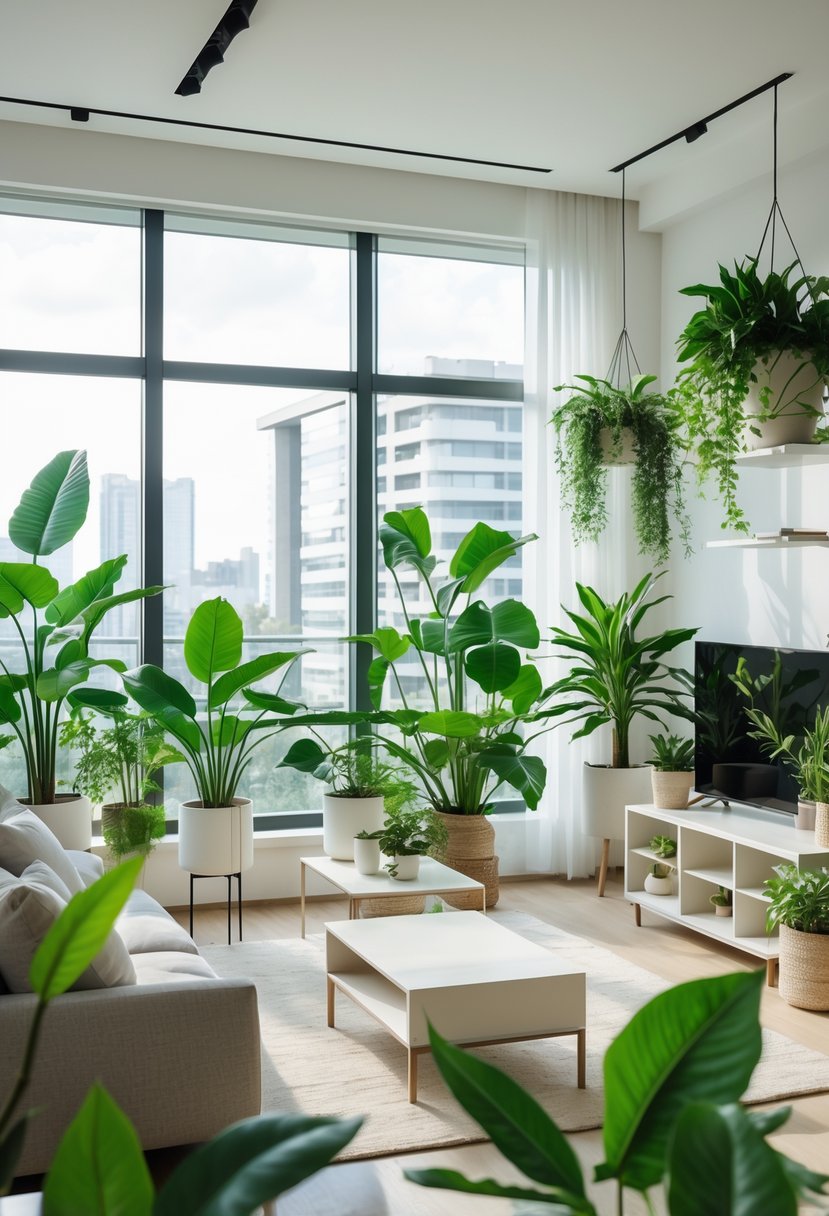
Adding plants helps soften modern apartment designs and introduces a calm, natural feel.
They can place medium or small plants near seating areas or windows to brighten the space.
Using simple pots or hanging planters keeps the room open while adding color and texture.
Install wall-mounted lighting to save floor space
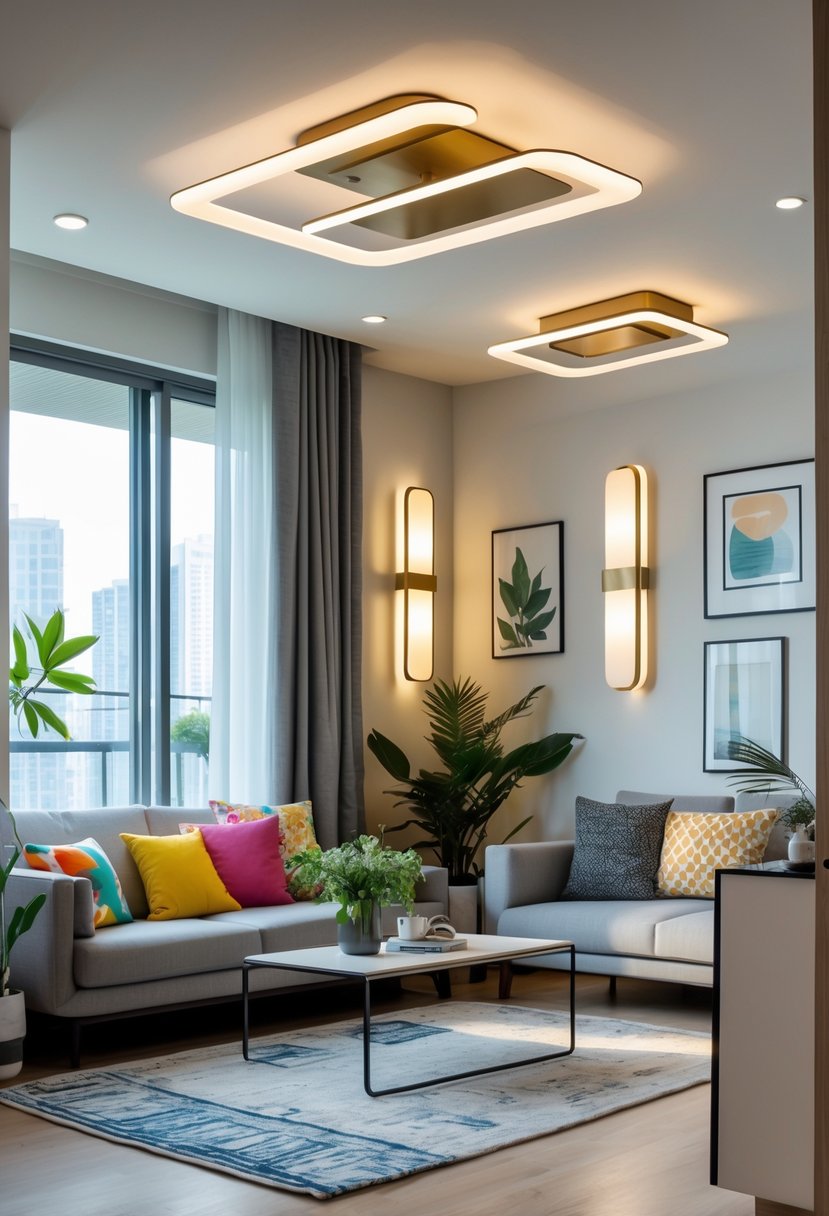
Wall-mounted lights help keep living rooms open and uncluttered. They free up space that floor and table lamps usually take.
These fixtures work well in small apartments, providing focused light for reading or relaxing. They also add a clean, modern look without needing large furniture pieces.
Create a gallery wall with minimalist frames
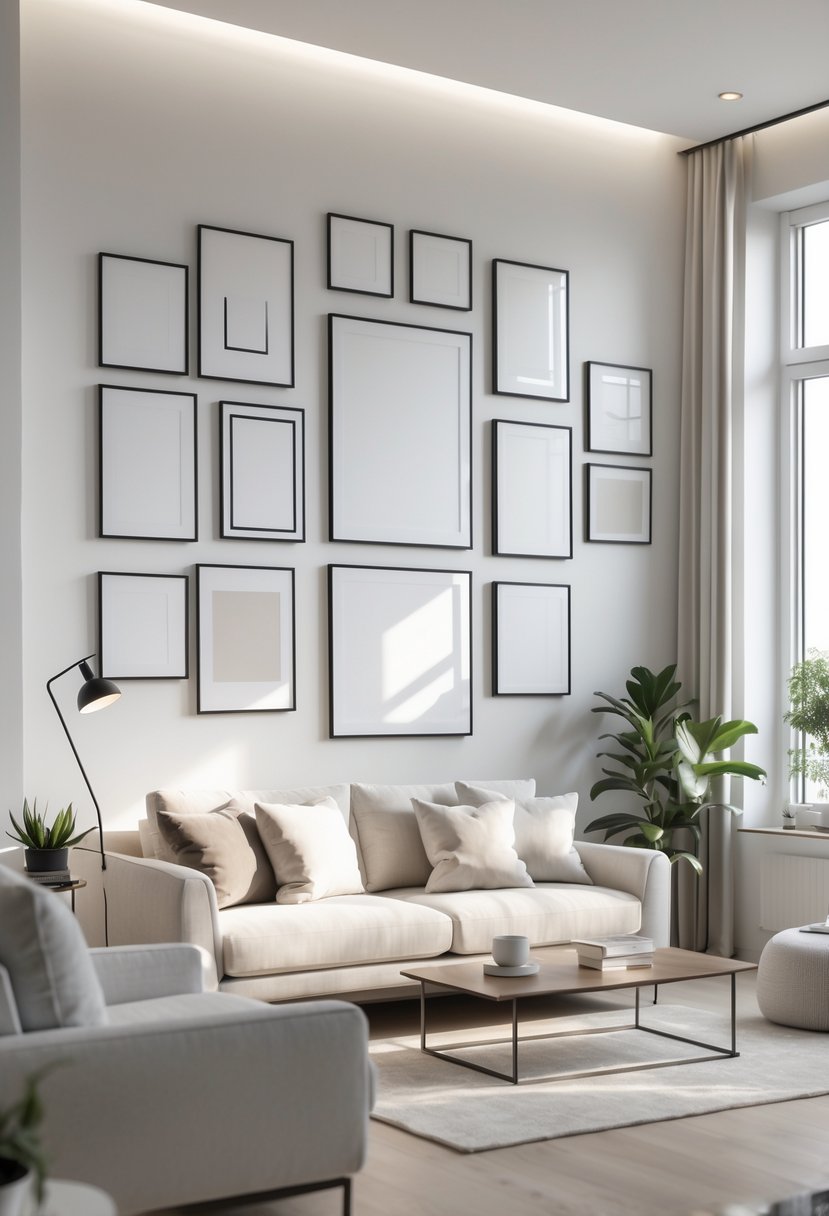
They can use simple frames in black, white, or natural wood to keep the focus on the artwork.
A balanced layout with even spacing helps the wall look clean and organized.
Choosing a few cohesive pieces instead of many busy ones keeps the design calm and modern.
Use nesting tables for flexible surface options

Nesting tables give small apartments more flexibility. Each table fits neatly under the other, saving floor space when not in use.
They can be pulled apart to hold drinks, books, or decor when guests visit. Their compact design makes them practical for both small and open living rooms.
Choose slim-profile furniture to avoid bulkiness
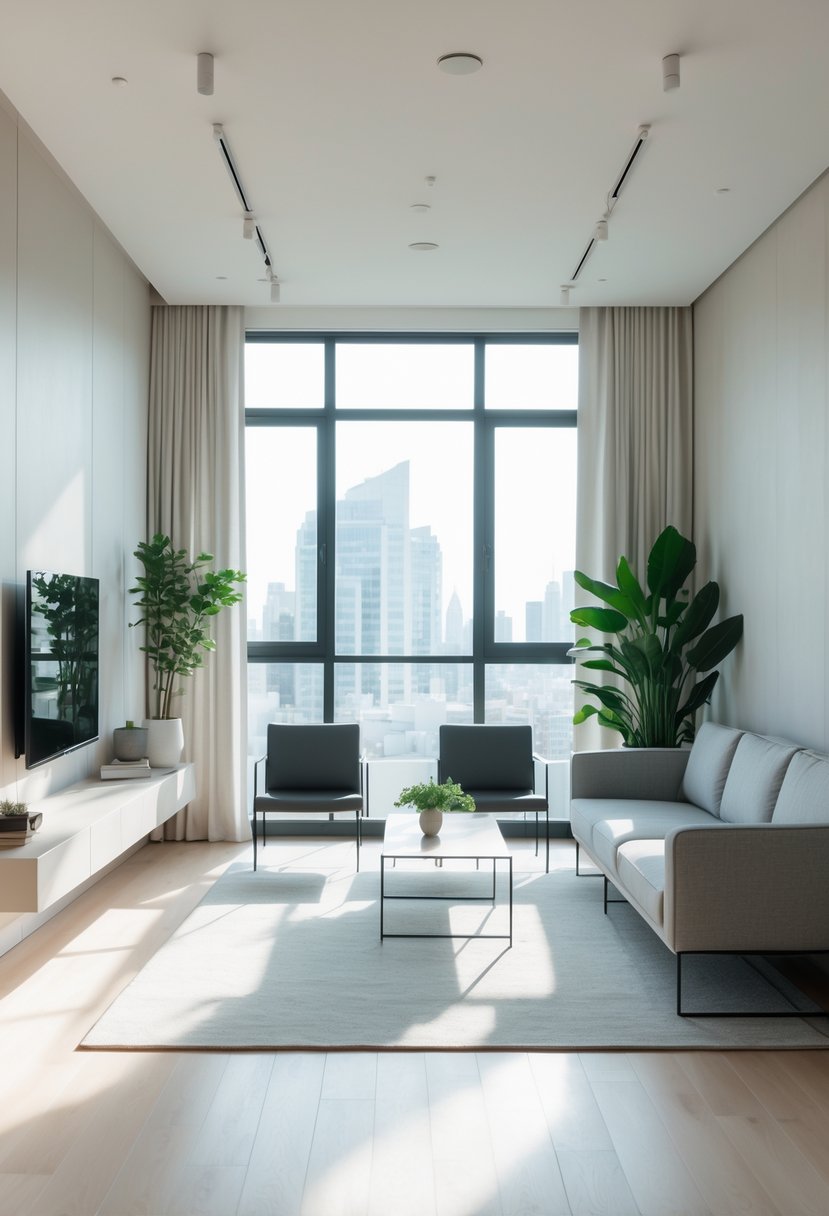
Slim-profile furniture helps small living rooms feel open and balanced. Pieces with narrow arms, tapered legs, and clean lines take up less visual space.
They allow for easier movement and create a lighter look. Choosing compact sofas, chairs, and tables keeps the room functional without feeling crowded.
Incorporate boho-style textiles for warmth
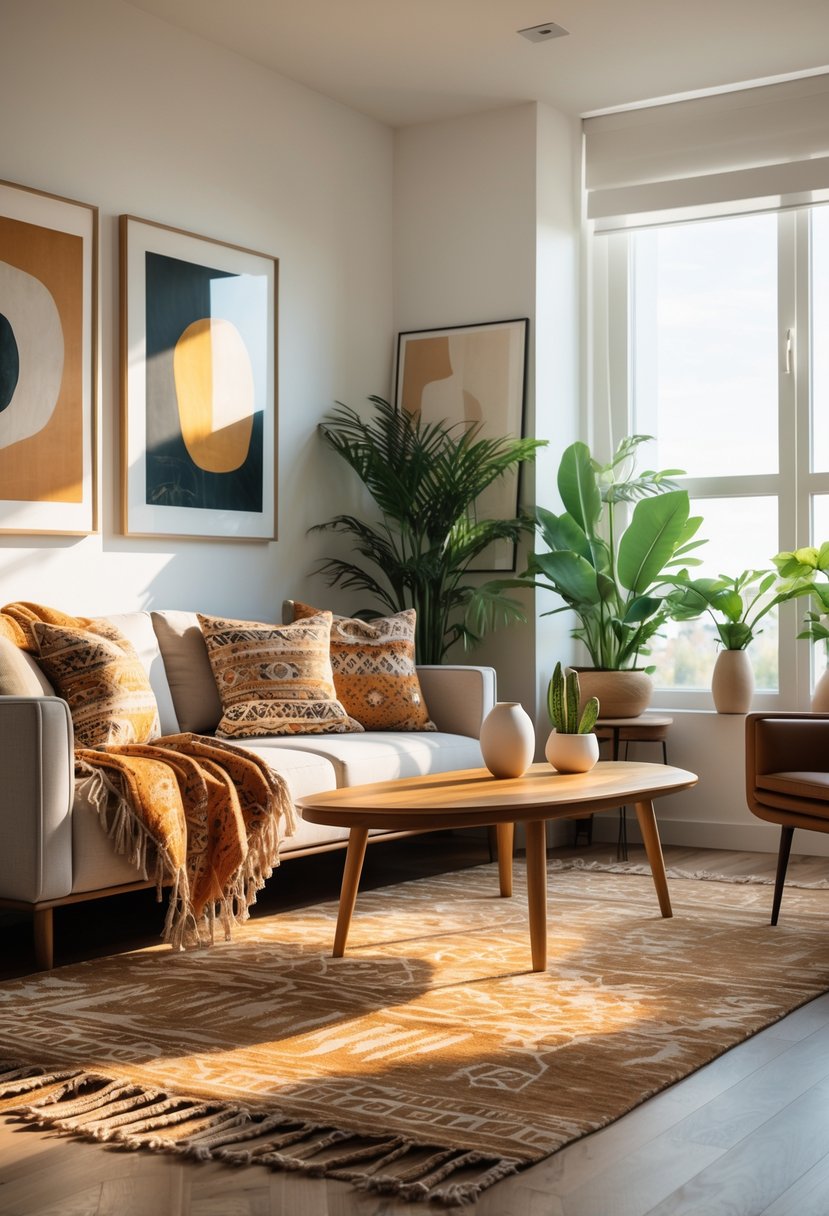
They can add warmth and texture by layering soft throws, woven rugs, and patterned cushions.
Natural fabrics like cotton, linen, and wool create a cozy and relaxed look.
Mixing earthy tones with subtle patterns helps the space feel inviting without appearing cluttered.
Use modular furniture to adapt layouts easily

Modular furniture lets residents rearrange their living rooms to fit changing needs.
They can move or add pieces to create more seating, open space, or storage.
This flexibility works well for apartments where space is limited and layouts often need to adjust for work, relaxation, or entertaining.
Add metallic accents for a modern touch
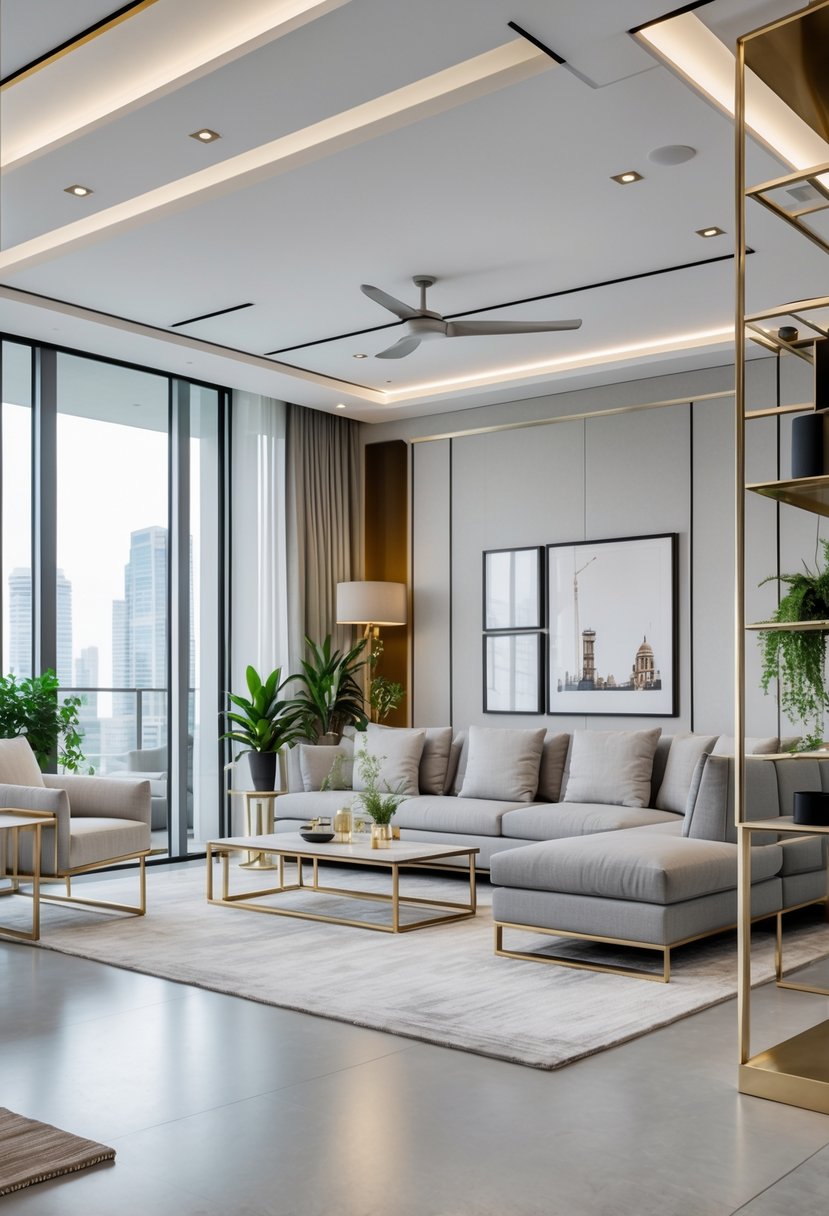
Metallic accents help a living room look clean and updated.
They reflect light, making small apartments feel brighter and more open.
Silver, gold, or bronze details on lamps, tables, or frames add subtle shine without overwhelming the space.
Mixing finishes keeps the design balanced and visually interesting.
Incorporate Scandinavian design principles for simplicity
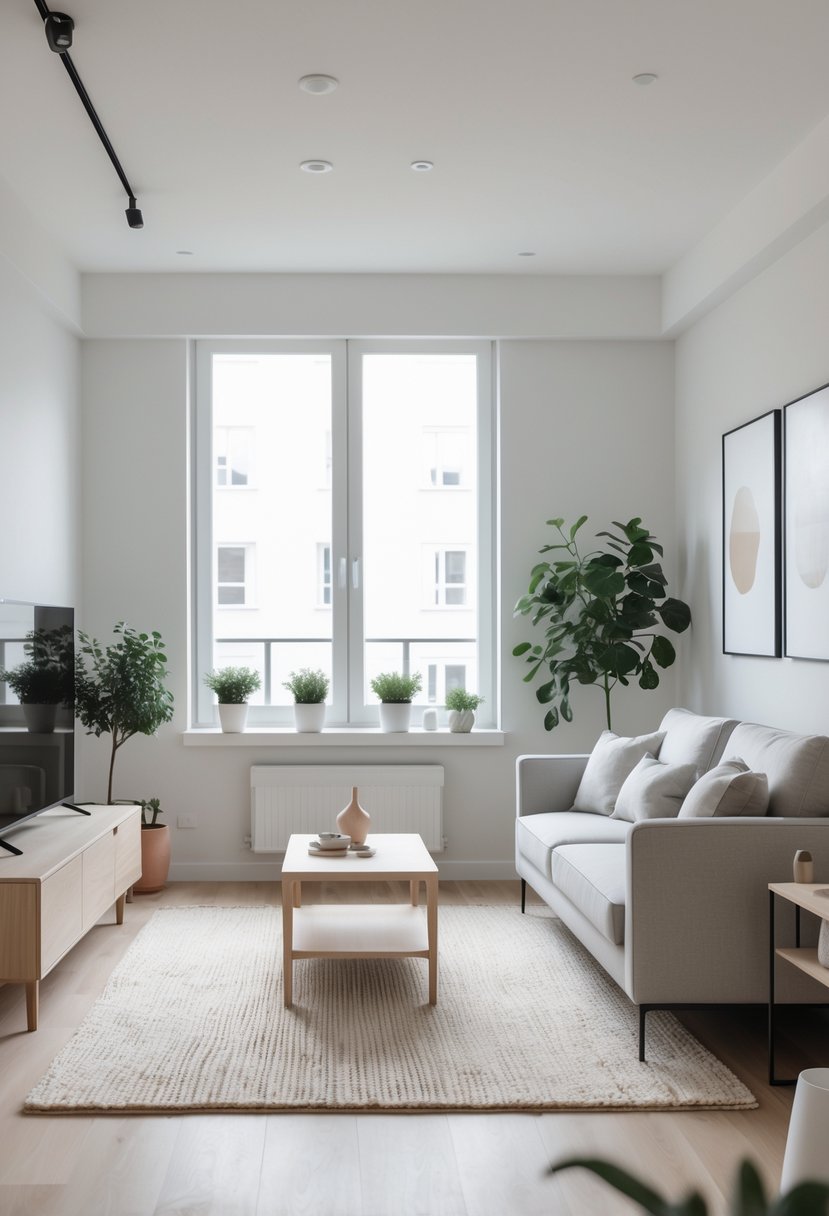
They can create a calm and functional space by using clean lines, neutral colors, and natural materials.
Light wood floors, soft fabrics, and uncluttered layouts help make small apartments feel open.
Simple furniture and cozy textures add warmth without overwhelming the room.
Use light wood tones to brighten the room
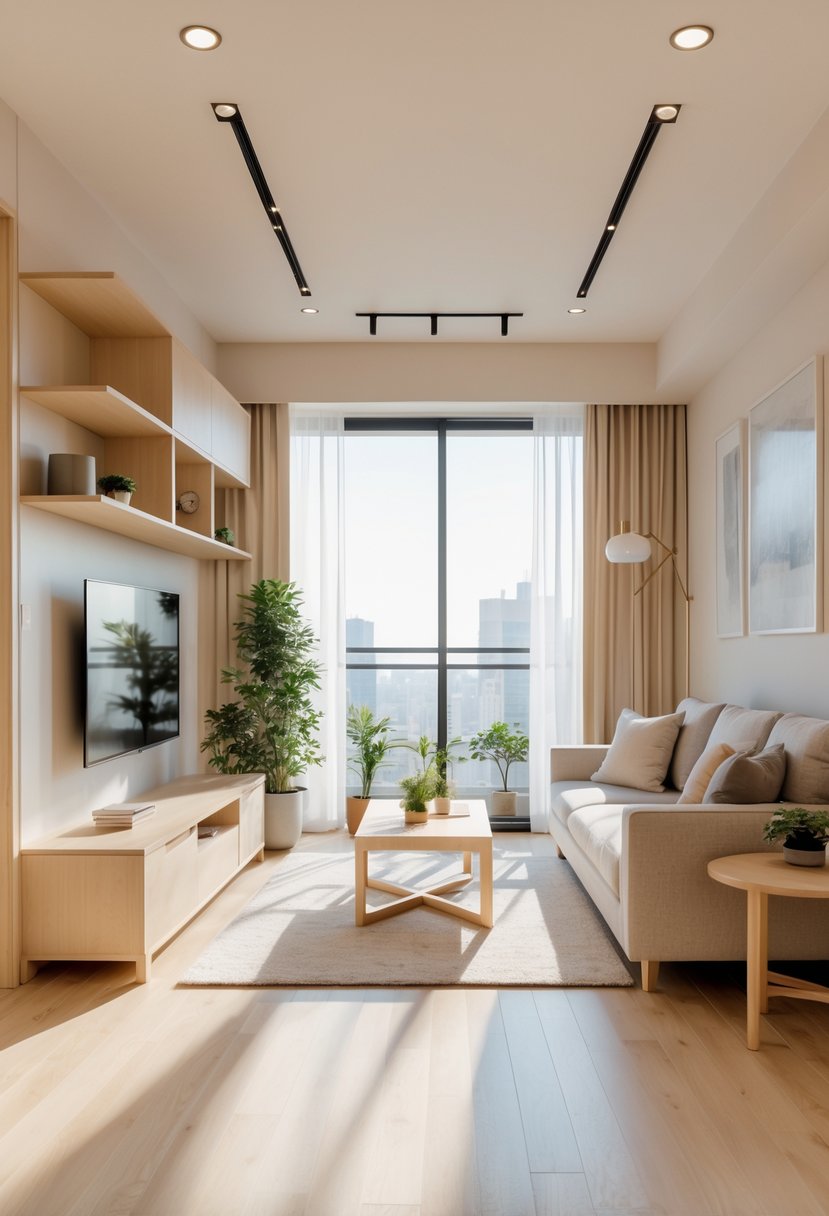
Light wood tones make a small apartment living room feel more open and airy.
They reflect natural light and add a soft, warm look that works with many styles.
Pairing light wood floors or furniture with neutral walls keeps the space balanced and inviting.
Add a cozy reading nook with a small armchair
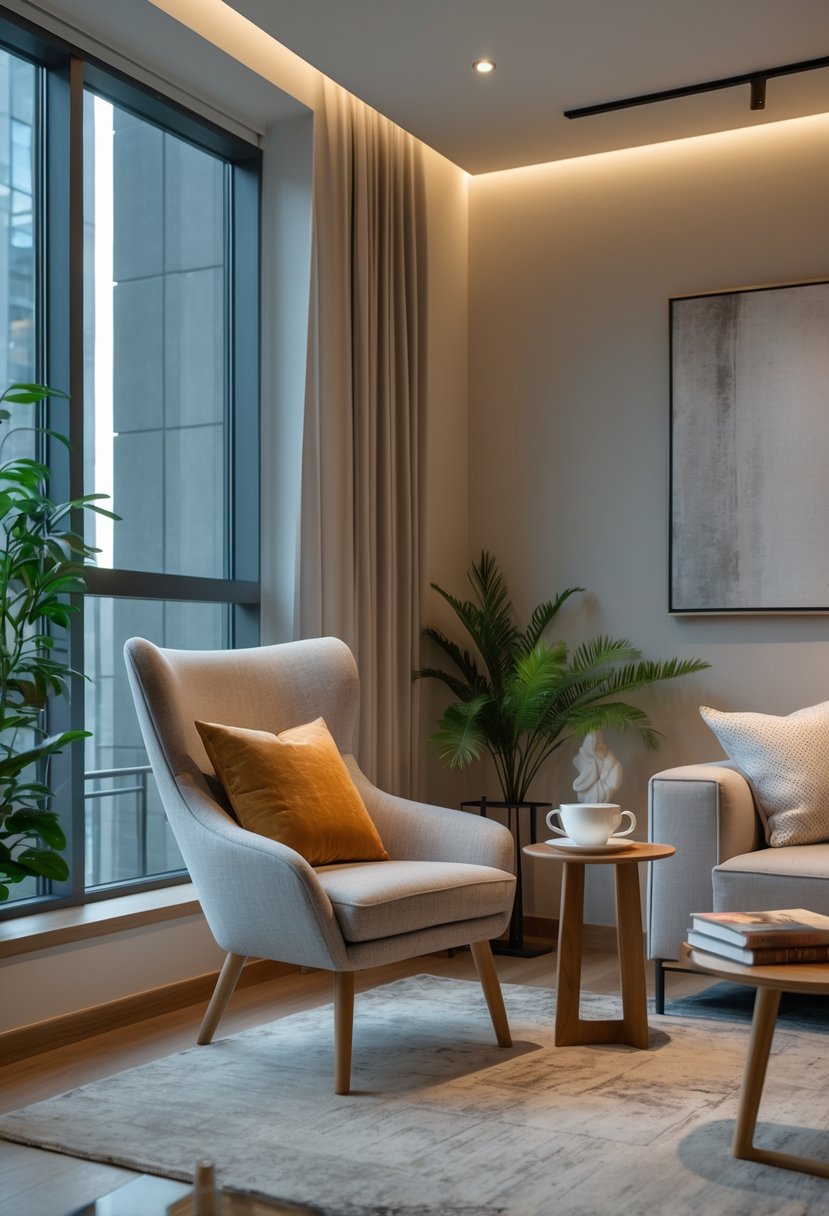
A small armchair can turn an unused corner into a quiet reading nook.
They can place the chair near a window or lamp for good light.
Adding a soft throw, small side table, and rug creates comfort and warmth without taking much space.
Incorporate smart storage solutions under the sofa
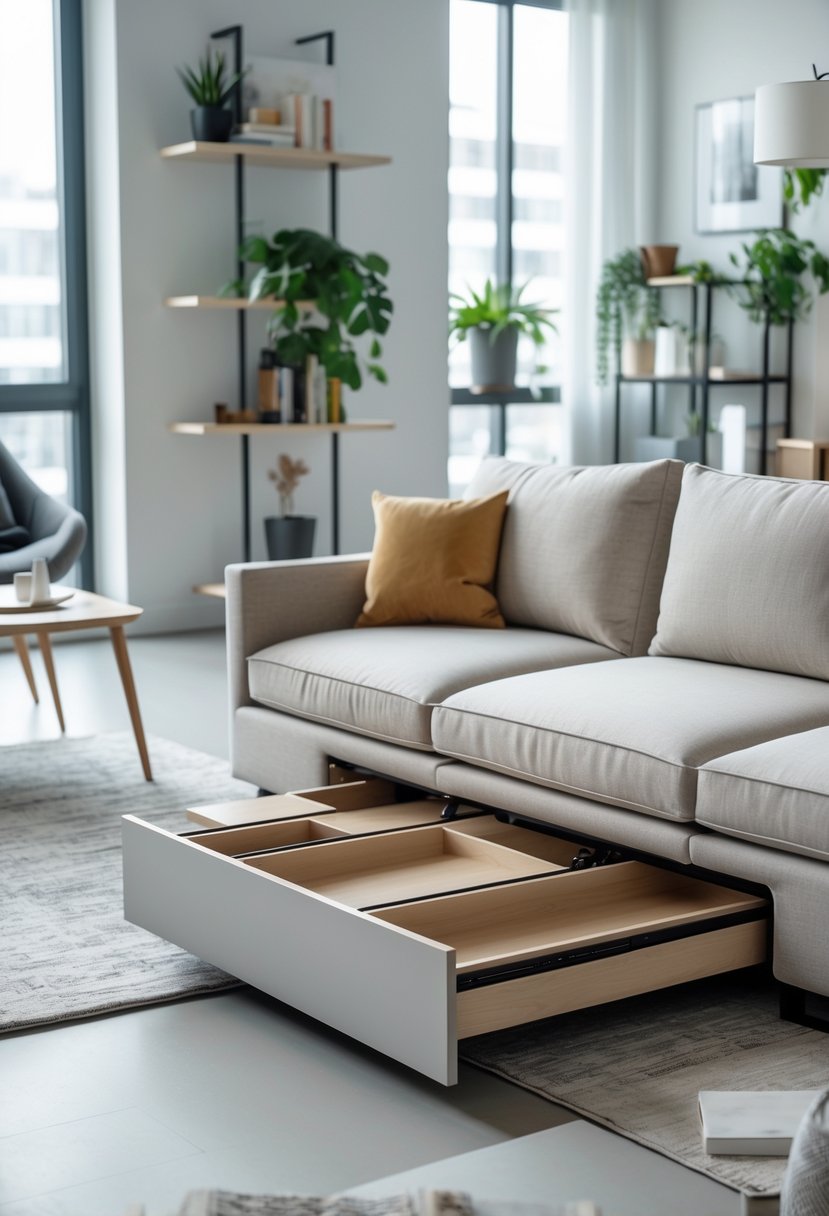
Designers in 2026 use the space beneath sofas to keep living rooms tidy and efficient.
Drawers or pull-out bins under the sofa can store blankets, books, or small electronics.
This approach helps reduce clutter while keeping essential items close, making small apartments feel more organized and functional.
Use monochromatic color schemes for cohesion
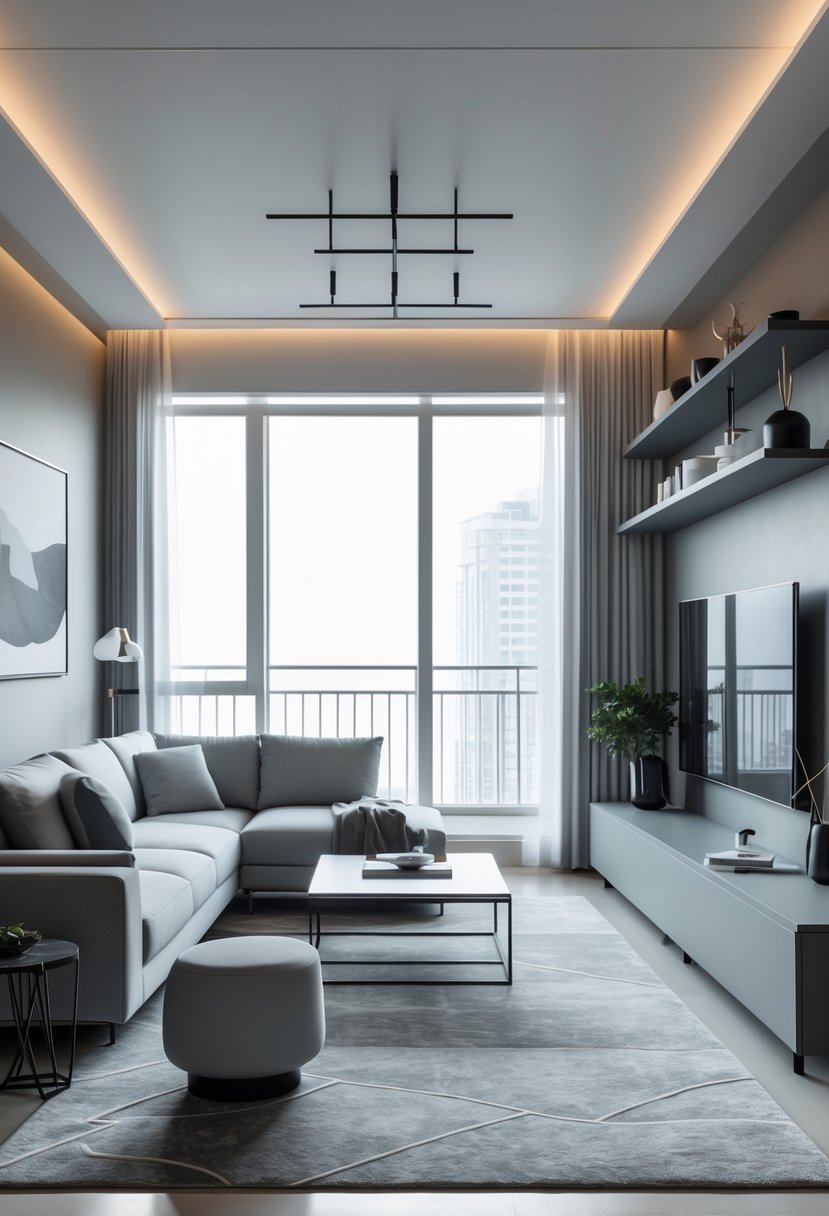
A monochromatic color scheme uses one base color in different shades and tones. This approach keeps the living room consistent and balanced.
By layering textures and materials within the same color family, designers can add depth without clutter. The result feels calm, unified, and visually organized.
Add pops of color with throw pillows
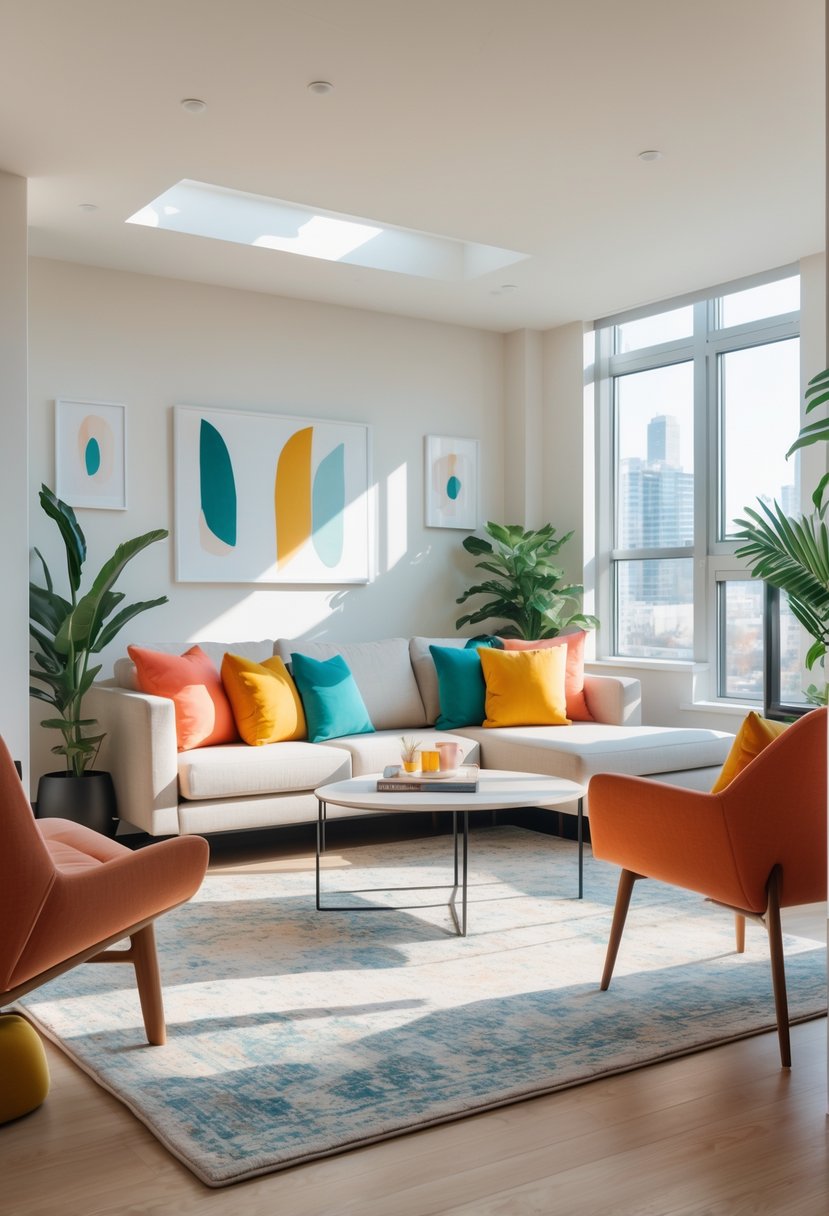
Throw pillows offer a simple way to bring color into an apartment living room. They can refresh a neutral sofa or balance a bold accent wall.
Mixing solid colors with subtle patterns creates visual interest without overwhelming the space. Choosing removable covers also makes seasonal updates easy and affordable.
Utilize corner spaces with angled shelves
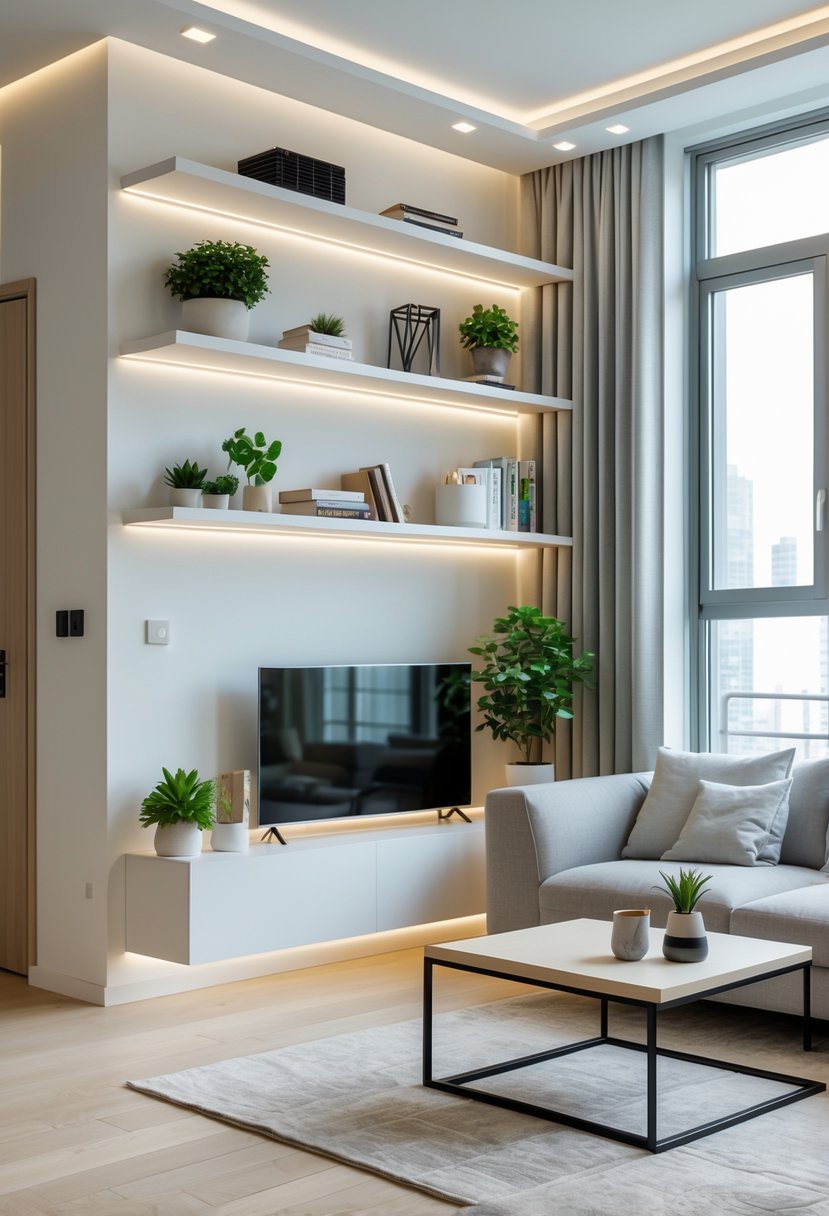
Angled shelves help make use of empty corners that often go unused in small apartments.
They fit neatly into tight spaces and provide extra storage for books, plants, or decor.
Using materials like wood or metal keeps the design simple while adding visual interest and function.
Key Principles of Modern Apartment Living Room Designs
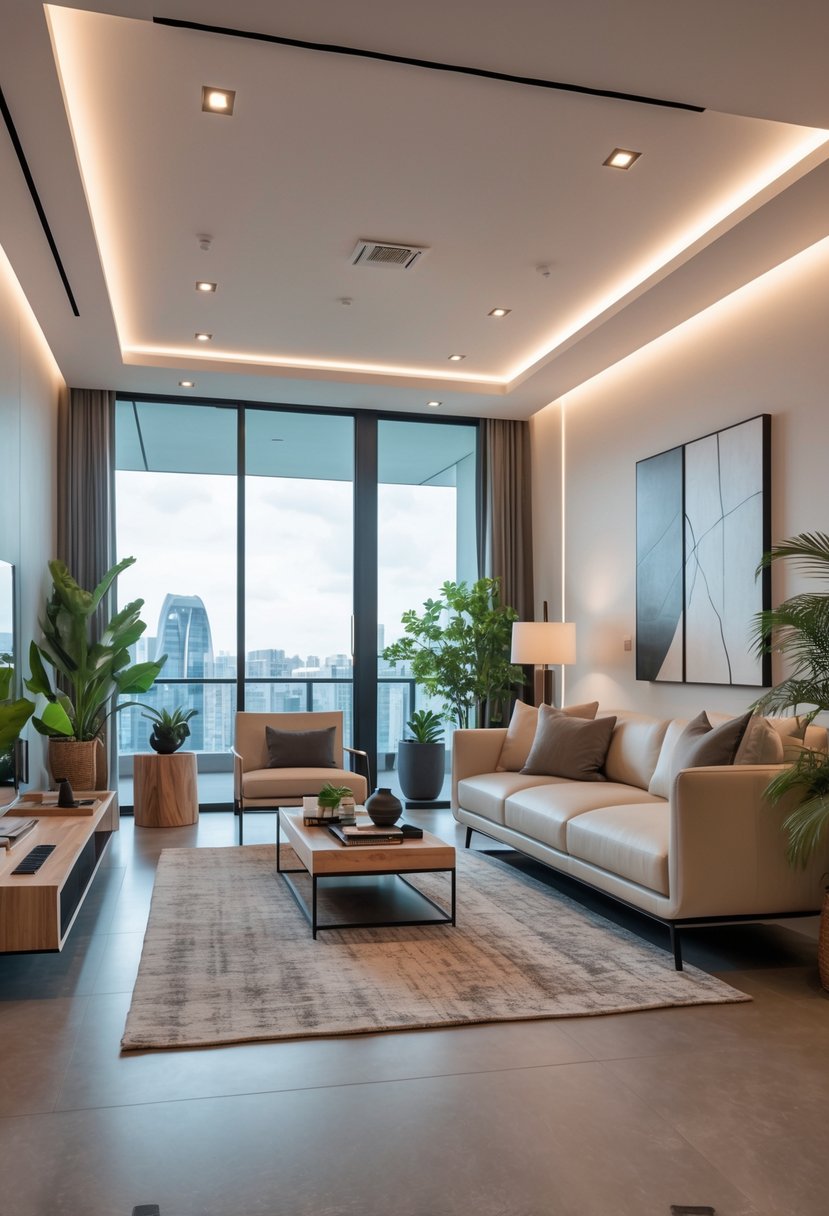
Modern apartment living rooms focus on efficient use of space and balanced aesthetics. They combine smart layouts, adaptable furniture, and simple color schemes to create rooms that feel open, comfortable, and visually cohesive.
Maximizing Space Efficiency
Apartments often have limited square footage, so every piece of furniture and decor must serve a purpose. Designers favor multifunctional furniture such as sofa beds, nesting tables, and ottomans with hidden storage. These items help reduce clutter and maintain an open layout.
Light colors and reflective surfaces make small rooms appear larger. Mirrors, glass tables, and metallic accents bounce light around the space. Sheer curtains also allow more daylight to flow in, creating a brighter and more inviting atmosphere.
Smart layouts matter as much as furniture choice. Arranging seating around a focal point—like a window or TV—keeps the room functional and visually balanced. Using vertical storage such as shelves or wall-mounted cabinets frees up floor space and prevents overcrowding.
| Space-Saving Idea | Function |
|---|---|
| Wall-mounted shelves | Adds storage without taking floor space |
| Foldable furniture | Provides flexibility for small rooms |
| Light color palette | Creates a more open visual effect |
Balancing Comfort and Style
Modern design values comfort as much as appearance. Soft textures, layered fabrics, and ergonomic furniture make the space feel livable without sacrificing style. Neutral tones form a calm base, while accent colors in cushions or artwork add personality.
Combining materials like wood, metal, and fabric creates depth and warmth. Designers often mix sleek modern pieces with cozy elements such as rugs or throws to soften the look.
Lighting also plays a key role. A mix of ambient, task, and accent lighting ensures both comfort and functionality. Adjustable lamps and dimmable fixtures let residents tailor brightness to different activities, keeping the space adaptable and welcoming.
Incorporating Technology and Smart Features
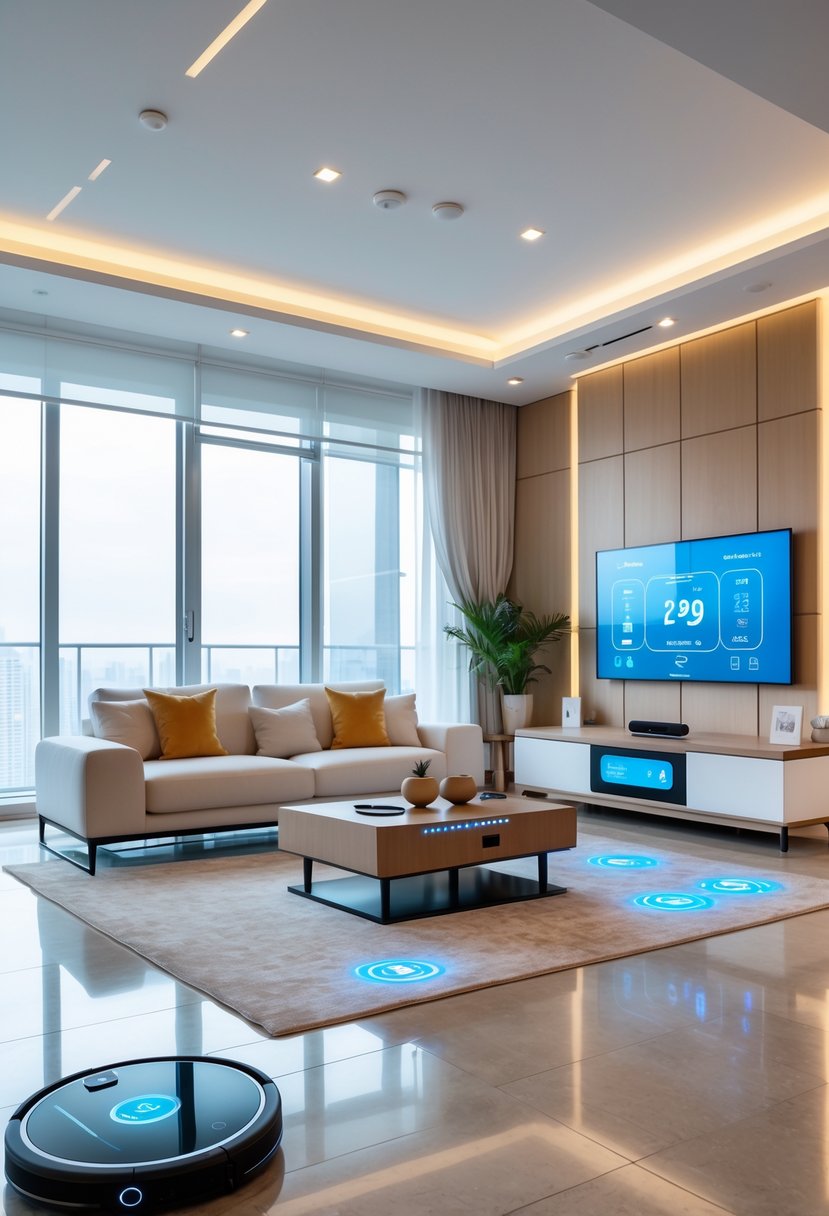
Modern apartment living rooms in 2026 use connected devices and automated systems to improve comfort, convenience, and energy efficiency. Smart lighting and integrated entertainment setups make spaces adaptable for work, relaxation, and social activities.
Smart Lighting Solutions
Smart lighting helps residents control brightness, color, and timing with precision. Using LED fixtures, motion sensors, and app-based controls, they can adjust light levels for reading, movie nights, or evening relaxation.
Voice assistants like Alexa or Google Home allow hands-free operation. For example, users can say “dim the lights to 40%” or “switch to warm tone” to match the mood.
A smart lighting setup often includes:
| Feature | Function | Benefit |
|---|---|---|
| Dimmable LEDs | Adjust brightness | Saves energy |
| Color tuning | Shift between cool and warm tones | Enhances comfort |
| Scheduling | Automate lighting patterns | Adds convenience |
These systems also learn user habits, turning off unused lights automatically. This reduces power use and supports sustainable living goals common in modern apartment design.
Integrated Entertainment Systems
Integrated entertainment systems combine smart TVs, hidden speakers, and streaming hubs into a clean, organized setup. Wires stay out of sight, and devices connect through Wi-Fi or Bluetooth for easy control.
Residents can manage everything from one remote or smartphone app. For example, a person can start a movie, adjust volume, and close automated curtains without leaving the couch.
Compact apartments benefit from multi-functional furniture that hides equipment or doubles as storage. Wall-mounted screens and ceiling speakers free up floor space.
Smart home hubs also sync entertainment with lighting or temperature settings. This coordination creates a consistent atmosphere that supports both relaxation and productivity.