
Entryway Makeover Ideas 2026: 22 Stylish Ways To Refresh Your Home’s First Impression
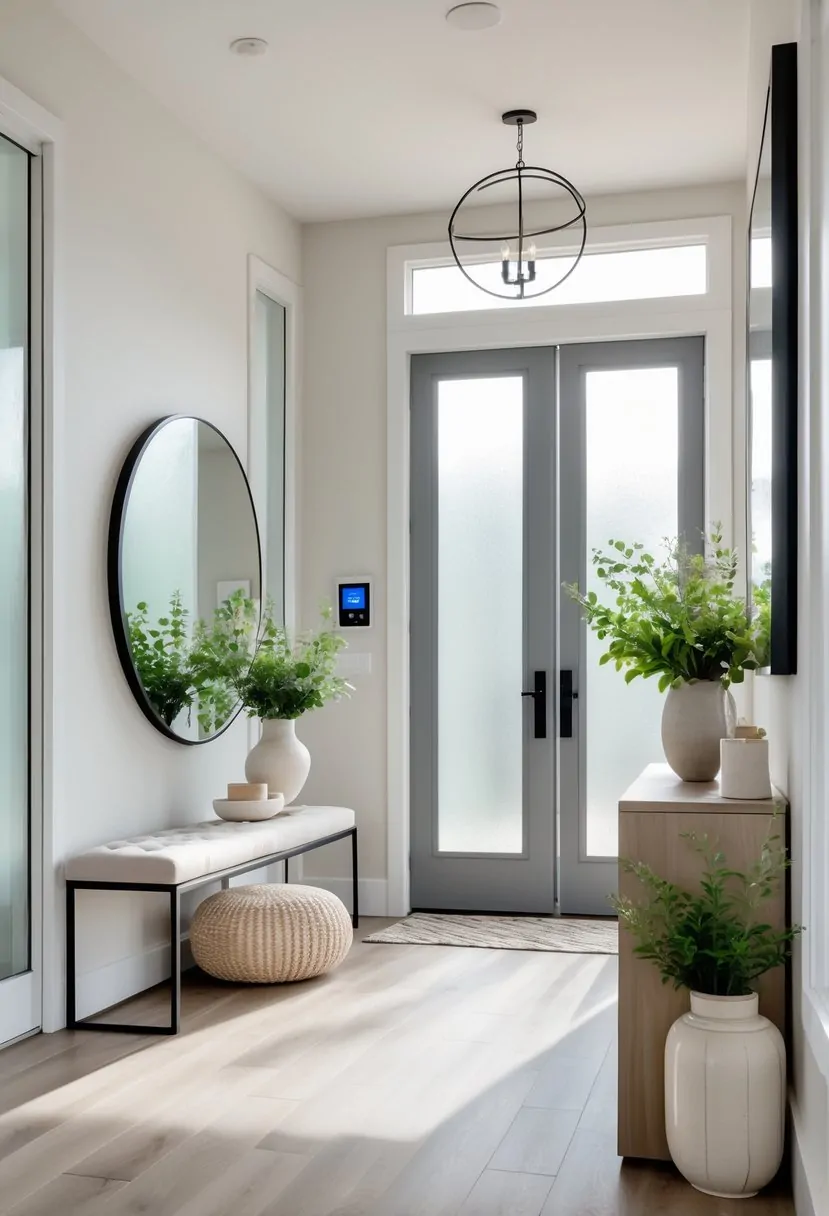
An entryway sets the tone for the entire home, shaping the first impression as soon as someone steps inside. In 2026, design trends focus on blending style with function, making this space both welcoming and practical. A well-planned entryway helps a home feel organized, inviting, and reflective of personal style.
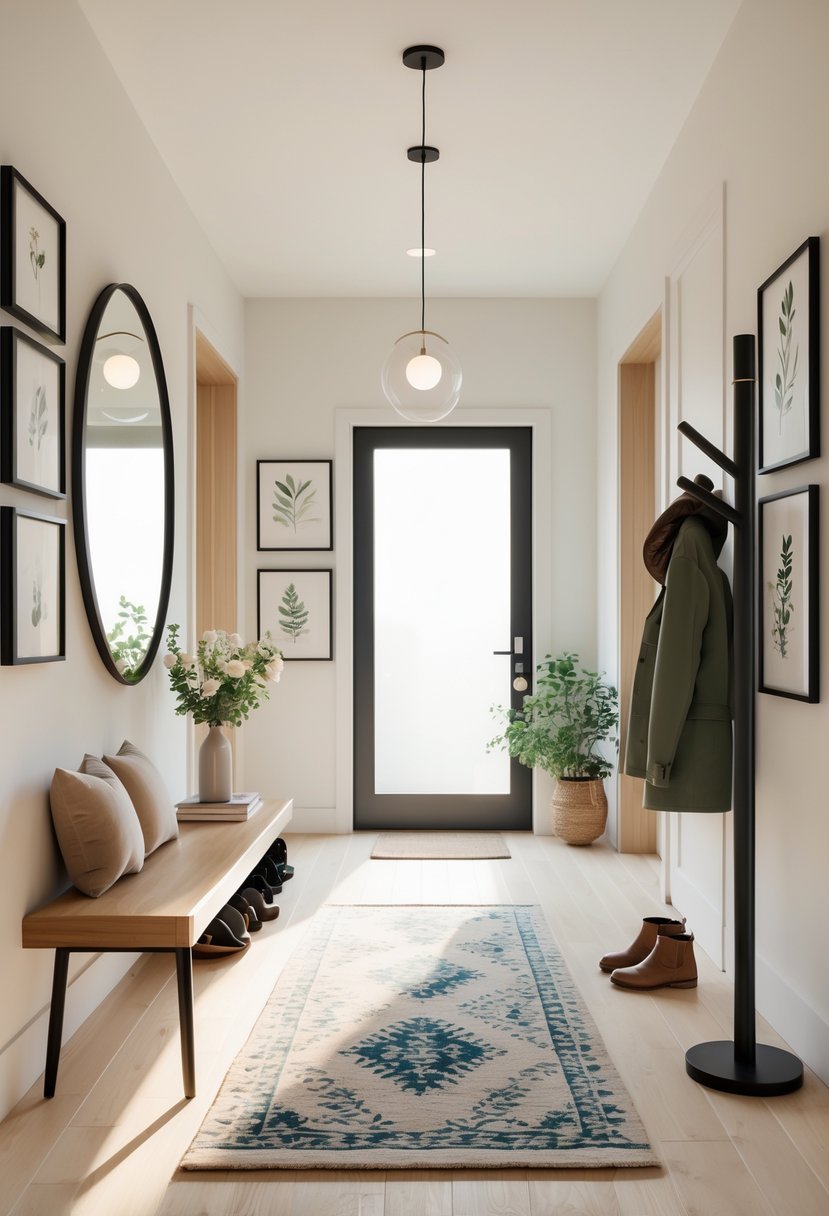
This article explores simple yet effective ways to refresh an entryway using modern design choices. From smart storage solutions to creative decorative touches, each idea shows how small updates can make a lasting impact without overwhelming the space.
Install a bold geometric area rug to add personality
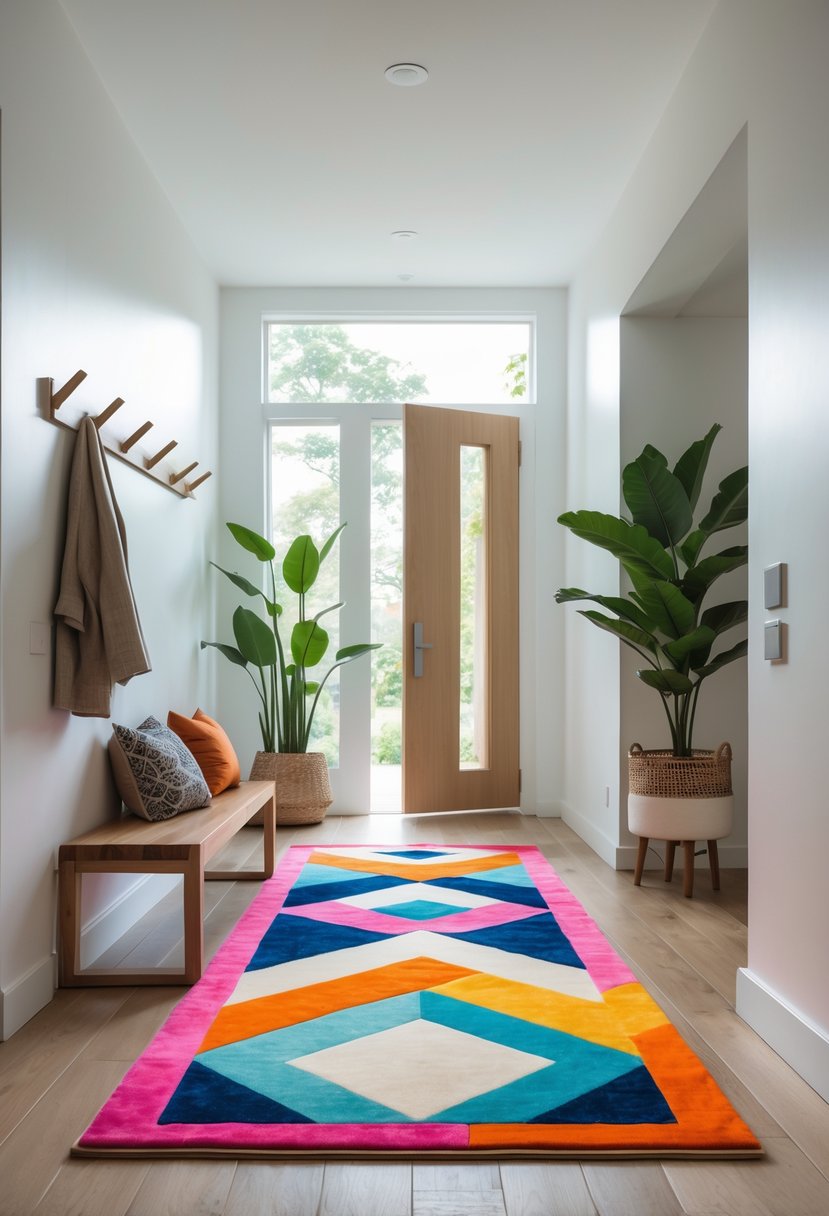
A geometric rug can make an entryway feel more defined and structured. The shapes and lines create visual interest without overwhelming the space.
High-contrast patterns, such as black and white, add a modern touch. Smaller repeating designs can also help the area look larger and more open.
Use a large statement mirror to open up space
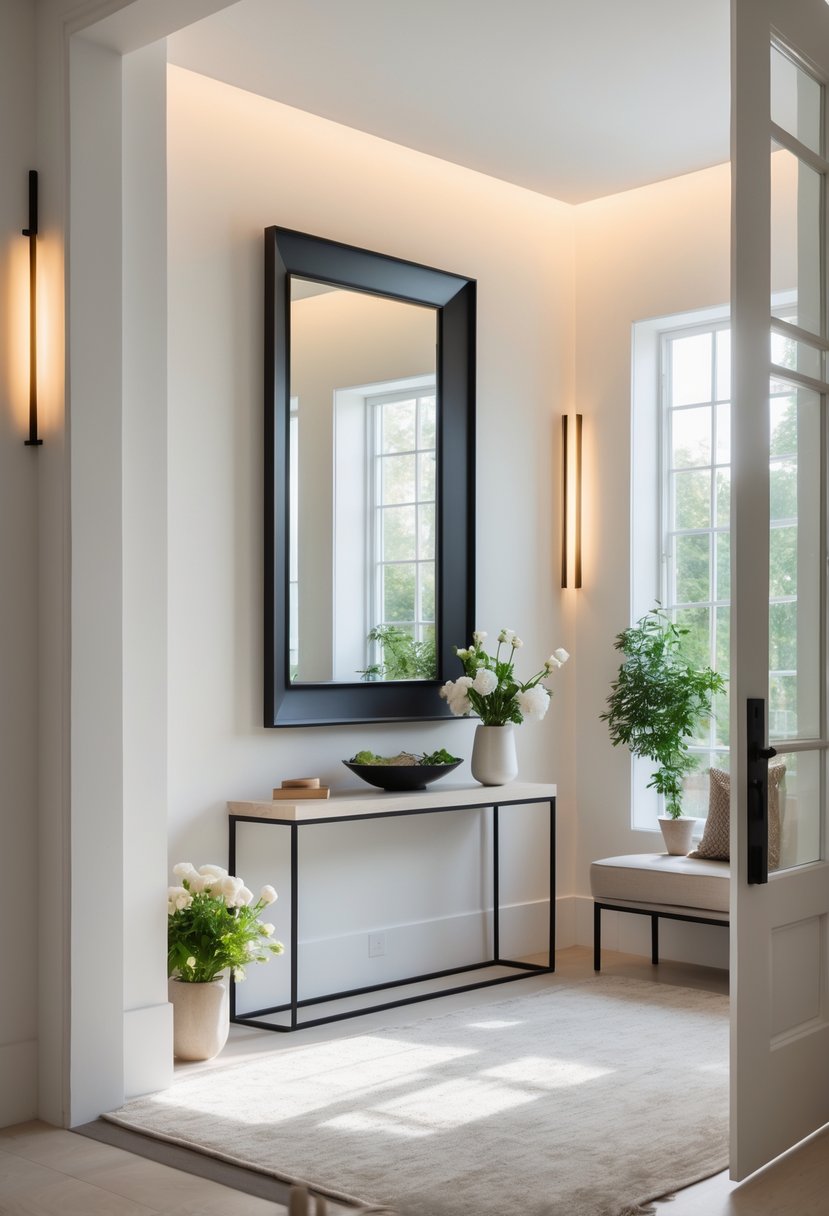
A large mirror can make an entryway look brighter by reflecting natural or artificial light.
Placing it across from a doorway or window helps create the feeling of more space.
Choosing a bold frame or unique shape adds style while still keeping the area functional.
Add a rustic wooden bench with storage underneath
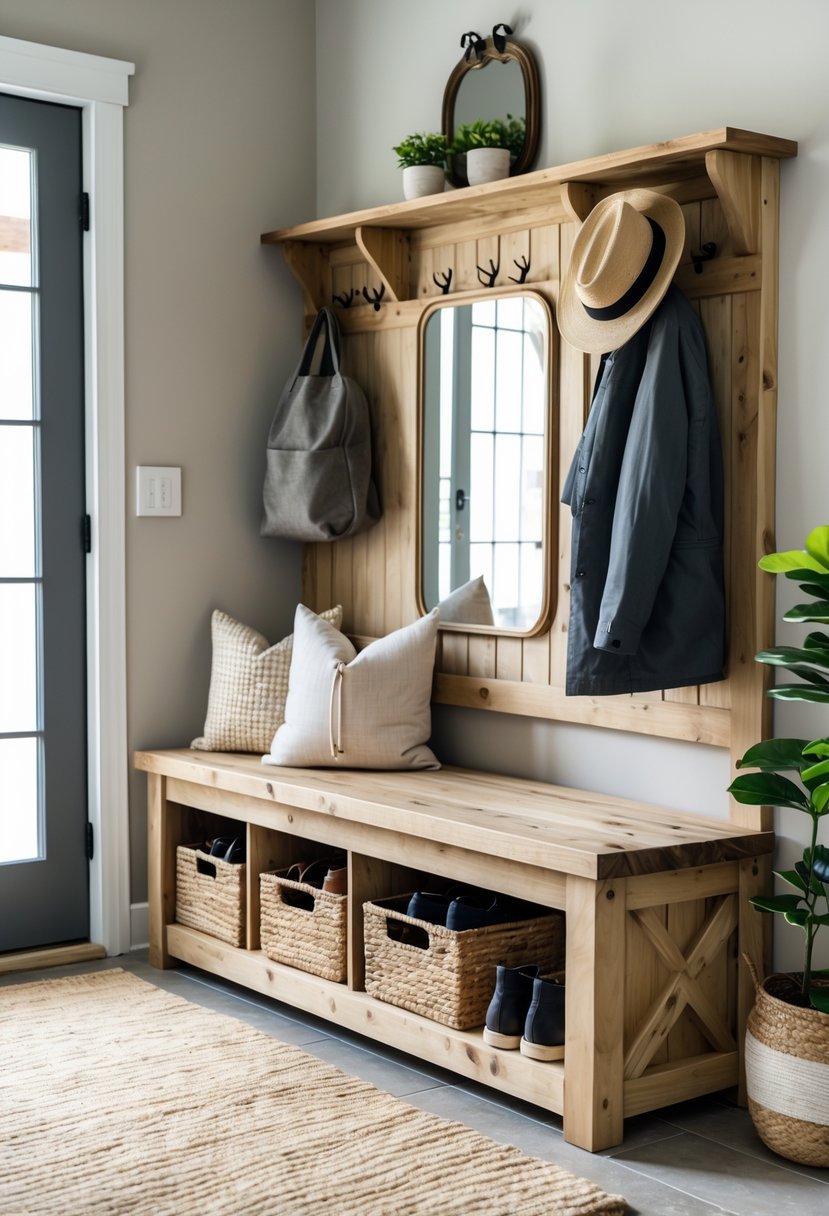
A rustic wooden bench provides both seating and storage in an entryway.
Many designs use reclaimed or distressed wood for a simple farmhouse look.
Storage space underneath can hold shoes, bags, or baskets, keeping the area neat and practical.
Incorporate botanical wallpaper for visual interest
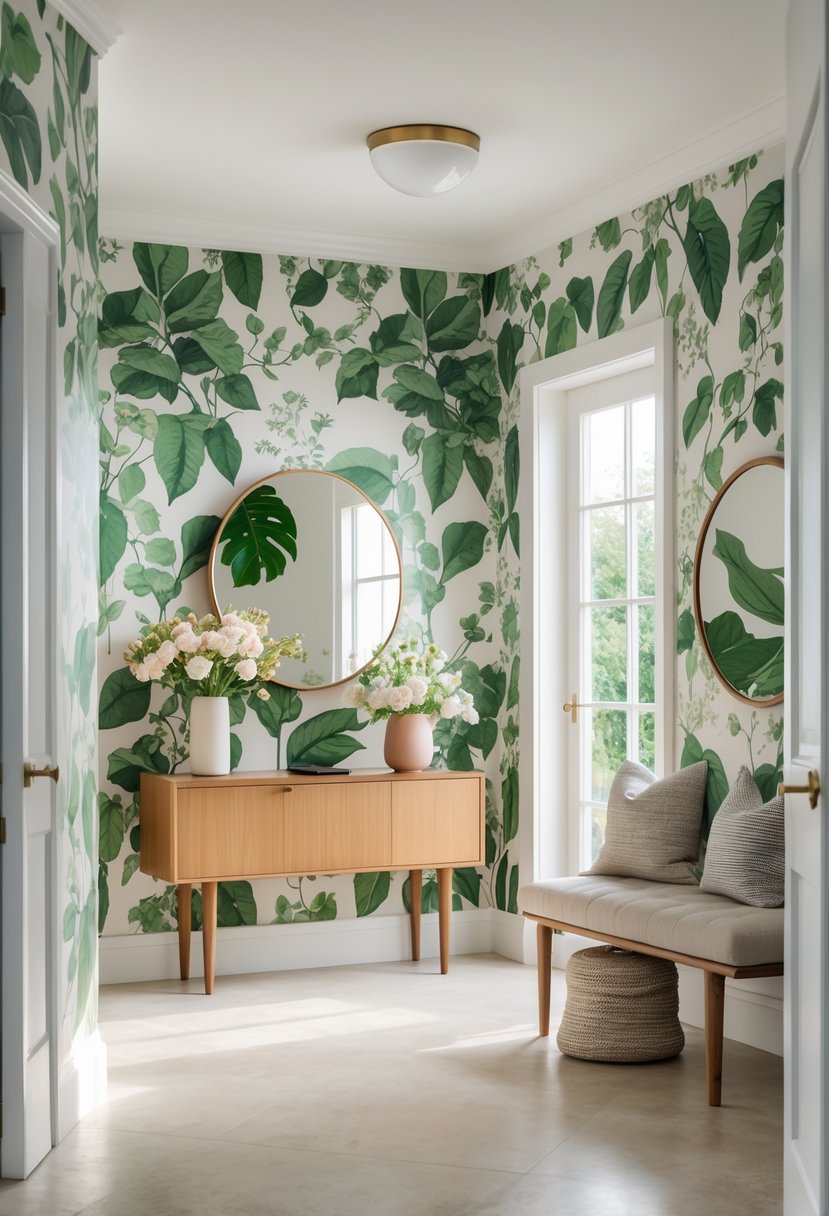
Botanical wallpaper brings natural patterns into the entryway, adding texture and depth without overwhelming the space.
Designers often use leafy prints or subtle floral motifs to create a welcoming atmosphere.
This style pairs well with simple furniture and mirrors, making the entry feel balanced and inviting.
Mount floating shelves for displaying decor and storage
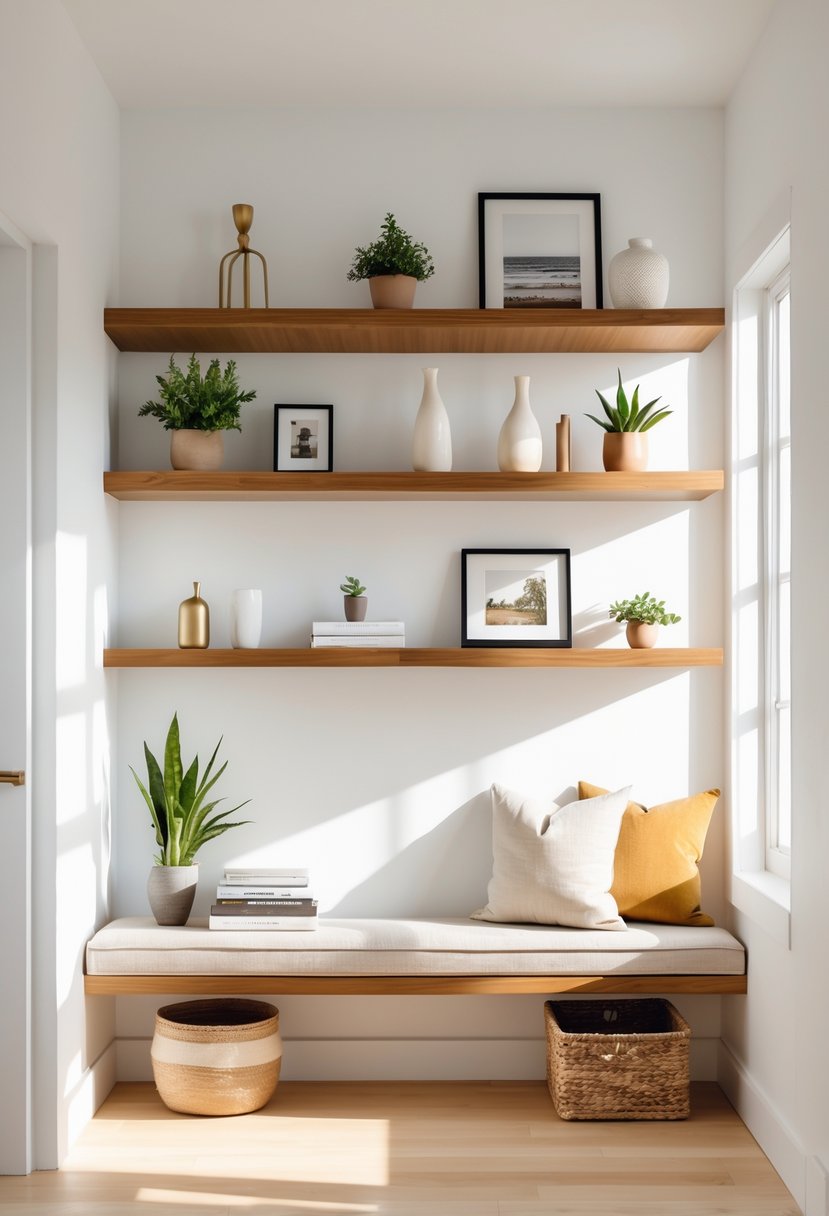
Floating shelves create space for both function and style in an entryway. They hold small items like keys, mail, or sunglasses while keeping surfaces clear.
They also provide a place for decor such as plants, framed photos, or seasonal accents, helping the entryway feel organized and welcoming.
Hang a set of vintage hooks for coats and bags
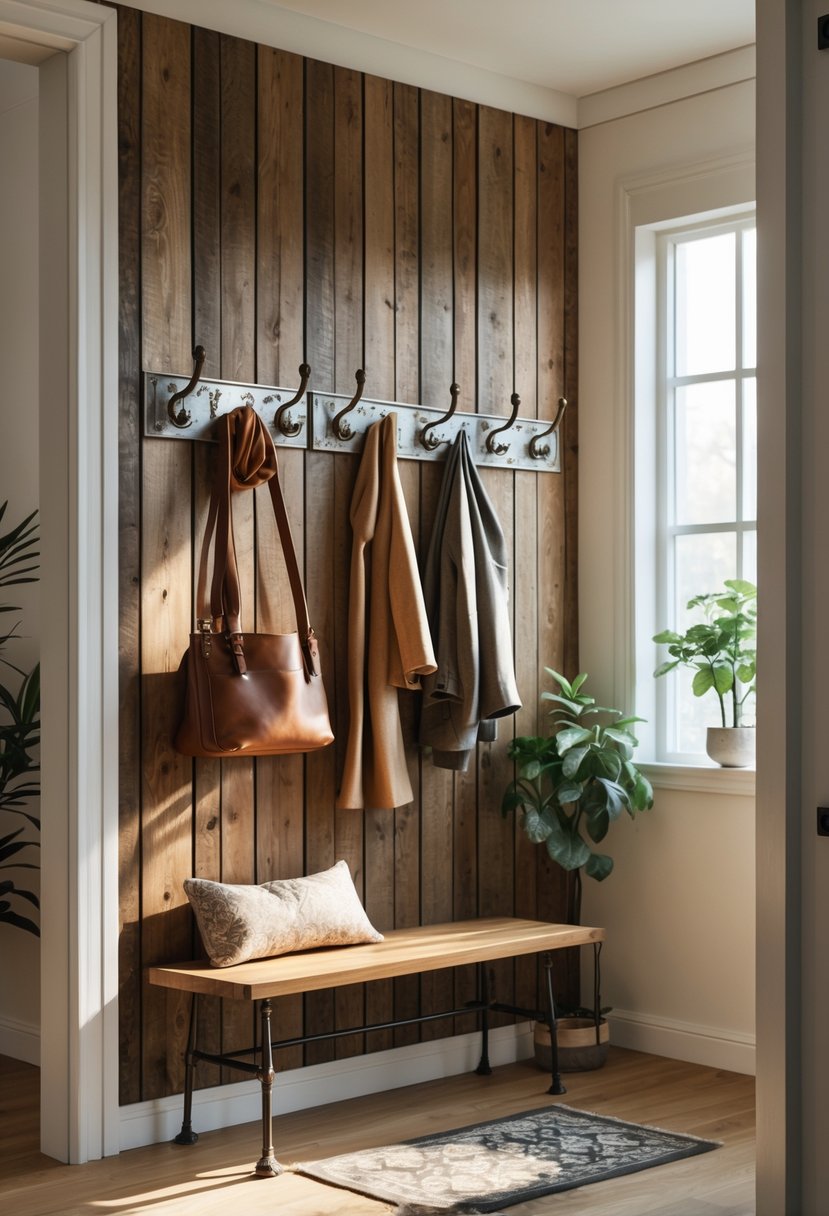
Vintage hooks provide a simple way to keep coats and bags off the floor while adding character to the entryway.
They work well on wood panels, shelves, or directly on the wall, blending function with style.
Many people choose sturdy metal or repurposed designs for durability and charm.
Place a sleek console table with drawers
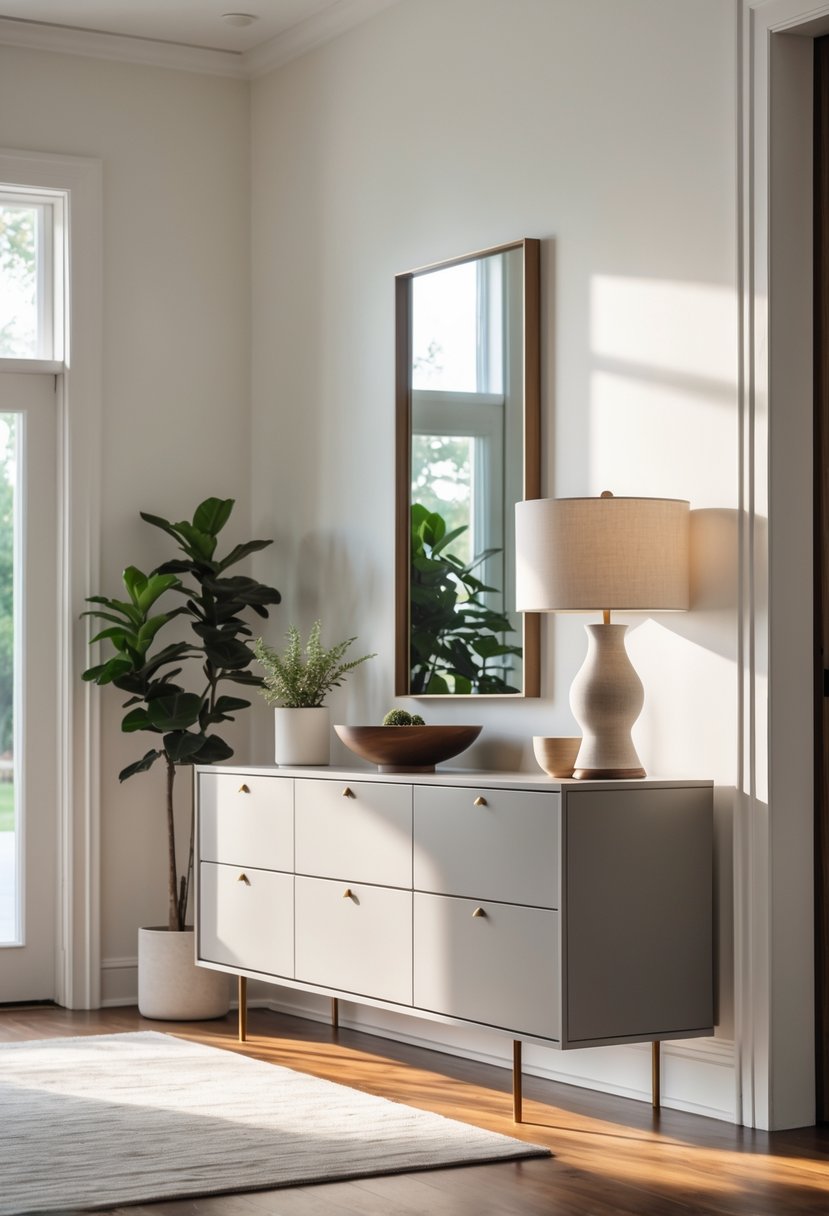
A console table with drawers adds both style and function to an entryway. It provides a slim surface for decor while keeping storage close at hand.
Drawers help reduce clutter by holding small items like keys, mail, or chargers. This keeps the entryway looking clean and organized.
Choosing a simple, sleek design allows the table to blend with many interior styles. It works well in both small and larger spaces.
Use woven baskets for organized shoe storage
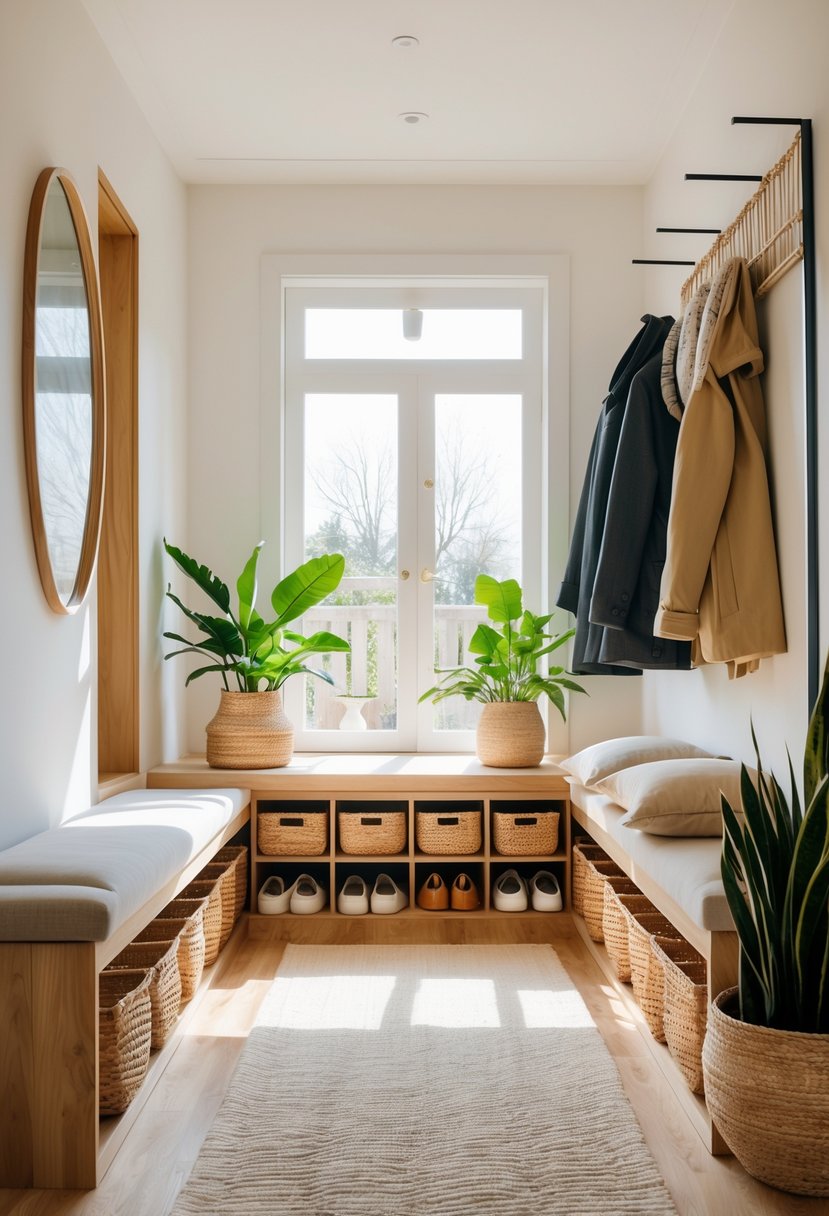
Woven baskets give shoes a designated place while keeping the entryway tidy. Their open design makes it easy to see and grab what is needed.
They come in different sizes, so families can assign baskets for each person or type of footwear. Natural materials also add a simple, clean look.
Install wall-mounted lighting sconces for ambiance
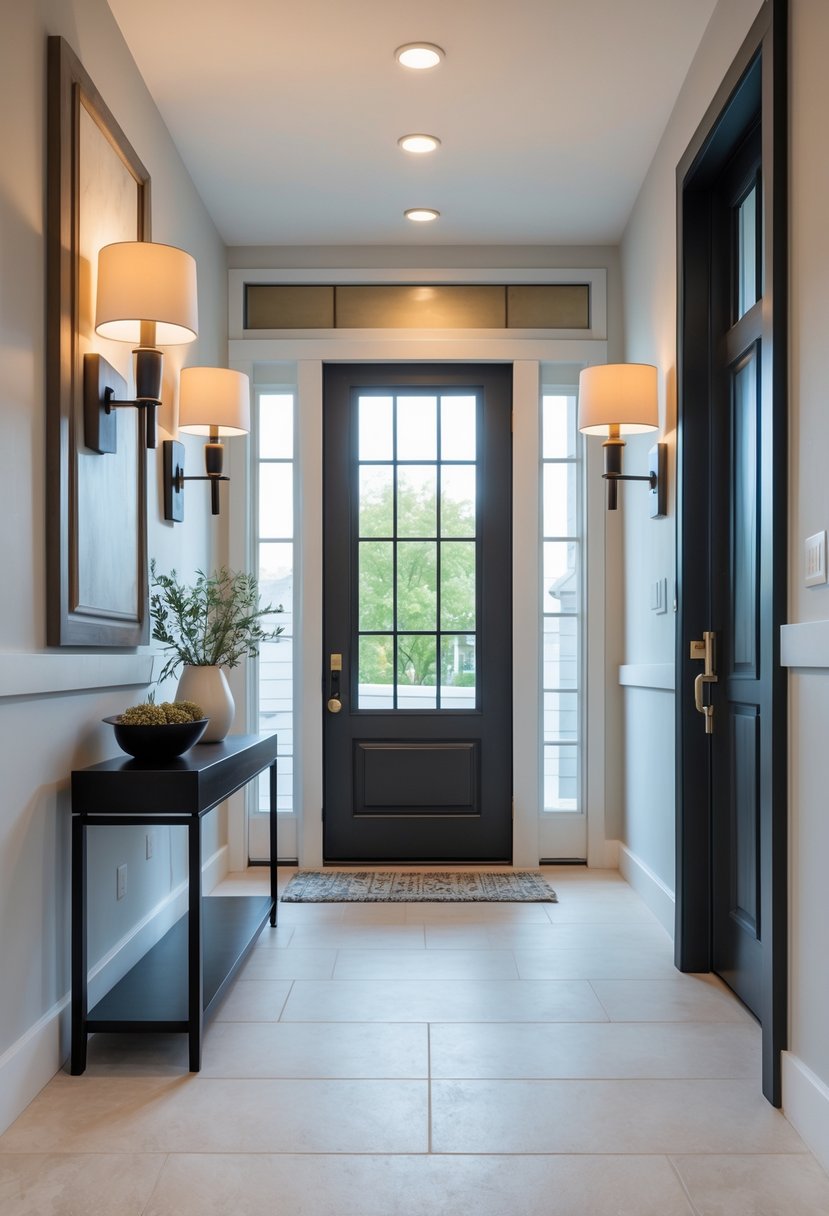
Wall-mounted sconces add soft, even light that makes an entryway feel more welcoming.
They can highlight artwork, mirrors, or architectural details without taking up floor space.
When placed at eye level, sconces provide balanced illumination and reduce shadows, improving both function and appearance.
Add a colorful runner rug to brighten narrow spaces
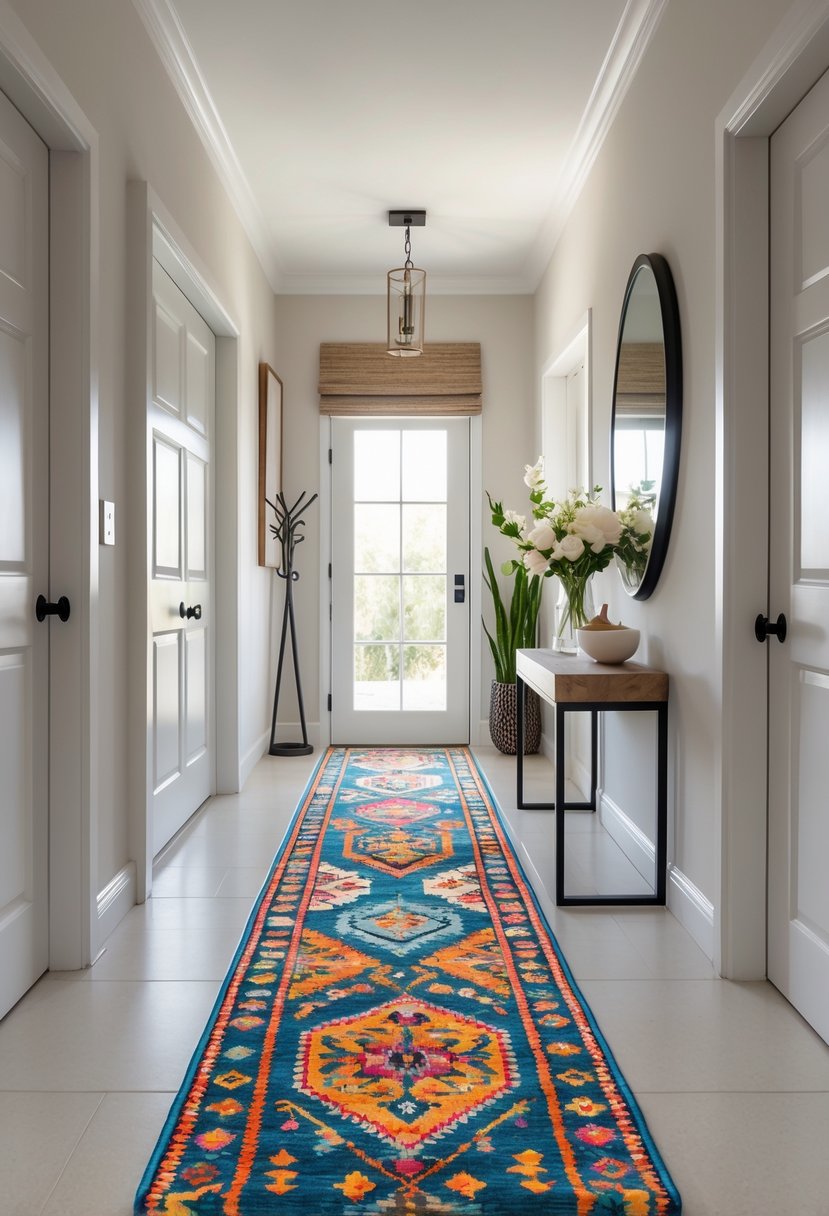
A runner rug can bring color and warmth to a small or narrow entryway.
Geometric patterns or bold stripes add visual interest without overwhelming the space.
Choosing warm tones like red, coral, or pink helps create a welcoming first impression.
Create a gallery wall with framed family photos
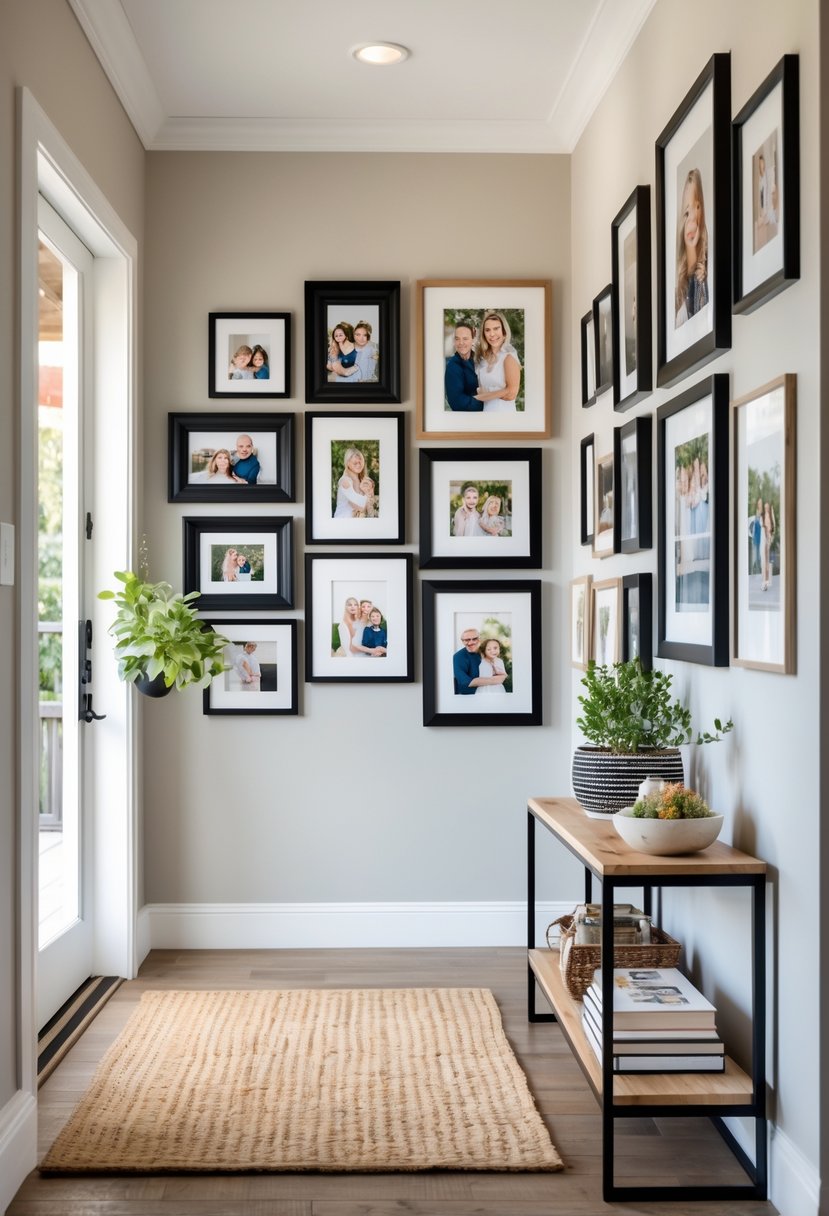
They can use framed family photos to make the entryway feel personal and welcoming.
Arranging pictures in a grid or varied layout keeps the display organized and balanced.
Mixing frame sizes or colors adds interest while still highlighting meaningful memories.
Use a decorative umbrella stand by the door
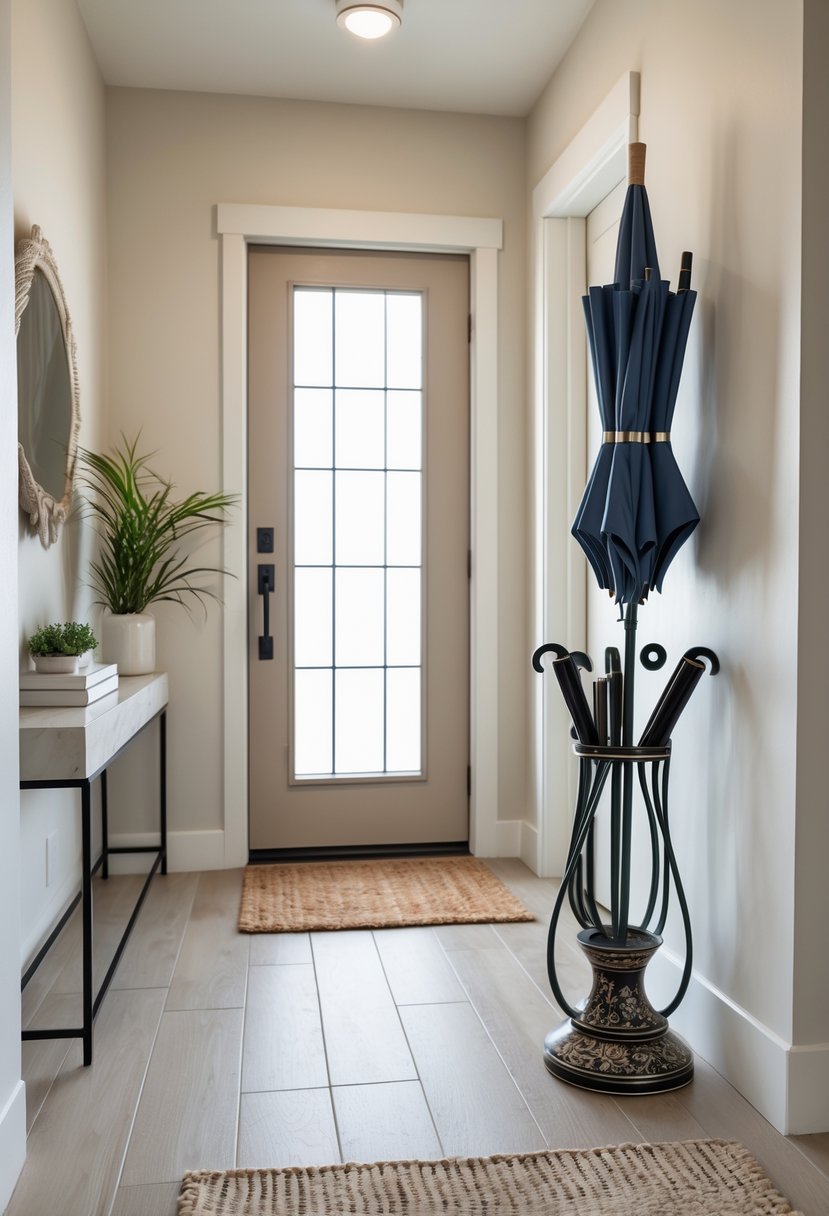
A decorative umbrella stand keeps the entryway neat while adding style. It provides a simple spot for wet umbrellas, preventing water from dripping on the floor.
They come in many designs, from modern metal frames to rustic wooden crates. Choosing one that matches the decor makes the space look more organized.
Add a stylish coat rack with multiple arms
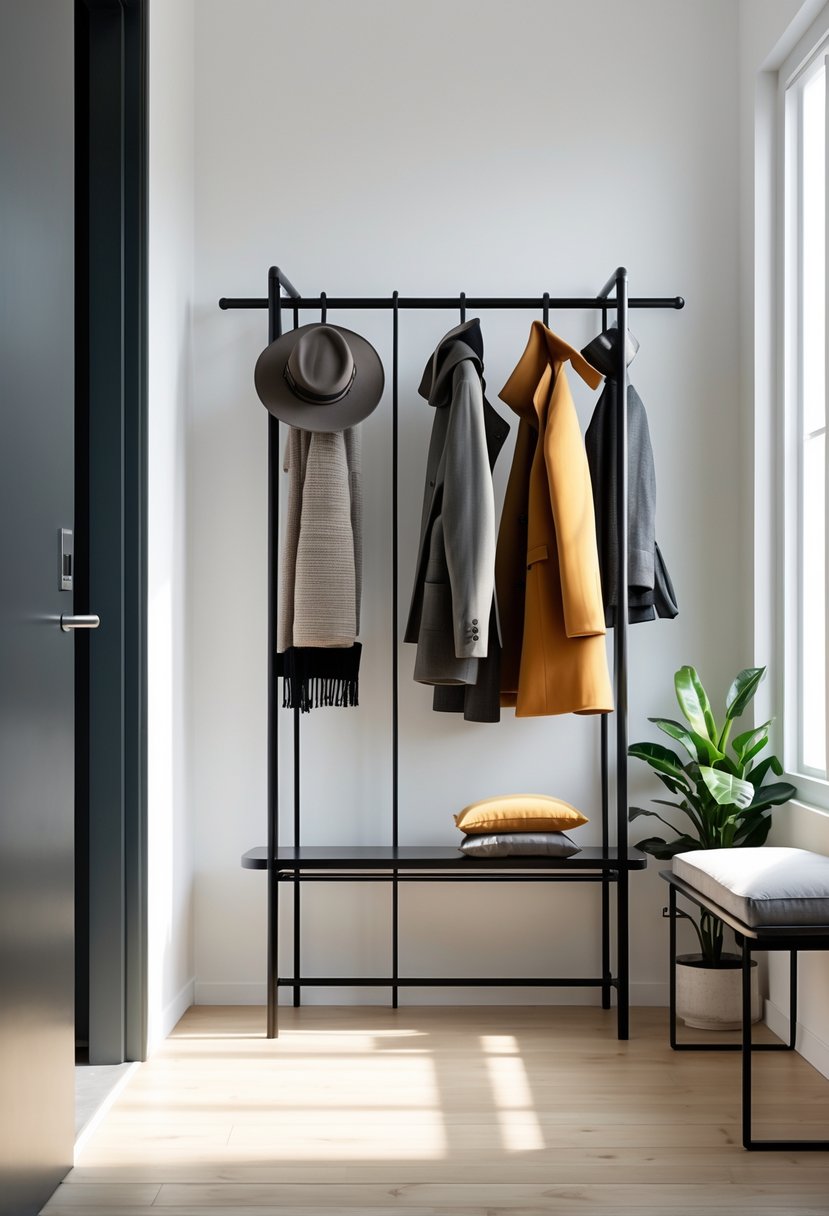
A freestanding coat rack with several arms gives the entryway both function and balance.
Different arm heights let adults and children hang coats, hats, or bags with ease.
This simple addition keeps items organized and prevents clutter near the doorway.
Paint the entry door a vibrant accent color
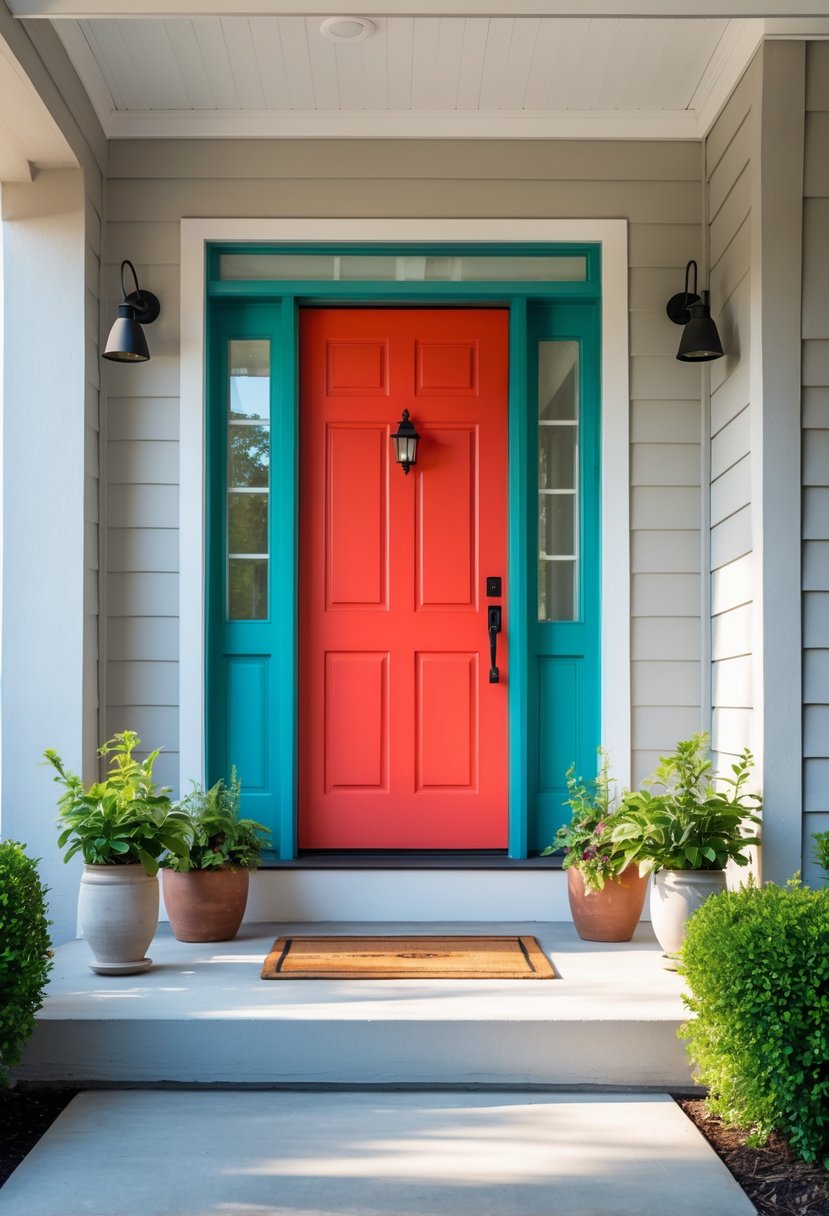
A bold door color can refresh the entryway without major renovation.
Homeowners in 2026 often choose shades like deep green, terracotta, or warm gold for a modern yet timeless look.
This simple update highlights the doorway and creates a clear focal point for the front of the home.
Use a narrow shoe cabinet with a cushioned seat
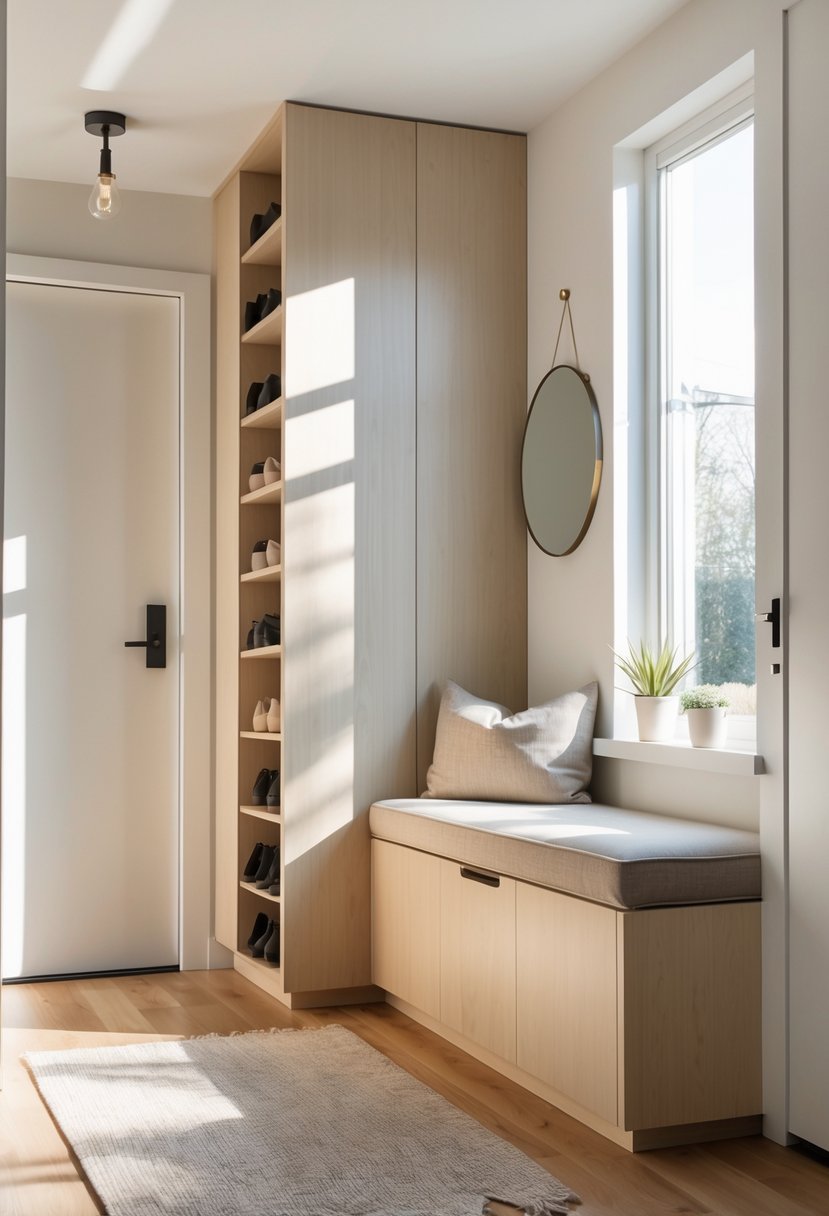
A narrow shoe cabinet saves space in small entryways while keeping shoes out of sight. Its slim design fits well against a wall without blocking pathways.
Adding a cushioned seat on top makes it more practical. It provides a comfortable spot to sit while putting on or taking off shoes.
Incorporate a small indoor plant arrangement
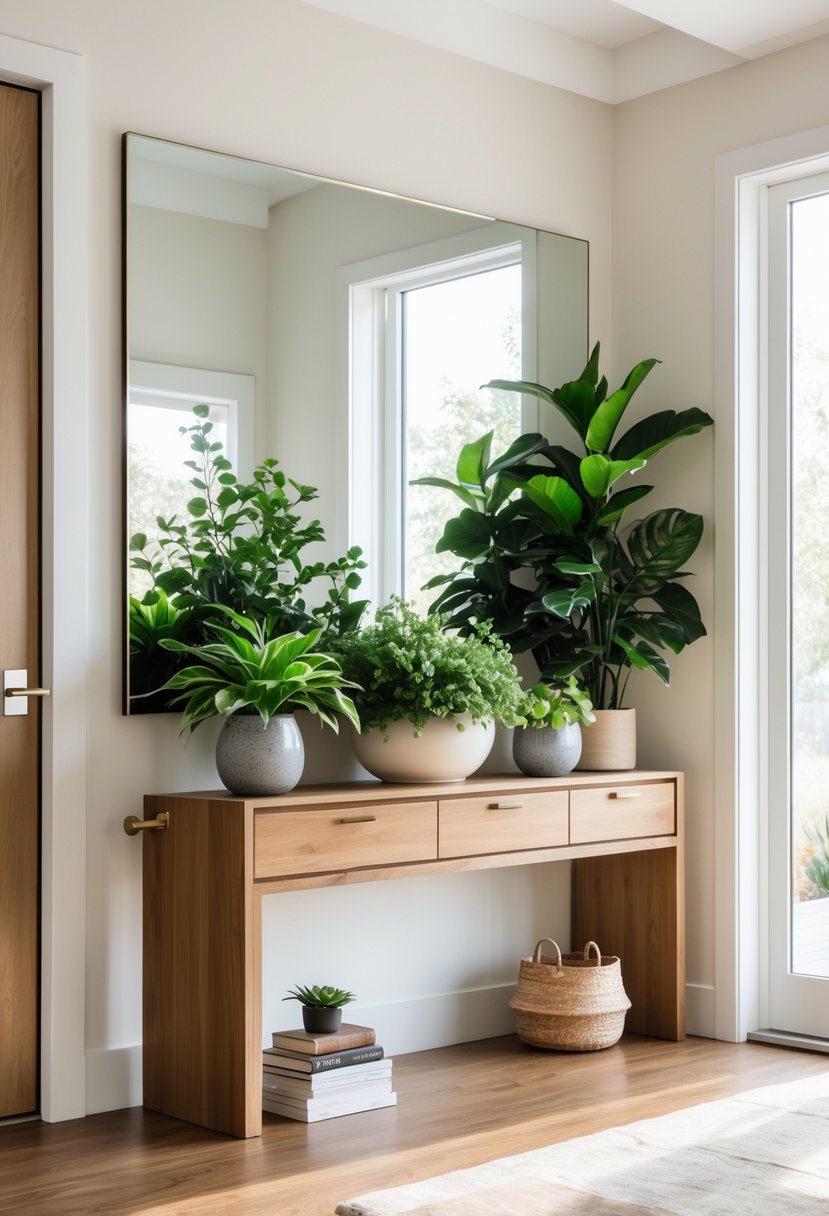
A small plant display can make an entryway feel more welcoming without taking up much space.
They can place potted plants on a shelf, console table, or wall-mounted planter to keep the area clear.
Simple greenery like pothos, ferns, or succulents works well in compact entryways.
Install a chalkboard wall for notes and reminders
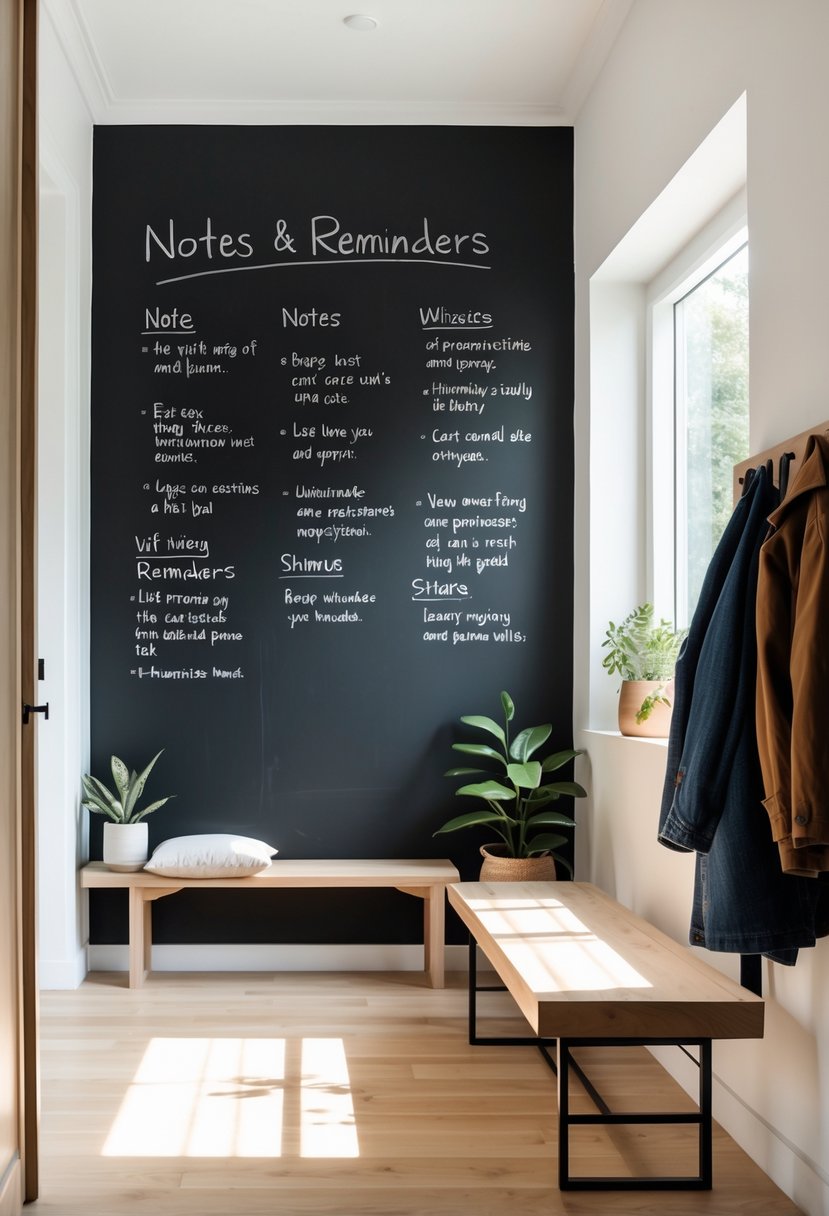
A chalkboard wall in the entryway gives families a simple spot to leave messages or jot down reminders.
It can hold grocery lists, schedules, or quick notes before heading out the door.
This feature also adds a practical design element without taking up extra space.
Use a sleek metal tray for keys and mail
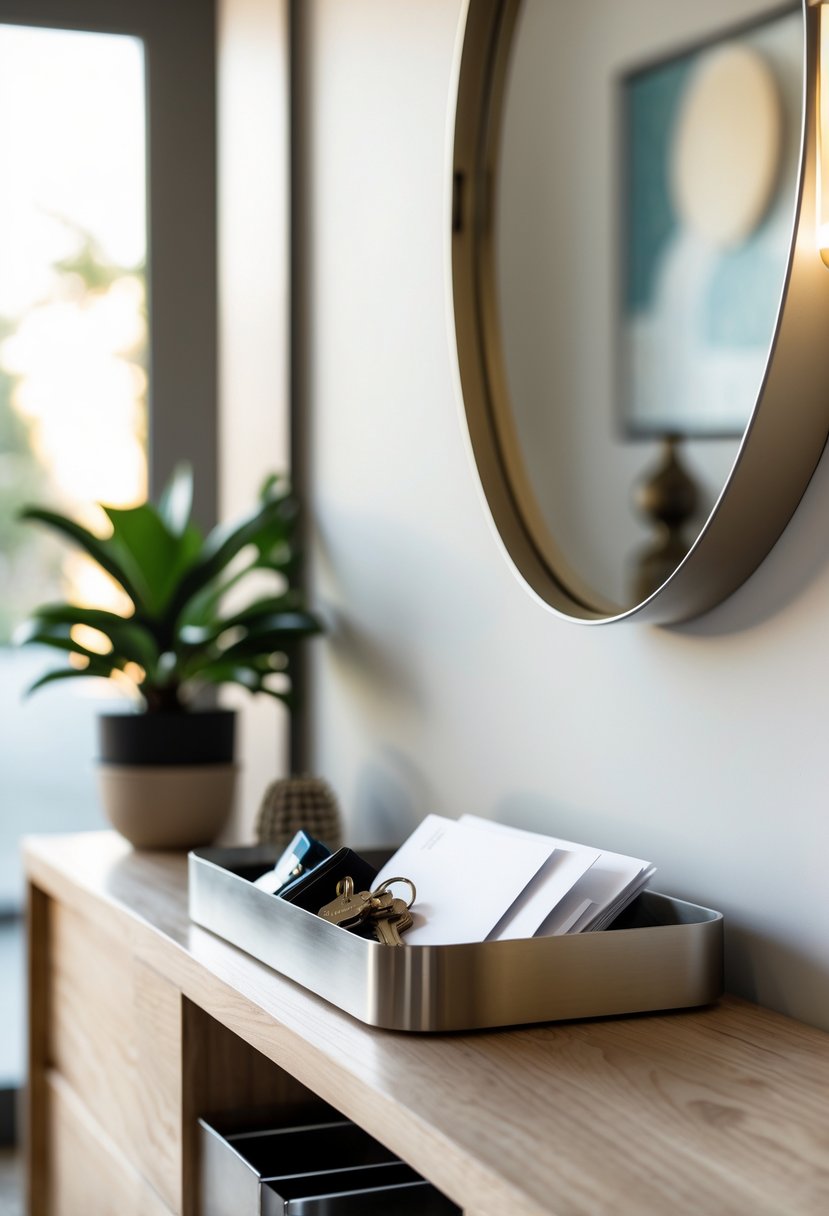
A metal tray offers a simple way to keep keys and mail in one place. Its solid surface makes it easy to drop items quickly when entering the home.
They can choose finishes like matte black, brushed steel, or brass to match different entryway styles. The tray also helps reduce clutter.
Add a decorative wall clock as a focal point
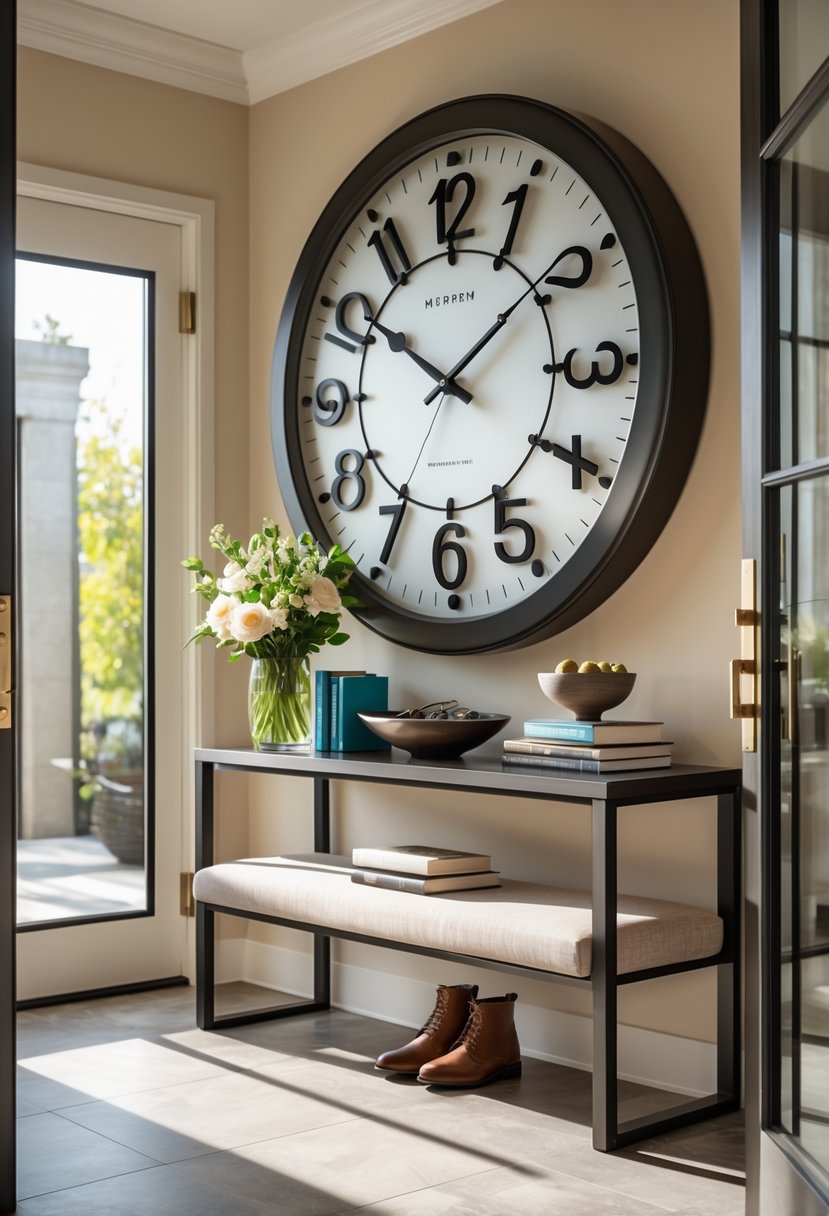
A wall clock in the entryway can create a clear focal point. Its size and design help set the tone for the space.
They can choose a modern, vintage, or rustic style to match the rest of the decor. Placement at eye level ensures it stands out.
Use patterned tile flooring for a durable base
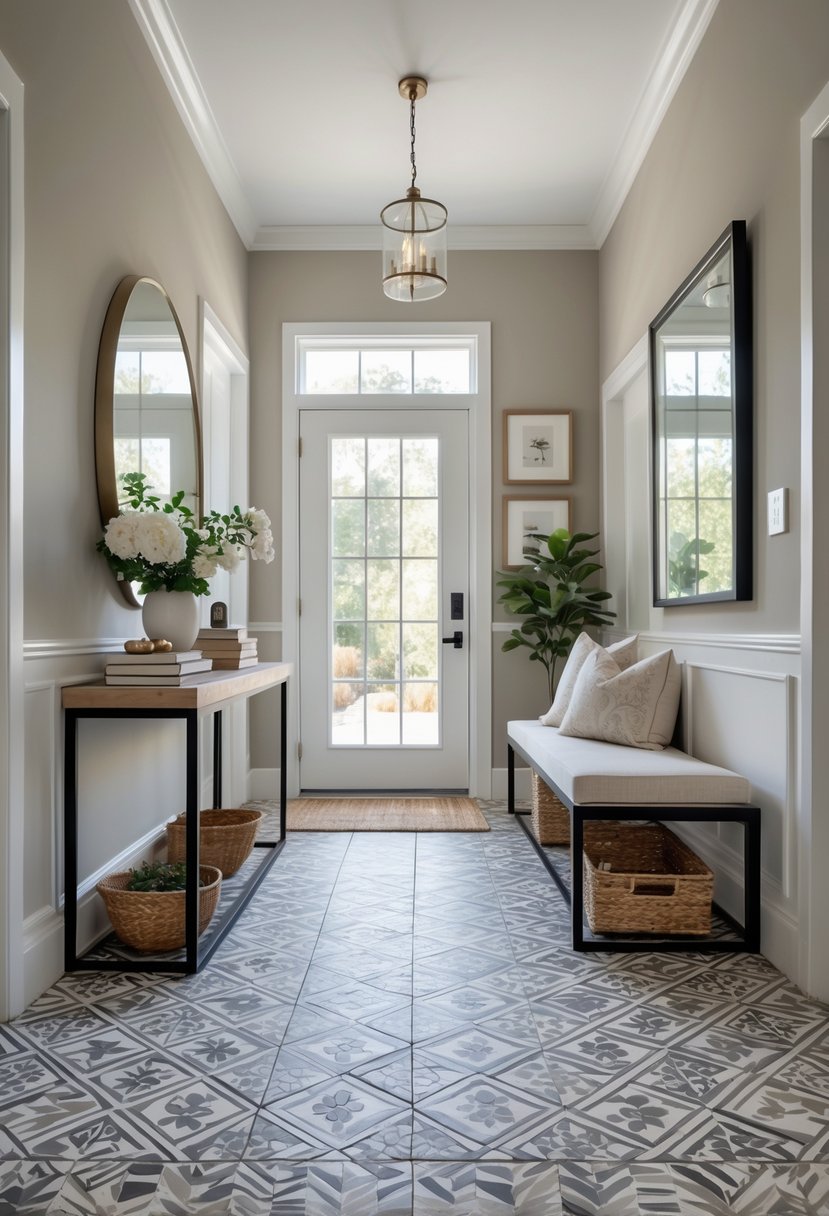
Patterned tile flooring gives the entryway a strong surface that can handle daily foot traffic.
It adds visual interest through geometric shapes, bold colors, or subtle designs.
Tiles are easy to clean and resist wear, making them a practical choice for busy households.
Install a built-in bench with cubbies
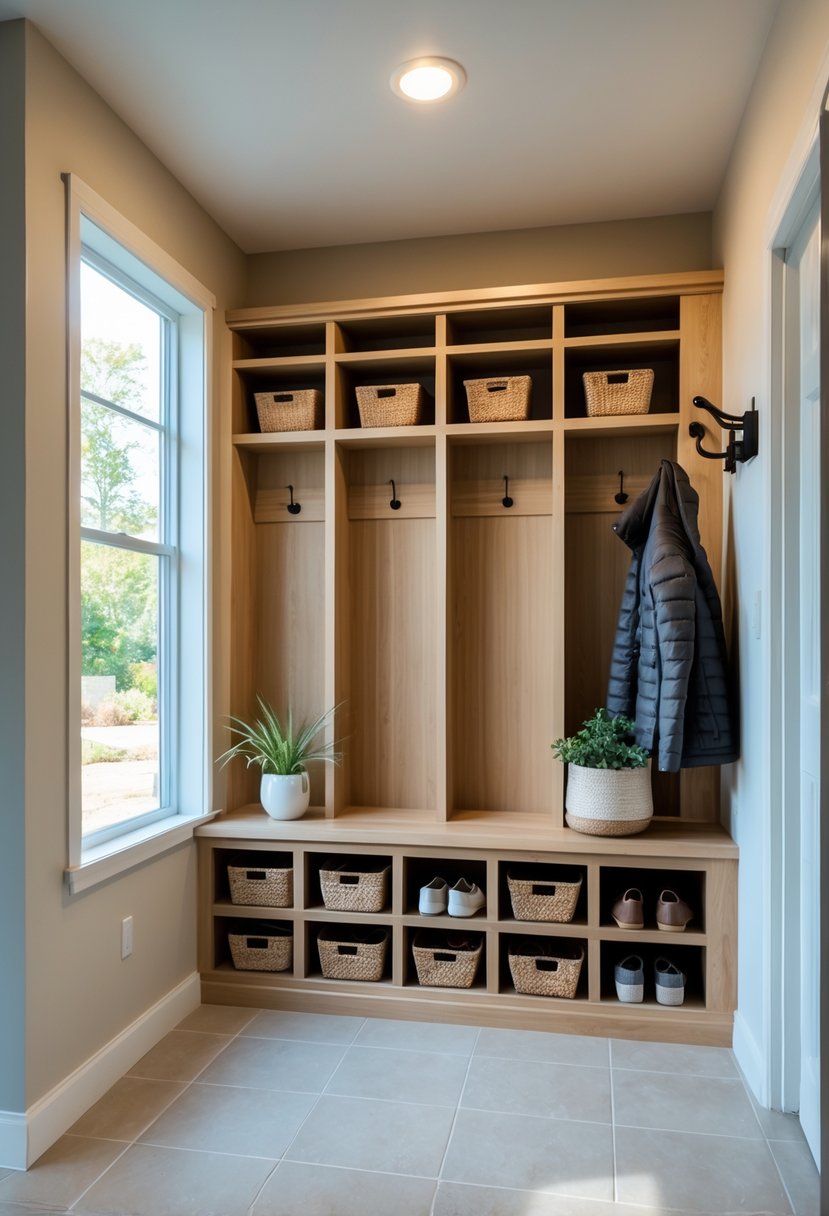
A built-in bench with cubbies gives an entryway both seating and storage. It keeps shoes, bags, and small items organized in one spot.
The cubbies can stay open for quick access or include baskets for a cleaner look. This design works well in small or busy entryways.
Add a woven wall hanging for texture
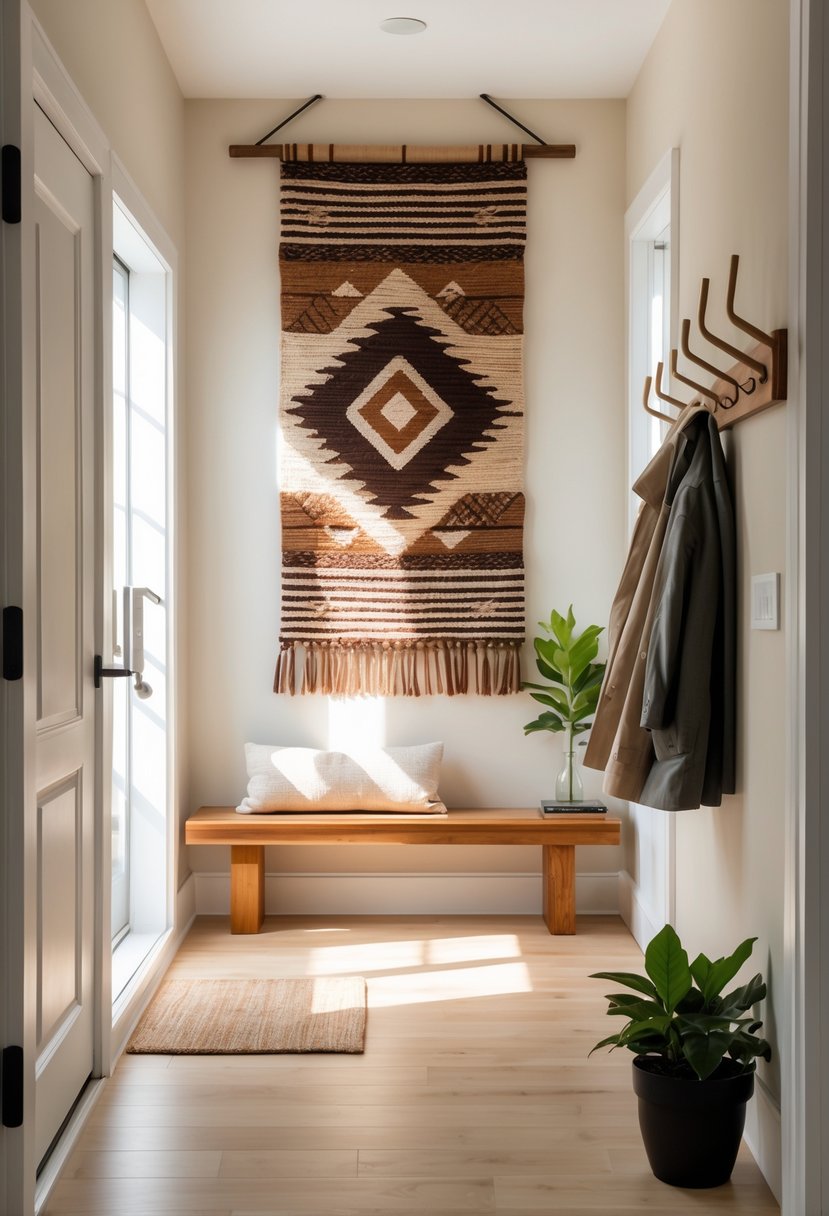
A woven wall hanging adds depth and warmth to an entryway. Its layered fibers create a soft contrast against smooth walls.
They come in many sizes and patterns, making it easy to match different styles. Neutral tones work well in modern spaces, while bold colors add character.
This simple addition helps the entryway feel more inviting without taking up floor space.
Design Principles for a Modern Entryway
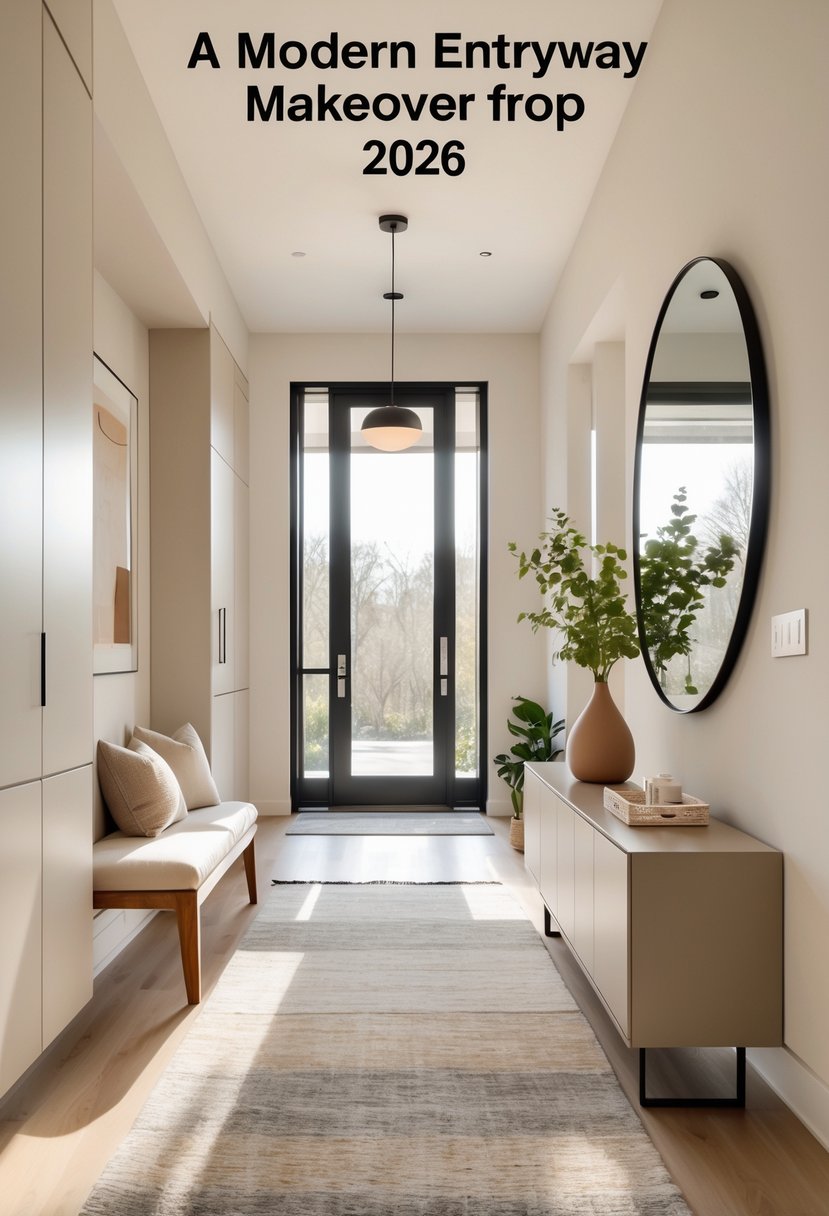
A modern entryway works best when it combines everyday practicality with thoughtful design choices. Small details like material selection, storage solutions, and lighting can shape how the space looks and how well it functions.
Balancing Functionality and Style
An entryway should welcome guests while supporting daily routines. Storage plays a central role, with built-in benches, shoe racks, and wall hooks helping to reduce clutter. These elements keep the area organized without taking up too much space.
Lighting is another key factor. A mix of overhead fixtures and accent lighting creates a bright, inviting atmosphere. Mirrors can also reflect light and make narrow entryways feel larger.
Style choices should not overwhelm the space. Neutral color palettes with one or two accent tones keep the design modern while allowing flexibility for seasonal updates. Materials like matte black hardware or natural wood finishes add character without sacrificing durability.
Using a simple checklist can help balance both sides:
- Storage: closed cabinets or open shelving
- Lighting: layered fixtures for function and mood
- Color: neutral base with subtle accents
- Decor: minimal but purposeful pieces
Incorporating Sustainable Materials
Sustainability has become a defining part of modern interior design, and the entryway is no exception. Choosing eco-friendly materials reduces environmental impact and often results in longer-lasting finishes.
Reclaimed wood is a popular option for benches, shelving, and accent walls. It adds warmth and texture while reusing existing resources. Bamboo is another strong choice, valued for its fast growth and durability.
Flooring materials such as cork or natural stone provide both resilience and easy maintenance. Low-VOC paints and finishes improve indoor air quality, which is especially important in small enclosed areas like foyers.
Textiles also matter. Rugs made from organic cotton, jute, or recycled fibers offer durability while supporting sustainable production practices. Selecting these materials ensures the entryway remains both stylish and responsible.
Color and Lighting Trends for 2026
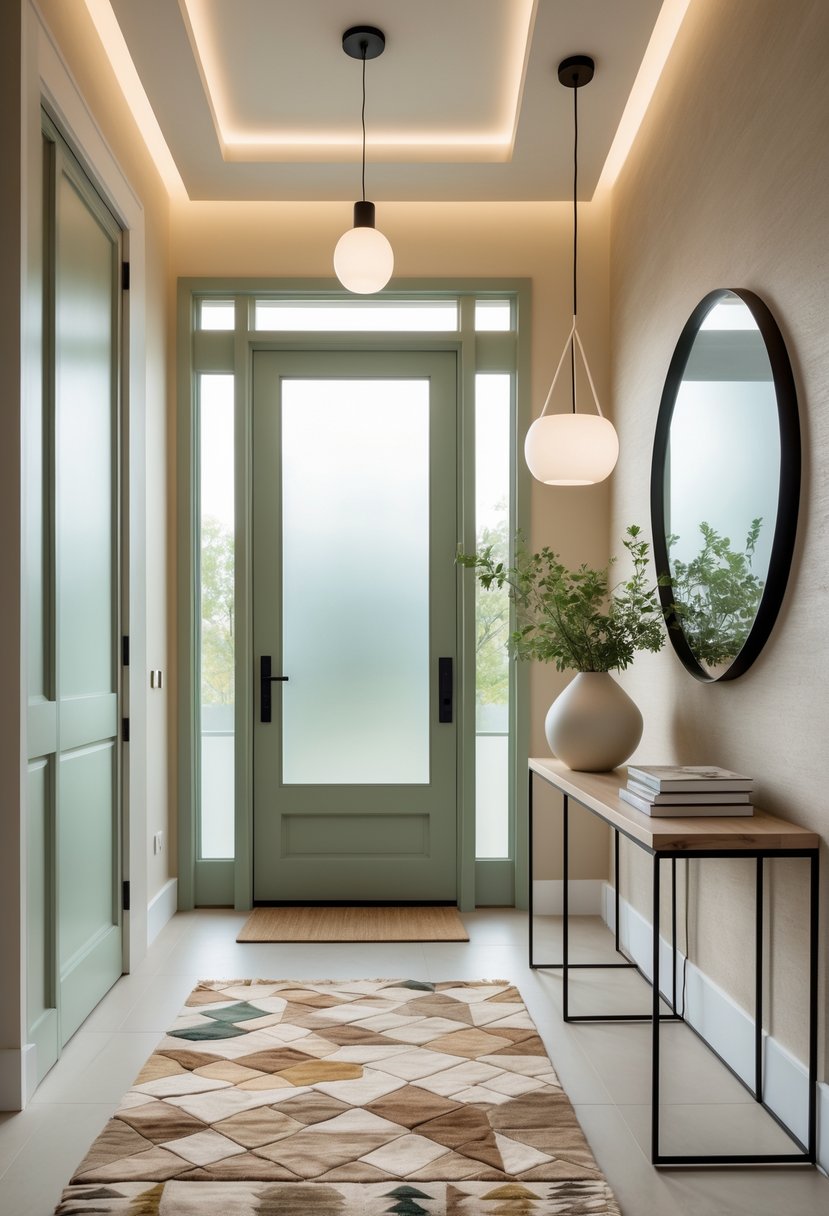
Designers in 2026 focus on natural tones, bold accents, and lighting that blends style with function. Homes now emphasize wellness, energy efficiency, and technology-driven solutions that create both comfort and impact.
Emerging Color Palettes
Color trends in 2026 highlight a mix of earth-inspired shades and bold statement hues. Neutrals such as clay, sand, and soft beige remain important for creating calm and balanced entryways. These tones pair well with natural wood finishes and stone textures.
At the same time, deeper colors like forest green, terracotta red, and navy blue grow in popularity. These shades add depth and contrast, especially when used on doors, accent walls, or trim.
Paint experts also note a rise in muted pastels such as dusty lavender and pale sage. These lighter tones soften the look of an entryway while still feeling modern. Pairing them with matte finishes helps reduce glare and creates a smooth, welcoming surface.
A simple way to combine these palettes is to use a neutral base with one or two bold accent colors. For example:
| Base Color | Accent Color | Effect |
|---|---|---|
| Warm beige | Forest green | Natural and grounded |
| Soft gray | Terracotta | Warm and inviting |
| Pale sage | Navy blue | Fresh yet bold |
Smart Lighting Solutions
Lighting in 2026 moves beyond function to become a design feature. Smart fixtures allow homeowners to adjust brightness and color temperature with ease. This flexibility helps set the right mood for different times of day.
Biophilic lighting, which mimics natural daylight, supports well-being by reducing eye strain and improving energy levels. Entryways benefit from this approach since they often lack strong natural light.
Designers also highlight minimalist LED fixtures that save energy while offering sleek, modern shapes. These work well in smaller spaces where clutter-free design is important. Retro-inspired pendants and sconces also return, giving entryways a touch of personality.
Color-integrated lighting is another trend. Adjustable RGB LEDs let homeowners add subtle color washes along walls or ceilings. Used sparingly, this technique creates a welcoming effect without overwhelming the space.
Smart controls, such as motion sensors, add convenience. They ensure entryways stay well-lit when needed but conserve energy when not in use. Together, these solutions balance efficiency, comfort, and style.


