
Cherry Coded Accents for Open-Plan Houses: 21 Stylish Ideas to Transform Your Space
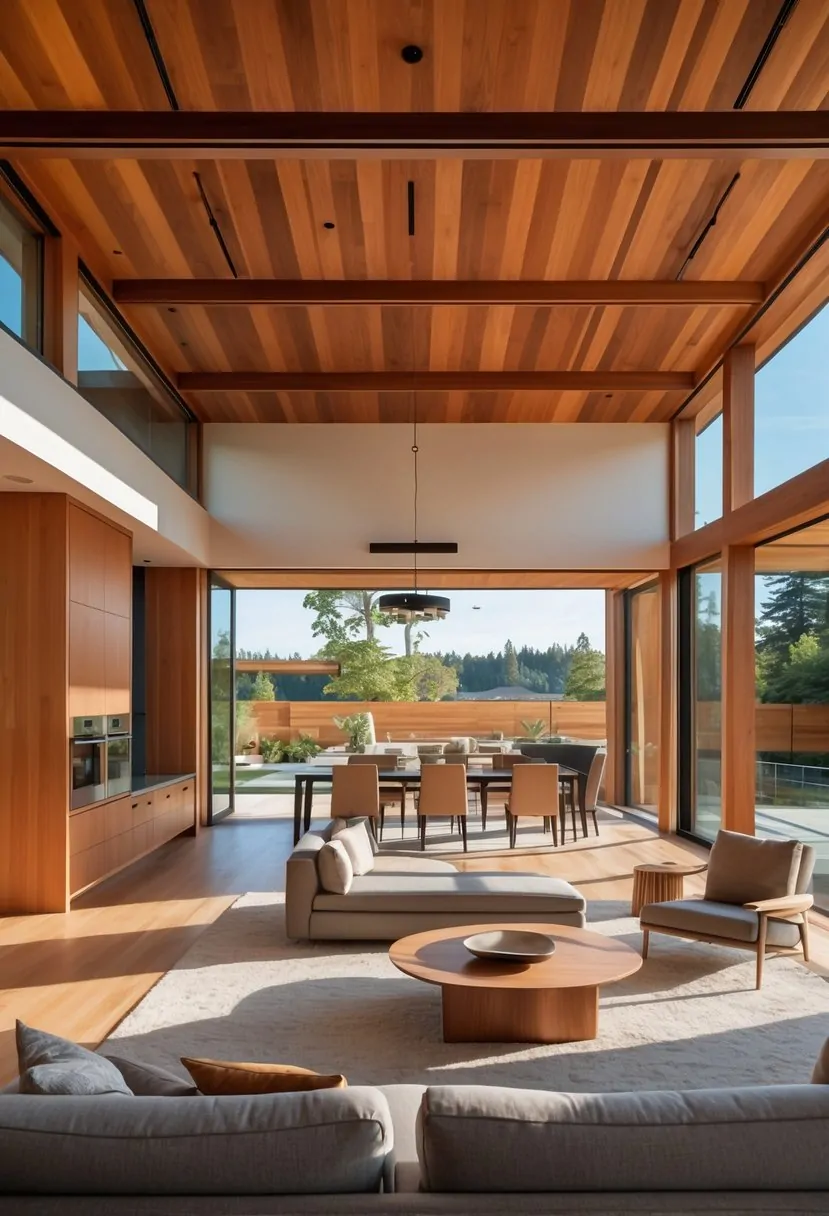
Open-plan houses often benefit from accents that bring warmth, depth, and a sense of structure to wide, open spaces. Cherry-coded details offer a practical way to add color while still keeping the layout cohesive and inviting. This approach helps define areas, highlight features, and create a balanced flow throughout the home.
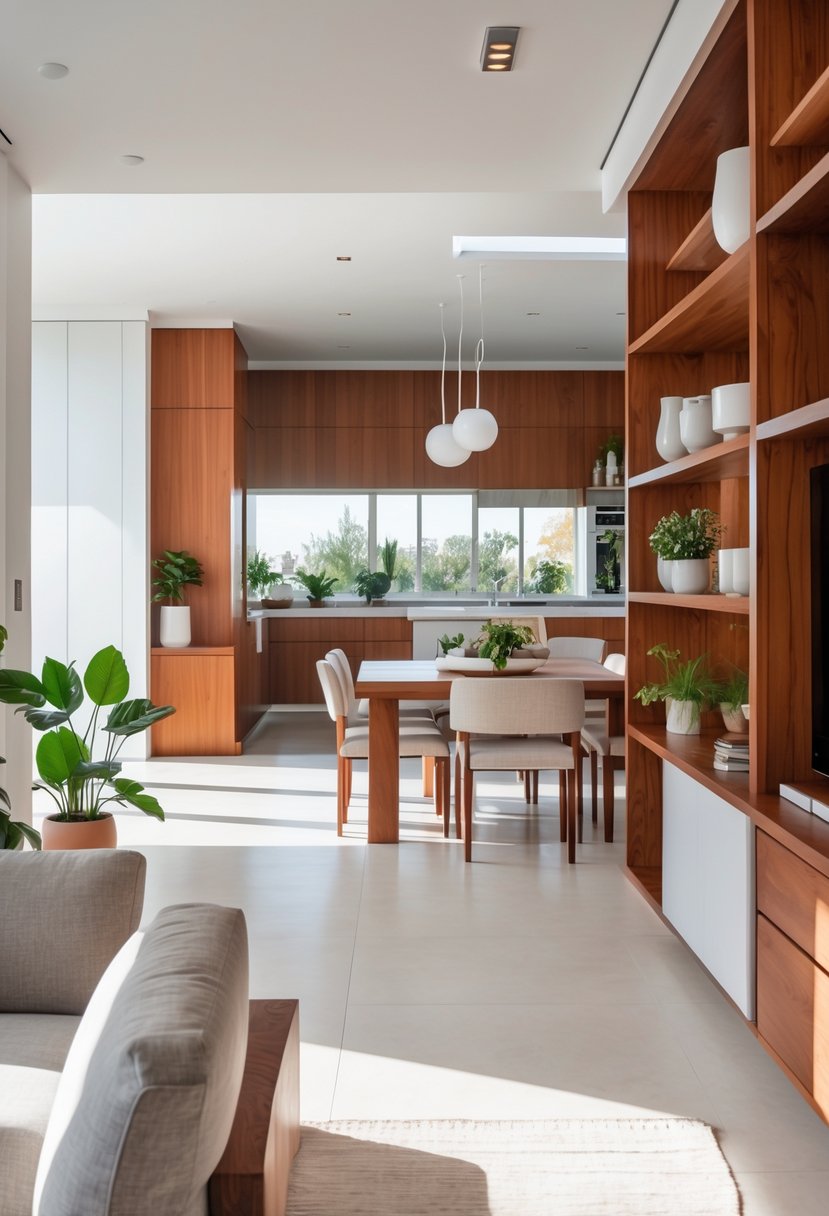
By weaving in cherry tones through furniture, textiles, and finishes, an open-plan layout can feel more connected without losing its spacious character. The following sections explore how different cherry-coded elements—from larger pieces like dining tables to smaller touches like vases or cushions—can shape a home with both function and style.
Deep cherry wood dining table to anchor the open-plan living space
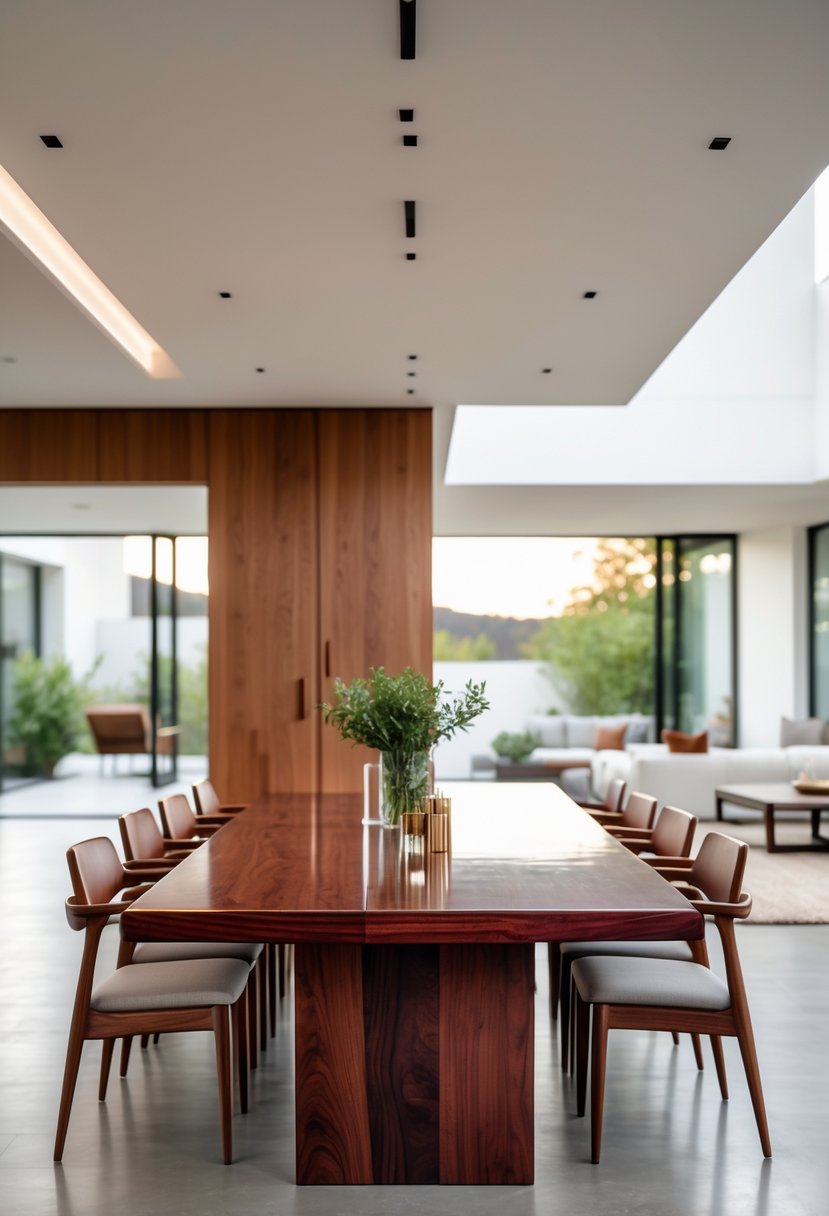
A deep cherry wood dining table adds warmth and structure to an open-plan layout. Its rich tone creates a natural focal point without overwhelming the room.
The table’s solid presence helps define the dining area, making it distinct yet connected to the surrounding spaces.
Cherry-toned velvet throw pillows for sectional sofas
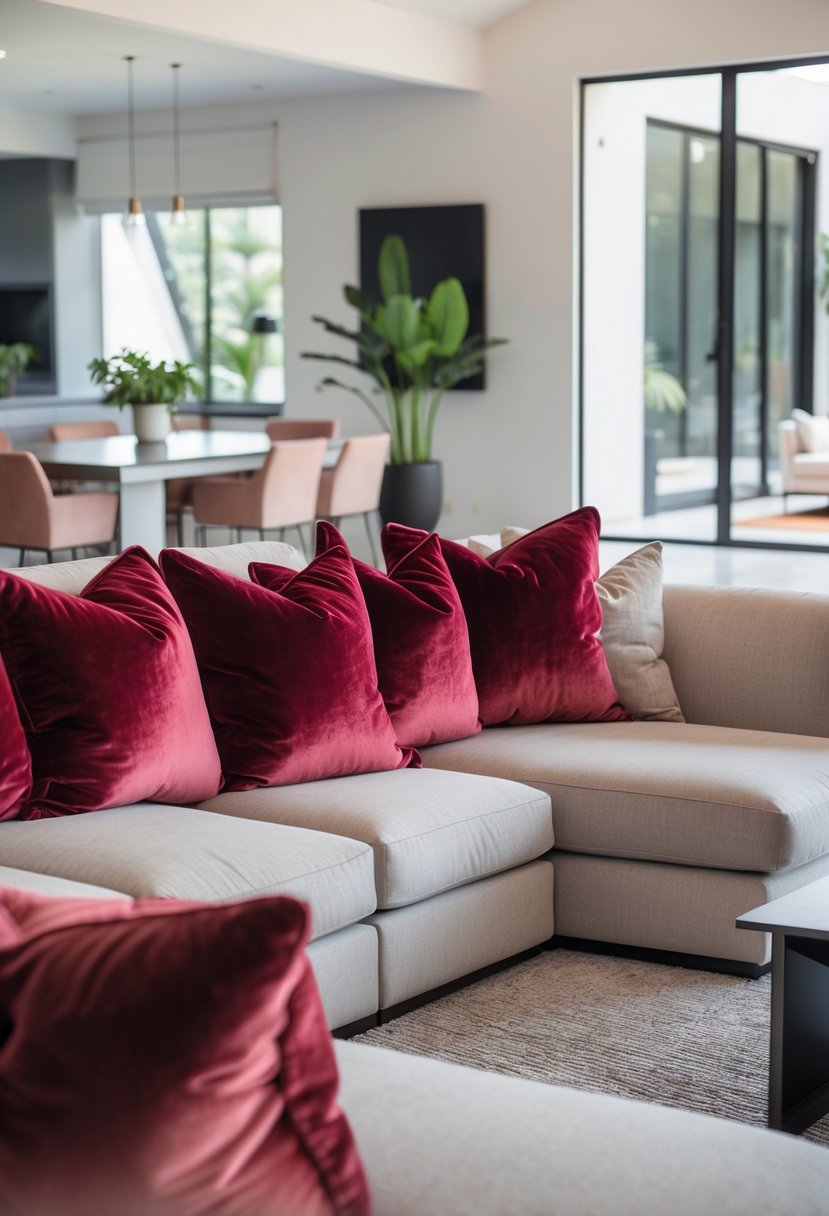
Cherry-toned velvet pillows add a soft layer of color to sectional sofas. Their rich texture works well with both light and dark upholstery.
They can be placed at the corners for balance or layered with smaller cushions in neutral shades. This creates depth without overwhelming the seating area.
Warm cherry-stained hardwood flooring throughout the main area
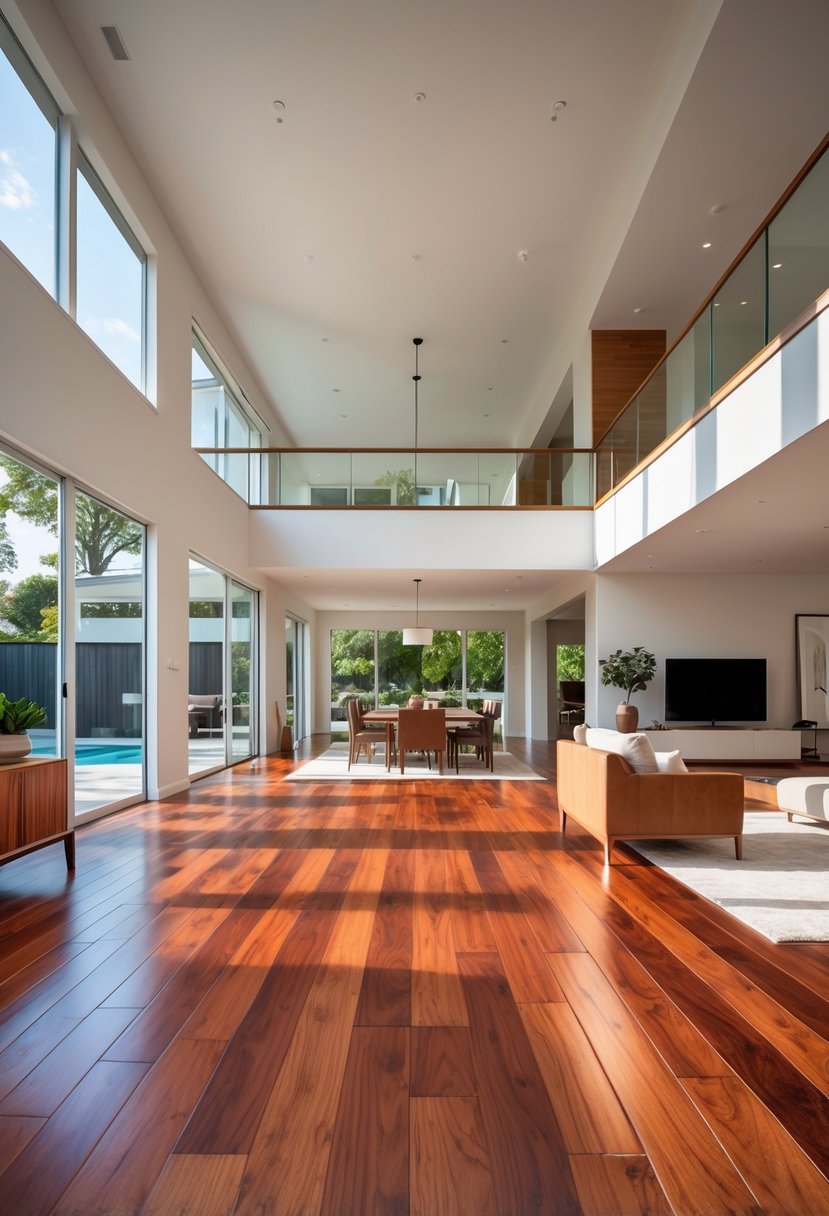
Cherry-stained hardwood flooring adds consistent color and texture across open spaces. Its warm tones create a smooth flow between living, dining, and kitchen areas.
The subtle grain pattern provides visual interest without overwhelming the room. This makes it easy to pair with both modern and traditional furniture.
Cherry red pendant lights over the kitchen island
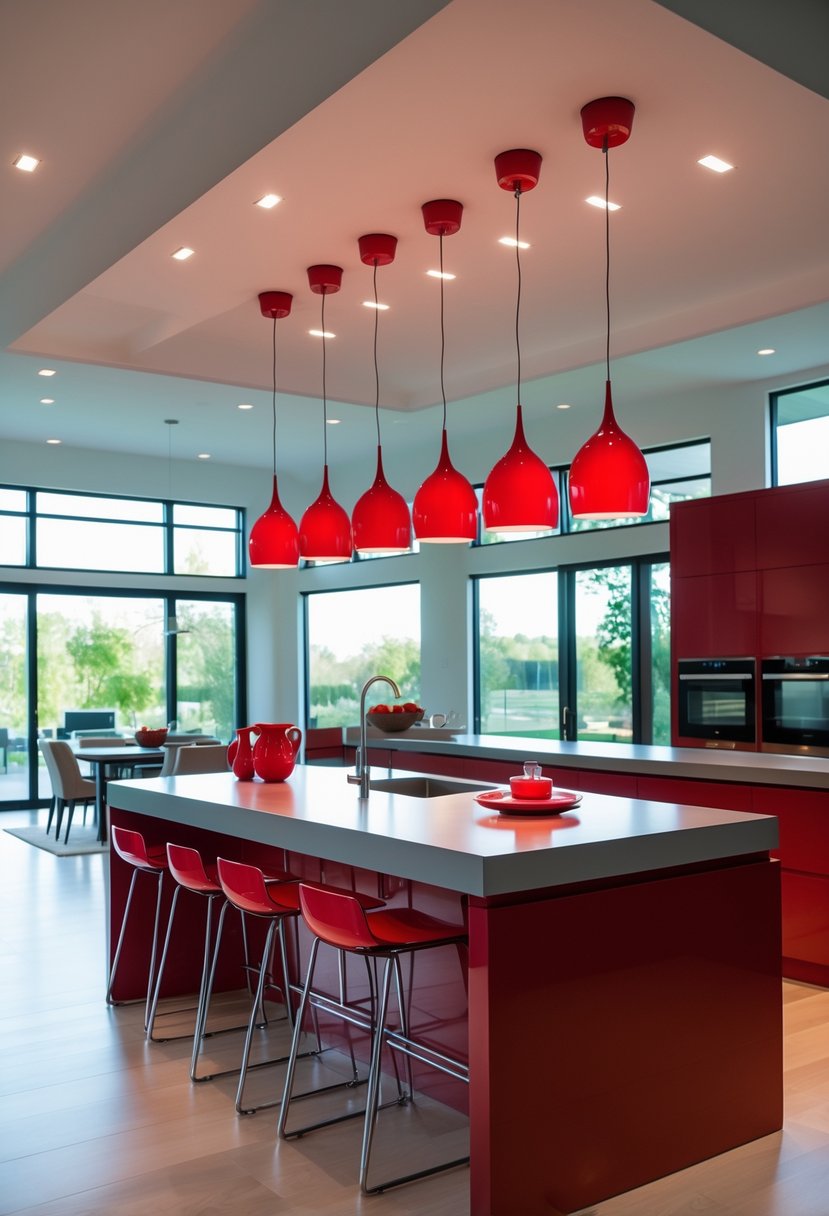
Cherry red pendant lights bring a clear focal point to an open kitchen. Their bold color contrasts with neutral cabinetry and countertops.
They provide direct lighting for meal prep while adding warmth to the space. The simple shape and vibrant tone work well in both modern and traditional designs.
Cherry-coded area rugs to define seating zones
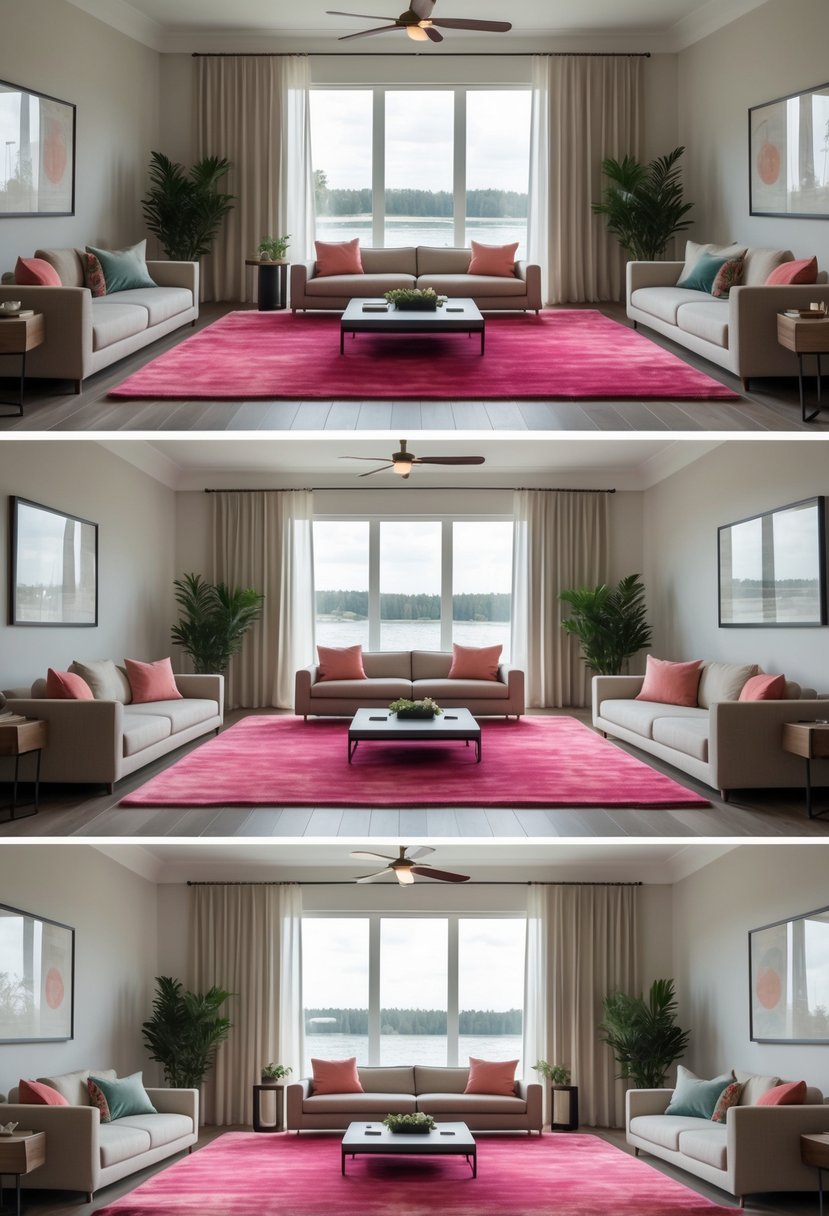
Cherry-colored rugs help separate seating areas in open-plan layouts. Their warm tones add visual boundaries without using walls.
Placing a rug under a sofa or chairs creates a clear zone for conversation. This approach keeps the space open while giving each area its own identity.
Cherry-hued accent walls to create cozy corners
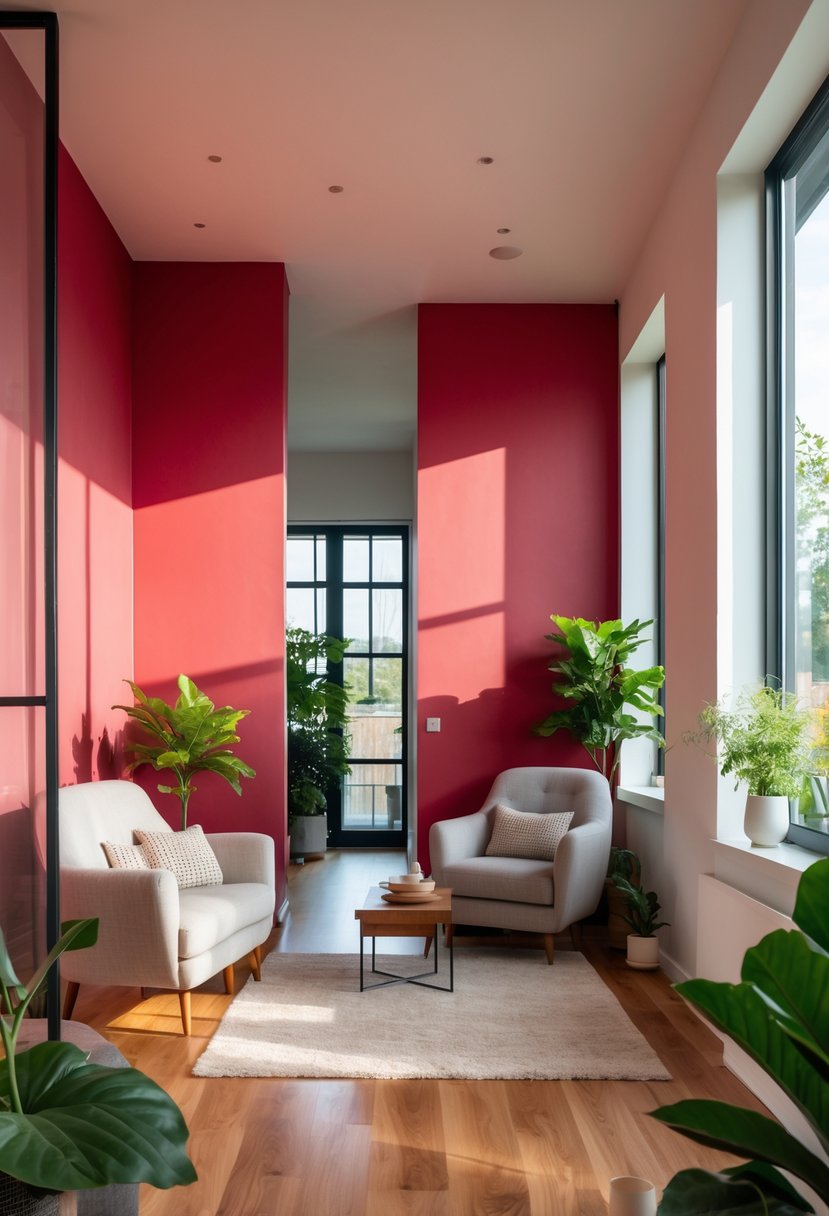
Cherry red walls can define smaller zones in an open-plan layout. They help separate seating areas or reading nooks without adding physical barriers.
The warm tone adds depth and makes corners feel more inviting. Paired with neutral furniture, the color stands out while keeping balance in the space.
Cherry wood open shelving units for display and storage
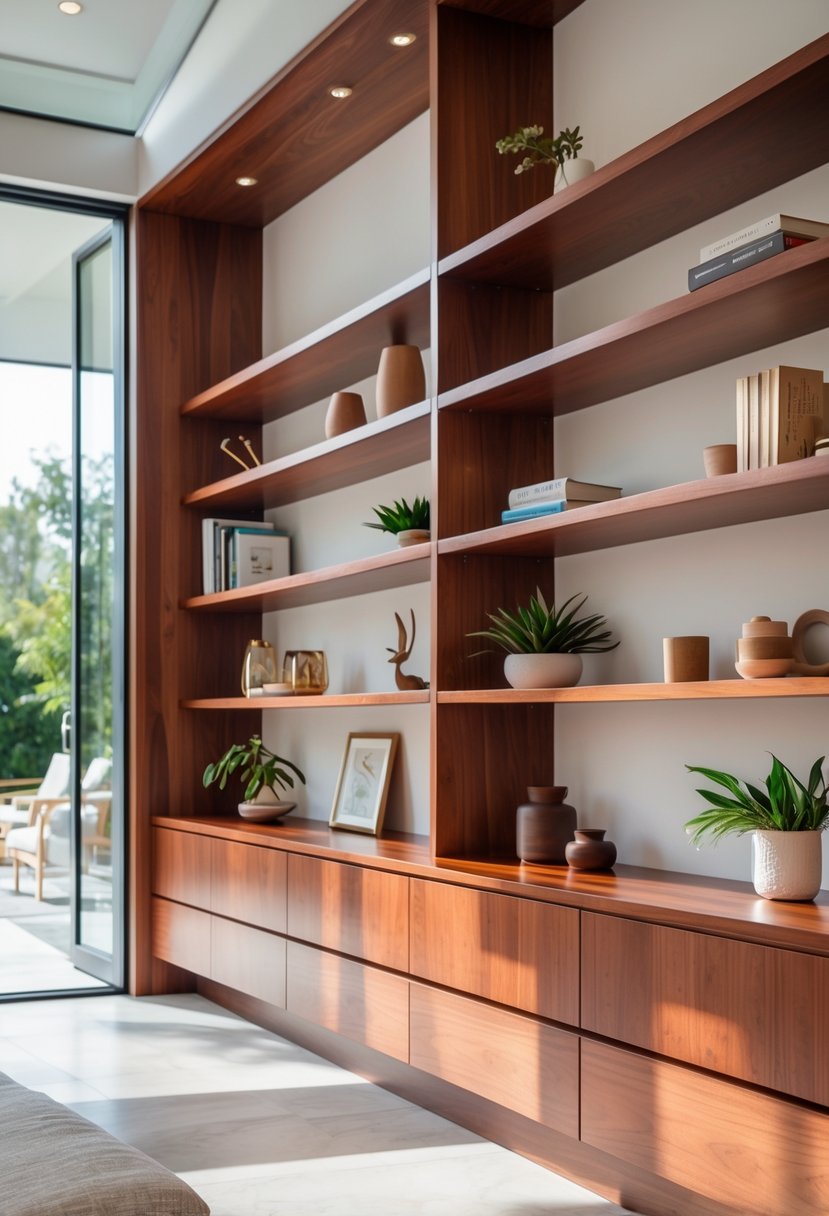
Cherry wood open shelving units provide both storage and display in open-plan homes. Their natural grain and warm tone blend well with many interiors.
These shelves come in different sizes, from compact floating styles to larger freestanding options. They can hold books, kitchenware, or decorative pieces without overwhelming the space.
Cherry-colored ceramic vases as table centerpieces
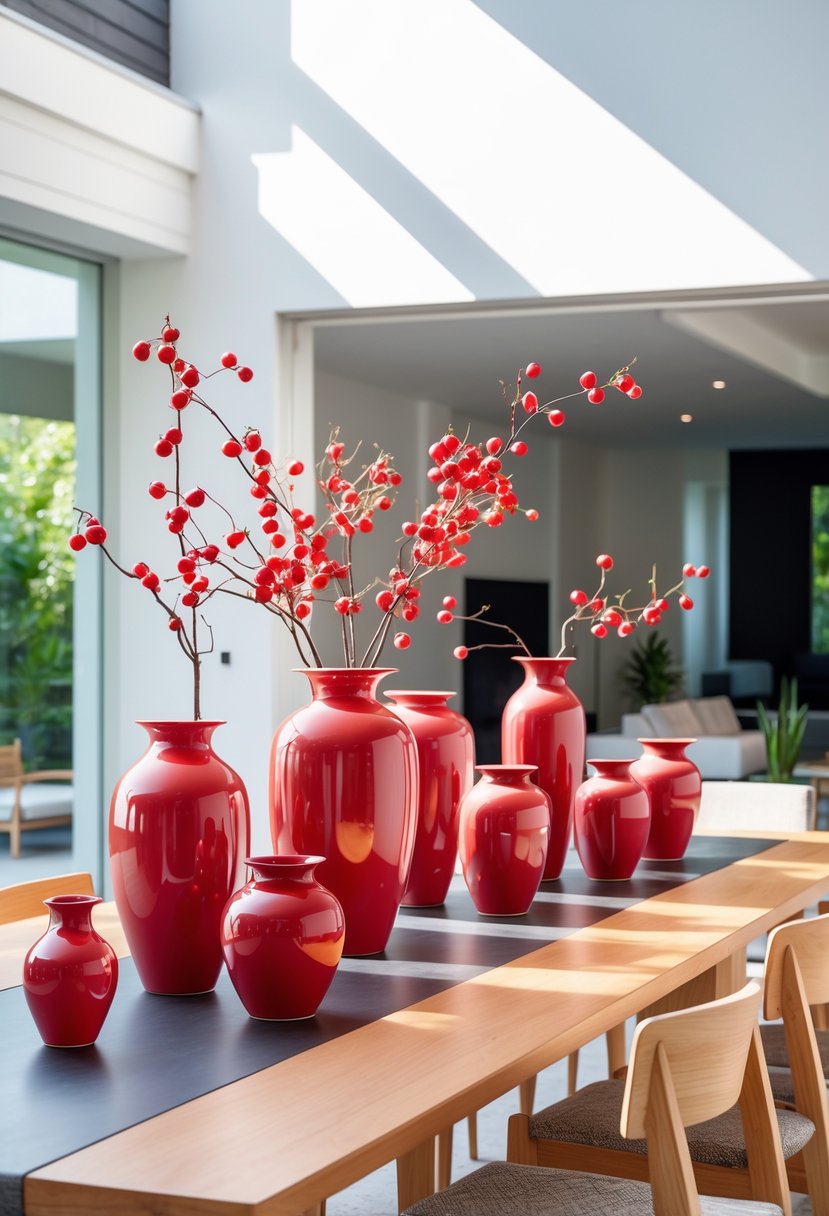
Cherry-colored ceramic vases add a simple yet bold touch to open-plan dining areas. Their rich red tones stand out against neutral tables and walls.
They work well with fresh flowers, faux cherry blossoms, or left empty as a decorative accent. Their glossy finish reflects light, creating subtle contrast.
Cherry-red leather lounge chairs for reading nooks
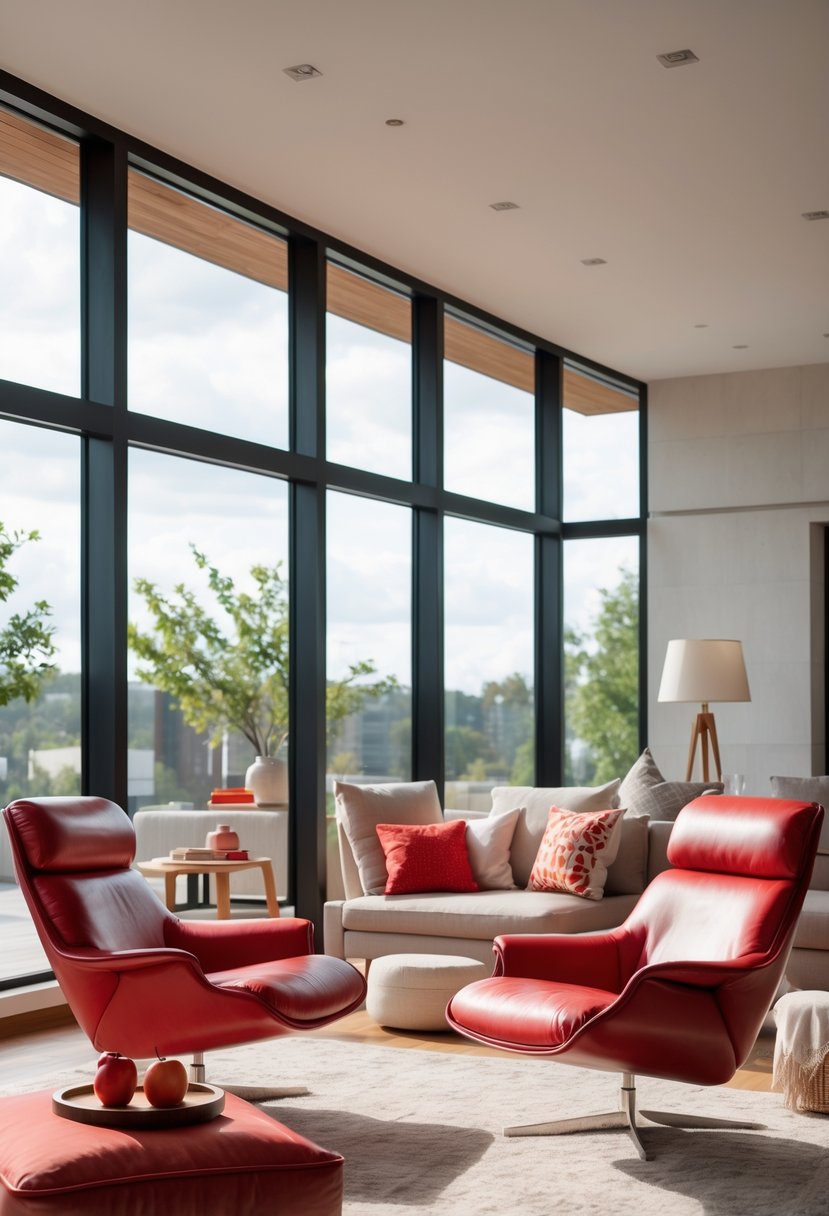
Cherry-red leather lounge chairs add a bold touch to quiet corners. Their smooth finish pairs well with neutral walls and natural light.
They provide both comfort and support for long reading sessions. The rich color also helps define the nook as a distinct space within an open-plan layout.
Cherry-coded framed art prints to add visual interest
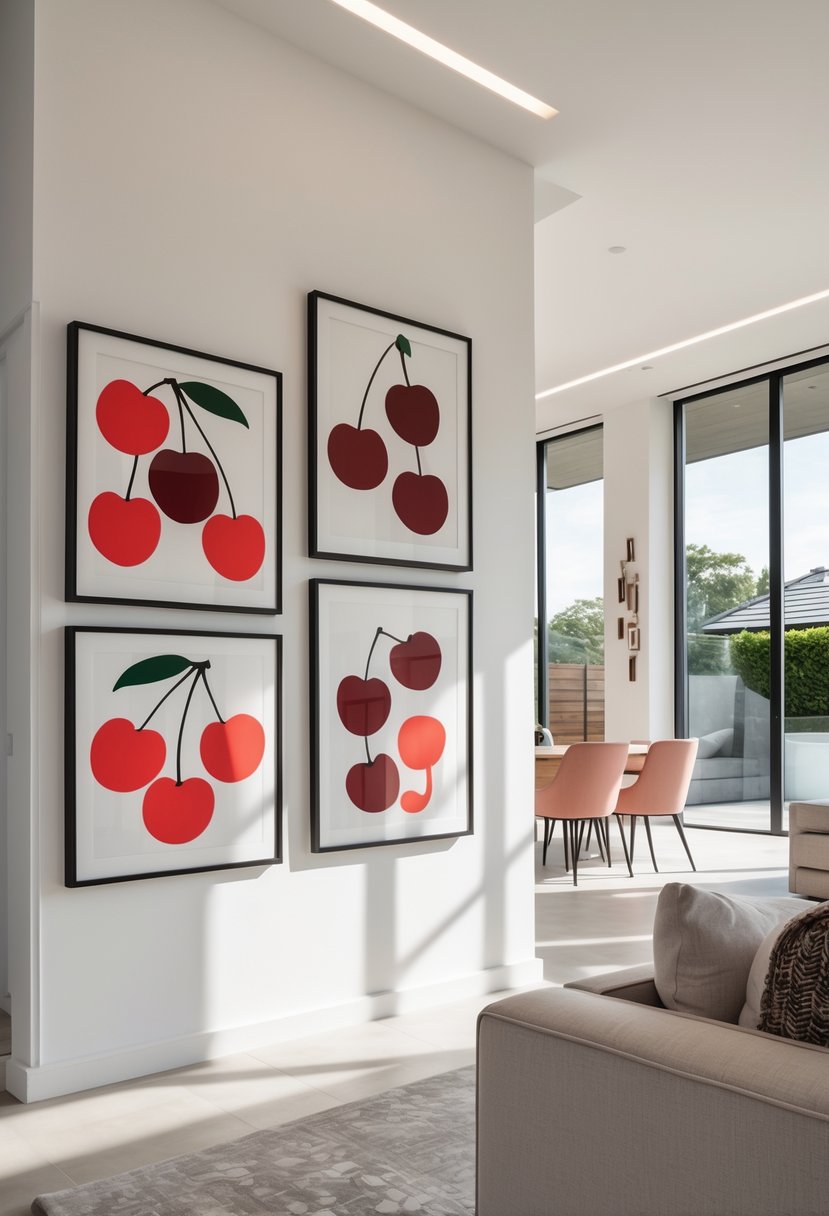
Framed art prints with cherry-coded tones can bring structure to open-plan spaces. They create defined focal points without overwhelming the room.
Choosing simple frames in black, white, or wood helps the red accents stand out. This approach keeps the artwork balanced within a larger layout.
Placing prints at eye level ensures they draw attention naturally. Grouping two or three pieces together can also add depth and rhythm to the walls.
Cherry stained kitchen cabinets for a cohesive look
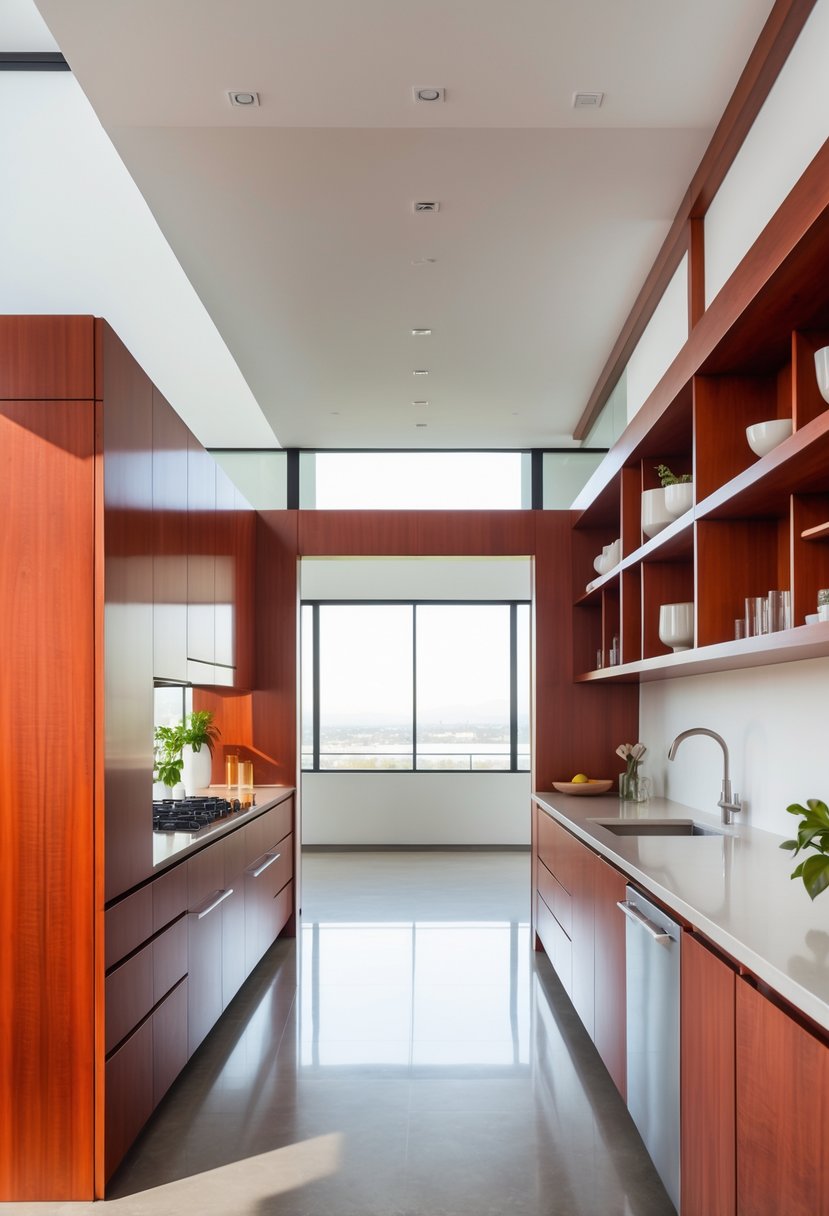
Cherry stained cabinets add warmth and depth to an open-plan kitchen. Their rich tones work well with both light and dark finishes.
They pair smoothly with quartz or concrete countertops for balance. Light flooring or stainless hardware can keep the space bright and modern.
Cherry red bar stools for breakfast counters
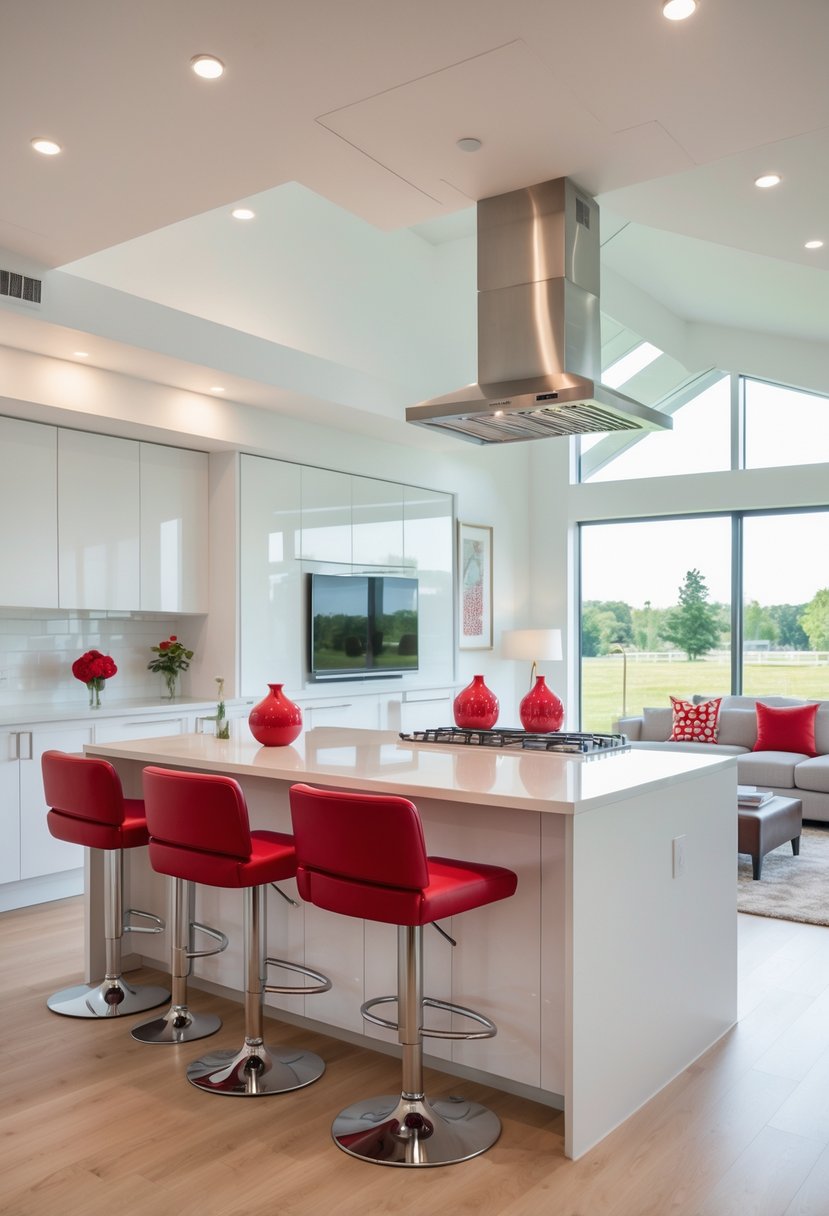
Cherry red bar stools add a bold accent to open-plan kitchens. They bring color without overwhelming the space.
Many designs feature swivel seats or cushioned tops for comfort. Options range from wood finishes to metal frames.
Retailers like Amazon, Walmart, and Wayfair offer varied styles and sizes to match different counter heights.
Cherry-coded throw blankets for added warmth
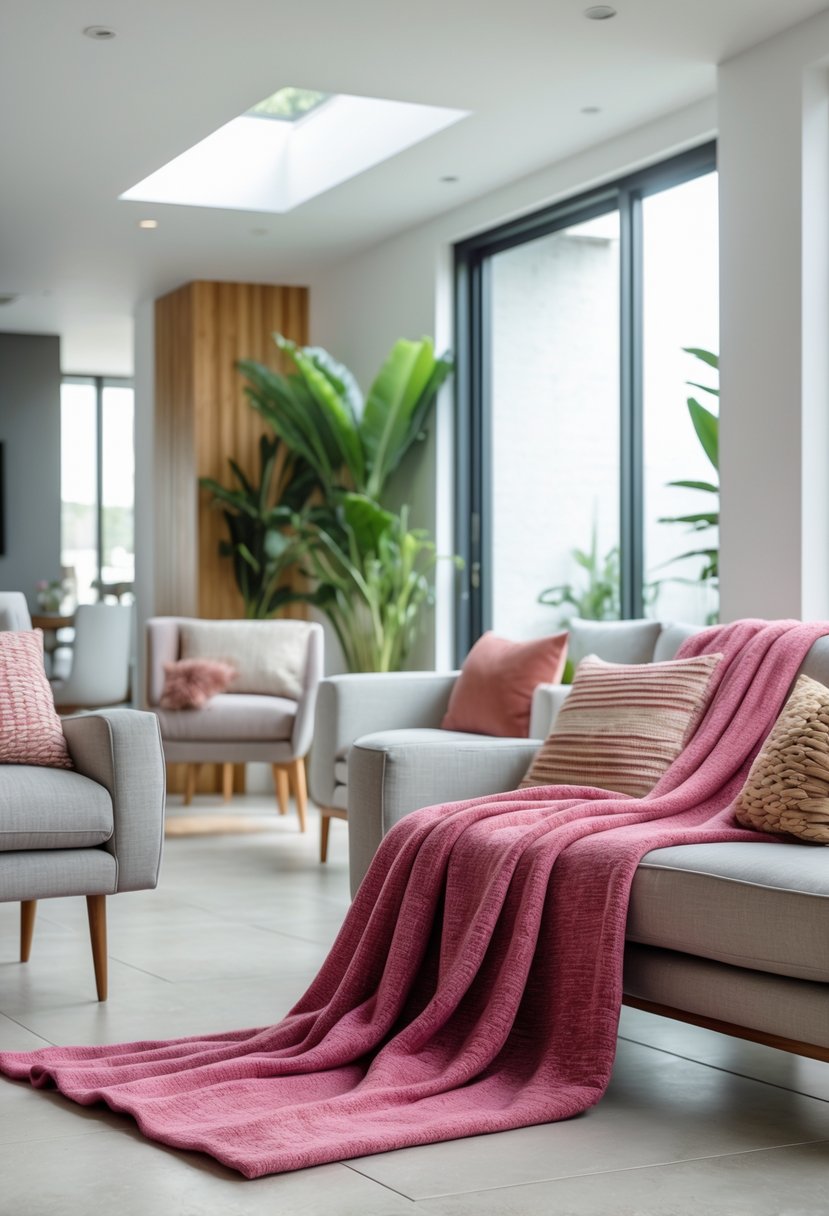
Cherry-coded throw blankets add a simple way to bring color into an open-plan space. Their red tones can highlight seating areas or soften neutral furniture.
They work well on couches, beds, or accent chairs. Lightweight and easy to move, they provide comfort while tying together different parts of a room.
Cherry wood coffee tables with sleek designs
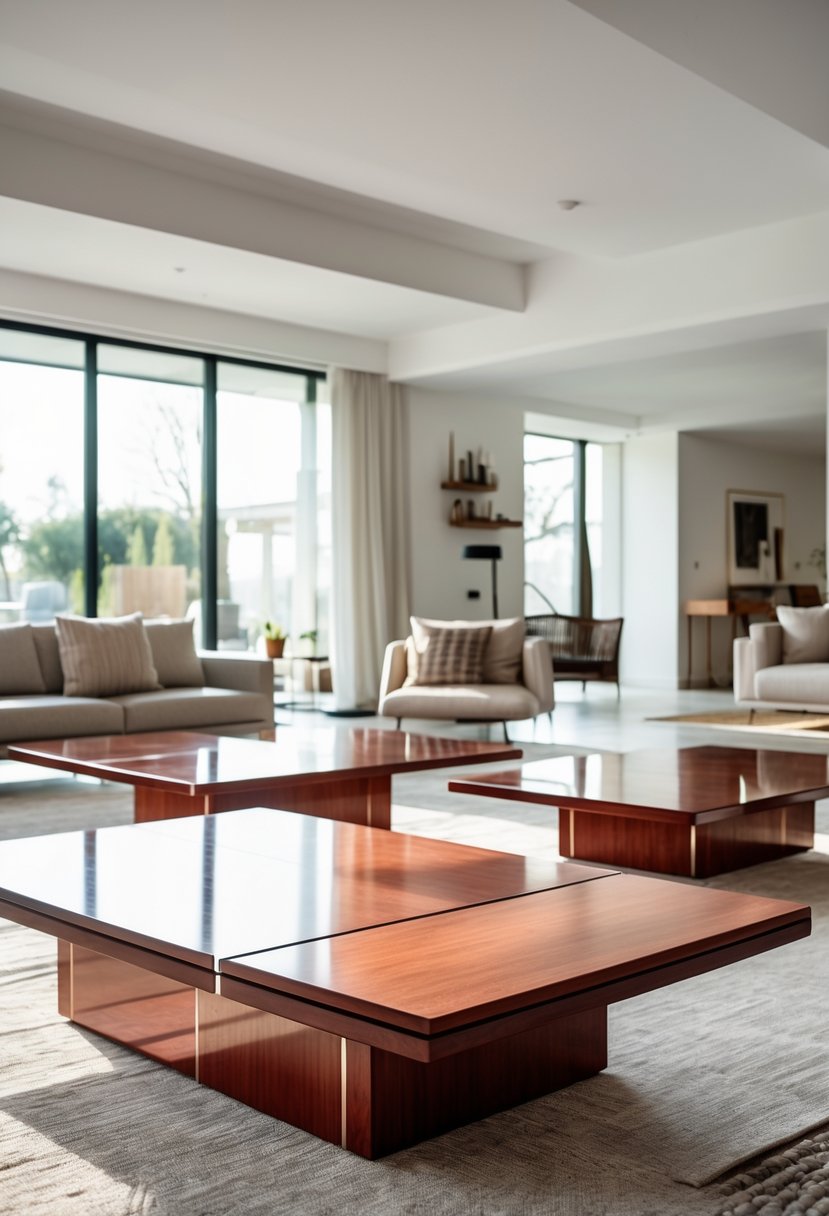
Cherry wood coffee tables with clean lines fit well in open-plan spaces. Their smooth surfaces and simple shapes keep the room looking uncluttered.
They work with both modern and traditional furniture. The warm tone of cherry wood adds contrast without overwhelming the design.
Cherry-toned window treatments to soften natural light
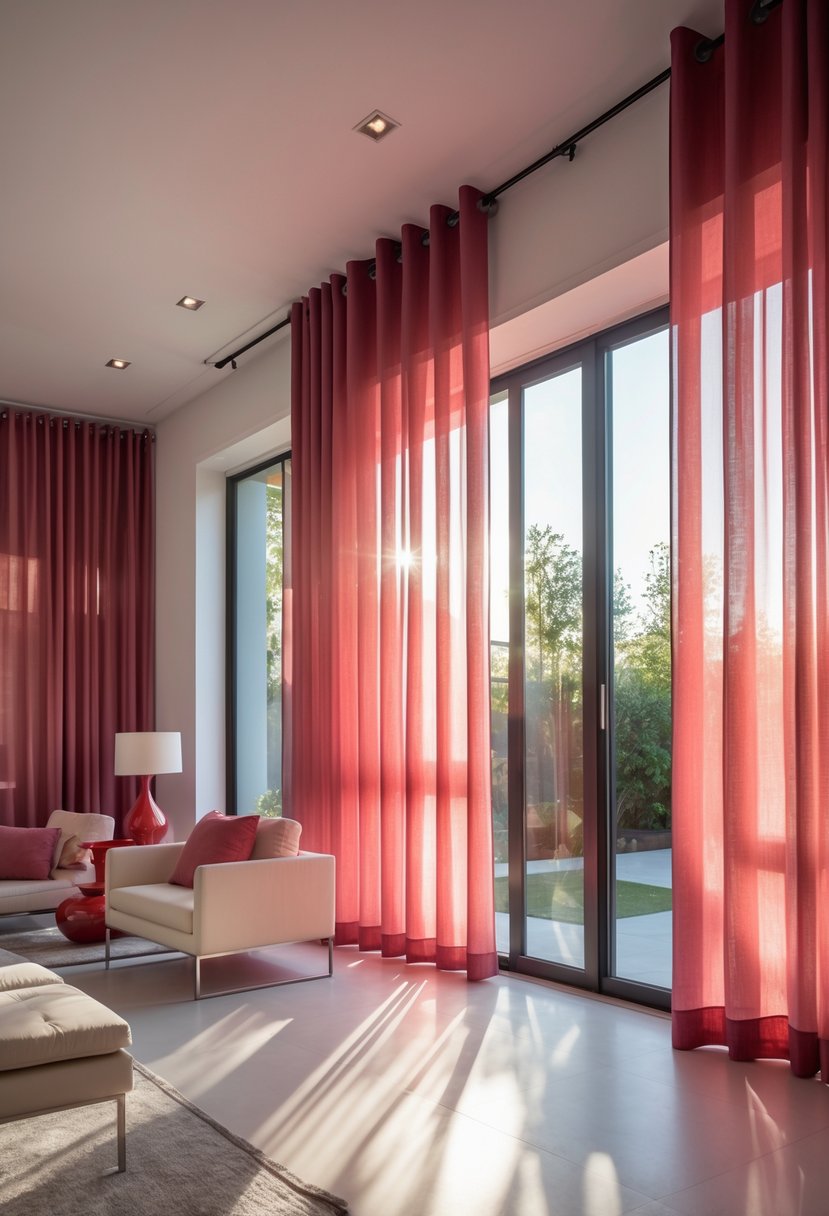
Cherry-toned curtains or shades filter sunlight while adding warmth to open spaces. Their rich color softens brightness without making a room feel dark.
Light fabrics in cherry hues allow a gentle glow, creating a balanced atmosphere. Pairing them with neutral walls helps maintain an even, inviting look.
Cherry-colored kitchen backsplash tiles
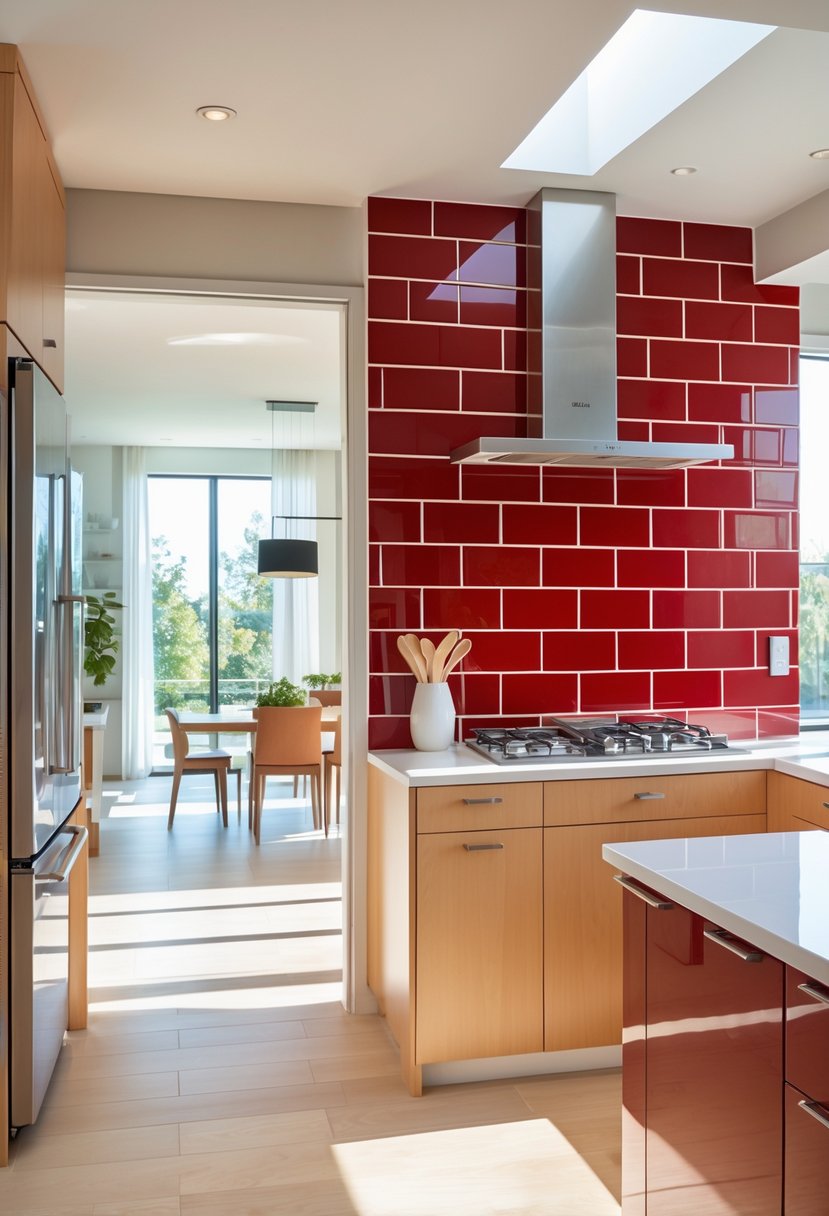
Cherry-colored backsplash tiles add warmth and depth to a kitchen. They work well with both light and dark cabinetry, creating a balanced look.
These tiles can highlight natural wood tones or contrast with neutral surfaces like white or gray countertops. They also help define the kitchen area in open-plan layouts.
Cherry-hued decorative bowls and trays
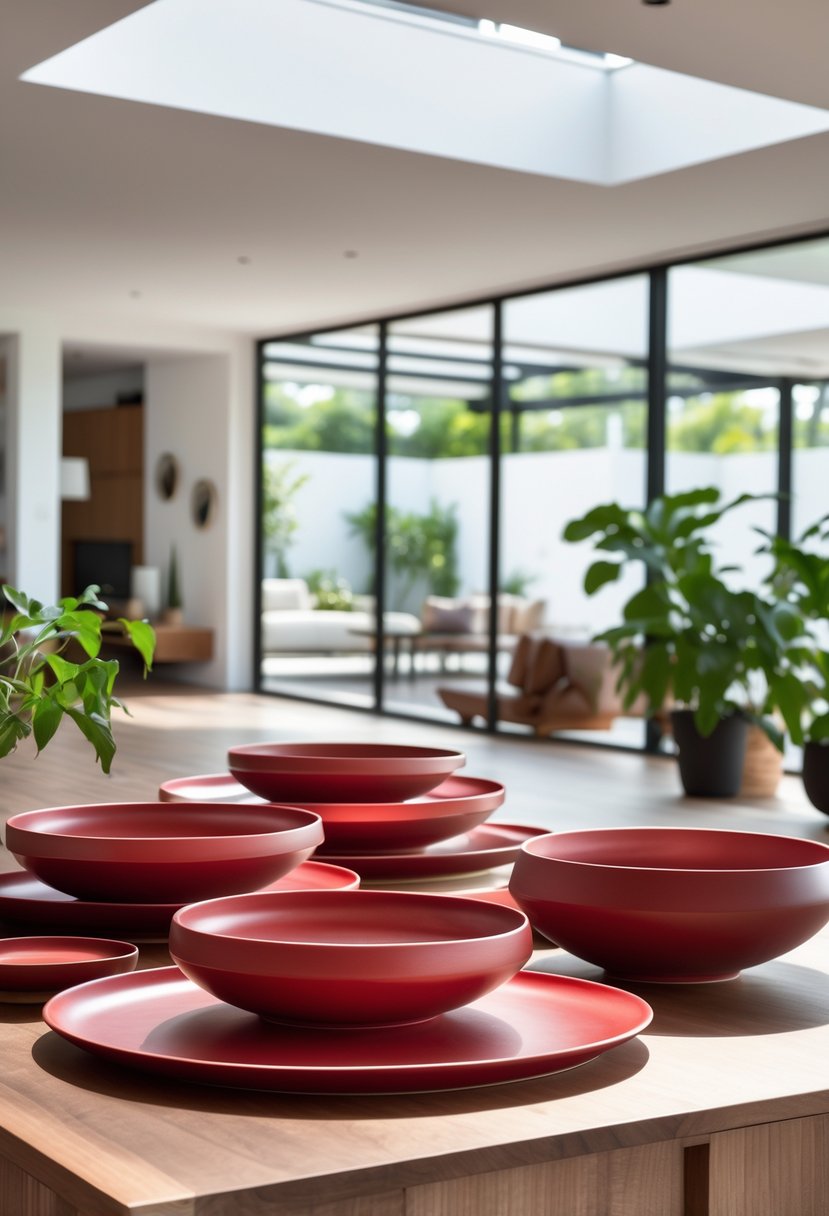
Cherry-hued bowls and trays add small but noticeable touches of color to open-plan spaces. They work well on dining tables, kitchen islands, or coffee tables.
These pieces can be functional for serving or simply decorative. Their warm red tones help tie together surrounding accents without overwhelming the room.
Cherry red ceramic planters with greenery
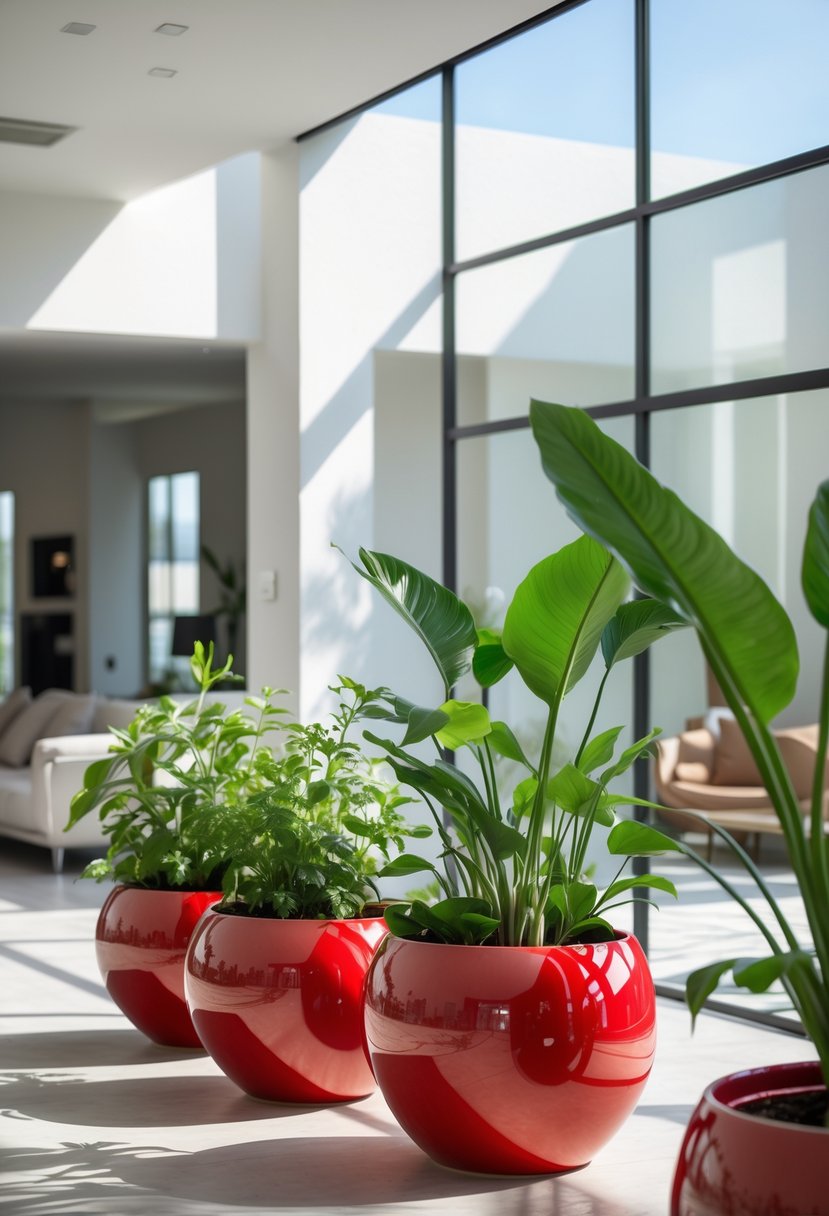
Cherry red ceramic planters add a strong pop of color to open-plan spaces. Their glossy finish pairs well with both neutral walls and natural wood tones.
When filled with greenery, these planters create contrast that highlights the shape and texture of the plants. They work indoors or on sheltered patios.
Cherry-coded pendant lamps in the dining area
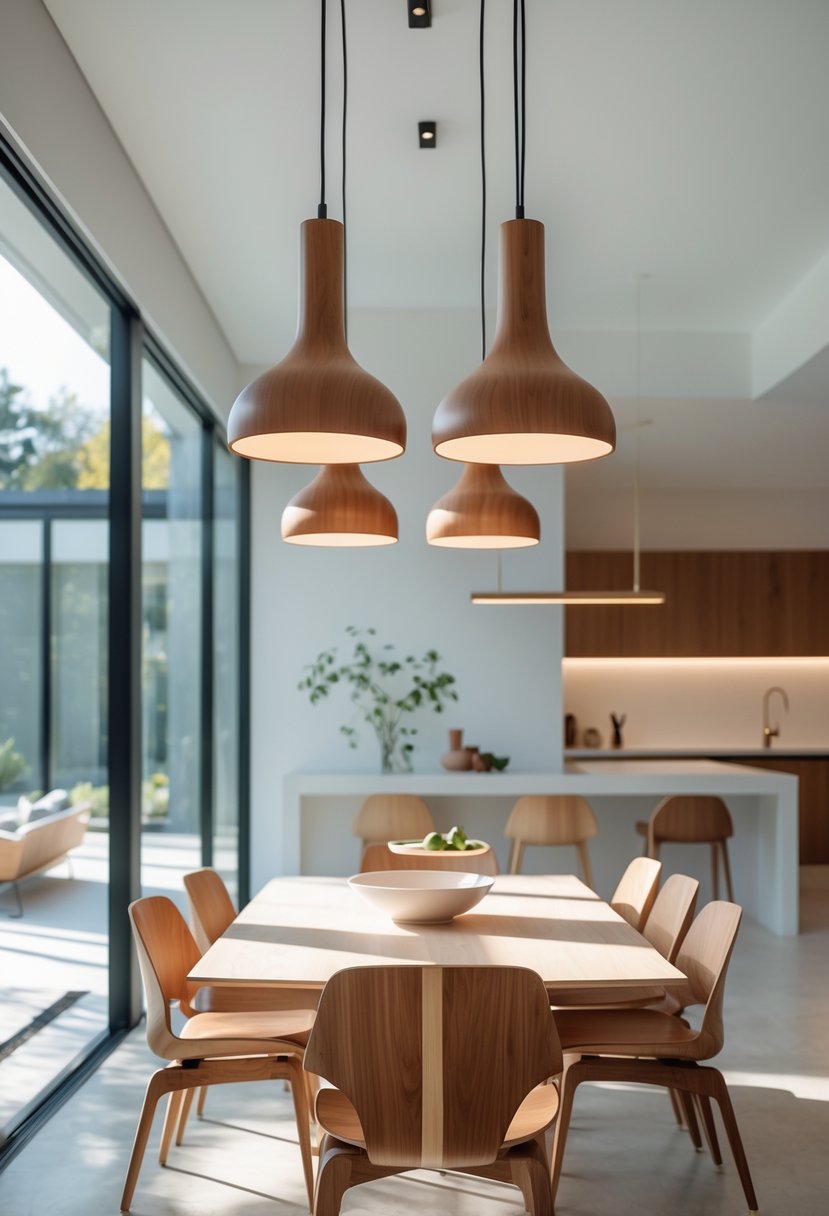
Cherry-colored pendant lamps bring a warm focal point to the dining area. They define the space in an open-plan layout without adding walls.
The rich red tones pair well with wood or metal finishes. This makes them versatile for both modern and traditional interiors.
Using pendant lamps in multiples creates balance above a dining table. Their placement improves both lighting and visual interest.
Cherry wood room dividers to subtly separate zones
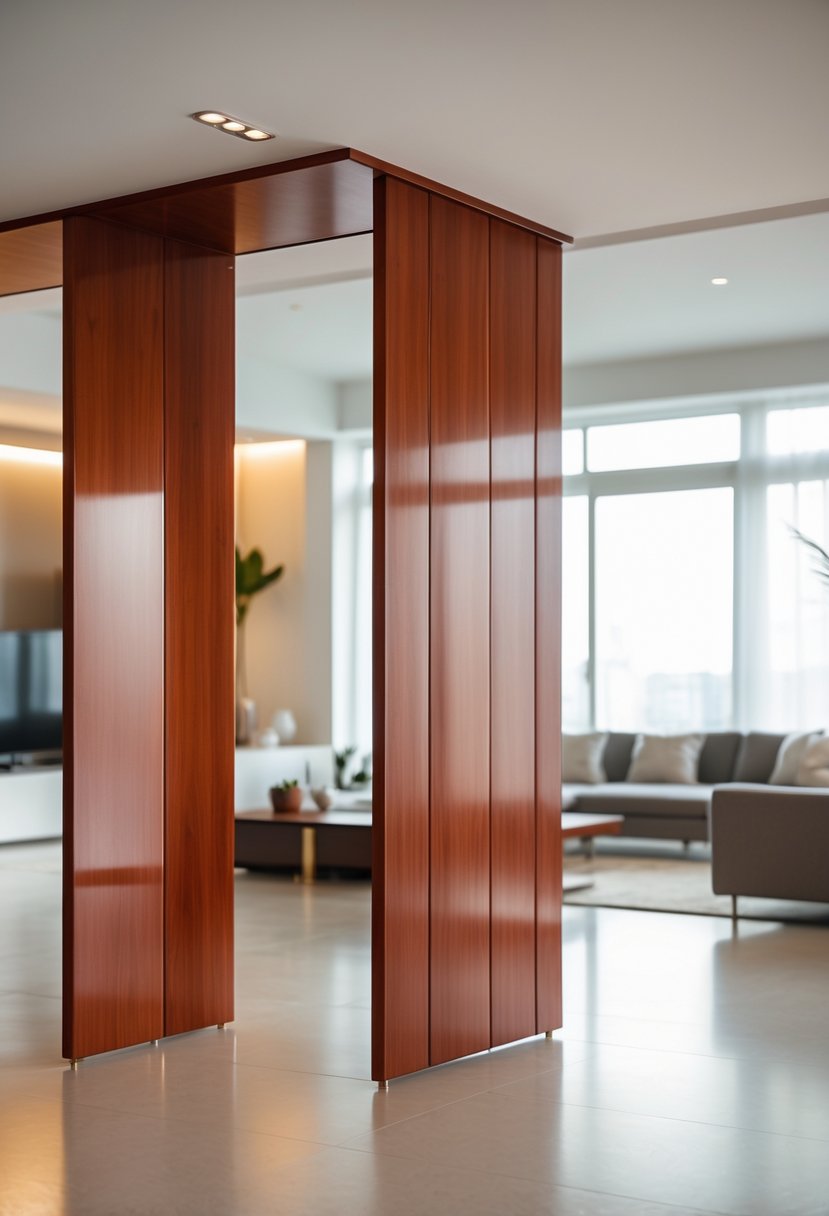
Cherry wood room dividers help define areas in open-plan layouts without closing off light or airflow.
They add warmth through their natural finish while creating a clear boundary between living, dining, or work spaces.
Folding screens and panel dividers in cherry wood also store easily, making them practical for flexible layouts.
Cherry-colored decorative cushions on dining chairs
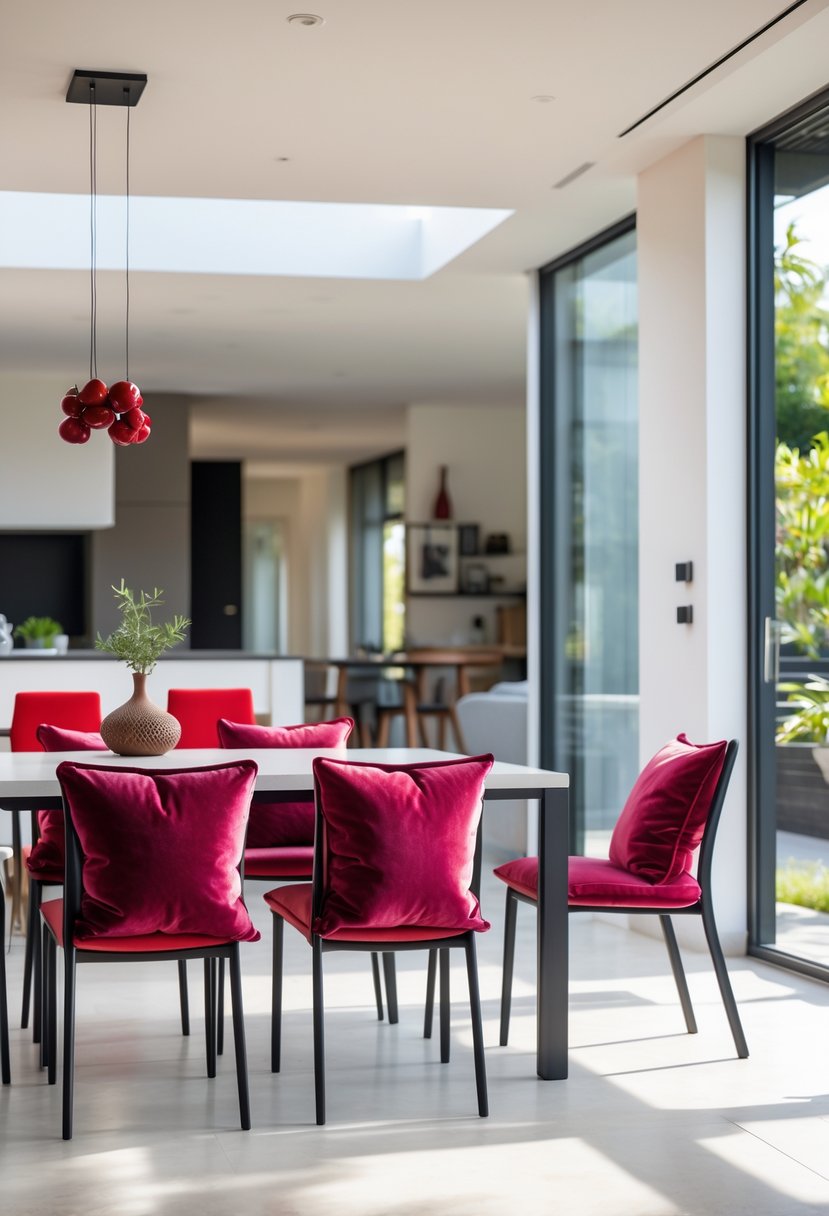
Cherry-colored cushions add a simple way to bring warmth to dining spaces.
They fit well on both wooden and upholstered chairs, offering comfort while highlighting the seating area.
Patterns with cherries or solid cherry tones can create a subtle accent that ties the dining area to nearby living spaces.
Design Principles for Cherry Coded Accents
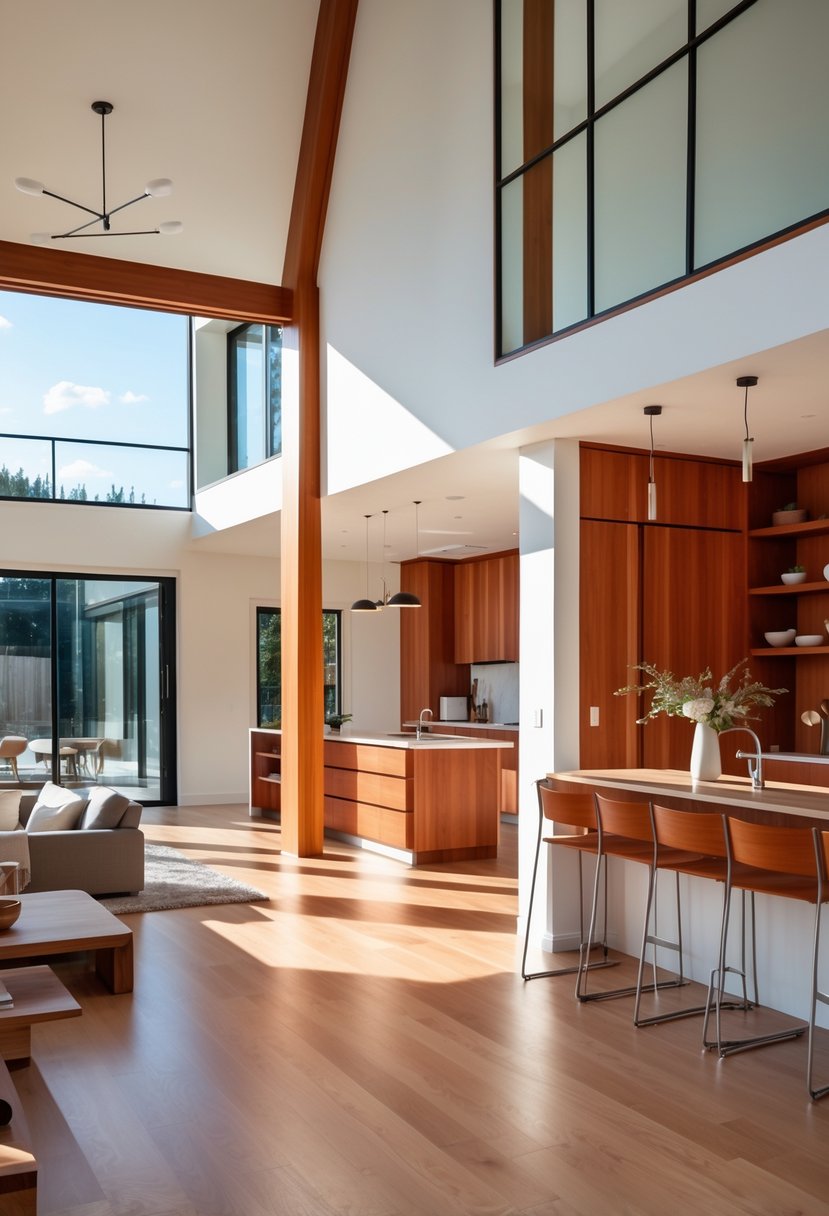
Cherry coded accents work best when they respect the flow of an open-plan layout. The key lies in understanding how color interacts with light, scale, and existing features while ensuring the design feels cohesive rather than overwhelming.
Color Theory and Open-Plan Spaces
In open-plan houses, color zones help define function without adding walls. Cherry hues like maroon, burgundy, and wine can mark dining areas or seating zones while keeping the layout connected.
Lighter neutrals such as beige, cream, or light gray balance these deeper tones. This pairing prevents spaces from feeling too heavy and supports a smoother visual transition between areas.
Lighting plays a major role. Natural light enhances the richness of cherry tones, while warm artificial lighting creates a more intimate setting. In darker rooms, limiting cherry accents to smaller surfaces—such as cushions or artwork—avoids making the space feel closed in.
A simple guide:
- Large surfaces → use muted or neutral tones
- Accent pieces → apply cherry-coded hues
- Transitions → blend with mid-tones like taupe or soft brown
This approach keeps the palette grounded while allowing the red tones to stand out where they matter most.
Balancing Boldness With Subtlety
Cherry coded accents add personality, but balance determines success. Too much red can dominate and reduce versatility, while too little can feel like an afterthought.
Furniture with deep cherry upholstery works well when surrounded by neutral flooring and walls. Smaller accents—such as vases, rugs, or framed prints—introduce color without overwhelming the eye.
Texture also softens bold choices. For example, pairing a glossy cherry table lamp with a matte linen sofa creates contrast that feels intentional. Mixing finishes prevents the design from looking flat.
An effective strategy is layering. Start with one or two statement pieces, then add smaller accents across the room. This creates continuity without repetition. By distributing cherry tones evenly, the space feels balanced and visually organized.
Integrating Cherry Hues Into Modern Interiors
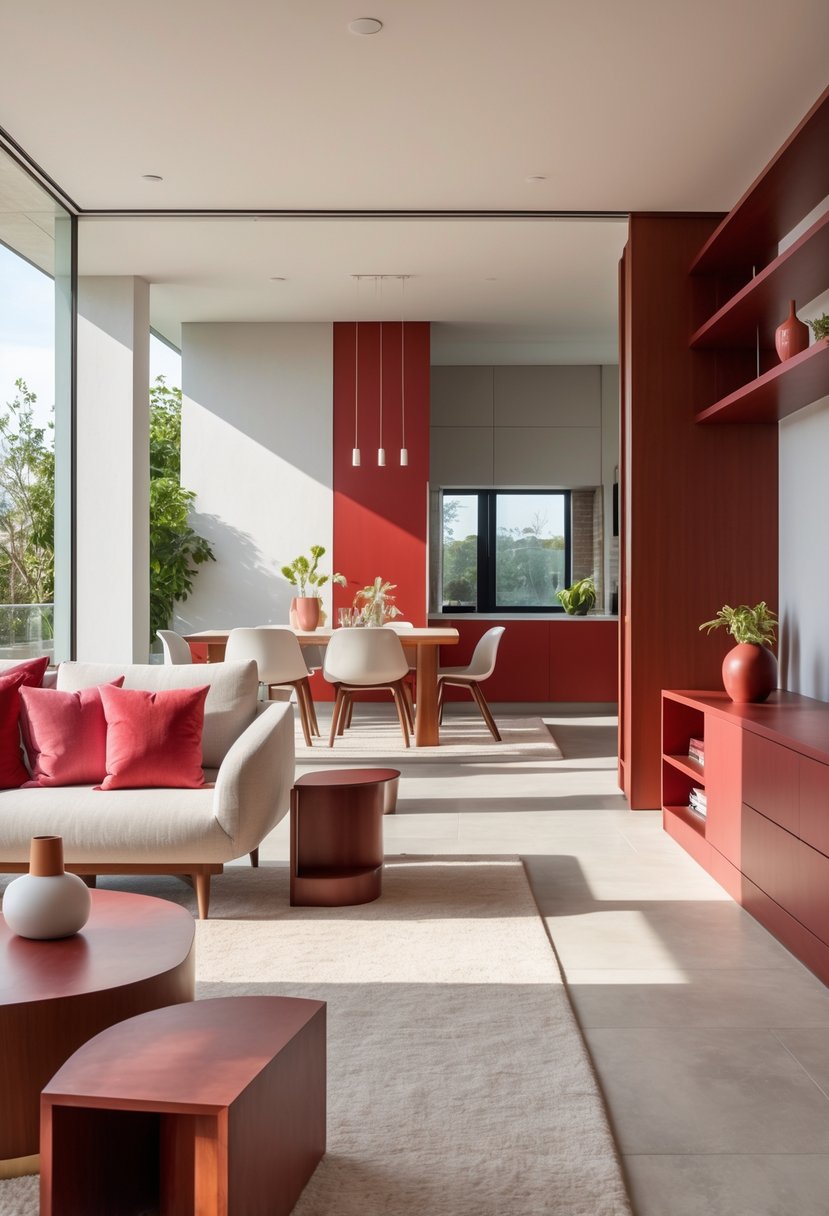
Cherry tones bring depth and warmth when paired with the right finishes. The choice of materials and the way lighting interacts with these rich shades determine whether the space feels balanced or overwhelming.
Material Choices and Textures
Cherry works best when combined with surfaces that highlight its depth without competing for attention. Smooth finishes like lacquered cabinets or polished wood create a sleek, modern look, while matte fabrics and natural fibers soften the intensity.
Layering textures helps prevent the color from dominating. For example:
- Cherry-stained wood paired with light oak or ash
- Upholstery in deep red balanced with linen or cotton neutrals
- Glossy ceramic tiles offset by matte wall paint
Furniture with clean lines benefits from cherry accents in side tables, shelving, or chair frames. In larger areas, limiting cherry to feature walls or cabinetry keeps the palette controlled.
Metal finishes also influence the effect. Brushed brass or black steel adds contrast and sophistication, while chrome or silver tones bring a cooler edge. These subtle pairings keep cherry grounded in a modern context.
Lighting Considerations for Cherry Accents
Lighting defines how cherry tones appear throughout the day. Warm lighting enhances the richness of red hues, making them feel inviting and cozy. Cool lighting, on the other hand, can make cherry look sharper and more dramatic.
In open-plan layouts, layered lighting prevents shadows from dulling the color. A mix of ambient, task, and accent lighting ensures cherry features stay visible without overpowering the room.
Spotlights can highlight cherry cabinetry or artwork, while pendant lights above dining areas emphasize red tones in furniture. Natural light is equally important—placing cherry elements near windows allows the color to shift subtly with changing daylight.
To avoid overwhelming brightness, dimmers provide flexibility. This makes it easy to adjust how bold or soft cherry accents appear, depending on the activity and mood of the space.
Explore these nature-inspired color palettes from Better Homes & Gardens.


