
Modern Surrealism Statement Wall Art Ideas: 22 Creative Ways to Transform Your Space
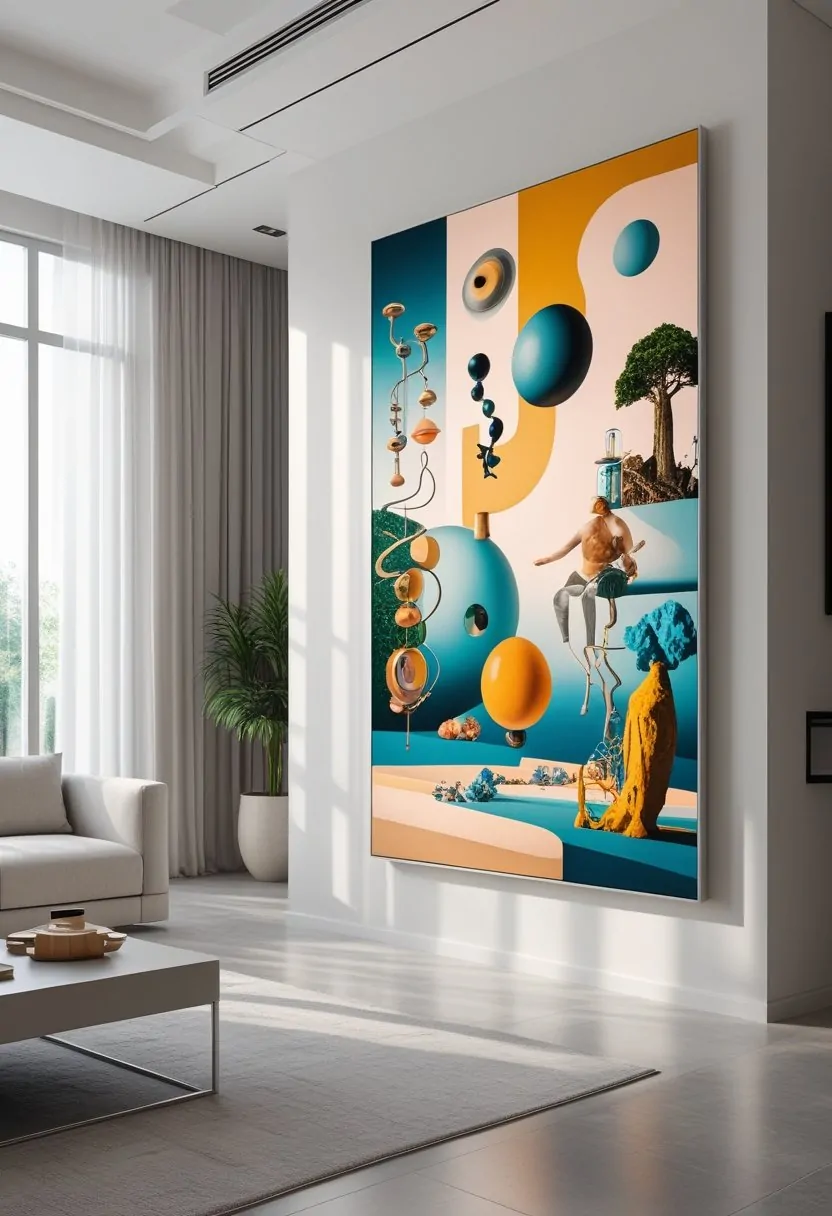
Modern surrealism statement wall art blends imagination with design in ways that make everyday spaces feel more thought-provoking. It takes familiar objects, shapes, and images and reimagines them in unexpected forms that challenge how people see their surroundings. This style offers a way to bring creativity and individuality into a room without relying on traditional décor.
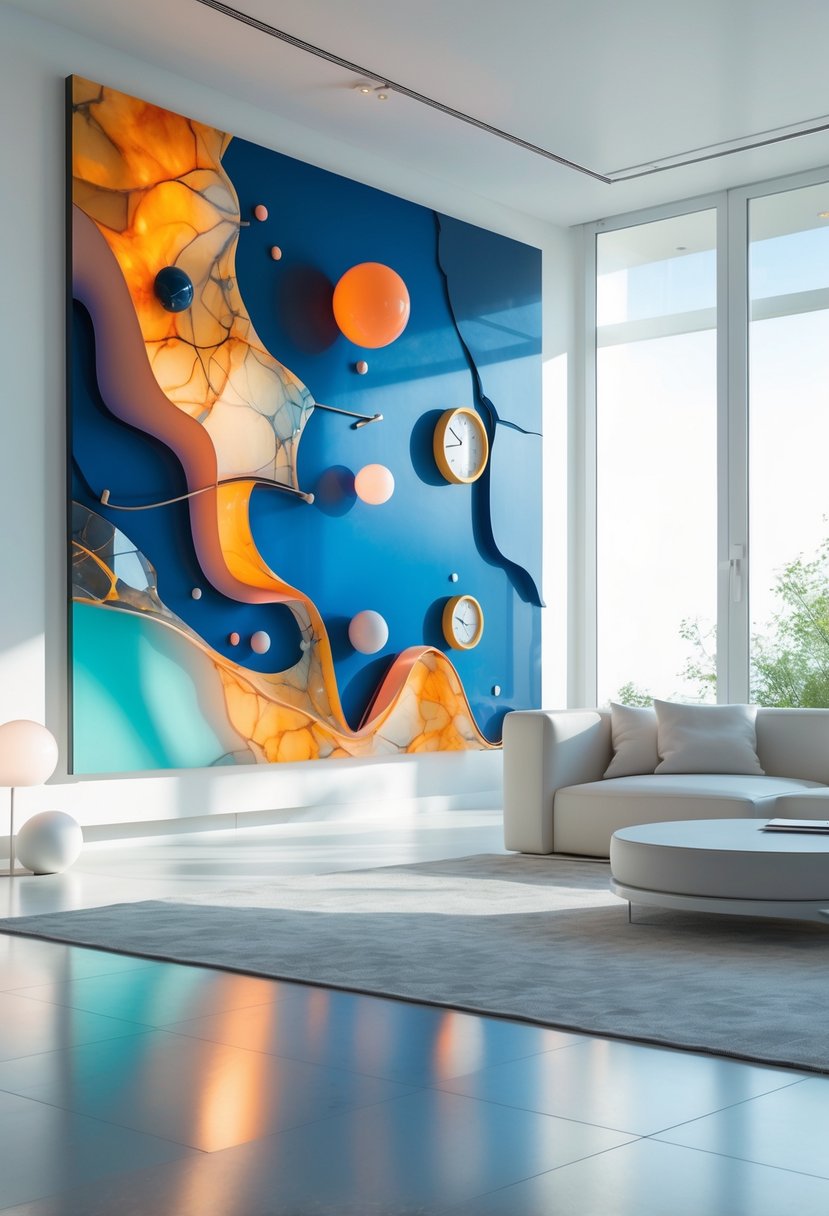
From bold sculptures to dreamlike prints, modern surrealism invites a fresh perspective on how art can shape an interior. It allows walls to become more than background—they become active parts of the design that spark curiosity and conversation.
Melting Clock Wall Sculpture
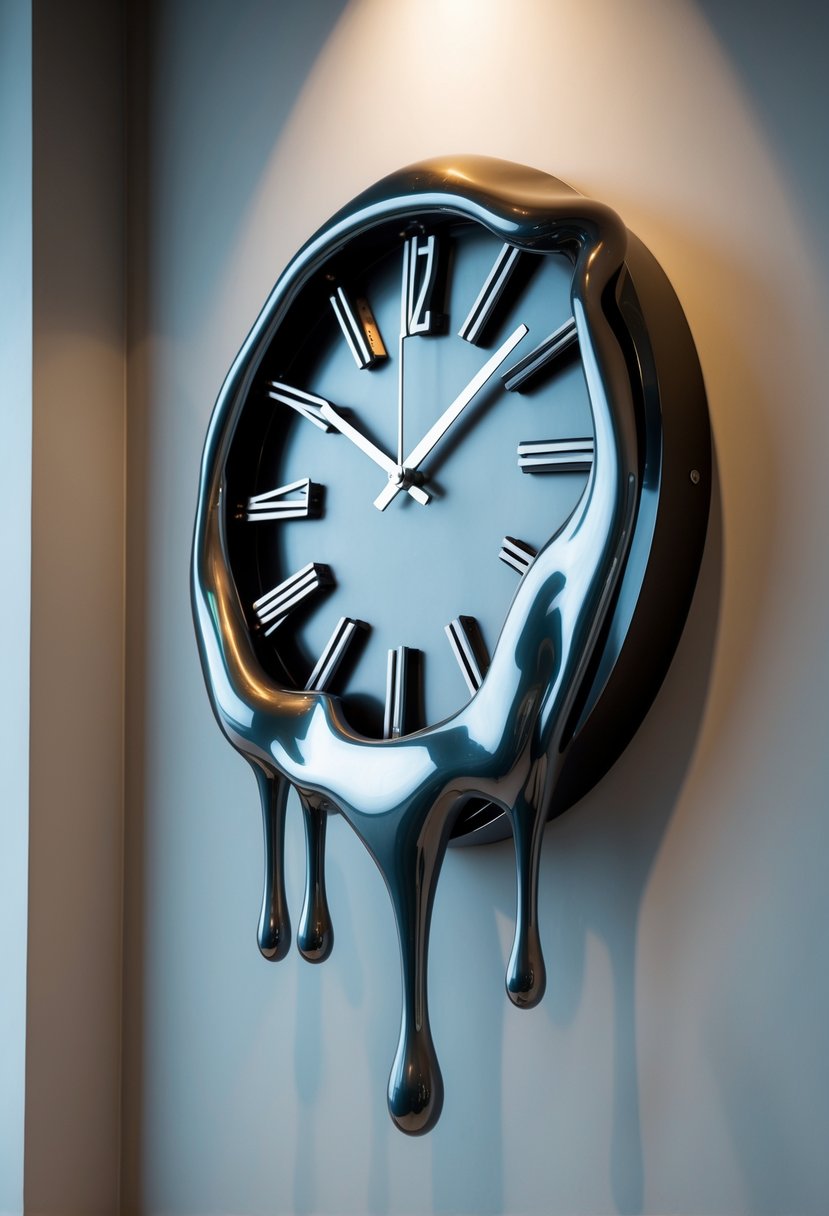
A melting clock wall sculpture reflects the influence of surrealist design, often linked to Salvador Dalí’s imagery.
These pieces use distorted shapes to suggest the fluid nature of time.
Made from materials like metal, they work well as focal points in living rooms, studios, or offices.
Dreamscape Botanical Prints
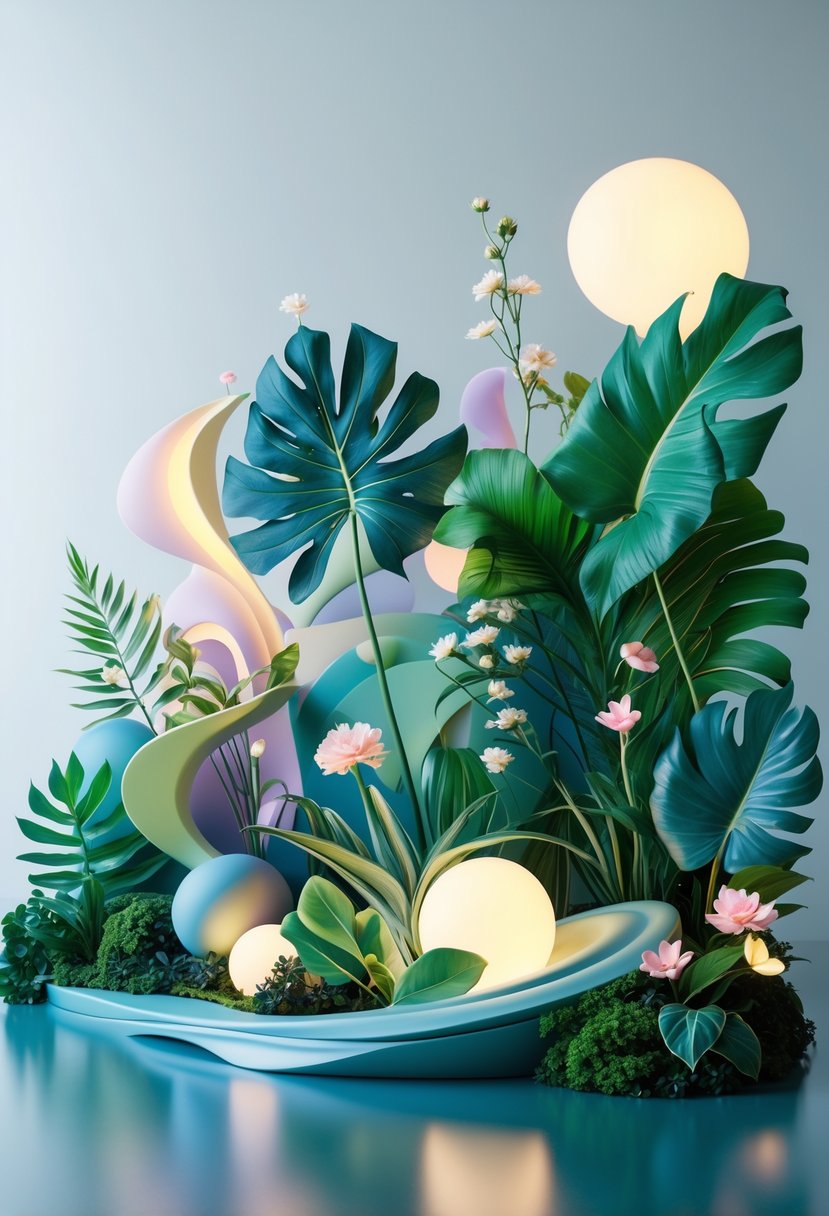
Dreamscape botanical prints combine natural elements with surreal design. They often feature plants, flowers, or landscapes arranged in unusual ways.
Soft colors or bold contrasts can create a calm or striking effect. These prints work well in living rooms, bedrooms, or creative spaces.
They add visual interest without overwhelming a room. Many designs mix realism with dreamlike details for a balanced look.
Floating Surrealist Faces Canvas
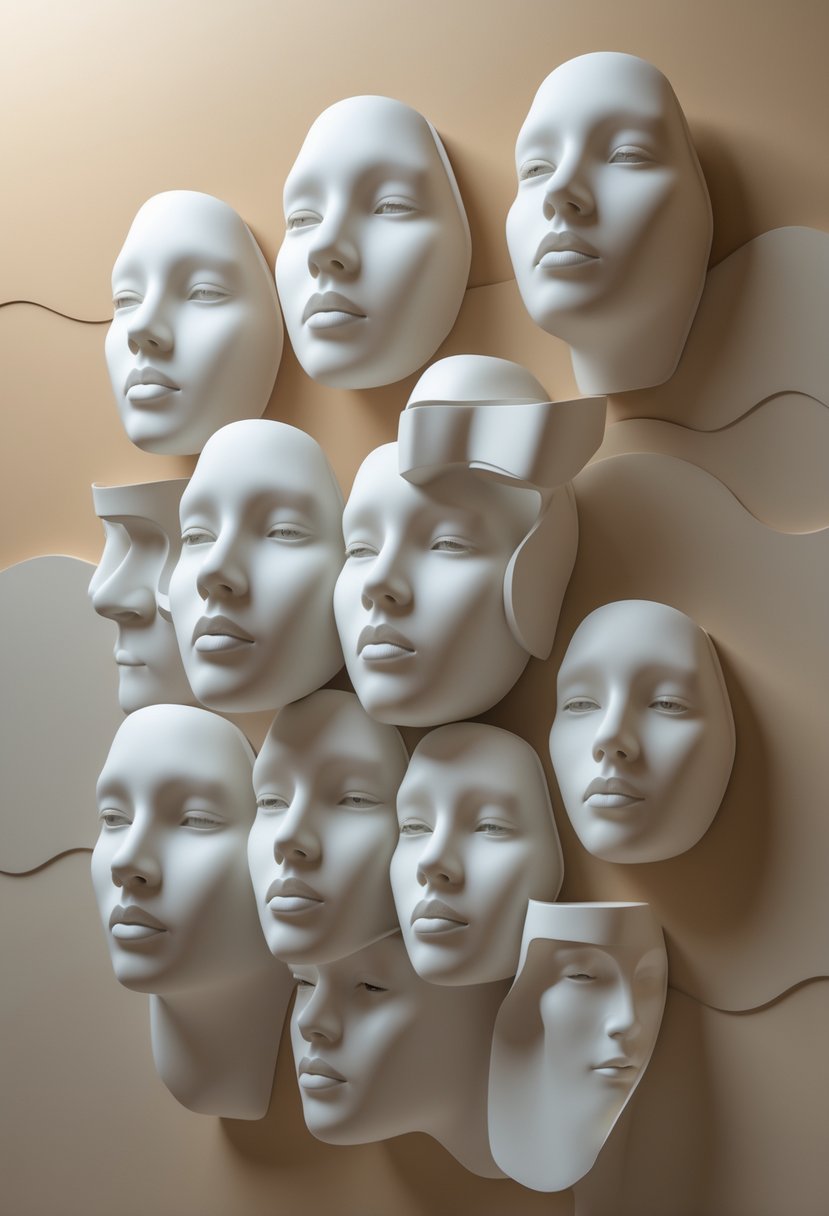
Floating surrealist faces on canvas highlight the dreamlike qualities of modern surrealism. These artworks often mix human features with abstract or symbolic elements.
They create a sense of disconnection from reality while still keeping a recognizable form. This balance makes them engaging focal points for contemporary interiors.
Gravity-Defying Furniture Art
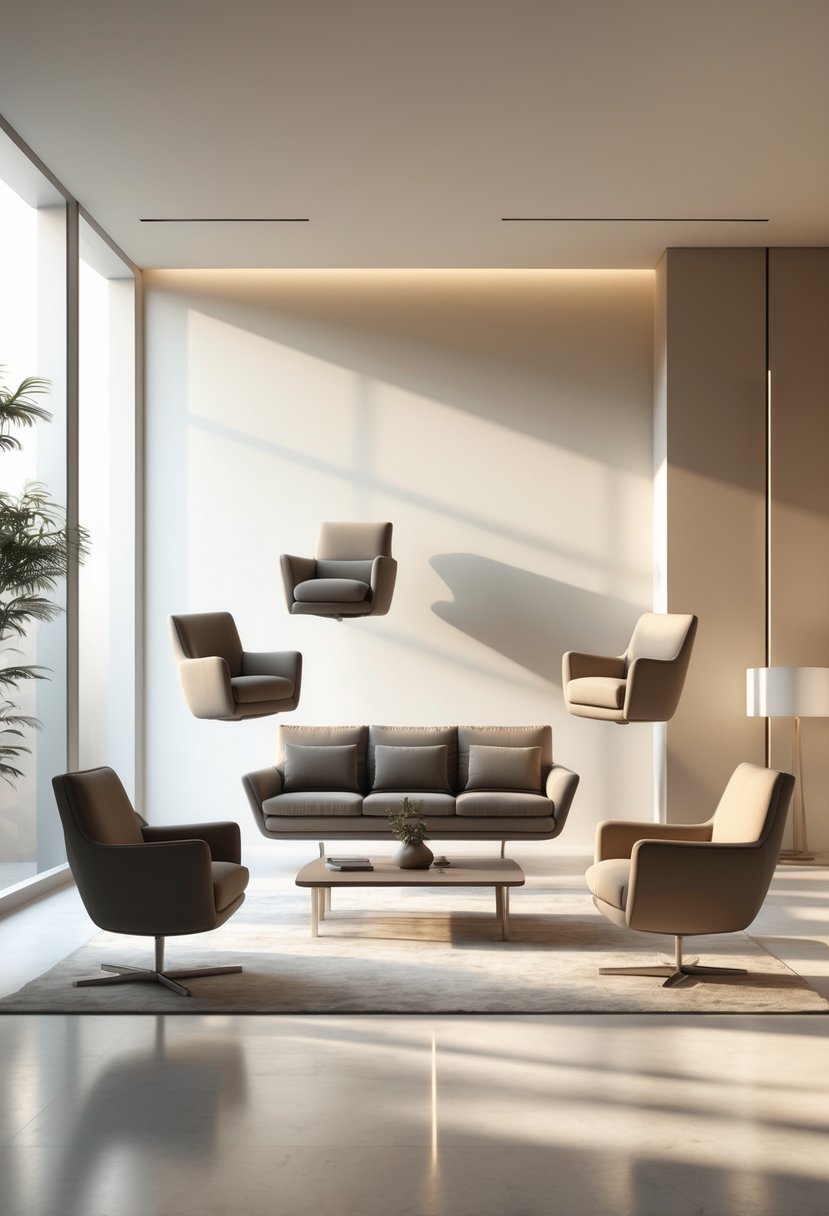
Furniture that appears to float or balance in unexpected ways adds a surreal quality to a room. Designers often use hidden supports or transparent materials to create this effect.
Chairs, benches, and shelves that seem suspended in midair work as both functional pieces and visual art. They challenge how people normally view space and structure.
Shadow Box Mounted Oddities
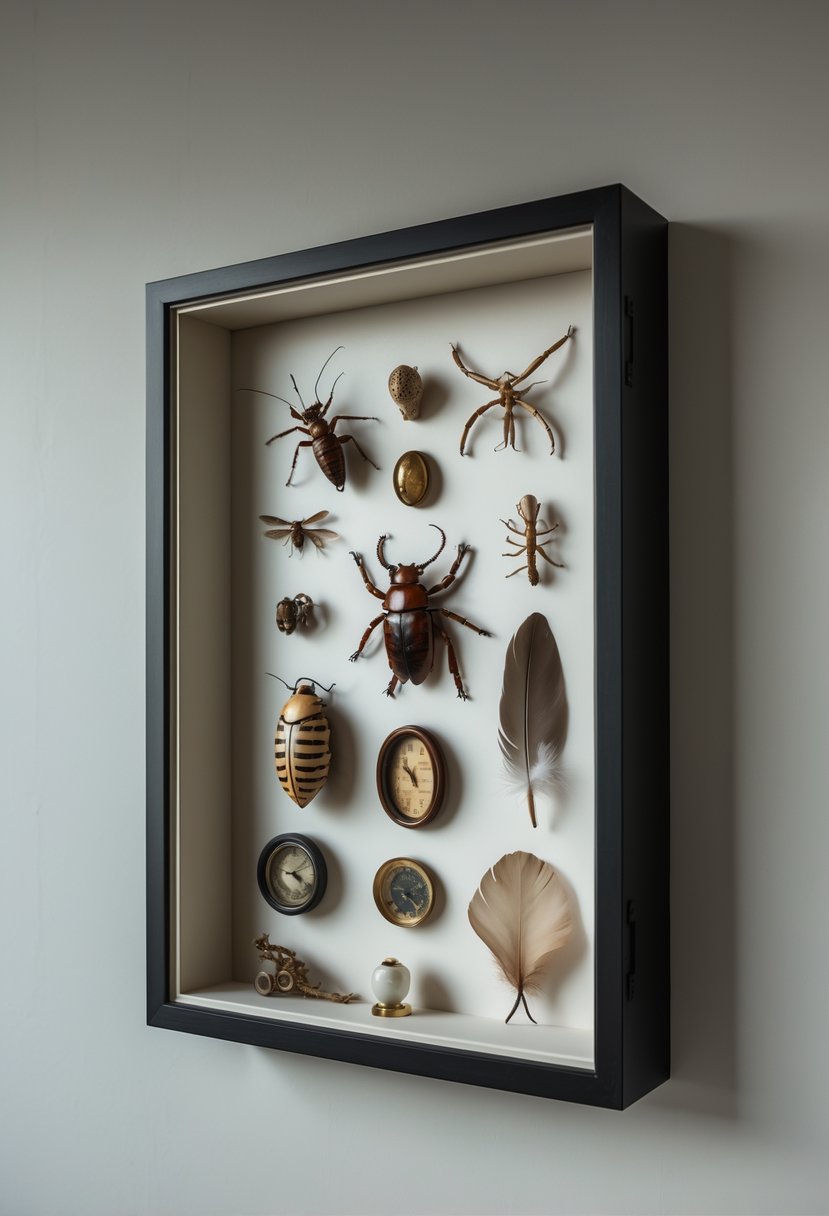
Shadow boxes allow small objects to become focal points on the wall. By framing items under glass, they gain a sense of permanence and purpose.
People often display natural specimens, vintage tools, or handmade pieces in these boxes. Each object stands out as both decor and conversation starter.
This approach blends function with creativity. It organizes unusual items while presenting them as intentional art.
Teacup Wall Sconce
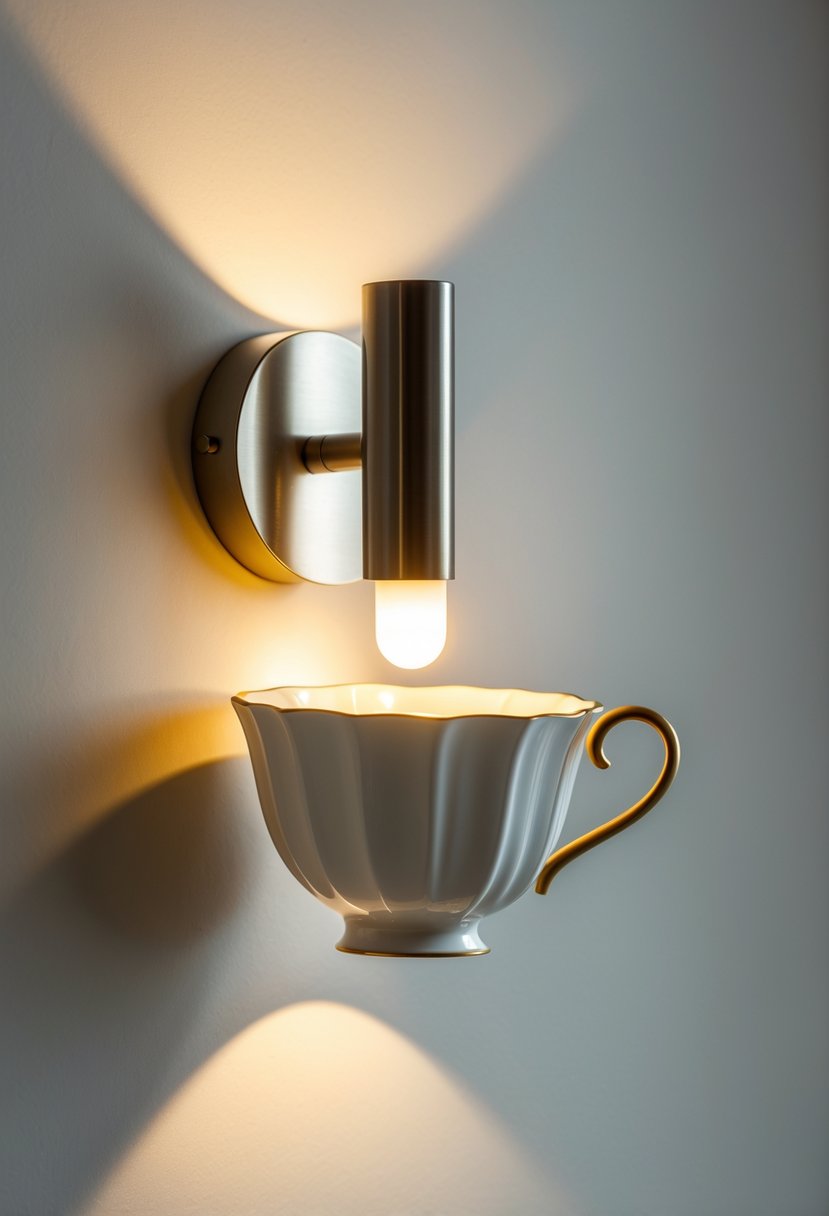
A teacup wall sconce blends everyday objects with functional design. It turns a simple cup into a light fixture that adds a subtle surrealist touch.
This idea works well in kitchens, dining areas, or hallways. It introduces an unexpected element without overwhelming the space.
Wooden Spoon Coat Hooks
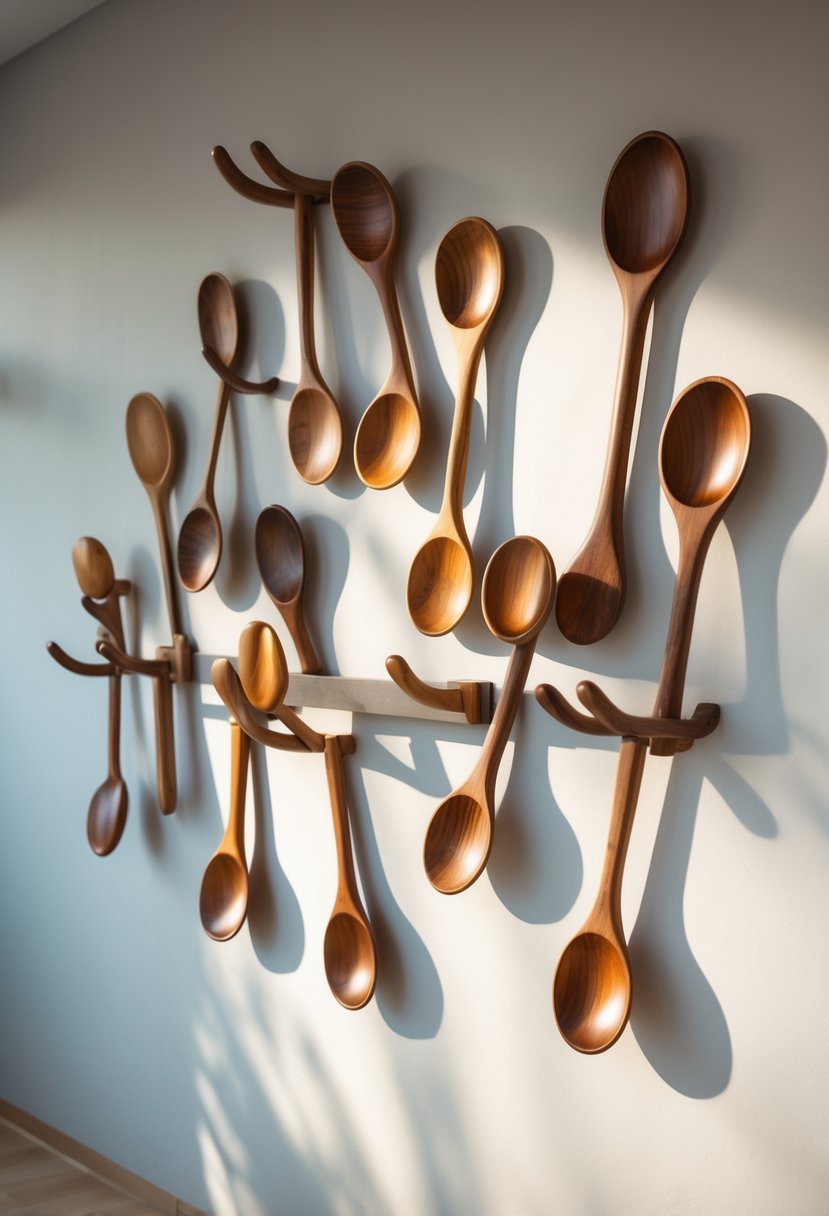
Wooden spoon coat hooks turn everyday utensils into functional wall art. They bring a handmade and practical element to a space.
By bending or mounting spoons as hooks, they create storage while adding visual interest. This approach fits well within modern surrealist design.
Surrealist Animal Hybrids Paintings
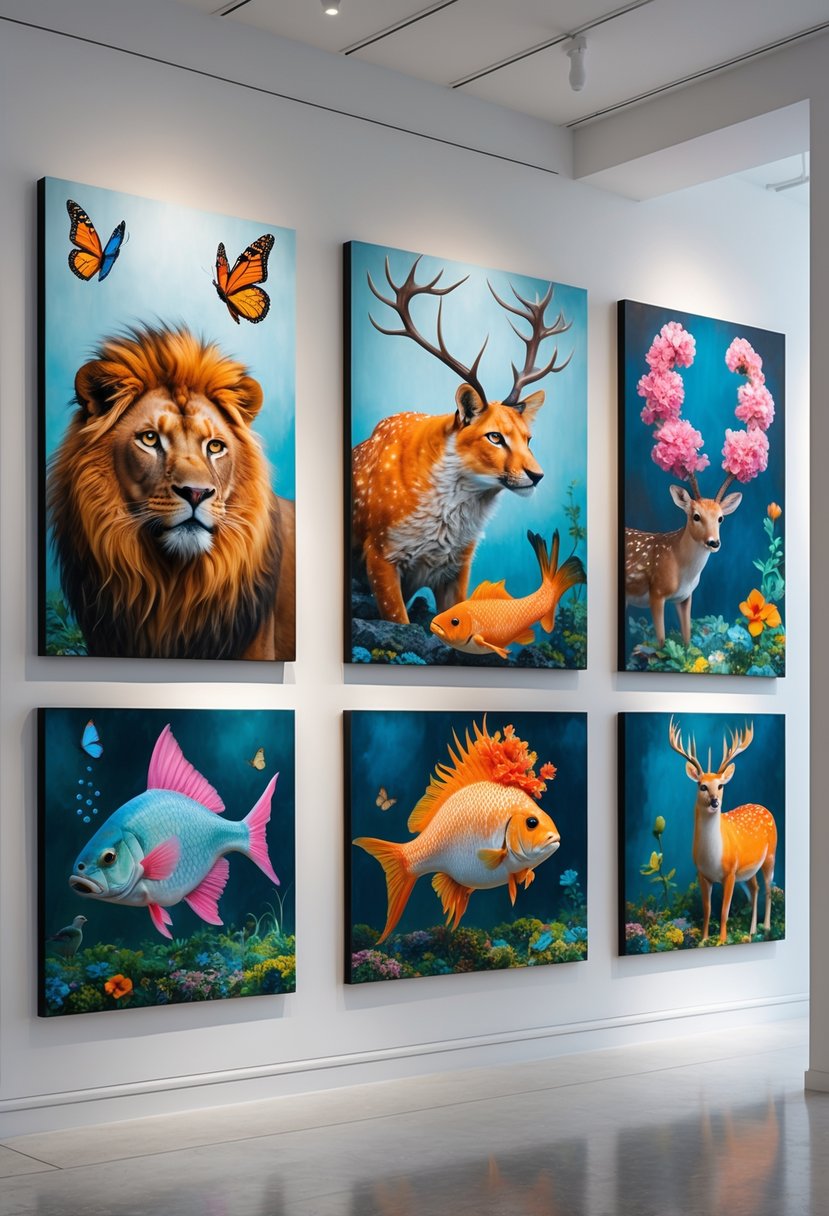
Surrealist animal hybrids paintings combine familiar creatures into unexpected forms. Artists often merge animals with other species or objects to create unusual pairings.
These works highlight imagination while keeping recognizable details. Viewers see both the natural and the strange in a single image.
Such paintings appear in many modern collections and online galleries. They remain a popular subject for statement wall art.
Vibrant Color Splash Abstracts
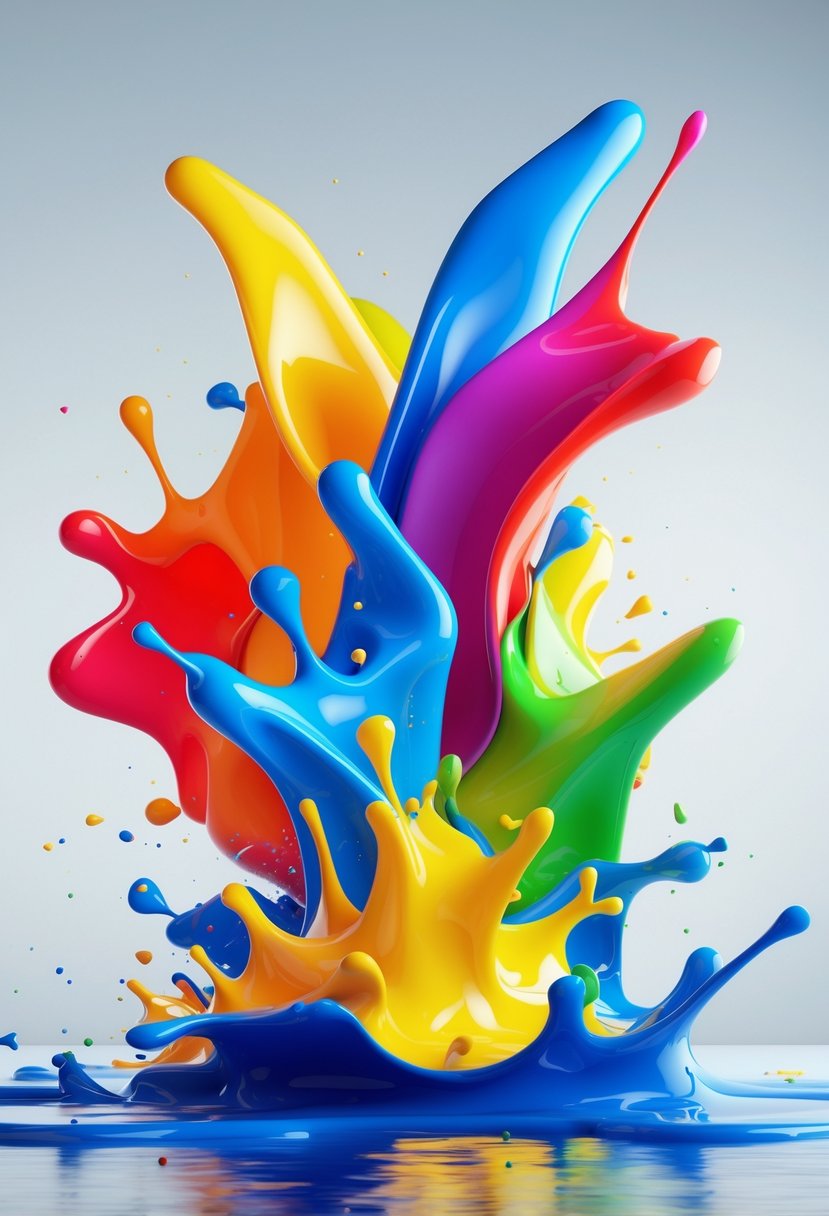
They often use bold strokes and bright tones to create strong visual impact.
These works can balance sharp contrasts with softer blends, giving walls both energy and depth.
Many people choose them to introduce a modern accent that feels lively without overwhelming the space.
Eccentric Mirror Frames
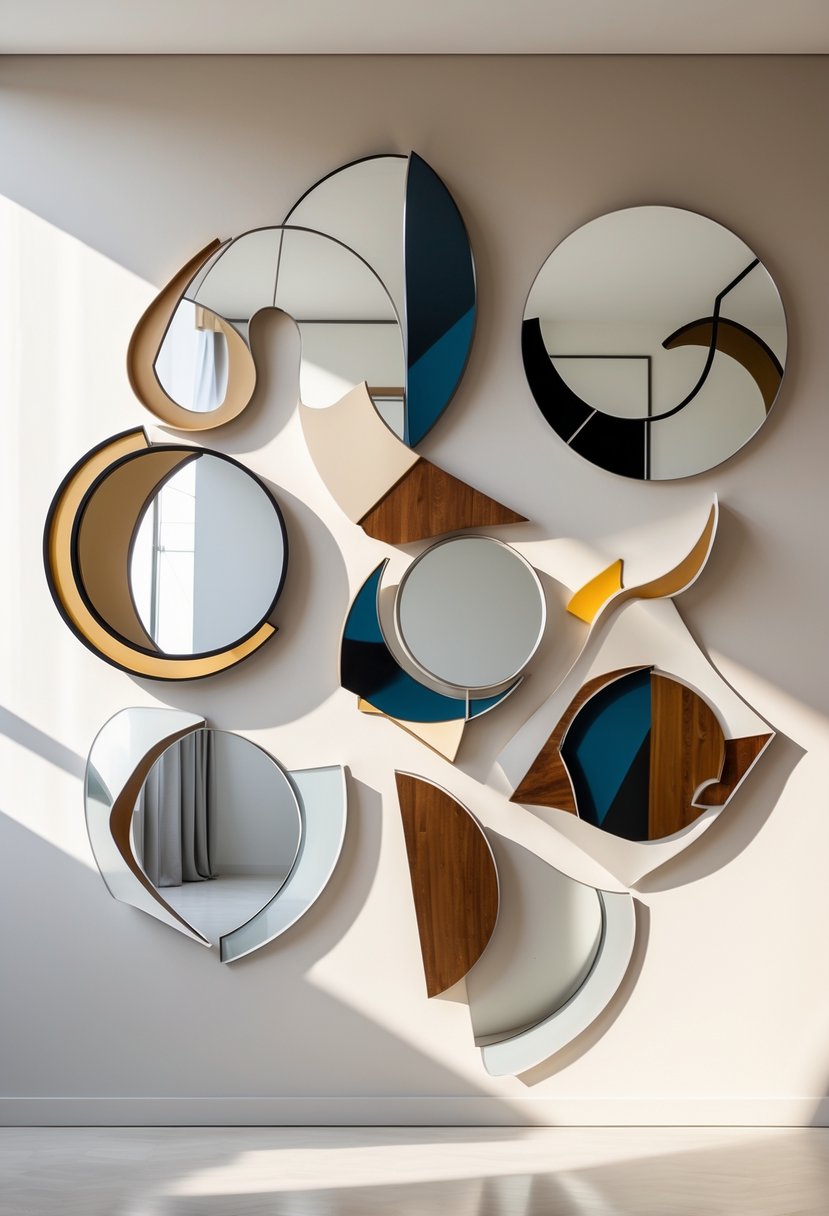
Eccentric mirror frames add character by breaking away from standard shapes and finishes. Irregular edges or asymmetrical outlines create visual interest on a wall.
They can feature ornate detailing, geometric cuts, or fragmented designs that reflect light in unexpected ways. These variations make mirrors both decorative and functional.
Levitation Inspired Wall Hangings
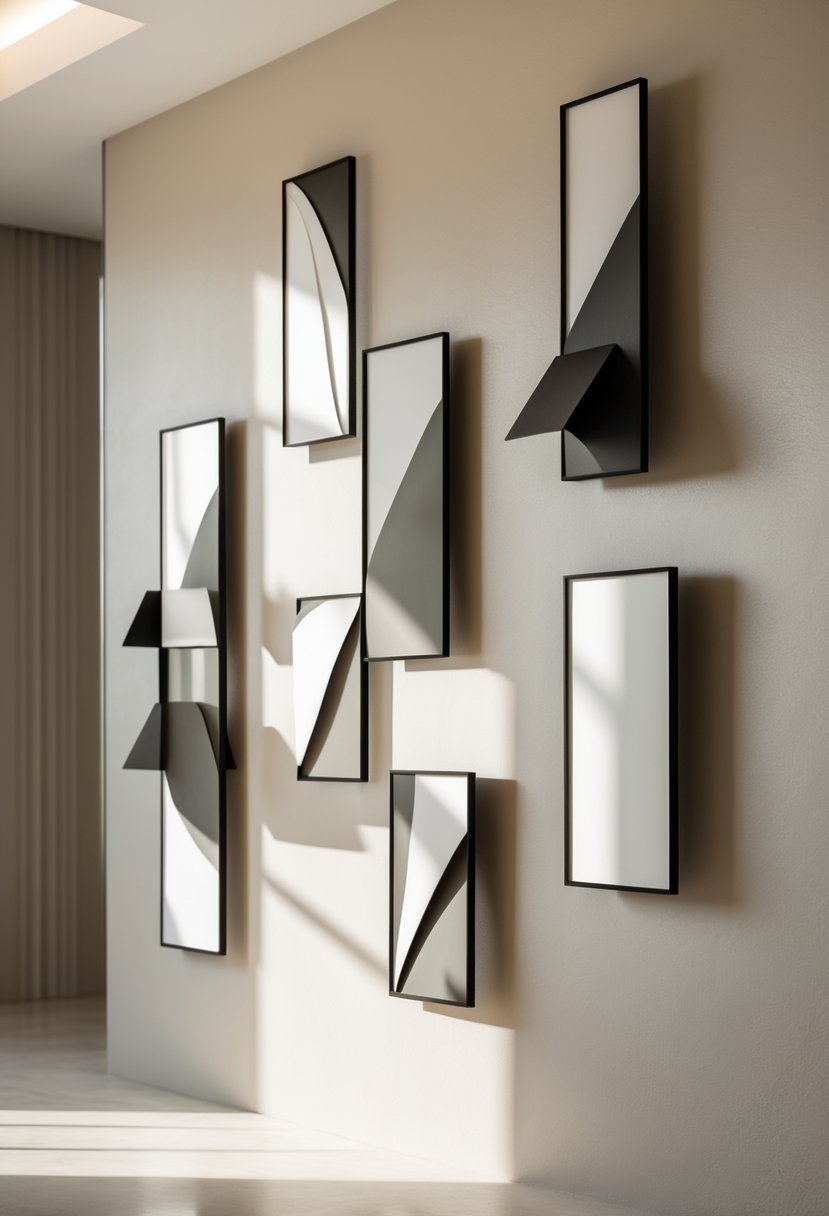
Levitation themes in wall art use floating shapes or suspended objects to create a sense of weightlessness.
Artists often arrange everyday items in mid-air compositions, making familiar objects appear detached from gravity.
These designs add subtle movement to a room while keeping the overall look clean and modern.
Mystical Forest Scene Prints
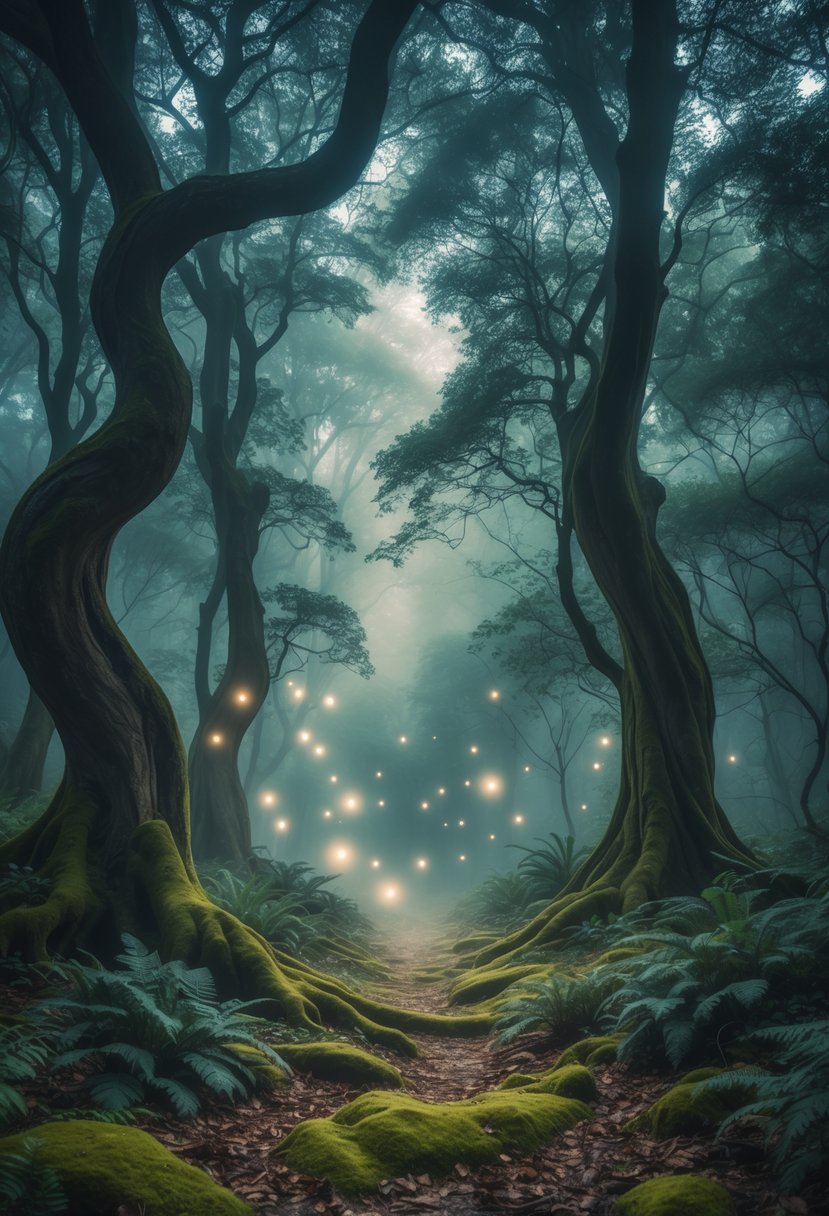
Mystical forest prints often feature dense trees, soft light, and layered textures that create a calm atmosphere.
They work well in living rooms, bedrooms, or offices where natural themes add balance.
Artists use surreal elements like unusual colors or dreamlike paths to give these forest scenes a unique, modern style.
Floating Sculpture Installations
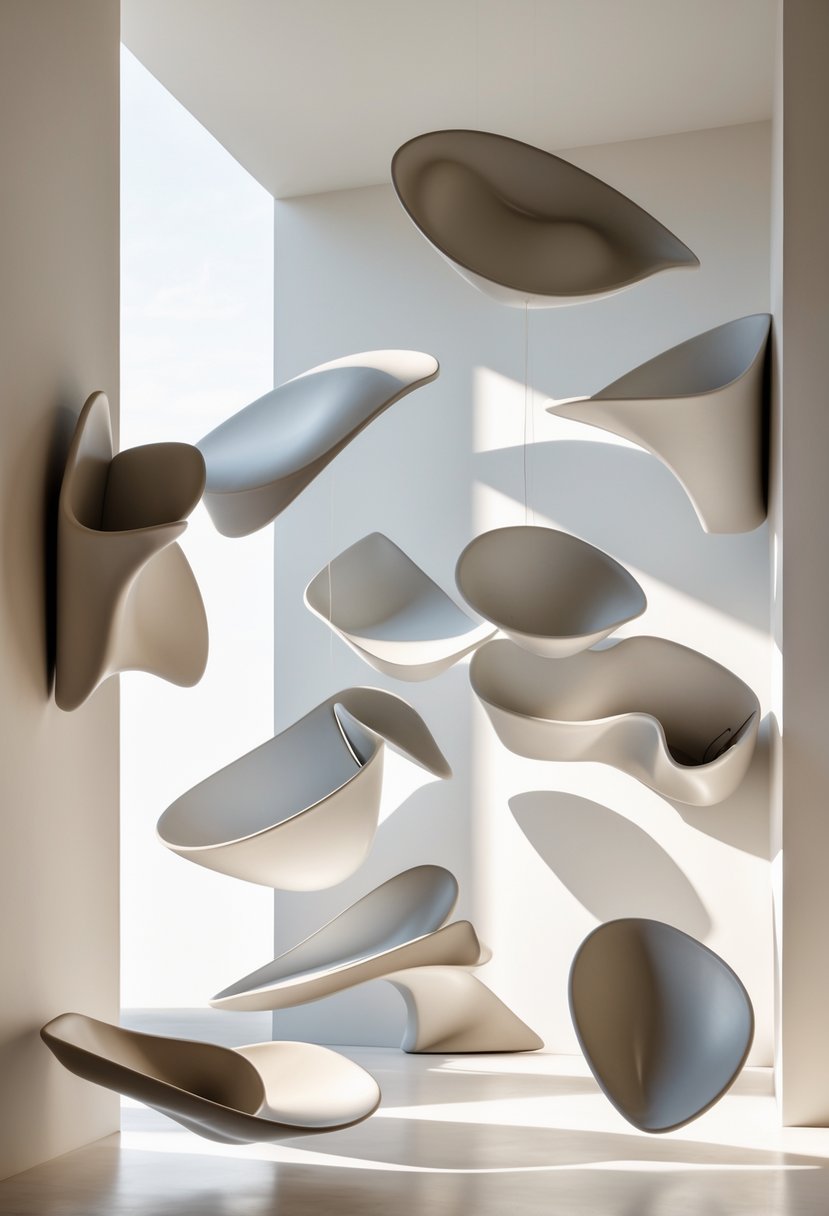
Floating sculptures add depth by creating the illusion of weightless objects. They often use clear wires or hidden supports to suspend shapes in midair.
These installations can feature abstract forms, natural elements, or geometric designs. Positioned near walls, they cast shifting shadows that enhance the surreal effect.
Whimsical Dali-Inspired Clocks
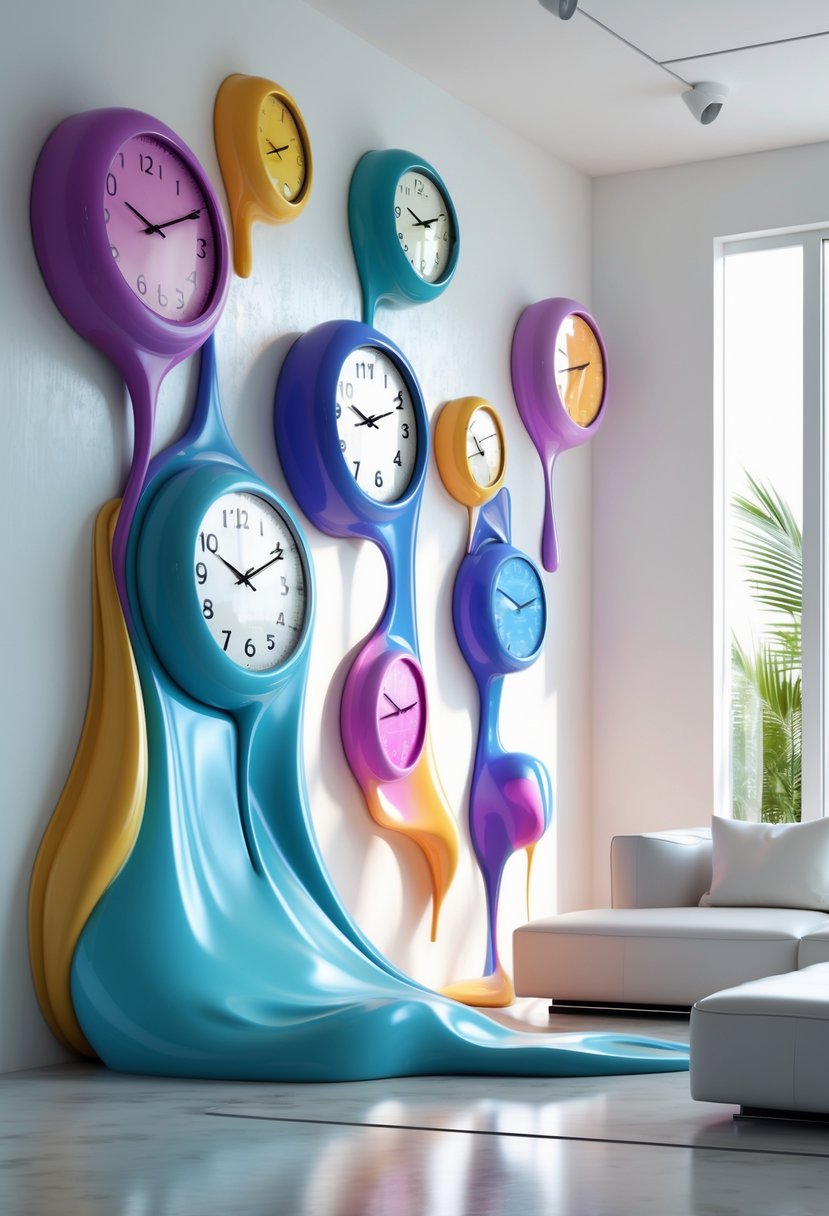
Dali-inspired clocks bring surreal design into everyday spaces. Their melting shapes and warped forms echo his well-known artistic style.
These clocks serve both as functional pieces and as decorative art. They add a playful yet distinctive element to walls or shelves.
Modern versions appear in handmade, custom, or vintage styles. Each offers a unique take on surrealist design.
Surrealist Eye Motif Art
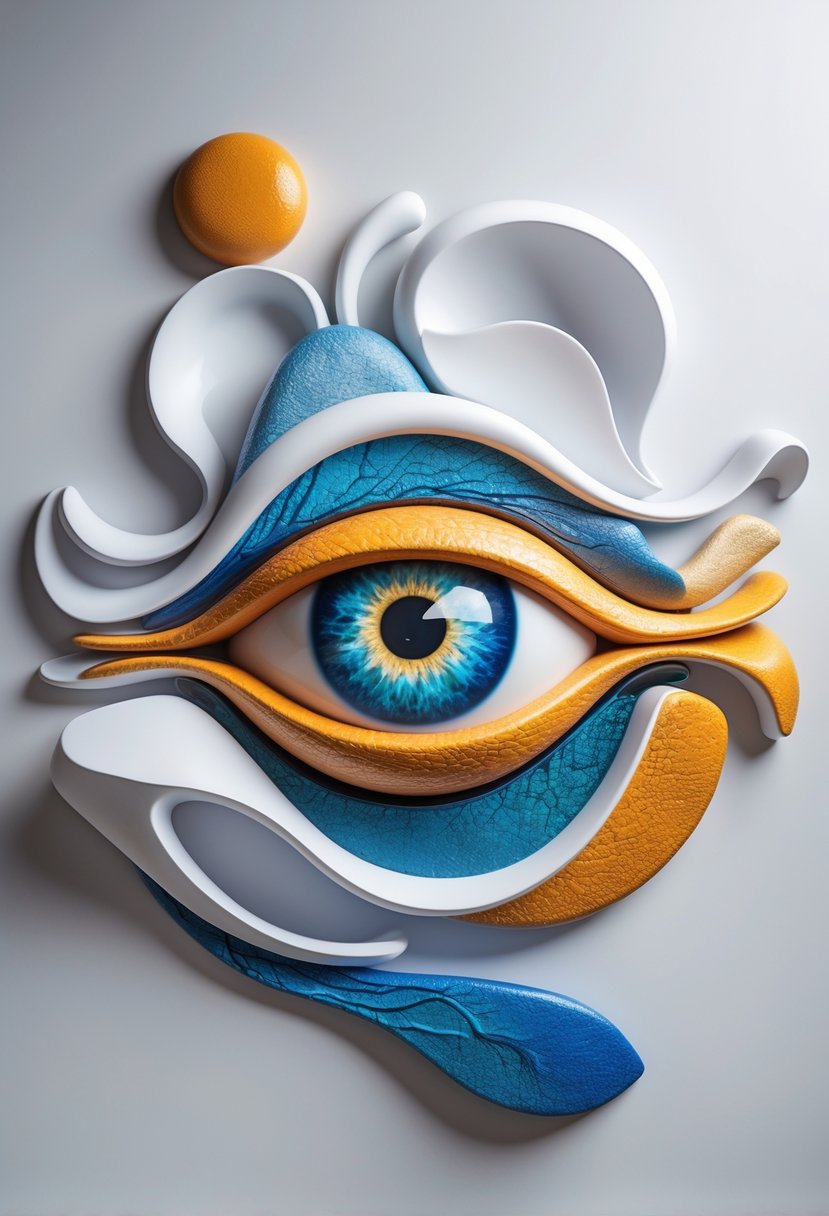
The eye motif appears often in surrealist wall art, symbolizing vision, awareness, and the boundary between reality and imagination.
Artists use eyes in dreamlike settings, pairing them with unexpected objects or abstract forms. This creates a focal point that draws attention and invites interpretation.
In modern interiors, eye-themed surrealist prints add intrigue while maintaining a clean, contemporary look.
Dreamlike Landscape Murals
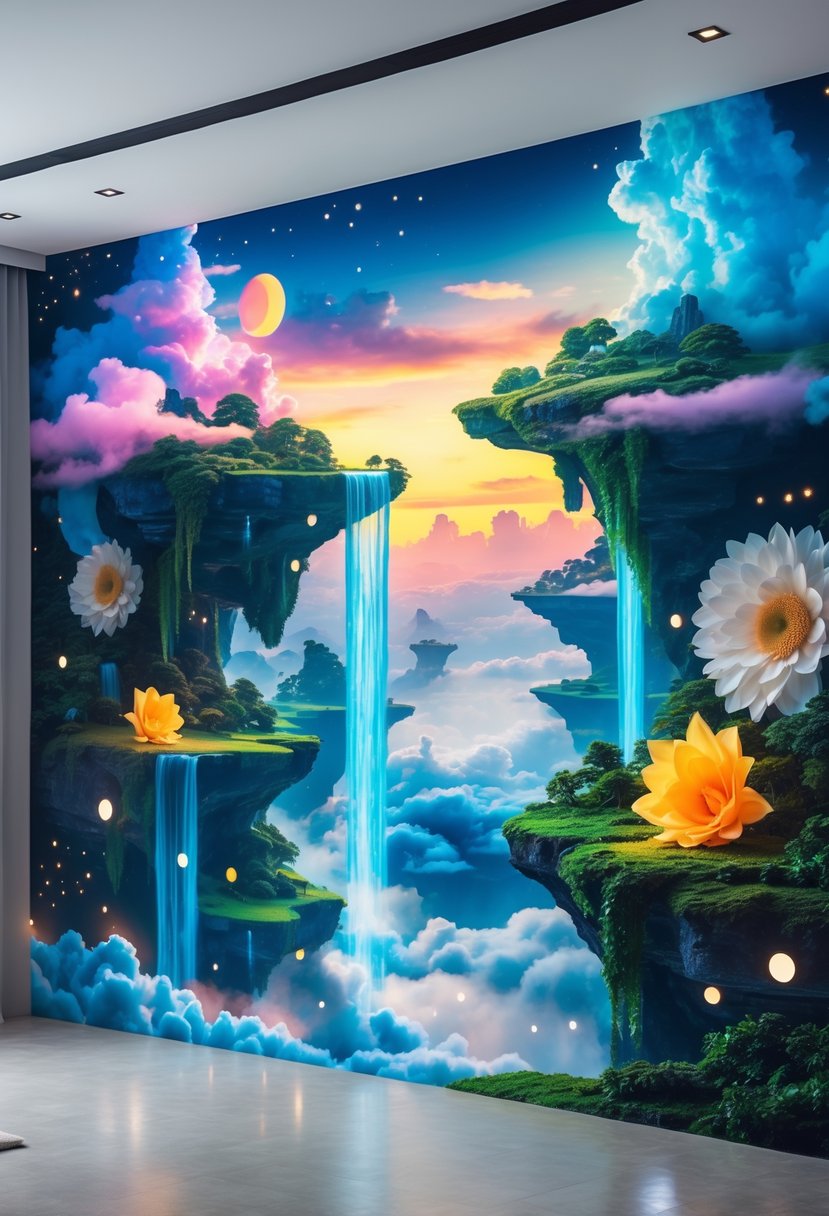
Dreamlike landscape murals bring surreal elements into everyday spaces. They often mix natural scenery with imaginative details that bend reality.
These murals can feature floating objects, unusual colors, or shifting perspectives. They create a visual focal point that adds depth and intrigue to a room.
Many choose them for living rooms or creative workspaces. The designs encourage curiosity and spark conversation without overwhelming the space.
Surrealist Typography Posters
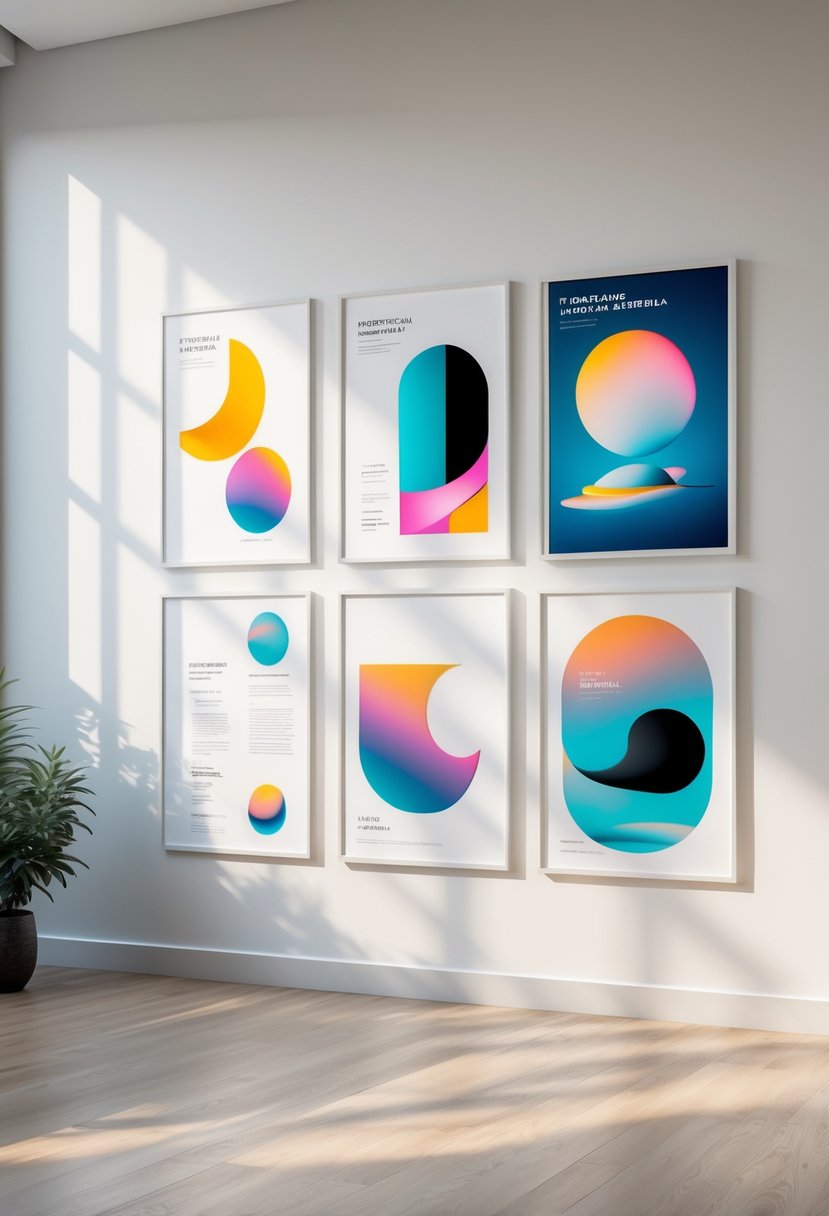
Surrealist typography posters combine text with unusual shapes, dreamlike layouts, and abstract imagery. They often use distorted letters or unexpected arrangements to create a sense of surprise.
These posters work well as statement pieces because they merge language with visual art. They add both artistic detail and a modern, experimental look to walls.
Optical Illusion Wall Panels
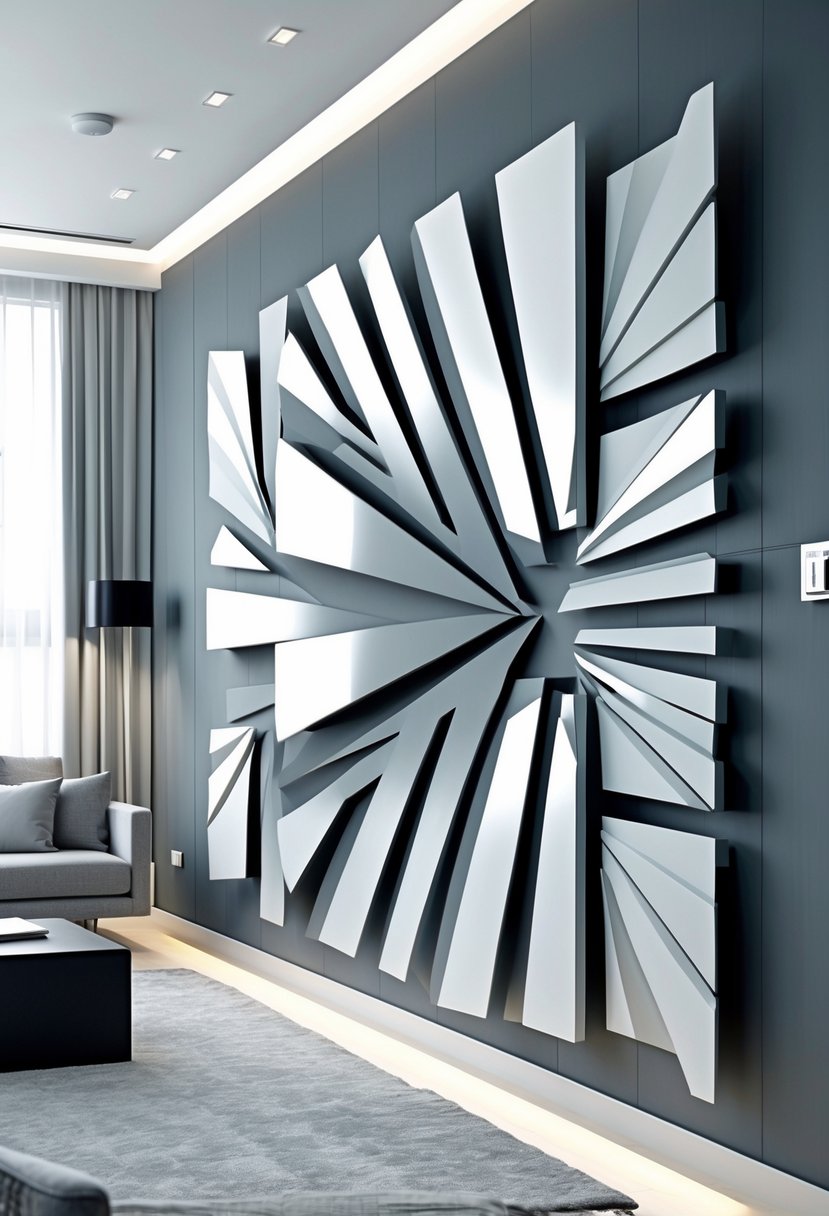
Optical illusion wall panels use patterns, shapes, and depth to create visual effects that play with perception.
They can make a room feel larger, add movement to flat surfaces, or introduce a striking focal point without extra decoration.
Geometric designs, 3D effects, and layered prints are common choices for modern interiors.
3D Surrealist Wall Decals
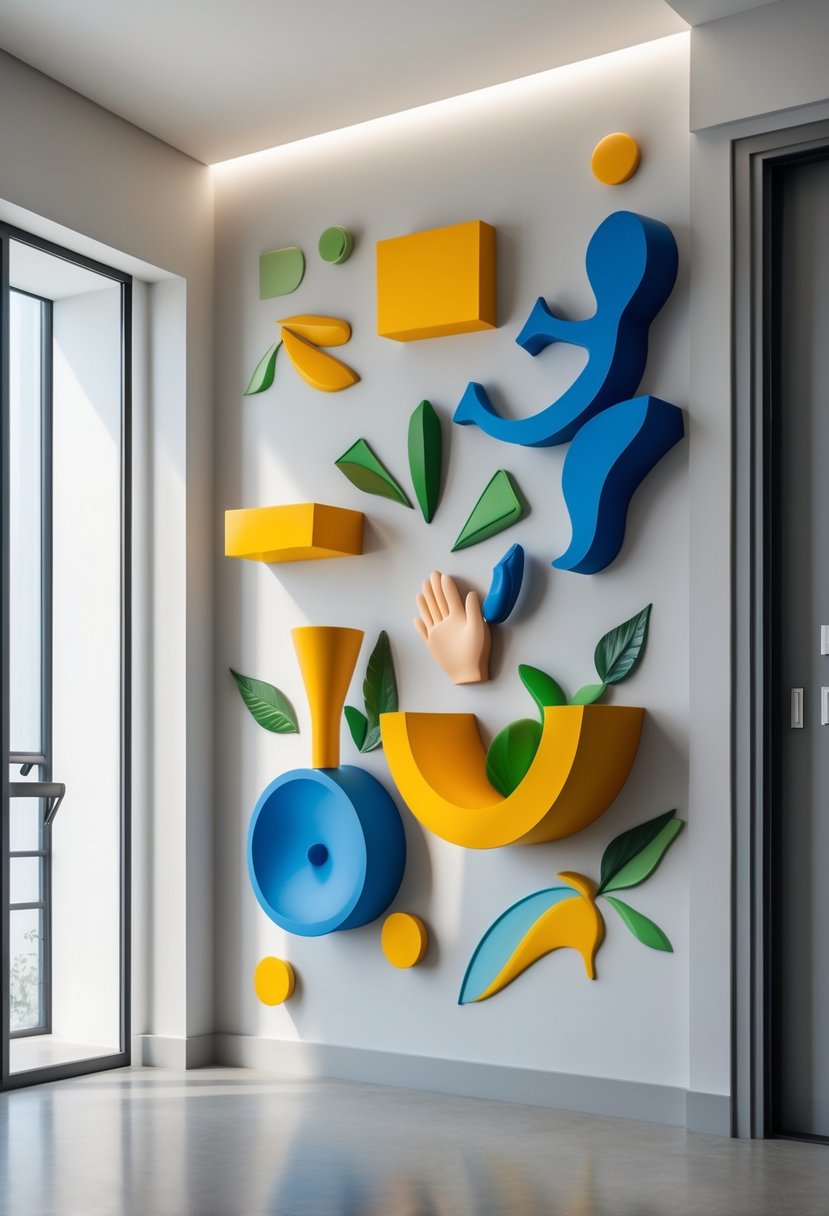
3D surrealist wall decals add depth and texture to flat surfaces. They create the impression of objects or spaces extending beyond the wall.
These decals often feature optical illusions, dreamlike imagery, or abstract shapes. They work well in living rooms, bedrooms, or creative studios.
By using removable designs, homeowners can experiment with bold visuals without permanent changes.
Floating Books Wall Art
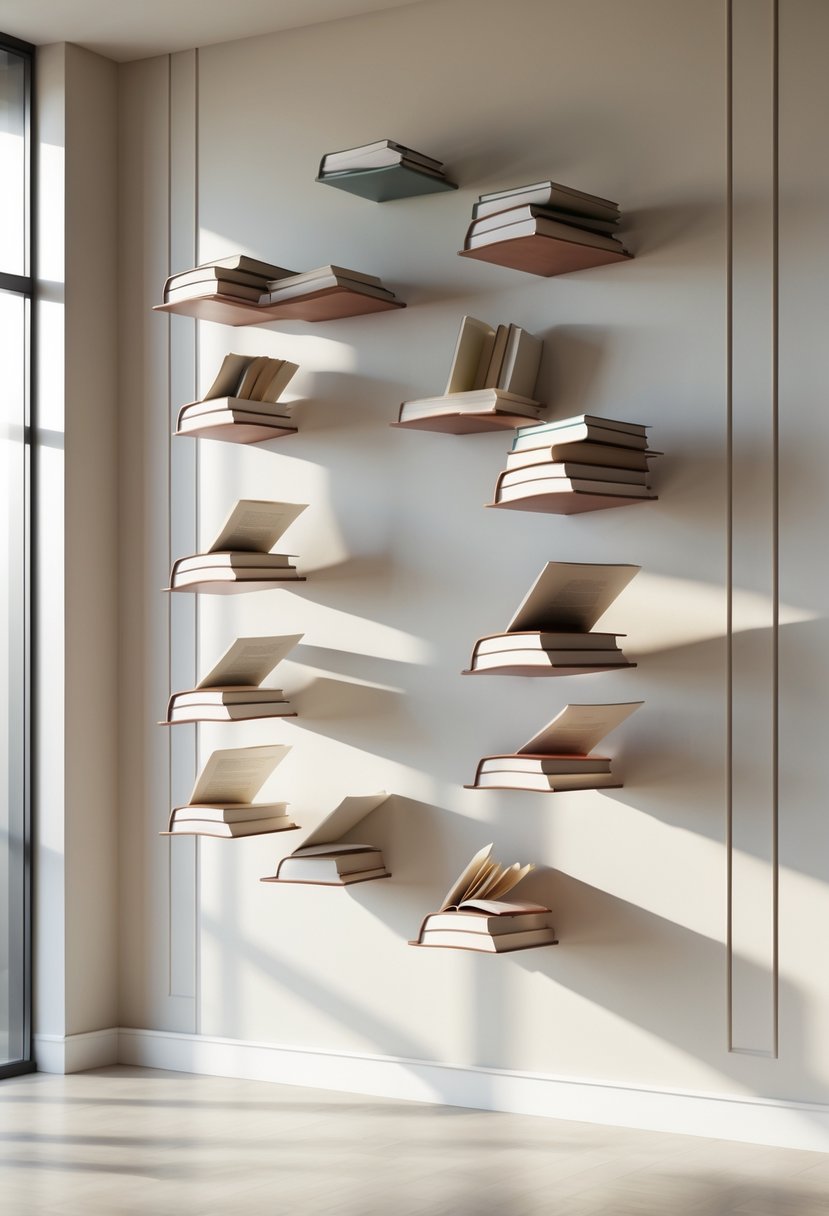
Floating books wall art creates the illusion that books hover in midair. This effect turns a simple shelf into a visual centerpiece.
The design works well in modern surreal interiors because it blends function with imagination. Books appear weightless while still being easy to reach and display.
Some designs use hidden brackets or invisible shelving. Others arrange books in patterns that resemble abstract wall art.
Surrealist Human Form Abstracts
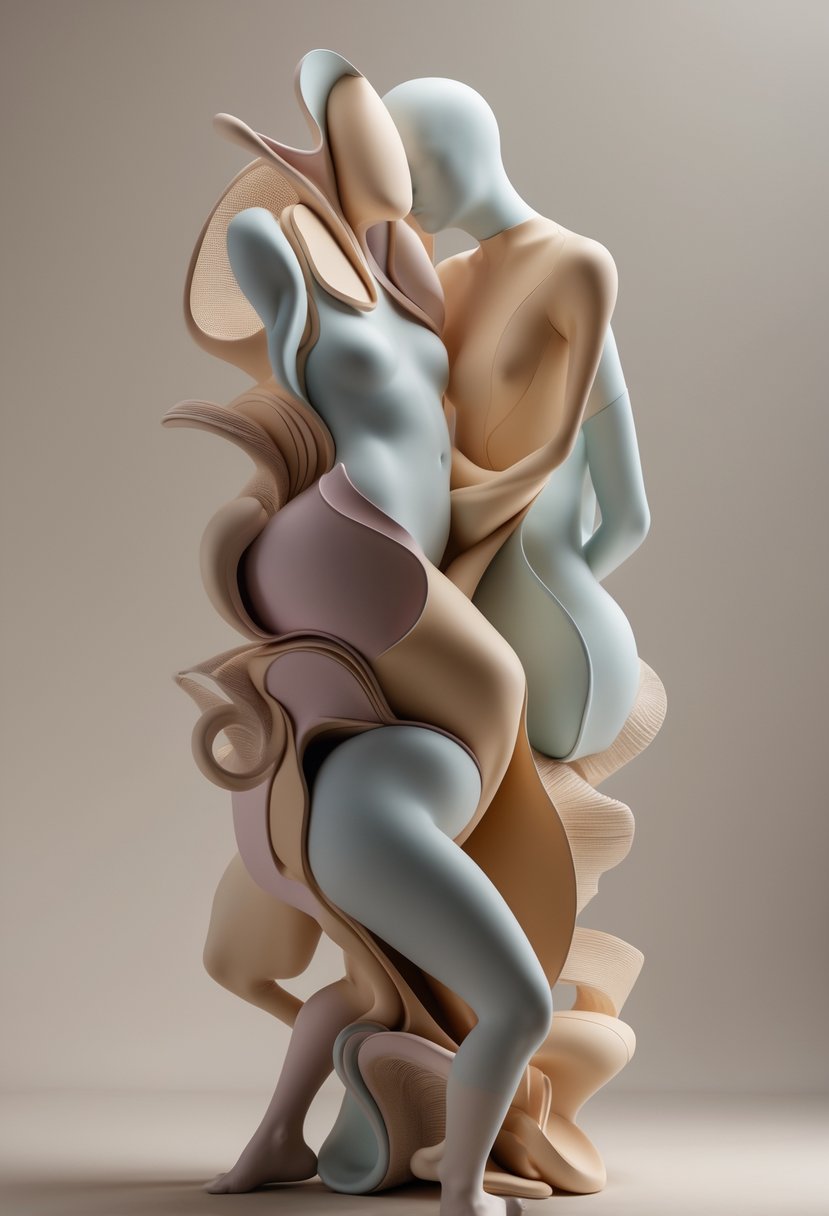
Artists often use the human body in surrealist art to explore identity and perception.
Abstract figures may appear stretched, fragmented, or blended with dreamlike landscapes.
These works invite viewers to see the body not as literal form, but as a symbol of thought, memory, and imagination.
Modern Surrealism Collage Art
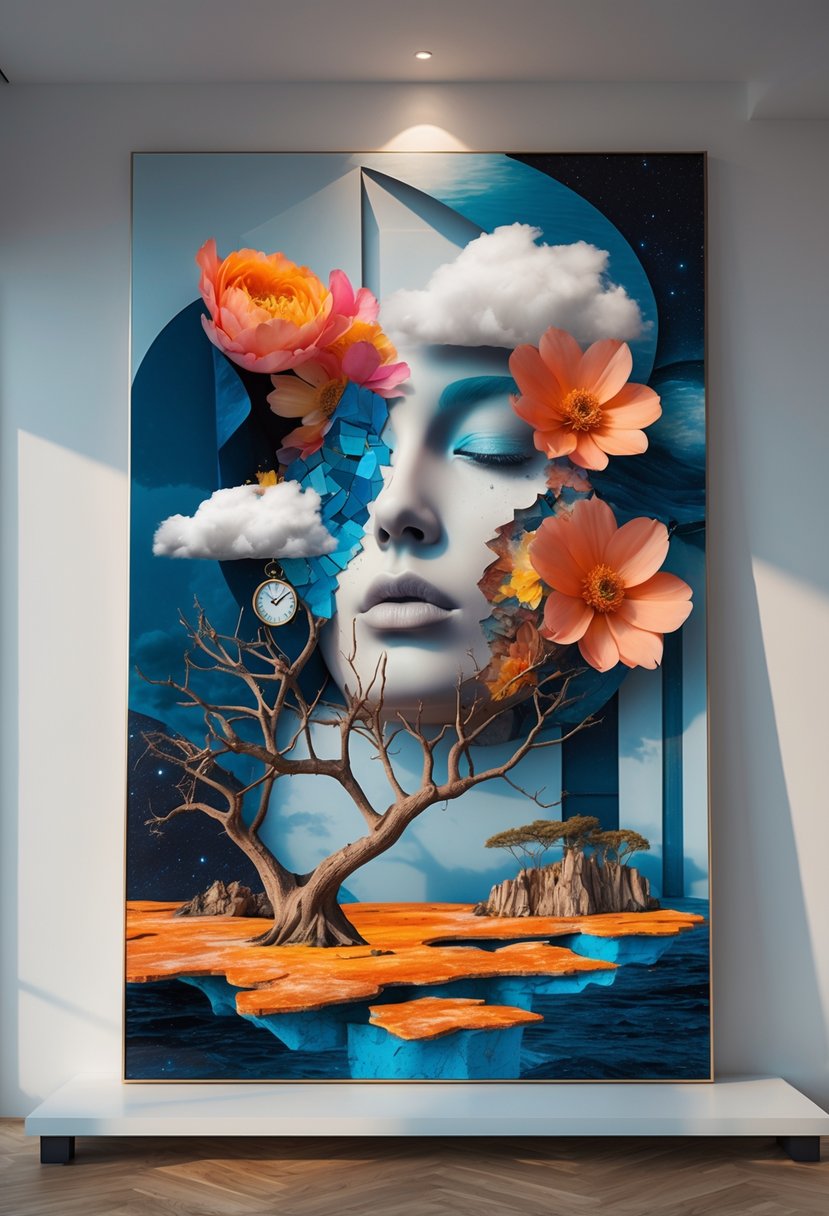
Modern surrealism collage art combines ordinary images in unexpected ways. Artists layer photographs, drawings, or digital elements to create new scenes.
This style often highlights contrasts, such as natural objects placed in unusual settings. The result encourages viewers to see familiar visuals from a different perspective.
Collage techniques allow flexibility. They can range from simple cut-and-paste designs to complex digital compositions.
Defining Modern Surrealism in Wall Art
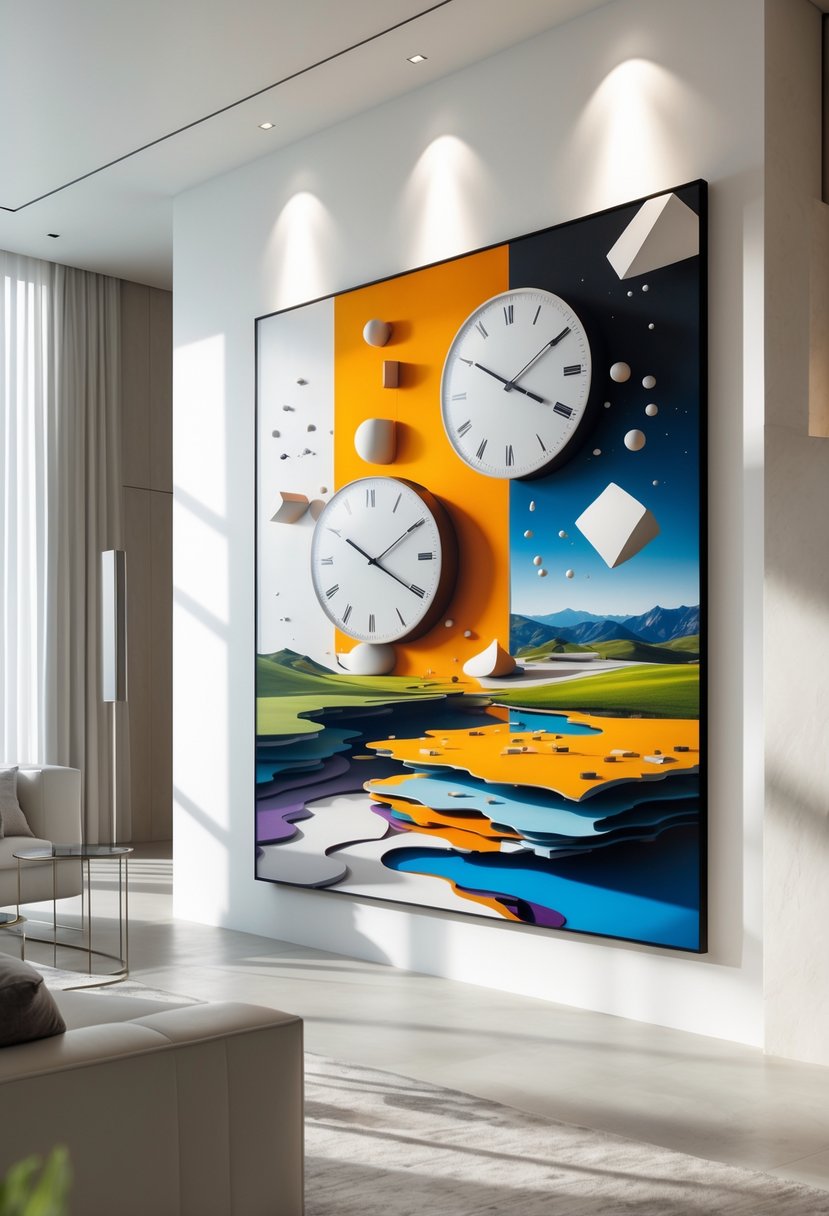
Modern surrealism in wall art combines imaginative imagery with contemporary design. It often blends dreamlike visuals with recognizable objects, creating a balance between the familiar and the unexpected. This style draws from past artistic movements while adapting to current tastes and interior design trends.
Origins and Influences
Modern surrealism traces its roots to the early 20th-century surrealist movement led by artists such as Salvador Dalí and René Magritte. These artists used painting, photography, and sculpture to explore the unconscious mind and challenge traditional views of reality.
Today’s version adapts those ideas for modern spaces. Instead of oil on canvas, artists often use digital tools, photography, and mixed media. This allows for sharper visuals, layered textures, and large-scale prints suited for interior walls.
The influence of psychology, particularly the work of Sigmund Freud and Carl Jung, remains strong. Themes of dreams, symbolism, and hidden meaning are central. At the same time, modern surrealism also reflects digital culture, with imagery that blends virtual and physical worlds.
By combining historical roots with new technology, modern surrealism creates artwork that feels both timeless and current. It bridges classic artistic experimentation with the needs of contemporary interior design.
Key Elements and Visual Motifs
Modern surrealist wall art often relies on contrast and juxtaposition. Common techniques include placing everyday objects in unusual settings or distorting scale and proportion. For example, a small object may appear oversized against a vast background.
Frequent motifs include:
- Dreamscapes such as floating islands or fragmented landscapes
- Hybrid forms that merge humans, animals, or machines
- Unexpected pairings like natural elements in urban settings
- Symbolic objects such as clocks, mirrors, or staircases
Color plays a key role as well. Some works use muted tones to create a quiet, surreal mood, while others use bold, contrasting colors for a striking effect.
Texture and layering are also important. Digital collages, photo manipulations, and abstract overlays give depth and dimension, making the artwork more immersive. These elements allow surrealist wall art to function as both decoration and conversation piece.
Color Theory and Composition in Surrealist Statement Pieces
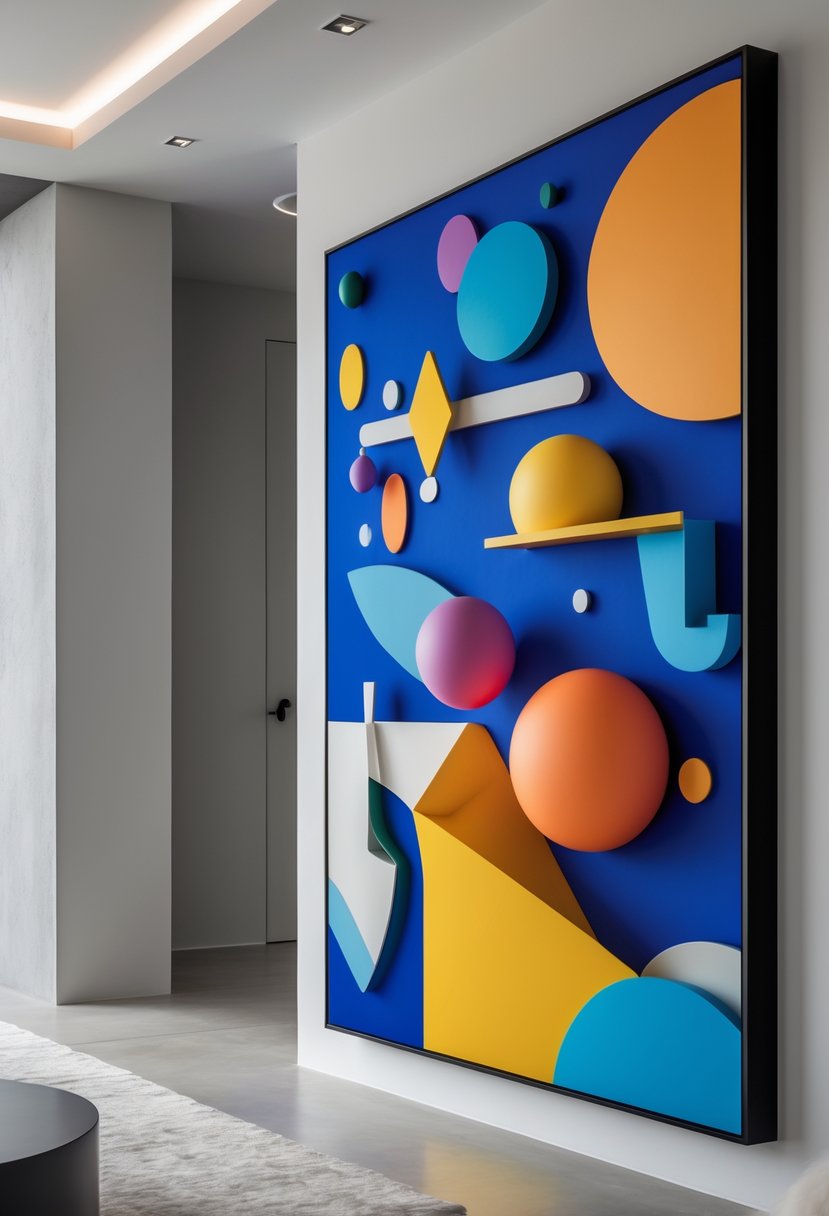
Modern surrealist wall art often relies on color and composition to create a sense of tension between the familiar and the unexpected. Artists use deliberate contrasts, unusual palettes, and structured layouts to make pieces that feel both dreamlike and grounded in design principles.
Balancing Boldness and Subtlety
Surrealist statement art often combines vivid tones with muted shades to avoid overwhelming the viewer. A bold red, for example, may sit against a soft gray or beige background, allowing the eye to rest while still drawing attention to the focal point.
This balance helps the artwork feel intentional rather than chaotic. Too many intense colors can distract, while too much neutrality can reduce impact. Successful surrealist pieces often pair 2–3 dominant colors with supporting neutral tones.
Artists also use subtle gradients or layered textures to soften strong contrasts. A surreal botanical print may include bright greens and blues, but the addition of faded shadows or earthy undertones creates harmony. This approach makes the artwork versatile for different interiors, from minimalist rooms to eclectic spaces.
Creating Visual Impact in Contemporary Spaces
Composition plays a key role in how surrealist wall art interacts with a room. Many pieces use asymmetry, unusual perspective, or off-center focal points to create intrigue. This breaks from traditional balance but still guides the viewer’s eye across the artwork.
In modern interiors, these compositions can serve as visual anchors. A large surrealist print above a sofa, for example, can shift the room’s energy by pulling focus upward and outward.
Designers often recommend pairing surrealist art with simple furniture and clean lines. This prevents visual competition and allows the artwork to stand out. Strategic placement—such as centering a bold piece on a plain wall—ensures the surreal elements enhance the space without clutter.
By combining unusual layouts with deliberate color choices, surrealist statement art transforms walls into focal points that feel both imaginative and carefully designed.
Explore these statement-making wall decor ideas from The Spruce.


